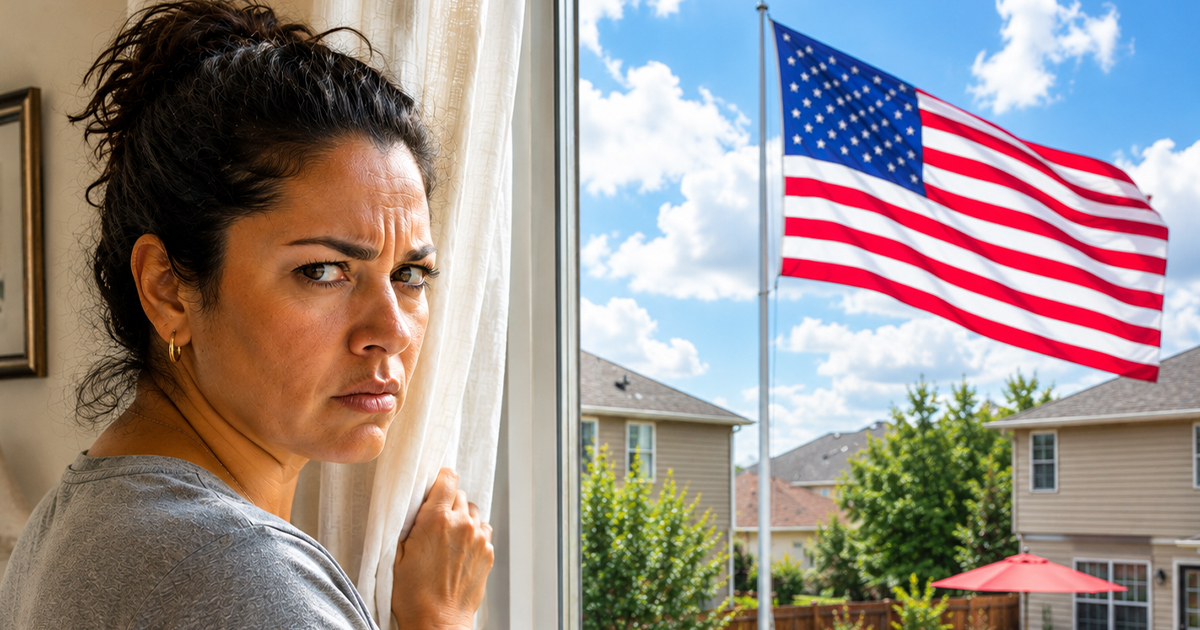
The Giant Flag That Changed The Whole Neighborhood
You wake up one morning, open the curtains, and discover your neighbor has installed an enormous flagpole. The flag blocks part of your view, slaps loudly in the wind all day, and seems impossible to ignore. Can they really do that?
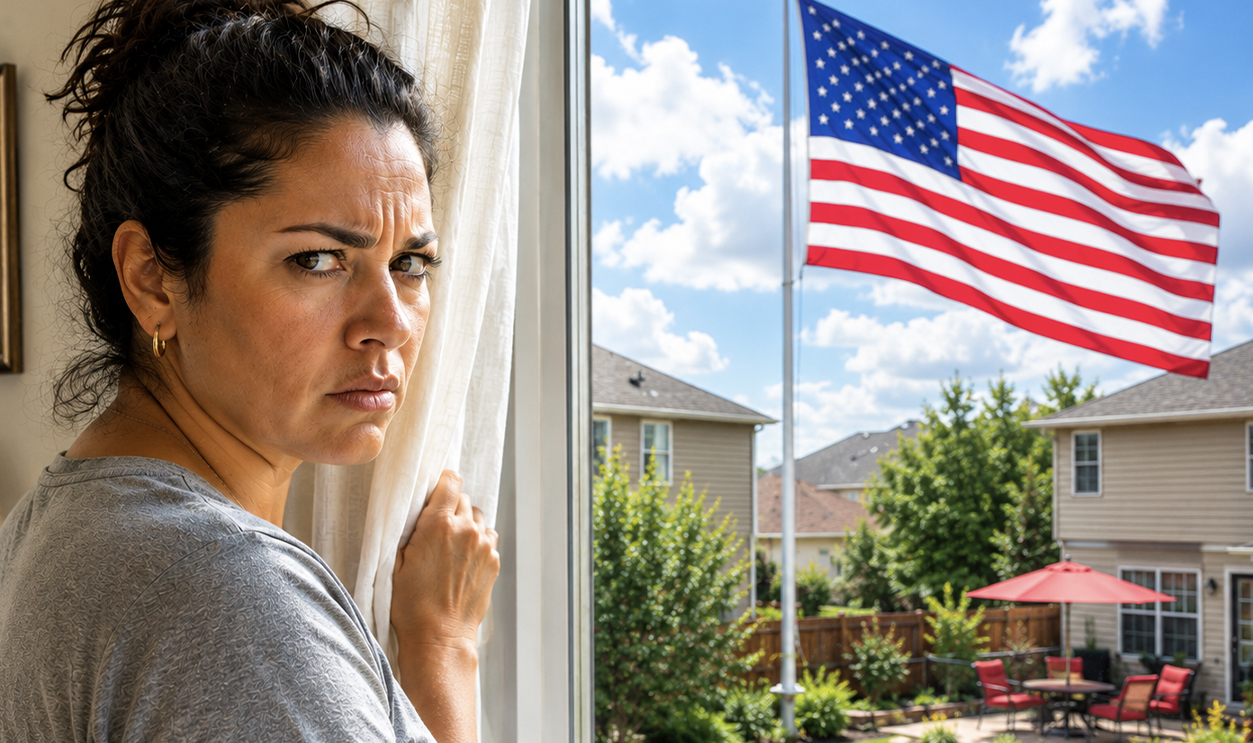
It Feels Personal
If you've already been dealing with a difficult neighbor, a giant flag can feel like the latest move in an ongoing feud. Whether that was their intention or not, it's easy to see why tensions rise quickly.
So, Can You Force Them To Move It?
Usually, no. In many cases, homeowners are allowed to display flags on their own property, provided they comply with local laws, zoning rules, and HOA regulations.
Property Owners Have Broad Rights
People generally have considerable freedom to use and decorate their own property. That often includes installing a flagpole and displaying a flag.

Size Can Matter
Some cities regulate the height of flagpoles or limit the size of structures in residential neighborhoods. If the pole exceeds local limits, officials may become involved.
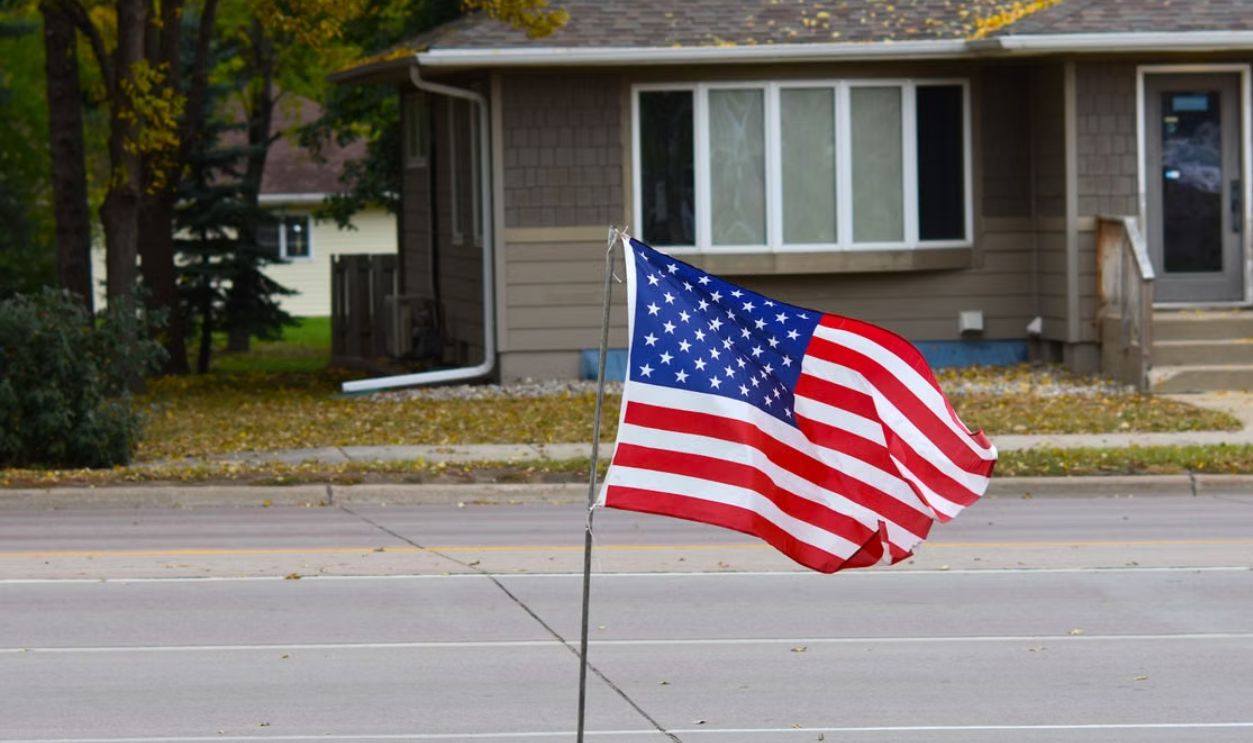
HOAs Often Have Different Rules
Many homeowners associations have specific guidelines covering flagpoles, landscaping, and exterior changes. Some allow flags but restrict their size, placement, or number.

Federal Law Doesn't Override Everything
The Freedom to Display the American Flag Act protects many homeowners' rights to display the U.S. flag. However, it doesn't eliminate every reasonable neighborhood restriction.

Other Flags Can Raise Different Questions
Political flags, sports flags, decorative flags, and novelty flags may be treated differently under HOA rules or local regulations than national flags.

Blocking Your View Usually Isn't Enough
Unfortunately, homeowners generally don't have a legal right to preserve a particular view unless specific easements or agreements exist.

The Noise Can Become The Bigger Issue
Many people complain less about the flag itself and more about the constant flapping. During windy weather, a large flag can create surprising amounts of noise.

Can Noise Become A Nuisance?
Possibly. If the noise becomes excessive or continuous, local nuisance ordinances could potentially apply, although every community defines nuisance differently.

Document What You're Experiencing
Keep notes about when the noise occurs and how often it affects you. Videos and sound recordings may also help if you later need to report the problem.

Talk To Your Neighbor First
It isn't always easy, especially if there's already bad blood. Still, a calm conversation sometimes solves problems much faster than filing complaints.

Sometimes Small Changes Help
Moving the pole a few feet, lowering it slightly, or using quieter hardware may reduce the problem without requiring the flag to come down.
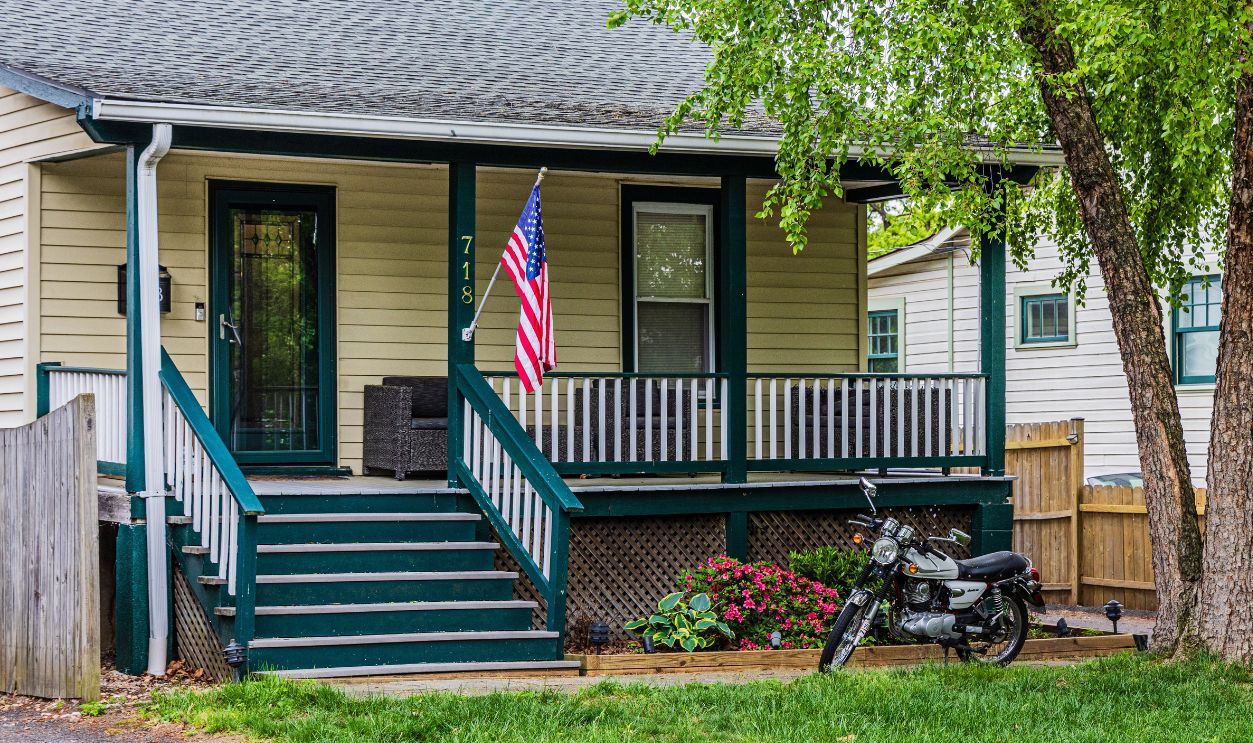
The Hardware Matters
Loose ropes, clips, and pulleys often create much of the noise people hear. Simple maintenance can sometimes make a surprisingly large difference.

Local Code Enforcement May Help
If you believe the installation violates height restrictions, setback requirements, or permit rules, your local code enforcement office can investigate.

Permits May Be Required
Some municipalities require permits for taller residential flagpoles. Others regulate how close they can be installed to property lines.
Police Usually Won't Handle It
Unless another law has been broken, police often consider disputes over flags to be civil matters rather than criminal ones.

Mediation Can Be A Better Option
Neighborhood mediation programs help many people resolve ongoing disputes without spending thousands of dollars on legal fees.

Don't Escalate The Situation
Putting up an even bigger flag or another attention-grabbing display usually makes neighborhood conflicts much worse instead of better.

Free Speech Can Enter The Picture
Flags often involve protected forms of expression. That means governments and HOAs generally need valid reasons before restricting certain displays.

Every State Has Different Rules
State laws governing property rights, nuisance claims, and homeowners associations vary. What works in one state may not apply somewhere else.
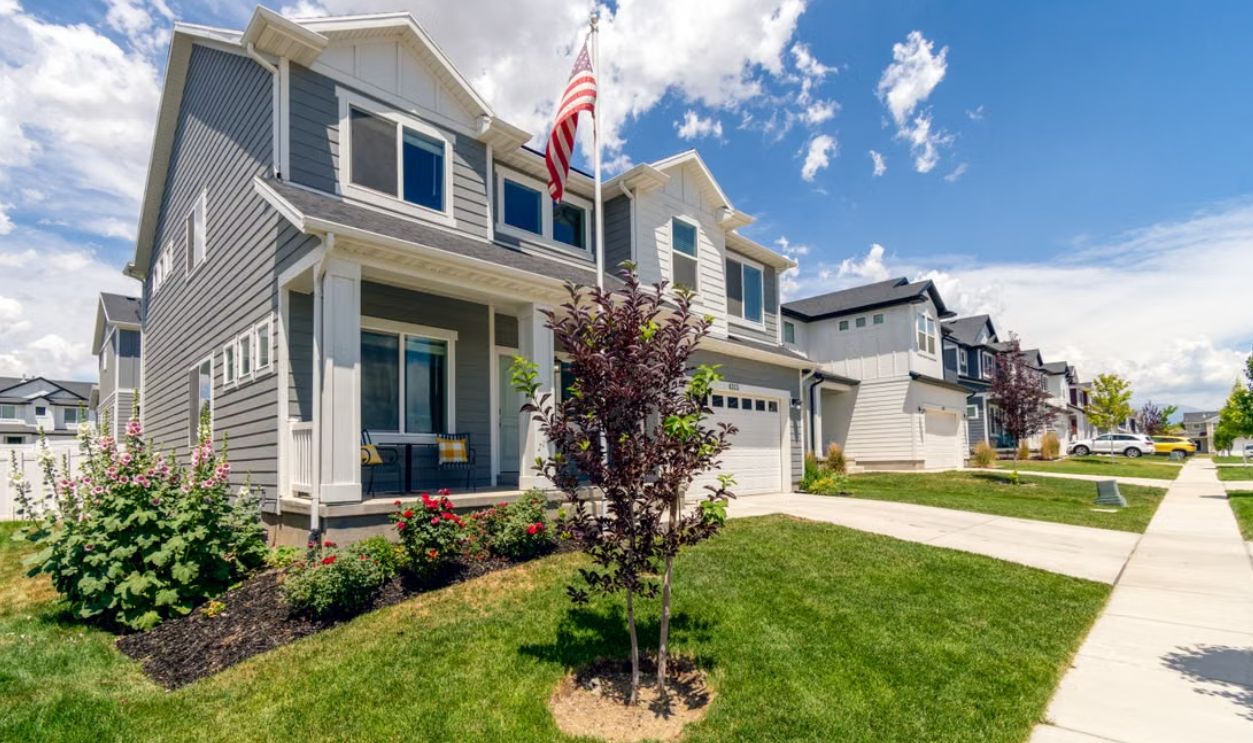
Keep Your Expectations Realistic
Even if the flag annoys you every day, that doesn't necessarily mean anyone has the authority to order it removed.

If The Flag Is Unsafe, That's Different
A leaning flagpole, damaged foundation, or unstable installation may create legitimate safety concerns. Those situations deserve immediate attention.
The Biggest Mistake Neighbors Make
Many people assume anything they dislike on a neighboring property must violate a rule. Quite often, it's perfectly legal—even if it's incredibly irritating.

What If The HOA Approves It?
If your HOA has already approved the installation, your options may become more limited. However, you can still review whether the approval followed the association's governing documents.

So, Can You Make Them Move It?
Sometimes, but only if the flagpole violates local ordinances, HOA rules, permit requirements, or creates a legally recognized nuisance. Simply blocking your view or bothering you usually isn't enough.

The Reality Behind Most Flag Disputes
The biggest fights between neighbors are rarely about the flag itself. They're usually about communication, compromise, and two people who stopped getting along long before the pole ever went up.

You May Also Like:
My rude neighbor trimmed his bushes in offensive shapes so that I see them when I look out my window. Can I report this to someone?
We just moved into a new house and found someone's military medals hidden in a crawl space. Can we legally keep them?