The Cave That Preserved a Lost Neanderthal Family
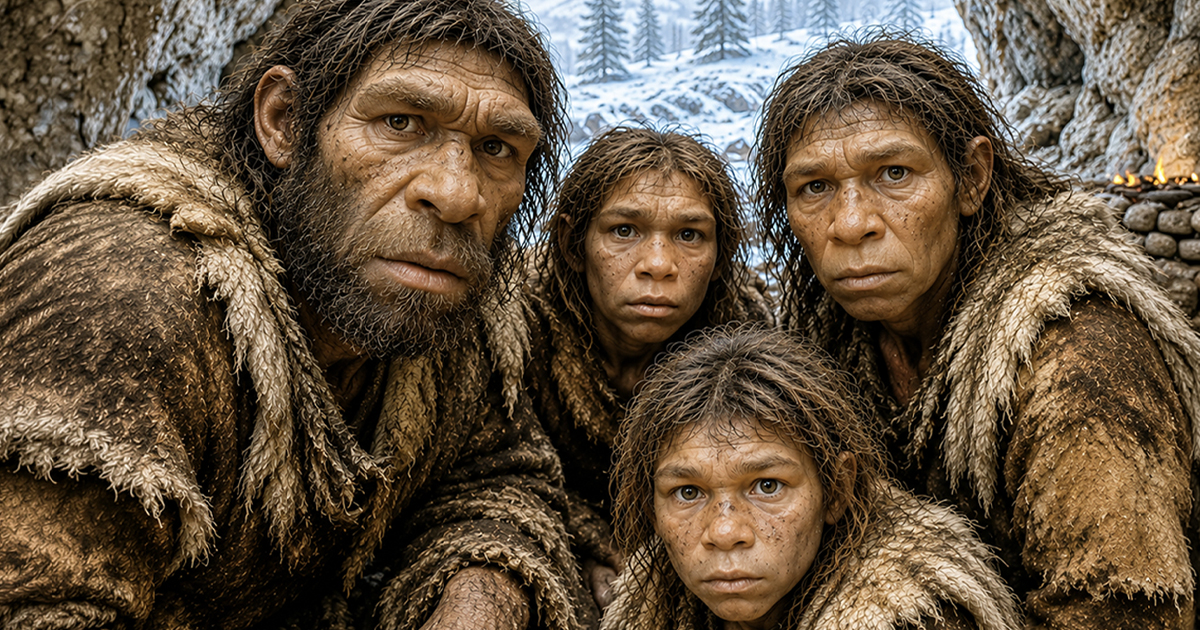
Deep inside a remote Siberian cave, scientists extracted DNA from bones that had been buried for more than 50,000 years. What they discovered was astonishing: evidence of a tiny Neanderthal community that lived in remarkable isolation. But the deeper researchers looked into the DNA, the more personal the story became.
A Discovery Hidden in the Mountains
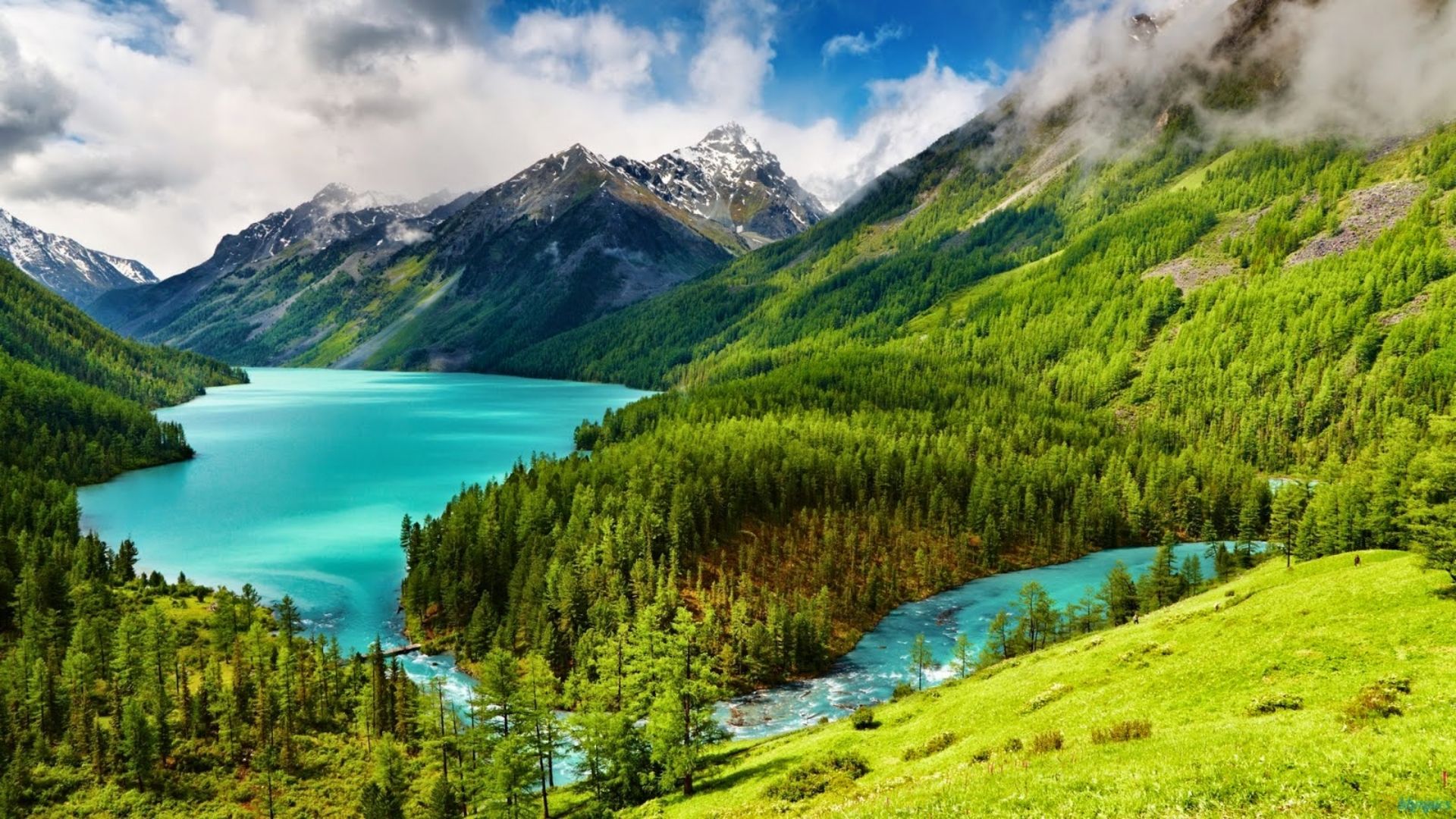
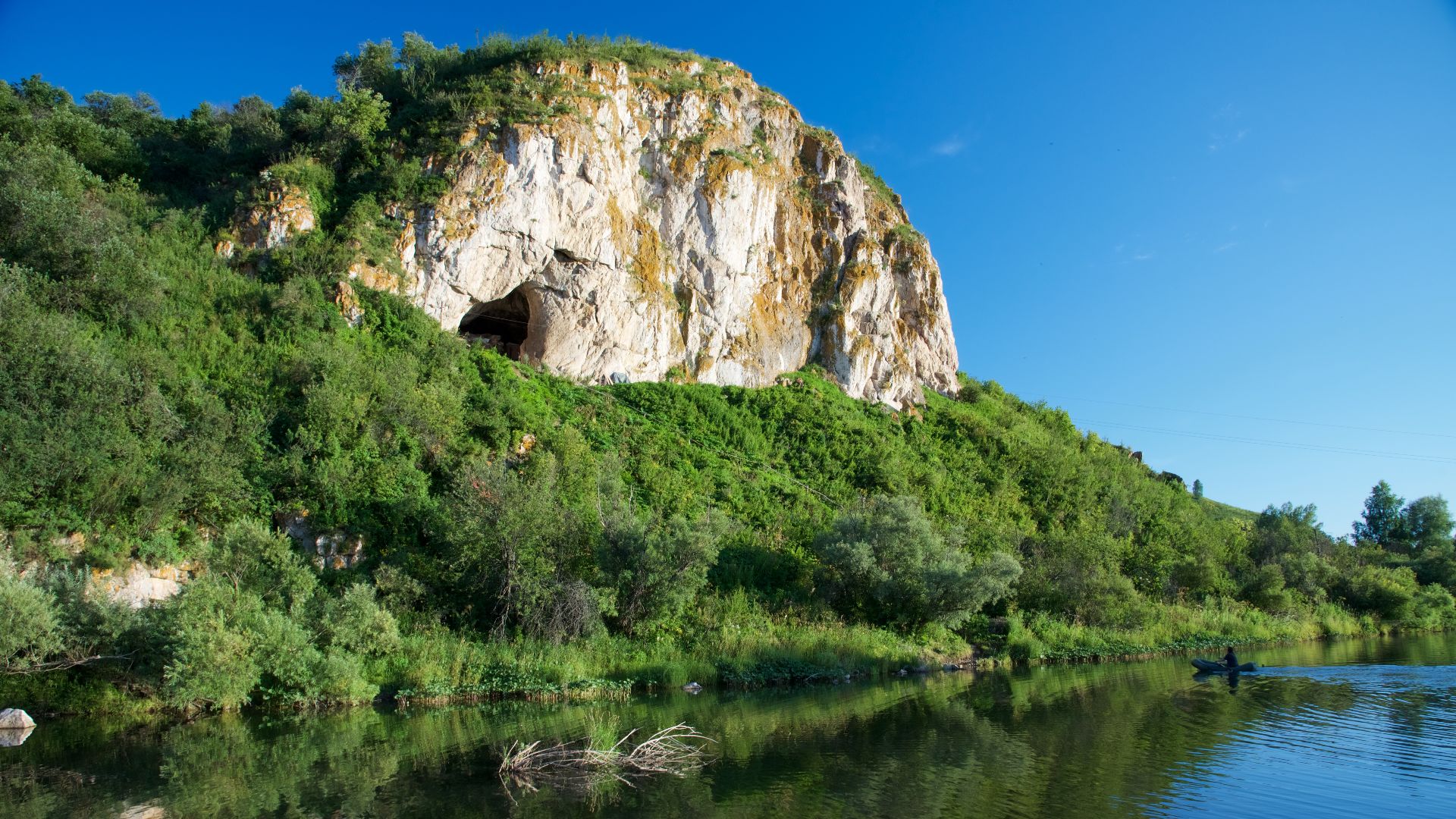
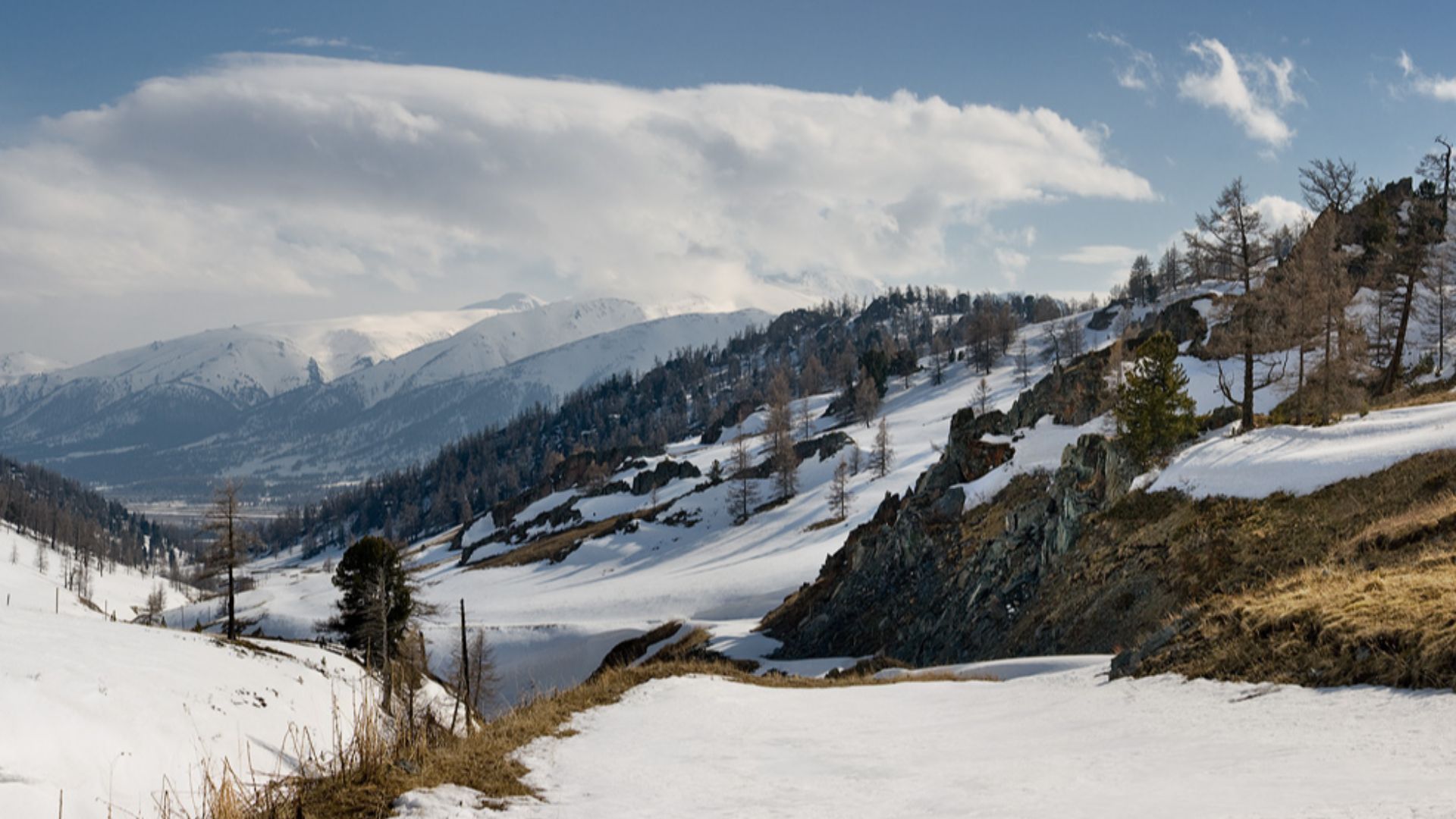
The story begins in the rugged Altai Mountains of southern Siberia, Russia. For decades, archaeologists excavated caves throughout the region, hoping to learn more about the mysterious Neanderthals who once survived in one of the harshest environments on Earth.
 Imranmlk623, Wikimedia Commons
Two Caves Held the Secret
The most important clues came from Chagyrskaya Cave and nearby Okladnikov Cave. Both sites contained stone tools, animal remains, and fragments of Neanderthal bones dating to roughly 54,000 years ago, during the height of the Ice Age.
Archaeologists Had No Idea What Was Coming
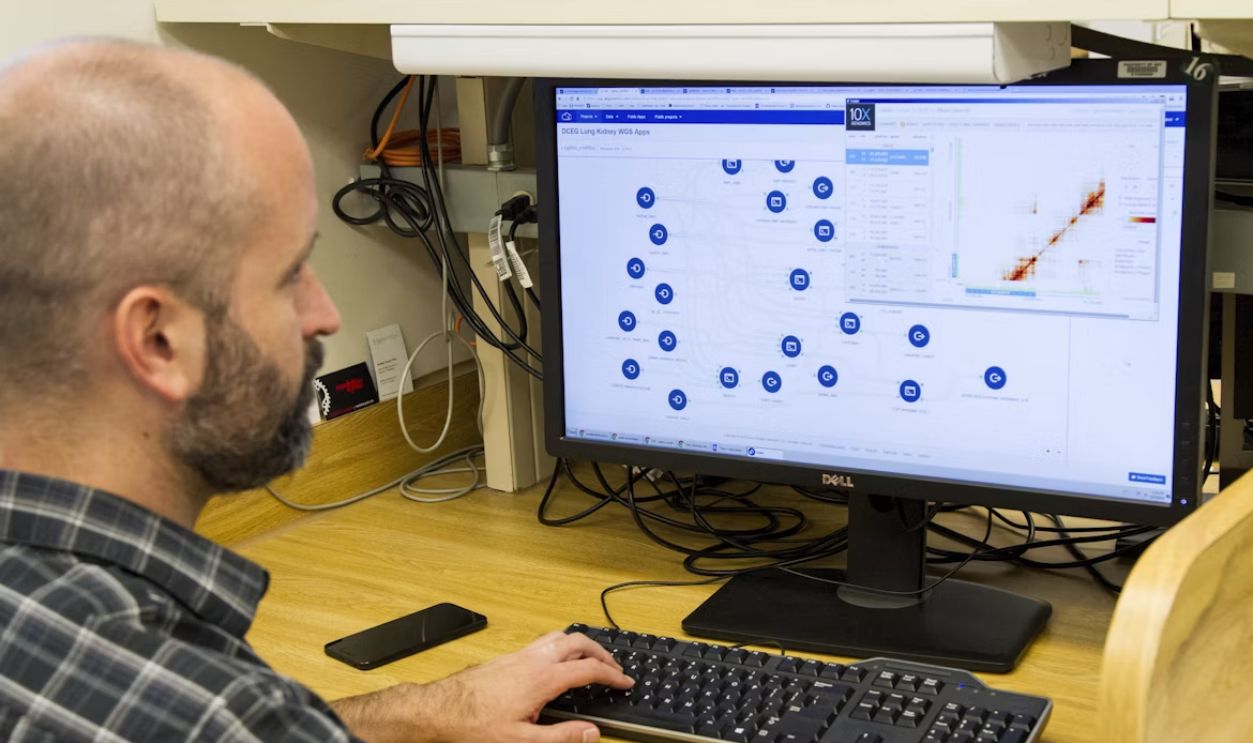
Researchers expected to learn about Neanderthal hunting and daily life. Instead, advances in ancient DNA technology allowed them to examine the genetic material hidden inside the bones themselves, opening a completely new window into the past.
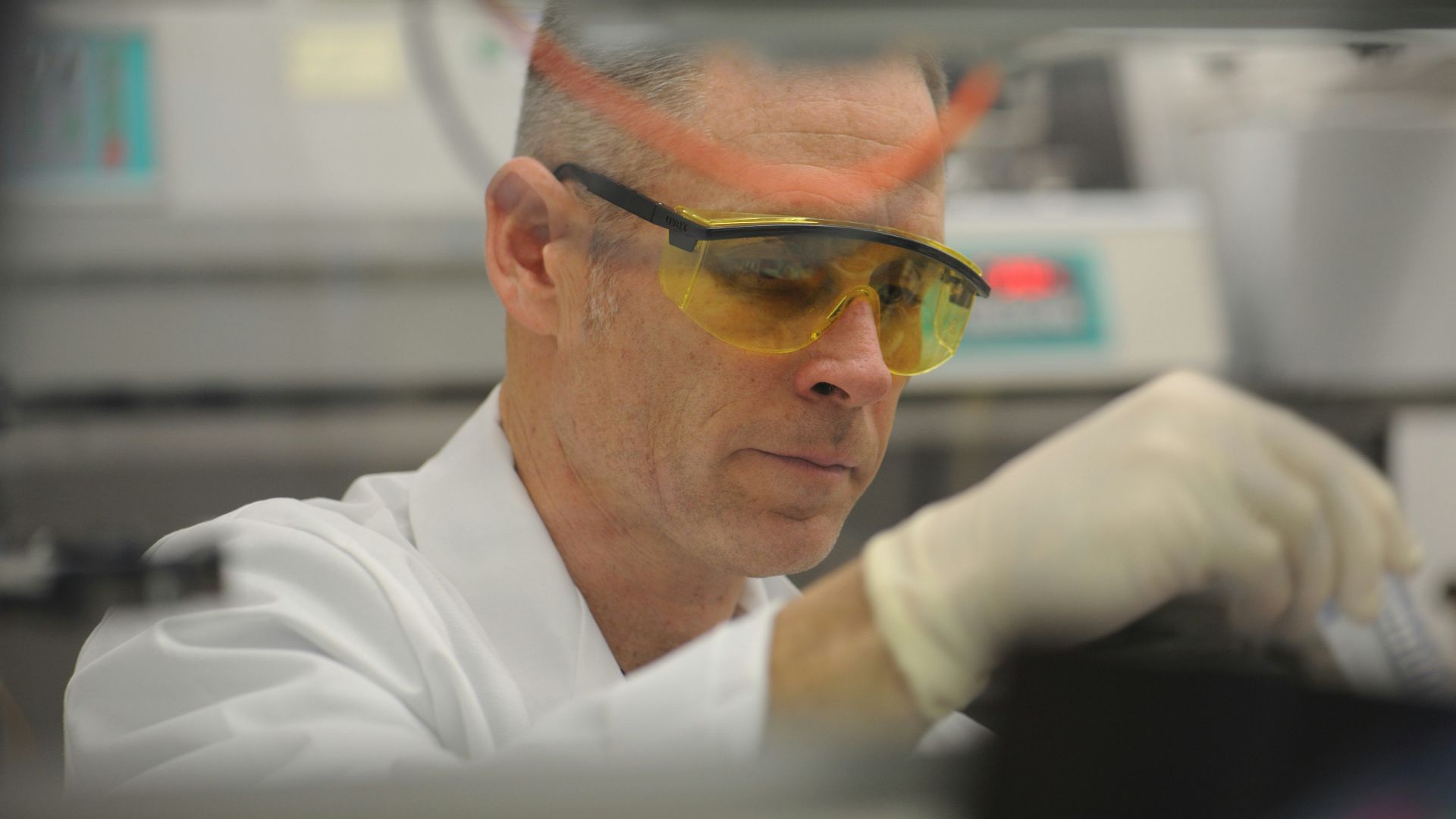 National Institute of Allergy and Infectious Diseases, Unsplash
DNA Survived Against Incredible Odds
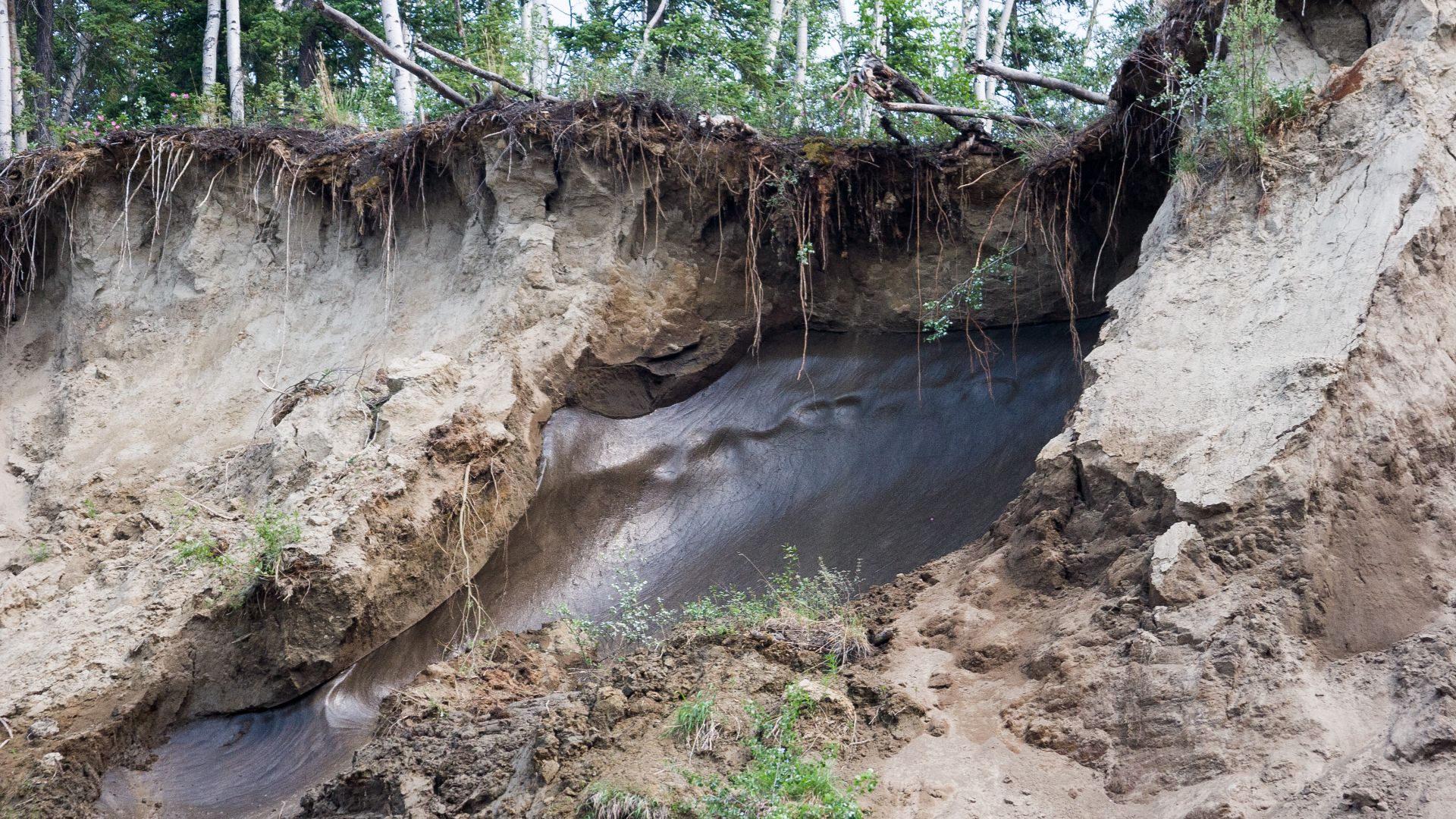
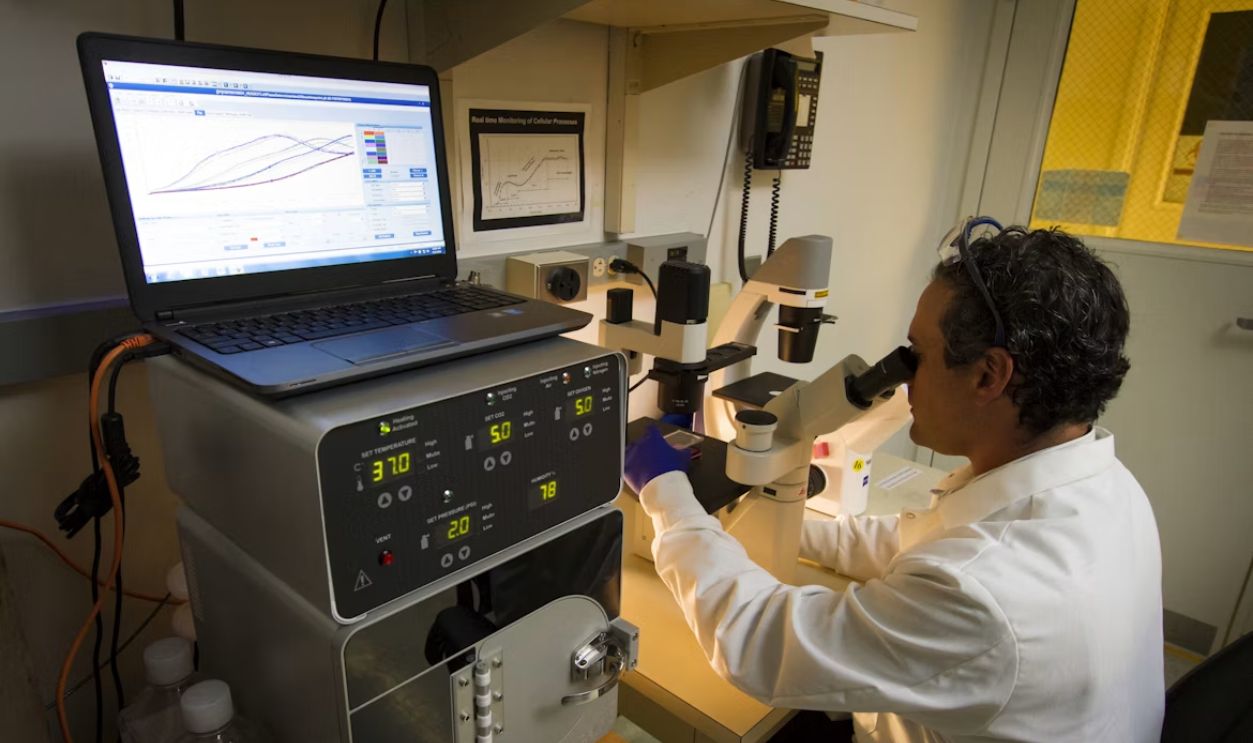
DNA normally breaks down over time, but the cold conditions inside the Siberian caves helped preserve tiny genetic fragments. Those fragments remained hidden for tens of thousands of years before scientists finally recovered them in modern laboratories.
A Groundbreaking Study
In October 2022, an international team of scientists published their findings in the journal Nature. Researchers from the Max Planck Institute for Evolutionary Anthropology and several other institutions analyzed DNA from 13 Neanderthal individuals.

One of the Largest Neanderthal DNA Projects Ever
The study became one of the most detailed genetic investigations ever conducted on a single Neanderthal community. For the first time, researchers could begin reconstructing actual relationships between individuals who had lived together during the Ice Age.
Researchers Started Connecting the Dots
Ancient DNA studies often reveal family relationships, but scientists did not expect to uncover connections this close. As the genetic evidence accumulated, a remarkably detailed picture of the community slowly emerged.
 National Cancer Institute, Unsplash
Then a Family Appeared
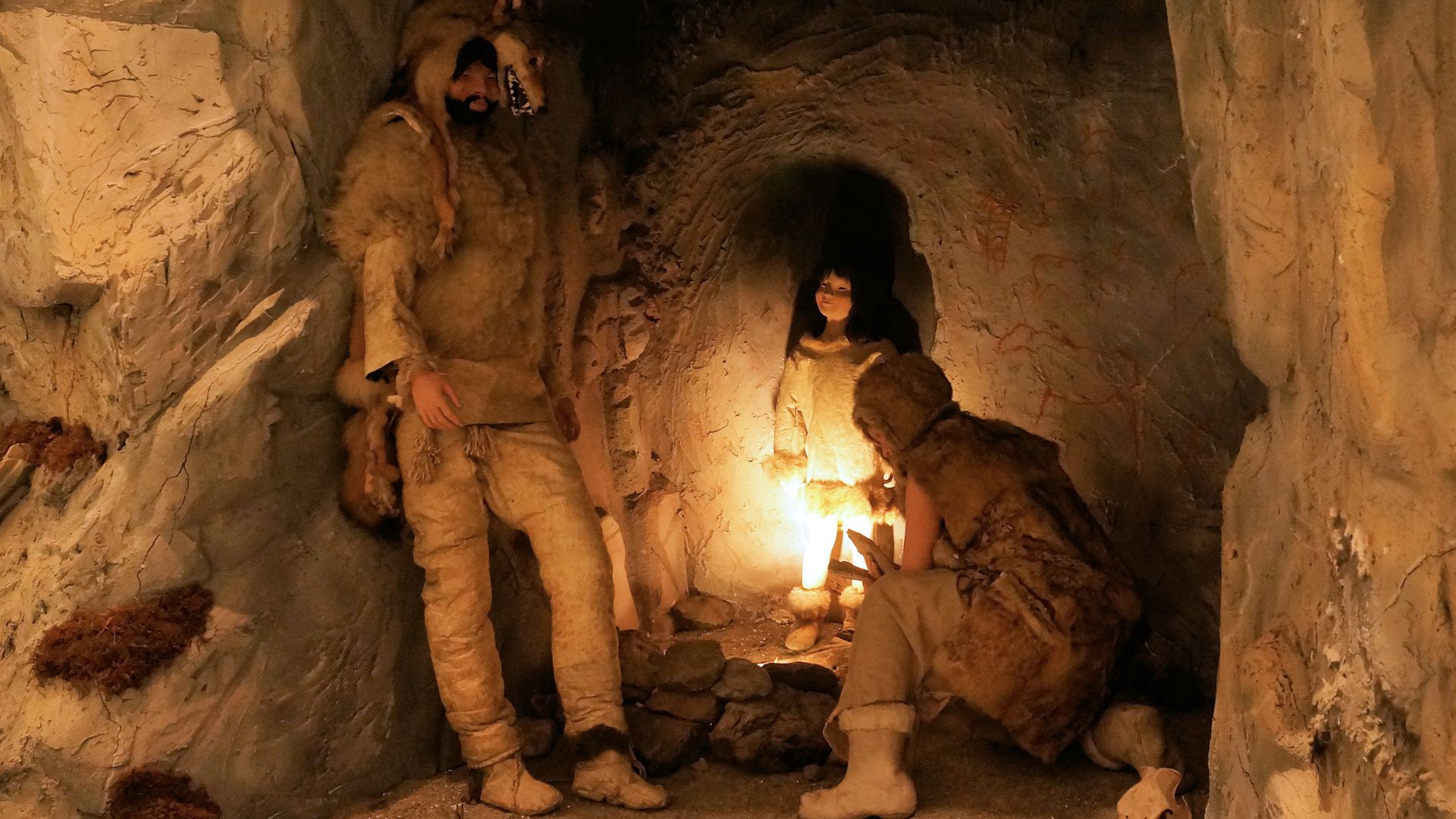
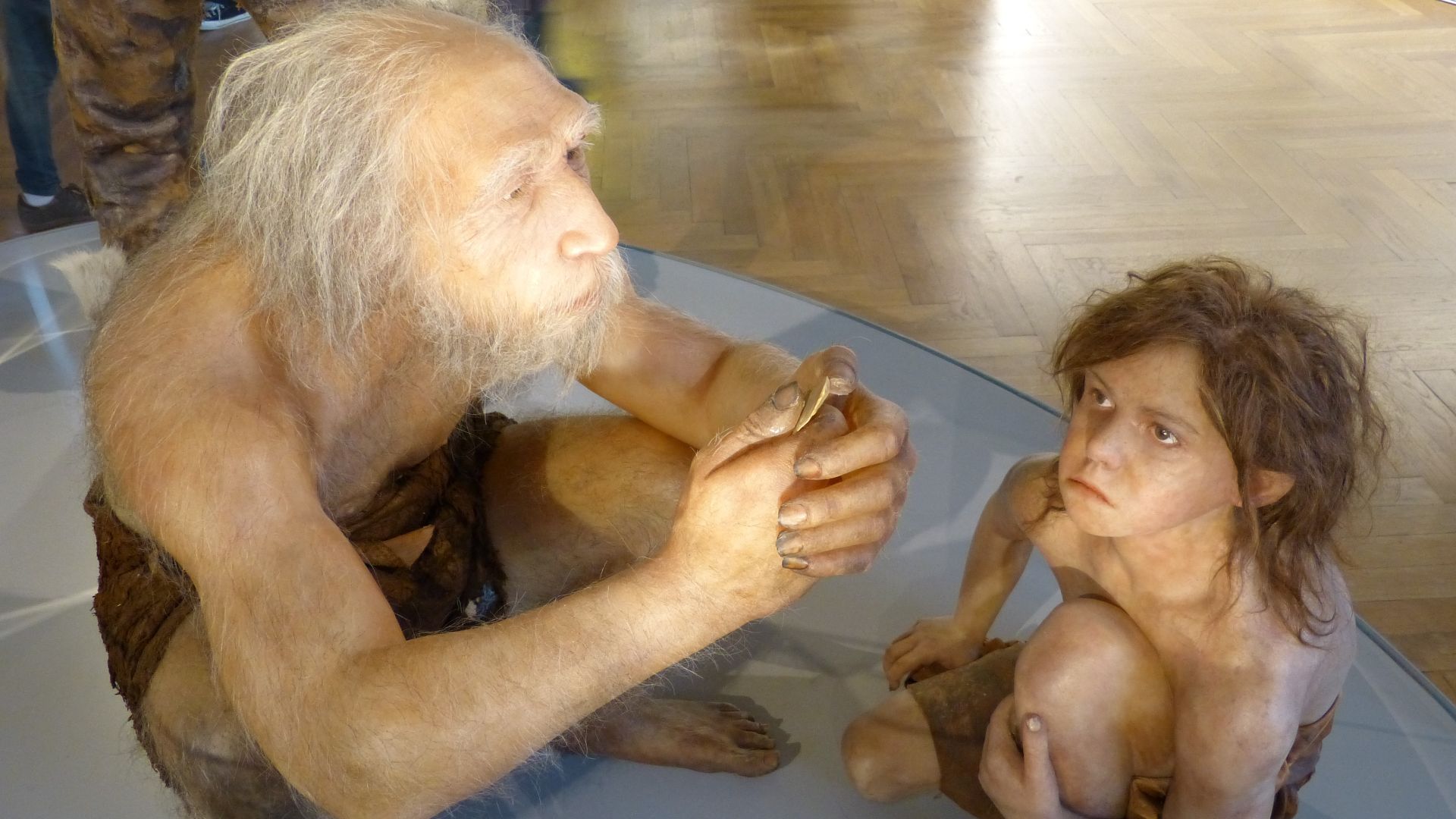
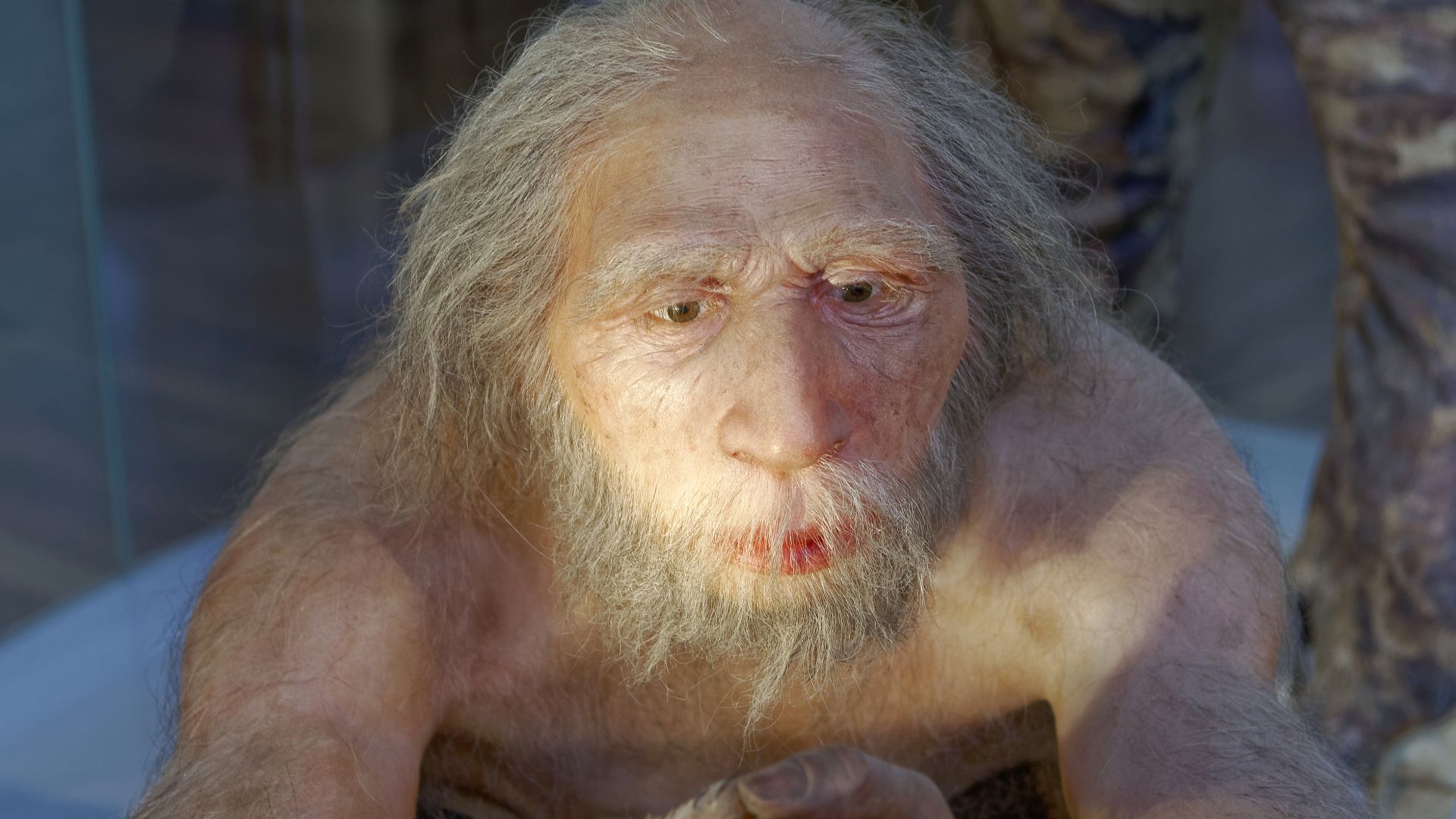
Among the remains, researchers identified one of the first direct family relationships ever discovered among Neanderthals. DNA revealed that one adult male and one teenage girl found in the cave were actually father and daughter.
 Wolfgang Sauber, Wikimedia Commons
Suddenly the Bones Became People
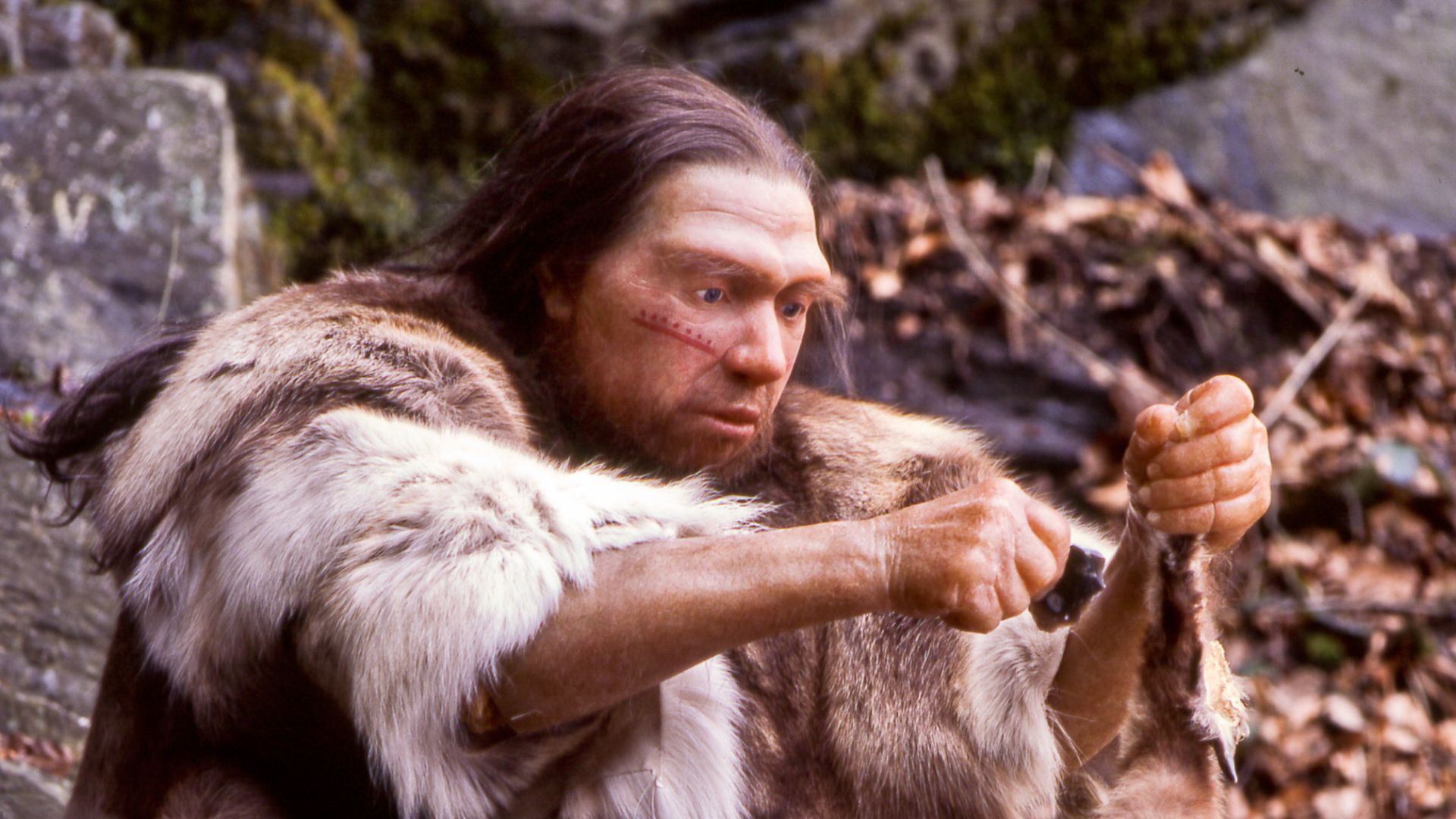
For decades, the skeletons were simply cataloged as archaeological remains. Now researchers could see an actual family connection. A father and his daughter had lived, hunted, and survived together in Siberia more than 50,000 years ago.
 Neanderthal-Museum, Mettmann, Wikimedia Commons
“The First Time”
Geneticist Benjamin Peter of the Max Planck Institute described the discovery as extraordinary. Researchers explained that it was essentially the first time scientists could confidently identify a specific father-daughter relationship among Neanderthals.
 National Cancer Institute, Unsplash
There Were More Relatives Too
The surprises did not stop there. DNA evidence suggested several other individuals in the caves were related as cousins, aunts, uncles, and other close family members, providing a rare glimpse into an ancient social network.

Then the Mystery Deepened
As scientists continued analyzing the DNA, they noticed something unusual. The group's genetic diversity was surprisingly low compared to what researchers typically see in human populations.

A Very Small Community
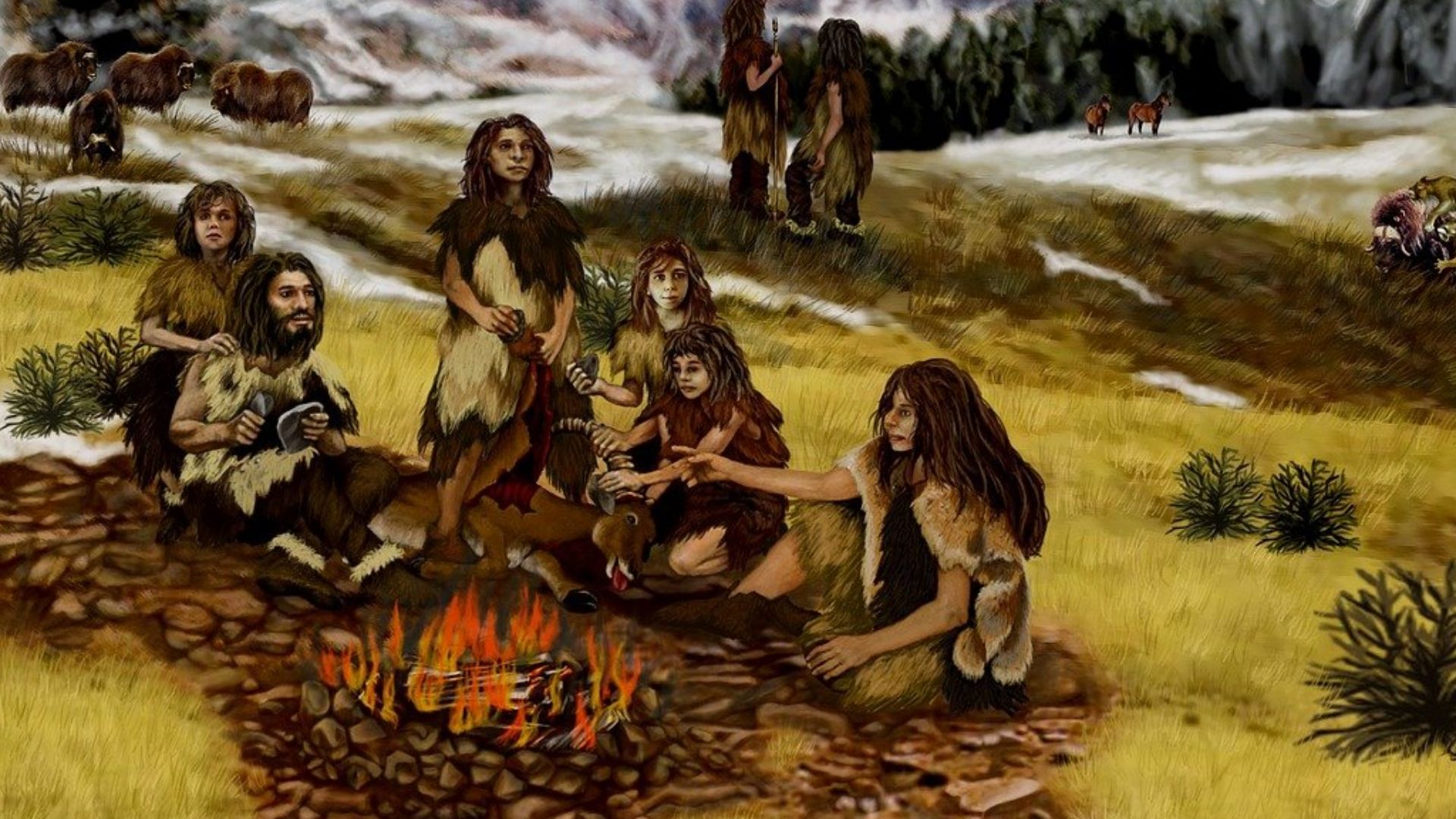
The evidence suggested the Neanderthal community may have consisted of only 10 to 20 individuals at a time. That is smaller than many modern extended families and far smaller than researchers expected.
Living in Isolation
The genetic data indicated these Neanderthals spent long periods relatively isolated from other groups. They were not constantly interacting with large populations spread across Eurasia. Instead, they lived on the edge of the Ice Age world.
 Jakub Halun, Wikimedia Commons
Life Was Not Easy
The Altai Mountains were a difficult place to survive. Long winters, dangerous predators, and limited food sources made daily life challenging. Every member of the community likely played an important role in helping the group endure.
 Dmitry A. Mottl, Wikimedia Commons
The Women Told a Different Story
One discovery stood out immediately. The DNA inherited through female lines showed much more diversity than the DNA inherited through males. That suggested men and women may have had different social roles.
 National Cancer Institute, Unsplash
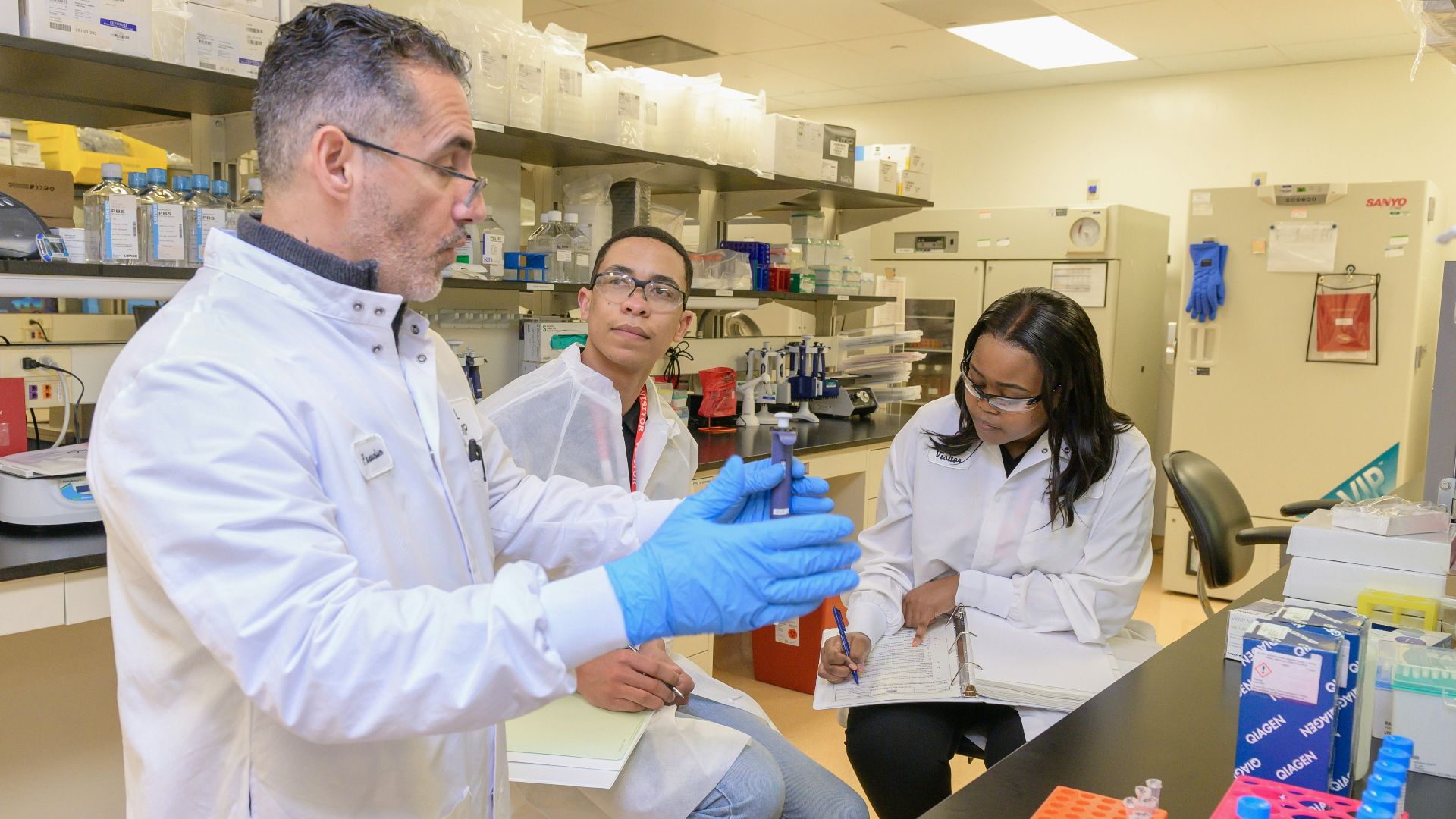
Women May Have Moved Between Groups
Study co-author Laurits Skov explained that 'the women seem to have come from different communities.' Researchers believe females occasionally moved between Neanderthal groups while males often remained where they were born.
 National Institute of Allergy and Infectious Diseases, Unsplash
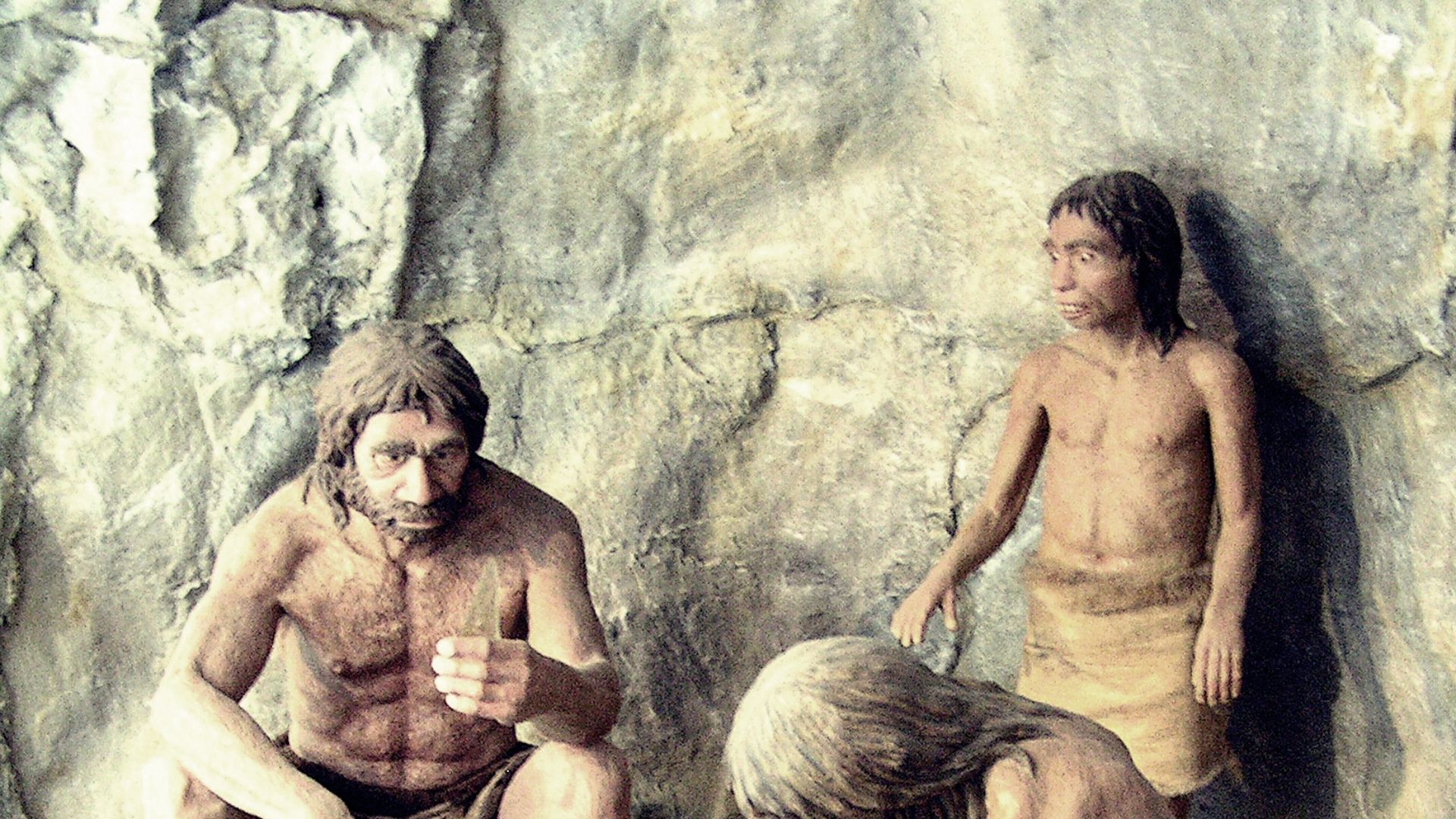
Surprisingly Familiar Behavior
That pattern looks surprisingly similar to social structures seen in many human societies throughout history. Once again, the more scientists learned about Neanderthals, the more human they seemed.
 Jaroslav A. Polak from Brno, Czech Republic, Wikimedia Commons
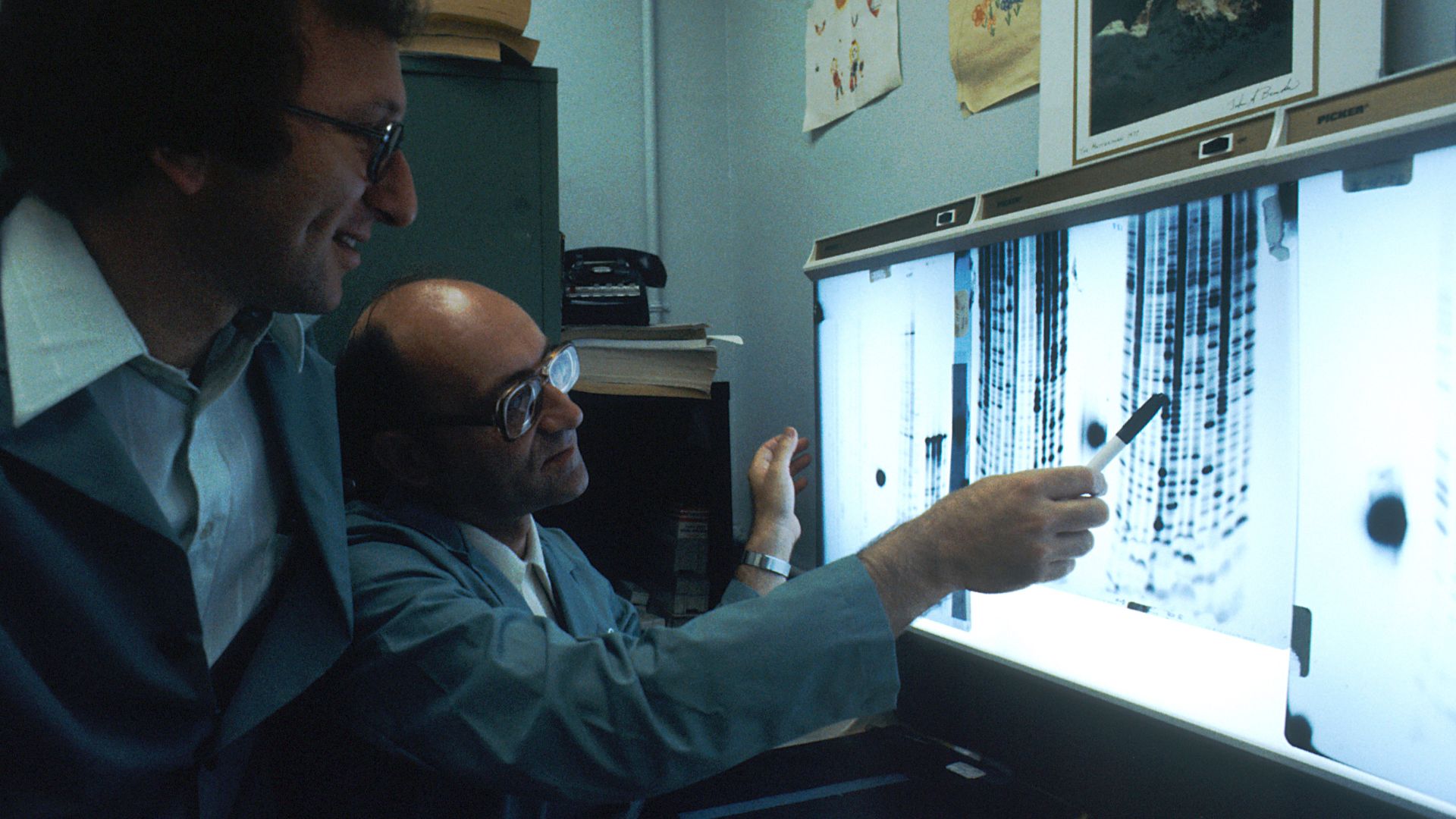
Small Populations Face Big Risks
Living in such a small group came with challenges. Low genetic diversity can make populations more vulnerable to disease, environmental changes, and other threats. Yet these Neanderthals managed to survive for thousands of years.
 Linda Bartlett (Photographer), Wikimedia Commons
Archaeologists Found More Than DNA
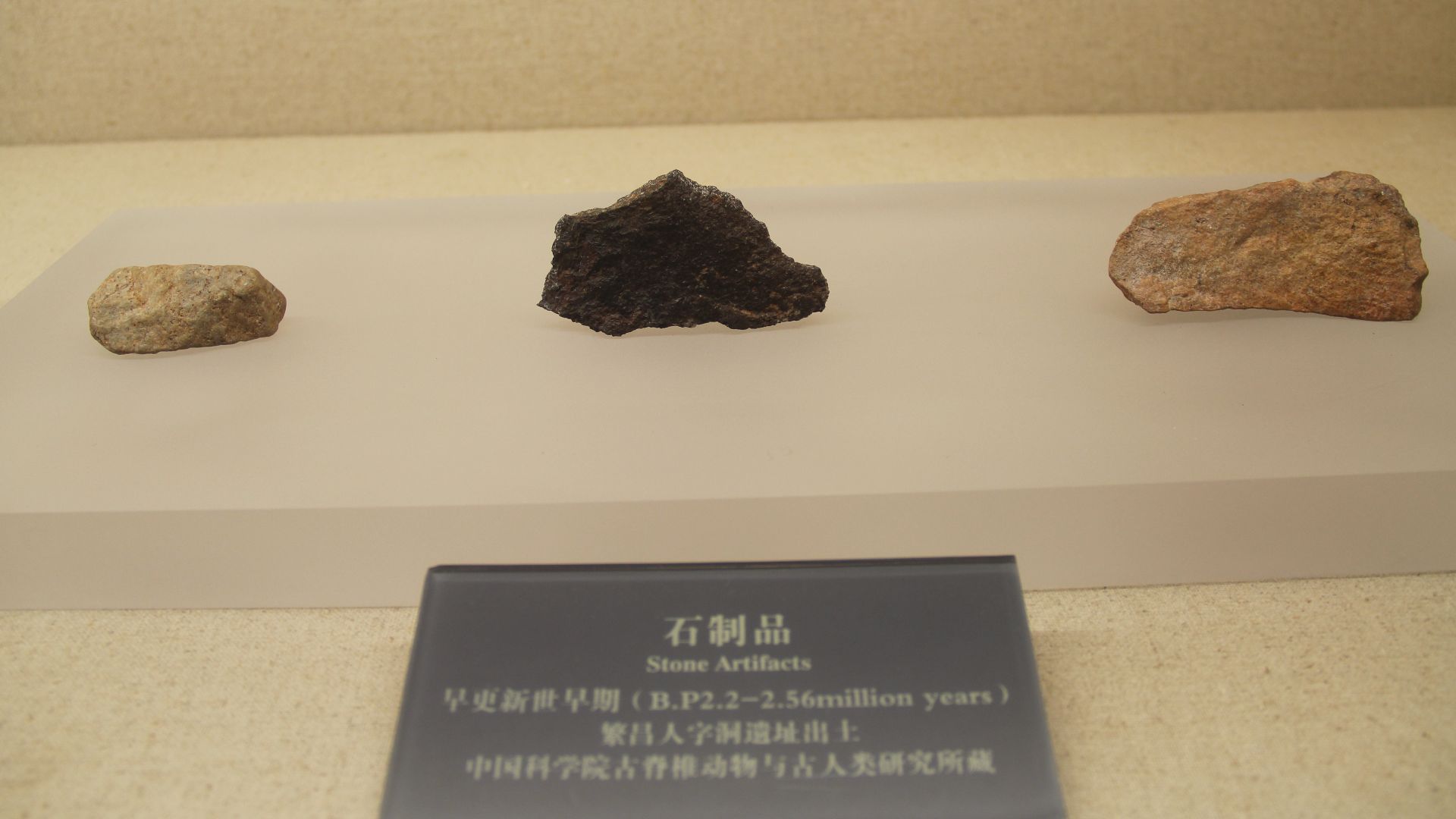
The caves also contained sophisticated stone tools, animal bones, and evidence of daily activities. Together, these discoveries helped researchers reconstruct how the group hunted, worked, and adapted to their harsh environment.
 Gary Todd from Xinzheng, China, Wikimedia Commons
Family May Have Been Essential
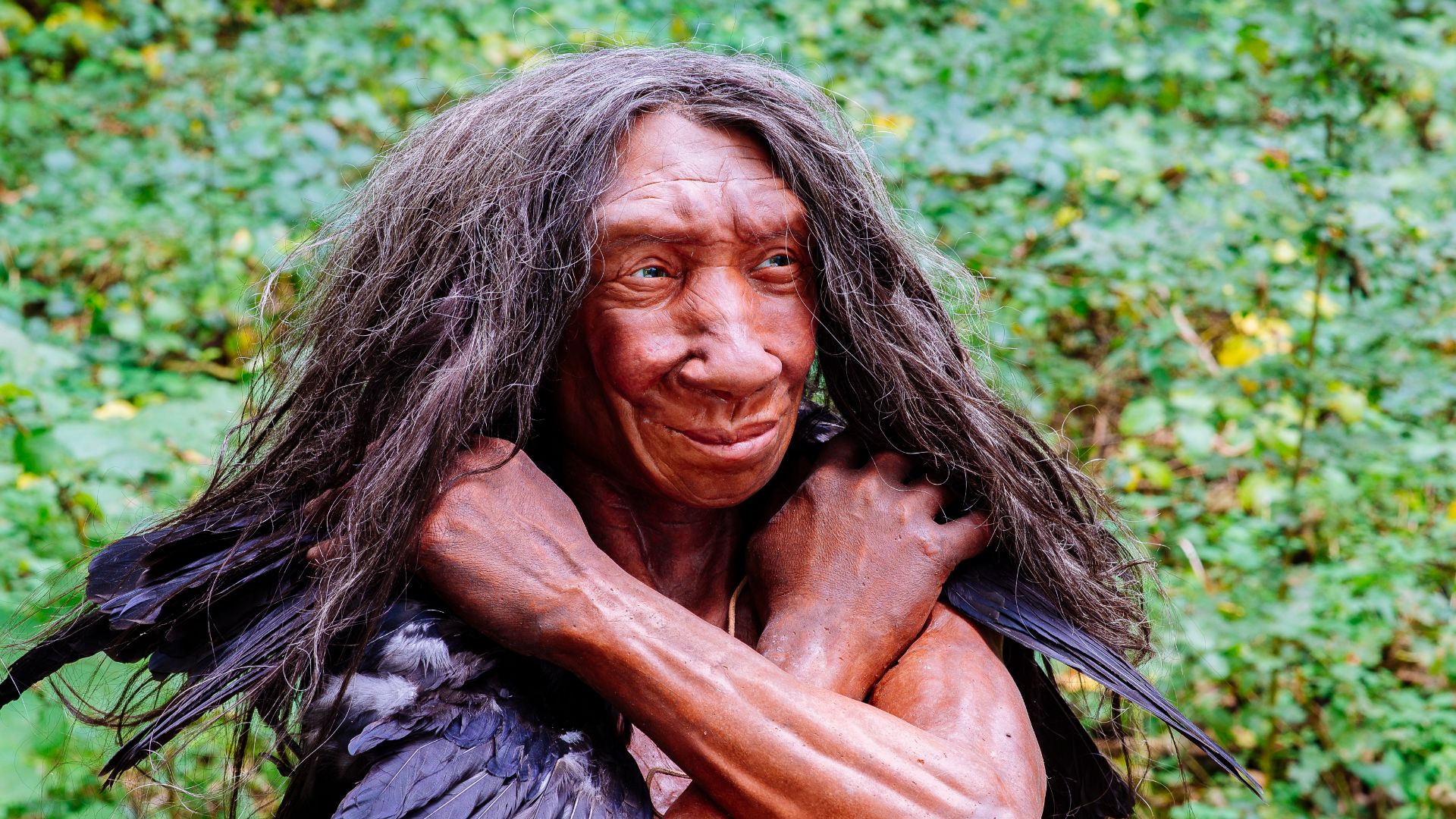
Researchers believe strong family bonds were likely critical to survival. Close relatives probably hunted together, shared resources, and protected one another from the many dangers of Ice Age life.
 Neanderthal-Museum, Mettmann, Wikimedia Commons
The Discovery Changed Everything
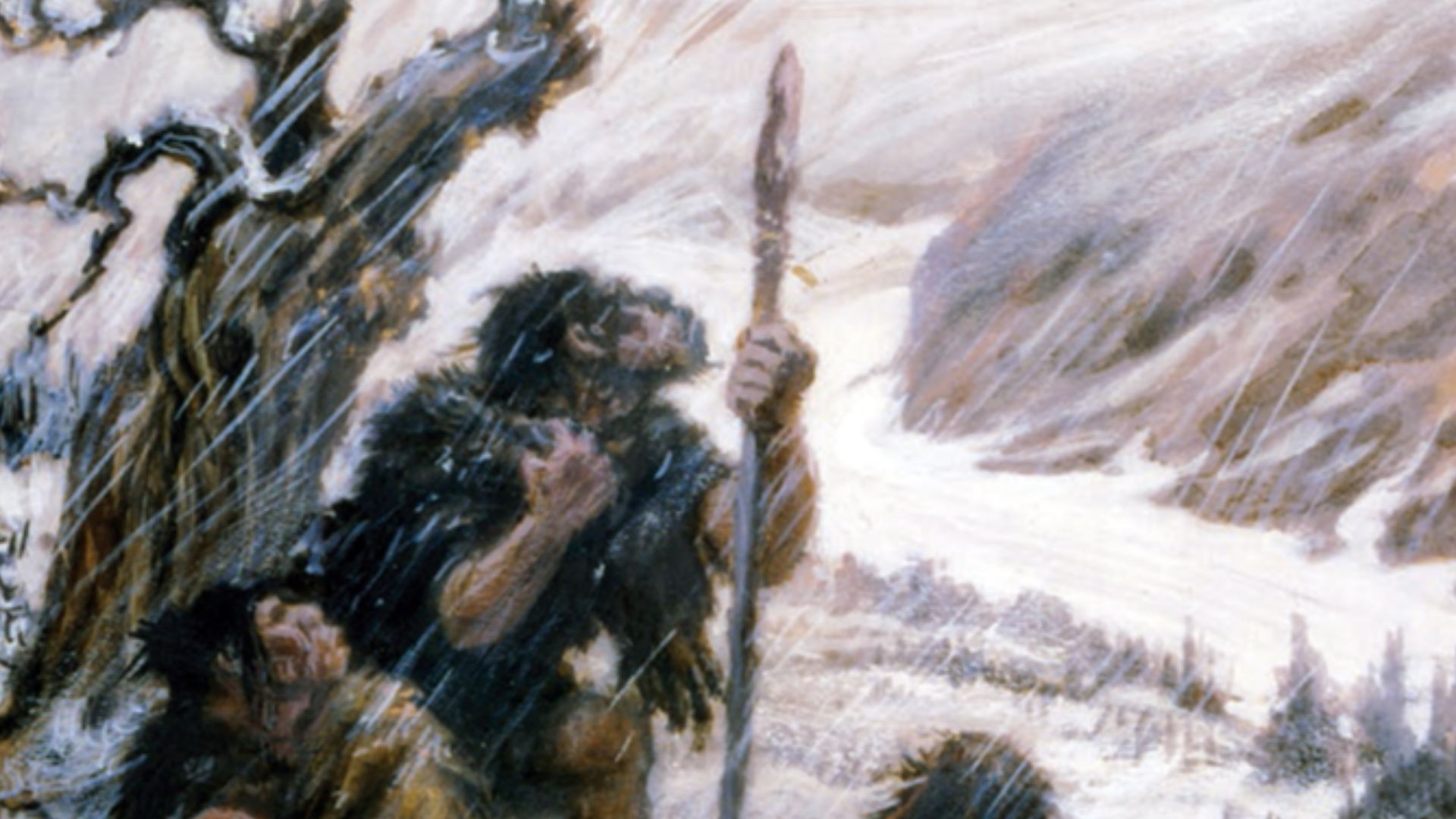
For years, Neanderthals were portrayed as primitive loners wandering through frozen landscapes. This study painted a very different picture—one of families, relationships, cooperation, and surprisingly complex social lives.
 Charles R. Knight, Wikimedia Commons
“We Can Understand Social Organization”
As Laurits Skov explained, ancient genetics now allows scientists to understand how Neanderthal communities were organized. Instead of studying only bones and tools, researchers can finally investigate how these ancient humans actually lived.
 Rhoda Baer (Photographer), Wikimedia Commons
The Most Remarkable Discovery
The most remarkable part was not simply recovering ancient DNA. Scientists have done that before. What made this discovery extraordinary was reconstructing an actual family and community from people who lived more than 50,000 years ago.
 Mark Phillips, Albion Archaeology, Wikimedia Commons
A Family Frozen in Time
Today, the remains from Chagyrskaya Cave provide one of the clearest windows into Neanderthal life ever discovered. Hidden inside a remote Siberian cave was evidence that family, community, and cooperation may have been just as important then as they are now.
Ancient DNA Brought Them Back
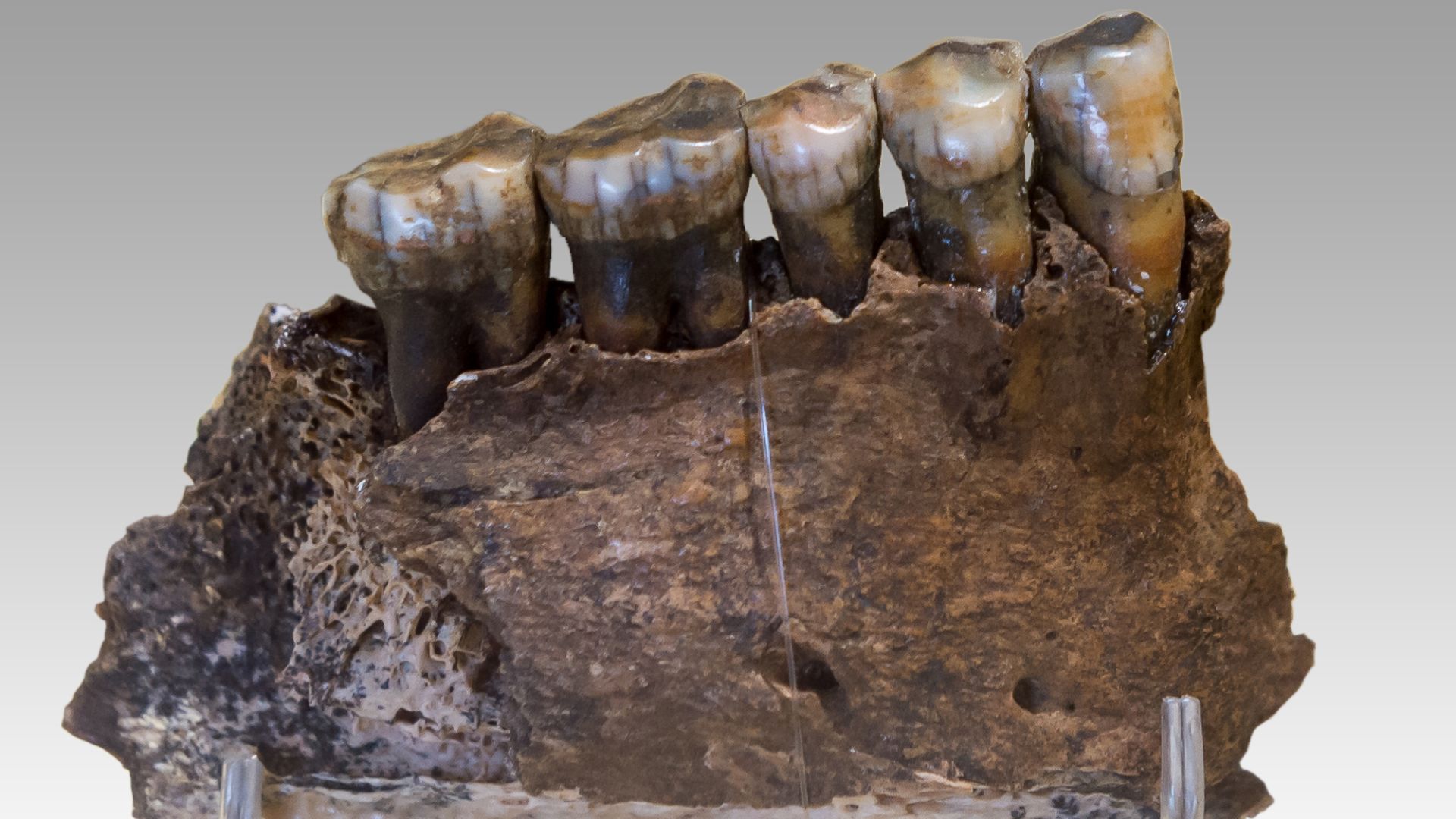
The Neanderthals of the Altai Mountains disappeared tens of thousands of years ago. Yet through ancient DNA, archaeologists uncovered something incredible: not just bones, but the story of a small family that survived together at the edge of the Ice Age world.
 Crossrail/MOLA, Wikimedia Commons
You May Also Like: