A Much Messier Story Than We Expected
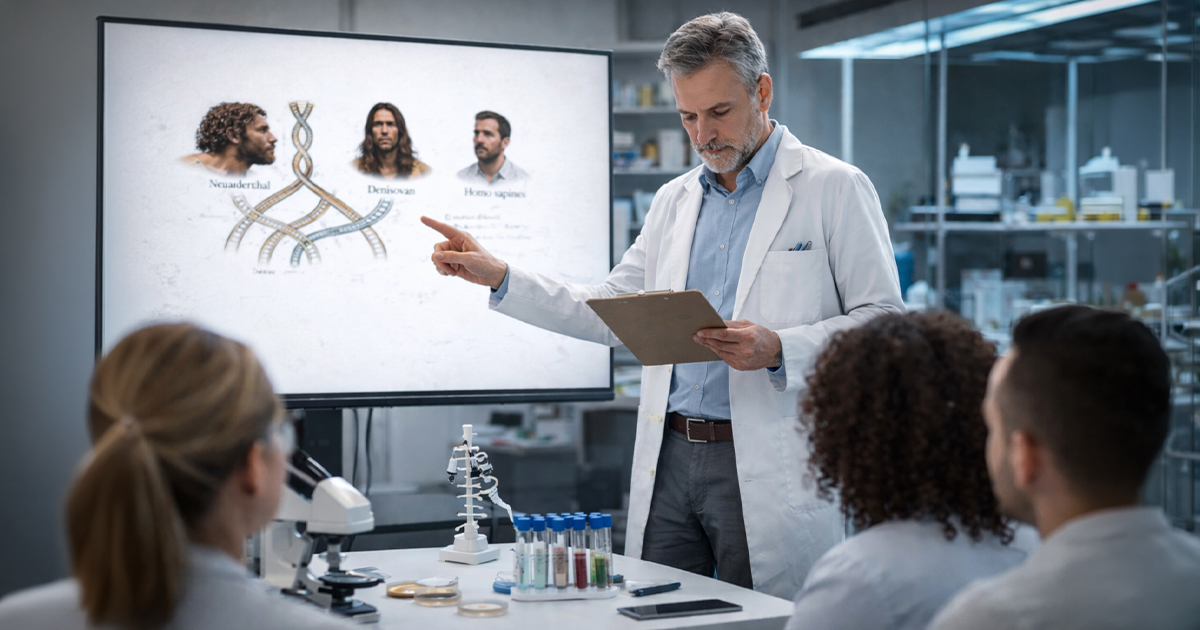
For a long time, scientists thought human evolution was a simple story—one species replacing another over time. Nice and clean. But DNA has completely flipped that idea. Instead of a straight line, evolution looks more like a tangled web… or what researchers now call a “braided stream.”
It turns out we’re not that “pure” after all.
 Linda Bartlett (Photographer), Public domain, via Wikimedia Commons
Cracking Open Ancient DNA
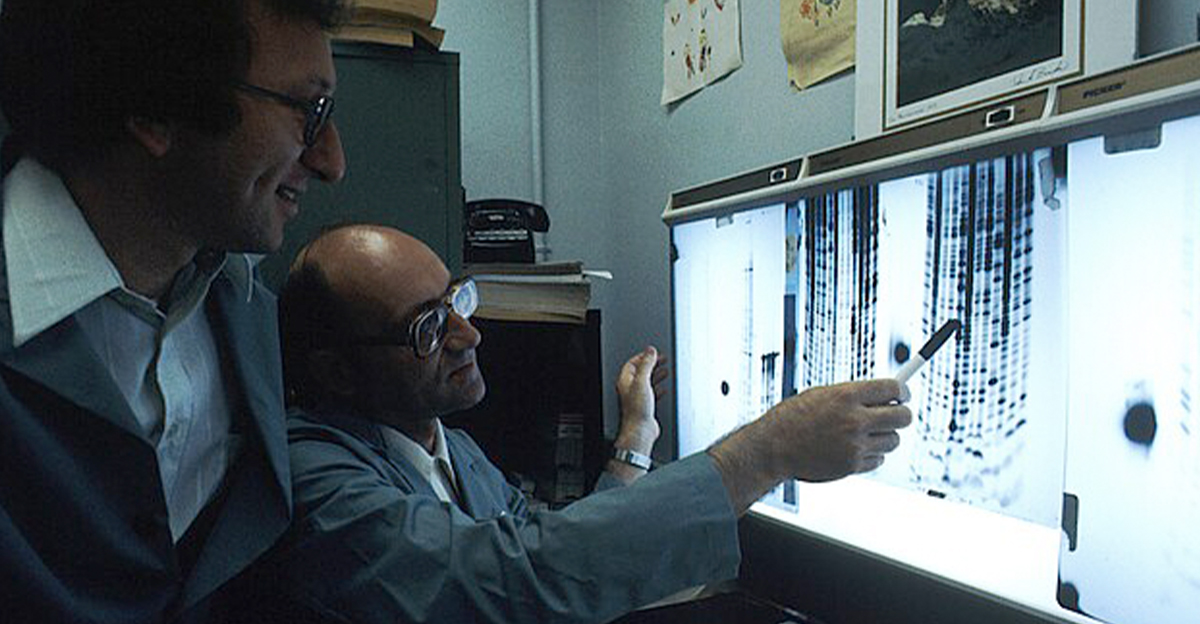
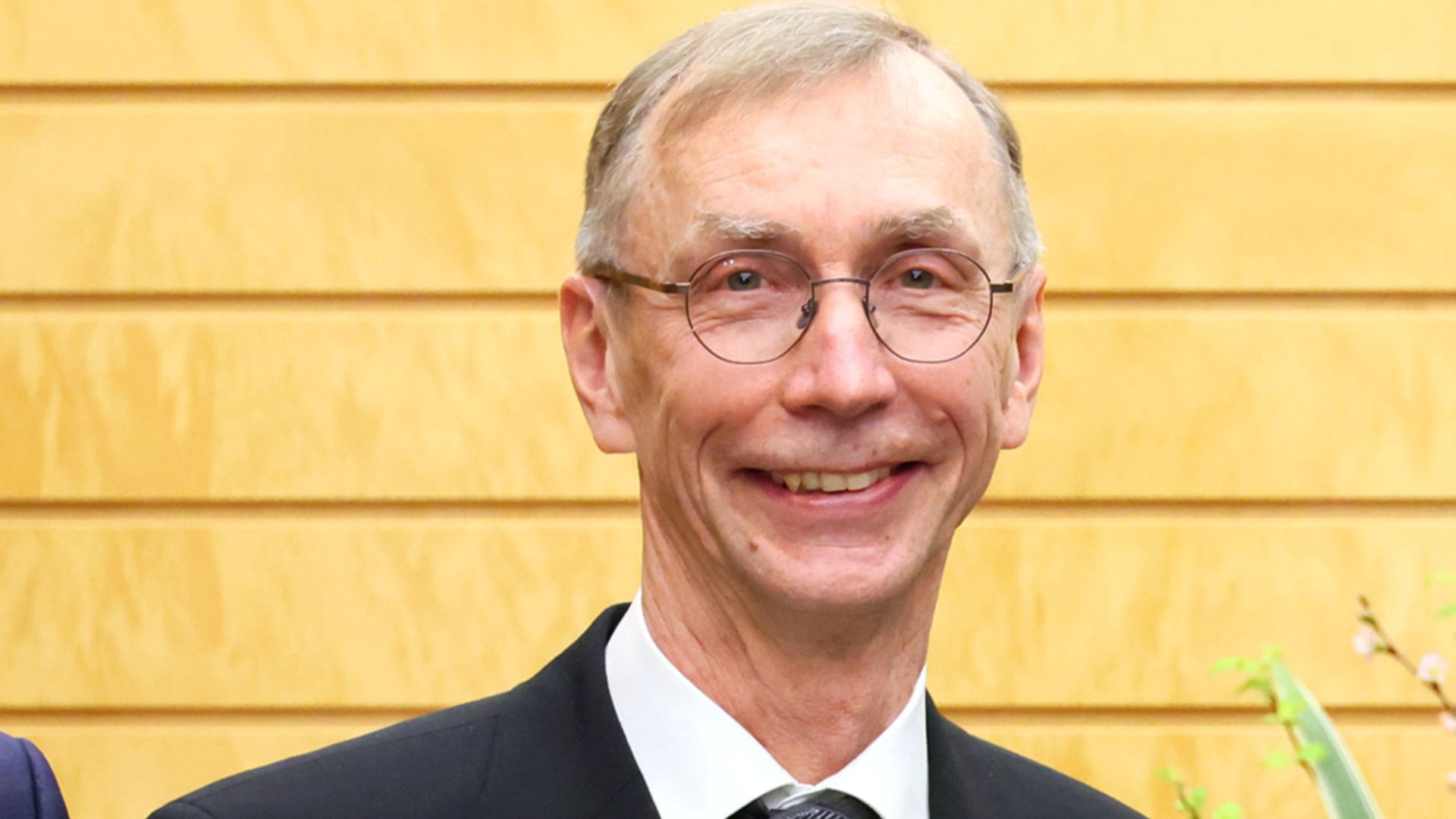
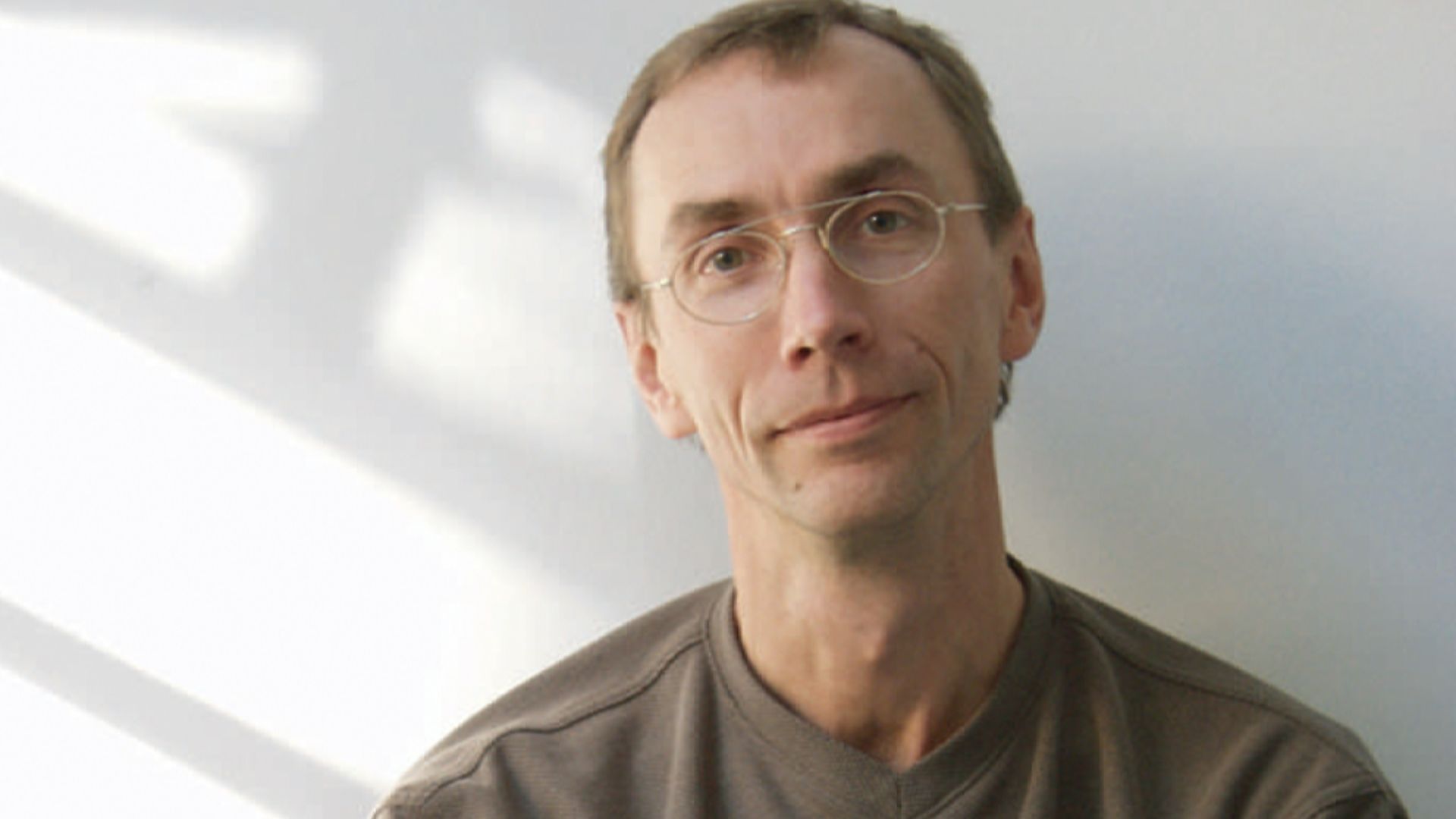
Things really changed in 2010, when a team led by geneticist Svante Pääbo at the Max Planck Institute in Germany published the first draft of the Neanderthal genome. This was a huge deal. For the first time, scientists could directly compare Neanderthal DNA with modern humans.
 Cabinet Public Relations Office, Cabinet Secretariat, Wikimedia Commons
A Surprising Genetic Match
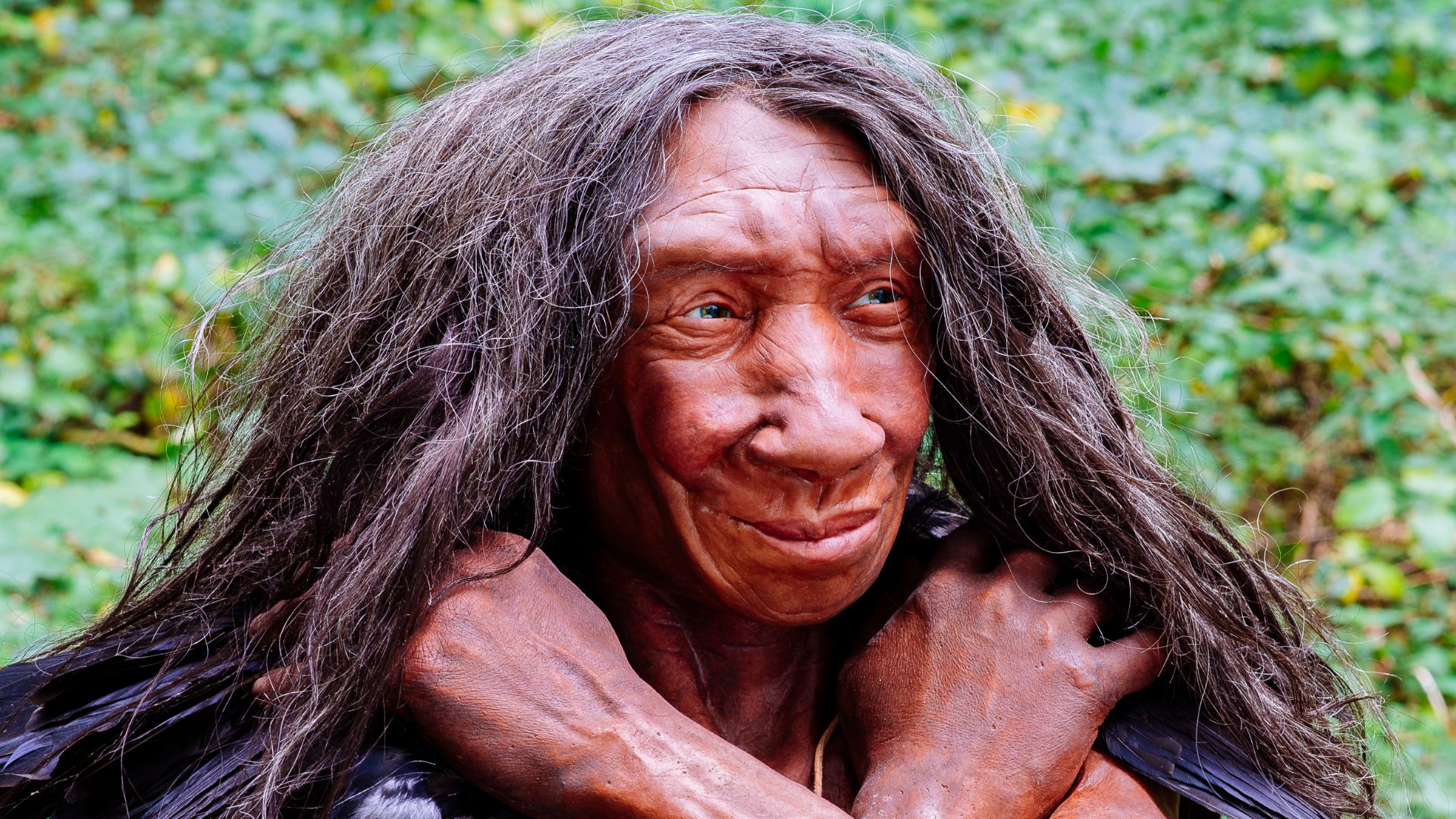
When researchers compared the genomes, they found something unexpected. Non-African modern humans shared about 1–2% of their DNA with Neanderthals. That meant one thing: our ancestors didn’t just meet Neanderthals… they had children with them.
And then came the shock.
 Neanderthal-Museum, Mettmann, Wikimedia Commons
More Than Just Neighbors
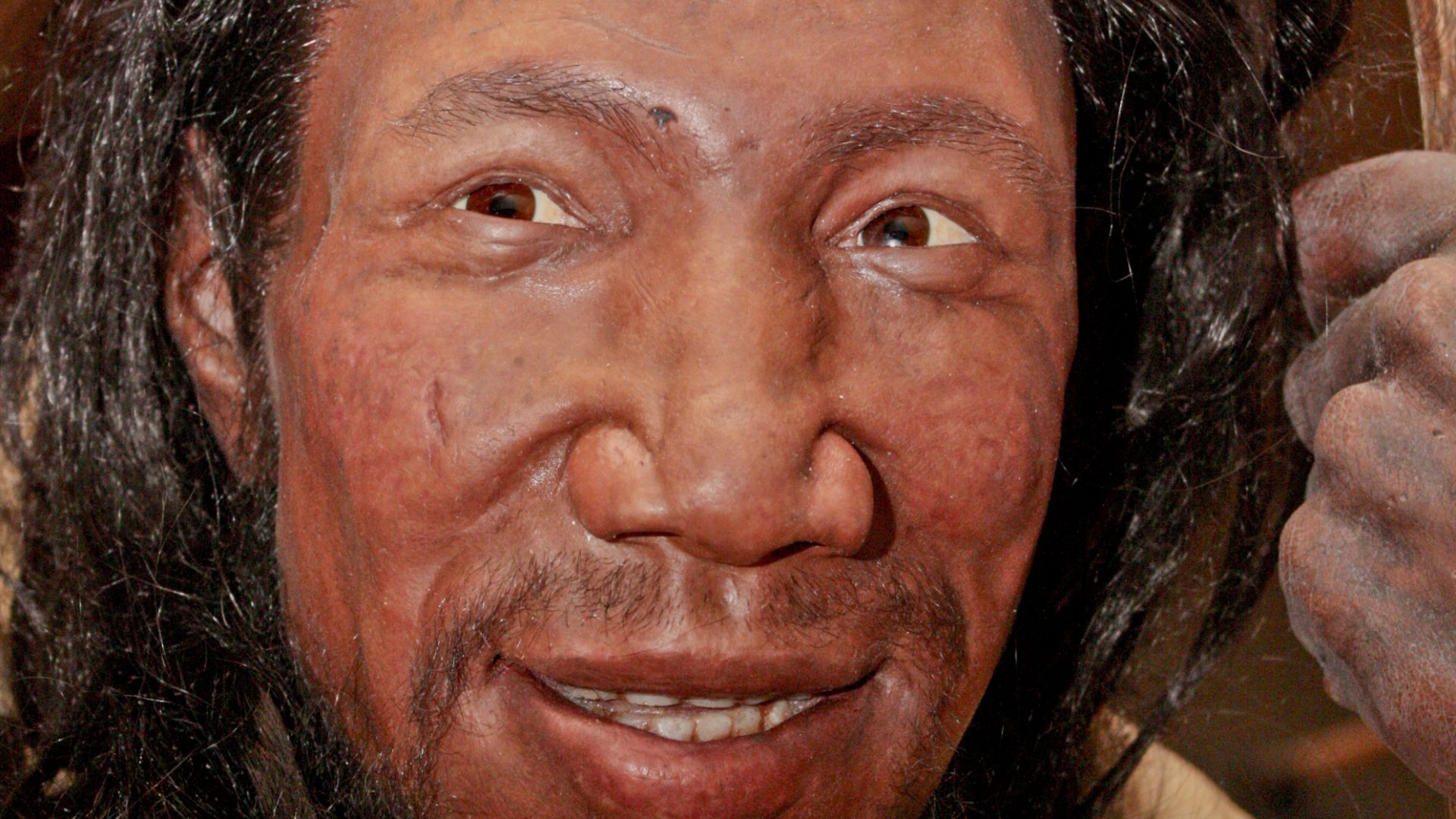
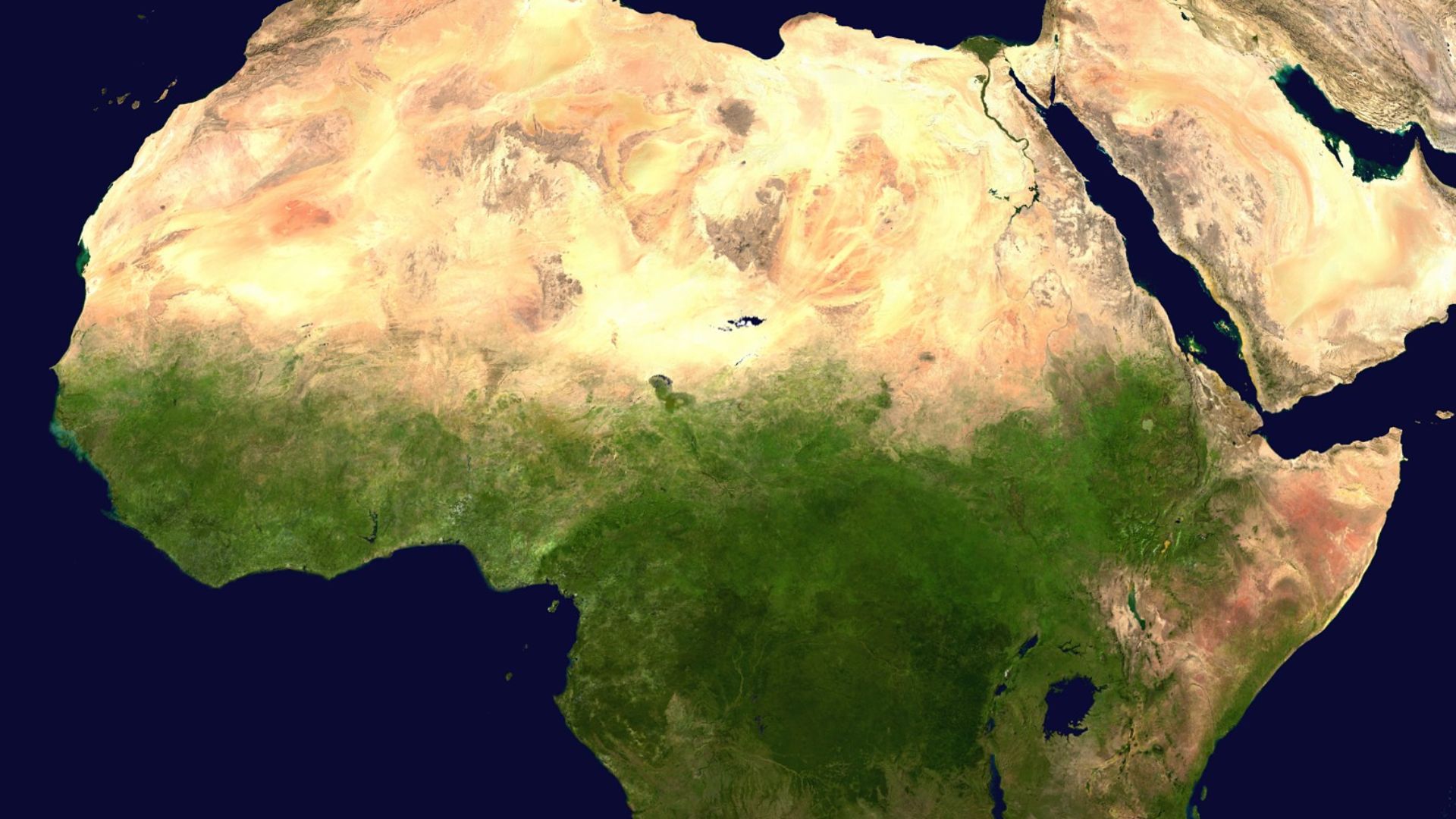
Humans and Neanderthals interbred—and not just once. According to studies published in Nature in 2010, this likely happened around 50,000 to 60,000 years ago, when modern humans migrated out of Africa and ran into Neanderthals across Europe and the Middle East.
Then, things got even more complicated.
 Daniela Hitzemann (photograph), Wikimedia Commons
Another Twist in the Story
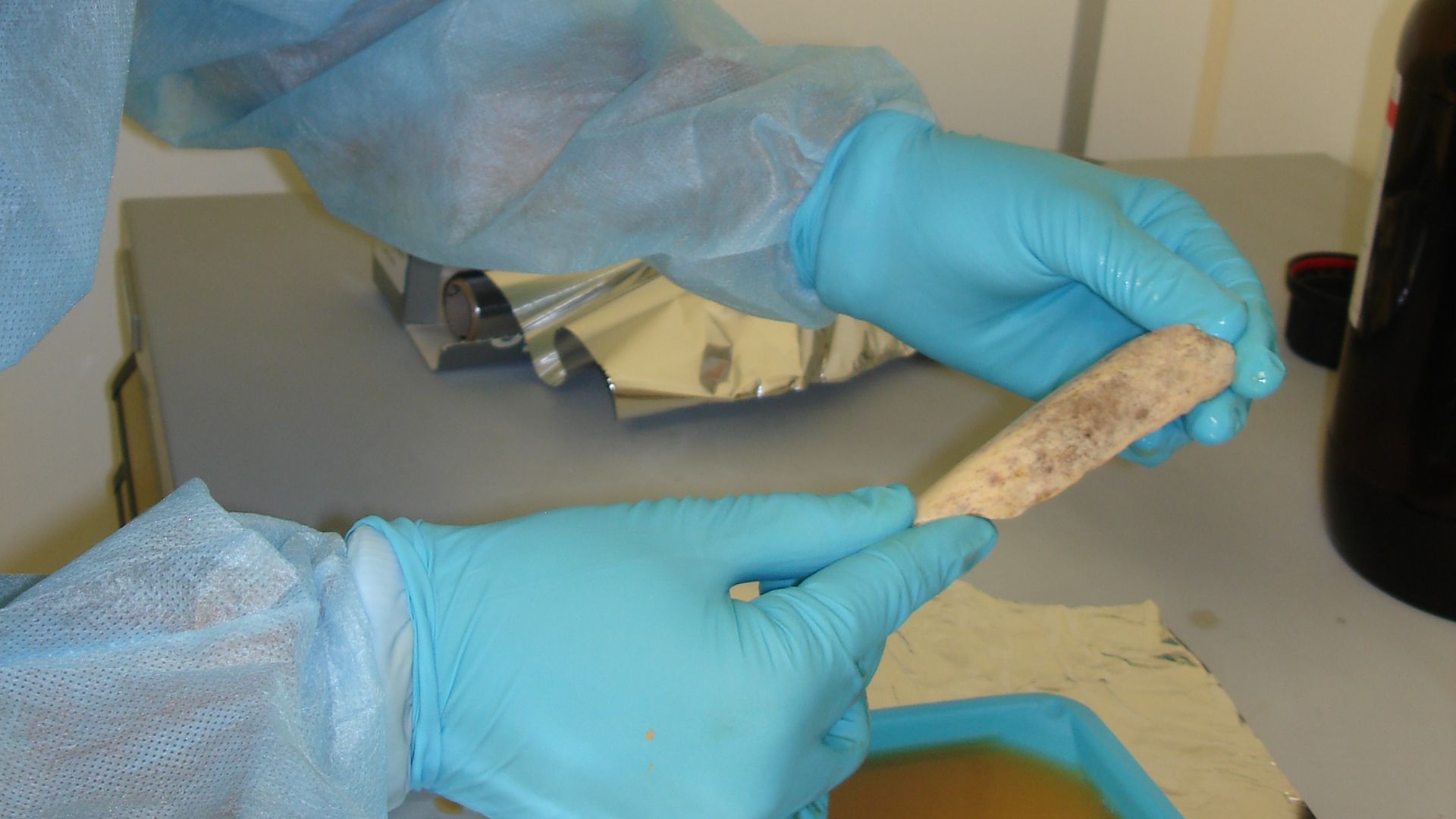
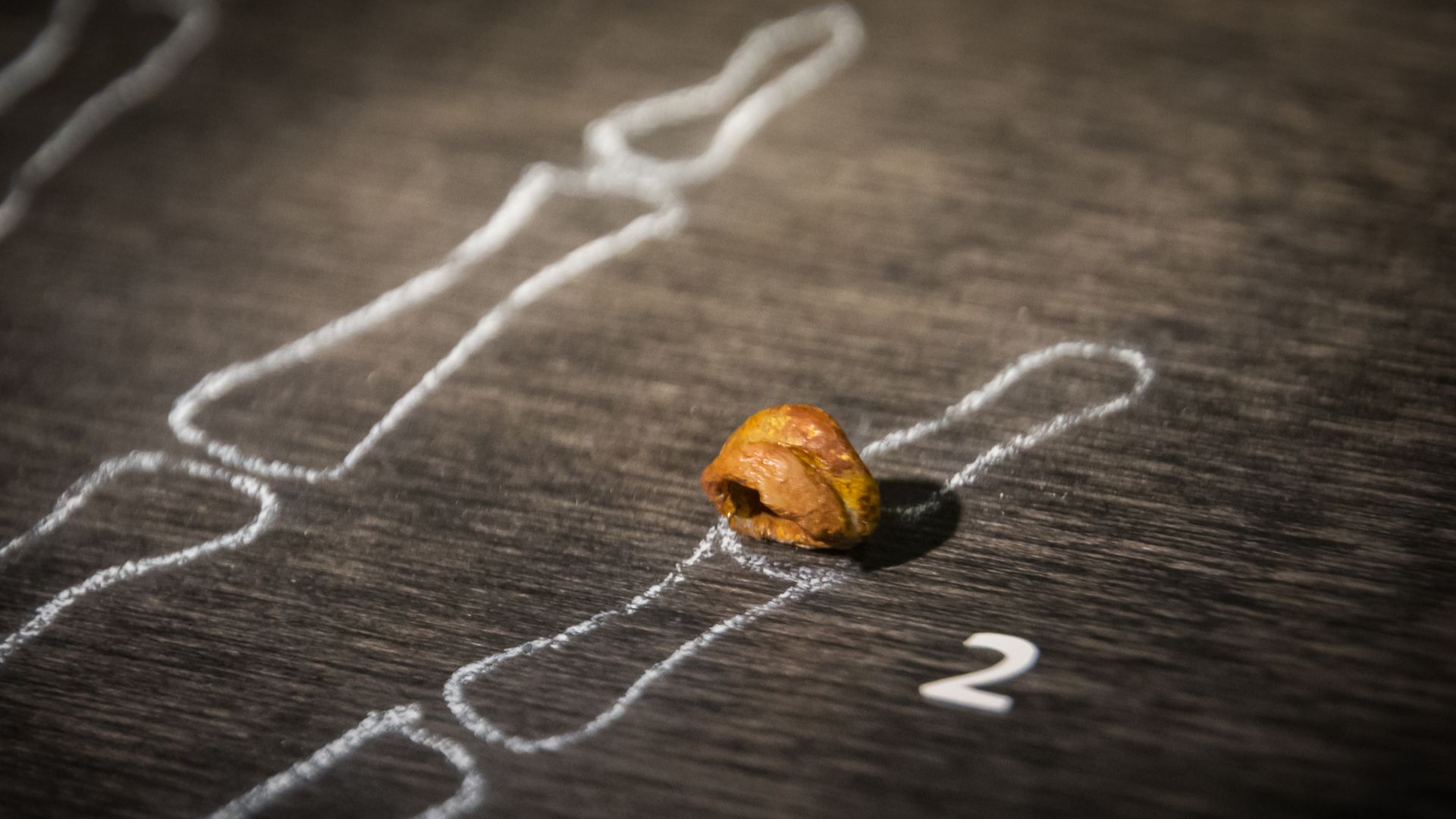
Just when scientists were getting comfortable with that idea, another discovery shook things up. In 2010, researchers studying a tiny finger bone from Denisova Cave in Siberia realized they had found a completely unknown group of humans.
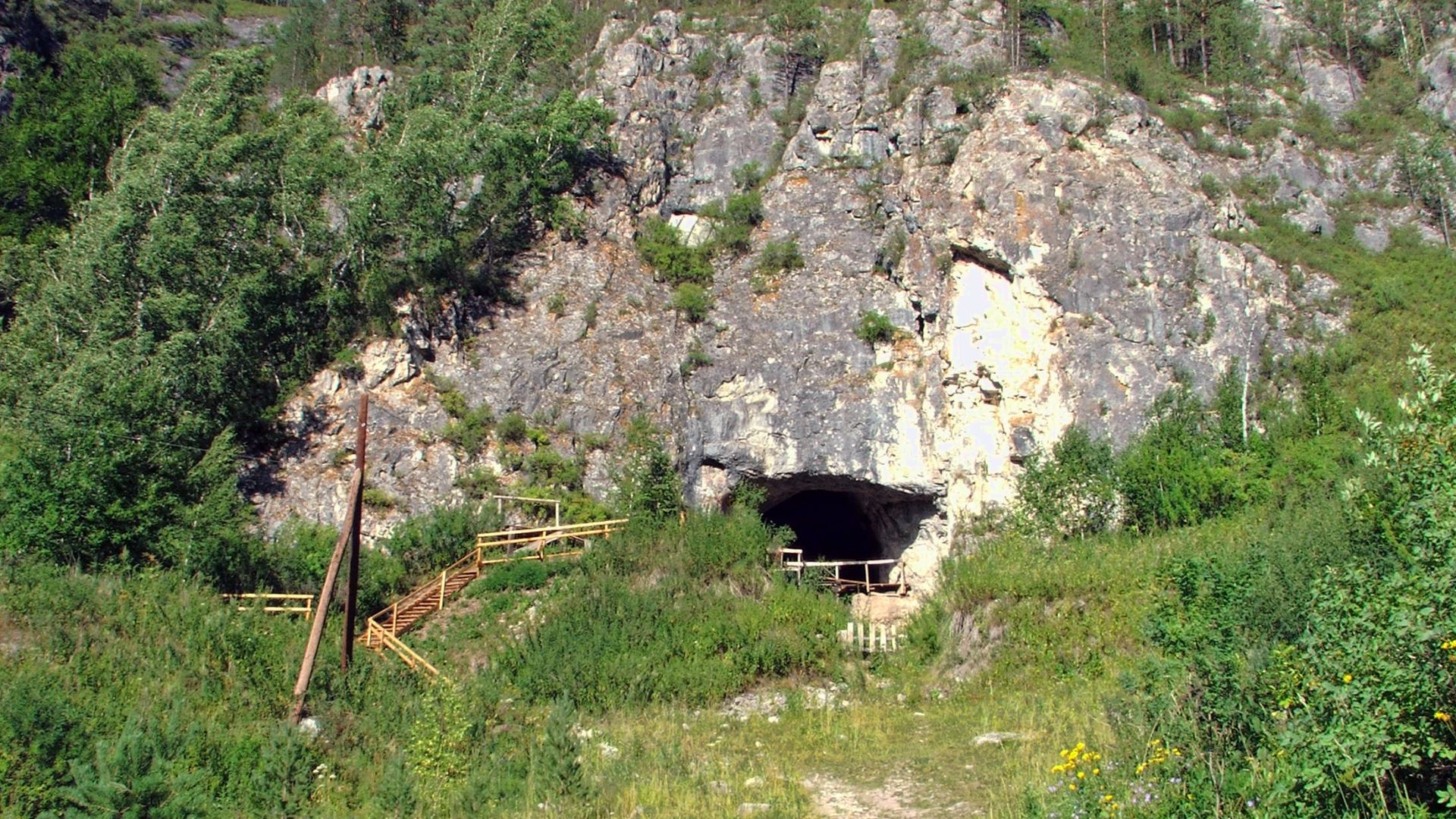 Demin Alexey Barnaul, Wikimedia Commons
A New Human Species—From a Finger Bone
This new group was named the Denisovans, and the discovery was led by the same team, including Svante Pääbo. What’s wild is that scientists identified an entire human group from just a finger bone and a few teeth. DNA did most of the work here.
And yes… humans mixed with them too.
 Jonathunder, Wikimedia Commons
Not Just One Mix—Multiple
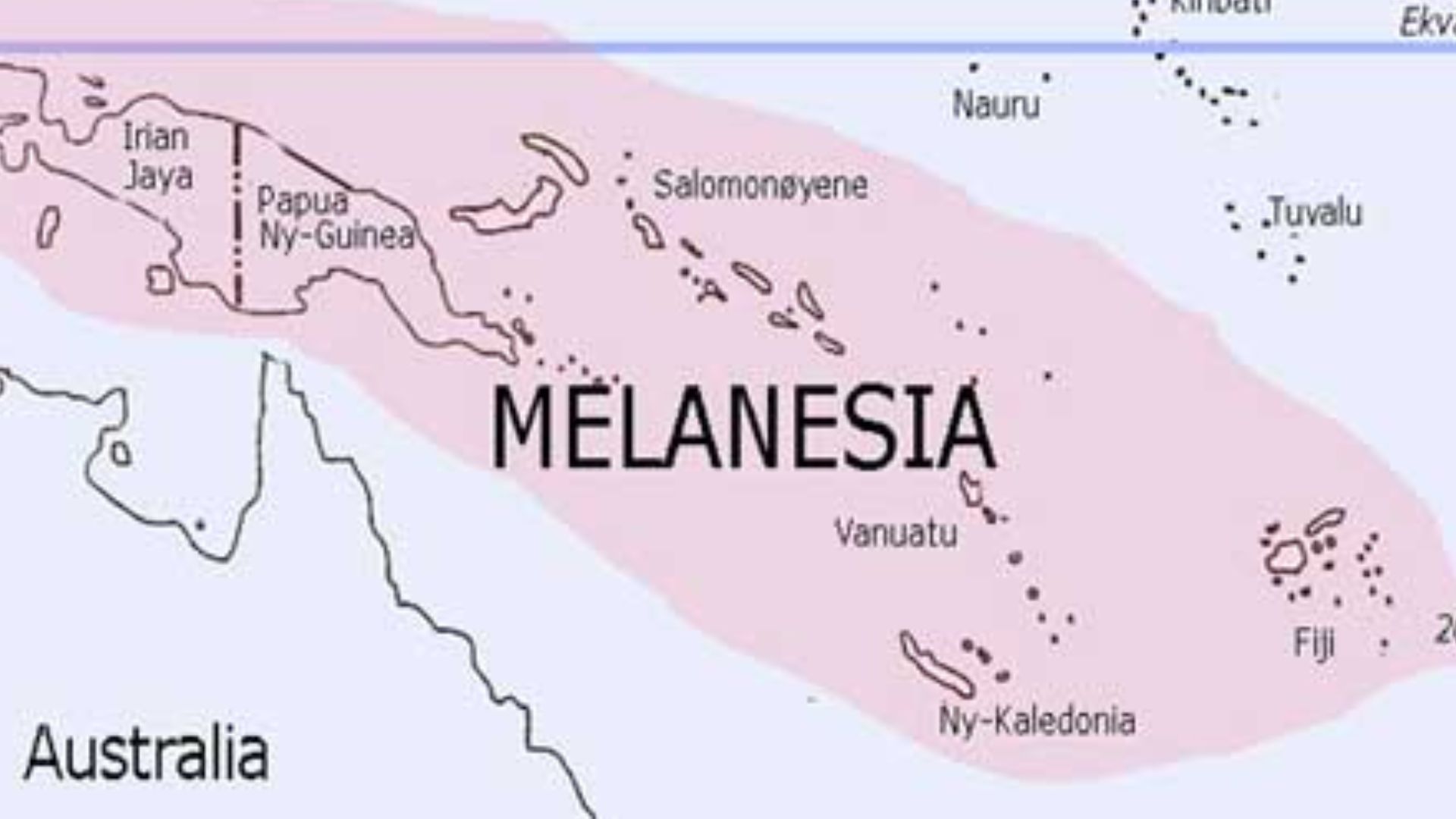
Genetic studies showed that modern humans, especially populations in Melanesia and Southeast Asia, carry up to 3–5% Denisovan DNA. So it wasn’t just Neanderthals—our ancestors were mixing with more than one group.
This is where the “braided stream” idea comes in.
 GAD 18:17, 23 July 2007 (UTC), Wikimedia Commons
Rethinking the Family Tree
Scientists began to realize the old “family tree” idea didn’t really work anymore. Researchers like David Reich from Harvard started describing human evolution as a braided stream instead.
So what does that actually mean?
What a “Braided Stream” Really Means
Imagine several streams splitting apart, then reconnecting, then splitting again. That’s a better way to picture human evolution. Different groups weren’t isolated—they kept meeting, mixing, and moving on.
Where did all this happen?
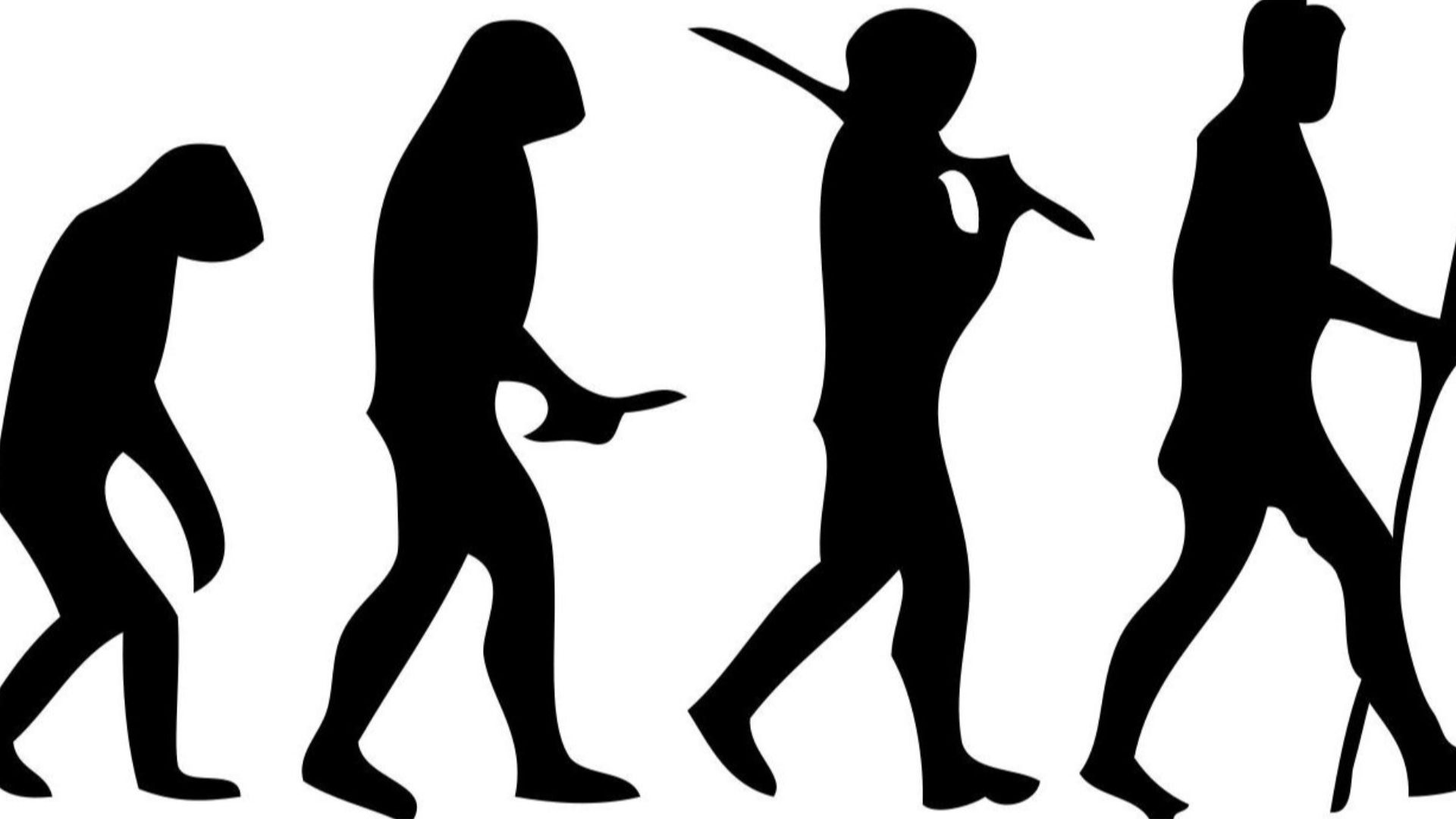 Human_evolution_scheme.svg: M. Garde derivative work: Gerbil (talk), Wikimedia Commons
Where These Encounters Happened
Most of this interbreeding likely happened in Eurasia after humans left Africa. Neanderthals lived across Europe and western Asia, while Denisovans lived further east, including Siberia and parts of Southeast Asia.
Africa is the exception.
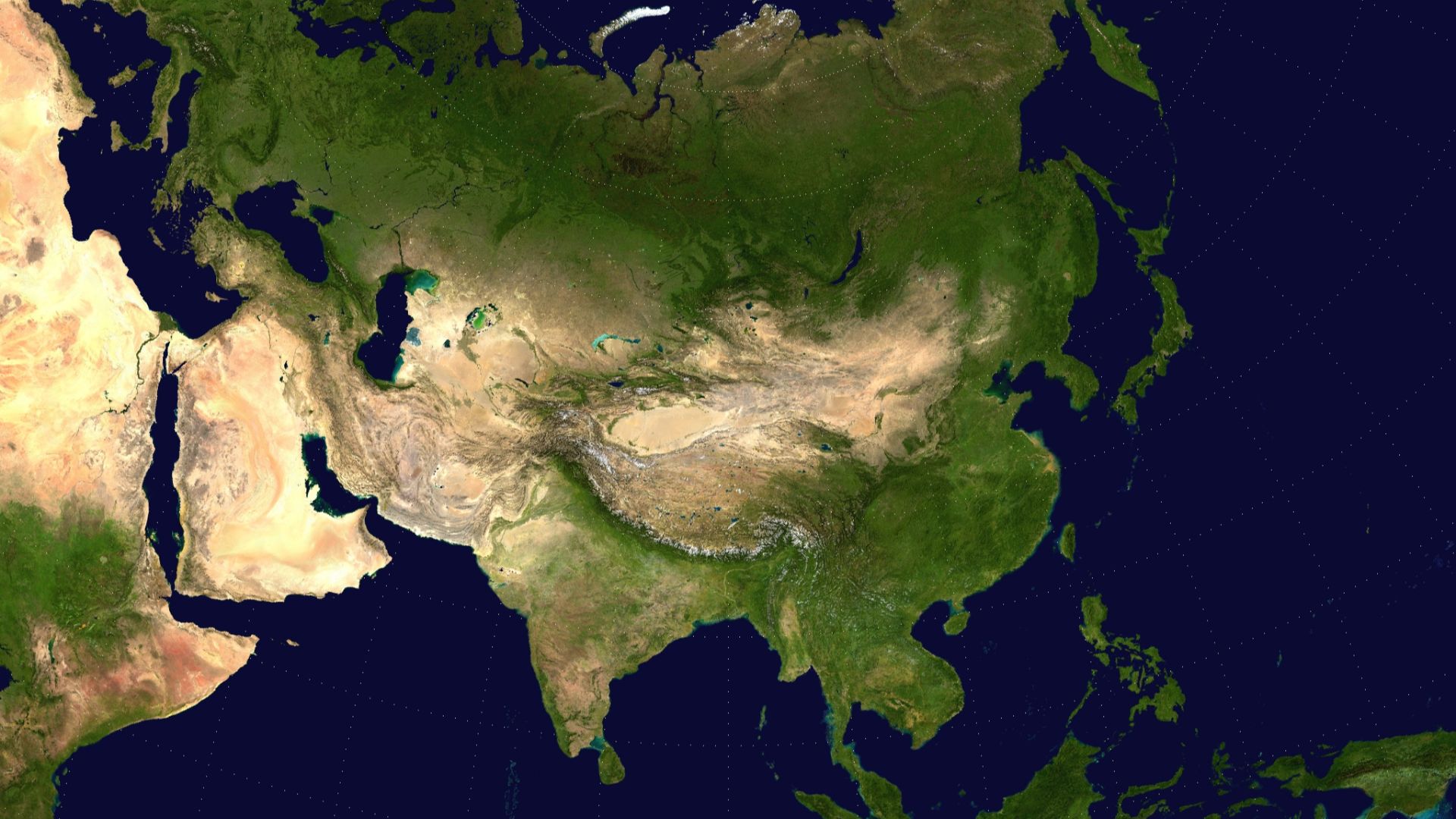
A Different Story in Africa
Most people of African descent today have little to no Neanderthal DNA. That’s because the interbreeding happened after humans migrated out of Africa. Some later migration may have reintroduced small amounts, but overall, it’s very limited.
DNA doesn’t lie.
DNA Tells the Truth
One of the most important things about this discovery is that it’s based on hard genetic evidence. As Svante Pääbo put it, “We can now compare the genomes of Neanderthals and present-day humans.” And those comparisons don’t lie.
Some of that DNA still matters today.
Ancient Genes Still Affect Us
This isn’t just ancient history—it shows up in modern humans today. Some Neanderthal genes influence our immune systems, skin traits, and even how we react to certain diseases.
Not all of it is helpful.
 Max Planck Institute for Evolutionary Anthropology, Wikimedia Commons
Not All Traits Are Helpful
On the flip side, some inherited genes can increase health risks. Certain Neanderthal variants have been linked to things like type 2 diabetes and even severe responses to COVID-19.
Denisovan DNA has its own perks.

Denisovan Advantages
Denisovan DNA also gave some groups useful traits. One famous example is a gene found in Tibetan populations that helps them survive at high altitudes. That adaptation likely came from Denisovan ancestors.
So… were these different species?
Rethinking What “Species” Means
This is where things get tricky. If Neanderthals, Denisovans, and Homo sapiens could interbreed and have children, it raises a big question—were they really separate species? Many scientists now prefer calling them “archaic humans” instead.
They weren't that different from us.
 Neanderthal-Museum, Mettmann, Wikimedia Commons
Closer Than We Thought
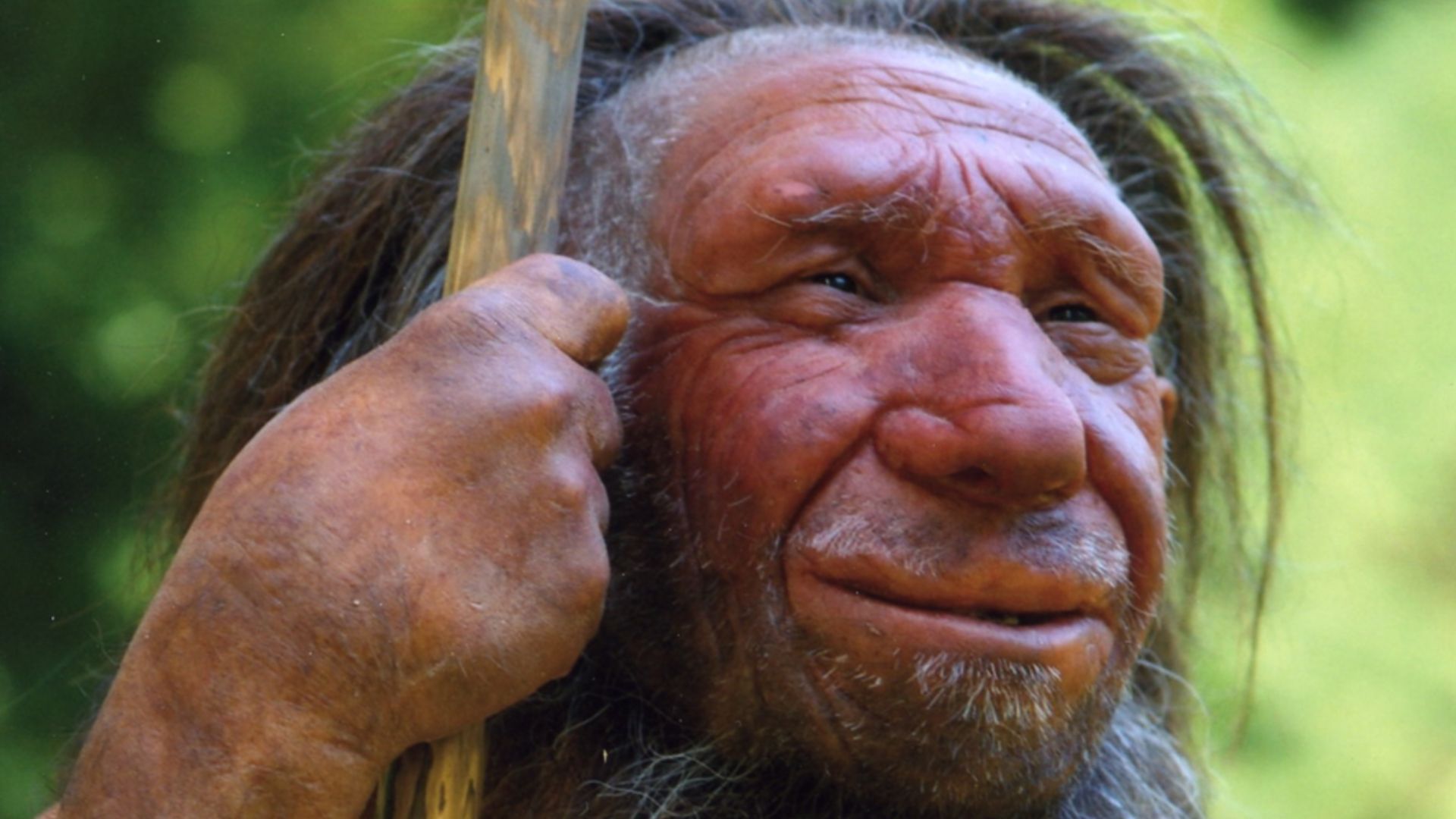
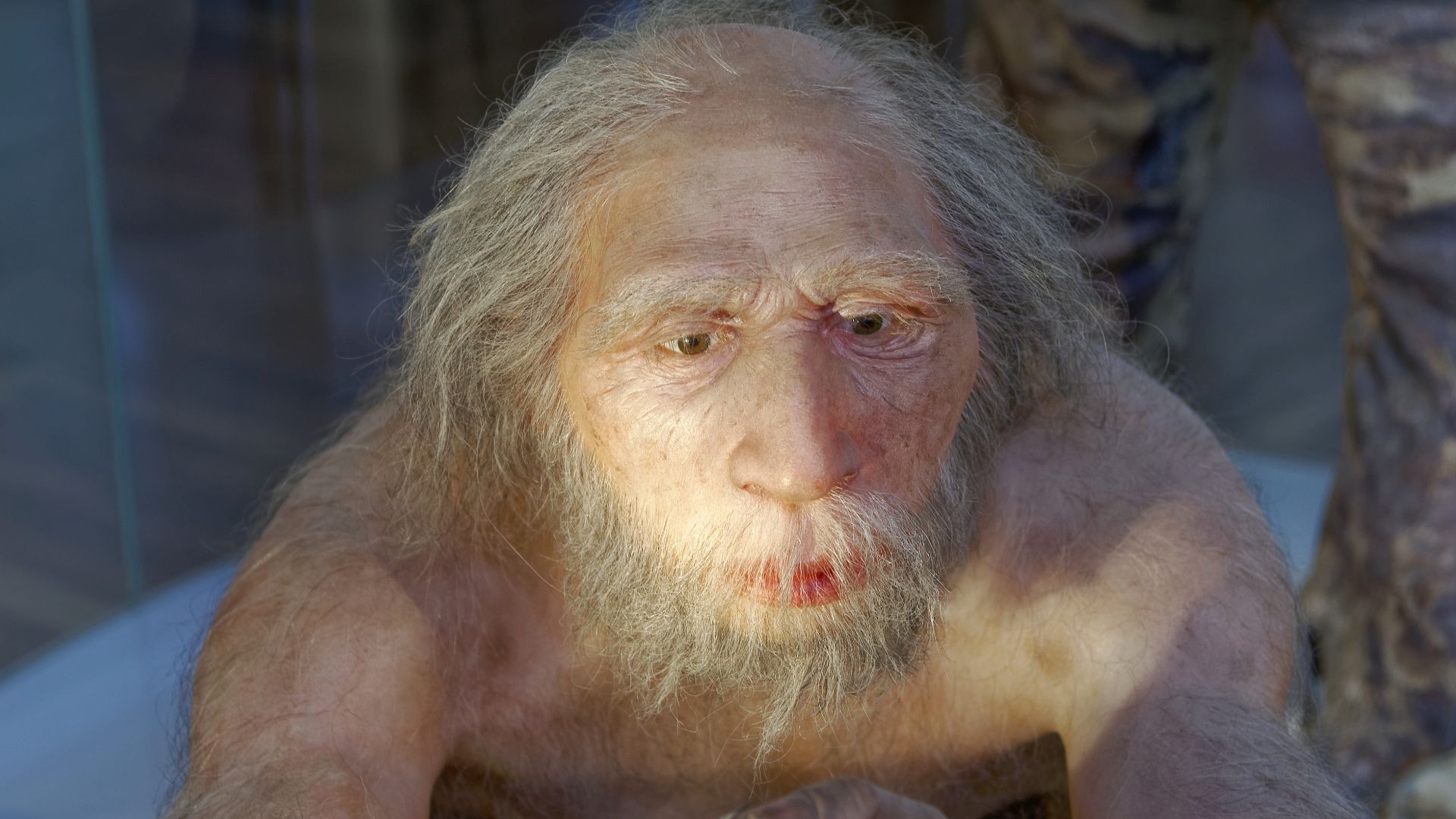
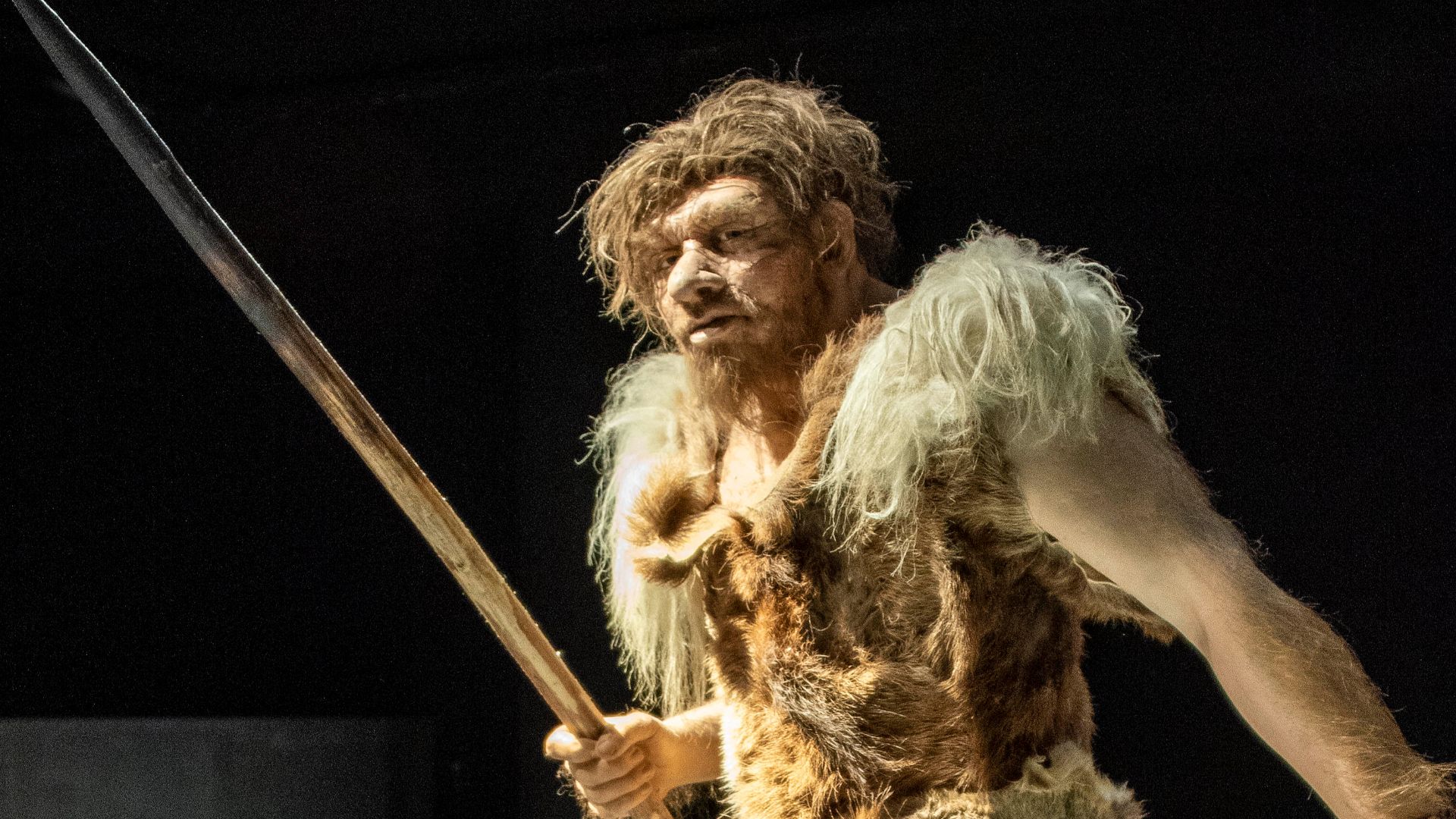
Genetically, Neanderthals were about 99.7% identical to modern humans. That’s incredibly close. They may have looked different, but they weren’t nearly as separate from us as once believed.
And they met more than once.
 Jakub Halun, Wikimedia Commons
Not Just One Encounter
Evidence suggests that interbreeding didn’t happen just once. There were likely multiple waves of interaction over thousands of years, across different regions. Even Neanderthals and Denisovans mixed.
Here’s where it gets even wilder...
 Hermann Schaaffhausen, Wikimedia Commons
Mixing Between Groups
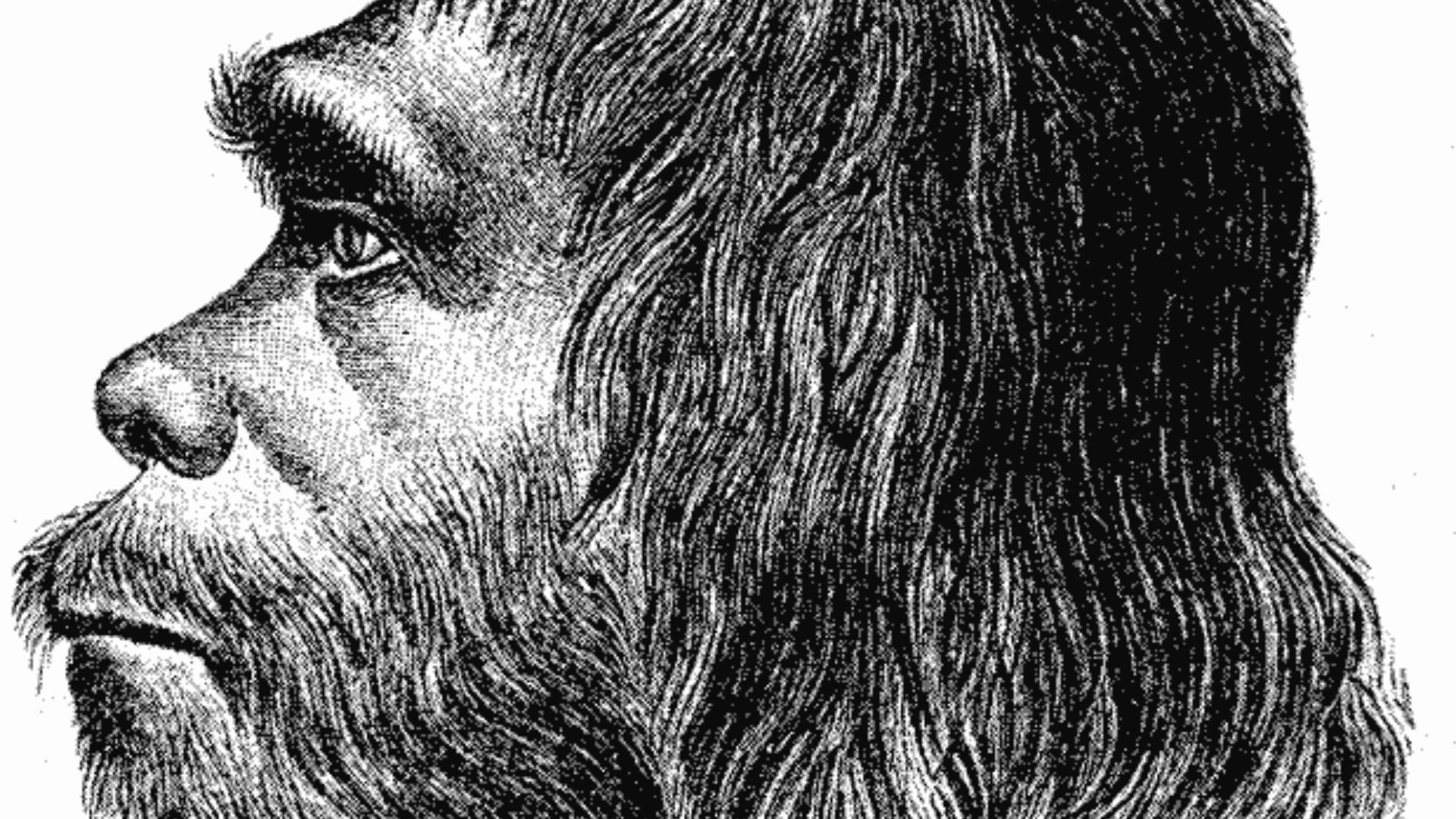
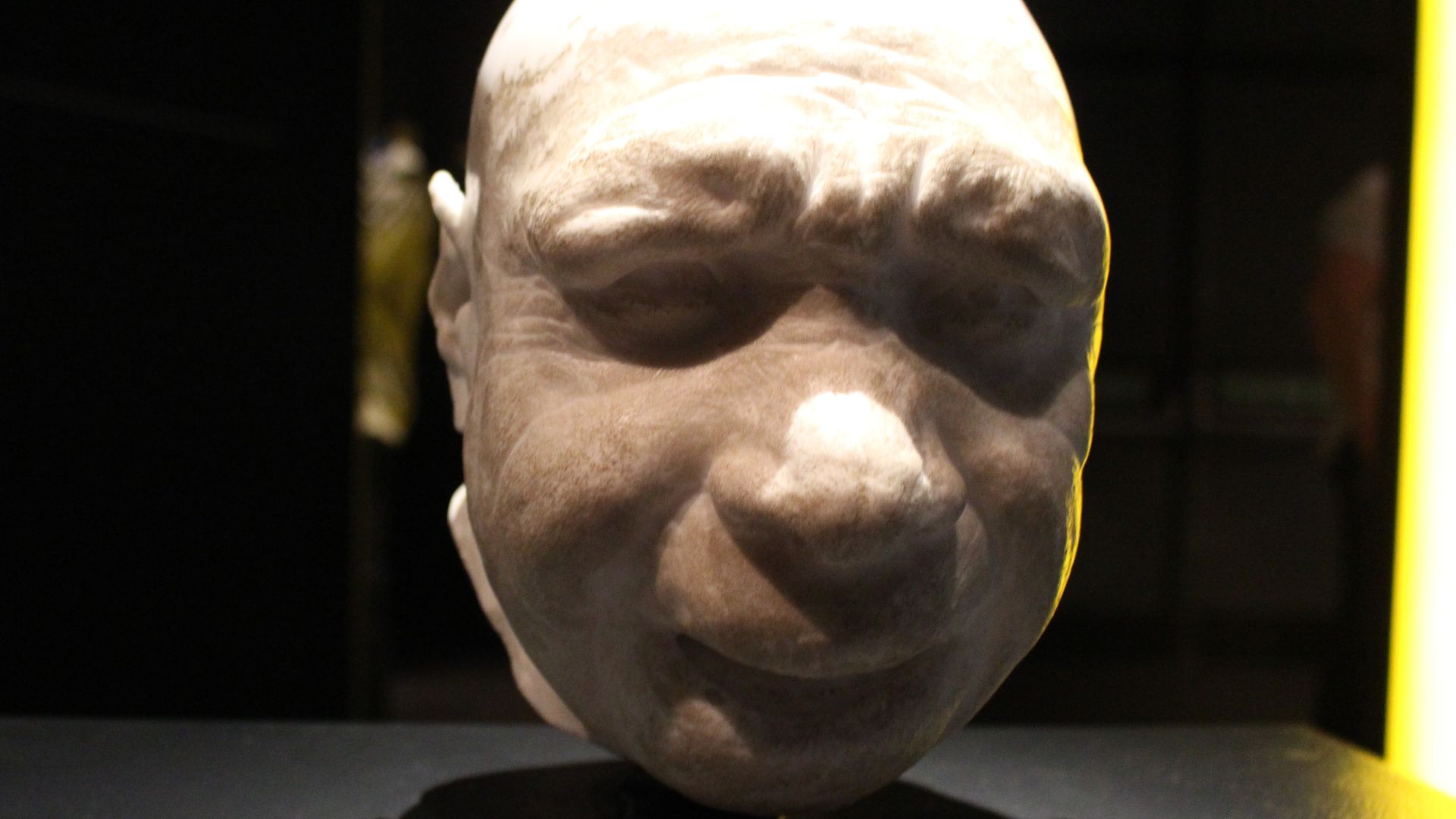
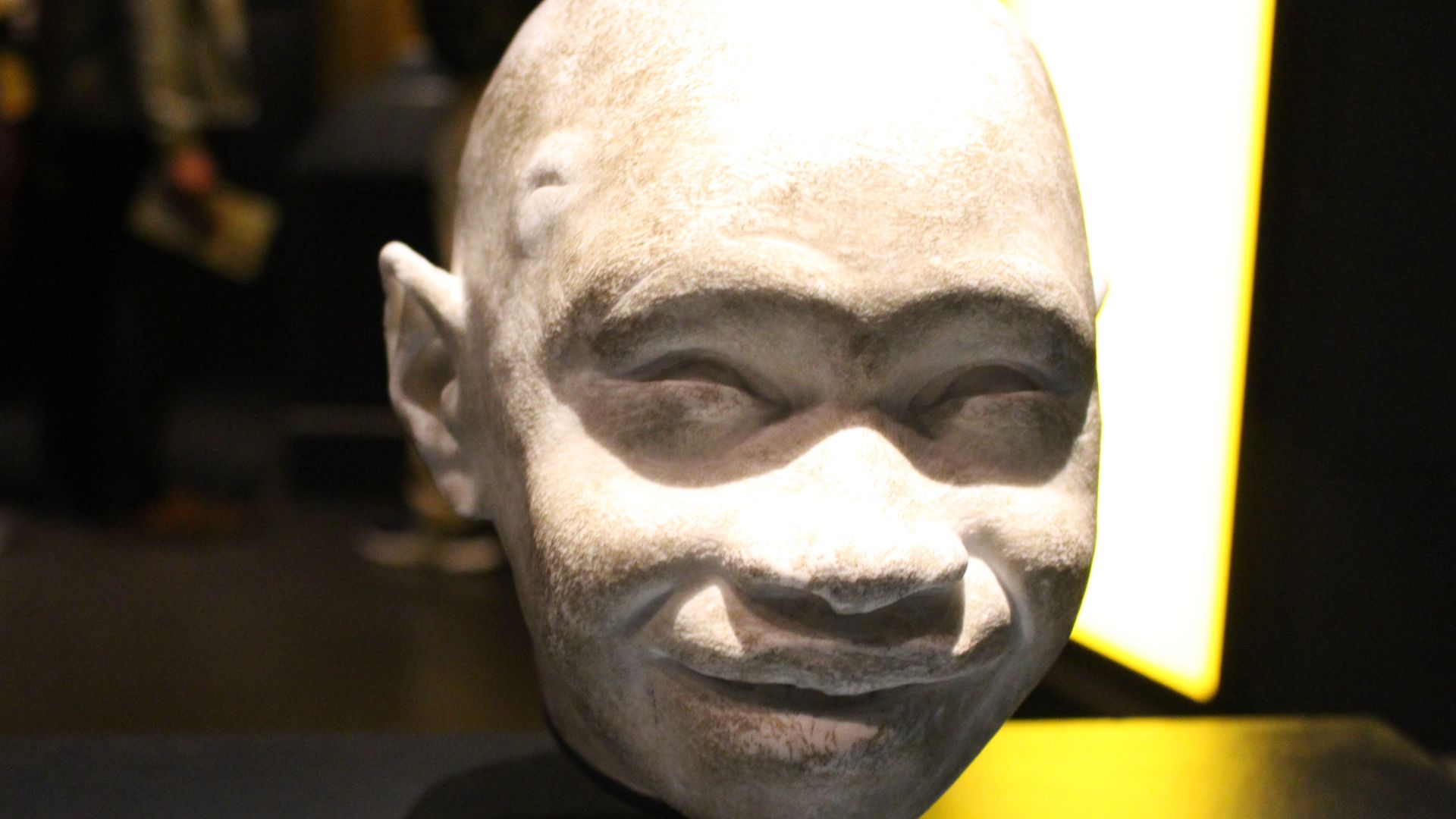
It wasn’t just humans mixing with Neanderthals or Denisovans—those groups also mixed with each other. Scientists discovered direct evidence of a Neanderthal-Denisovan child who lived about 90,000 years ago—a real-life ancient hybrid.
 Emoke Denes, Wikimedia Commons
A Real Ancient Family Story
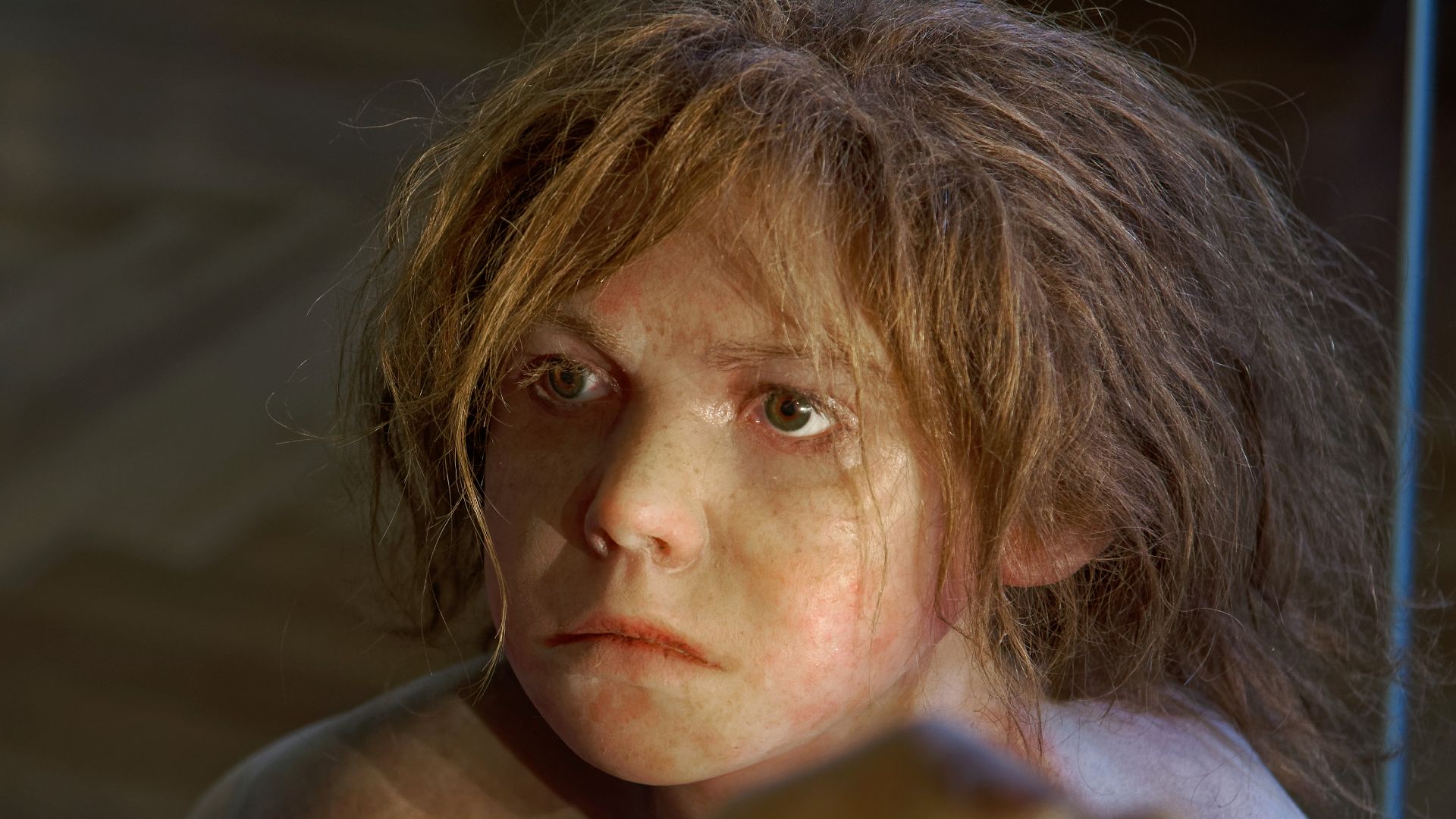
This individual, discovered in Denisova Cave and published in Nature in 2018, had a Neanderthal mother and a Denisovan father. That’s not theory—that’s direct proof. Evolution isn’t a straight line.
 Jakub Halun, Wikimedia Commons
Evolution Isn’t Clean or Simple
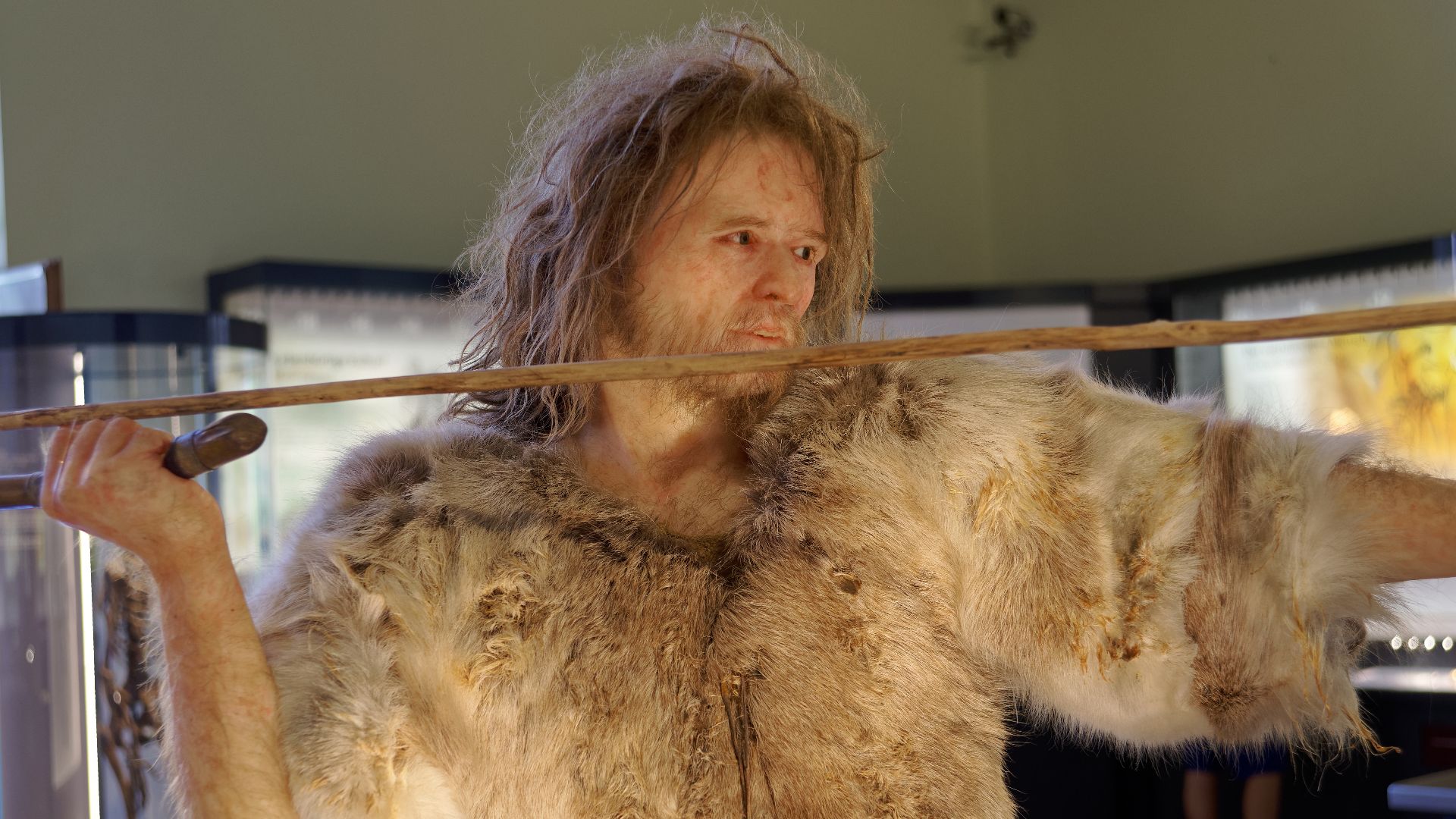
All of this changes how we understand human evolution. Instead of a clean progression from one species to another, it’s more like a messy, overlapping story with constant interaction.
 Jakub Halun, Wikimedia Commons
Why This Actually Matters
This “braided stream” explains why humans today are so genetically diverse. It also shows that survival wasn’t just about competition—it was about interaction, adaptation, and sometimes cooperation.
A more human story than we expected.
 Emoke Denes, Wikimedia Commons
A More Relatable Past
There’s something oddly human about all of this. For years, we imagined early humans as separate groups competing for survival. Turns out… they met, mixed, and built connections. Your DNA is carrying pieces of multiple ancient human groups that met, mixed, and shaped who we are today.
 Paul Hermans, Wikimedia Commons
You May Also Like: