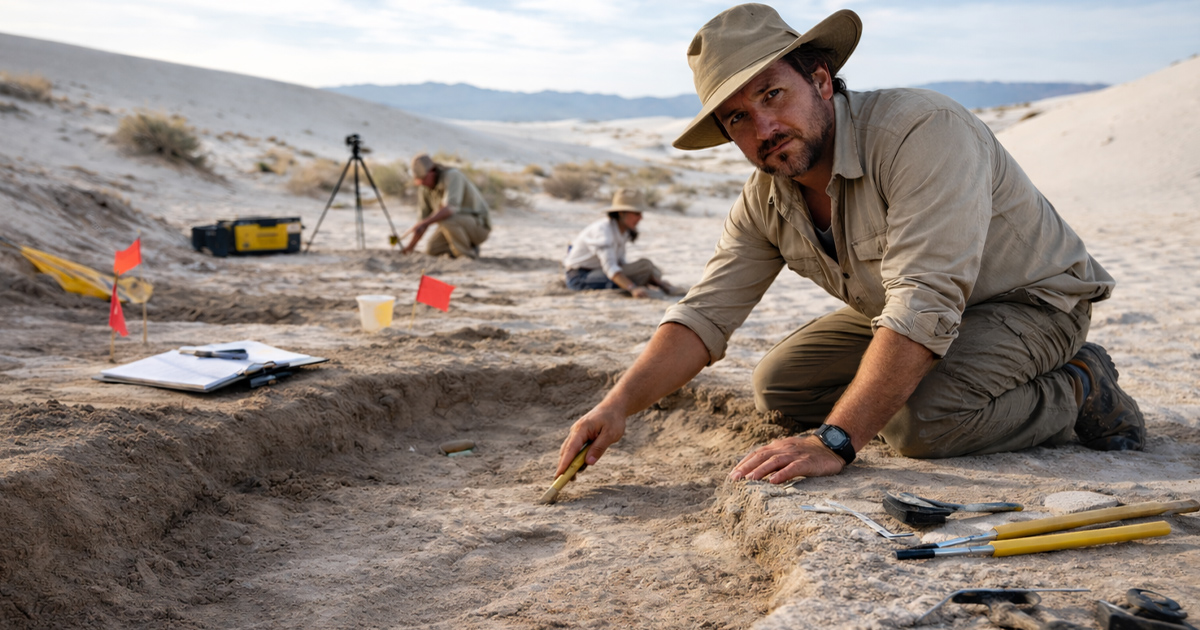
The Day the Desert Gave Up Its Secret
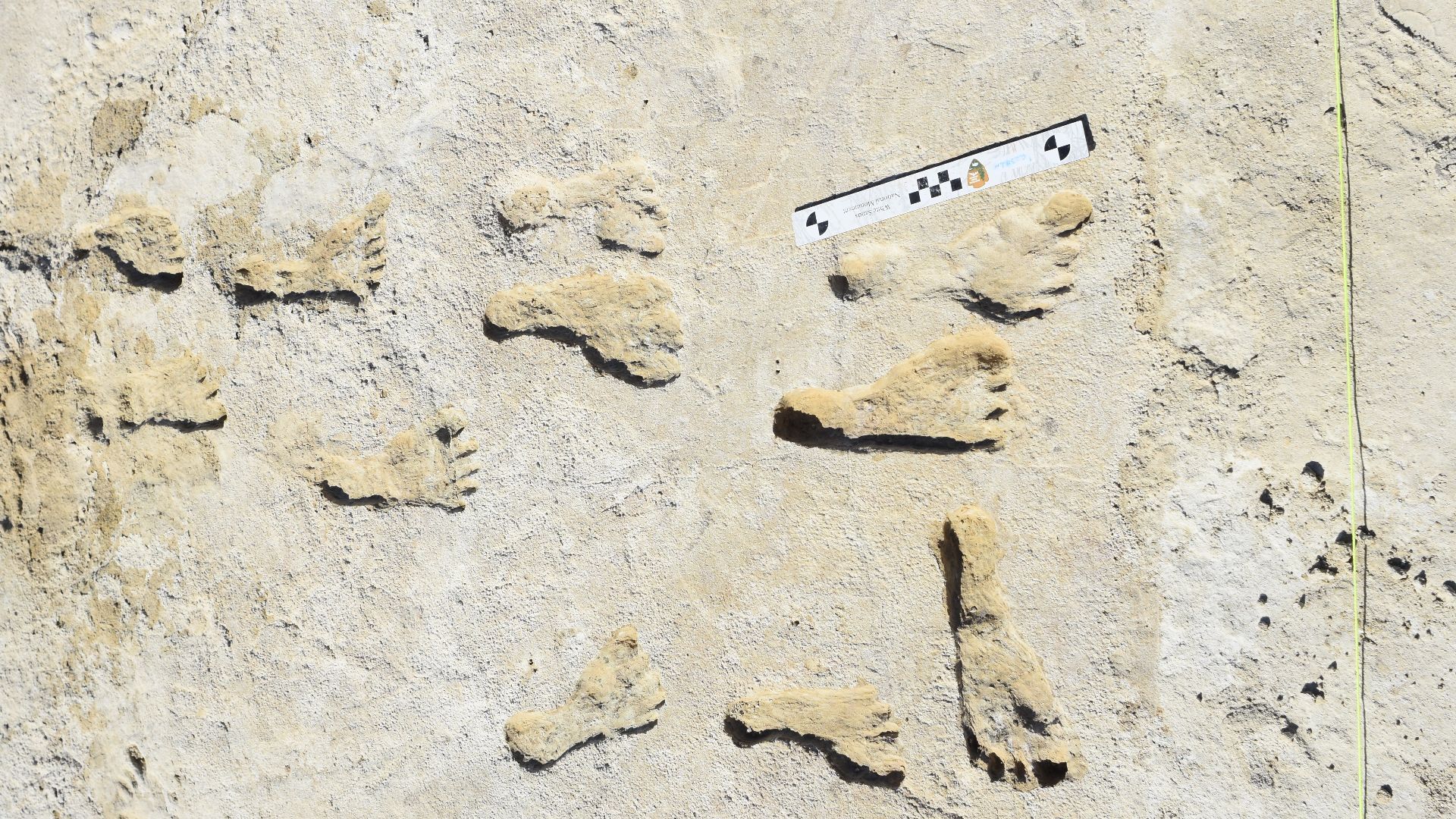
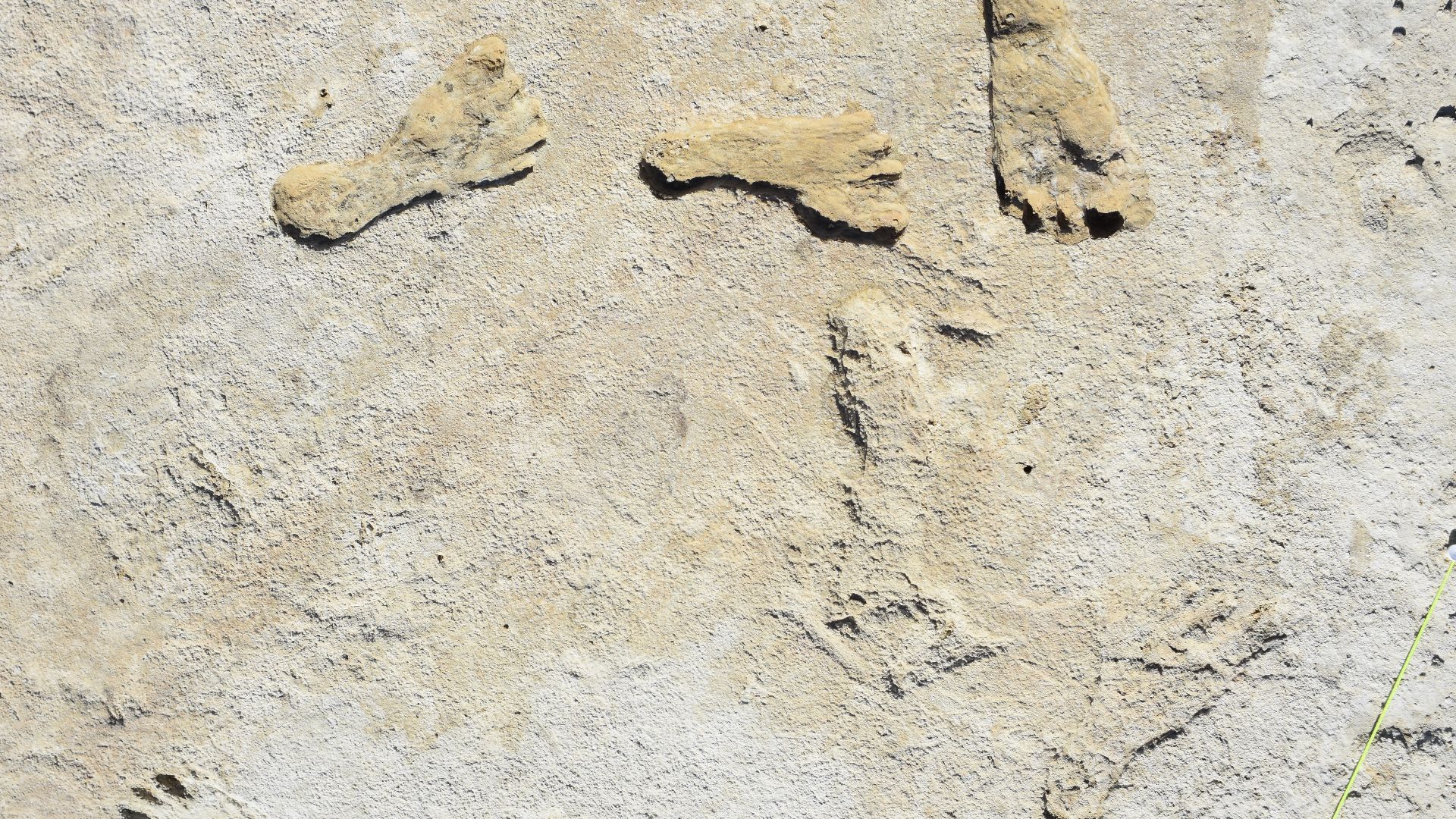
In 2009, resource manager David Bustos was walking across the gypsum flats of White Sands National Monument in southern New Mexico when he noticed something unusual in the dried lakebed. Faint impressions—almost ghostlike—stretched across the surface. At first glance, they looked recent. They weren’t.
What he had stumbled upon would soon force scientists to rethink an entire chapter of human history.
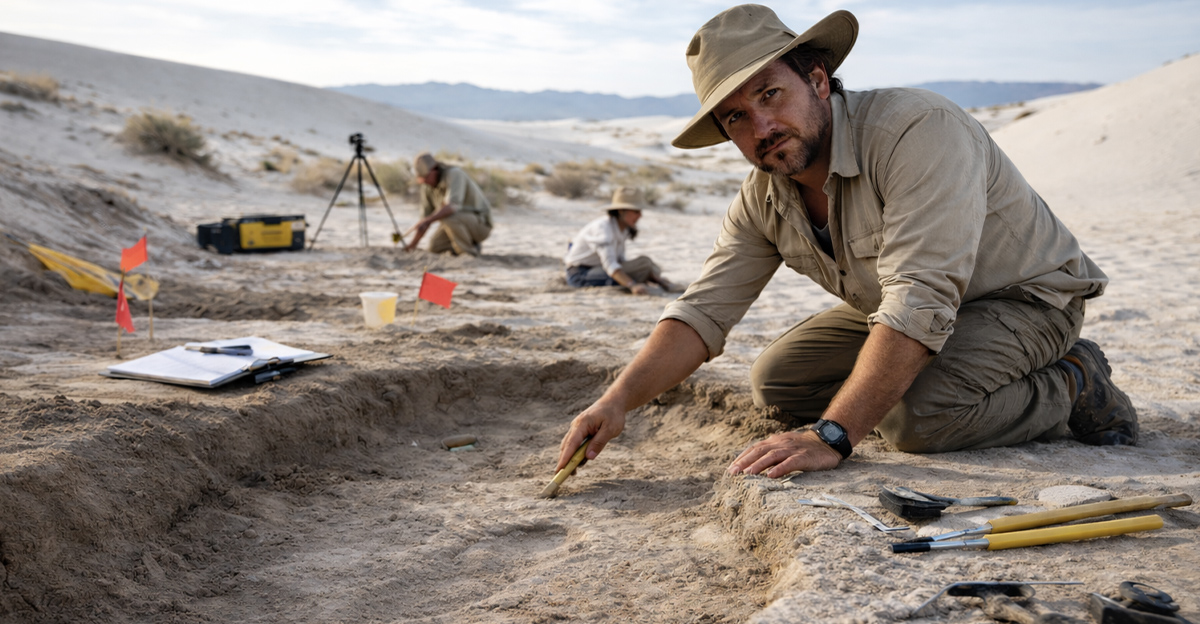
Footprints in an Ancient Shoreline
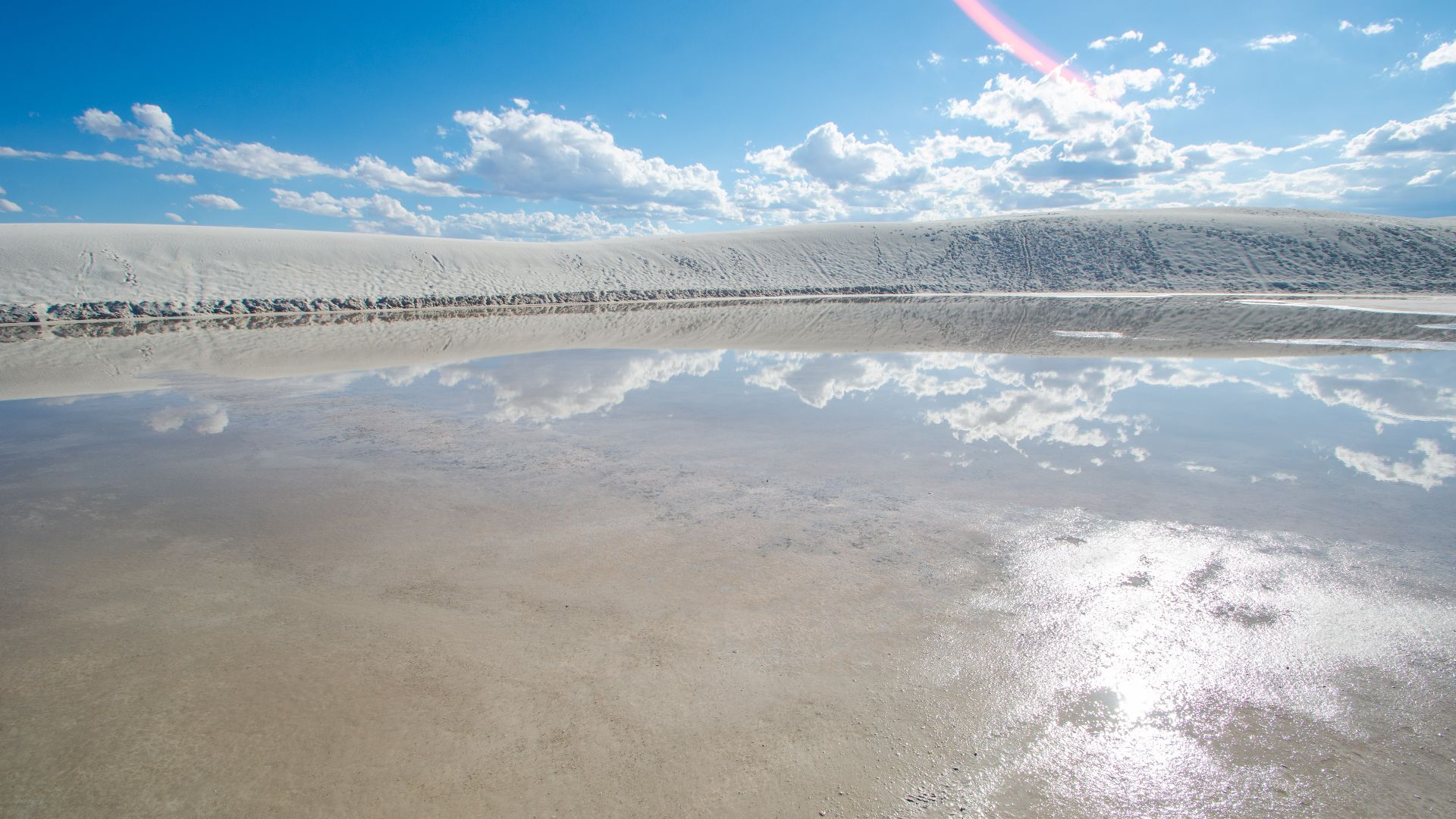
The impressions lay in what had once been the muddy edge of Lake Otero, a massive Ice Age lake that filled the Tularosa Basin thousands of years ago. The surface had hardened, cracked, and been buried under dunes. What Bustos had spotted were fossilized human footprints.
Bringing in the Scientists
Realizing the potential importance, Bustos contacted researchers. Eventually, a team led by Matthew Bennett, a professor of environmental and geographical sciences at Bournemouth University in the United Kingdom, began carefully documenting the tracks.

First Reactions
When Bennett and colleagues examined the site, they saw clear human trackways preserved in sediment. Some were small, likely children. Others belonged to adults. The immediate reaction was excitement—but also caution. How old were they?
Publishing the Bombshell
In September 2021, Bennett and co-authors published their findings in the journal Science. The paper included researchers from the US Geological Survey and the National Park Service, including geologist Jeffrey Pigati.
 evergladesnps, Wikimedia Commons
The Stunning Date Range
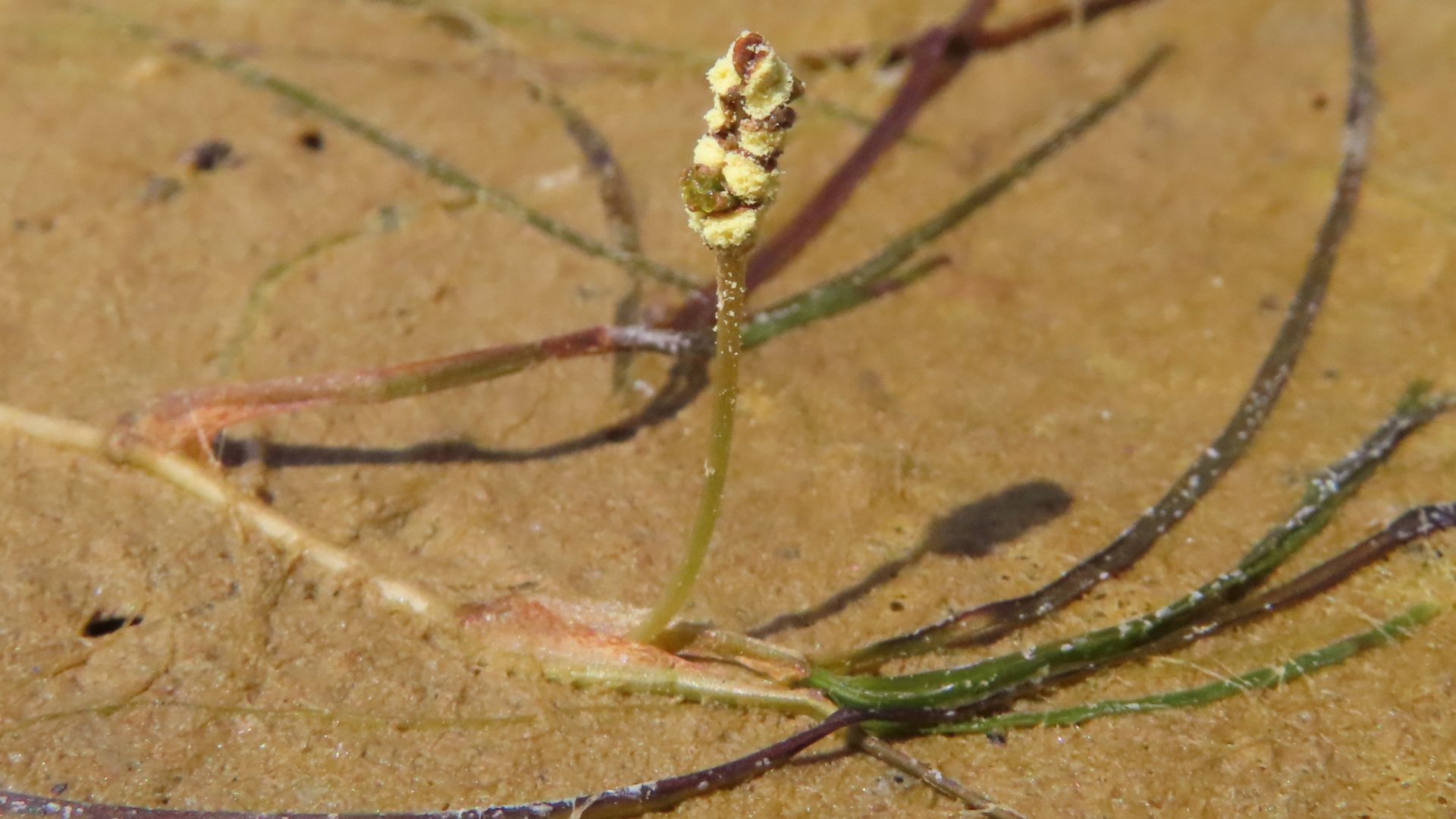
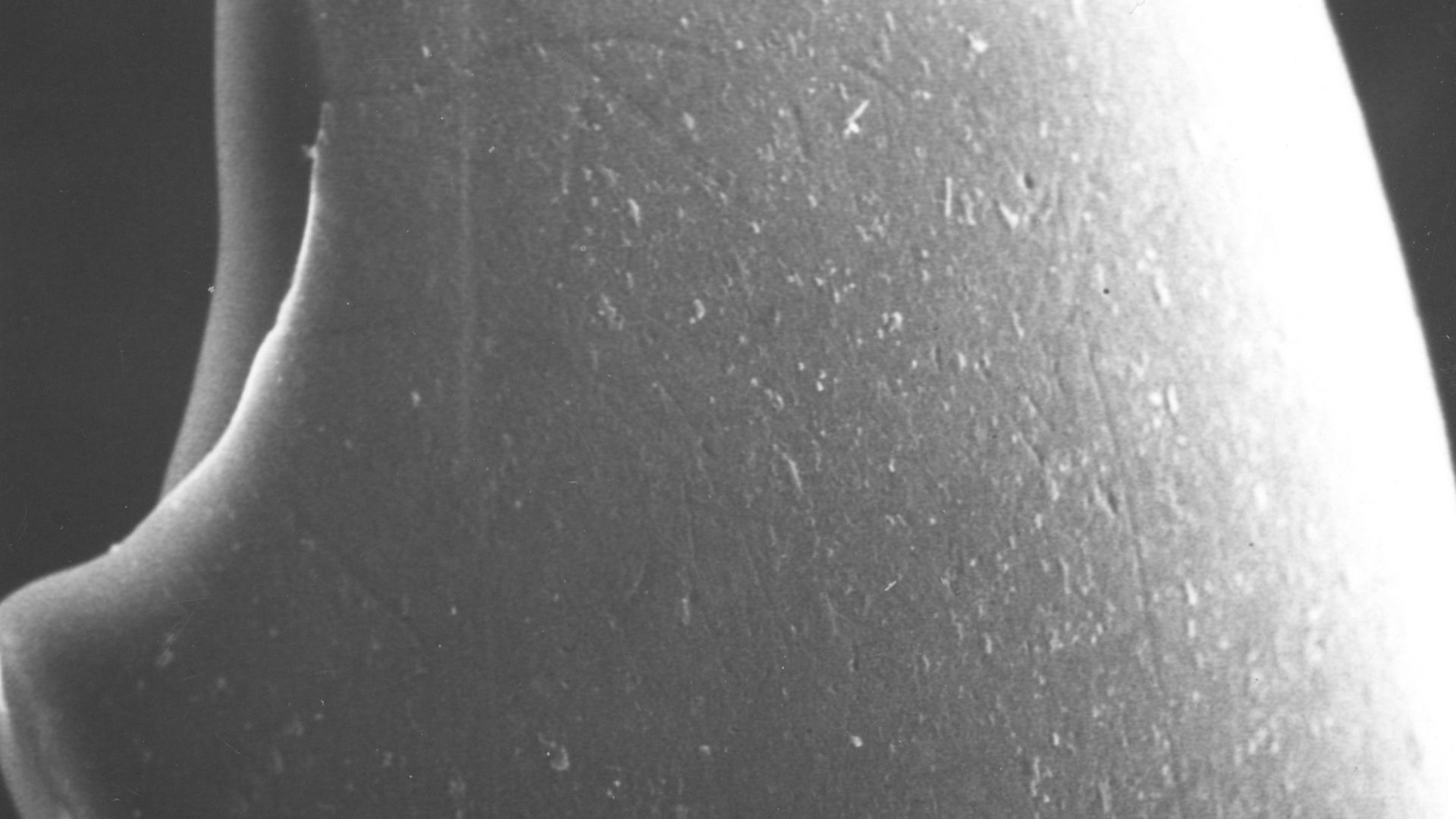
Using radiocarbon dating on seeds of an aquatic plant called Ruppia cirrhosa embedded in the same sediment layers, the team estimated the footprints were between 21,000 and 23,000 years old.
This created more questions than answers.
A Timeline Turned Upside Down
For decades, most archaeologists believed humans entered North America around 13,000 to 16,000 years ago, associated with the Clovis culture. If the White Sands dates were correct, that would mean that humans were here during the Last Glacial Maximum.
Ice Sheets and Isolation
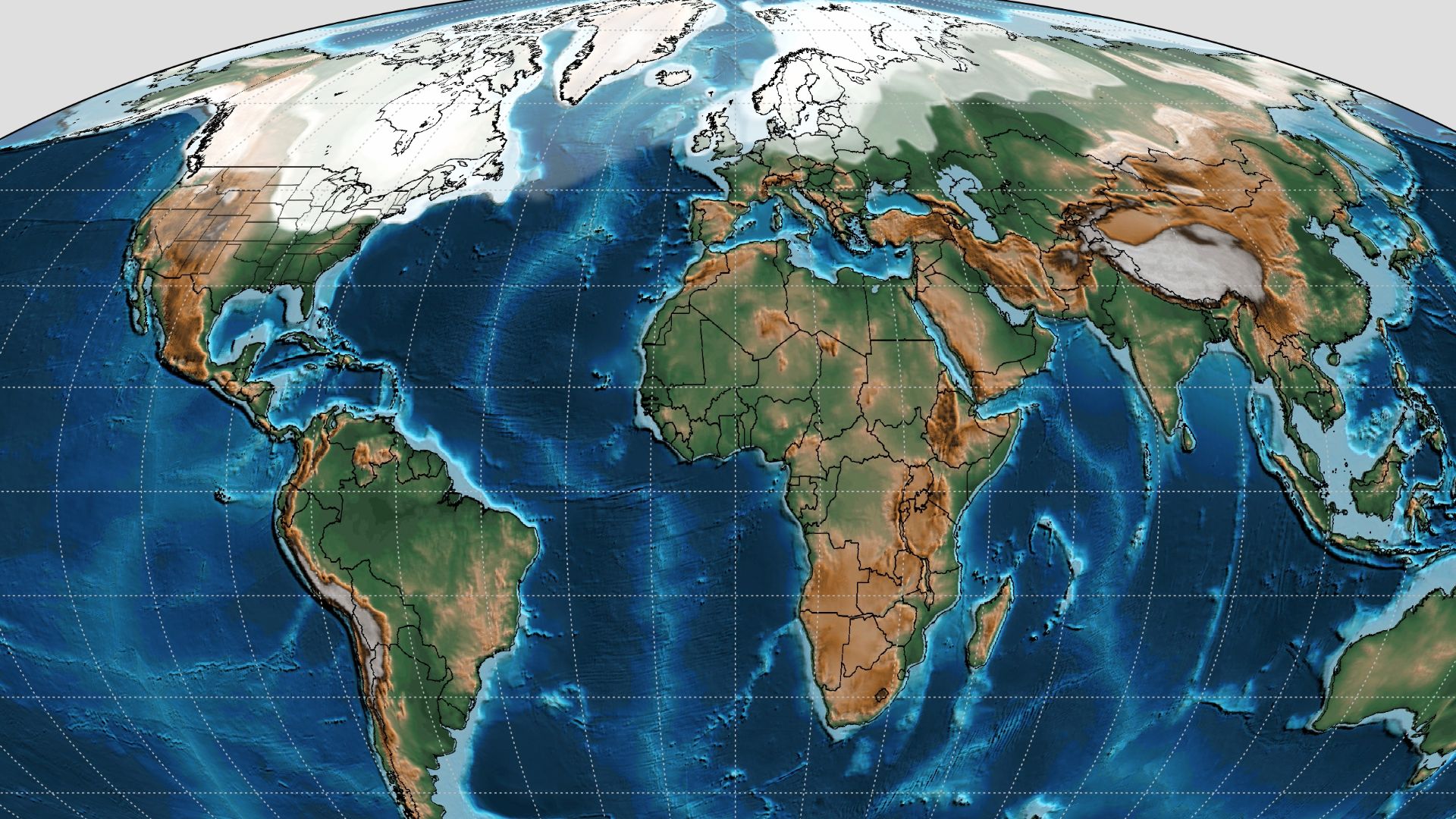
Around 23,000 years ago, massive ice sheets covered much of northern North America. Conventional thinking suggested migration routes were blocked. Yet here were footprints in southern New Mexico during the height of the ice age.
Immediate Skepticism
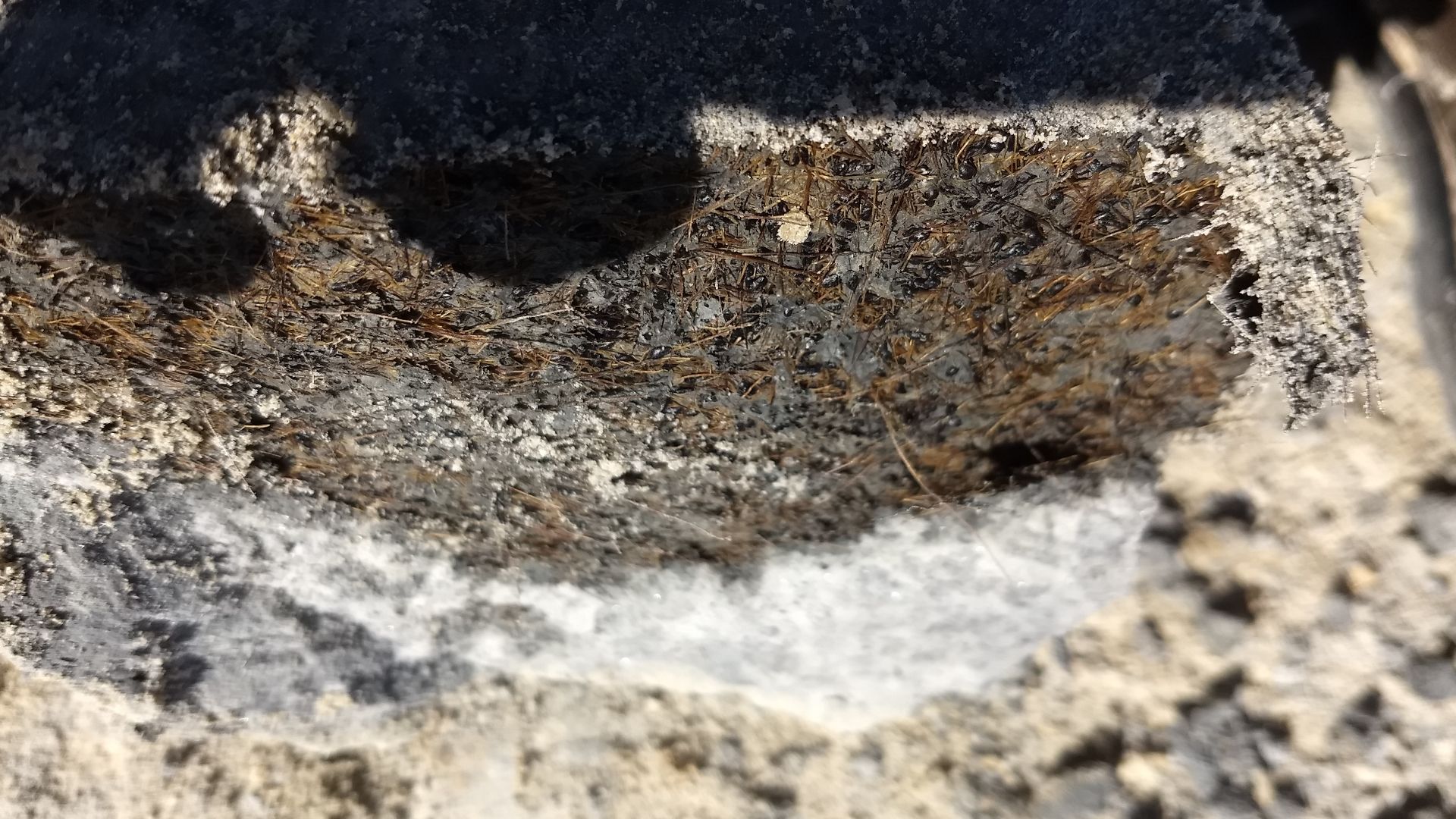
The reaction from parts of the archaeological community was swift. Some researchers questioned whether dating aquatic plant seeds could introduce errors through what is known as the “old carbon” effect.
Jeffrey Pigati Addresses the Doubts
Jeffrey Pigati of the USGS acknowledged the skepticism publicly. He explained that extraordinary claims require strong evidence and that the team welcomed further testing to confirm their conclusions.

Returning to the Field
Rather than retreating from criticism, the researchers returned to White Sands. They collected additional samples and sought independent dating methods to verify the timeline.
 Larry Mills, Wikimedia Commons
A Second Line of Evidence
Scientists applied optically stimulated luminescence dating to quartz grains within the footprint-bearing sediments. This technique measures when mineral grains were last exposed to sunlight.
 Hannes Grobe, Wikimedia Commons
Confirmation in 2023
In 2023, follow-up research published in Science Advances confirmed age estimates between about 20,700 and 23,000 years ago. Multiple independent dating methods converged on the same timeframe.
 Yulia Kolosova, Wikimedia Commons
Life Along Lake Otero
The footprints reveal more than age. They show movement. Long trackways indicate people walking purposefully across muddy flats. Some tracks suggest an adult traveling with a child.
A Moment Between Parent and Child
One remarkable sequence appears to show an adult carrying a toddler for part of the journey, based on alternating depth patterns. The image feels intimate—an Ice Age family navigating a lakeshore.
 Ambitious Studio* | Rick Barrett, Unsplash
Sharing the Landscape With Giants
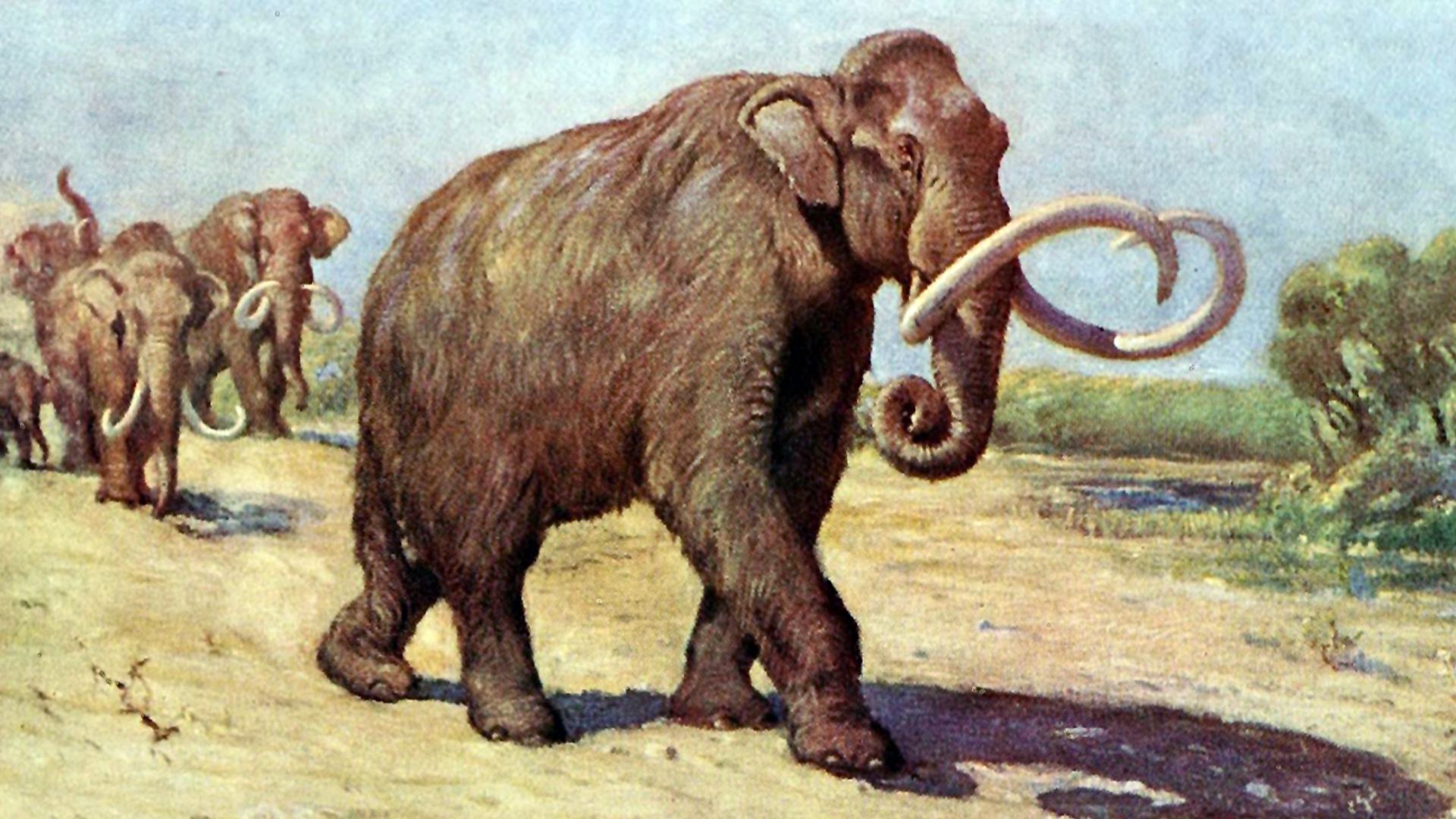
Nearby, researchers documented tracks of Columbian mammoths and giant ground sloths. Humans and megafauna moved across the same landscape, leaving overlapping impressions in soft sediment.
 Charles Robert Knight, Wikimedia Commons
Preserved by Chance
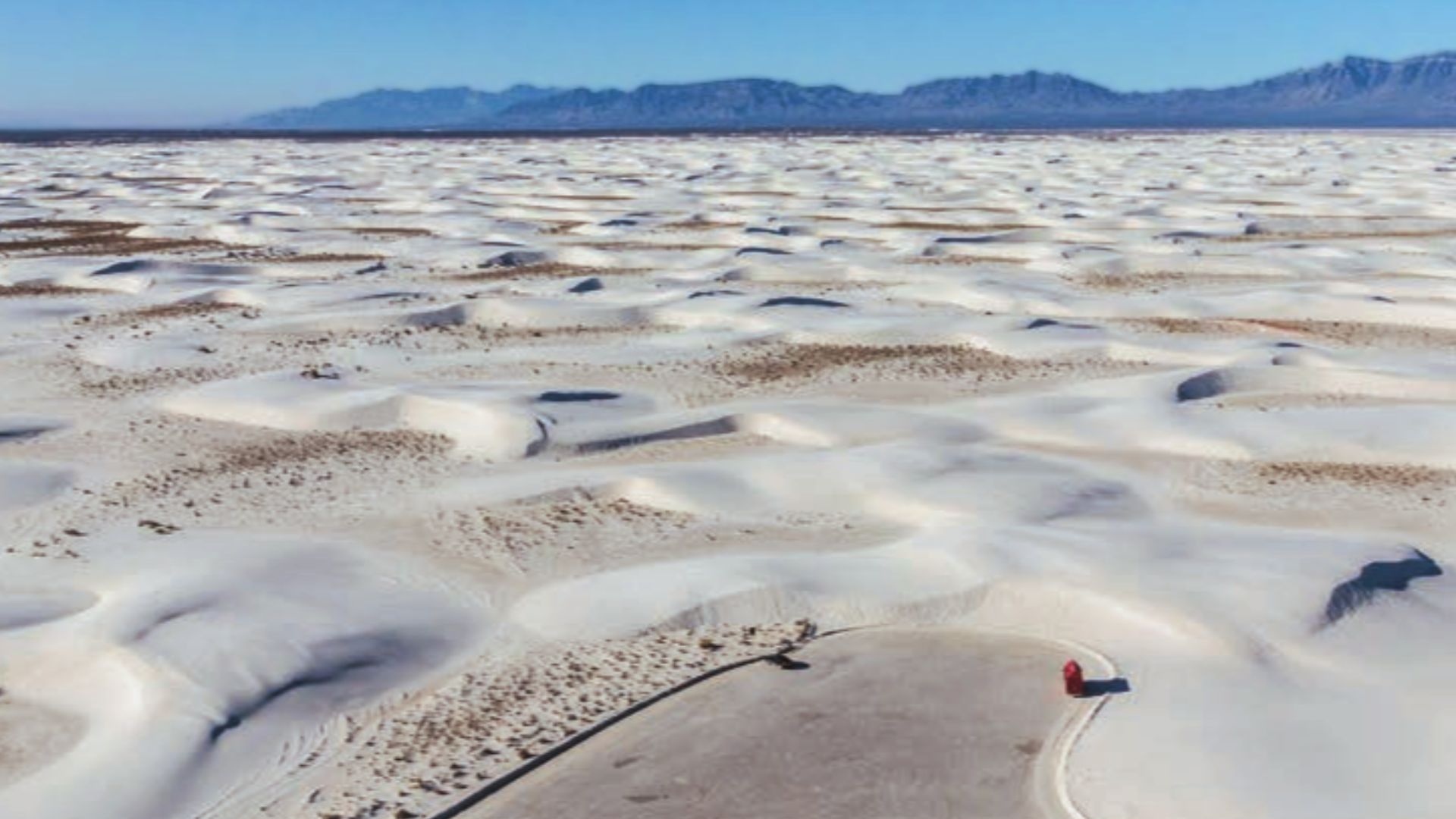
The prints survived because shifting lake levels buried them quickly in sediment. Over thousands of years, windblown gypsum dunes sealed and protected the fragile impressions.
 uncredited NPS employee, Wikimedia Commons
The Setting: White Sands National Park
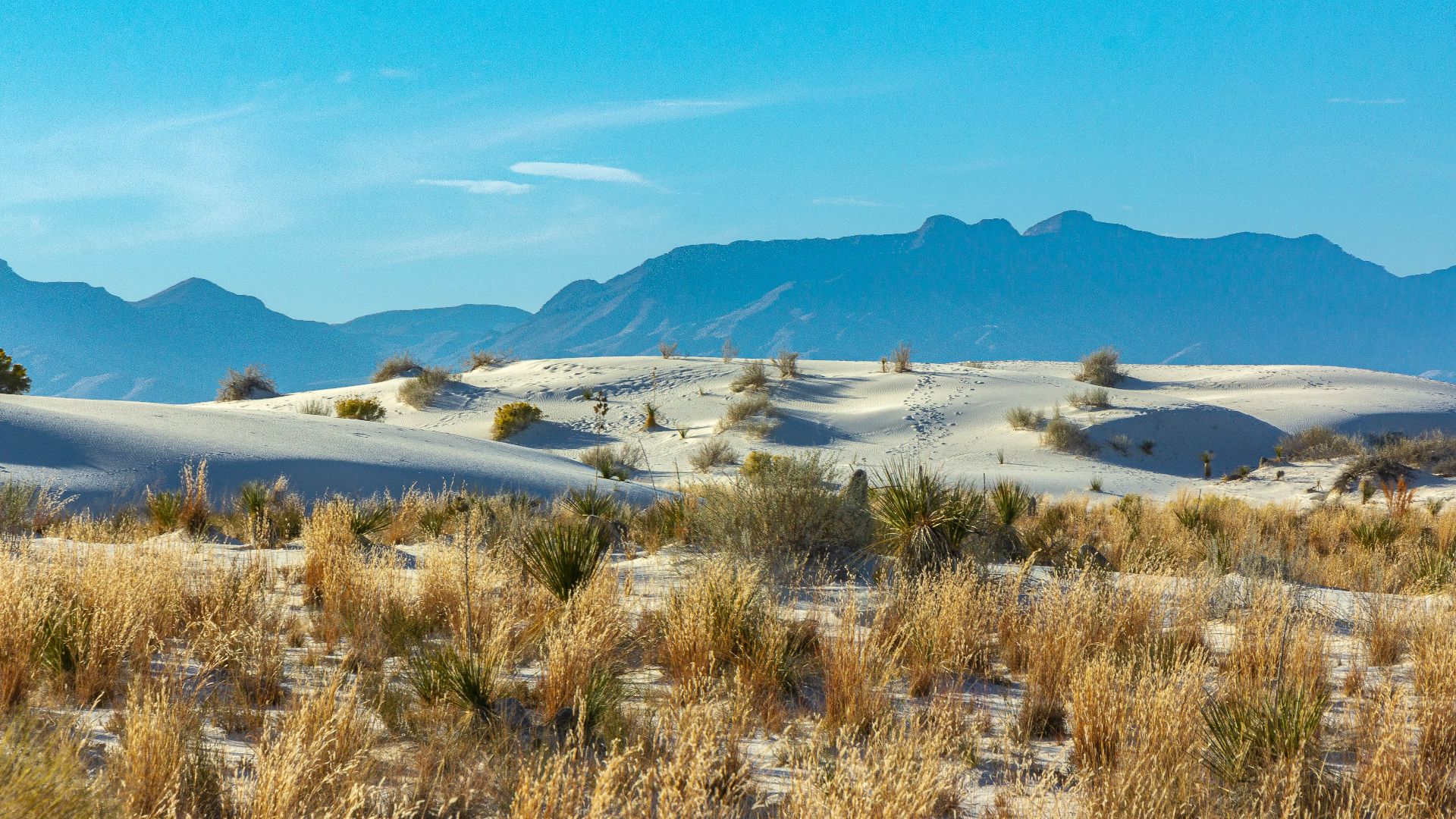
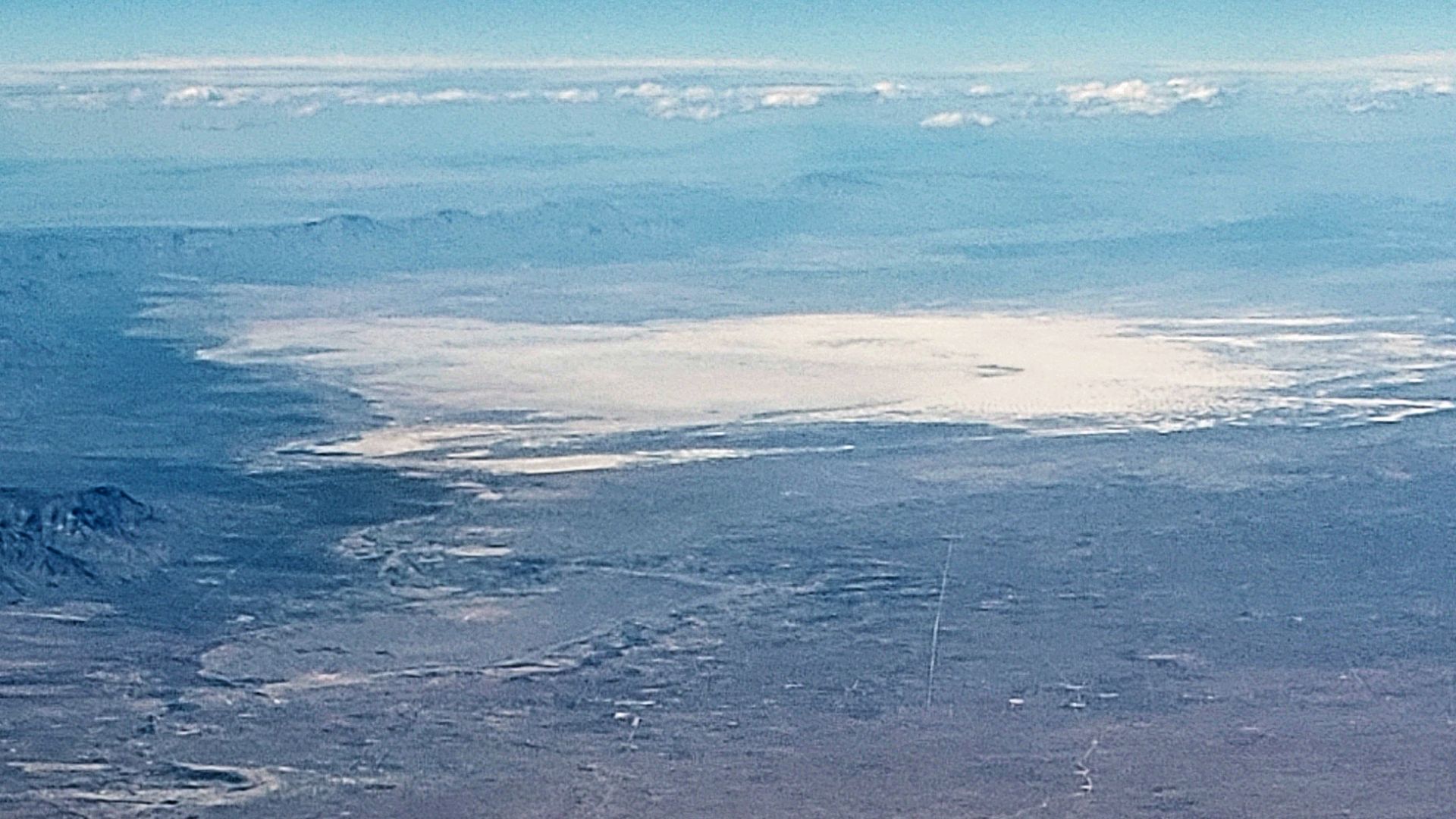
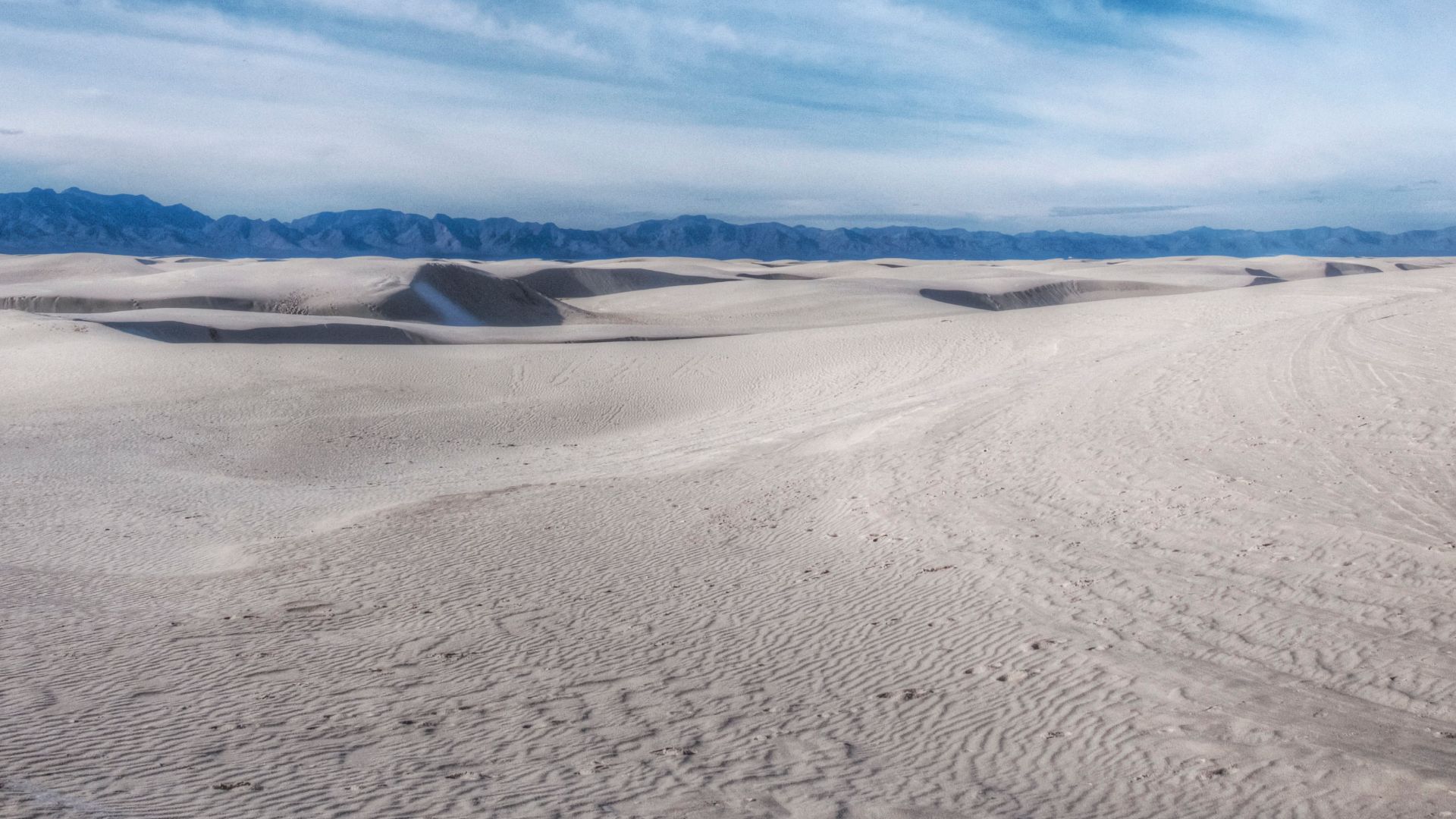
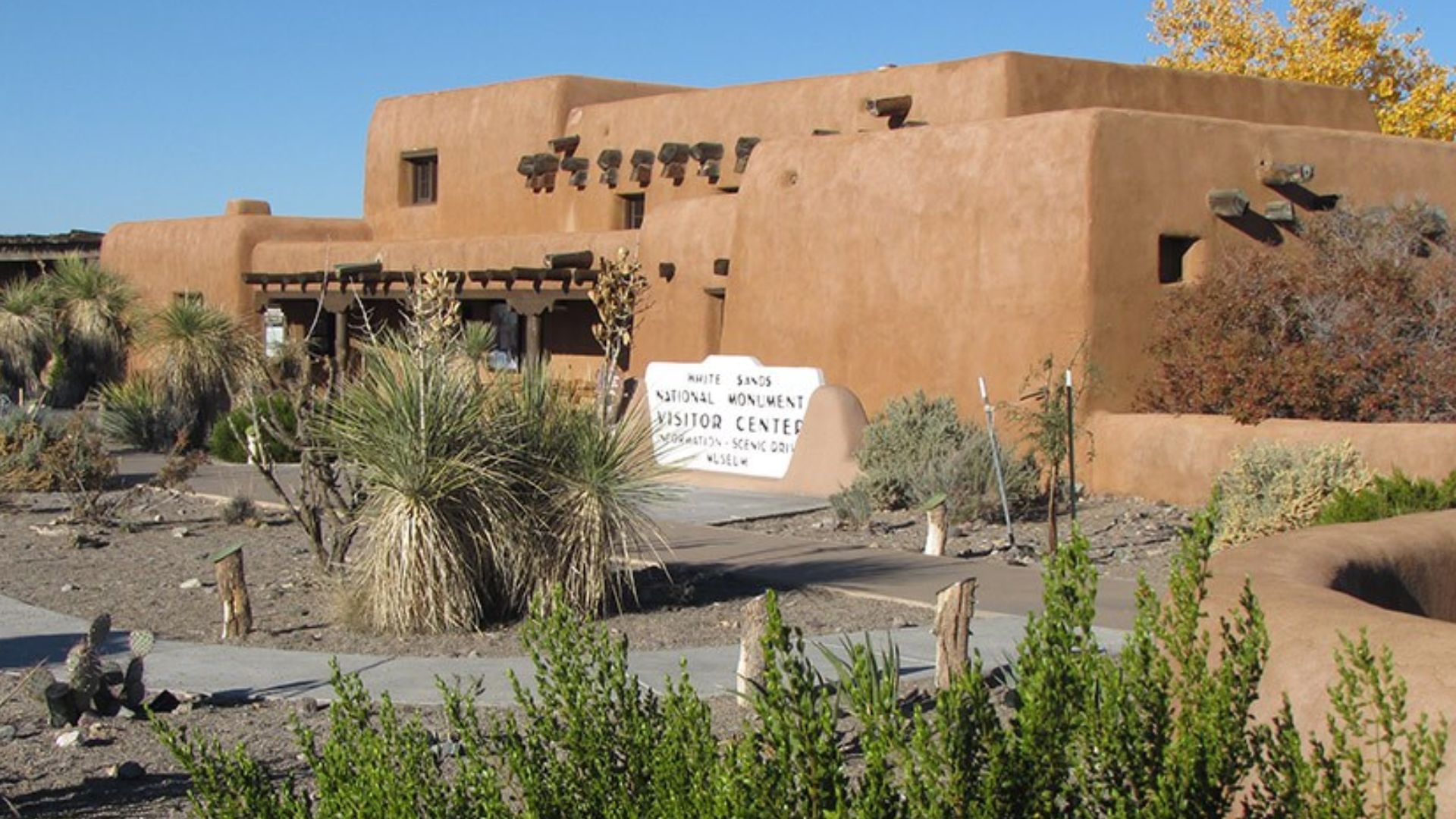
Today, the site sits within White Sands National Park, designated as a national park in 2019. The Tularosa Basin remains a place of stark beauty, but beneath the dunes lies a prehistoric shoreline.
 Yuya Sekiguchi, Wikimedia Commons
Rewriting Migration Models
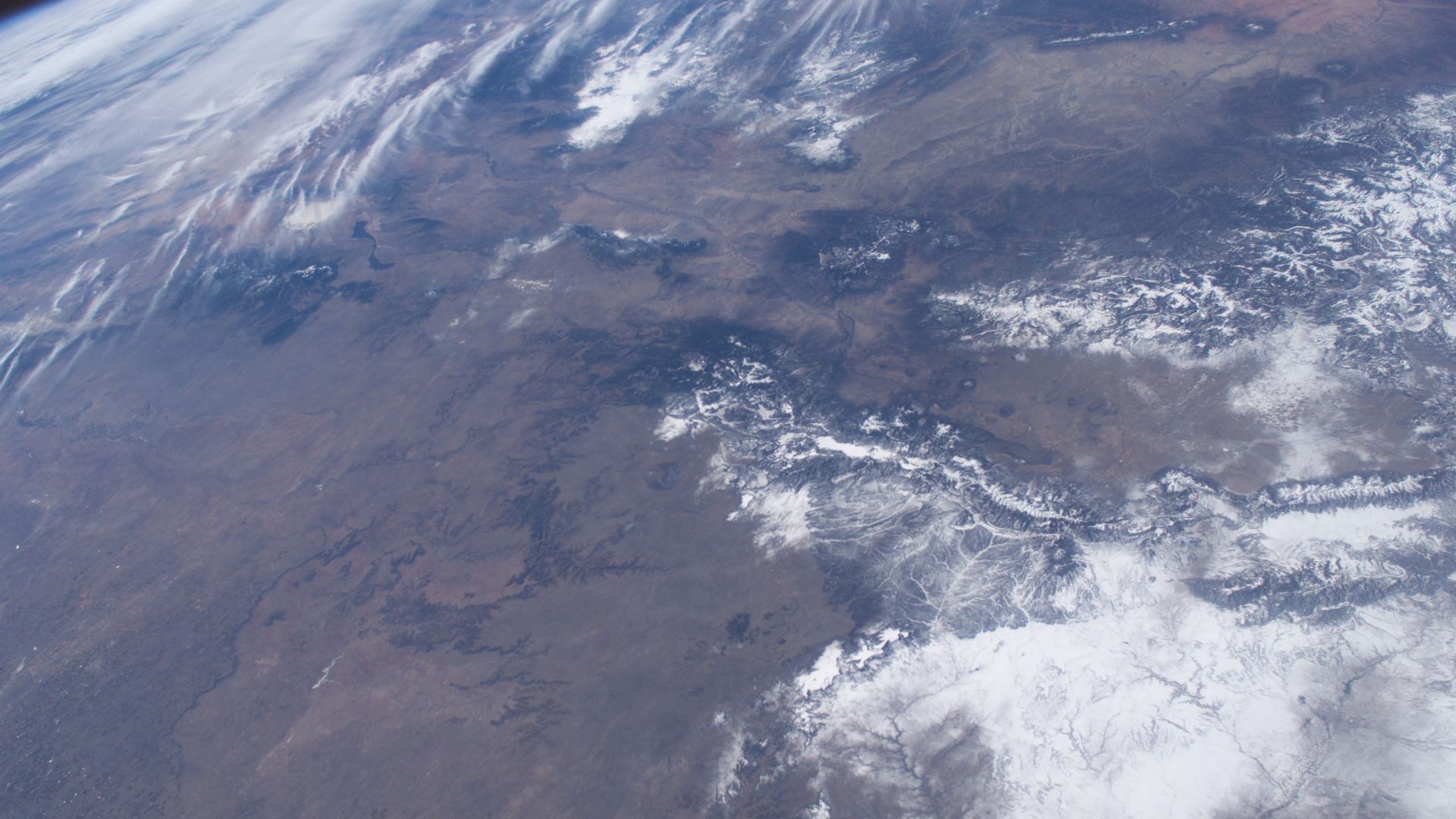
If humans were present in New Mexico 23,000 years ago, they likely arrived in the Americas much earlier. This supports theories of coastal migration routes along the Pacific before interior ice corridors opened.
 Earth Science and Remote Sensing Unit, Lyndon B. Johnson Space Center, Wikimedia Commons
The Broader Impact
The White Sands discovery is now widely considered the oldest firmly dated evidence of human presence in North America. It challenges decades of textbooks and reshapes migration debates.
 uncredited National Park Service employee, Wikimedia Commons
A Discovery That Began With a Walk
It all started with David Bustos noticing faint impressions in 2009. What looked like simple tracks turned into one of the most significant archaeological findings of the 21st century.
History Beneath Our Feet
The White Sands footprints are not tools or bones—they are steps. Real moments of movement, frozen in time. And they remind us that sometimes the biggest discoveries begin with someone simply looking down.

You May Also Like:
Photos Of The Tribe That Fled To Canada To Escape U.S. Control
In Northern China, millions of people still live in 4,000-year-old caves build into the hillside—and they do so purely out of choice.