Modern Day Flintstones
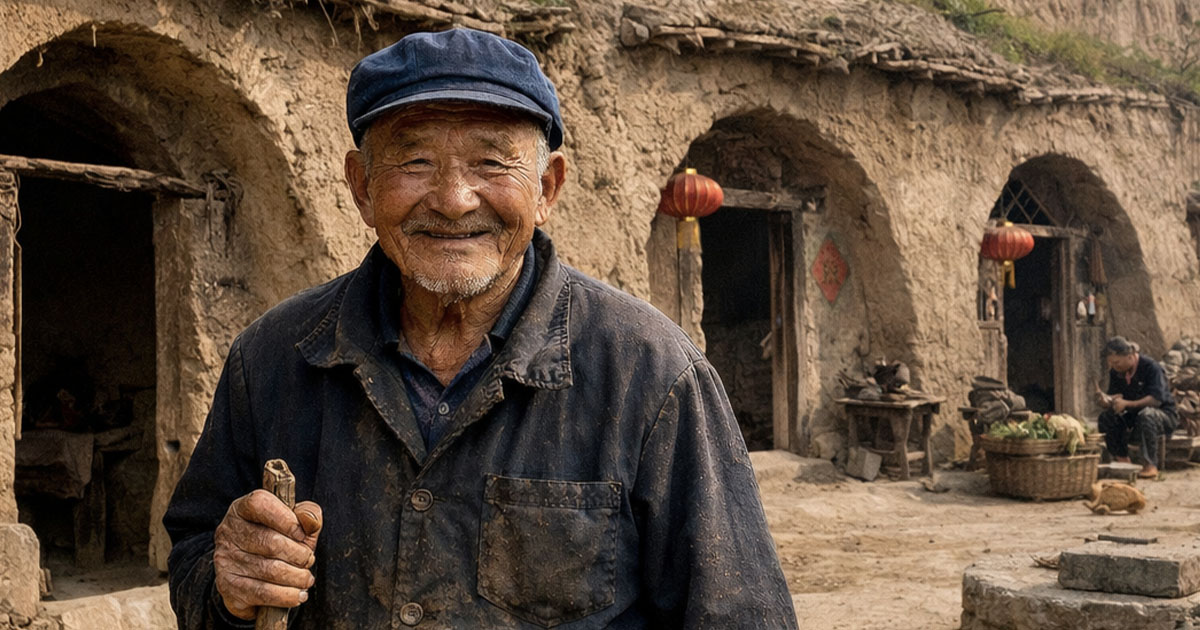
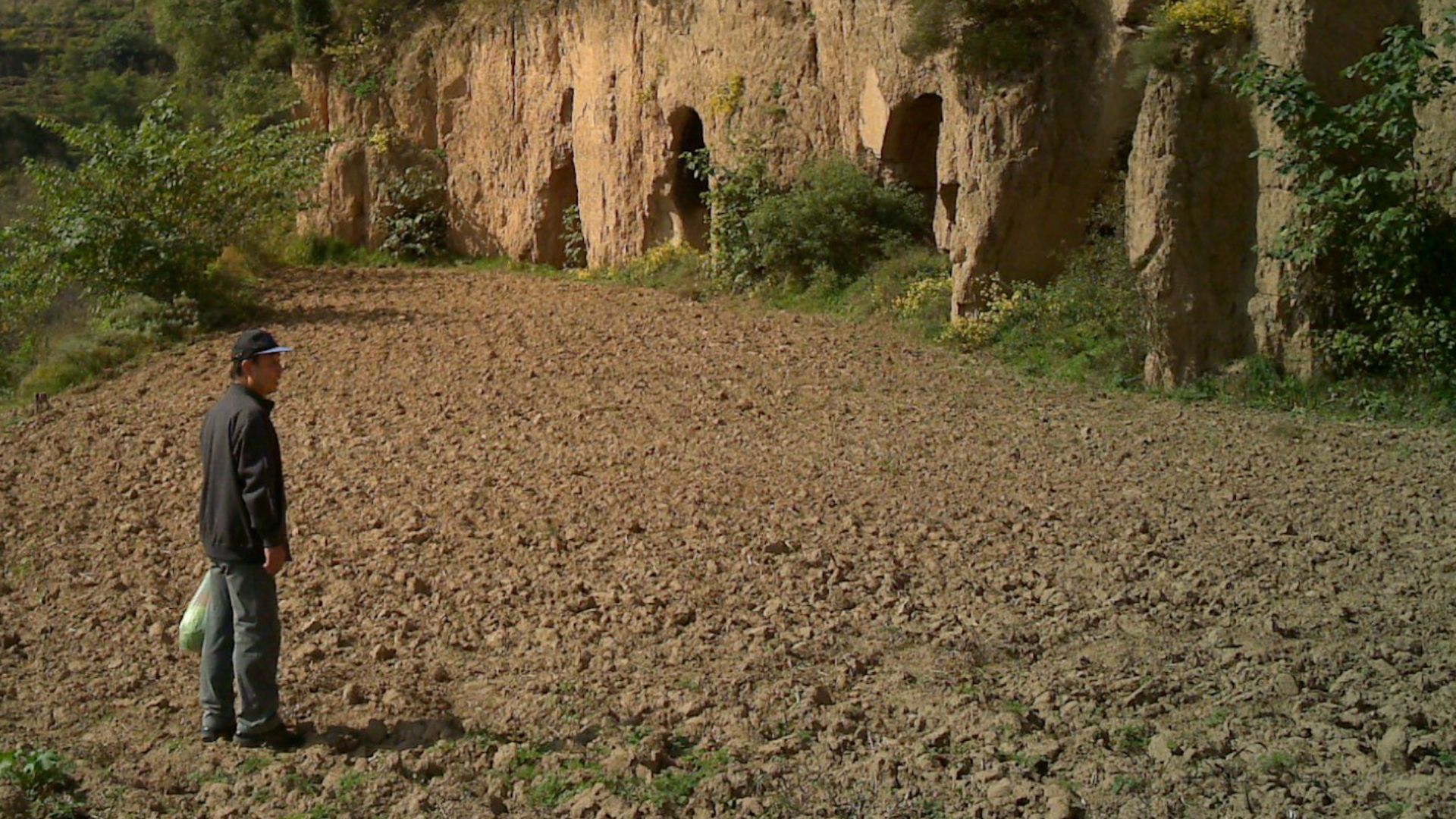
In northern China, entire communities live inside the earth itself. Not metaphorically. Literally. Carved into soft yellow hills, cave homes known as yaodong have sheltered families for centuries. Even today, tens of millions of people still call them home. And once you understand why, the idea starts to make surprising sense.
Where These Cave Homes Exist
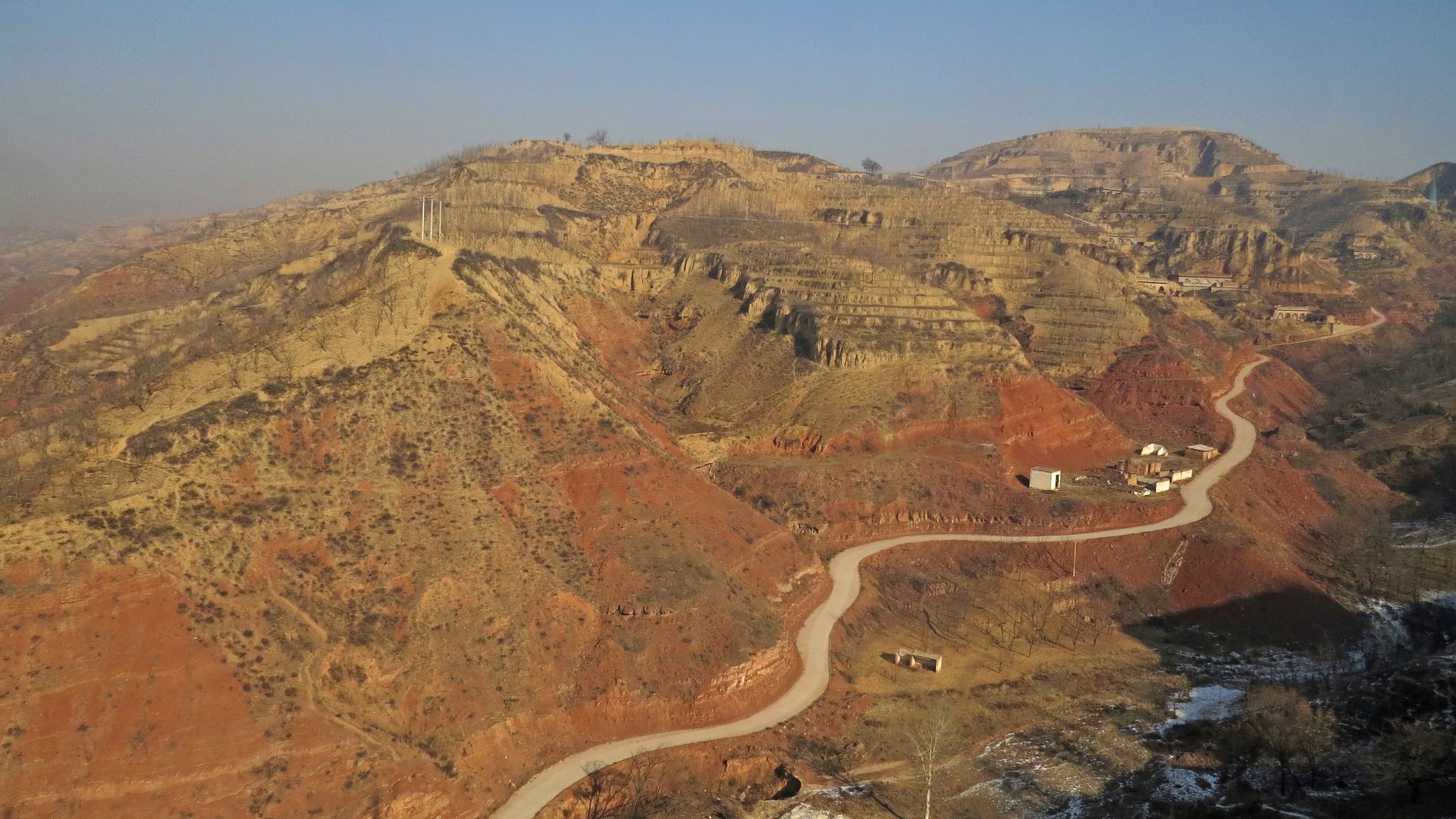
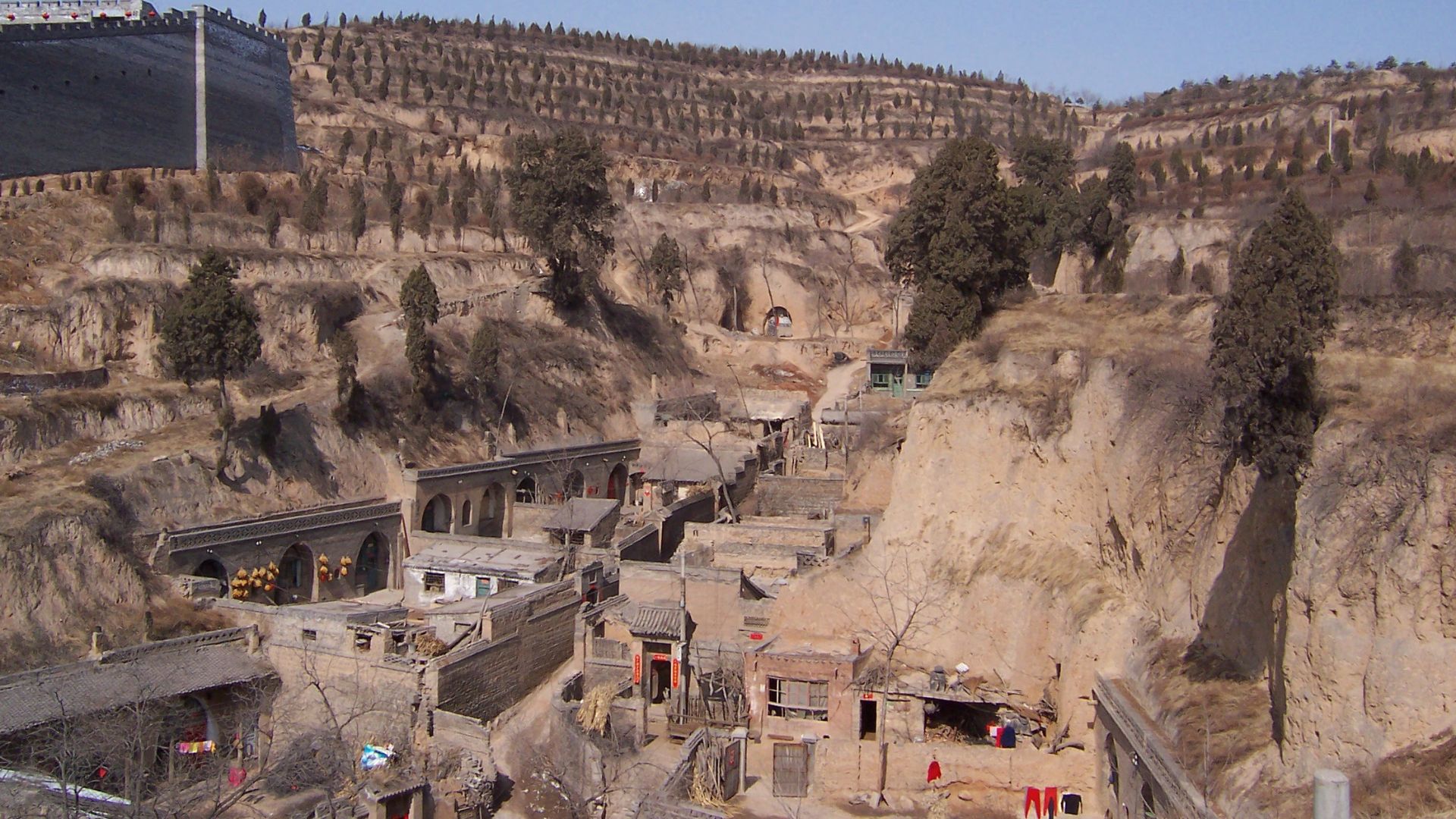
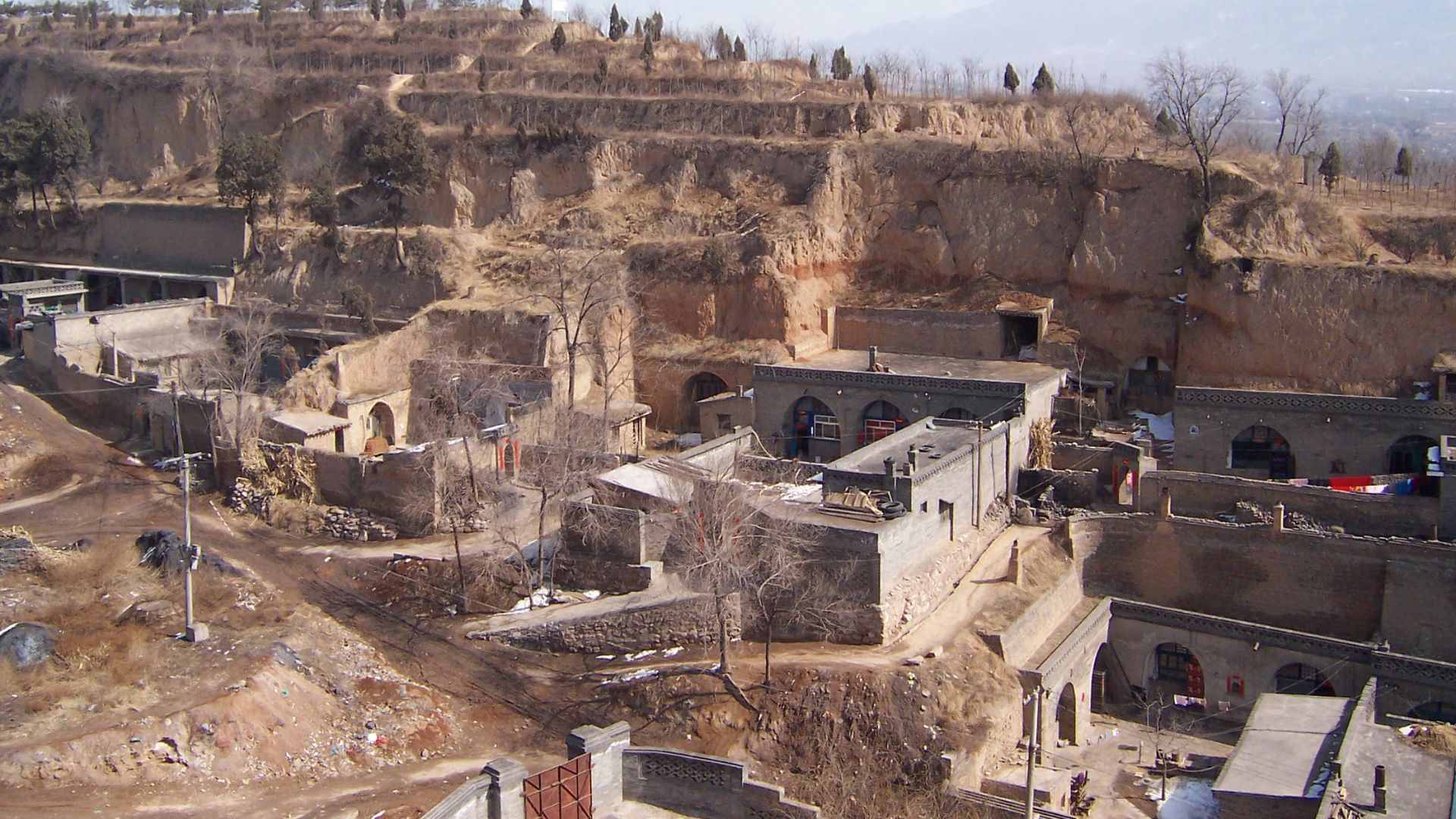
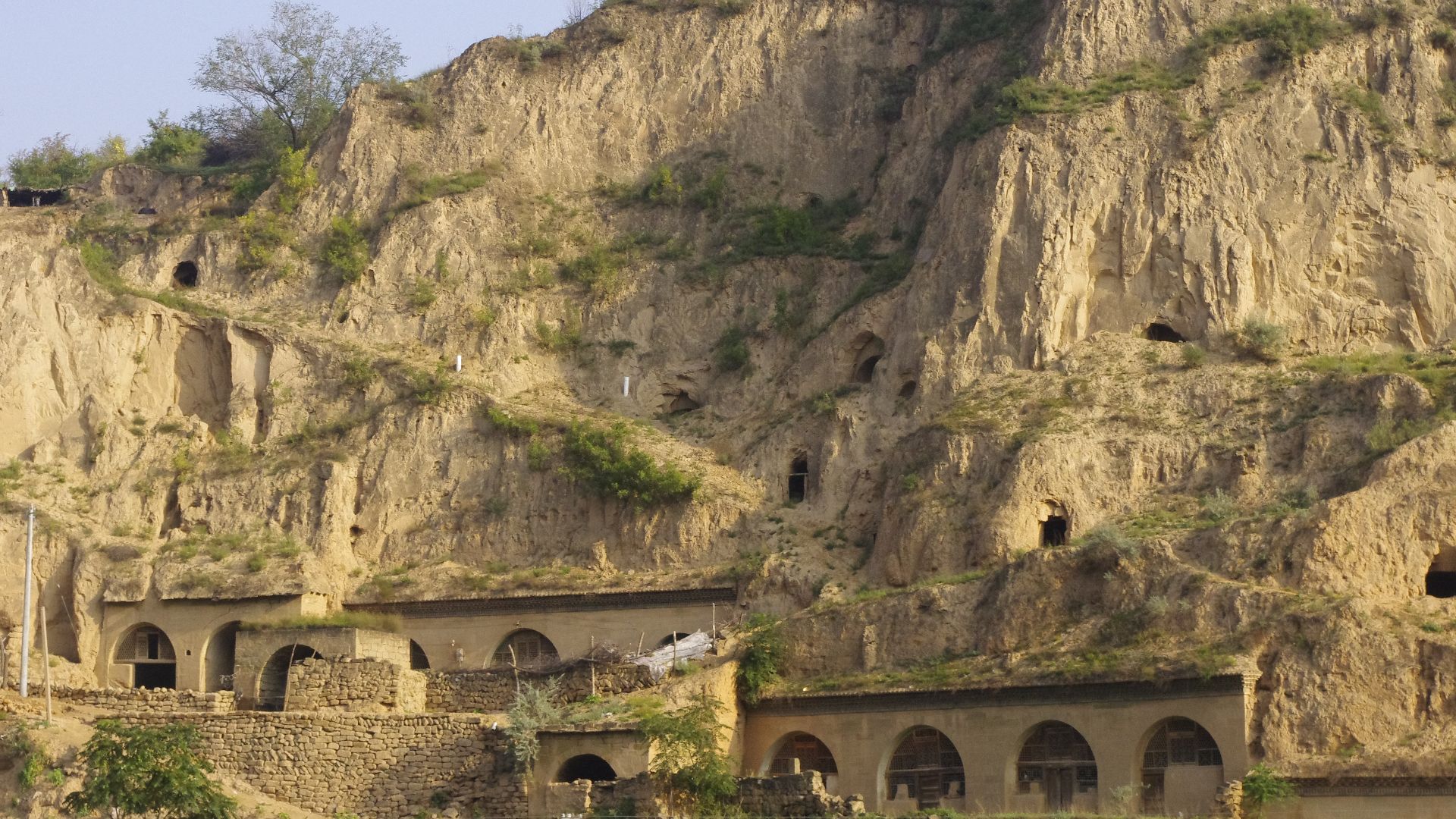
Most of China’s cave dwellers live on the Loess Plateau, a massive region spanning Shaanxi, Shanxi, Henan, and Gansu provinces. The soil here is loess, a fine, compacted sediment that’s easy to carve but strong enough to stand on its own. Nature practically invited people to move in.
A Lifestyle Older Than Many Cities
Archaeologists trace cave dwelling in this region back over 4,000 years, with widespread use during the Qin and Han dynasties (221 BCE–220 CE). These homes weren’t signs of poverty at first. They were smart, efficient housing designed to work with the landscape, not against it.
What a Yaodong Actually Looks Like
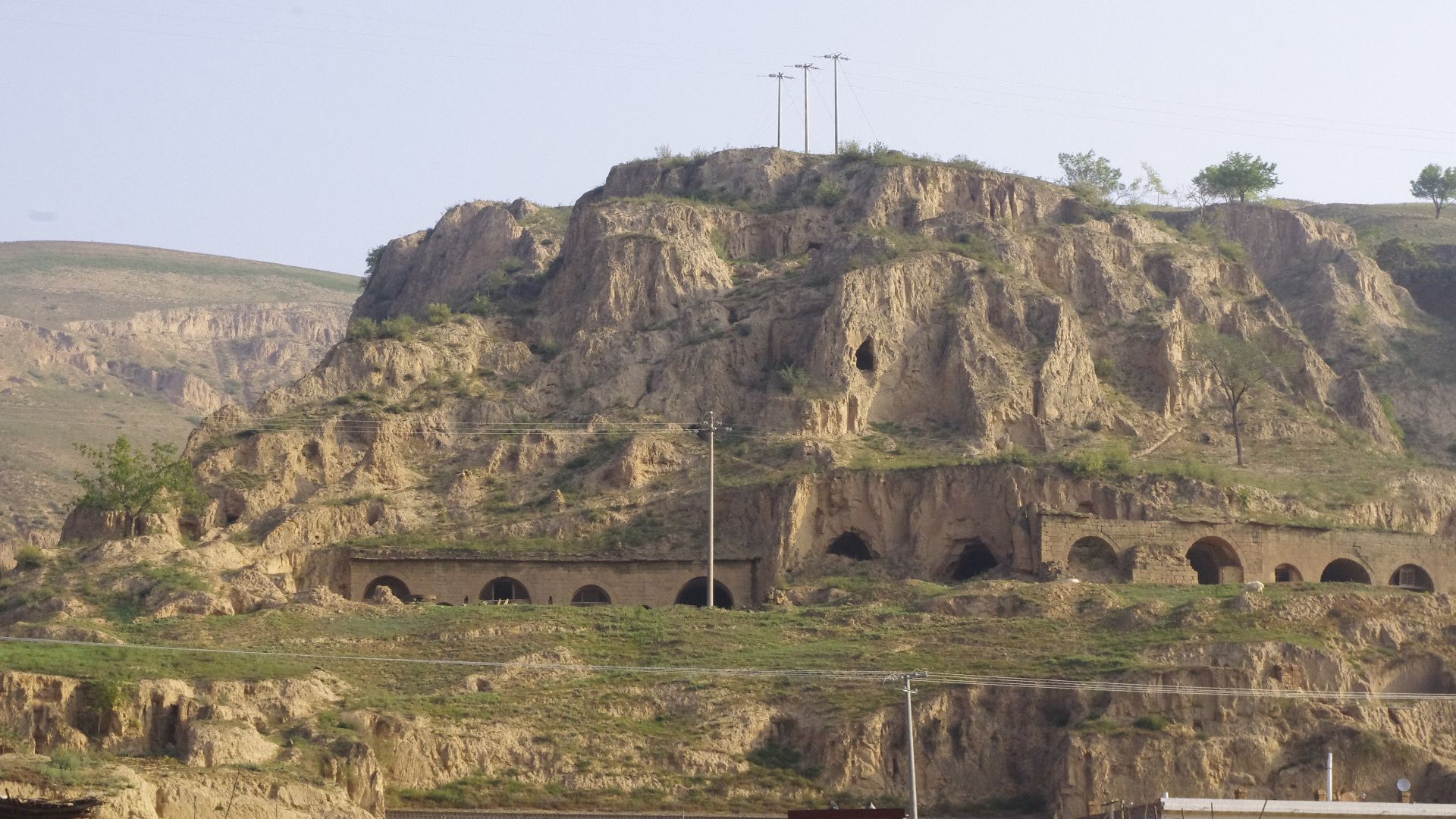
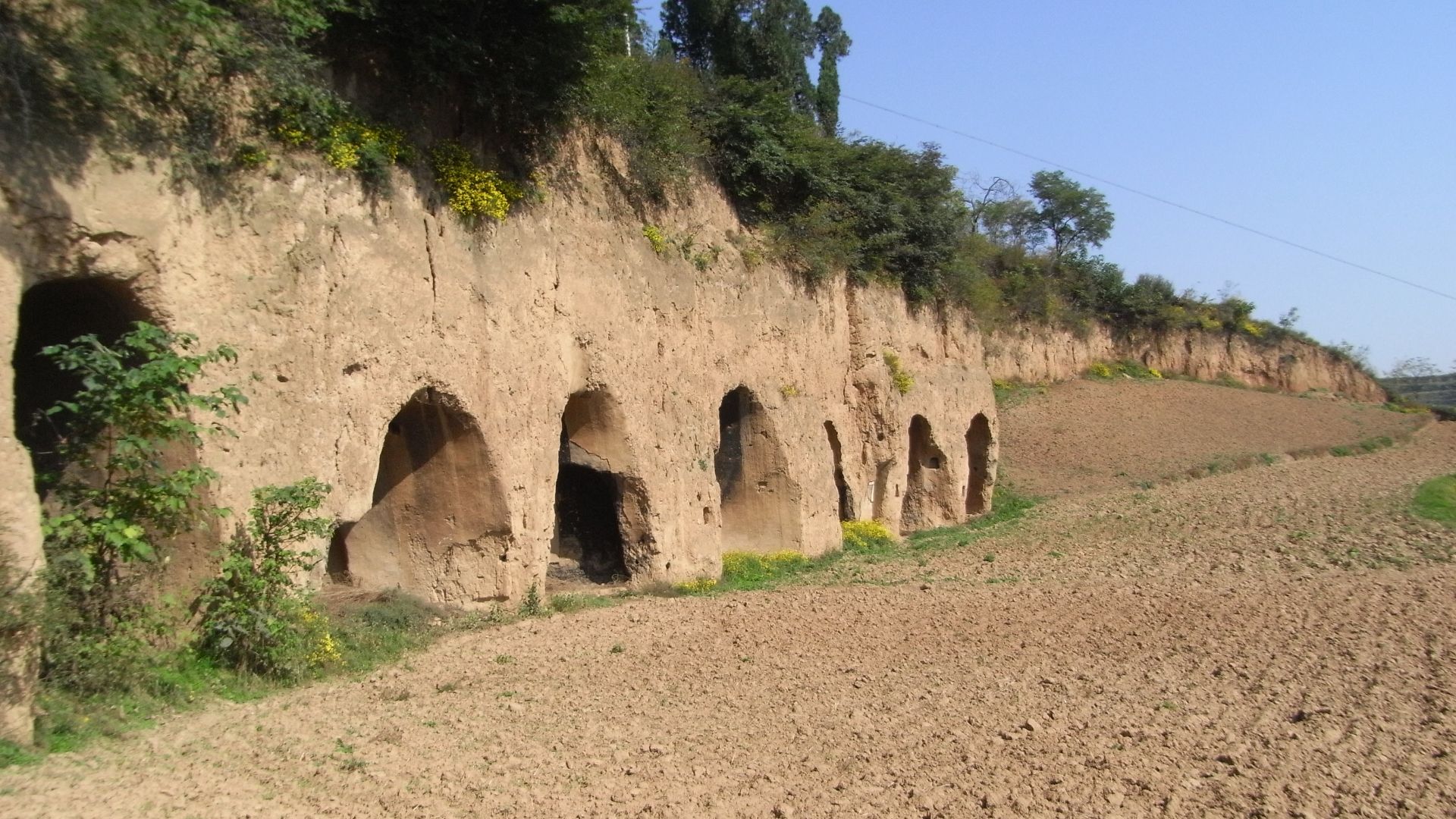
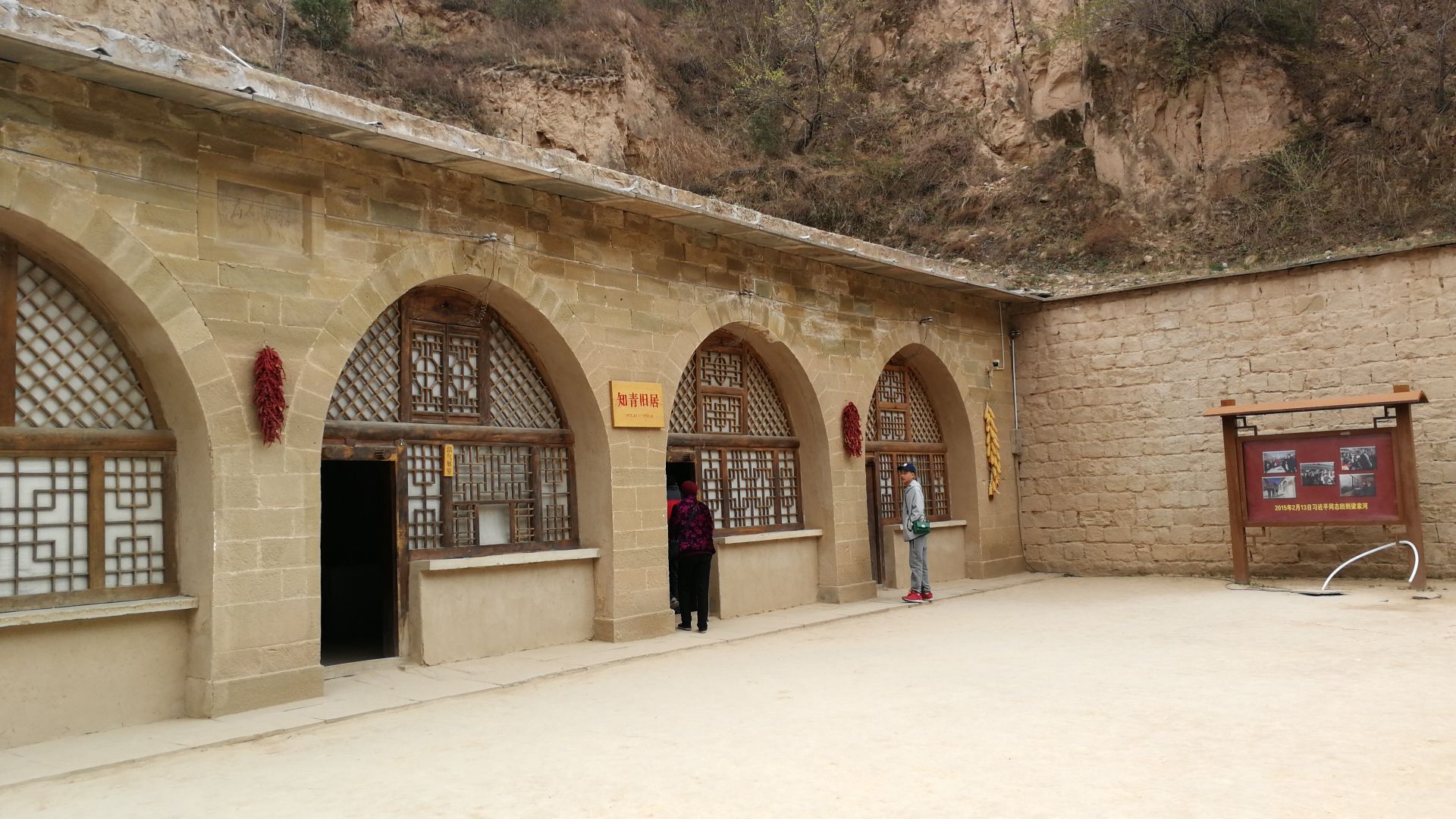
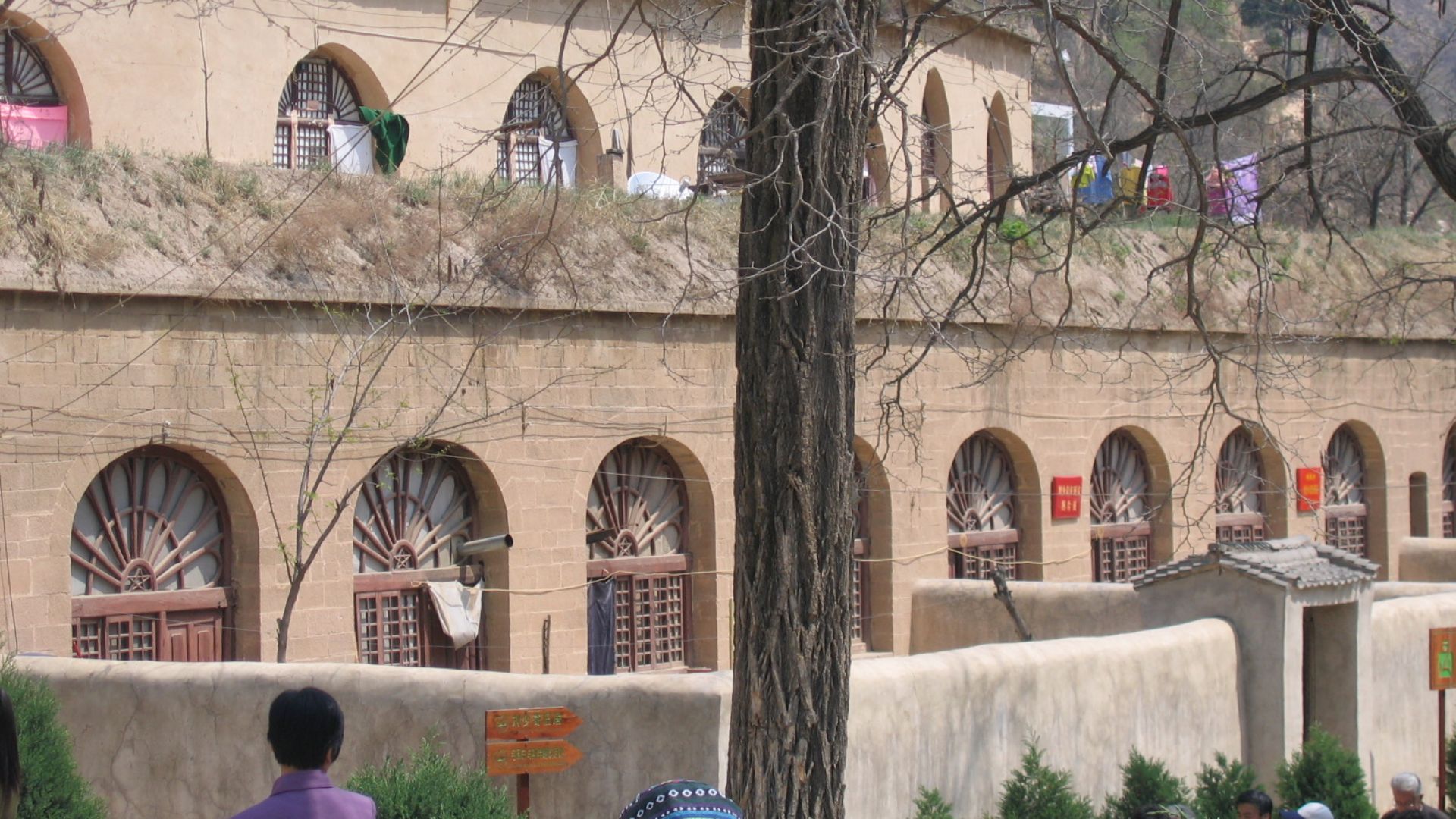
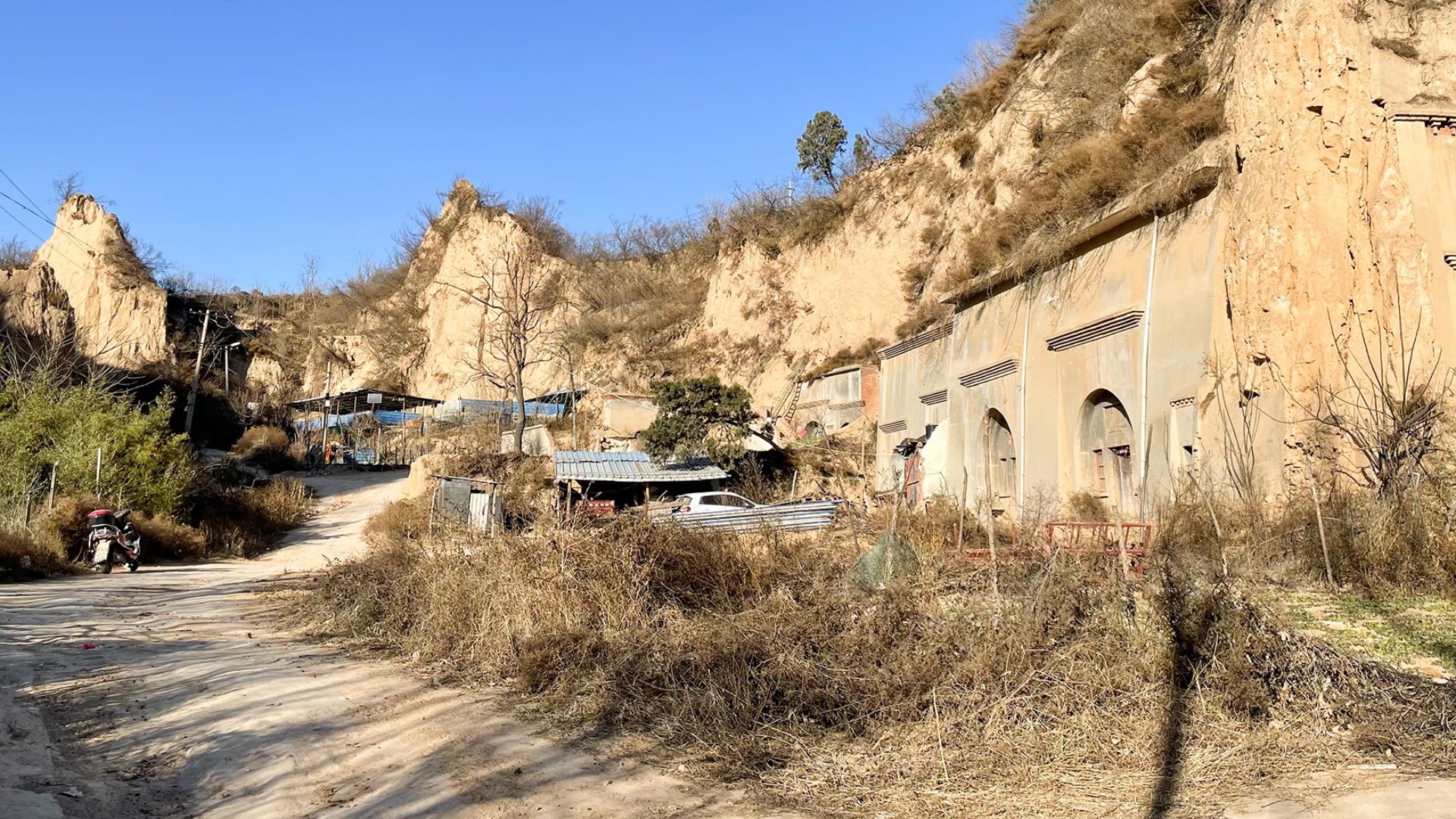
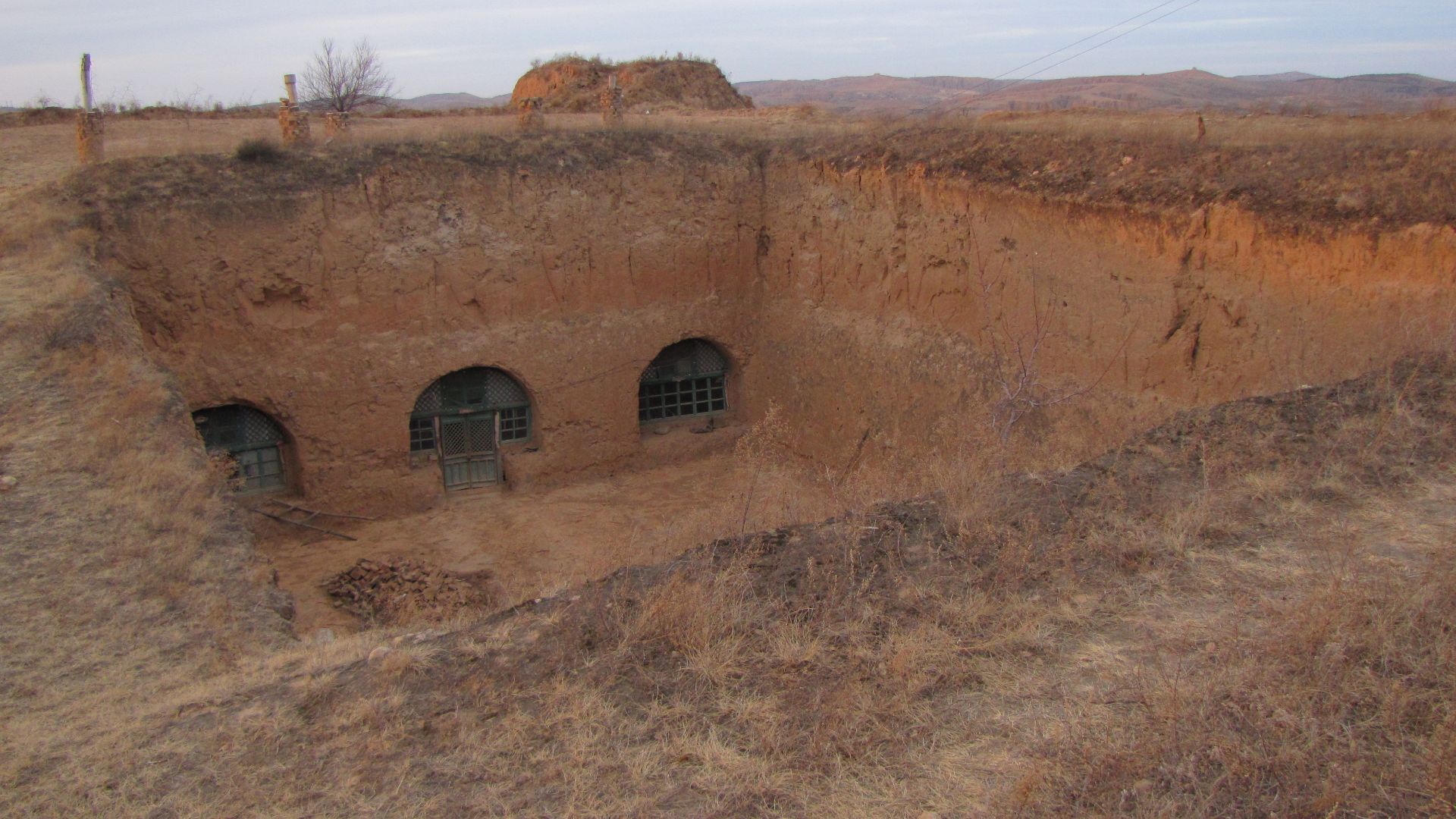
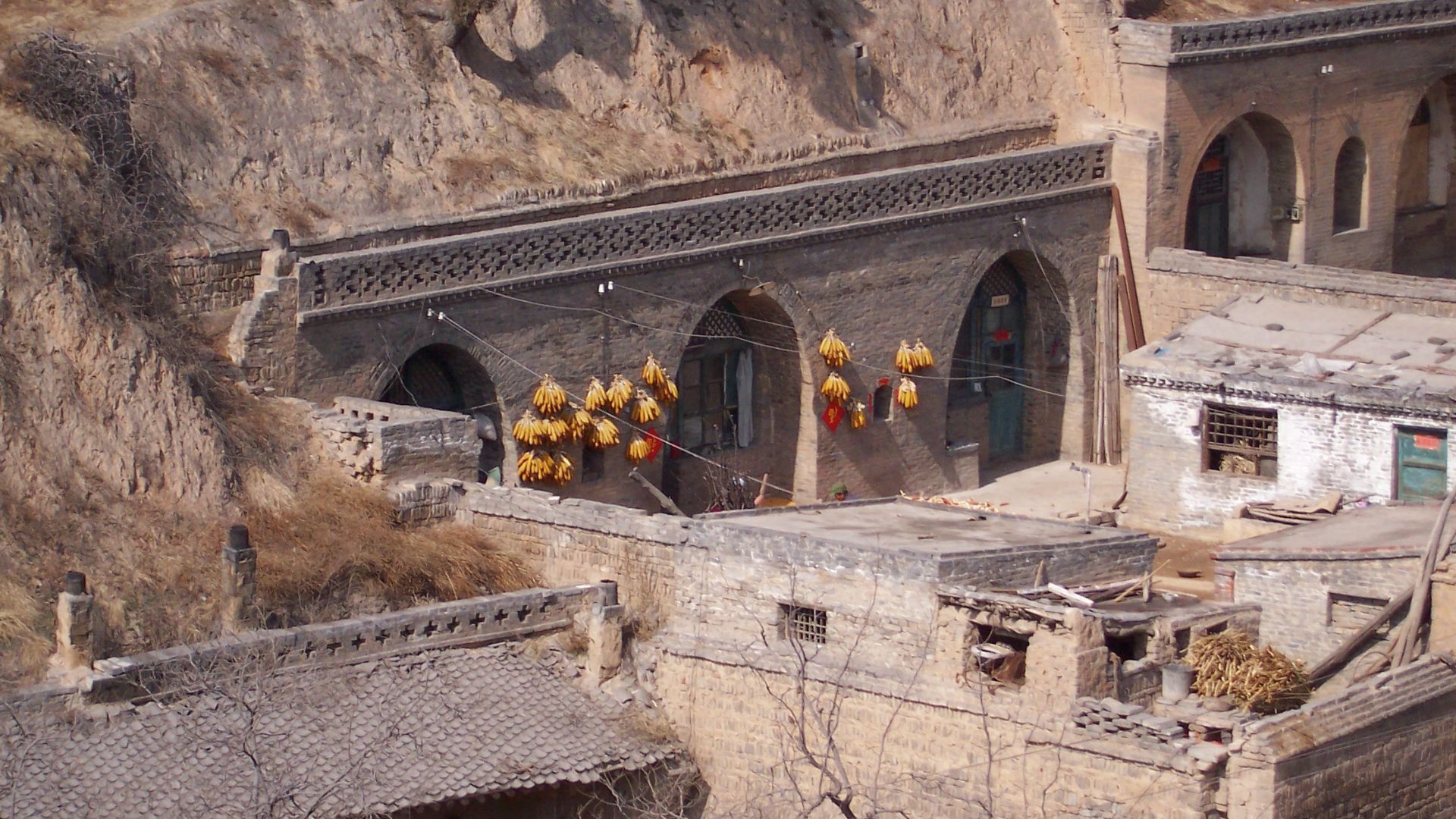
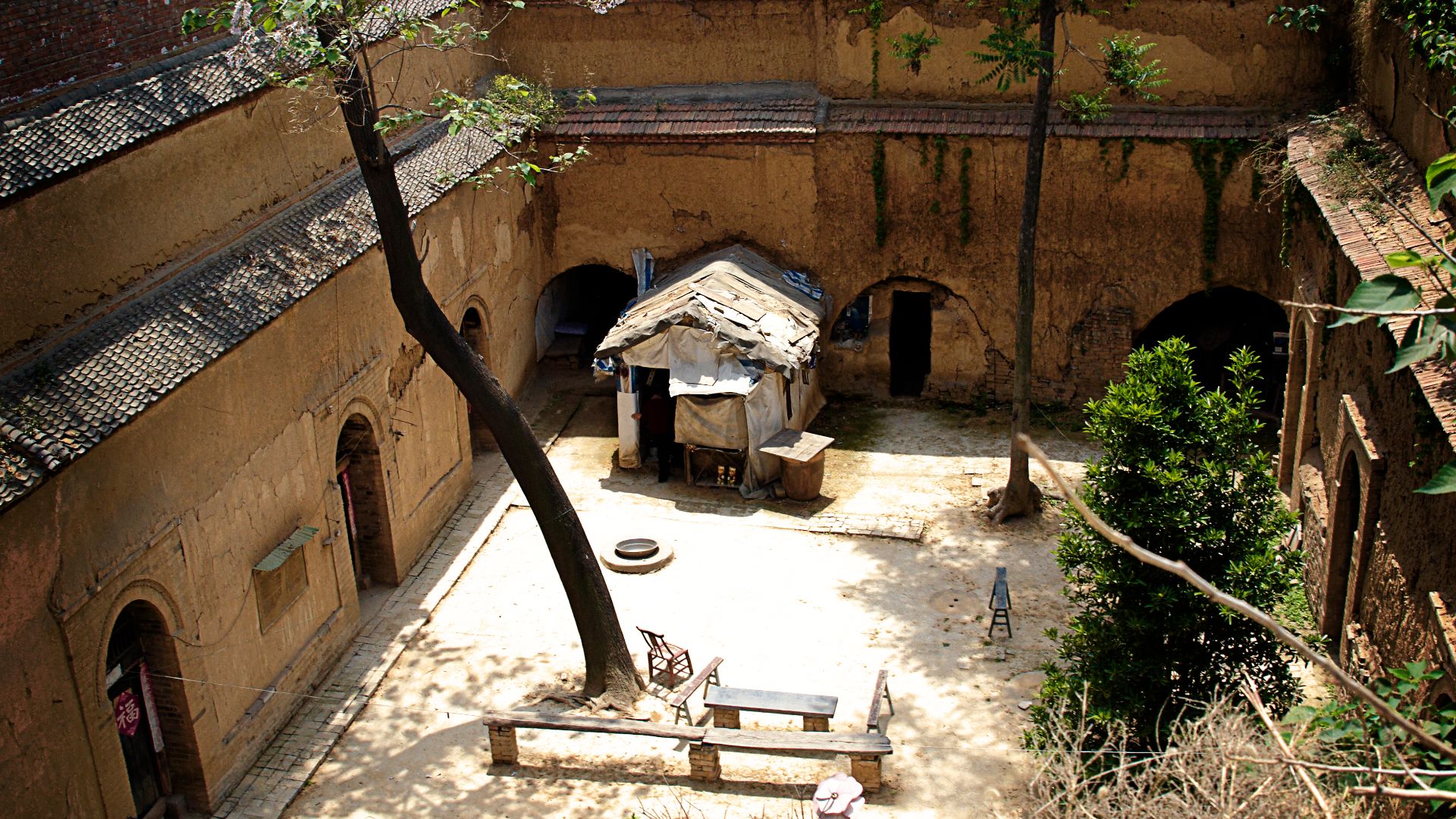
From the outside, a yaodong might look like a simple arched doorway cut into a hillside. Inside, it opens into a surprisingly spacious room, often 6 to 10 meters deep. Thick earthen walls keep the temperature steady year-round, cool in summer and warm in winter.
Built by Hand, Not Machines
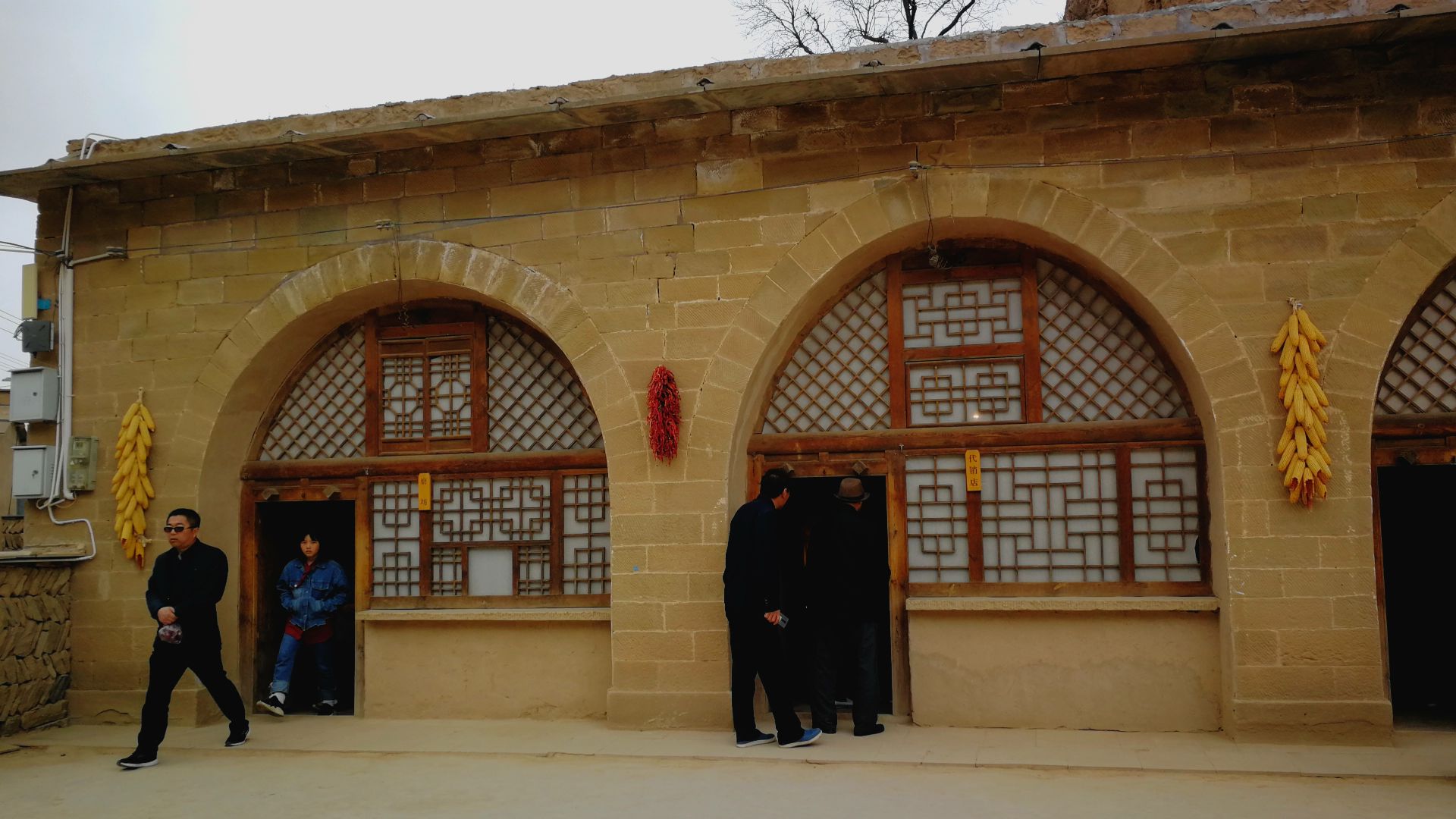
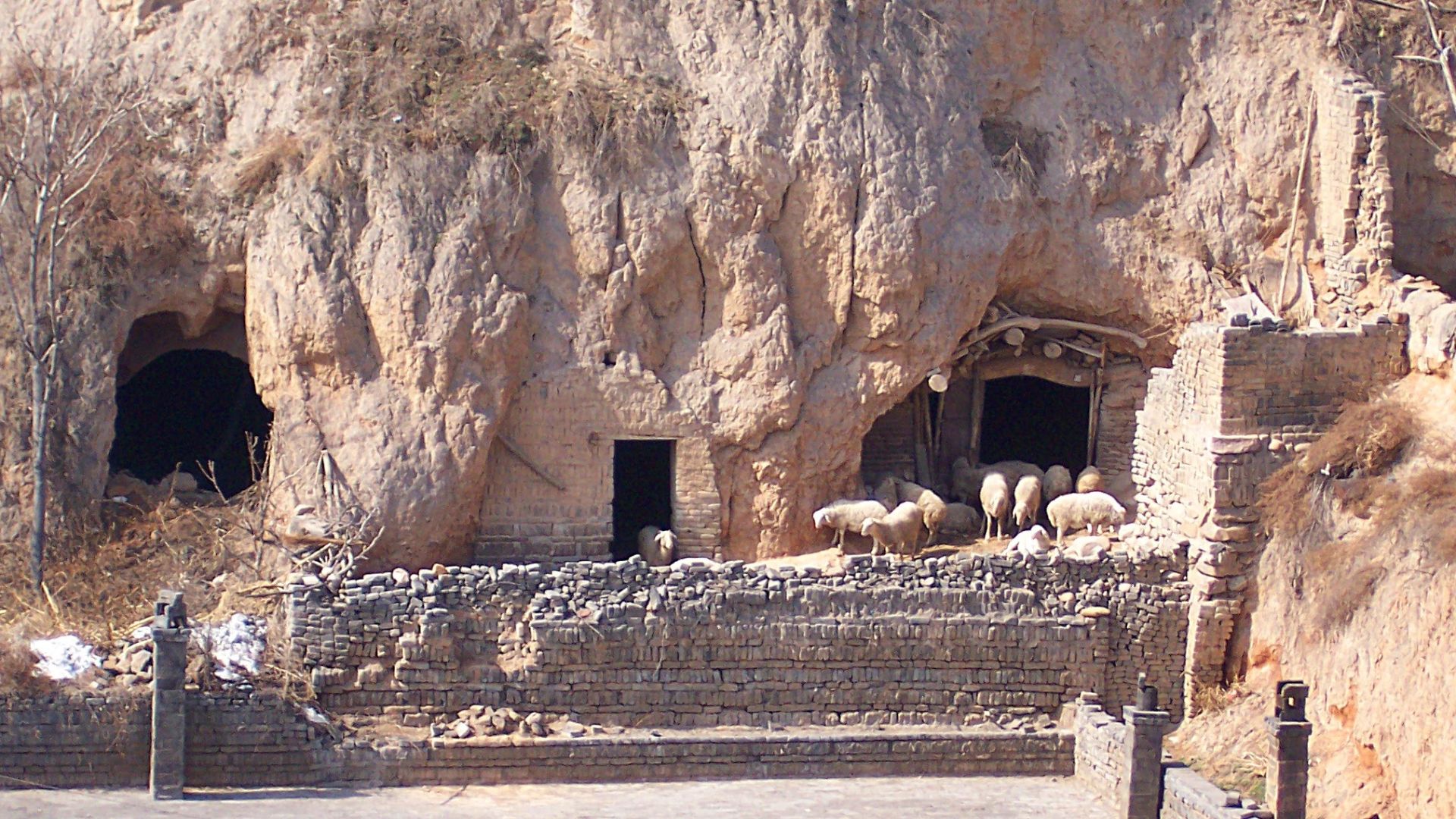
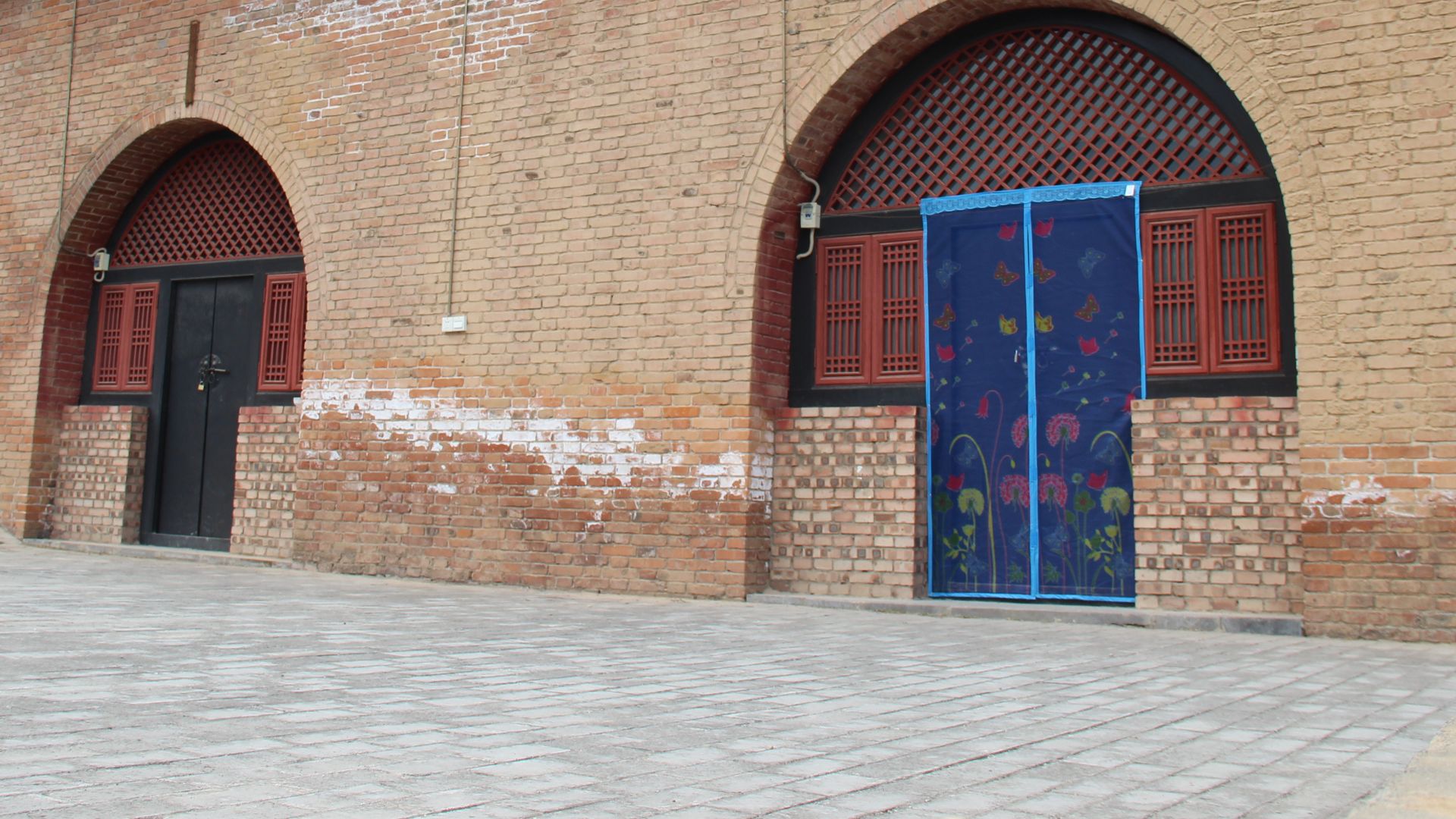
Traditional yaodong are carved using basic tools like shovels and picks. Builders carefully follow the natural layers of the loess soil to prevent collapse. Many homes are reinforced with brick arches or stone frames at the entrance, a technique perfected over generations.
Why People Stayed Put
While cities modernized, many families stayed. Yaodong are cheap to build, require little maintenance, and offer excellent insulation. “You don’t need air-conditioning or heating,” one Shaanxi resident told China Daily. “The cave does the work for you.”
 Meier&Poehlmann, Wikimedia Commons
Life Without Utilities
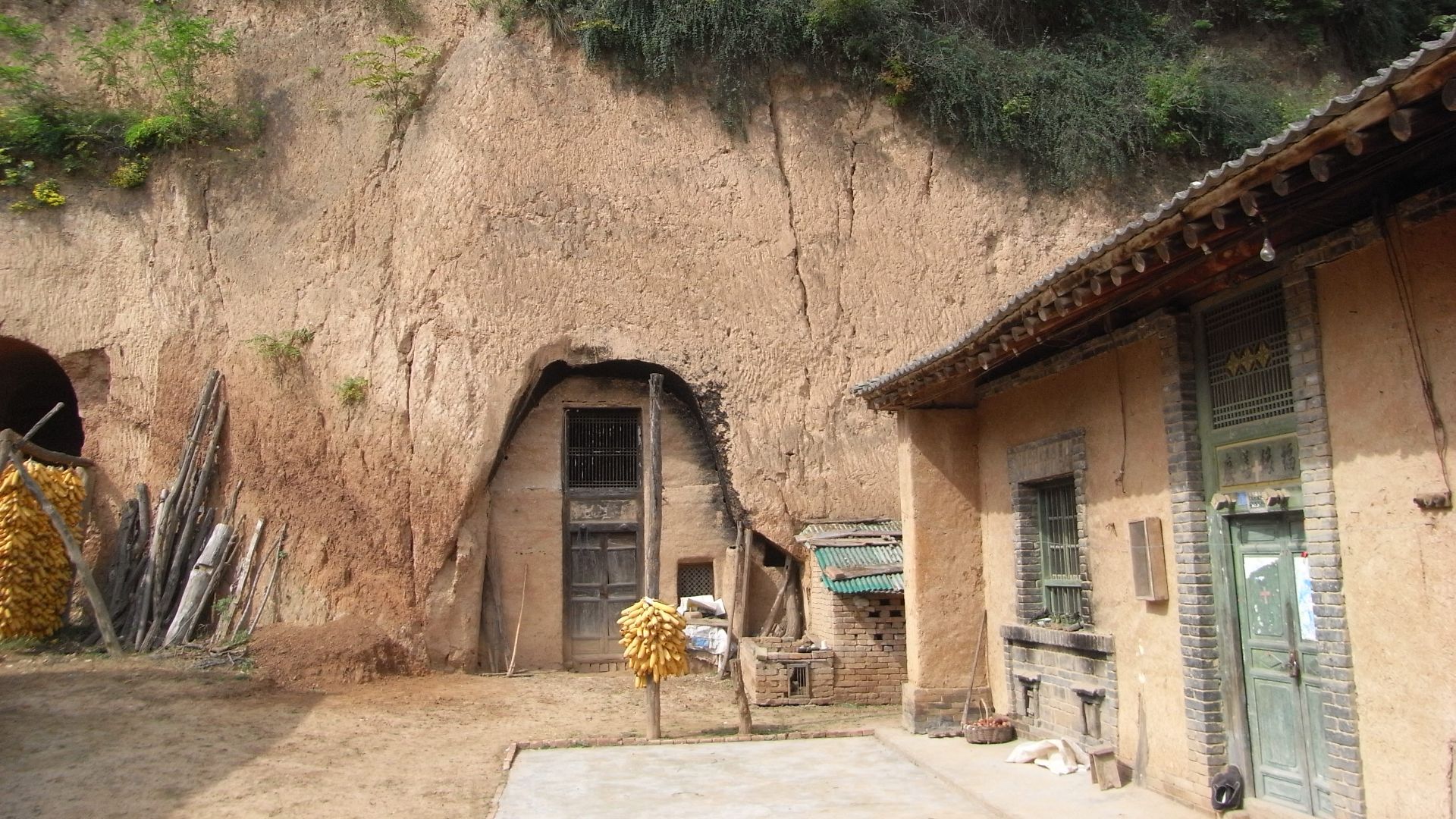
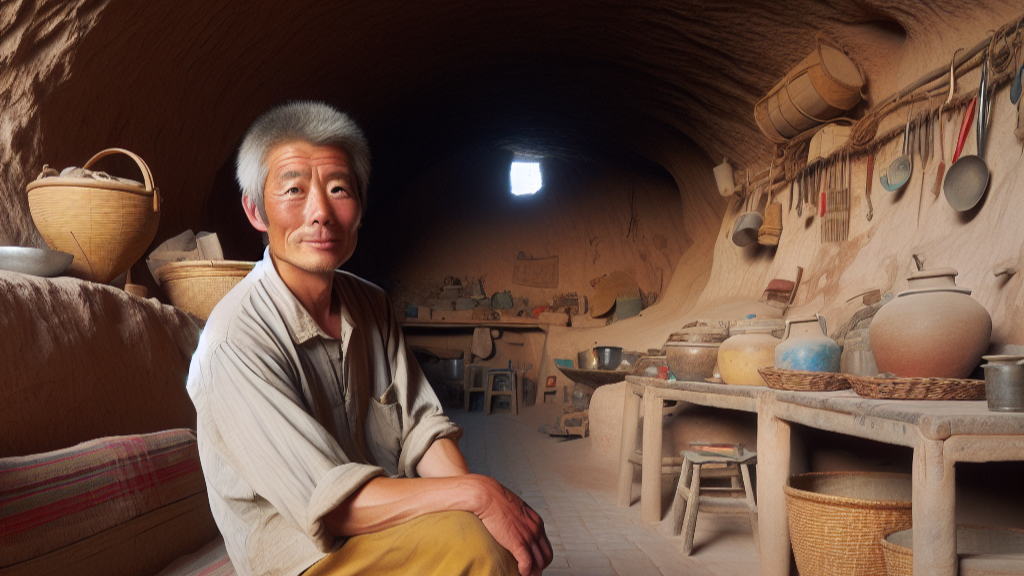
In more remote villages, some cave homes still lack electricity, plumbing, or internet. Water is collected from wells or shared pumps. Cooking is done with coal or wood stoves. It’s a slower pace of life, and for some residents, that’s the appeal.
Daily Life Inside the Earth
Inside a traditional cave home, furniture is simple. Raised brick beds called kang double as seating and sleeping areas, warmed in winter by flues from the stove. Walls are often whitewashed, decorated with paper cuttings or red calligraphy for good luck.
A Strong Sense of Community
Cave villages are tightly knit. Neighbors help maintain paths, repair entrances, and harvest crops together. Festivals like Chinese New Year are celebrated with lanterns hung outside cave entrances, turning hillsides into glowing neighborhoods.
Farming Still Shapes Everything
Most cave dwellers farm wheat, corn, apples, or dates. Living close to the fields saves time and energy. Livestock shelters are often carved nearby. The entire settlement is designed around daily agricultural routines.
 User:Meier&Poehlmann, Wikimedia Commons
Not All Caves Are Primitive
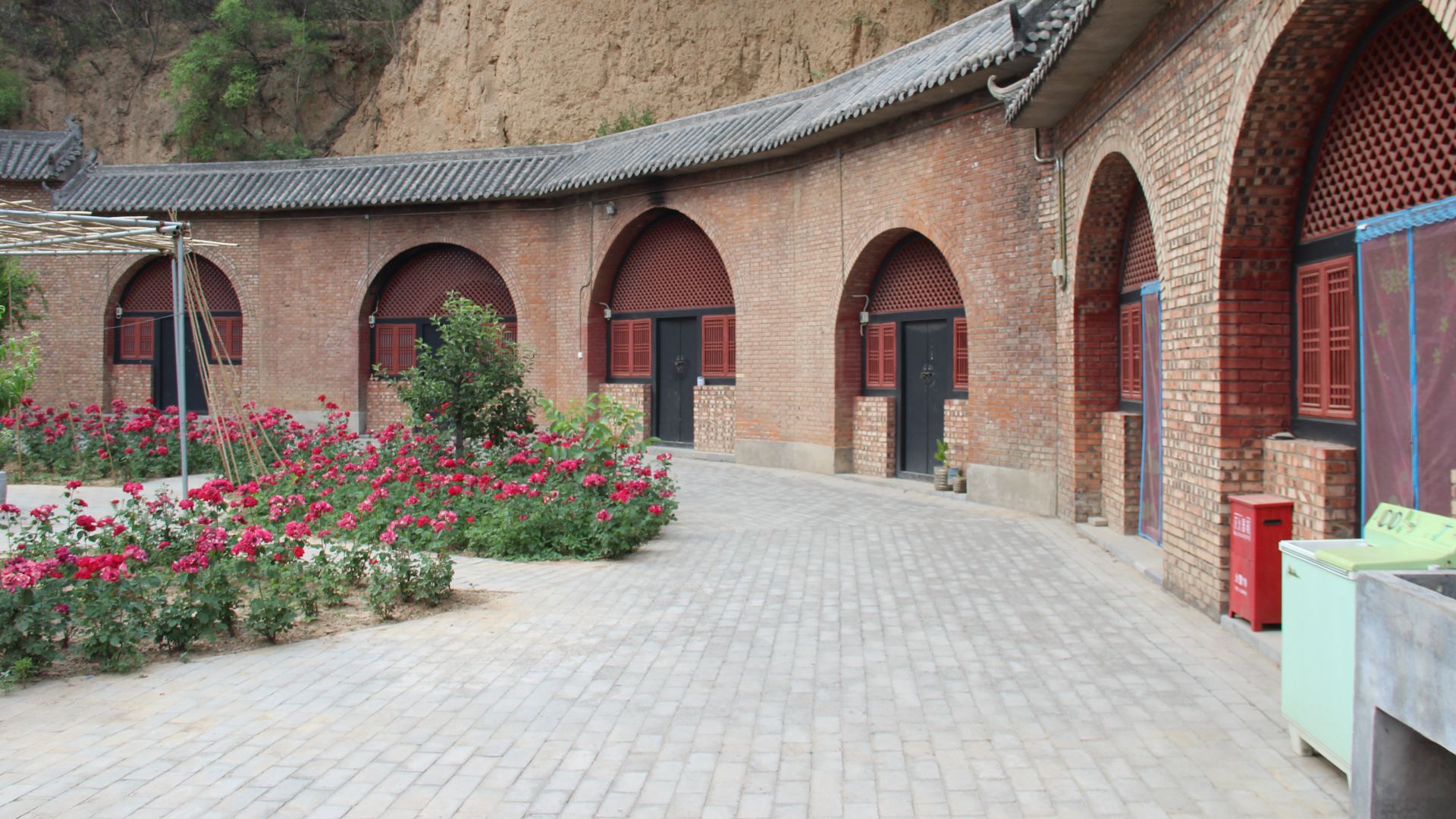
Many modern yaodong look traditional outside but are fully modern inside. Some have tiled floors, flat-screen TVs, Wi-Fi, and modern kitchens. From the road, you see a cave. Inside, it feels like an apartment.
 Gary Todd from Xinzheng, China, Wikimedia Commons
Government Renovations Changed Things
In the 1980s and 1990s, local governments began reinforcing caves with concrete and adding utilities. This allowed families to keep their traditional homes while gaining modern comforts. Today, upgraded yaodong are common near cities like Yan’an.
 Windmemories, Wikimedia Commons
Why People Still Choose Caves
Even young residents often prefer caves to concrete apartments. They’re quiet, energy-efficient, and deeply tied to family history. “My grandparents lived here, my parents lived here,” one resident told Xinhua. “Why would I leave?”
 Bao Xiangyang, Wikimedia Commons
Cultural Identity Runs Deep
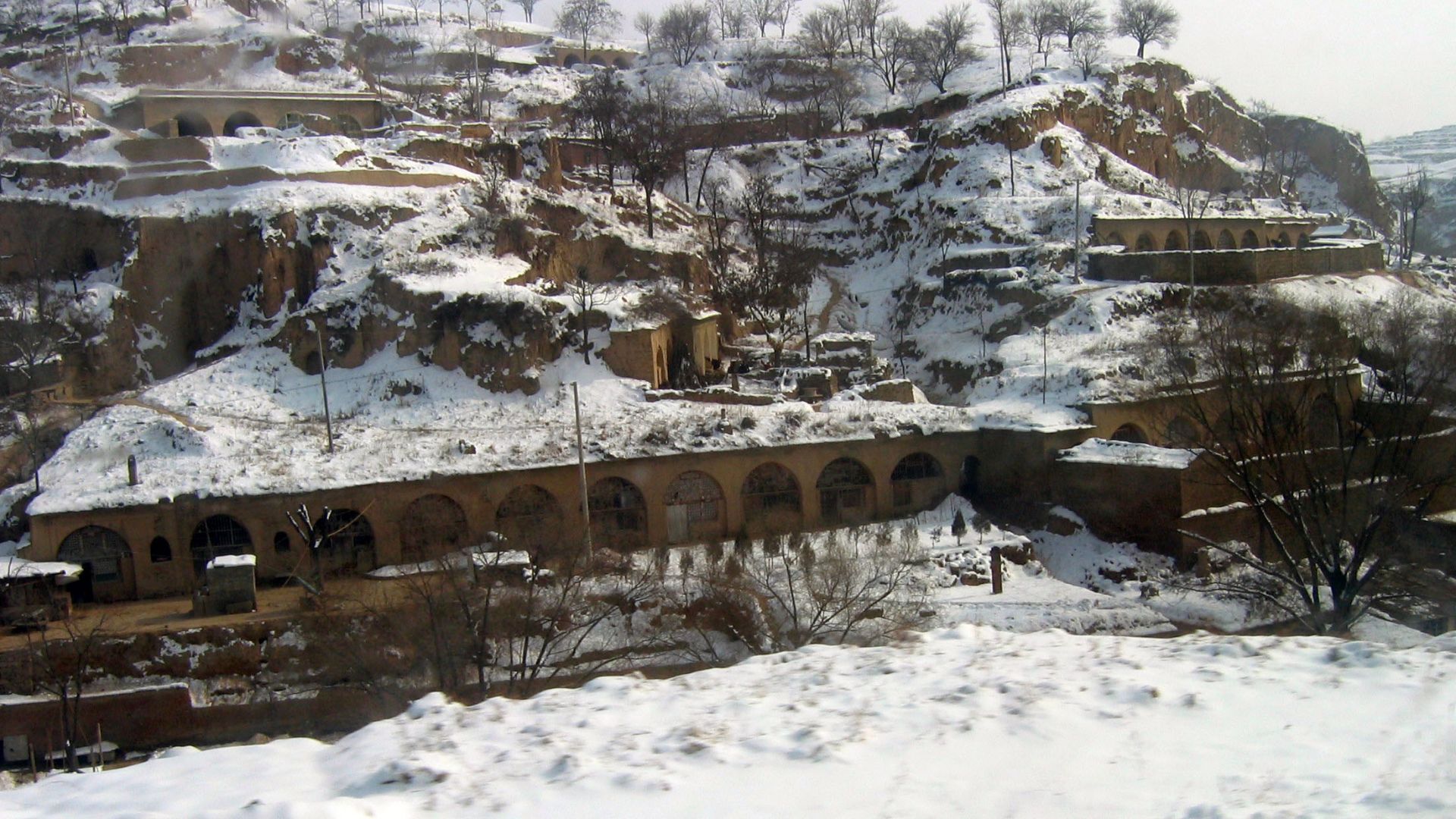
Cave living isn’t just housing. It’s identity. Folk songs, storytelling traditions, and local customs are tied to the land itself. Many residents see leaving as losing part of who they are.
How Caves Are Maintained
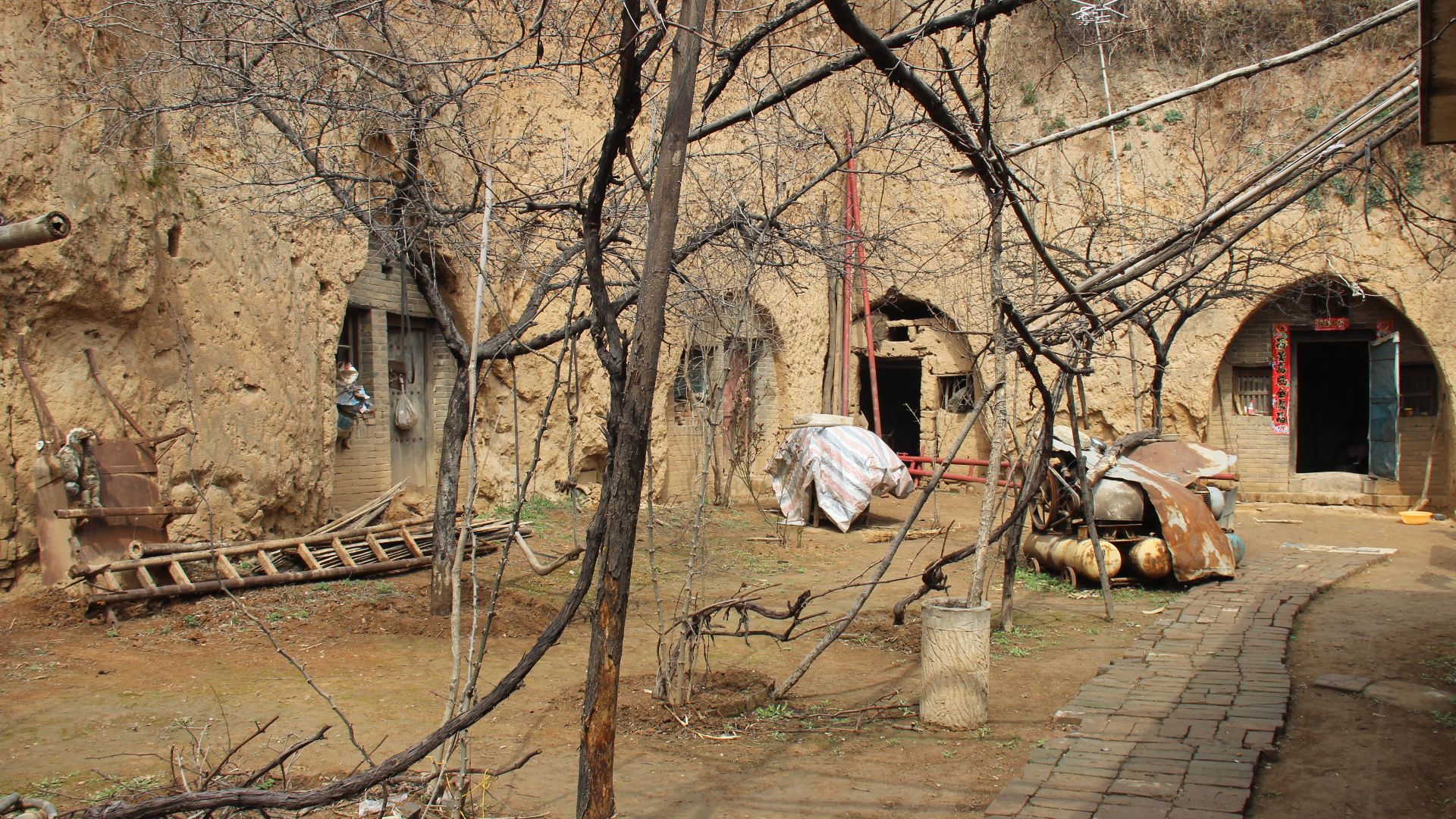
Maintenance involves regular inspection for cracks, drainage control to prevent water damage, and occasional reinforcement of entrances. Roofs are planted with grass or crops to reduce erosion, blending homes seamlessly into the hills.
Safety Concerns and Reality
While collapses can happen, especially after heavy rain, properly maintained yaodong are considered safe. Modern reinforced caves meet local building standards and have proven resilient for decades.
 Meier&Poehlmann, Wikimedia Commons
Tourism Brings New Attention
Some cave villages now host tourists curious about underground living. Guesthouses carved into hills offer visitors a chance to experience cave life, complete with heated brick beds and thick earthen silence.
 Meier&Poehlmann, Wikimedia Commons
The Cost of Living Underground
Traditional caves can cost as little as $3,000–$7,000 USD to build. Renovated caves with utilities may cost $15,000–$30,000, far cheaper than city apartments.
 Gary Todd from Xinzheng, China, Wikimedia Commons
Renting a Cave Today
In rural Shaanxi, renting a yaodong can cost $50–150 USD per month. Even upgraded versions rarely exceed a few hundred dollars. For many families, it’s the only affordable way to stay near ancestral land.
Cheap, Practical, and Comfortable
Low costs, natural insulation, and cultural roots keep people underground. It’s not about resisting progress. It’s about choosing what works.
A Lifestyle That Refuses to Vanish
As cities grow upward, these communities continue living inward, carved into hills that have sheltered generations. The world changes above ground. Underground, life moves at its own pace.
Why the Hills Still Have Doors
In northern China, hills aren’t empty. They’re full of kitchens, bedrooms, laughter, and history. And as long as the loess holds, people will keep calling these caves home.
 Kevin Poh from Petaling Jaya, Malaysia, Wikimedia Commons
You May Also Like: