
A Discovery That Should Not Exist
In 1901, a group of sponge divers made a discovery that still unsettles historians today. Off the coast of a small Greek island, they pulled up an object so advanced that it did not seem to belong in the ancient world. Known as the Antikythera Mechanism, it would later be called the world’s first known computer. And even now, it refuses to fully give up its secrets.

A Shipwreck Beneath the Aegean
The story begins near the island of Antikythera, between Crete and mainland Greece. In April 1900, sponge divers from the island of Symi were sheltering from a storm when they decided to explore the seafloor. What they found was a Roman-era shipwreck lying about 45 meters underwater.
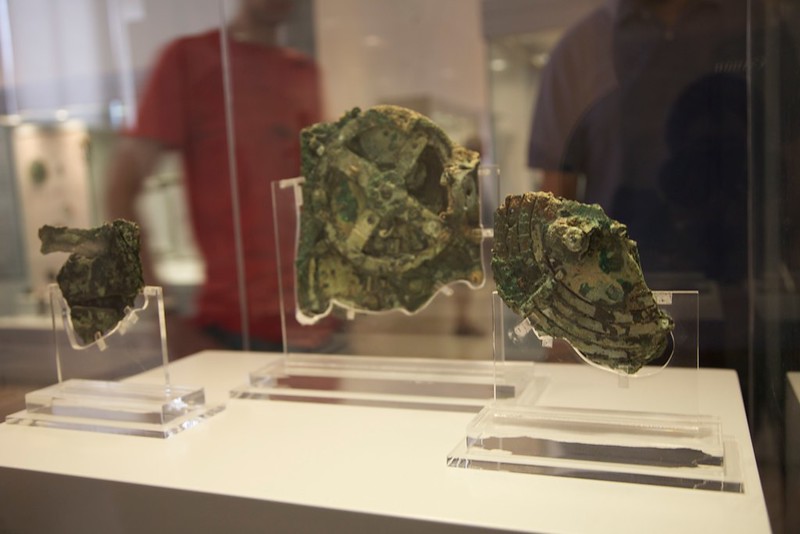
A Haul of Ancient Treasures
Divers recovered bronze statues, marble sculptures, jewelry, and coins. At first, the discovery seemed like a typical ancient wreck filled with valuable art. Among the debris, however, was a corroded lump of bronze and wood that no one paid much attention to.
 Brendan Foley (Ishkabibble at en.wikipedia), Wikimedia Commons
The Object Everyone Ignored
The strange object was brought to the National Archaeological Museum in Athens in 1901. It sat quietly among other artifacts until archaeologist Valerios Stais noticed something unusual. Embedded in the corrosion were clearly visible gear teeth.
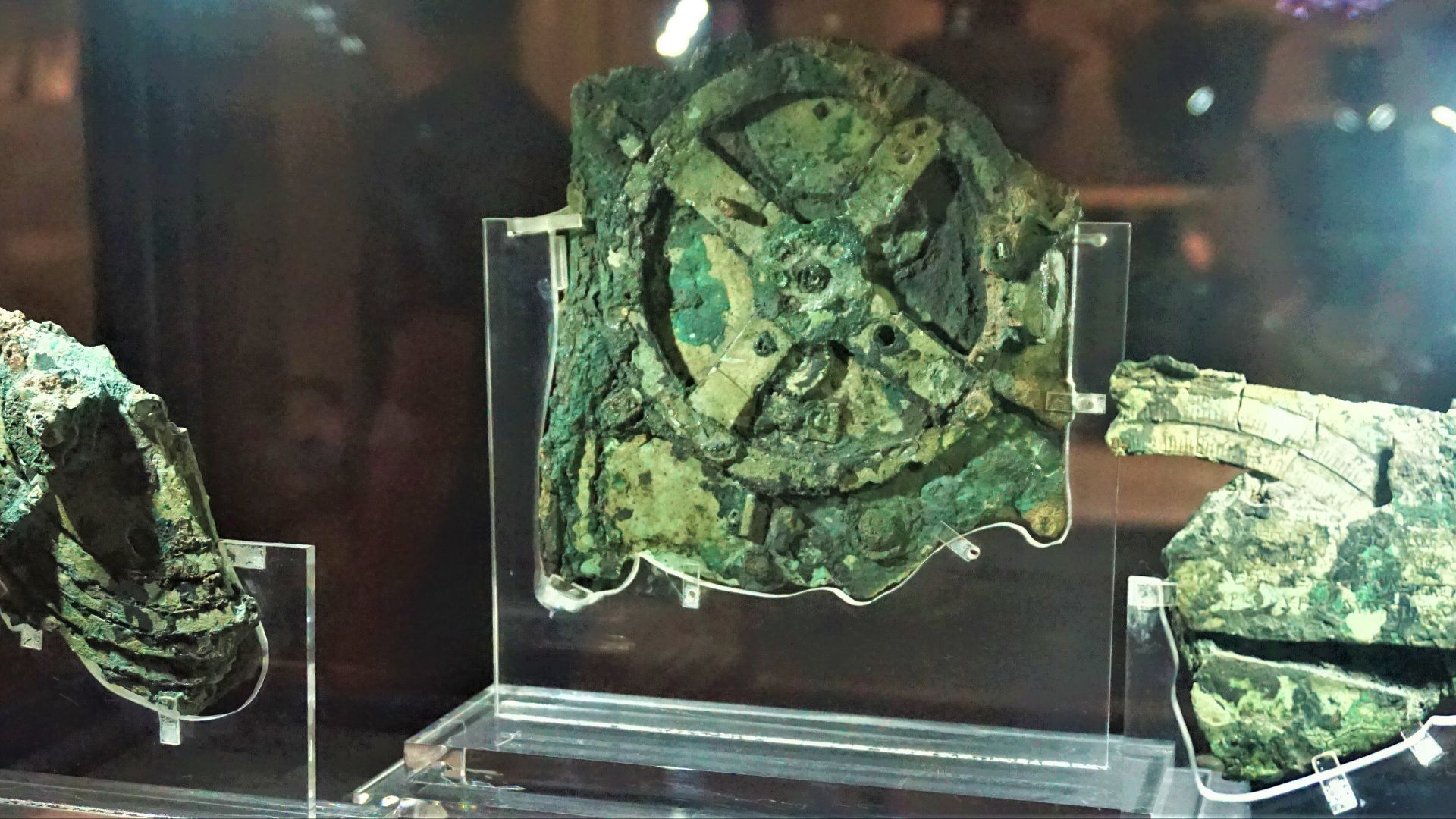 Joyofmuseums, Wikimedia Commons
Gears in the Ancient World
At the time, scholars believed ancient Greeks did not use complex gear systems. Seeing precision-cut bronze gears inside a 2,000-year-old object challenged everything historians thought they knew. As Stais reportedly remarked, the mechanism seemed “too advanced for its age.”
Dating the Shipwreck
Coins and pottery from the wreck helped date it to around 70–60 BCE. That meant the mechanism was built more than 2,000 years ago. No other device remotely like it was known from antiquity.
What the Mechanism Is Made Of
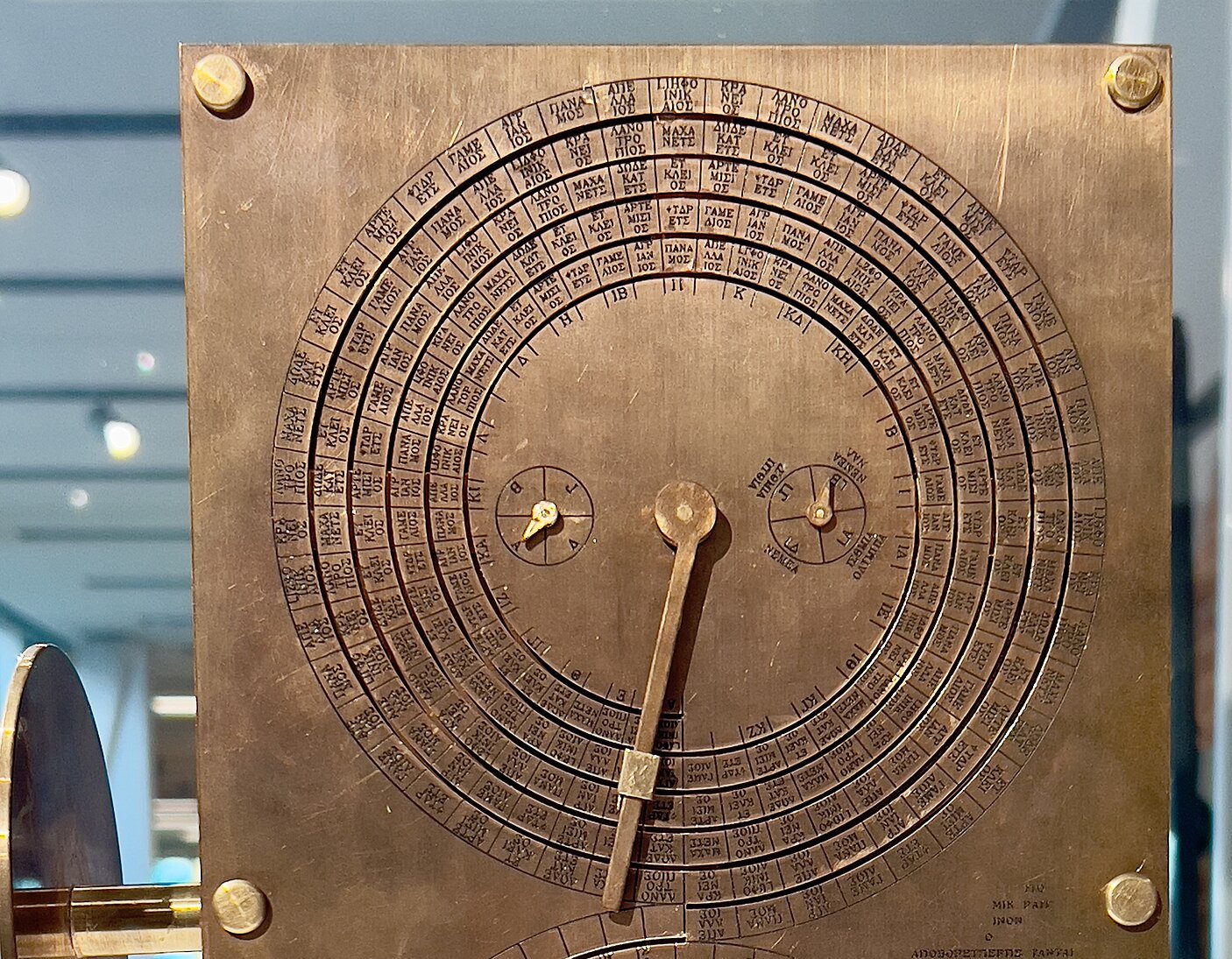
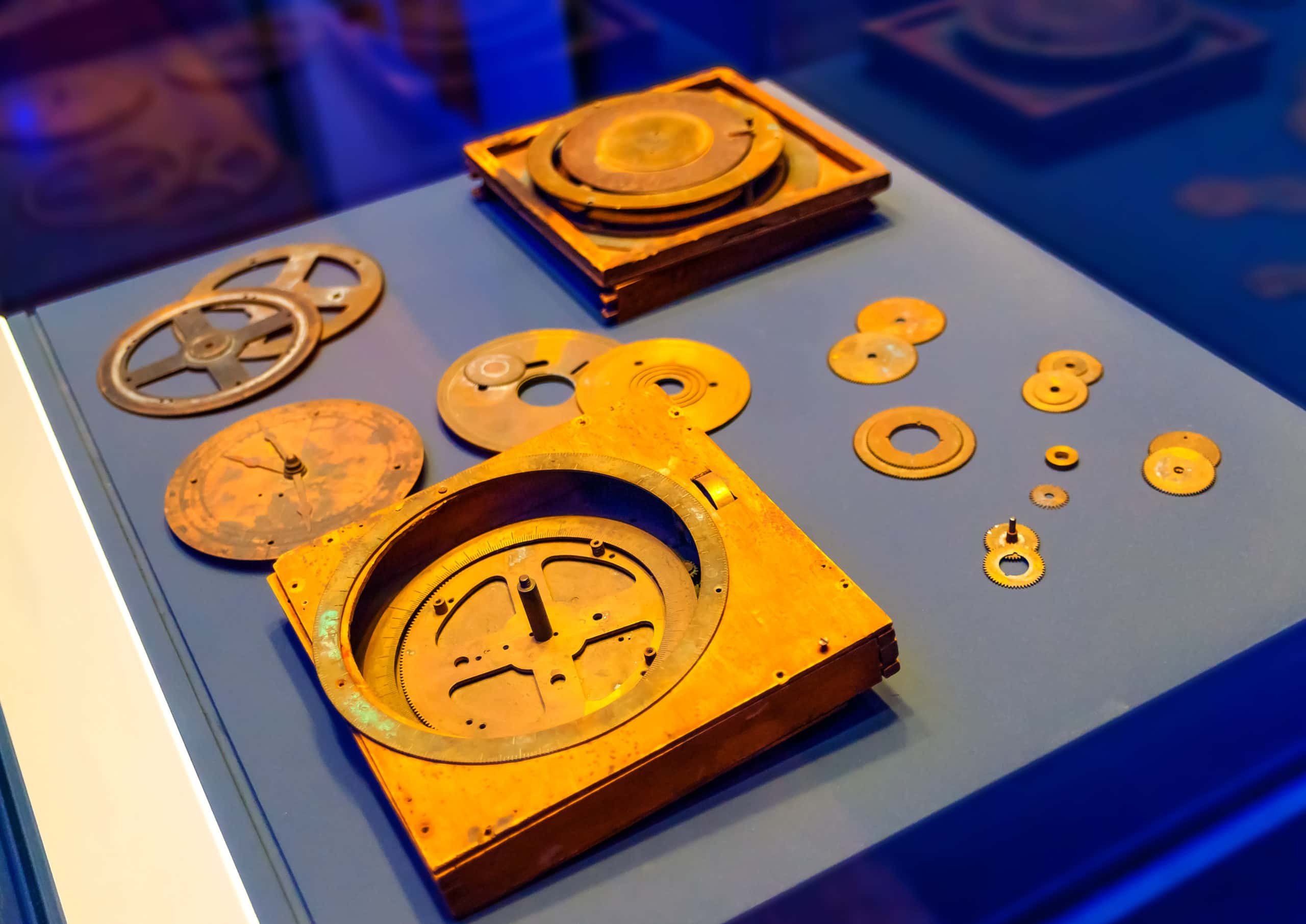
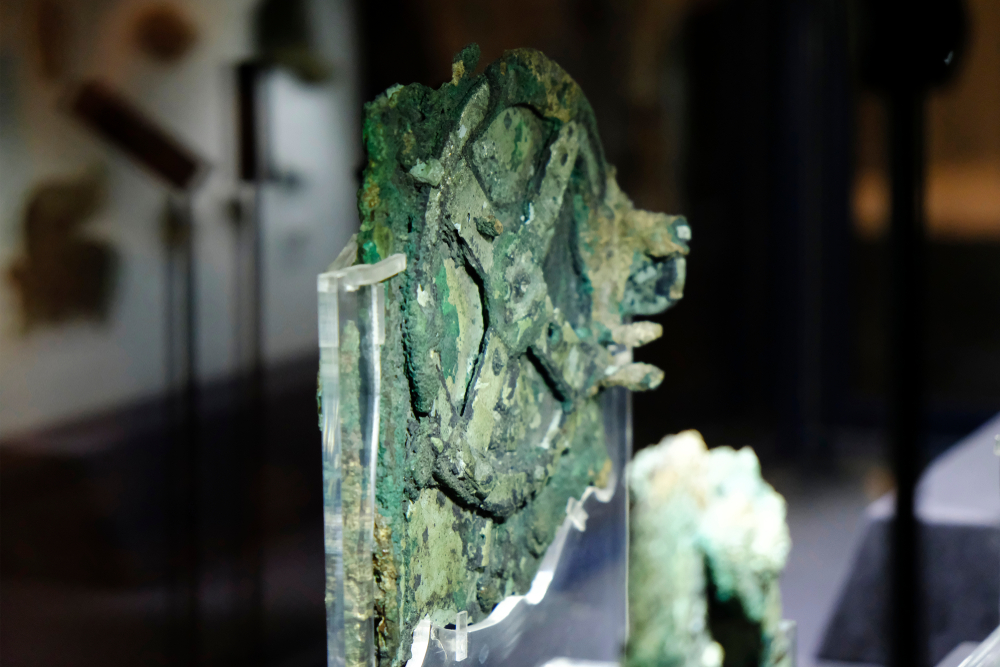
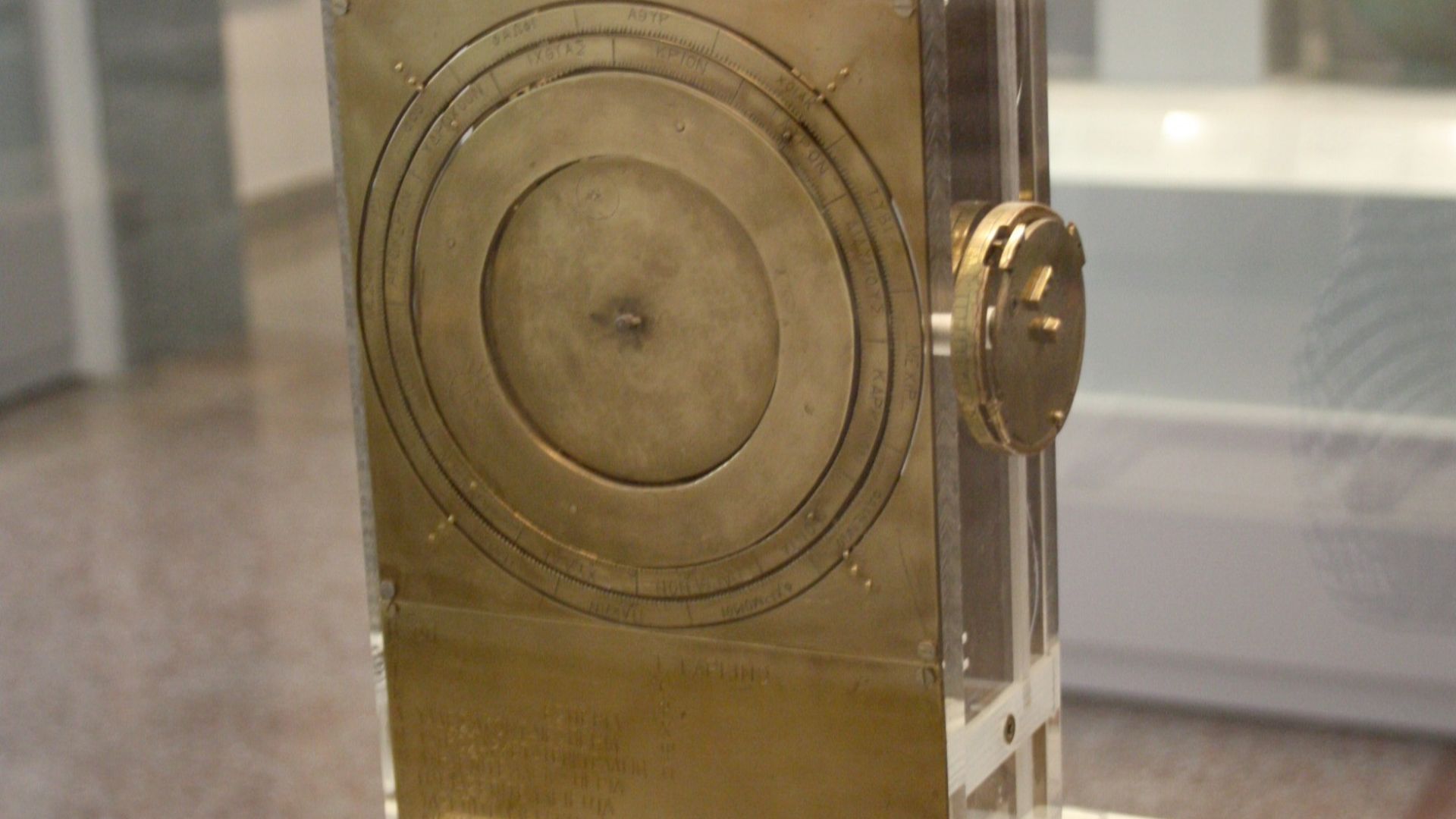
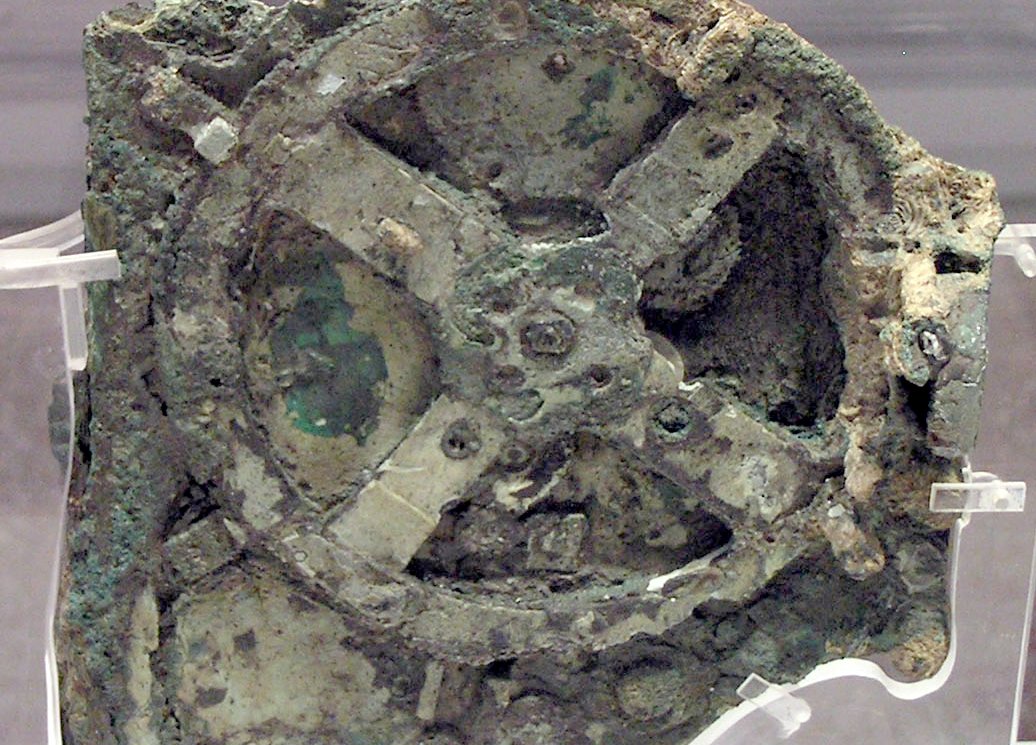
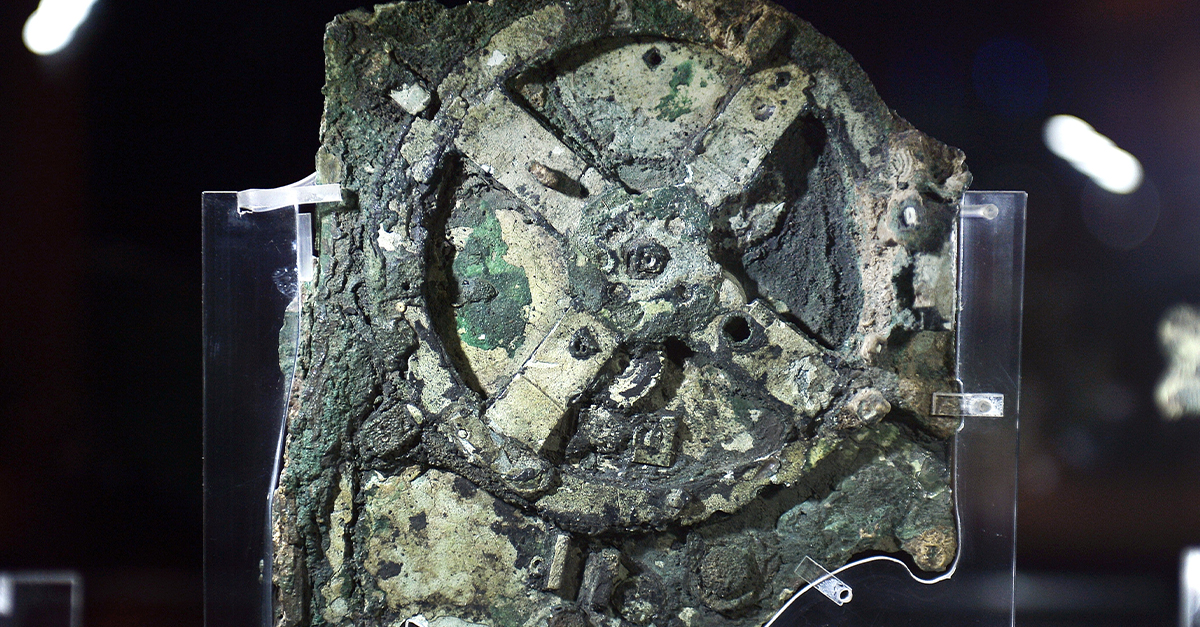
The Antikythera Mechanism originally sat inside a wooden case about the size of a shoebox. Inside were at least 30 bronze gears, all carefully crafted. Many were connected to rotating dials marked with Greek inscriptions.
 Alexandros Michailidis, Shutterstock
A Puzzle in Pieces
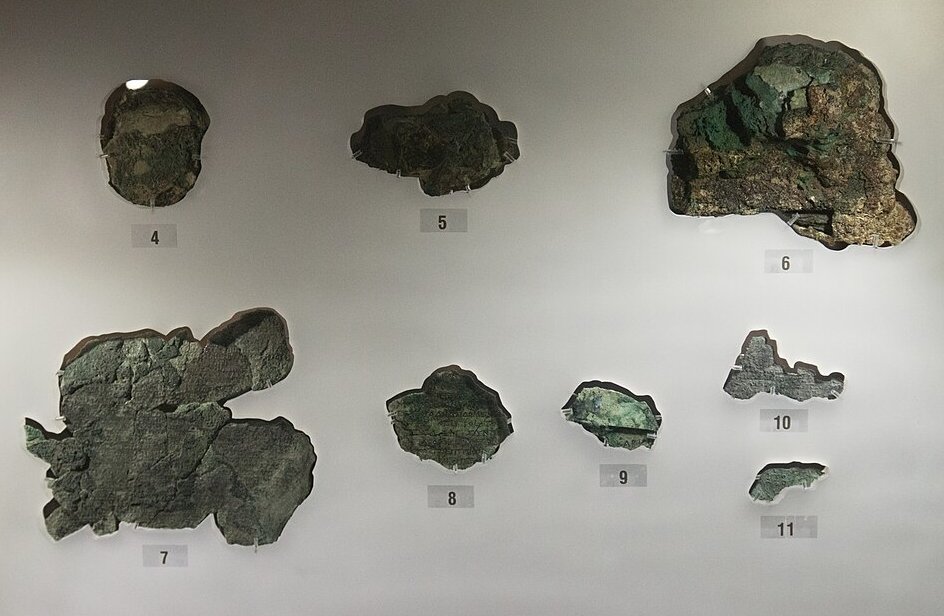
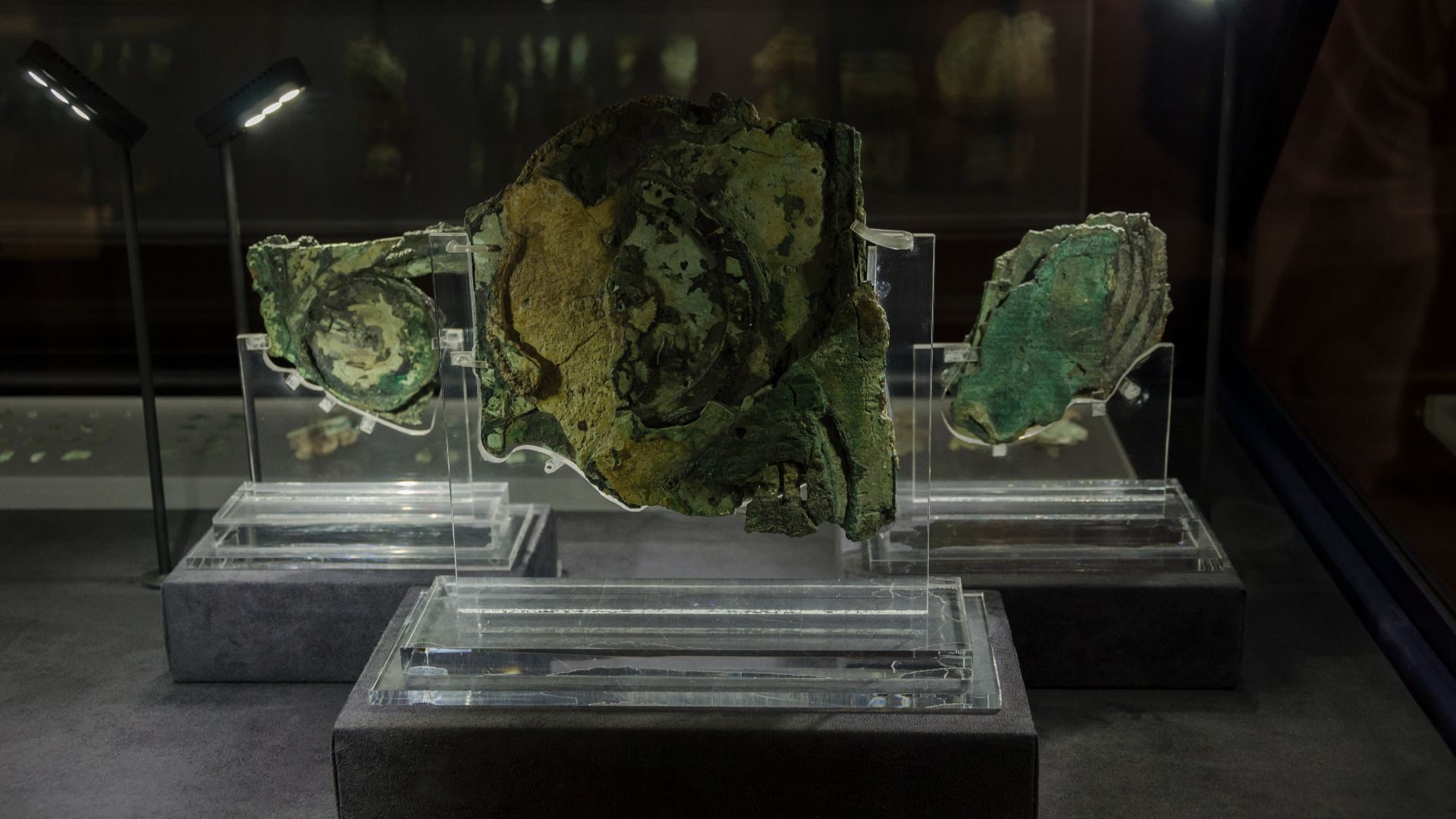
Over time, the mechanism broke into dozens of fragments. Today, 82 separate pieces are known. Most are heavily corroded, making study extremely difficult. Reconstructing how it worked has taken decades.
 Giovanni Dall'Orto., Wikimedia Commons
Early Theories Missed the Mark
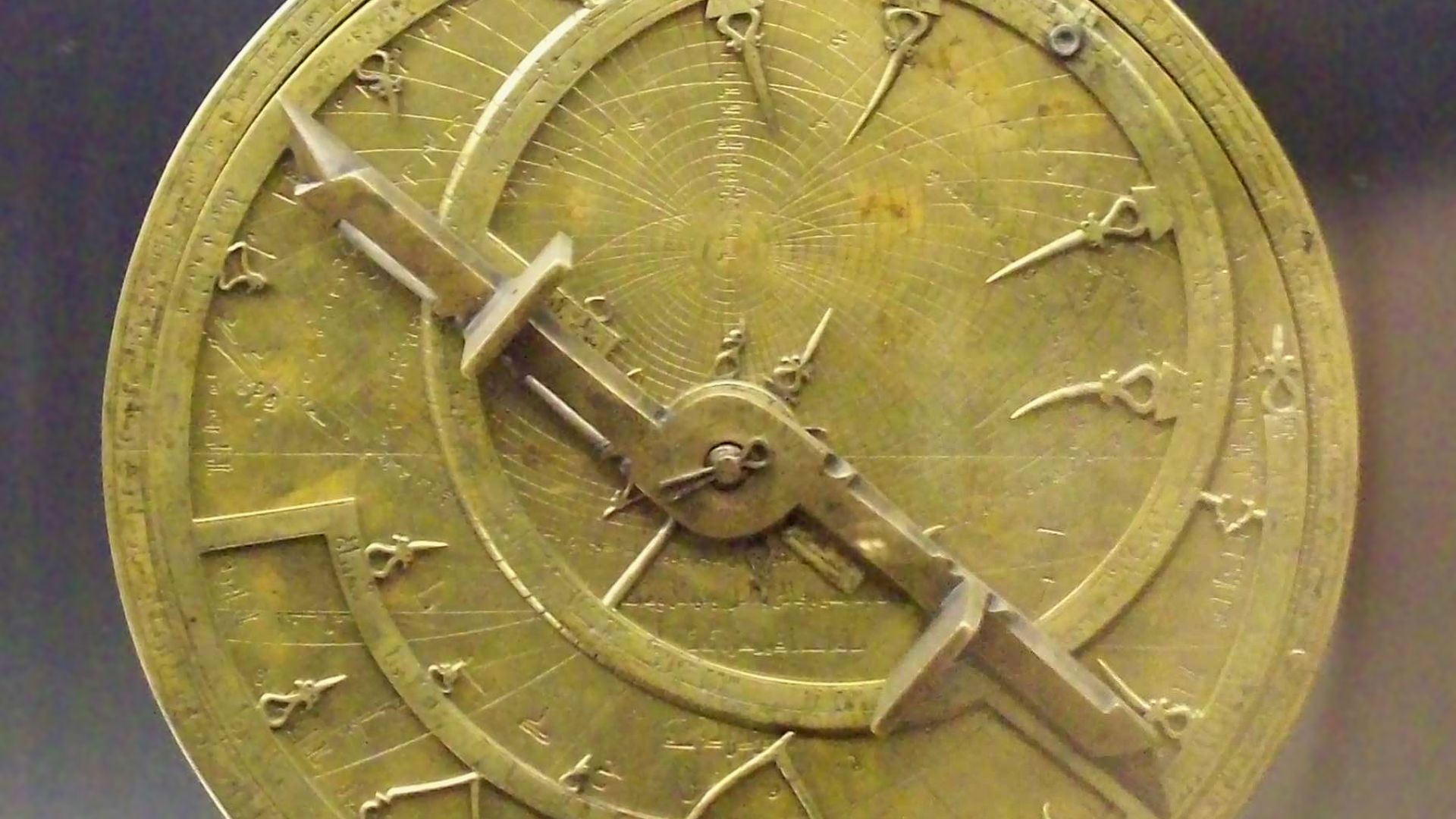
For years, scholars argued over what the device was. Some thought it was an astrolabe. Others believed it was a navigational tool. None of those explanations fully matched the complexity of the gears.
 Ibrahim ibn Said al-Sahli, Wikimedia Commons
A Breakthrough in the 1950s
In the 1950s, British scientist Derek de Solla Price began studying the mechanism using X-rays. His work revealed intricate gear trains inside. In 1974, he published a paper calling it “a calendar computer.
 Artistsmarket at English Wikipedia, Wikimedia Commons
Predicting the Sky
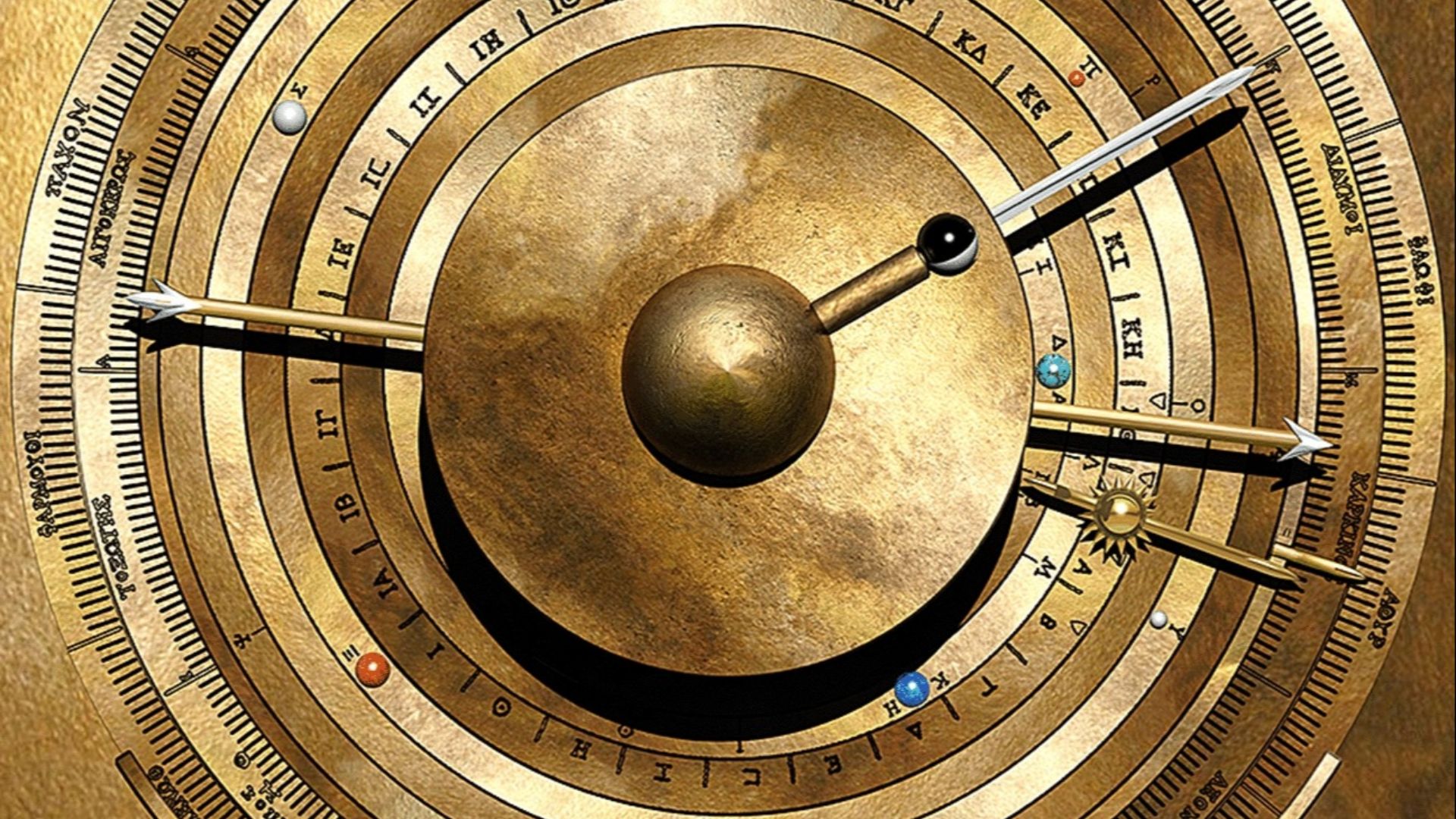
Later studies showed the mechanism could predict solar and lunar eclipses, track the phases of the Moon, and follow the cycles of planets. It modeled celestial movements with astonishing accuracy.
 Freeth, T., Higgon, D., Dacanalis, A. et al., Wikimedia Commons
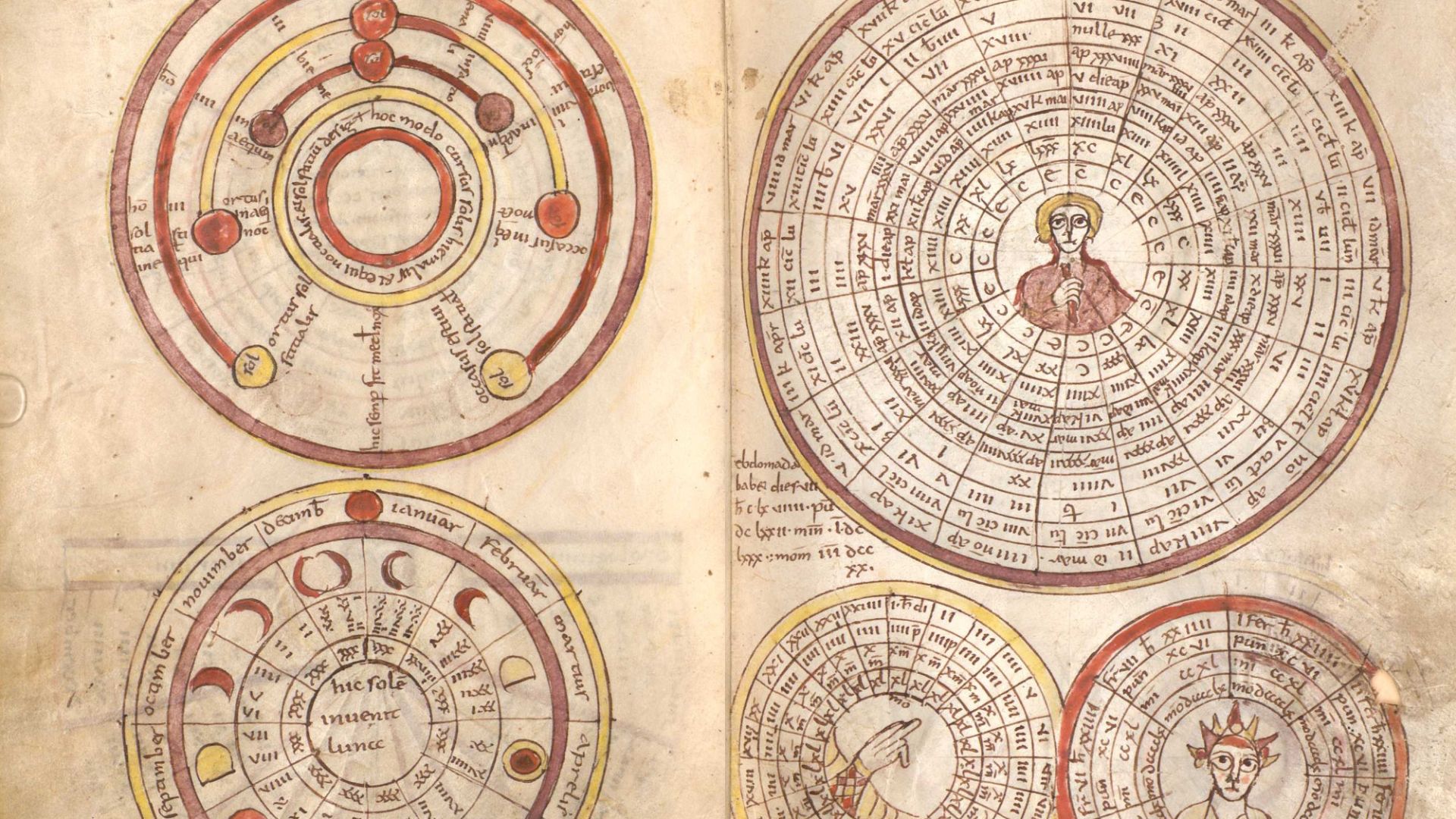
The Metonic Cycle
One dial tracked the Metonic cycle, a 19-year period used to align lunar months with solar years. This showed the device was deeply tied to advanced Greek astronomy.
 Unknown authorUnknown author, Wikimedia Commons
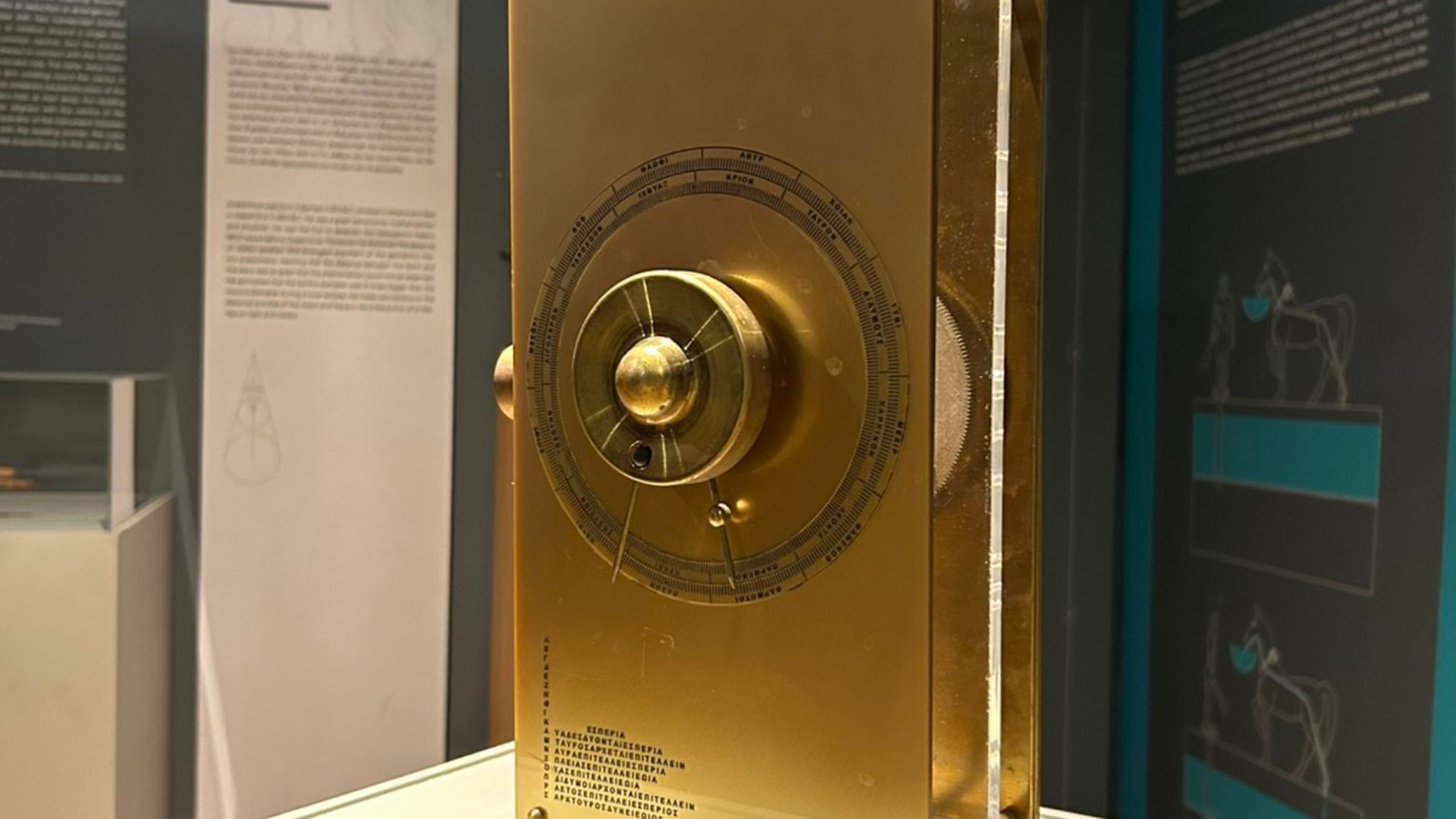
More Than One Calendar
The mechanism included multiple calendars, including one tied to Panhellenic games like the Olympics. This suggests it was used not just for science, but also for cultural and religious timing.
 Denexeitelos, Wikimedia Commons
Words Hidden in Rust
Greek inscriptions on the fragments act like a user manual. They explain how to operate the dials and what astronomical events they represent. As researcher Mike Edmunds said, it is “written evidence of how it worked.”
A Level of Precision That Stuns
The gears were cut with remarkable accuracy. Some teeth vary by less than a millimeter. Historians still struggle to explain how ancient craftsmen achieved such precision without modern tools.

Who Could Have Built It
No one knows exactly who made the mechanism. Some researchers have linked its design to the school of Archimedes. Others believe it came from Rhodes, a known center of astronomy and engineering.

Why Haven’t We Found Another
This remains one of the biggest mysteries. If ancient Greeks built such devices, why has only one survived? Some scholars suspect others existed but were melted down or lost.
 LOUISA GOULIAMAKI, Getty Images
Technology Lost to Time
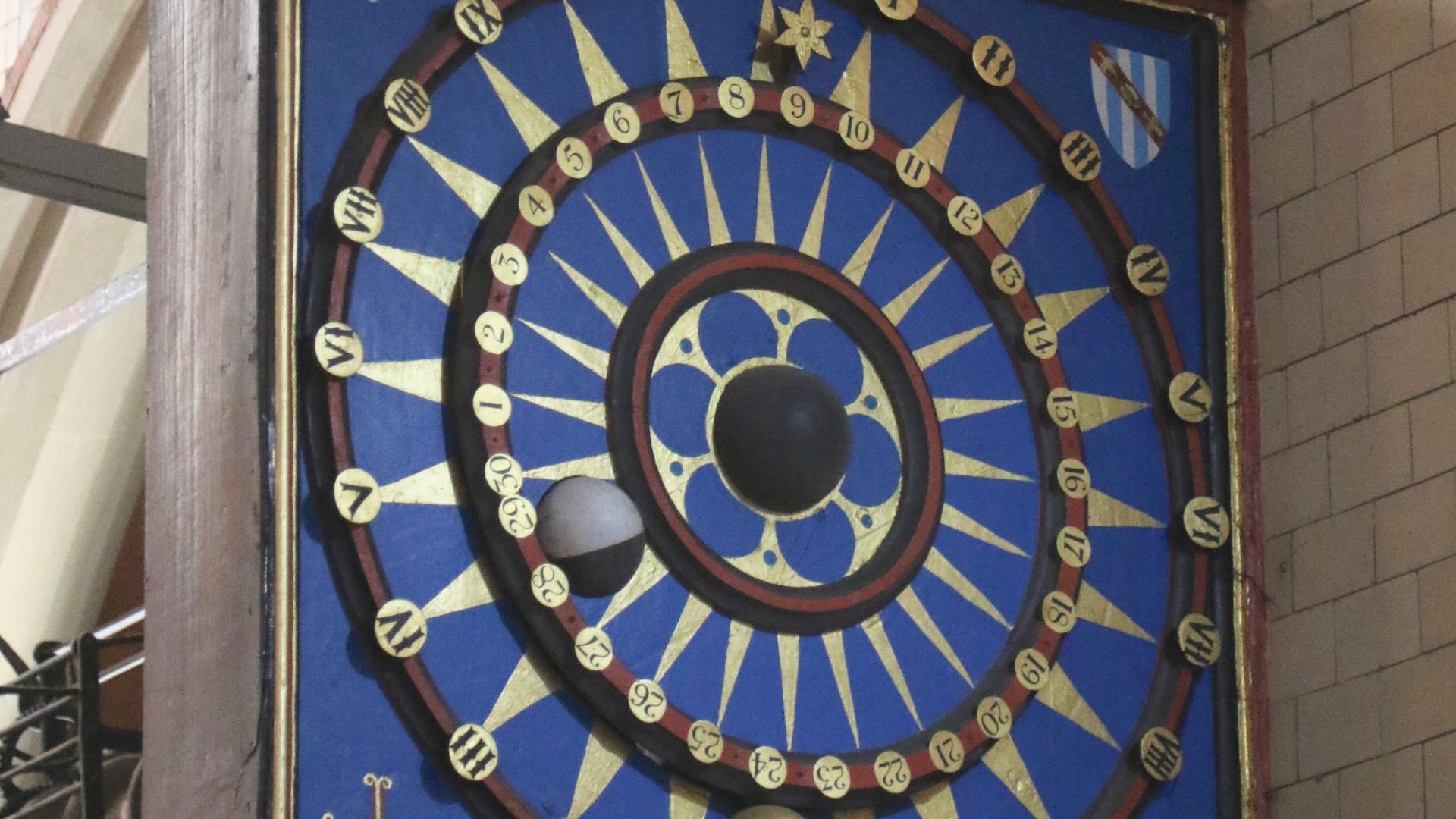
After the fall of the Roman world, complex geared technology vanished from Europe for over a thousand years. Similar mechanisms do not appear again until medieval astronomical clocks.
 Andrewrabbott, Wikimedia Commons
Modern Scans, New Clues
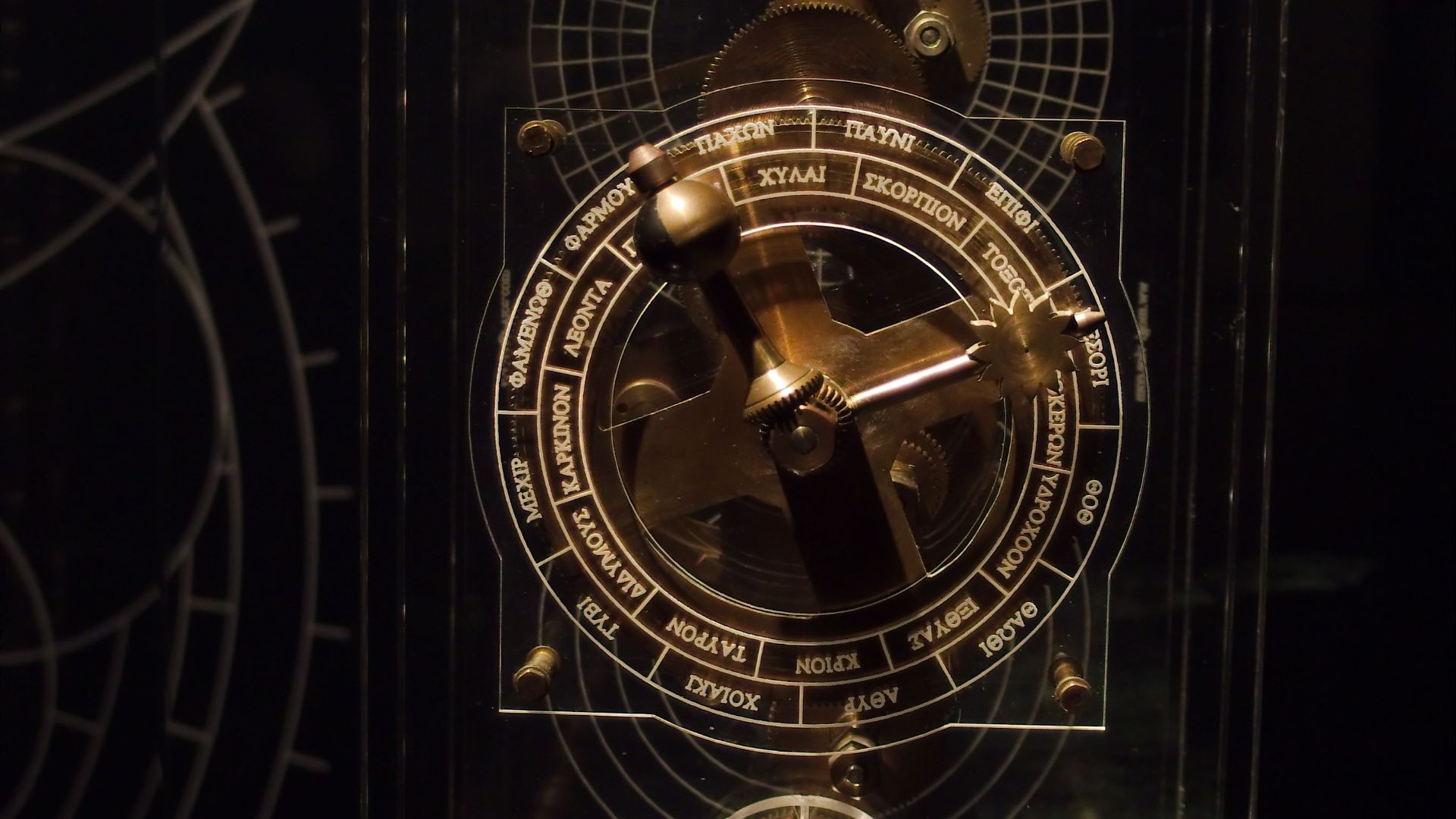
In the 2000s, advanced CT scanning revealed even more internal details. The Antikythera Mechanism Research Project used 3D imaging to map gears never seen before.
 marsupium photography, Wikimedia Commons
Still Not Fully Understood
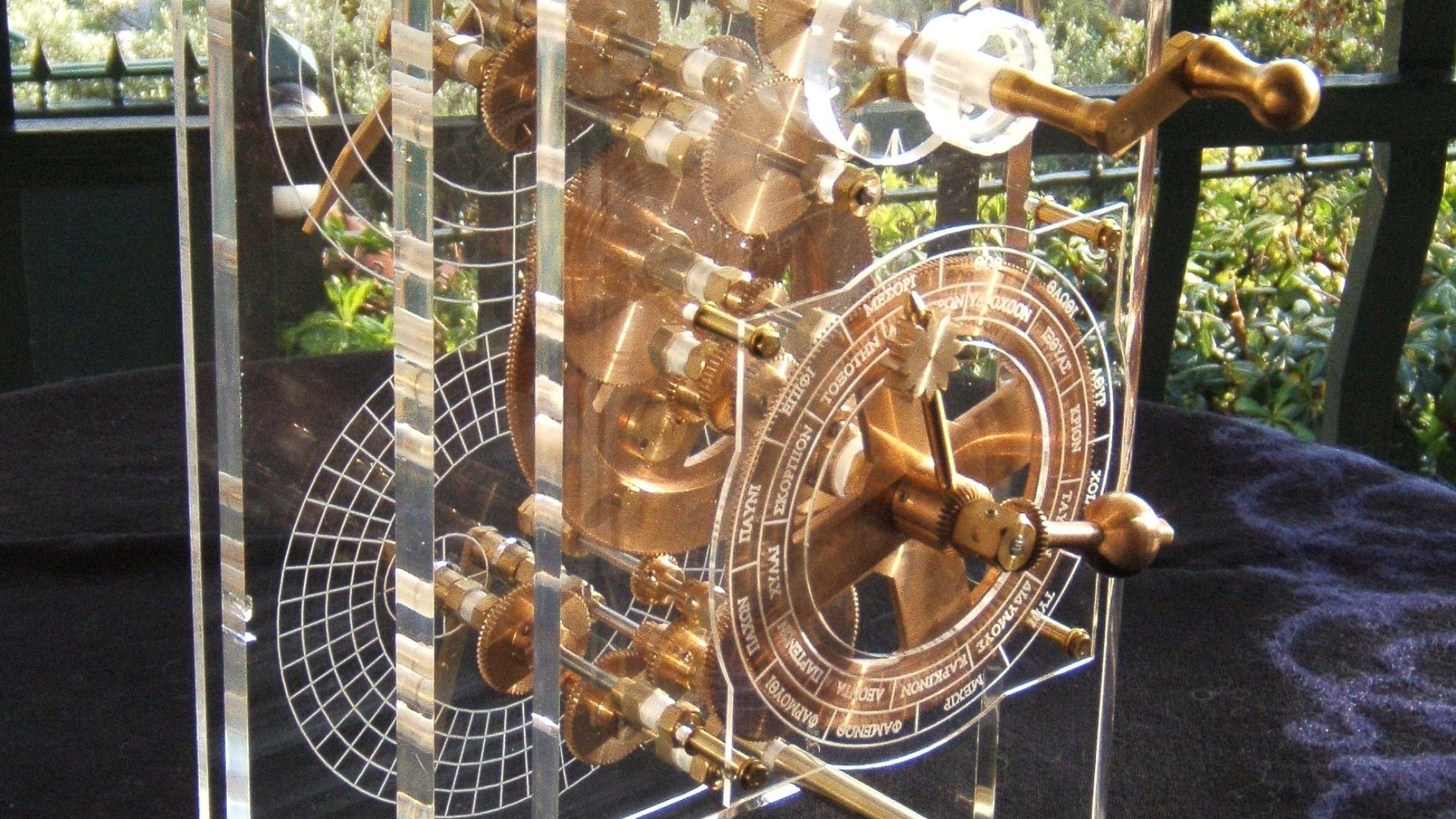
Even with modern technology, researchers still debate parts of the mechanism. Some gear functions remain uncertain. Others may belong to displays that no longer exist.
 Mogi Vicentini, Wikimedia Commons
A Machine That Changed History
As astronomer Carl Sagan once said, “If the mechanism had been more widely known, science would have advanced centuries earlier.” It forces historians to rethink ancient innovation.
 Kenneth C. Zirkel, Wikimedia Commons
A Reminder of Human Ingenuity
The Antikythera Mechanism proves that ancient people were capable of far more than we often assume. It stands as a reminder that knowledge can be lost as easily as it is gained.
The Mystery That Endures
More than a century after its discovery, the Antikythera Mechanism still raises more questions than answers. It sits behind glass in Athens, quietly challenging our understanding of the ancient world and daring us to figure out what else we have forgotten.
You May Also Like: