

The Daring Northern Escape
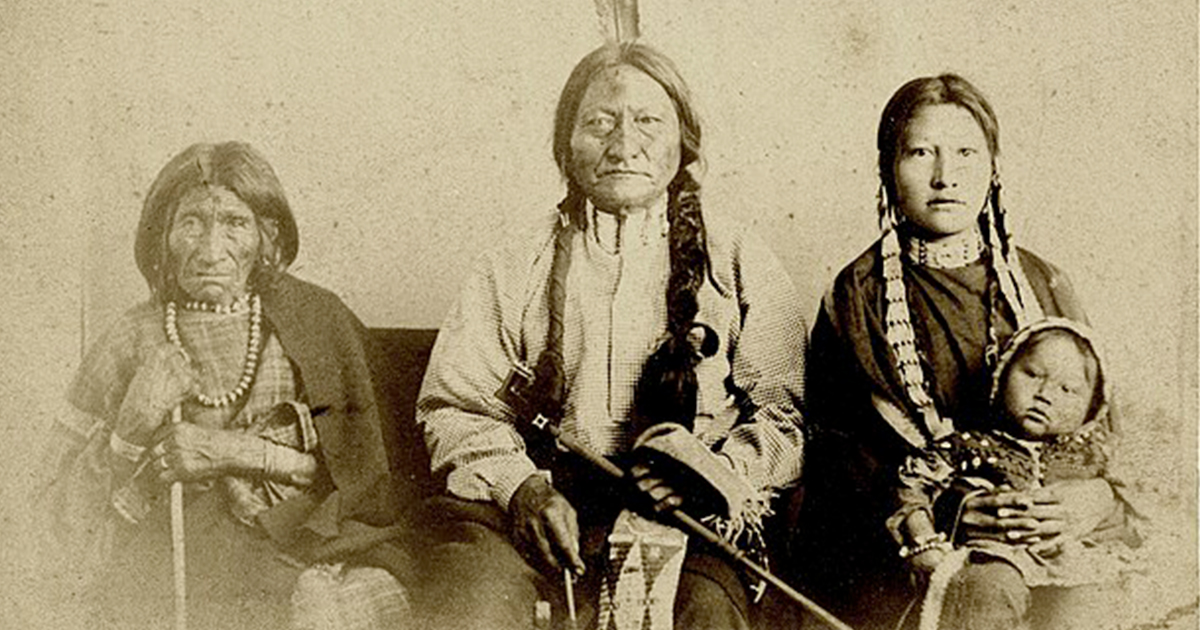
Back in the summer of 1877, a terrified band of Lakota Sioux led by the legendary Chief Sitting Bull made a life-or-death decision. Rather than submit to life under US Army control, they grabbed what they could, saddled up, and headed north to Canada—a harrowing journey that would change their lives forever.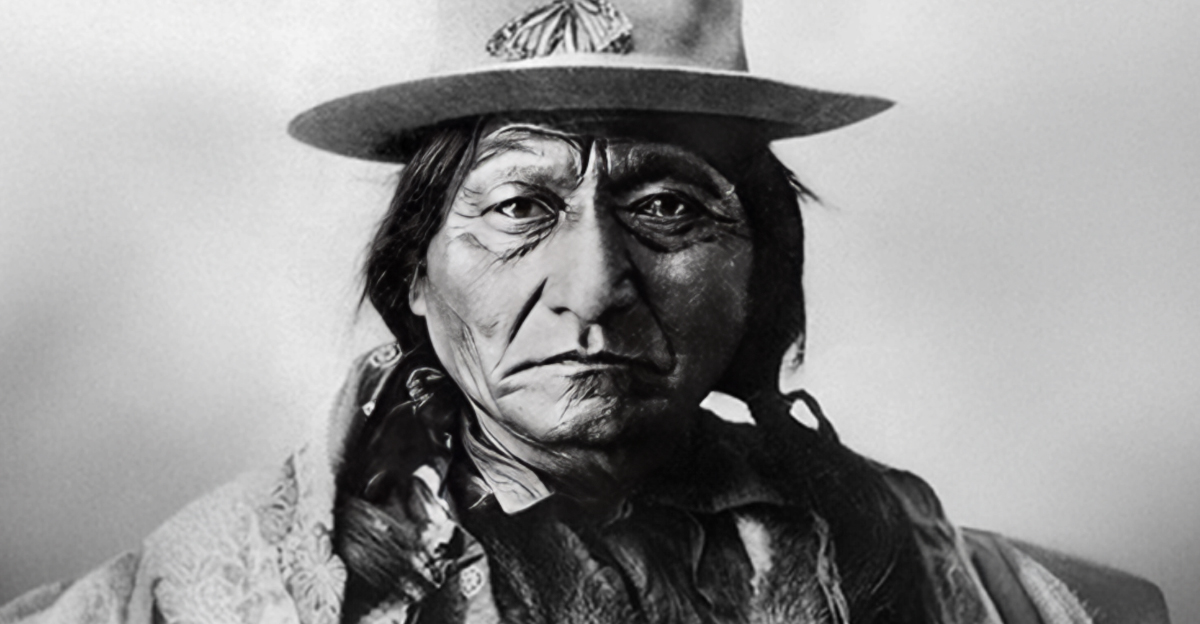
A Spiritual Stand
The decision wasn’t just about physical survival; it was a spiritual stand, a refusal to bow to a government that had repeatedly broken treaties and stolen their lands. As they crossed the border into Saskatchewan, they left behind familiar hunting grounds and ancestral lands, and entered a territory they knew nothing about.
And the man who led them there was a force to be reckoned with.
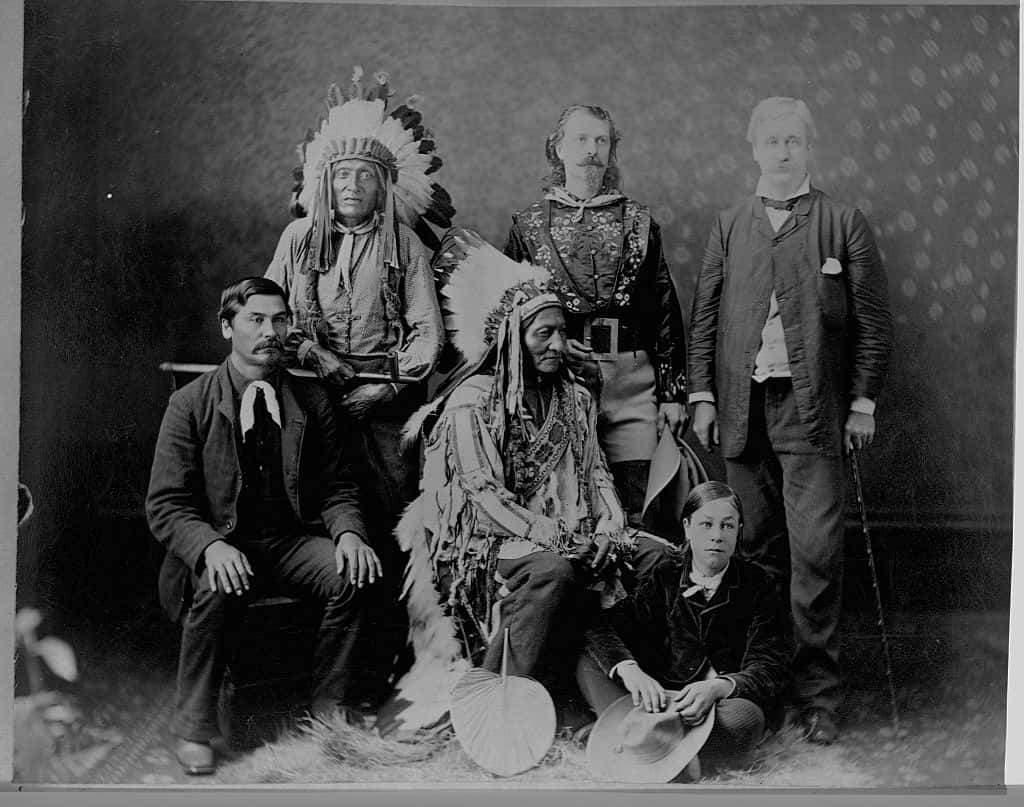
 National Archives at College Park, Wikimedia Commons
The Visionary Who Defied an Empire
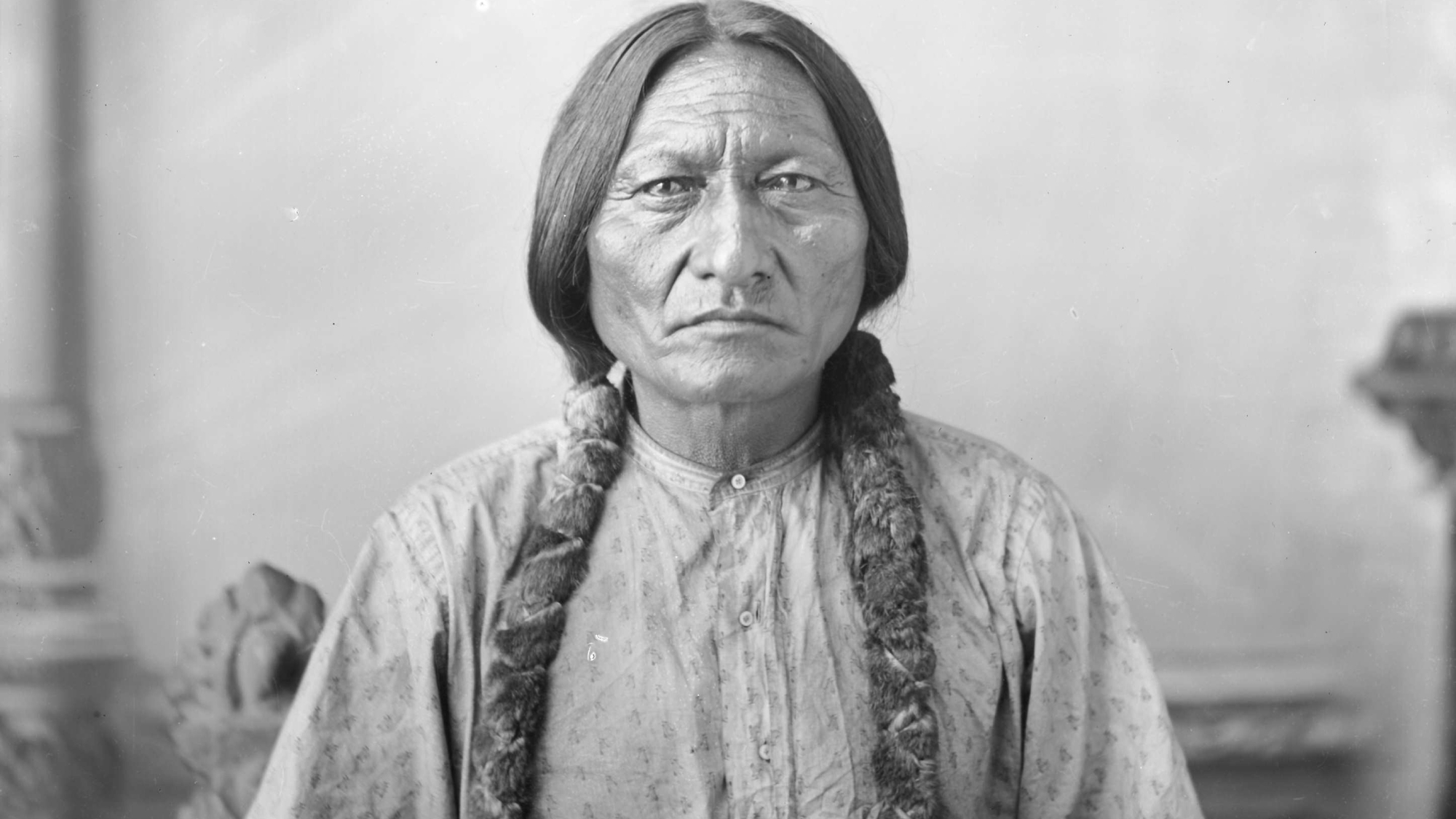
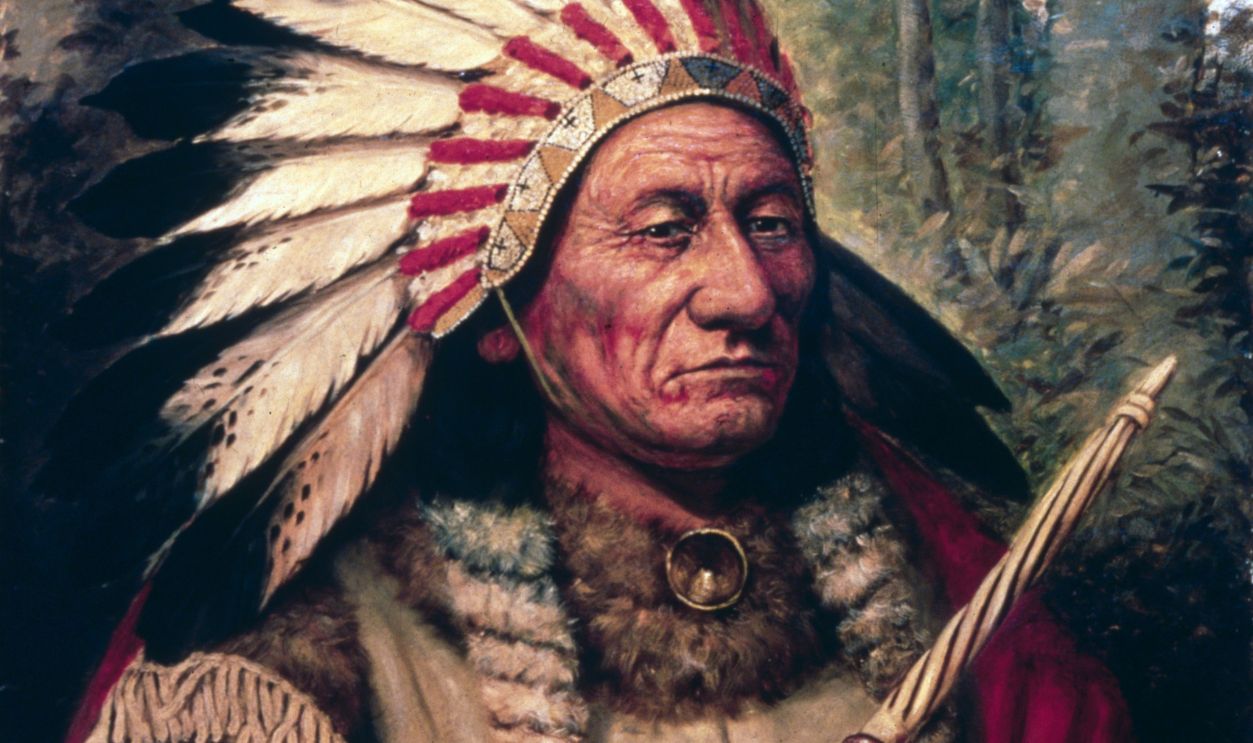
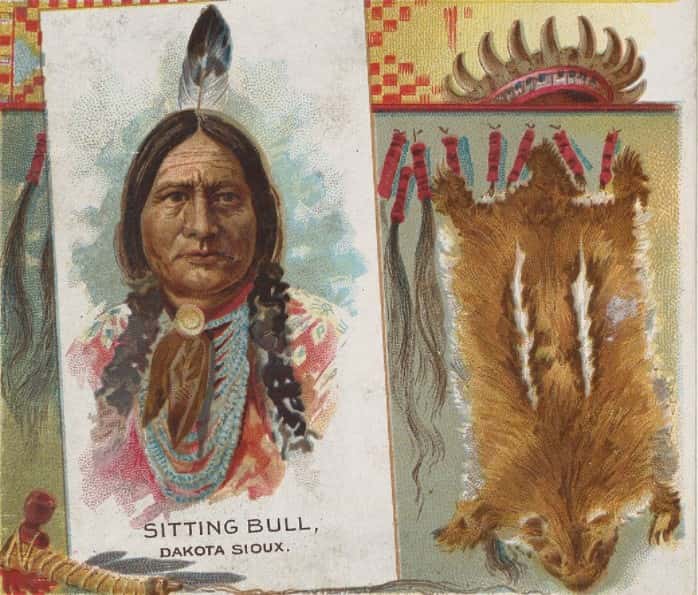
Sitting Bull, or Tatanka Iyotake, was more than just a chief—he was a spiritual leader, a medicine man, and a bold symbol of resistance. After defeating General Custer at the Battle of Little Bighorn, he knew retaliation was coming.
 David F. Barry, Wikimedia Commons
A Bold Choice For Survival
It didn't take long for US forces to focus their pursuit on the Lakota leaving them with few options for survival. Refusing to surrender, Sitting Bull ultimately chose exile. And hundreds of families willingly joined him.
But life beyond the border was not the sanctuary they had imagined.
Life in the Frozen Hills
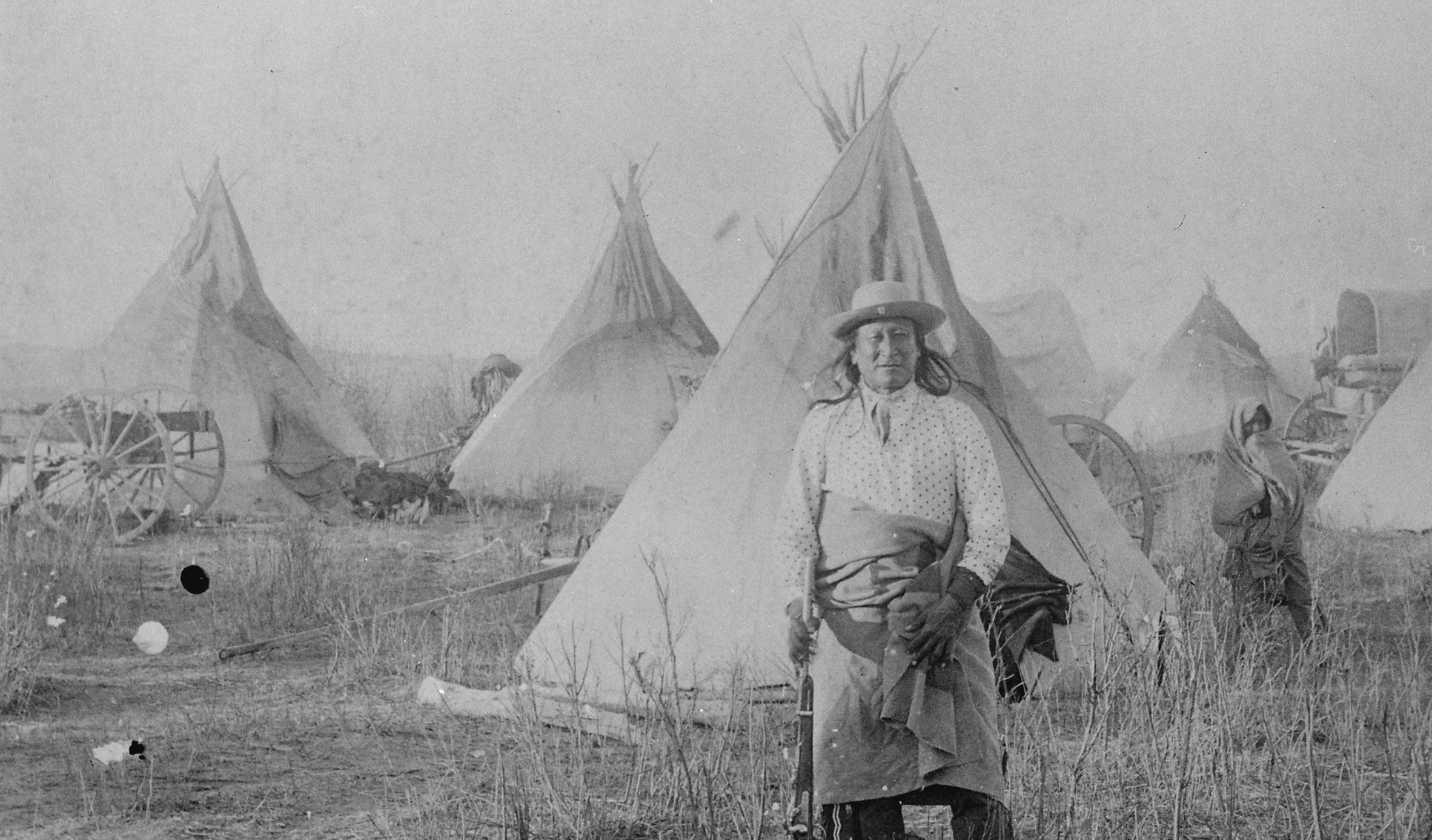
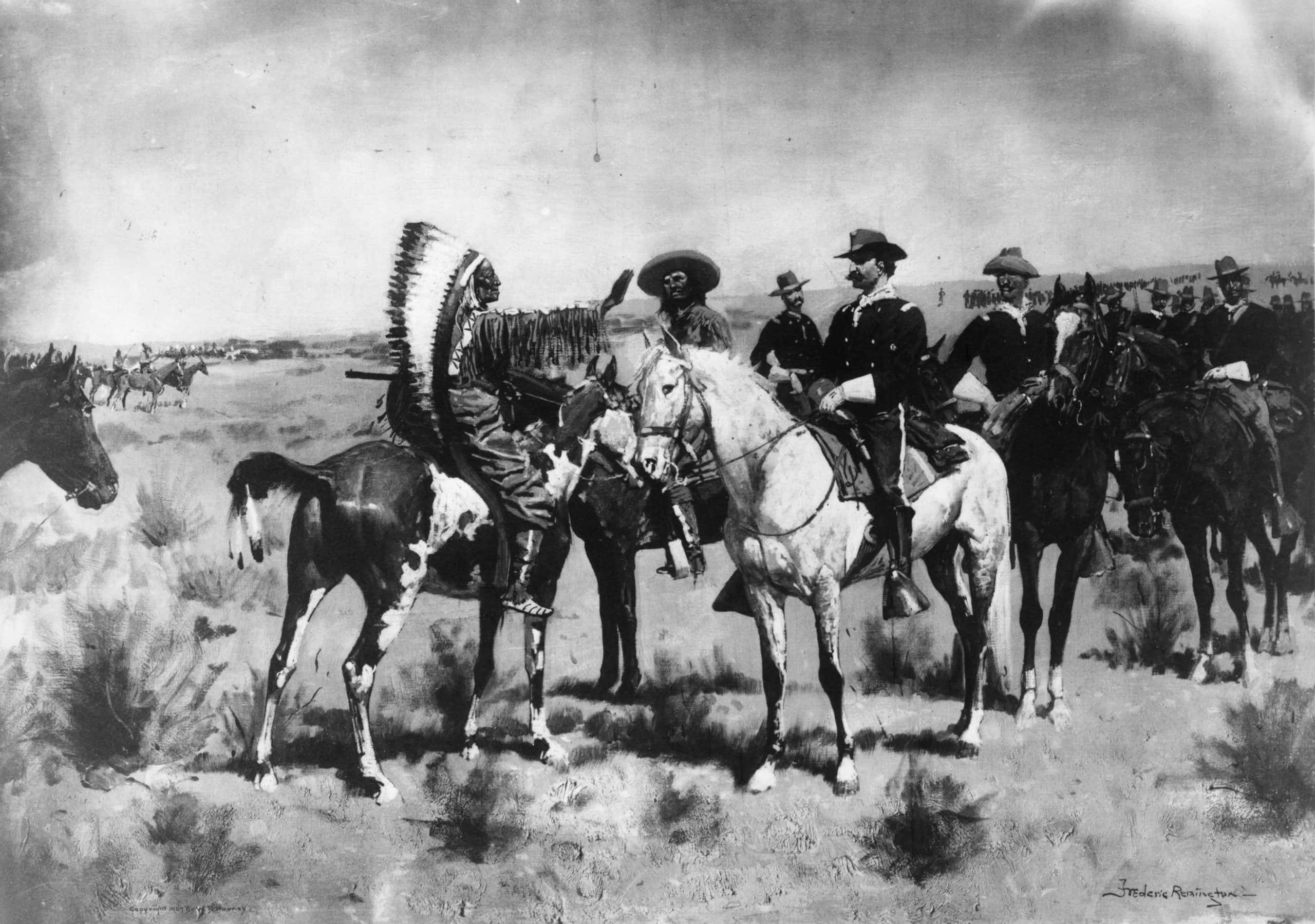
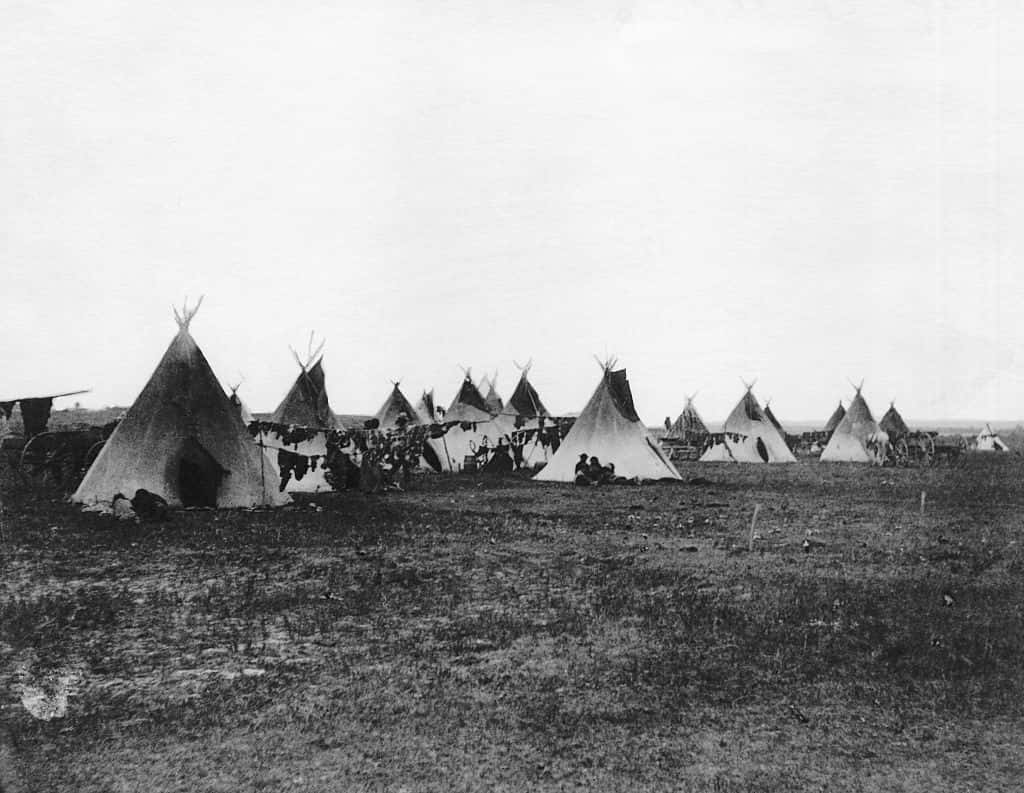
After crossing the border, the Lakota set up camp in the remote Cypress Hills of what’s now Saskatchewan. The land felt unfamiliar, but it was safe. They tried to stick to their traditional ways of hunting buffalo, holding ceremonies, and living in handcrafted shelters, but the freezing northern winters and lack of adequate food pushed them far beyond their limit.
Tipis, Buffalo, and Bonds
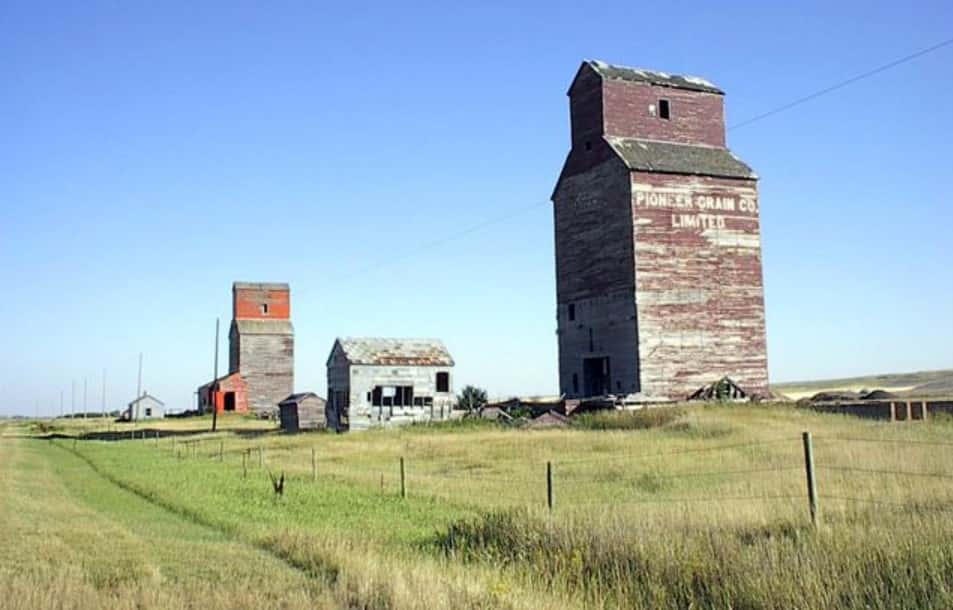
The Lakota had always been a nomadic people, following the vast buffalo herds that provided them with food, shelter, and clothing. They lived in tipis, which were mobile homes that could be built quickly or packed for travel.
Their social structure involved kinship and bands led by respected elders and warriors. Women played crucial roles in caring for the home, preparing food, and making clothing. This lifestyle was important to their identity, making the forced move to reservations in the US unbearable—and fueling their reason to flee.
Sacred Rituals in a Strange Land
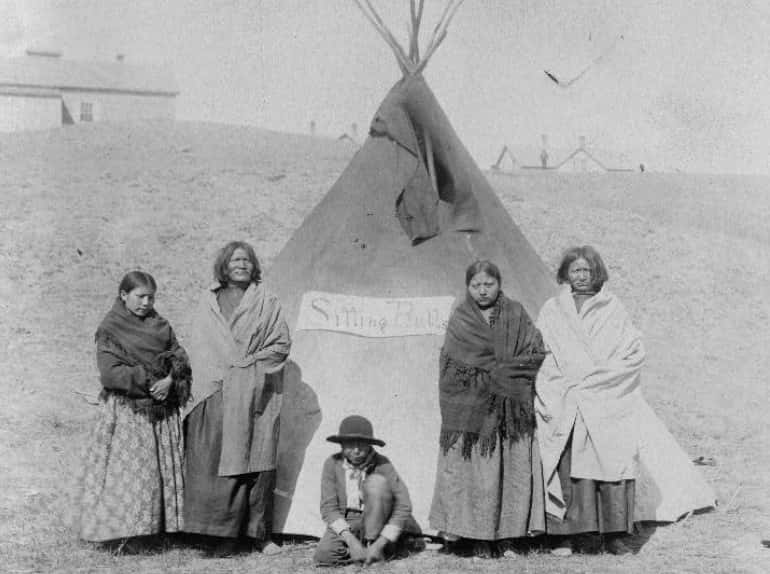
The Lakota centered their lives around Wakan Tanka, the Great Spirit. They held big ceremonies like the Sun Dance, a powerful ritual of sacrifice and renewal. People also went on vision quests to find personal guidance. Even in freezing Canada, they kept these sacred practices alive as a way to stay strong—and defy being erased.
But spiritual strength alone could not feed their empty stomachs.
Hunger, Cold, and Courage
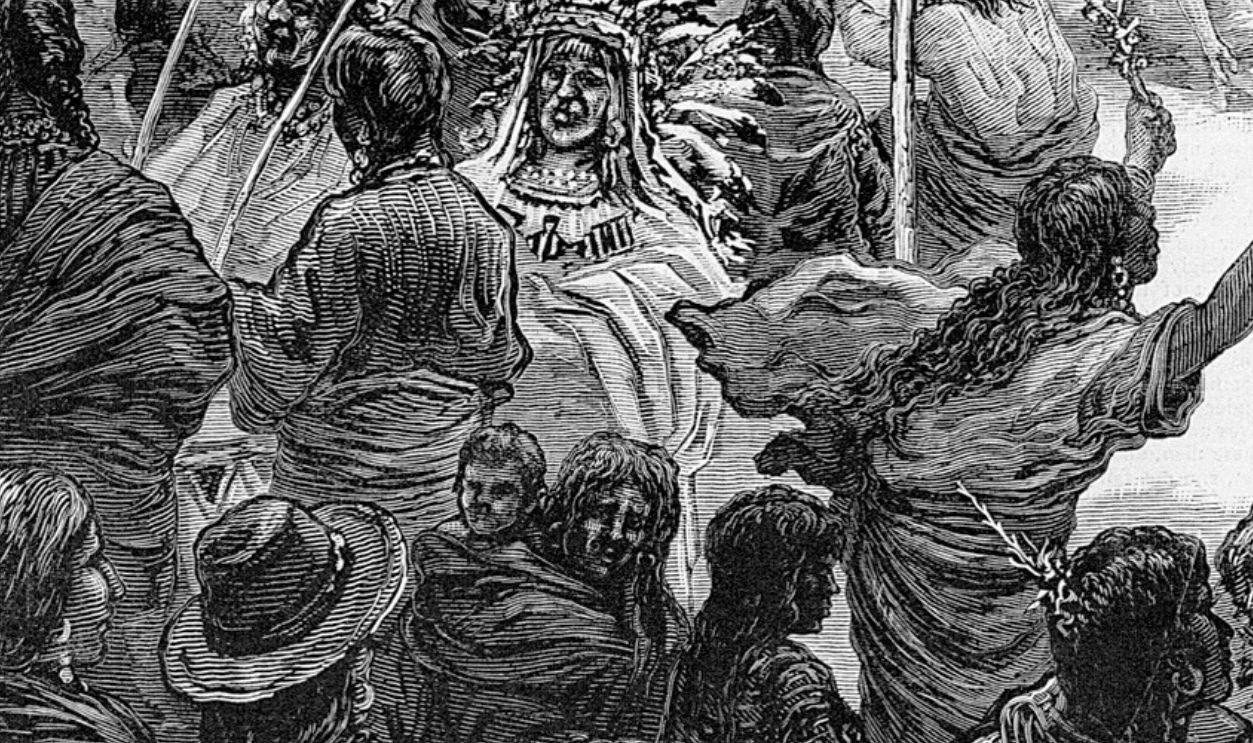
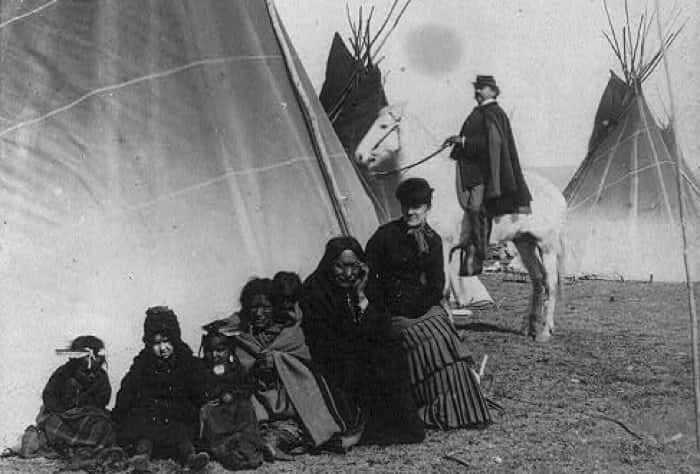
They had escaped US soldiers, but Canada was no picnic. Buffalo were rare, and Canadian authorities didn’t offer much help. Hunger wore them down, and diseases spread quickly. Families shared tiny food portions, and elders told stories around the campfire to keep morale. Every small act of sharing or comfort was a way of refusing to give up.
Under Watchful Eyes
At first, Canadian officials felt sorry for them but didn’t really help. The Northwest Mounted Police watched closely but avoided fights. As food and supplies ran out, the Canadian government urged them to go back south. Still, Sitting Bull and his people held on for years, refusing to return to US control.
But in the end, they faced an impossible choice.
The Heart-Wrenching Journey Home
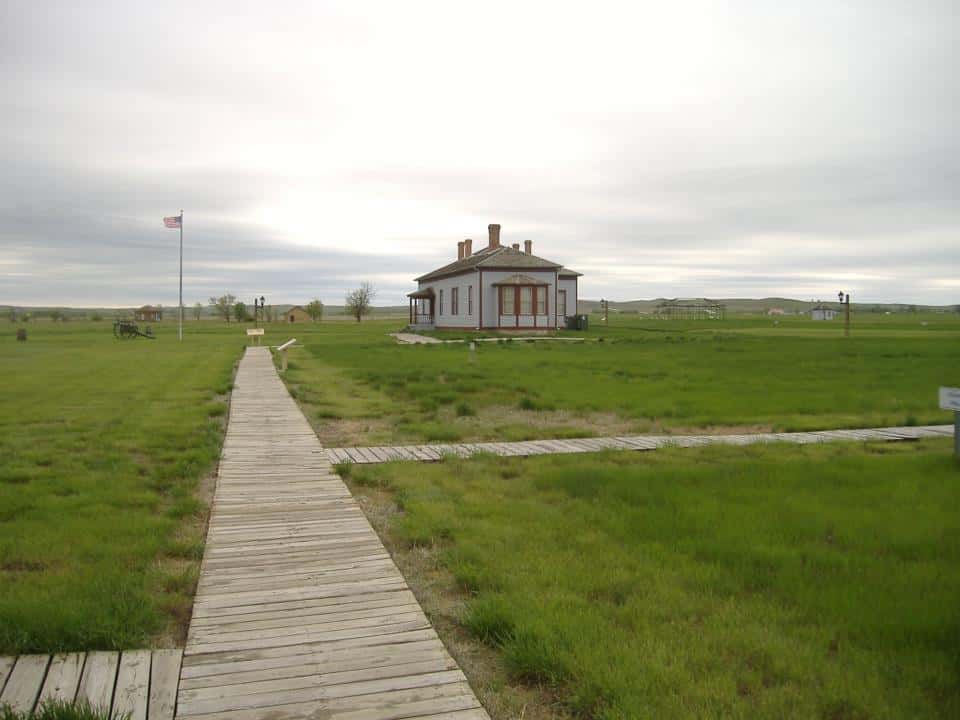
By 1881, they couldn’t hold out any longer. Starvation and sickness pushed them to the edge. Seeing his people suffer, Sitting Bull finally decided to return to the US. They surrendered at Fort Buford and were immediately forced onto reservations, losing their freedom completely.
Their time in Canada may have been over, but their fight wasn’t.
A Spirit That Would Not Die
The Lakota’s escape to Canada is one of the most powerful acts of Indigenous resistance in North American history. It wasn’t just about running away, it was about keeping their identity against all odds. Their story shows what it really means to fight for sovereignty and dignity.
Keeping the Lakota Flame Alive
Even after everything, the Lakota never stopped fighting to keep their culture strong. They run language programs, cultural camps, and ceremonies so younger generations can keep their legacy going. Every dance, every prayer, every word in Lakota keeps their ancestors’ spirit alive.
 Unknown Author, Wikimedia Commons
Stories by the Fire
For the Lakota, storytelling is sacred. Around the fire, elders tell stories of warriors, visions, and that hard journey to Canada. These stories aren’t just for fun, they’re living history, keeping the heart of the Lakota spirit beating strong for future generations.
Fueling Modern Resistance
Their story still inspires Indigenous activists today. When people fight for land, cultural rights, or sovereignty, they remember Sitting Bull’s bravery. It proves that even when forced to the edge, a people’s spirit can stay strong and unbroken.
Faces of Defiance
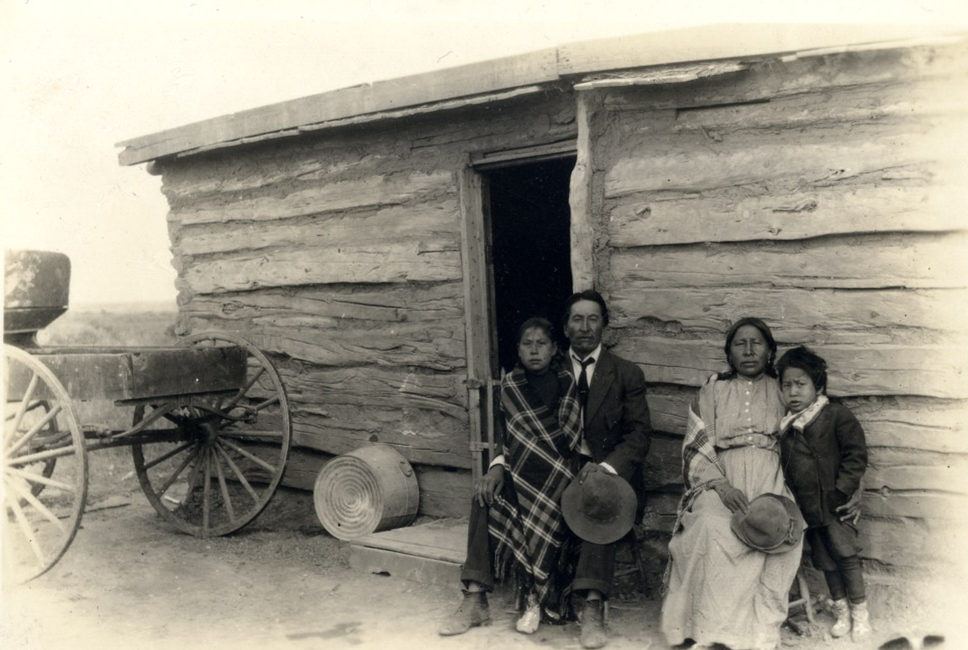
Rare historical photos show what life was like for the Lakota in Canada. With tired faces, worn clothing, and crowded communities, these photos are haunting reminders of their courage and the harsh reality they faced.
Their time in Canada also created unexpected connections—ones that may have just saved their lives.
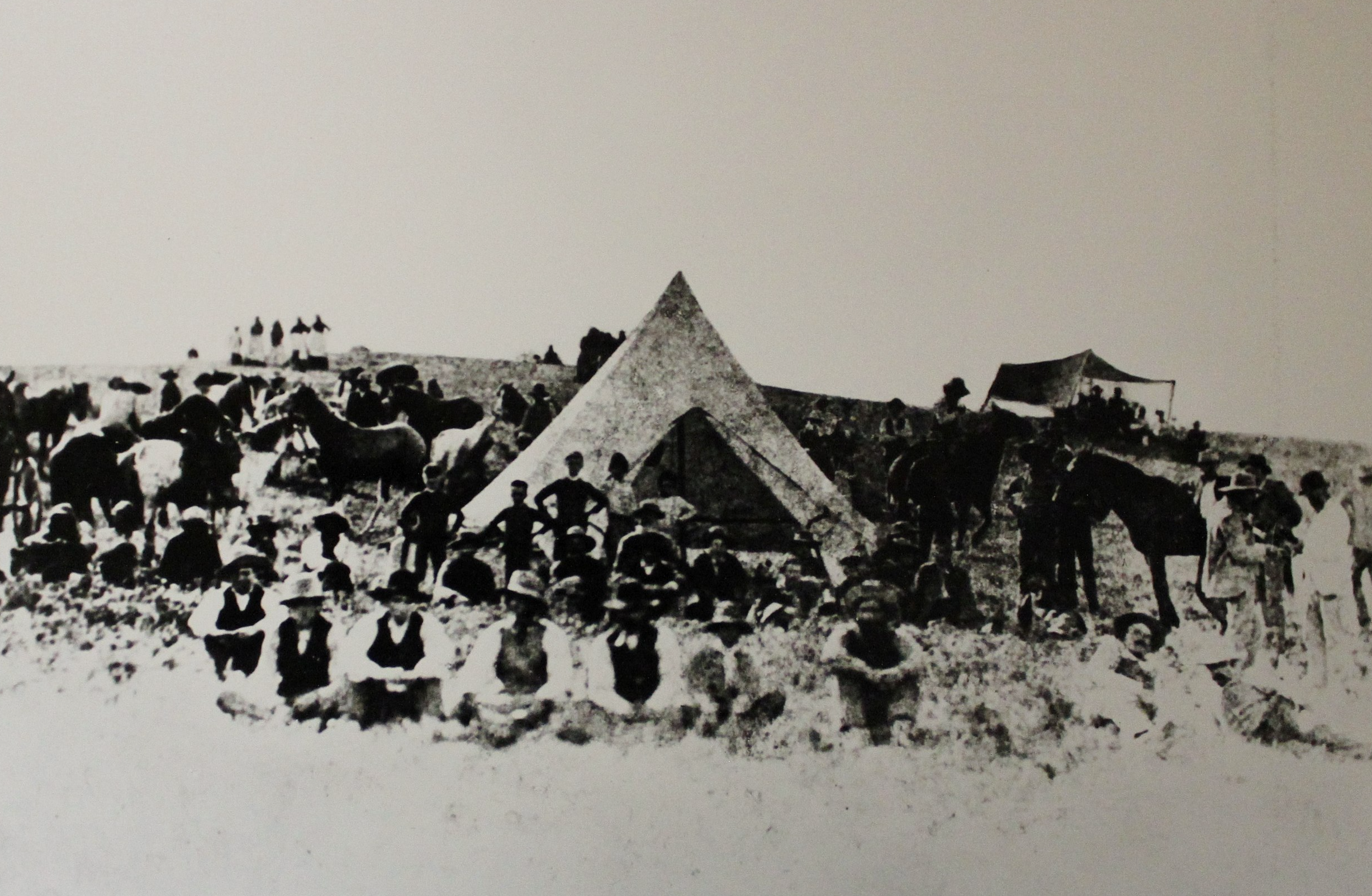 Saskatchewan Archives, Wikimedia Commons
Bonds Beyond Borders
While in Canada, the Lakota formed friendships with the Cree and Métis. They shared survival skills, spiritual practices, and created strong bonds. These relationships helped them survive and showed how adaptable and open they were, even during such hard times.
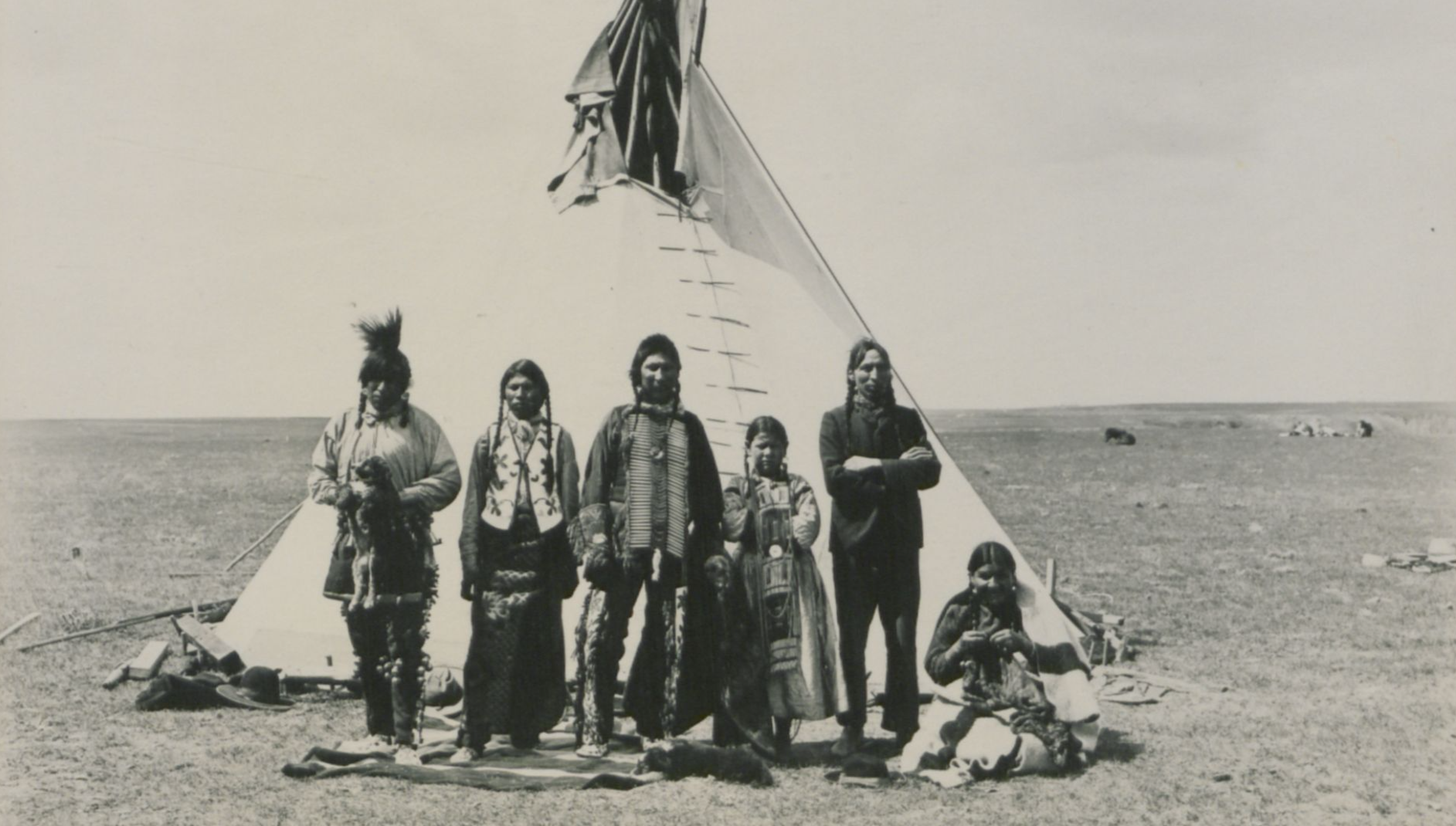 A. W. Gelston, Wikimedia Commons
Museums, Lessons, and Healing
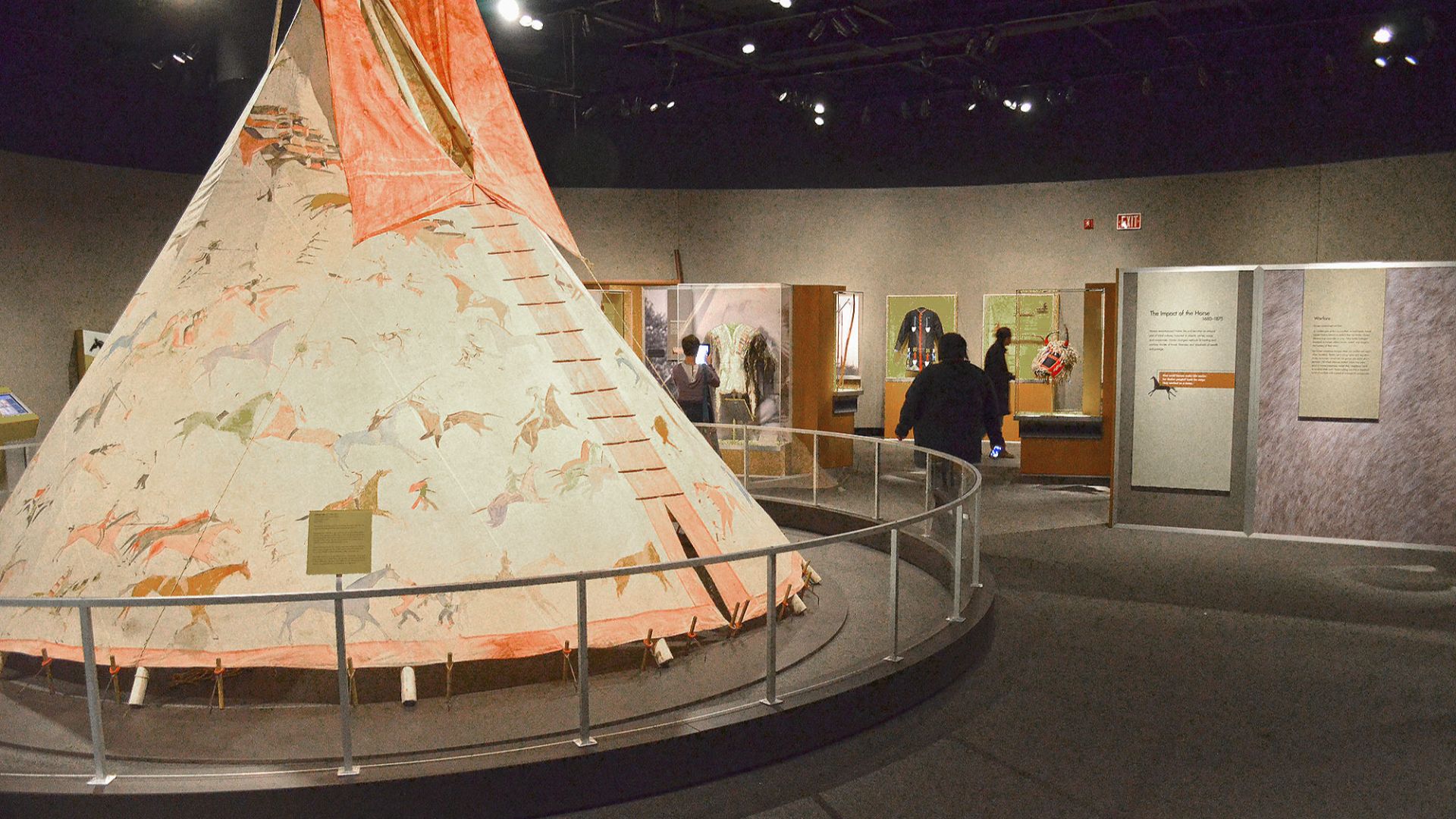
Today, museums and schools tell the story of the Lakota’s escape to Canada. Sharing this chapter helps break stereotypes and encourages people to think deeply about colonial history. By telling it, we honor their strength and spark important conversations.
Their story still goes far beyond classrooms and museums.
 Tim Evanson from Cleveland Heights, Ohio, USA, Wikimedia Commons
Art That Speaks Across Generations
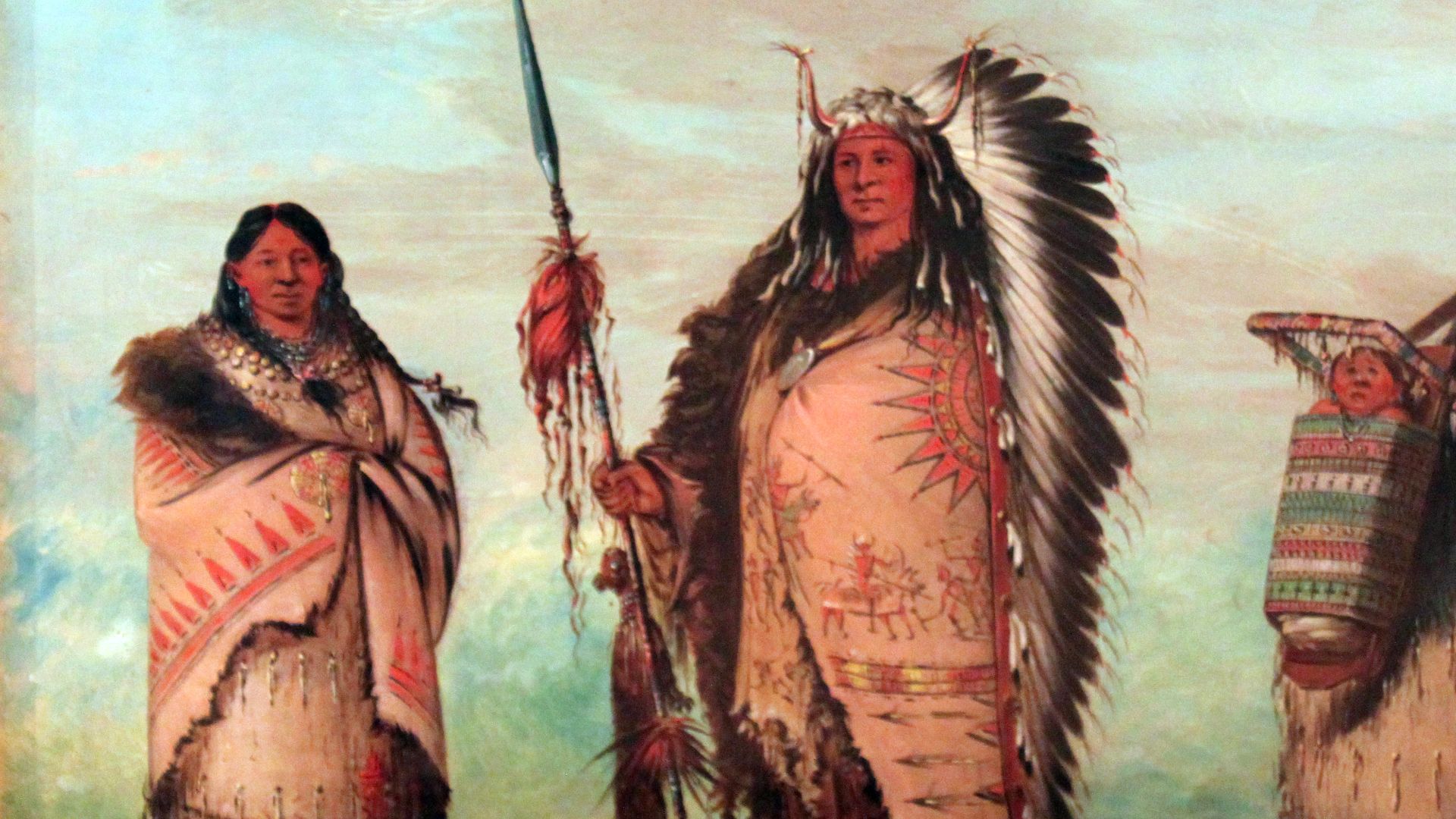
Modern Lakota artists keep these stories alive through beadwork, paintings, music, and dance. Art becomes a bridge, connecting the pain and pride of the past to the present, letting people feel their ancestors’ experiences in a powerful way.
And Lakota today make sure their voices are heard.
 George Catlin, Wikimedia Commons
Dancing in Memory
Every year, gatherings and memorials honor the Lakota’s journey north. These events feature dances, songs, and prayers that bring the community together and remind everyone of the strength and pride in their shared history.
And, believe it or not, their story may have influenced a few things across the border, too.
Changing Laws, Changing Minds
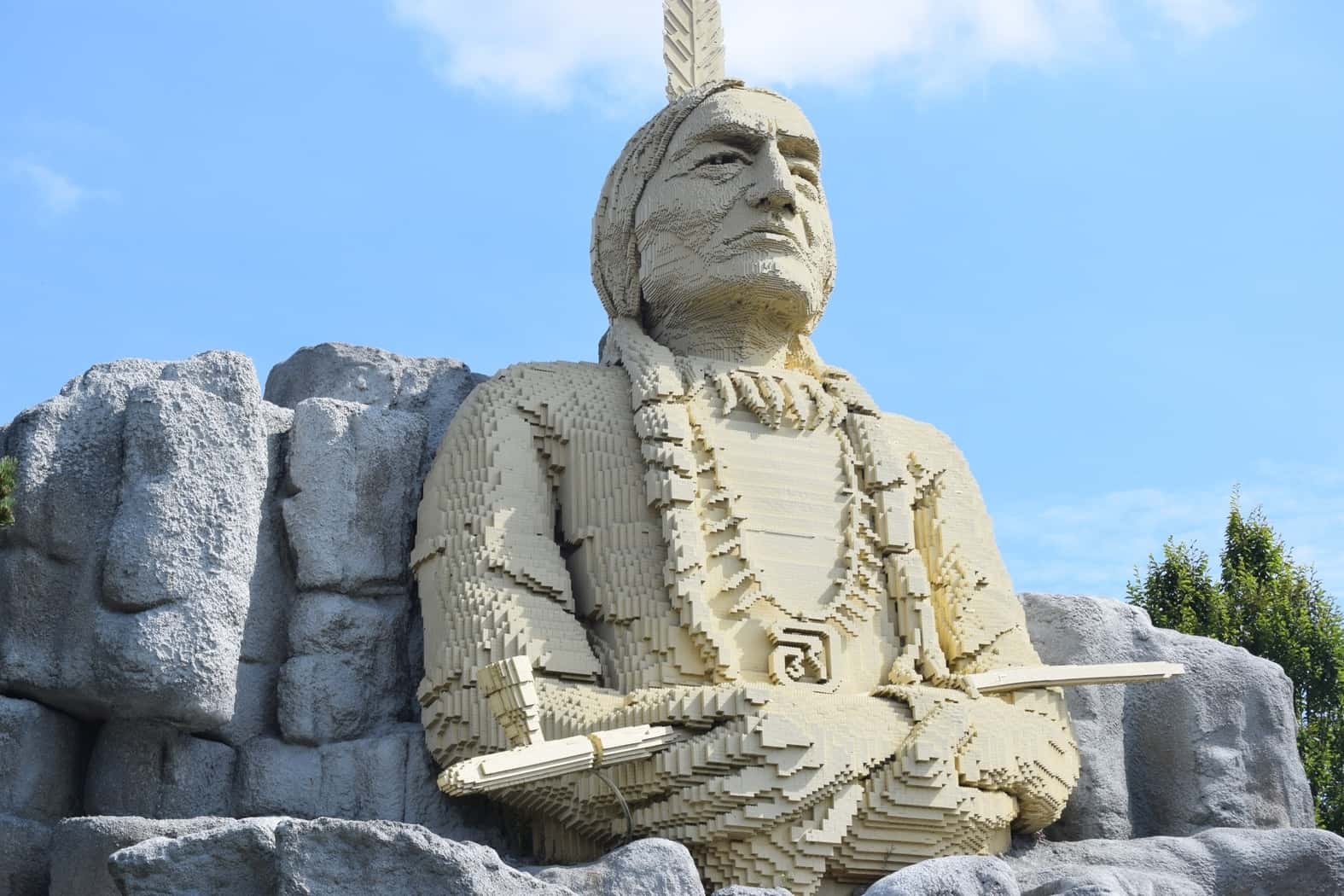
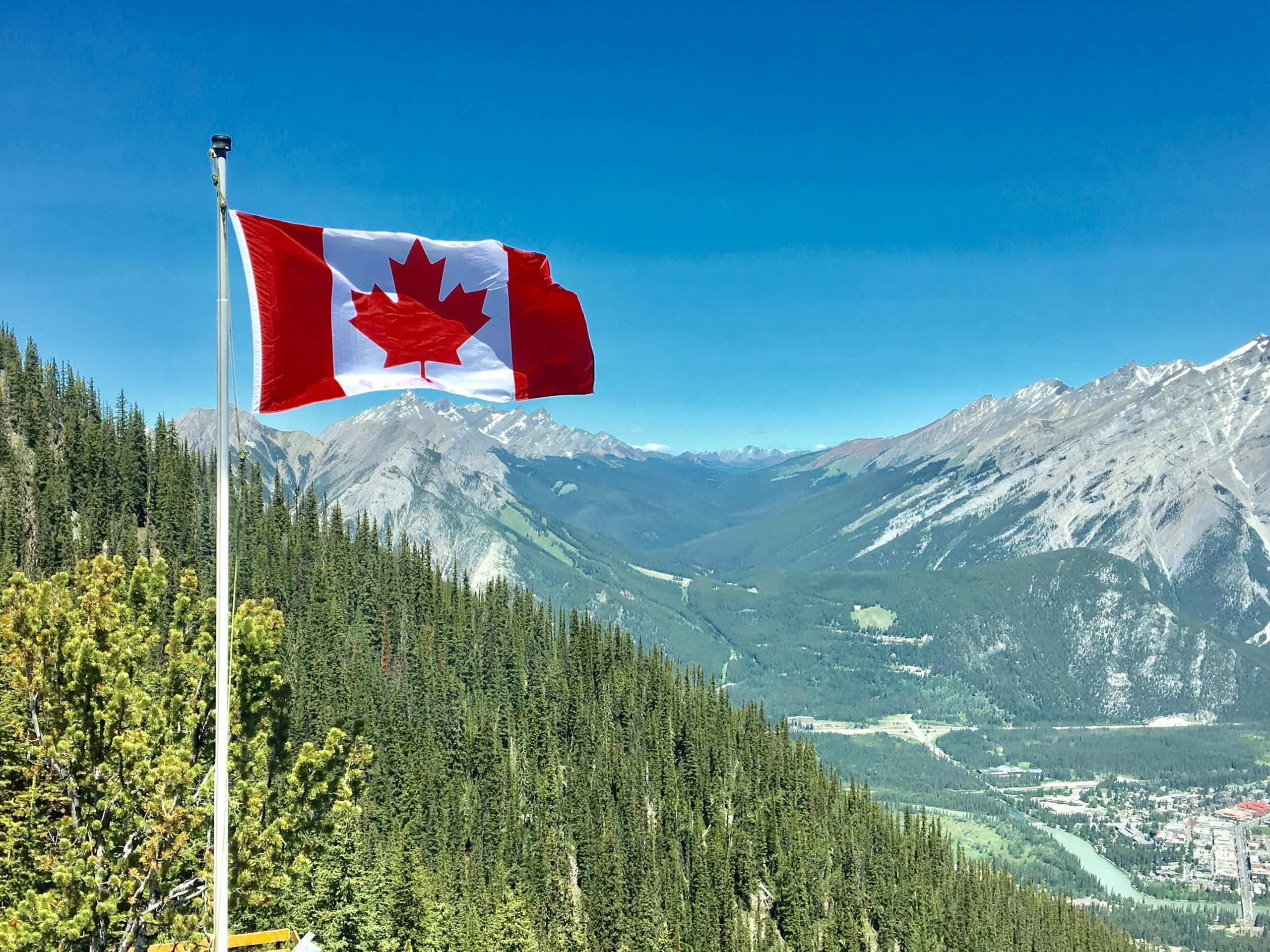
Though Canada didn’t help much at first, the Lakota’s presence changed conversations about Indigenous rights and refugee policies. Their story pushed people to think more about compassion and what it means to support those seeking safety and freedom.
Especially considering not all Lakota left.
A Quiet Rebellion
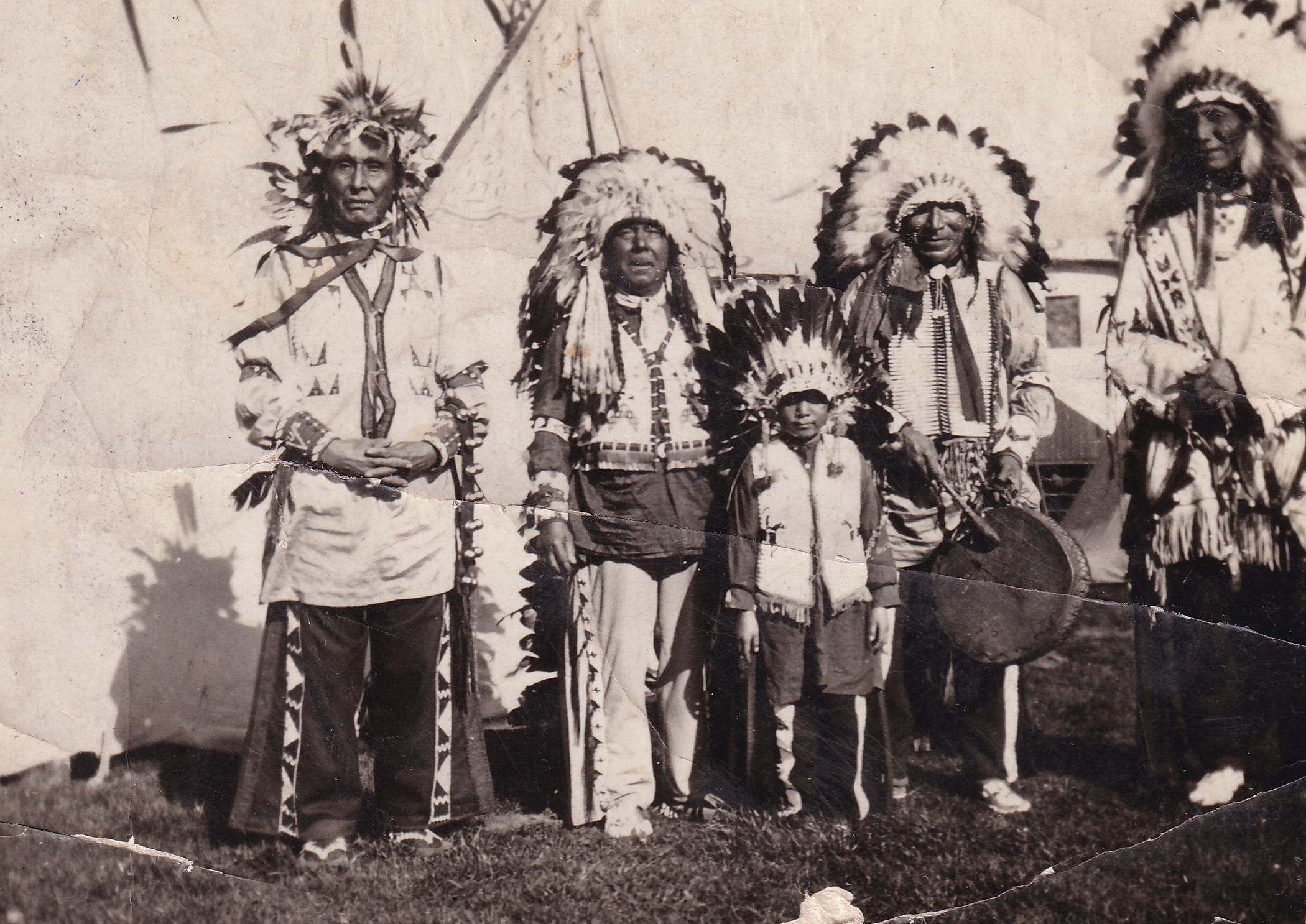
Not everyone went back south. Around 50–60 Lakota chose to stay in Canada, choosing freedom despite the hardships. Their decision was a quiet but powerful act of resistance that showed their deep commitment to independence and keeping their culture alive.
 Personal collection, CC BY-SA 4.0, Wikimedia Commons
A Unique Freedom
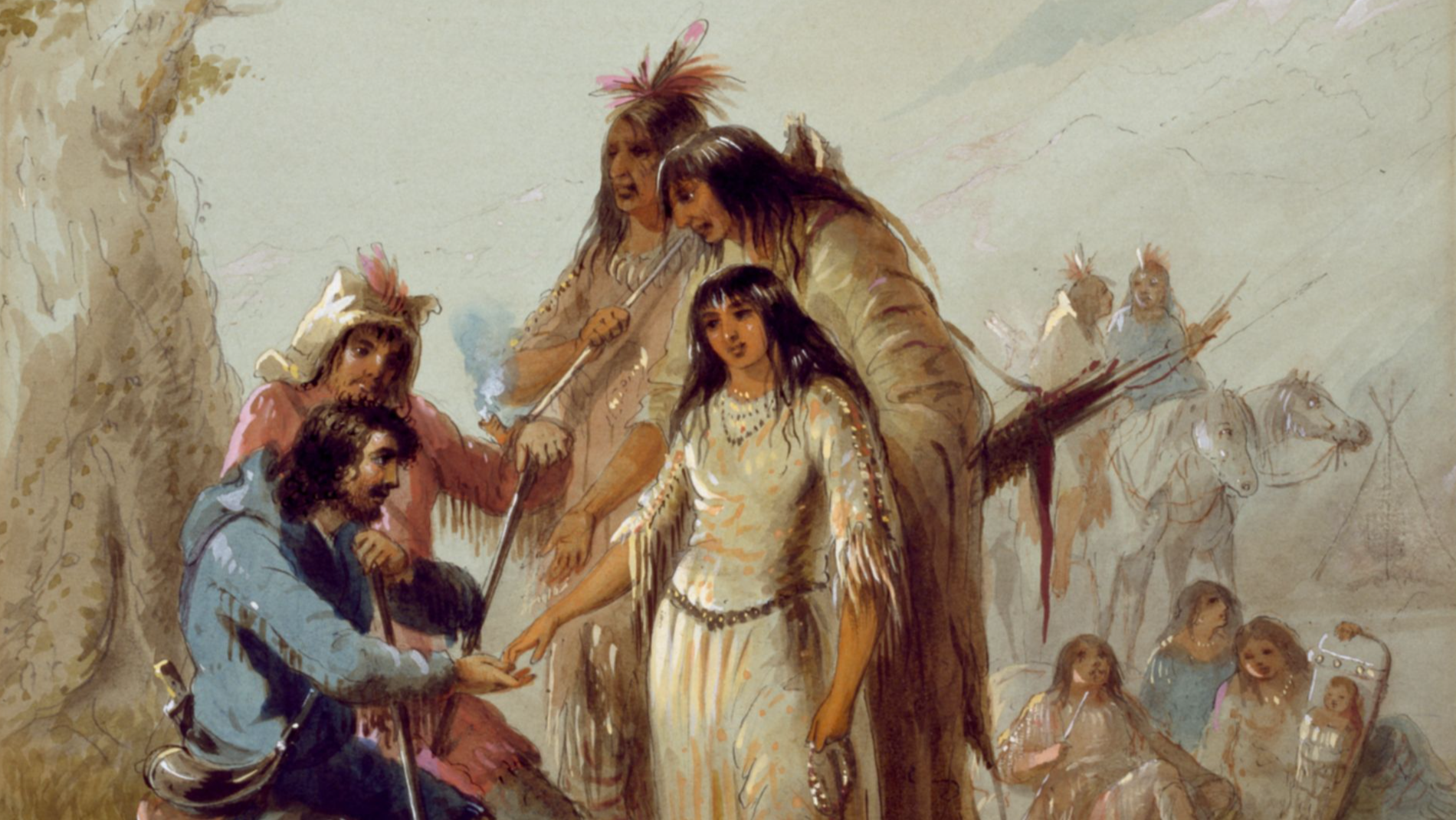
Those who stayed faced harsh winters and little food, but they gained true freedom. They didn’t have to fear raids or being forced off their land. They learned from local Cree and Métis, and today their descendants still live in Canada, carrying on a brave legacy.
 Alfred Jacob Miller, Wikimedia Commons
Sharing for Survival
Over time, the Lakota who stayed built strong bonds with local communities, blending traditions to survive. Their families today still honor that choice, showing us that real freedom sometimes means choosing the hardest path and never giving up your spirit.
The Eternal Spirit of Sitting Bull
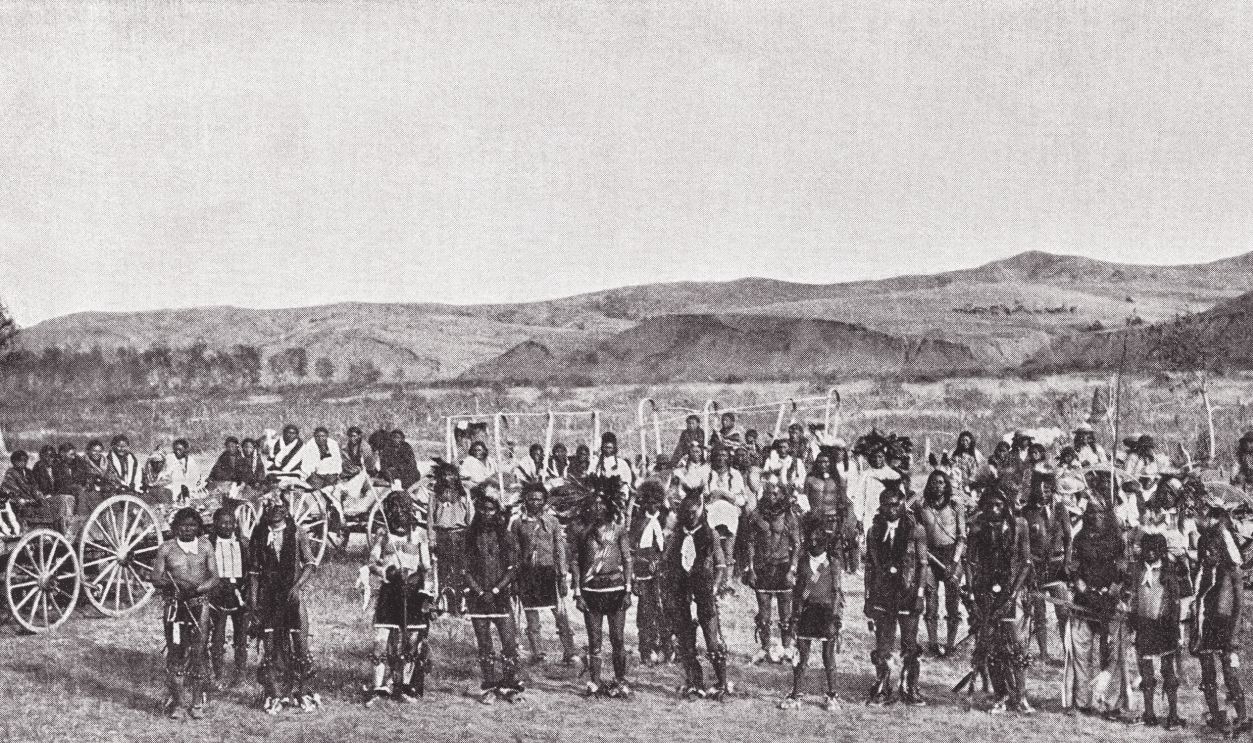
Sitting Bull remains a powerful symbol worldwide. His decision to lead his people to Canada showed his unwavering commitment to freedom and cultural survival. Even now, he inspires people everywhere who stand up against injustice.
A Story Still Being Written
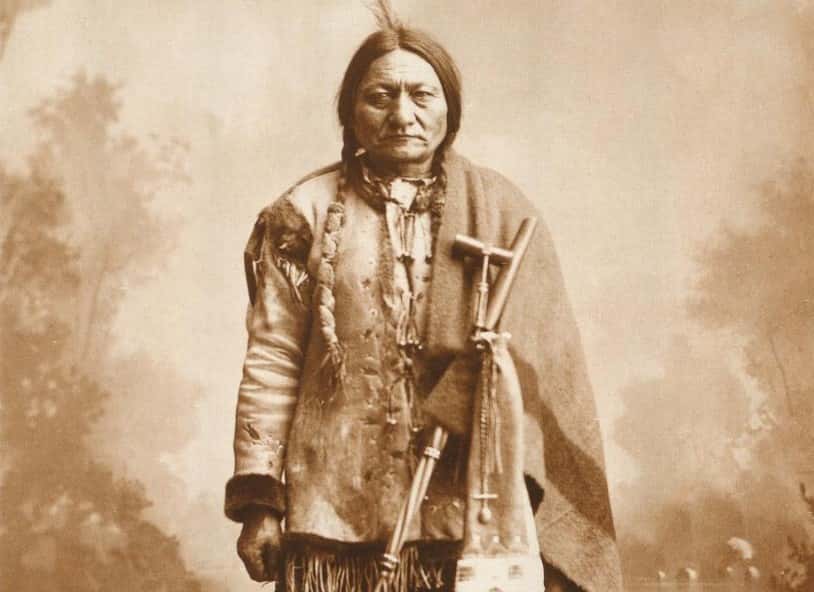
The Lakota’s journey to Canada wasn’t just an ending—it was also a new beginning full of hope and courage. Even after returning to the US, their story continues to inspire. It reminds us of what people will do to protect their culture and why remembering these stories is more important than ever.
You May Also Like:
Historical Photos Of The Most Fearsome Tribe In America
Pocahontas's Tribe Barely Survived Genocide
The Dark History Of California's Trail Of Tears




,_an_Oglala_Sioux,_standing_in_front_of_his_lodge,_Pine_Ridge,_South_Dak_-_NARA_-_530813.jpg)


_for_Allen__Ginter_Cigarettes_MET_DP838934.jpg)