
Apparently, Your Suitcase Has Two Sets Of Rules
You bought one ticket from one airline, but part of the trip is operated by its partner. Now one airline says your checked bag is free while the other charges for it, and their weight limits may not even match. Before you repack your suitcase or budget for surprise airport fees, which airline's baggage allowance actually applies?

Start With "Operated By"
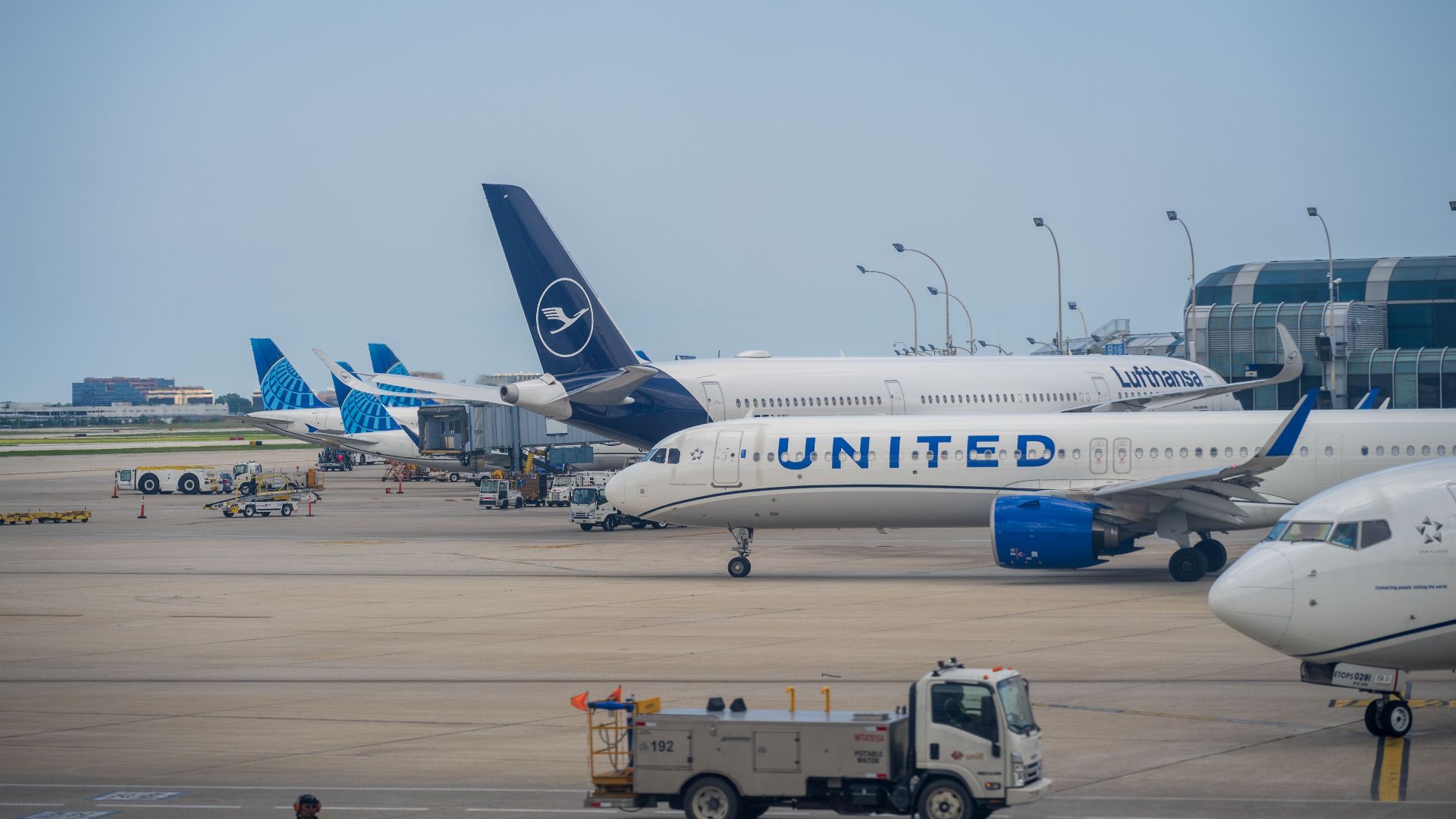
Look closely at your itinerary. You might see an airline's flight number followed by something like "operated by" another carrier. That's a codeshare. The airline selling the flight under its code is the marketing carrier, while the airline actually flying the plane is the operating carrier.

Those Two Airlines Can Have Very Different Rules
One carrier might include a checked bag with your fare while its partner doesn't. Weight limits, extra-bag fees, elite benefits, credit-card benefits, and carry-on rules can also differ. That's why simply looking at the airline logo on the website where you booked isn't enough.

The Answer Isn't Always "The Airline Flying The Plane"
That's one of the easiest assumptions to make. The operating airline matters for many day-of-travel details, but baggage allowances on a ticket involving multiple carriers can follow special interline and codeshare rules. For US-linked itineraries, federal rules are particularly important.

US Rules Try To Prevent Mid-Trip Surprises
The US Department of Transportation has rules designed to prevent passengers from suddenly facing more restrictive baggage allowances or higher fees partway through a ticketed journey. DOT guidance explains that the applicable baggage rules generally continue throughout the itinerary rather than changing every time you board another carrier.

The First Flight Can Be Extremely Important
For a ticketed journey with an ultimate origin or destination in the United States, DOT's framework looks closely at the carrier associated with the first segment. If that first flight isn't a codeshare, the carrier operating it determines the baggage allowances and fees, subject to the permitted methodology.
Codeshares Change That Detail
If your first segment is a codeshare, DOT guidance says the marketing carrier for that segment determines the baggage allowances and fees that apply to the ticketed journey. The marketing carrier is the airline whose code appears on your ticket, even if another airline operates the aircraft.
 Monkey Business Images, Shutterstock
There's Also A "Most Significant Carrier" System
International airline baggage rules can involve what's known as the Most Significant Carrier, or MSC. Depending on the itinerary and carrier's methodology, another airline's baggage rules can sometimes become the applicable rules. That's one reason trying to solve a complicated international itinerary by comparing two baggage webpages can lead you in circles.
Canada Has Similar Importance Here
Industry baggage systems also give special treatment to itineraries involving the United States and Canada. DOT records discussing industry implementation note that travel to, from, or within the US and Canada generally uses the first marketing carrier's rules under the applicable industry framework.

Your Ticket Confirmation Is One Of Your Best Clues
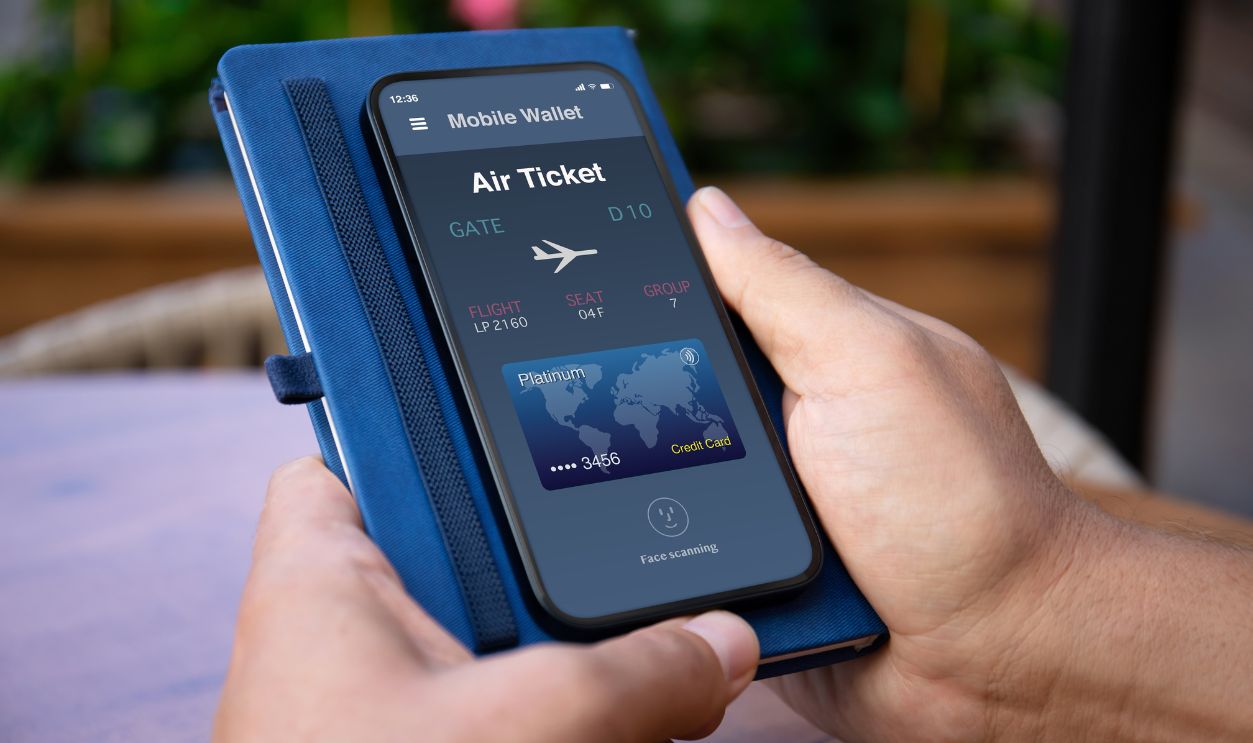
Before opening five airline websites, find your e-ticket receipt or confirmation. DOT says e-ticket confirmations must include information about the free baggage allowance and applicable fees for the first and second checked bags and carry-on baggage.

Look For A Baggage Allowance Line
Your confirmation may show something like "1PC," "0PC," a weight allowance, or baggage-fee information. Save that document. If an airport agent later quotes something different, the baggage information disclosed when you bought the ticket becomes extremely useful.

Don't Assume Your Credit Card Benefit Transfers
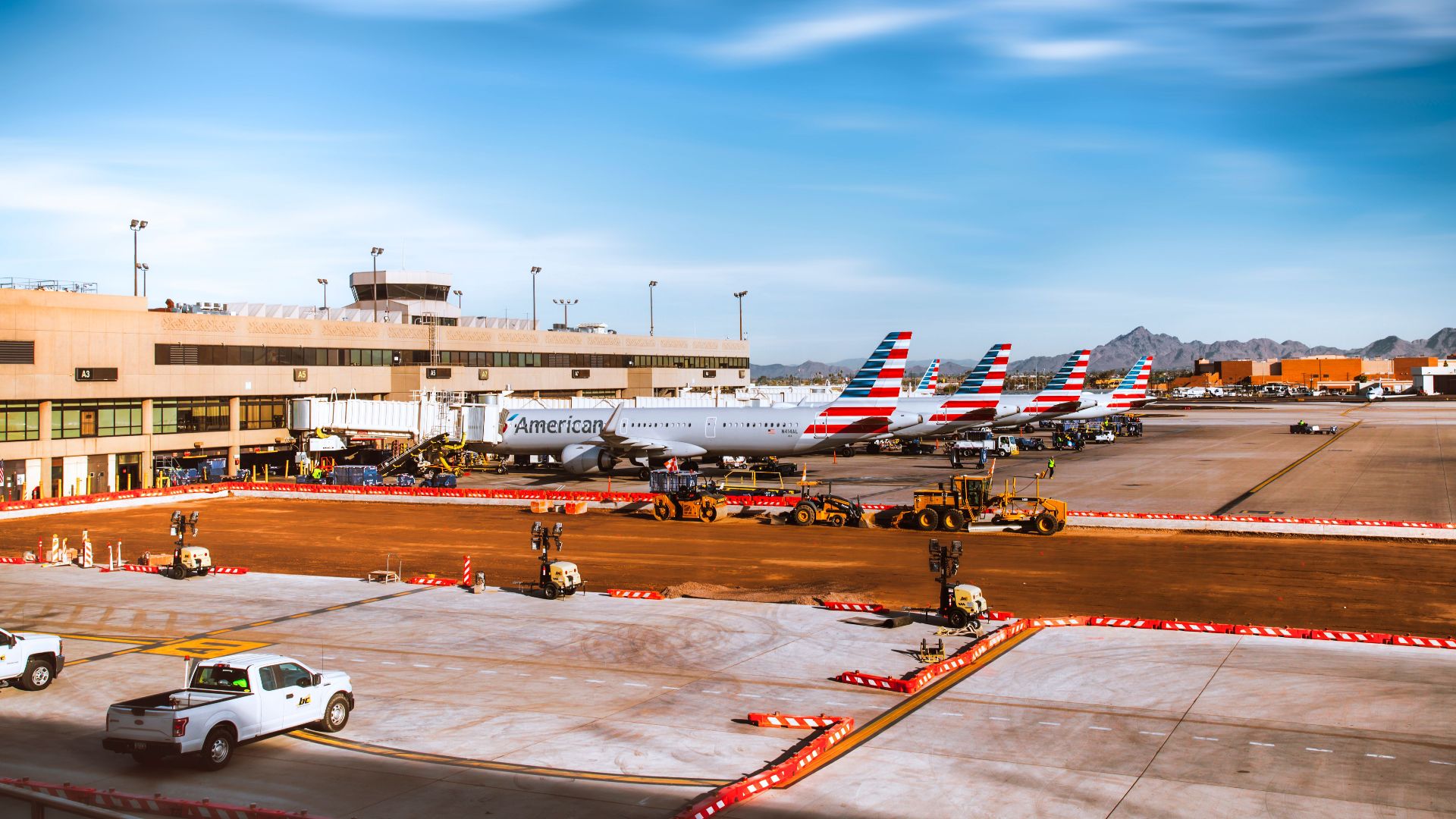
Suppose your airline credit card gives you a free checked bag when flying its namesake carrier. That benefit may not automatically apply when a partner operates the flight. American Airlines, for example, specifically warns that certain free checked-bag benefits don't apply on partner-operated codeshare flights.
Elite Status Can Get Complicated Too
Frequent-flyer status may provide free or additional bags, but partner recognition depends on the airline, alliance, itinerary, and benefit involved. DOT guidance acknowledges that passengers may qualify for a baggage waiver on one segment but not another, requiring carriers to coordinate what applies to the ticket.
Premium Cabins Aren't Always Simple Either
Maybe your first flight is economy but the long-haul partner segment is business class with a larger baggage allowance. Which one controls can depend on the itinerary and the baggage rules applied to the ticket. Don't simply pick whichever allowance is more generous.

The Weight Limit Matters As Much As The Number Of Bags
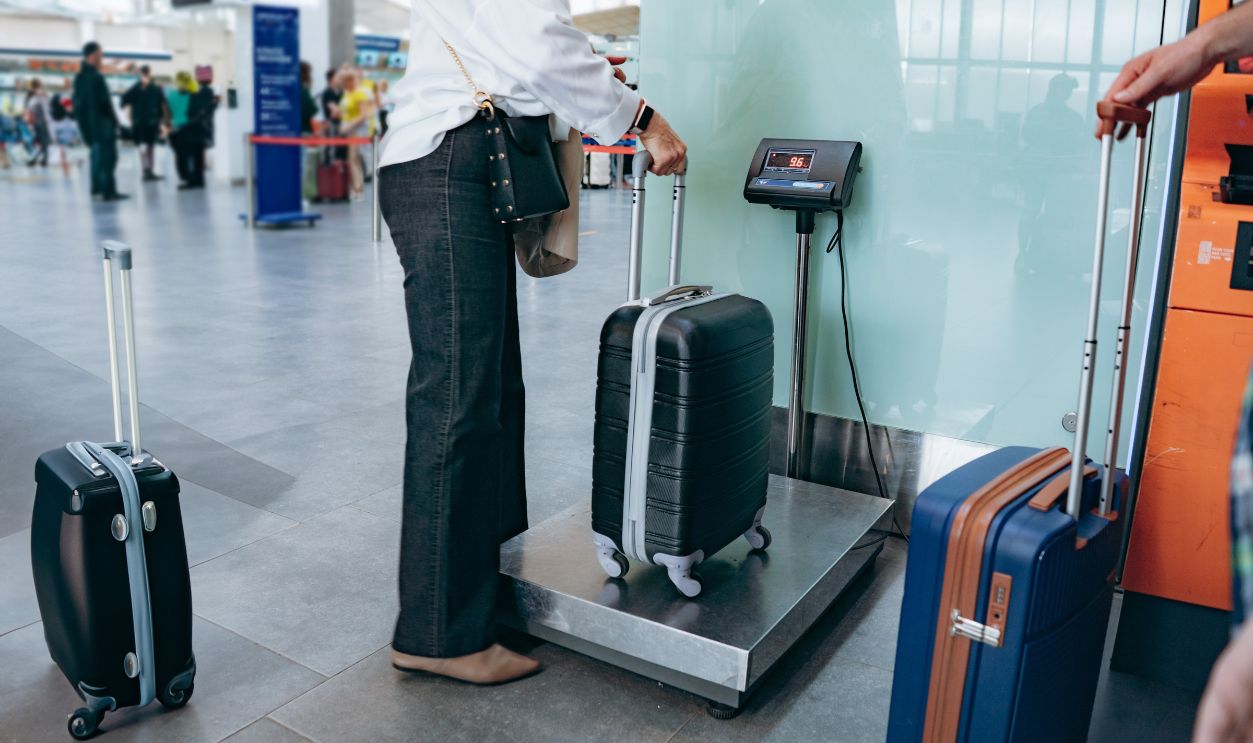
Imagine your confirmation allows one checked bag, but you're unsure whether the limit is 50 pounds or 70 pounds. An overweight charge can be much more expensive than the ordinary checked-bag fee. Confirm both the number of pieces and the permitted weight before packing.
Carry-On Rules Can Be Trickier
Cabin baggage deserves separate attention because the operating carrier ultimately has to determine what can safely fit aboard its aircraft. Aircraft size, fare restrictions, and local rules can matter. A carry-on that works on a large international jet may need to be gate-checked on a smaller connecting aircraft.

American Tells Travelers To Check Partner Details
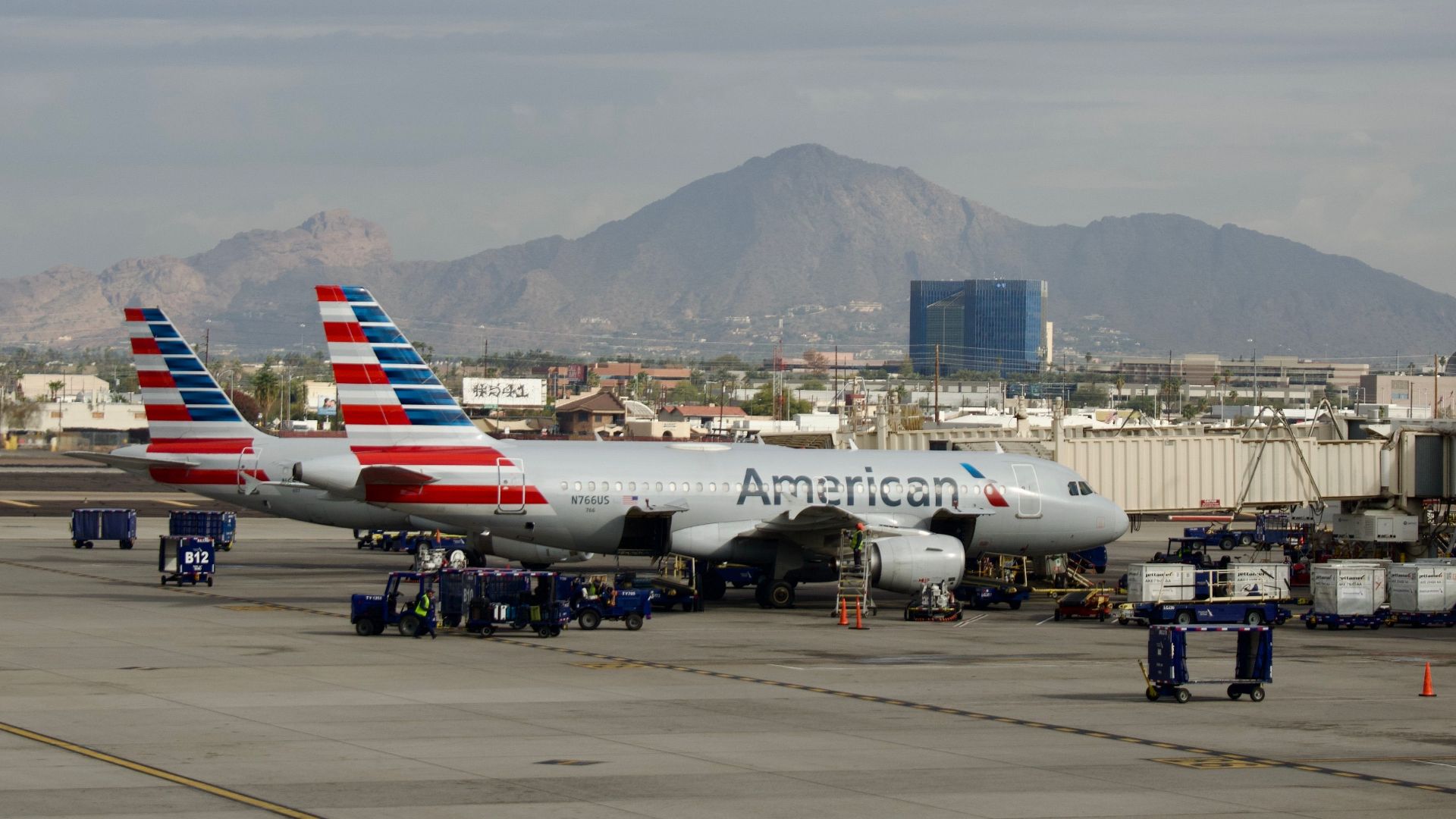
American Airlines tells codeshare passengers that baggage policies differ among airlines and advises travelers to check baggage information for the operating carrier. It also tells travelers that their allowance is shown on their ticket or trip confirmation.
That Doesn't Mean The Partner Can Ignore Your Ticket
Checking the operating airline's restrictions is smart, but that doesn't automatically mean its standard website fee replaces the baggage allowance disclosed for your ticket. For qualifying US itineraries, DOT rules are intended to keep the applicable baggage allowances and fees consistent through the ticketed journey.
 Vietnam Stock Images, Shutterstock
One Ticket Makes A Big Difference
Make sure all the flights are actually on the same ticket. Two flights purchased separately can create a very different situation from one through-ticket involving partner airlines. Separate tickets may mean separate check-ins, separate baggage charges, and possibly collecting and rechecking your bags between flights.

A Stopover Can Complicate Charges
International itineraries with stopovers can create additional baggage-fee questions. DOT notes that carriers may sometimes charge again when baggage is rechecked after a stopover if their disclosed policies permit it. The airline must still follow its published policy and required disclosures.
This Can Become Expensive Fast
Suppose you expect two free checked bags but discover at the airport that the partner believes you owe $75 per bag. That's $150 outbound and potentially another $150 coming home. Add an overweight fee and a baggage-rule misunderstanding can easily cost several hundred dollars.

Don't Wait Until You're At The Counter
Check your baggage allowance before travel day. Compare the e-ticket receipt with the itinerary, identify the marketing and operating carriers, and contact the airline that issued or sold the ticket if anything is unclear. Ask specifically which carrier's baggage rules were applied to your ticket.

Get The Answer In Writing
If customer service confirms that you receive one free 50-pound checked bag throughout the itinerary, ask for written confirmation or save the chat transcript. Also save your original e-ticket receipt and baggage disclosure.
An airport counter is a terrible place to discover that two call-center agents gave you different answers.

Screenshot The Relevant Information
Airline baggage pages and fees change. Save the rules relevant to your ticket before departure, especially if your itinerary involves multiple carriers. Your e-ticket confirmation is particularly valuable because it reflects the baggage information associated with your booking.
What If The Airport Charges More Anyway?
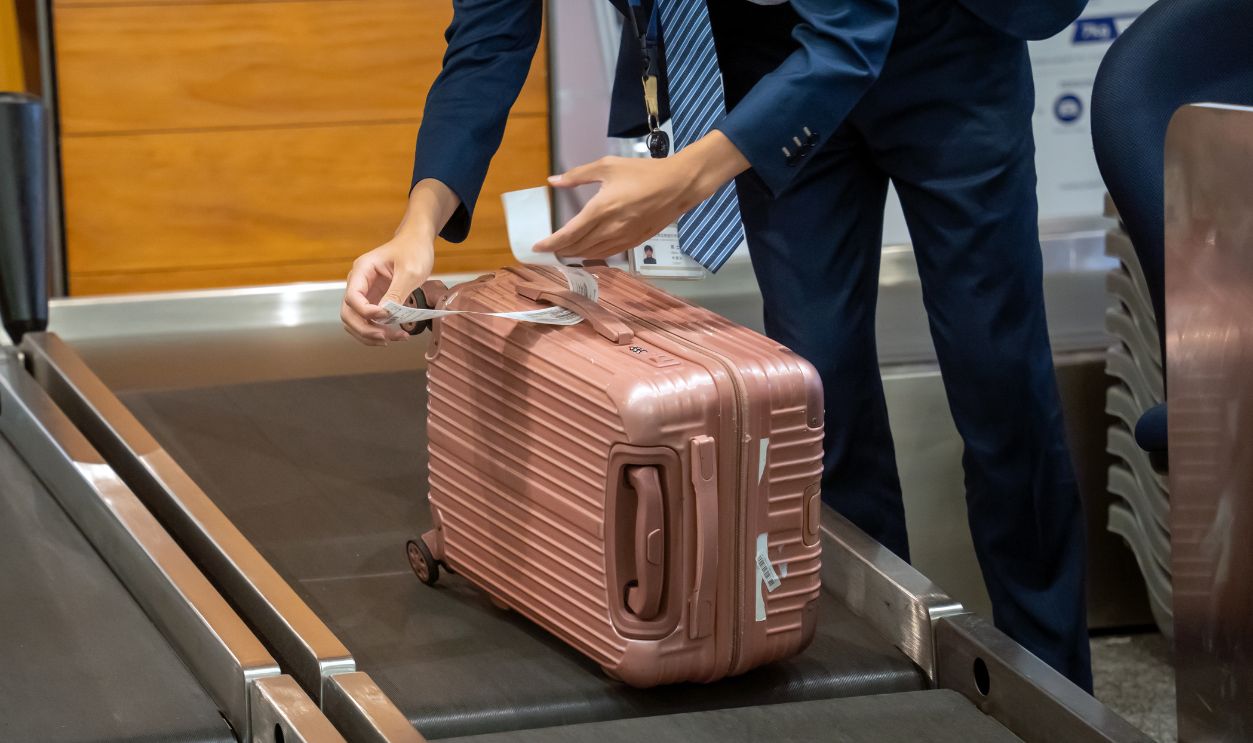
Keep the baggage receipt and don't throw away your boarding passes or original confirmation. If you believe the airline charged more than the baggage fee disclosed for your ticket, contact the airline and request reimbursement with your documentation.
DOT guidance specifically emphasizes preventing passengers from being charged higher baggage fees than those disclosed for their itinerary.
You Can Escalate A US Dispute
If an airline doesn't resolve a baggage-fee dispute involving a US itinerary, you can submit a consumer complaint to the US Department of Transportation's Office of Aviation Consumer Protection. Keep the ticket receipt, baggage disclosure, payment receipt, correspondence, and itinerary together.

So... Which Airline's Allowance Applies?
For a single ticket whose ultimate origin or destination is in the United States, you generally shouldn't expect the baggage allowance to change randomly every time the operating airline changes. DOT rules establish a methodology for determining the applicable carrier's baggage rules and generally require those rules to remain consistent throughout the ticketed itinerary.
If the first segment isn't a codeshare, the operating carrier for that segment plays the key role. If the first segment is a codeshare, the marketing carrier for that segment determines the applicable baggage allowances and fees, subject to the permitted rules and methodology.

The Bottom Line
Don't decide your baggage allowance by looking only at the airline that sold you the ticket or only at the airline whose plane you're boarding. Check your e-ticket confirmation first, identify the marketing and operating carriers, verify whether everything is on one ticket, and get clarification before arriving at the airport.
If your confirmation says one bag is included and a partner suddenly wants to charge you at check-in, don't just assume the partner's standard website price wins. Your ticket's baggage disclosure may be the most valuable piece of paper in your suitcase.
You May Also Like: Costly Luggage Mistakes That Airlines Hope You Keep Making In 2026