Winter Changes The Map Completely
You can plan the perfect national park trip, map out the scenic drives, and picture yourself stopping at every overlook—only to arrive and find a locked gate where the road should be. It is frustrating, especially when the park itself is technically open. Every winter, some of America's most famous park roads shut down for months, completely changing what visitors can actually reach.
Yellowstone: Almost The Entire Road System Closes
Yellowstone undergoes one of the biggest winter transformations of any national park. Around November 1, most roads close to ordinary cars, including routes toward Old Faithful, Yellowstone Lake, and Canyon Village. The major exception is the North Entrance-to-Northeast Entrance corridor through Mammoth and Lamar Valley.
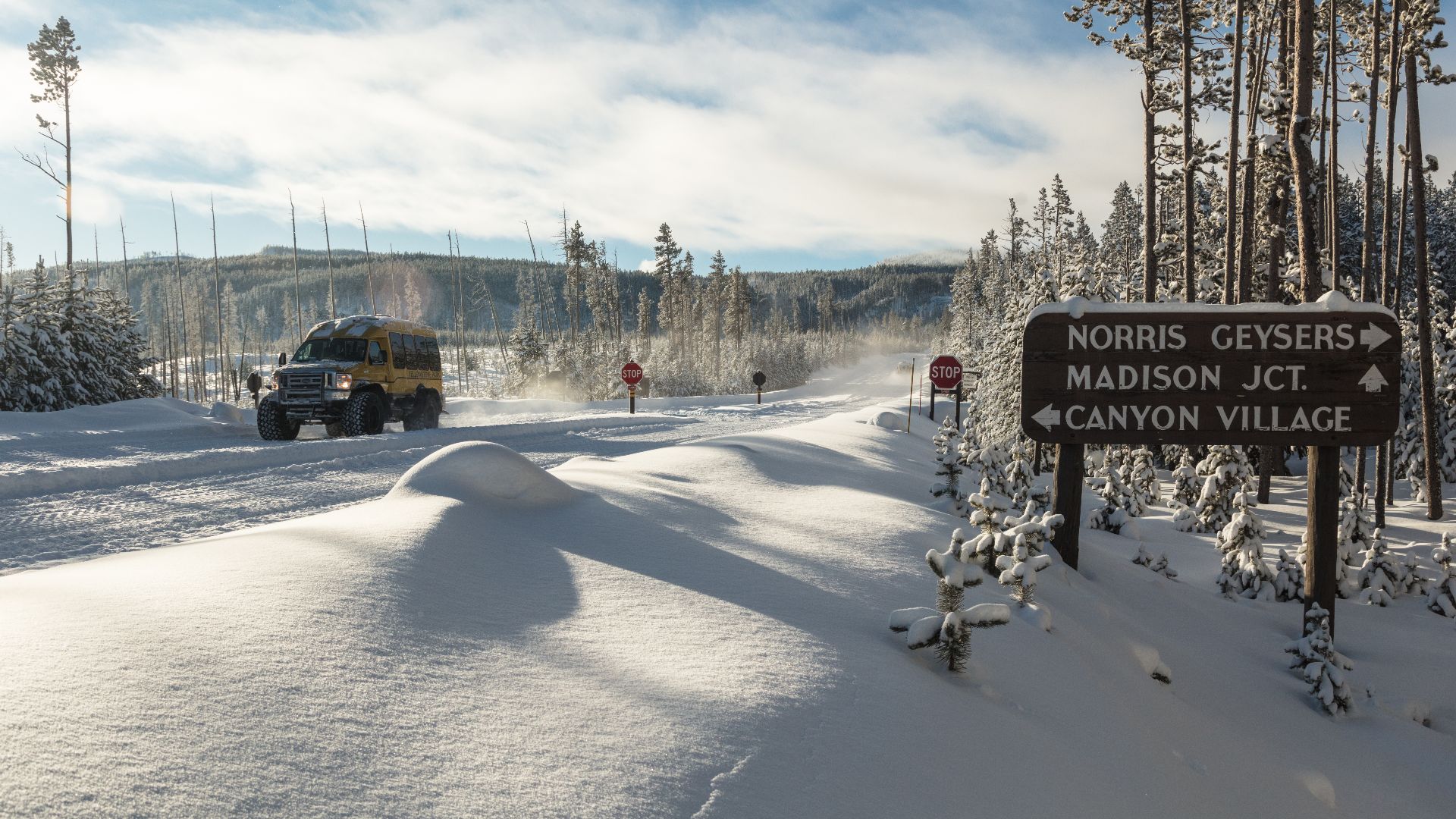 Yellowstone National Park, Wikimedia Commons
Yellowstone Does Not Become Completely Inaccessible
There is an important catch to that closure. Beginning in mid-December, many snow-covered Yellowstone roads reopen to limited snowcoach and snowmobile travel. So the park is not necessarily off-limits. You simply cannot expect to drive your rental car to Old Faithful the way you would in July.
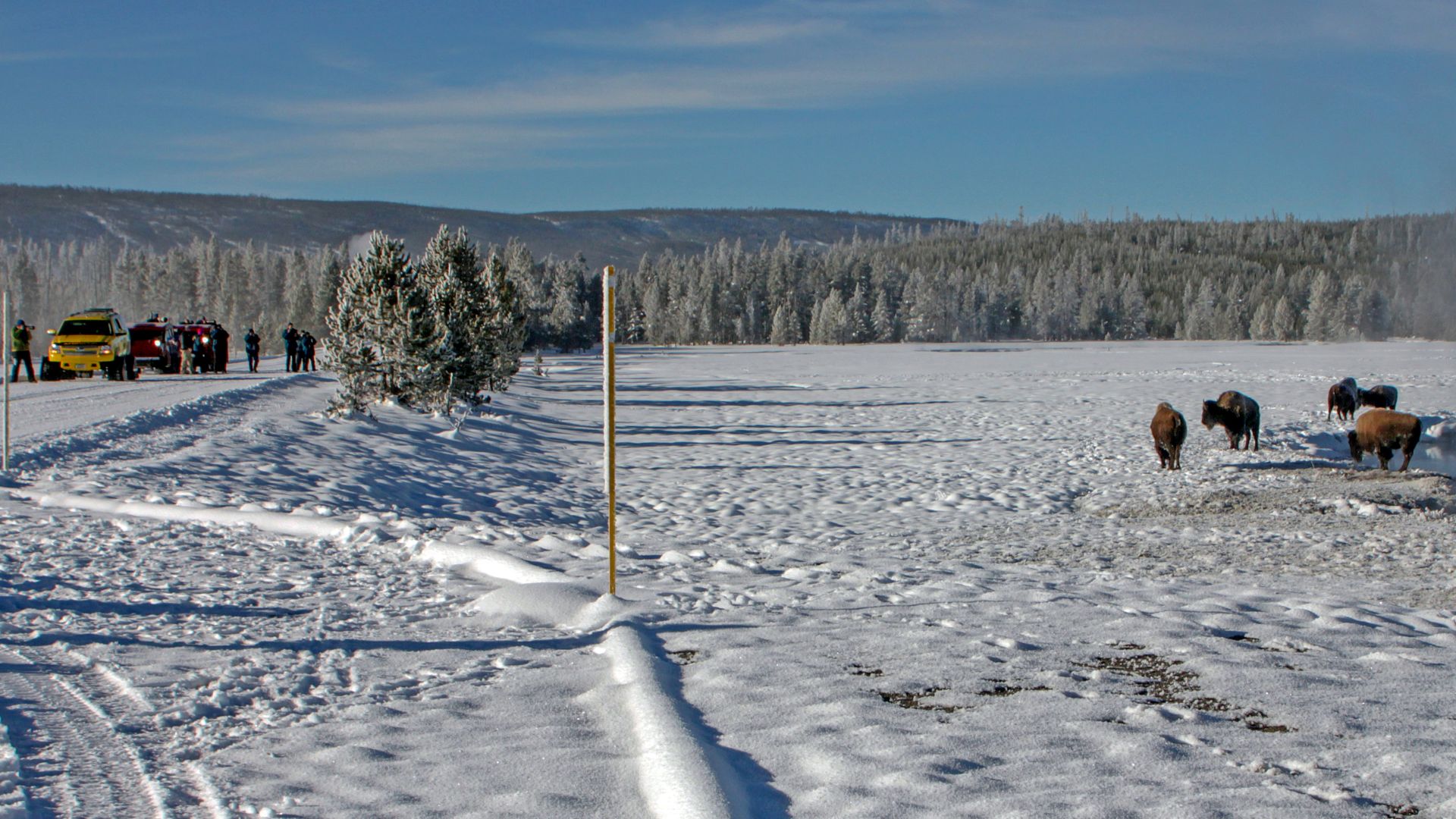 NPS/Diane Renkin, Wikimedia Commons
Glacier: Going-To-The-Sun Road Loses Its Alpine Section
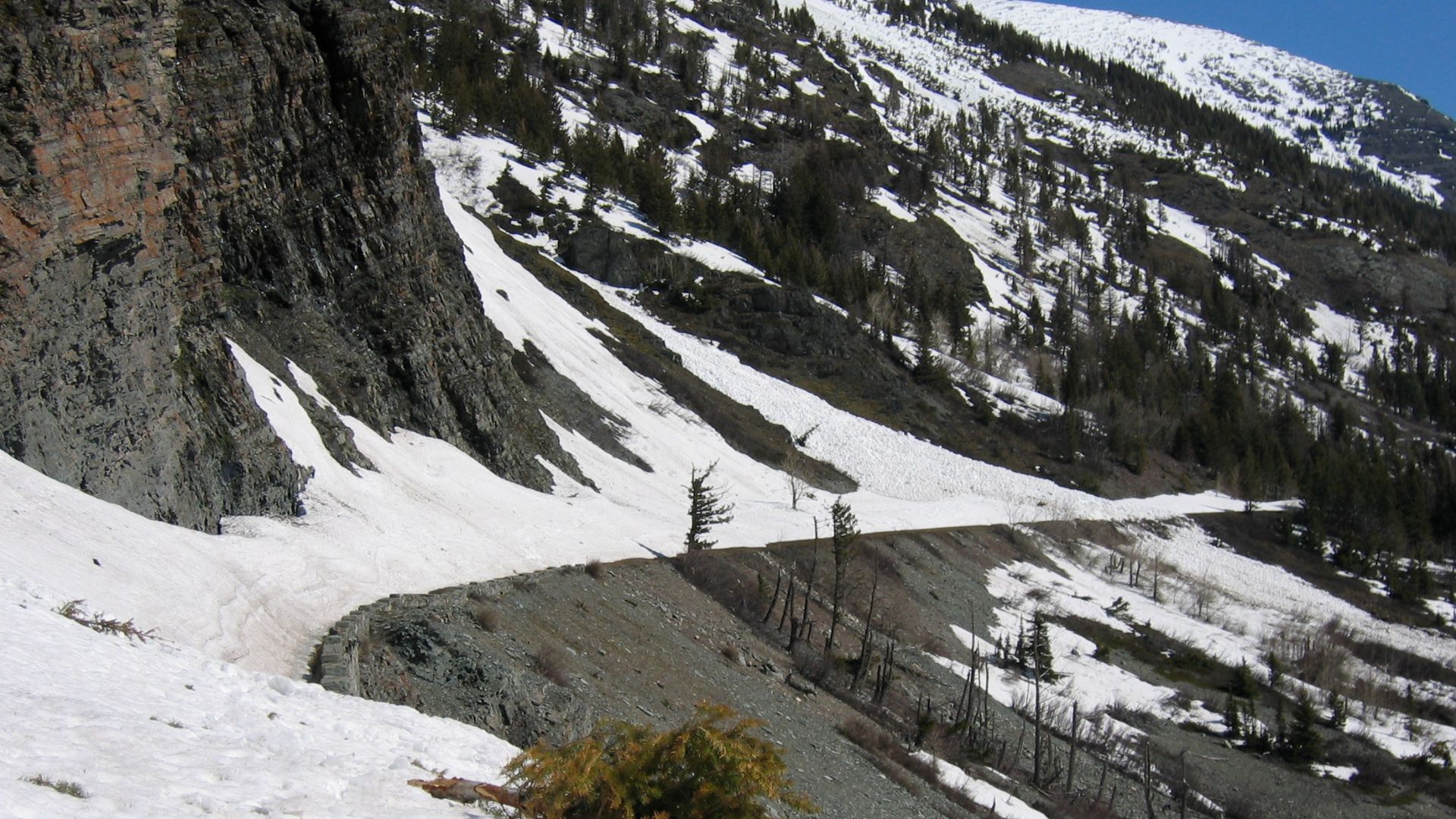
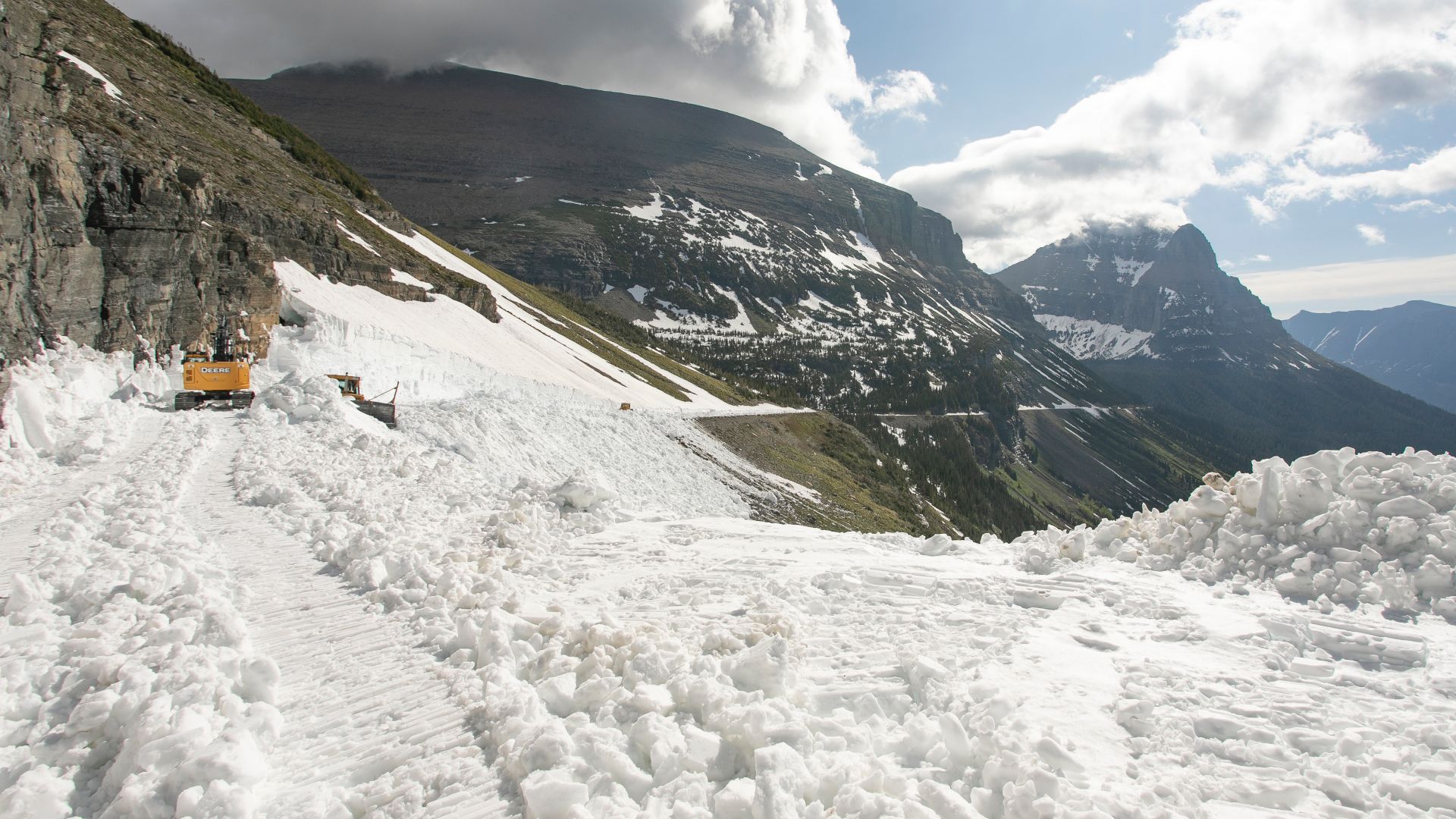
Going-to-the-Sun Road is the drive many Glacier visitors organize their entire trip around. Winter makes that impossible. The high alpine portion generally closes around October, sometimes earlier when storms arrive, and the full road may not reopen until late June. Lower sections remain accessible from some entrances.
Glacier Still Gives You A Taste Of The Road
From the west side, the section from West Glacier toward Lake McDonald Lodge is normally plowed and open year-round, weather permitting. Beyond that point, the unplowed road becomes winter recreation territory. Skiers and snowshoers essentially inherit one of America's great summer drives.
Yosemite: Tioga Road Vanishes From The Winter Itinerary
Tioga Road carries drivers across Yosemite's high country and provides the park's eastern entrance. Snow usually closes it sometime in November, and reopening often does not happen until late May or June. Once the gate shuts, you cannot drive to Tuolumne Meadows or cross Yosemite from east to west.
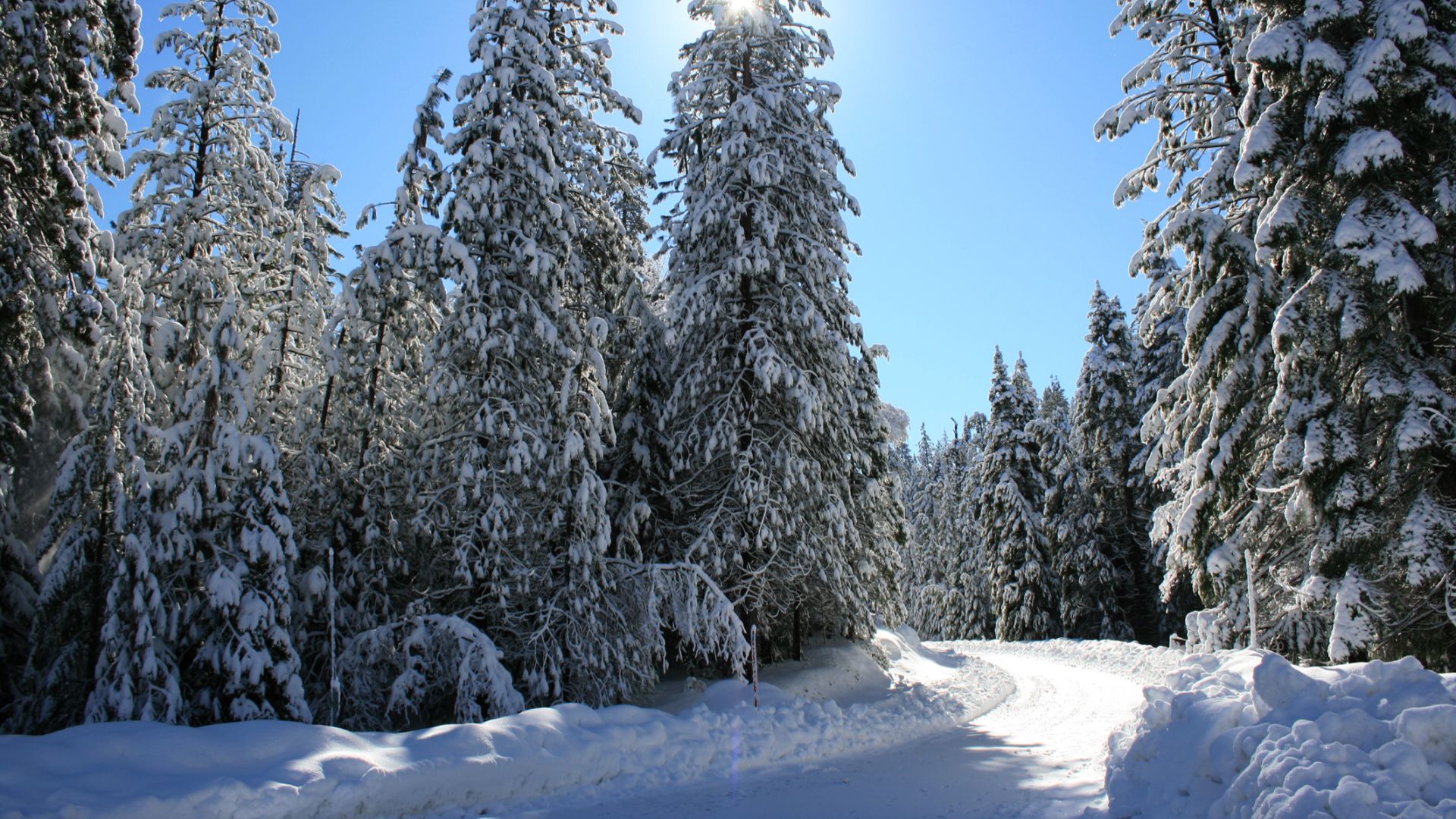 Brocken Inaglory, Wikimedia Commons
Yosemite Also Closes Glacier Point Road
Tioga Road is not the only famous Yosemite drive affected. Glacier Point Road normally closes for winter too. A portion is later plowed as far as the Badger Pass ski area, but ordinary drivers cannot continue all the way to Glacier Point until the seasonal road reopens in spring.
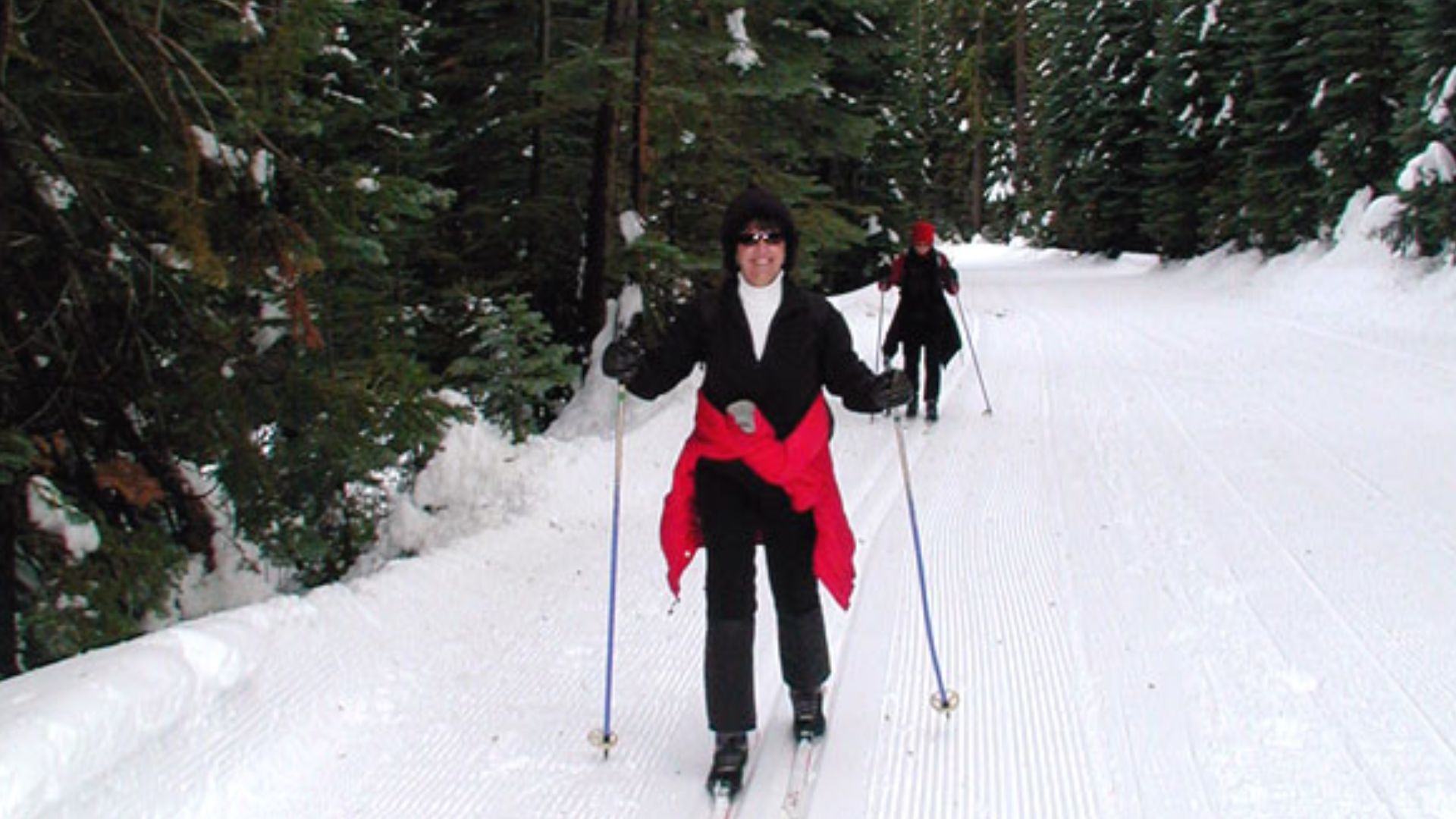 Peterparr at English Wikipedia, Wikimedia Commons
Grand Teton: Teton Park Road Becomes A Winter Trail
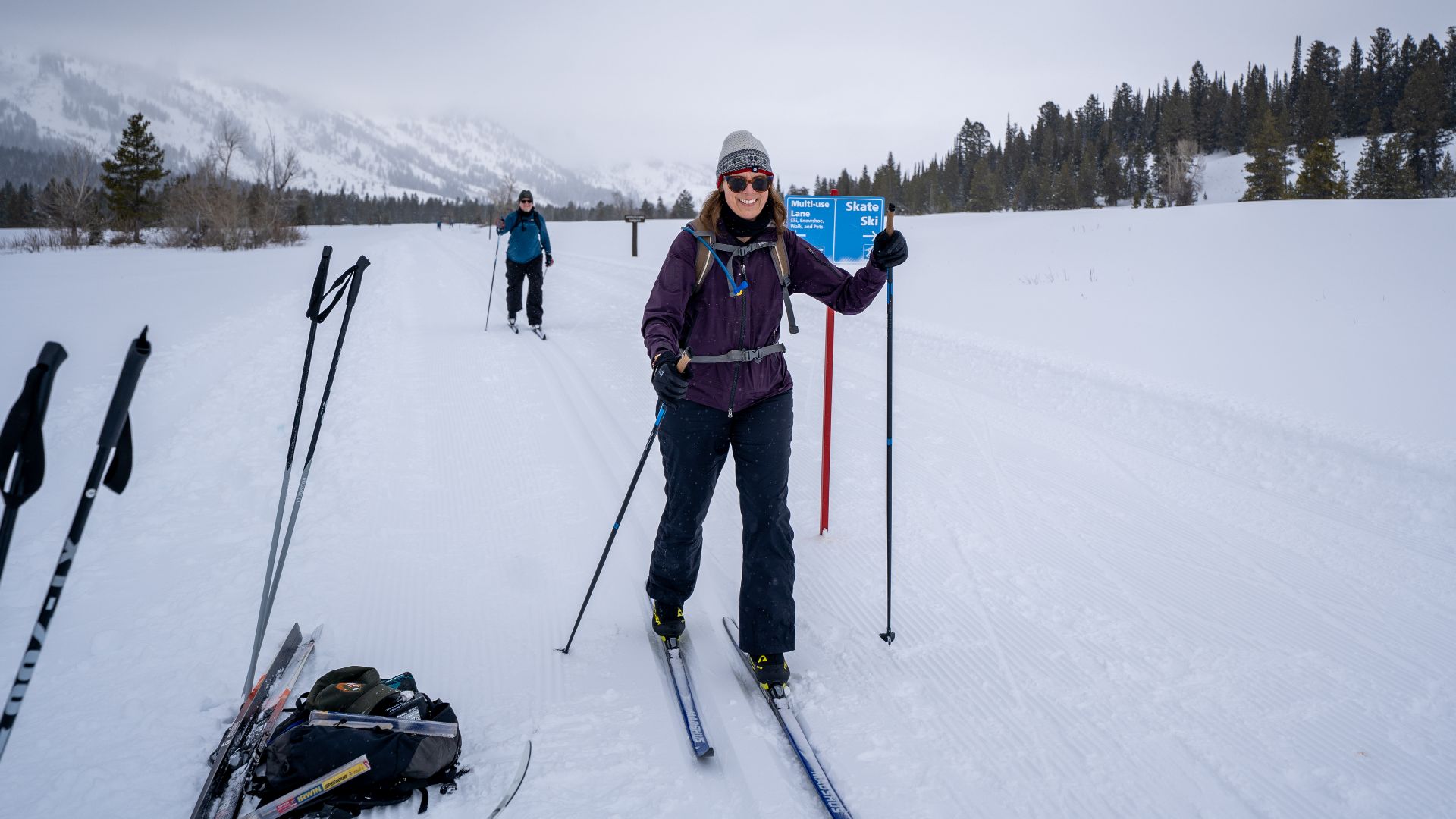
From November 1 through April 30, the spectacular section of Teton Park Road between Taggart Lake Trailhead and Signal Mountain Lodge closes to vehicles. The mountains do not disappear, though. Once snow arrives, the road becomes a route for cross-country skiing, snowshoeing, and winter walking.
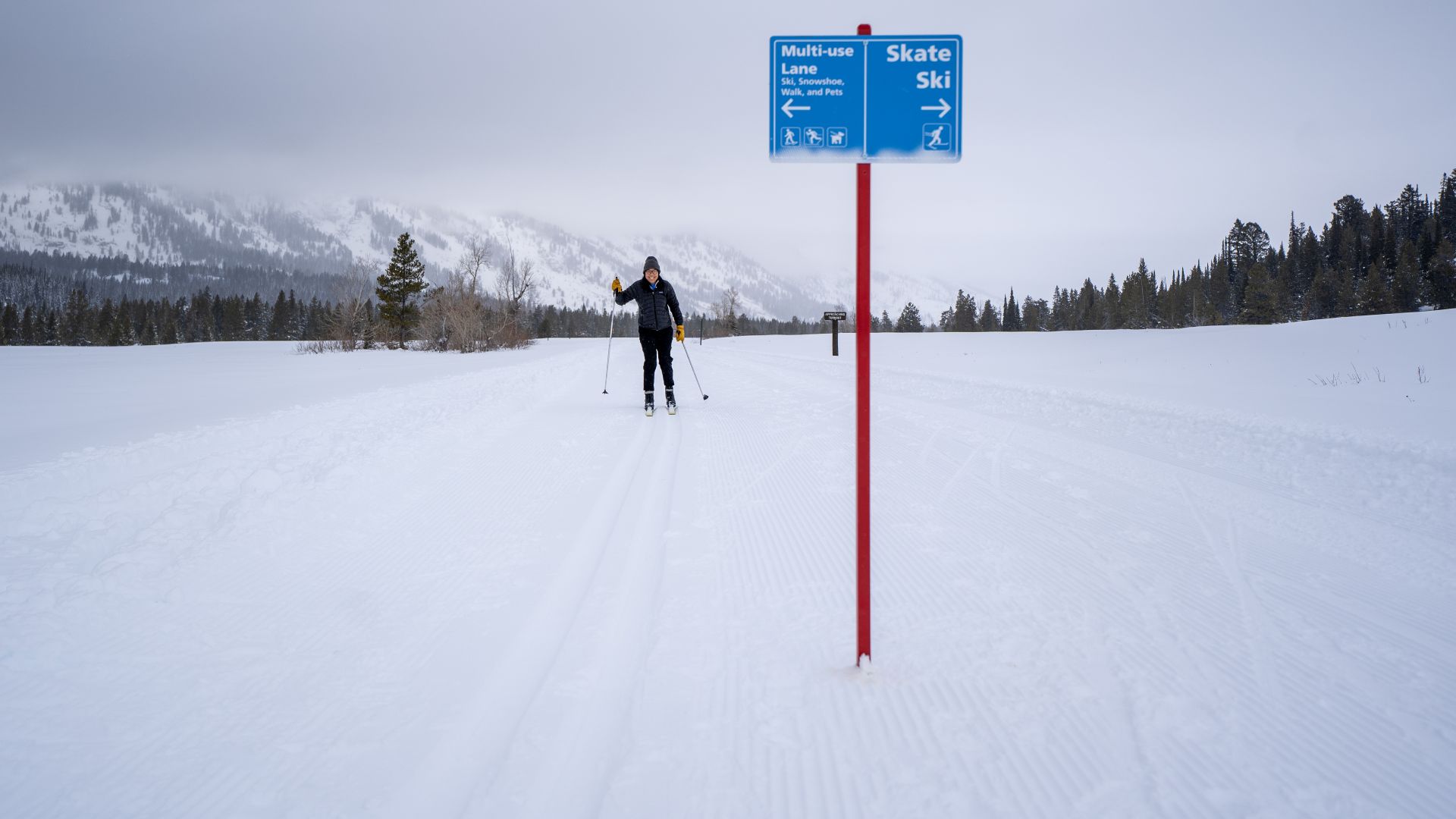 GrandTetonNPS, Wikimedia Commons
Grand Teton Also Closes Part Of Moose-Wilson Road
The seasonal shutdown extends beyond Teton Park Road. Part of Moose-Wilson Road also closes beginning November 1, typically lasting into mid-May depending on conditions. Drivers can still travel through Grand Teton on the main US 26/89/191 corridor, so the park itself remains accessible.
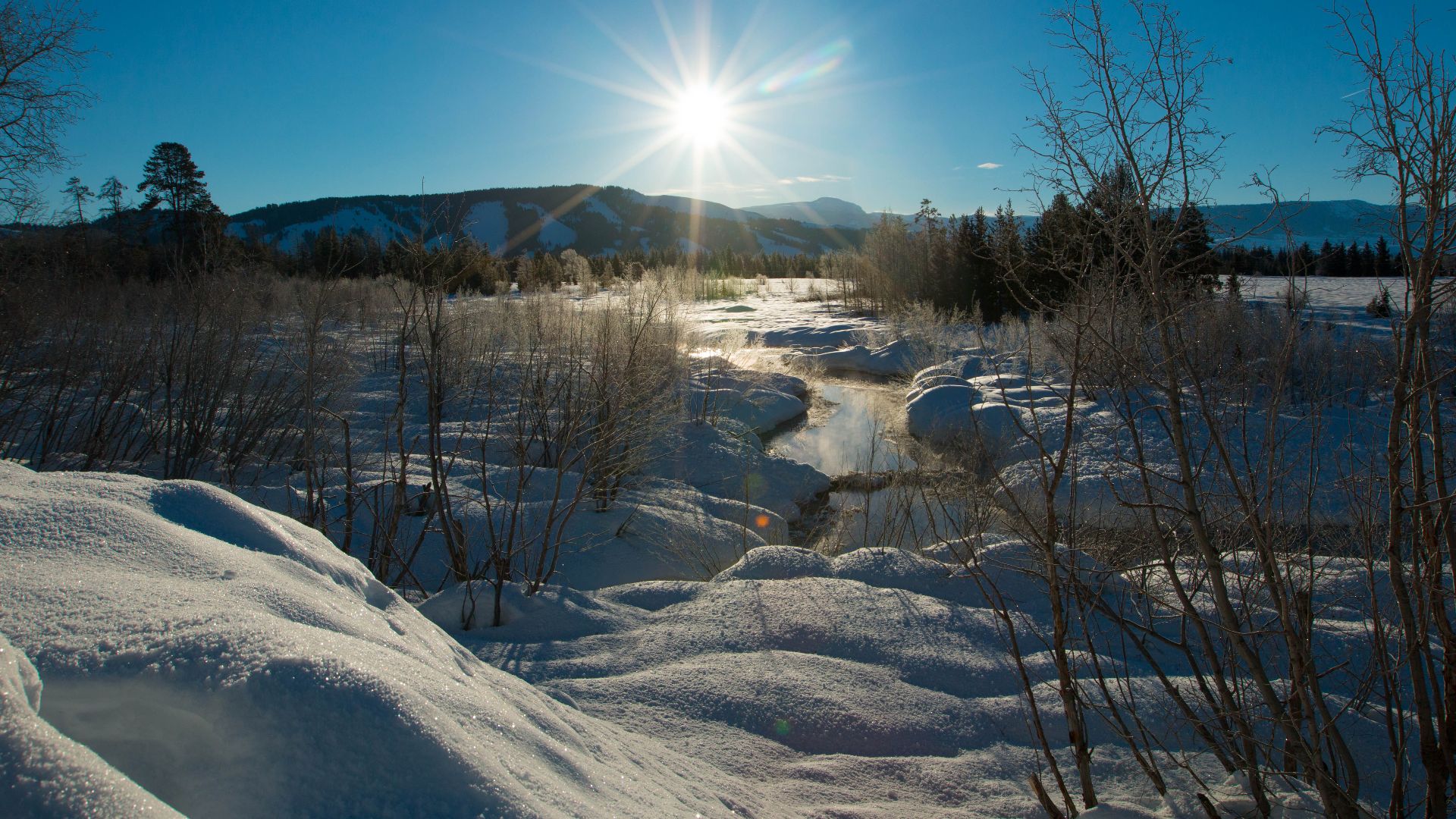 GrandTetonNPS, Wikimedia Commons
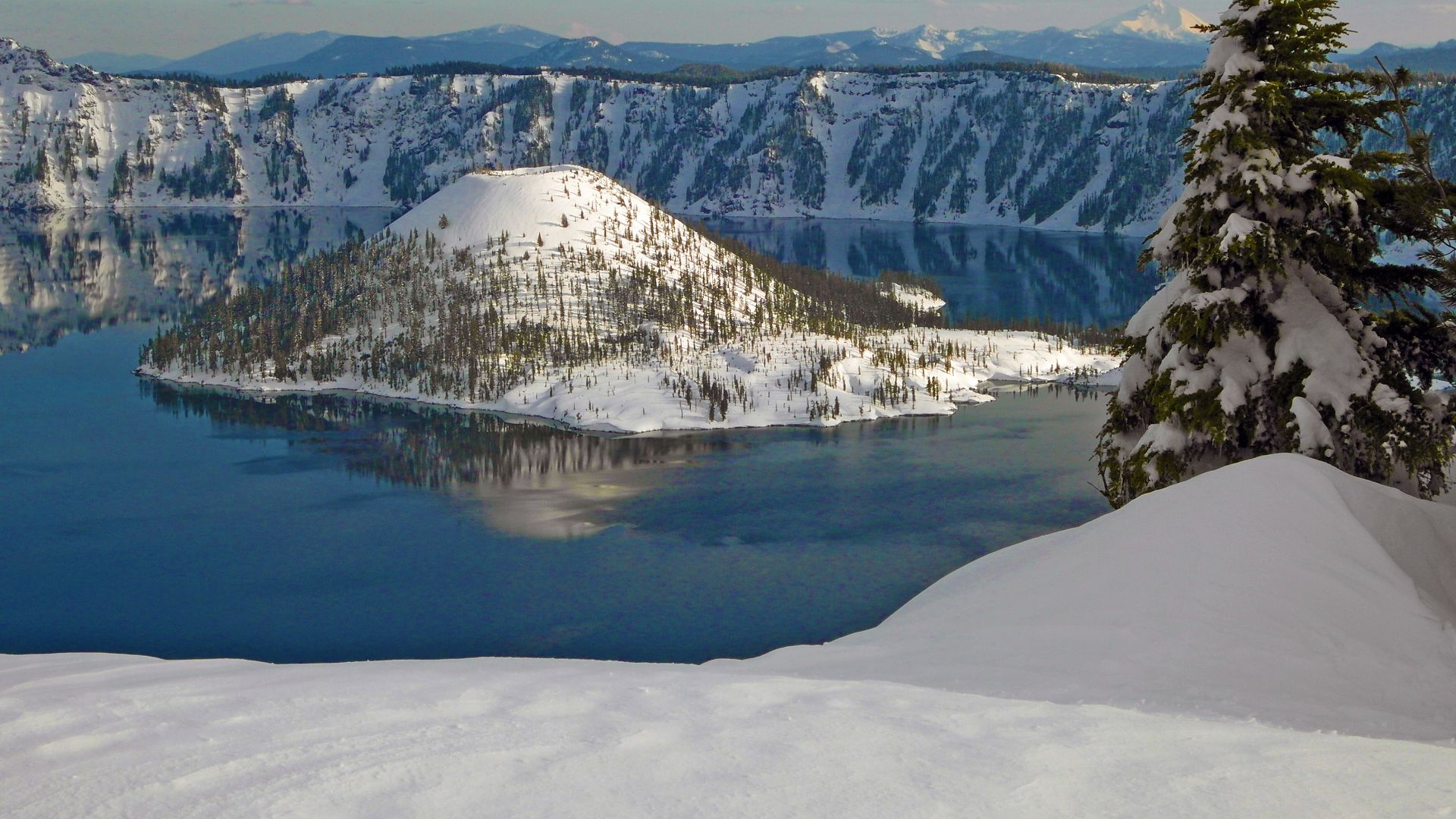
Crater Lake: Rim Drive Closes Every Year
Crater Lake receives tremendous amounts of snow, and its road system reflects that. The North Entrance Road, Rim Drive, and Pinnacles Road normally close to vehicles on November 1 or earlier if snowfall arrives first. Depending on the snowpack, some of those roads may not reopen until June or July.
 National Park Service, Wikimedia Commons
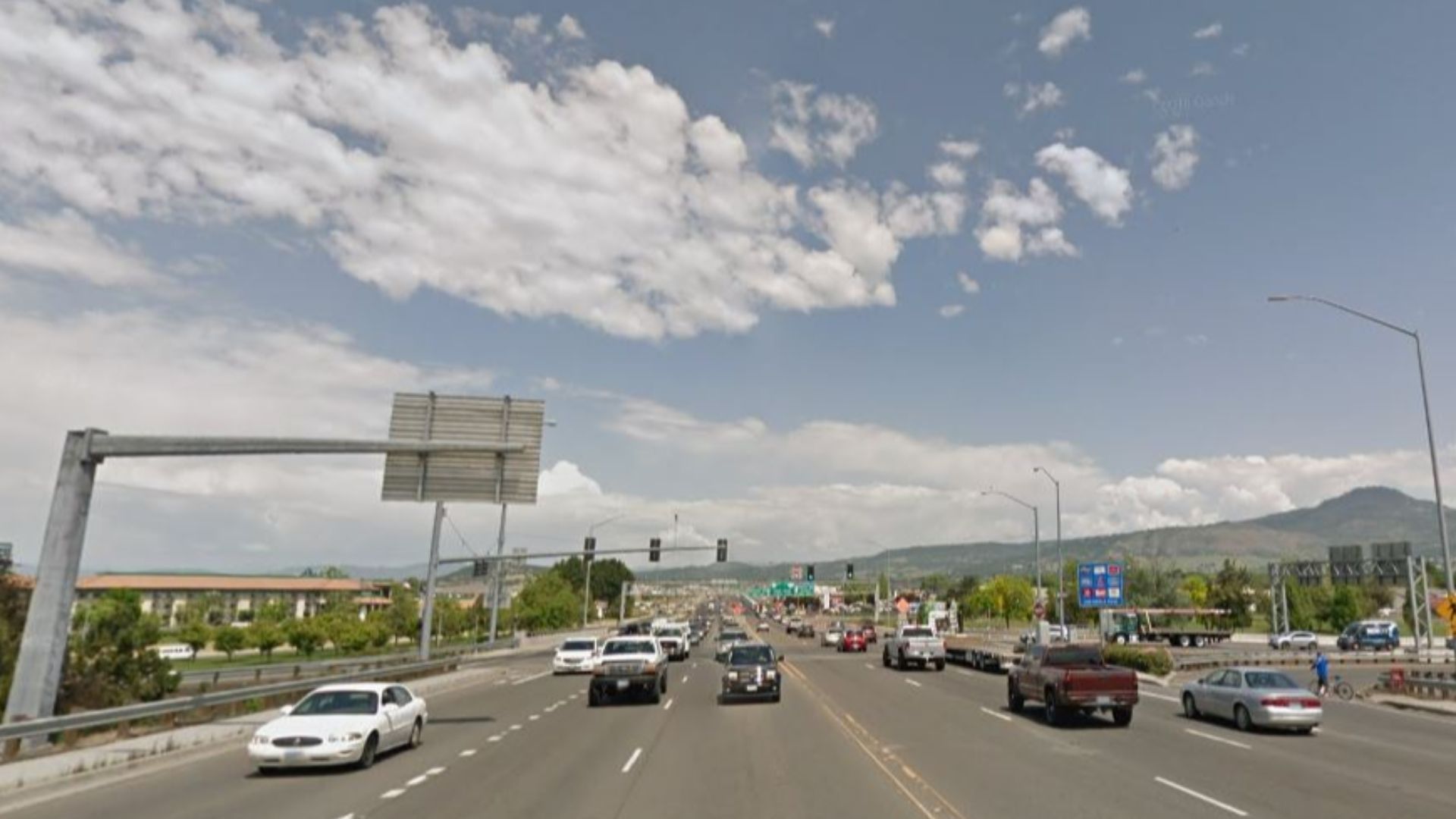
Crater Lake Still Has A Winter Entrance
Winter does not mean the entire park is inaccessible. Highway 62 and the road to park headquarters stay open year-round, while crews try to keep access toward Rim Village available when conditions permit. Heavy storms can still close that final stretch temporarily, so checking conditions before leaving matters.
 Oregon Department of Transportation, Wikimedia Commons
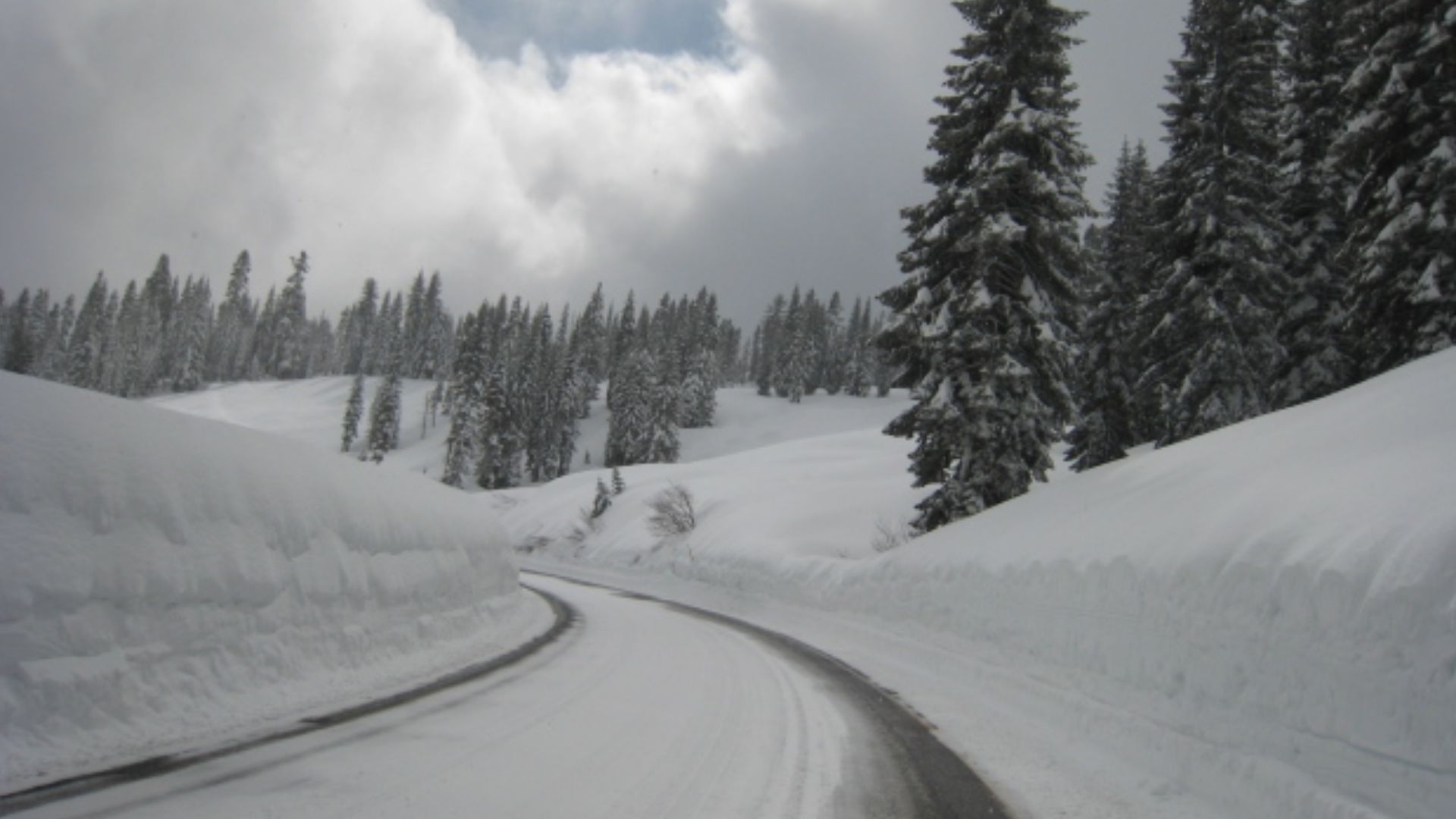
Lassen Volcanic: The Main Highway Gets Buried
Lassen National Park Highway, part of Highway 89, normally shuts once lasting snow settles across the park, commonly in mid- to late November. Through-driving then becomes impossible. Vehicles can generally reach limited areas near the northwest and southwest entrances, while the snowy interior belongs to winter recreation.
Acadia: Most Of Park Loop Road Closes On A Schedule
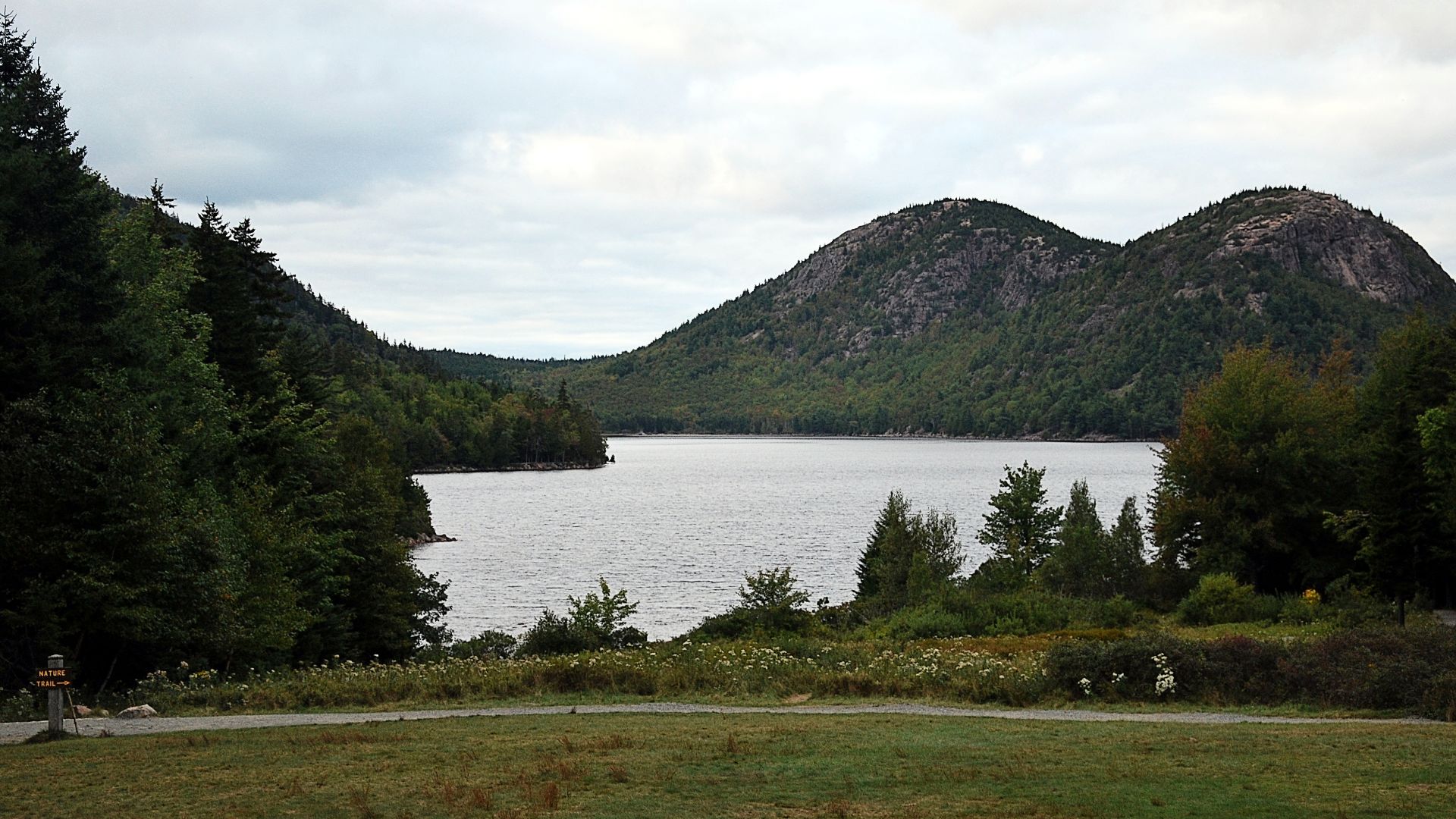
Acadia may not have western-style mountain passes, but its signature Park Loop Road has one of the clearest seasonal schedules. Most of the road closes to motor vehicles from December 1 through April 14, including vehicle access to Cadillac Mountain. Weather can still affect the eventual spring reopening.
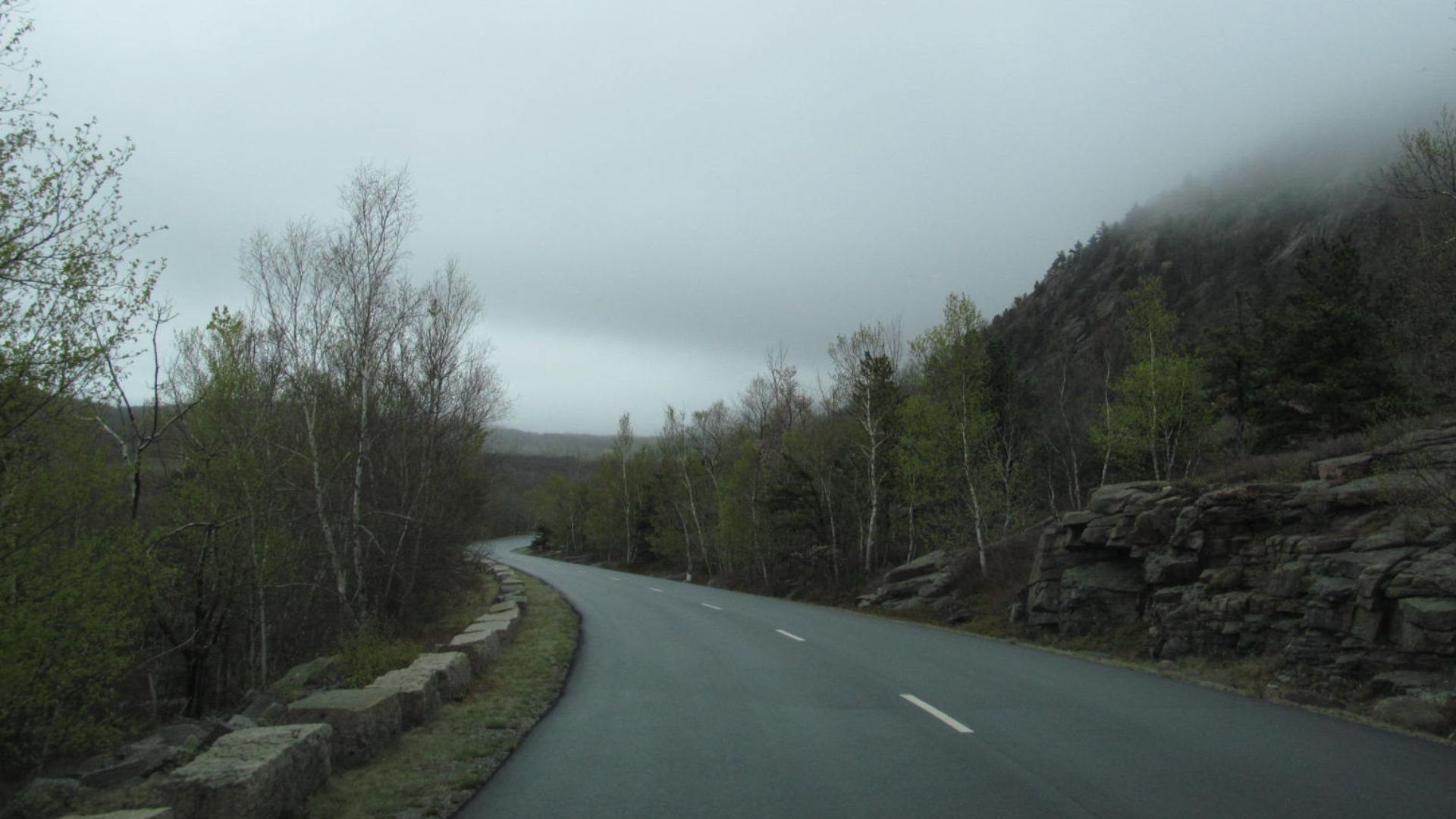
Acadia Leaves Two Useful Sections Open
Winter visitors are not completely locked out. A short oceanfront section of Park Loop Road remains open, and drivers can still reach Jordan Pond from another approach. That means Acadia can be a rewarding winter trip, but it looks very different from the classic 27-mile summer driving loop.
Great Smoky Mountains: Kuwohi Road Closes
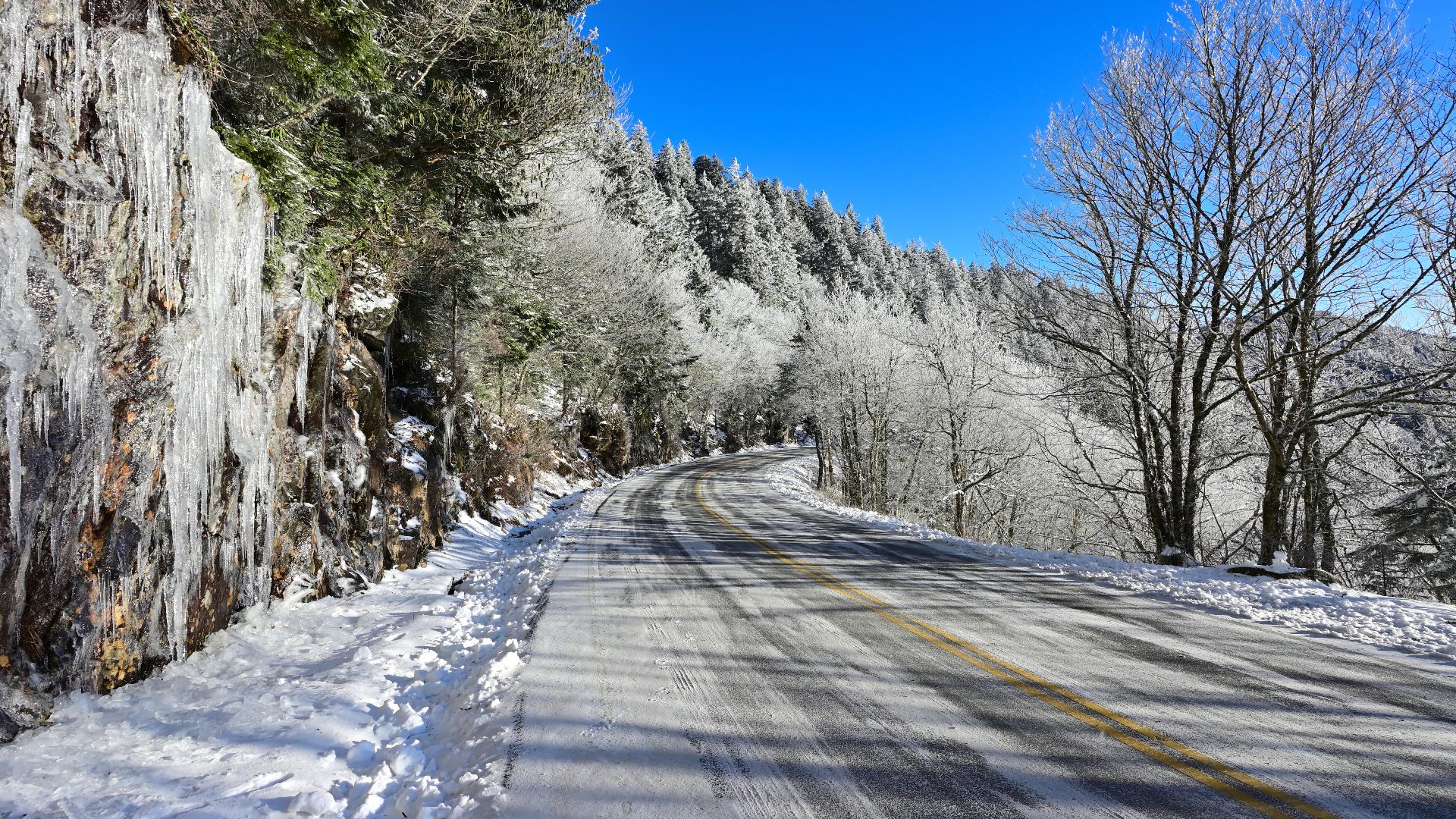
The main roads through Great Smoky Mountains National Park generally remain open year-round when weather cooperates, but the high road to Kuwohi closes each winter. In 2026, the scheduled driving season ran from April 1 through November 29. Once the gate closes, you cannot drive to the summit-area parking lot.
 Andrew Heneen, Wikimedia Commons
Great Basin: Wheeler Peak Scenic Drive Shuts Down High On The Mountain
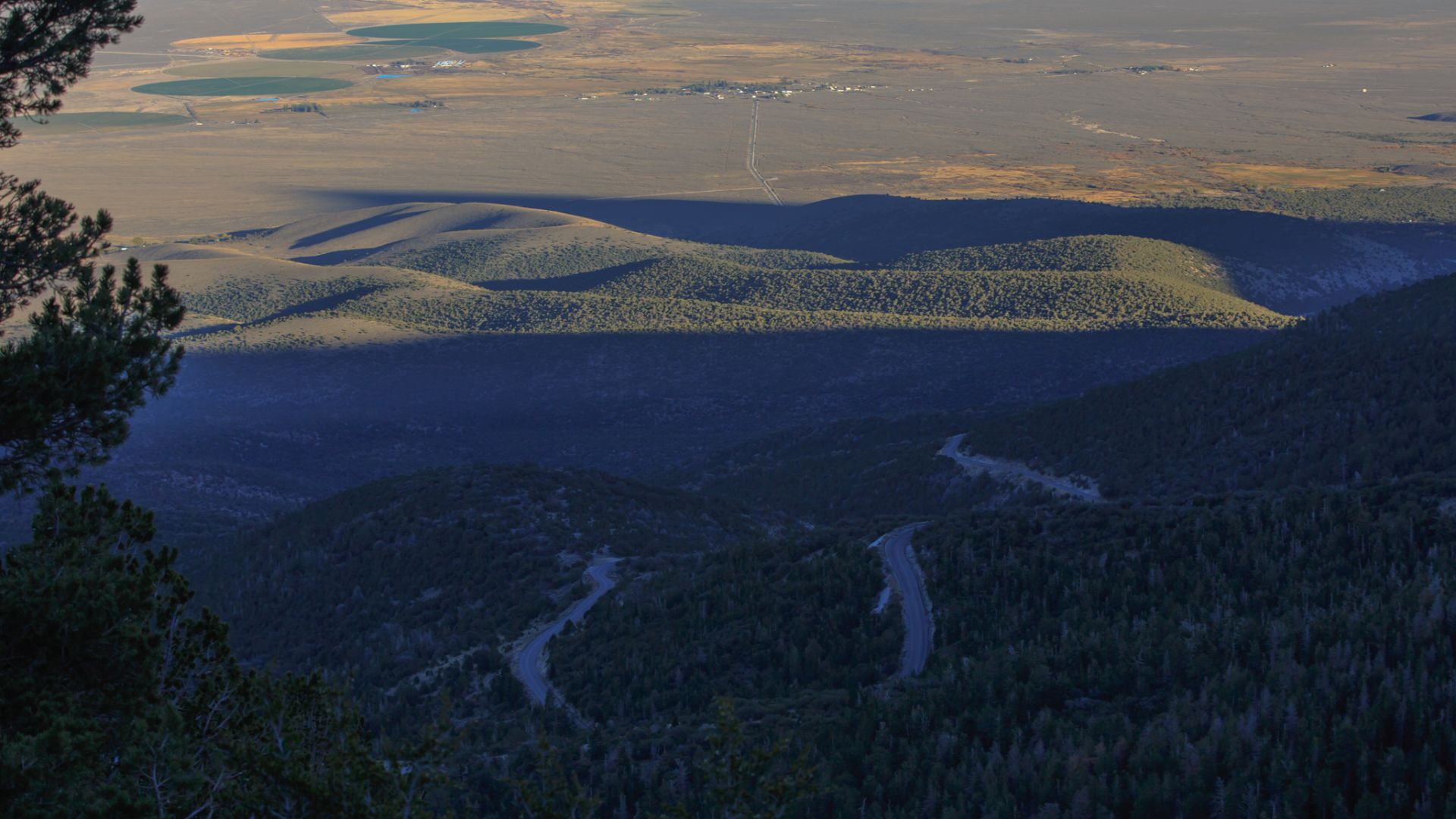
Wheeler Peak Scenic Drive climbs into dramatically higher terrain than the lower parts of Great Basin National Park. After significant snowfall, usually by around November 1, the upper scenic drive closes to vehicles. The exact closure point can vary with conditions as winter moves down the mountain.
 Murray Foubister, Wikimedia Commons
Black Canyon: The South Rim Road Becomes A Ski Route
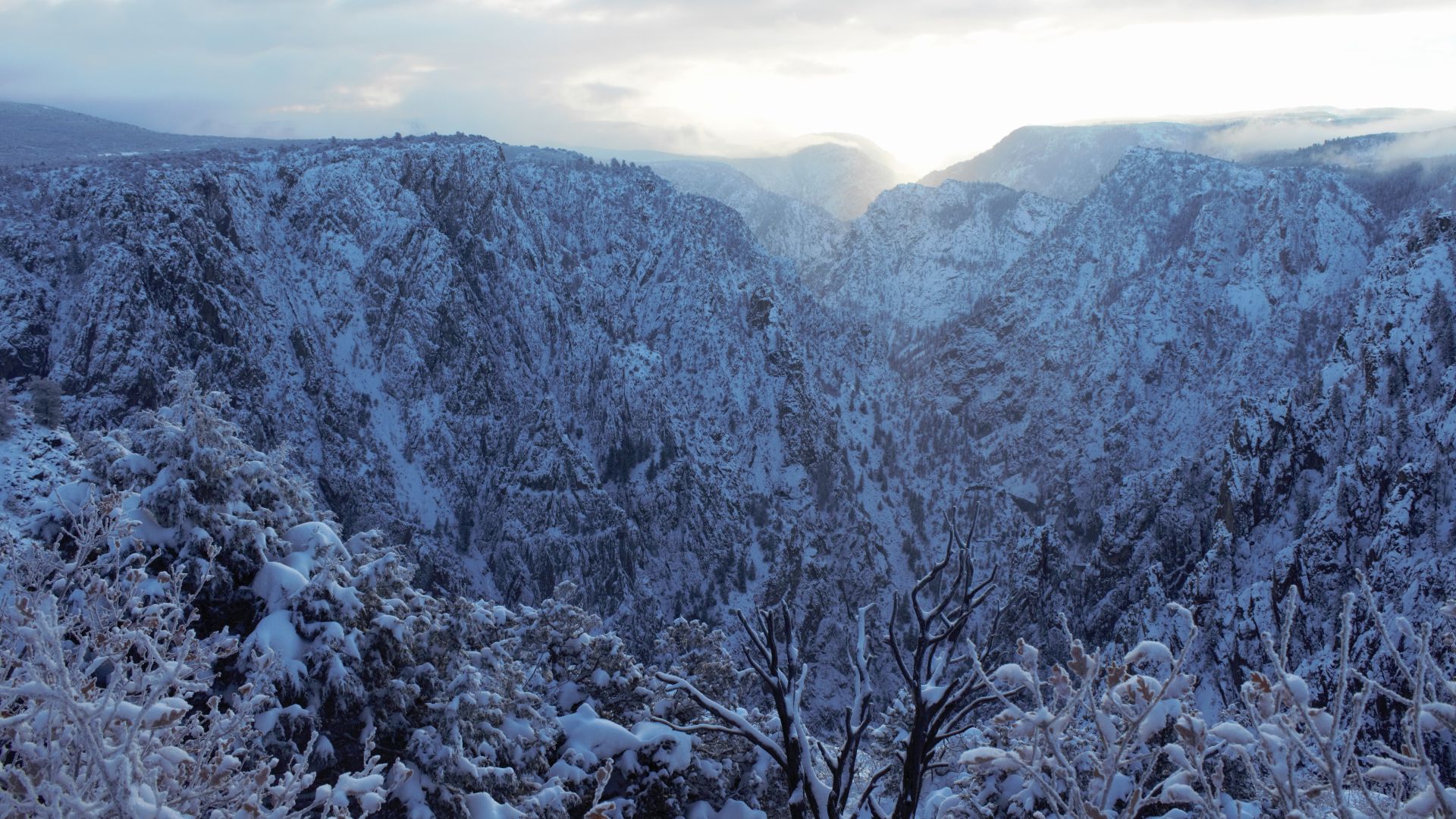
The South Rim Road is the main scenic drive at Black Canyon of the Gunnison. It is usually open to vehicles from late April into mid-November. During winter, drivers can generally reach Gunnison Point near the visitor center, but the rest of the South Rim Road closes and becomes a cross-country ski and snowshoe route.
Mount Rainier: Sunrise Disappears Behind The Winter Gates
Mount Rainier remains open year-round, but many roads serving its famous summer destinations do not. Sunrise Road, Stevens Canyon Road, White River Road, and other routes close for the winter season, usually beginning around October. Sunrise often remains inaccessible by car until summer.
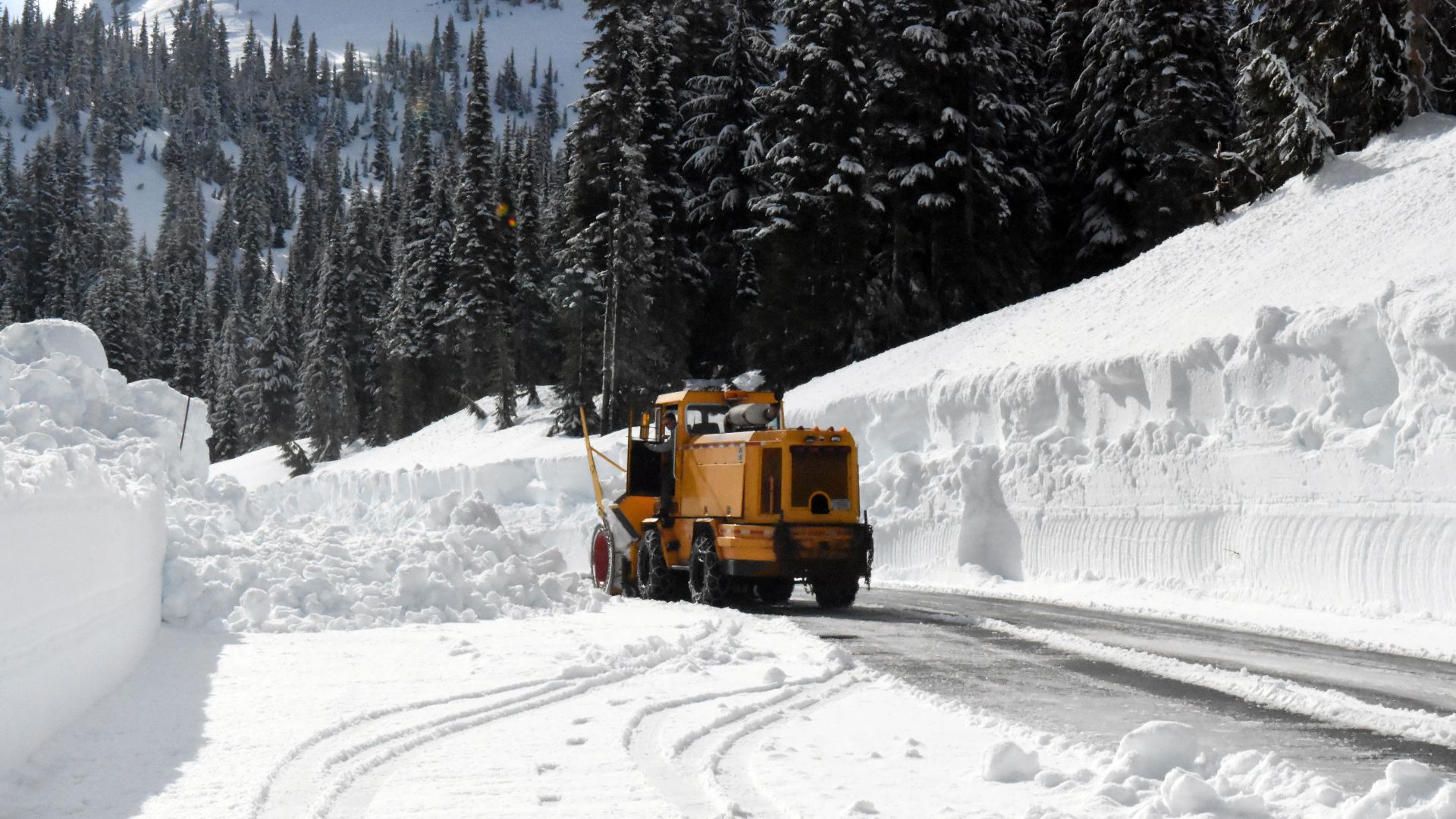 Mount Rainier National Park from Ashford, WA, United States, Wikimedia Commons
Mount Rainier's Paradise Road Works Differently
Paradise is the major exception. The Nisqually Entrance and road toward Longmire remain available year-round, and the road from Longmire to Paradise often opens during winter days after crews clear it. However, the gate closes nightly and can remain shut during snow, ice, or avalanche danger.
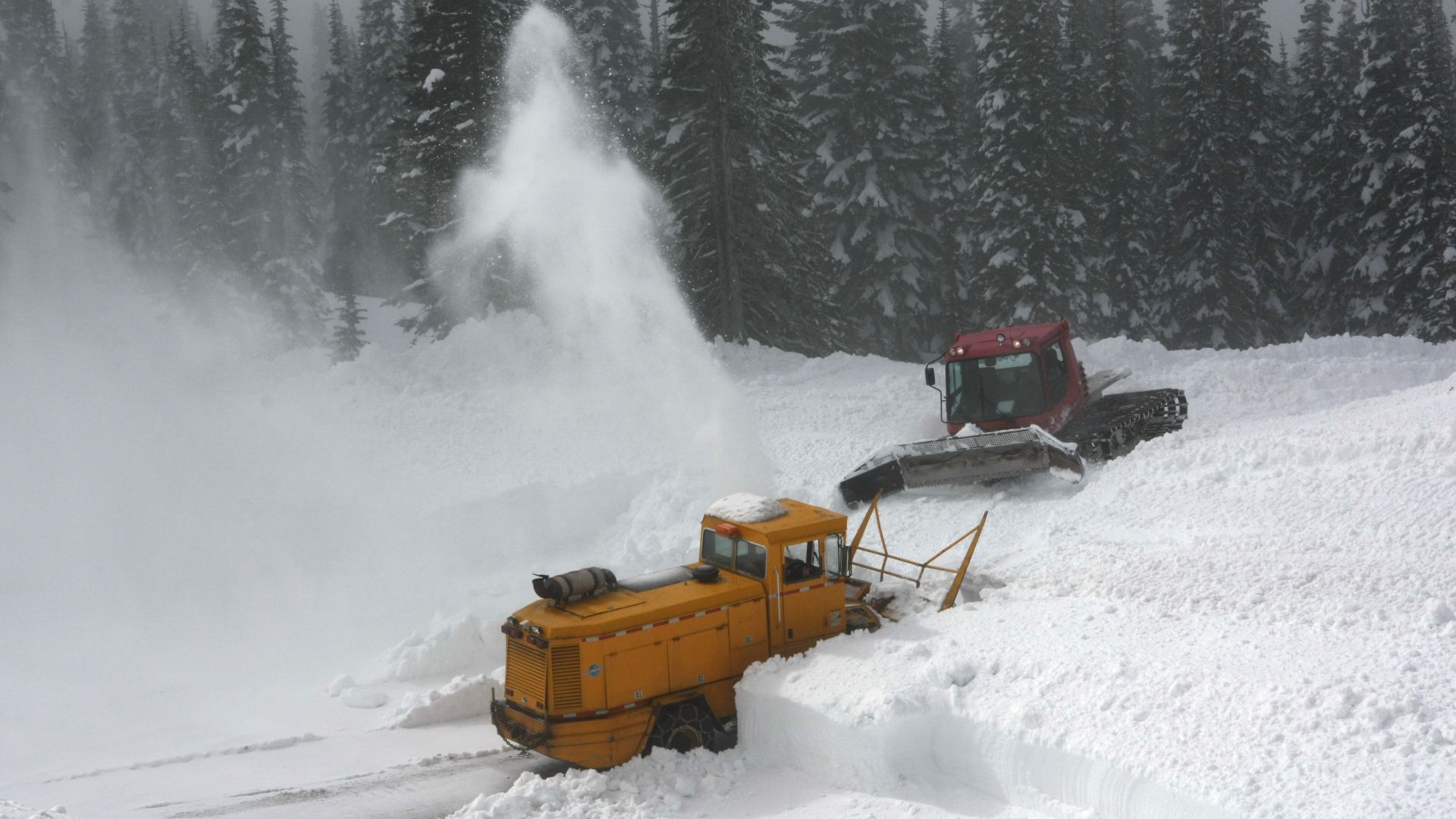 Mount Rainier National Park from Ashford, WA, United States, Wikimedia Commons
Kings Canyon: The Road Into Cedar Grove Closes
Highway 180 plunges from Grant Grove into Kings Canyon and Cedar Grove, making it one of California's great mountain drives. The section beyond Hume Lake Road closes for winter, generally in early or mid-November, and normally reopens around late April or early May depending on conditions.
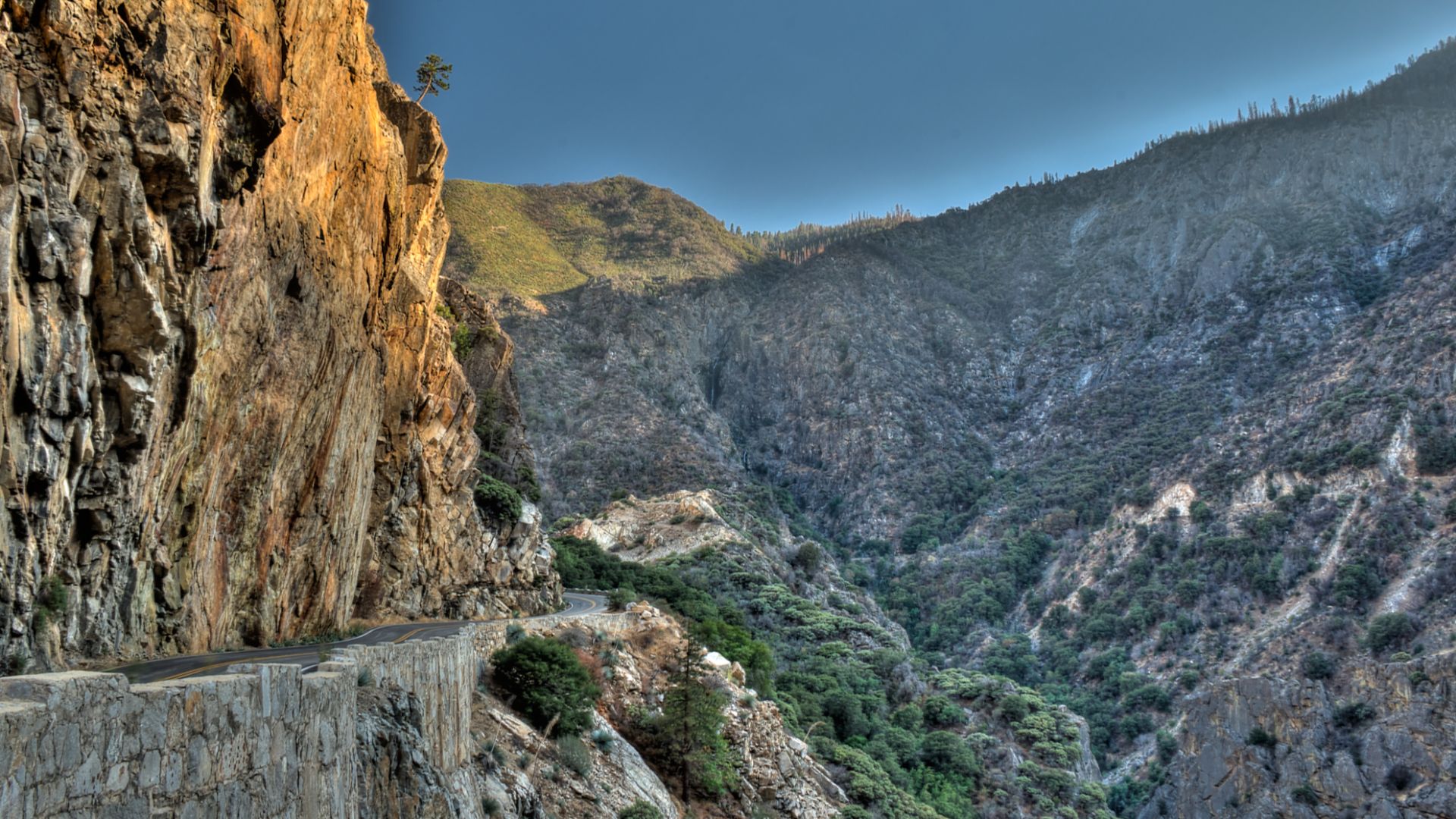
Sequoia: Mineral King Is A Seasonal Destination
Mineral King Road leads into one of Sequoia National Park's most remote mountain valleys. The area is seasonal, and the road closes each fall as winter approaches. In 2026, the winter closure began October 28, with reopening normally expected around the Wednesday before Memorial Day.
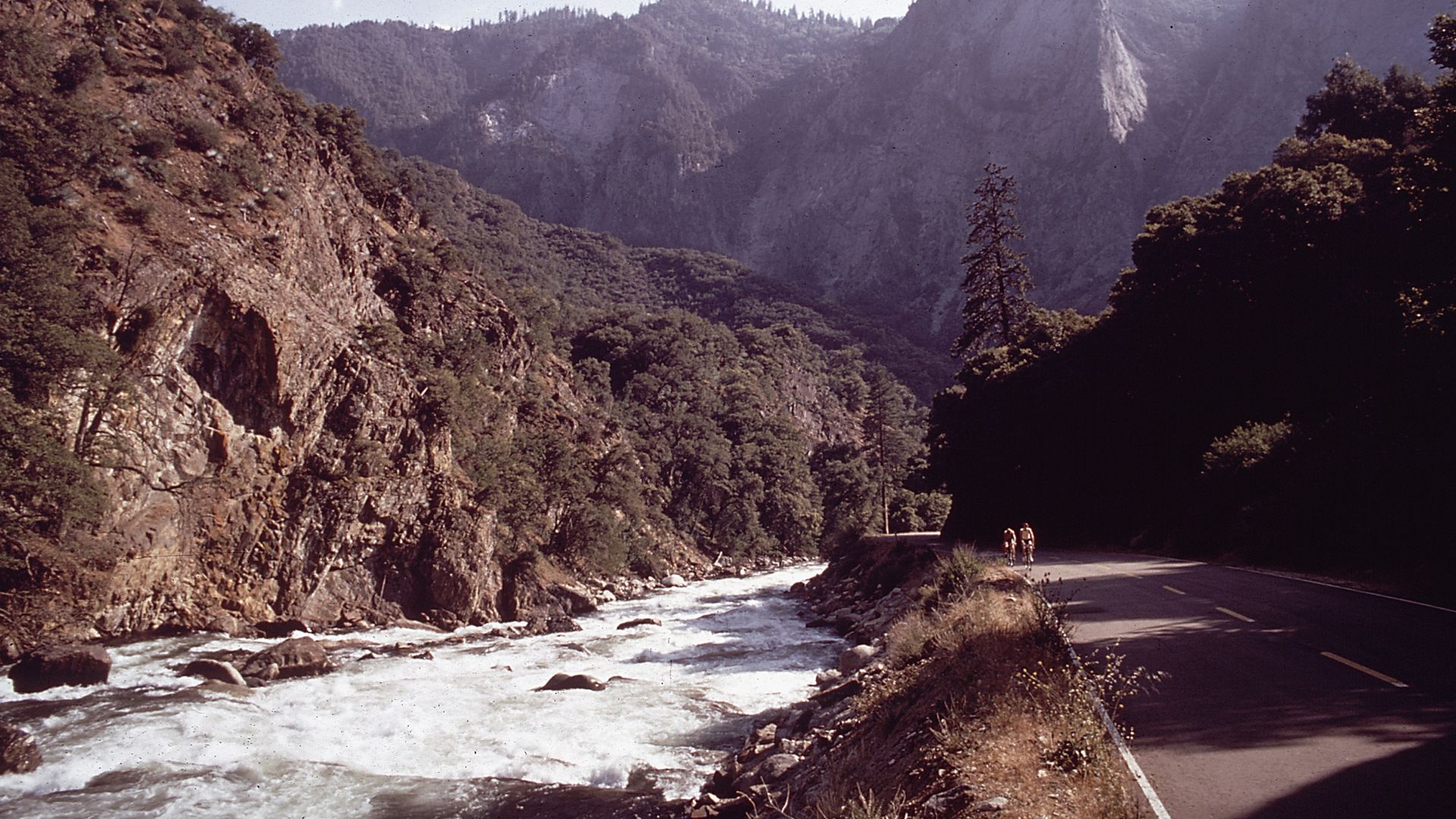 Gene Daniels, Wikimedia Commons
North Cascades: Highway 20 Gets Cut In Two
State Route 20, better known as the North Cascades Highway, is the only road crossing the park complex from east to west. Snow and avalanche danger normally force a winter closure in late November or early December. The route generally does not reopen until April or early May.
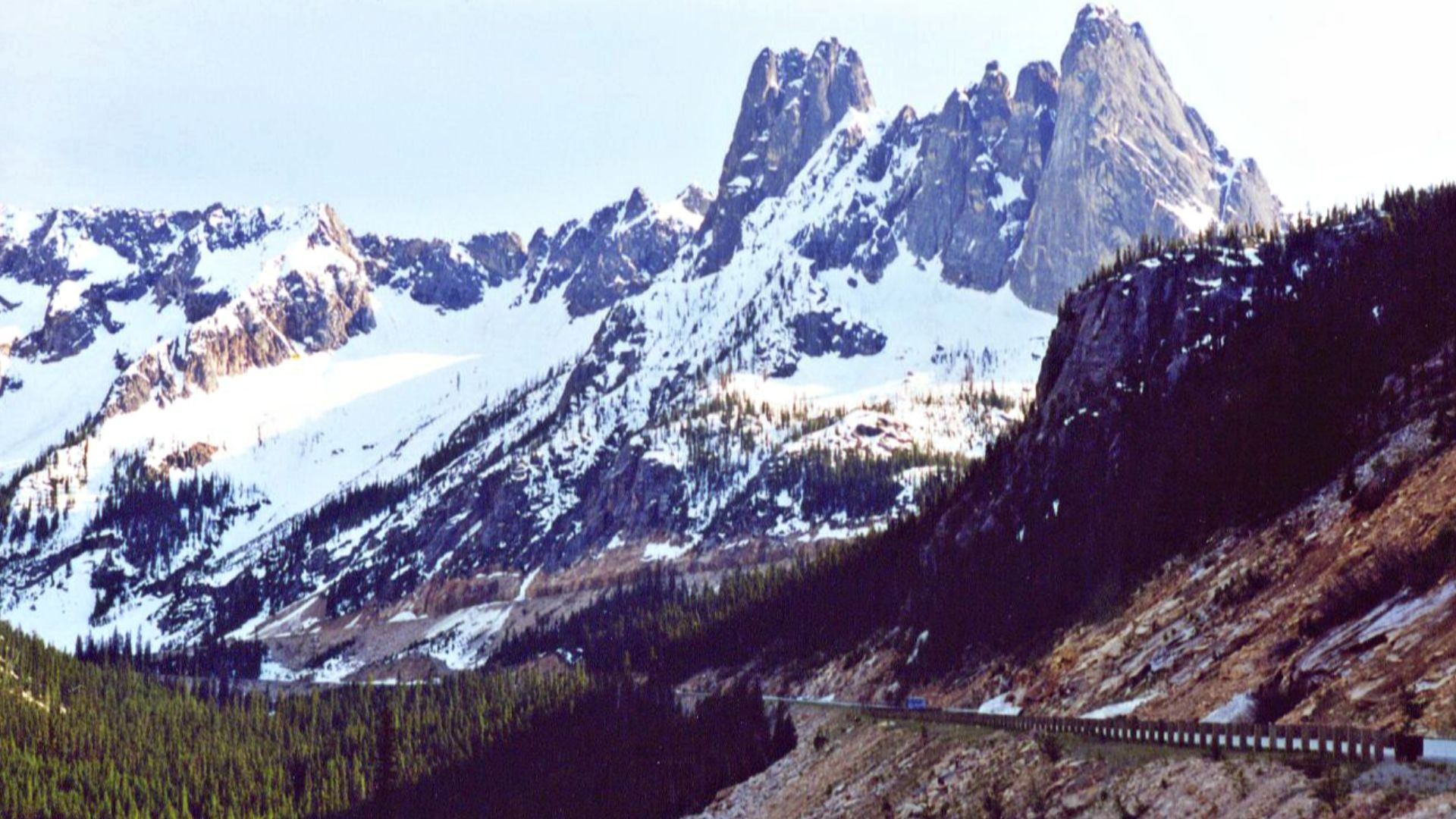 Ron Clausen, Wikimedia Commons
North Cascades Is A Slightly Different Case
The North Cascades Highway is a state highway, so Washington transportation officials manage the seasonal closure rather than the National Park Service alone. For travelers, though, the effect is the same: you cannot plan a winter drive straight across the mountains through the park.
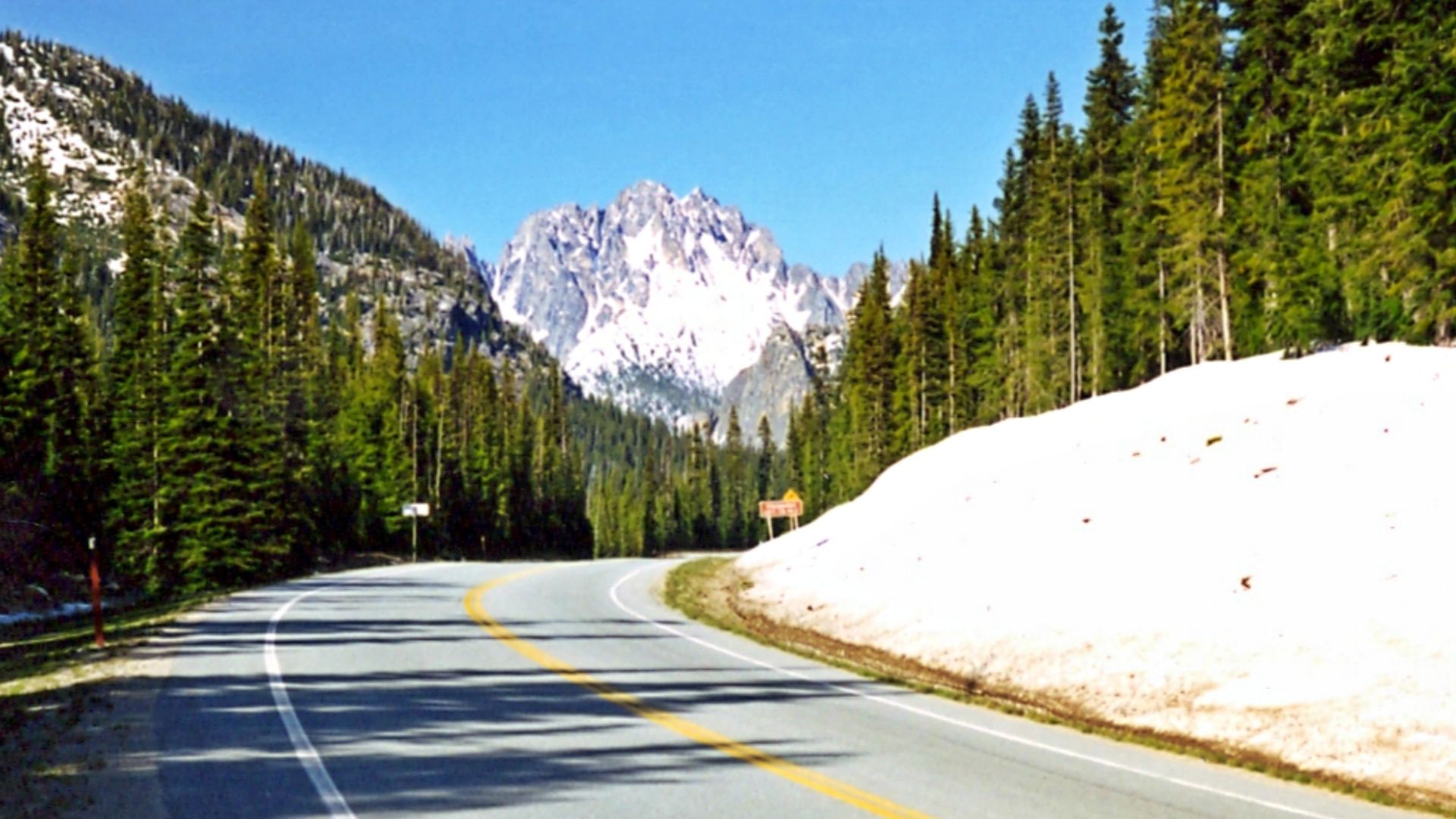 Ron Clausen, Wikimedia Commons
Mesa Verde: Wetherill Mesa Closes For The Season
Mesa Verde's main park road remains open throughout winter, but Wetherill Mesa does not. The remote western section is now closed for the season, taking access to places such as Long House and Step House out of the normal driving itinerary. Reopening is anticipated in late spring 2027.
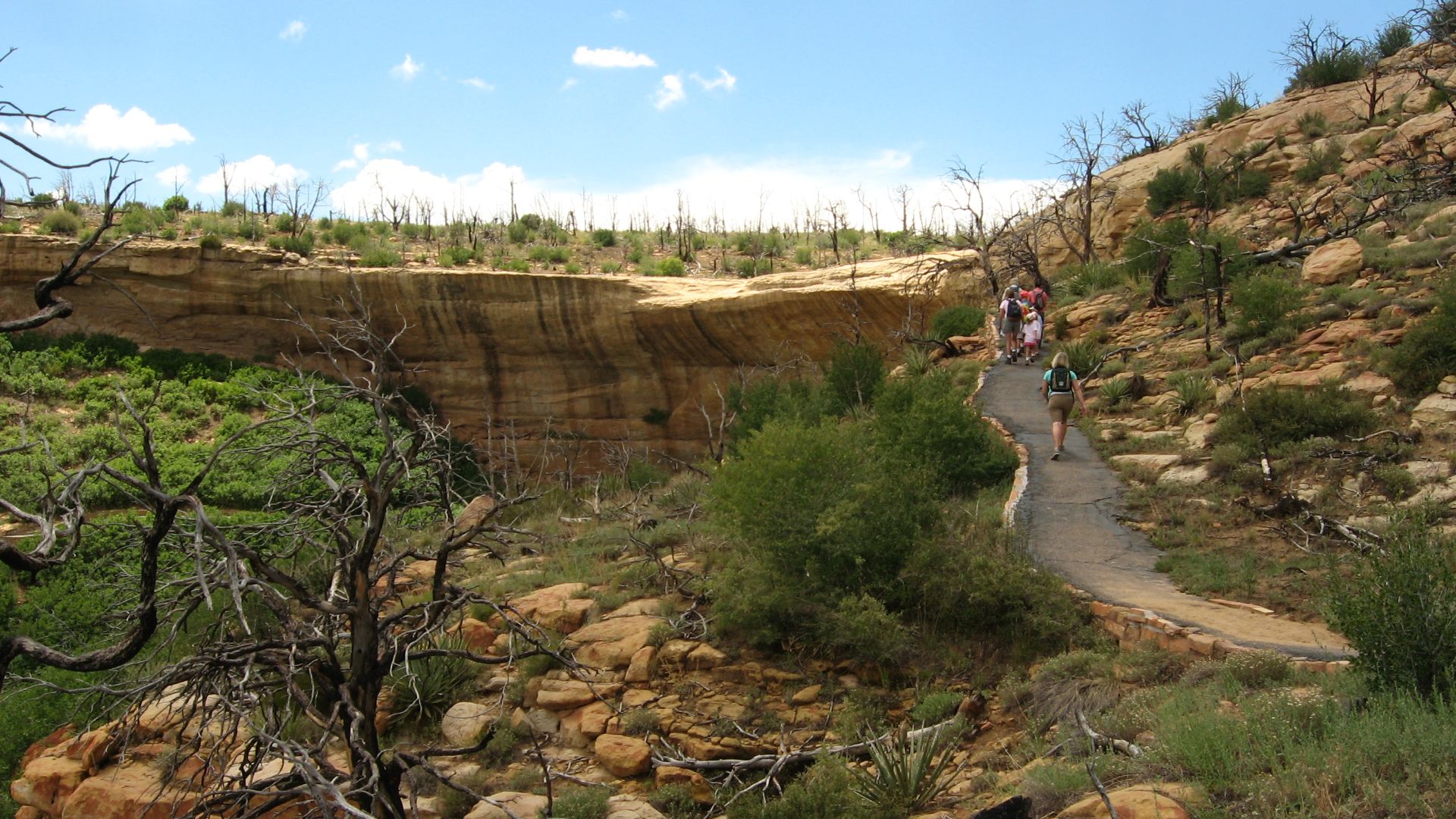 Ken Lund from Las Vegas, Nevada, USA, Wikimedia Commons
A Closed Road Does Not Mean A Closed Park
This is the detail that catches travelers off guard. Yellowstone, Yosemite, Grand Teton, Acadia, Mount Rainier, and many of these other parks remain open in some form during winter. What changes is where a normal passenger vehicle can go. The famous summer road map may become almost useless.
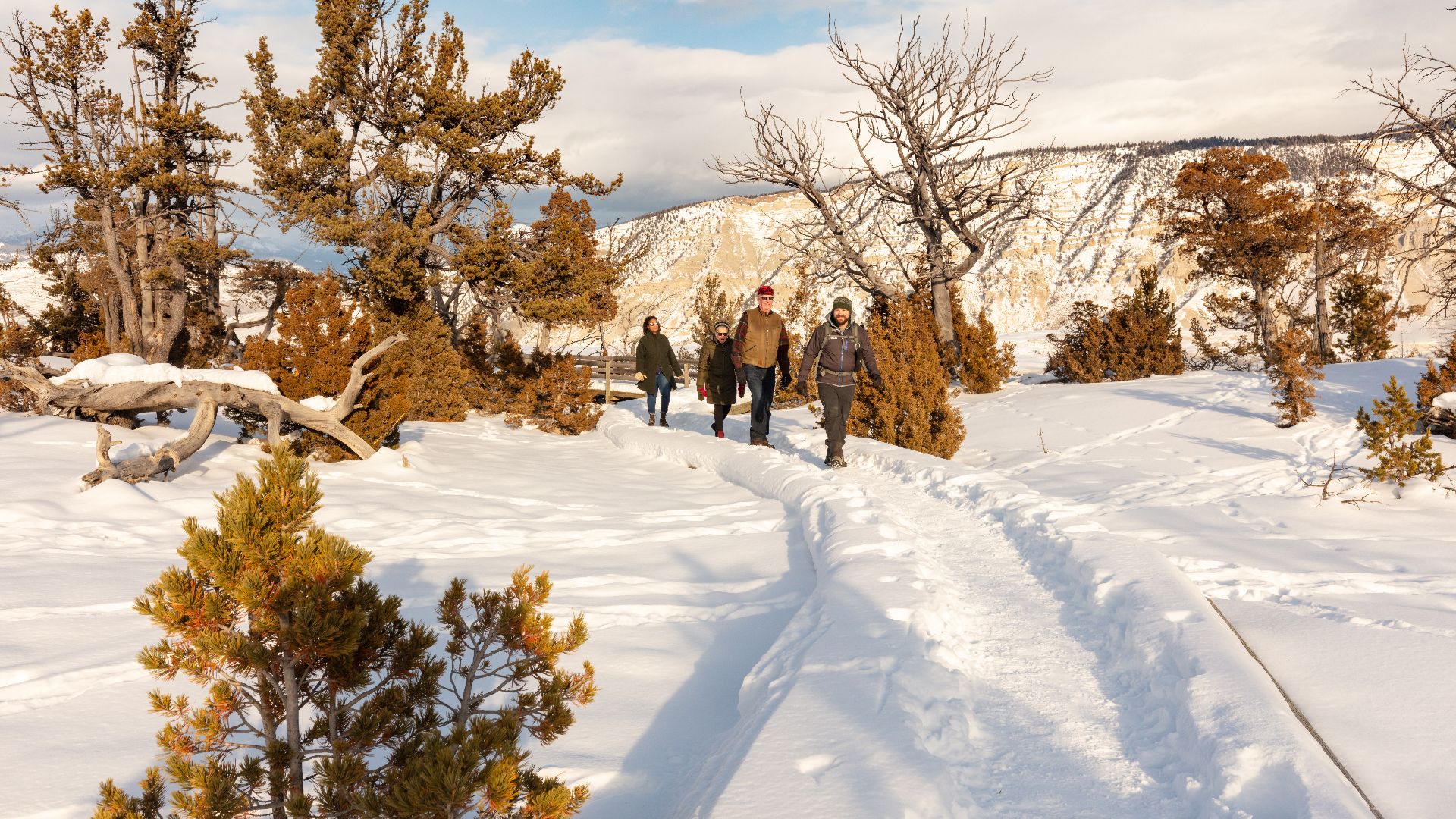 Yellowstone National Park, Wikimedia Commons
Sometimes The Road Becomes The Attraction
A seasonal closure is not always bad news. At Grand Teton, Black Canyon, Glacier, and other parks, closed roads become places to ski, snowshoe, or walk without summer traffic. If you actually want a winter experience, losing vehicle access can create a completely different way to see the landscape.
 GrandTetonNPS, Wikimedia Commons
Do Not Trust A Summer Map In January
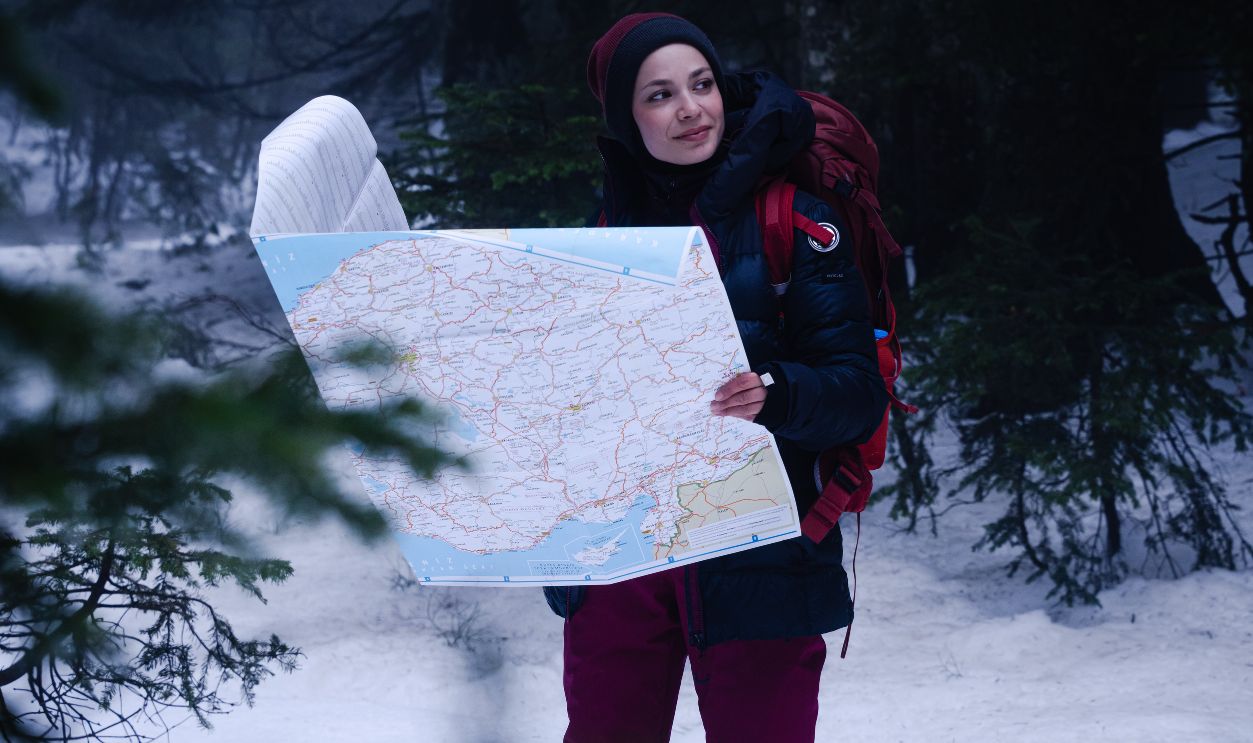
A map may show a perfectly good road running directly between two attractions, but that does not mean the gate is open. Winter closures can turn a 30-minute summer drive into an enormous detour, or make a destination unreachable by car altogether. Navigation apps do not always communicate that clearly.
Reopening Dates Are Not Promises
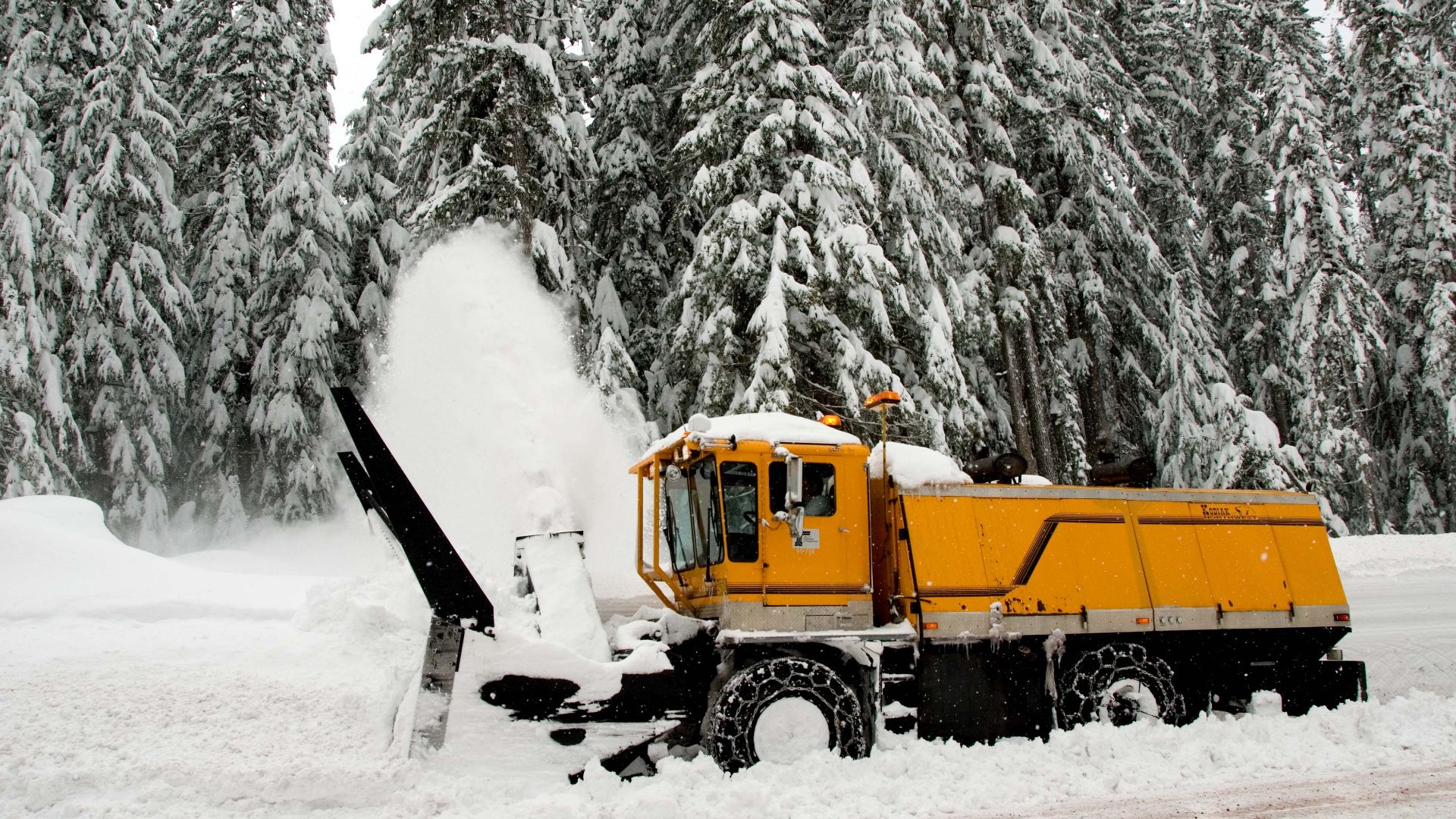
Some parks publish fixed seasonal schedules, while others depend almost entirely on snowfall and avalanche conditions. A road that reopened in May last year might stay closed well into June after a heavy winter. Plowing mountain roads can take weeks even after the worst storms have ended.
 Oregon Department of Transportation, Wikimedia Commons
Check Conditions Again Right Before You Drive
The safest approach is to use official park road-status pages when planning and check again shortly before departure. Seasonal roads can close earlier than expected, spring openings can be delayed, and even supposedly year-round routes may shut temporarily during a major storm.

Winter National Parks Require A Different Kind Of Planning
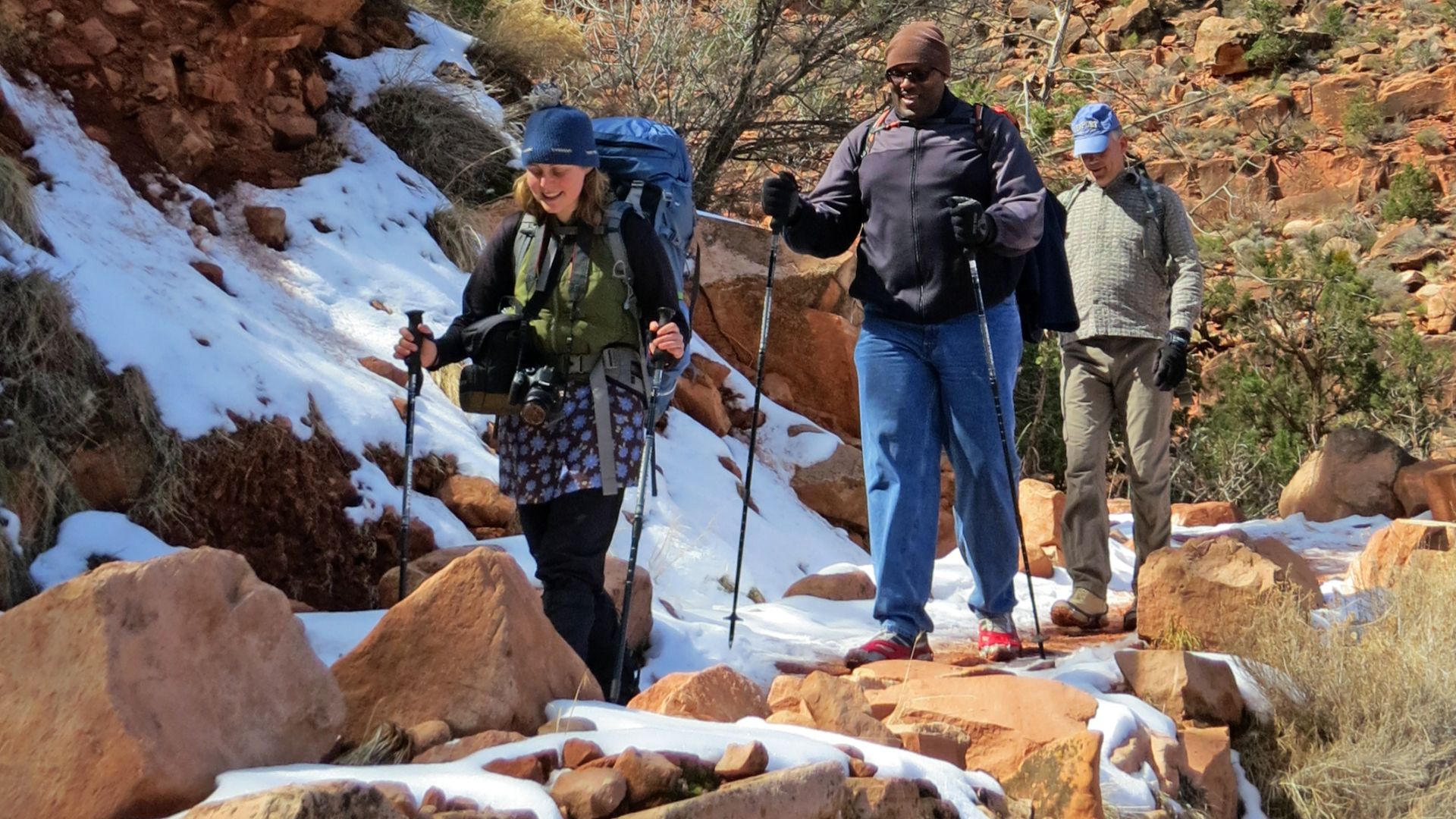
Do not assume winter is simply summer with snow added. Roads, entrances, visitor centers, campgrounds, and services can all change. Build the itinerary around what is actually accessible, keep alternative routes handy, and remember that the road you came to drive may be buried under several feet of snow.
 Grand Canyon National Park, Wikimedia Commons
You May Also Like:
Four Tips For A Successful Vacation
Wilderness Survival Stories That Changed How Millions Of Travelers Think About Risk
Ranking The States Santa Loves—And The Ones He Wishes He Could Avoid
Sources: 1, 2, 3, 4, 5, 6, 7, 8, 9, 10, 11, 12, 13, 14, 15, 16, 17, 18, 19, 20, 21, 22, 23