Step Inside The Cold War
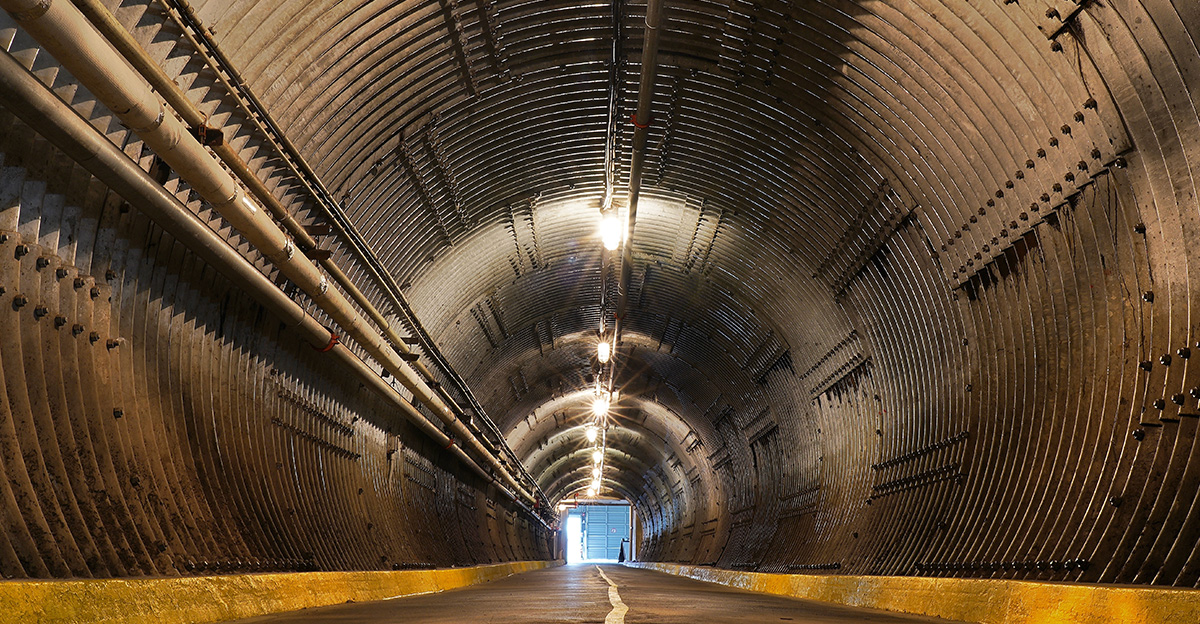
Remember the days when fallout shelters, nuclear drills, and the threat of Soviet missiles were part of everyday life? Across North America, former secret bunkers and missile installations now welcome visitors, offering a fascinating glimpse into an extraordinary chapter of history.
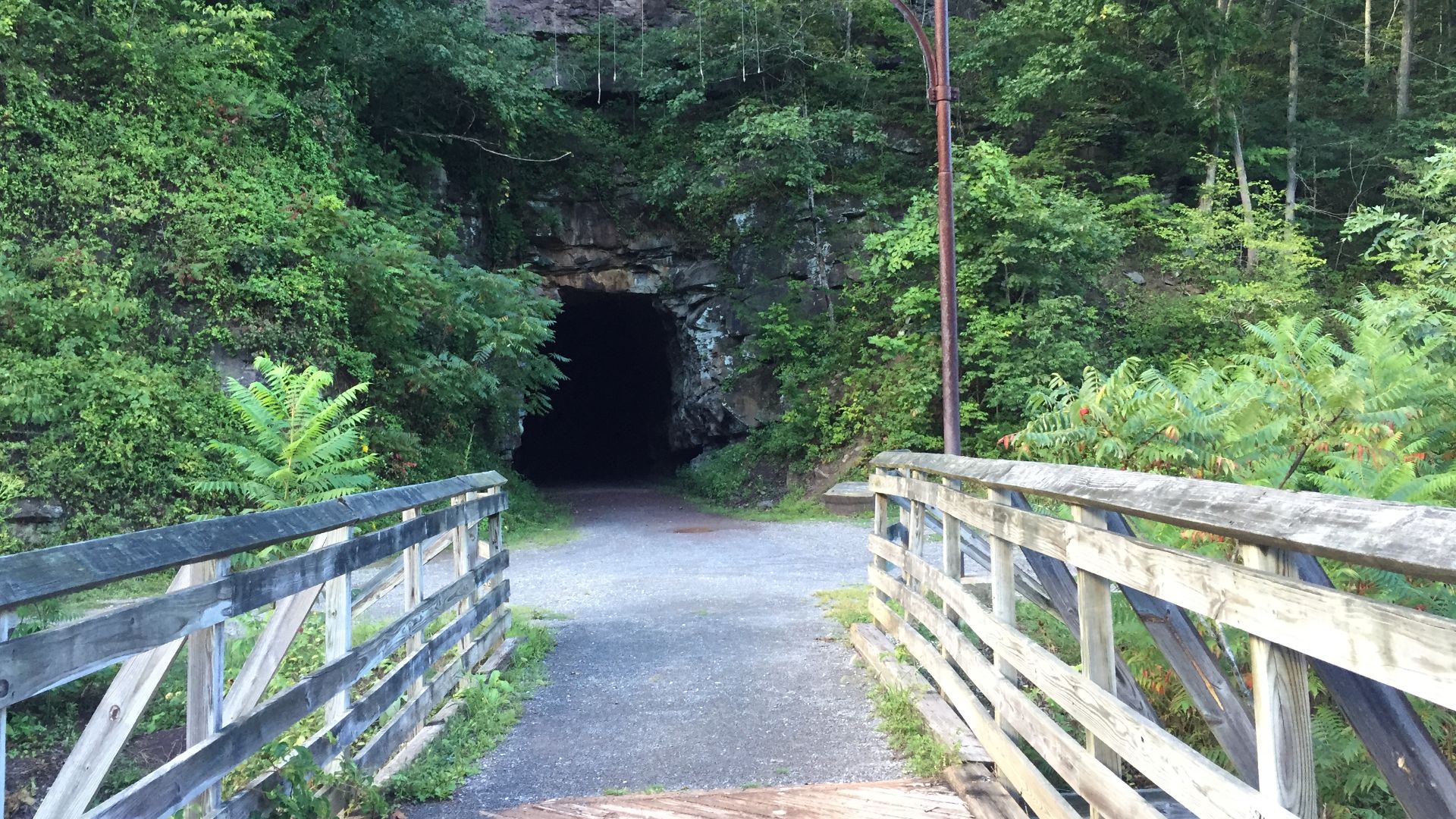
The Greenbrier Bunker, West Virginia
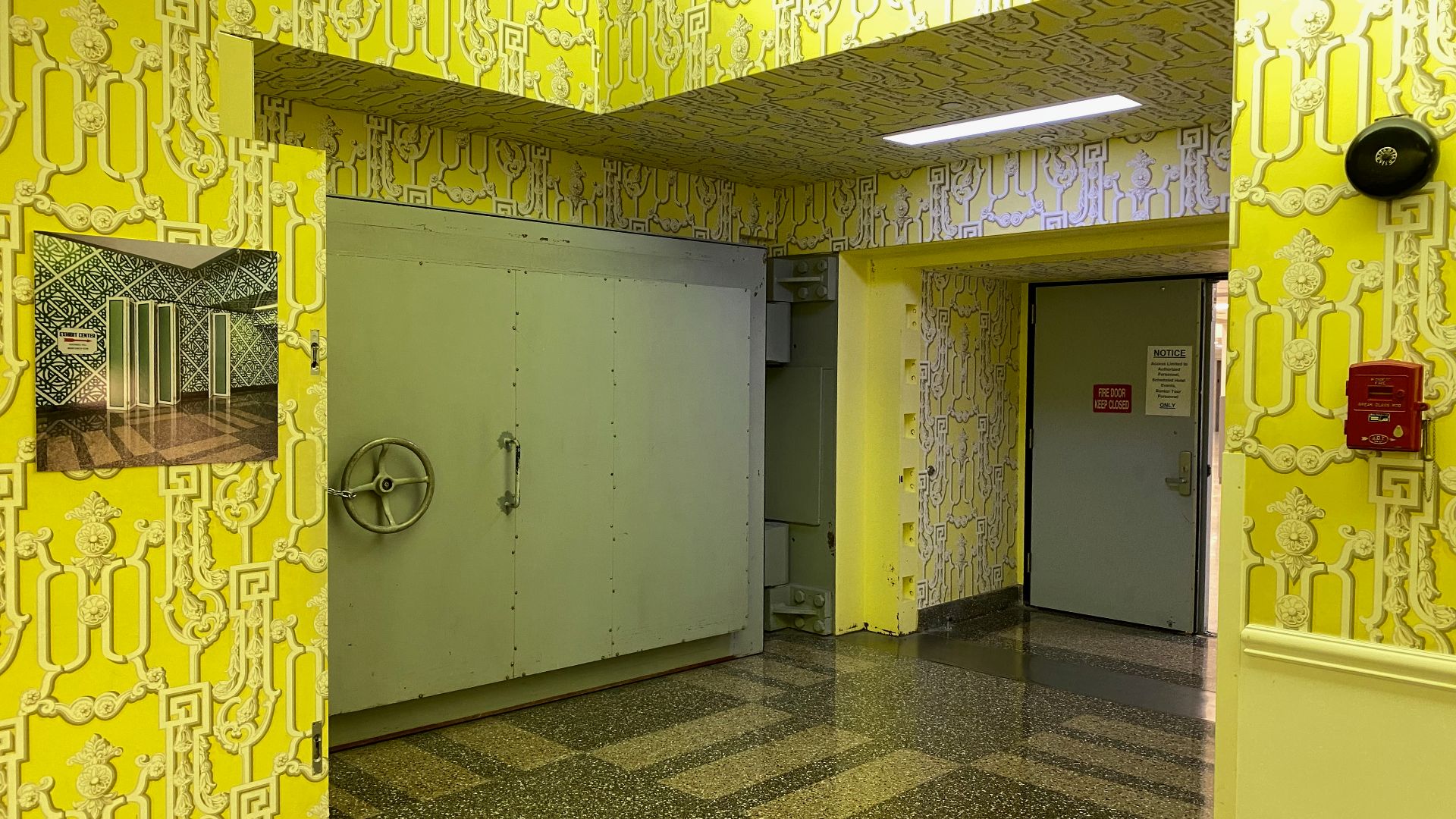
Hidden beneath the luxurious The Greenbrier resort is a remarkable Cold War secret. Beginning in the late 1950s, workers constructed an enormous underground shelter designed to protect members of Congress during a nuclear emergency.
A Secret Beneath A Luxury Resort
For decades, vacationers enjoyed the Greenbrier without realizing what lay underneath. The bunker contained dormitories, meeting spaces, communications equipment, and other facilities intended to keep Congress functioning if Washington came under nuclear attack.
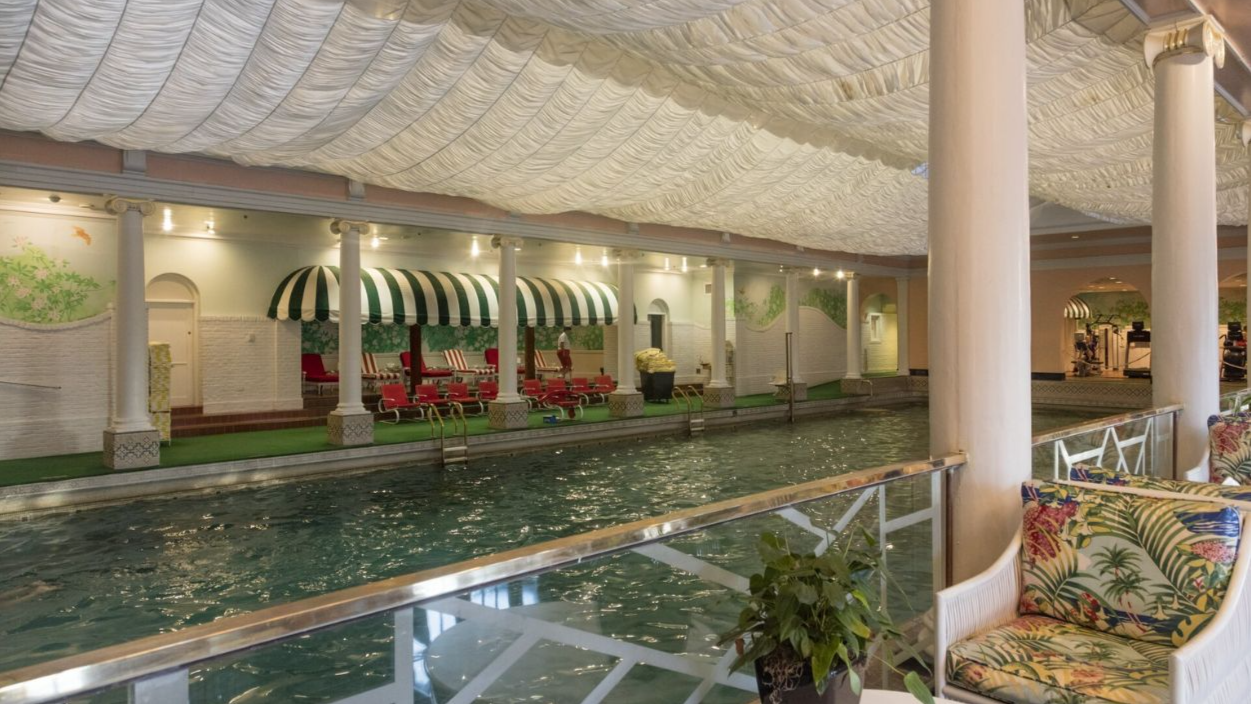 Carol M. Highsmith, Wikimedia Commons
Touring The Congressional Hideaway
The bunker remained secret until a 1992 newspaper investigation exposed its existence. Today, visitors can take a 90-minute guided tour through the once-classified facility. Reservations are recommended, and tours are available to resort guests and day visitors.
 Brian M. Powell, Wikimedia Commons
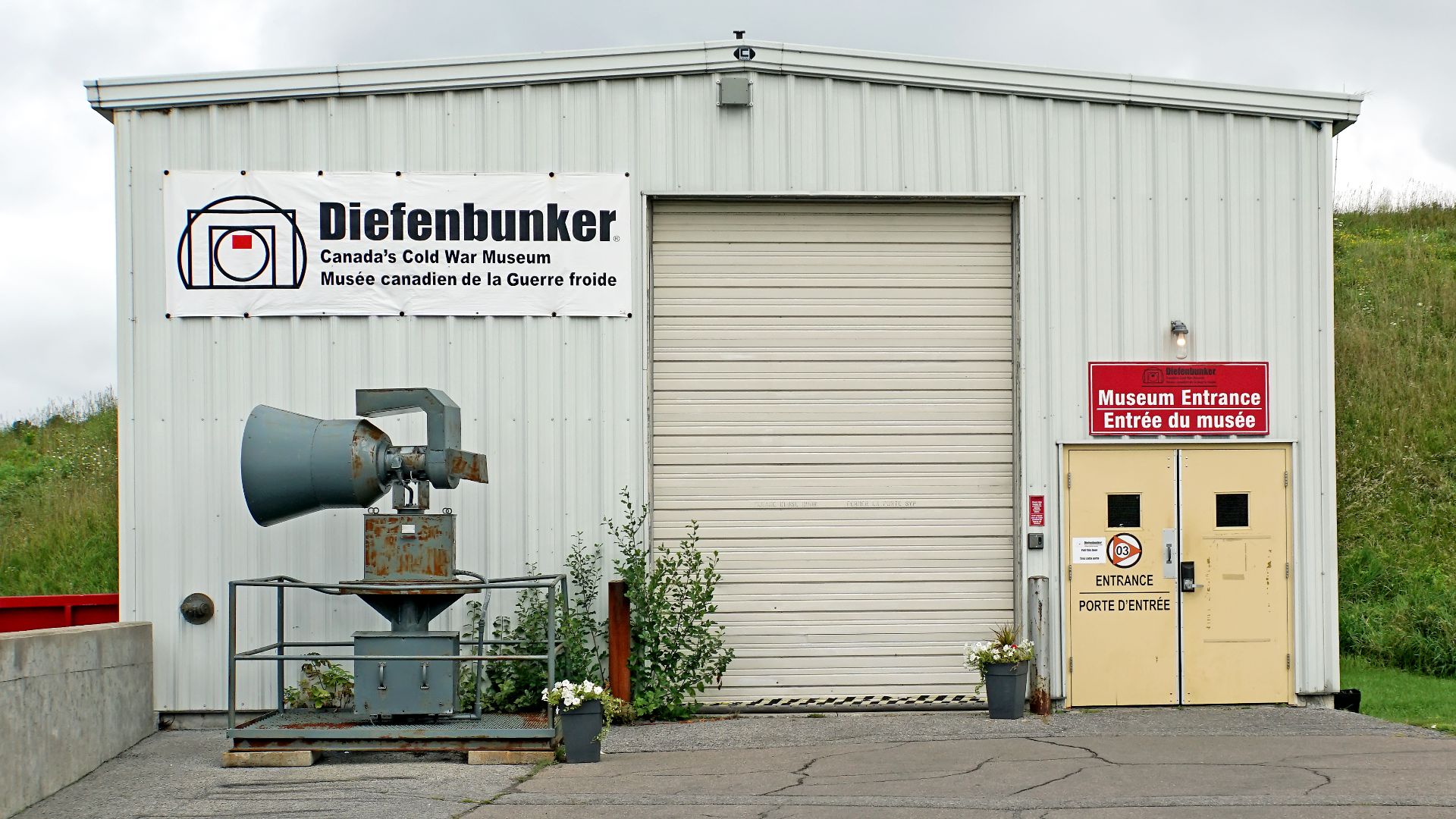
The Diefenbunker, Ontario, Canada
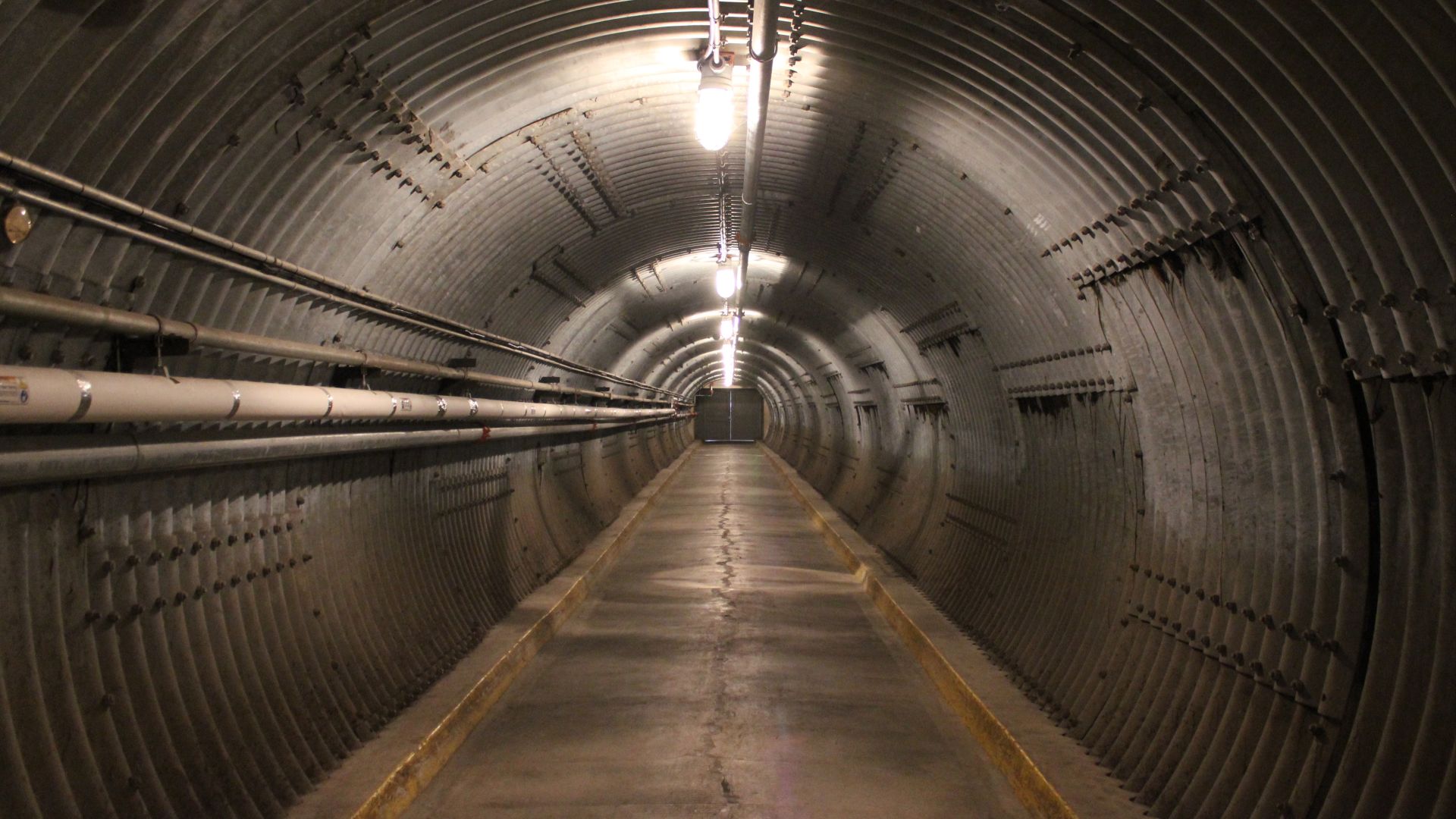
Just outside Ottawa, the Diefenbunker was built to protect Canada's government from nuclear attack. Named after Prime Minister John Diefenbaker, this massive underground complex became one of Canada's most important Cold War installations.
 SamuelDuval, Wikimedia Commons
Four Floors Beneath The Surface
Built between 1959 and 1961, the bunker extends approximately 75 feet underground. It was designed to shelter 535 government and military personnel, allowing them to maintain essential operations while the country faced a nuclear catastrophe.
 Dennis G. Jarvis, Wikimedia Commons
A Government Headquarters Frozen In Time
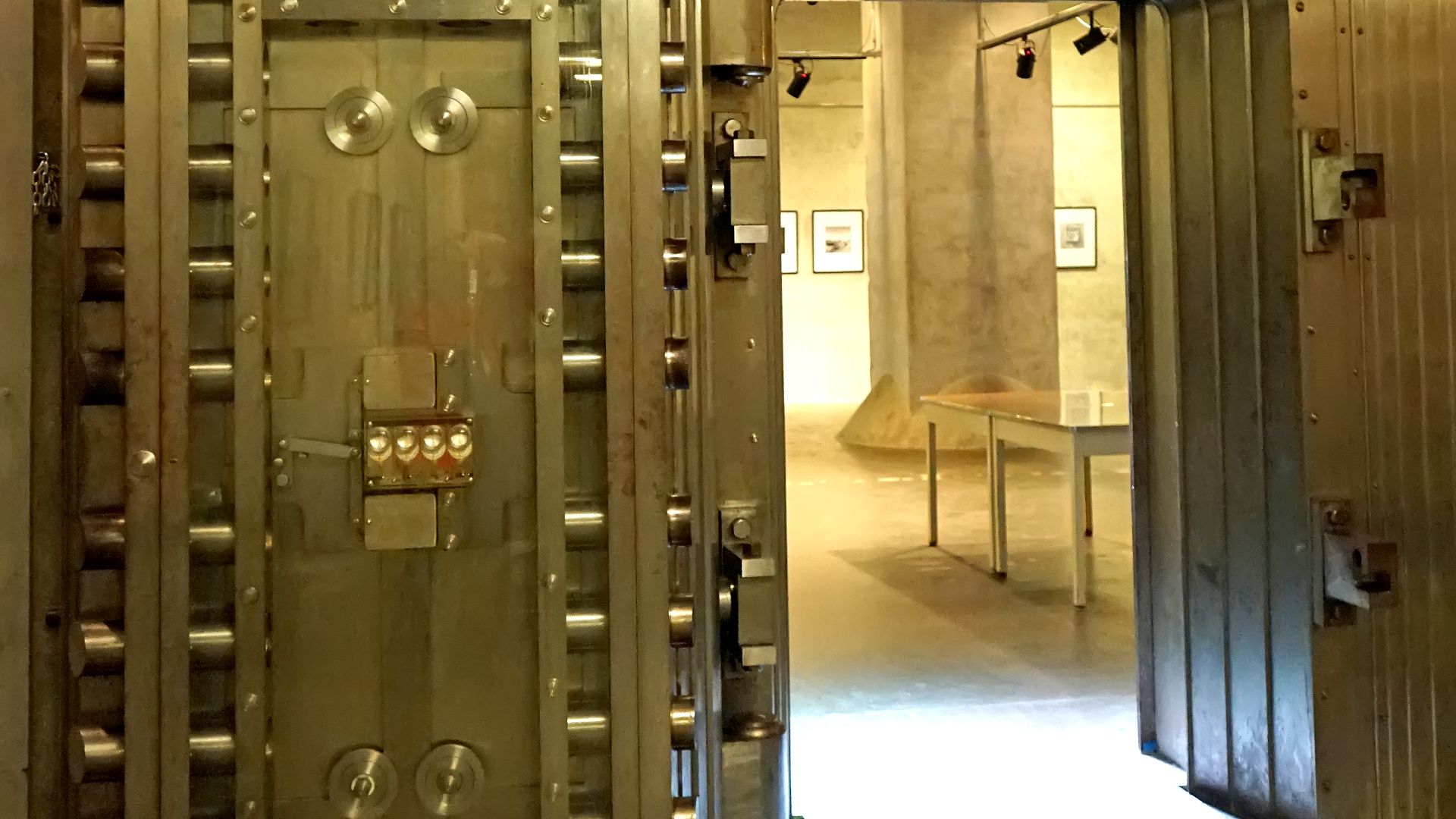
Inside, visitors discover the War Cabinet Room, Prime Minister's Suite, communications facilities, and even a Bank of Canada vault. Vintage telephones, government offices, and surviving equipment provide a remarkable sense of what life underground might have been like.
 Dennis G. Jarvis, Wikimedia Commons
Exploring Canada's Cold War Museum
Now a national historic site, the Diefenbunker offers guided and self-guided visits. Its atmospheric corridors and carefully preserved rooms make it particularly fascinating for anyone who remembers the Cuban Missile Crisis and the tensions of the 1960s.
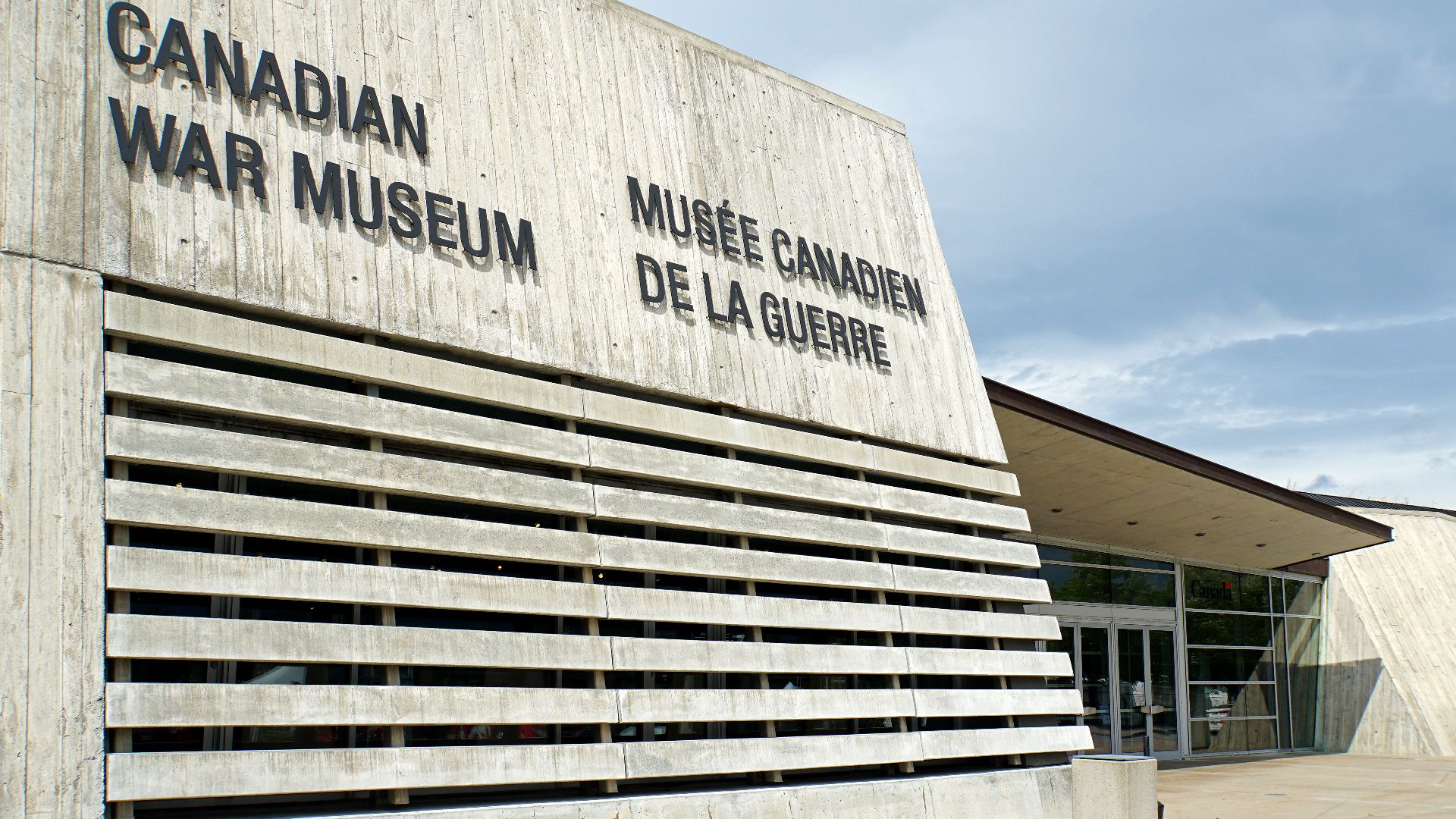 Dennis G. Jarvis, Wikimedia Commons
Nelson's Cold War Bunker, British Columbia
In the picturesque Canadian city of Nelson, an unassuming building conceals another extraordinary piece of Cold War history. Beneath the Gray Building sits a former emergency headquarters that most local residents didn't even know existed.
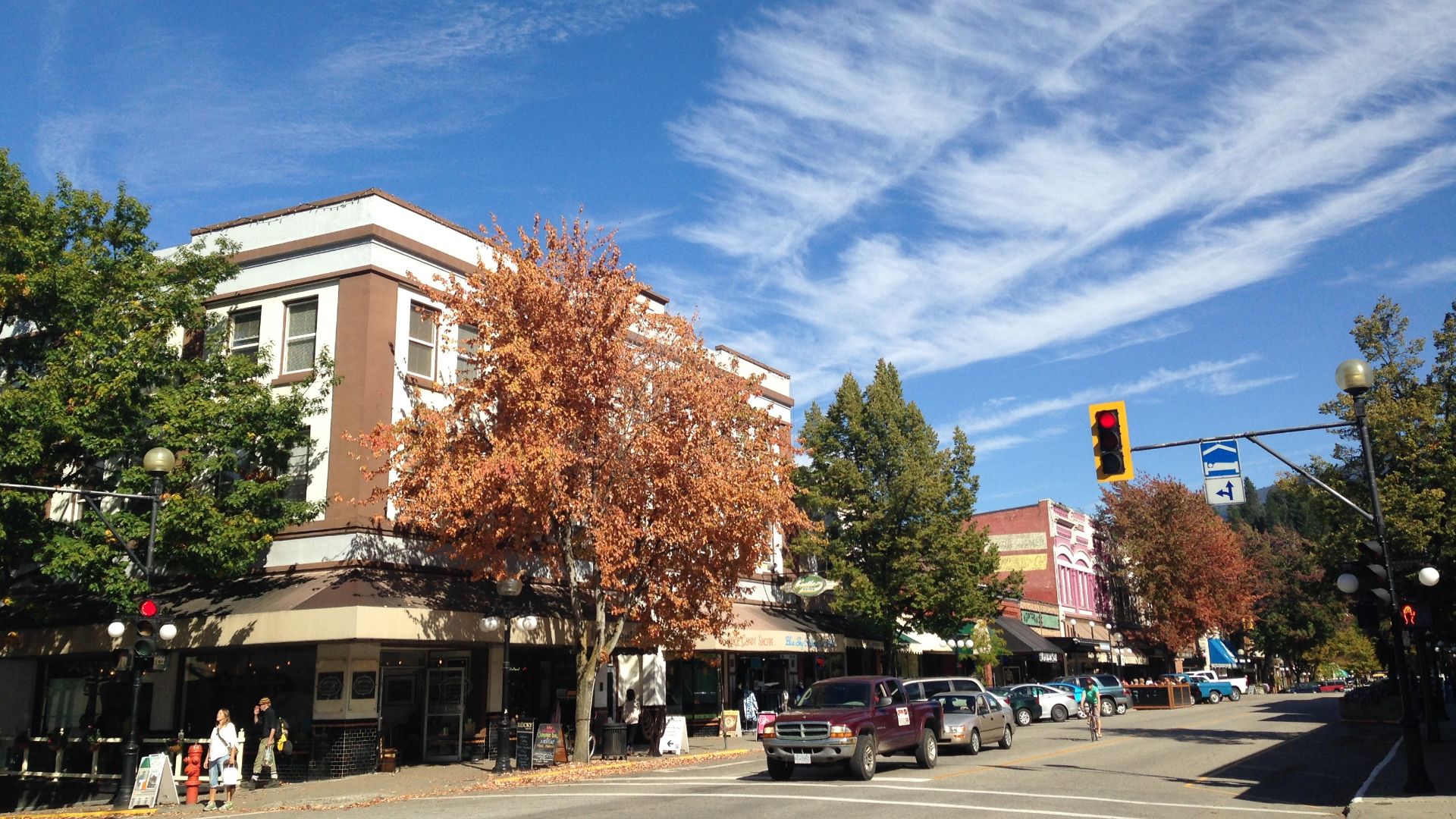 Kyle Pearce, Wikimedia Commons
A Shelter For Seventy People
Constructed around 1964, the Nelson bunker was intended to accommodate approximately 70 carefully selected community members. Those involved were sworn to secrecy, and the facility's existence remained largely unknown to the public for decades.
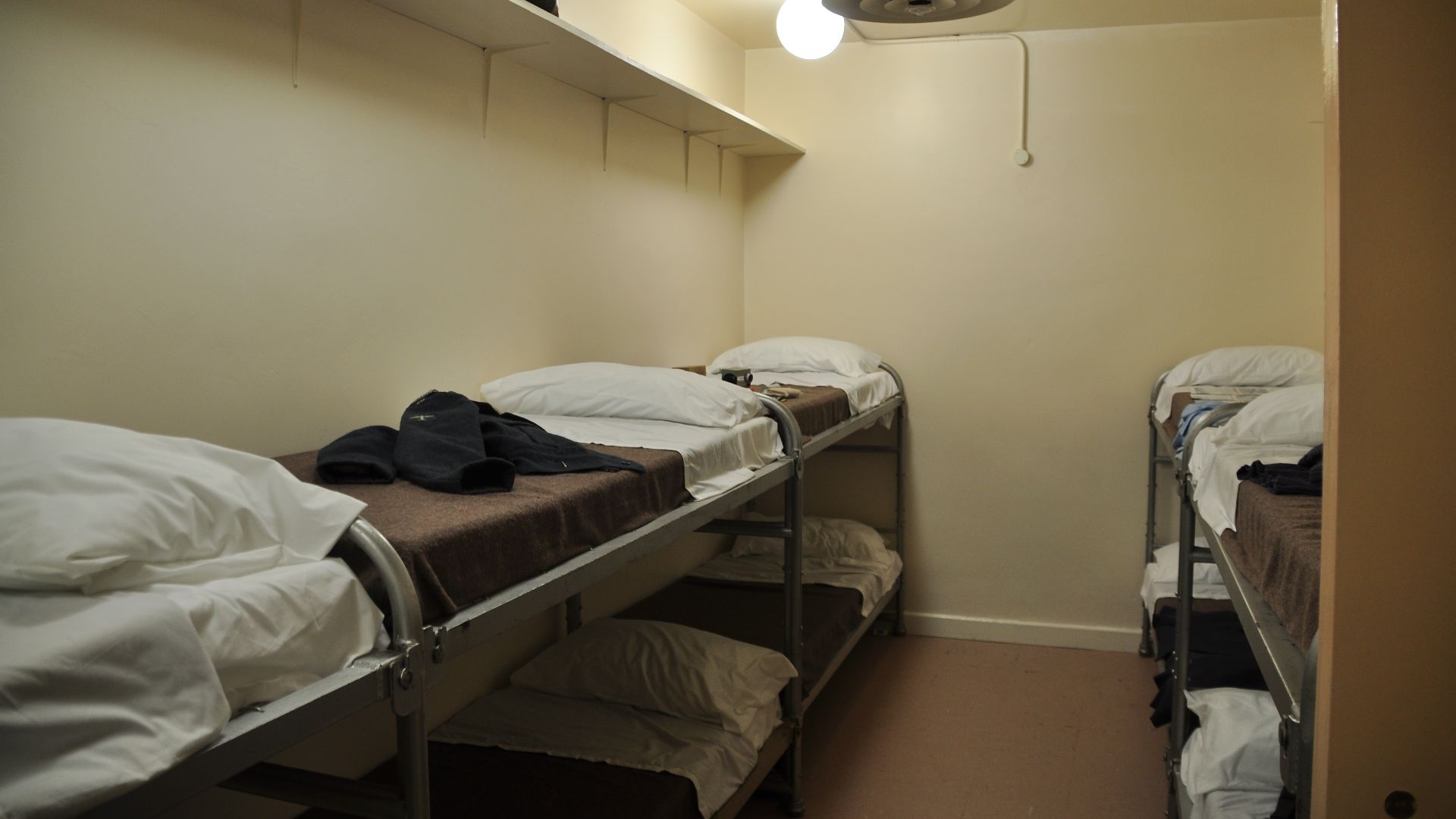
Discover The Nelson Bunker Today
The shelter opened as a museum exhibition in 2020. Visitors can inspect original artifacts, including Geiger counters and emergency supplies. Guided tours are offered on Saturdays throughout the year, with additional seasonal opportunities.
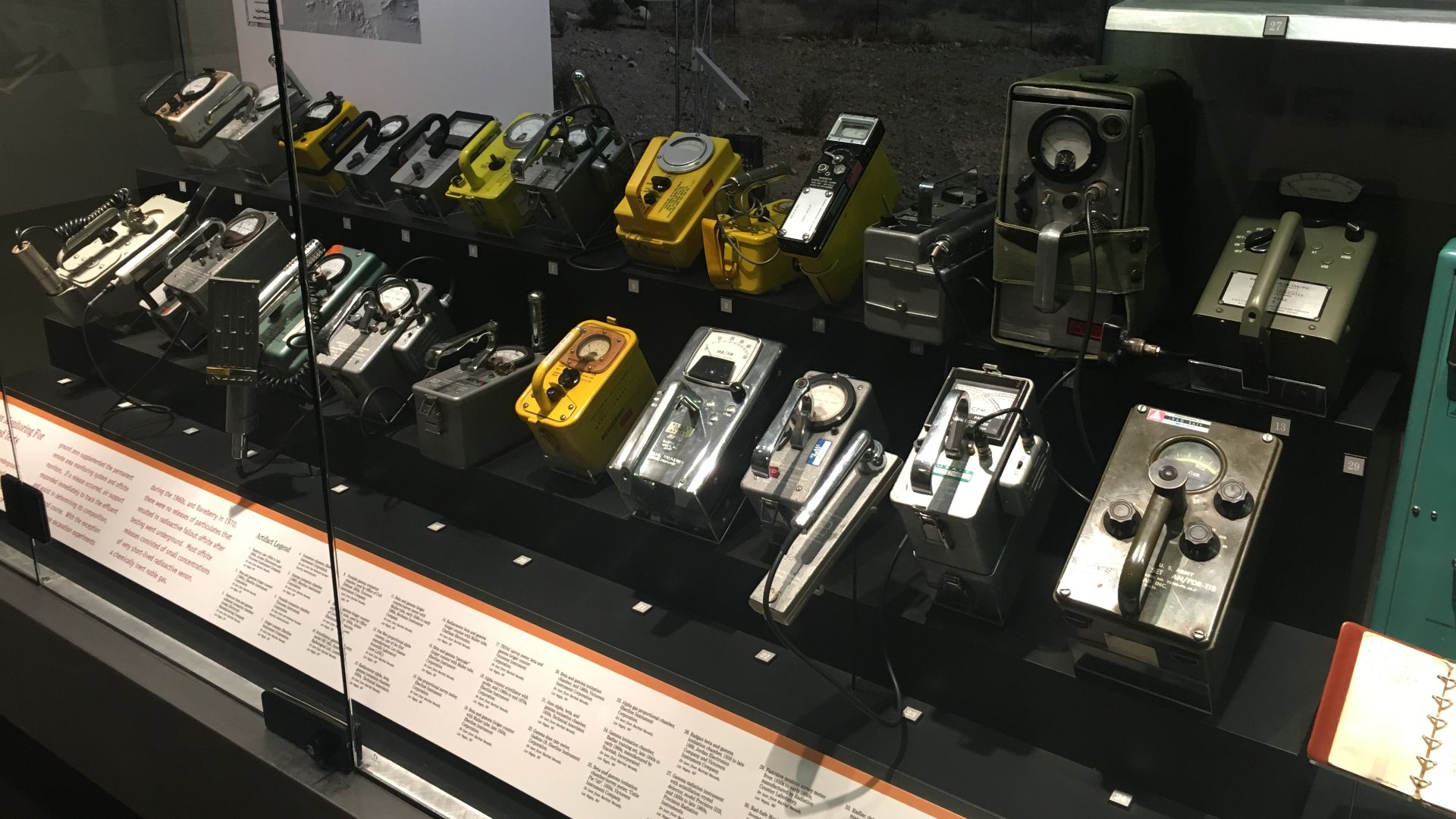
Titan Missile Museum, Arizona
Near Tucson, Arizona, the Titan Missile Museum preserves a chilling reminder of America's nuclear arsenal. Its enormous underground silo once housed a Titan II intercontinental ballistic missile, ready for launch during the Cold War.
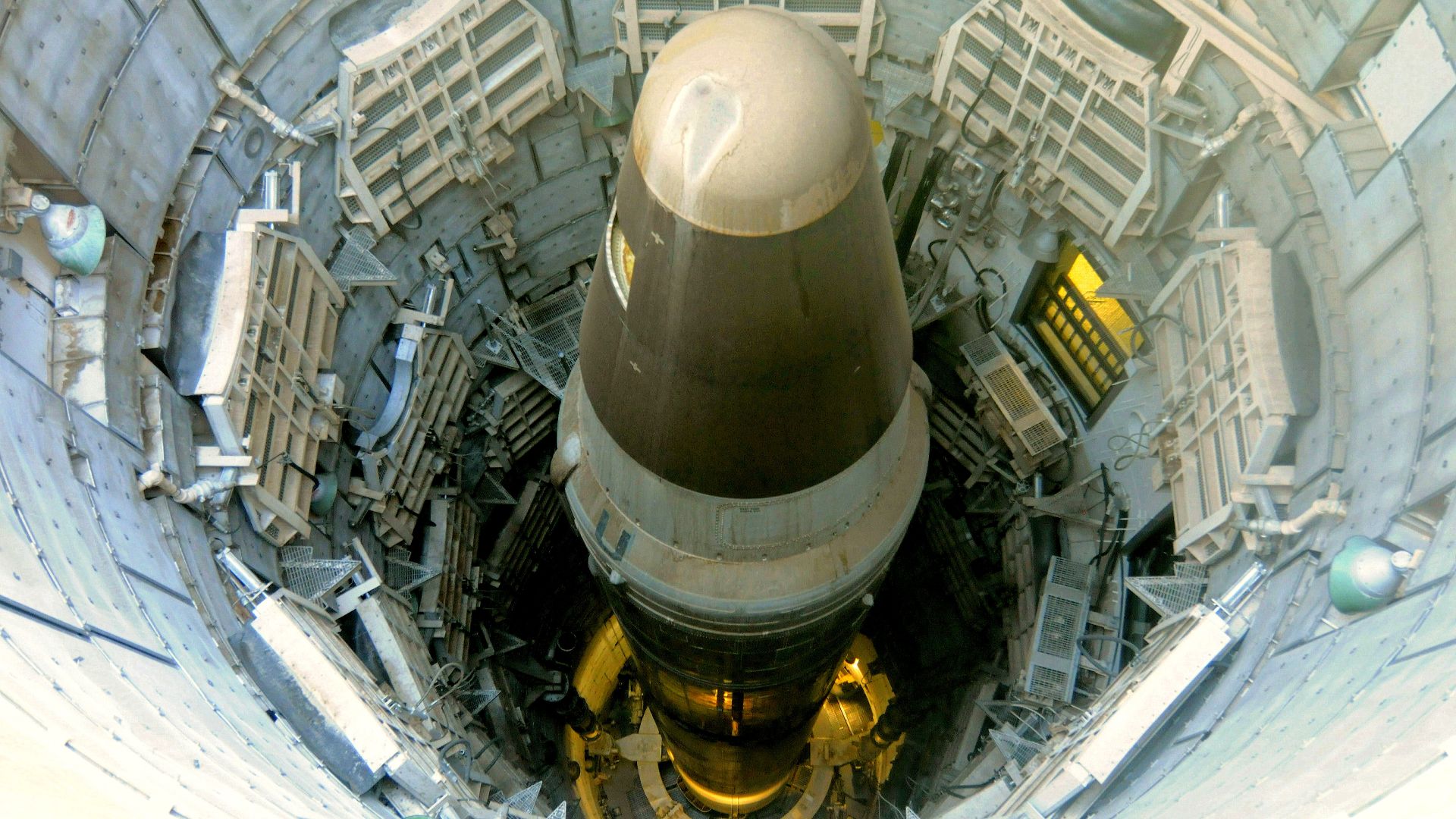
Inside A Nuclear Missile Silo
The Titan II system operated from 1963 to 1987. Visitors can now descend into a preserved missile complex and see the equipment used by launch crews responsible for one of the most powerful weapons of its era.
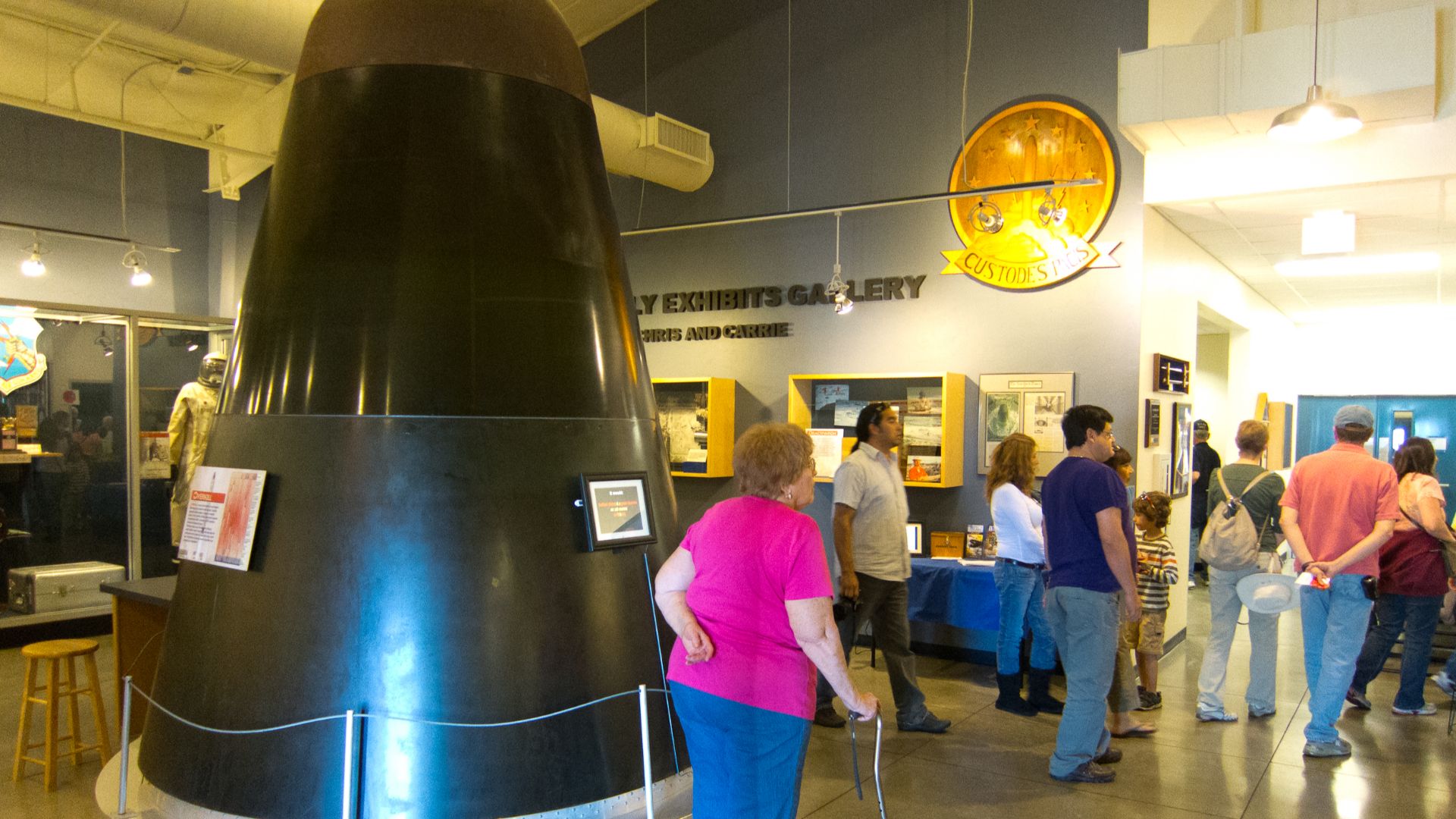 TenSafeFrogs, Wikimedia Commons
A Remarkable Underground Experience
The museum's guided tour includes the launch-control environment and views of the silo. It's an unforgettable experience for military-history enthusiasts. Underground tours require advance online reservations, while separate aboveground admission is also available.
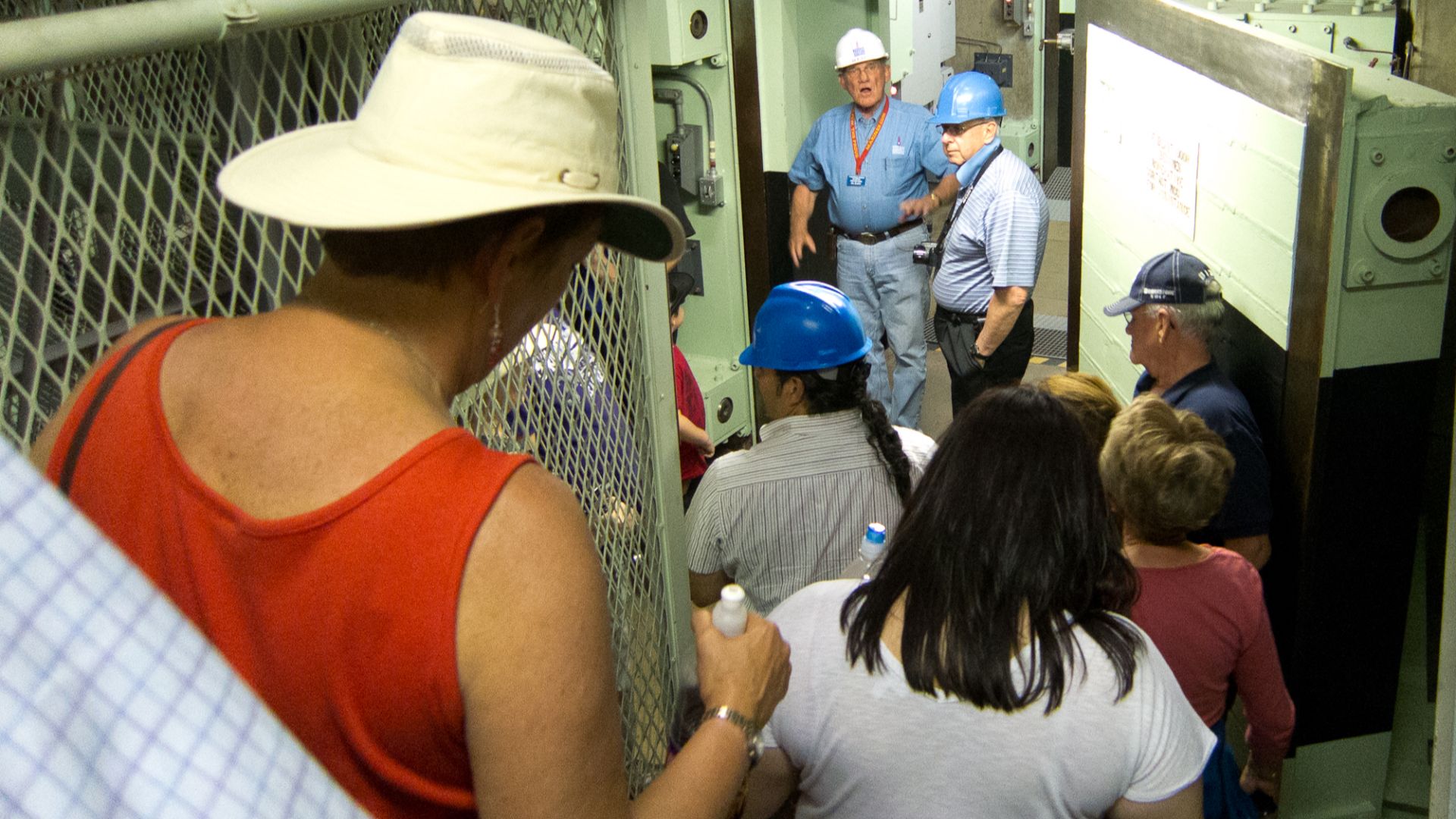 TenSafeFrogs, Wikimedia Commons
Minuteman Missile National Historic Site, South Dakota
Near Badlands National Park, the Minuteman Missile National Historic Site preserves locations associated with America's nuclear deterrent. These former military installations once formed part of a vast network of underground missiles.
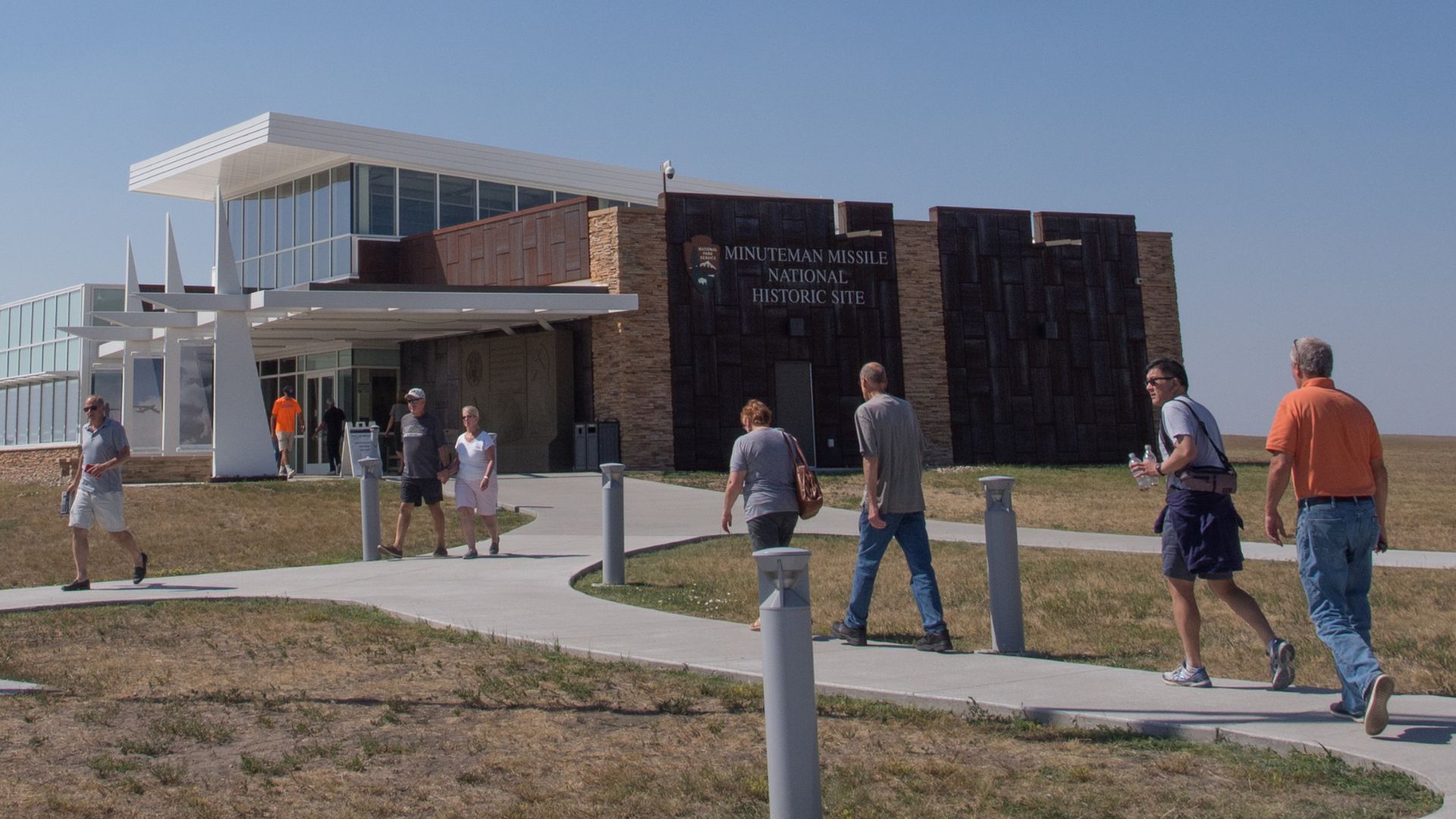
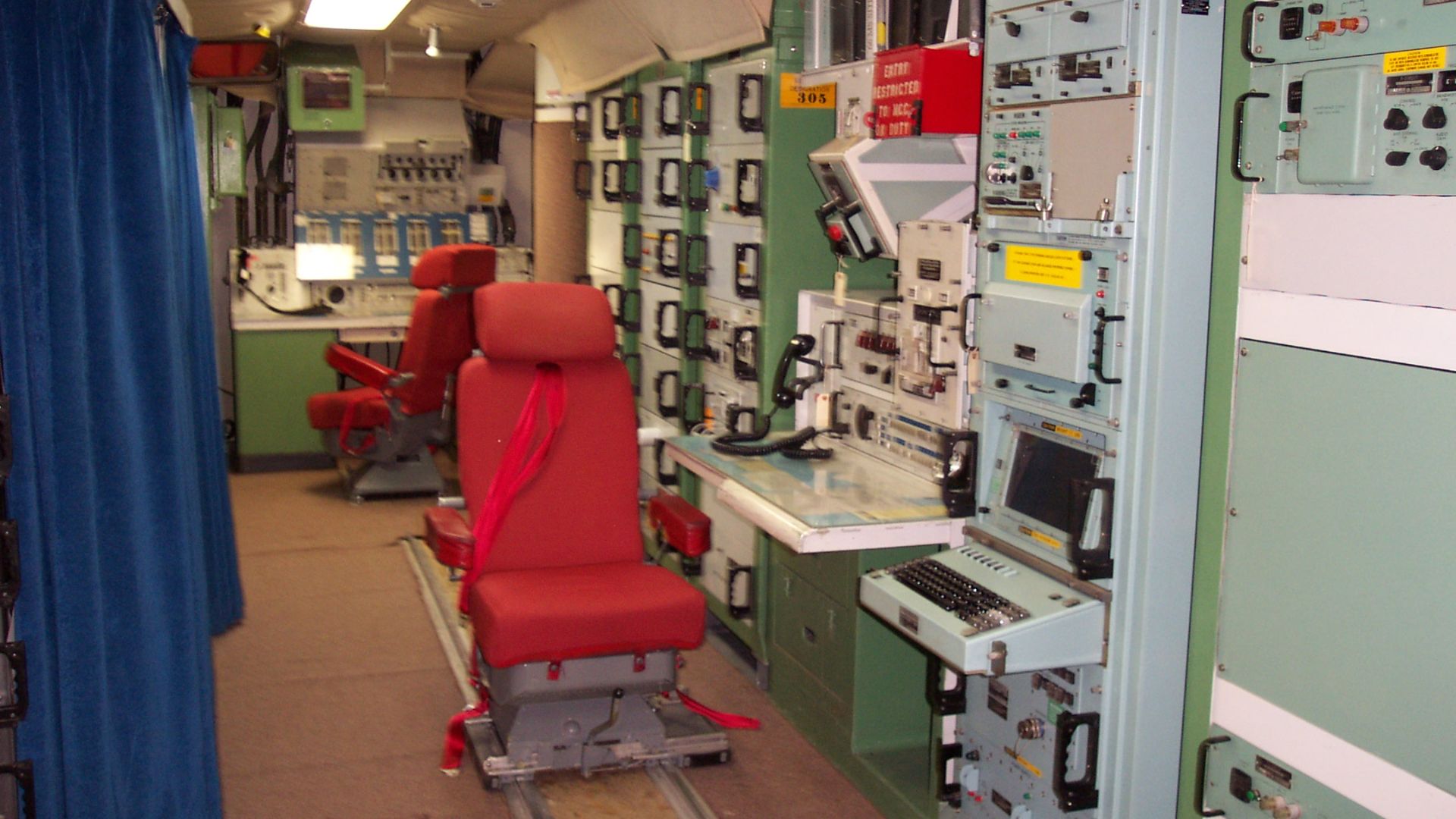
The Delta-01 Launch Control Center
At Delta-01, Air Force personnel worked in an underground control capsule, prepared to receive launch orders. Guided tours, when operating, take visitors approximately 31 feet underground to see the consoles used during the Cold War.
Visit The Delta-09 Missile Silo
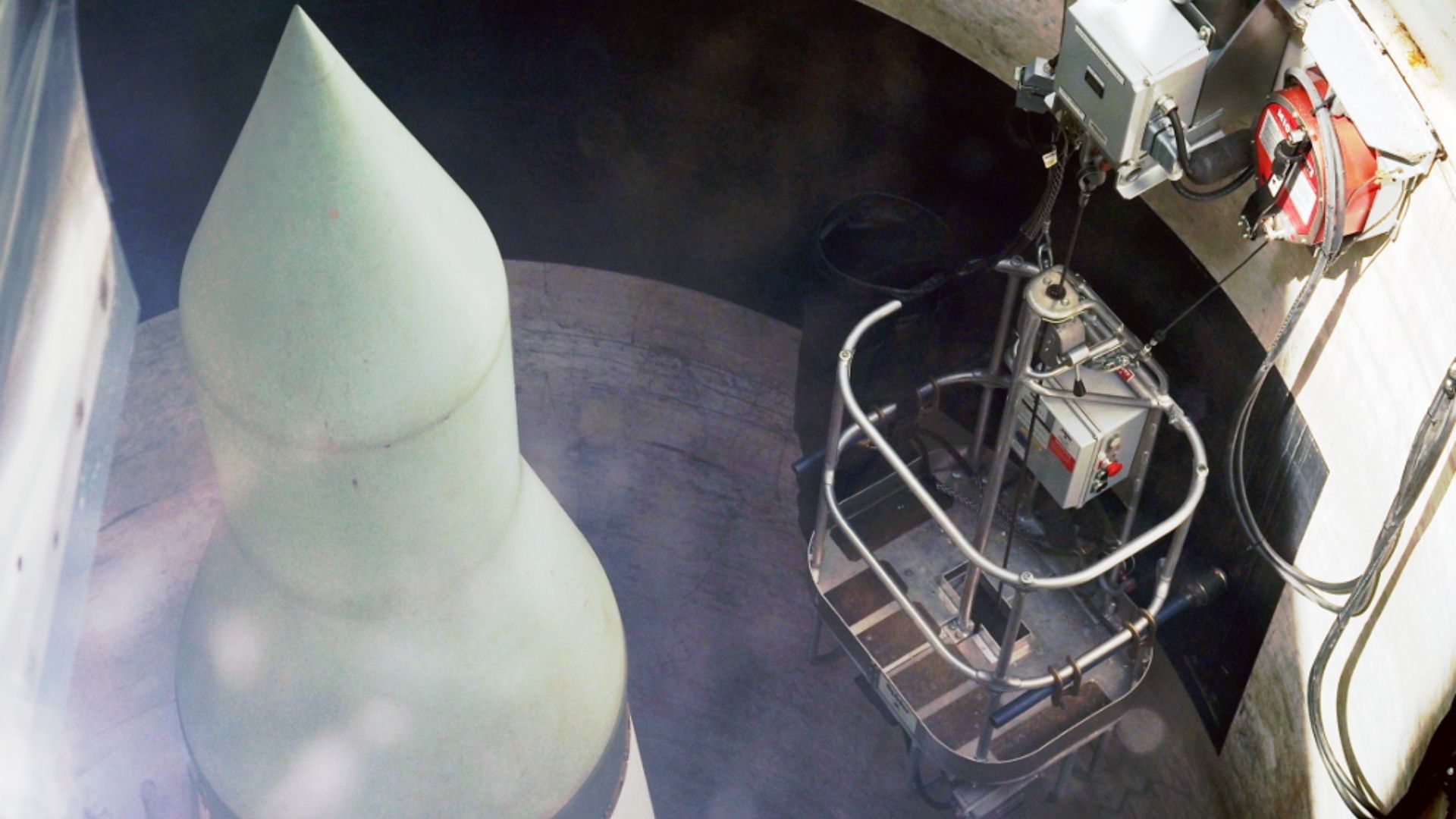
Nearby Delta-09 offers a different experience. Visitors can look down through a protective glass enclosure at a preserved Minuteman missile. Unlike Delta-01's underground tour, this stop is generally an aboveground visit. Check National Park Service updates before traveling, as underground tour availability can change.
 Boevaya mashina, Wikimedia Commons
Ronald Reagan Minuteman Missile Site, North Dakota
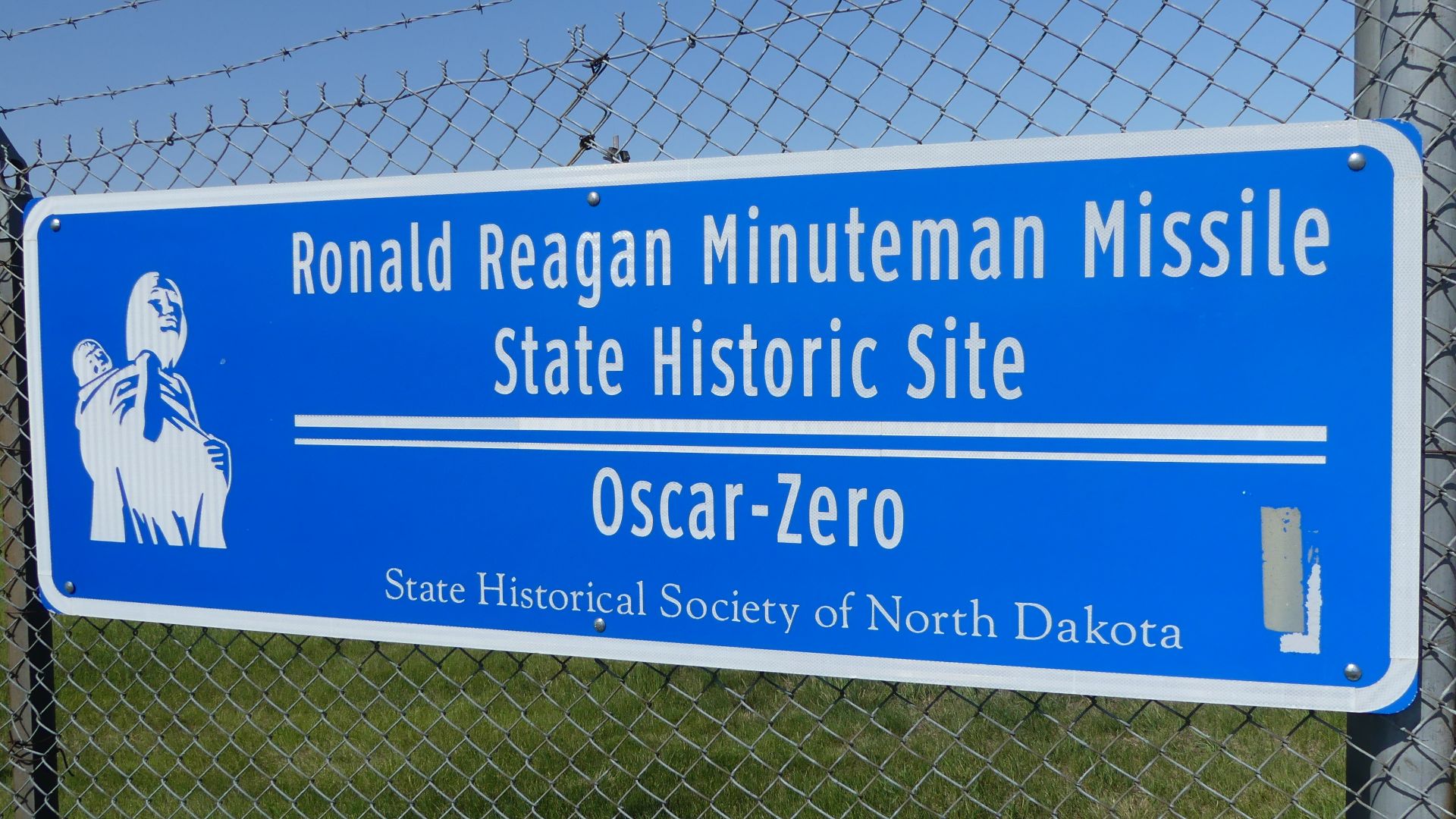
Outside Cooperstown, North Dakota, another preserved missile facility takes visitors into the working world of America's nuclear forces. The Ronald Reagan Minuteman Missile State Historic Site includes two locations with different stories to tell.
Descend Into Oscar-Zero
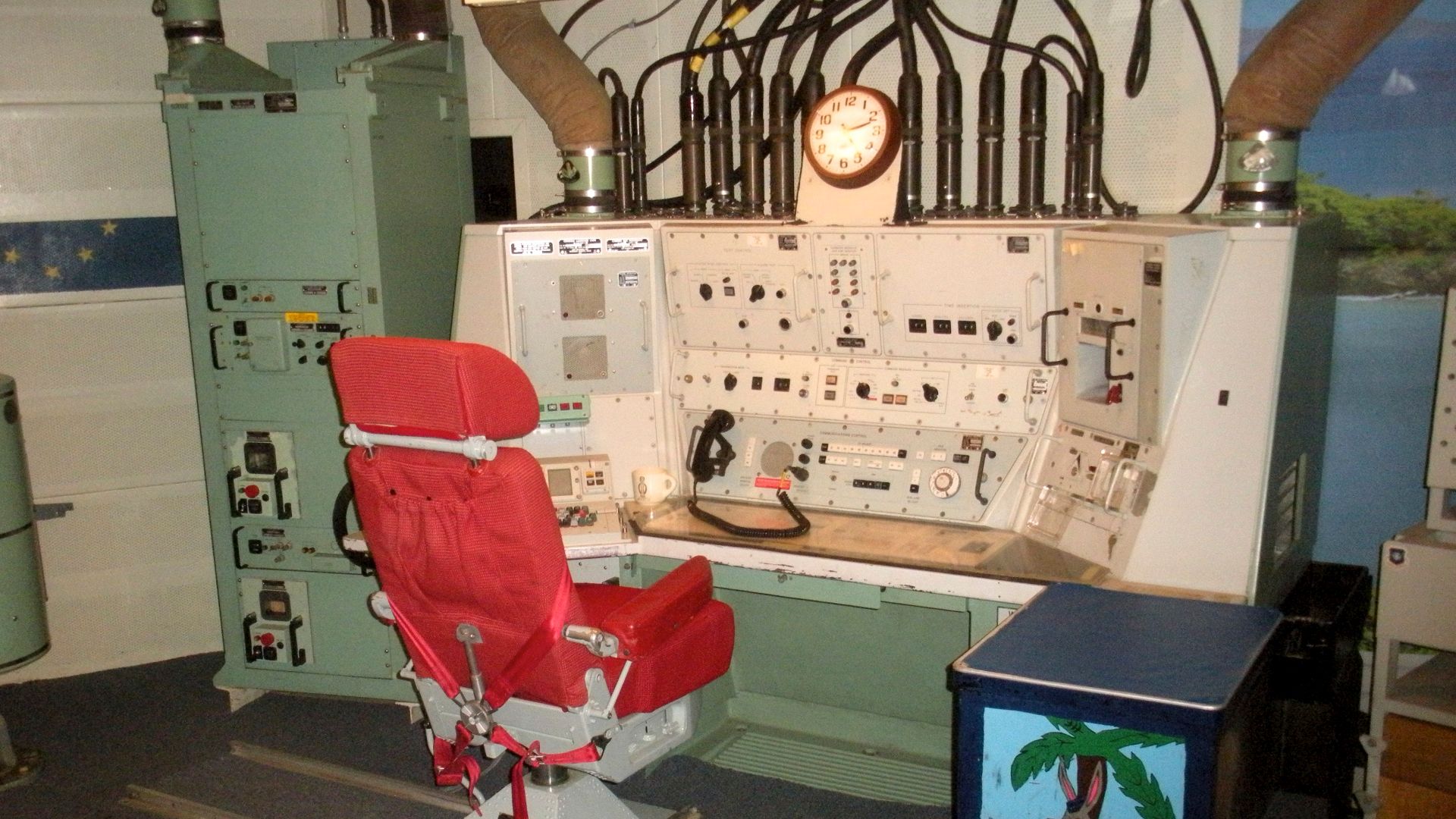
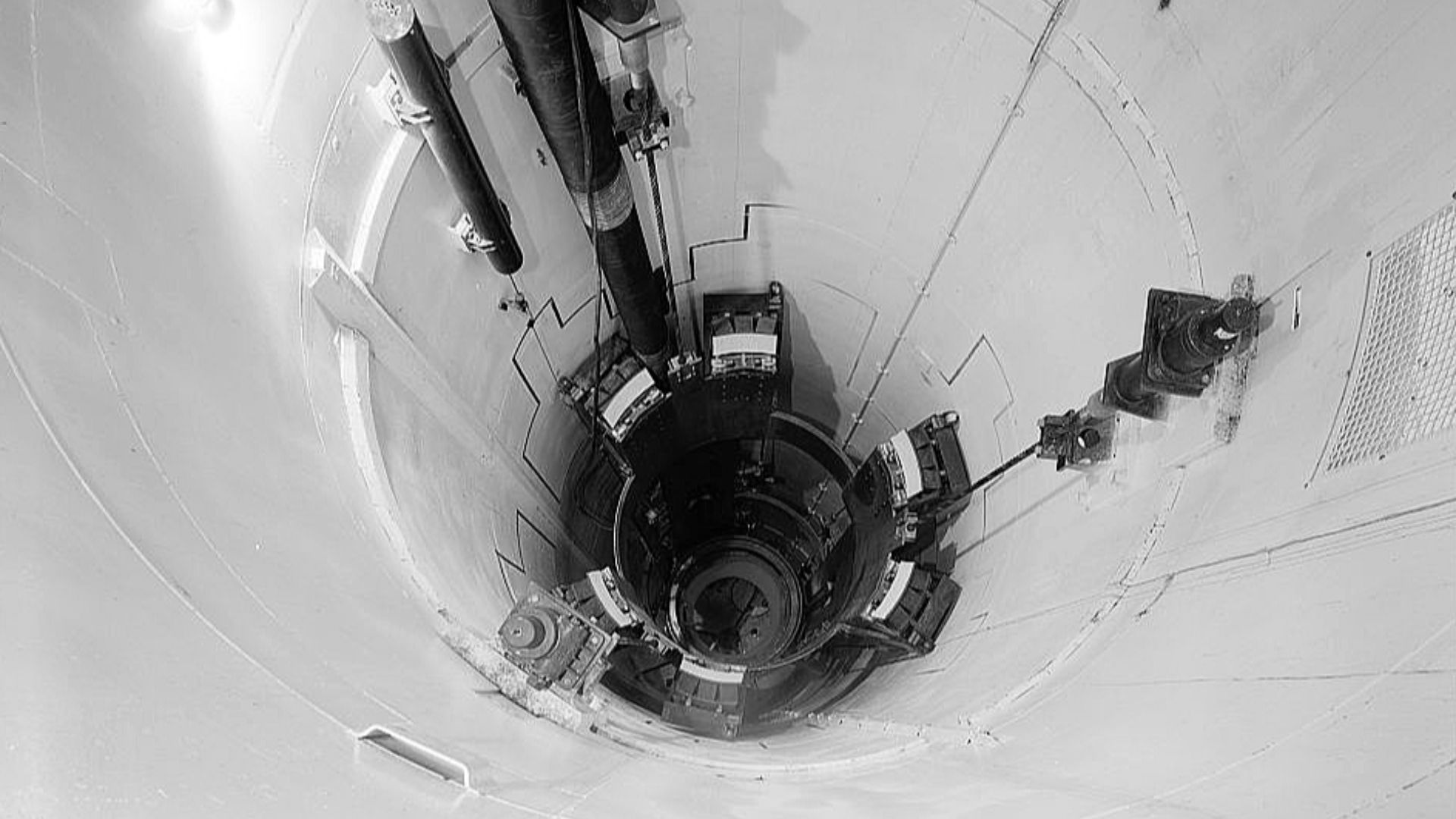
The Oscar-Zero Missile Alert Facility contains original furnishings and equipment from its operational years. Visitors travel approximately 50 feet underground to the launch-control center, where missile crews once spent long shifts monitoring their assigned weapons.
 Chad Kainz from Chicago, USA, Wikimedia Commons
The November-33 Missile Site
A short drive away, November-33 preserves the aboveground remains of a former missile launch facility. Its underground silo has been sealed, but interpretive exhibits explain its Cold War mission. Oscar-Zero tours operate seasonally, with winter visits by appointment.
 Clayton B, Fraser, HABS photographer, Wikimedia Commons
Stanley R. Mickelsen Safeguard Complex, North Dakota
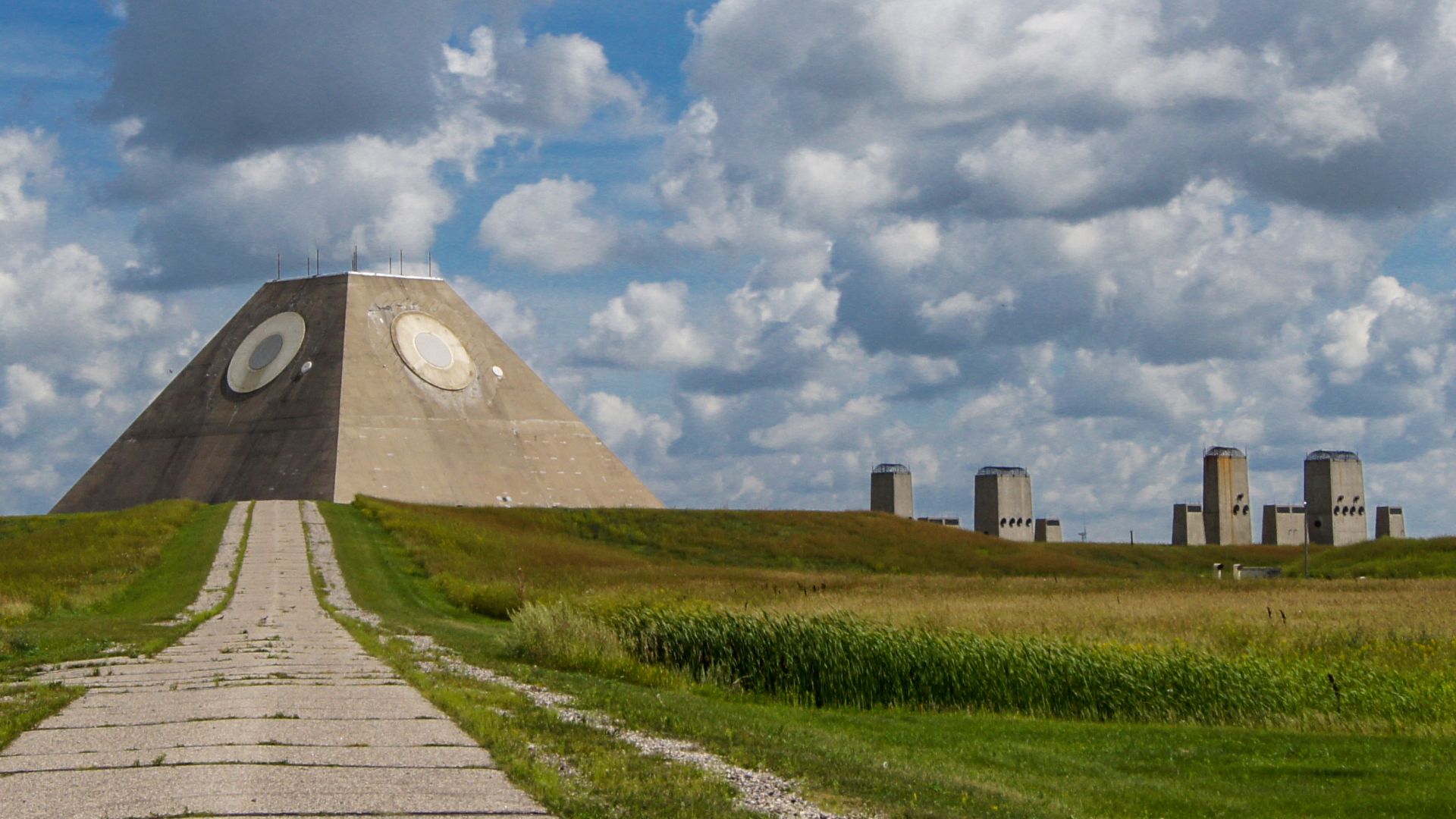
Near Cavalier, North Dakota, the former Stanley R. Mickelsen Safeguard Complex represents a different Cold War strategy. Instead of launching nuclear attacks, its missile-defense system was designed to intercept incoming ballistic missiles.
 Troy Larson and Terry Hinnenkamp, Wikimedia Commons
Beneath The Missile Defense System
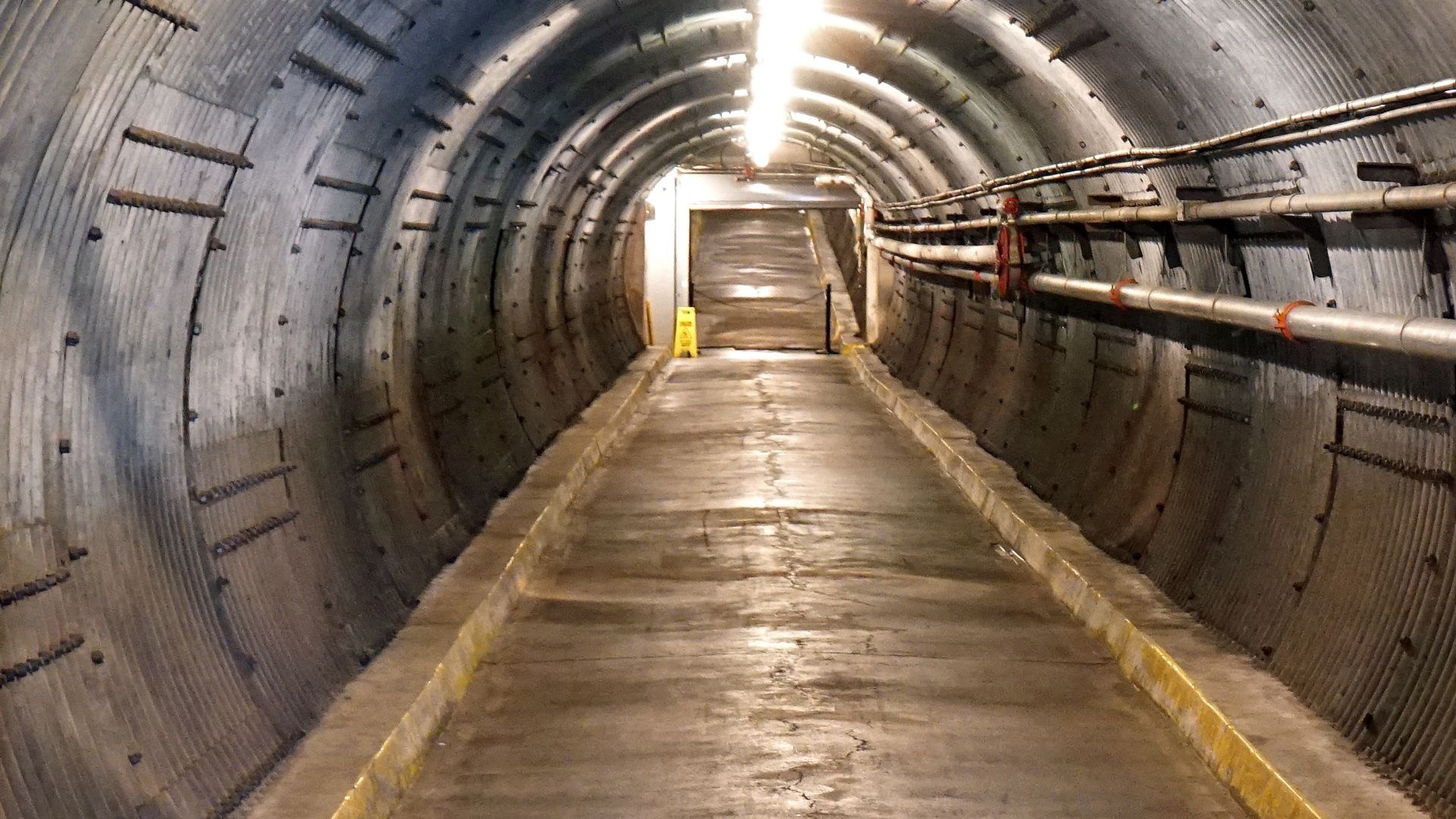
At the former Remote Sprint Launch Site 3, visitors can explore an underground bunker associated with the Safeguard program. Heavy blast doors and fortified passages reveal how the installation was designed to withstand extreme conditions.
 Dennis G. Jarvis, Wikimedia Commons
Visiting The RSL3 Bunker
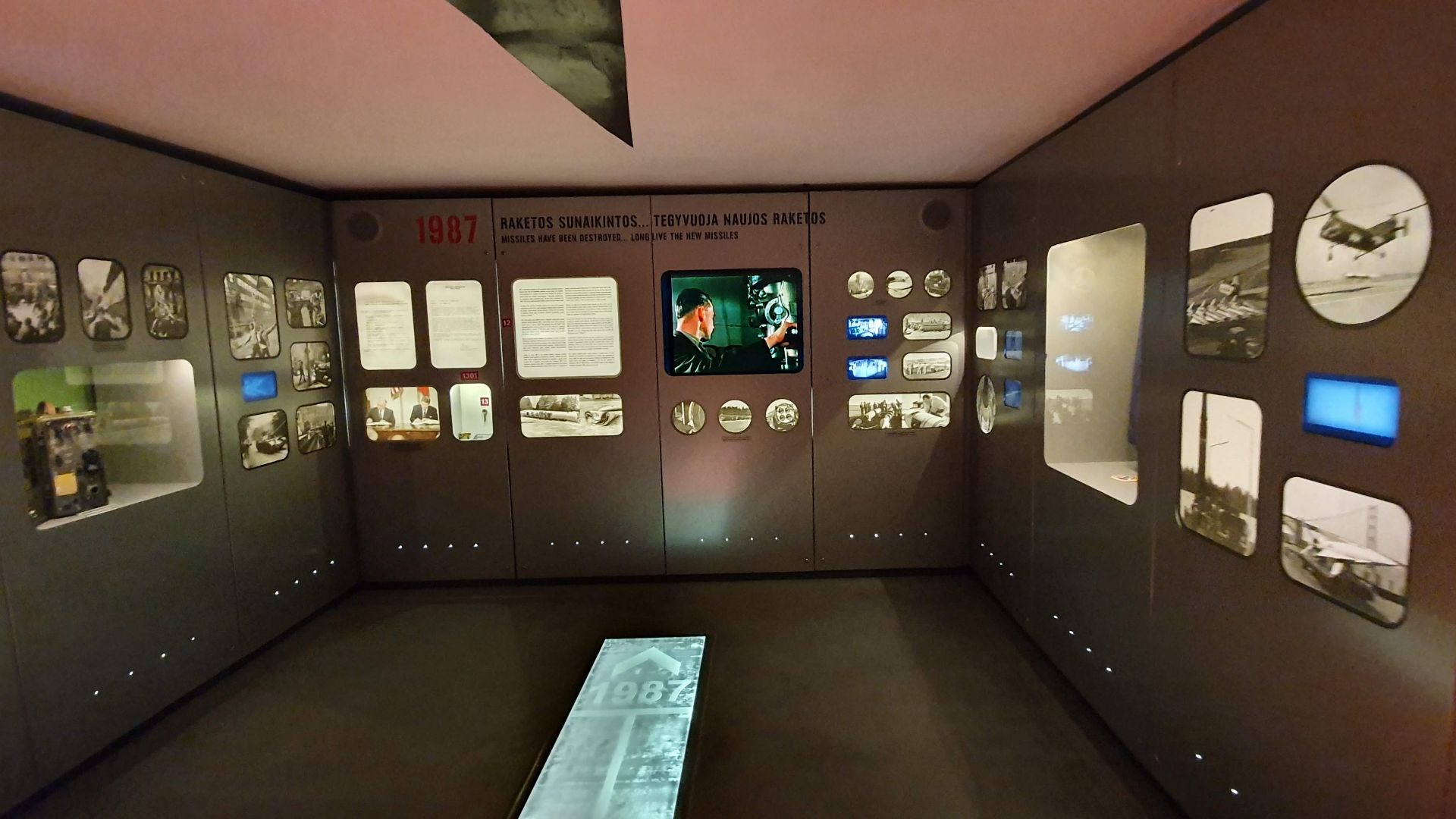
The privately operated historic site offers tours featuring surviving bunker spaces, historical photographs, and former missile facilities. Tours have been advertised for the warmer months, but visitors should contact the operator to confirm availability before making the journey.
 foundin_a_attic, Wikimedia Commons
Nike Missile Site SF-88, California
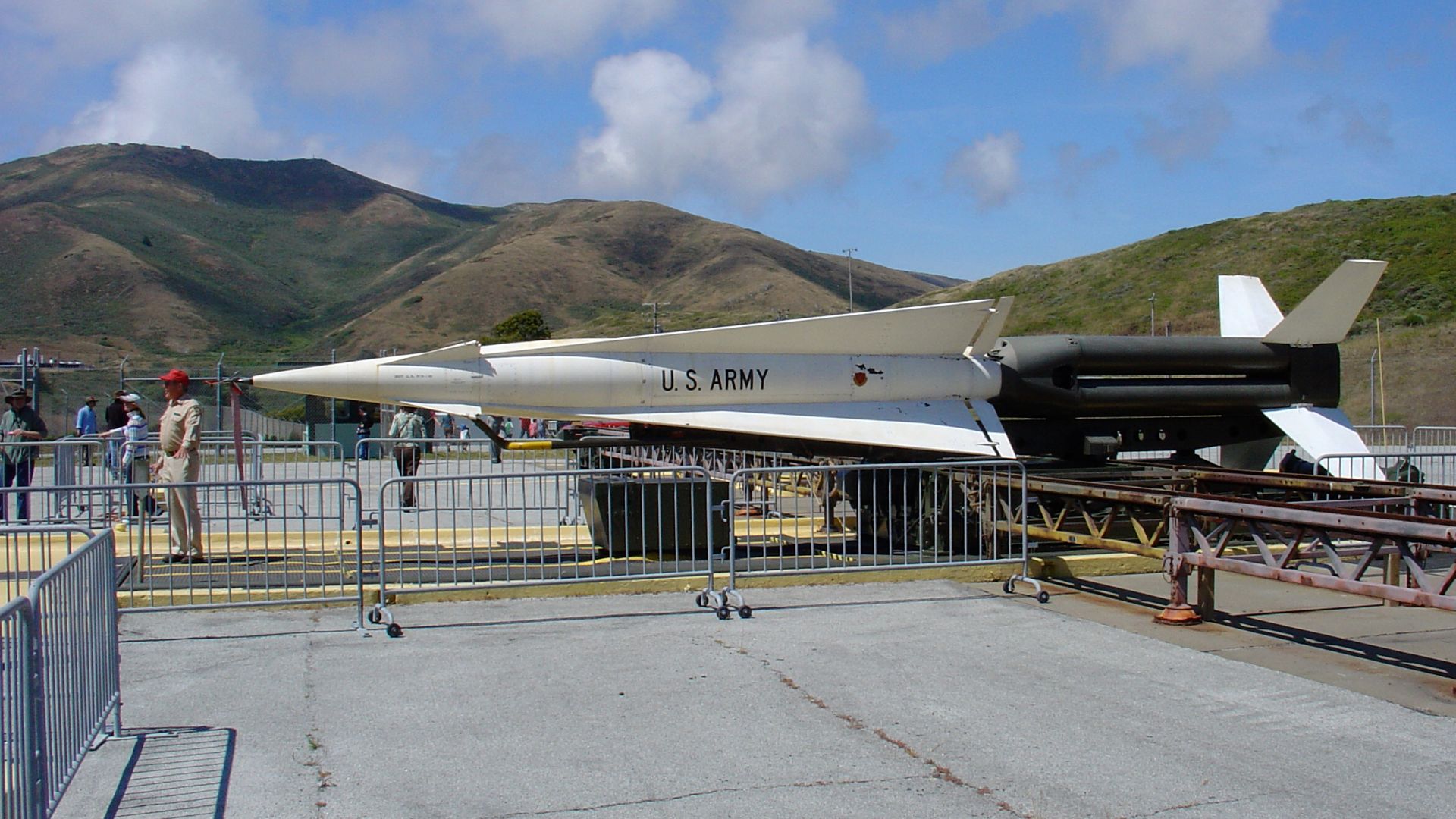
Just north of San Francisco's Golden Gate Bridge, the Nike Missile Site SF-88 recalls the days when American cities prepared for possible Soviet bomber attacks. The installation formed part of a nationwide air-defense network.
 Jeff Keyzer from Austin, TX, USA, Wikimedia Commons
Missiles Beneath The Marin Headlands
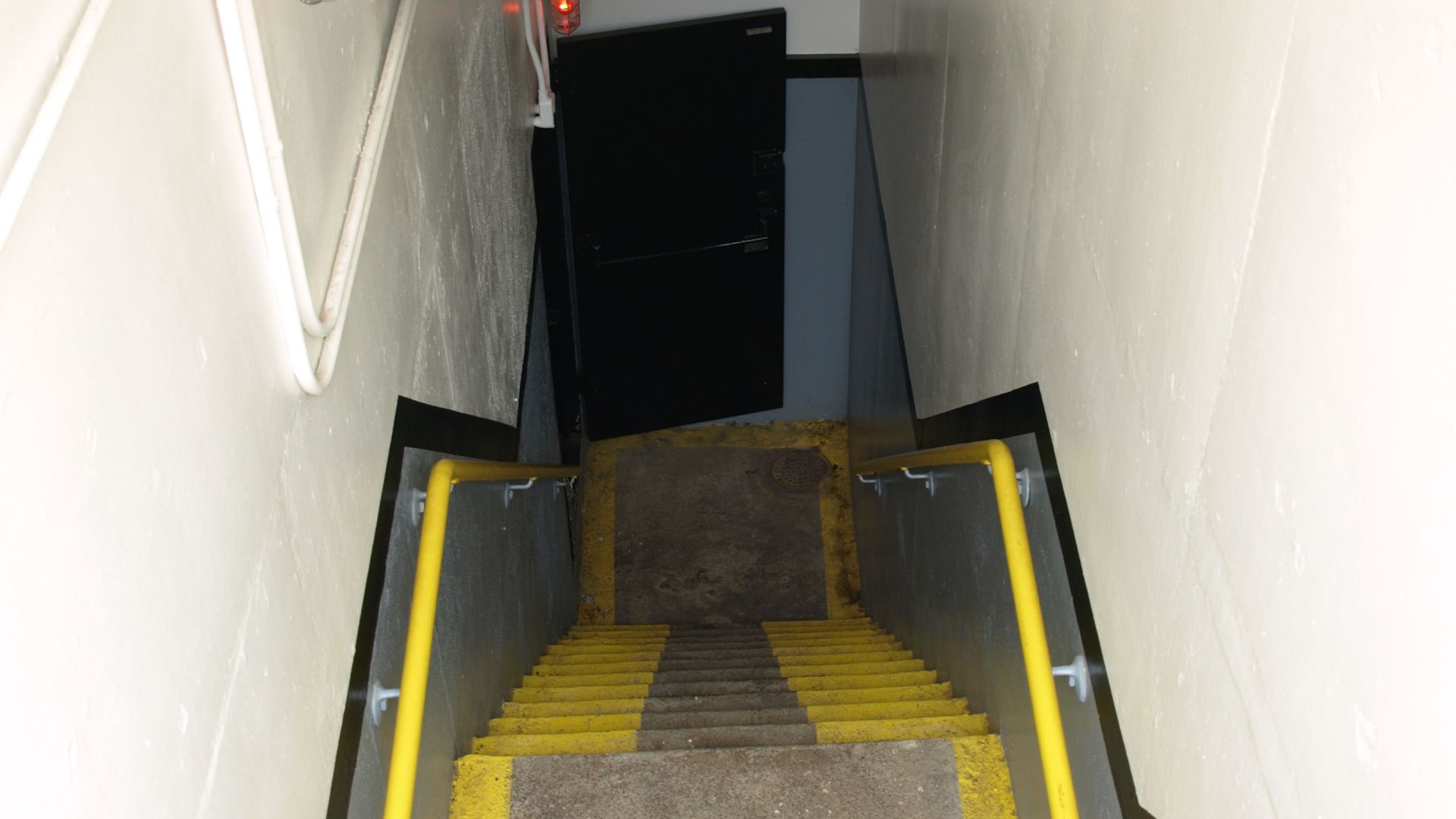
Unlike the long-range missiles housed in underground silos elsewhere, Nike missiles defended specific regions against enemy aircraft. SF-88 preserves the equipment and underground missile-storage system that supported this defensive mission during the Cold War.
 Morten Jensen from Randers, Denmark, Wikimedia Commons
Meet The People Who Served There
The National Park Service hosts public open houses, including opportunities to meet knowledgeable volunteers and former Nike personnel. The published 2026 schedule lists first-Saturday events, making this a memorable stop on a Northern California vacation.

A Different Kind Of Historical Adventure
These former Cold War installations remind us just how seriously North Americans prepared for nuclear conflict. Whether you're exploring a Canadian government shelter or an American missile-control center, each site offers an unforgettable journey into a world once hidden from public view.
 Daniel Case, Wikimedia Commons
You May Also Like: