America's Historic Bathhouses Are Still Making A Splash
Long before luxury spas offered elaborate wellness packages, Americans traveled to natural mineral springs for a restorative soak. Grand bathhouses sprang up around these waters, attracting everyone from wealthy vacationers to ordinary travelers seeking relaxation. Some of those remarkable establishments are still welcoming guests today, offering an opportunity to experience an enduring American vacation tradition.
Buckstaff Bathhouse, Arkansas: A Century Of Soaking
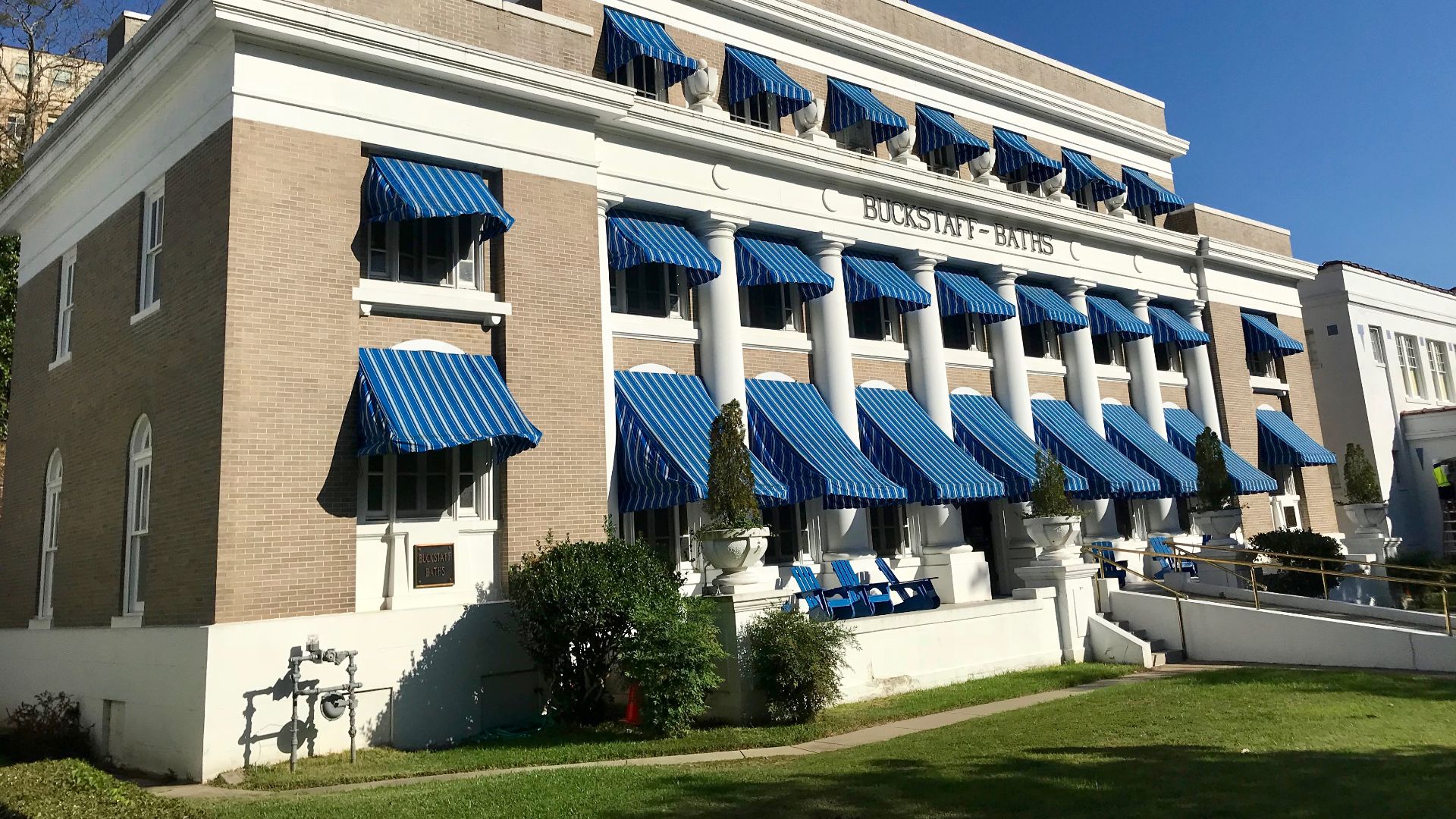
Opened in 1912, the Buckstaff Bathhouse in Hot Springs, Arkansas, has maintained an extraordinary connection to the past. It is the only bathhouse on the city's famous Bathhouse Row that has operated continuously since opening. Visitors can still enjoy traditional bathing treatments using the same natural thermal waters that made the destination famous more than a century ago.
 daveynin from United States, Wikimedia Commons
Buckstaff's Traditional Bathing Ritual Lives On
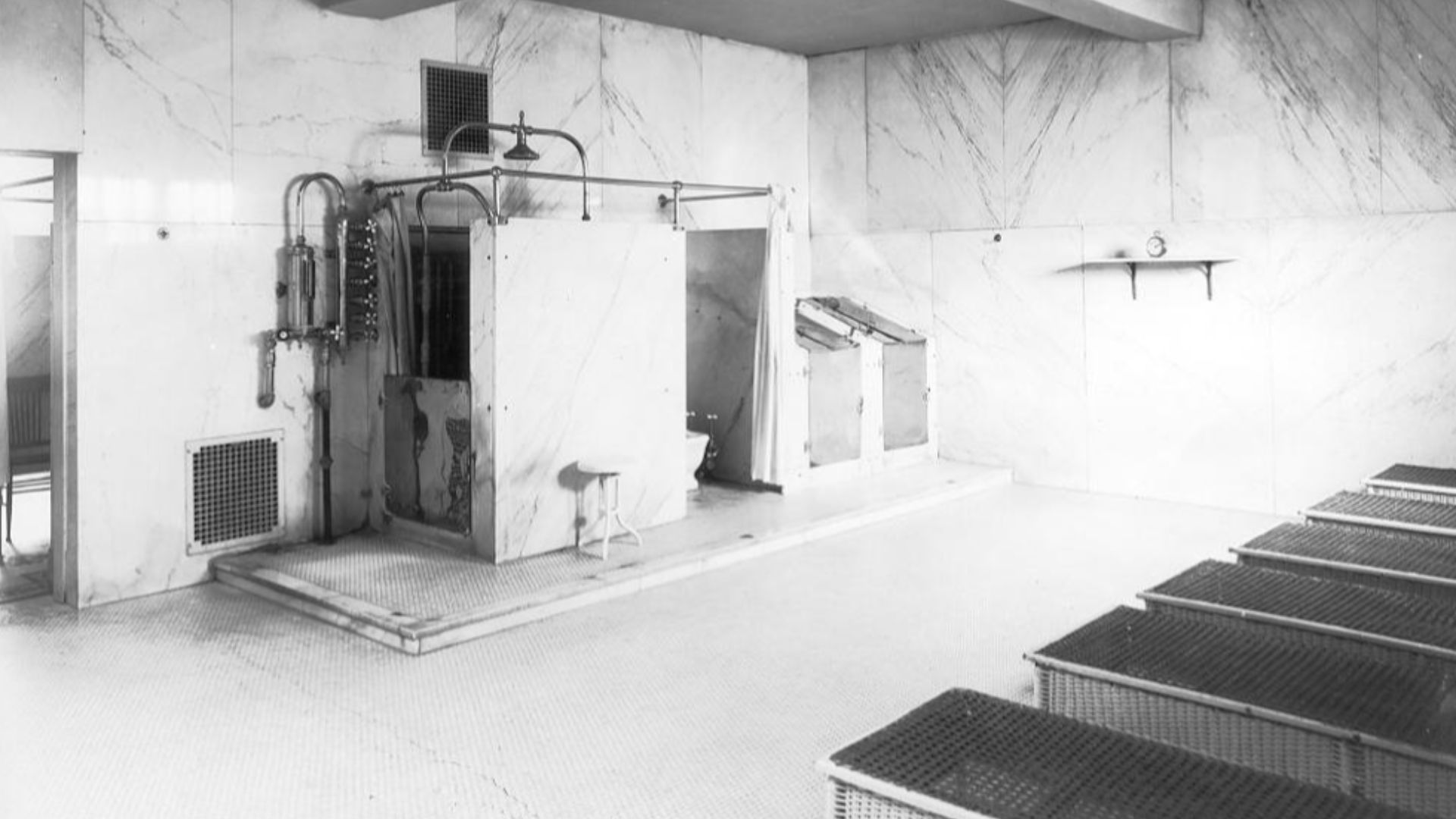
The Buckstaff experience is particularly appealing to travelers curious about historic American spa culture. Rather than focusing on elaborate modern swimming facilities, the bathhouse preserves a more traditional approach to thermal bathing. Its marble interiors, classical architecture, and original elevator help make a visit feel like a journey into the early 20th century.
 National Park Service Picture – Courtesy of Hot Springs National Park Archives, Wikimedia Commons
Quapaw Bathhouse, Arkansas: A Historic Dome With Modern Comforts
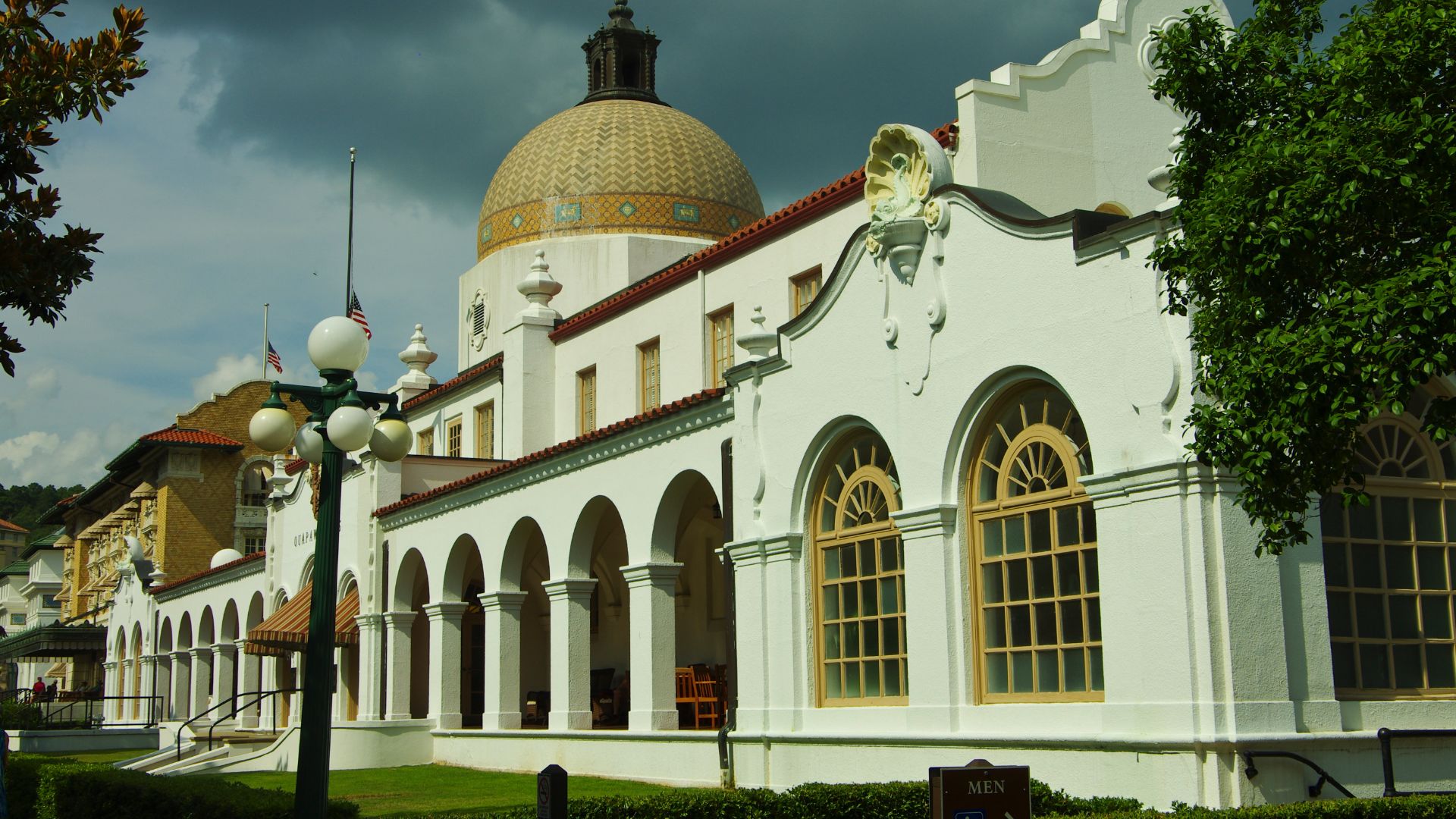
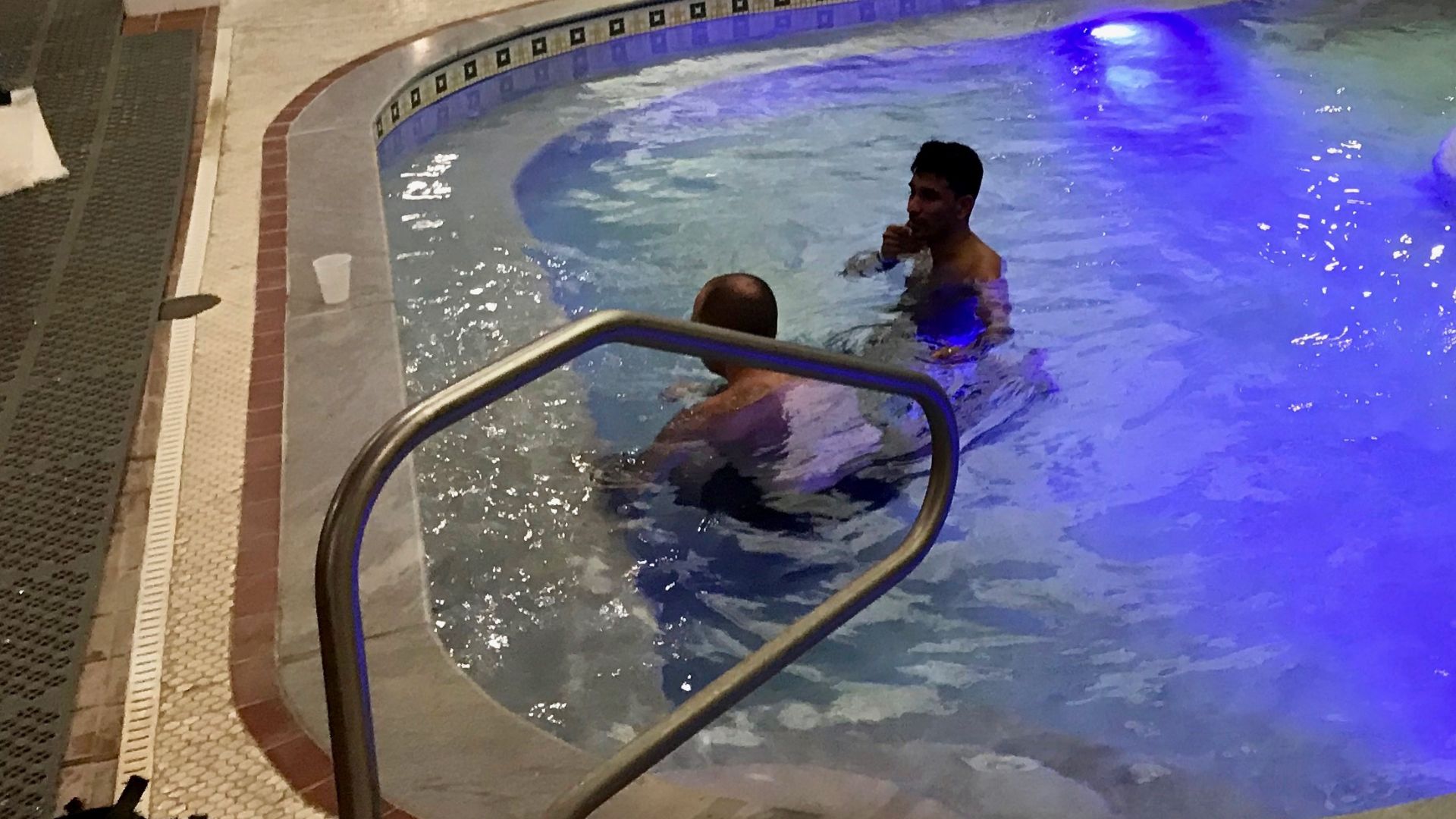
Just a short walk from Buckstaff stands the Quapaw Bathhouse, another remarkable survivor of Hot Springs' bathing heyday. Originally opened in 1922, the building is recognizable for its impressive mosaic-tiled dome. Today, visitors can enjoy mineral-water pools, private baths, and contemporary spa services inside this historic landmark.
Quapaw's Remarkable Second Act
Quapaw's continued existence was hardly guaranteed after it closed in 1984. The building remained vacant for decades before reopening as a spa in June 2008. Its transformation helped demonstrate how historic bathhouses could find new purposes without abandoning their original connection to thermal water. Travelers now have the opportunity to experience a restored landmark while enjoying facilities designed for contemporary visitors.
 daveynin from United States, Wikimedia Commons
Berkeley Springs, West Virginia: America's Colonial-Era Spa
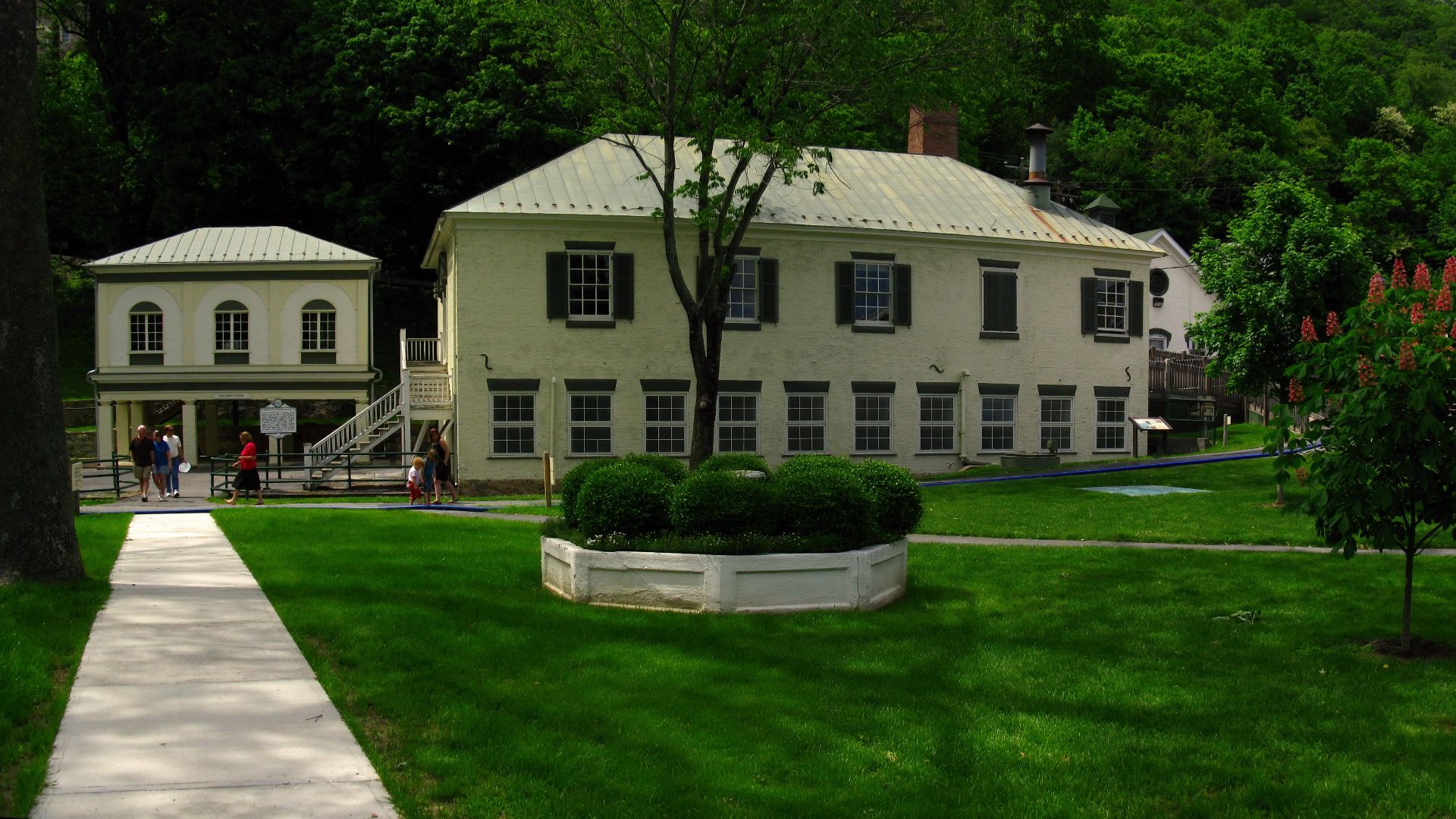
Berkeley Springs has attracted visitors to its warm mineral waters since well before the United States became independent. Indigenous peoples knew the springs long before European settlers established a resort community around them. Today, Berkeley Springs State Park preserves this remarkable bathing tradition, with historic facilities offering mineral baths and spa treatments in the center of town.
 Andrew Bossi, Wikimedia Commons
The Old Roman Bathhouse Dates Back To 1815
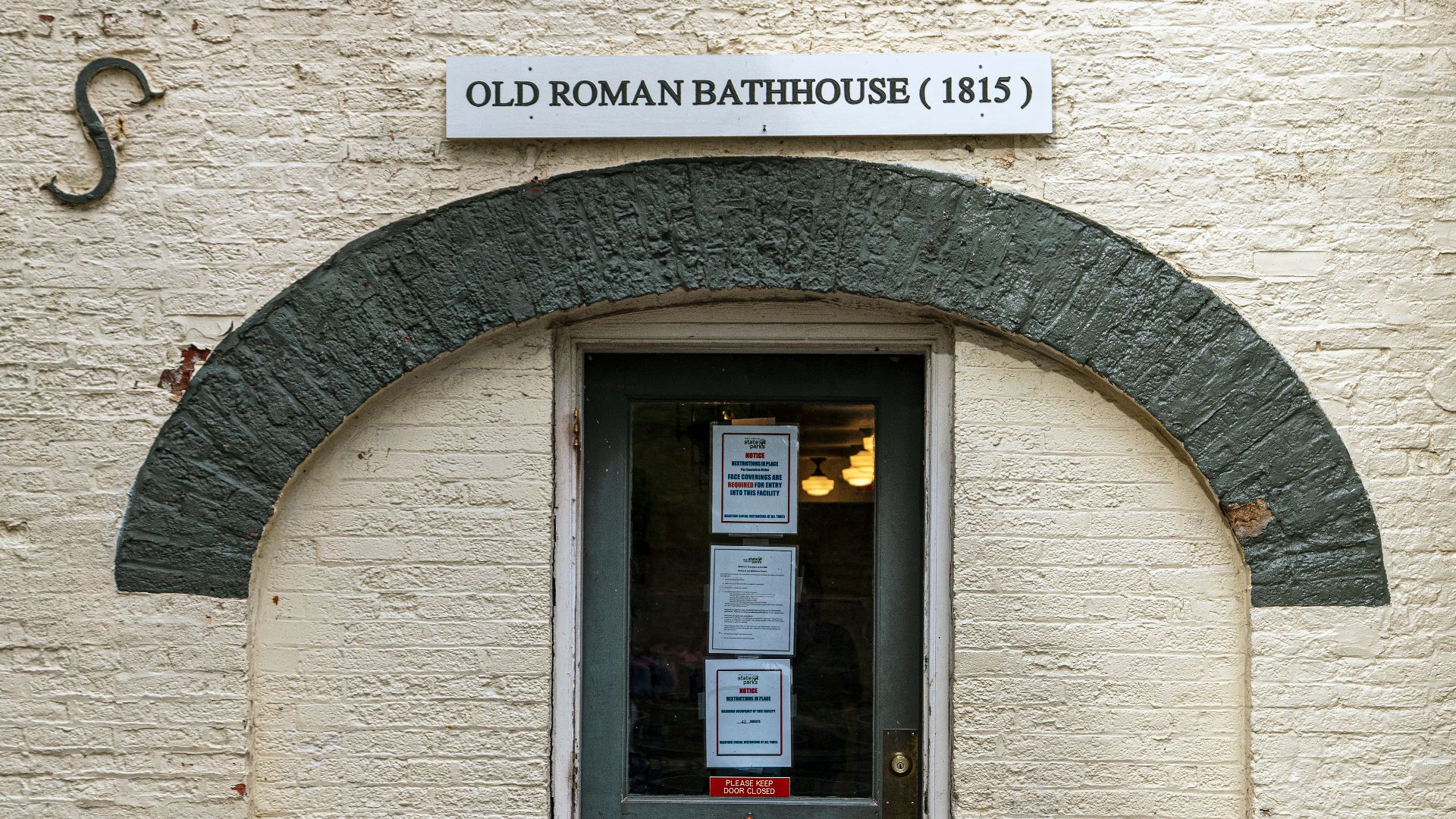
The Old Roman Bathhouse is one of Berkeley Springs' most fascinating historic attractions. Built in 1815, the structure remains in use for mineral bathing more than two centuries later. Visitors can reserve private baths containing approximately 750 gallons of spring water heated to around 102 degrees Fahrenheit. The experience offers a rare opportunity to bathe inside a building that has served generations of American travelers.
George Washington Helped Make These Springs Famous
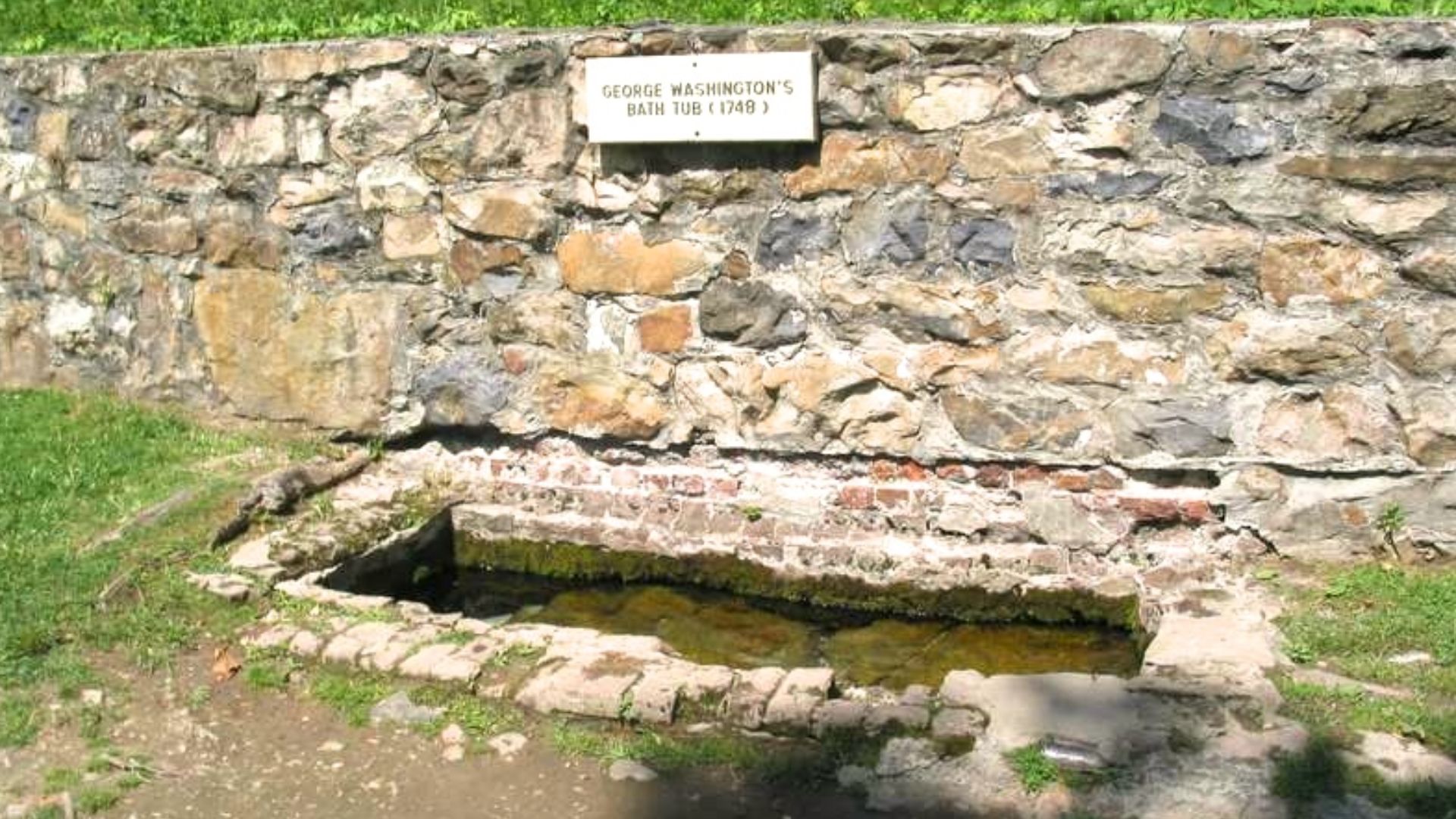
Berkeley Springs has a presidential connection that makes its history especially interesting. George Washington first visited the springs in 1748 while working as a young surveyor, and he returned on later occasions. Visitors can see a stone bathing area known as George Washington's Bathtub, which commemorates his association with the springs. The park also maintains a museum exploring the town's long relationship with mineral-water tourism.
 Warfieldian, Wikimedia Commons
The Main Bathhouse Offers Another Way To Unwind
Travelers looking for a wider selection of treatments can visit the Main Bathhouse at Berkeley Springs State Park. The facility offers mineral baths, massages, and additional spa services in a historic resort setting. Natural spring water emerges at approximately 74.3 degrees Fahrenheit before being heated for certain bathing treatments. Unlike many private luxury resorts, the surrounding state park is open to the public without an entrance fee.

Glenwood Hot Springs, Colorado: A Grand Victorian-Era Retreat
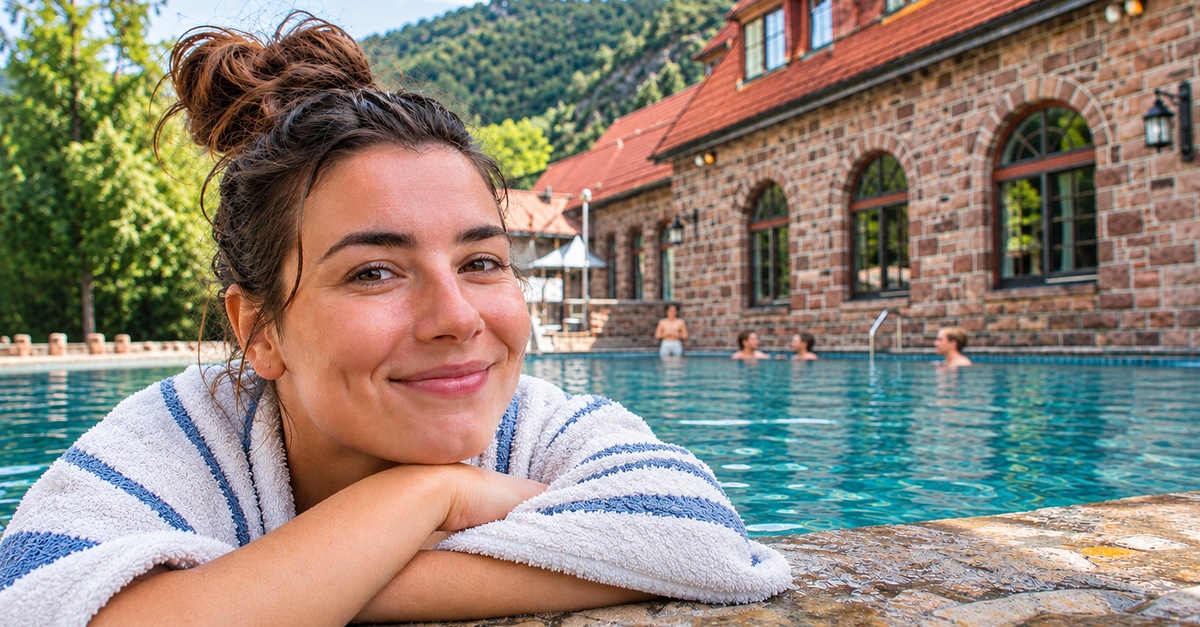
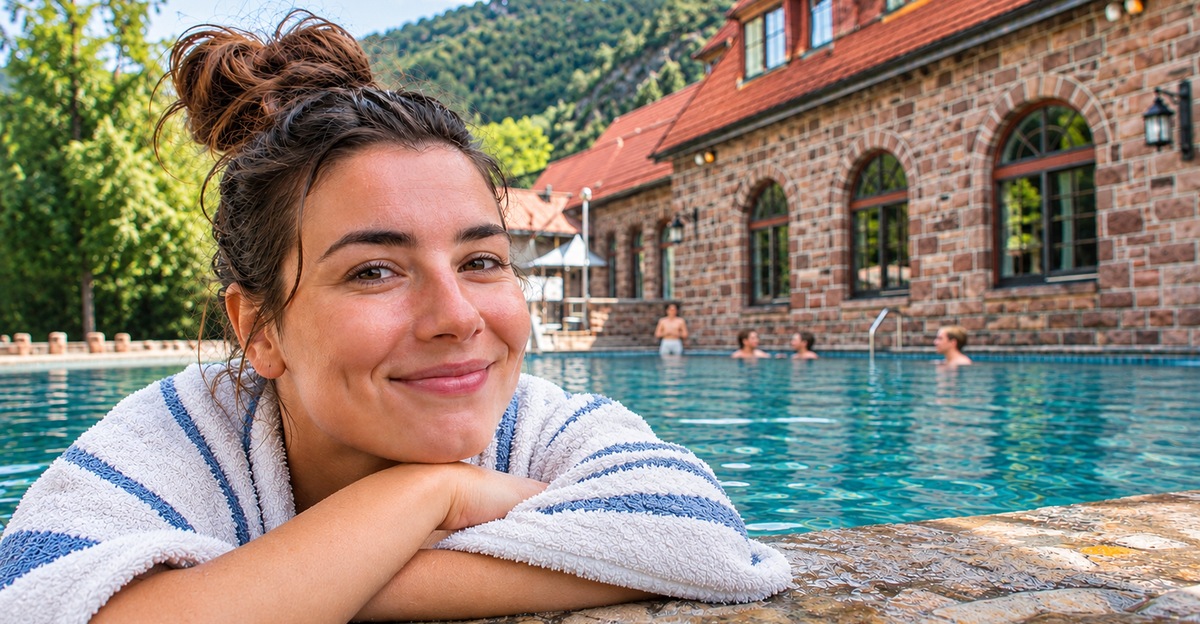
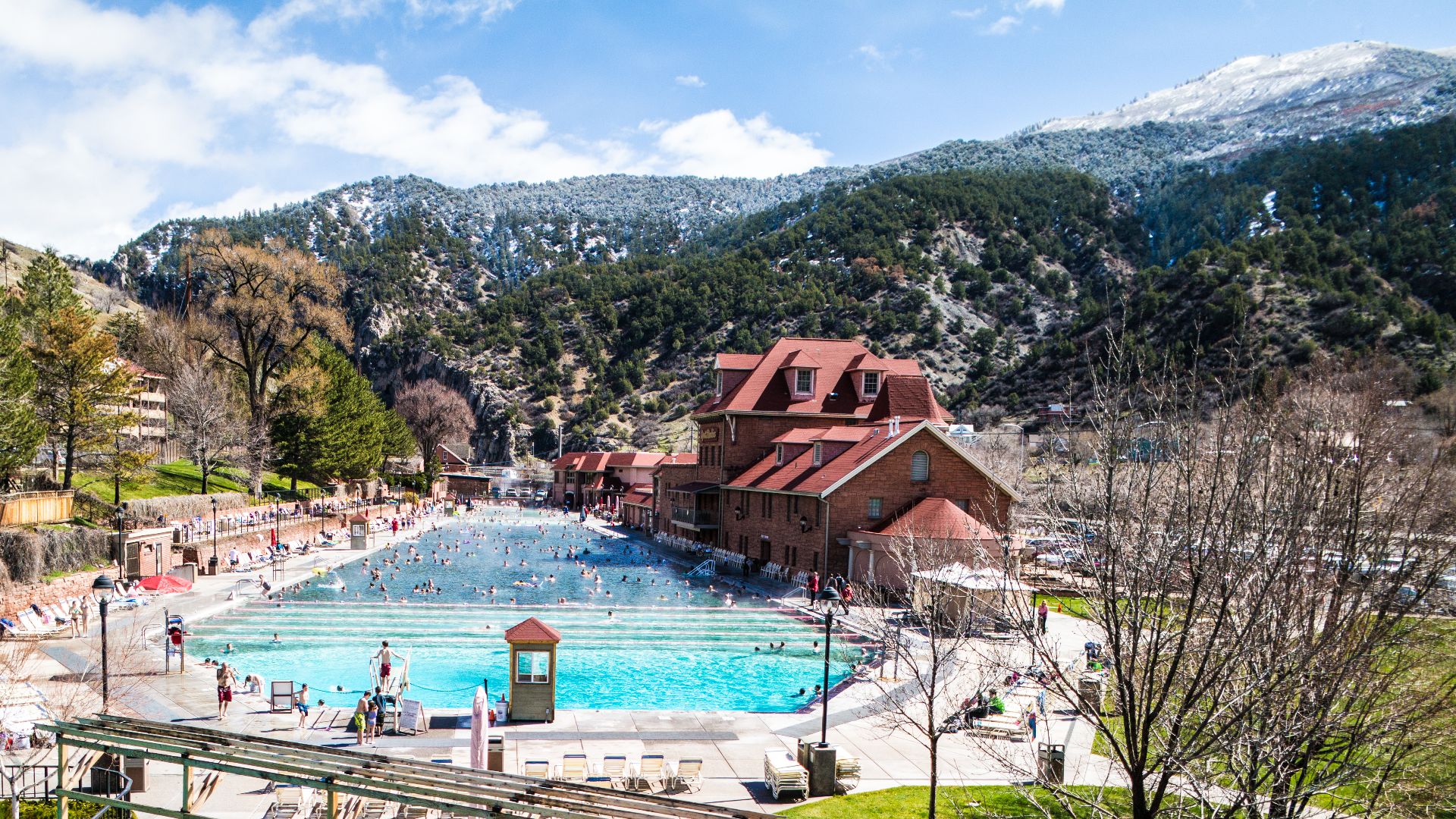
Glenwood Hot Springs Resort opened on July 4, 1888, during an era when mineral-water destinations were becoming fashionable American vacation spots. Its enormous outdoor swimming pool quickly became the centerpiece of a resort inspired by European spa traditions. The surrounding Rocky Mountain scenery made the experience even more appealing to travelers arriving in Colorado. Today, guests can still swim and soak in naturally heated mineral water at the historic property.
 Jason Cipriani from Pueblo, CO, USA, Wikimedia Commons
Glenwood's Stone Bath House Was Built For Luxury
The resort's original Stone Bath House was designed by Austrian-born architect Theodore von Rosenberg and constructed using local sandstone. Its elaborate facilities included private Roman-style baths, reading rooms, and separate social spaces for men and women. Wealthy guests could also enjoy amenities such as a casino and billiard parlor. The building reflected the considerable importance Americans once placed on fashionable spa vacations.
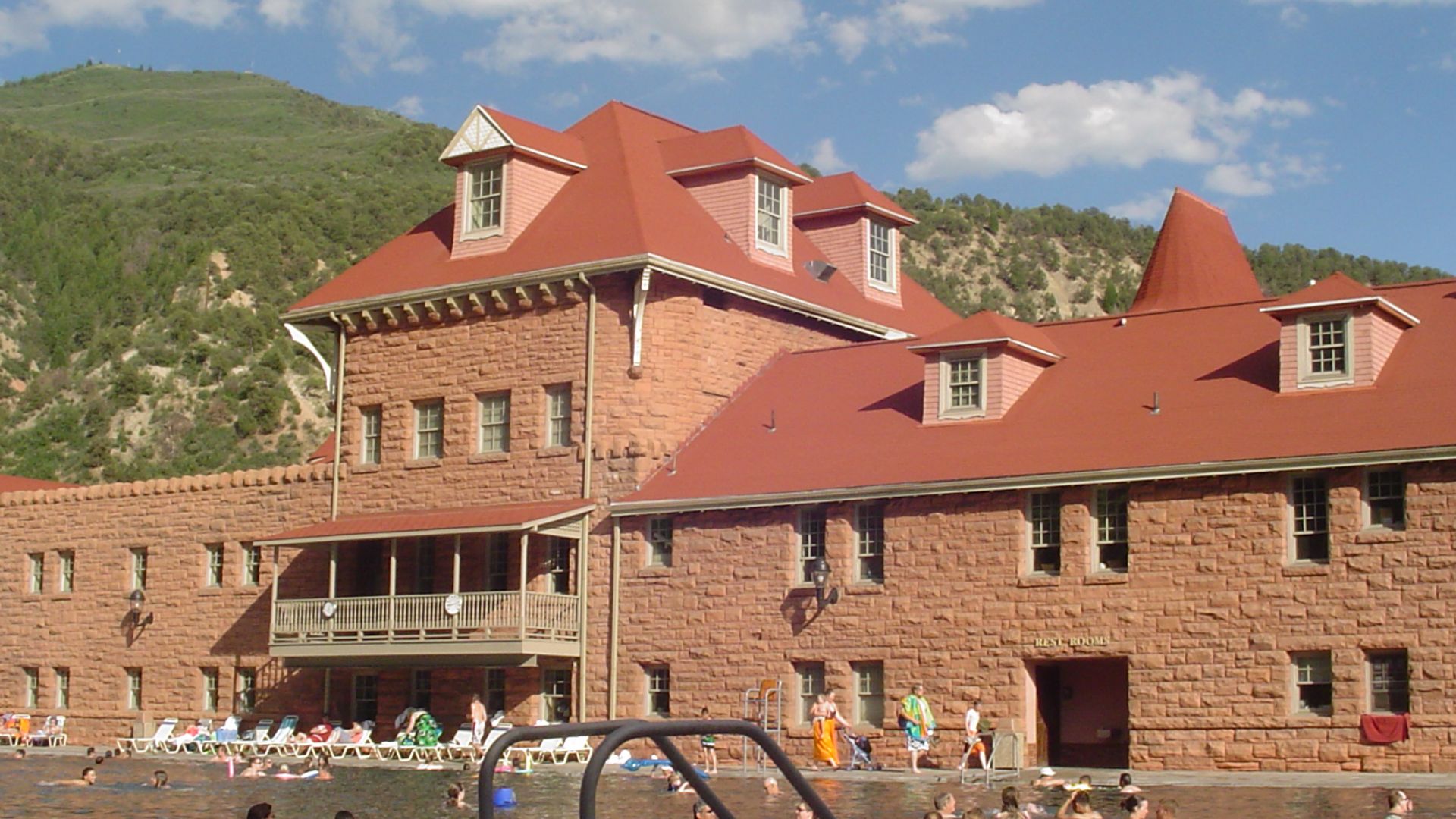 Jimbo Herndan at English Wikipedia, Wikimedia Commons
Hotel 1888 Gives The Old Bathhouse New Life
One of Glenwood Hot Springs' most interesting recent developments is the transformation of its historic Stone Bath House into Hotel 1888. The boutique hotel opened in June 2025 with 16 guest rooms inside the landmark building. Guests can enjoy modern accommodations while remaining close to the resort's geothermal pools. Although the old private bathing rooms no longer operate in their original form, the historic structure continues to welcome travelers.
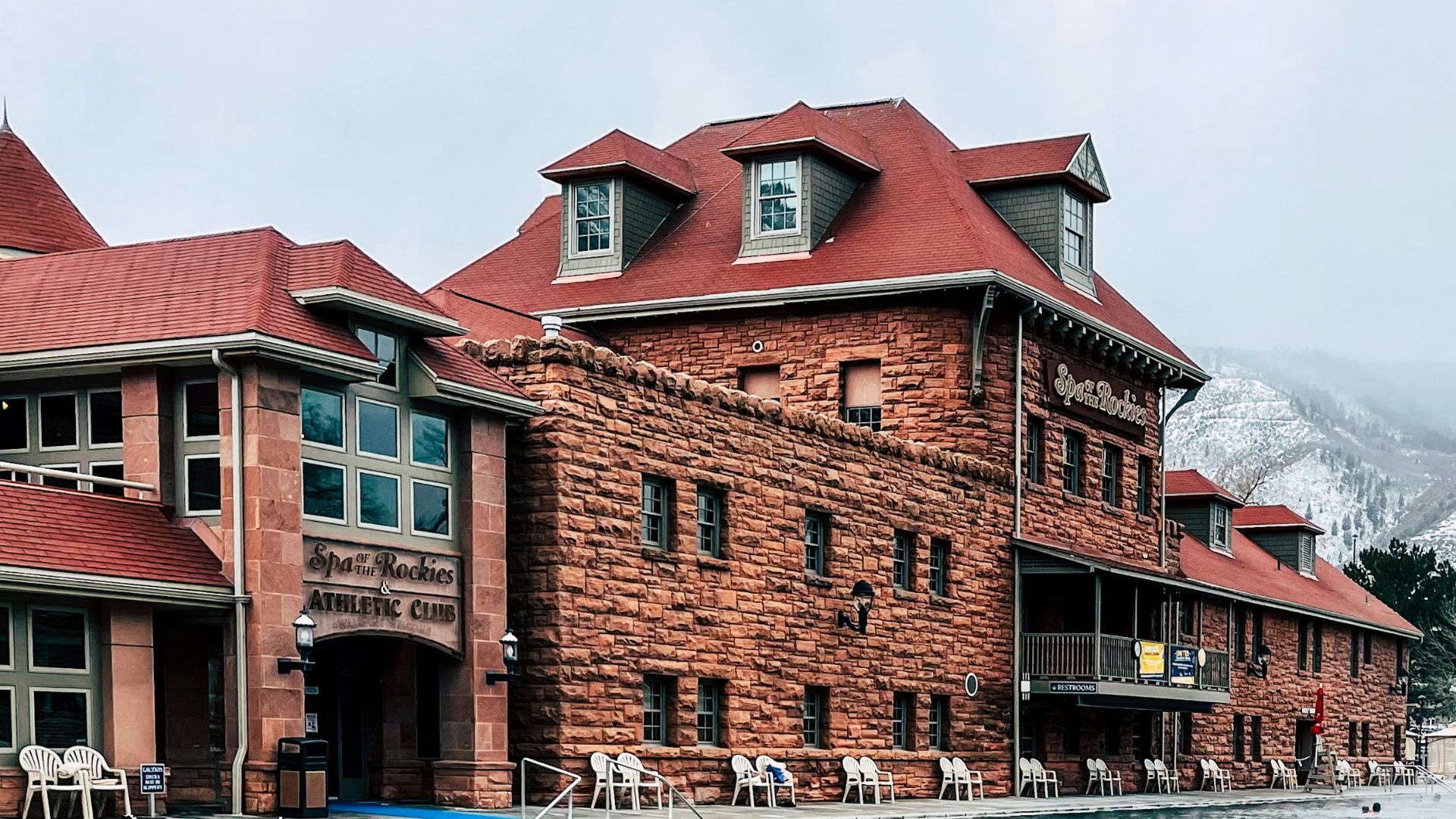
Glenwood's Mineral Pools Remain The Main Attraction
The resort's Grand Pool and Therapy Pool connect modern visitors with the property's original bathing tradition. Guests can enjoy naturally heated mineral water while taking in the surrounding mountain scenery. Additional soaking opportunities arrived with the opening of the Yampah Mineral Baths in 2024. Together, these facilities demonstrate how an established historic resort can expand without losing its connection to the springs.
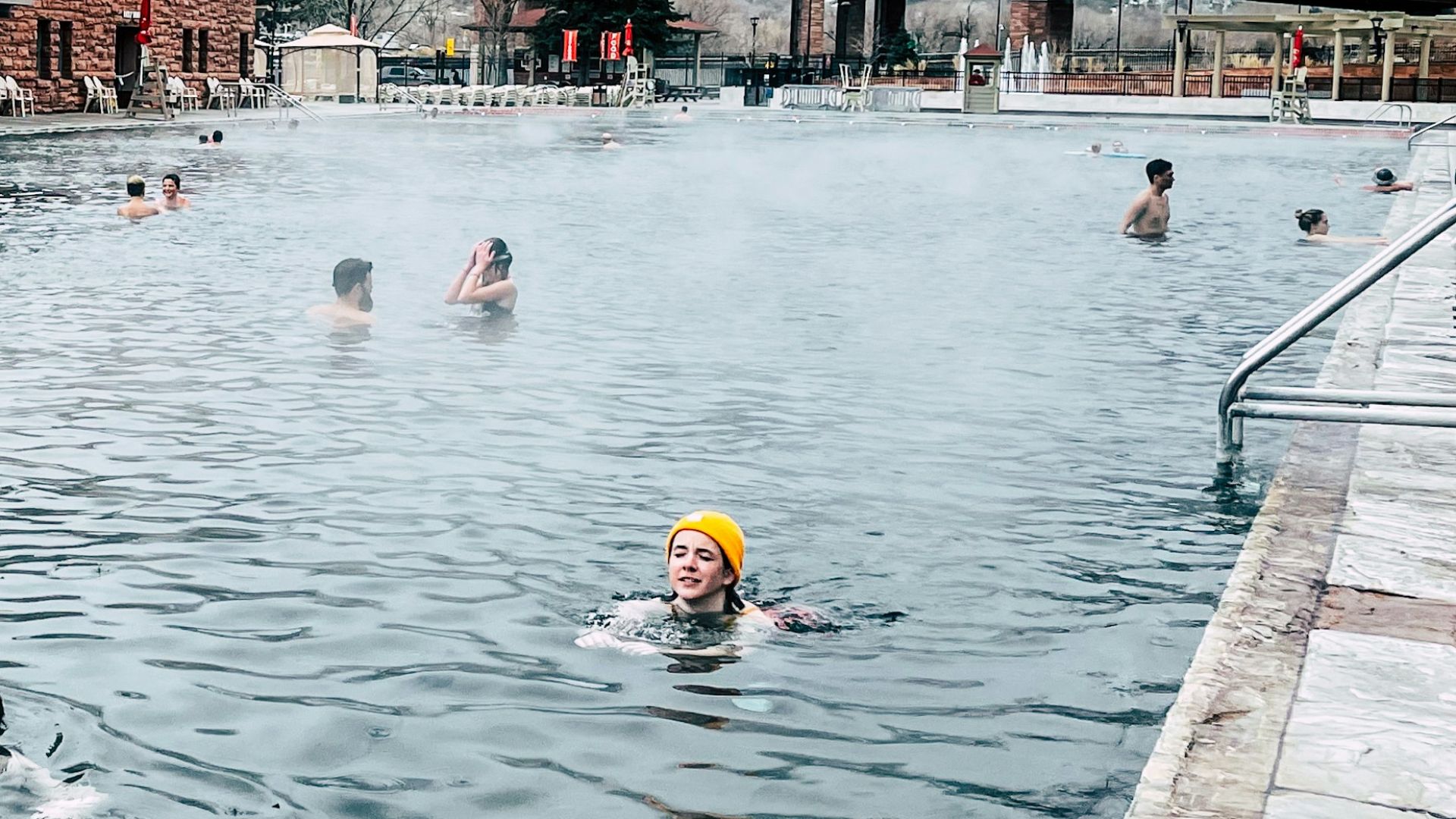
Indian Hot Springs, Colorado: Underground Bathing With A Historic Twist
Indian Hot Springs in Idaho Springs offers another glimpse into Colorado's long history of mineral-water tourism. Commercial bathing at the springs dates to the 1860s, and the resort retains guest rooms in a building constructed in 1905. Visitors can choose from several mineral-water experiences, including an indoor pool, private baths, and geothermal caves. Its combination of historic accommodations and unusual bathing facilities makes it especially interesting for travelers seeking something beyond a conventional spa.
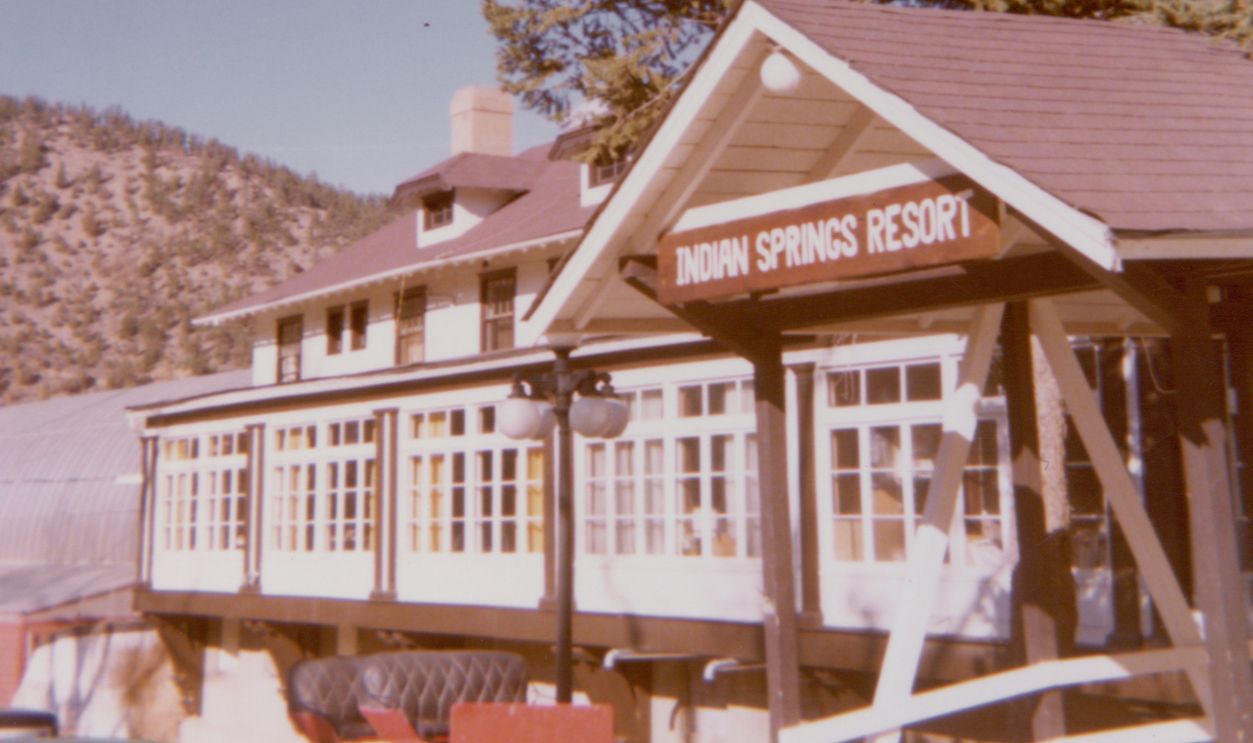
The Geothermal Caves Offer A Different Kind Of Experience
Unlike an ordinary hot tub, Indian Hot Springs' geothermal caves offer a distinctive underground bathing environment. The resort also operates private mineral baths for visitors who prefer a more secluded experience. Its indoor mineral pool is available to both overnight guests and day visitors, making a lengthy stay unnecessary. Travelers should check the resort's current reservation requirements and swimsuit policies before arriving.
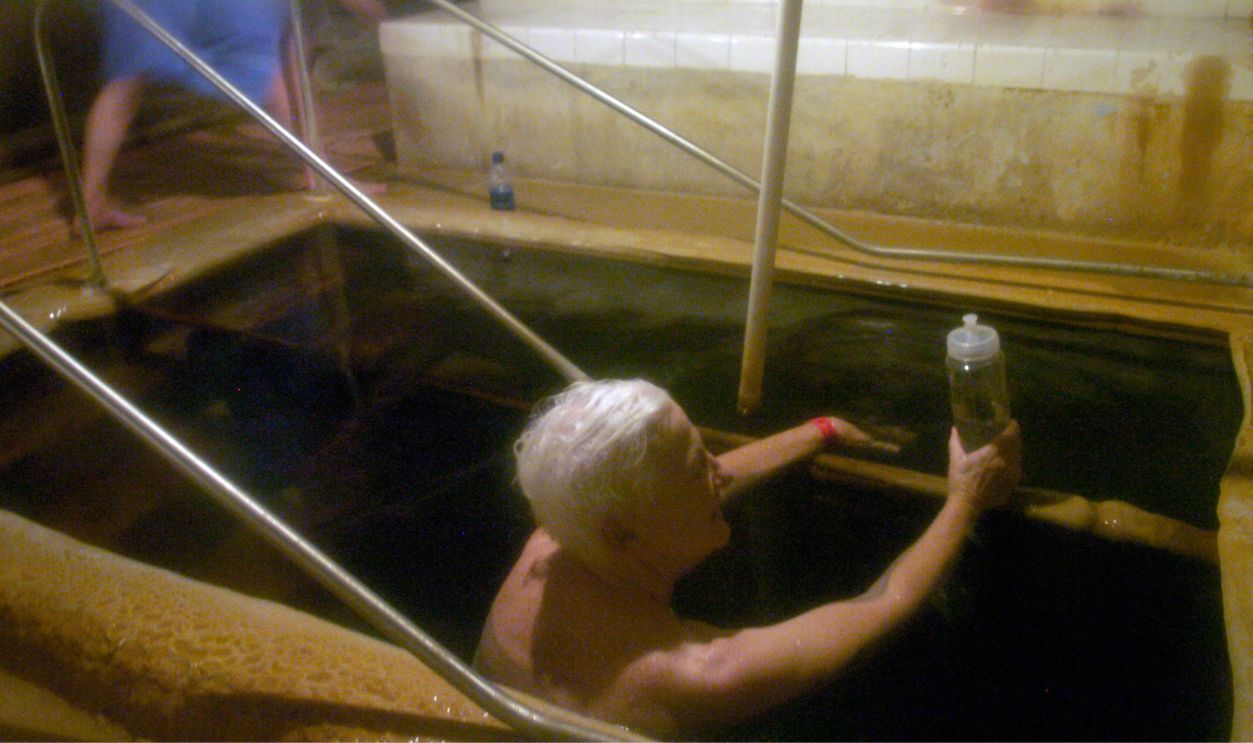
Wiesbaden Hot Springs, Colorado: A Hidden Ouray Retreat
In the mountain town of Ouray, the historic Wiesbaden Hot Springs Spa & Lodgings offers an intimate alternative to larger mineral-water resorts. The property features naturally flowing hot springs, an outdoor soaking pool, and a geothermal vapor cave. Guests can also reserve the private Lorelei soaking facility for a more secluded experience. Its historic lodging buildings and mountain surroundings give the property a character quite different from a modern wellness hotel.
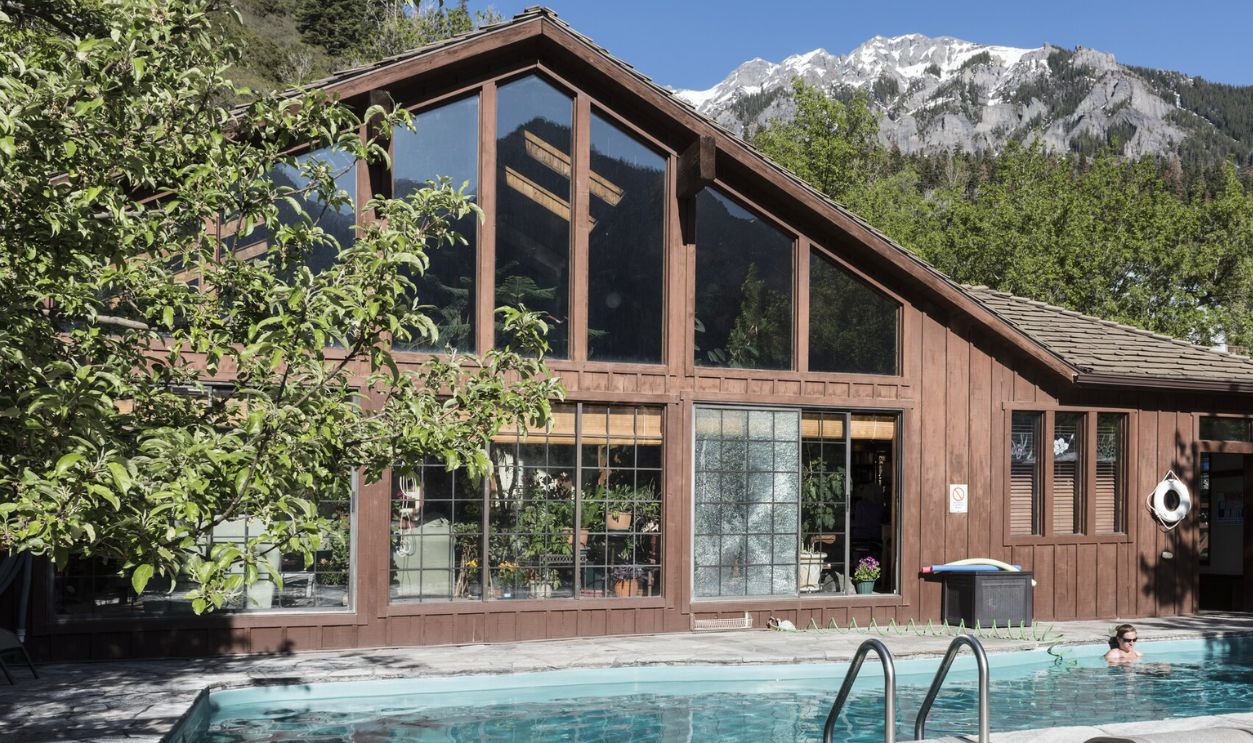 Carol M. Highsmith, Wikimedia Commons
Wiesbaden's Vapor Cave Is The Real Curiosity
The most distinctive feature of Wiesbaden is its natural vapor cave, where geothermal heat creates a steam-bathing environment. Visitors can combine that experience with soaking in the property's outdoor mineral-water pool. The resort's private Lorelei facility provides another option for travelers who want a quieter visit. Together, these attractions make Wiesbaden an appealing stop for anyone interested in traditional hot-springs bathing.
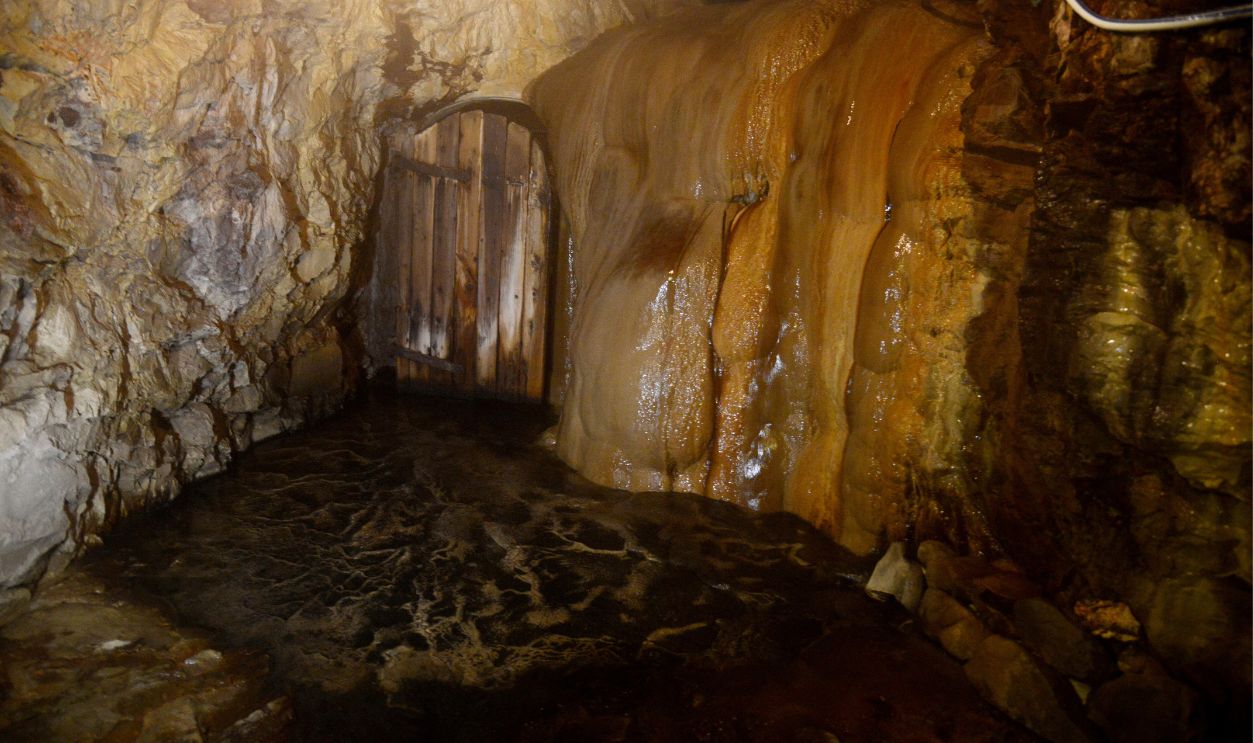
Carson Hot Springs, Nevada: A Soaking Tradition From The Frontier
Carson Hot Springs has been part of Nevada's bathing culture for more than 150 years. Indigenous peoples used the springs before settlers traveling west encountered the waters during the 19th century. The mineral water emerges from the ground at approximately 121 degrees Fahrenheit before being cooled for bathing. Today, visitors can enjoy outdoor mineral pools and private soaking baths at this longstanding Carson City destination.
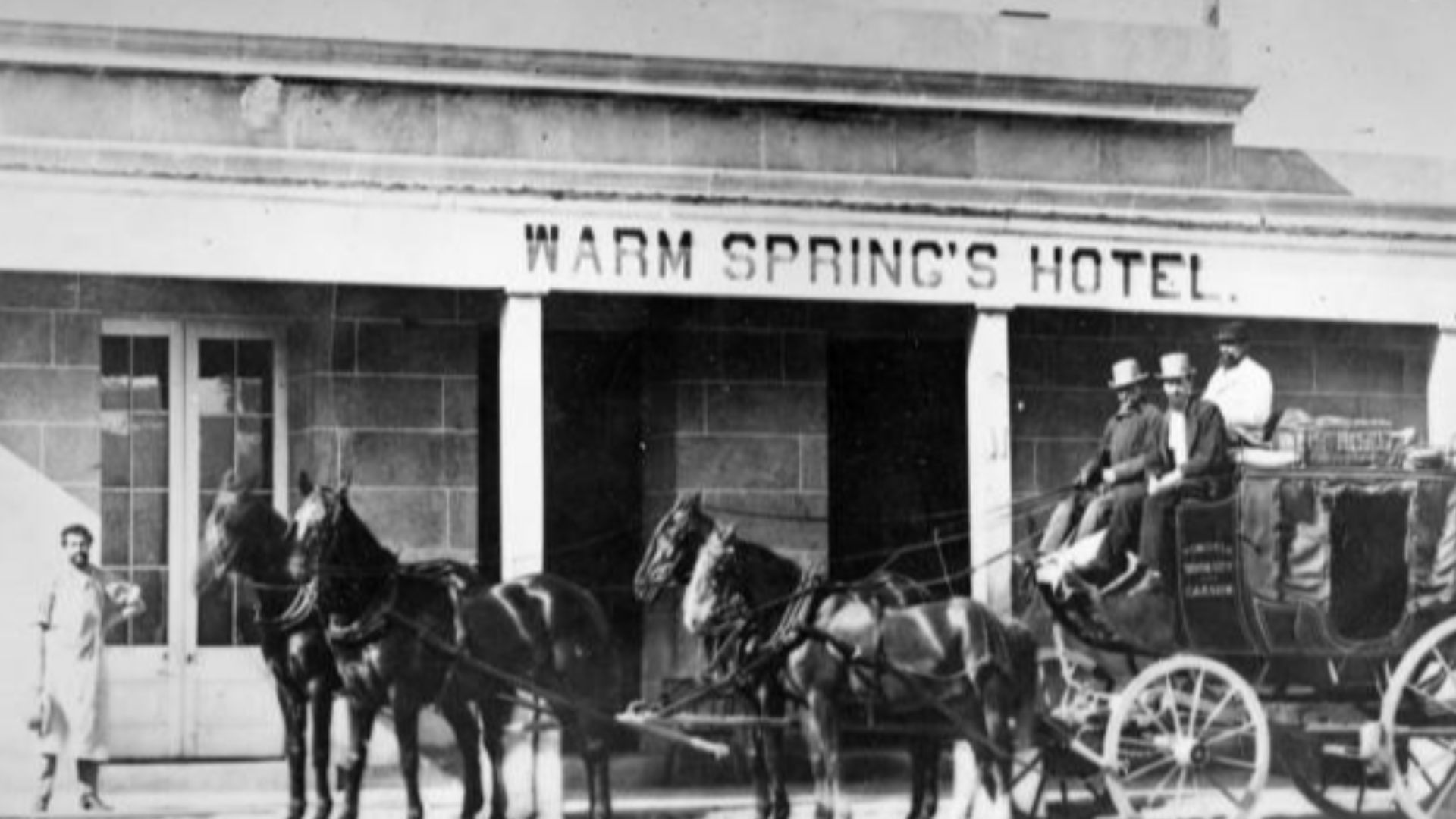 Unknown authorUnknown author, Wikimedia Commons
Carson's Private Baths Keep An Old Tradition Alive
Travelers who prefer a more personal soaking experience can use the private mineral baths at Carson Hot Springs. The property also offers larger pools, making it suitable for visitors with different bathing preferences. Nevada's tourism office notes that the pools are filled with natural spring water without adding city water. The combination of historic roots and accessible modern facilities helps explain the destination's lasting appeal.
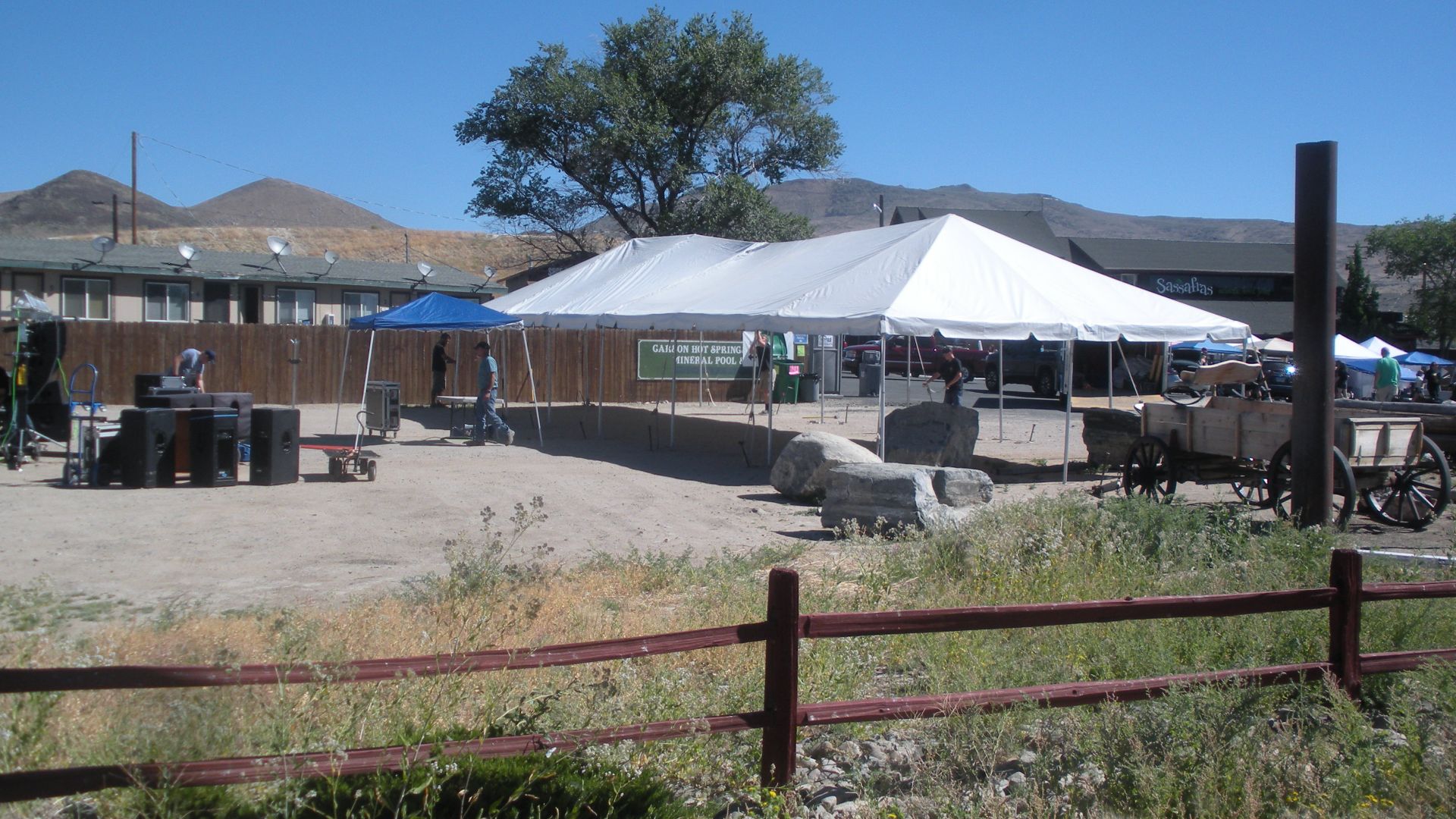
Steamboat Hot Springs, Nevada: A Place Mark Twain Remembered
Steamboat Hot Springs near Reno has one of Nevada's most colorful bathing histories. Established as a resort in 1857, the springs attracted pioneers and travelers moving through the region. Mark Twain helped popularize the name after describing geothermal noises that reminded him of a steamboat. Visitors can still experience mineral-water soaking at the property, although its facilities have changed considerably since the 19th century.
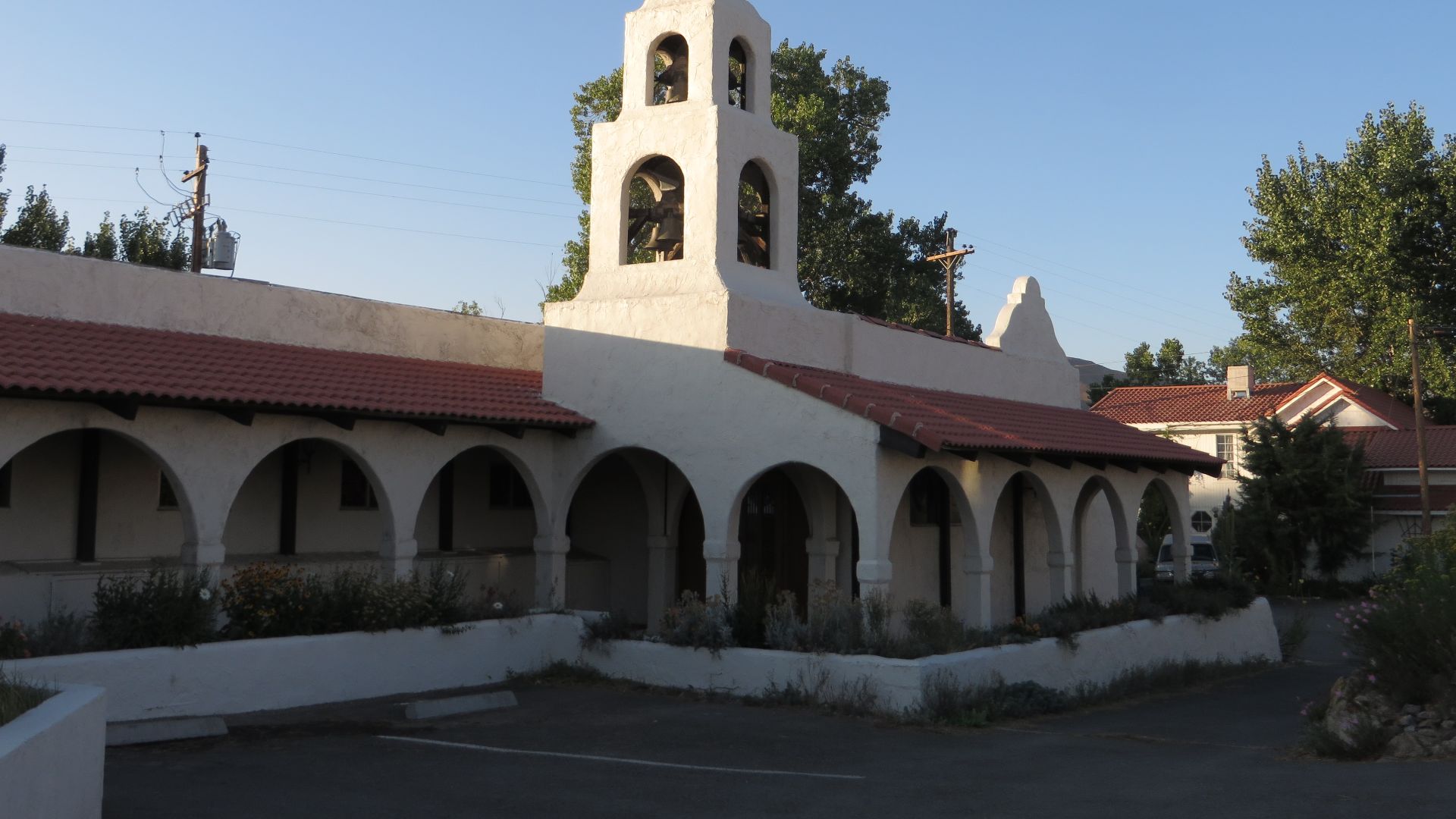 Ken Lund from Reno, Nevada, USA, Wikimedia Commons
Steamboat's Historic Buildings Have Survived Major Changes
The resort's history includes periods of destruction, rebuilding, and reinvention. Early facilities were damaged by natural disasters, and later fires also affected the property. During the 20th century, physician Edna Carver helped revive the destination, eventually establishing a health hotel. Today's spa continues the bathing tradition with mineral-water tubs and steam-bathing services on the historic site.
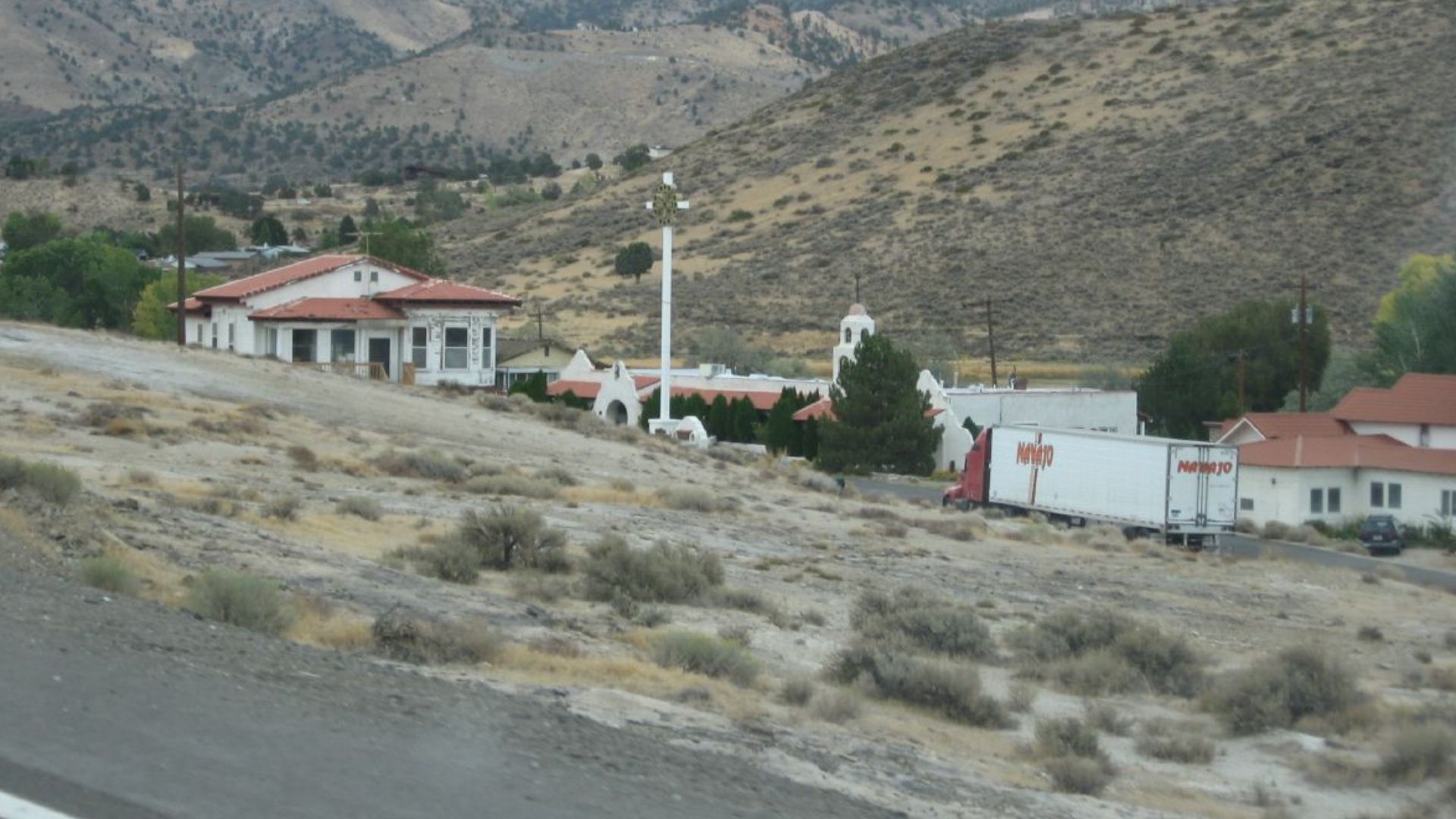 Ken Lund from Reno, Nevada, USA, Wikimedia Commons
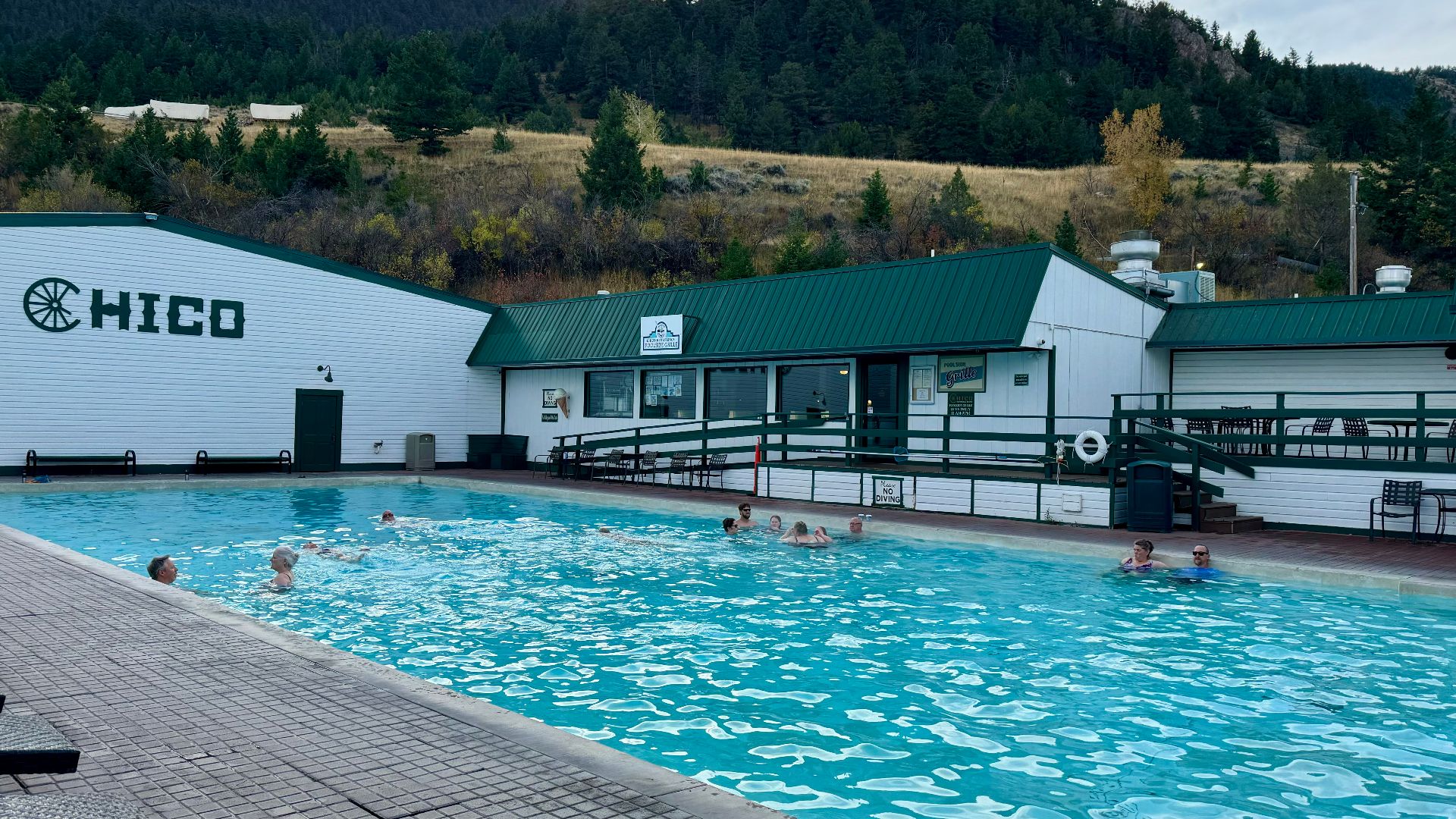
Chico Hot Springs, Montana: A Paradise Valley Classic
Chico Hot Springs has welcomed travelers to Montana's Paradise Valley for well over a century. Its mineral-water pools have occupied the same location since 1900, when the property operated as a boarding house and health spa. The resort now combines historic atmosphere with modern accommodations, dining, and spa services. Visitors can still enjoy the naturally heated outdoor pools that helped establish Chico's reputation.
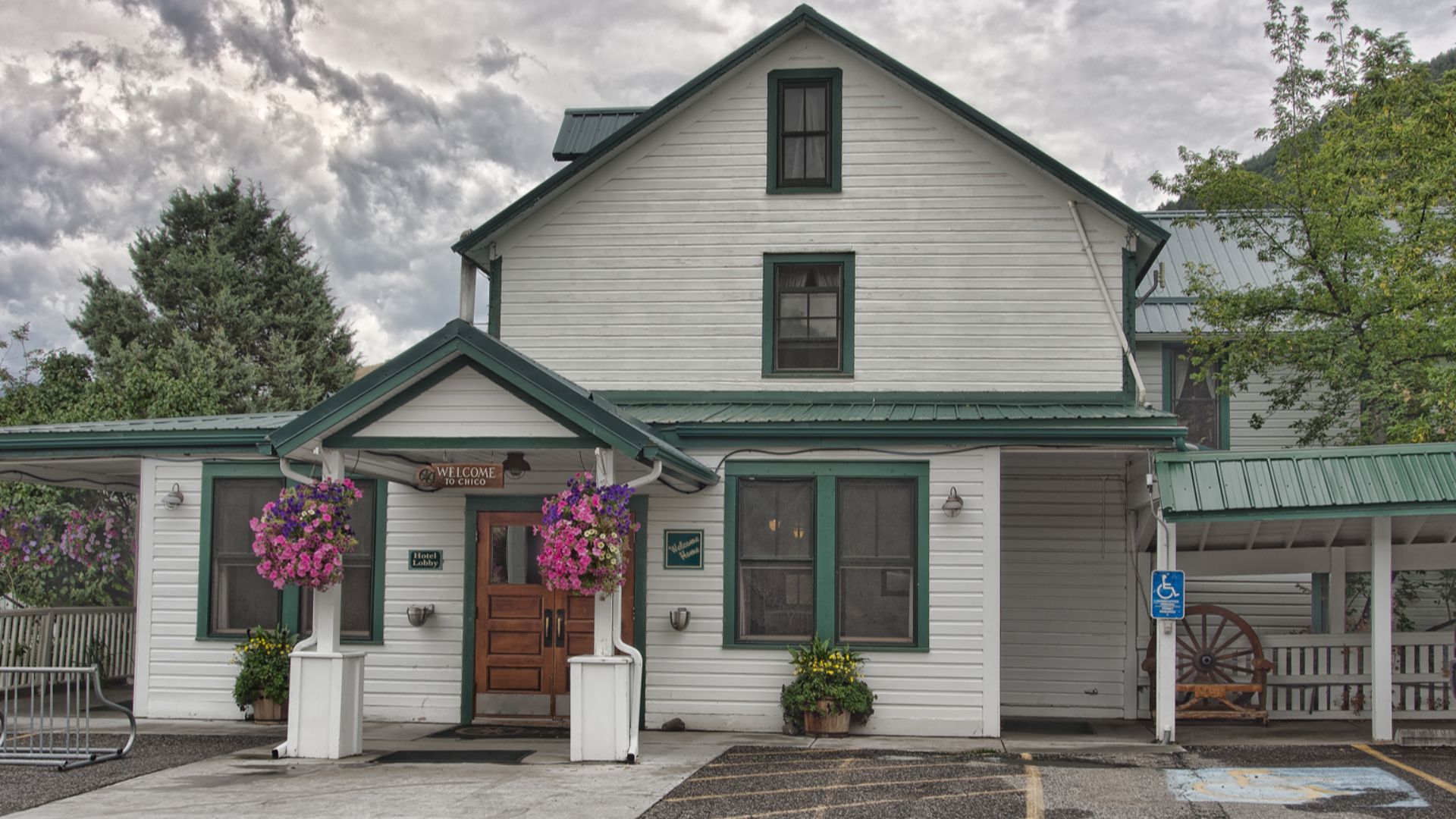 David Coats, Wikimedia Commons
Chico's Outdoor Pools Remain The Heart Of The Resort
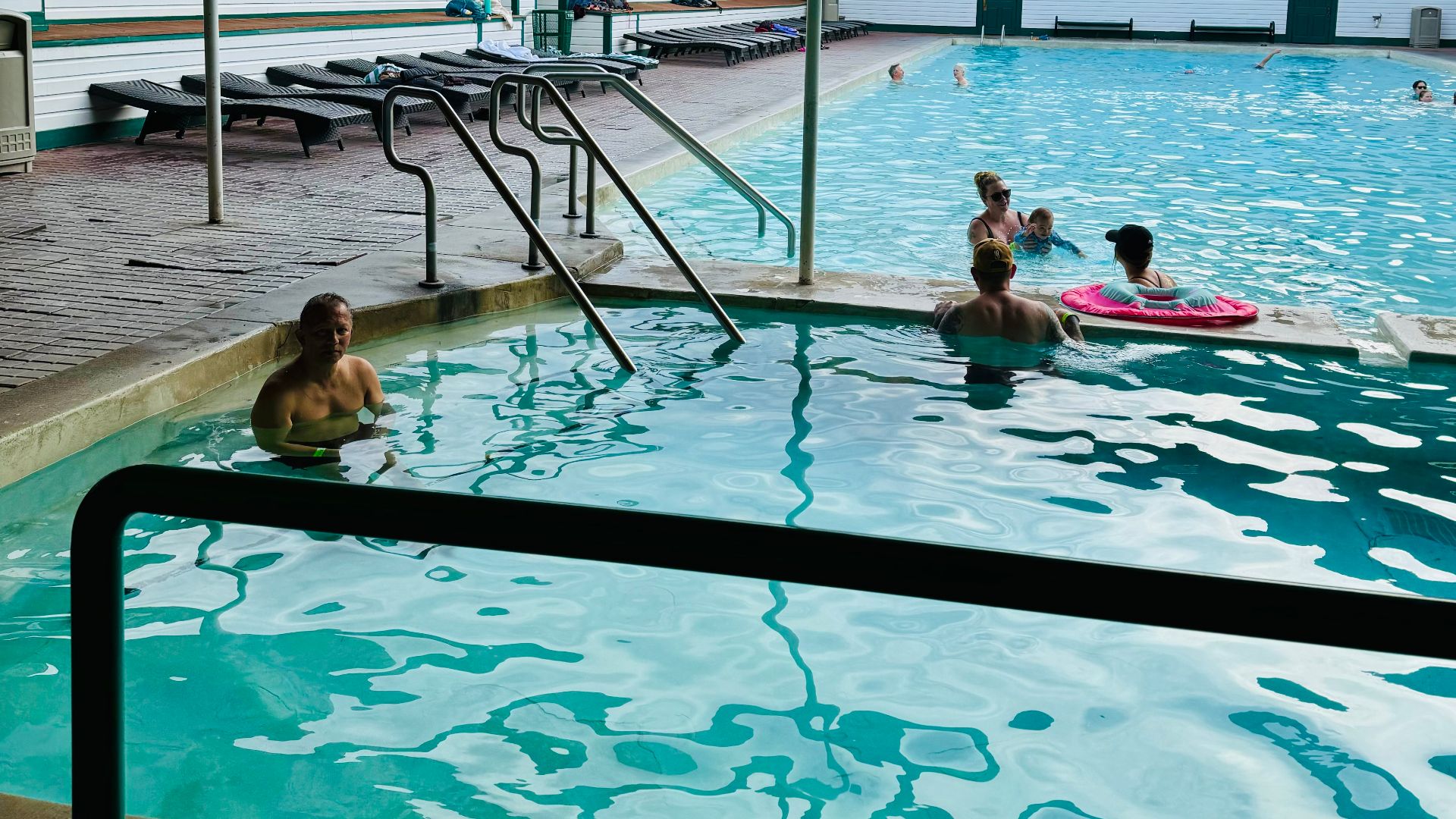
Chico's two open-air mineral pools are the property's defining attraction. Surrounded by the mountains of Paradise Valley, they offer a scenic setting for a relaxing soak in any season. The resort's long history as a bathing destination gives the experience an added sense of continuity. For travelers exploring the Yellowstone region, Chico offers an opportunity to combine historic resort culture with Montana scenery.
Calistoga, California: Mineral Bathing In Wine Country
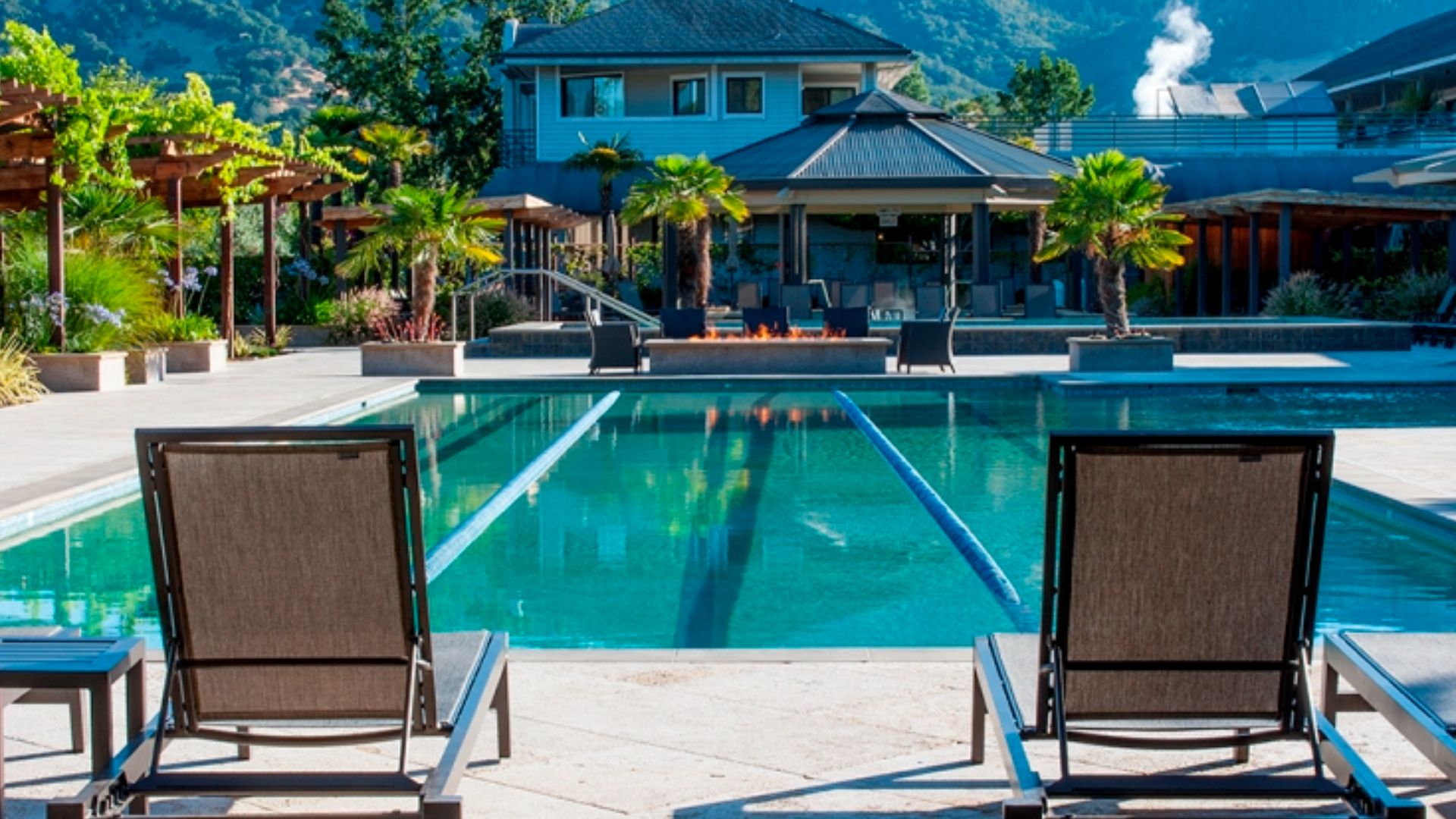
California's Napa Valley is famous for its vineyards, but Calistoga also maintains a longstanding tradition of geothermal bathing. Calistoga Spa Hot Springs offers mineral-water pools and treatments inspired by the area's spa heritage. Visitors can choose from several outdoor pools filled with naturally heated geothermal water. The experience makes an appealing addition to a wine-country vacation, particularly for travelers interested in the region's bathing traditions.
 CalistogaSpa, Wikimedia Commons
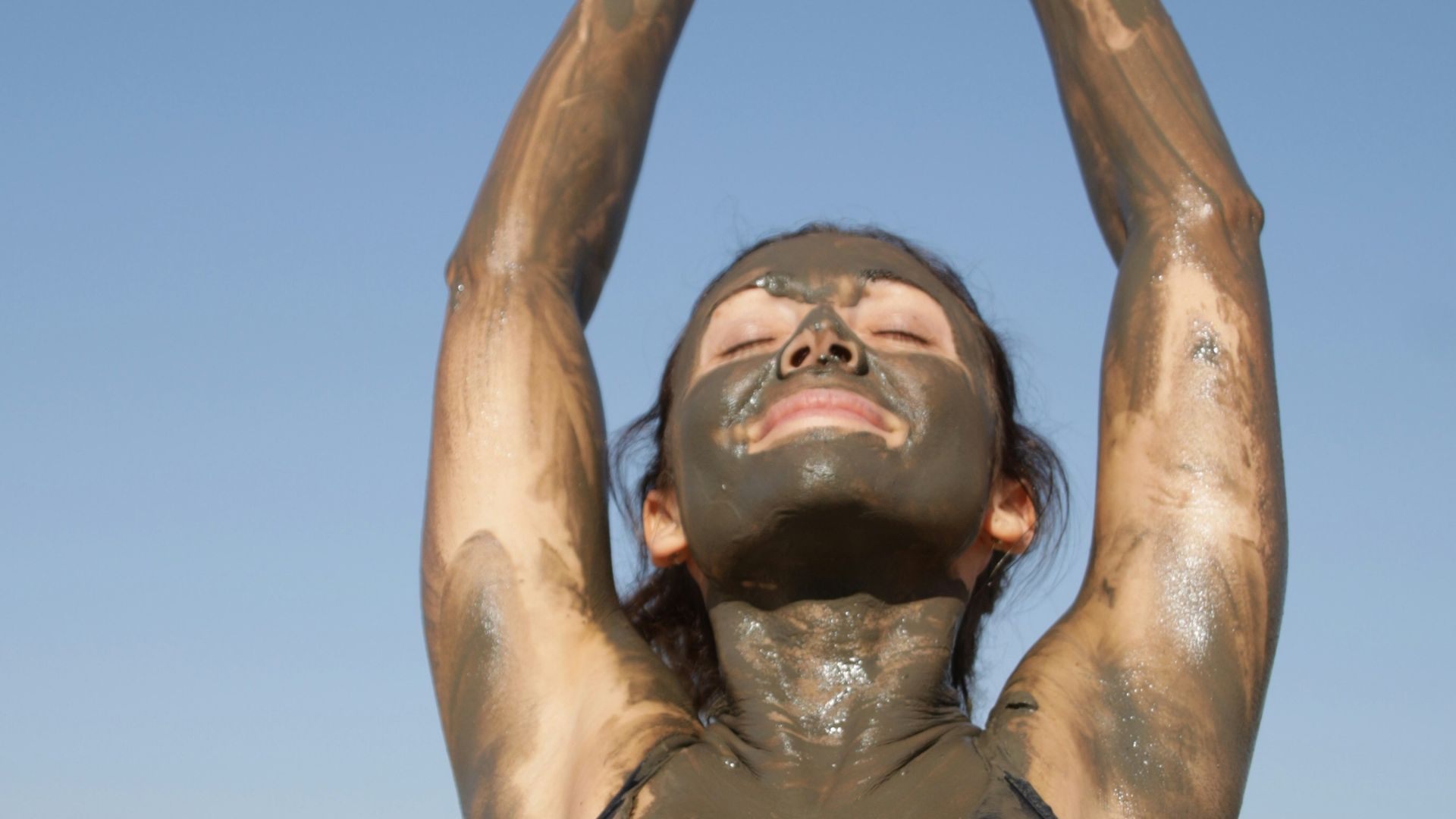
Calistoga's Mud Baths Are An Unusual Local Tradition
One of Calistoga's signature spa experiences involves bathing in a mixture containing volcanic ash. Calistoga Spa Hot Springs continues to offer these traditional mud treatments alongside massages and mineral-water bathing. The resort's four geothermal pools provide different ways to enjoy the naturally heated water. Day visitors can also reserve spa treatments, although advance booking is recommended.
Not Every Historic Bathhouse Still Offers Baths
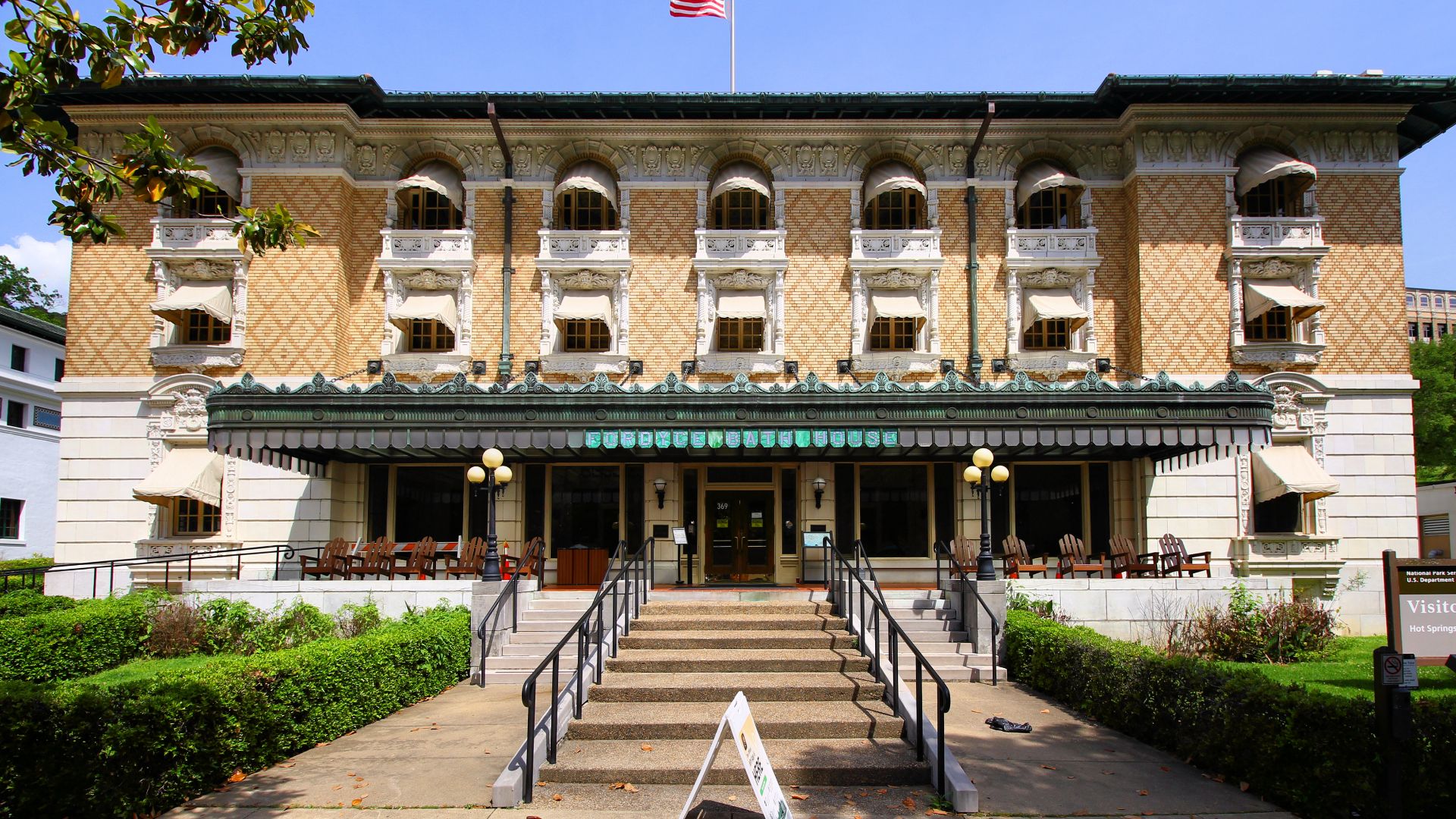
Travelers exploring America's historic spa towns should remember that preserving a bathhouse does not necessarily mean maintaining its original bathing facilities. At Hot Springs National Park, for example, several historic buildings have been adapted into museums, businesses, and accommodations. The Buckstaff and Quapaw remain the two Bathhouse Row properties offering public thermal-water soaking. Checking the actual bathing services before traveling can prevent disappointment.
 Larry D. Moore, Wikimedia Commons
Choosing The Right Historic Mineral Springs Experience
America's historic mineral-water destinations offer surprisingly different experiences, from private Roman baths in Berkeley Springs to outdoor pools in Montana and Nevada. Some places emphasize traditional bathing rituals, while others combine historic surroundings with modern resort amenities. Travelers should compare reservation policies, bathing temperatures, age restrictions, and day-use access before making plans. Those details can make a considerable difference when choosing between a quick afternoon soak and an overnight spa getaway.
The American Bathhouse Tradition Is Far From Finished
Historic bathhouses offer something that ordinary modern spas cannot easily reproduce: a direct connection to generations of travelers who visited the same mineral springs. Whether the setting is an Arkansas landmark, a West Virginia bathhouse, or a Colorado resort, the attraction goes beyond warm water. These surviving destinations preserve an important part of American travel history while continuing to welcome new visitors. For anyone who enjoys combining relaxation with a little history, they remain well worth discovering.
You May Also Like:
U.S. Visitors Are Spending More In Canada Even As Cross-Border Travel Changes