
A Cruise Vacation That Never Left The Dock
Few travel disasters hit harder than getting to the port and finding out your ship is gone. That is the mess at the center of a dispute involving a passenger who says her cruise line moved embarkation earlier without properly telling her. The basic question is tough but clear: if the schedule changed and you missed the ship, who is on the hook?
The Complaint At The Heart Of The Dispute
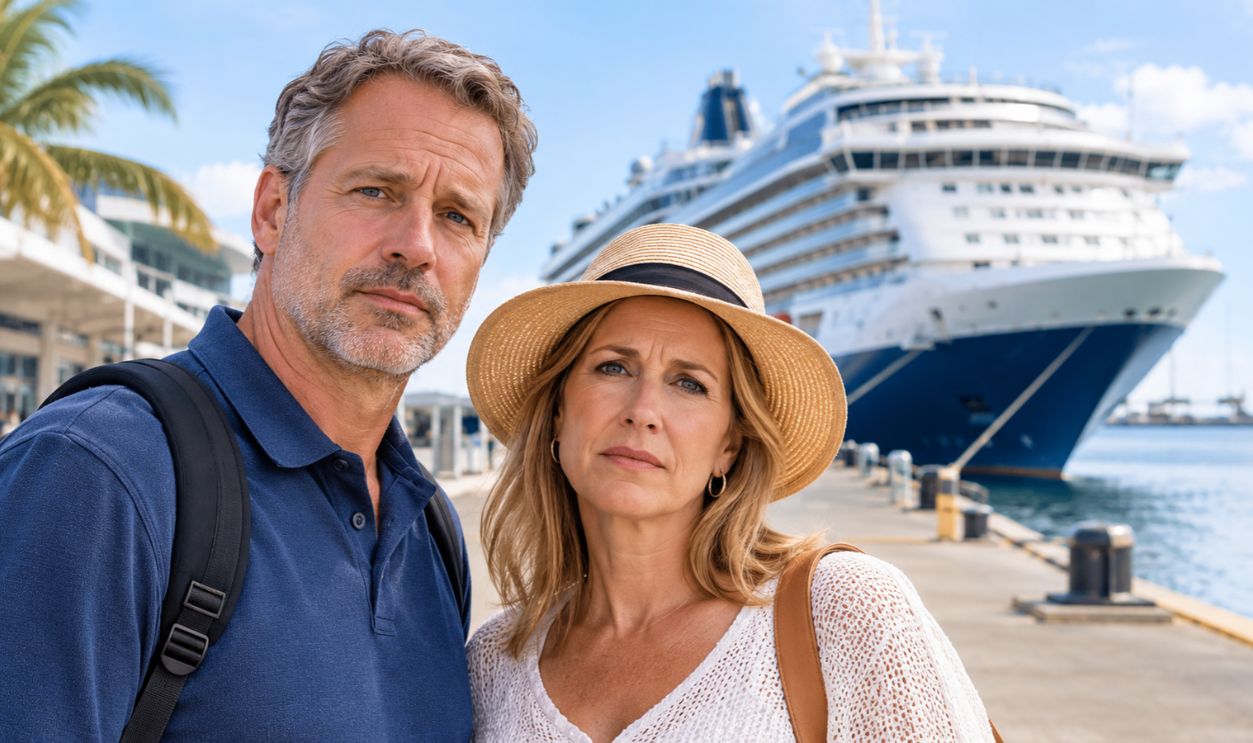
The case surfaced in a consumer complaint reviewed by travel advocate Christopher Elliott. According to the passenger, the cruise line changed the embarkation time to an earlier hour, but she did not get notice in time to change her plans. She missed the sailing and was left dealing with the chain reaction of costs that followed.
Why This Problem Matters So Much
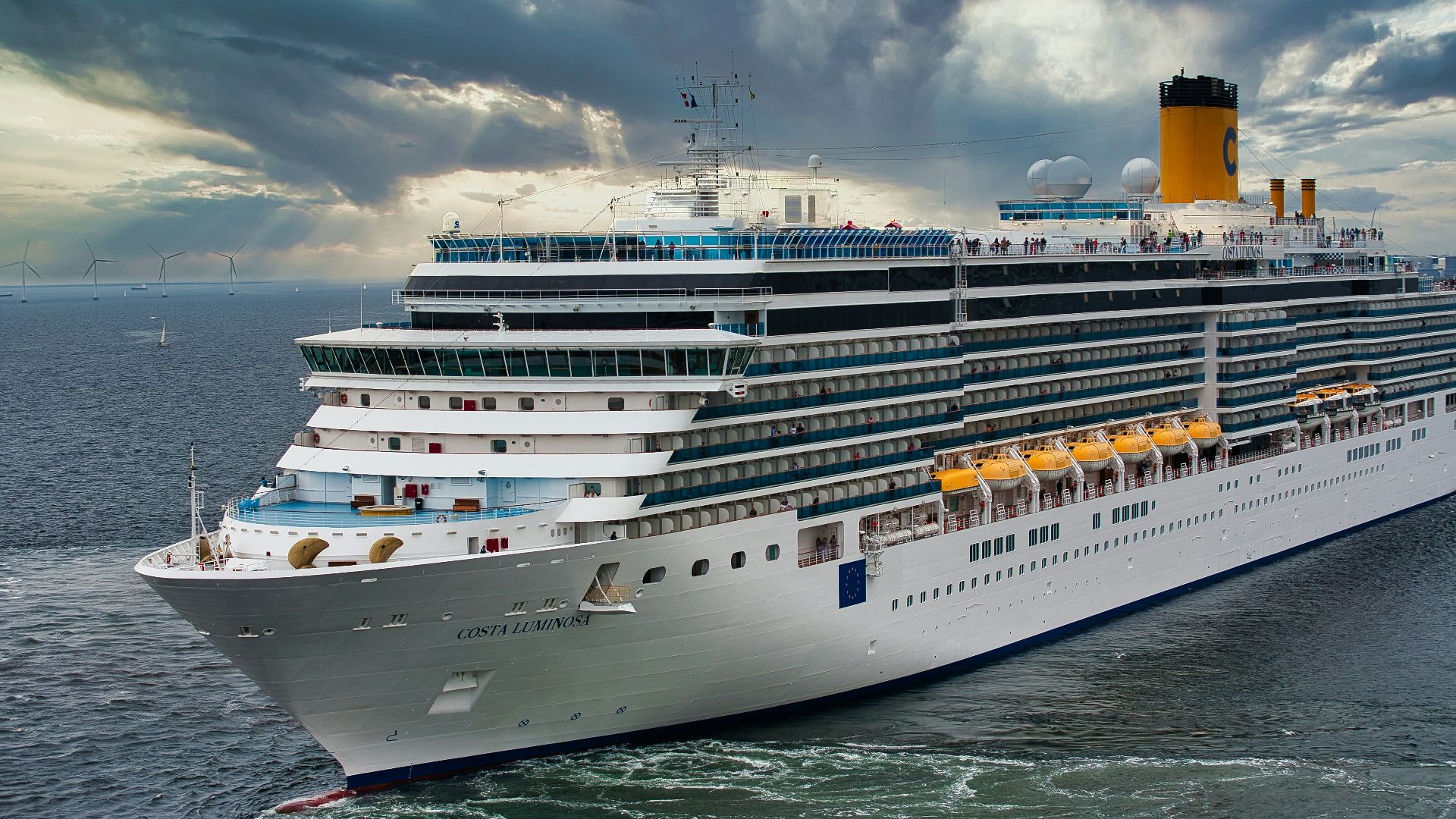
On a cruise, timing is everything. Ships run on tight port schedules, and boarding can close well before departure because of security checks and final passenger lists. So even a small change can cause major trouble for travelers who built their flights, hotel stays, and transfers around the original boarding time.
The Fine Print Usually Favors The Cruise Line
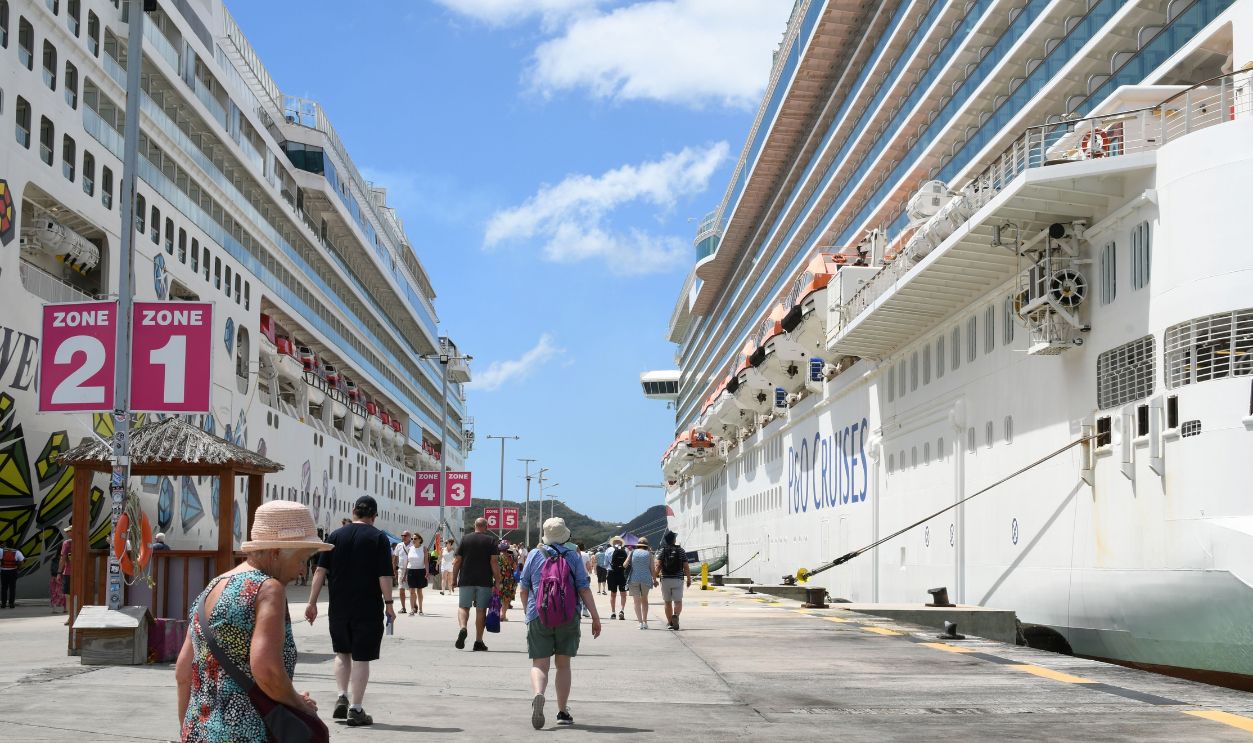
Cruise tickets are contracts, and those contracts usually give cruise lines a lot of room to change itineraries, ports, and boarding procedures. The terms and conditions of major cruise lines usually make clear that schedules are not guaranteed. That may not feel fair, but it often decides who ends up responsible when plans shift at the last minute.

Cruise Contracts Are Not Casual Reading
Most travelers click past the contract without thinking much about it. But those documents often include clauses saying the cruise line can change sailing times, swap ports, or adjust embarkation procedures for safety or operational reasons. Courts often treat those terms as binding, which is why missing a cruise can become a steep legal and financial climb for passengers.

What Cruise Lines Typically Promise
What cruise lines usually promise is transportation and accommodations under the ticket contract, not a locked-in timetable. They also generally reserve the right to deny boarding if a passenger does not arrive by the final check-in time. In real life, that means the line may still be within its rights even when a passenger feels blindsided.

The Notification Question Is The Real Flashpoint
The biggest issue usually is not whether the cruise line could make the change. It is whether the line properly notified the passenger. If the company sent an updated email, posted the change in the guest portal, or alerted the travel advisor on file, it may argue that it did what it was supposed to do.

Documentation Can Make Or Break The Case
If you miss a cruise after a schedule change, proof matters fast. Screenshots, emails, app alerts, text messages, and call logs can all matter. No message at all matters too. So does a message sent to an old email address or one that landed in a spam folder.

What The Cruise Industry Tells Travelers To Do
Cruise lines routinely tell passengers to arrive at the port well before their embarkation window and, even more important, to get to the embarkation city at least one day early. The advice is common across the industry because flights, traffic, weather, and document problems can wreck same-day arrivals. It is practical advice, but it also helps protect the cruise line when things go wrong.

The Airline Parallel That Catches Travelers Off Guard
Many travelers think of embarkation like boarding a plane, but cruises are much less forgiving. Miss a flight, and there might be another one later that day. Miss a ship, and it may be on its way to another country by nightfall.

Government Agencies Warn About This Risk
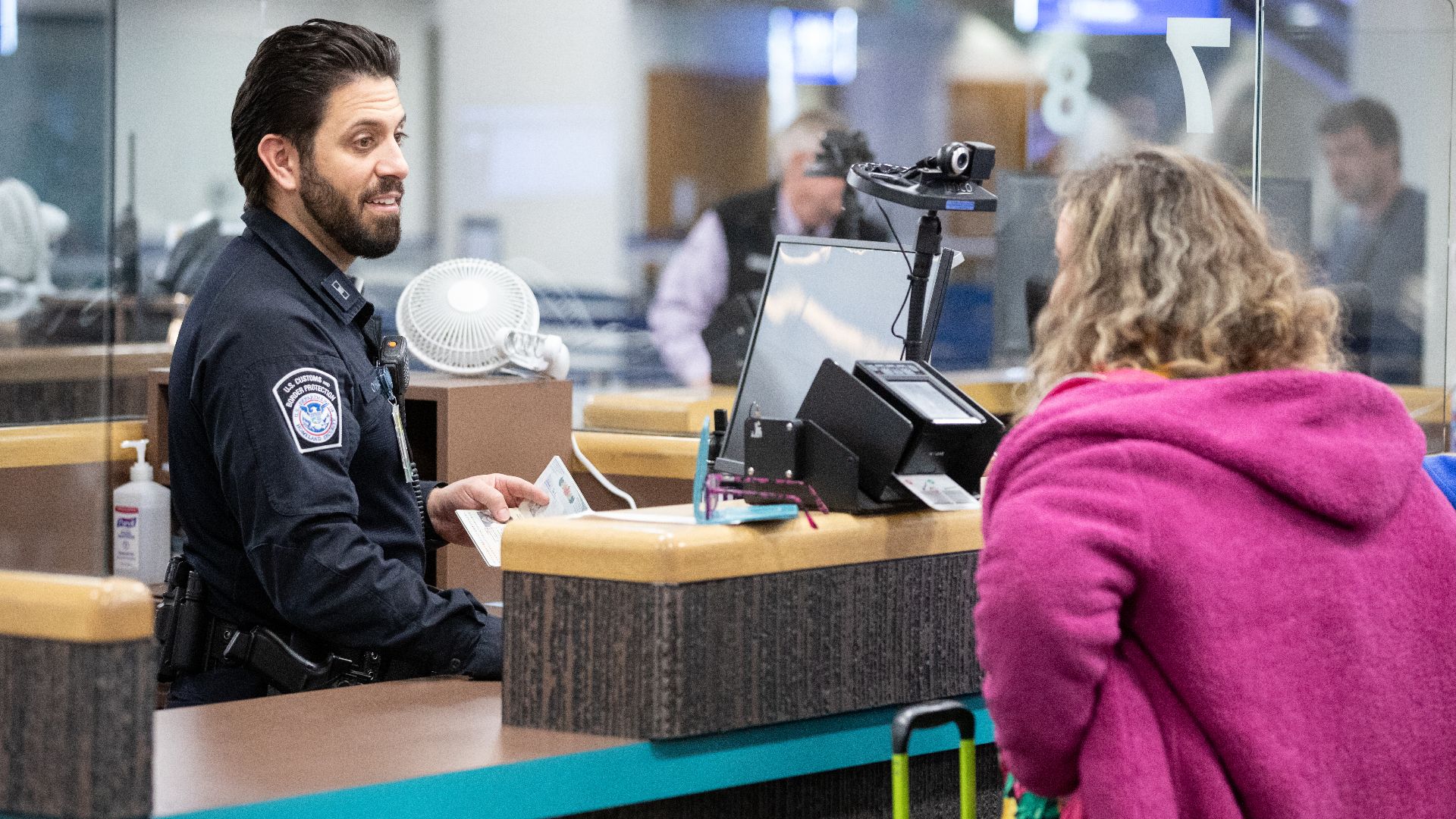
The U.S. Department of State warns cruise passengers to arrive early and carry proper documents because boarding and port rules can be strict. Customs and Border Protection also stresses identity and passenger manifest requirements tied to embarkation. Those rules help explain why boarding can close long before the ship actually sails.
 CBP Photography, Wikimedia Commons
Insurance Is Often The Only Real Safety Net
Travel insurance can be the difference between a brutal loss and a manageable setback. A full policy may cover missed connections, unexpected delays, extra hotel stays, and some nonrefundable trip costs, depending on the reason for the missed sailing and the policy terms. It will not save the vacation, but it can reduce the damage.

Do Credit Cards Offer Backup Protection
Sometimes, but do not count on it. Some premium travel cards include trip delay or interruption benefits, but the covered reasons are often limited and the paperwork can be strict. It is worth checking before your trip, not after you are watching your ship disappear.

Who Is Usually Responsible In These Cases
In simple terms, responsibility usually comes down to proof. If the cruise line changed the embarkation time and did not give reasonable notice through the contact information on file, the passenger may have a stronger case for reimbursement or some kind of compensation. If the line can show it sent notice or posted the update through normal channels, the passenger usually has a much weaker case.

What Consumer Advocates Often Find
Christopher Elliott’s consumer reporting has shown over and over that travel disputes often come down to records and communication. Companies are more likely to reverse course when a traveler can show a clear timeline, copies of messages, and evidence that the notification process failed. Without that paper trail, the complaint can turn into one person’s memory against a company’s system logs.

Why Same-Day Flights Are Such A Gamble
One delay, one missed connection, or one bad traffic jam can wipe out your margin for error. Cruise experts and travel advisors regularly recommend flying in the day before because the ship will not wait for airline problems. It costs an extra hotel night, but it can save the entire trip.
The Port Arrival Time Is Not Just A Suggestion
Many travelers mix up sail-away time with the final all-aboard time. They are not the same thing. The final check-in cutoff can be much earlier, especially on international itineraries or in ports with extra security rules.
 Port of San Diego from San Diego, Wikimedia Commons
What To Do The Moment You Learn About A Change
Check the cruise line’s app, your email, and any messages from your travel advisor. Then call the cruise line directly and ask the representative to confirm the current check-in and final boarding time in writing if possible. An email or text confirming the details can matter a lot later if there is a dispute.

What To Do If You Are Already At Risk Of Missing The Ship
Call the cruise line and your travel advisor right away. Ask whether there is any flexibility, whether a late-arrival desk is available, and whether meeting the ship at the next port is legally and logistically possible. Do not assume the answer will be yes, but do not wait until the terminal doors close to ask.

Can The Cruise Line Be Forced To Reimburse You
Not easily. Cruise contracts often require disputes to go through a specific legal process, sometimes in a designated court and often under short filing deadlines. That does not mean recovery is impossible, but it does mean passengers should expect a hard fight if the company says it followed its own notification procedures.

Goodwill Compensation Is More Common Than Legal Victory
Even when a cruise line is not clearly liable, it may still offer future cruise credit, partial reimbursement, or help with rebooking as a customer service gesture. Those results are often negotiated, not won outright. A calm complaint backed by solid records usually goes further than an angry demand with no proof behind it.
 Wanwajee Weeraphukdee, Shutterstock
Travel Advisors Can Be A Hidden Advantage
Booking through a good travel advisor adds another layer of protection. Advisors often receive schedule updates, can spot unusual changes, and may step in quickly if a client is about to miss embarkation. They cannot prevent every problem, but they can give travelers another line of defense.

Email Errors Cause More Trouble Than Travelers Realize
A typo in your booking profile, a full inbox, or an old email address can get expensive fast. Travelers should double-check their contact information with the cruise line before departure and again after online check-in opens. It is a dull task, but one missed message can cost thousands.

Apps And Portals Matter More Than Ever
Many cruise lines now rely heavily on mobile apps and online guest portals for pre-cruise updates. That can be efficient, but it can also catch travelers off guard if they expect every important change to come by phone call. Before sailing, it makes sense to check every official channel, not just your inbox.

The Practical Answer To Who Is Responsible
If the cruise line really moved your embarkation time earlier without notice, it may carry at least some responsibility from a customer service standpoint and maybe a legal one too, depending on the facts. But if notice was sent through the contact method on file or posted in the usual account channels, the burden often shifts back to the traveler. That is the hard truth buried in many cruise contracts.

How To Protect Yourself Before Your Next Cruise
Get to the port city the day before. Buy travel insurance that specifically covers missed connections and trip interruptions. Check your email, app, and cruise portal constantly in the week before departure, and confirm your all-aboard time directly with the cruise line if anything looks different.

The Bottom Line Before You Head To The Terminal
Missing a cruise after an embarkation time change is one of travel’s harshest lessons. Responsibility often comes down to a cold timeline showing who knew what and when. For travelers, the smartest move is simple: expect change, document everything, and never assume the original schedule is final.