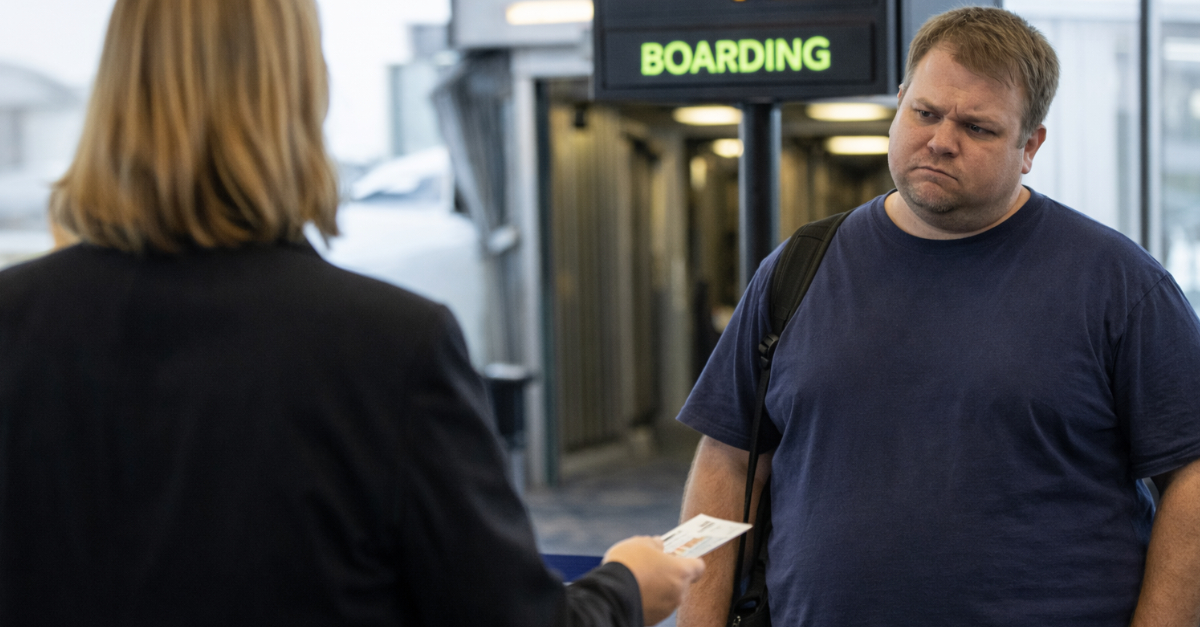
The Reservation Fight Starts Early
Some trip arguments start over flights or budgets. Others start over dinner plans made six months before takeoff. If your sister has every lunch and dinner booked before you even pack, it is fair to wonder whether skipping a few reservations is rude or just realistic.

Etiquette And Logistics Are Different
The short answer is yes, skipping her reservations can be rude if you agreed to them and then leave her stuck with the bill or scrambling with the restaurant. But it is not automatically rude if you bring it up early, give notice, and make sure your change of plans does not create extra costs or stress. Good travel manners are usually less about doing what you are told and more about clear communication.

Why This Matters More Than It Seems
Restaurant reservations are not just casual plans anymore. In many places, they come with credit card holds, cancellation windows, and no-show fees. OpenTable notes that some restaurants charge cancellation fees or require deposits, so casually backing out can cost real money.

Reservations Are A Bigger Deal Now
These days, hard-to-get tables can vanish weeks in advance. Resy explains that many restaurants use reservation policies to manage demand and protect revenue when people do not show up. So canceling is not always just a family issue. It can affect the group’s budget and the restaurant’s business too.

The First Thing To Ask
Did you actually agree to these meals. If you said yes to a full itinerary, then skipping several bookings without notice is rude. If your sister made the reservations on her own and treated them like a done deal, the etiquette is different because consent matters.
 Christina @ wocintechchat.com M, Unsplash
What Etiquette Usually Comes Down To
Emily Post’s guidance is built around respect, timing, and keeping commitments when you can. That applies neatly here. If you do not want to attend a reservation, say so clearly and quickly instead of hinting, ghosting, or changing plans at the last minute.

Notice Changes Everything
If you already know in April that you do not want every dinner on an October trip booked in advance, say it in April. Last-minute surprises feel rude because they corner the planner and everyone else. Early notice gives the group time to adjust the schedule without making it personal.

Money Raises The Stakes
Many restaurants are very clear about their rules now. OpenTable says cancellation fees and deposits may apply depending on the restaurant. If your sister put down her card to hold the booking, skipping the meal without dealing with those charges first is not just annoying. It is unfair.
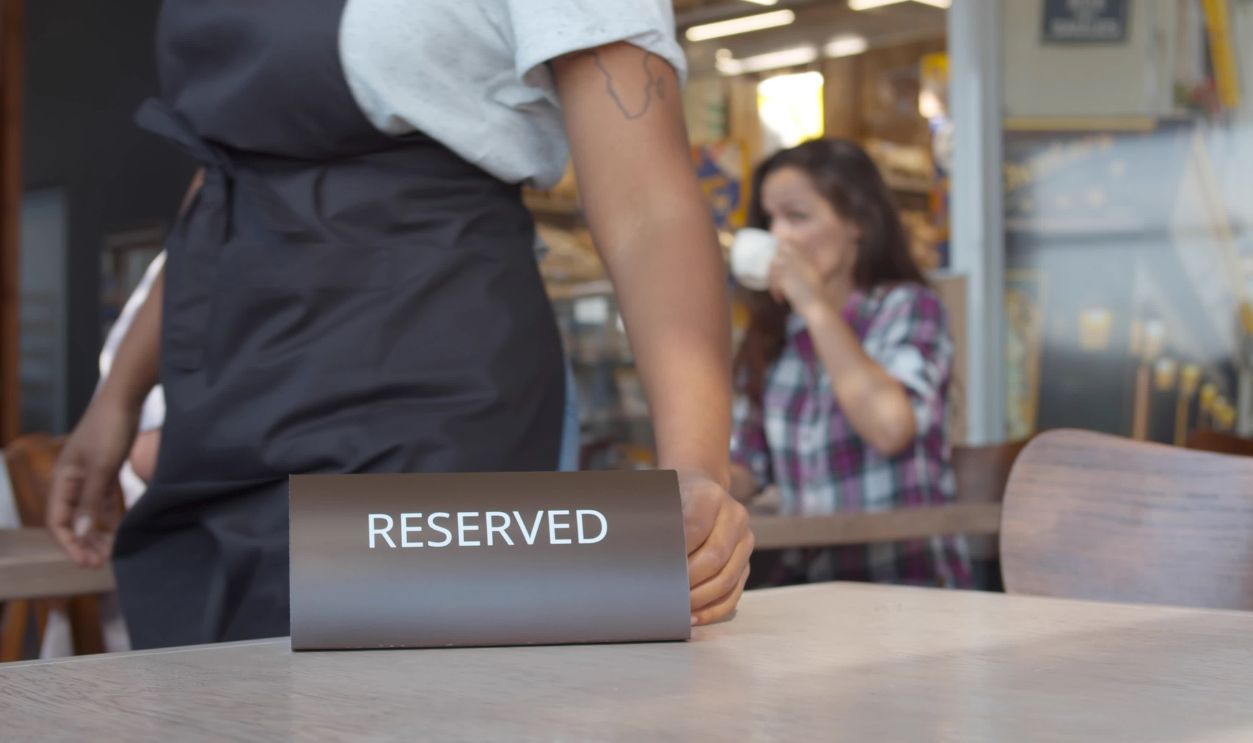
Check The Actual Policy
Before this turns into a whole debate about manners, check the reservation details. Some places allow easy cancellations up to 24 or 48 hours ahead. Others charge per person for no-shows. That difference matters. A free cancellation is one thing. A prepaid tasting menu is another.

Prepaid Meals Are Different
If the meal is prepaid, your choice affects real money right away. Michelin-starred counters, omakase spots, and chef’s table experiences often require payment up front or very strict notice. In that case, skipping is much harder to defend unless you repay your share or help find someone to take your spot.

Not Everyone Wants To Eat On A Timer
Your frustration also makes sense. A lot of people travel because they want room for chance, street food, a market they stumble into, or a beach day that goes long. If every meal is locked in, the trip can start to feel less like a vacation and more like an assignment.

There Is A Middle Ground
You do not have to choose between a tightly planned schedule and complete chaos. A lot of travelers do best with one or two anchor reservations and plenty of open time around them. That way you protect the must-try spots but still leave room for weather, jet lag, mood, and unexpected finds.
 AllGo - An App For Plus Size People, Unsplash
Use The Anchor Meal Approach
Keep the hardest reservations and let the rest stay flexible. Save the famous rooftop spot, the beloved bistro that books up fast, or the big final-night dinner. Leave breakfasts, casual lunches, and a few lower-stakes dinners open.

Be Honest About How You Travel
This kind of fight is often really about expectations. Some people feel better with a spreadsheet and backup plan. Others feel trapped by fixed schedules. Saying “I like one planned meal a day, not three” is a lot more helpful than accusing your sister of being controlling or telling her to loosen up.

Do Not Wait Until The Trip Starts
The worst time to push back on a packed meal schedule is after you land, when everyone is tired and hungry. By then, backup options may be limited and people may already be irritated. Bring it up well before departure, ideally as soon as the plan starts looking too rigid.

Be Specific Instead Of Vague
Specifics make these conversations easier. You can say you are happy to commit to Friday dinner and Sunday brunch, but you want Saturday lunch and Monday night open. A clear proposal is much easier to work with than a general complaint about too many reservations.
 Maria Fernanda Pissioli, Unsplash
If You Already Said Yes, Own It
Sometimes the polite move is admitting that you agreed too quickly. If that is what happened, say so. A simple acknowledgment that you should have spoken up earlier can take a lot of heat out of the conversation.

Do Not Shrug Off The Ripple Effect
If your absence causes the group to lose a coveted table, people may remember the disruption more than the reason behind it. Resy and OpenTable both note how competitive sought-after reservations can be. That does not mean you have to show up for every meal, but it does mean your choice can affect everyone else.

Sometimes The Best Answer Is To Split Up
Travel companions do not have to do everything together. It is perfectly normal for one person to keep a reservation while another heads off for a casual dinner somewhere else. Adults can take the same trip without sharing every meal.

Make It About Choice, Not Rejection
Your sister may hear “I am skipping dinner” as “your planning is bad.” A better approach is to say you appreciate the effort but travel better when there is a little room to be spontaneous.

Offer A Fair Fix If It Costs Money
If your change creates a fee, offer to pay your share. If the restaurant allows substitutions, help find someone else to take the seat. Practical solutions show that you respect the time and effort that went into the booking.

Remember That Planning Takes Work
Even if the schedule feels over the top, booking restaurants for a group takes real effort. Popular places can require calendar reminders, app alerts, and quick booking the second slots open. A little respect for that work makes the conversation less tense.

But Planning Does Not Mean Control
At the same time, making reservations does not give one person complete control over everyone else’s vacation. Group travel works best when people talk through preferences instead of forcing them on each other. Courtesy goes both ways.
 LinkedIn Sales Solutions, Unsplash
A Simple Script That Works
You could say, “I love that you found great places, but I do not want every meal scheduled. Can we keep a few key reservations and leave the rest open. If there are any cancellation fees for the ones I skip, I will cover my part.” It is direct, fair, and hard to misunderstand.

When It Would Be Rude
It is rude to bail at the last minute, ignore a prepaid booking, or disappear and leave someone else stuck with the fees. It is also rude to mock the planner for caring about reservations. Courtesy is not just about whether you show up. It is about how you handle the change.

When It Is Not Rude
It is not rude to want flexibility, especially if you speak up months in advance and help adjust the plan. It is not rude to decline reservations you never agreed to in the first place. It is also not rude to spend part of a trip apart as long as everyone knows the plan.

The Best Trips Have Room To Breathe
The best vacations usually need both structure and breathing room. Book the hard-to-get table that would really sting to miss. Then leave enough open space for the travel moments that never show up on a reservation app.

The Bottom Line On Skipping Her Reservations
Yes, it can be rude to skip your sister’s reservations if you committed to them or if backing out creates fees, stress, or lost opportunities for the group. No, it is not automatically rude to say you do not want every meal locked in months ahead of time. The real deciding factors are consent, timing, money, and how clearly you communicate.