
America Has Some Strong Opinions About Dinner
Americans may disagree about plenty of things, but apparently we can unite around glaring suspiciously at certain foods. A 2025 YouGov survey found particularly strong dislike for everything from anchovies and liver to tofu and oysters. Some are childhood nightmares. Others are delicacies that never quite won everybody over.
Anchovies
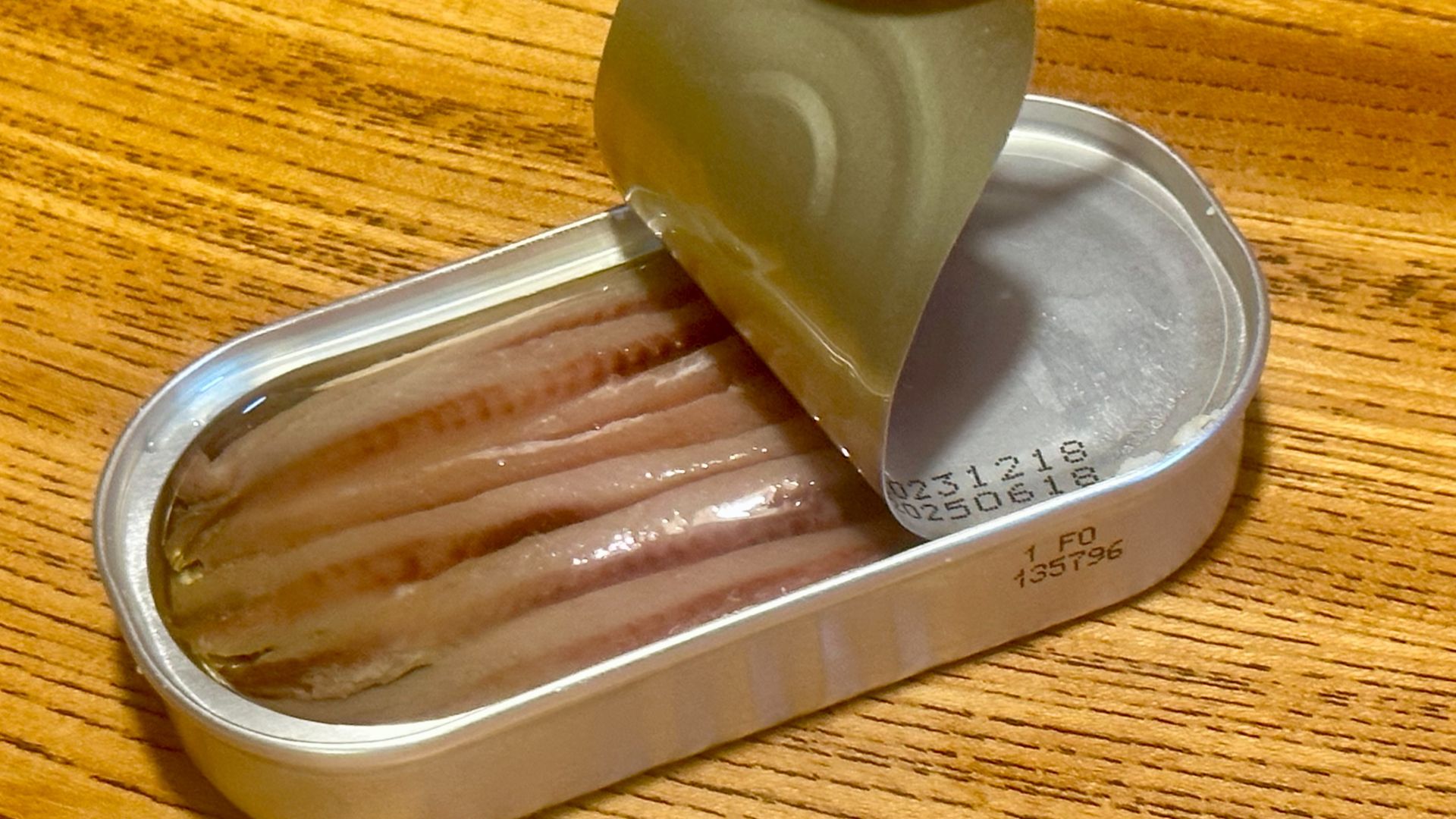
Anchovies earned the dubious honor of topping YouGov’s list, with 56% of Americans saying they disliked or hated them. That tiny fish can completely dominate a pizza, salad, or sauce. Fans call them wonderfully salty and savory. Detractors mostly wonder why anybody invited them to dinner.
Liver
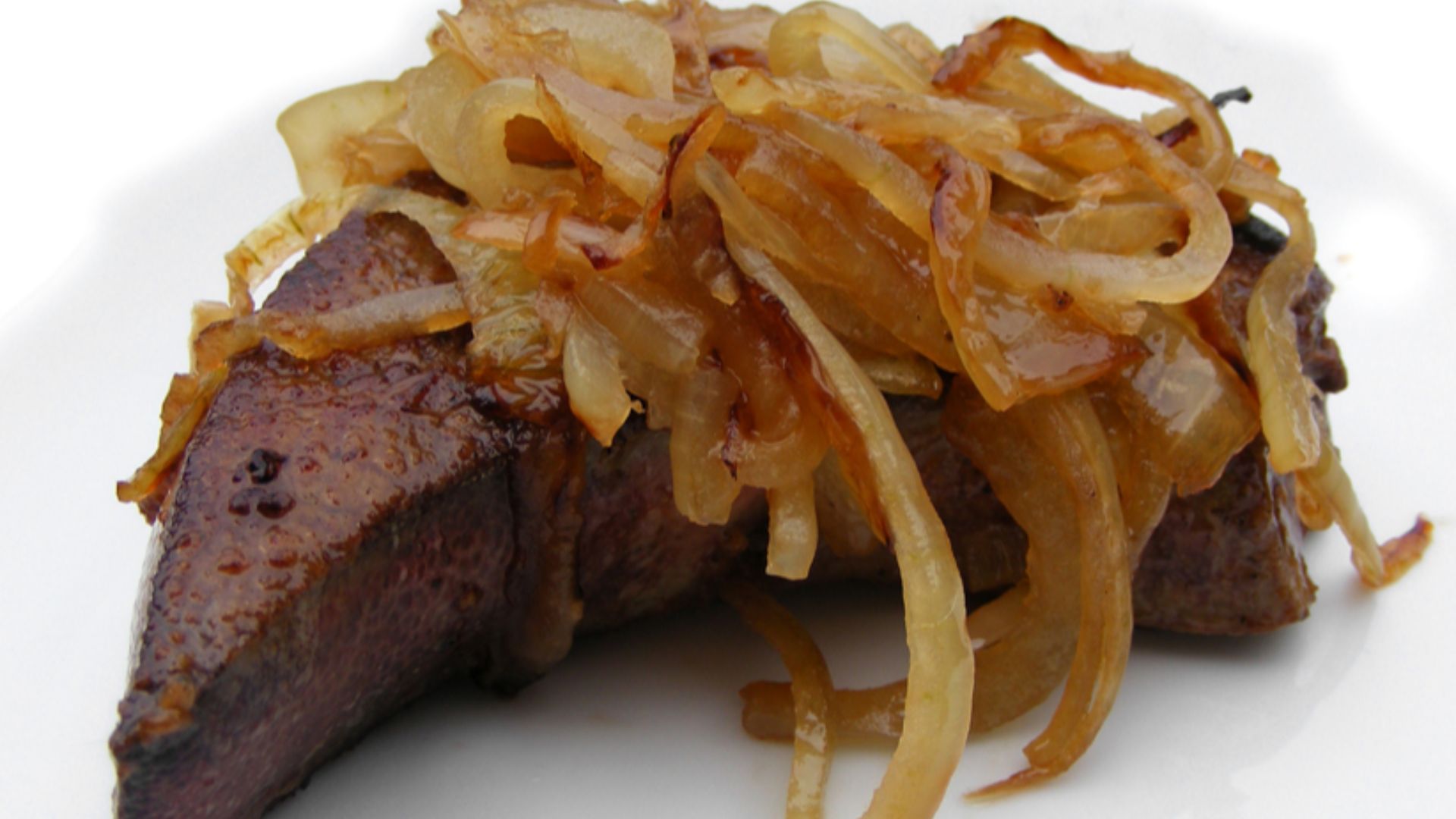
For generations, liver was the dinner that made children suddenly remember they had homework. Some Baby Boomers may still recall liver and onions appearing with alarming regularity. YouGov found 54% disliked or hated liver, while 40% went all the way to saying they hated it.
 FotoosVanRobin from Netherlands, Wikimedia Commons
Sardines
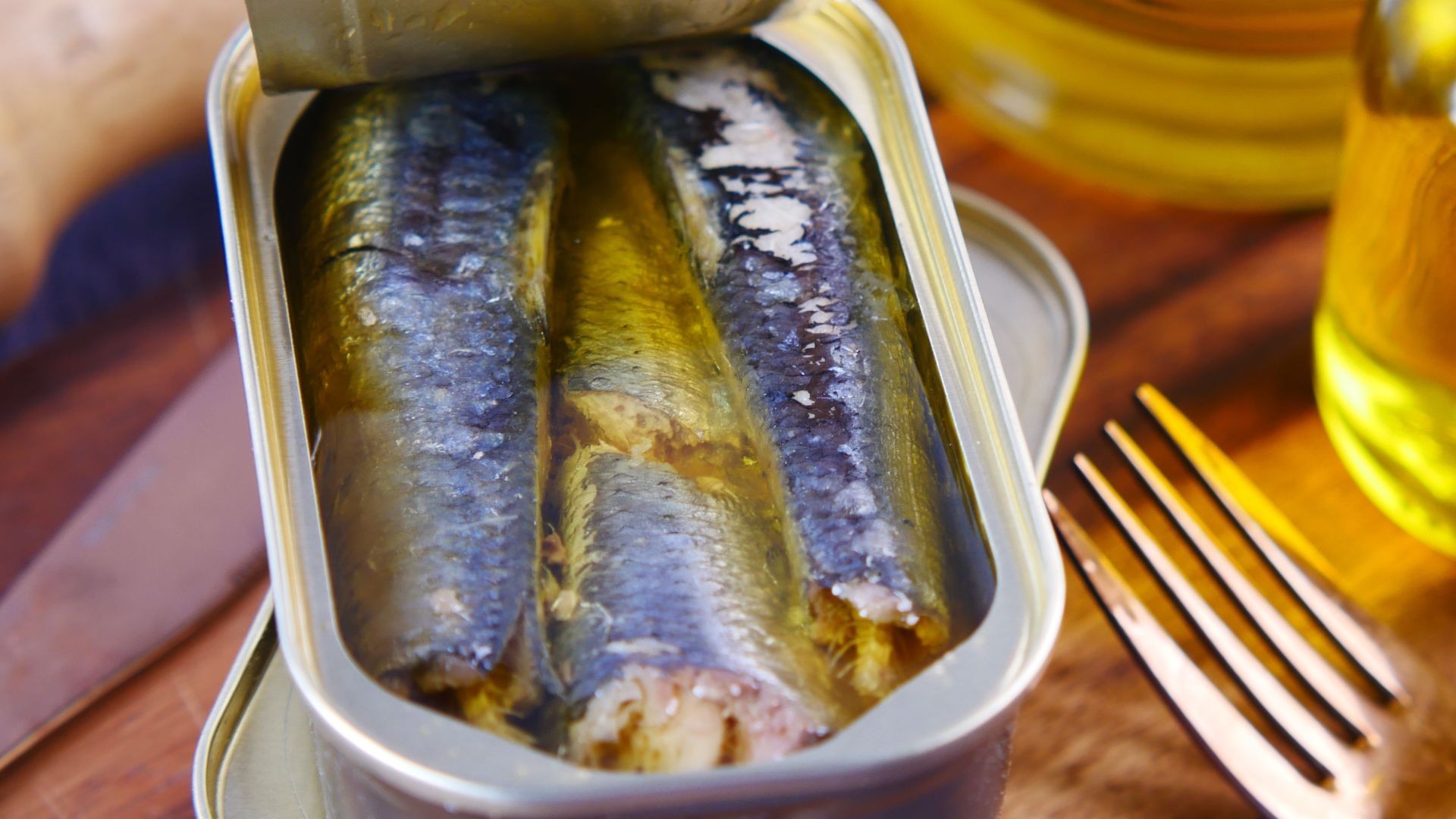
Sardines once seemed perfectly at home beside crackers in the pantry. Today, plenty of Americans would rather leave the tin unopened. About 52% of respondents disliked or hated them. Their powerful aroma and oily texture make sardines a difficult sell, even if devoted fans remain loyal.
Tofu
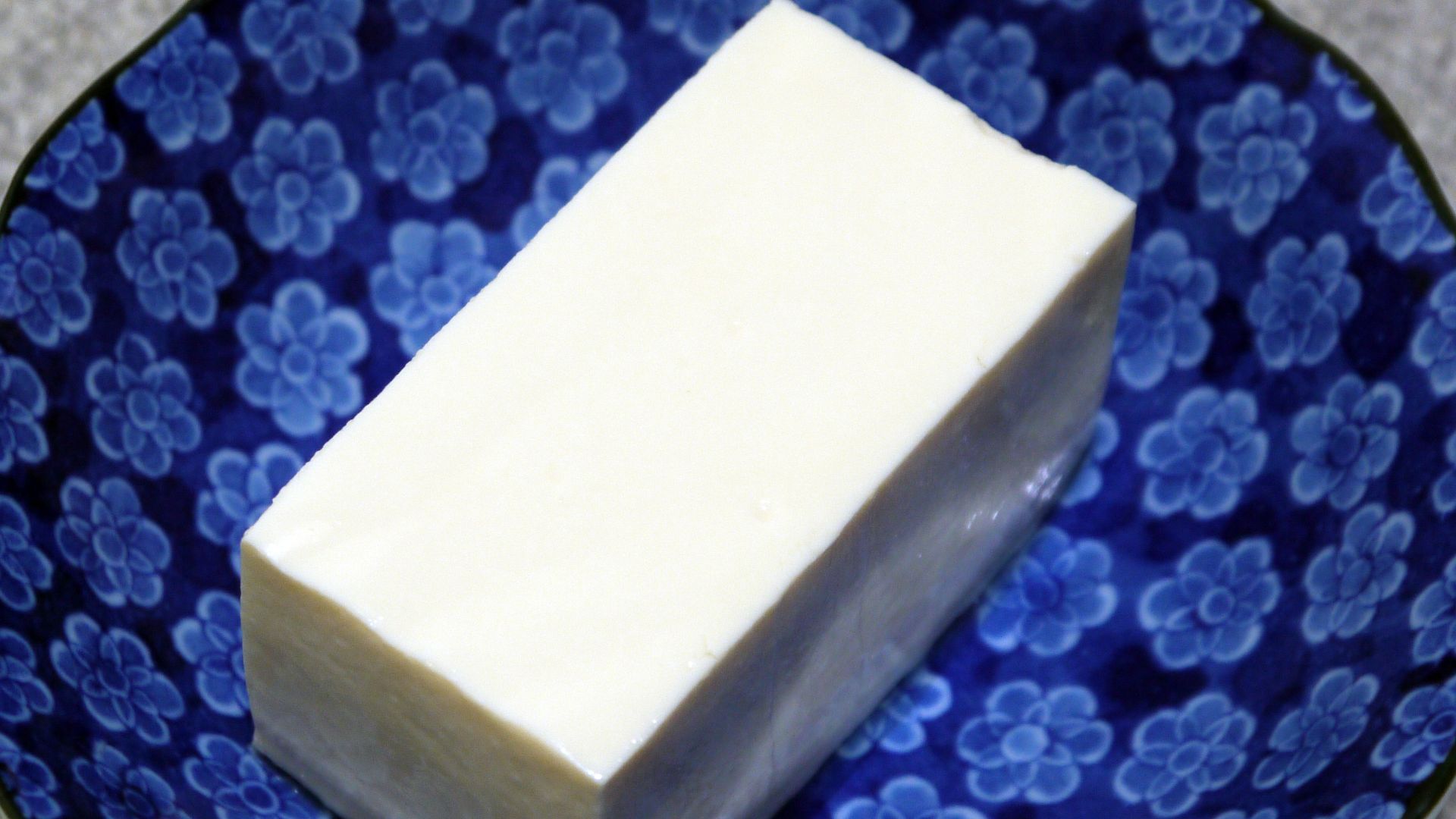
Tofu has become far more common in American supermarkets and restaurants, but familiarity has not guaranteed affection. About 46% of Americans in YouGov’s survey disliked or hated it. Texture is often the sticking point. Prepared beautifully, it absorbs flavor. Prepared poorly, it can resemble an edible kitchen sponge.
Squid
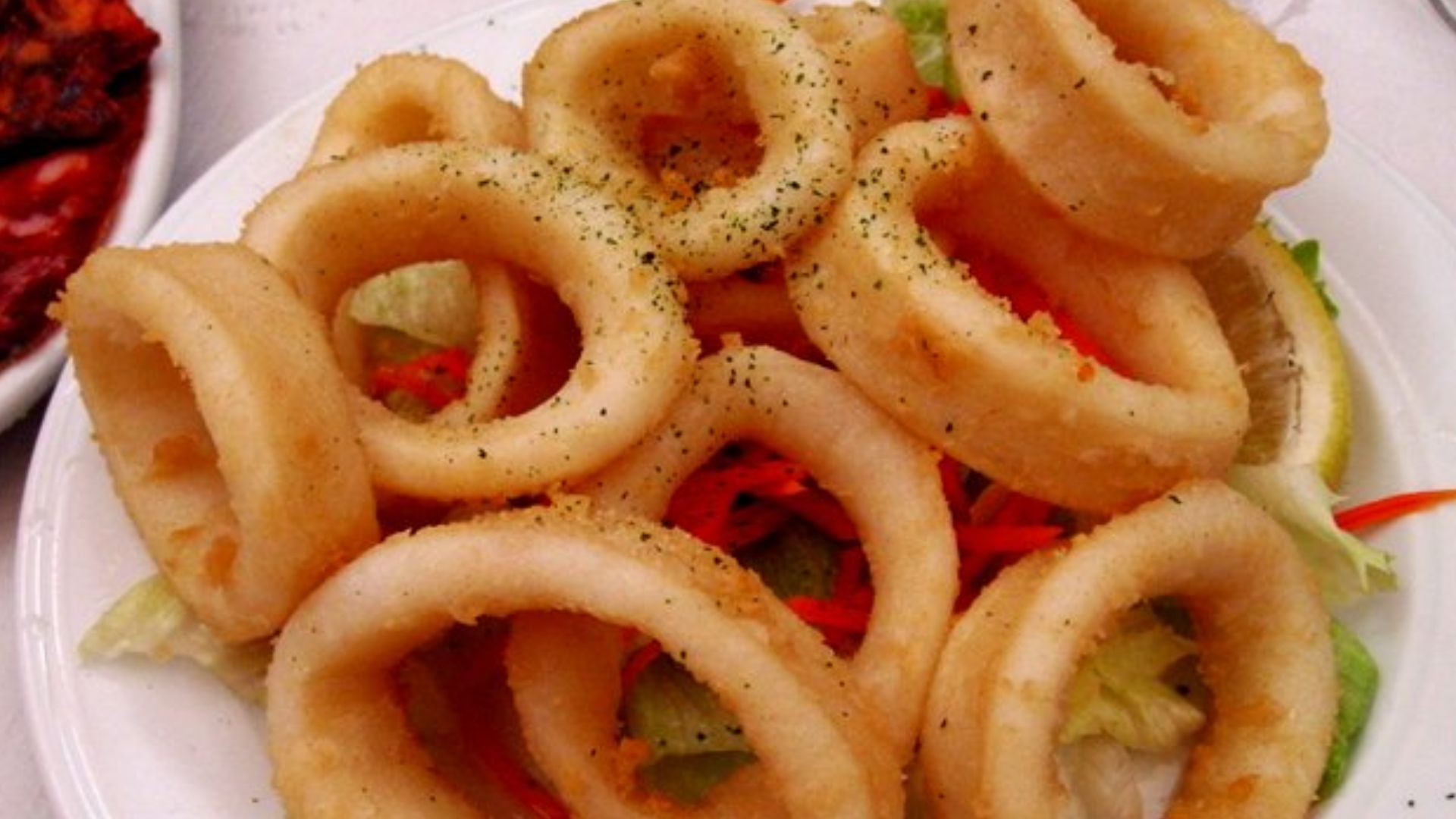
Calamari sounds elegant. Squid sounds like something Captain Nemo encountered. Either way, 44% of Americans surveyed disliked or hated it. Properly fried calamari can be tender and crisp, but overcook it by a few minutes and you have something that gives your jaw a serious workout.
Caviar
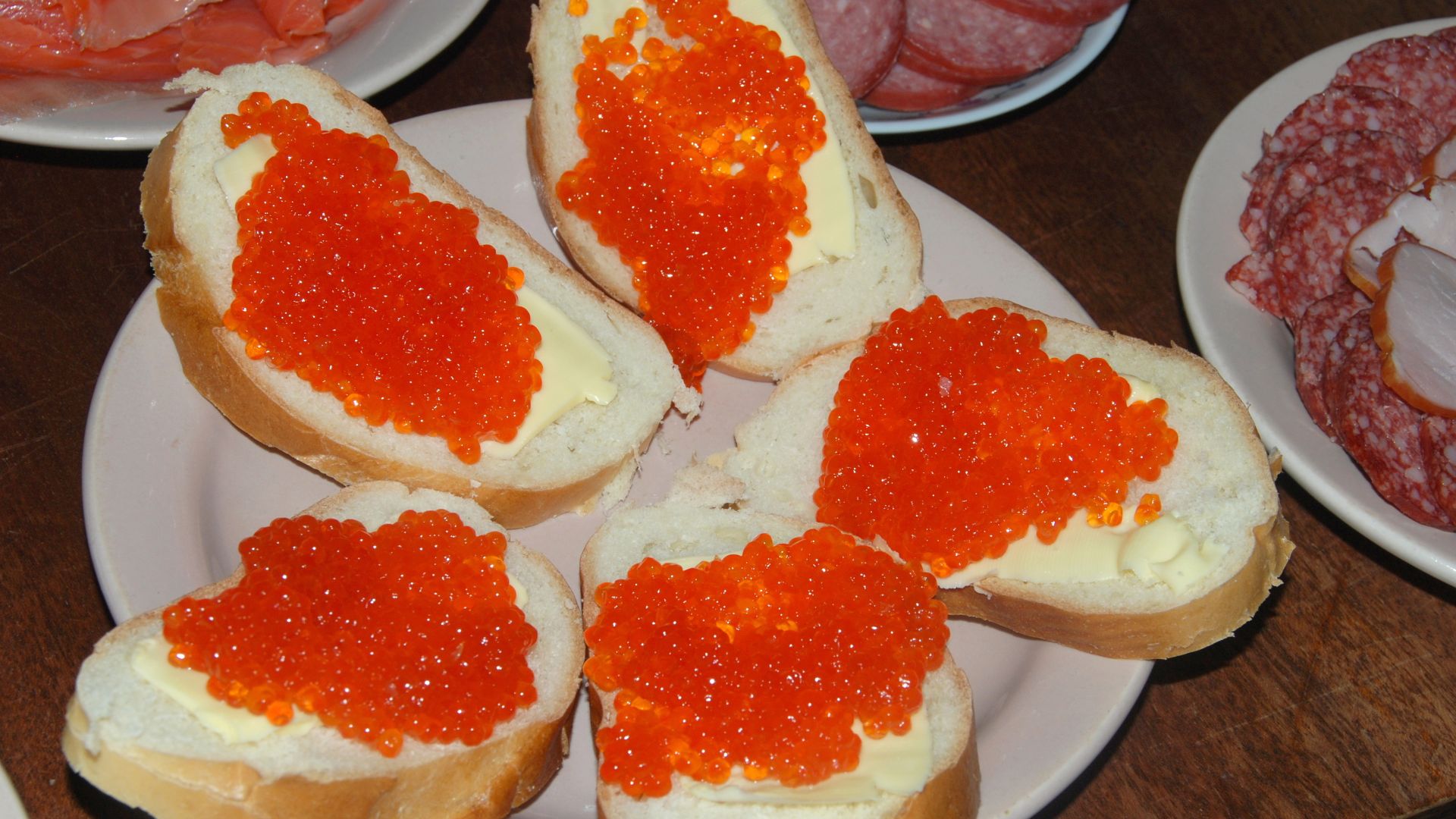
Caviar has spent decades symbolizing luxury, which makes its unpopularity rather amusing. YouGov found 43% disliked or hated it, while another 26% were not sure how they felt. Apparently, putting tiny fish eggs on an expensive cracker does not automatically make everyone feel sophisticated.
 user:Pianist, Wikimedia Commons
Oysters
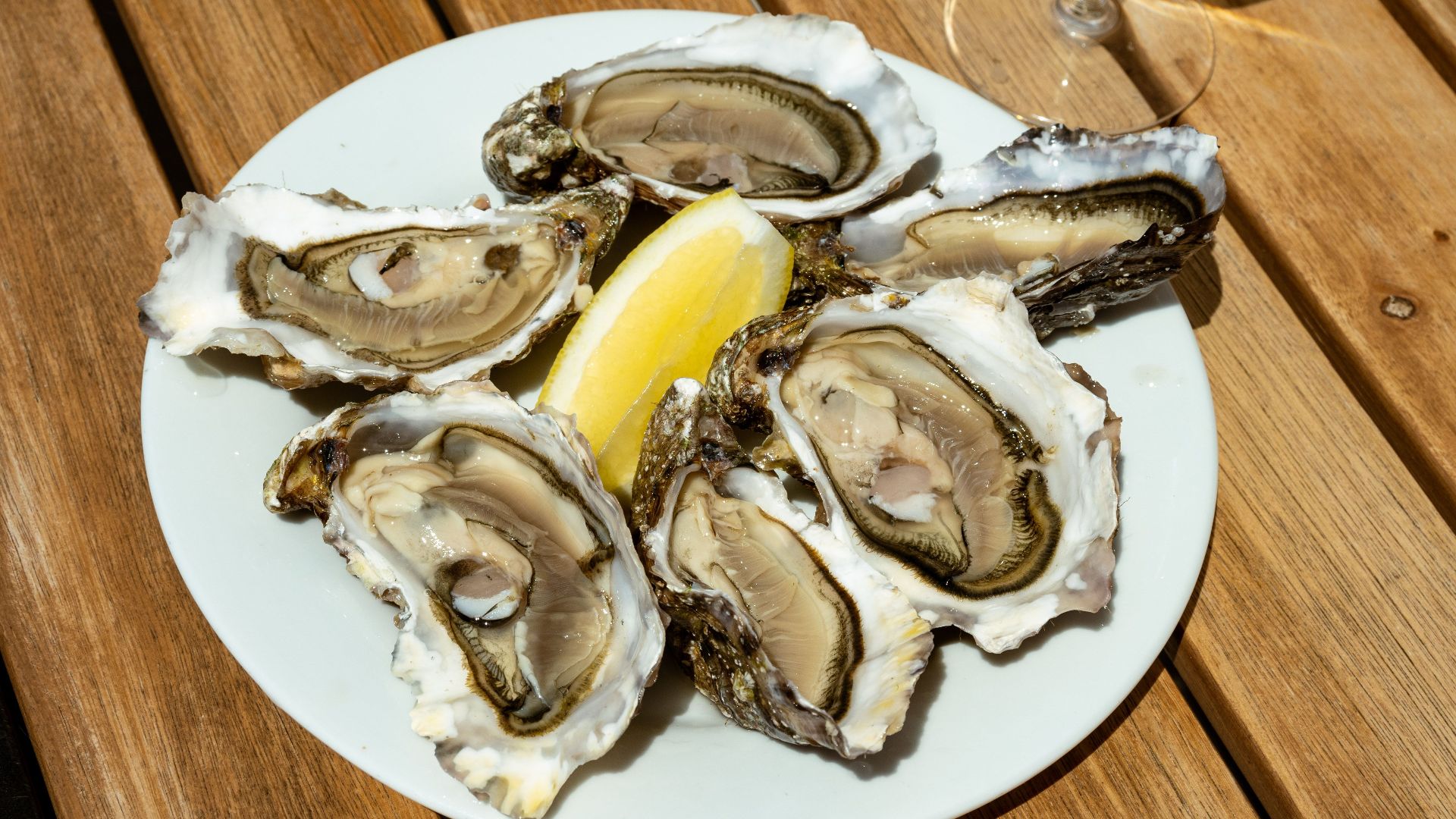
Oysters have passionate fans, particularly along America’s coasts, but their texture can stop newcomers cold. Roughly 42% of YouGov respondents disliked or hated them. A separate Harris Poll conducted for Instacart found 41% saying they hated oysters, proving that the slippery shellfish remain seriously divisive.
Blue Cheese
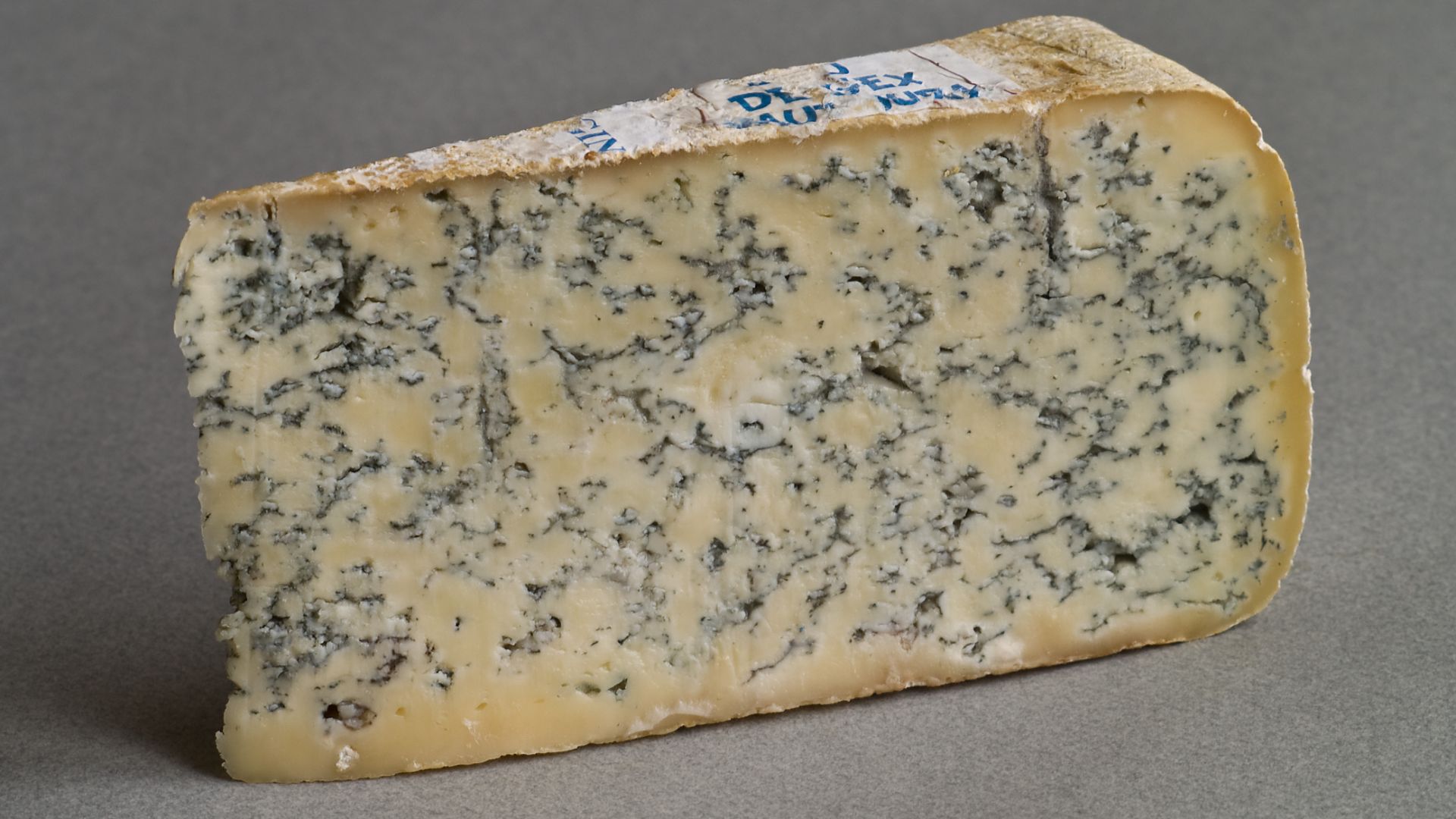
Blue cheese does not believe in subtlety. It announces itself the moment it enters the room. Thirty-nine percent of Americans in YouGov’s polling disliked or hated it. That funky aroma and sharp flavor are exactly what enthusiasts adore, while everybody else starts asking whether something in the refrigerator has spoiled.
Sushi
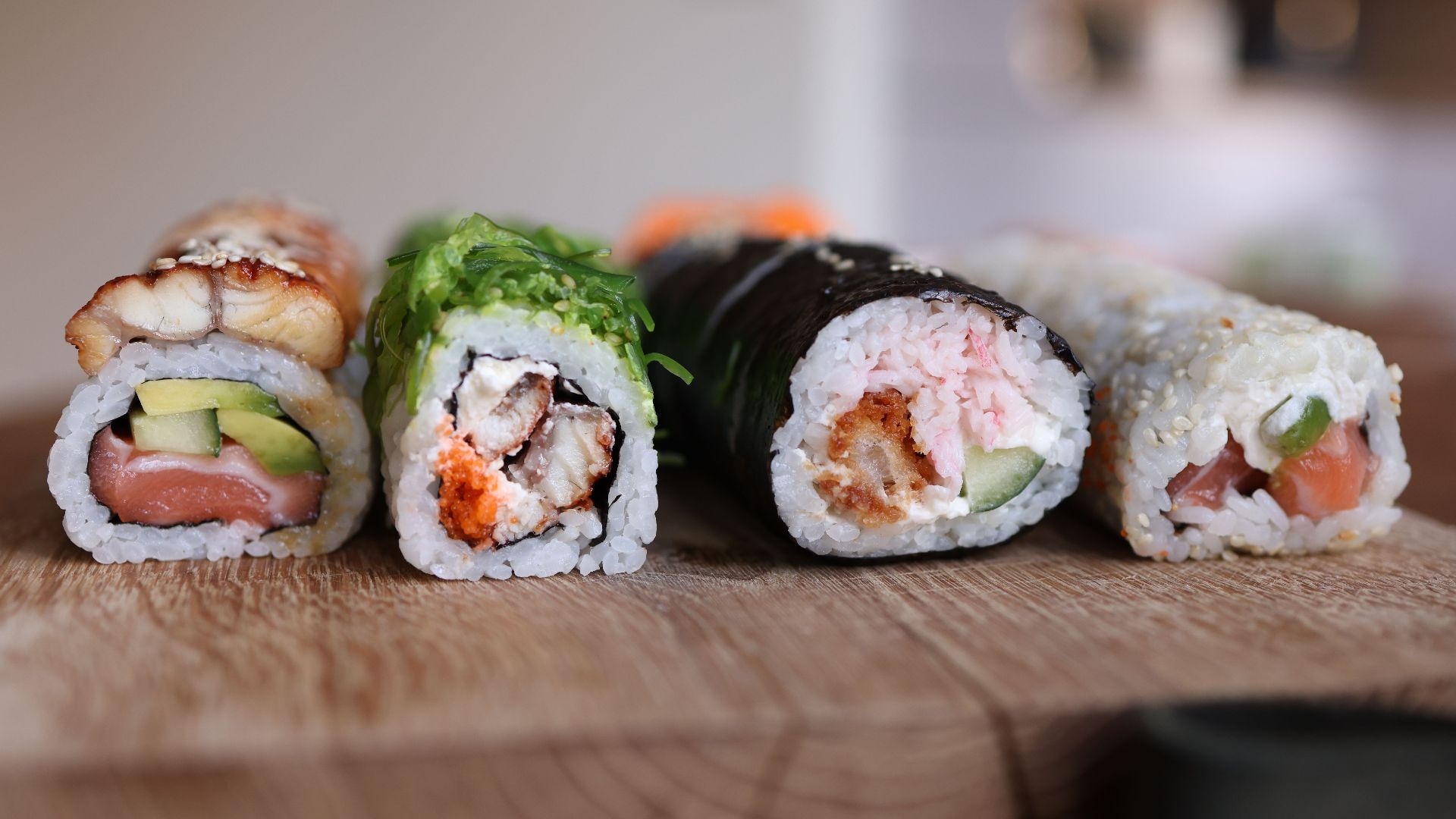
Sushi has gone from exotic restaurant fare to supermarket staple during many Boomers’ lifetimes, yet it still has plenty of skeptics. Thirty-nine percent of surveyed Americans disliked or hated it. Interestingly, Americans 45 and older were more likely than younger adults to have an aversion to sushi.
Chitterlings
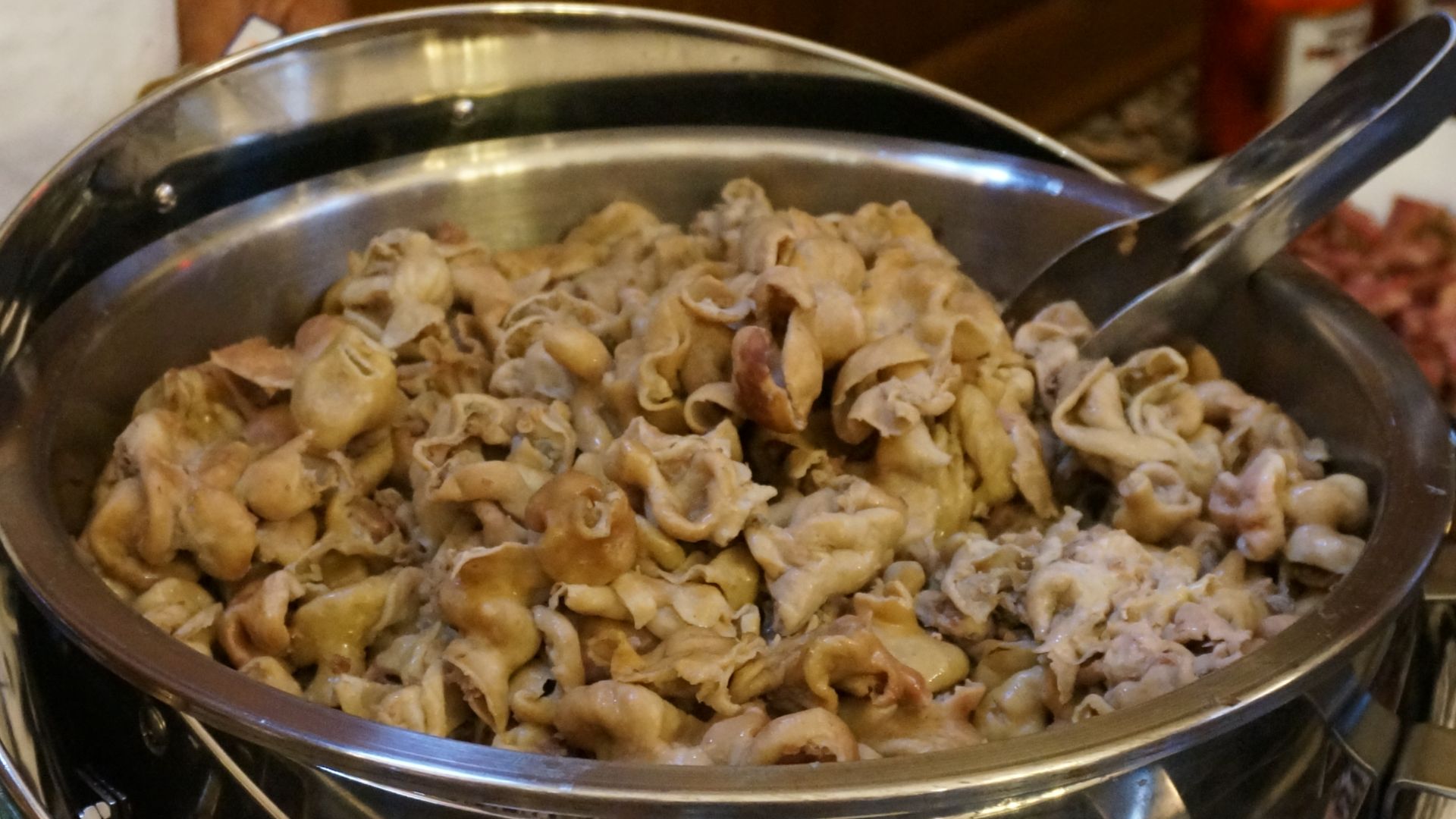
Chitterlings, or chitlins, have deep roots in Southern food traditions, particularly within African American cuisine. Yet they are unquestionably an acquired taste. YouGov found 38% disliked or hated them, while more than a third said they were unsure, suggesting many Americans have never gotten close enough to form an opinion.
 Humanities Writ Large, Wikimedia Commons
Beets
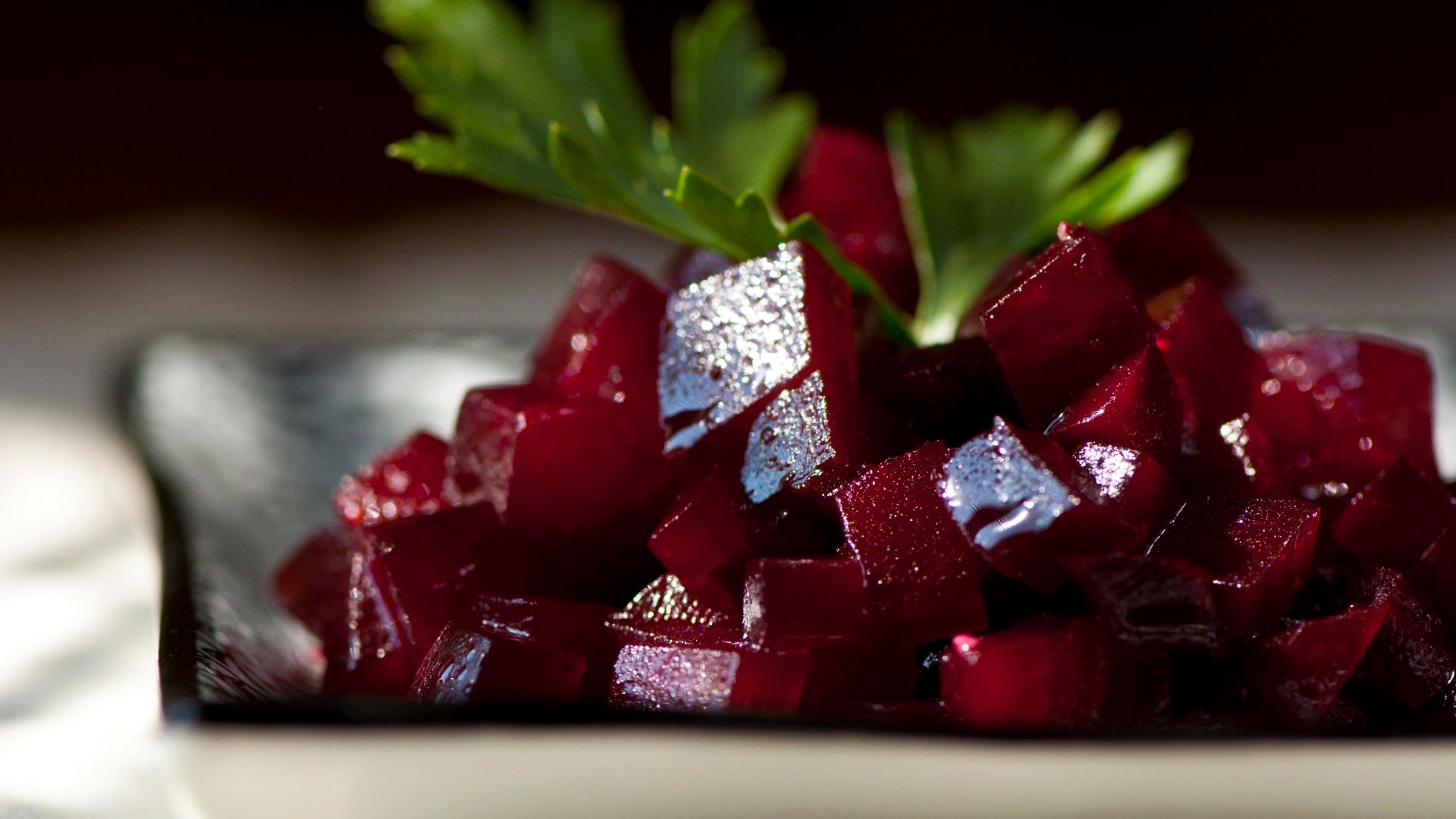
Beets have spent decades turning perfectly innocent plates purple. Their earthy sweetness wins devoted fans, but 35% of Americans told YouGov they disliked or hated them. Anyone who remembers canned beets from a mid-century supper table may understand why the vegetable still has some public-relations work to do.
 ponafotkas from Kiev, Ukraine, Wikimedia Commons
Kale
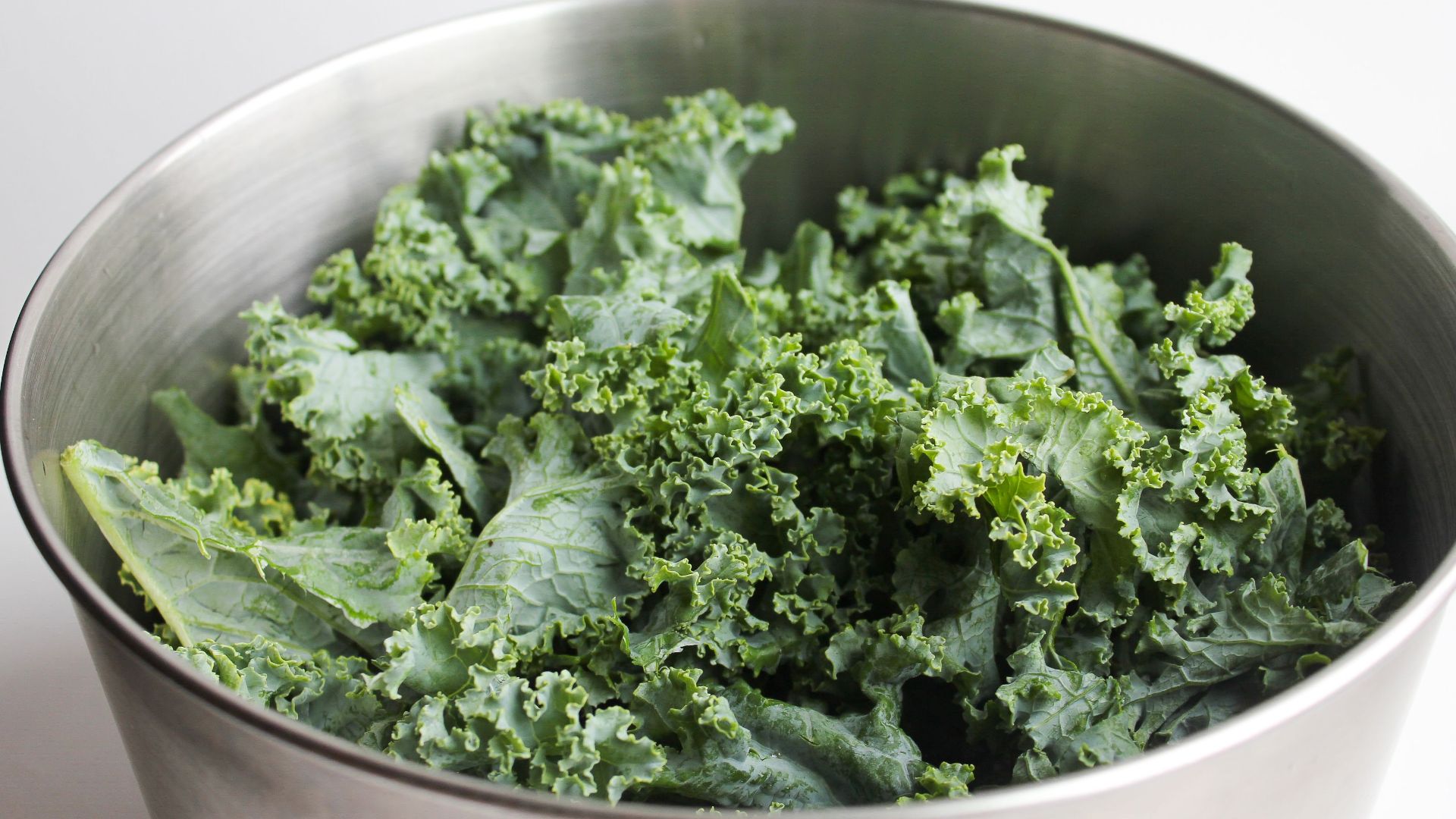
Kale somehow went from decorative greenery around the salad bar to superstar health food. Not everyone celebrated the promotion. Thirty-one percent of Americans disliked or hated kale, while another 31% felt neutral about it. Translation: millions of people will eat it, but they are not sending it a Christmas card.
Black Licorice
Black licorice possesses the remarkable ability to divide a candy bowl instantly. A Harris Poll for Instacart found that 45% of Americans hated it. Its unmistakable anise-like flavor leaves little room for indifference. People who love black licorice really love it. Everyone else reaches for the chocolate.
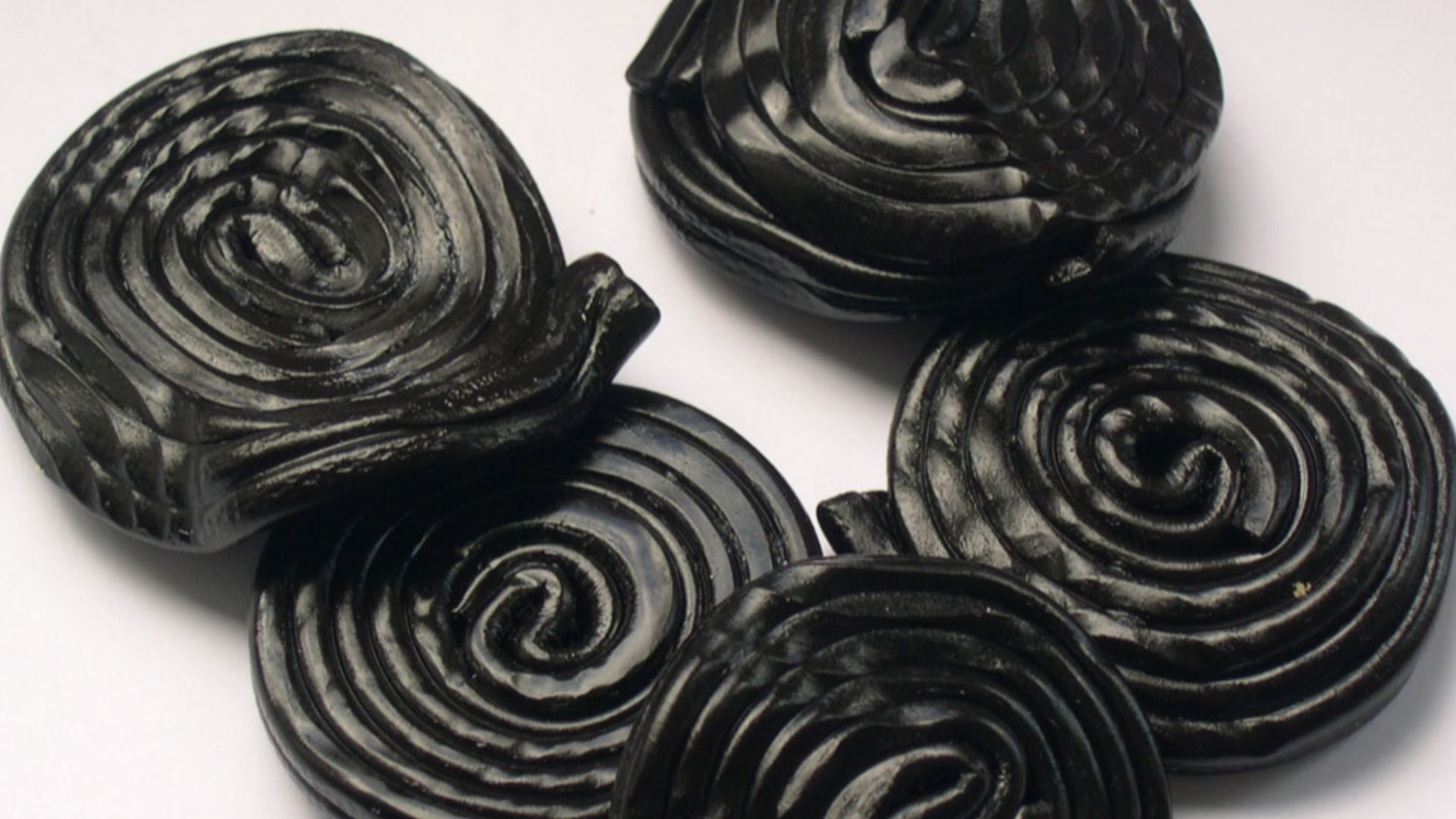 Pikaluk from UK, Wikimedia Commons
Candy Corn
Few candies inspire arguments quite like those little orange, yellow, and white triangles. An Instacart survey found 21% of Americans saying they hated eating candy corn, although plenty still loved it or felt indifferent. For many Boomers, nostalgia may be doing at least half the culinary heavy lifting.
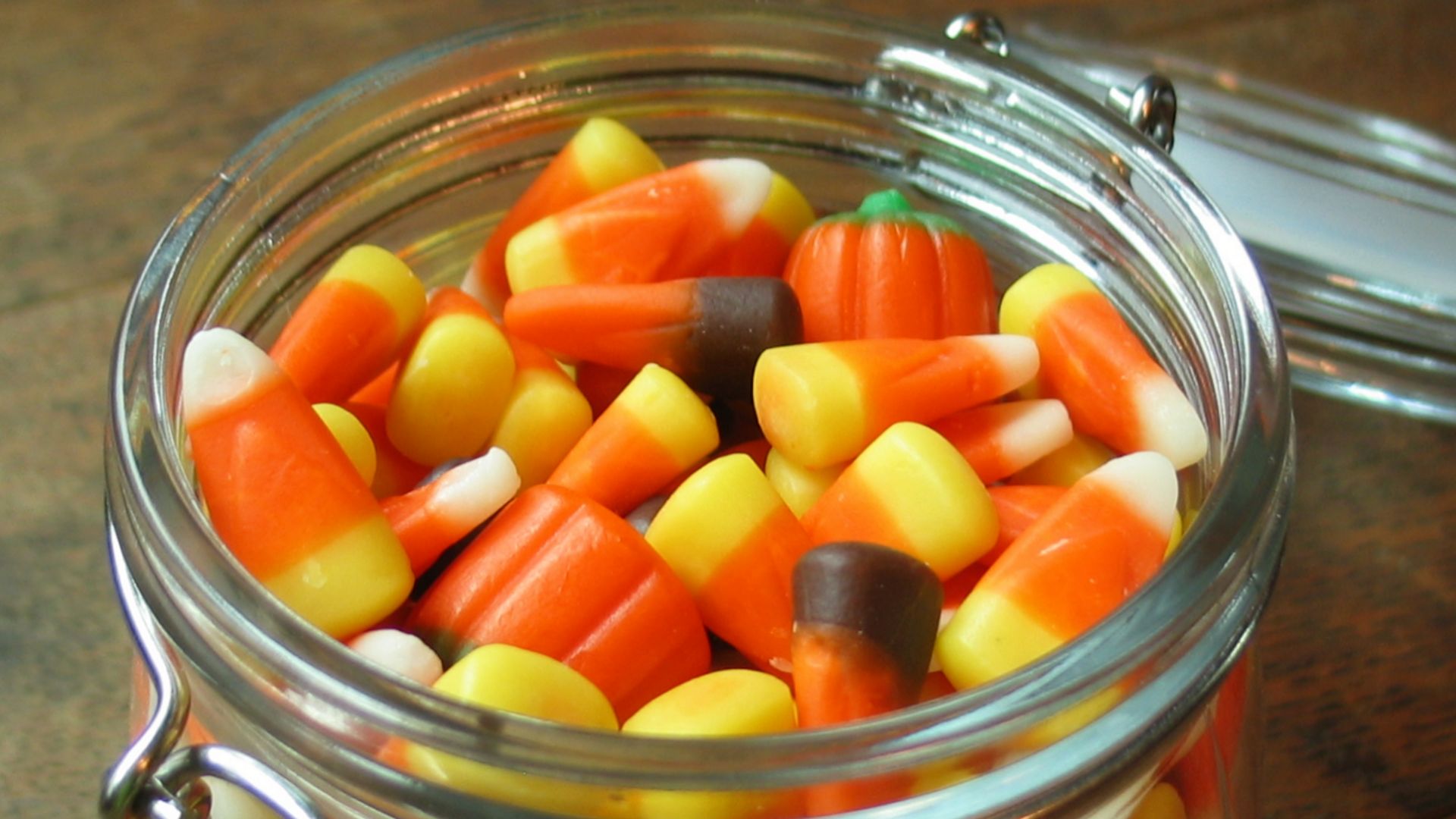 Juushika Redgrave, Wikimedia Commons
Brussels Sprouts
Brussels sprouts were practically shorthand for awful vegetables in old sitcoms and cartoons. Modern roasting techniques have improved their reputation tremendously, but not everybody has forgiven them. YouGov found men were particularly likely to dislike vegetables including Brussels sprouts, suggesting that decades of boiling them into submission left some emotional scars.
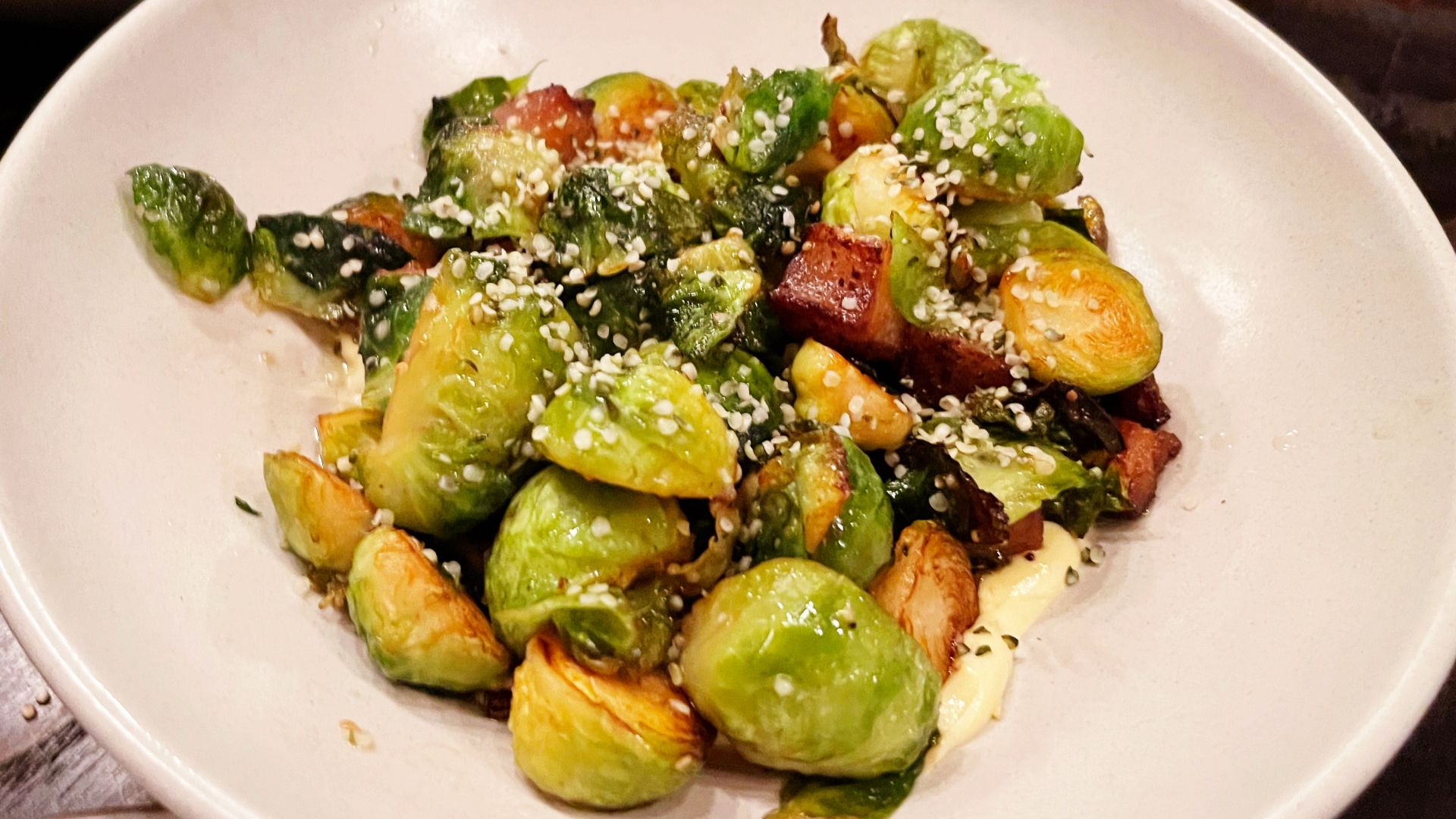
Okra
Okra can be crisp and irresistible when fried, but boiled or stewed versions introduce a famously slippery texture. That quality tends to separate diners into enthusiastic defenders and people quietly moving it to the far side of the plate. YouGov included okra among foods that inspired enough dislike to make its national survey.
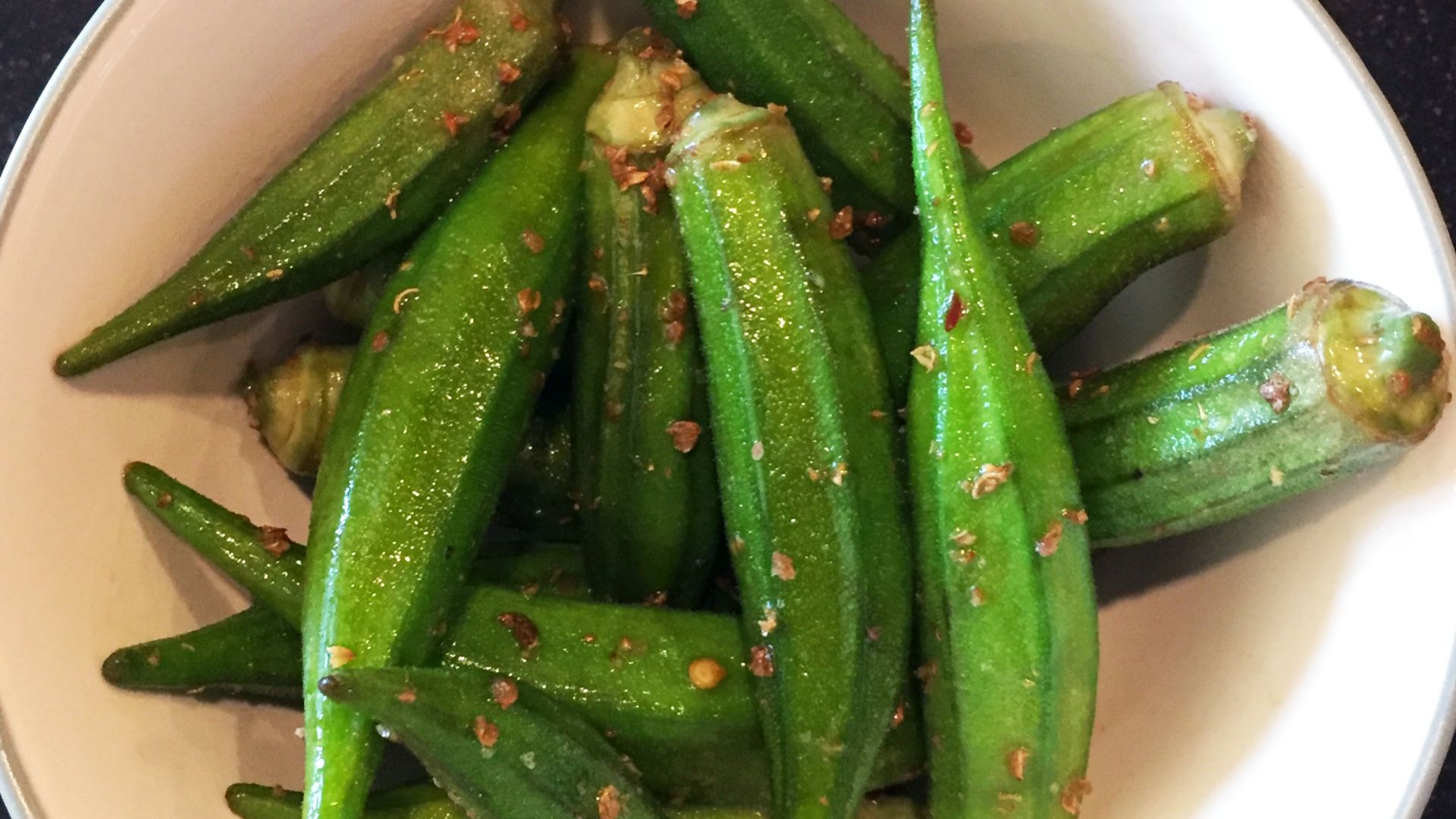 Andrew Z. Colvin, Wikimedia Commons
Olives
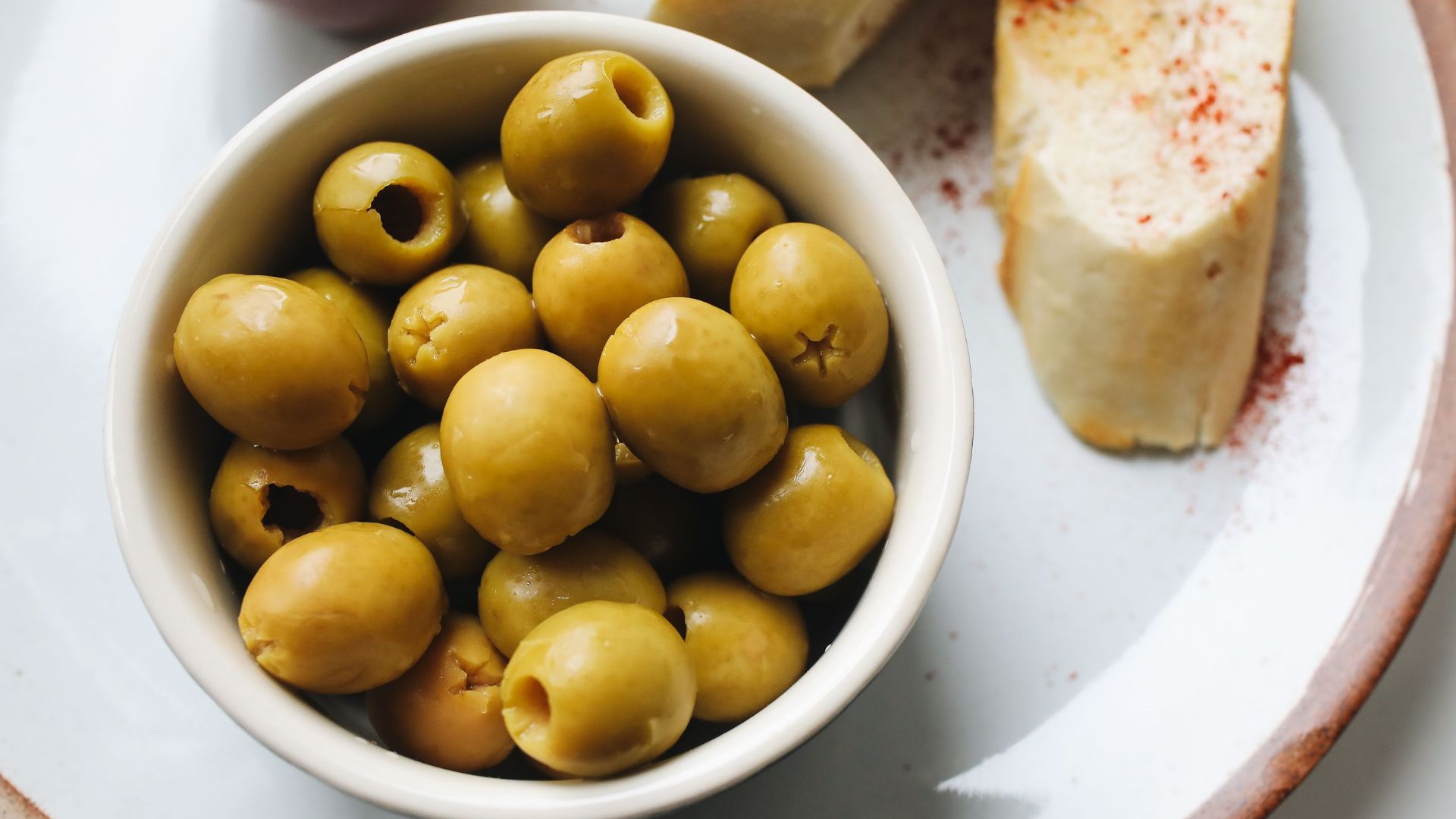
Olives seem innocent until somebody slips them onto a pizza or into a salad. Their salty, briny bitterness can overwhelm milder ingredients. YouGov found younger adults were more likely than older Americans to dislike olives, meaning Boomers may actually have the advantage after decades of cocktail parties, relish trays, and antipasto platters.
Mayonnaise
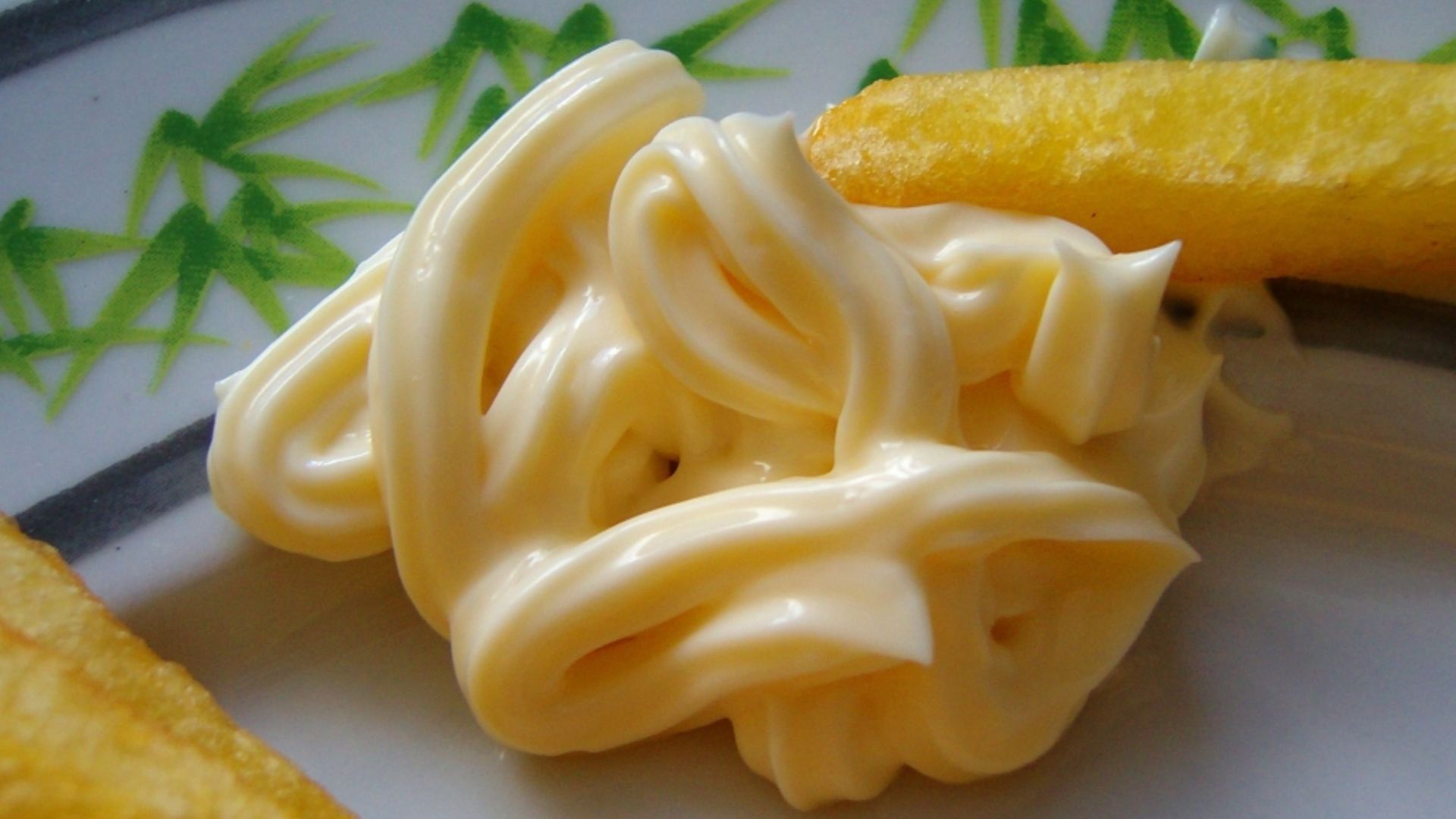
Mayonnaise may be one of America’s great sandwich workhorses, but its creamy texture inspires surprisingly intense opposition. YouGov found adults under 45 especially likely to dislike it compared with older Americans. Boomers raised on potato salad, deviled eggs, and deli sandwiches may have developed considerably more mayo tolerance.
Mustard
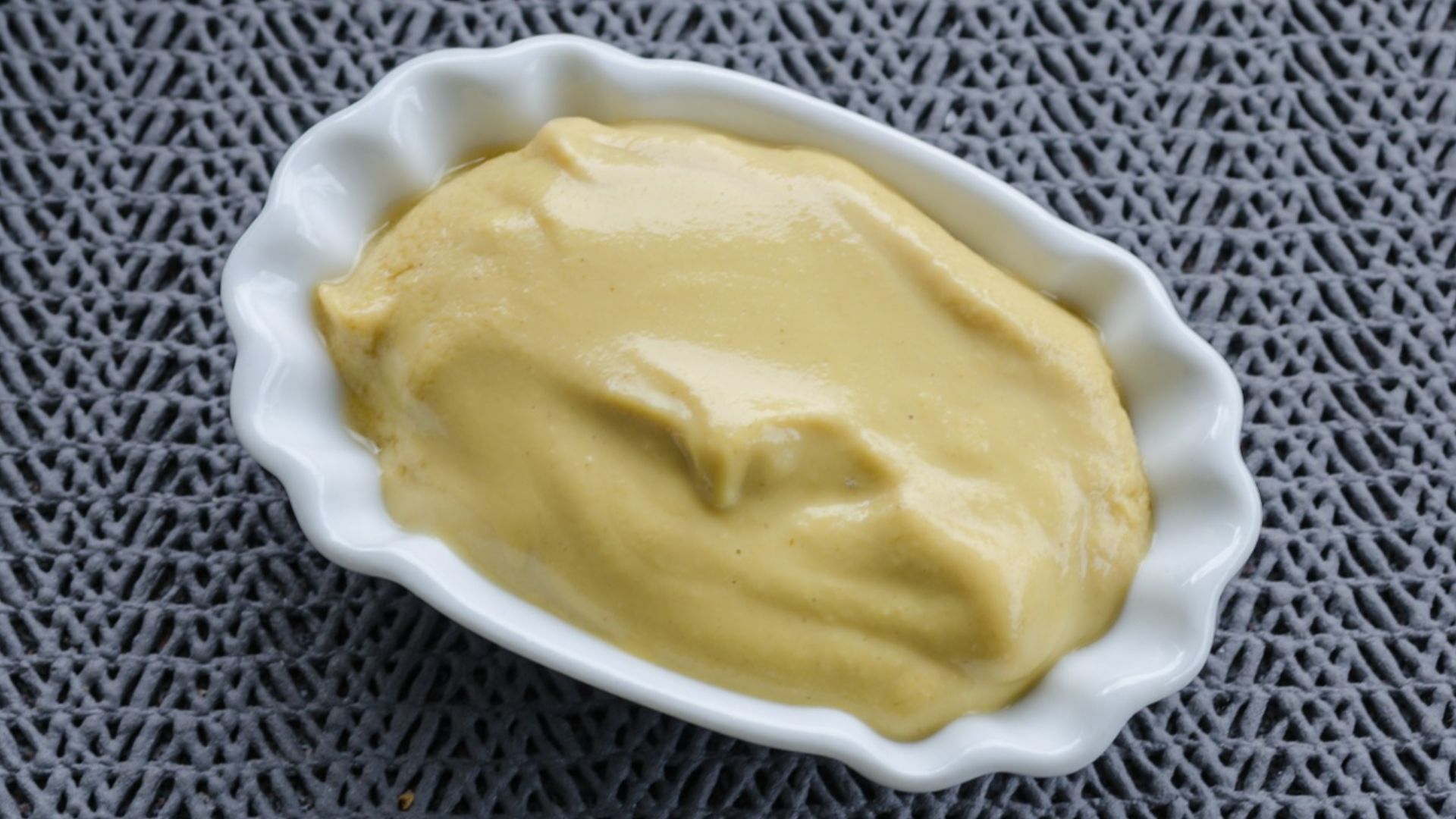
Hot dogs and mustard seem almost inseparable, but not everybody wants that unmistakable yellow stripe. Like mayonnaise, mustard drew more dislike among younger adults in YouGov’s survey. Its vinegar bite can be refreshing in small doses or overpowering if the person holding the squeeze bottle gets ambitious.
Pickles
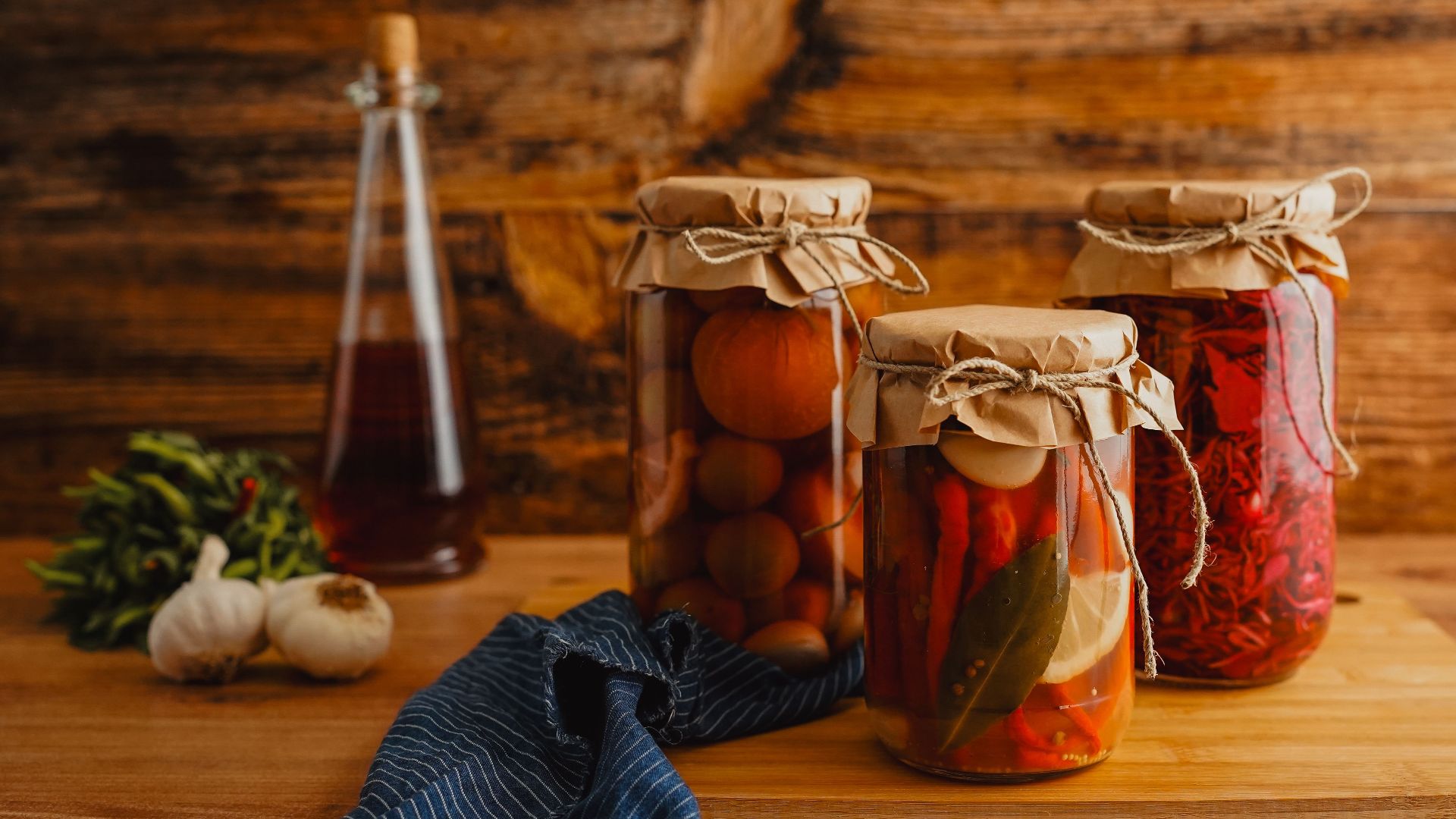
The humble pickle has ruined many a perfectly good hamburger for diners who dislike vinegar and crunch. YouGov found younger Americans more likely than older adults to dislike pickles. Perhaps surviving decades of relish trays, diner sandwiches, and giant deli pickles has made older Americans harder to frighten.
Pineapple Pizza
Nothing tests a friendship quite like ordering pizza with pineapple. Yet the topping may have more fans than its reputation suggests. A 2023 YouGov survey found 37% hated or disliked pineapple on pizza, while 59% liked or loved it. Controversial? Absolutely. Universally hated? Not even close.
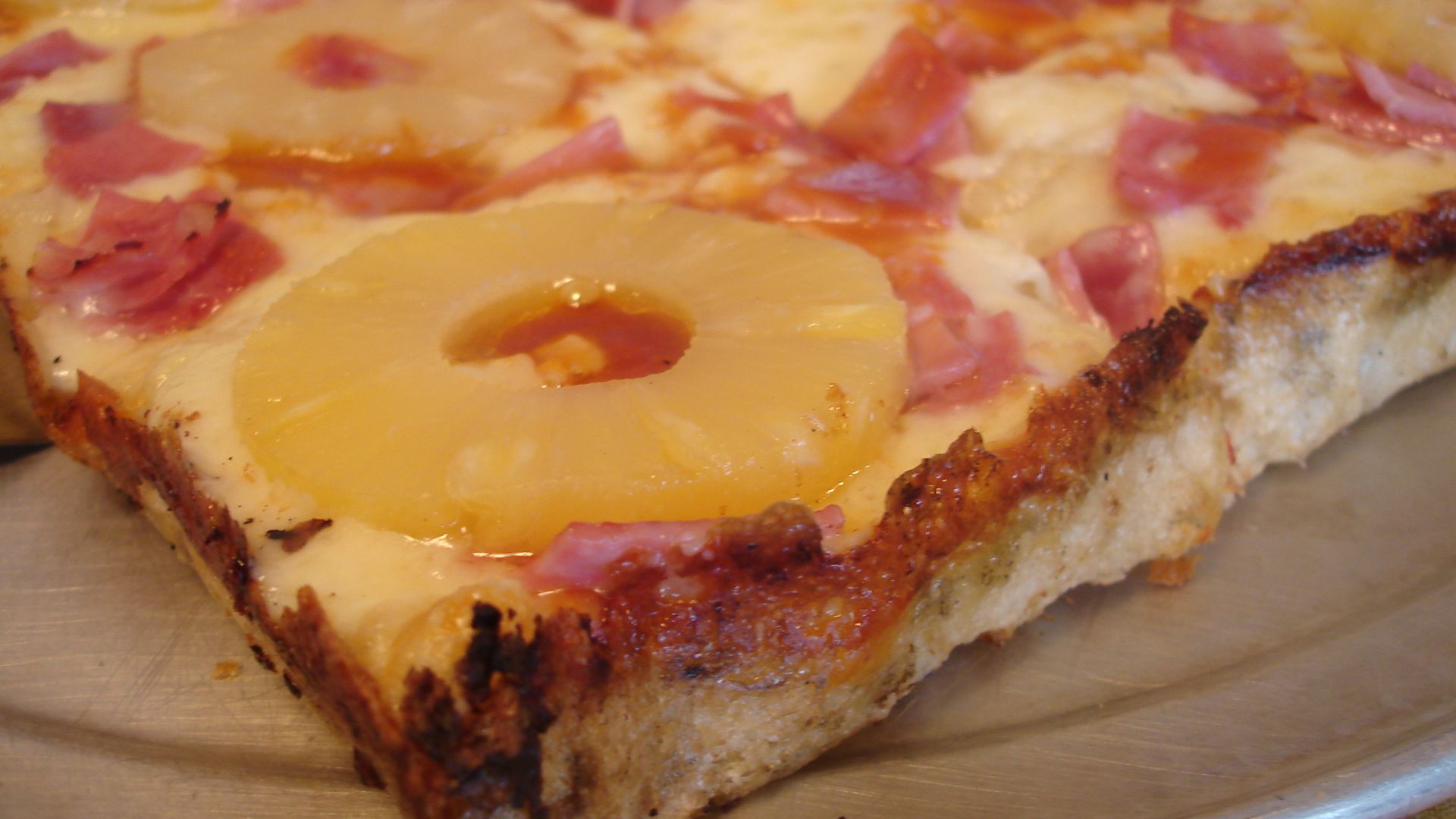 @joefoodie from USA, Wikimedia Commons
Eggplant
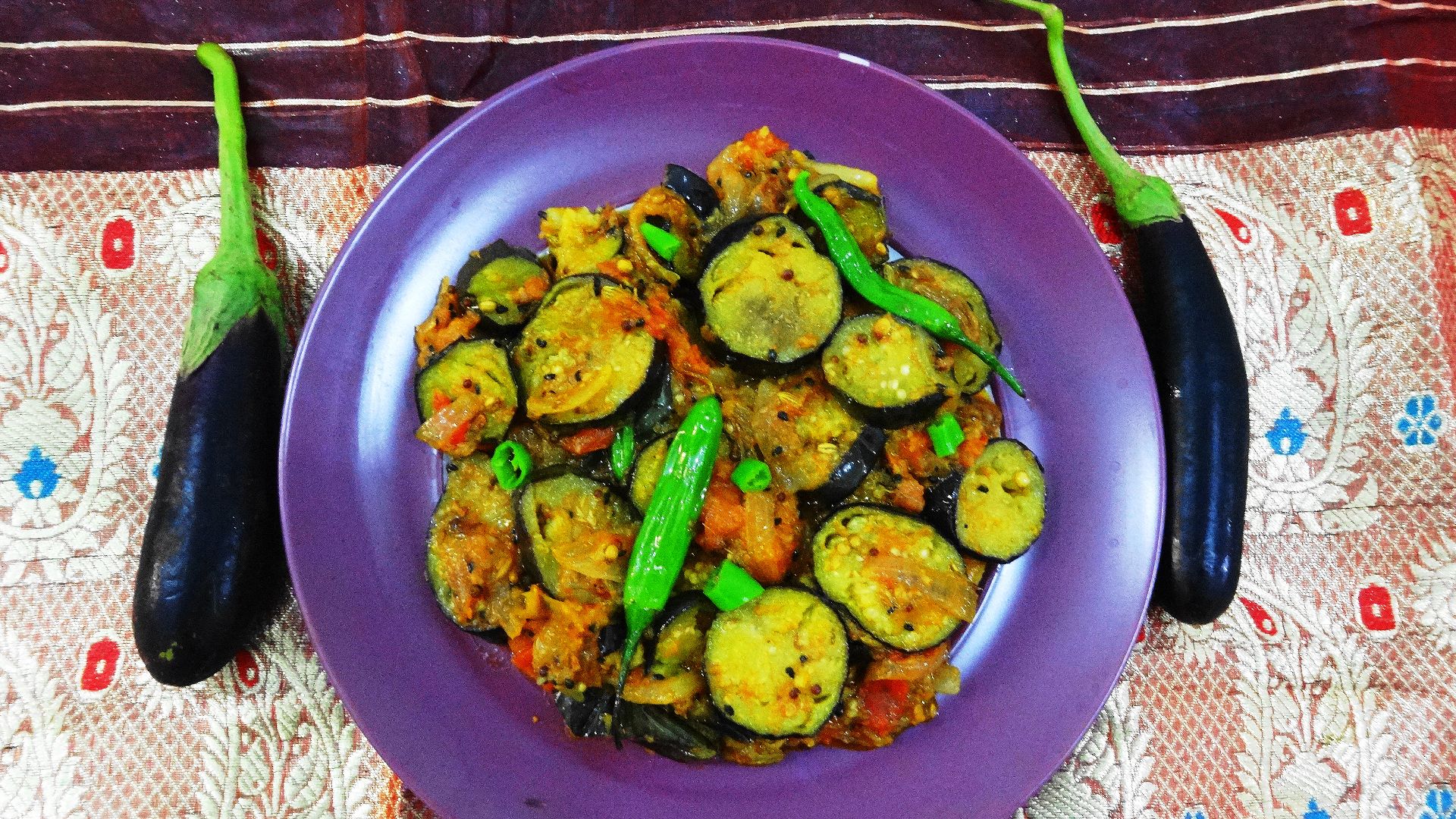
Eggplant looks harmless enough, but its soft texture can turn troublesome when badly prepared. On pizza, Americans are especially unforgiving: YouGov found 28% hated eggplant as a pizza topping, making it one of the least-loved options surveyed. Eggplant Parmesan fans are presumably preparing strongly worded rebuttals.
Artichokes
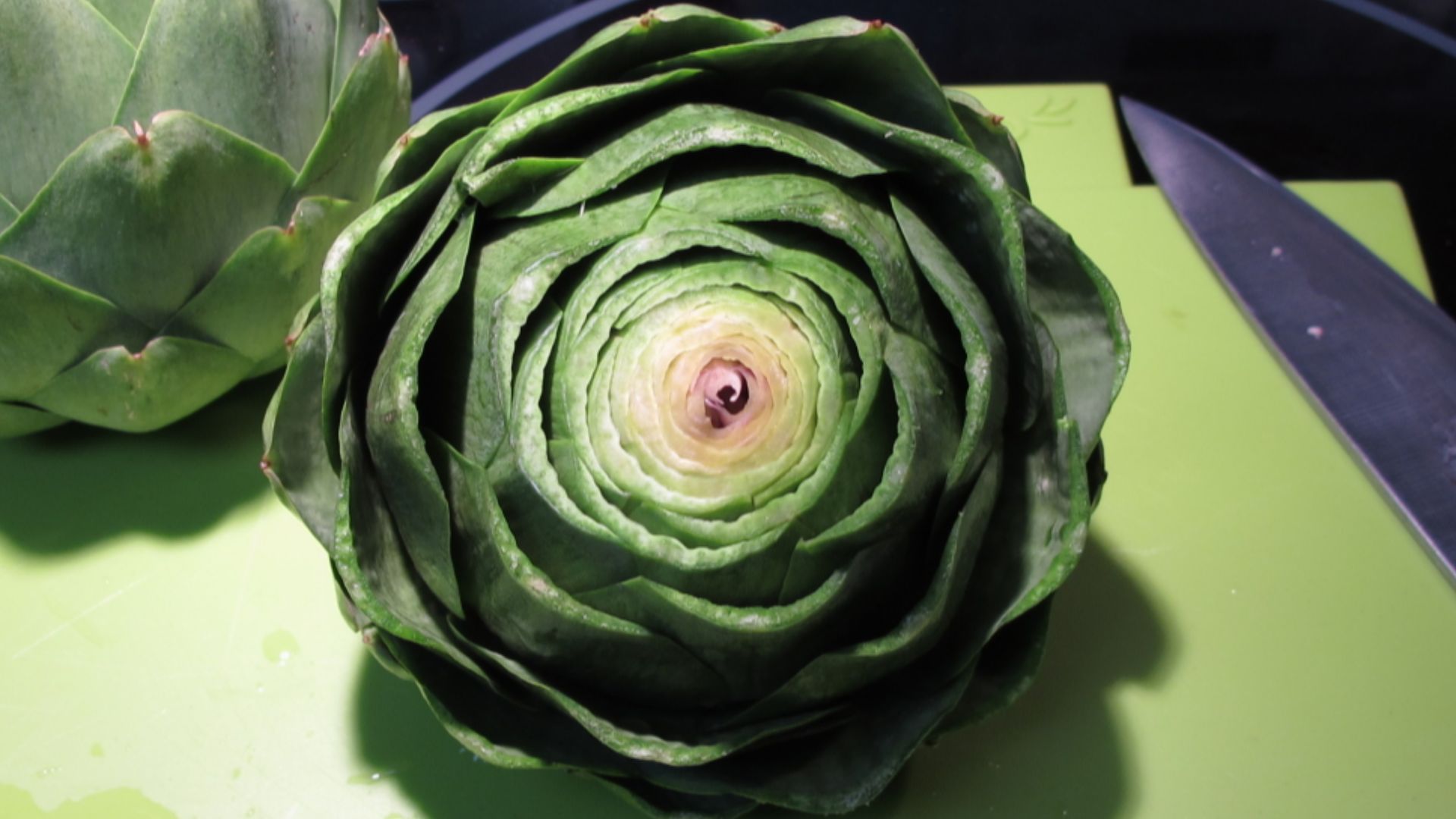
Artichokes require a surprising amount of effort for a vegetable. Peel leaves, scrape them with your teeth, find the heart, avoid the choke. Then somebody puts them on pizza. YouGov found 26% of Americans hated artichokes as a pizza topping, placing them firmly among the toppings most likely to get picked off.
Cauliflower
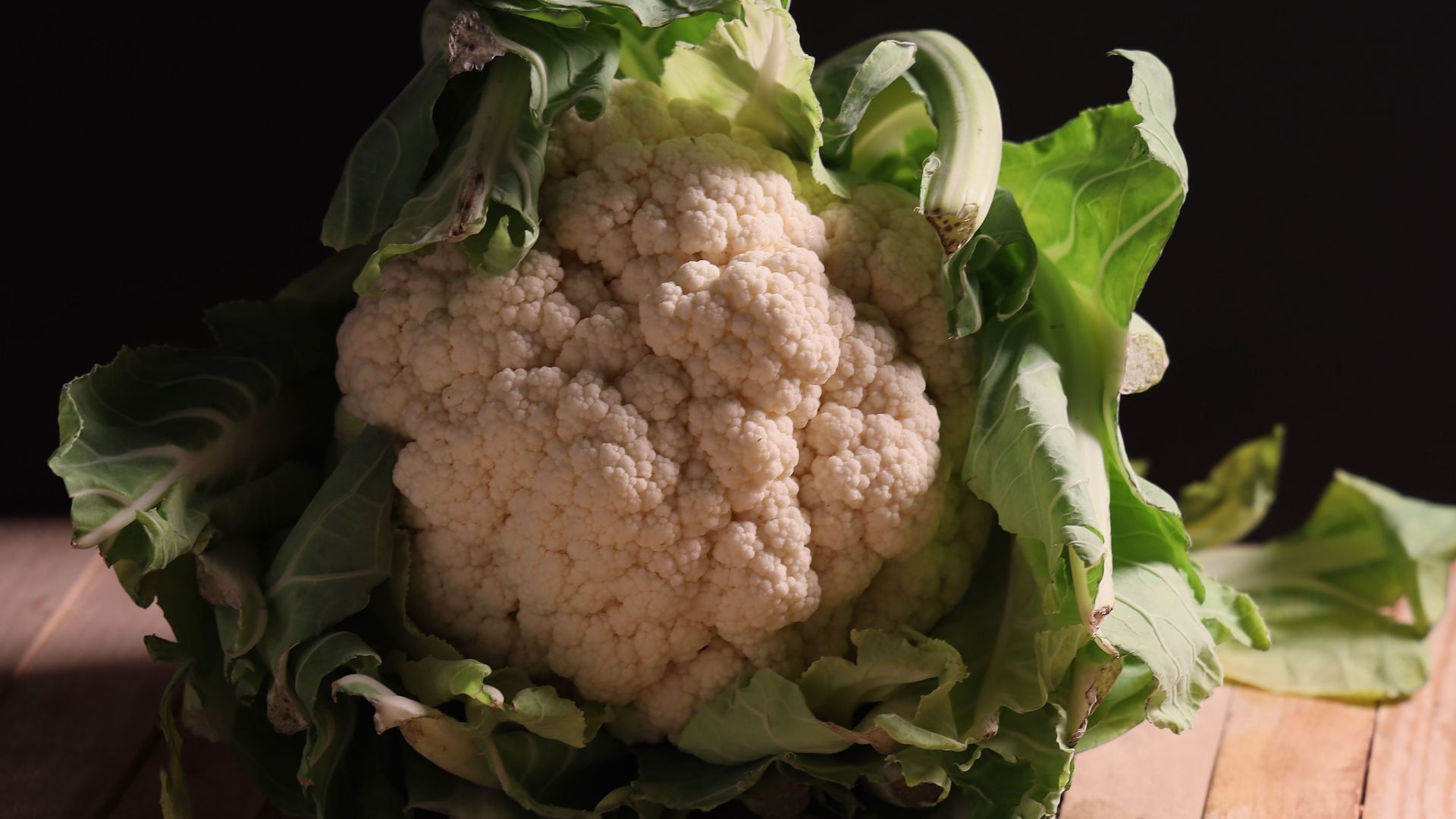
Cauliflower has recently attempted one of food history’s boldest identity changes. It has become pizza crust, rice, mashed “potatoes,” and even faux chicken wings. Still, not everybody is impressed. YouGov found men more likely than women to dislike vegetables including cauliflower, proving that disguising it as another food only goes so far.
Spinach
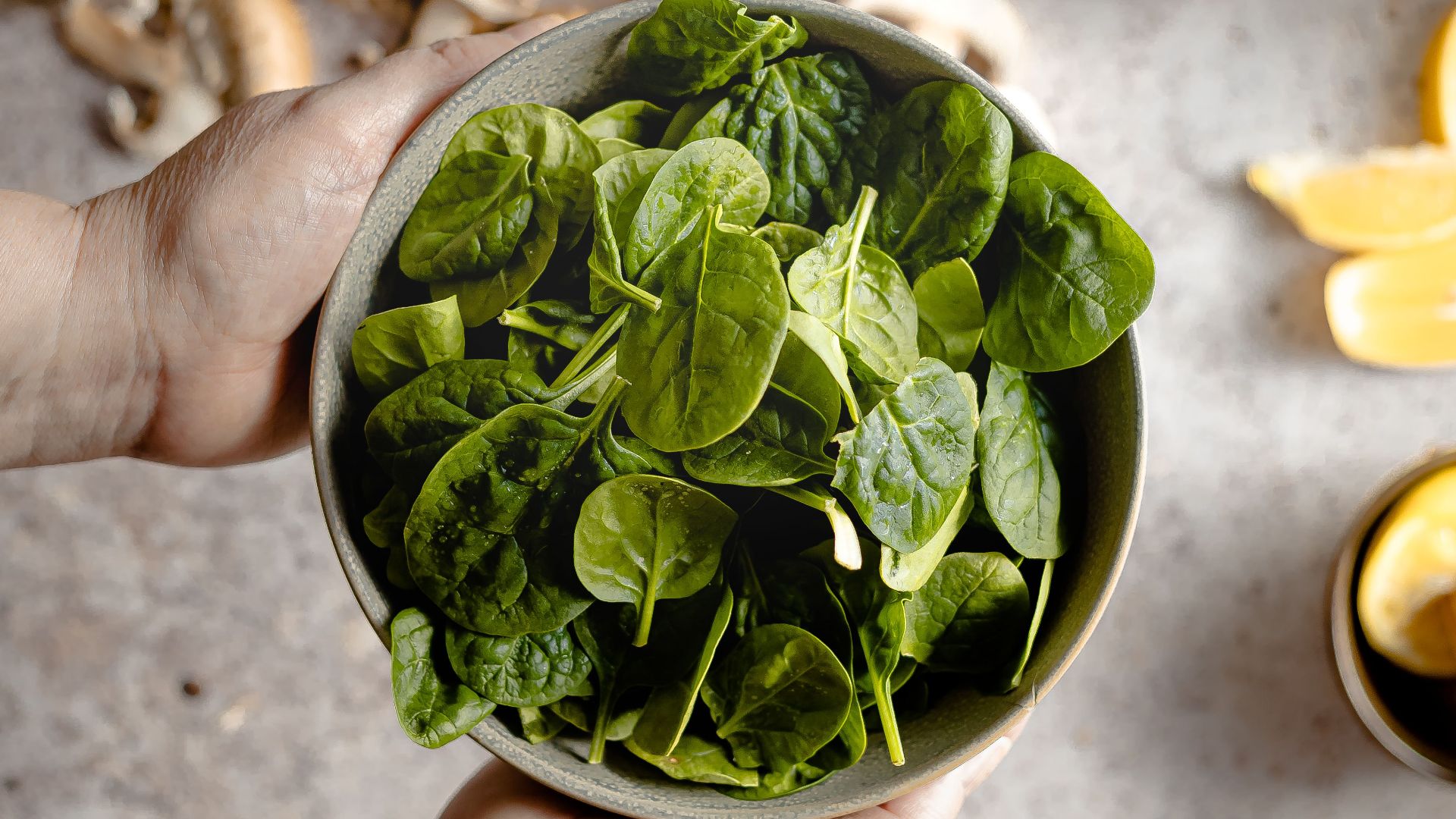
Popeye spent decades trying to improve spinach’s image, yet plenty of Americans still pass on the leafy green. YouGov found men more likely than women to dislike spinach and several other vegetables. Fresh spinach has certainly improved matters, although memories of dark canned spinach can be difficult to erase.
Taste Buds Never Reach A Unanimous Verdict
The amusing thing about America’s most disliked foods is that nearly every one also has passionate defenders. YouGov found that 31 of the 40 foods it tested were actually liked or loved by more Americans than disliked or hated. One person’s culinary nightmare is another person’s treasured family recipe.
You May Also Like:
Things Canadians Notice Immediately When They Drive Through The American Southwest
Top Five Restaurants In The World
The U.S. Cities That Canadians Say Are Better Tourist Destinations Than They Expected