
Not So "Normal" Across the Pond
Most Americans break European laws without realizing it—sometimes within minutes of landing. Not because they’re reckless, but because everyday U.S. habits quietly cross legal lines overseas. The fines come fast, the rules aren’t obvious, and “that’s normal back home” doesn’t help.

Dash Cams Aren’t “Set It and Forget It” Everywhere
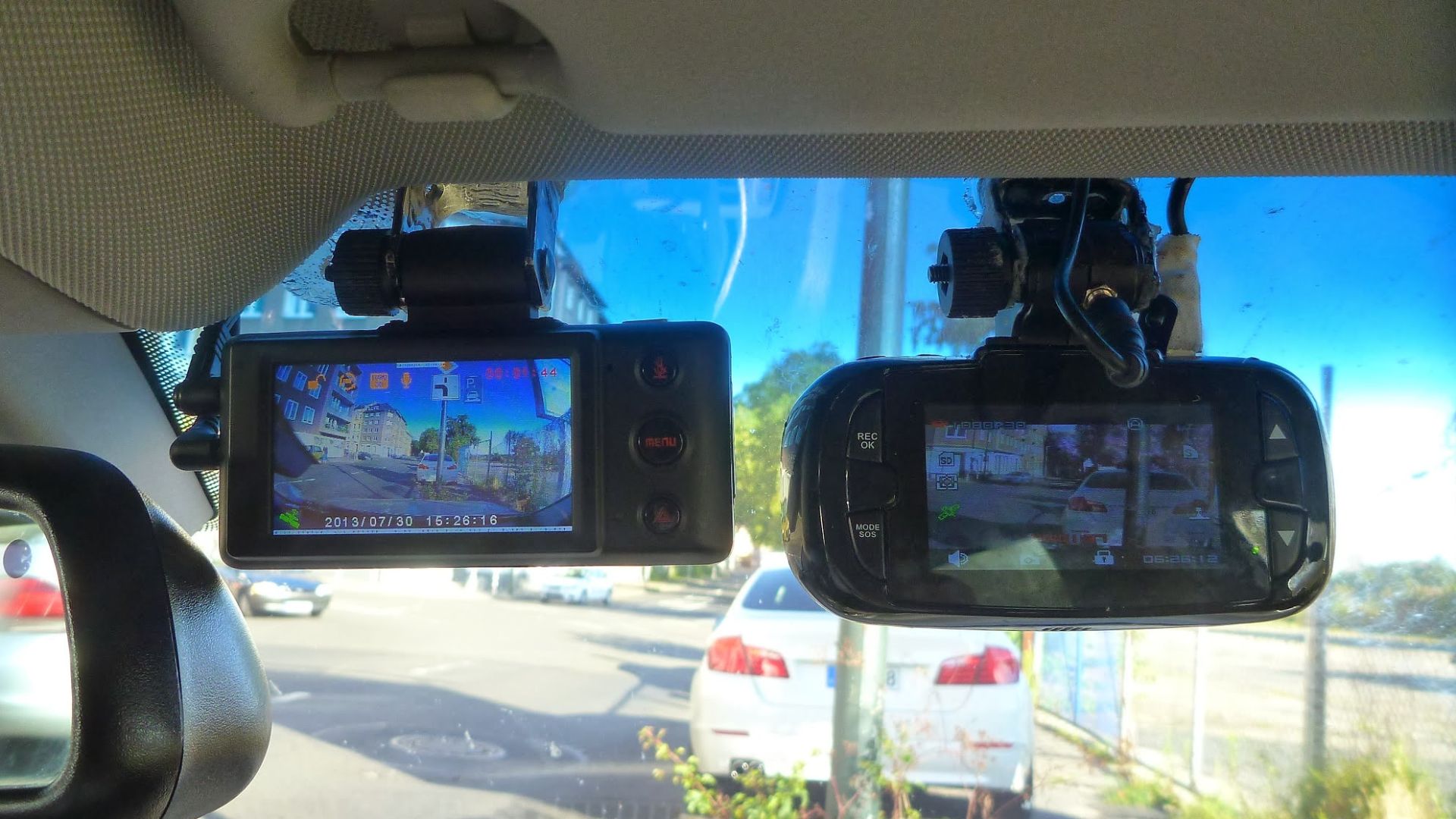
In the U.S., dash cams are widely legal and extremely common. In Austria, dash cams exist in a legal gray area due to strict privacy and data-protection rules. Continuous recording of identifiable people or license plates can be treated as unlawful surveillance—even if your intent is just self-protection.

Continuous Recording Can Be the Line You Cross
Many Americans run dash cams nonstop “just in case.” In Austria and parts of Germany, authorities often distinguish between event-based recording and constant recording. The latter can trigger fines if it’s viewed as violating privacy laws. Same device—very different expectations.
Headphones While Cycling Can Be Illegal
Cycling with earbuds is common in many U.S. cities. In France, it’s explicitly illegal to wear in-ear audio devices while operating a vehicle—including bicycles. The rule is enforced under national road-safety laws and regularly surprises American tourists.

“It’s Just One AirPod” Doesn’t Help
Some travelers assume one earbud is fine. In France and Spain, enforcement doesn’t usually make that distinction. If sound is delivered directly to your ears while cycling, you can be fined—no matter how normal that habit feels in the U.S.

Speed Camera Detectors Are a Hard No in France
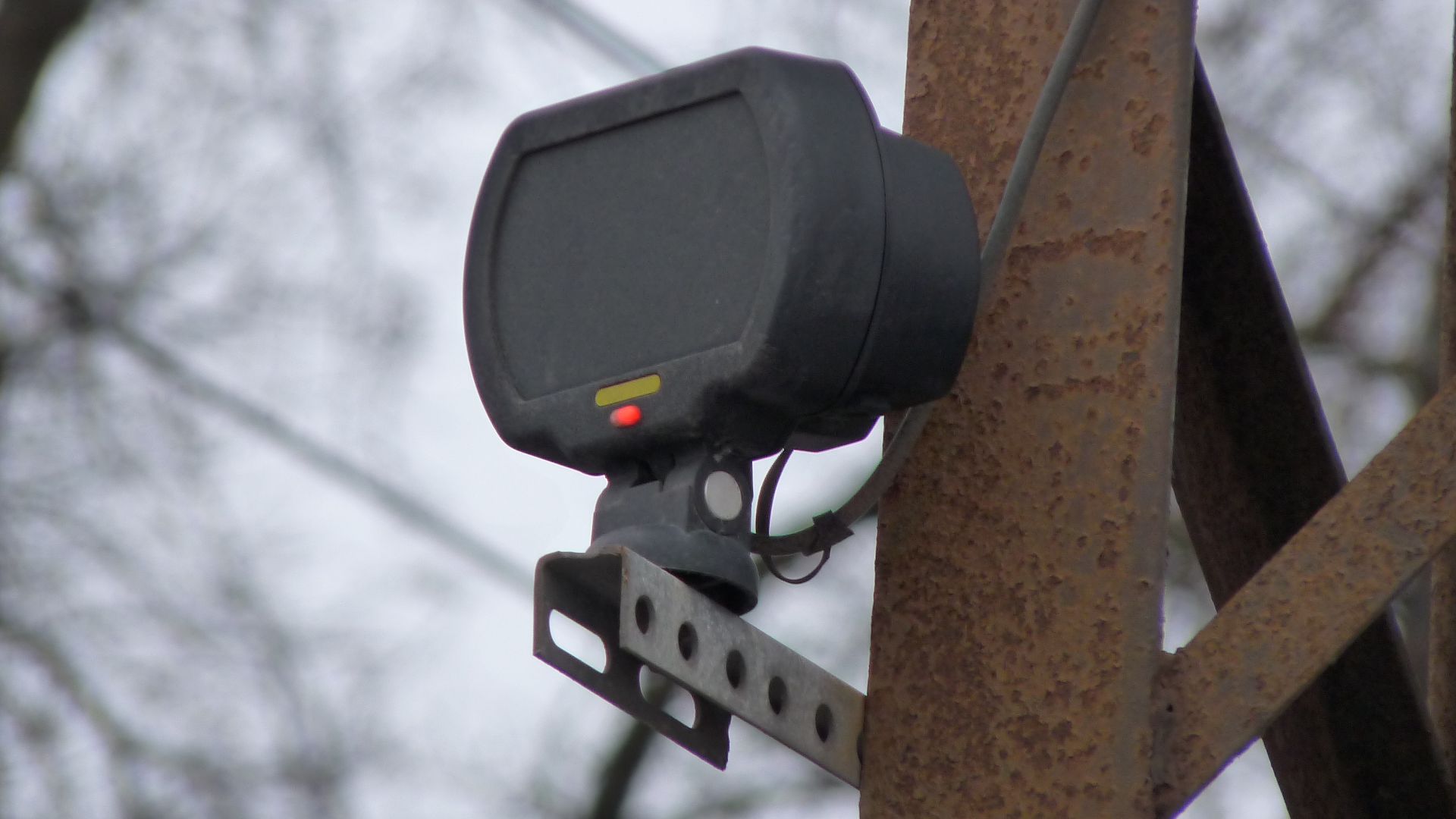
Radar detectors are widely legal and commonly used in much of the U.S. In France, devices designed to detect speed cameras are illegal. That includes certain radar detectors and alert systems Americans often rely on for long drives.
Even Helpful Driving Tech Can Get You in Trouble
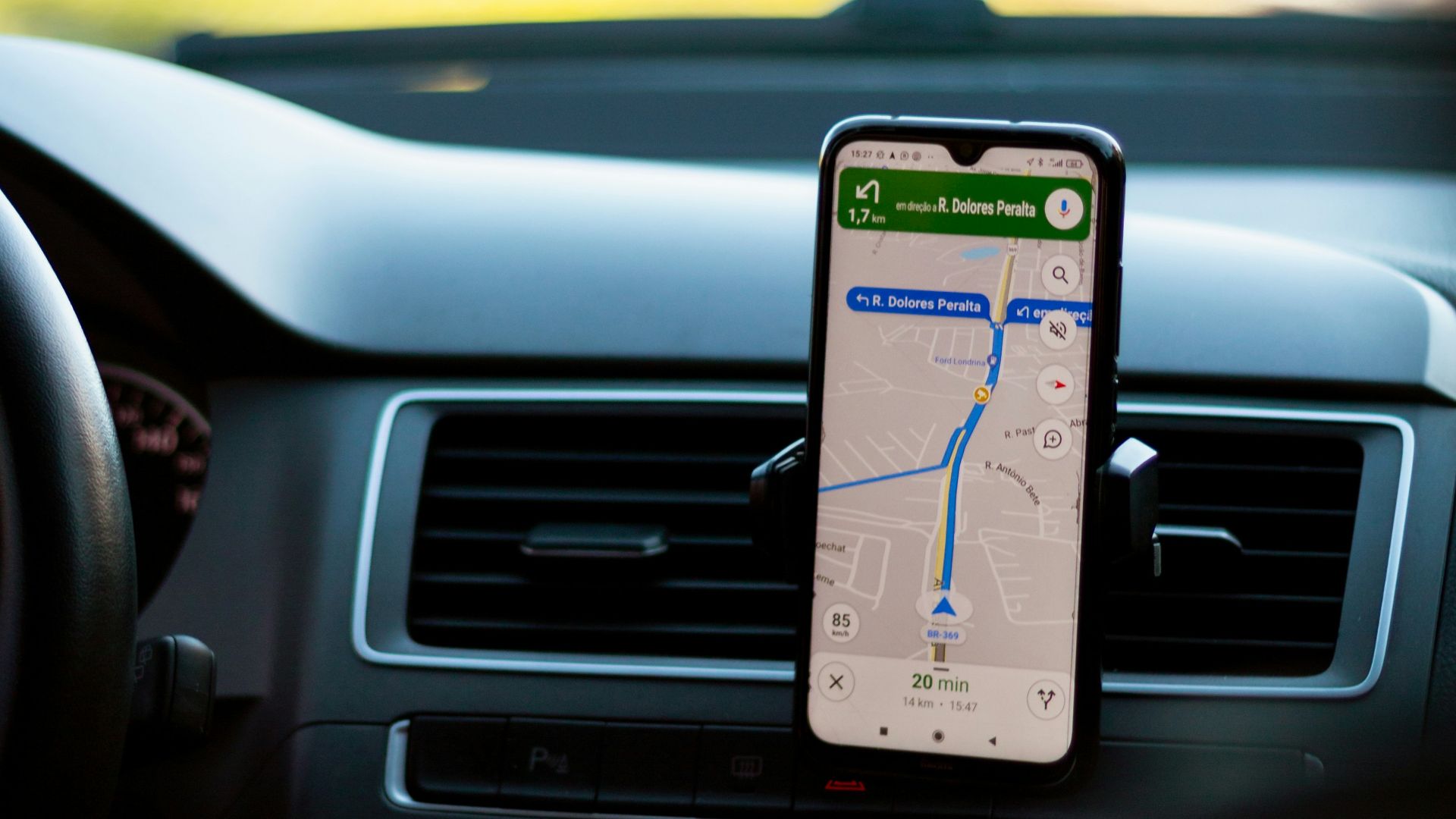
Many Americans use apps or GPS features that warn about enforcement ahead. In France, laws treat speed-camera detection far more strictly than in the U.S., meaning tools that feel routine at home can quickly become a legal issue abroad.
Right on Red Muscle Memory Can Cost You
In most of the U.S., turning right on red is second nature. Across much of Europe, including France, Spain, Italy, and Switzerland, it’s prohibited unless a specific sign allows it. Making that automatic American turn can easily result in a fine.

Germany’s Right-on-Red Exception Is Very Specific
Some travelers hear “Germany allows it” and assume it’s common. In Germany, turning right on red is only permitted when a green arrow sign is posted—and you must still stop and yield. No sign means no turn, regardless of traffic.

Crossing the Street While Looking at Your Phone
In the U.S., distracted walking is everywhere. In Germany, some cities have fined pedestrians for using phones while crossing streets, especially at crosswalks or near tram lines. The law frames it as safety—but it often shocks American visitors.

Running Out of Gas on the Highway
In the U.S., running out of gas is embarrassing but rarely illegal. In Germany, stopping on the Autobahn is considered extremely dangerous. Running out of fuel is treated as preventable negligence, and drivers can be fined because planning ahead is expected.

Washing Your Car in the Driveway
For many Americans, washing the car at home is a normal weekend routine. In Germany, Switzerland, and Austria, it’s restricted or illegal due to environmental protection laws. Soap and oil runoff are considered groundwater hazards.
 Karolina Grabowska www.kaboompics.com, Pexels
Idling Your Car While Parked
Americans idle constantly—warming up the car, waiting for someone, keeping the AC running. In Germany and Switzerland, unnecessary idling is illegal. Engines are expected to be turned off unless you’re actively driving, and fines are enforced.

Failing to Use Winter Tires When Required
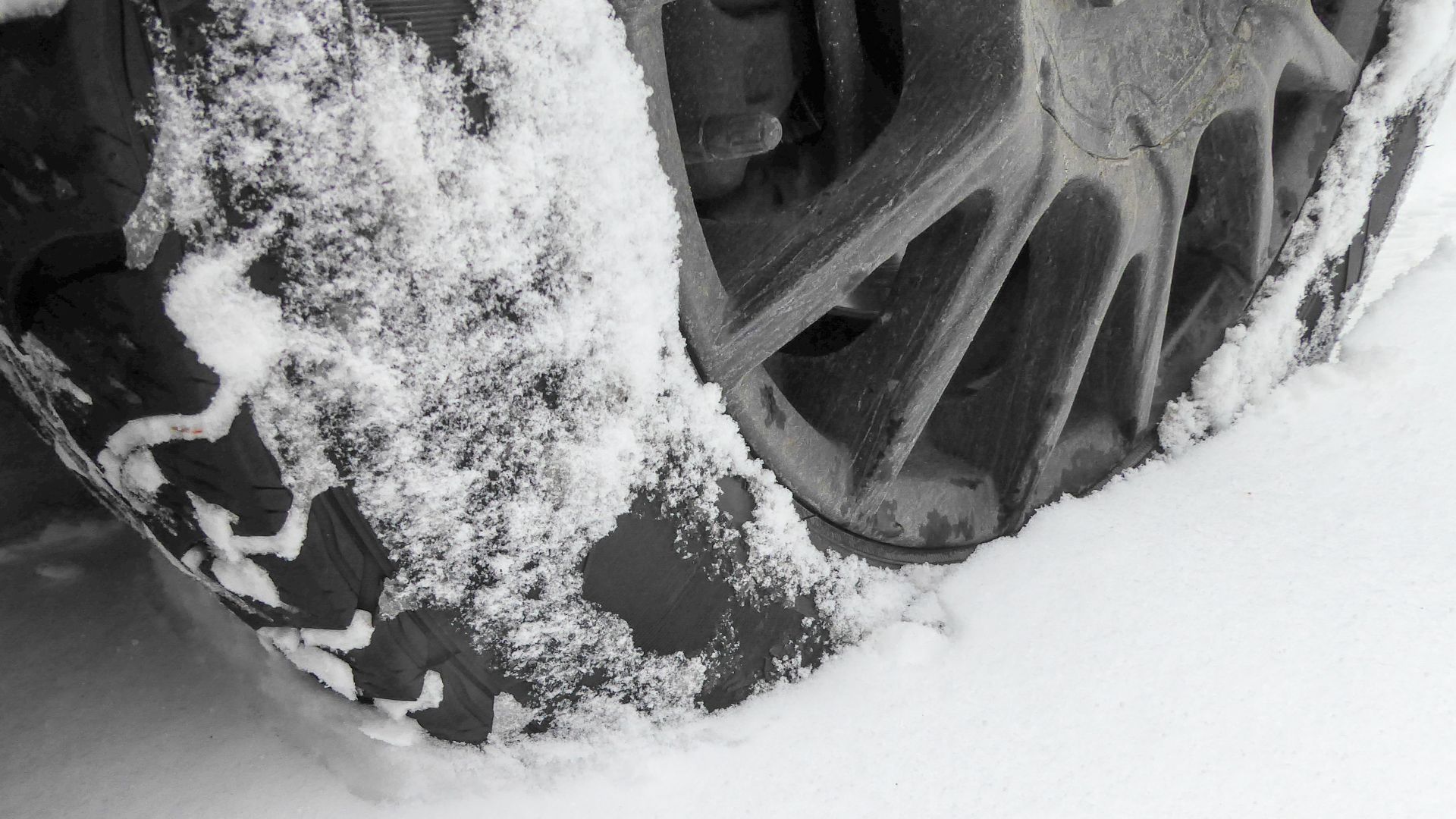
In most of the U.S., winter tires are optional. In Germany and Austria, winter tires are legally required during snow or icy conditions. Drivers without them can be fined—even if they’re driving cautiously and haven’t caused a problem.
Pocketing Sand, Shells, or Pebbles as Souvenirs
Taking a shell from the beach feels harmless to many Americans. In Italy, particularly in Sardinia, removing sand, stones, or shells from beaches is illegal and treated as environmental damage, with fines reaching into the thousands of euros.

“It’s Just One Small Souvenir” Is the Problem
Italian authorities point out that millions of visitors taking “just one” item adds up quickly. In places like Sardinia, enforcement often happens at airports and ferry terminals—catching travelers off guard at the worst moment.

Wearing Swimwear Away From the Beach
In many U.S. beach towns, wandering into shops in swimwear barely raises an eyebrow. In Spain, cities like Barcelona restrict wearing bikinis or swim trunks away from designated beach areas, with fines used to enforce the rule.
 Matti Blume, Wikimedia Commons
Going Shirtless in Town Centers
The vacation mindset doesn’t always translate. In parts of Spain and Italy, walking around town shirtless—away from beaches—can violate local decency ordinances. It’s not just etiquette; it’s enforceable in tourist zones.

Flipping Someone Off Isn’t Just Rude Everywhere
In the U.S., offensive gestures are generally protected speech. In Germany, insulting someone—including through gestures—can fall under criminal insult laws. What’s legally harmless back home can lead to fines abroad.
 Roman Eisele, Wikimedia Commons
Public Insults Can Escalate Quickly
Americans often assume that if it’s not a threat, it’s legal. In Germany and parts of Italy, laws place greater weight on protecting personal dignity, meaning public insults—online or in person—can carry legal consequences.

The Bigger Pattern Travelers Miss
Many of these laws aren’t about tourists—they reflect different priorities around privacy, safety, and public order in countries like Germany, France, Switzerland, Spain, and Italy. The mistake Americans make is assuming familiar behavior stays familiar overseas.
 Lorenz Poffet, Wikimedia Commons
A Simple Rule That Actually Helps
If something involves recording people, bending traffic rules, changing driving habits, taking natural souvenirs, or acting casually in public spaces, assume Europe may be stricter than the U.S. A quick country-specific check can save you money and stress.
Same Vacation, Different Legal Defaults
None of these laws exist to ruin fun. They reflect different cultural and legal priorities. The real issue isn’t Europe being strict—it’s Americans assuming their normal habits translate automatically. Once you know the differences, avoiding fines is easy.

You Might Also Like:
Americans Were Asked If The U.S. Is Still The Greatest Country—The Results Shocked Even Researchers