A Question That Used To Feel Automatic
For decades, asking Americans whether the U.S. was the greatest country in the world felt almost rhetorical. The answer was assumed. But when pollsters asked the question again recently, the confidence wasn’t nearly as universal—and the shift caught even seasoned researchers off guard.
The Number-One Answer Isn’t “Number One”
Only about 20% of Americans now say the U.S. stands above all other countries. That’s a sharp contrast to what many people assume—and a noticeable shift from earlier eras when that answer dominated surveys and public discourse.
 Diego Alberto Martínez Mendoza, Pexels
Most Americans Take a More Measured View
The largest share—about 52%—say the U.S. is one of the greatest countries, but not uniquely superior. Pride is still there, but it’s increasingly paired with comparison, nuance, and qualification rather than certainty.
More Than One in Four Say Other Countries Are Better
Roughly 27% of Americans now say other countries are better than the U.S. overall. That doesn’t mean rejection—but it does reflect growing openness to the idea that America isn’t automatically on top anymore.

This Pattern Shows Up Again and Again
What stands out isn’t a single poll—it’s consistency. Similar results have appeared across multiple national surveys over several years, pointing to a gradual shift rather than a momentary reaction or short-term political mood.

“Greatest” Means More Than Power Now
When Americans think about national greatness today, they’re weighing everyday realities like affordability, healthcare access, safety, and quality of life—not just influence, dominance, or raw geopolitical strength.

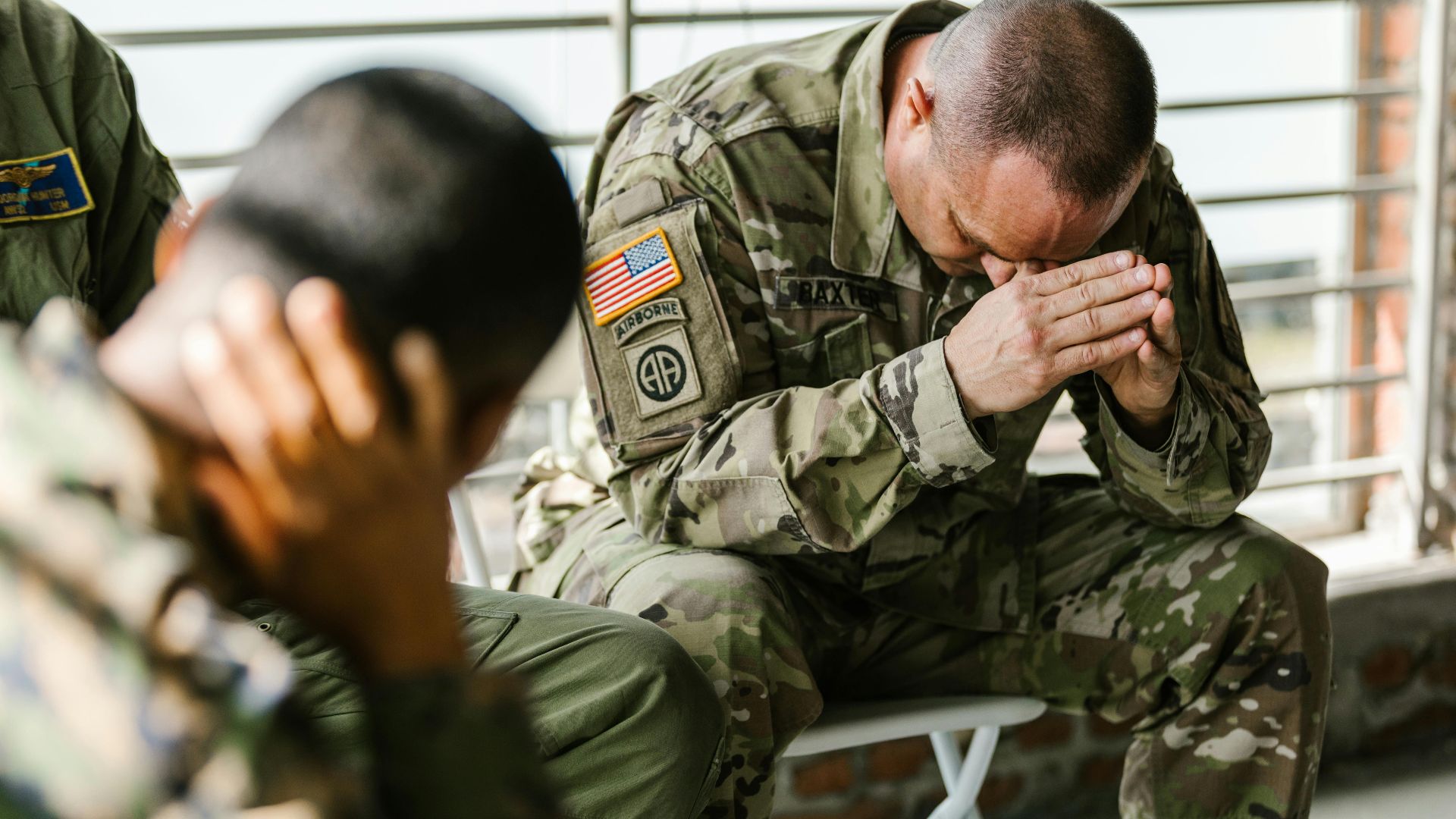
Military Strength Still Gets High Marks
About 76% of Americans still see the U.S. as the world’s leading military power. But strength alone no longer guarantees confidence in overall greatness or long-term national success.
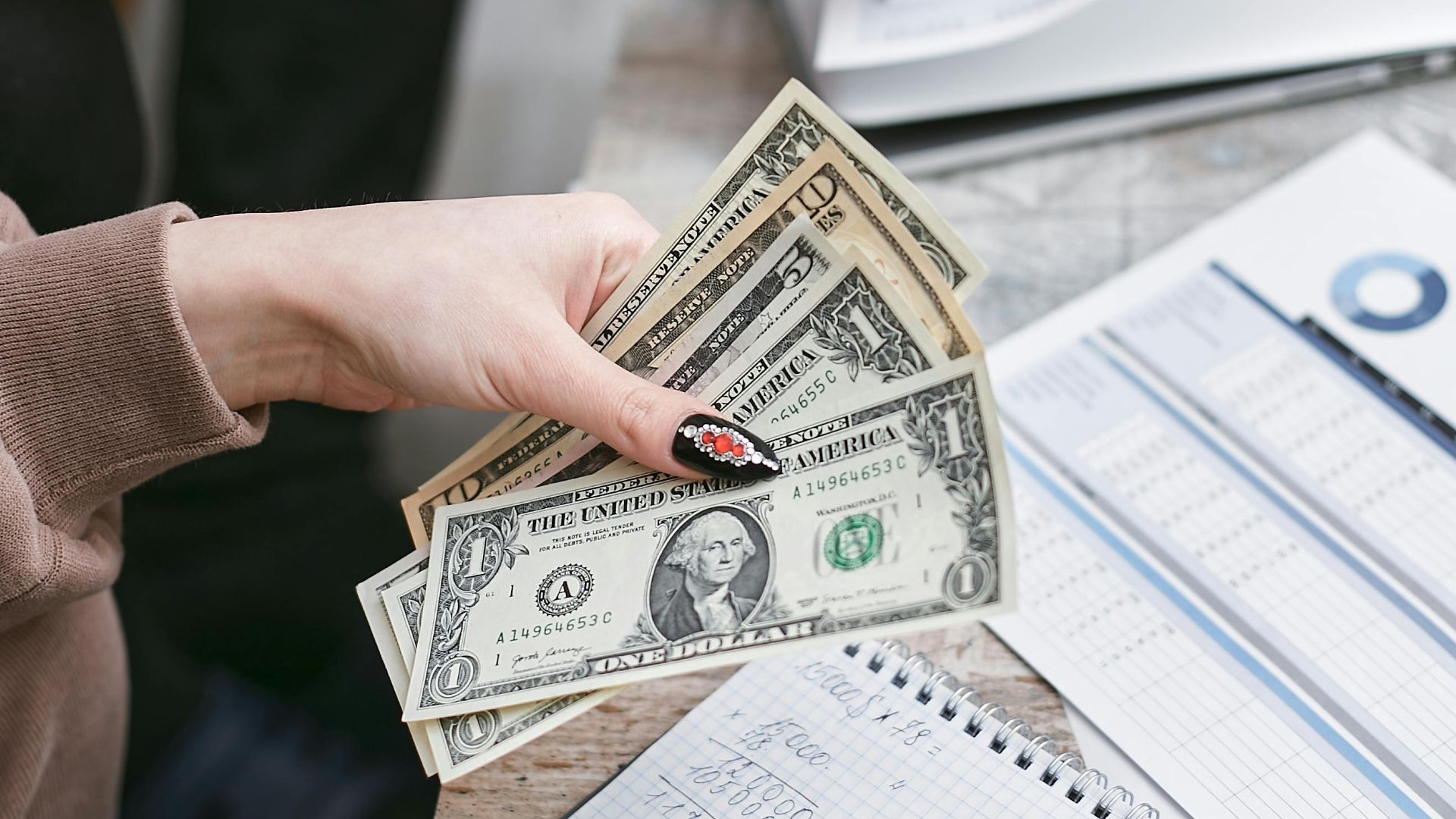
Economic Leadership Feels Less Certain
Only around 48% of Americans say the U.S. is the world’s leading economic power. That uncertainty feeds broader concerns about stability, opportunity, wages, and long-term competitiveness at home.
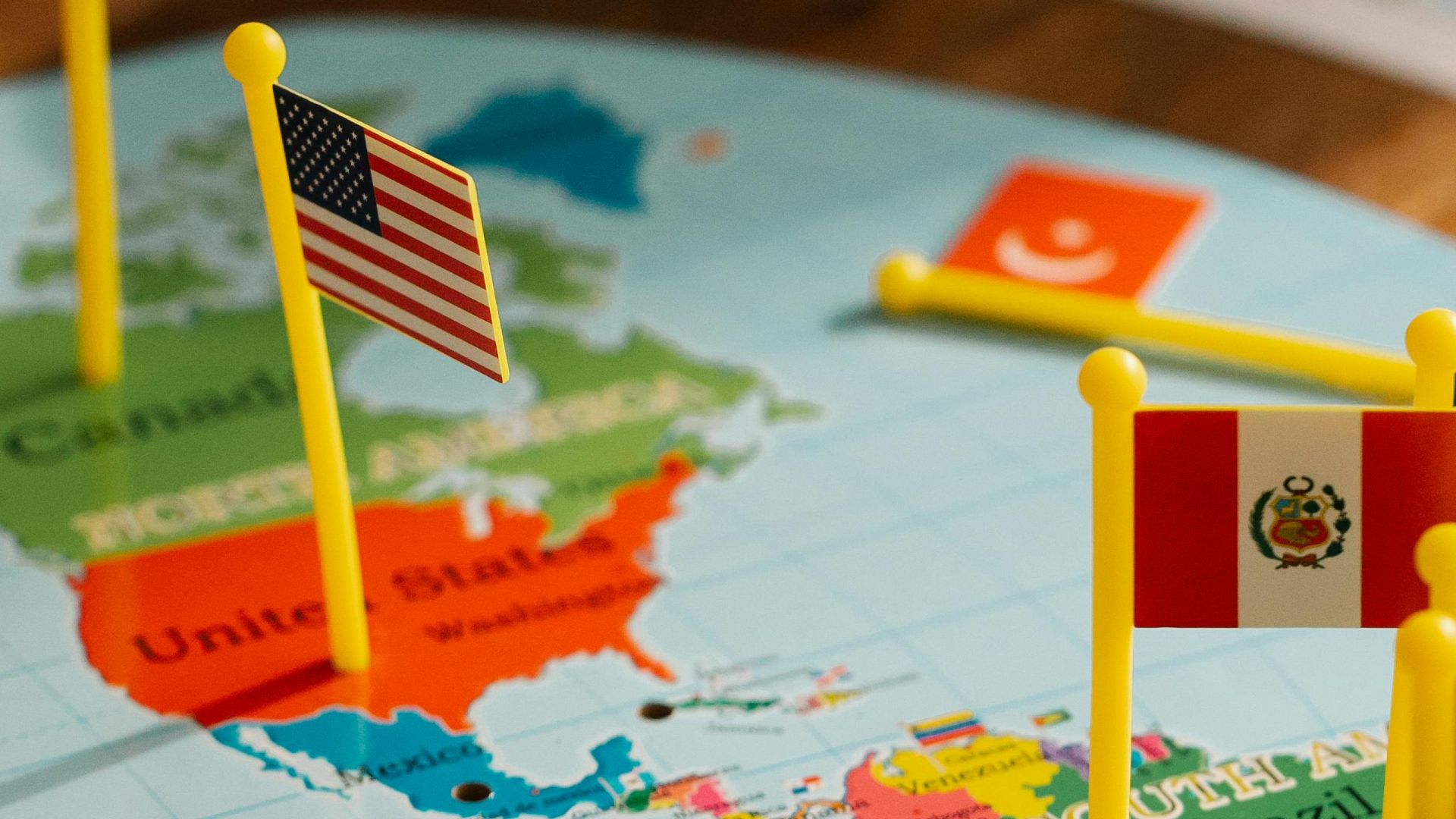
Respect Matters—and Americans Notice the Gap
Nearly nine in ten Americans say it’s important for the U.S. to be respected globally. Yet only about 56% believe the country actually is respected right now—a disconnect shaping how people judge America’s standing.
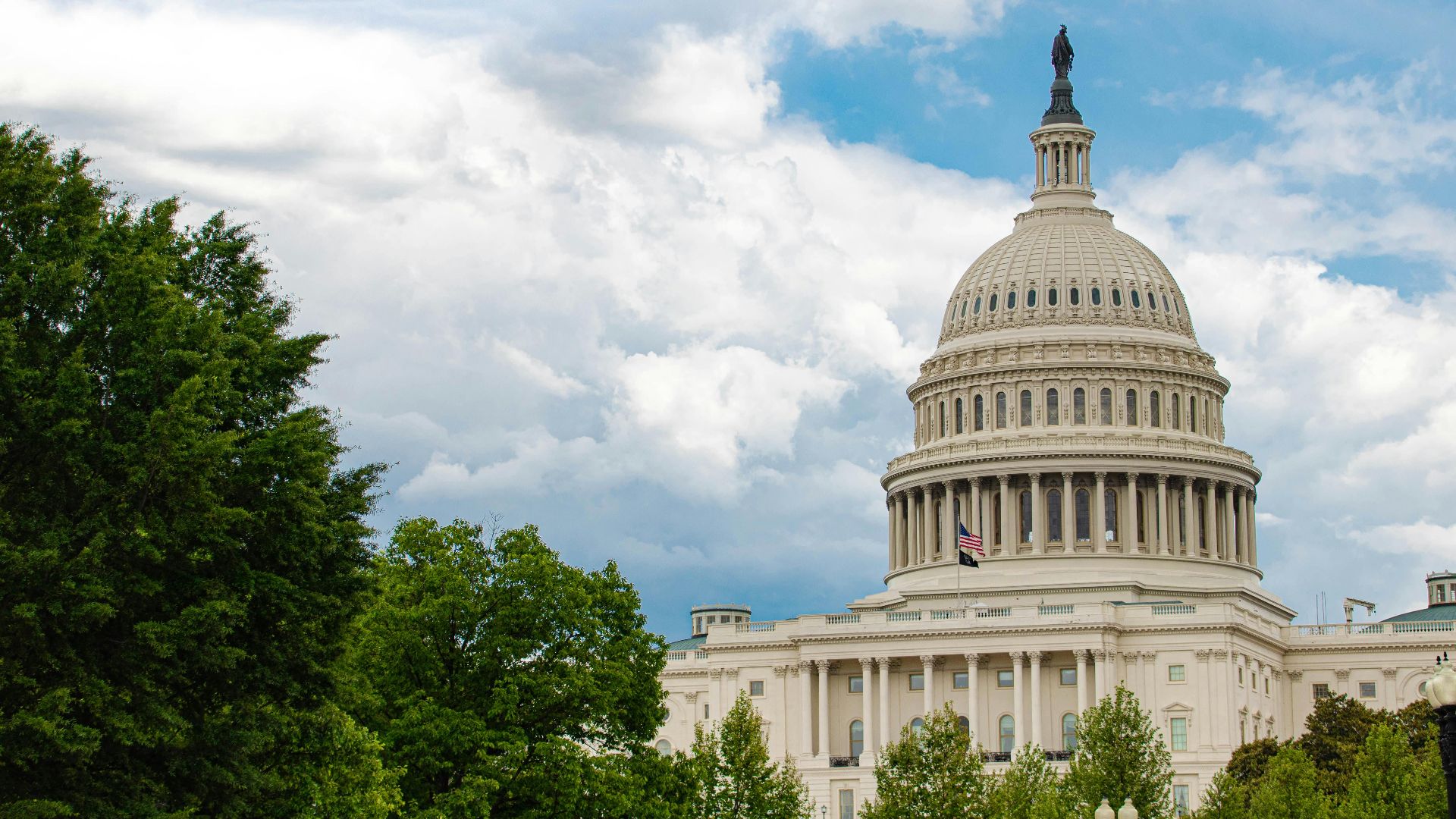
Many Think U.S. Influence Is Weakening
A majority of Americans say U.S. influence in the world has been getting weaker in recent years. Even among those who support a strong global role, confidence has softened noticeably.
Age Shapes How Americans Answer
Younger adults are more likely than older Americans to say other countries are better than the U.S. That generational difference suggests attitudes toward national greatness continue to evolve over time.

Comparison Has Replaced Assumption
Instead of accepting greatness by default, many Americans now compare the U.S. to peer nations—on work-life balance, public services, affordability, and daily quality of life.

Global Awareness Plays a Role
Constant exposure to international rankings, travel content, and global news makes it harder to view the U.S. in isolation. Americans are increasingly aware of how other countries operate day to day.

Criticism Doesn’t Equal Disloyalty
Many respondents who hesitate to call the U.S. the greatest still express deep attachment to the country. Their answers often reflect expectations and concern—not rejection or lack of patriotism.

High Standards Can Lead to Disappointment
For some Americans, frustration stems from believing the U.S. should perform better given its resources and influence. When outcomes fall short, evaluations naturally become more critical.

Patriotism Is Being Redefined
Today, patriotism doesn’t always look like declaring supremacy. For many, it looks like acknowledging shortcomings, pushing for improvement, and refusing to accept stagnation as inevitable.
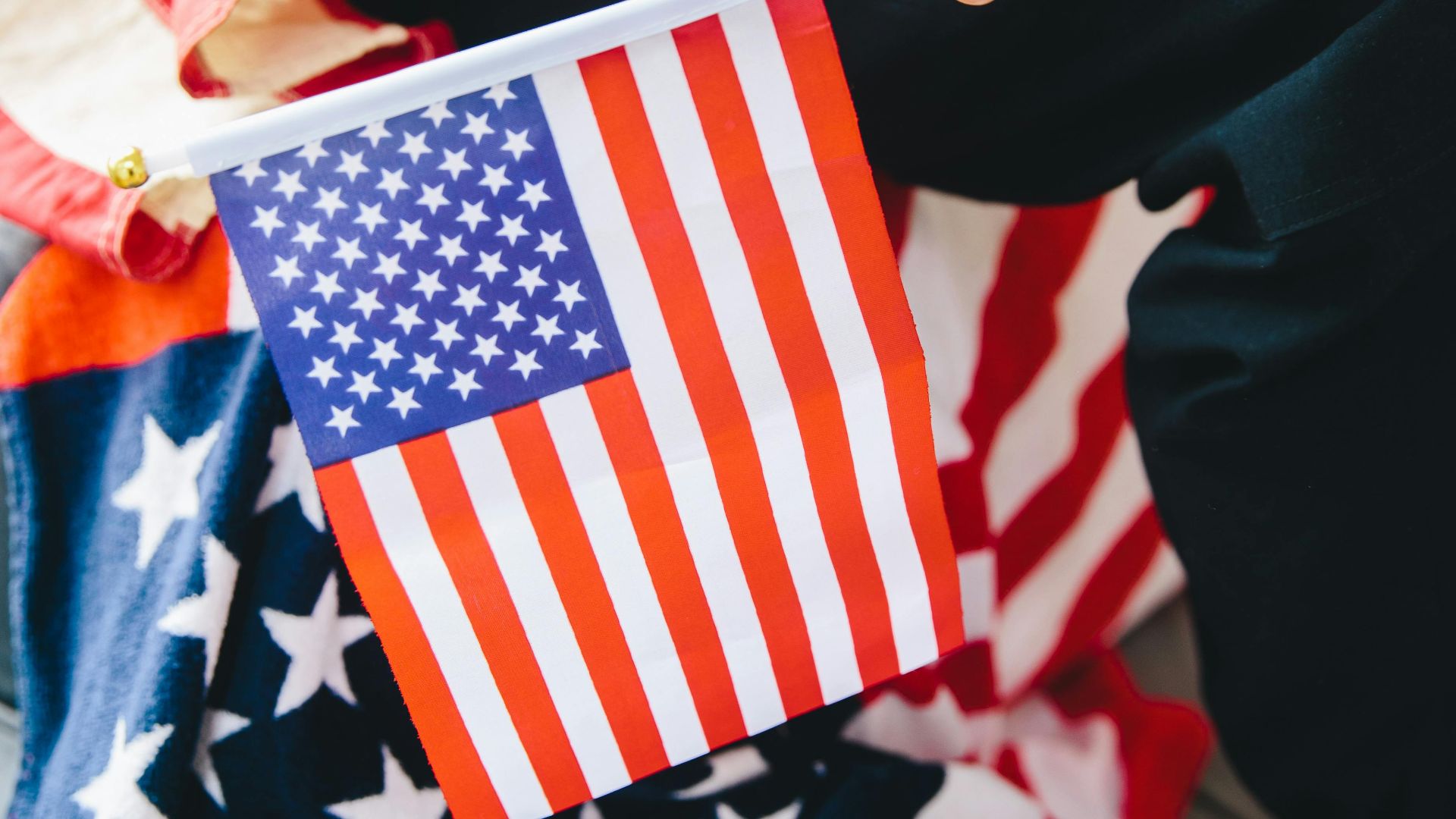
The Old Answer Isn’t Automatic Anymore
What once felt reflexive now requires thought. More Americans pause, compare, and qualify before answering a question that used to feel simple and unquestioned.
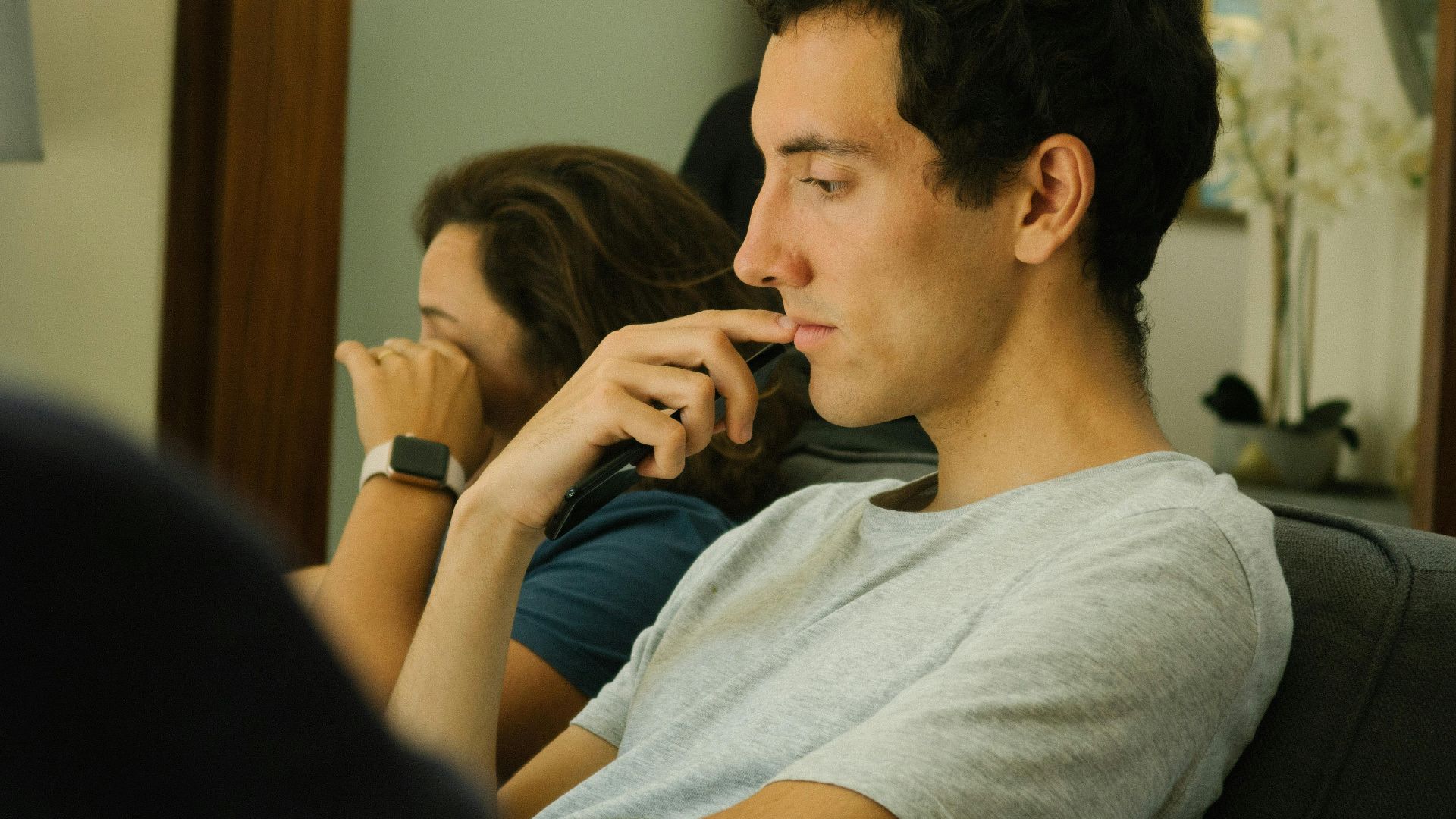
Researchers Expected Change—But Not This Much Nuance
Survey analysts anticipated some decline in certainty. What stands out now is how many Americans give careful, non-binary answers instead of instinctive or emotionally driven ones.

The Shift Is Subtle—but Real
This isn’t a collapse of national pride. It’s a recalibration—less slogan-driven, more evaluative, and shaped by lived experience rather than inherited assumptions.
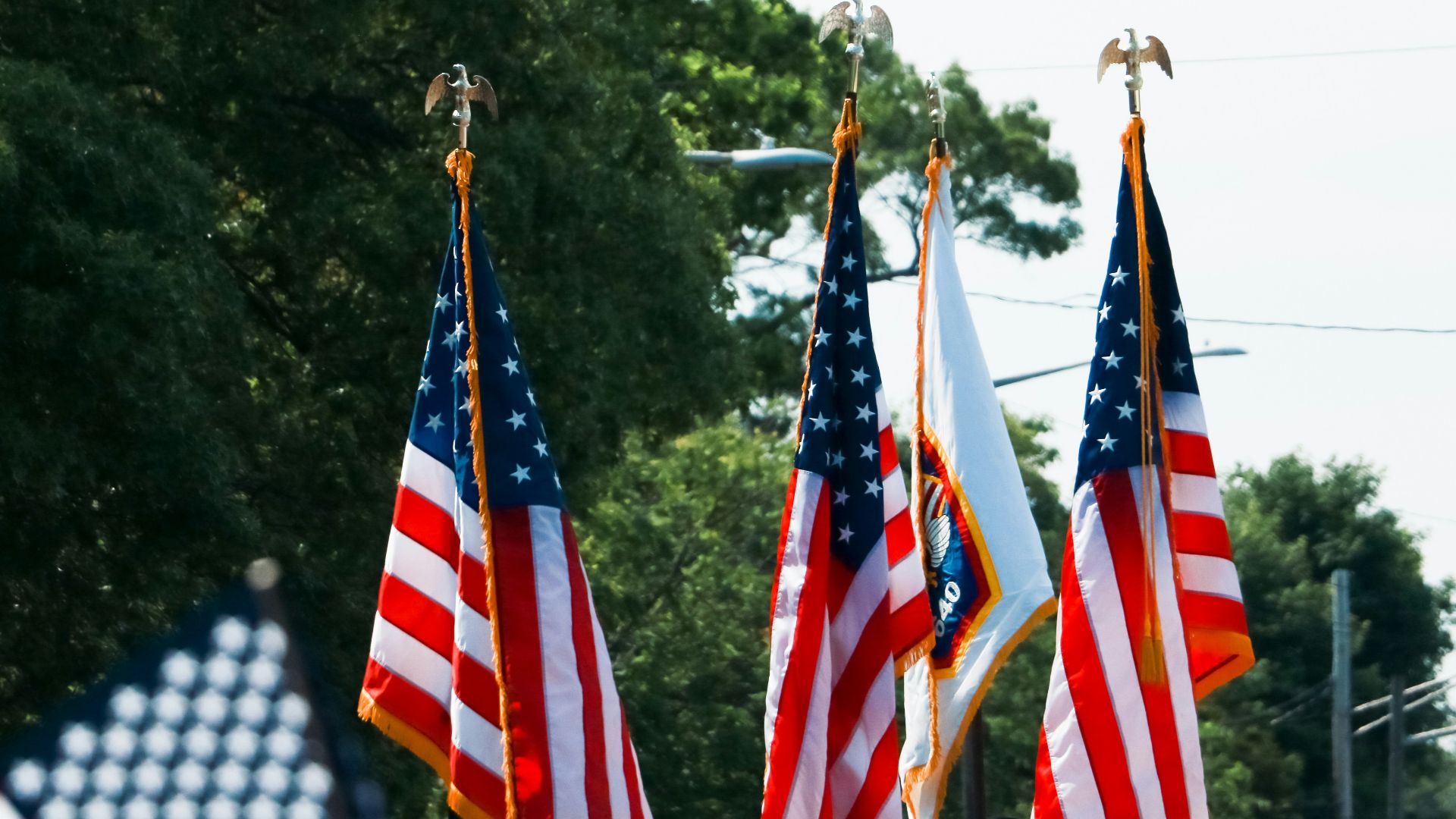
America Is Still Valued—Just More Carefully Judged
The data doesn’t show a country giving up on itself. It shows Americans thinking more critically about what greatness actually means—and whether the U.S. is living up to it.
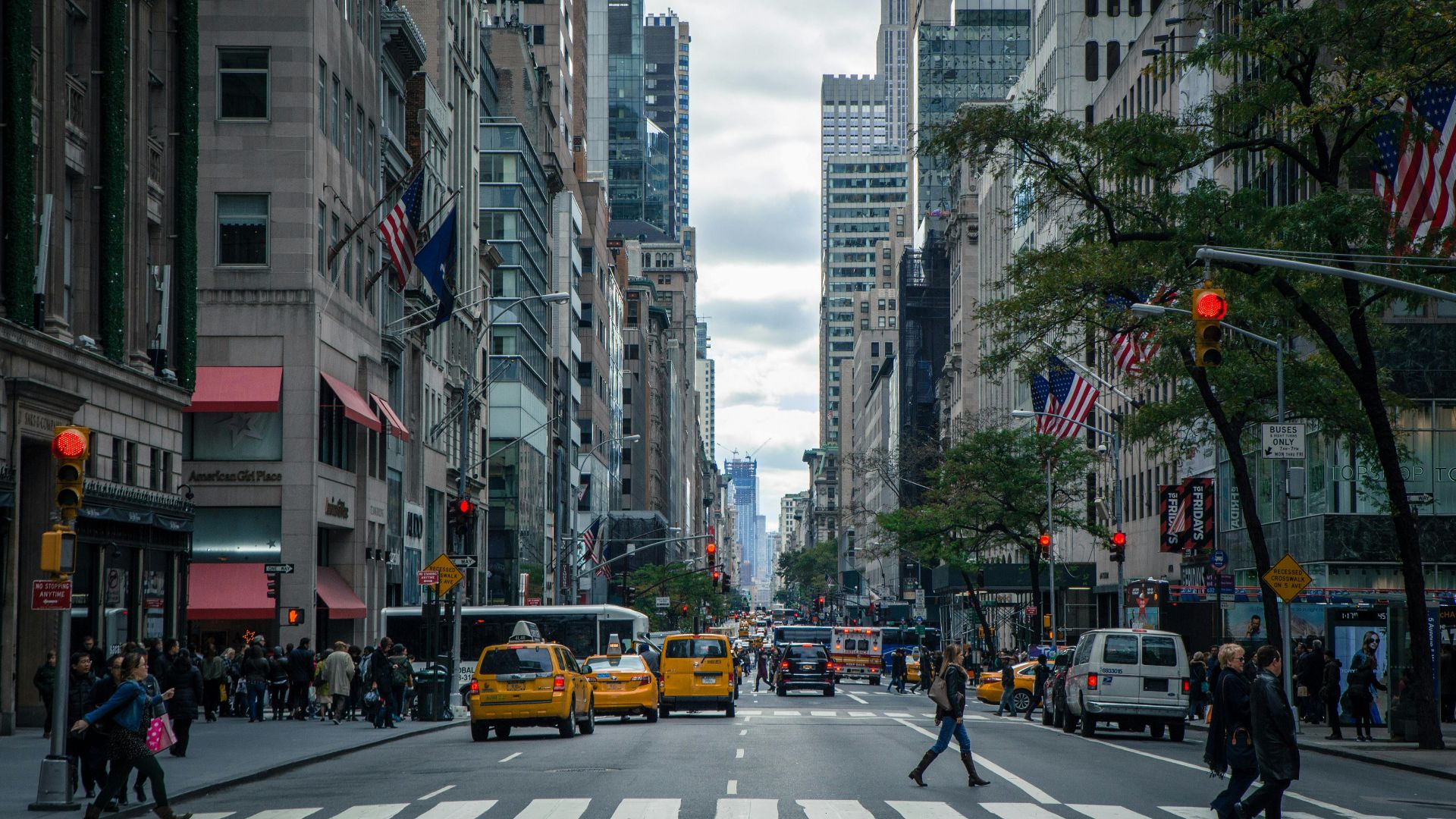
You Might Also Like:
Latest Surveys Reveal What Europeans Really Think Of The United States. And It Isn't Good.
The States Americans Are Actively Avoiding In 2026
The Latest Data Ranks The Best And Worst States To Retire In For 2026