From Local Oddball To National Icon
America's favorite foods weren't always as popular as they are now. Some began as strange regional experiments, working-class meals, or unlikely combinations that outsiders couldn't imagine eating. From Buffalo's discarded chicken wings to a Philadelphia sandwich loaded with beef and cheese, these once-local specialties gradually conquered menus across the country. Their stories reveal how immigration, ingenuity, and a little hometown pride helped turn America's culinary oddities into national obsessions.
Buffalo Wings
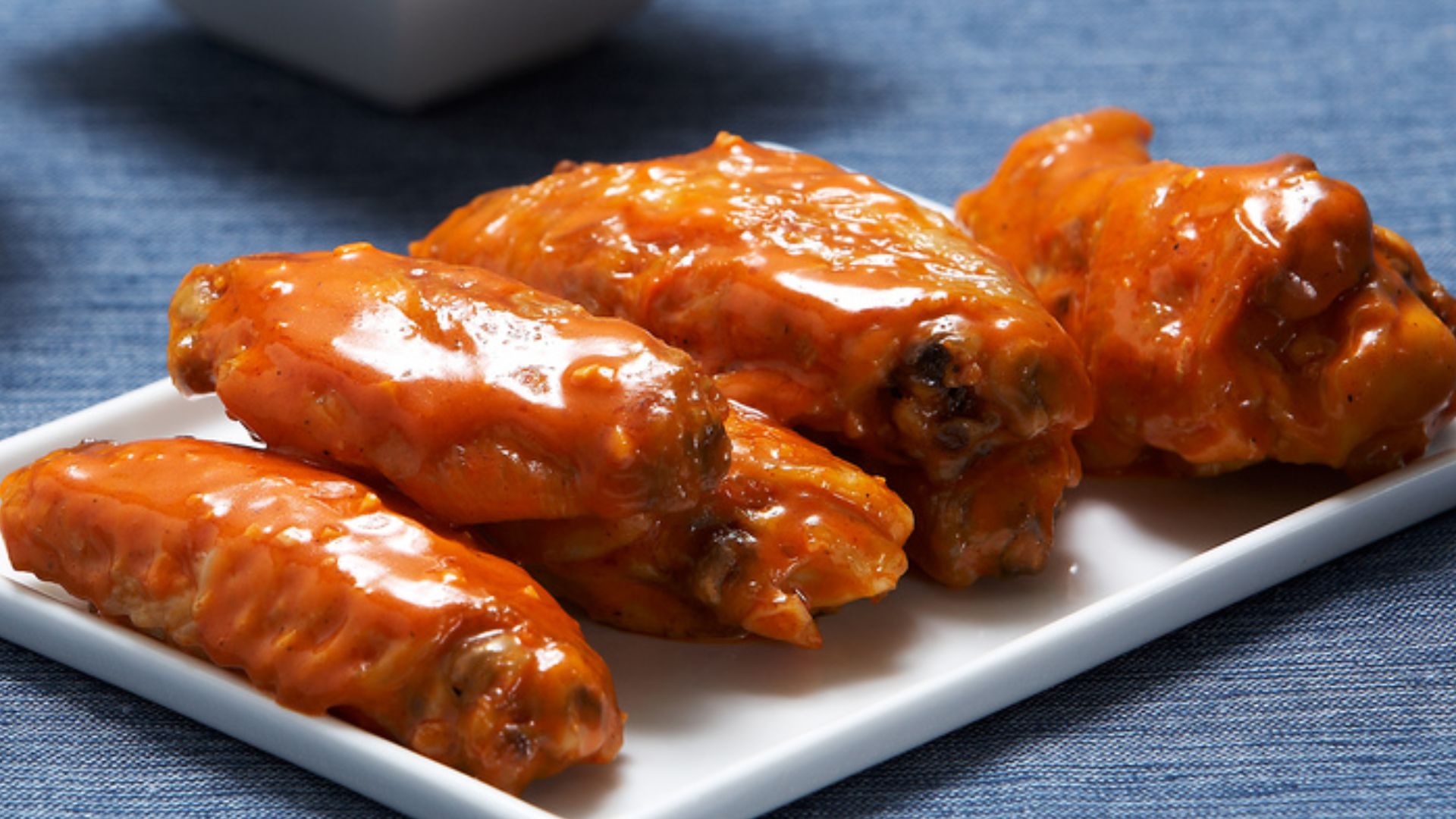
Before Buffalo wings became a sports-bar staple, chicken wings were often used for stock or sold inexpensively. The most famous origin story credits Teressa Bellissimo of Buffalo's Anchor Bar with serving fried wings coated in hot sauce and butter in 1964. Other Buffalo establishments have competing claims. Either way, the combination of spicy wings, celery, and blue cheese dressing eventually spread far beyond western New York, becoming practically inseparable from American football Sundays.
 Breville USA, Wikimedia Commons
Philly Cheesesteaks
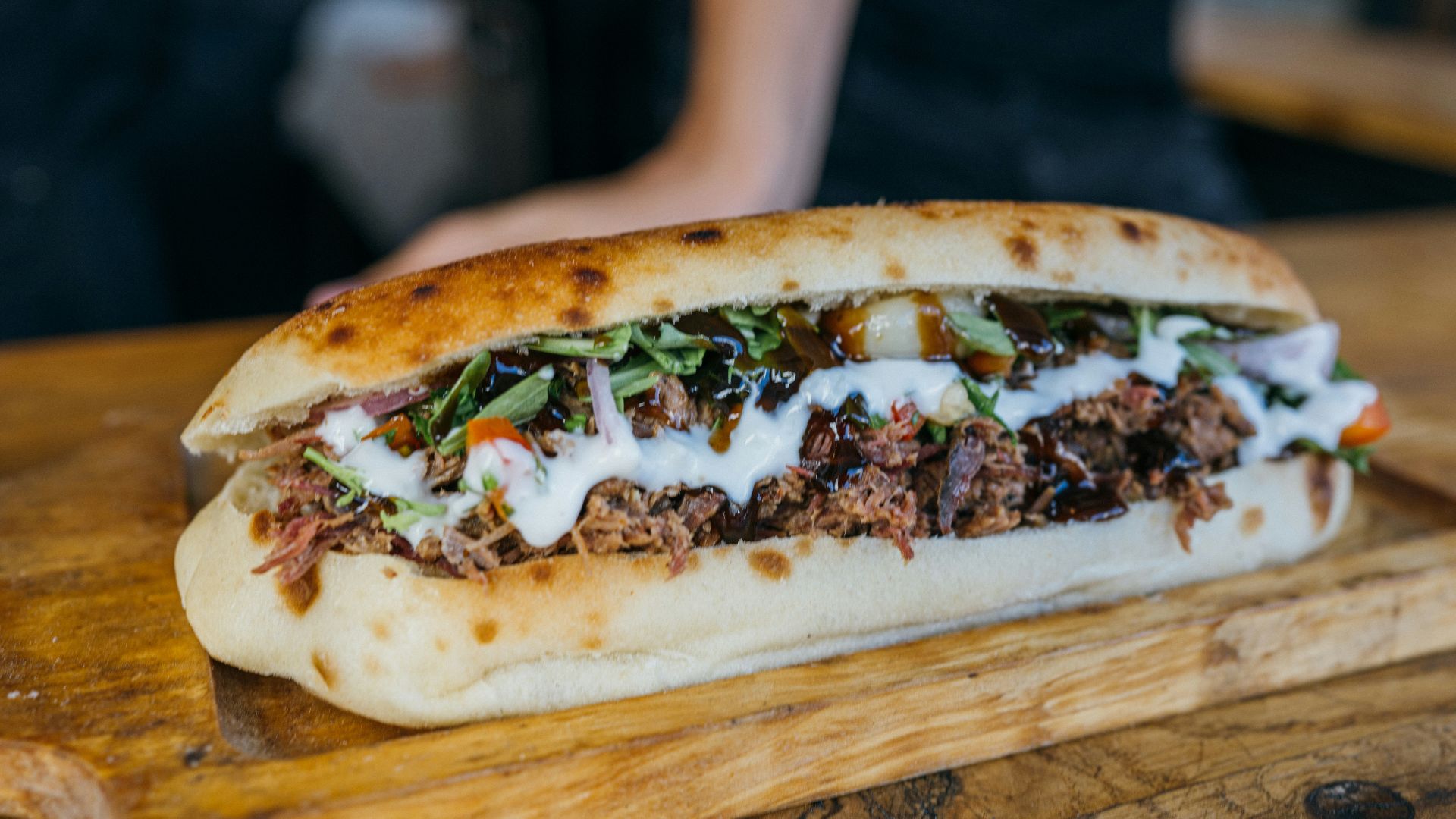
Philadelphia's signature sandwich began with a remarkably simple idea: thinly sliced beef piled onto a long roll. Pat Olivieri is traditionally credited with creating an early version around 1930, when he was selling hot dogs in South Philadelphia. Cheese became a defining addition later. What started as a neighborhood sandwich developed into a citywide obsession before spreading across America. Today, restaurants thousands of miles from Philadelphia advertise cheesesteaks, although locals still argue passionately about the proper cheese and toppings.
Chicago Deep-Dish Pizza
When Chicago's deep-dish pizza emerged in the 1940s, it looked almost nothing like the thin-crust pies familiar to many Americans. Pizzeria Uno, opened in 1943, helped popularize the style, which featured a tall crust, generous cheese, toppings, and tomato sauce layered above. The result was closer to a substantial meal than a quick slice. Deep-dish pizza eventually became one of Chicago's most recognizable culinary exports, inspiring restaurants and imitators nationwide.
Nashville Hot Chicken
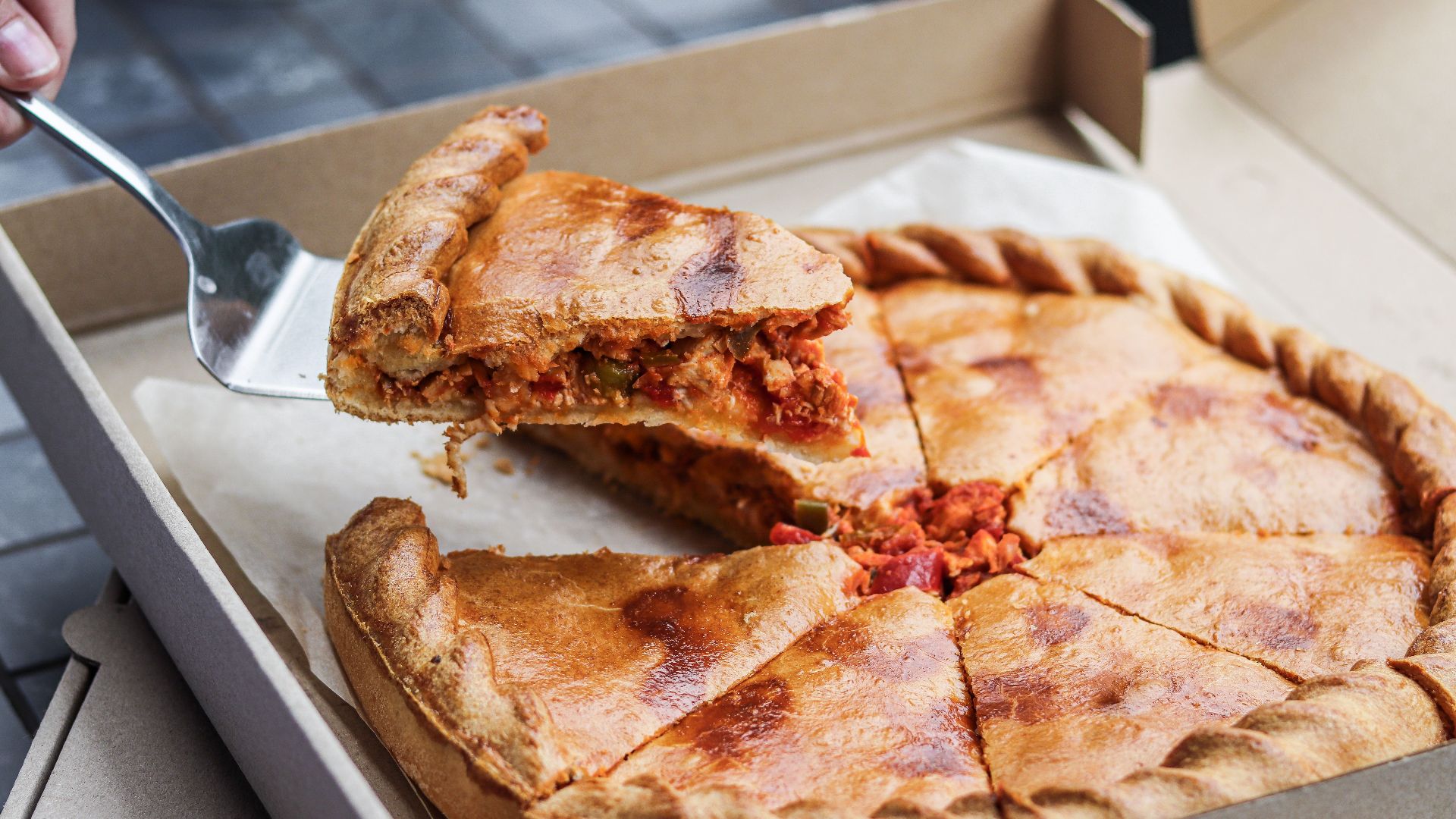
For decades, Nashville's fiercely spicy fried chicken was largely associated with the city's Black neighborhoods. The Prince family helped establish the specialty, traditionally serving cayenne-coated chicken on white bread with pickles. Its fiery reputation eventually attracted attention far beyond Tennessee. Today, Nashville-style hot chicken appears on menus nationwide, from independent restaurants to major fast-food chains.
Maine Lobster Rolls
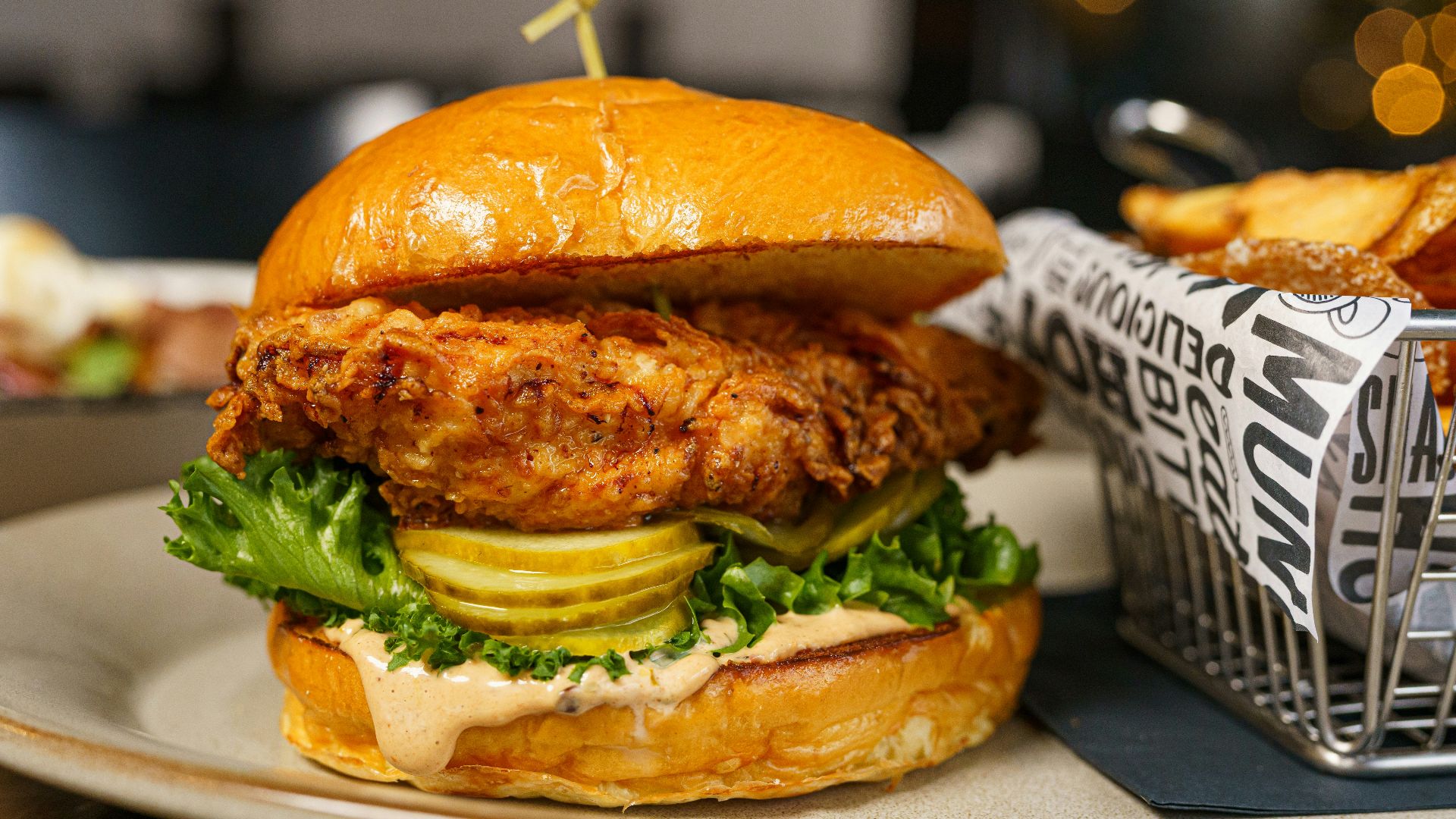
Putting expensive lobster meat into a humble hot dog bun might once have seemed an unusual idea, but New England turned the combination into a classic. Early lobster rolls are often traced to Connecticut in the 1920s, although their exact origins remain disputed. Maine developed its own celebrated versions, frequently featuring chilled lobster dressed lightly with mayonnaise. As lobster rolls spread across the country, the debate over warm butter versus cold mayonnaise became almost as famous as the sandwich itself.
 Dana Moos - Flickr, Wikimedia Commons
New Orleans Po' Boys
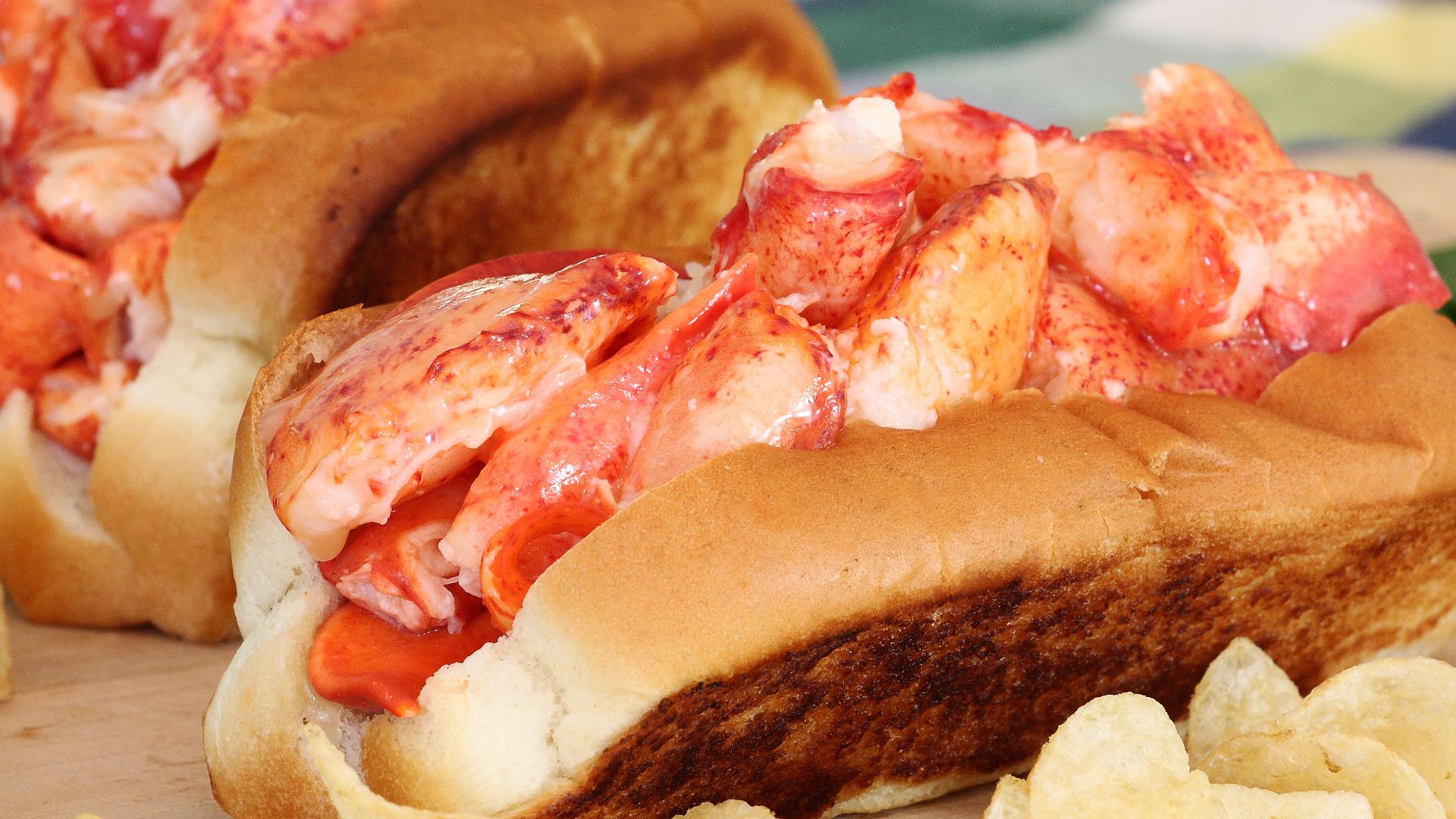
The po' boy grew out of New Orleans' working-class food culture. One popular account credits brothers Bennie and Clovis Martin with feeding striking streetcar workers in 1929, although the sandwich's history is more complicated than that single story. Traditionally made with distinctive New Orleans French bread, po' boys can contain roast beef, fried shrimp, oysters, or other fillings. Their popularity eventually spread beyond Louisiana, bringing a taste of the city's sandwich shops to restaurants across America.
Texas Breakfast Tacos
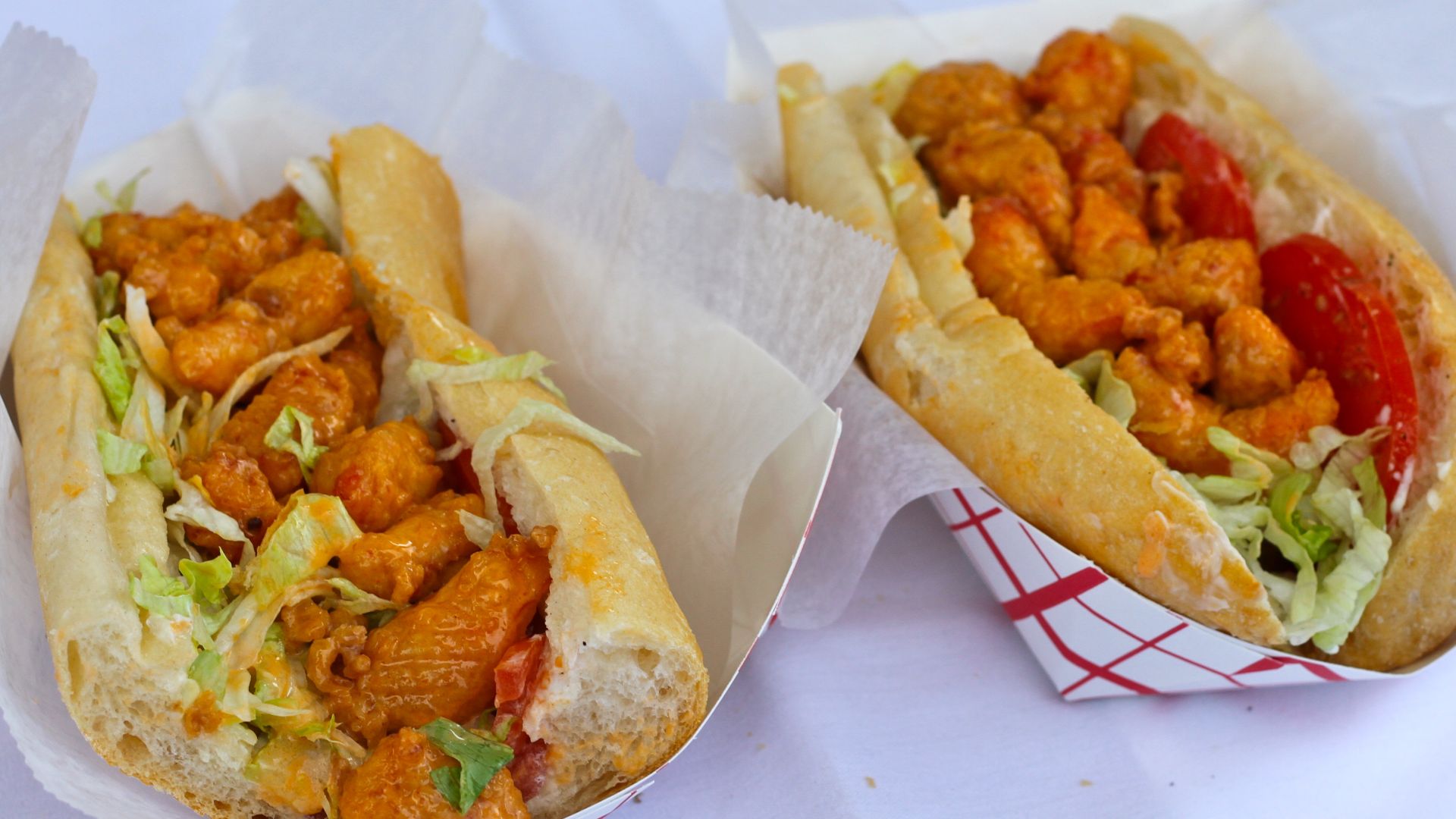
For generations, tortillas filled with eggs, potatoes, beans, and other ingredients were everyday breakfast fare in Mexican American communities, particularly across South Texas. The breakfast taco wasn't invented by a trendy restaurant; it grew from longstanding regional food traditions. As cities such as San Antonio and Austin gained national culinary attention, breakfast tacos traveled with them. Today, versions appear in coffee shops, food trucks, and brunch restaurants far beyond Texas, although arguments about authenticity remain lively.
California Fish Tacos
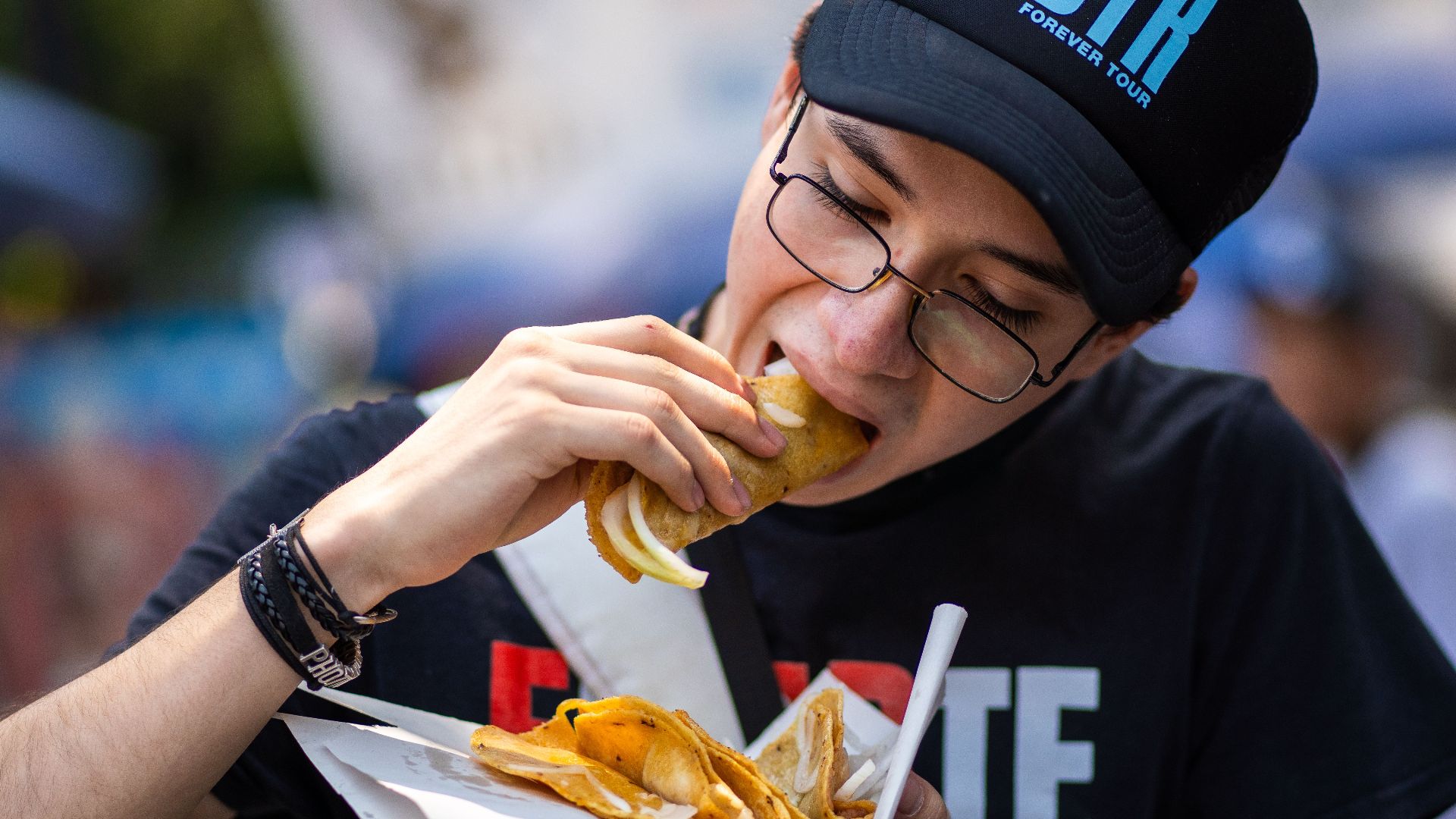
Fish wrapped in tortillas had deep roots in Mexico's coastal food traditions long before Americans discovered the combination. Baja California helped popularize battered, fried fish tacos topped with cabbage and creamy sauce. The style crossed into Southern California, where surfers, beach communities, and Mexican restaurants embraced it. Eventually, fish tacos became a fixture of American casual dining. Their journey is a reminder that many supposedly new American food trends began as regional traditions on the other side of the border.
New York Bagels
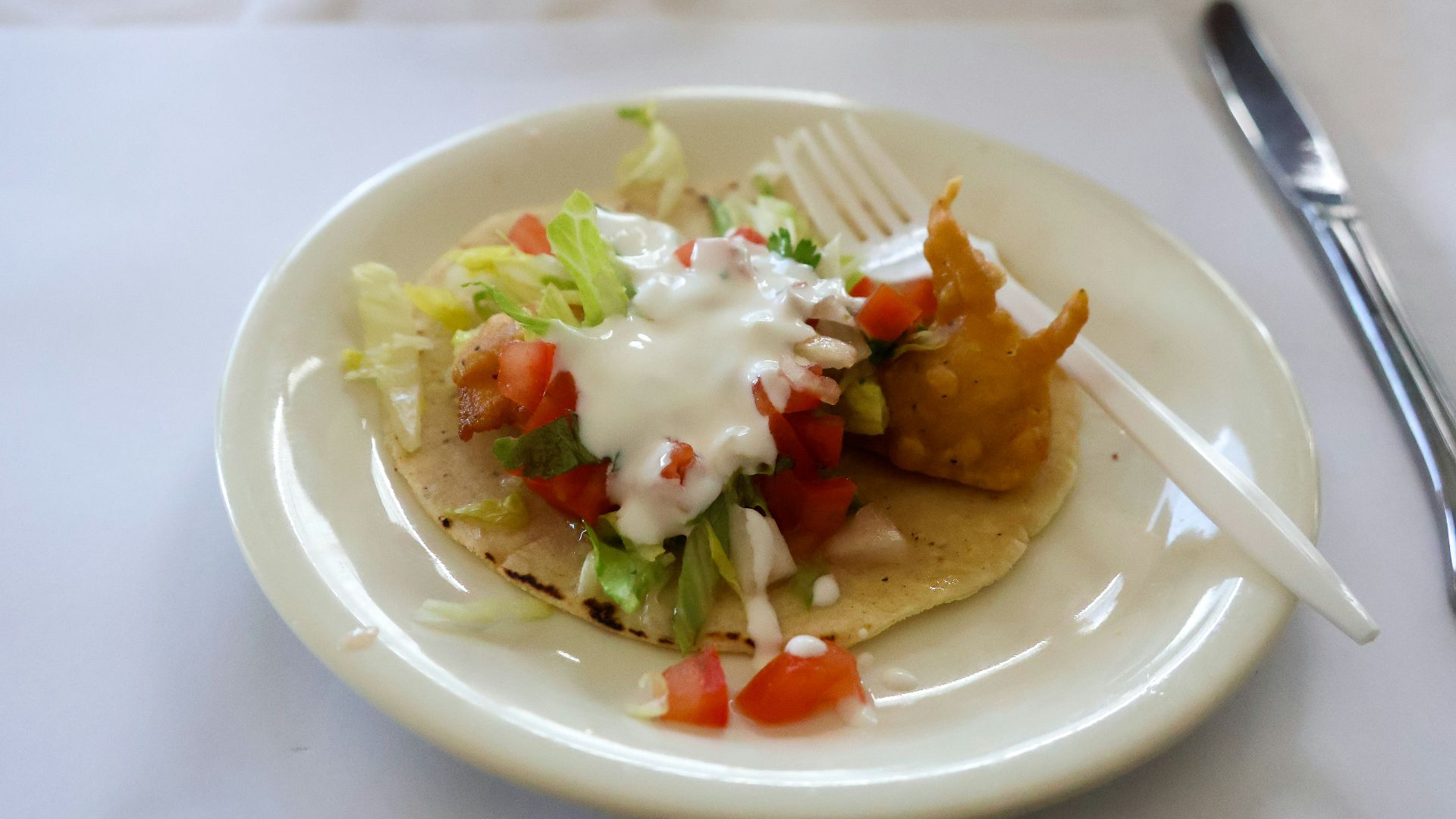
Bagels arrived in New York with Jewish immigrants from Eastern Europe, becoming an essential part of neighborhood bakery culture. Their distinctive preparation, traditionally involving boiling before baking, produced a chewy texture unlike ordinary bread. For much of their American history, bagels were strongly associated with Jewish communities in northeastern cities. Industrial production, supermarket distribution, and national bakery chains eventually changed that. Today, bagels are breakfast staples across America, even in places where few people remember their immigrant origins.
New York Cheesecake
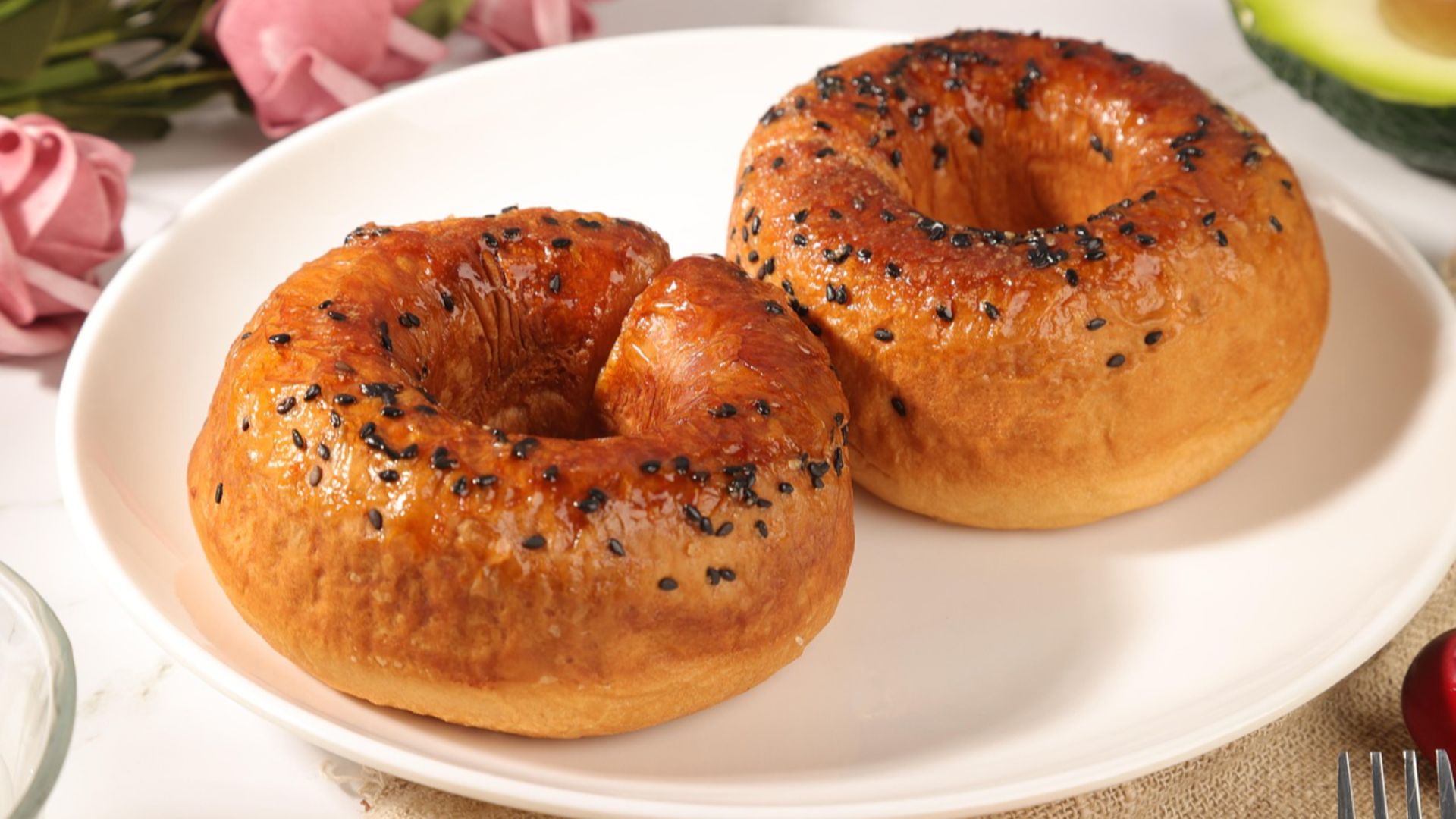
Cheesecake existed long before New York City, but the city's rich, dense version became an American institution. Cream cheese helped define the style, and Jewish delicatessens and restaurants popularized it during the 20th century. Junior's, founded in Brooklyn in 1950, became particularly associated with the dessert. What began as a distinctive metropolitan specialty eventually spread through restaurant chains, supermarket bakeries, and home kitchens. Today, New York-style cheesecake is recognized almost everywhere, even by people who have never visited Manhattan.
Southern Biscuits And Gravy
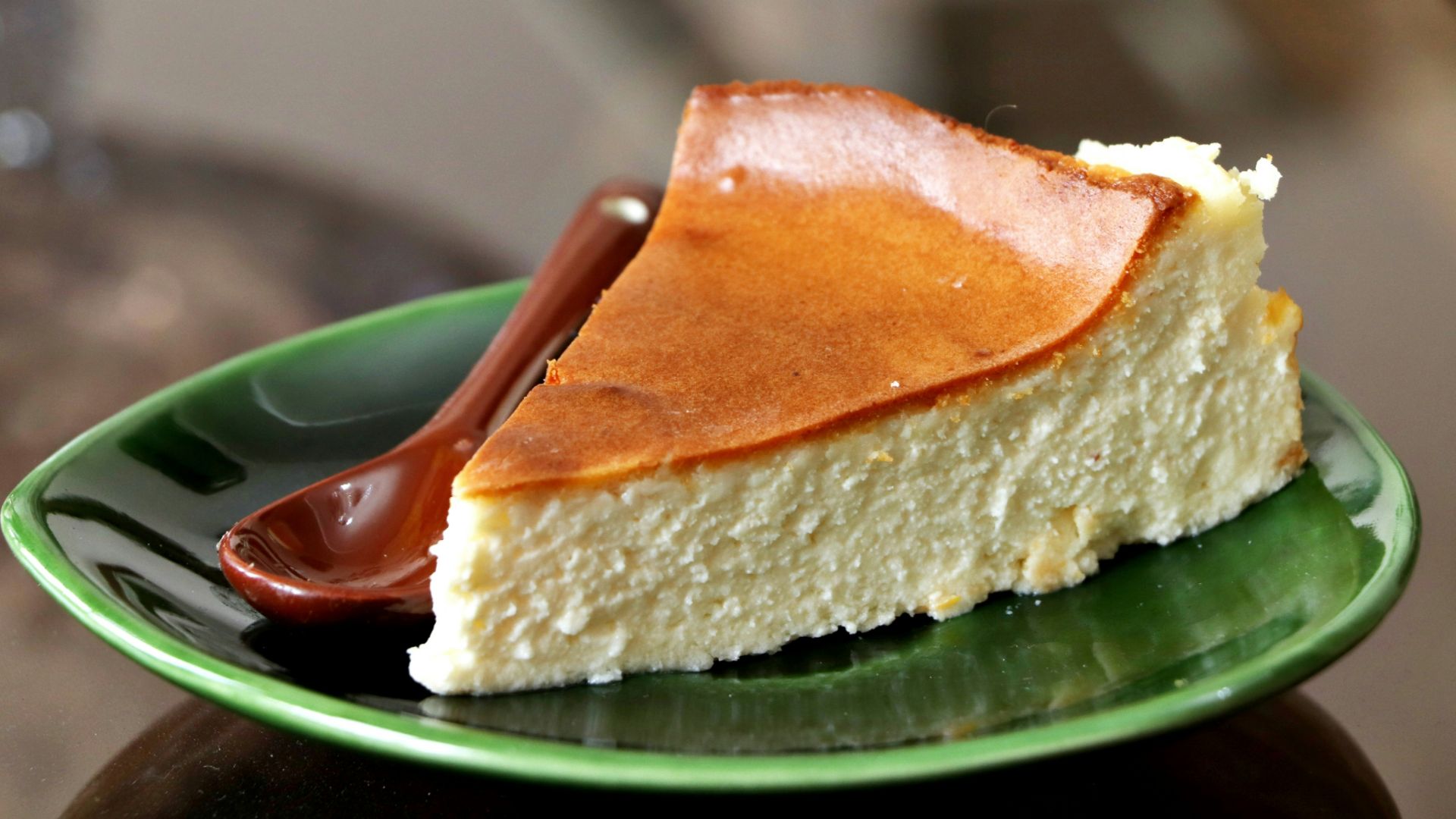
To outsiders, pouring thick, peppery sausage gravy over freshly baked biscuits can look like an improbable breakfast. Across the American South, however, the combination became beloved comfort food, drawing on inexpensive ingredients and hearty cooking traditions. It was especially suited to feeding families and workers who needed a substantial morning meal. As Southern-style restaurants and national breakfast chains expanded, biscuits and gravy traveled well beyond their traditional territory. What once seemed distinctly regional is now familiar on menus throughout the country.
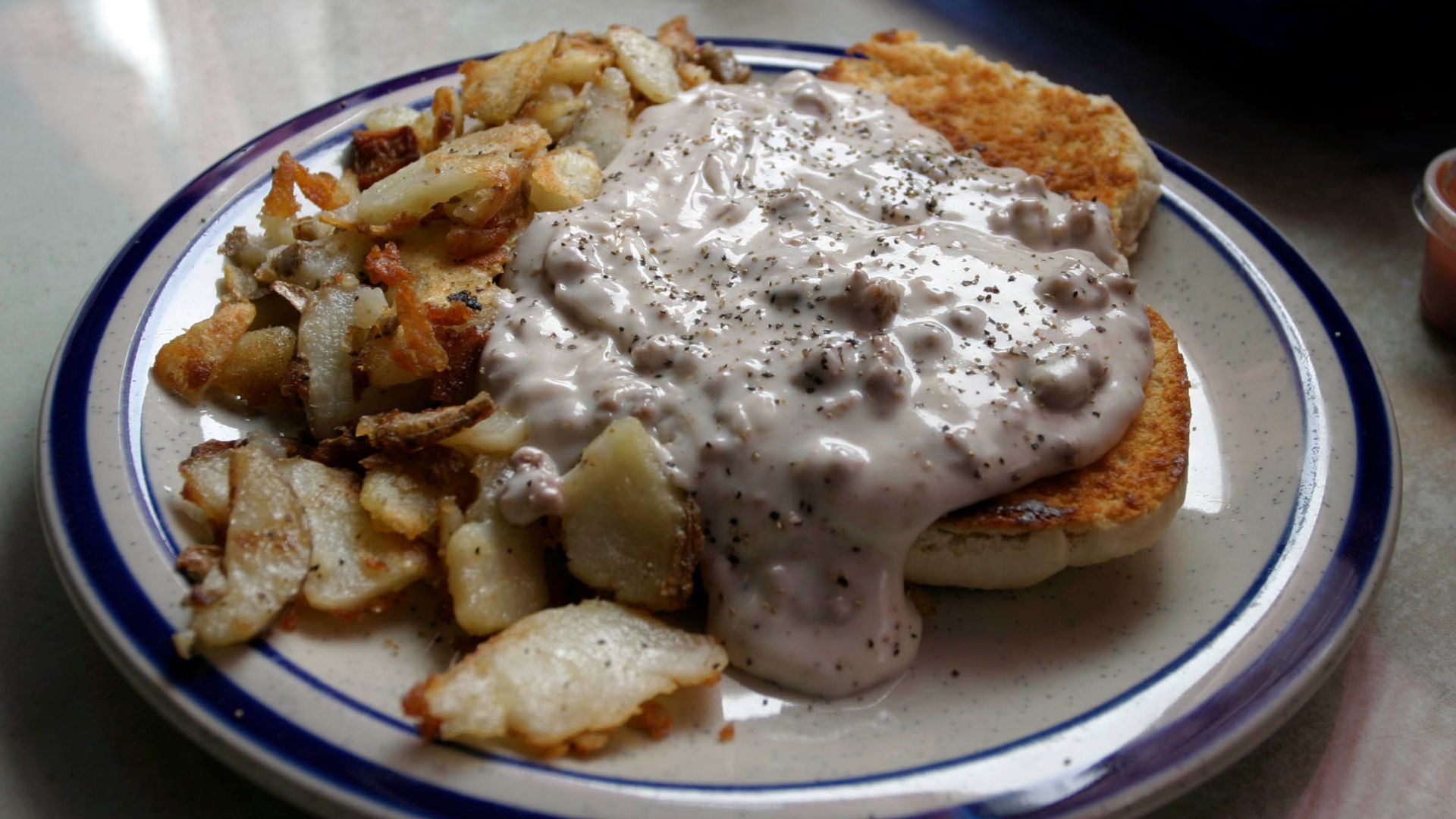 No machine-readable author provided. Kaszeta assumed (based on copyright claims)., Wikimedia Commons
Wisconsin Fried Cheese Curds
Wisconsin's dairy industry helped make fresh cheese curds a local favorite, especially when they squeaked against your teeth. Someone eventually discovered that coating the curds in batter and frying them produced an irresistible snack. Fried cheese curds became staples at Wisconsin taverns, festivals, and roadside establishments. Their appeal gradually spread through Midwestern restaurant chains and eventually national menus. Today, fried cheese curds have fans across America, although Wisconsinites still insist that the freshest curds make the best ones.
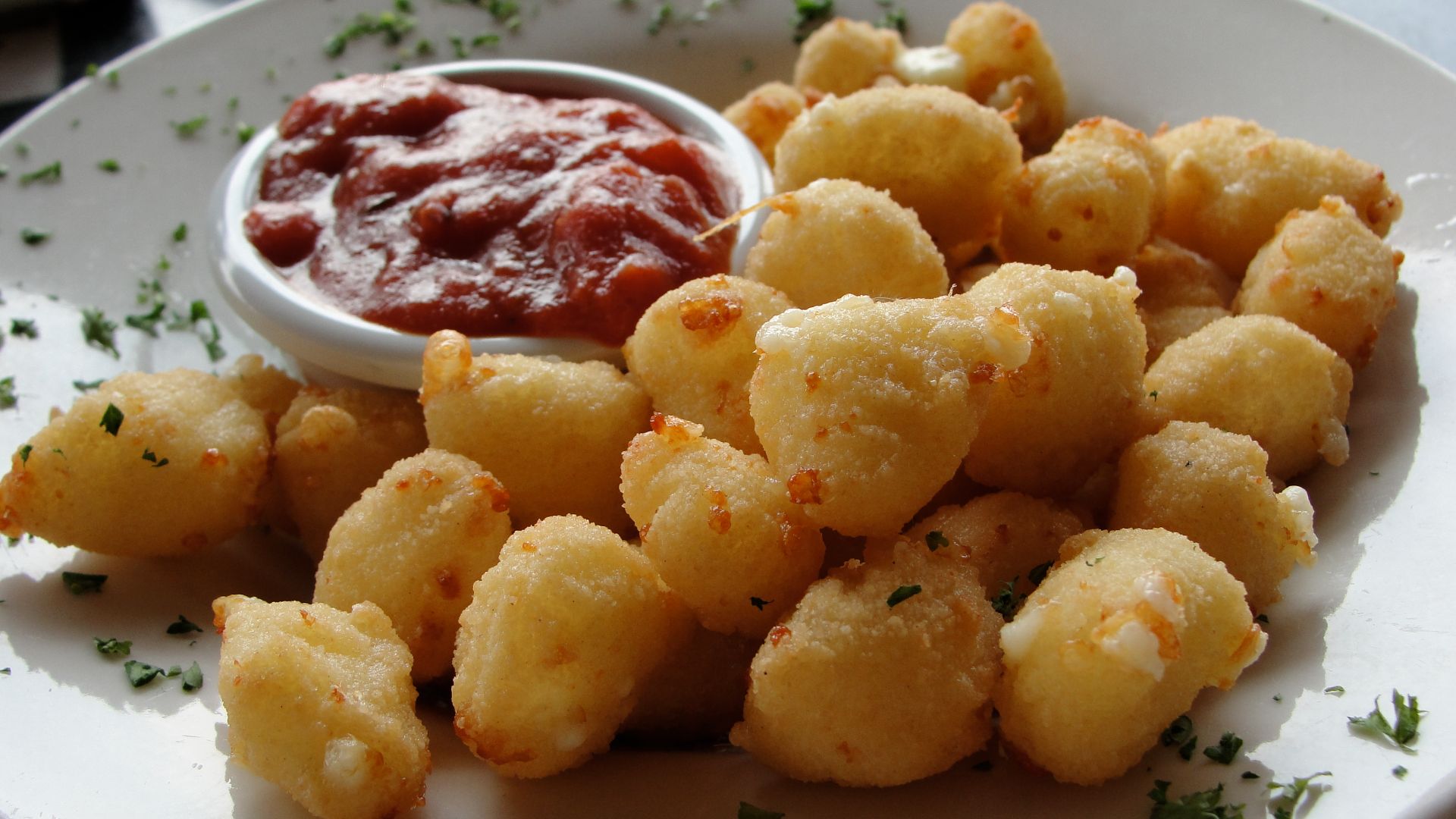 Greg Tally - User: (WT-shared) WineCountryInn at wts wikivoyage, Wikimedia Commons
Detroit-Style Pizza
Detroit's contribution to American pizza culture began in 1946, when Buddy's Rendezvous introduced rectangular pies baked in deep steel pans inspired by those used in the automotive industry. The result was a thick, airy crust with wonderfully crispy, caramelized cheese around the edges and tomato sauce traditionally spooned in stripes over the top. For decades, Detroit-style pizza remained a Michigan specialty, but its popularity has spread dramatically in recent years. Today, pizzerias across America offer their own versions, proving that Detroit gave the country more than great cars and Motown music.
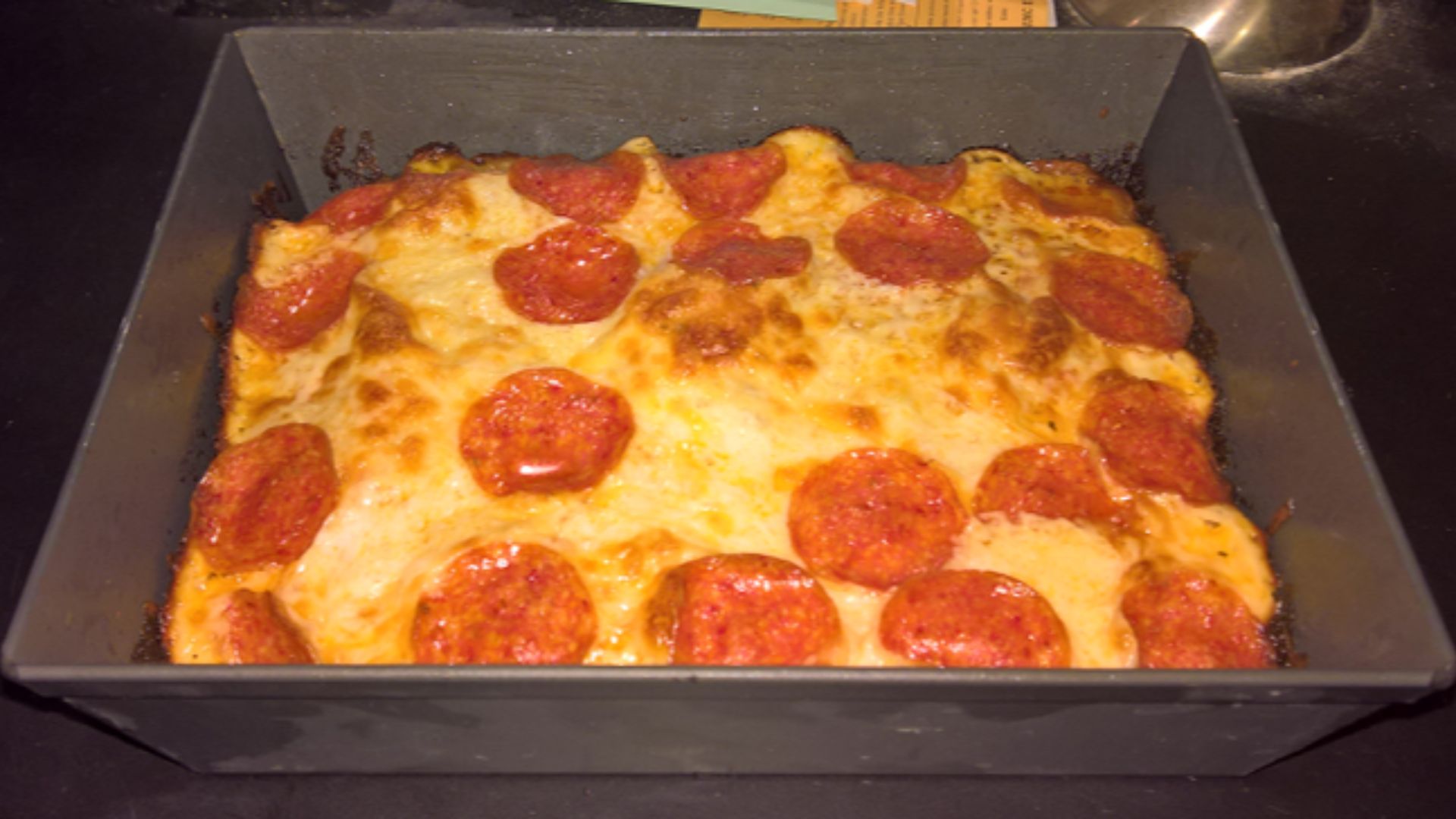 CarbertWiki, Wikimedia Commons
Chicago-Style Hot Dogs
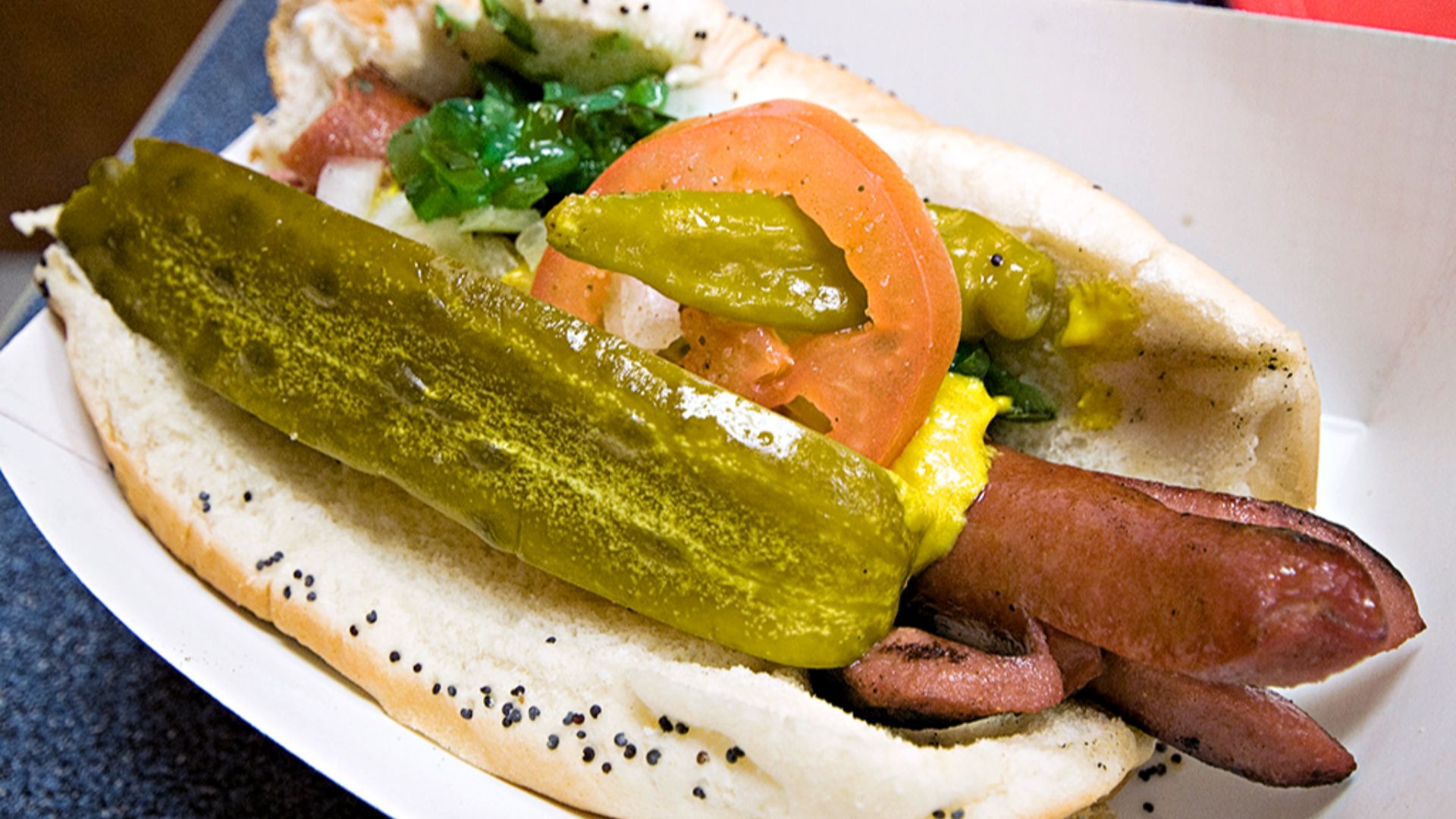
A Chicago hot dog can look like someone emptied a vegetable garden onto a bun. The classic combination includes an all-beef frankfurter, mustard, relish, onions, tomato wedges, a pickle spear, sport peppers, and celery salt on a poppy-seed bun. The style developed through Chicago's immigrant food culture and inexpensive street-food traditions. Its distinctive appearance eventually made it famous nationwide. The one ingredient Chicago traditionalists generally refuse to tolerate? Ketchup, at least on a fully dressed Chicago dog.
New Mexico Green Chile Cheeseburgers
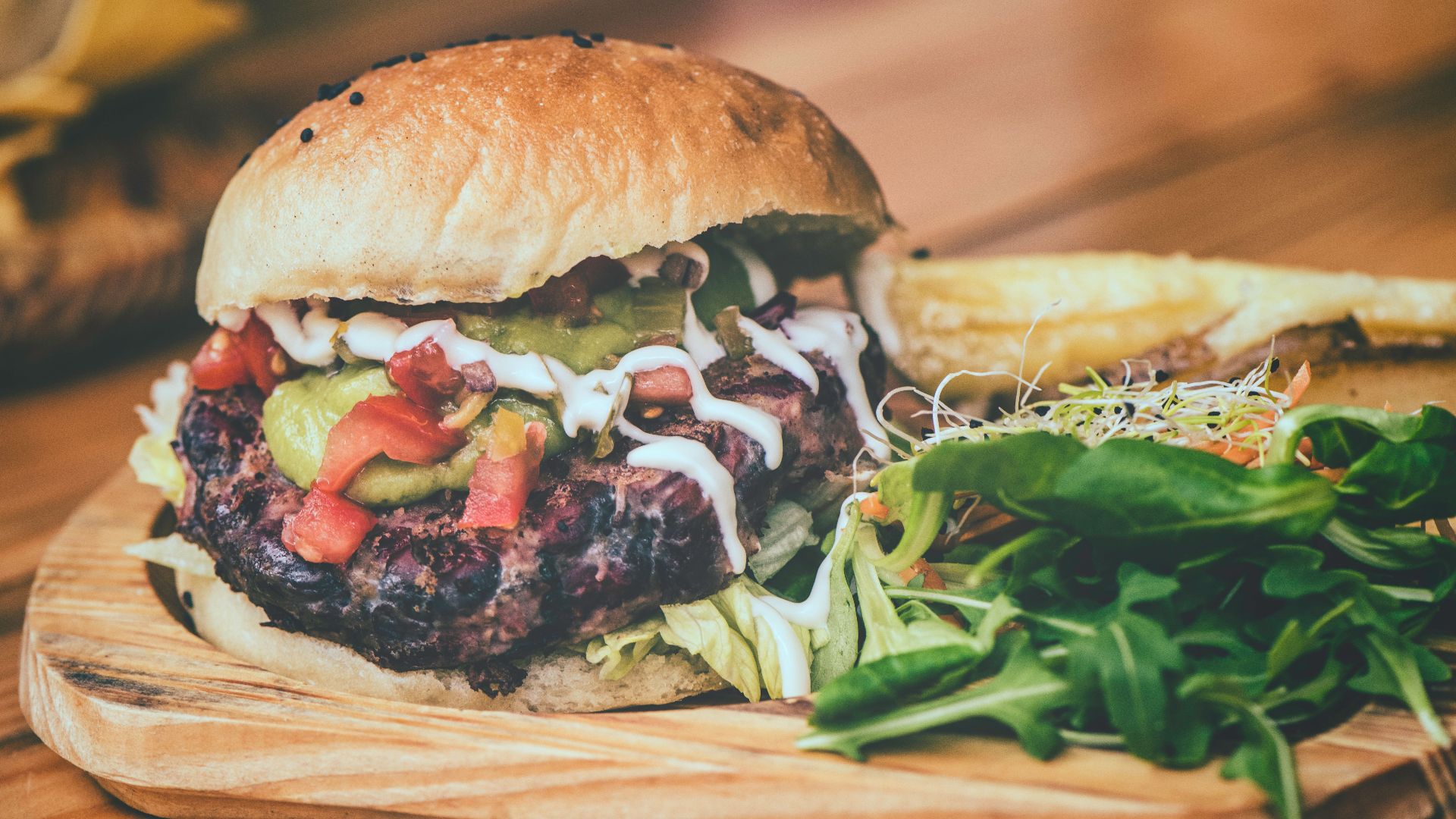
New Mexico took the ordinary American cheeseburger and transformed it with one defining ingredient: roasted green chile. The combination became a regional obsession, with restaurants competing to create the perfect balance of beef, melted cheese, and smoky heat. Hatch-area chiles helped give the specialty its identity. As interest in Southwestern flavors spread, green chile cheeseburgers began appearing on menus outside New Mexico. Their popularity demonstrates how one local ingredient can completely reinvent a familiar national dish.
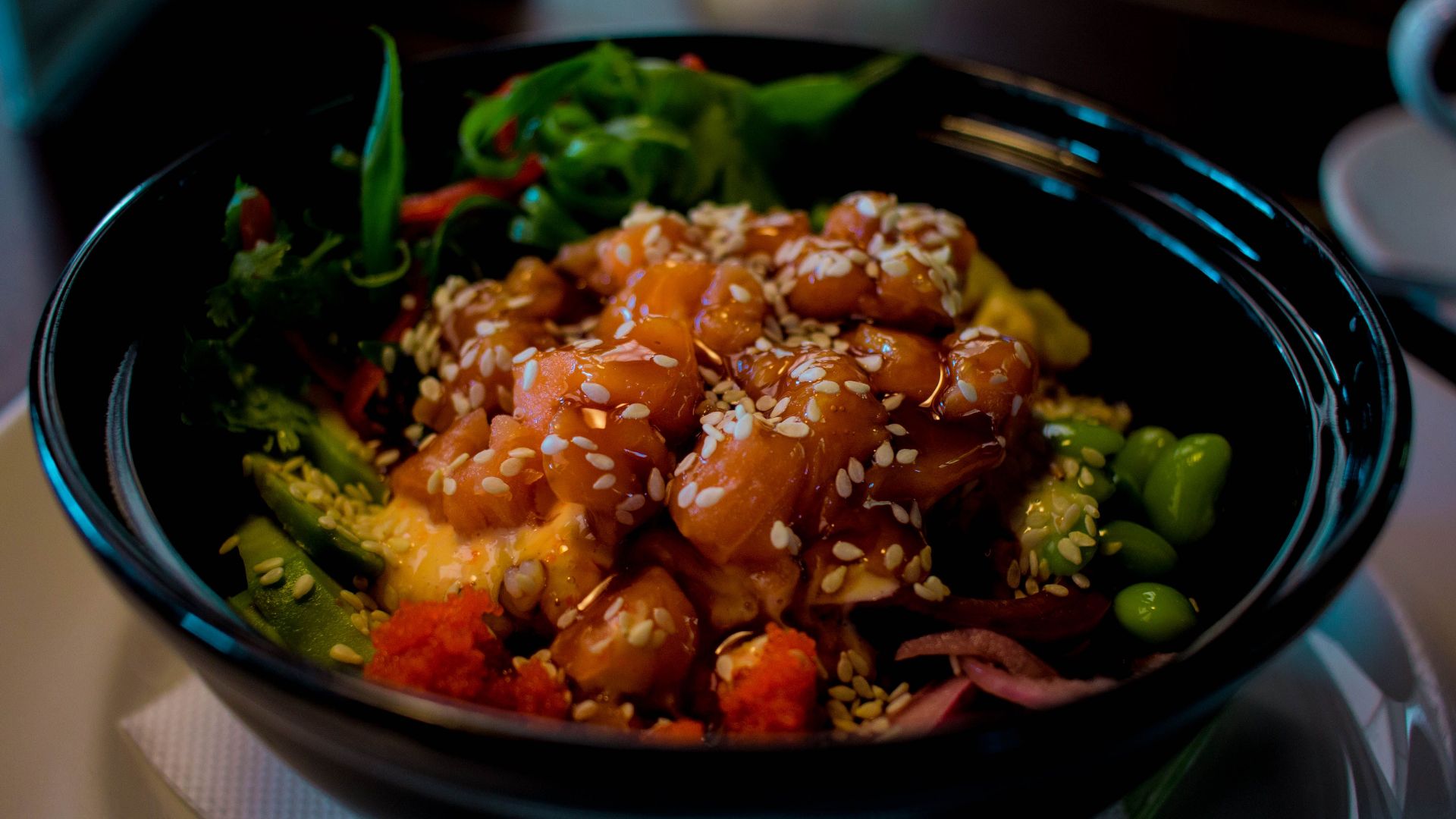
Hawaiian Poke Bowls
In Hawaii, poke developed from traditions of preparing seasoned pieces of fresh fish, influenced over time by Japanese and other immigrant cuisines. The dish was originally quite different from the elaborate mainland bowls that later became fashionable. During the 2010s, poke restaurants spread rapidly across the continental United States, often serving cubed raw fish over rice with numerous toppings. The national craze introduced many Americans to a Hawaiian specialty, even as commercial adaptations sometimes moved far from its traditional roots.
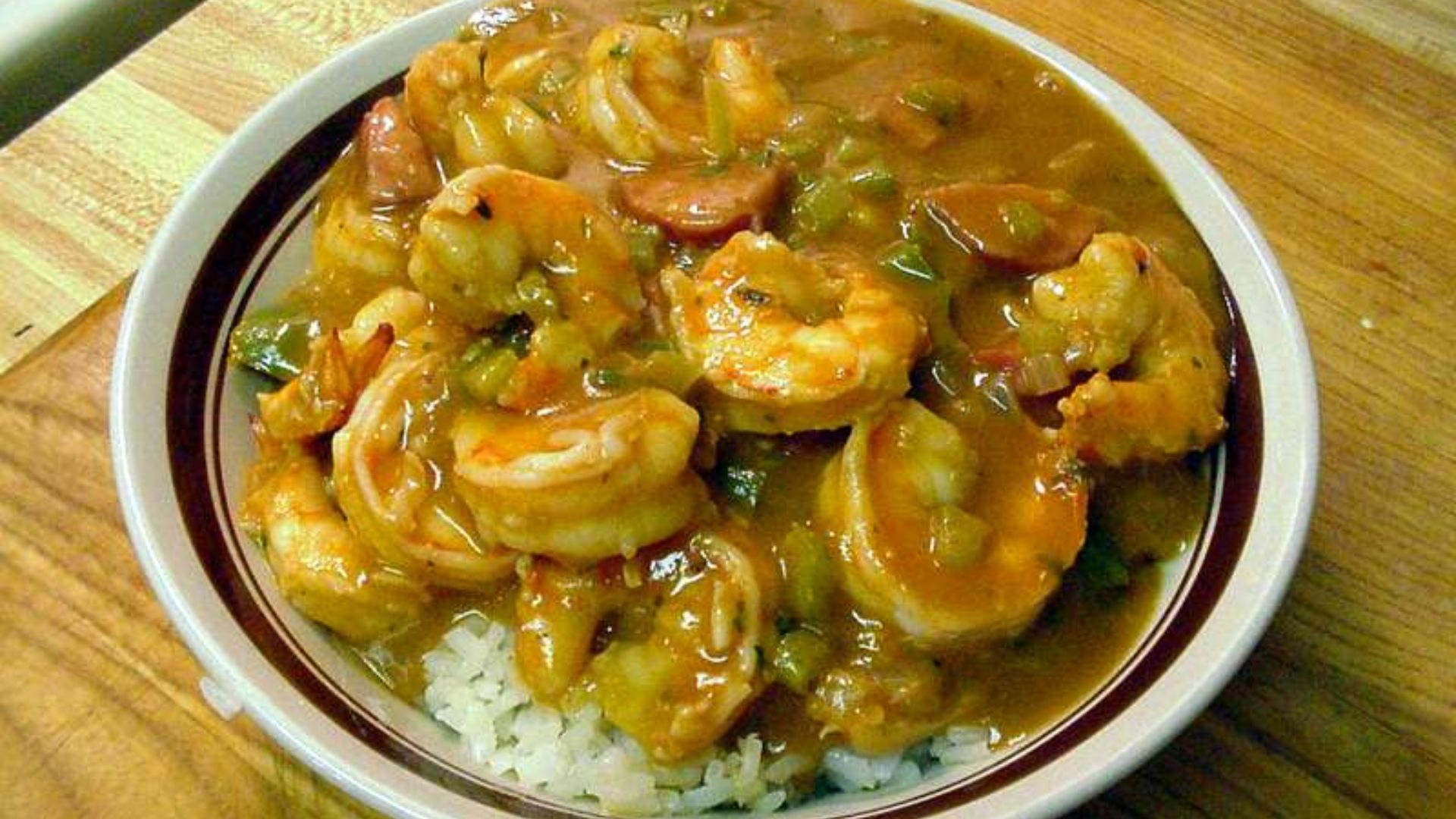
Louisiana Gumbo
Gumbo reflects the remarkable culinary history of Louisiana, combining influences from African, Native American, French, and other food traditions. Depending on the cook, it might feature seafood, chicken, sausage, okra, or a deeply browned roux. For generations, gumbo was closely associated with Louisiana homes and restaurants. Its reputation gradually spread through cookbooks, tourism, and the growing national fascination with Cajun and Creole cuisine. Today, gumbo appears on menus across America, although regional cooks still debate what belongs in the pot.
 Jon Sullivan, Wikimedia Commons
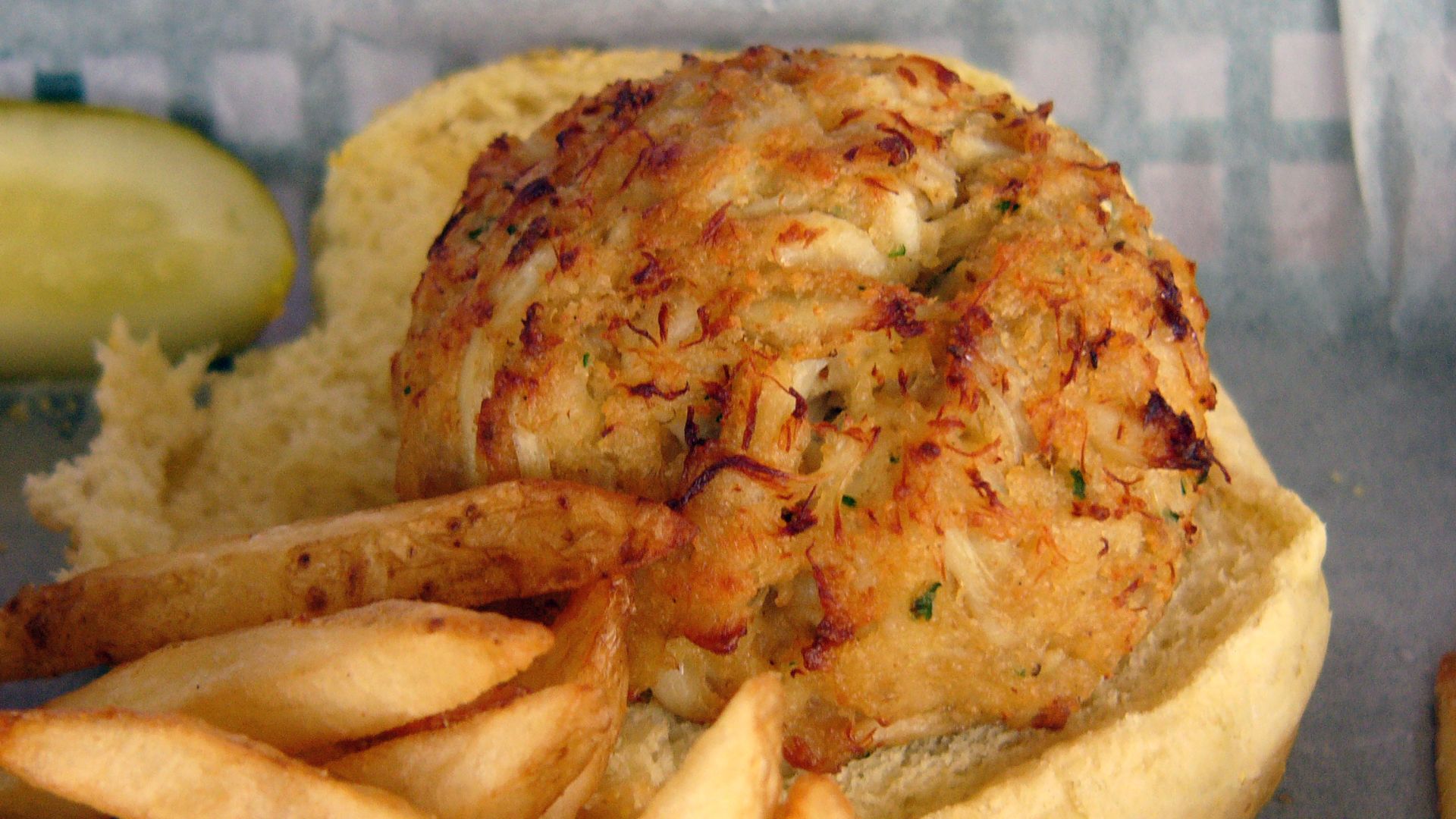
Maryland Crab Cakes
Maryland's Chesapeake Bay provided the blue crabs that made crab cakes a regional institution. The best-known versions emphasize sweet crab meat rather than excessive breading or filler. Although crab cakes existed in various forms elsewhere, Maryland developed a particularly strong identity around them. As seafood restaurants expanded and regional specialties became fashionable, Maryland-style crab cakes gained national recognition. They now appear on menus thousands of miles from the Chesapeake, sometimes at prices that would astonish earlier generations of local crabbers.
 Kathleen Conklin, Wikimedia Commons
Kentucky Hot Browns
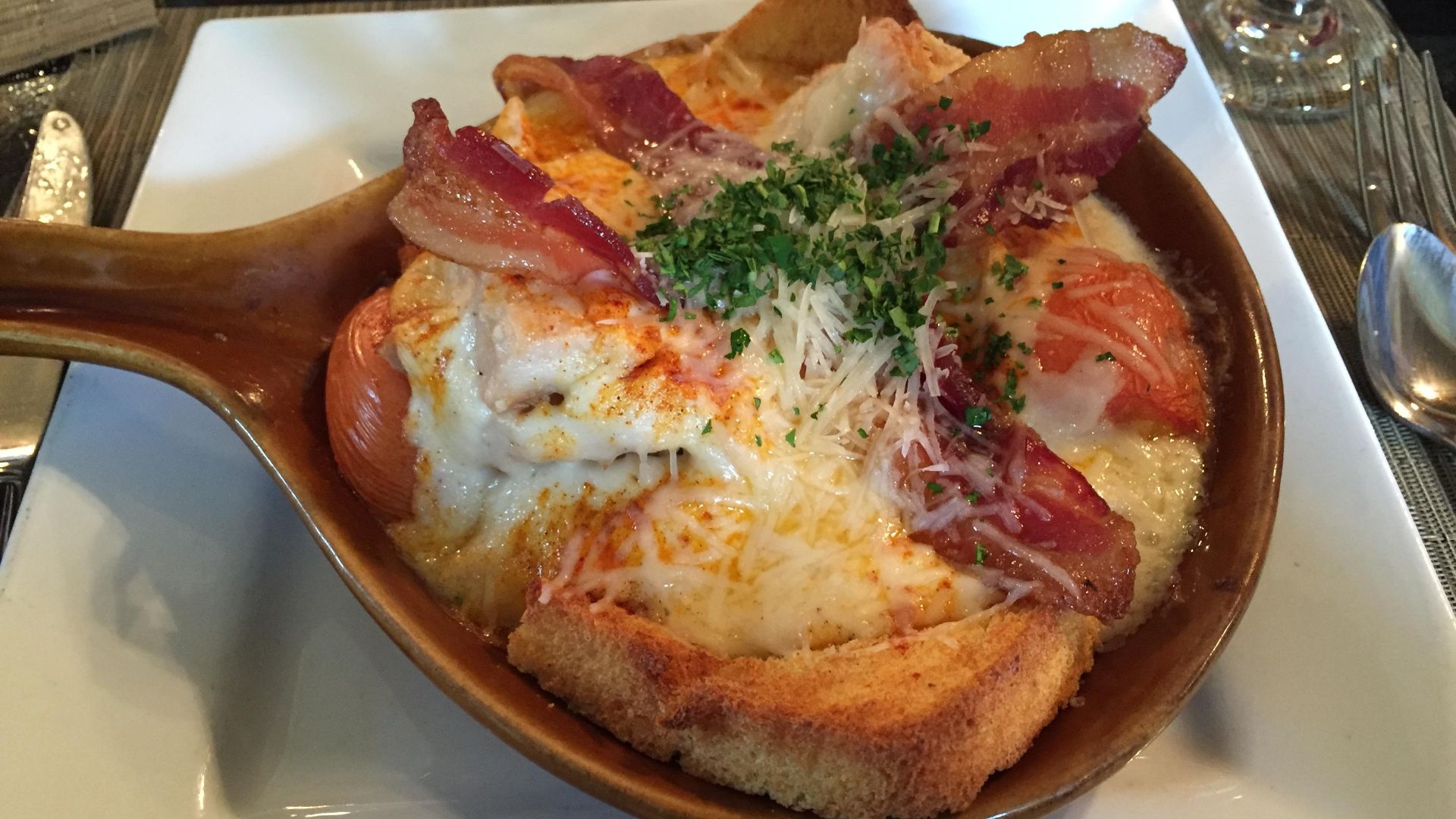
In 1926, Louisville's Brown Hotel introduced an extravagant open-faced sandwich associated with chef Fred K. Schmidt. The Hot Brown combined turkey, toast, bacon, and rich Mornay sauce, creating a dish that was closer to a knife-and-fork meal than an ordinary sandwich. It became a Kentucky favorite, especially around Louisville and Derby celebrations. As Southern comfort food gained national popularity, the Hot Brown attracted attention from chefs and food writers elsewhere, inspiring versions far beyond its original hotel dining room.
 IluvatarEru, Wikimedia Commons
St. Louis Toasted Ravioli
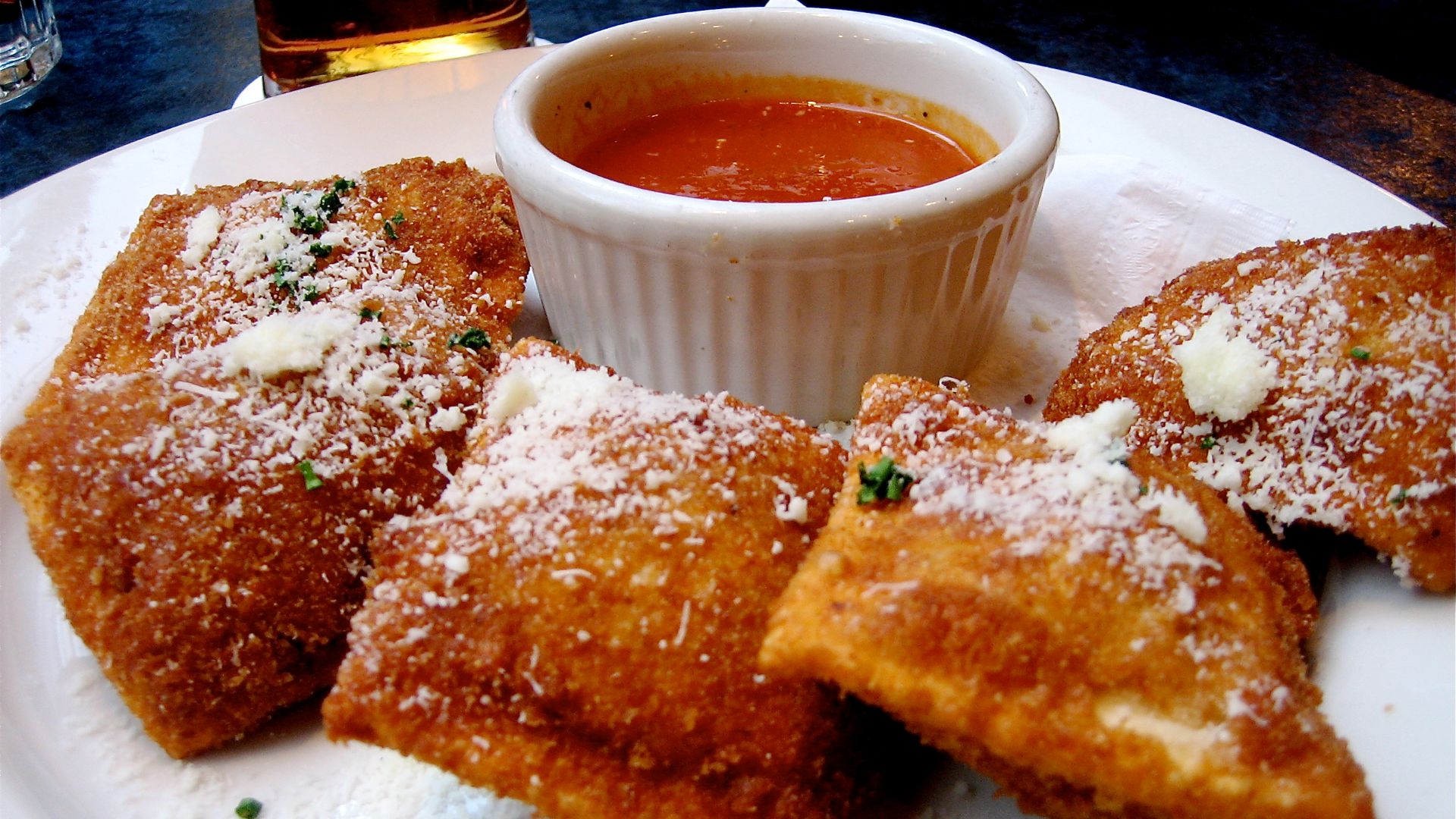
Toasted ravioli sounds like a culinary contradiction, but St. Louis turned the idea into a beloved appetizer. Breaded ravioli are fried until crisp and typically served with marinara sauce and grated cheese. Several restaurants in the city's Italian American neighborhood, The Hill, have competing origin stories, often involving an accidental drop into hot oil. Whatever its beginnings, toasted ravioli became a St. Louis institution before spreading into frozen-food aisles, sports bars, and Italian American restaurants elsewhere.
 Timothy Boyd, Wikimedia Commons
New England Clam Chowder
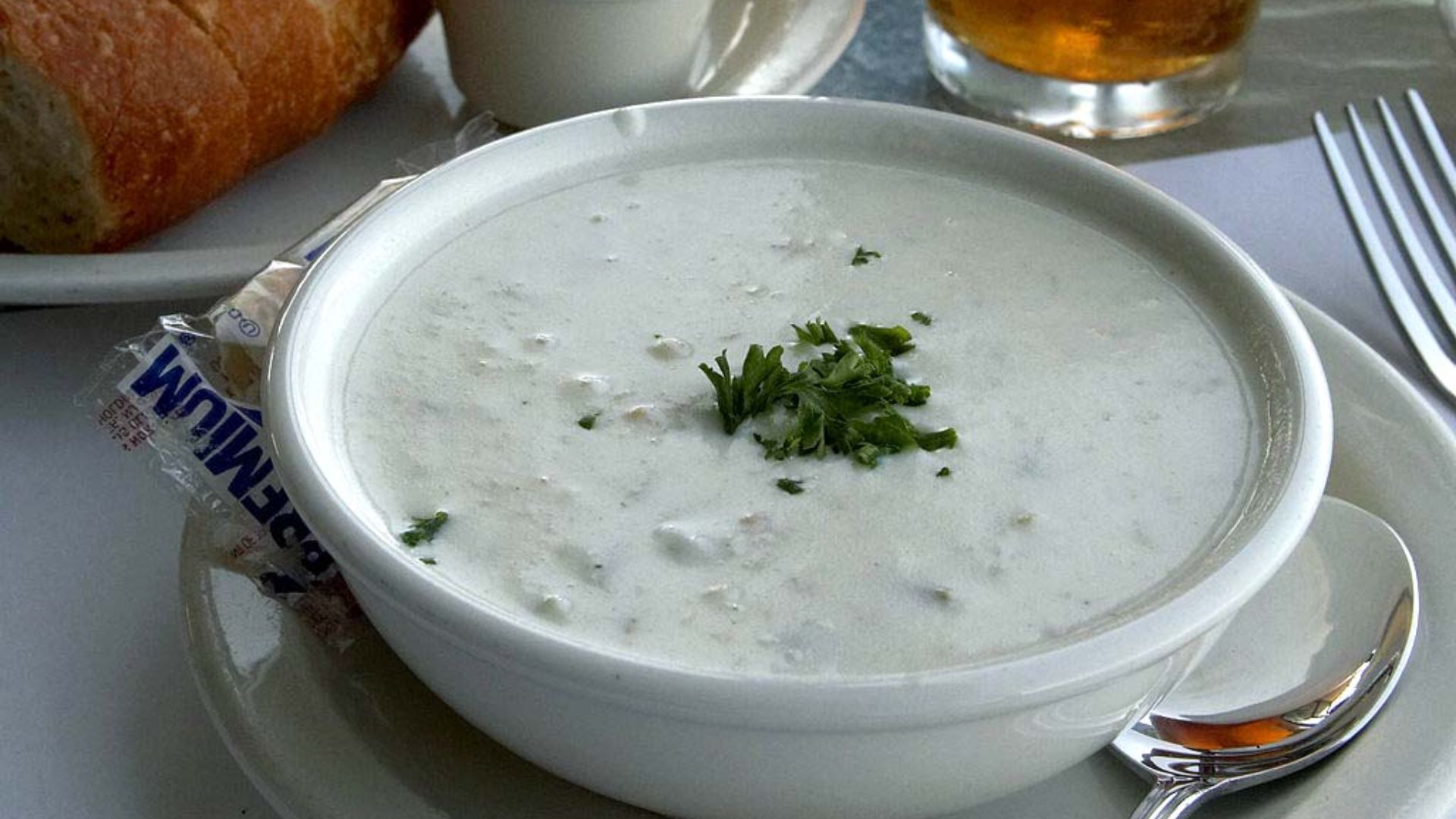
Creamy clam chowder became deeply associated with New England's coastal communities, where shellfish and hearty soups had long been important foods. Its familiar combination of clams, potatoes, onions, and dairy developed into a regional signature. For visitors, a bowl of chowder became almost obligatory during a trip to Boston or the Maine coast. Canned soups, restaurant chains, and seafood marketing eventually carried New England-style clam chowder across the country, where it remains one of America's most recognizable regional soups.
 Jon SullivanThe original uploader was Y6y6y6 at English Wikipedia., Wikimedia Commons
Florida Key Lime Pie
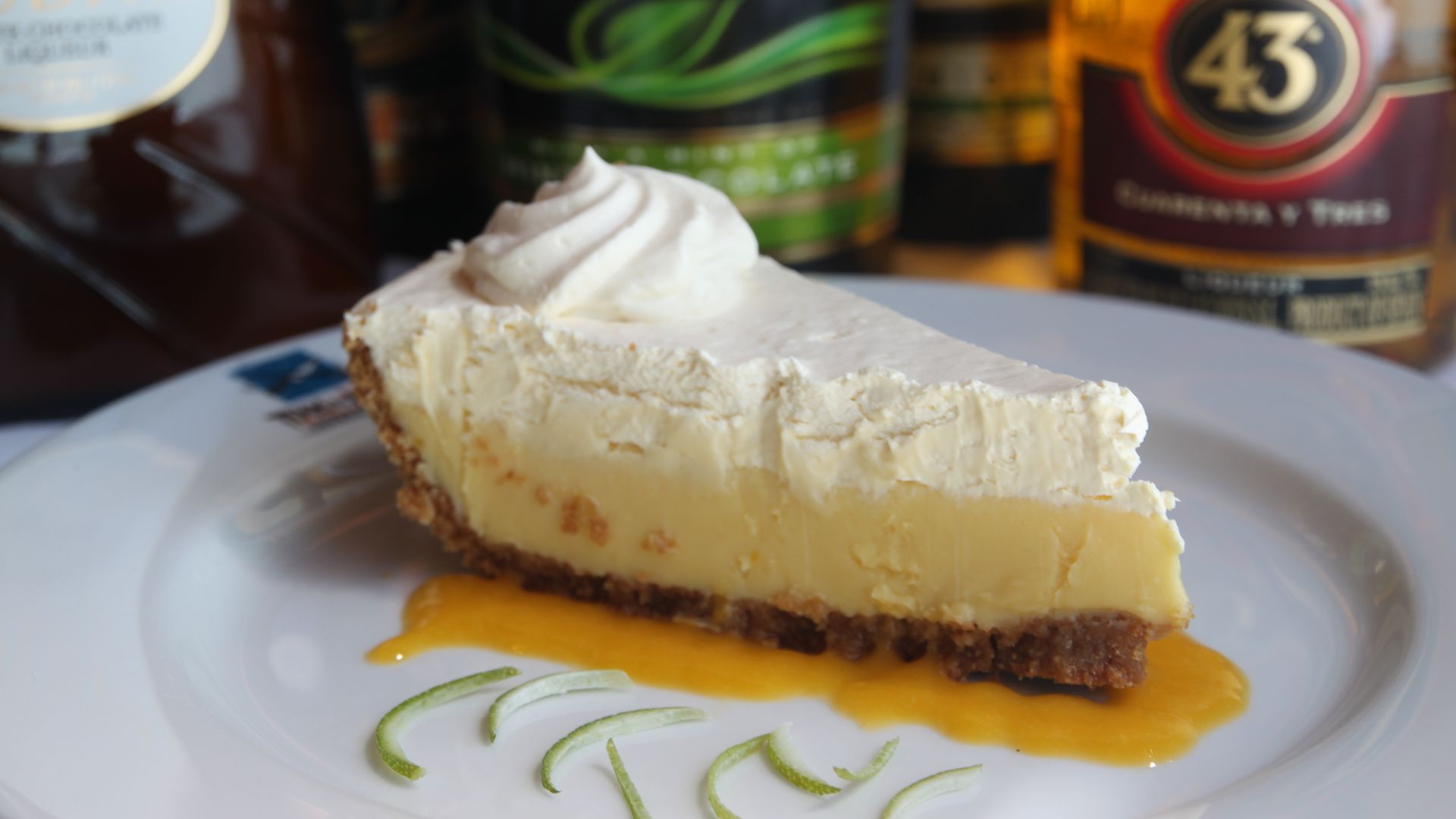
Key lime pie emerged from the culinary traditions of the Florida Keys, where small, aromatic Key limes were once abundant. Its familiar combination of lime juice, sweetened condensed milk, and eggs made practical sense in a place where refrigeration was historically limited. The dessert's exact origins are disputed, but its association with Key West became unmistakable. Eventually, key lime pie appeared in restaurants and supermarket freezers nationwide, bringing a taste of the Florida Keys to people who had never visited the islands.
 Derickbaumgartner, Wikimedia Commons
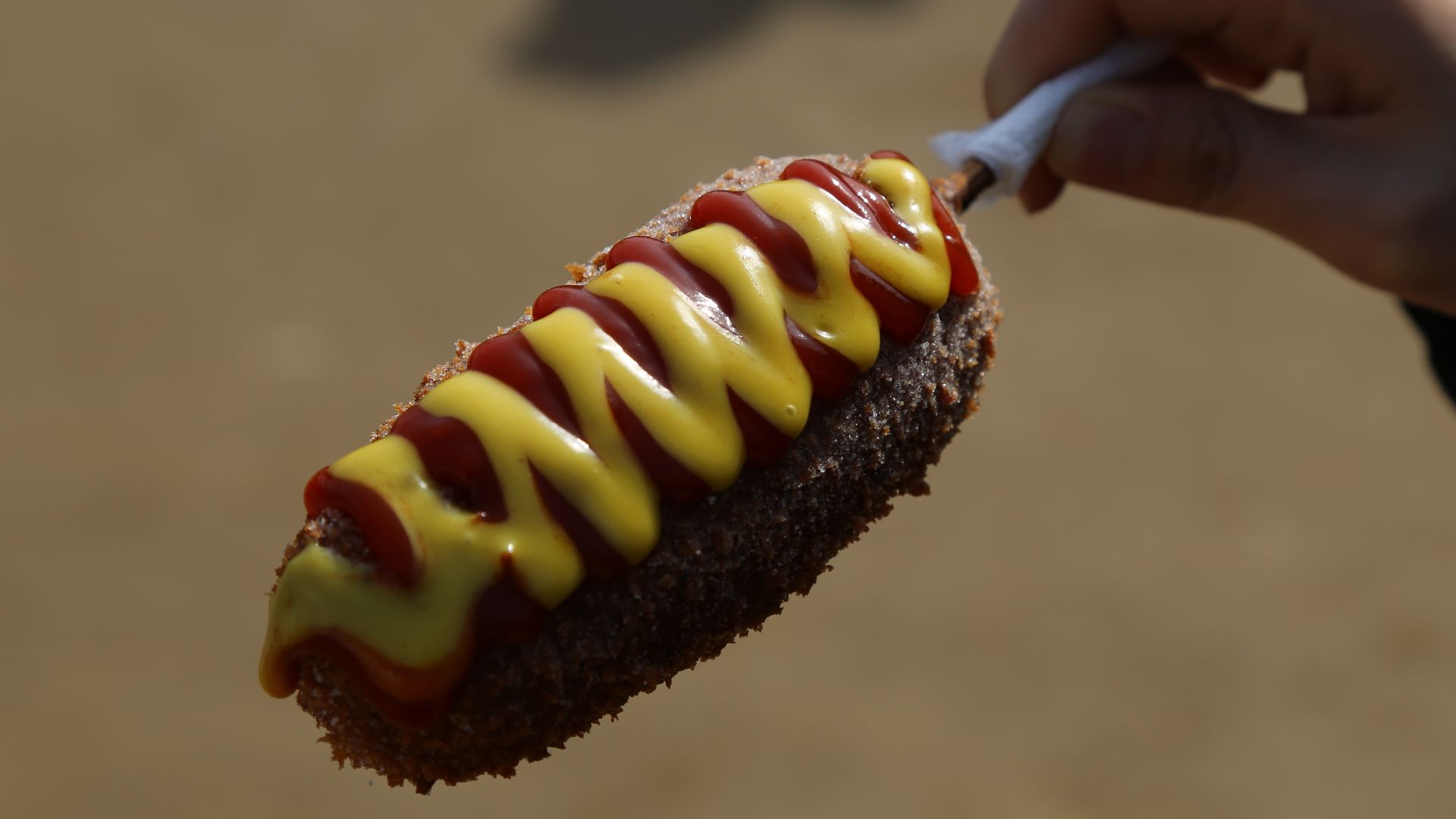
Texas Corn Dogs
The idea of coating a hot dog in cornmeal batter and frying it seems perfectly suited to an American state fair. Several inventors claimed versions of the corn dog, but Neil and Carl Fletcher famously popularized their Corny Dogs at the State Fair of Texas in the early 1940s. Putting the battered sausage on a stick made it particularly convenient for fairgoers. Corn dogs eventually spread to amusement parks, school cafeterias, sporting events, and supermarket freezer sections throughout America.
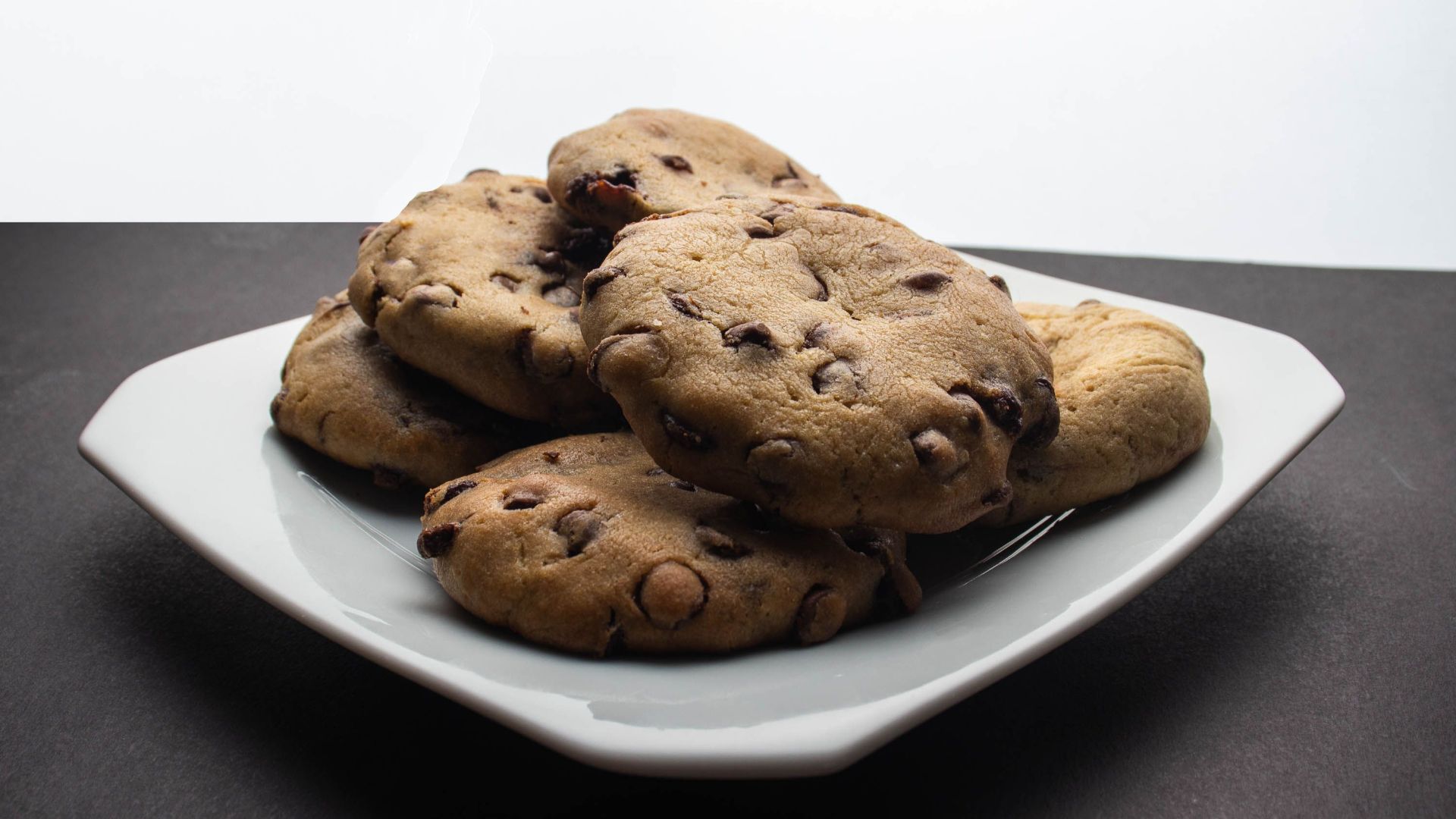
Massachusetts Chocolate Chip Cookies
America's beloved chocolate chip cookie began as a regional bakery creation in Massachusetts. Ruth Wakefield developed the famous Toll House cookie at her restaurant in Whitman during the 1930s, incorporating pieces of Nestlé chocolate into the dough. The recipe became enormously popular, eventually appearing on chocolate packaging and spreading through American home kitchens. What started as a Massachusetts specialty became one of the country's most familiar homemade desserts, inspiring countless variations and generations of devoted cookie bakers.
You May Also Like:
Regional American Foods That Are The Hardest To Explain To The Rest Of The World
Canadians Reveal The American Foods And Restaurants They Wish They Had More Of Up In Canada
America's Most Overrated Regional Foods, According To Americans