When The Backstory Becomes The Main Attraction
Some tourist attractions become famous because of breathtaking architecture, historic events, or extraordinary natural beauty. Others find themselves in the spotlight for reasons nobody could have predicted, from construction mistakes to strange traditions and internet jokes. Sometimes, the very thing that makes a destination famous was never supposed to happen in the first place. These places prove that an unexpected story can be just as memorable as the attraction itself.

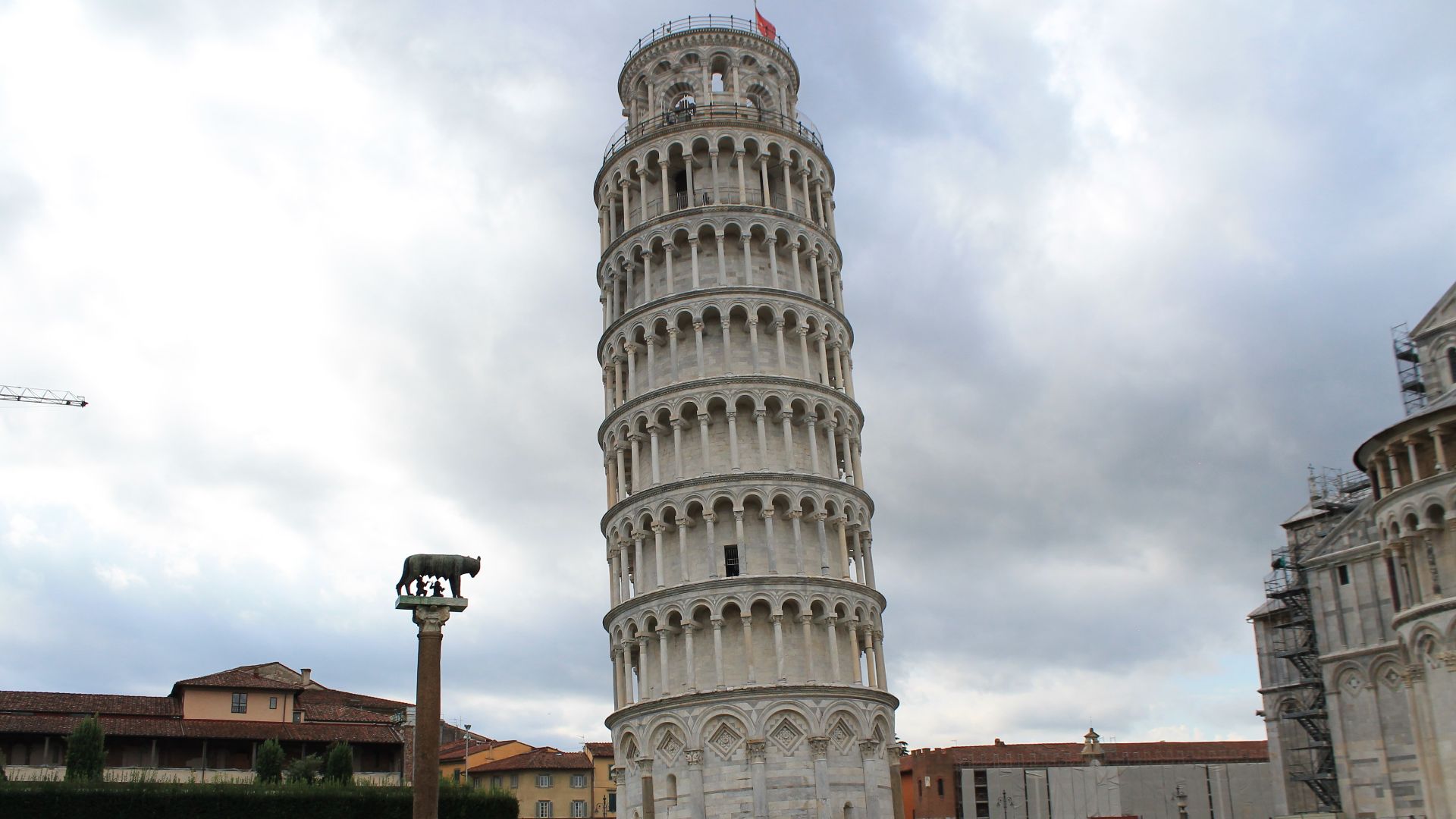
The Leaning Tower Of Pisa Became Famous Because Of A Mistake
The Leaning Tower of Pisa was originally constructed as a bell tower for the city's cathedral, not as a monument to engineering mistakes. Construction began in 1173, but the soft ground beneath its foundations caused the building to tilt before it was finished. Builders attempted to compensate by constructing later floors at slightly different angles. Ironically, the flaw that threatened the tower's survival became the feature that made it internationally famous.
 John Samuel, Wikimedia Commons
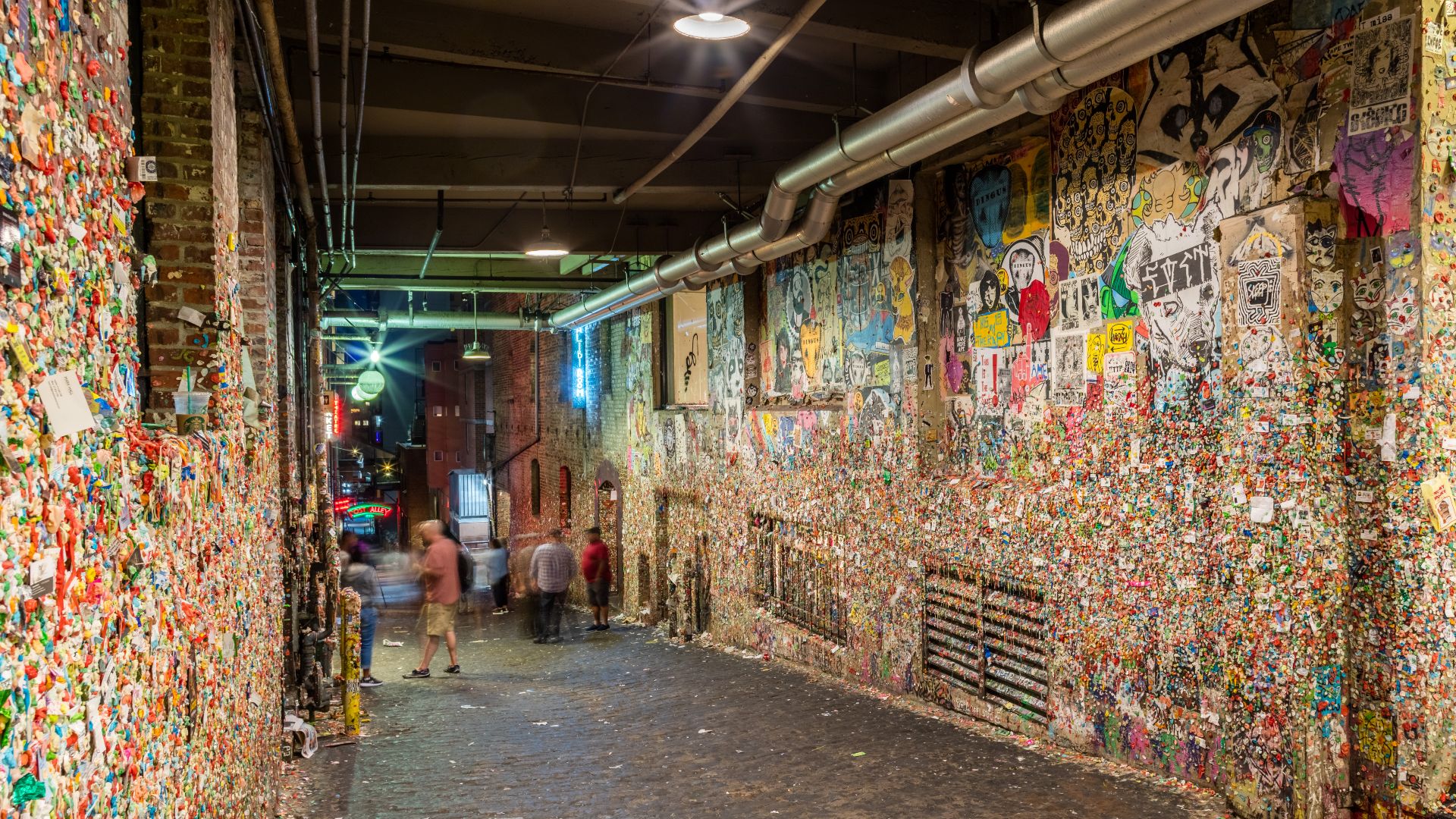
Seattle's Gum Wall Started With People Waiting For A Show
The Seattle Gum Wall began taking shape outside the Market Theater in the early 1990s. People waiting in line for performances started sticking used chewing gum onto the brick wall, sometimes using it to hold pennies. The habit spread until the alley became covered with colorful blobs of gum. What began as an unsanitary annoyance eventually became one of Seattle's most recognizable oddities.
 Diego Delso, Wikimedia Commons
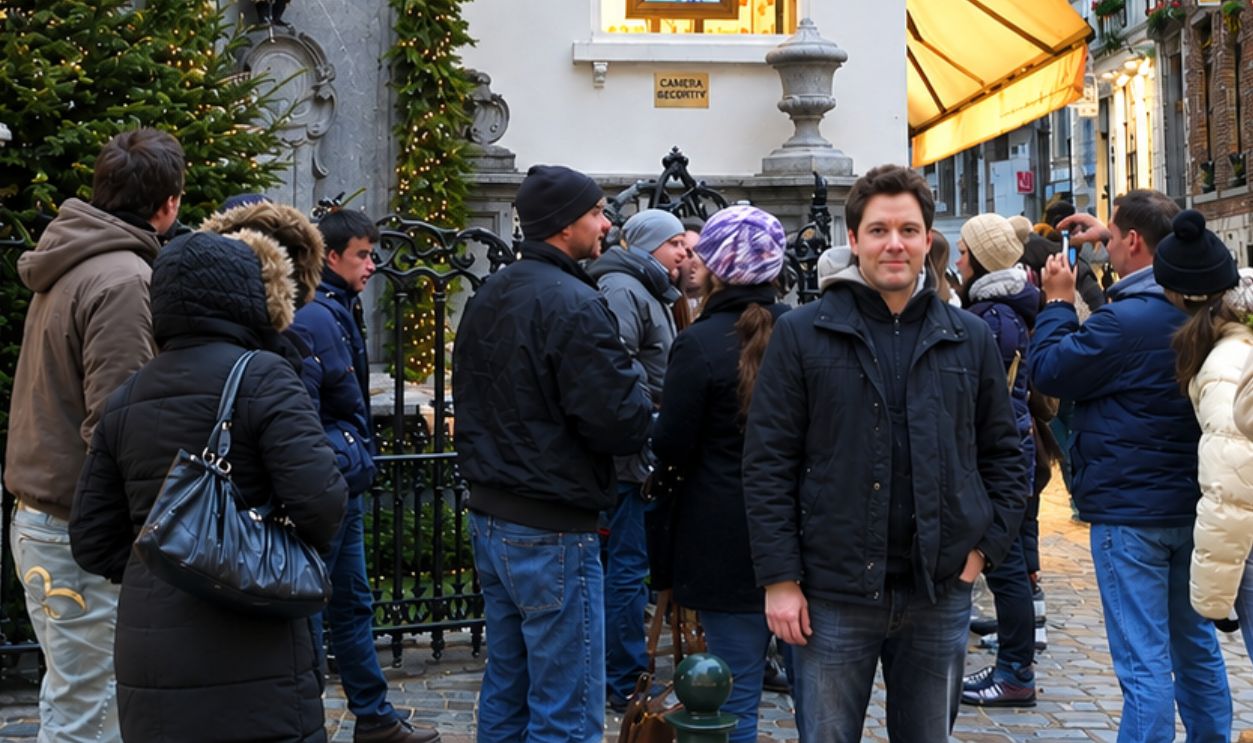
Brussels Turned A Mischievous Fountain Into A City Symbol
The famous Manneken Pis statue depicts a little boy urinating into a fountain. The bronze figure, created in 1619, originally served as a decorative part of the city's public water supply. Over time, it became a symbol of Brussels' irreverent personality, inspiring legends and elaborate costume traditions. Today, visitors come to admire a tiny fountain figure that has accumulated a wardrobe of more than 1,000 pieces.
 William Murphy from Dublin, Ireland, Wikimedia Commons, Enhanced
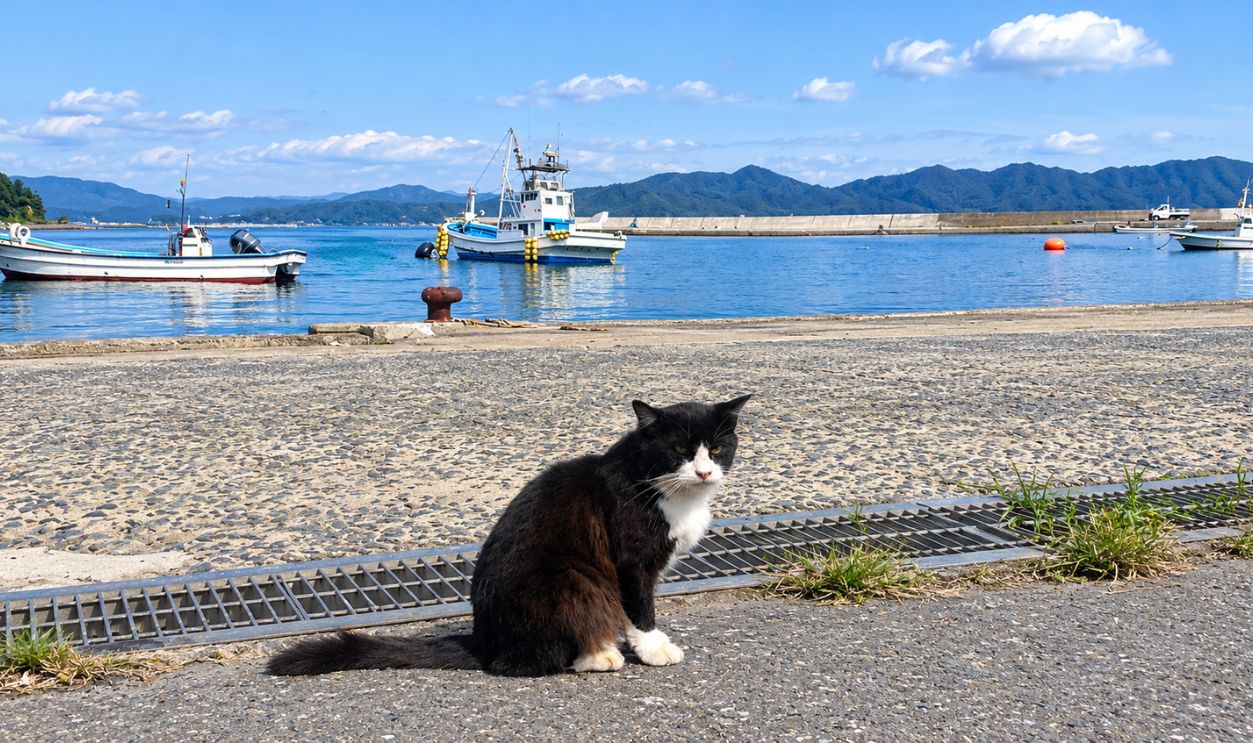
A Japanese Island Became Famous Because Cats Took Over
The island of Tashirojima once relied on fishing and silkworm production rather than tourism. Cats were kept to protect valuable silkworm cocoons from rats, while fishermen also cared for the animals. As the human population declined, the feline population became a defining feature of the island. Today, visitors travel there specifically to see the numerous cats wandering through its small communities.
 Trueblues, Wikimedia Commons, Enhanced
A Supermarket Walkway Became A Tourist Attraction
The Bude Tunnel in Cornwall, England, is essentially a covered pedestrian walkway connecting a Sainsbury's supermarket area with a nearby road. Its practical purpose is to shelter shoppers from the weather, but enthusiastic online reviews helped turn it into an unlikely sightseeing destination. The structure stretches more than 70 meters and consists of 36 metal arches. It even has its own Tripadvisor attraction listing, proving that almost anything can become a landmark with enough attention.

A Rabbit Island Has A Much Darker Past
Japan's Okunoshima attracts visitors who want to see the many rabbits roaming freely across the island. However, the island once housed a secret chemical weapons factory that operated before and during World War II. The exact origins of its rabbit population remain disputed, with one theory involving animals released by schoolchildren in 1971. Today, the animals are the main tourist attraction, while a museum preserves the island's troubling history.

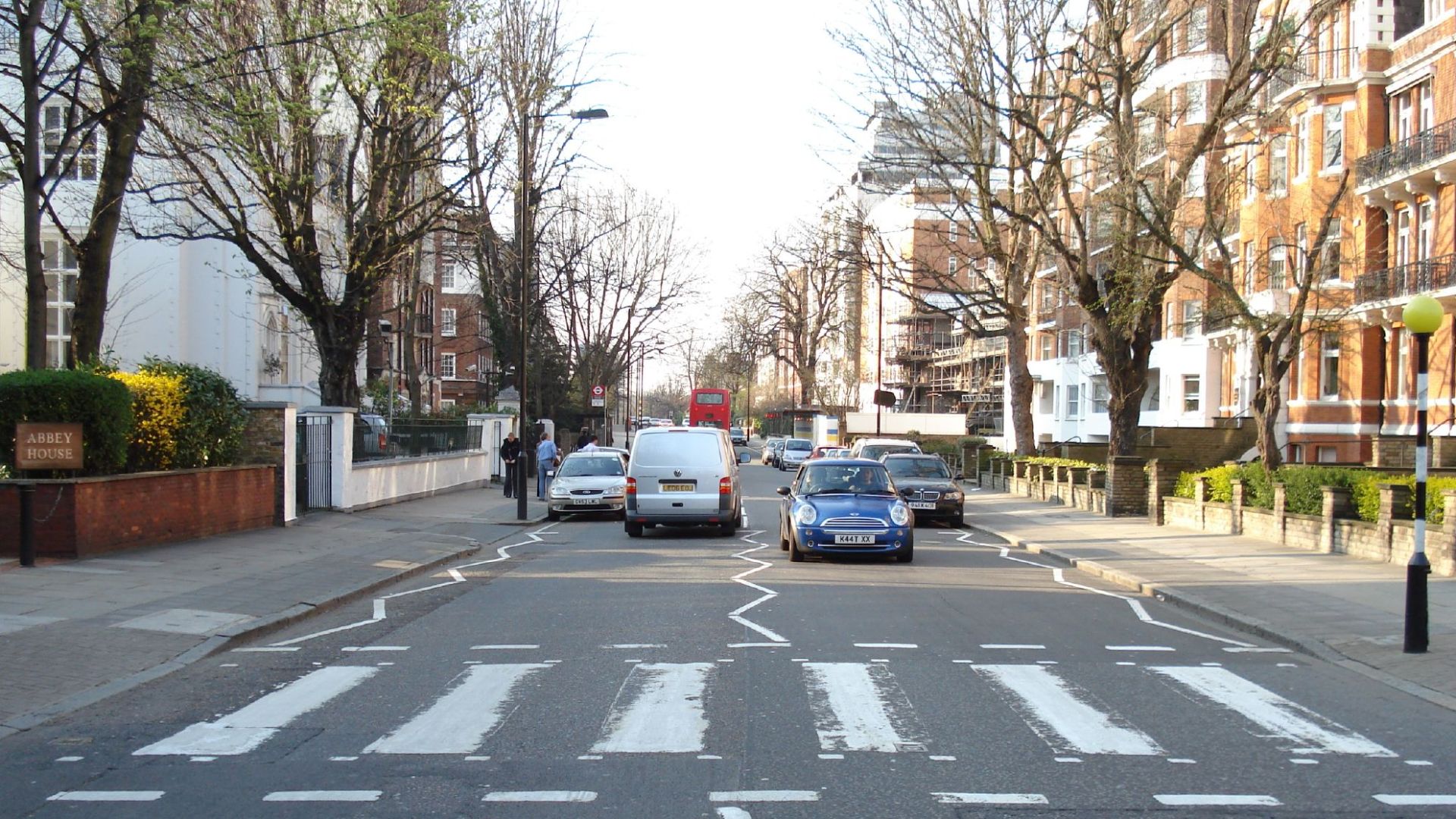
An Ordinary London Crosswalk Became A Musical Landmark
The pedestrian crossing outside Abbey Road Studios would probably look unremarkable to anyone unfamiliar with music history. That changed when the Beatles photographed themselves walking across it for their 1969 Abbey Road album cover. The image became so recognizable that fans began traveling to the crossing to recreate it. Today, an ordinary stretch of road attracts visitors from around the world who want their own version of the famous photograph.
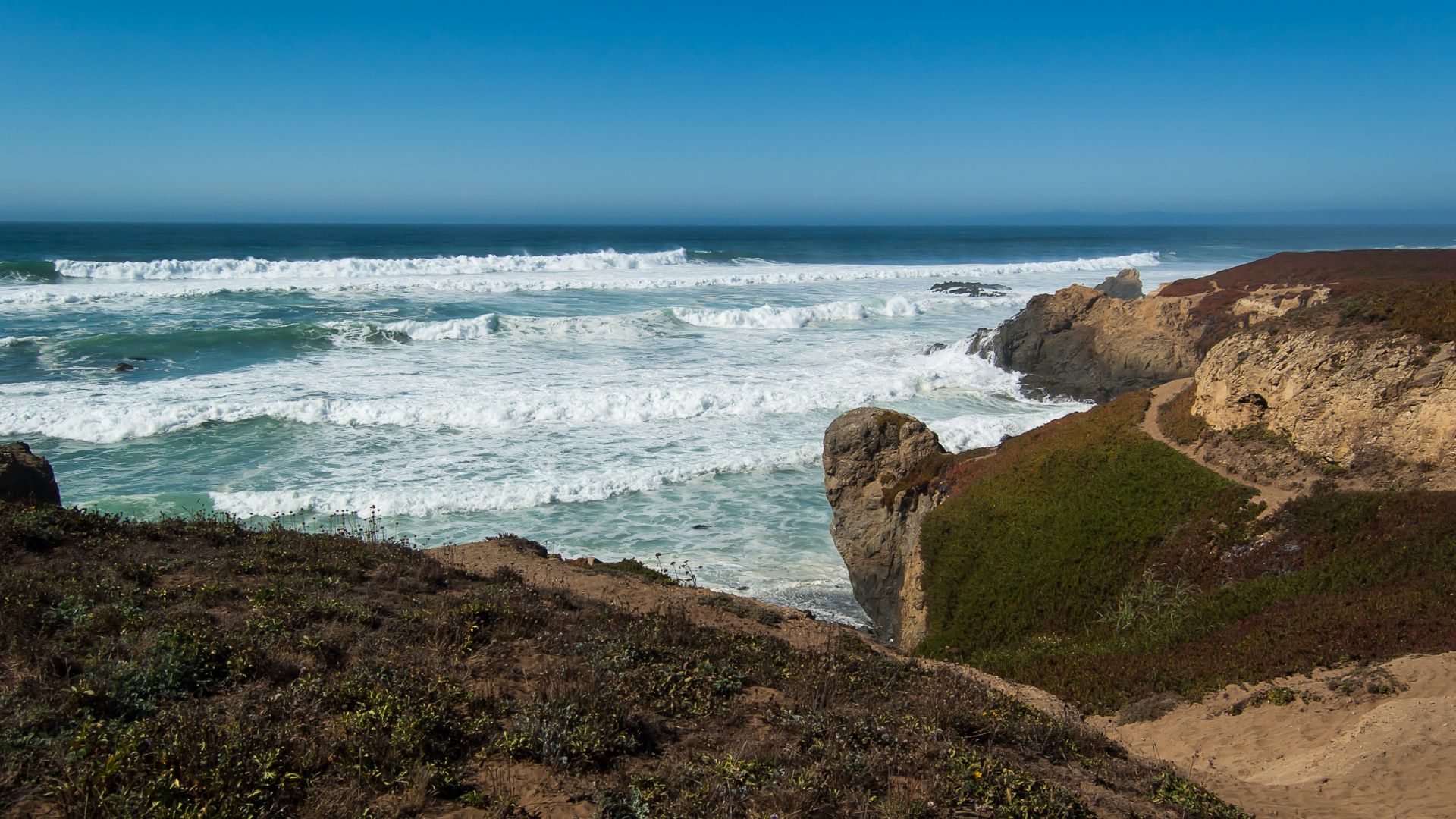
California's Glass Beach Was Once A Garbage Dump
At Glass Beach in Fort Bragg, California, visitors can find colorful pieces of sea glass scattered along the shoreline. Surprisingly, the glass originated from decades of discarded rubbish rather than a natural geological process. Ocean waves gradually broke down and polished glass left behind by dumping activities that ended more than 50 years ago. What began as environmental neglect eventually created an unusual coastal attraction.
 World Wide Gifts, Wikimedia Commons
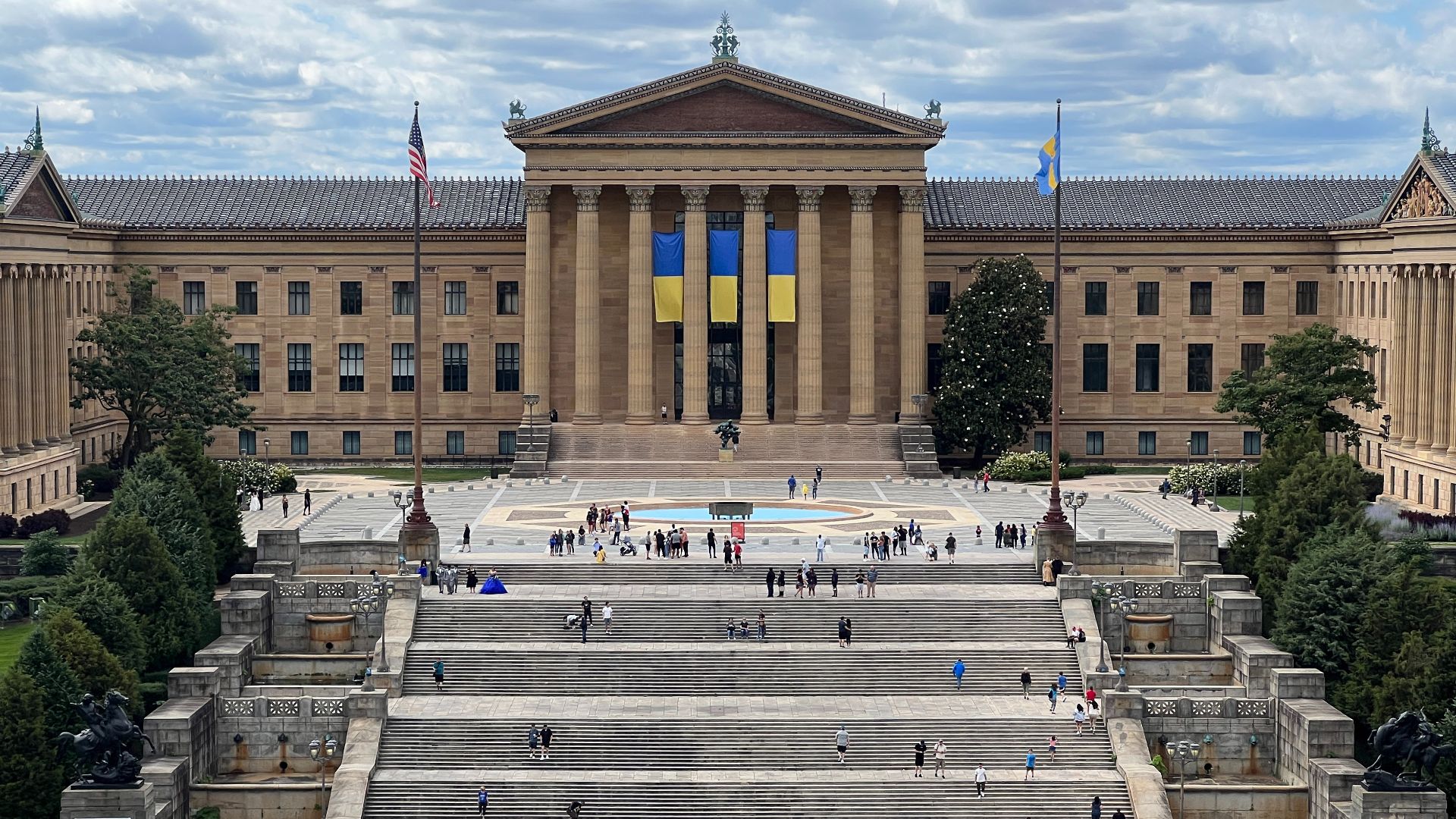
Philadelphia's Museum Steps Became Famous Because Of A Boxer
The grand staircase outside the Philadelphia Museum of Art was designed as an entrance to a major cultural institution. Its identity changed after Sylvester Stallone's character ran up the steps during a memorable training sequence in the 1976 film Rocky. Visitors now recreate the run and raise their arms at the top, just as the fictional boxer did. For many tourists, the staircase has become as important as the museum's artwork.
 DerekPhilipAu, Wikimedia Commons
A Fictional Train Platform Became A Real Tourist Stop
King's Cross Station was already a major London transportation hub long before Harry Potter entered the picture. J.K. Rowling's fictional Platform 9¾ transformed the station into a destination for fans of the wizarding series. Visitors can now pose beside a luggage trolley that appears to disappear into a wall. A place created for everyday train travel has become a recognizable piece of fantasy tourism.
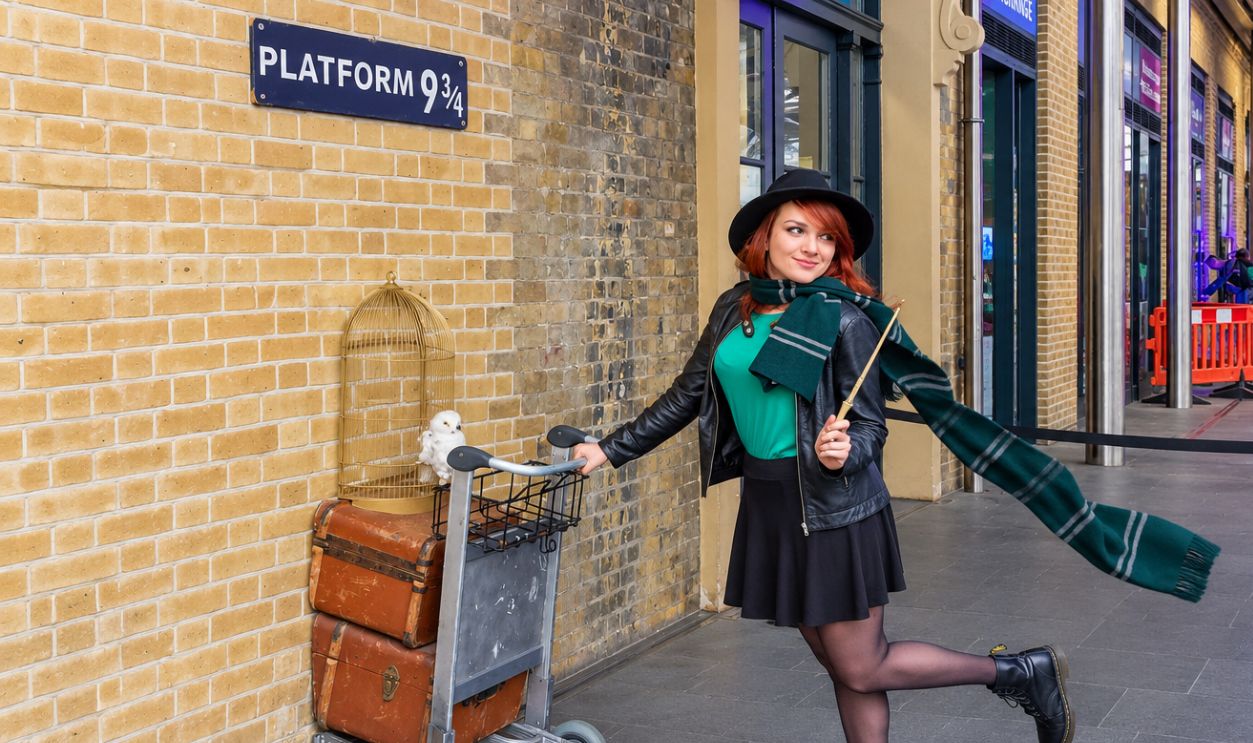 User:Matthias SuBen, Wikimedia Commons, Enhanced
A Desert Art Project Became A Colorful Pilgrimage Site
Artist Leonard Knight spent roughly three decades creating Salvation Mountain near California's Salton Sea. Using adobe, hay bales, donated paint, and salvaged materials, he built a brightly colored monument expressing his religious beliefs. The project grew into a five-story-high structure decorated with hearts, flowers, and spiritual messages. What began as one man's personal expression became an internationally recognizable example of outsider art.
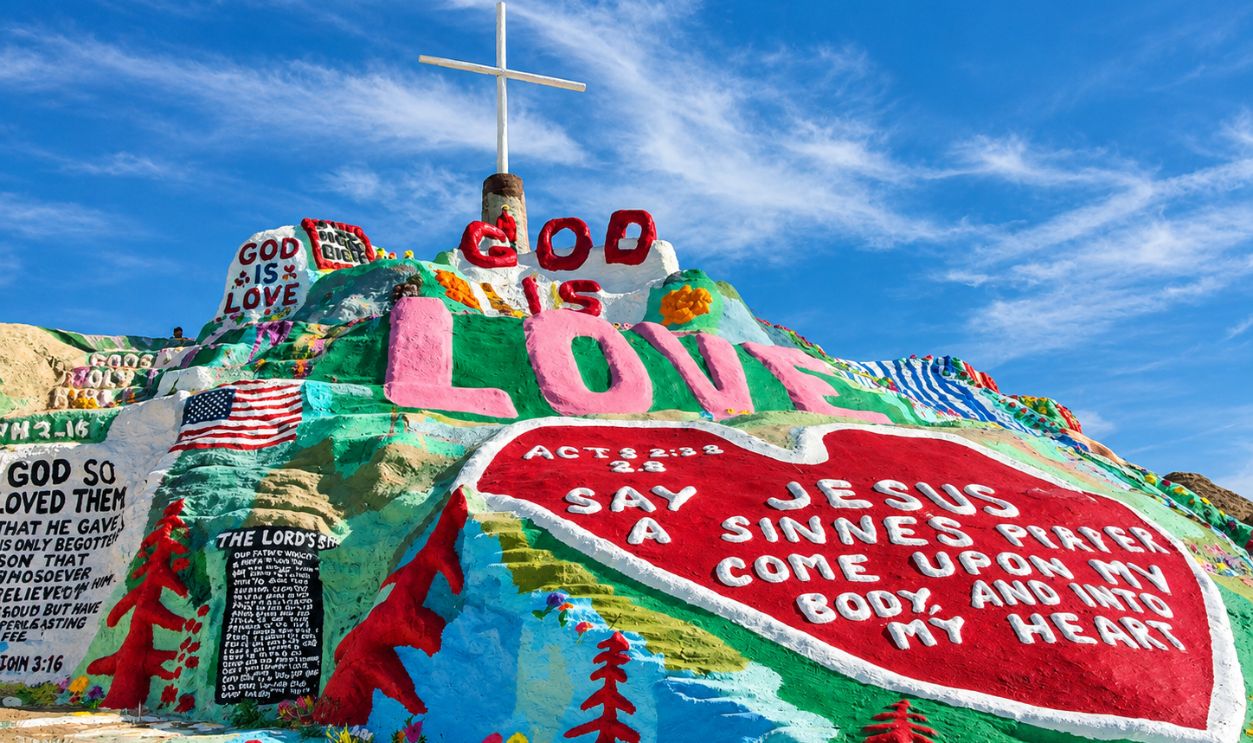 Brian, Wikimedia Commons, Enhanced
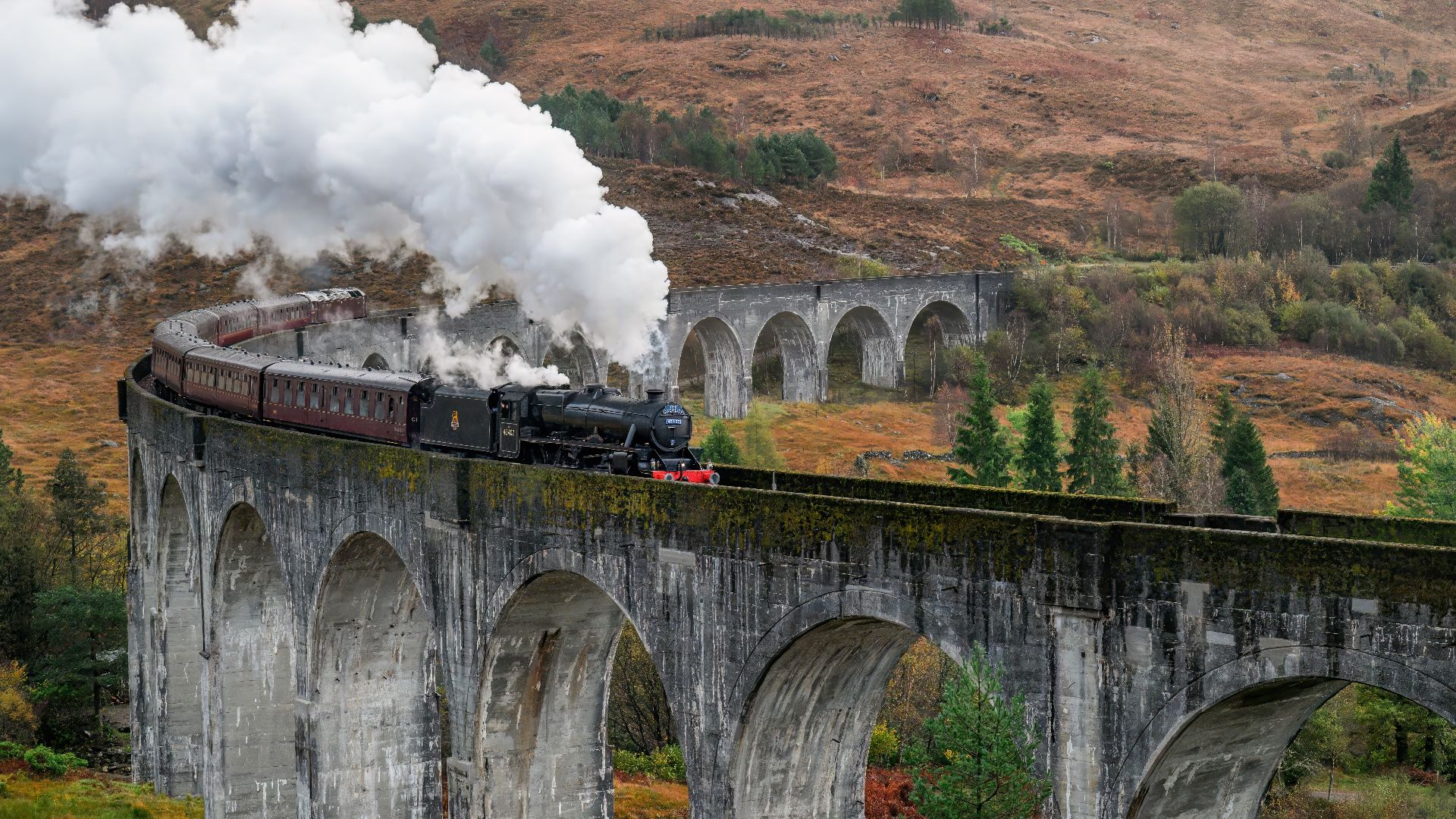
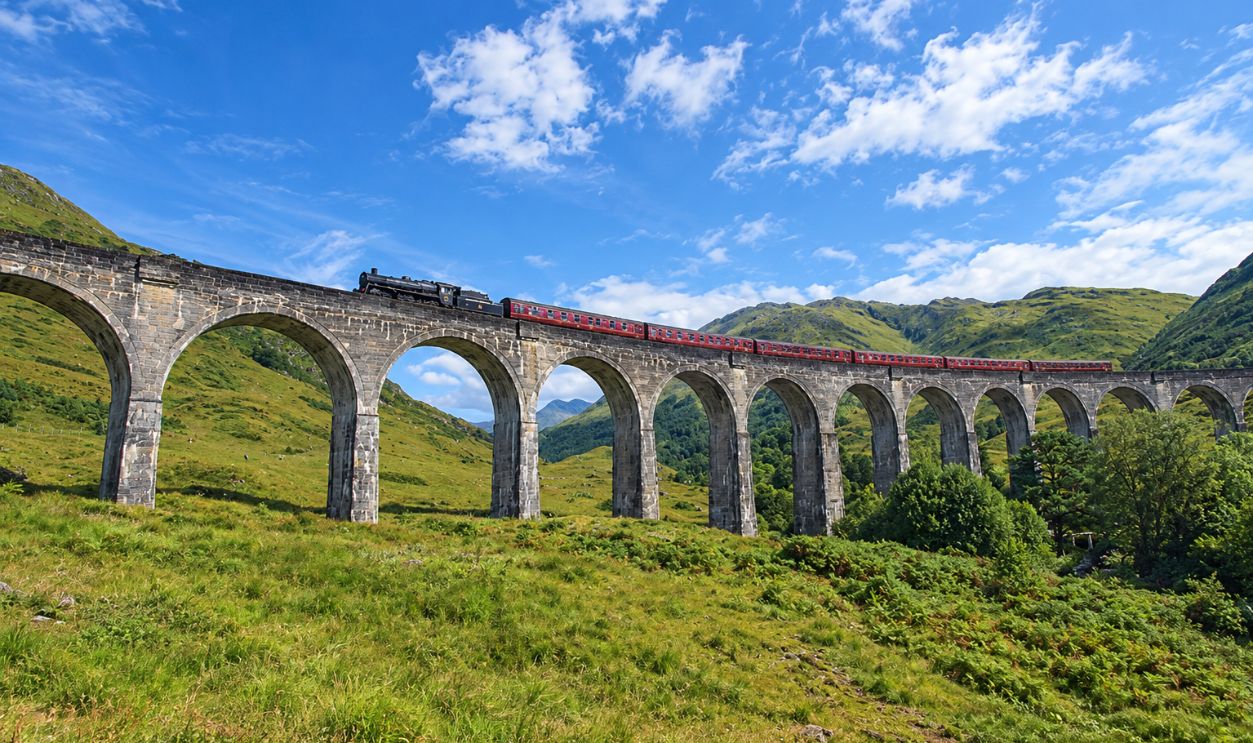
A Scottish Railway Bridge Became The Route To Hogwarts
The Glenfinnan Viaduct was built to carry trains through the Scottish Highlands. Its sweeping curve and mountain scenery were already impressive, but appearances in the Harry Potter films introduced it to a much wider audience. Fans recognize it as part of the route traveled by the Hogwarts Express. Today, visitors gather at viewpoints hoping to photograph a train crossing the bridge.
California's Mystery Spot Made Strange Physics Its Selling Point
The Mystery Spot near Santa Cruz, California, has been attracting curious visitors since 1939. Inside the wooded attraction, tilted surroundings create unusual visual effects that make people appear to lean at impossible angles. Its reputation grew through speculation about gravity, strange forces, and unexplained phenomena. The apparent mysteries make for entertaining demonstrations, although the experience is associated with optical illusions rather than proven violations of physics.
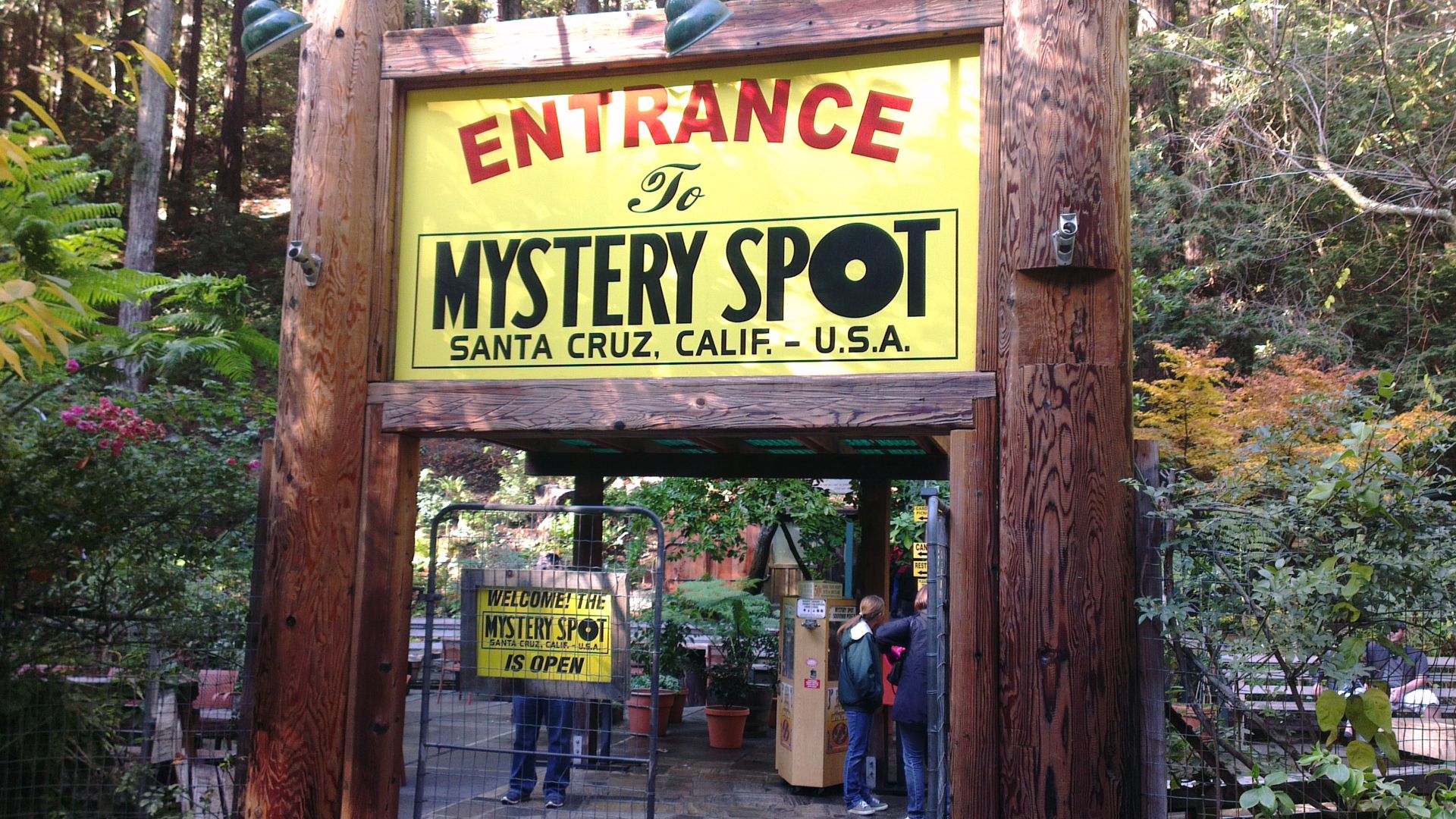 Tshrinivasan, Wikimedia Commons
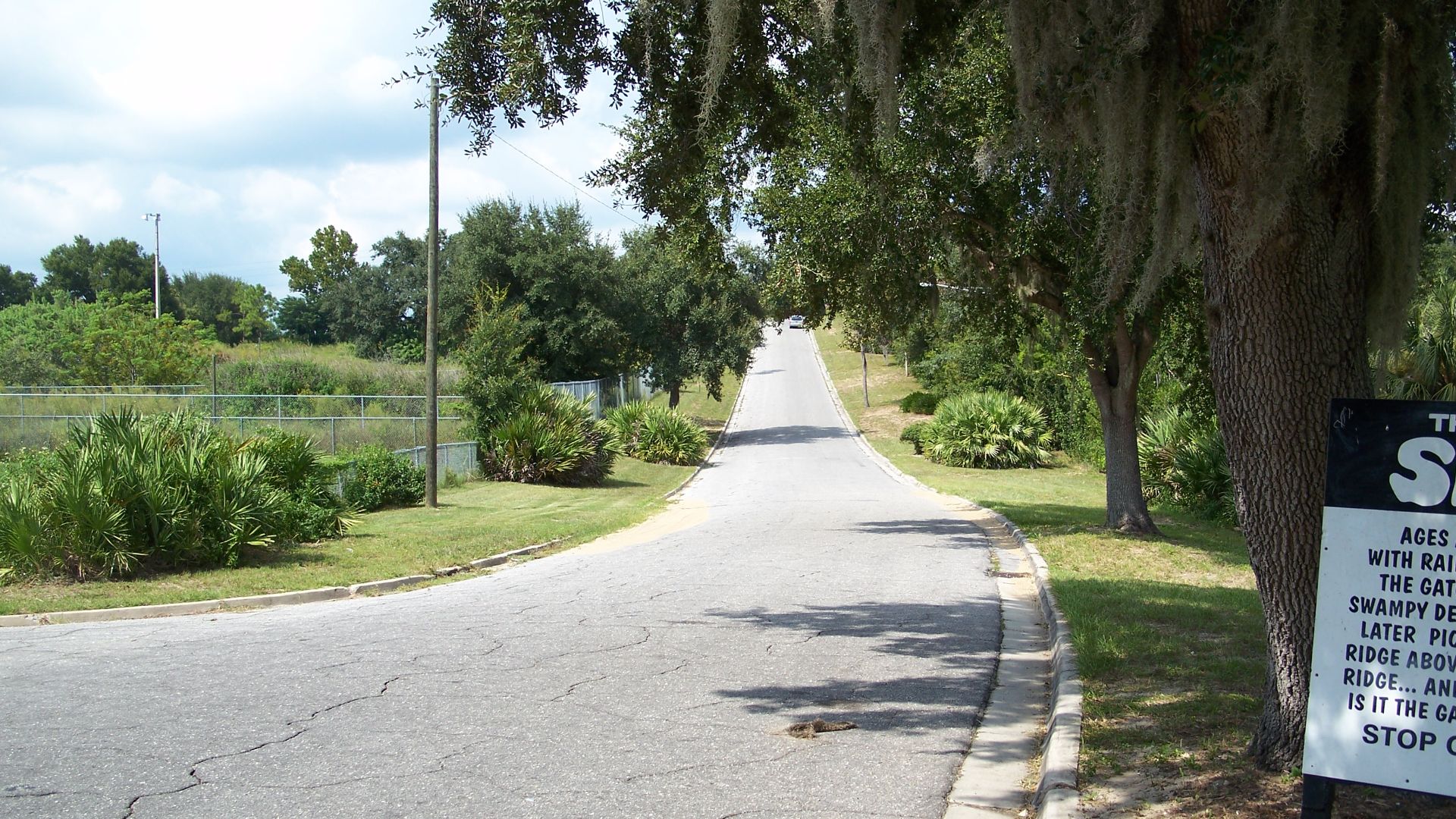
A Florida Road Became Famous For Making Cars Roll Uphill
Florida's Spook Hill attracts drivers who want to experience something that appears physically impossible. At a particular spot on the road, a car placed in neutral seems to roll uphill. The effect comes from the surrounding landscape creating a misleading impression of the road's slope. Instead of an elaborate theme park ride, visitors get a memorable attraction built around an optical illusion.
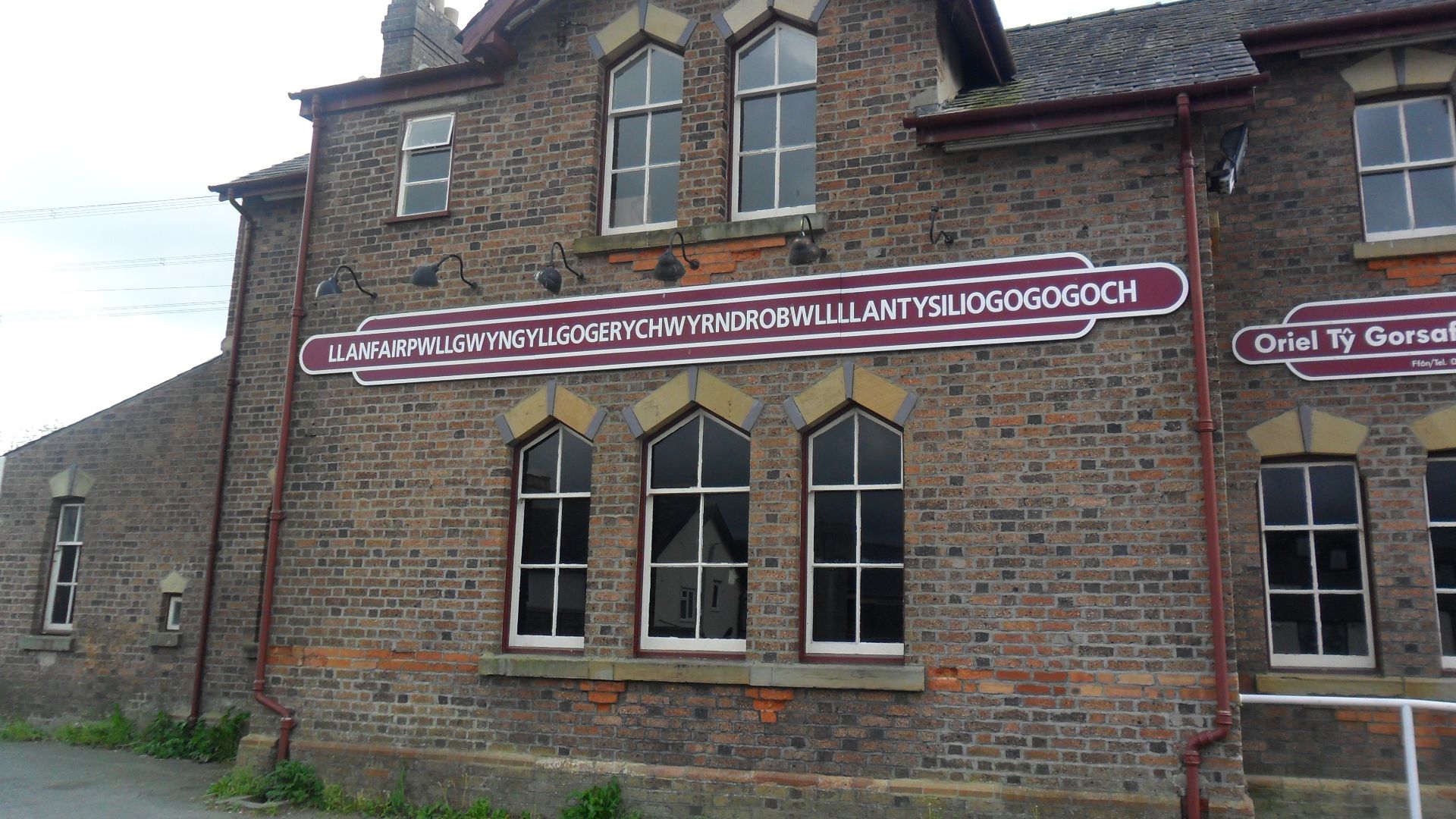
A Welsh Village Became A Destination Because Of Its Name
The village commonly shortened to Llanfair PG is famous for having one of the longest place names in the world. Its full Welsh name, Llanfairpwllgwyngyllgogerychwyrndrobwllllantysiliogogogoch, has 58 letters. Visitors frequently stop at the railway station to photograph the enormous name displayed on its signs. The unusual name has become a tourist attraction in its own right, even though the village also sits amid the scenery of Anglesey.
 Phillip Perry , Wikimedia Commons
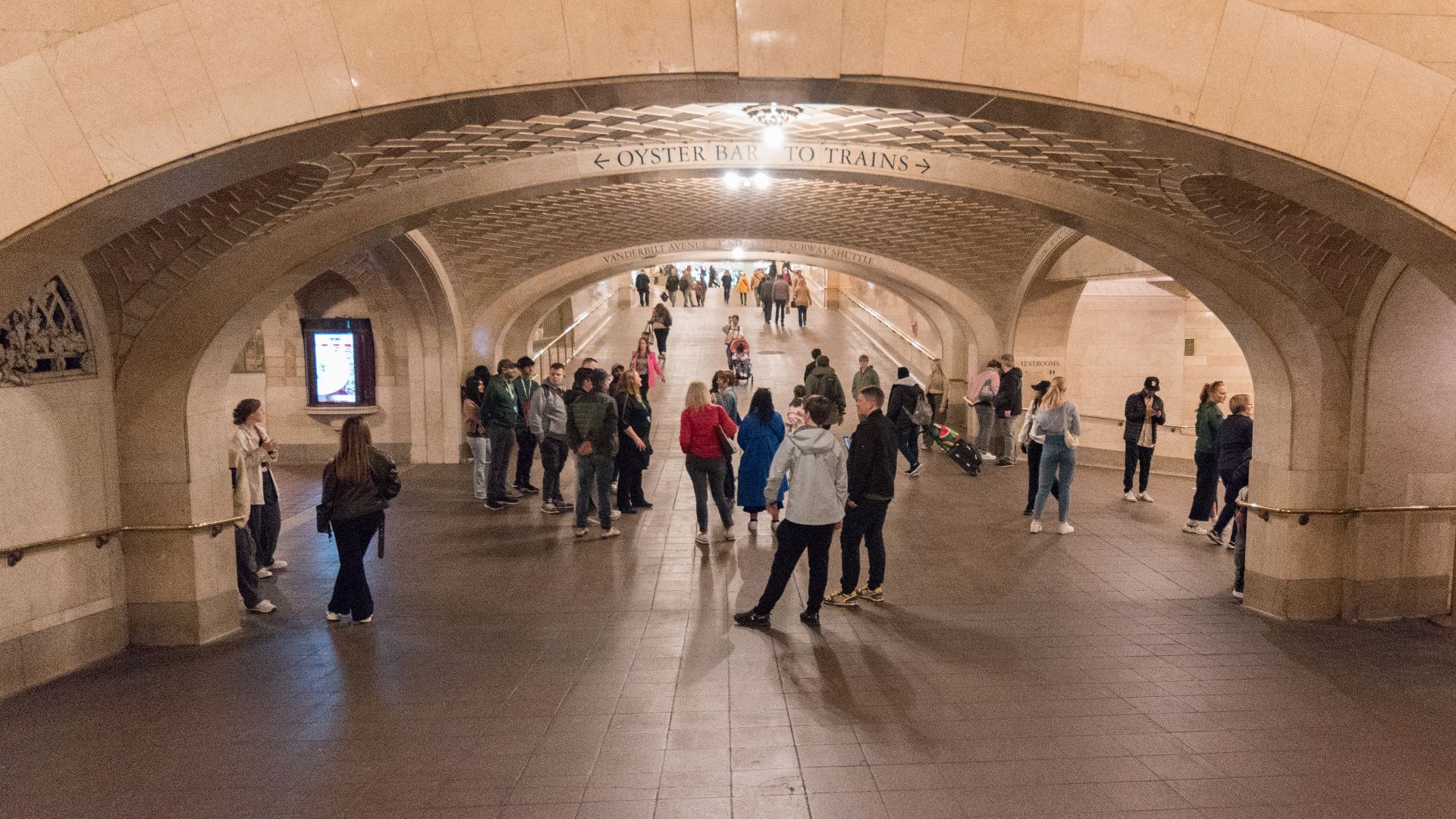
Grand Central Terminal Has A Secret Hidden In Its Acoustics
Grand Central Terminal in New York City is famous for its architecture, transportation history, and enormous main concourse. Yet one of its most entertaining features is the Whispering Gallery, where visitors can experience an unusual acoustic effect. The curved surfaces allow people positioned near different corners to hear each other speaking softly. This architectural curiosity has become a highlight of official tours through the historic station.
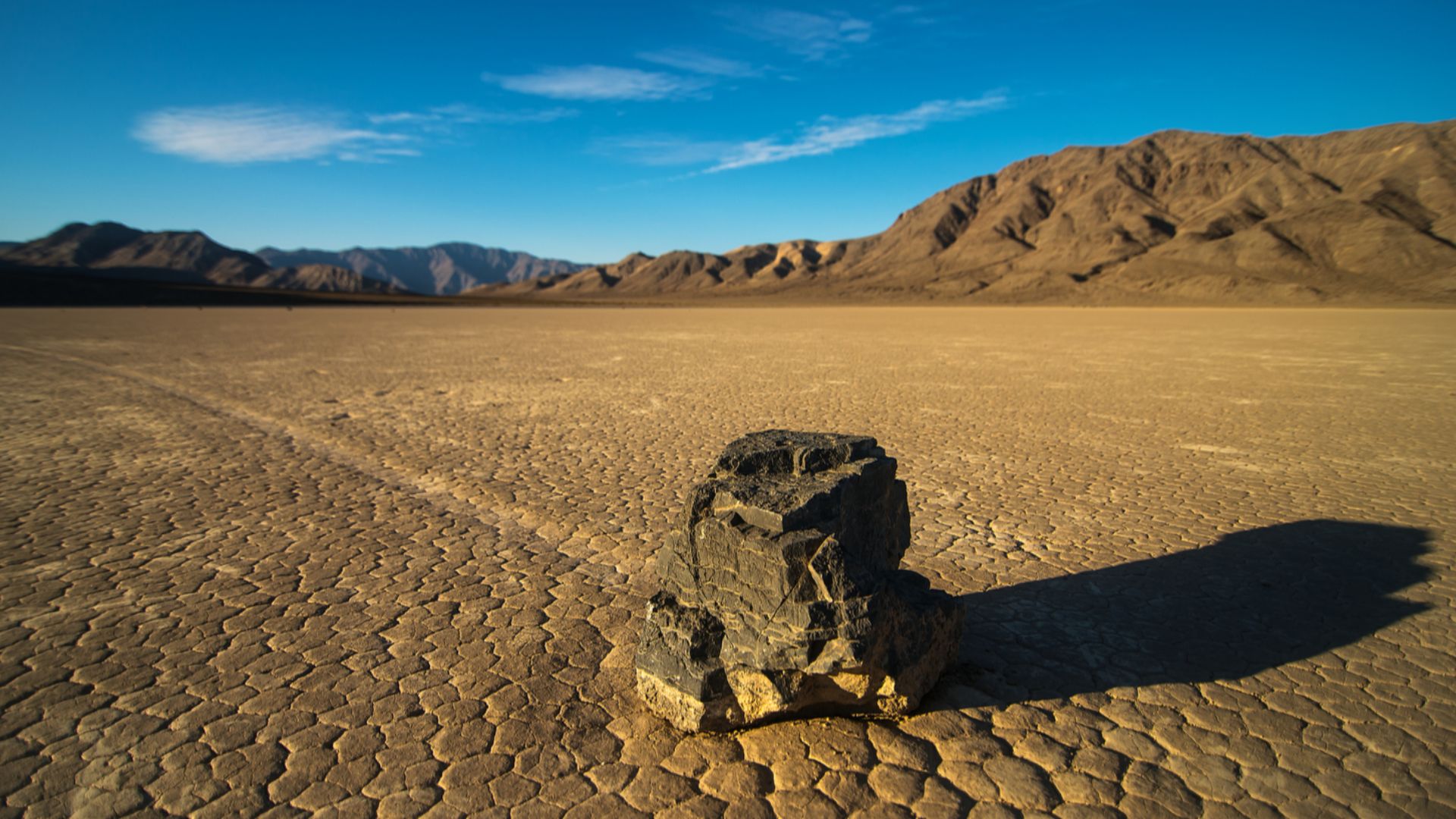
Death Valley's Rocks Became Famous For Moving By Themselves
The remote Racetrack Playa in Death Valley became famous because rocks mysteriously traveled across its dry lakebed, leaving long tracks behind them. For decades, researchers debated how heavy stones could move without anyone apparently pushing them. In 2013, scientists finally observed the process, discovering that thin sheets of floating ice and gentle winds could move the rocks. The explanation solved a longstanding mystery without making the attraction any less extraordinary.
 National Park Service / Kurt Moses, Wikimedia Commons
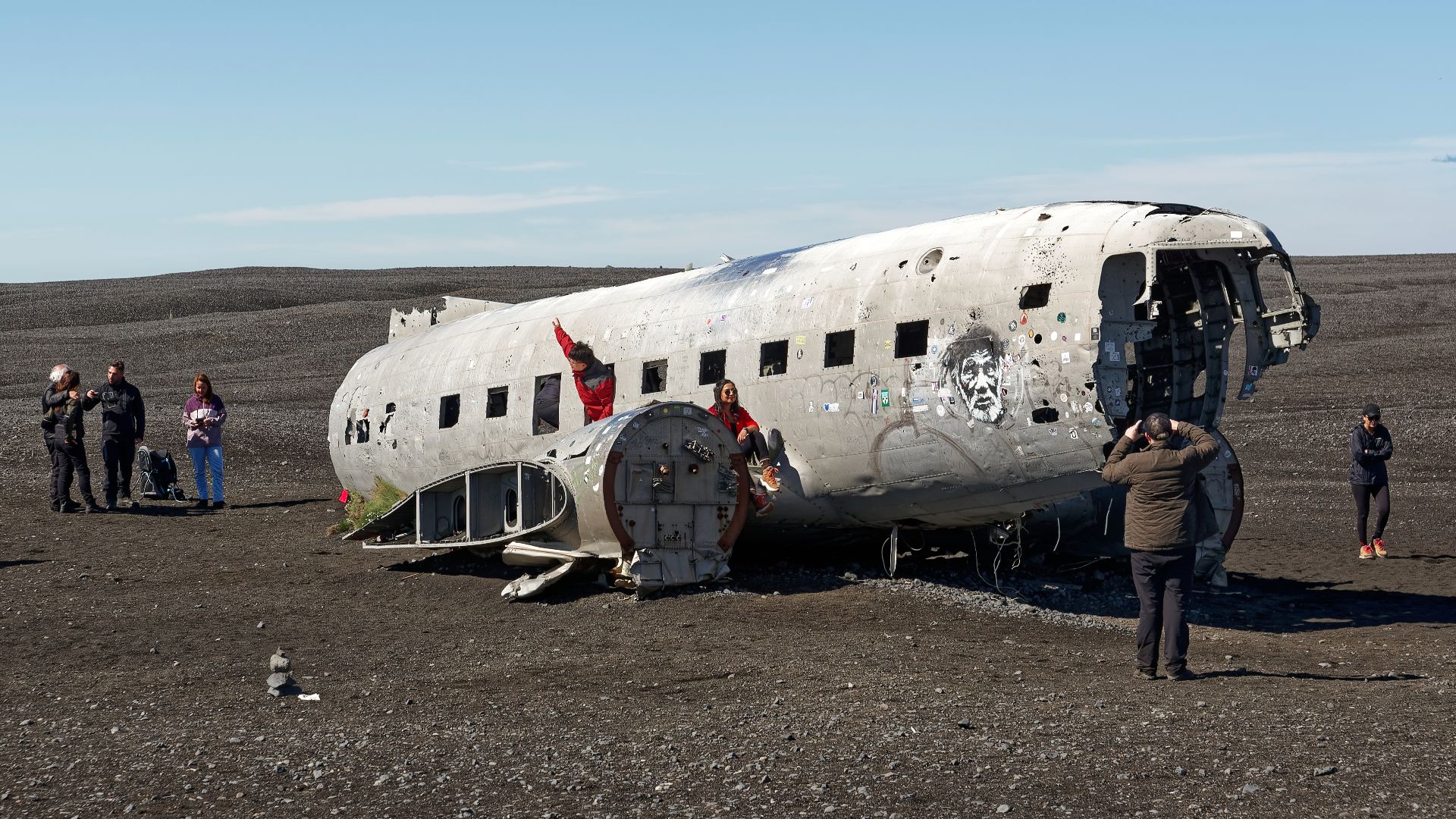
An Abandoned Plane Became An Icelandic Photo Destination
Iceland's black sand landscapes are spectacular, but one location draws attention because of an abandoned aircraft. A U.S. Navy plane has remained on the sands of Sólheimasandur since 1973. The weathered wreckage creates a striking contrast against the dark volcanic landscape and surrounding emptiness. Instead of visiting a conventional historic monument, travelers make the journey to see an unexpected reminder of aviation history.
 Jakub Hałun, Wikimedia Commons
A Giant Rubber Duck Became A Hong Kong Sensation
In 2013, Dutch artist Florentijn Hofman's enormous inflatable rubber duck appeared in Hong Kong's Victoria Harbour. The bright yellow sculpture attracted significant attention from residents and tourists, becoming an unexpected sensation along the waterfront. Its popularity was so widespread that a miniature version was added to a Lego model of the city at Hong Kong's City Gallery. A familiar bath toy had suddenly become one of the harbor's most talked-about sights.
 China News Service, Getty Images
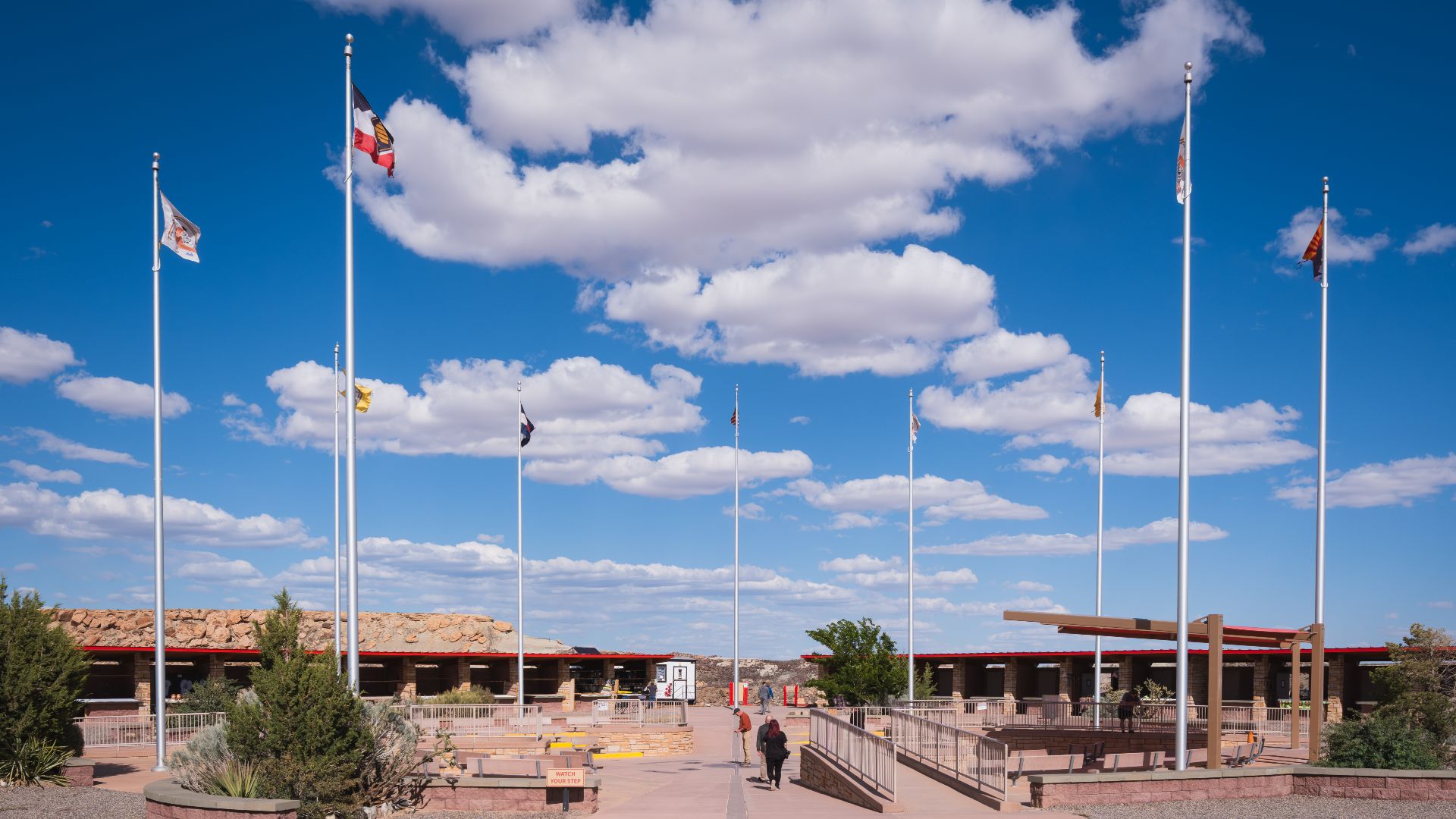
Four Corners Became Famous For A Geographical Technicality
The Four Corners Monument marks the point where Arizona, Colorado, New Mexico, and Utah meet. Its unusual appeal comes from the opportunity to stand in four states at once. In 2009, reports claimed that the monument had been placed in the wrong location, generating additional attention. However, the National Geodetic Survey clarified that the established monument correctly marks the legally recognized intersection of the four states.
 Christian David, Wikimedia Commons
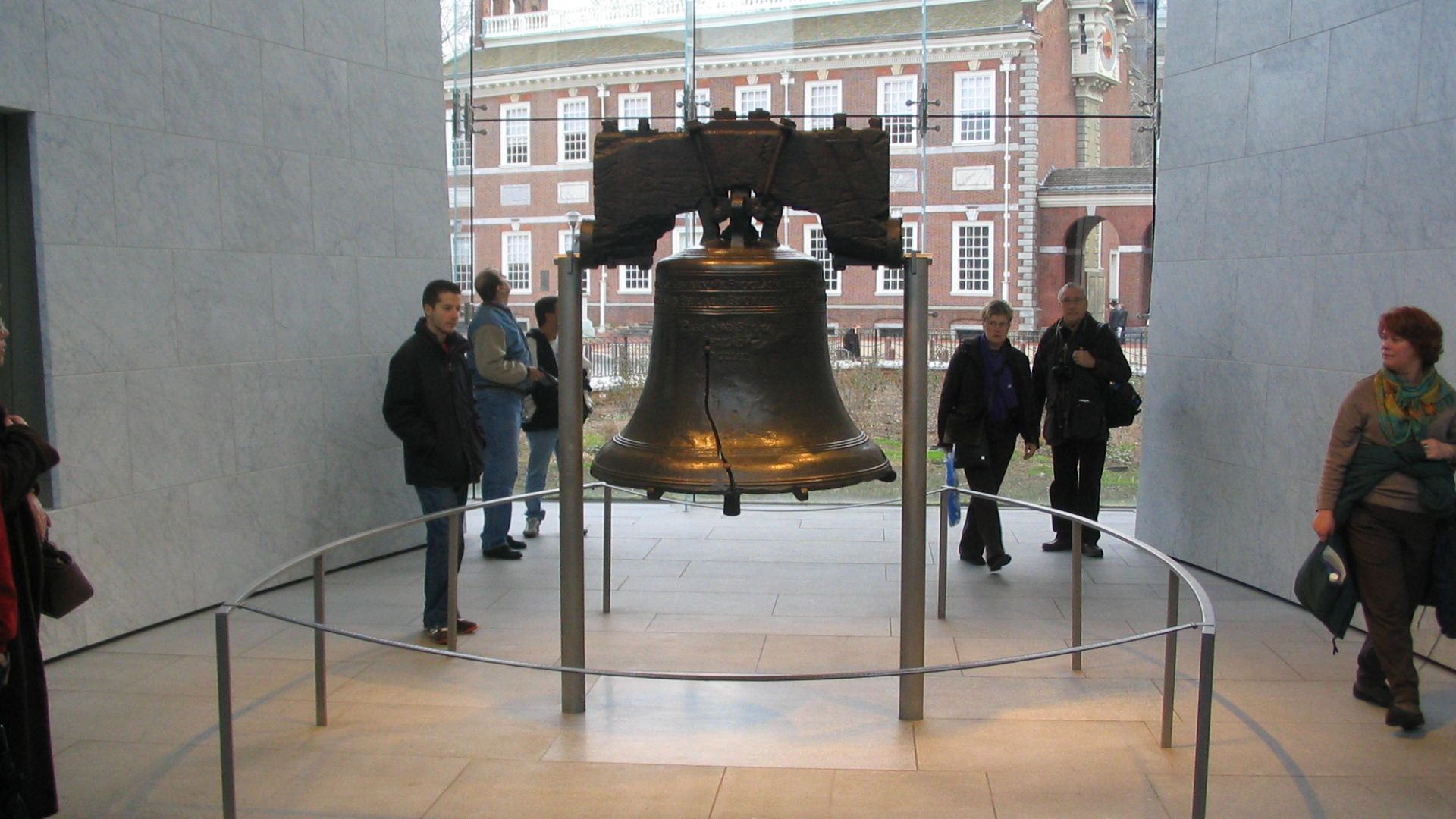
America's Most Famous Bell Is Recognized For Being Broken
The Liberty Bell in Philadelphia was originally used to summon Pennsylvania lawmakers and announce public news. Its famous crack developed after years of use, although the exact circumstances remain uncertain. Workers widened the original crack during an unsuccessful repair attempt in 1846, creating the distinctive opening visitors recognize today. The bell's historical significance comes from its association with liberty, but its damaged appearance has become one of its most recognizable features.
 Bogdan Migulski from Perth Amboy, United States, Wikimedia Commons
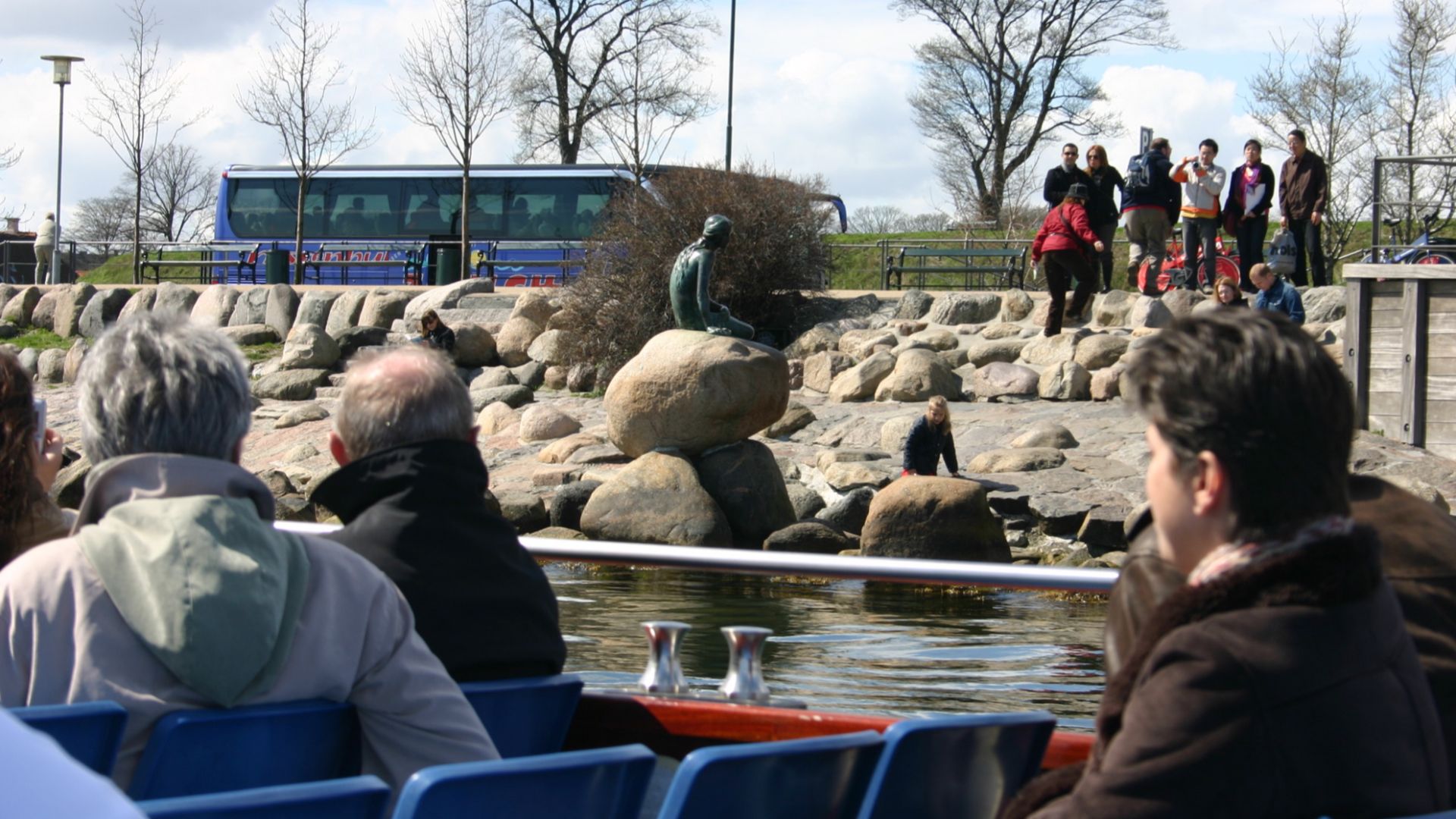
Copenhagen's Little Mermaid Became Famous For More Than Her Story
The Little Mermaid statue in Copenhagen was unveiled in 1913 after brewer Carl Jacobsen was inspired by a ballet based on Hans Christian Andersen's fairy tale. The modest bronze sculpture eventually became one of Copenhagen's best-known symbols. However, it has also attracted attention through repeated acts of vandalism, including having its head removed twice. Despite these incidents, the statue continues to draw visitors to the city's waterfront.
 klndonnelly, Wikimedia Commons
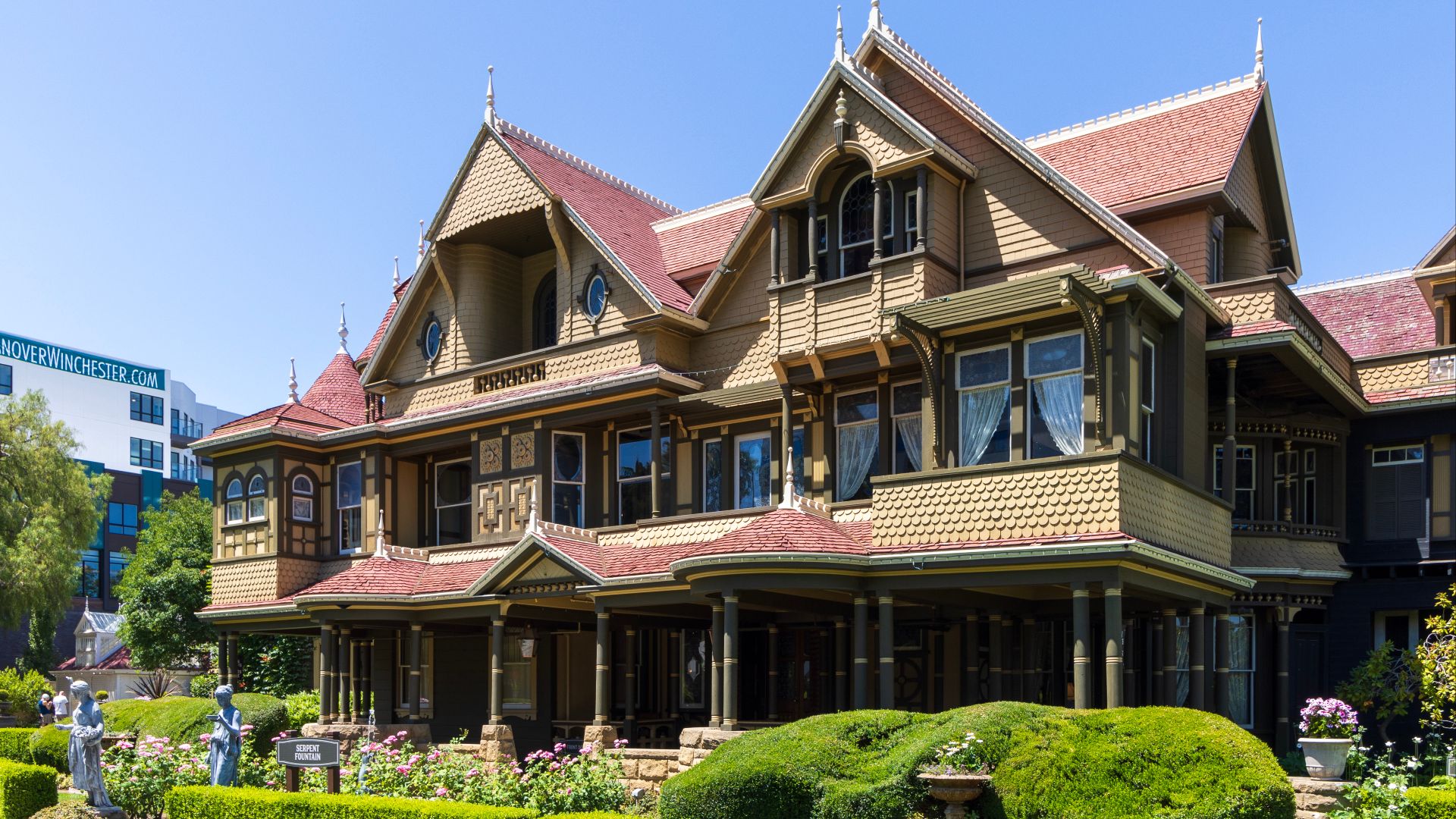
A California Mansion Became Famous For Its Bizarre Layout
The Winchester Mystery House in San Jose, California, began as a relatively modest farmhouse before Sarah Winchester transformed it into a sprawling mansion. Construction continued for decades, eventually producing a building with approximately 160 rooms and unusual architectural features. Visitors encounter staircases leading nowhere, doors opening onto walls, and corridors that seem deliberately confusing. Stories about Sarah's supposed fear of spirits have become central to the attraction's reputation, although the supernatural explanations remain part of its legend rather than established fact.
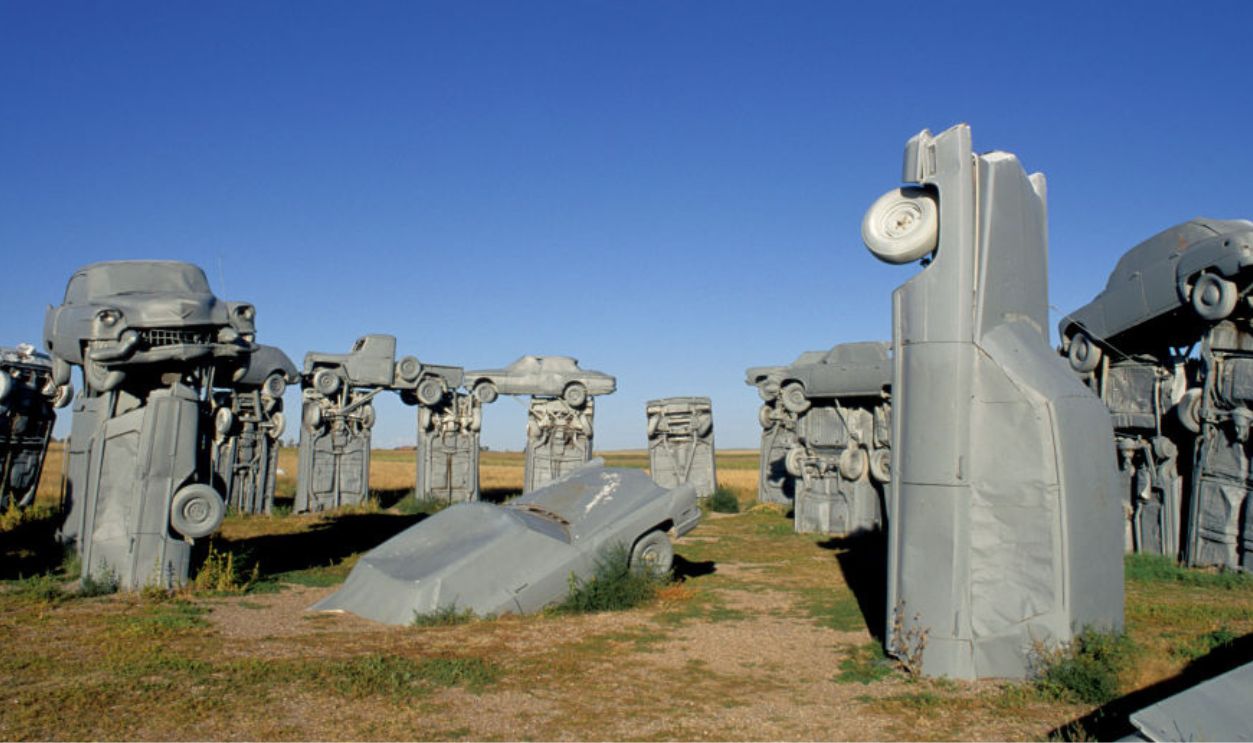
Nebraska's Carhenge Began As A Family Memorial
Nebraska's Carhenge looks like England's Stonehenge, except its towering structures are made from old automobiles. Jim Reinders created the unusual installation as a memorial to his father, using cars to recreate the arrangement of the famous prehistoric monument. The attraction includes 39 painted vehicles arranged in a distinctive formation. What began as a personal tribute became one of Nebraska's most unusual roadside landmarks.
 Education Images, Getty Images
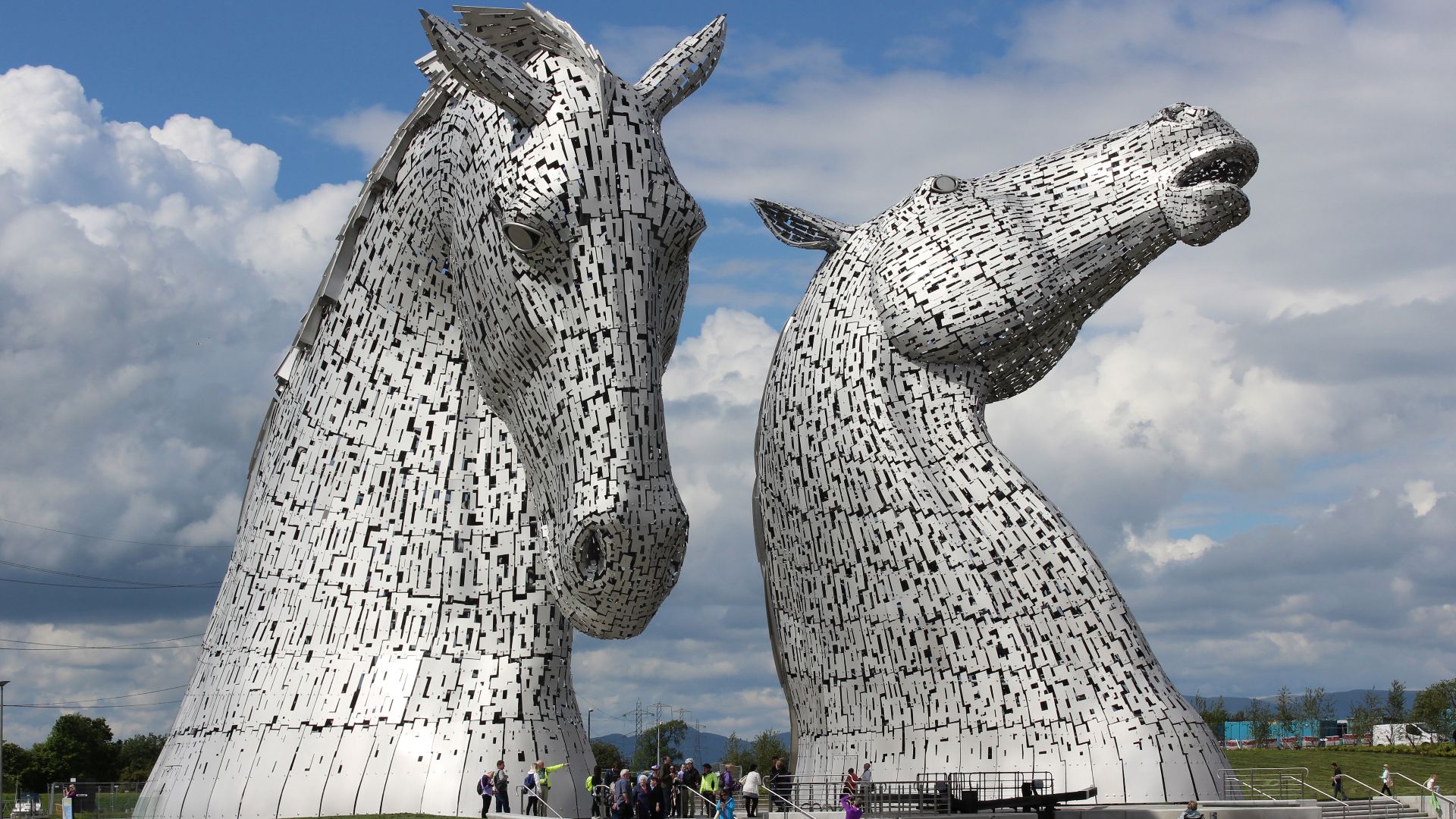
Giant Horse Heads Became The Unexpected Stars Of A Scottish Park
The Kelpies near Falkirk, Scotland, are two enormous horse-head sculptures created by artist Andy Scott. Standing about 30 meters tall, they were inspired by the powerful working horses that once supported Scotland's canals and industries. The sculptures became the defining attraction of Helix Park, which was developed as a recreational space for local communities. Their popularity transformed a project celebrating industrial heritage into a major visitor destination.
 Steven Straiton, Wikimedia Commons
The Best Tourist Attractions Sometimes Have The Strangest Beginnings
From a leaning bell tower to a beach created by discarded glass, these destinations show how fame can emerge from the most unlikely circumstances. Some became attractions because of accidents, while others were transformed by popular culture, unusual traditions, or unexpected discoveries. Their stories demonstrate that a landmark does not always need a grand original purpose to capture the public's imagination. Sometimes, the most memorable reason to visit a place is something nobody planned.
 Mike Searle / The Glenfinnan Viaduct and the Jacobite Express, Wikimedia Commons
You May Also Like:
Things Americans Find Surprisingly Complicated About Traveling In Canada
Hotel Chains From The 1980s That Became American Road Trip Staples—And Are Now Long Gone