Some Places Simply Refuse To Fit On A Screen
Travel photos can capture color and scenery, but they often struggle with scale, depth, weather, sound, and the feeling of actually standing somewhere. This list focuses on destinations that travel publications have singled out as underrated, lesser-known, or unusually scenic, rather than claiming there is a scientific ranking of places that outperform their photographs. From glacier-cut mountains to surreal deserts and quiet Mexican beaches, these are the kinds of places where arriving can change your impression completely.
North Cascades Feels Much Bigger Than Its Reputation
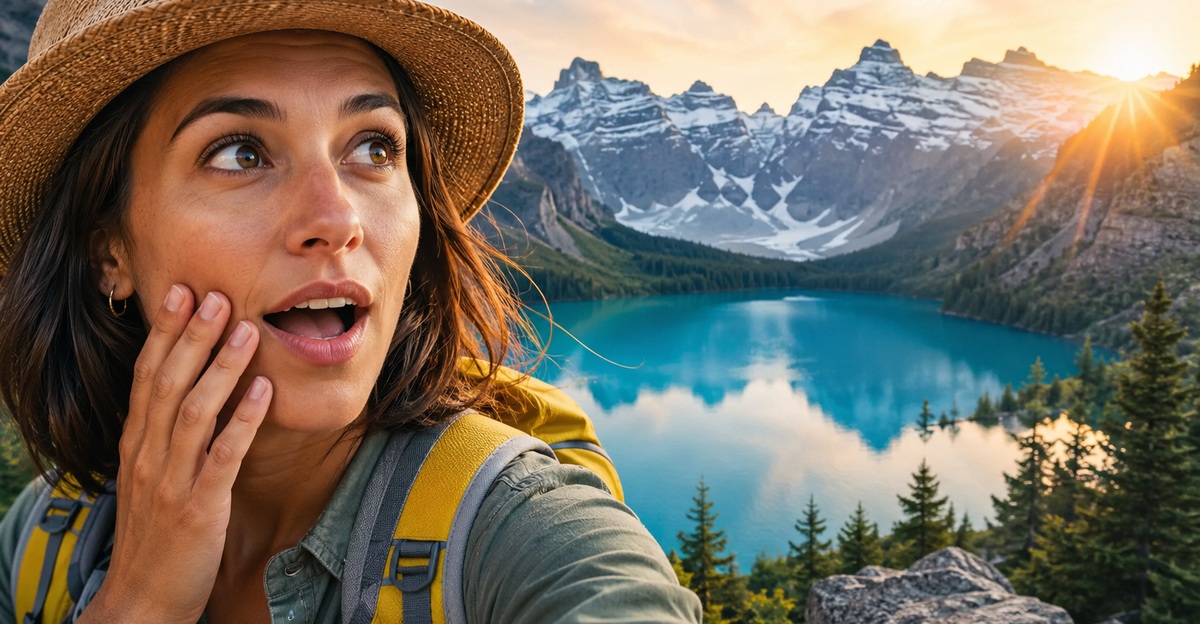
Washington's North Cascades National Park ranked first in a 2026 analysis of underrated U.S. national parks based partly on low visitation and strong reviews. More than 300 glaciers cling to the park's jagged mountains, surrounded by forests, waterways, and clear alpine lakes. Despite that dramatic landscape, the park recorded only 46,925 recreational visits in 2025, making the emptiness around those immense peaks part of the experience.
 Jeffhollett, Wikimedia Commons
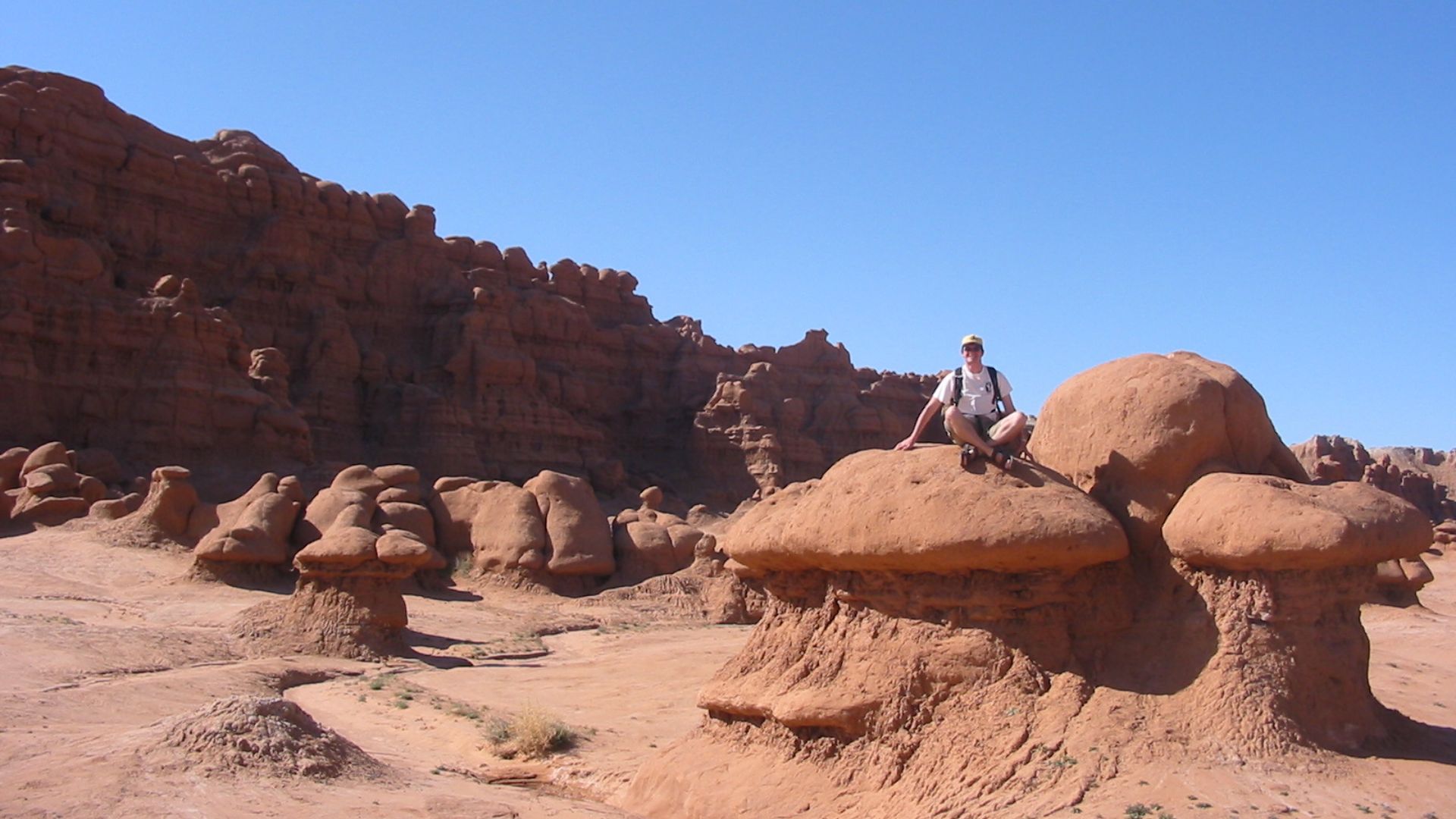
Goblin Valley Looks Like A Movie Set
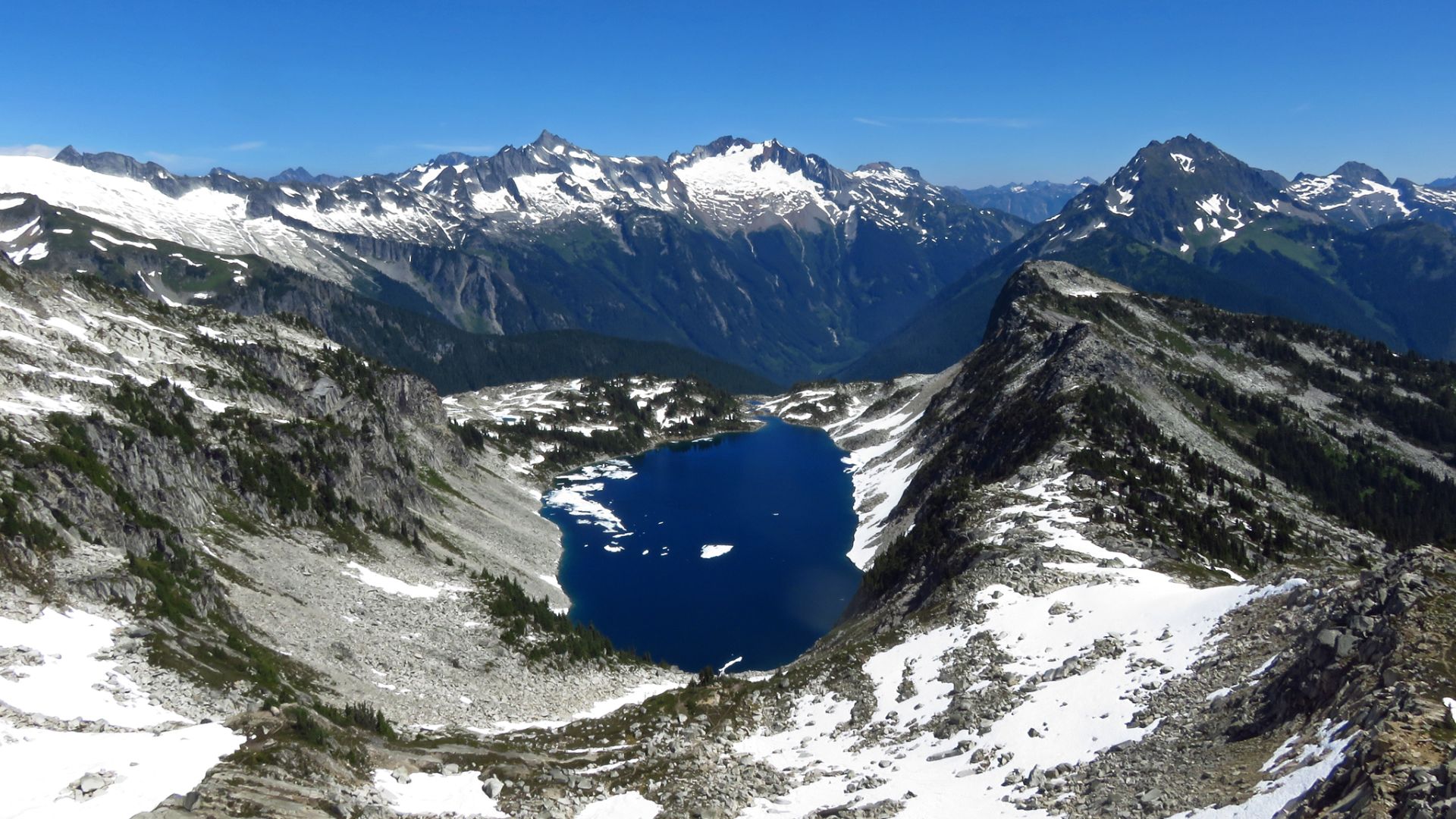
Utah has no shortage of famous red-rock landscapes, which makes Goblin Valley State Park surprisingly easy to overlook. Its main valley is filled with mushroom-shaped rock pinnacles that visitors can wander among without staying on marked trails, creating a much more immersive experience than viewing the formations from a distant overlook. Low light pollution also makes the park a notable stargazing destination after the strange shapes fade into darkness.
Hocking Hills Packs Several Landscapes Into One Trip
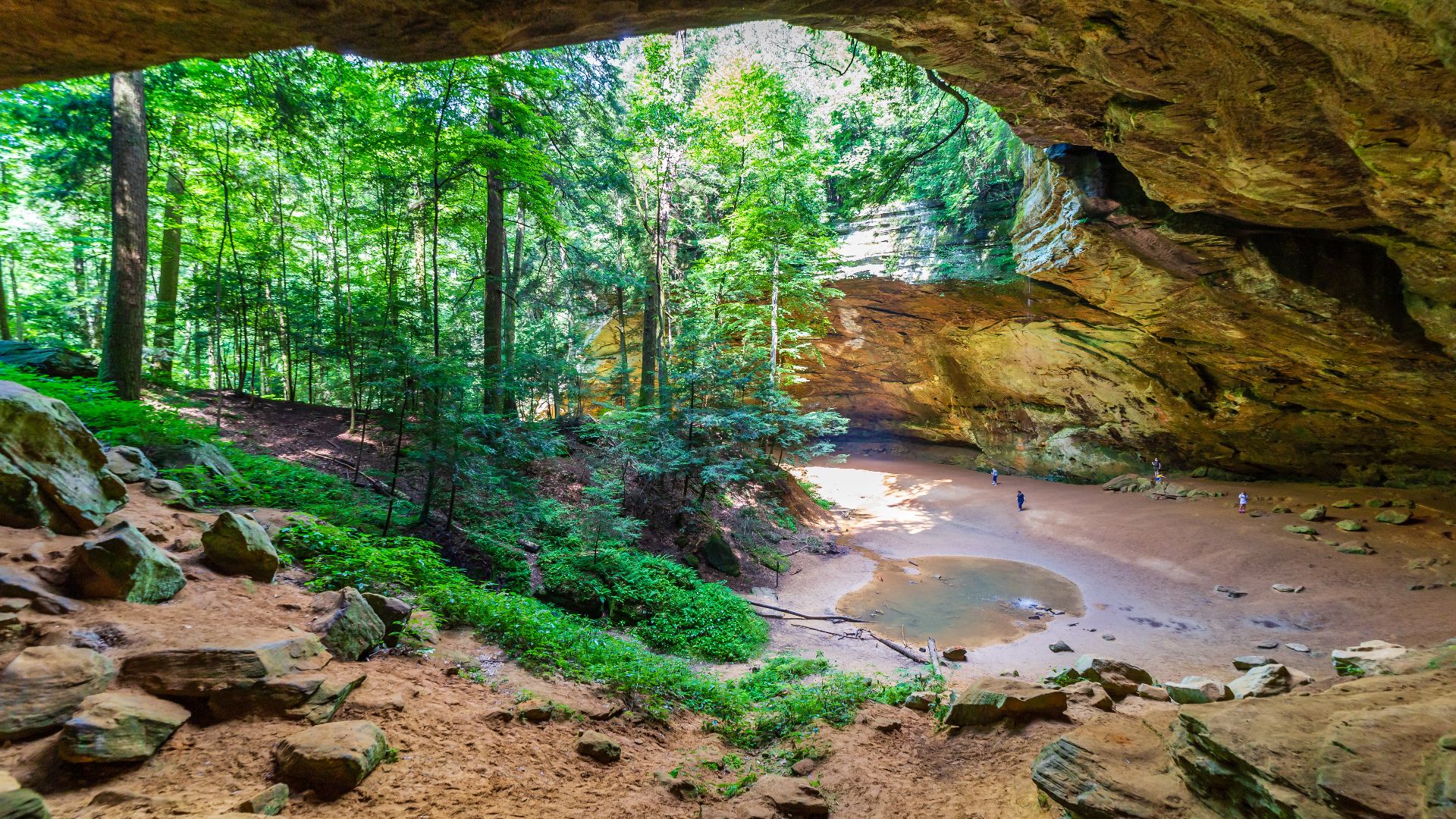
Ohio rarely appears beside Utah or Arizona on lists of dramatic landscapes, yet Hocking Hills State Park offers cliffs, waterfalls, rock formations, and enormous recessed caves. The park is divided among seven hiking areas, including Old Man's Cave, Whispering Cave, and Ash Cave. Walking beneath the overhangs and through the narrow forested valleys makes their scale easier to appreciate than photographs usually suggest.
Tishomingo Is Not The Mississippi Many Expect
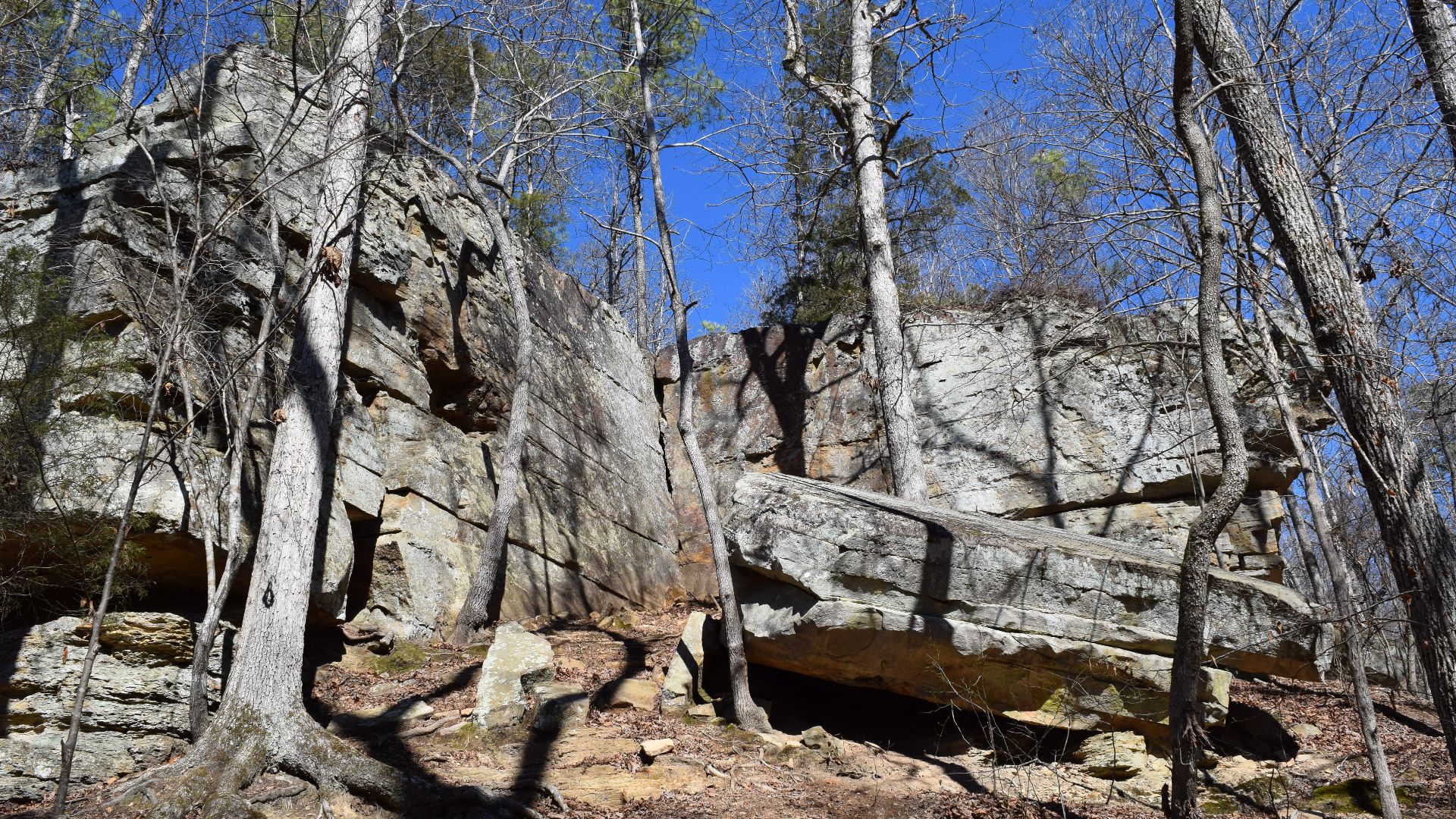
Tishomingo State Park sits in the Appalachian foothills of northeastern Mississippi, far from the flat Delta scenery many travelers associate with the state. Huge sandstone outcroppings rise among forest and streams, while archaeological evidence shows that people inhabited this area as far back as roughly 7000 BCE. Hiking through those formations reveals a rugged side of Mississippi that can surprise visitors who arrive with very different expectations.
 Fredlyfish4, Wikimedia Commons
Assateague Adds Wild Horses To The Beach
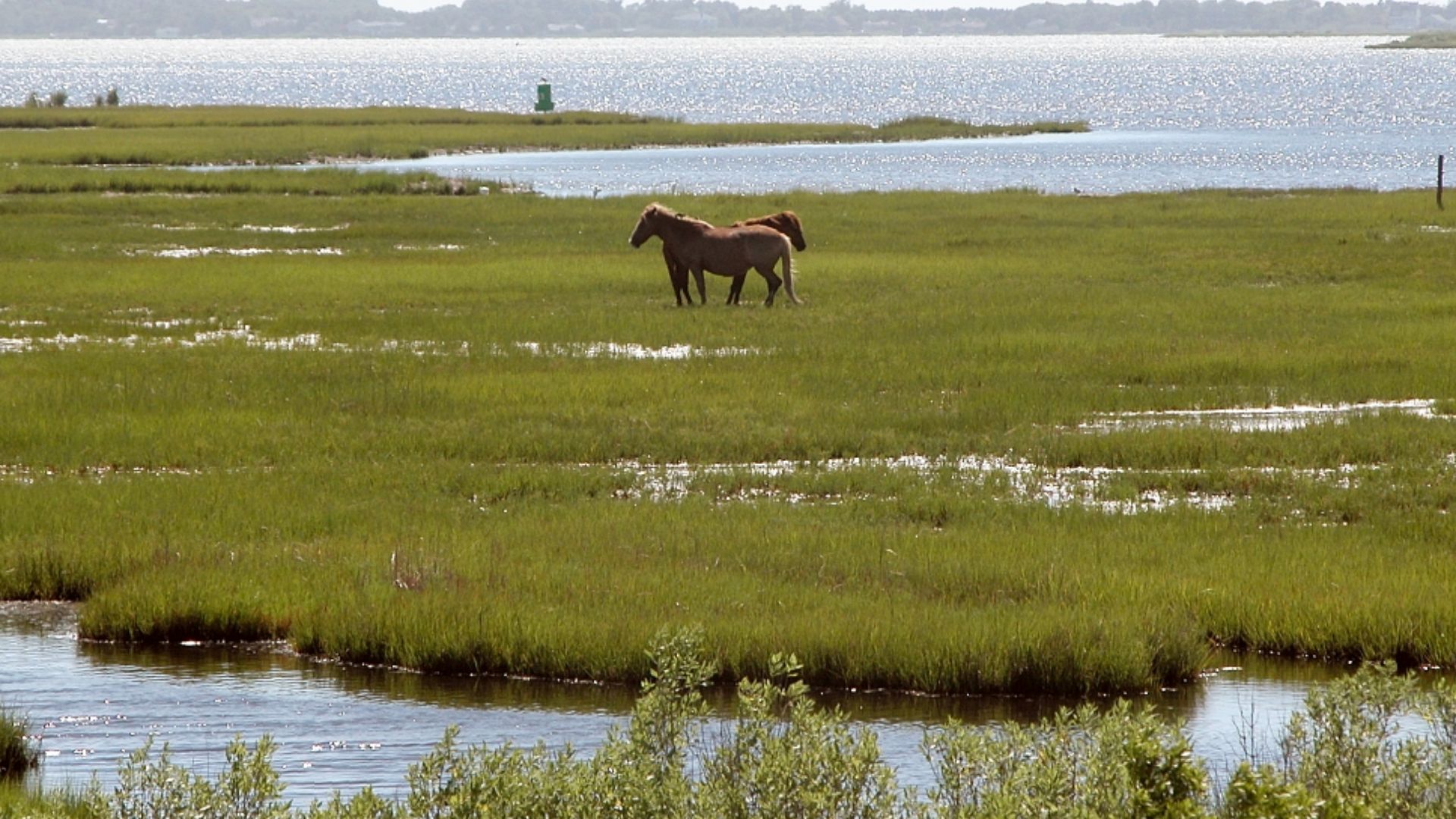
Maryland's Assateague State Park occupies a barrier island where sandy Atlantic beaches meet marshes and secluded coves. The island is particularly famous for its free-roaming horses, which can sometimes be seen close to the shoreline. That combination of ocean, dunes, wildlife, kayaking, fishing, and quiet stretches of coast gives Assateague a more untamed atmosphere than an ordinary beach photograph conveys.
 Fritz Geller-Grimm, Wikimedia Commons
Oswald West Compresses Oregon Into One Park
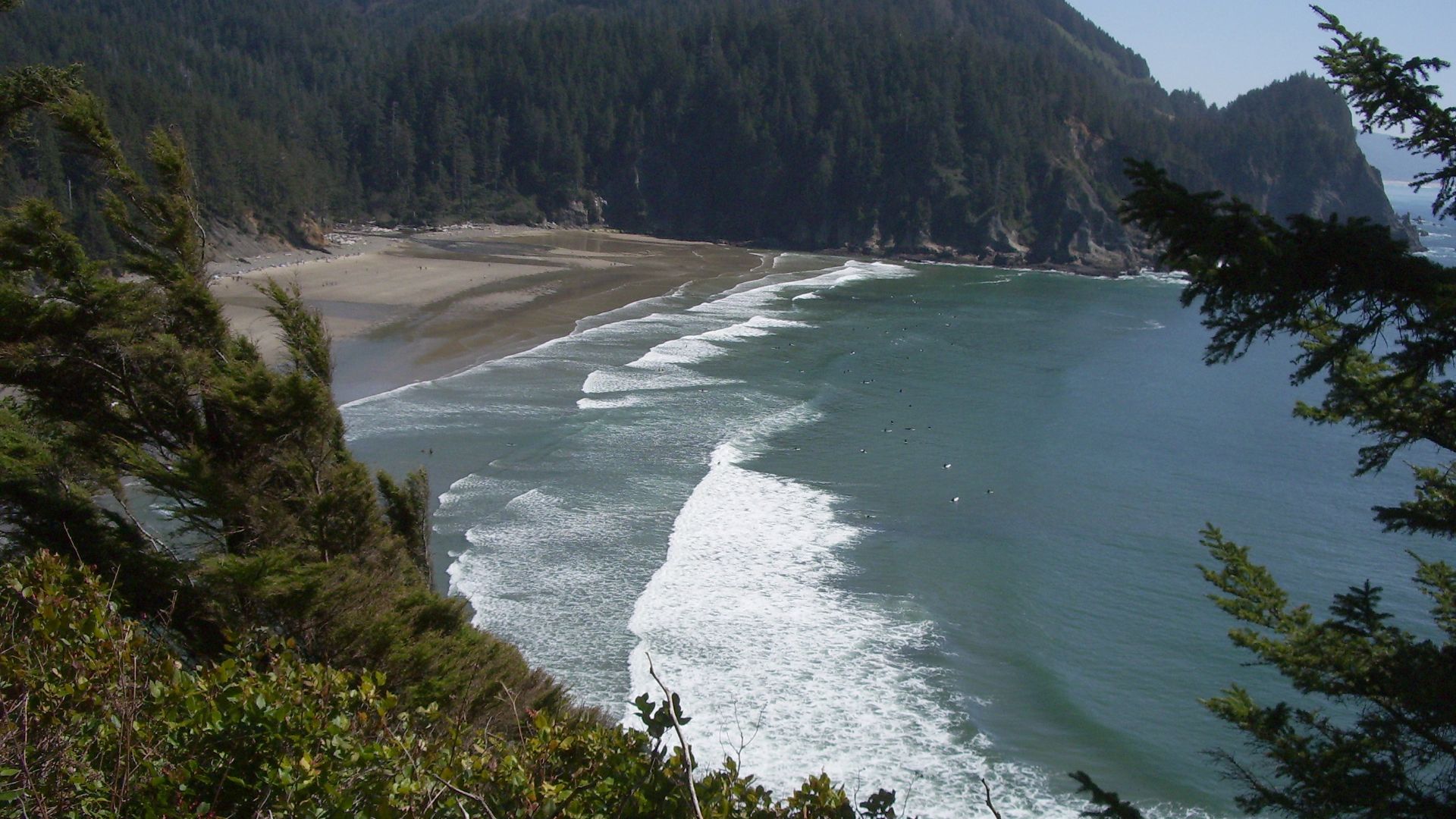
Oswald West State Park delivers several classic Pacific Northwest scenes in one relatively compact area. Four miles of shoreline meet temperate rainforest, rugged headlands, and Short Sand Beach, a surfing spot known locally as Shorty's. The transition from dark forest to an open Pacific cove can be far more dramatic when experienced on foot than when those landscapes are shown separately online.
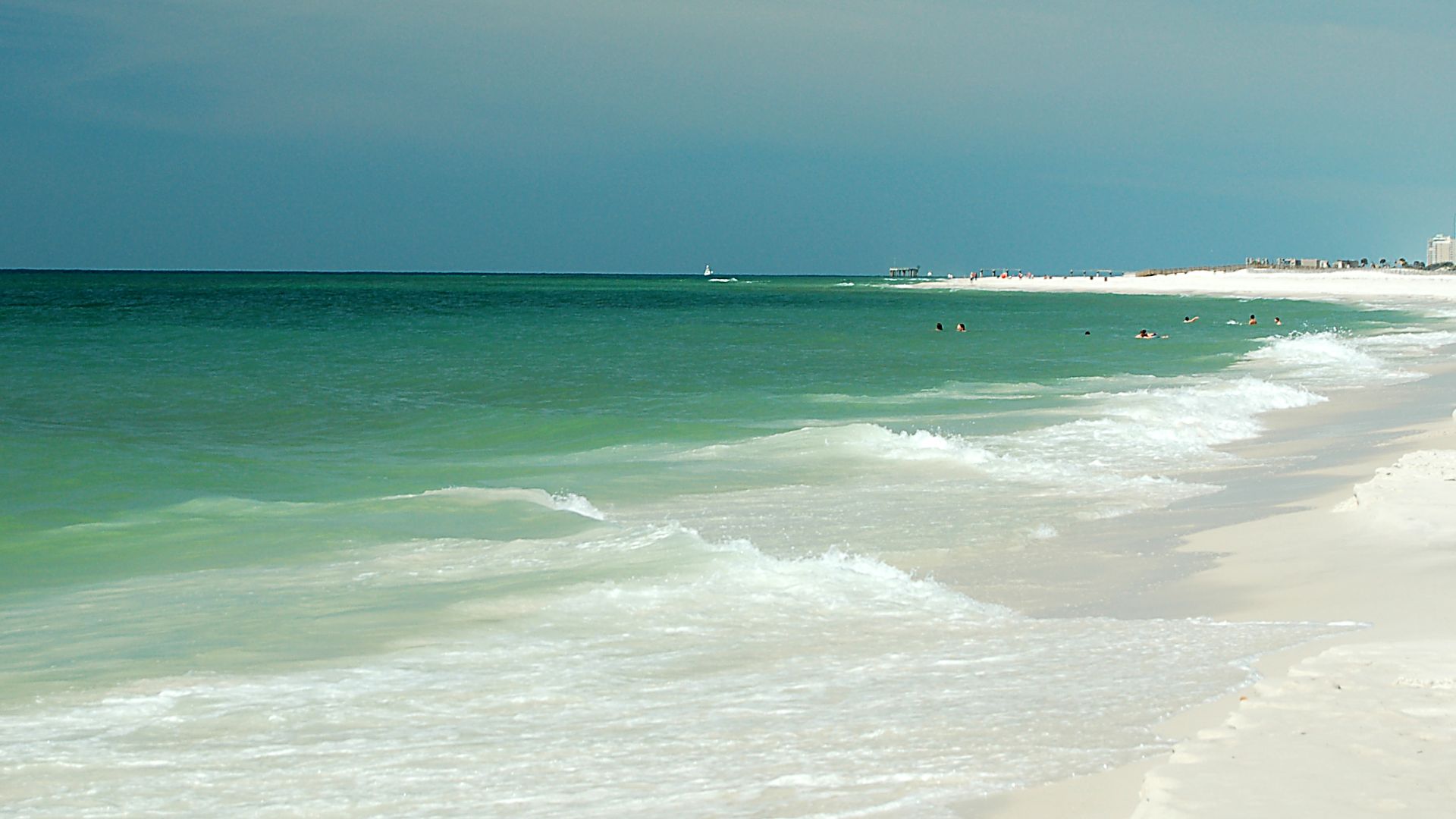
Alabama Has A Beach Many Travelers Never Picture
People planning a white-sand beach vacation do not always think of Alabama first, which is exactly why Gulf State Park can be such a surprise. The park sits along sugar-sand Gulf Coast beaches while also providing access to trails, camping, cycling, kayaking, and freshwater Lake Shelby. Seeing bright sand and blue Gulf water in person can quickly overturn stereotypes about what Alabama's coastline looks like.
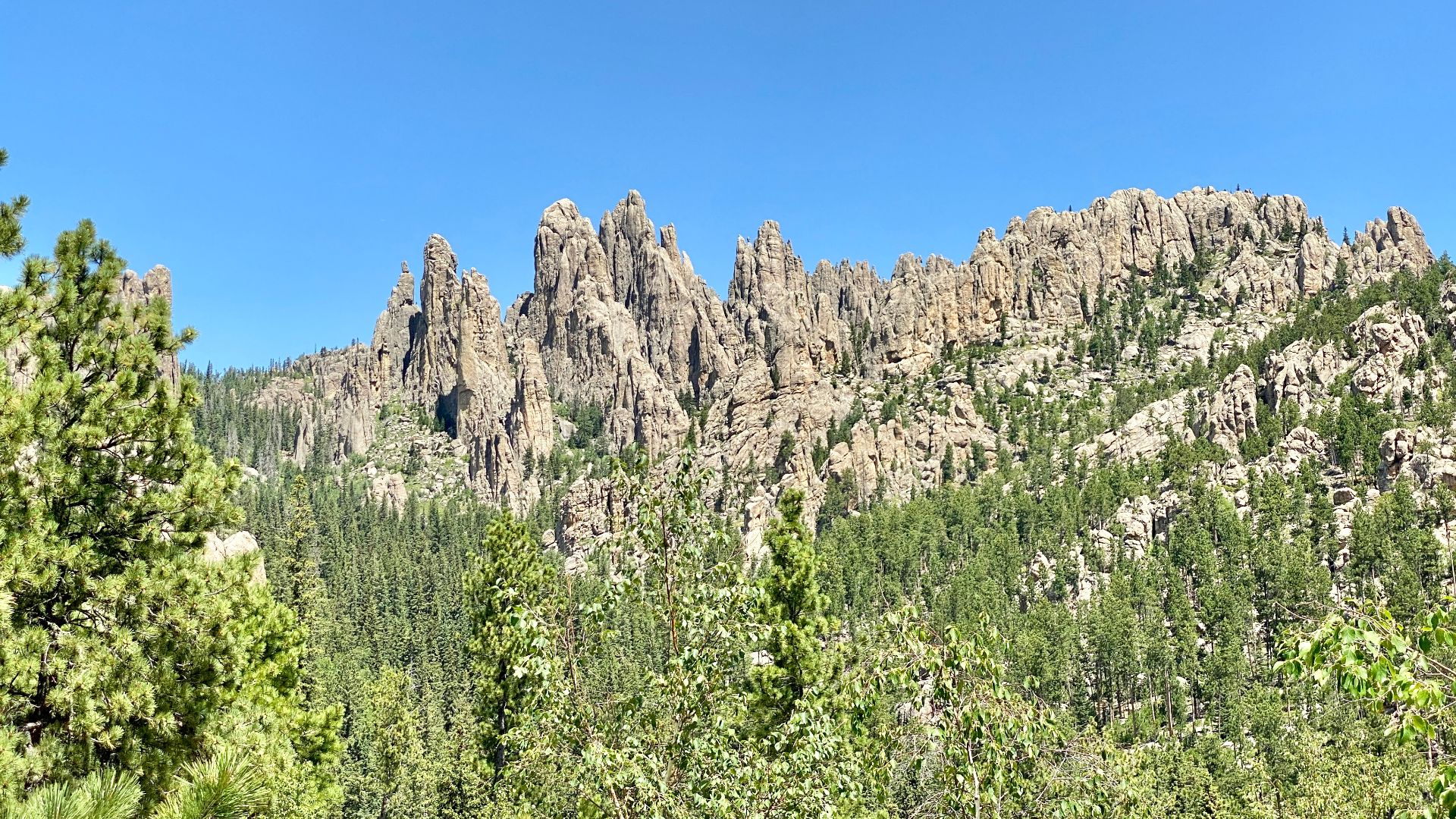
Custer State Park Gives The Black Hills Room To Breathe
South Dakota's Black Hills are often associated with Mount Rushmore, but nearby Custer State Park delivers a much broader natural landscape. Trails, granite formations, forests, and scenic Sylvan Lake create striking scenery, while bison are among the wildlife visitors may encounter. Photographs can isolate one granite spire or lake, but driving and hiking through the park reveals how all of those features fit together.
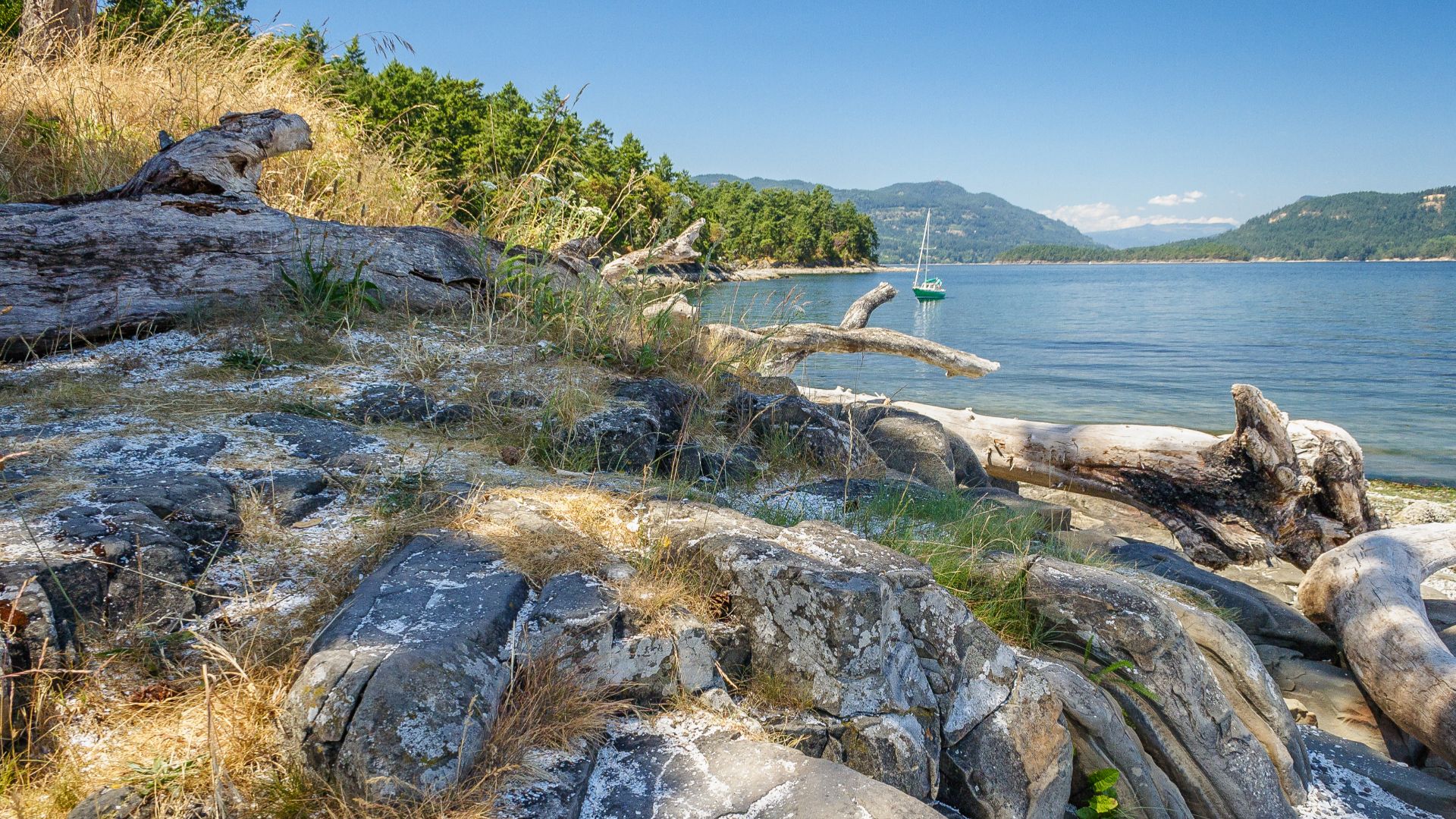
Gulf Islands Offers A Quieter Side Of British Columbia
Gulf Islands National Park Reserve consists of more than 30 islands and islets scattered between Vancouver Island and British Columbia's mainland. Travel + Leisure highlighted the reserve in a ranking of Canada's underrated national parks, noting its coves, beaches, trails, seabirds, and year-round habitat for southern resident killer whales. The fragmented coastline creates constantly changing views that can be difficult to communicate through a single wide-angle photograph.
 Laurie MacBride, Wikimedia Commons
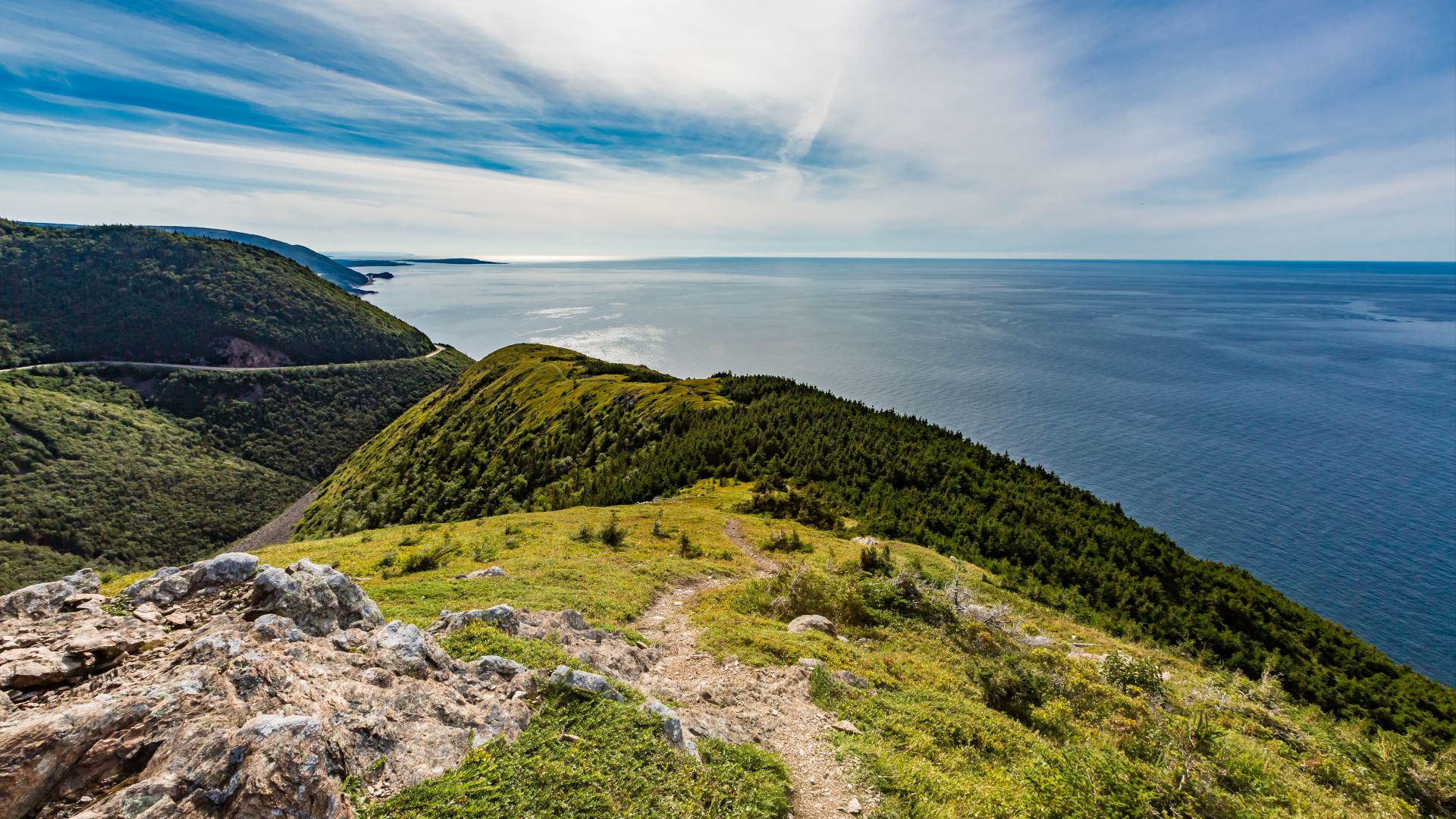
Cape Breton Highlands Makes The Drive Part Of The Destination
Nova Scotia's Cape Breton Highlands National Park tied Gulf Islands at the top of the same ranking. Much of its appeal comes from the Cabot Trail, where roads climb above forested slopes and open onto broad views of the Atlantic and Gulf of St. Lawrence. Trails such as Skyline add another perspective, making the landscape feel less like one famous viewpoint and more like a continuous sequence of coastal scenery.
 Tony Webster from San Francisco, California, Wikimedia Commons
Kluane Makes Even Mountains Look Oversized
Kluane National Park and Reserve in Yukon ranked third in Travel + Leisure's report on standout Canadian parks. The vast protected landscape contains Mount Logan, Canada's highest mountain, along with glaciers and an enormous wilderness extending toward Alaska. Its remote scale is exactly the kind of quality that becomes difficult to judge on a laptop or phone screen.
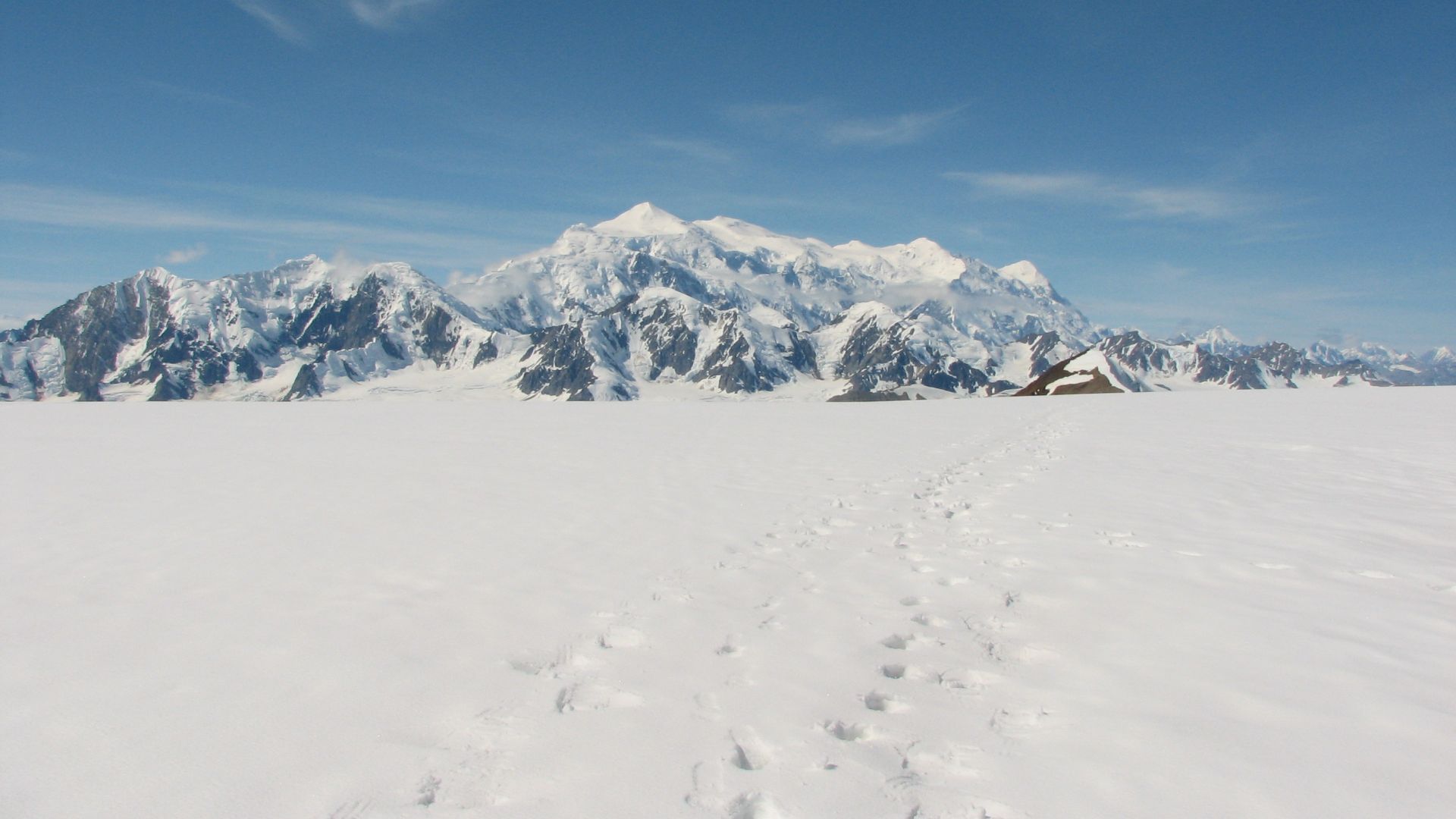 The original uploader was Isteffen at English Wikipedia., Wikimedia Commons
Pukaskwa Shows How Wild Lake Superior Can Get
Ontario's Pukaskwa National Park appeared among the highest-rated Canadian parks in the 2025 ranking highlighted by Travel + Leisure. Sitting on Lake Superior's northern shore, it represents a much more isolated side of Ontario than the country's best-known urban destinations. The park's inclusion among Canada's standout lesser-known parks is a reminder that parts of the Great Lakes coastline can feel surprisingly remote.
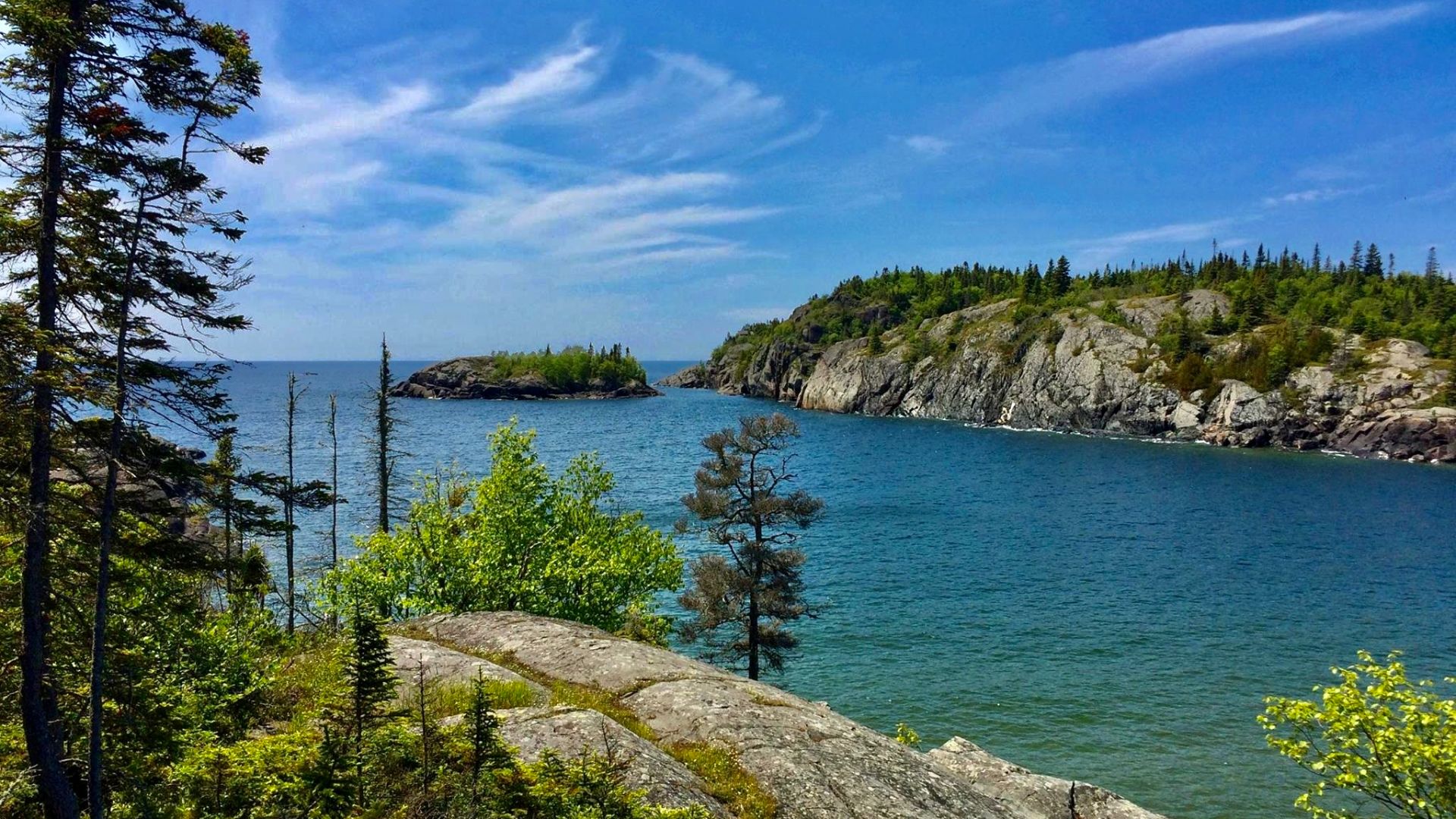 Andre Carrotflower, Wikimedia Commons
Mingan Archipelago Turns Limestone Into Sculpture
Quebec's Mingan Archipelago National Park Reserve also earned a place near the top of the Canadian park ranking. The destination lies along the Gulf of St. Lawrence and is known for an island landscape that feels far removed from the historic streets most tourists associate with a Quebec vacation. Its position among Canada's highly rated but less internationally famous parks makes it an appealing alternative for travelers willing to venture farther east.
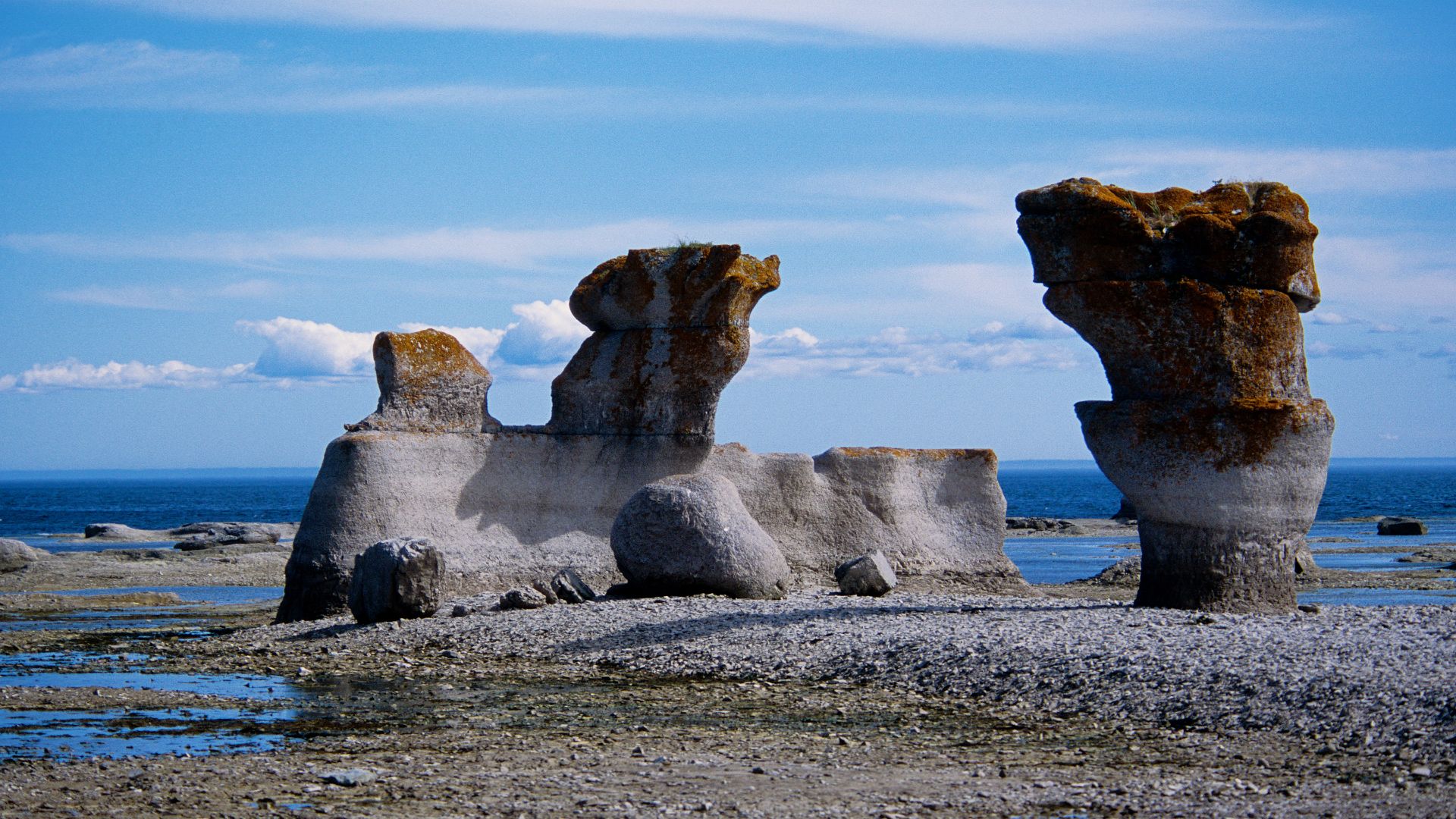 Michel Villeneuve, Wikimedia Commons
Kejimkujik Rewards Travelers Who Slow Down
Nova Scotia's Kejimkujik National Park and National Historic Site was another high-ranking Canadian destination in the Travel + Leisure report. Unlike destinations dominated by a single famous mountain or waterfall, Kejimkujik's appeal lies in waterways, forest, history, and a quieter wilderness atmosphere. It is the sort of place where movement through the landscape can matter more than collecting one perfectly framed photograph.
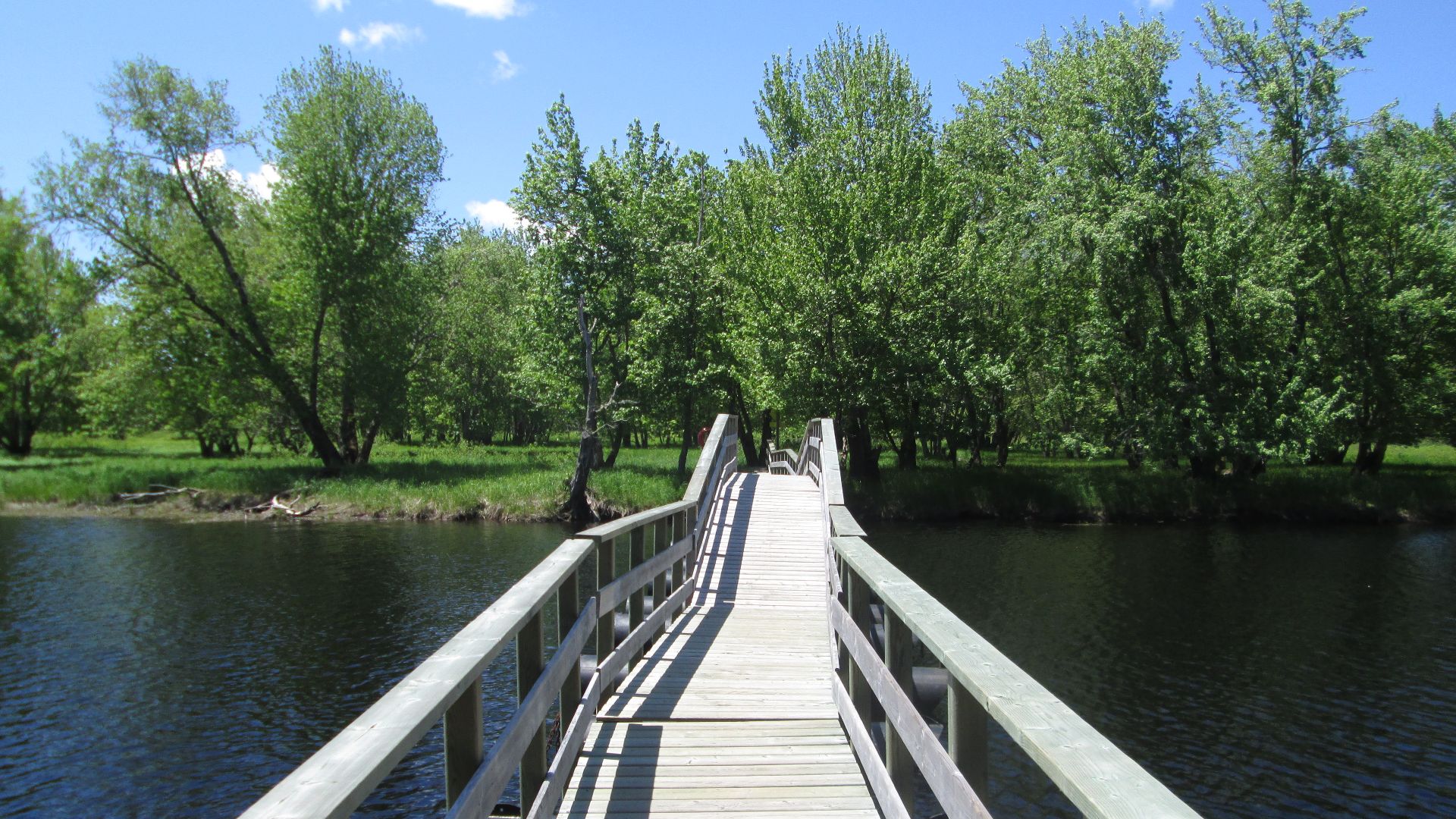 Larry from Charlottetown, PEI, Canada, Wikimedia Commons
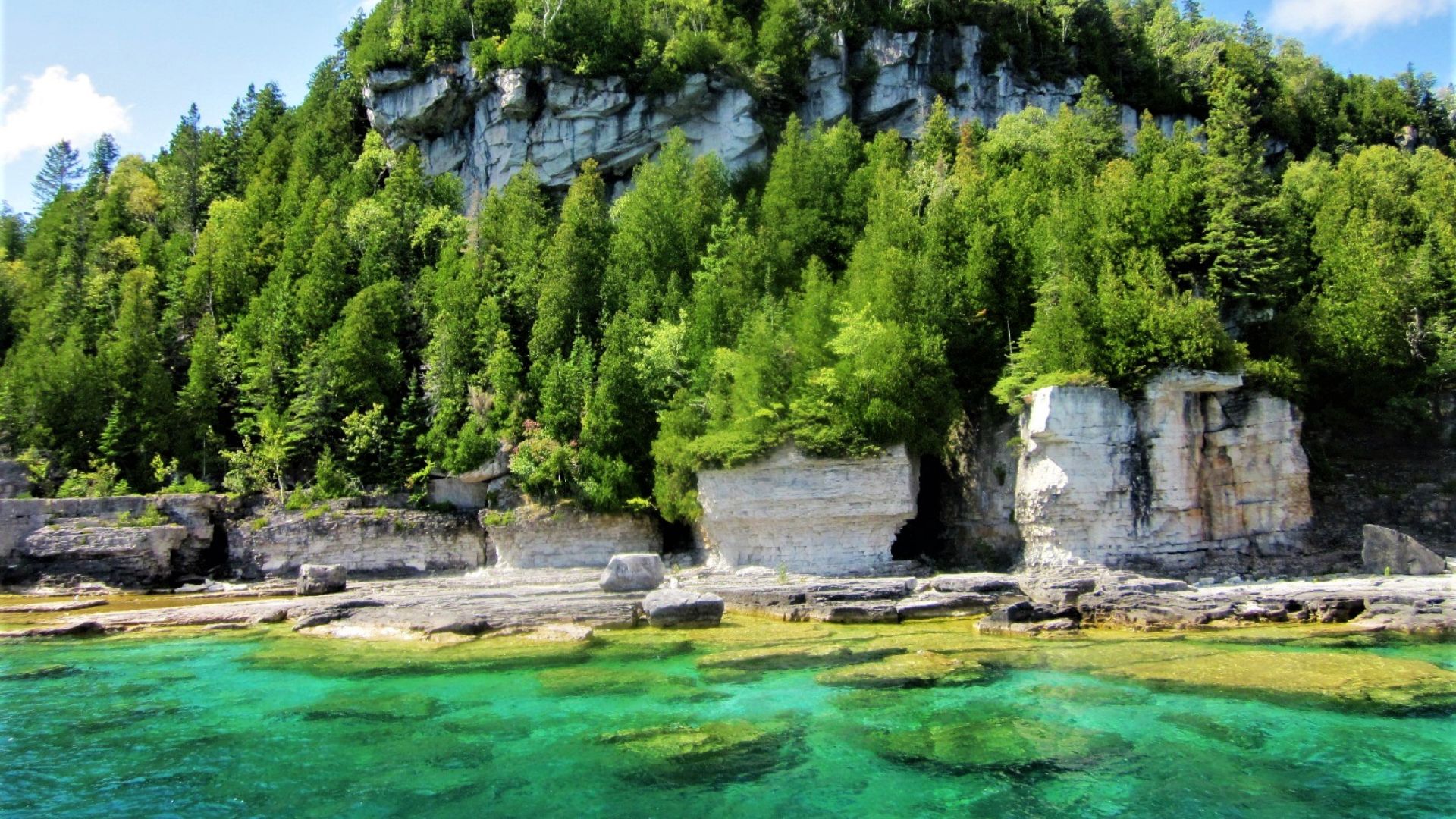
Georgian Bay Islands Brings Canadian Shield Scenery Up Close
Georgian Bay Islands National Park appeared alongside several much larger destinations in the Canadian ranking. The park protects islands in Ontario's Georgian Bay, giving visitors a close view of the waterways and landscapes that characterize this part of the Canadian Shield. Experiencing the region from trails, shorelines, or the water provides a sense of geography that aerial photos alone rarely deliver.
 Mhsheikholeslami, Wikimedia Commons
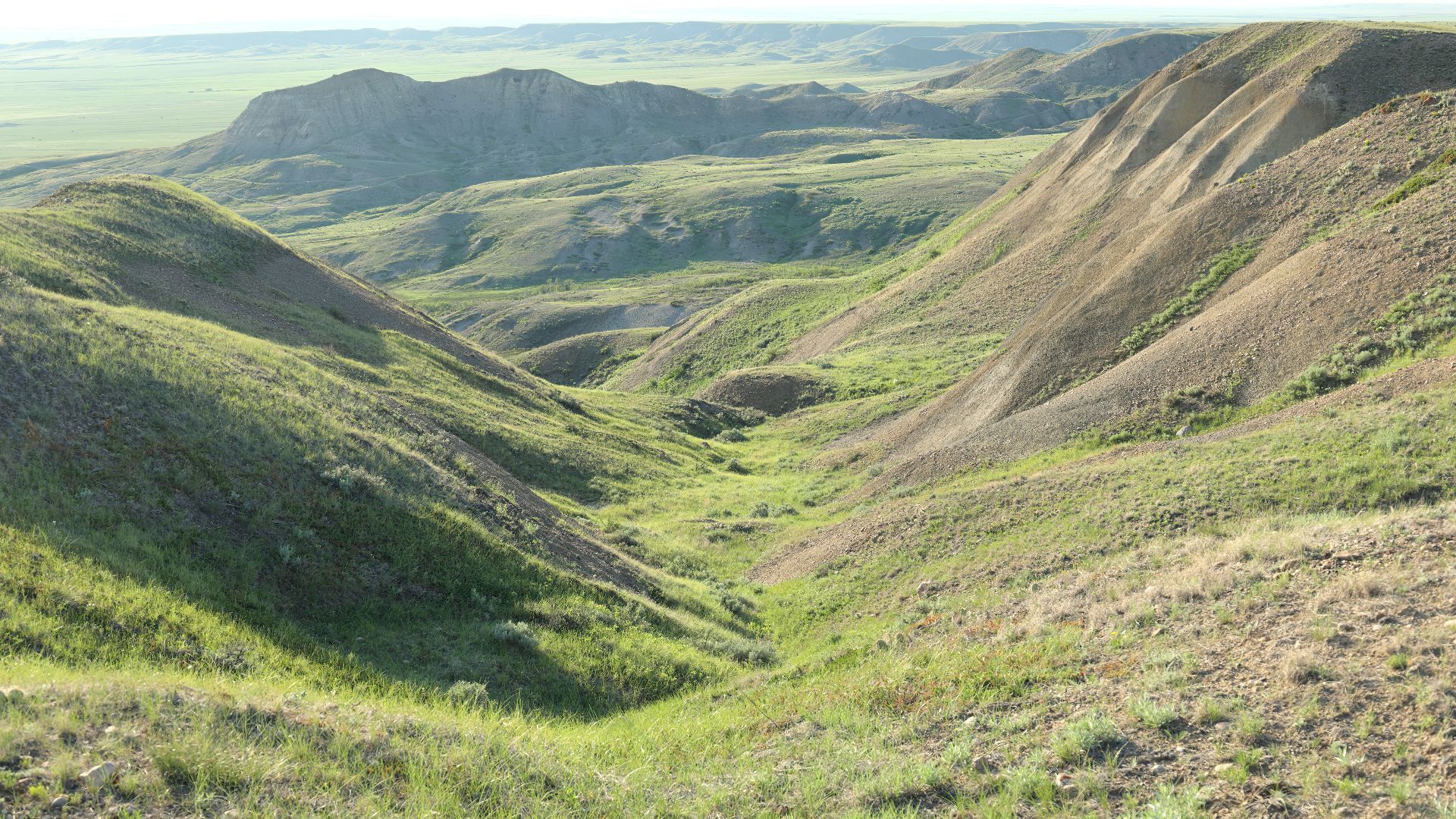
Grasslands Makes Empty Space The Attraction
Saskatchewan's Grasslands National Park earned a spot among Canada's top-ranked national parks despite lacking the glacier-filled scenery that makes Banff instantly recognizable online. The landscape instead emphasizes prairie, wildlife habitat, enormous skies, and an unusual sense of openness. Its subtle beauty can be harder to sell in a thumbnail, but that lack of obvious visual spectacle is precisely what makes being surrounded by the prairie feel different.
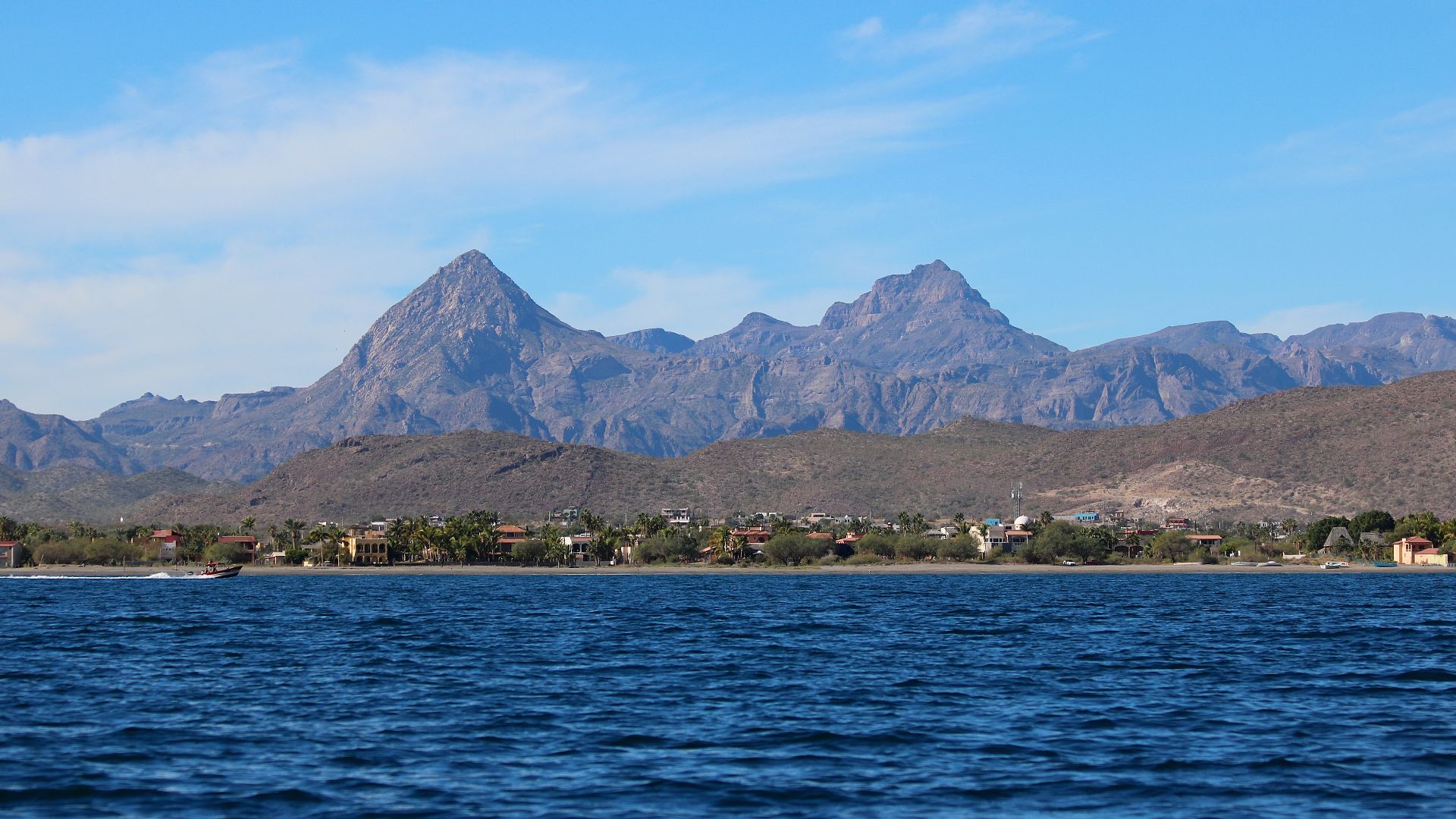
Loreto Puts Mountains Beside An Intensely Blue Sea
Travel + Leisure named Loreto, Baja California Sur, one of Mexico's best under-the-radar beach towns. Red-toned mountains rise behind the community while the intensely blue Sea of Cortez spreads out in front, and offshore islands provide access to protected marine environments. That mountain-meets-sea setting gives Loreto a visual depth that is easy to underestimate when browsing ordinary resort photographs.
 Rafael Saldaña, Wikimedia Commons
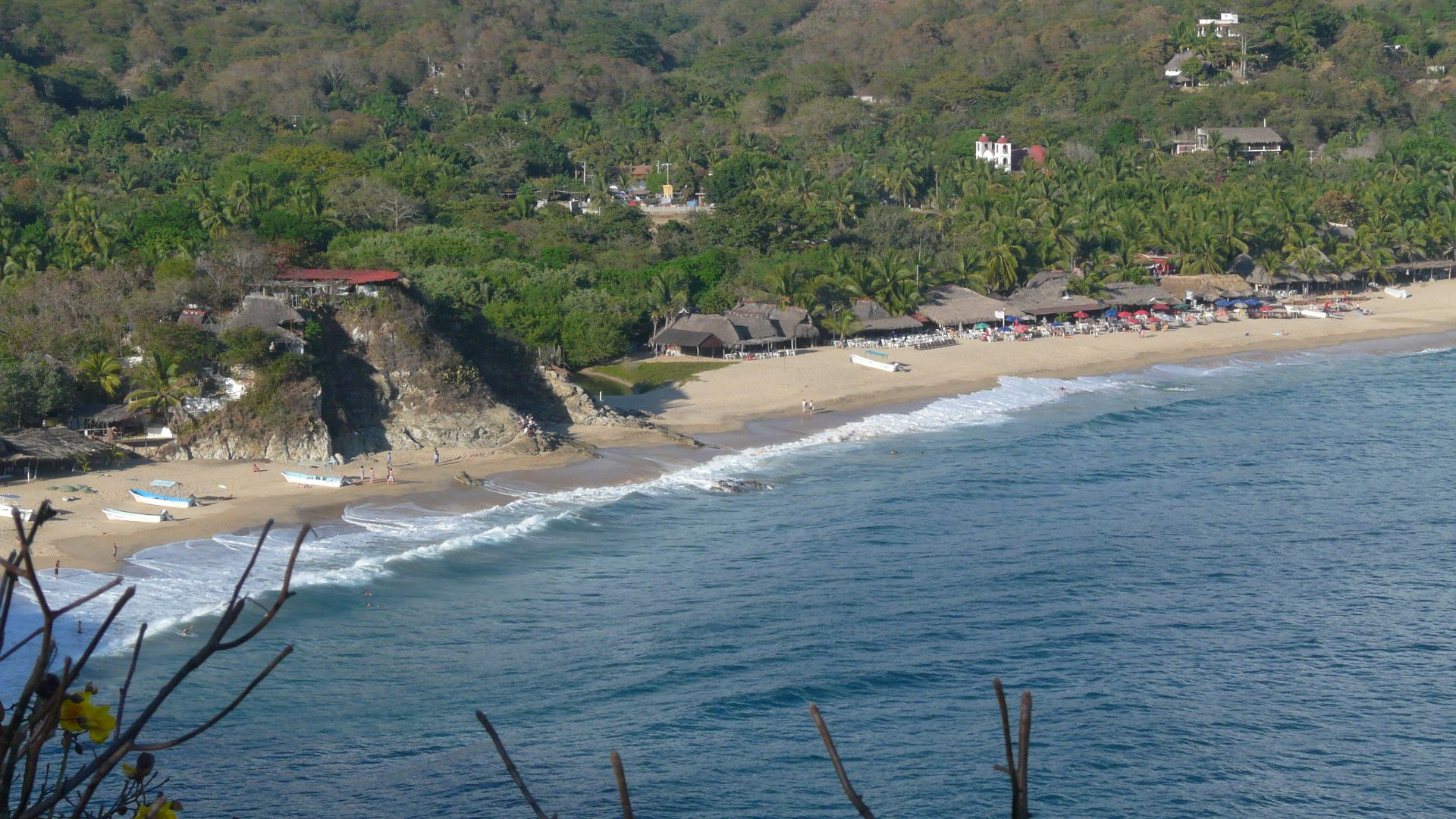
Mazunte Keeps Oaxaca's Coast Small And Dramatic
Tiny Mazunte offers a quieter alternative to better-known beach destinations on Oaxaca's Pacific coast. Travel + Leisure described it as a peaceful escape with rugged coastline, beaches, yoga studios, and a turtle conservation center, while nearby San Agustinillo attracts surfers. The town's compact scale and steep green surroundings give the shoreline a more intimate feeling once visitors are actually standing there.
 Ospreyvineyard, Wikimedia Commons
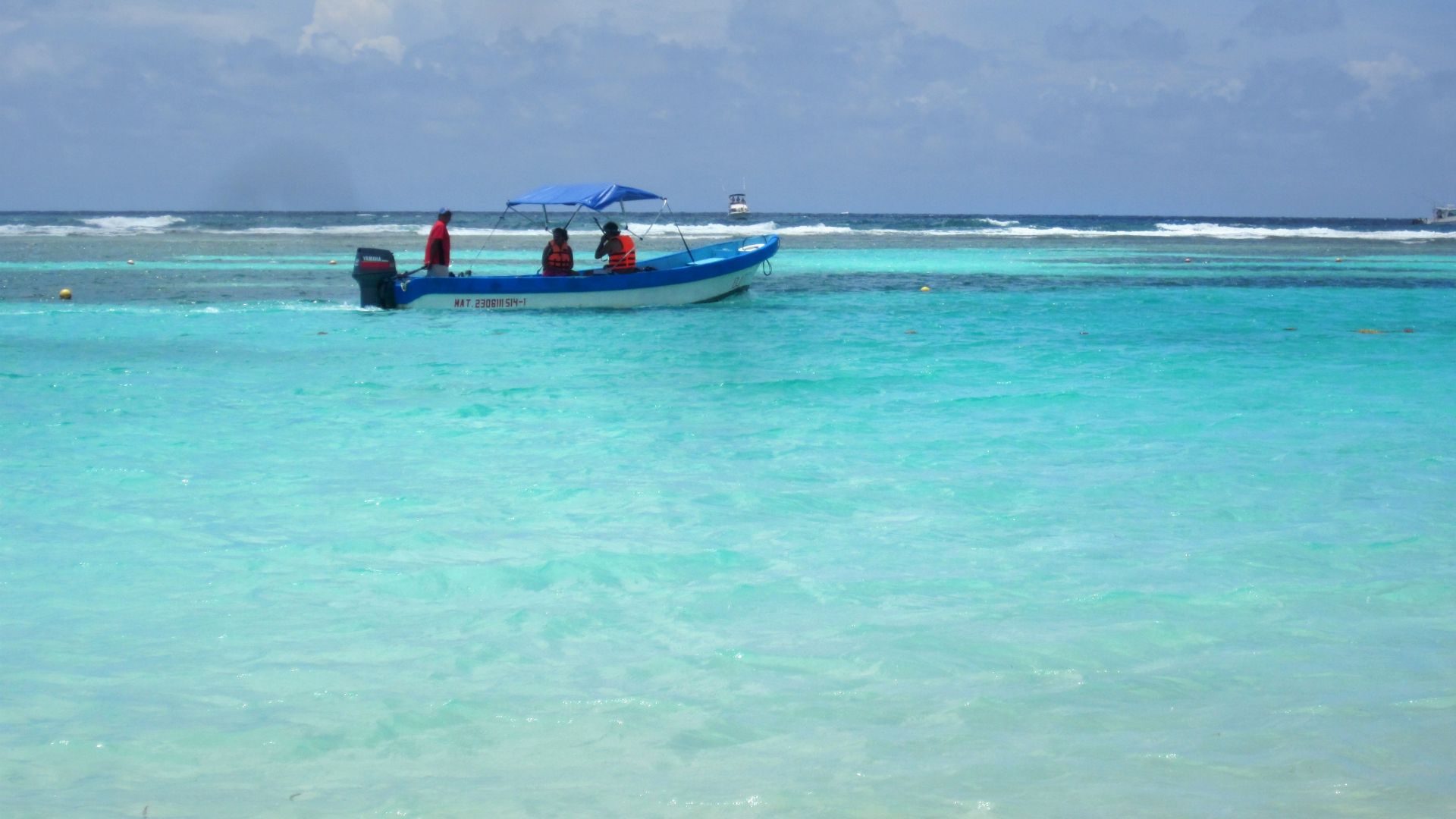
Mahahual Offers Caribbean Color Without Tulum's Scale
Mahahual sits on Quintana Roo's Caribbean coast much farther south than the Riviera Maya's busiest resort areas. Offshore lies Banco Chinchorro Biosphere Reserve, part of the Mesoamerican reef system and a major destination for diving and snorkeling. The contrast between turquoise Caribbean water and the town's relatively low-key development can feel particularly striking to travelers accustomed to heavily built-up coastal resorts.
 holachetumal, Wikimedia Commons
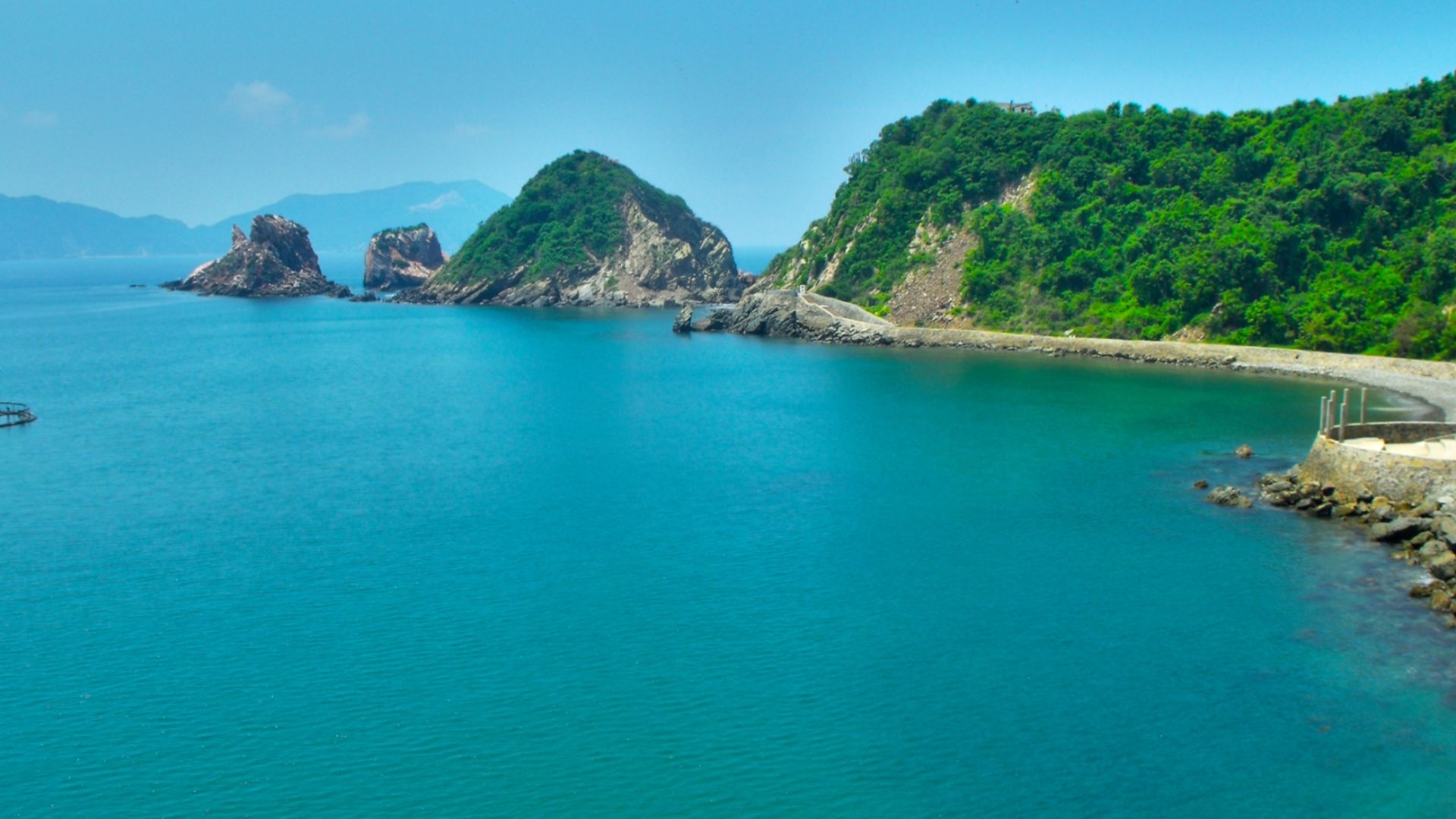
Barra De Navidad Keeps The Pacific Coast Casual
Barra de Navidad lies south of Puerto Vallarta along Jalisco's Costalegre, a region better known for fishing villages and relaxed beach escapes than massive resort developments. Travel + Leisure praised the town's beach, small hotels and restaurants, and neighboring Melaque's picturesque seaside promenade. The experience is less about one spectacular landmark than seeing an entire coastal town that still feels closely connected to its bay.
 Alejandro Ags, Wikimedia Commons
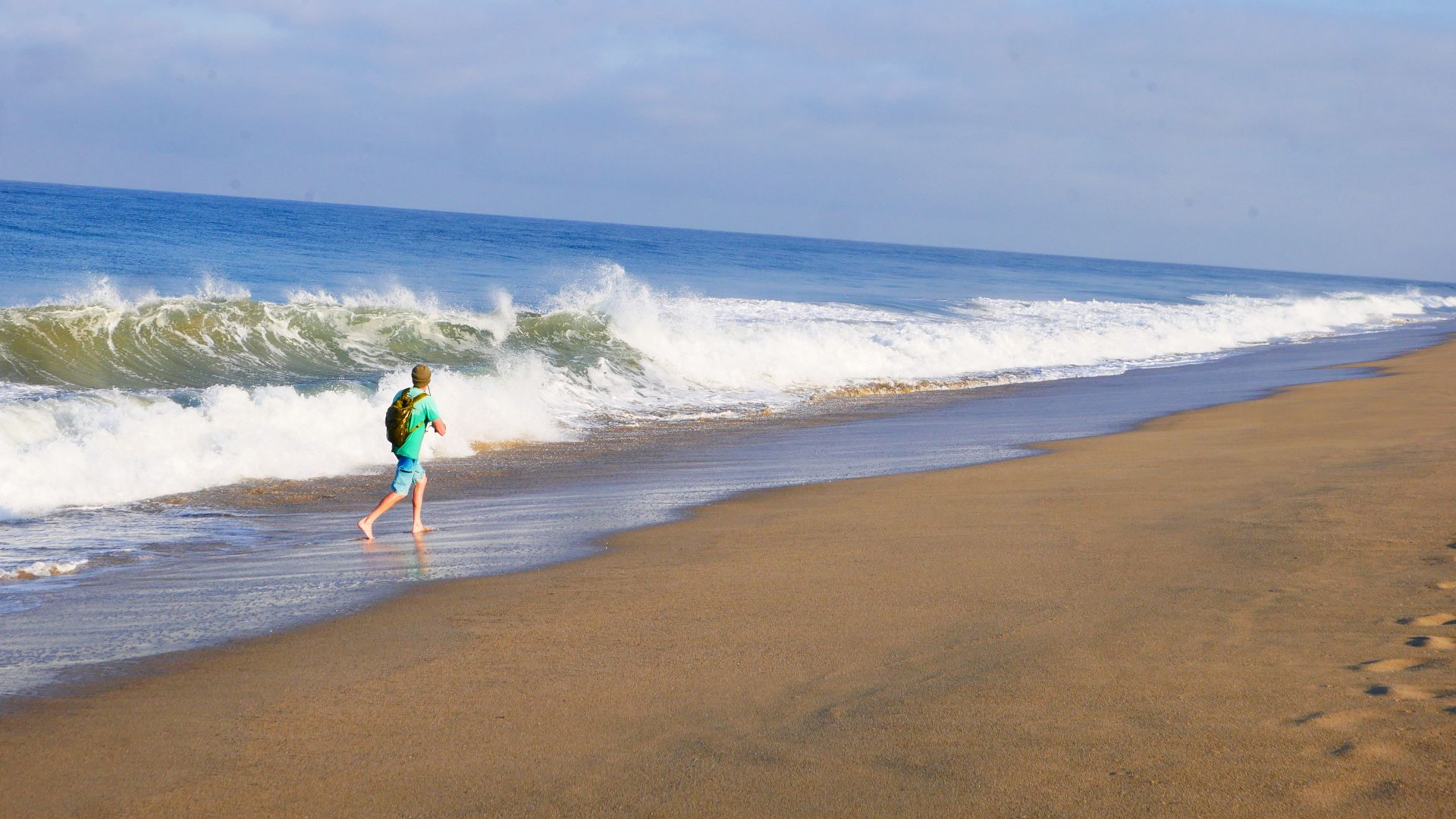
San Pancho Still Feels Smaller Than Its Famous Neighbor
Sayulita has become one of Mexico's most recognizable surf towns, but nearby San Pancho remains notably more relaxed. Travel + Leisure highlighted its beach, small-town atmosphere, casual restaurants, boutique lodging, and reputation as a surf destination. Arriving in person makes the appeal easier to understand because the beach, town streets, vegetation, and surrounding hills function as one compact setting.
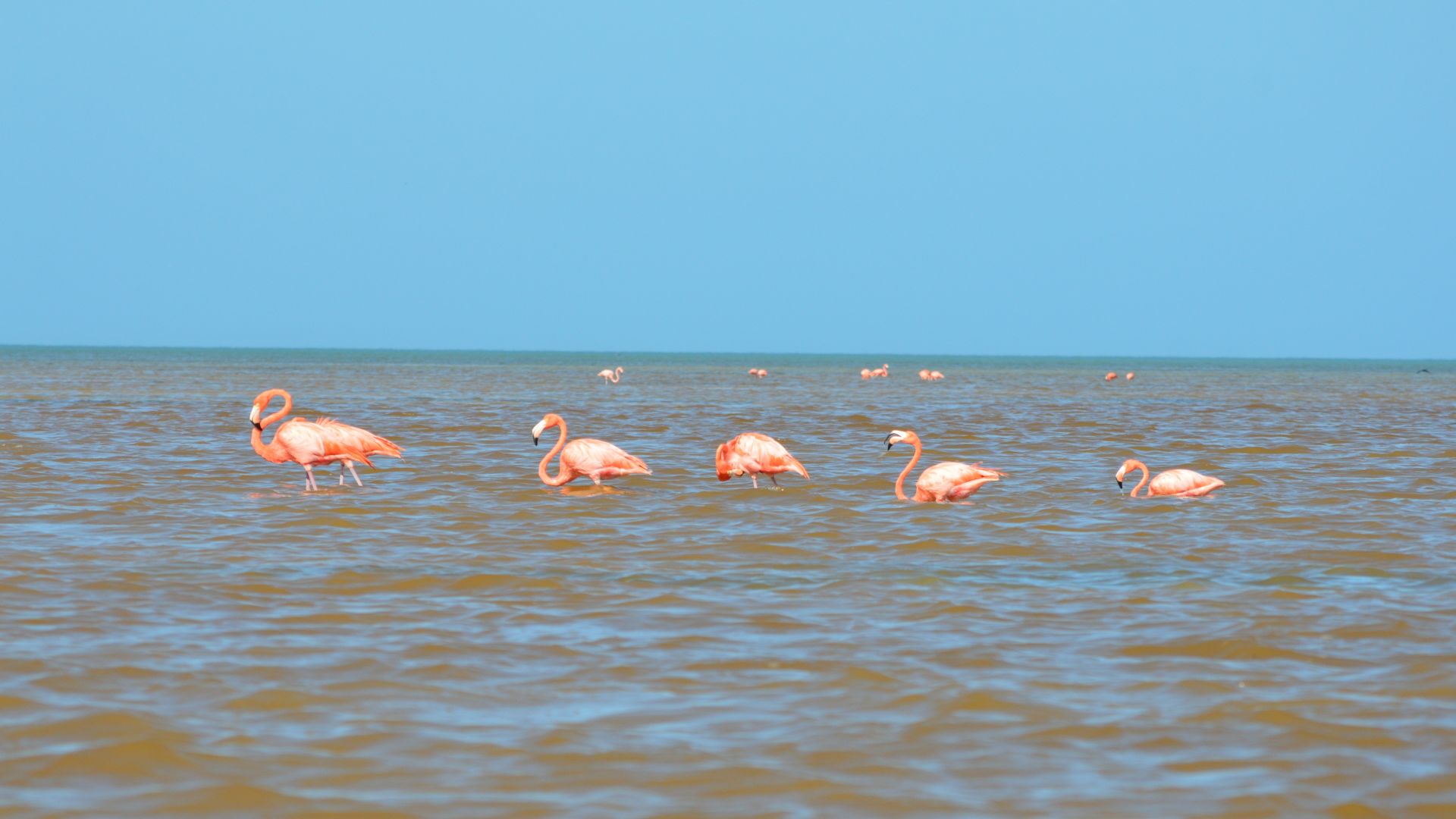
Celestún Adds Flamingos To A Yucatán Beach Trip
Celestún lies west of Mérida on a stretch of white-sand shoreline that feels very different from the Yucatán Peninsula's heavily developed Caribbean side. Nearby Ría Celestún Biosphere Reserve contains lagoons and mangroves where visitors can encounter flamingos and other birdlife. The combination of pale beaches, turquoise water, green mangroves, and bright birds can seem almost exaggerated in photographs until travelers see those colors sharing the same landscape.
 AlejandroLinaresGarcia, Wikimedia Commons
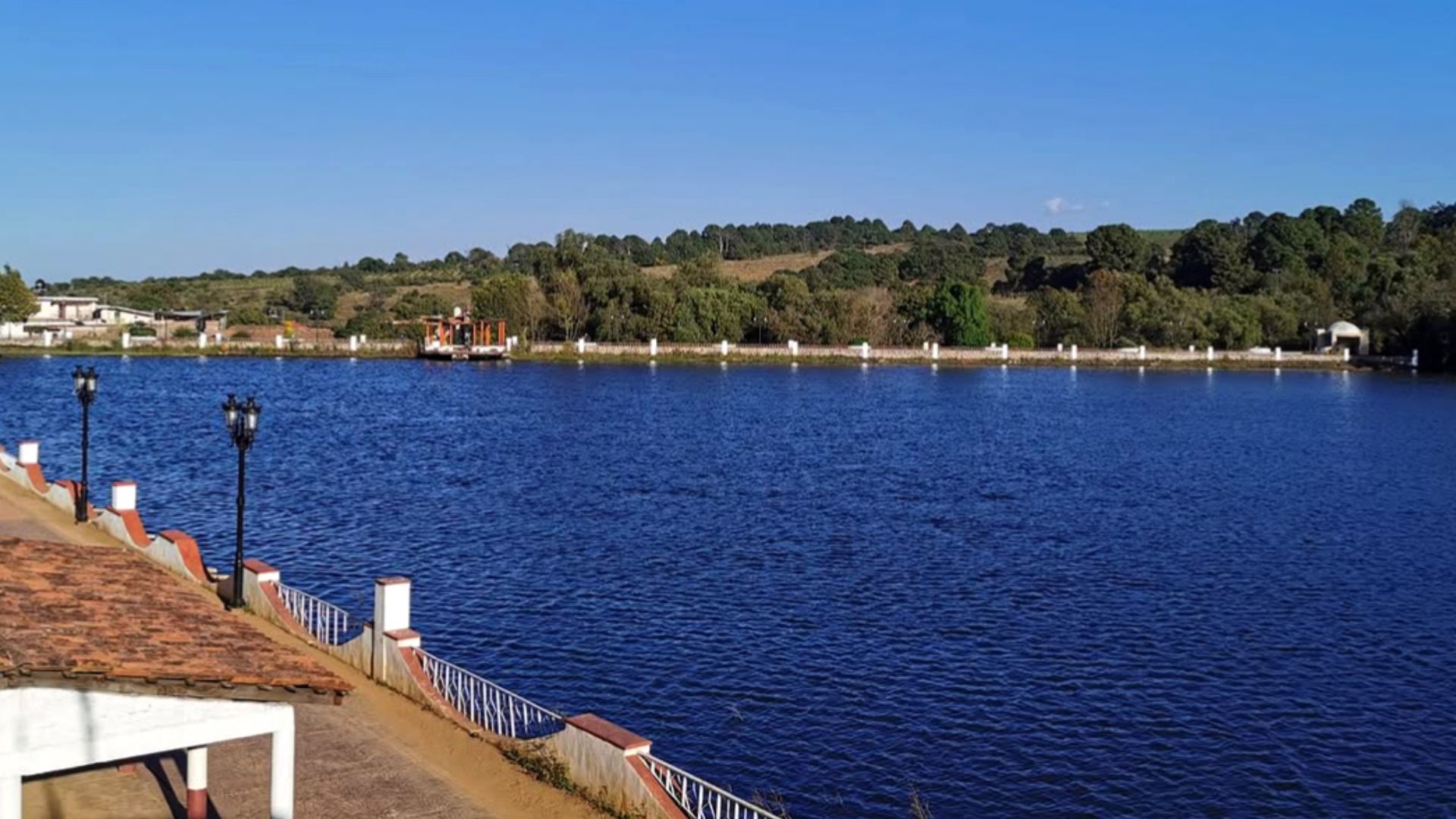
La Manzanilla Curves Around A Nearly Perfect Bay
La Manzanilla sits along Tenacatita Bay on Jalisco's Costalegre, where a broad crescent of sand runs beneath green hills. Travel + Leisure described the community as one of the area's sweetest and simplest coastal towns, with beachfront restaurants as well as nearby mangroves and estuaries. From ground level, the sweep of the bay is easier to appreciate because the curve continues far beyond what most casual beach photographs can frame.
 José González Peña, Wikimedia Commons
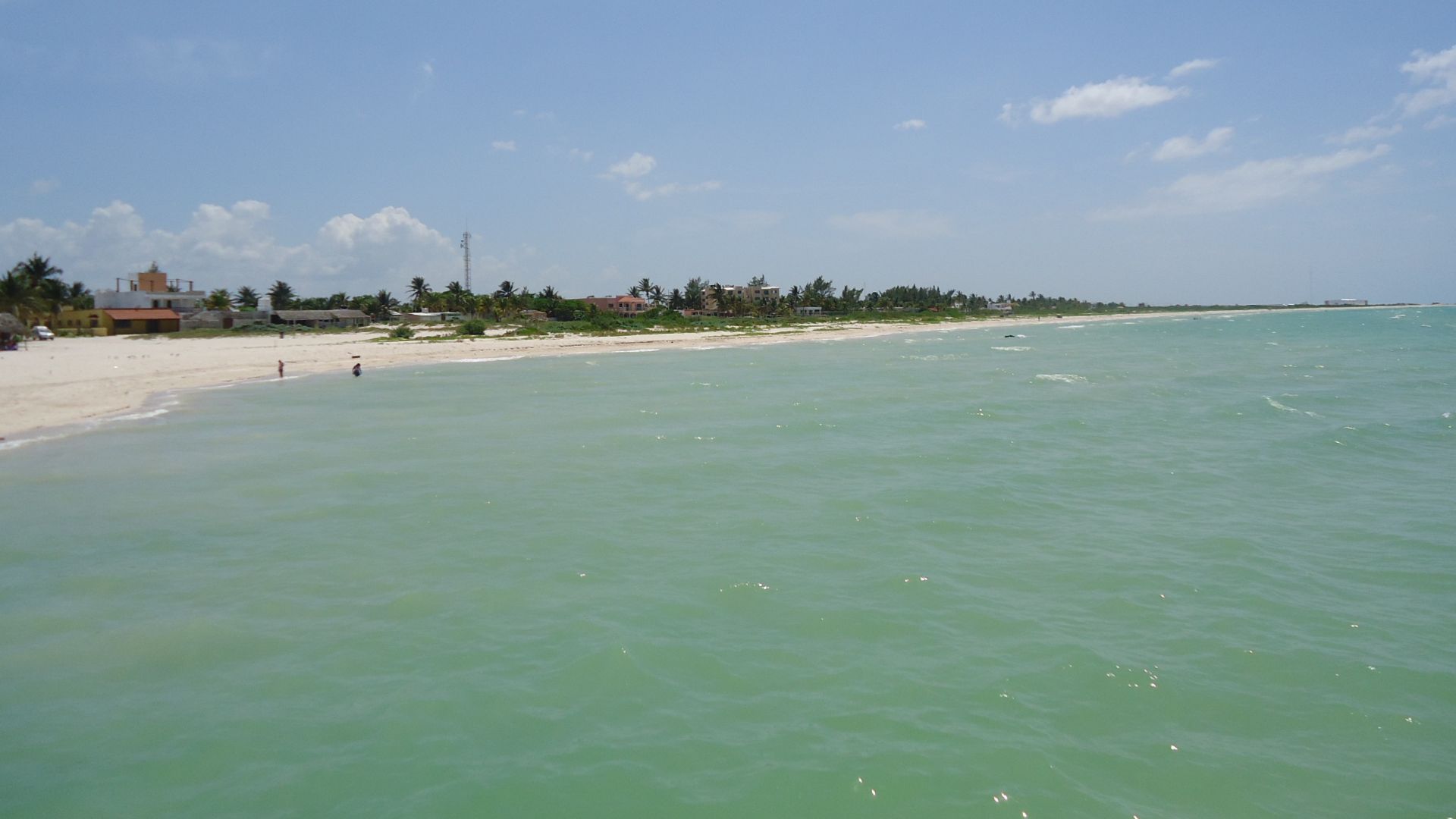
Sisal Is Almost The Opposite Of Cancún
Sisal occupies the northern Yucatán coast, far from the high-rise hotel zones that shape many outsiders' image of Mexican beach travel. The historic port is one of Mexico's designated Pueblos Mágicos, and visitors can combine its beaches with kayaking excursions through mangrove habitat. Its appeal comes from seeing how quietly historic streets, coastal vegetation, and pale Gulf shoreline sit alongside one another.
 Misael Lavadores, Wikimedia Commons
Maybe Seeing Really Is Believing
What unites these destinations is not that cameras somehow fail, but that photographs simplify complicated places into flat rectangles. Mountain scale, moving wildlife, coastal weather, silence, changing light, and the distance between landmarks all become clearer after arrival. For overlooked destinations especially, visiting in person can reveal why a place that seemed merely pleasant online ends up becoming the part of a trip people remember most.
 Donarreiskoffer, Wikimedia Commons
You May Also Like: