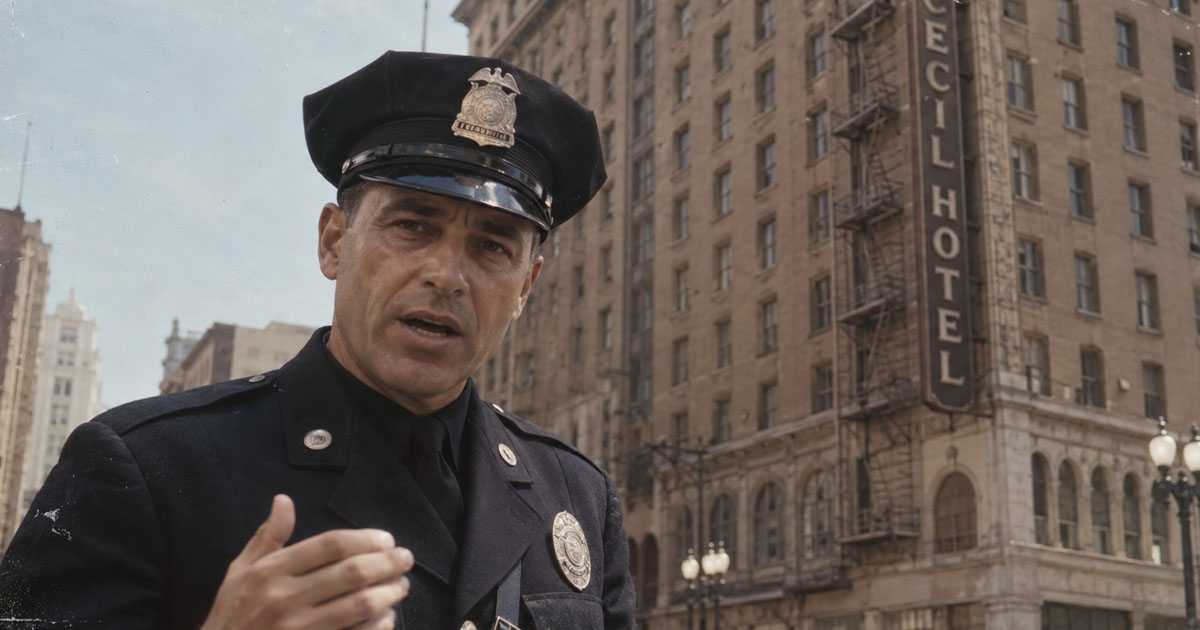
A Grand Hotel With A Terrible Reputation
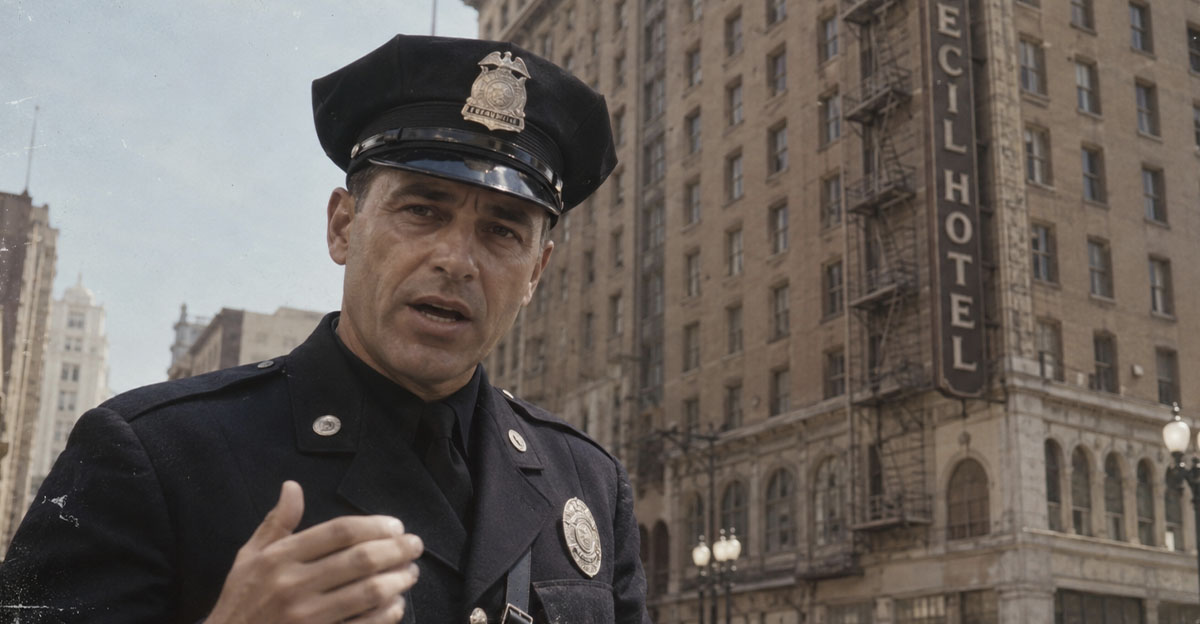
The Cecil Hotel opened as an impressive destination for visitors arriving in booming Los Angeles. Over the century that followed, however, its rooms became associated with unexplained deaths, violent crimes, serial killers, and one final tragedy that transformed the building into an international obsession.
It Opened During Los Angeles’ Golden Age
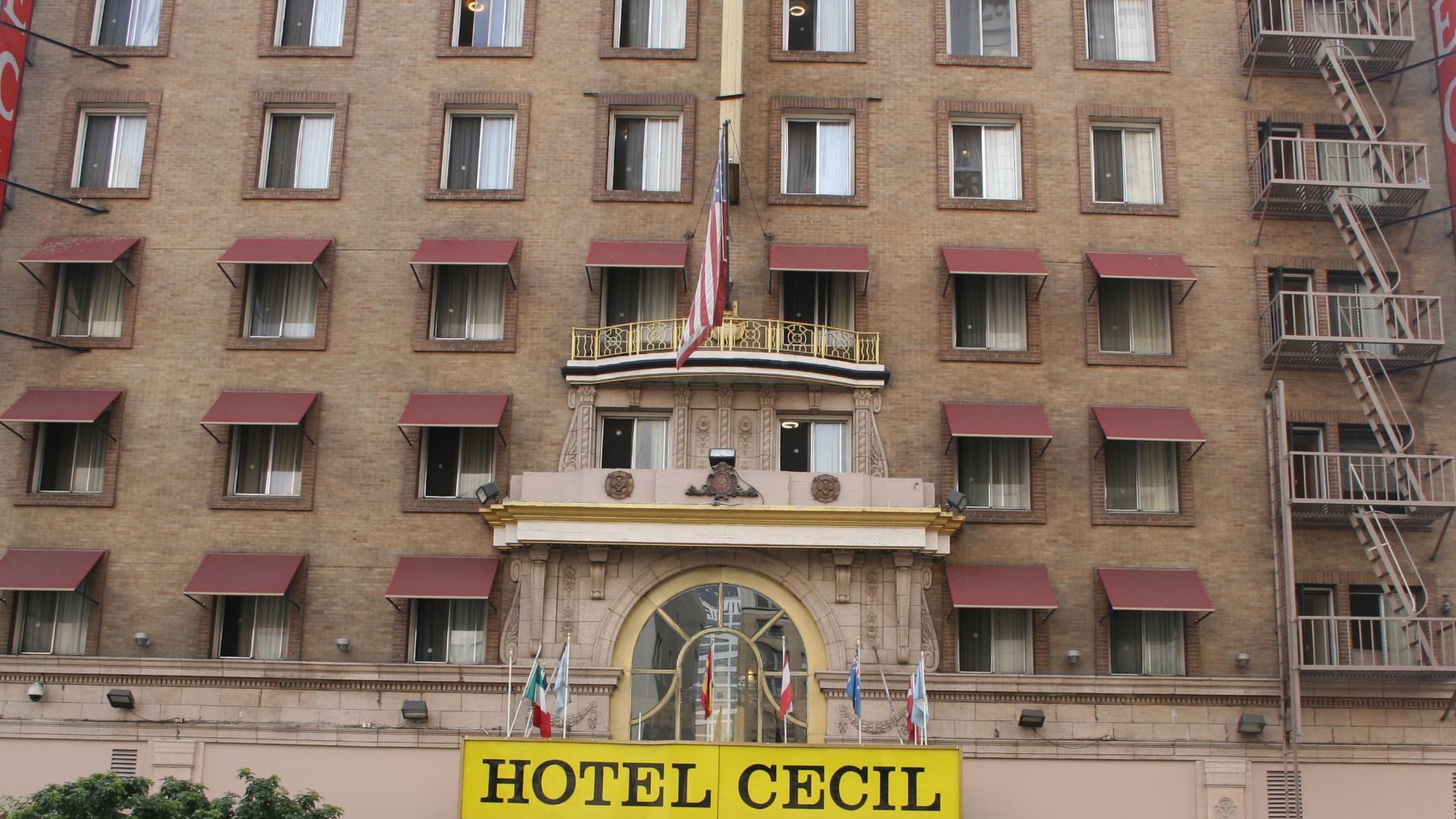
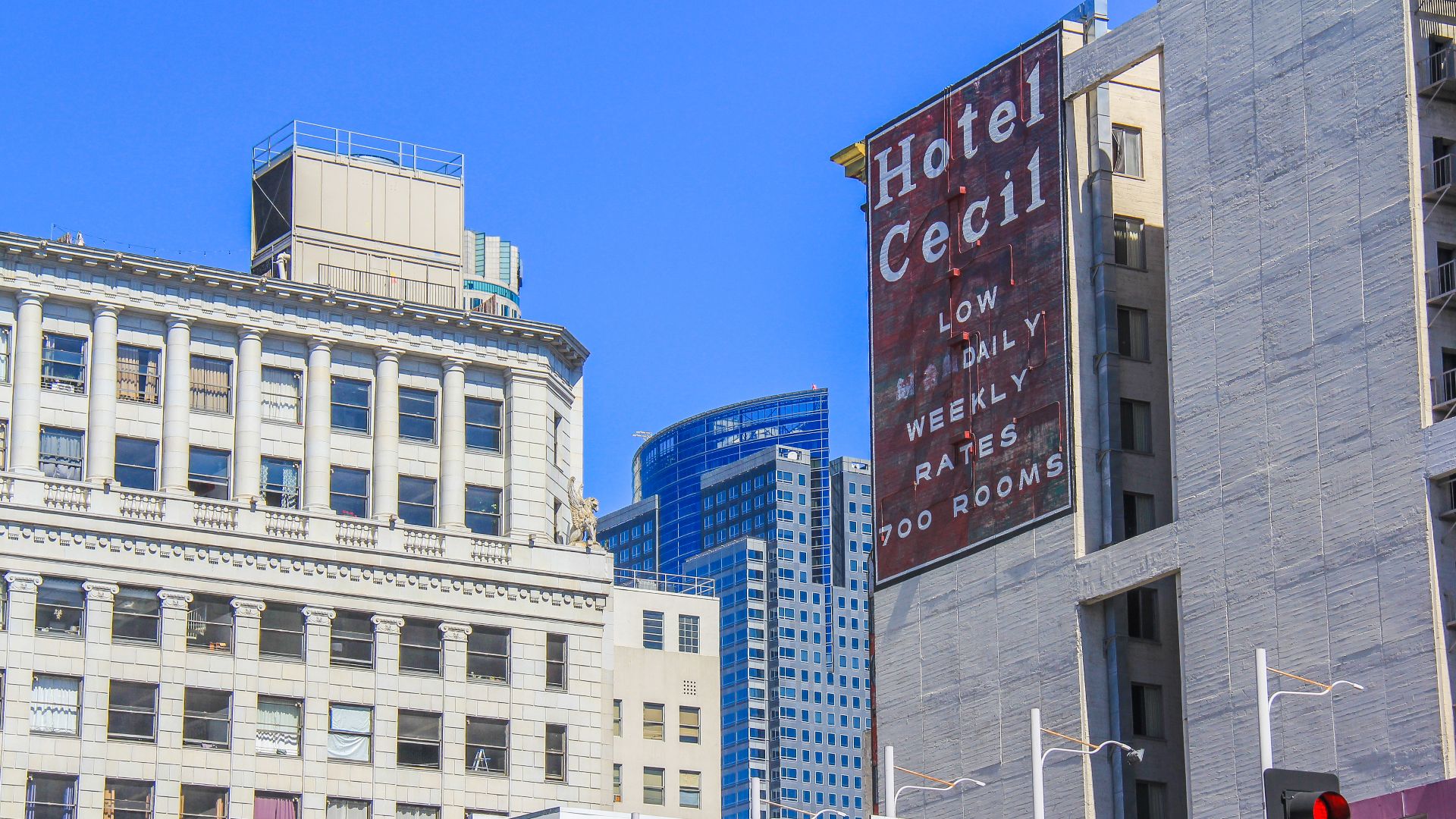
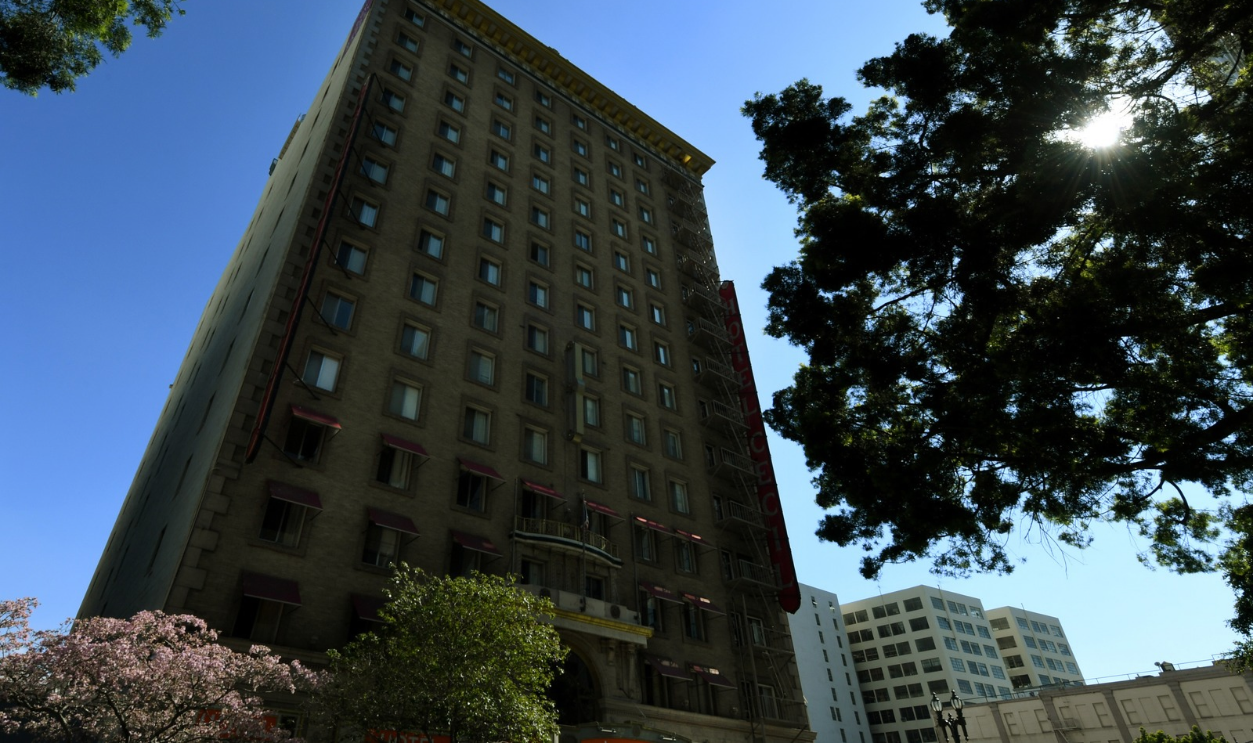
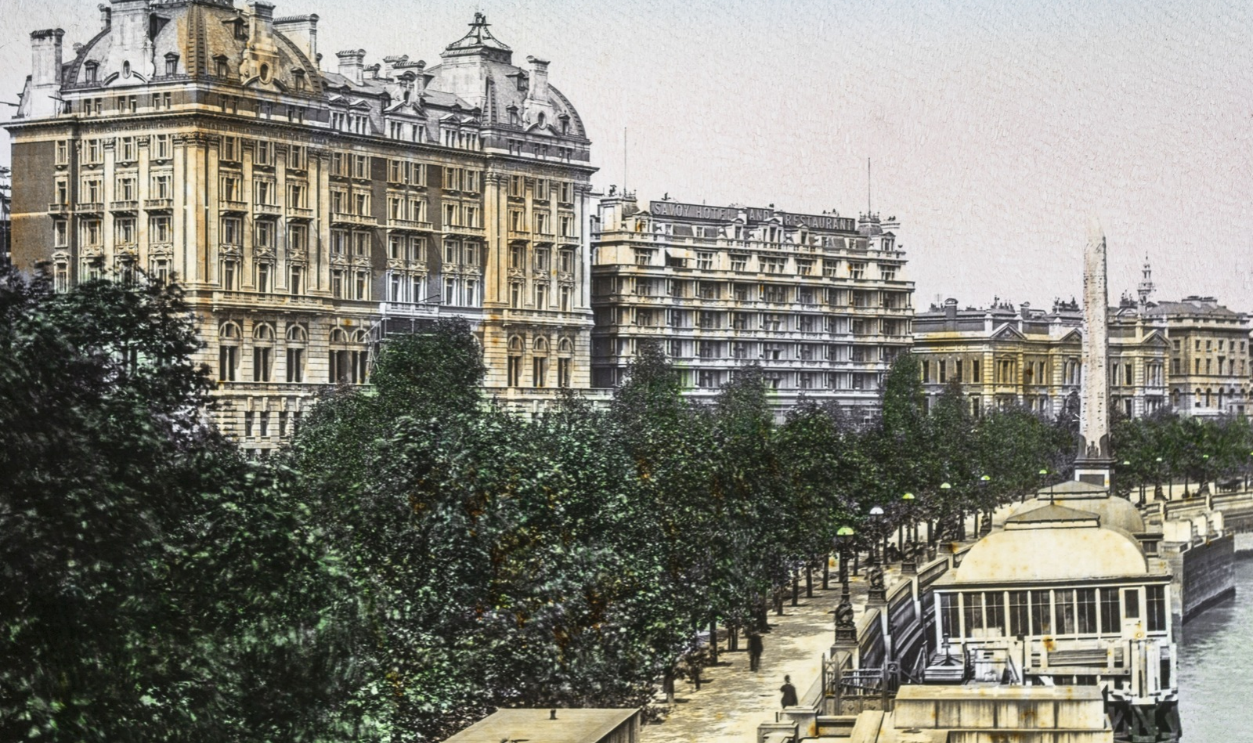
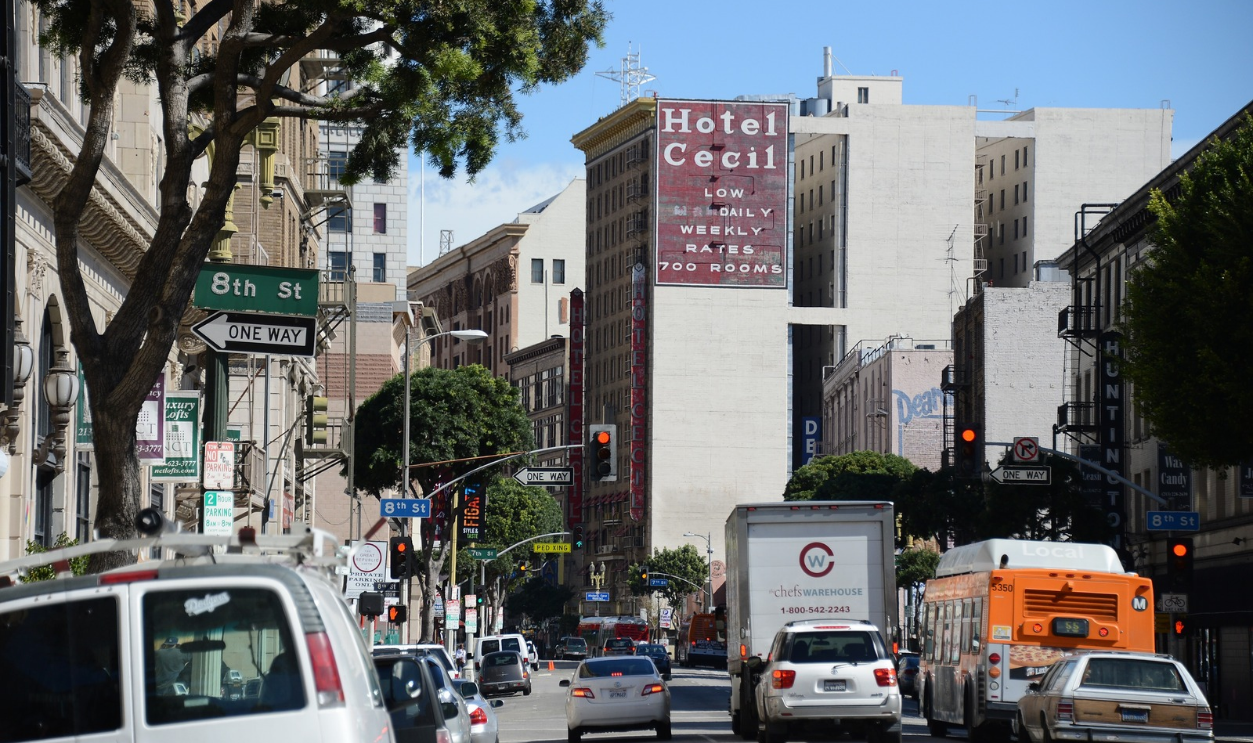
The Cecil officially opened at 640 South Main Street on December 20, 1924. Developers William Banks Hanner, Charles L. Dix, and Robert H. Schops reportedly invested approximately $1.5 million in the 14-story hotel, hoping to attract business travelers and middle-class tourists.
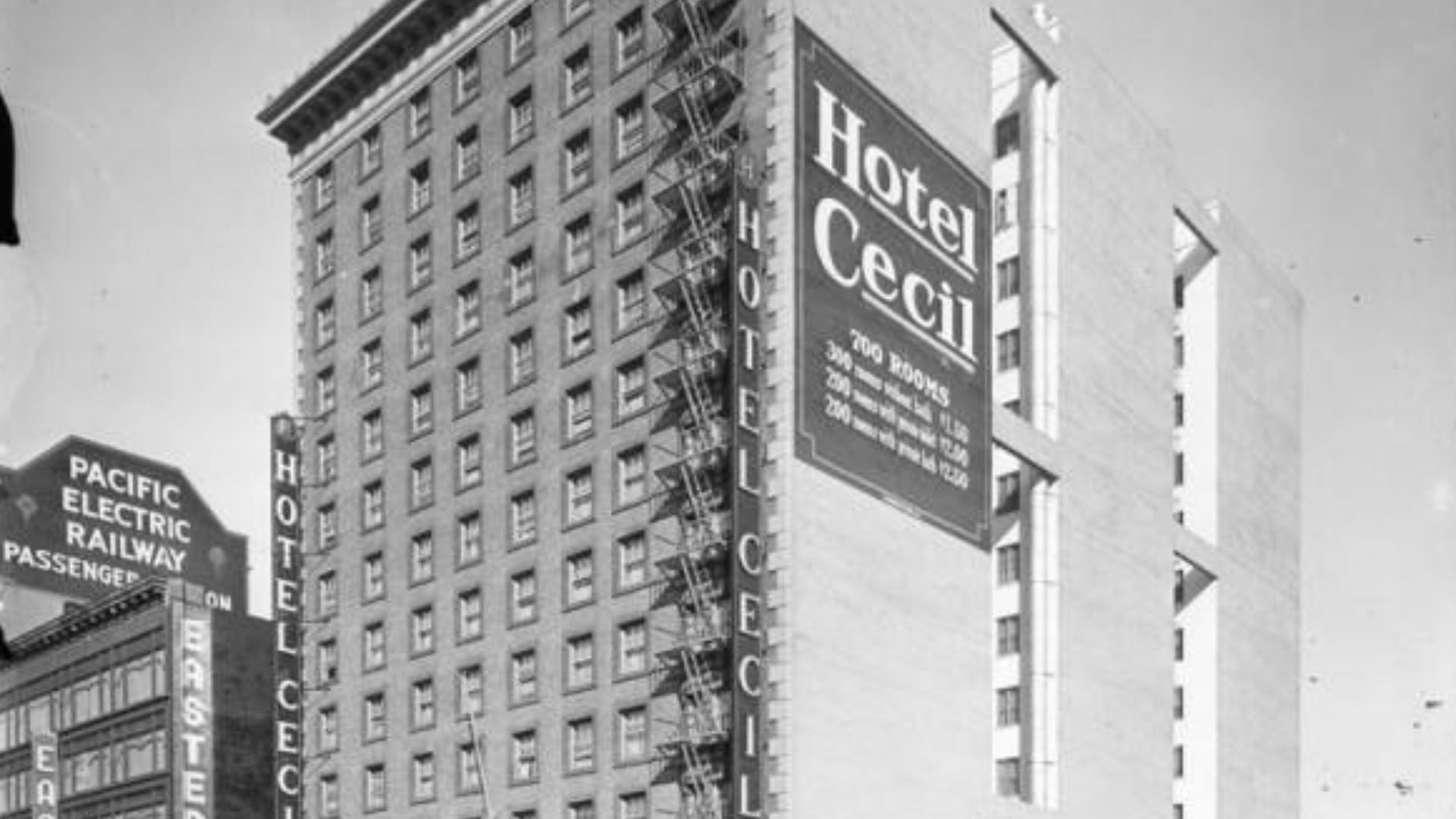 Unknown author, Wikimedia Commons
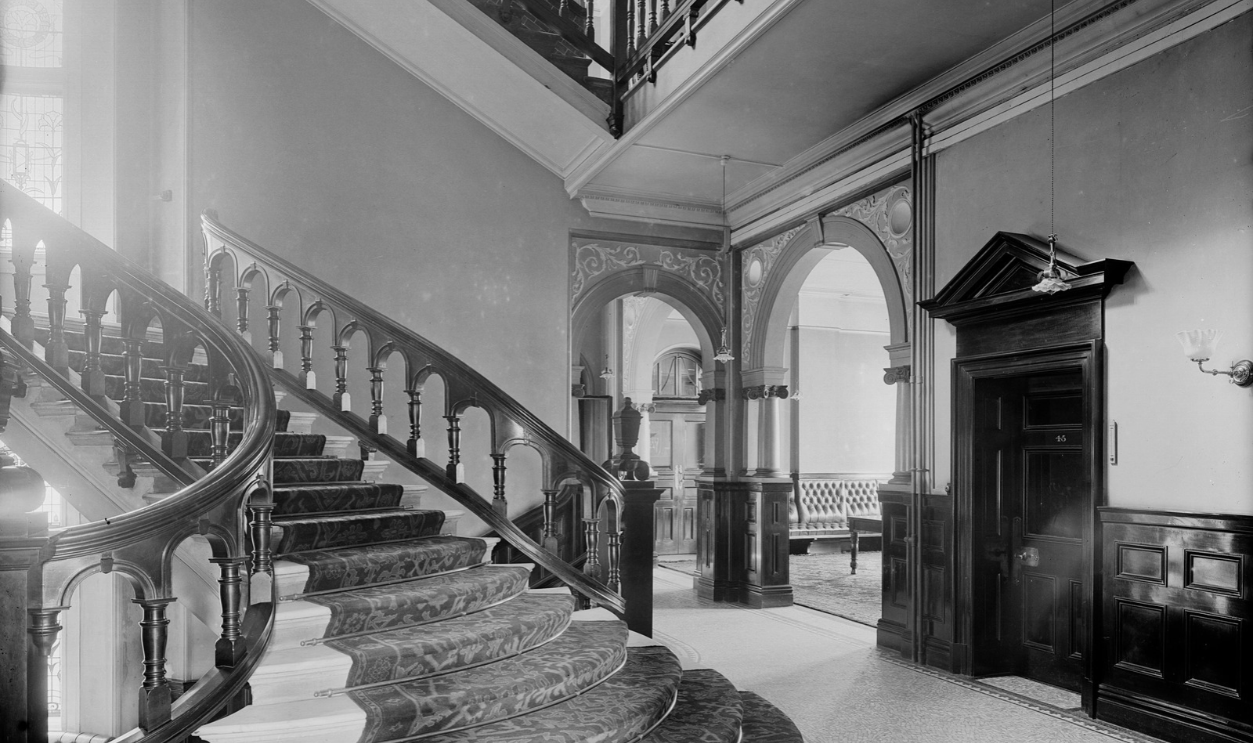
Its Lobby Was Designed To Impress
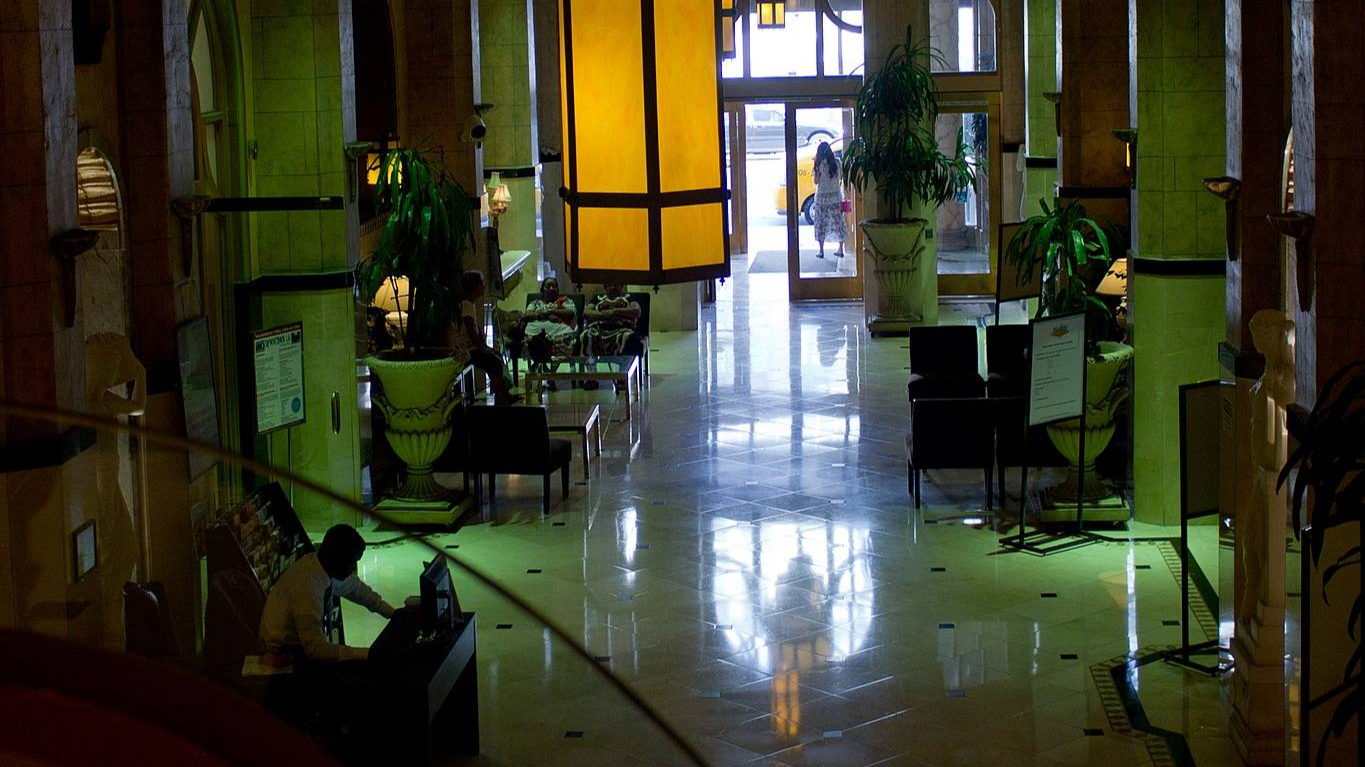
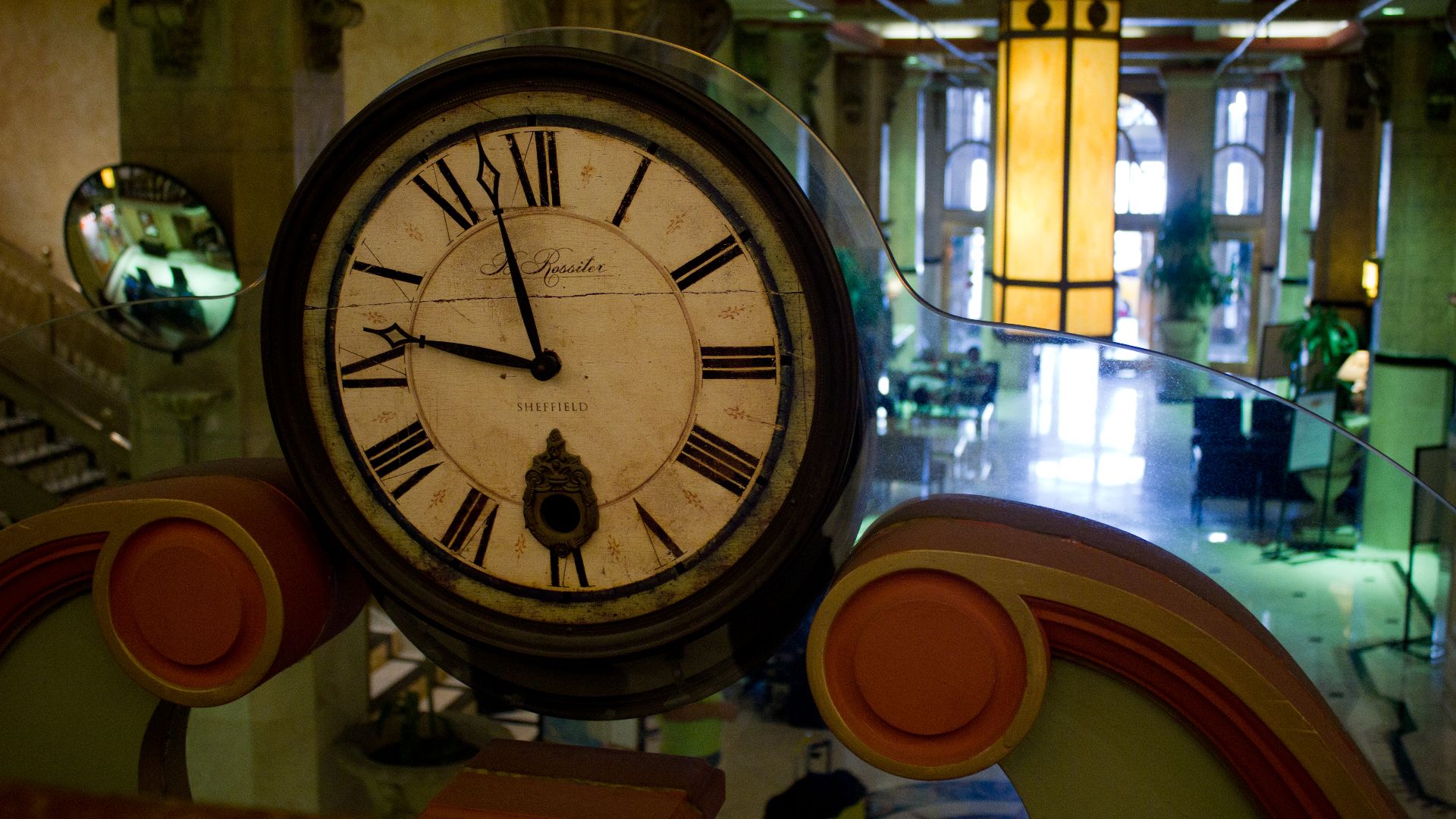
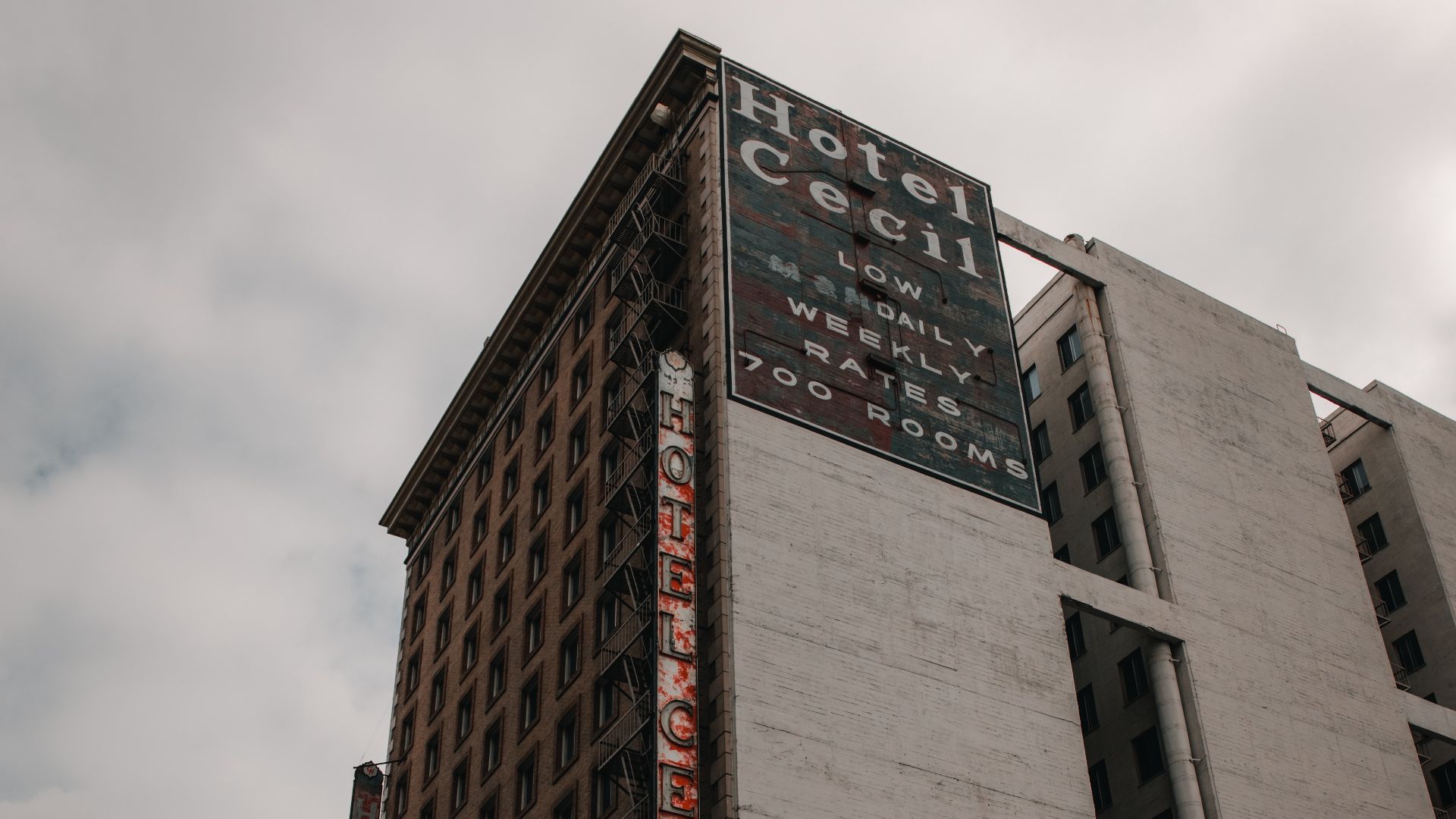
Architect Loy Lester Smith gave the Cecil an ornate Beaux-Arts appearance. The building contained roughly 700 rooms, while its lobby featured marble surfaces, stained-glass windows, palm trees, and alabaster statues. It looked like the kind of place where Los Angeles’ growing prosperity might continue forever.
 vagueonthehow, Wikimedia Commons
The Timing Could Hardly Have Been Worse
Five years after the Cecil opened, the stock market collapsed and the Great Depression began. Downtown businesses suffered, tourism declined, and many people arriving in California looking for work discovered that the promised land offered considerably fewer promises than advertisements had suggested.
 vagueonthehow from Tadcaster, York, England, Wikimedia Commons
Skid Row Grew Around It
The Cecil stood close to the section of downtown that became known as Skid Row. As homelessness, poverty, addiction, and untreated mental illness became increasingly visible in the surrounding neighborhood, the hotel gradually shifted from fashionable accommodations toward inexpensive rooms and long-term residences.
 The Erica Chang, Wikimedia Commons
Its Two Identities Began To Collide
The Cecil continued renting rooms to travelers, but it also served people who needed extremely inexpensive housing. Tourists and vulnerable long-term tenants could consequently occupy the same hallways, elevators, and communal spaces. That uneasy arrangement would remain part of the building’s identity for decades.
 Jim Winstead, Wikimedia Commons
An Early Tragedy Came In 1927
One of the earliest documented deaths associated with the Cecil occurred on January 22, 1927. Percy Ormond Cook, a 57-year-old businessman reportedly distressed by his separation from his wife and child, died from a self-inflicted gunshot wound inside his hotel room.
Another Guest Arrived Under A False Name
In November 1931, a 46-year-old man registered as “James Willys.” He was later identified as W.K. Norton, and authorities determined that he had died after ingesting poison capsules. The false name added an element of mystery to an already grim discovery.

The Depression Years Brought More Deaths
Several more people took their own lives at the Cecil during the 1930s, including Benjamin Dodich, Louis D. Borden, Erwin C. Neblett, and Roy Thompson. Contemporary newspaper reports turned the hotel’s address into a recurring detail in stories of isolation, illness, and financial despair.
Grace Magro’s Fall Raised Questions
In March 1937, 25-year-old Grace E. Magro fell from a ninth-floor window. Telephone wires tangled around her body and interrupted the fall, but she later died at a hospital. Investigators reportedly struggled to determine whether she had jumped or fallen accidentally.
 Screenshot from Crime Scene: The Vanishing at the Cecil Hotel, Netflix (2021)
The Hotel Became A Symbol Of Something Larger
The Cecil did not create the poverty, loneliness, or mental illness affecting its residents. Yet its inexpensive rooms concentrated vulnerable people inside one enormous building. As tragedies accumulated, the hotel began to acquire a frightening personality in the public imagination.
 Screenshot from Crime Scene: The Vanishing at the Cecil Hotel, Netflix (2021)
A Horrifying Discovery Came In 1944
In September 1944, 19-year-old Dorothy Jean Purcell gave birth unexpectedly while sharing a Cecil room with her boyfriend. Purcell later said she believed the newborn was not alive when she placed him outside a window. The infant’s body was discovered on the roof of a neighboring building.
 under_volcano, CC BY-SA 2.0, Wikimedia Commons
The Case Went To Court
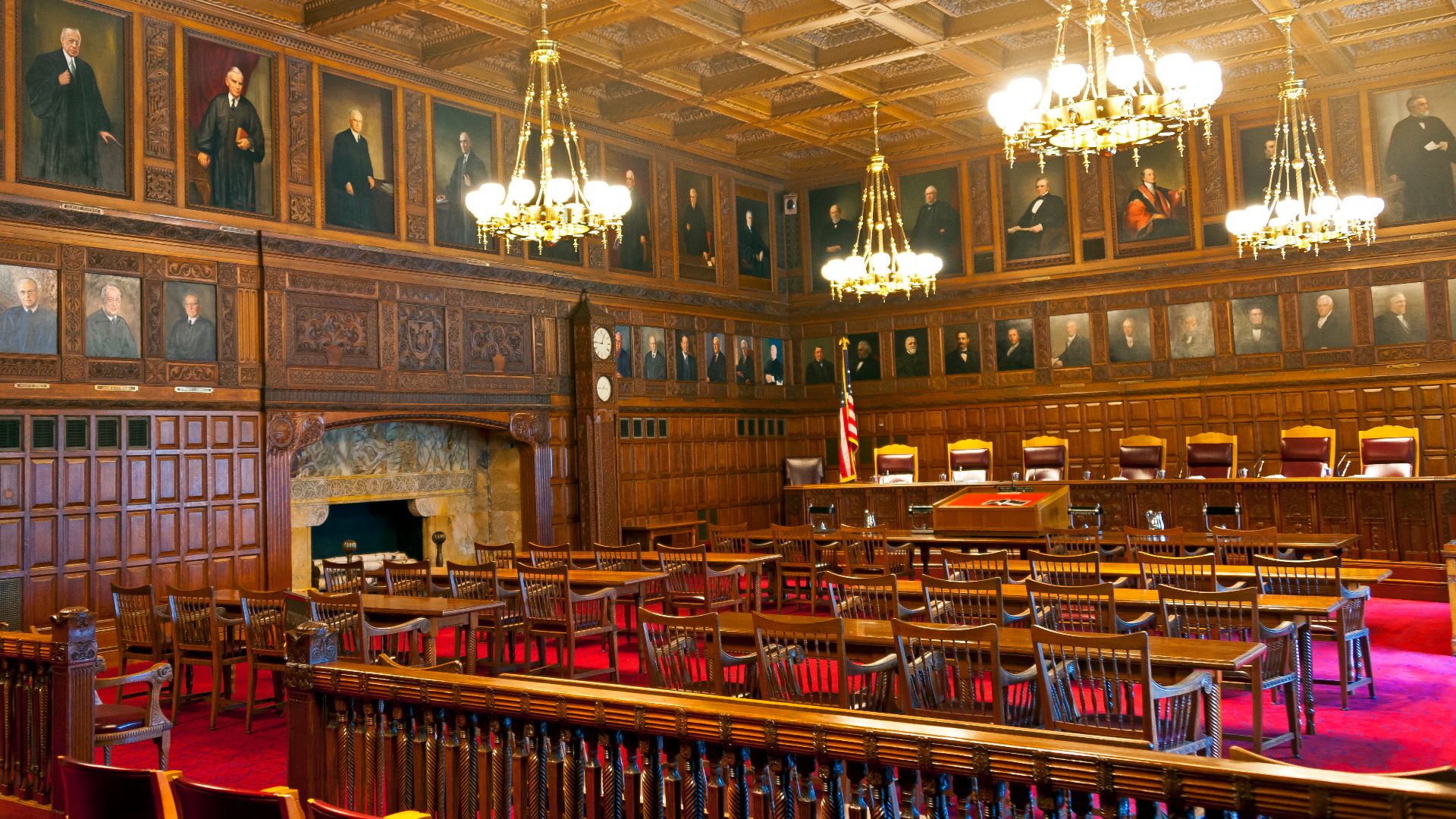
Purcell was apprehended and accused of killing her newborn son. Testimony reportedly described her as unaware that she had been pregnant and mentally unwell during the incident. She was ultimately found not guilty by reason of insanity and committed for psychiatric treatment.
 Daniel Case, Wikimedia Commons
The Black Dahlia Became Part Of The Legend
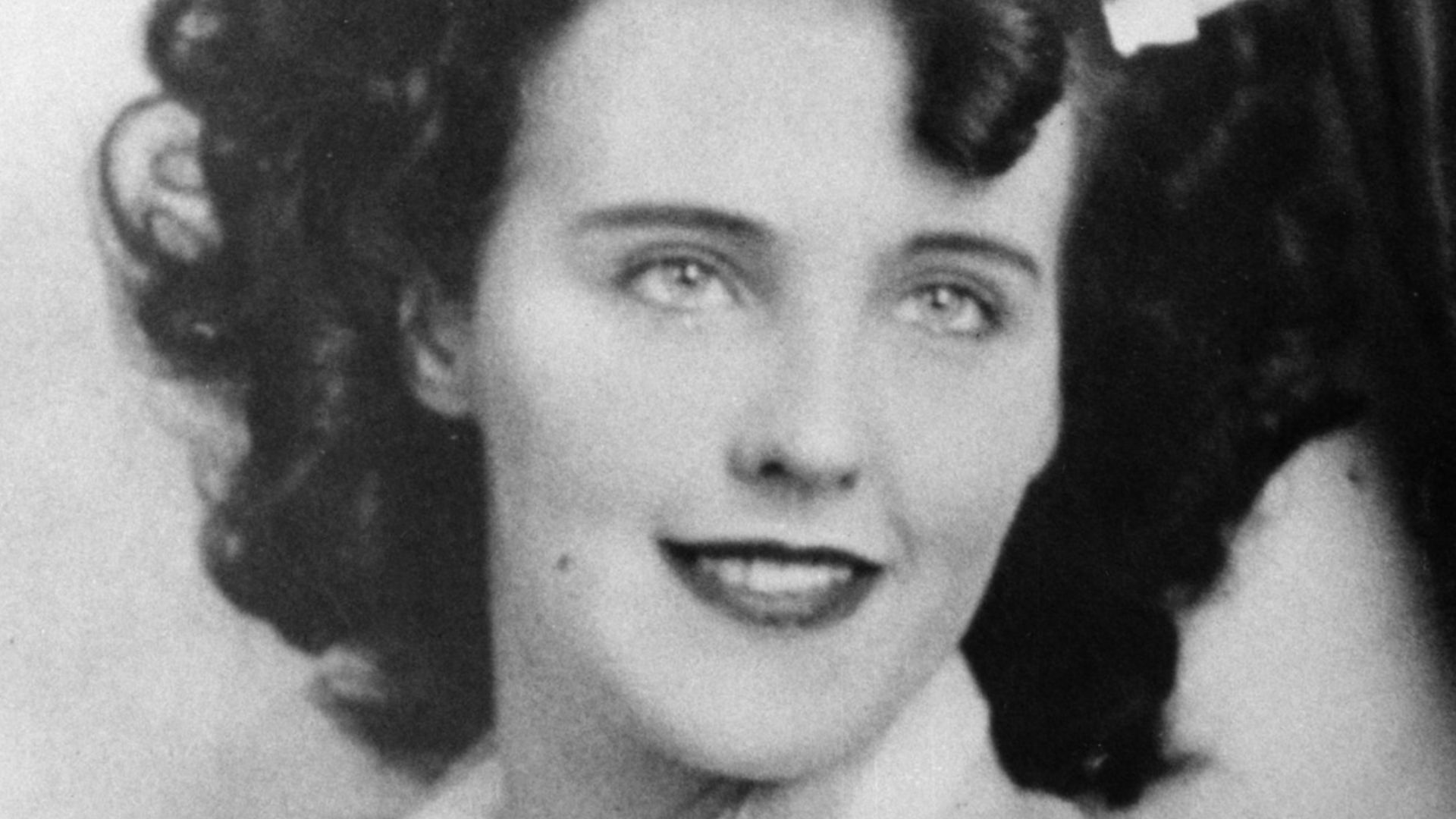
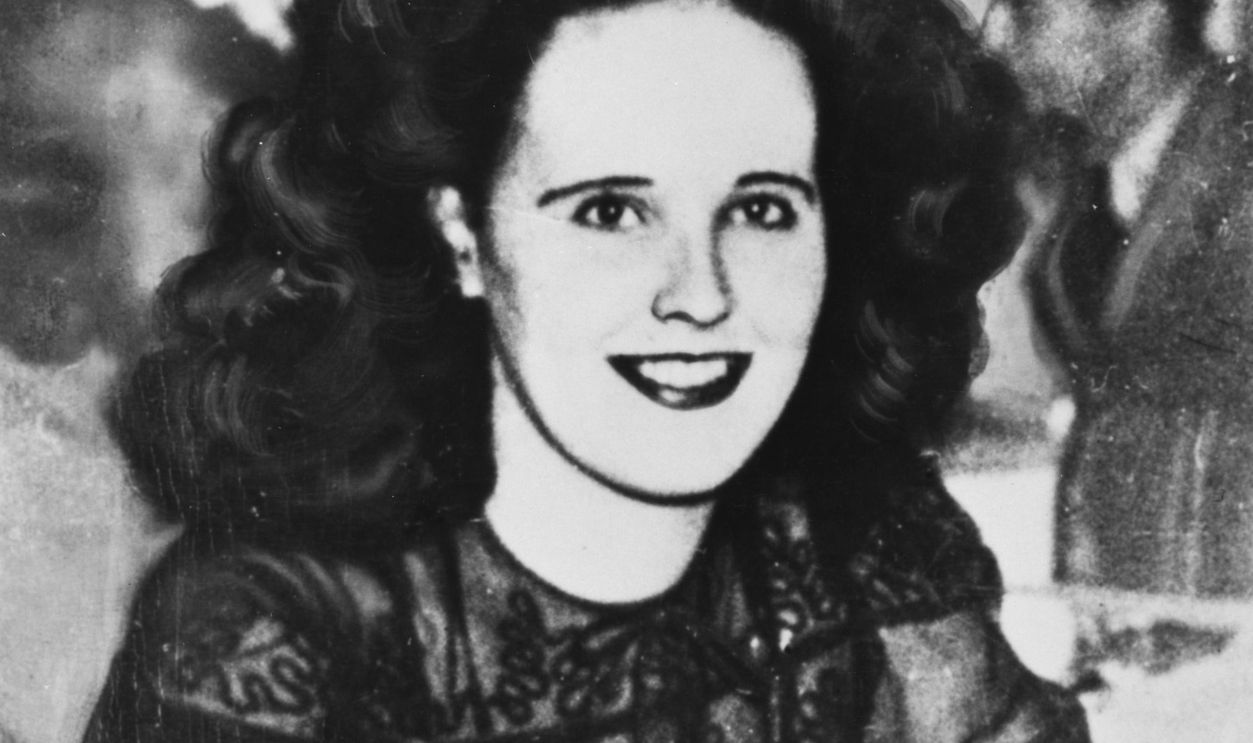
Elizabeth Short, whose mutilated body was discovered in Los Angeles in January 1947, is frequently claimed to have visited the Cecil shortly before her murder. Despite endless repetition online, researchers have found no persuasive evidence connecting Short to the hotel. The story appears to be legend rather than established fact.
 Los Angeles Police Department, Wikimedia Commons
The Myth Revealed Something Important
By attaching the Black Dahlia to the Cecil, storytellers made two unrelated mysteries feel like chapters of the same gothic tale. It demonstrated how easily the building’s genuine history could become mixed with rumors, exaggerations, and details added years after the events occurred.
 University of Southern California, Getty Images
One Fall Claimed Two Lives
On October 12, 1962, 27-year-old Pauline Otton jumped from a ninth-floor window after reportedly arguing with her estranged husband. She struck George Gianinni, a 65-year-old pedestrian walking below. Both died at the scene, turning one person’s final act into a stranger’s completely unexpected death.
 Jay L. Clendenin, Getty Images
“Pigeon Goldie” Was Loved Downtown
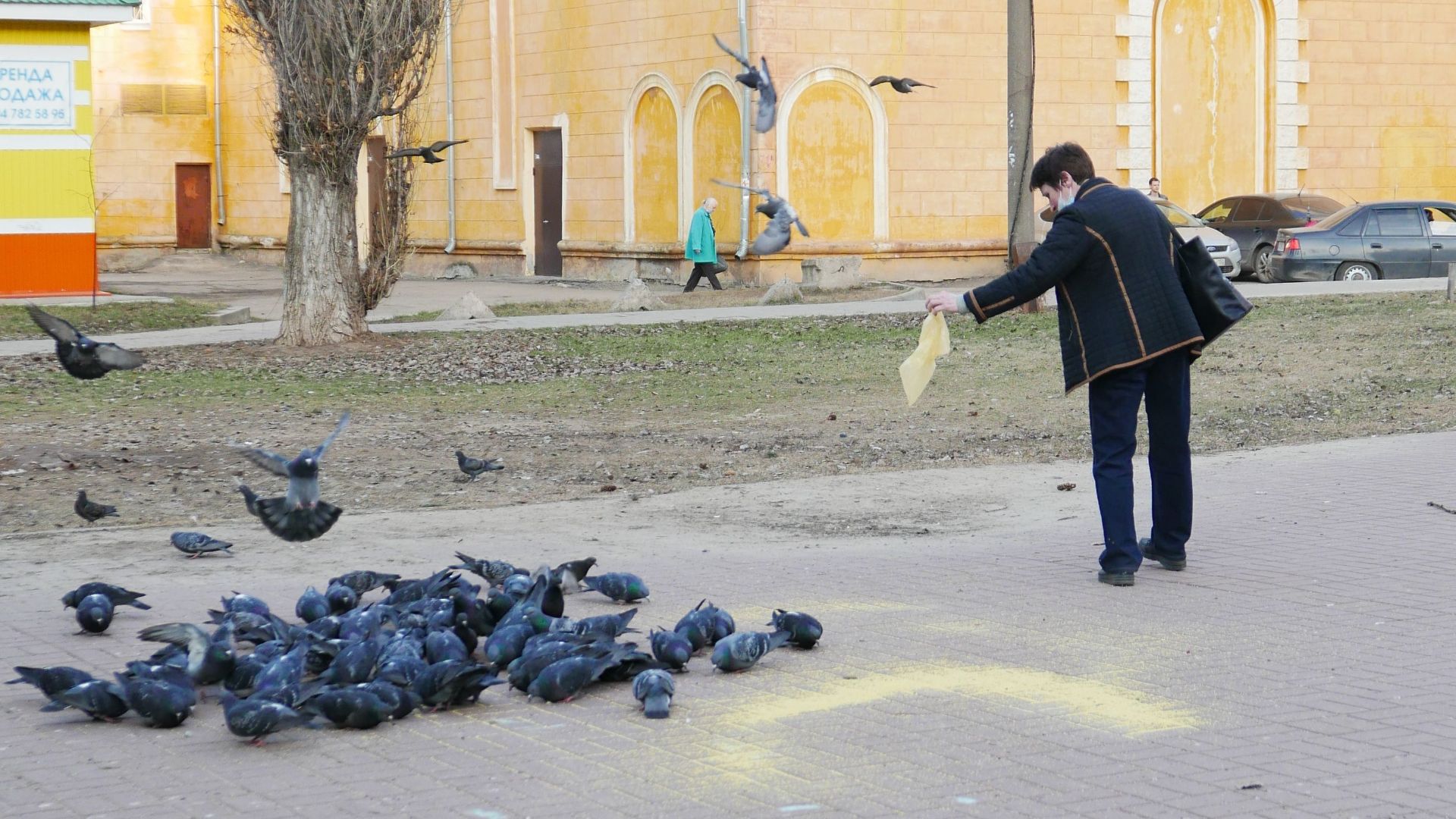
Goldie Osgood, a retired telephone operator living at the Cecil, regularly fed pigeons in nearby Pershing Square. Friends knew her affectionately as “Pigeon Goldie.” Her familiar baseball cap and bag of birdseed made her one of the neighborhood’s most recognizable residents.
But even Pigeon Goldie wasn't immune to the hotel's chilling reputation.
Someone Murdered Her Inside The Hotel
On June 4, 1964, Osgood was discovered unalive in her room. She had been badly harmed, beaten, stabbed, and strangled, while the room had been ransacked. A suspect was questioned and later cleared, leaving Osgood’s murder officially unsolved.
The Cecil’s Reputation Hardened
By the 1970s, the hotel had become known less for its architecture than for poverty, crime, and repeated emergency calls. The Cecil increasingly represented Los Angeles’ failure to provide safe, dignified housing for people living at the edge of society.
 The Erica Chang, Wikimedia Commons
Then The Night Stalker Checked In
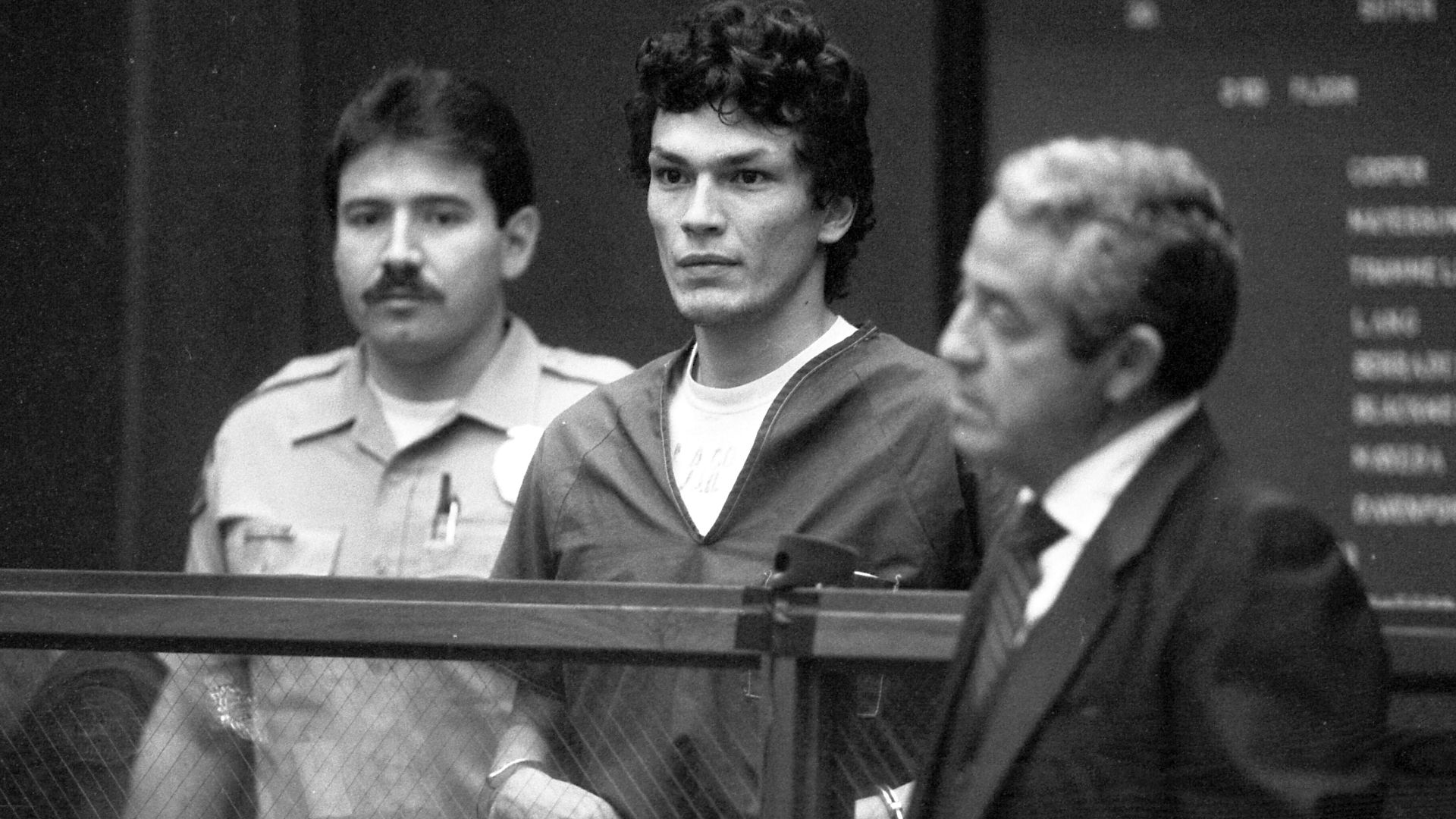
Richard Ramirez reportedly stayed at the Cecil for at least six weeks during his 1985 murder spree. Former employees and neighborhood workers remembered seeing him around the building, although the hotel itself was not established as the scene of the killings for which he was convicted.
 Iris Schneider, Los Angeles Times, Wikimedia Commons
Anonymity Made The Hotel Attractive
A crowded, inexpensive building where residents frequently changed could provide something valuable to a criminal: the ability to disappear. Ramirez was reportedly one more unusual tenant among hundreds, long before Los Angeles recognized his face as that of the man newspapers called the Night Stalker.
 Los Angeles Police Department, Wikimedia Commons
Another Serial Killer Followed
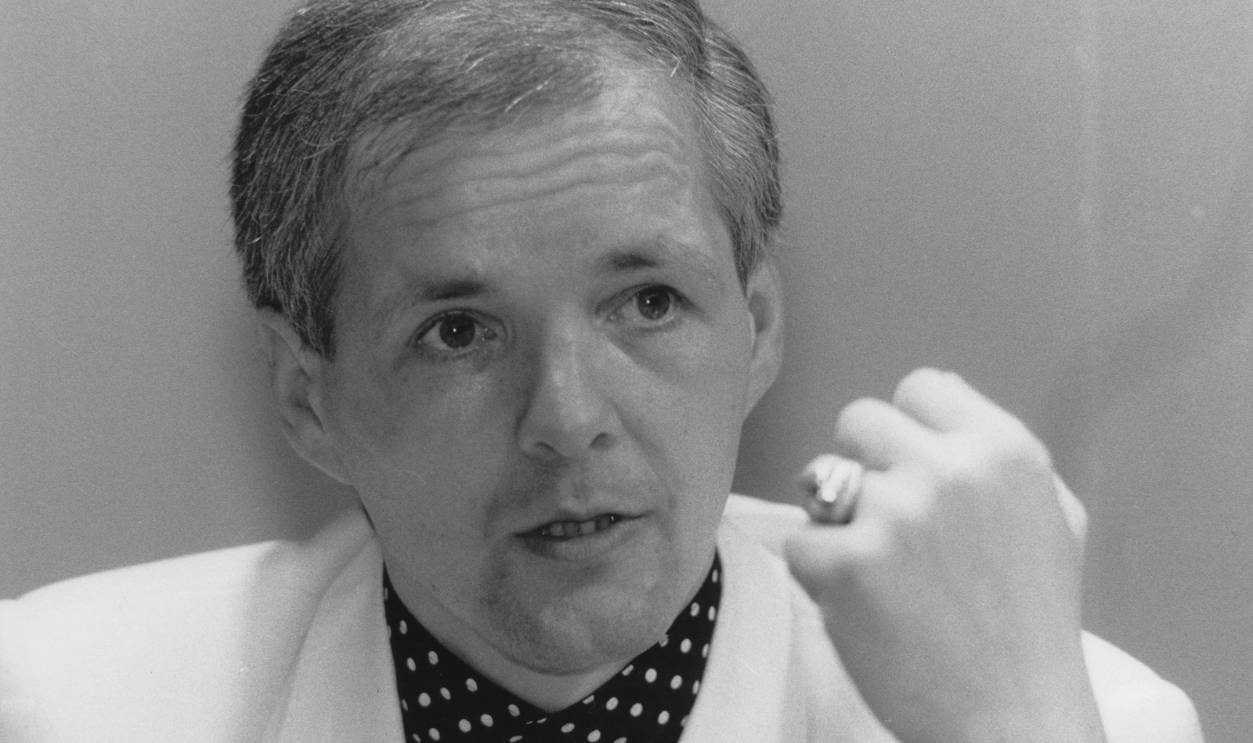
Austrian writer Jack Unterweger stayed at the Cecil in 1991 while visiting Los Angeles. Unterweger had been released from prison after becoming a celebrated example of supposed rehabilitation, but he resumed killing women and was later convicted of multiple murders. And he chose the Cecil for a haunting reason.
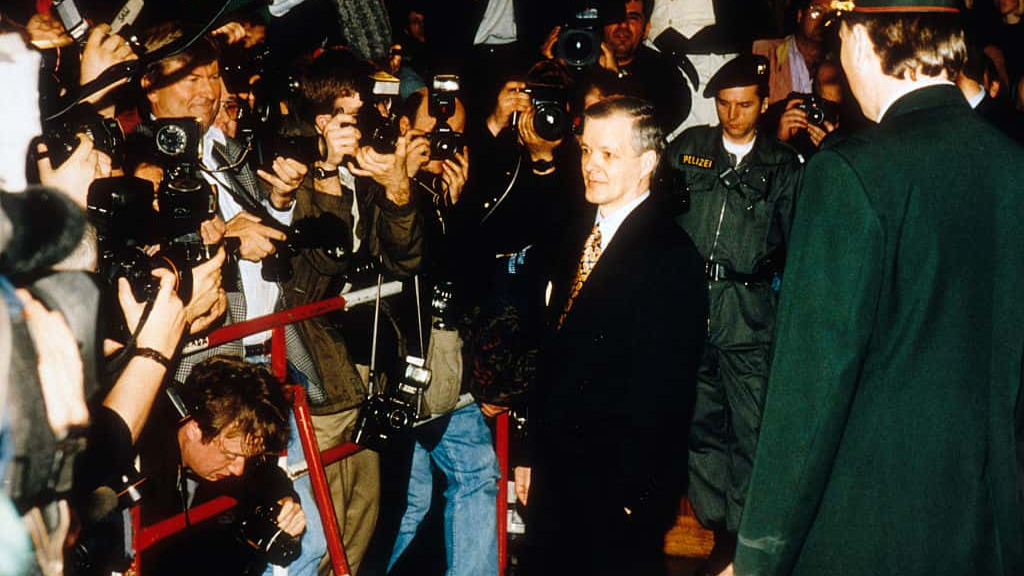
His Respectability Was A Disguise
Unterweger interviewed police officers and wrote about crime while secretly committing it. He reportedly chose to stay at the Cecil because of its association with Ramirez. Once again, the hotel was not proven to have caused his crimes, but its anonymity and reputation appeared to attract someone dangerous.
 brandstaetter images, Getty Images
Management Tried A New Identity
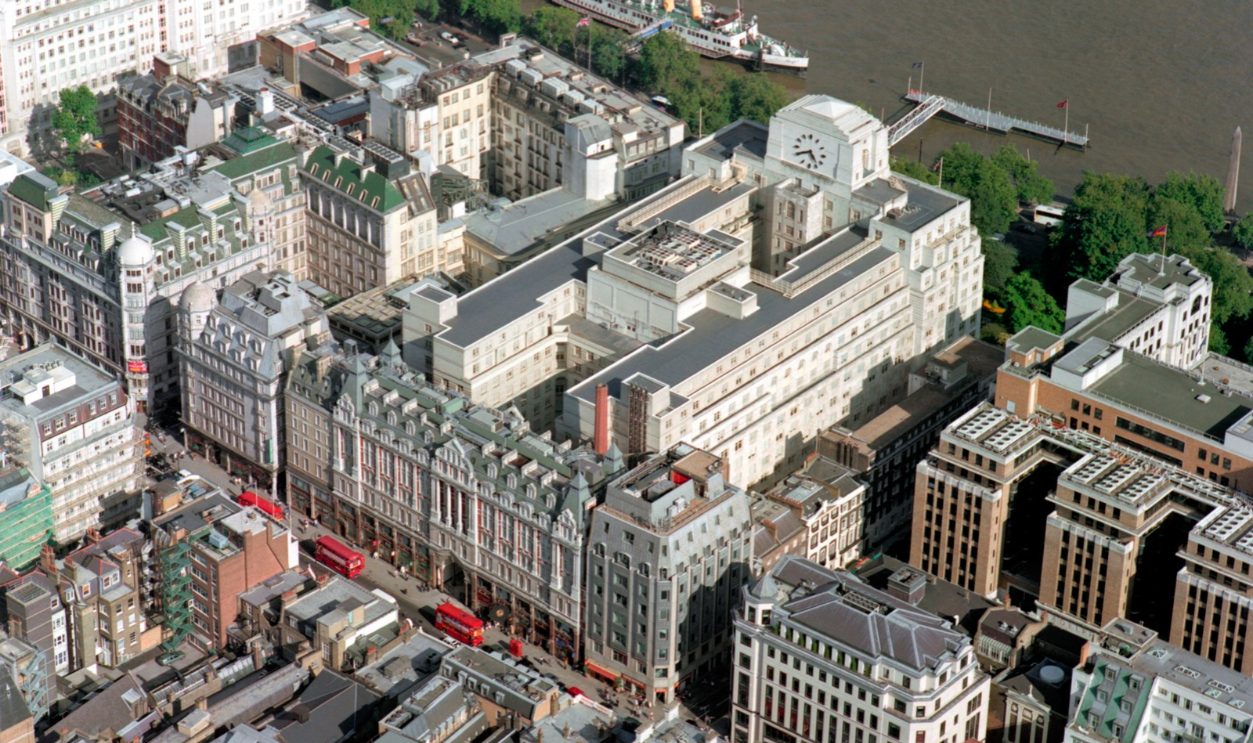
In 2011, part of the building was marketed to younger budget travelers under the name Stay on Main. It had brighter branding and its own reception area, but guests still shared parts of the building, including elevators, with Cecil residents.
The Rebranding Could Not Erase The Past
Online reviews and travel photographs exposed the differences between the cheerful advertising and the aging building. More importantly, a new name could not separate Stay on Main from decades of stories attached to the Cecil’s rooms, windows, hallways, and roof.
The Most Disturbing Story Began With A Vacation
On January 26, 2013, 21-year-old Canadian student Elisa Lam checked into the building during a solo trip through California. Lam, a University of British Columbia student, regularly wrote about her travels, ambitions, mental health, and experiences living with bipolar disorder.
 Screenshot from Crime Scene: The Vanishing at the Cecil Hotel, Netflix (2021)
Her Behavior Began Troubling Other Guests
Lam initially occupied a shared room but was reportedly moved after roommates complained about unusual behavior. She remained in contact with her parents during the trip, calling them regularly, until those calls suddenly stopped. She was last seen alive on January 31.
Police Released A Haunting Video
After Lam was reported missing, investigators discovered surveillance footage of her inside a hotel elevator. The video showed her pressing several buttons, repeatedly stepping into the hallway, hiding near a corner, and moving her hands as if speaking to someone who could not be seen on camera.
 LightField Studios, Shutterstock
The Internet Turned Her Distress Into Entertainment
The Los Angeles Police Department released the footage while seeking information, but it rapidly became an online mystery. Viewers slowed it down, searched for hidden figures, proposed paranormal explanations, and treated Lam’s apparently disoriented behavior like clues in an interactive horror story.
 Ken Kistler, Wikimedia Commons
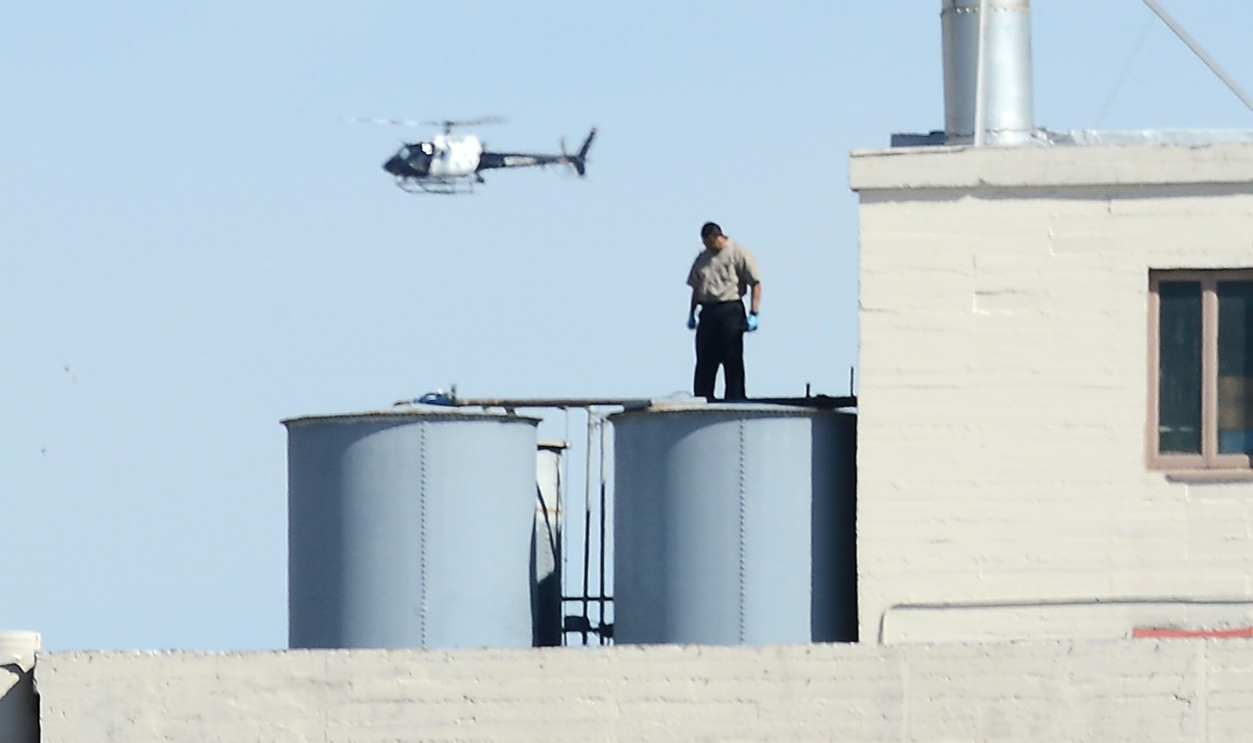
The Answer Was Above The Hotel
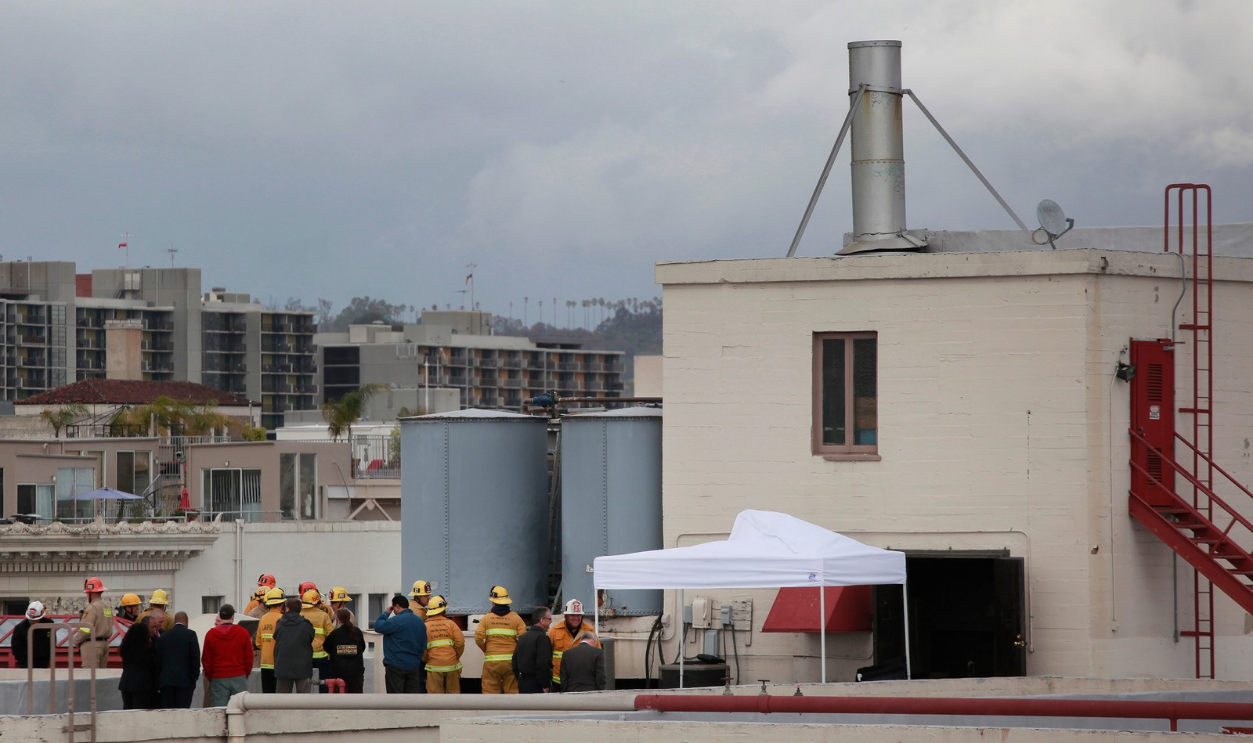
On February 19, maintenance worker Santiago Lopez investigated the building’s rooftop water tanks after complaints concerning water pressure and discoloration. He climbed a ladder to the top of one tank, found its hatch open, looked inside, and discovered Lam’s body.
 Screenshot from Crime Scene: The Vanishing at the Cecil Hotel, Netflix (2021)
The Official Findings Rejected Foul Play
The Los Angeles County coroner ruled Lam’s death an accidental drowning, with bipolar disorder listed as a significant contributing condition. Her autopsy found no injuries indicating a violent attack, no evidence of intimate mistreatment, and no illicit substances in her system.
 Universal History Archive, Getty Images
The Truth Was Tragic Enough
Evidence suggested Lam had not been taking all her prescribed medication as directed and may have been experiencing a severe episode when she reached the roof. Investigators found no proof that anyone chased her, murdered her, or placed her inside the tank, despite years of theories claiming otherwise.
She Became More Than The Person In The Elevator
Elisa Lam’s final hours remain the Cecil Hotel’s most disturbing story, not because they prove the building was haunted, but because a young woman’s mental-health crisis became worldwide entertainment. Behind the famous video was a daughter, sister, student, and writer whose life deserved more compassion than the legend surrounding her death.
 Screenshot from Crime Scene: The Vanishing at the Cecil Hotel, Netflix (2021)
Some Believe The Building Absorbed Its History
One popular theory suggests that decades of loneliness, violence, and death somehow left an emotional imprint on the Cecil. Believers describe the hotel as a place that did not merely witness tragedy, but gradually absorbed it, allowing every new incident to add another layer of darkness.
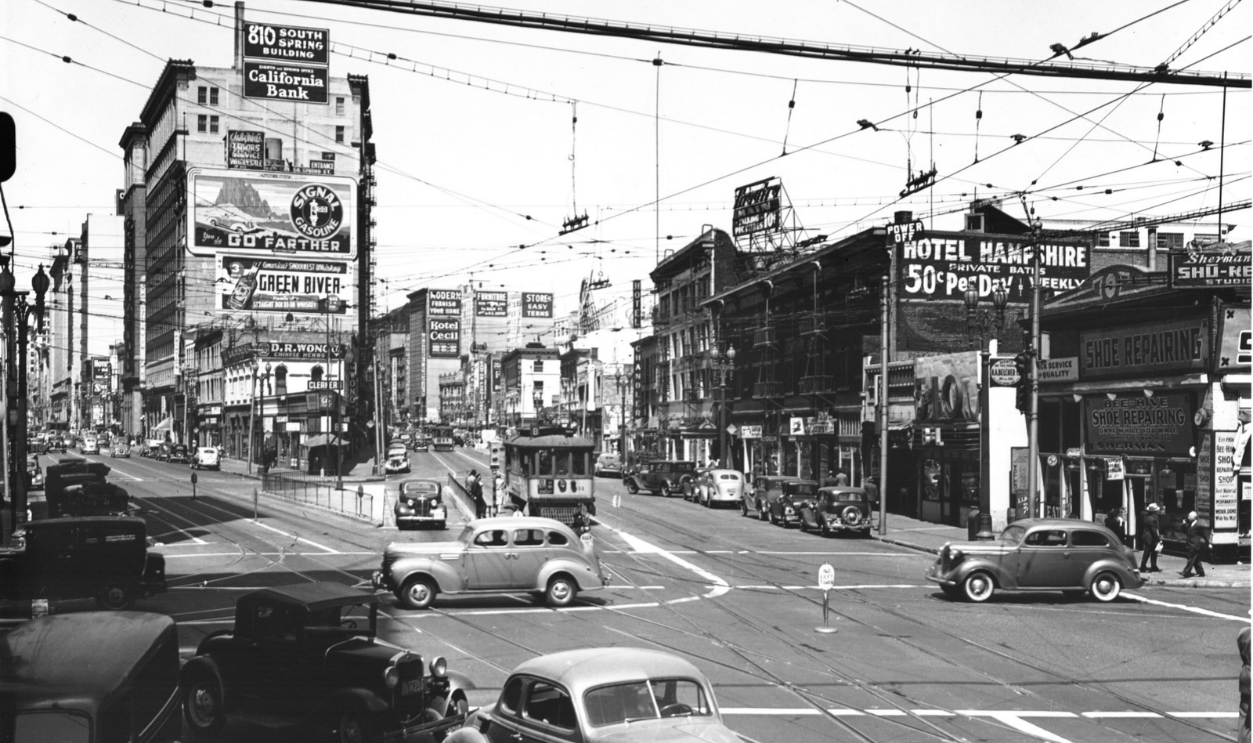 University of Southern California, Getty Images
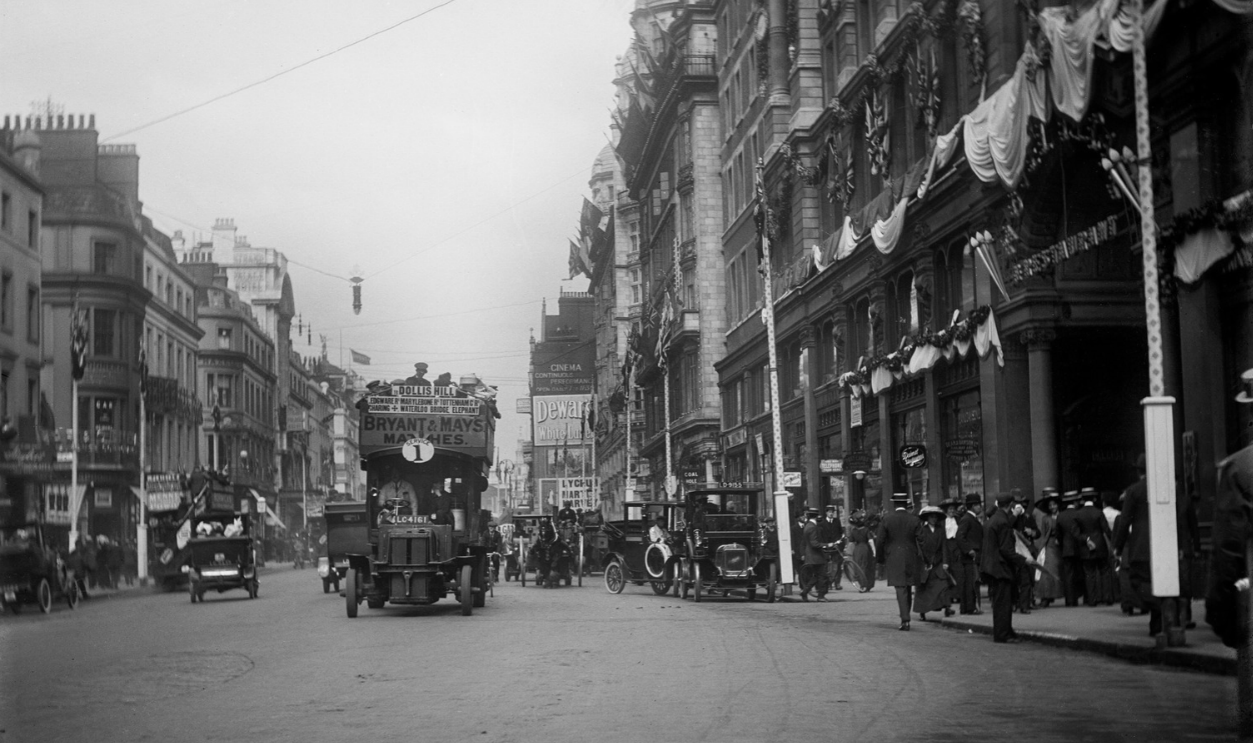
Guests Reported An Unsettling Presence
Over the years, former guests and paranormal investigators have claimed to hear footsteps in empty hallways, see shadowy figures near windows, and feel watched inside vacant rooms. None of these stories has been proven, but the hotel’s genuine history made even ordinary noises feel threatening after dark.
Was The Cecil Cursed Or Simply Vulnerable?
Some people believe the hotel was cursed, while others argue that its location, inexpensive rooms, transient population, and lack of adequate social support created the conditions for repeated tragedy. The second explanation is far more realistic, but the sheer number of disturbing incidents has ensured that supernatural theories never completely disappeared.
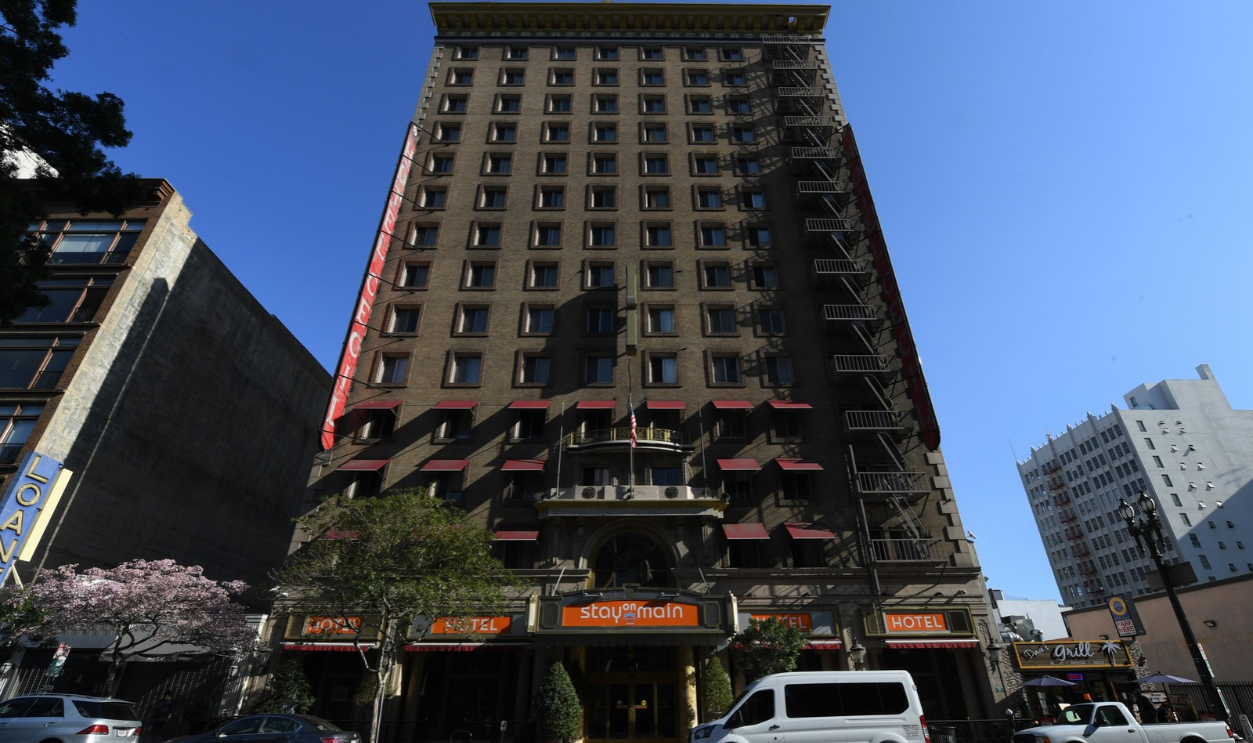
The Cecil Still Stands
A century after its grand opening, the Cecil remains an architectural landmark, an affordable-housing complex, and a symbol onto which Los Angeles has projected its darkest fears. Its history contains genuine horror, invented mythology, and painful evidence of what happens when vulnerable people become invisible until tragedy makes them impossible to ignore.
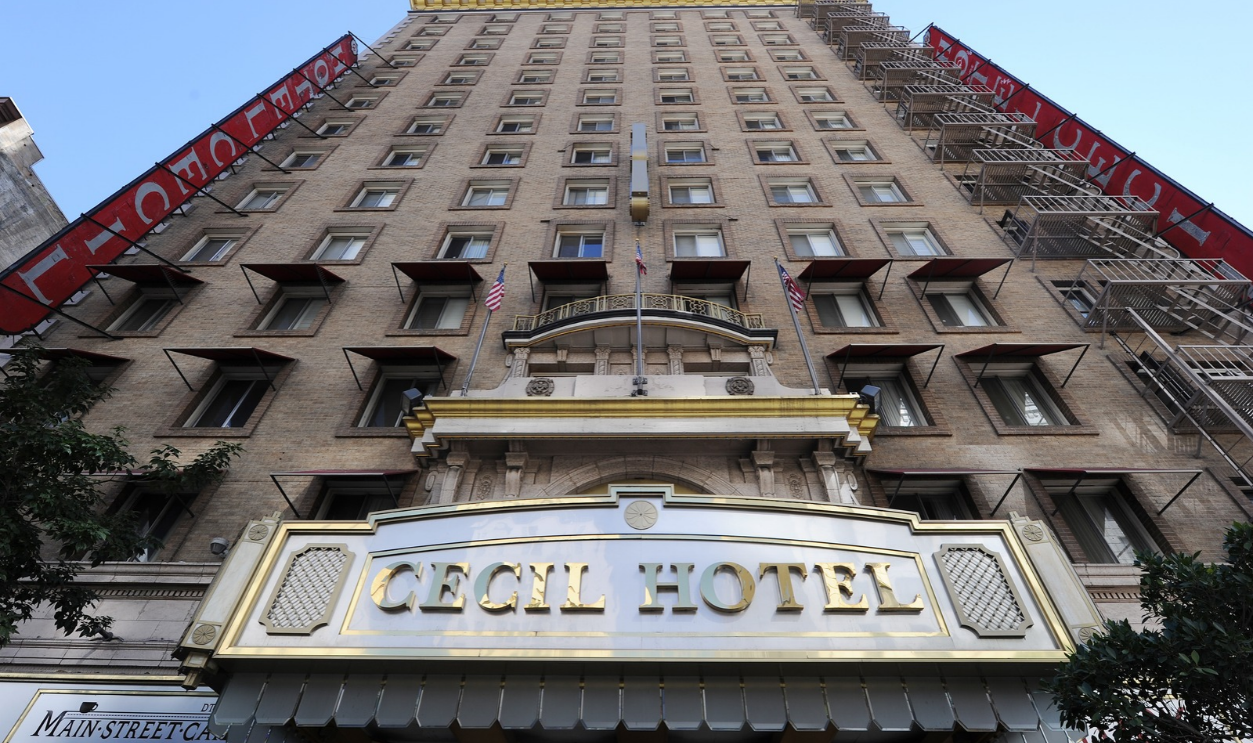
You May Also Like:
Completely Normal American Habits From The 1970s That Would Seem Completely Bizarre Today—Did You Do Any Of These?
The Worst Man-Made Disasters in U.S. History
America’s Most Isolated Town