These Famous Places Got Quite The Makeover
America’s most recognizable tourist attractions haven't always looked the way they do today. Some were once abandoned industrial spaces, while others underwent enormous renovations that completely transformed their appearance. Even famous natural landmarks have changed dramatically over the past 50 years. From Las Vegas casinos to national parks, these destinations have undergone transformations that might surprise anyone who remembers visiting them in the 1970s. Here's how much has changed.
 Yves le bail, Wikimedia Commons
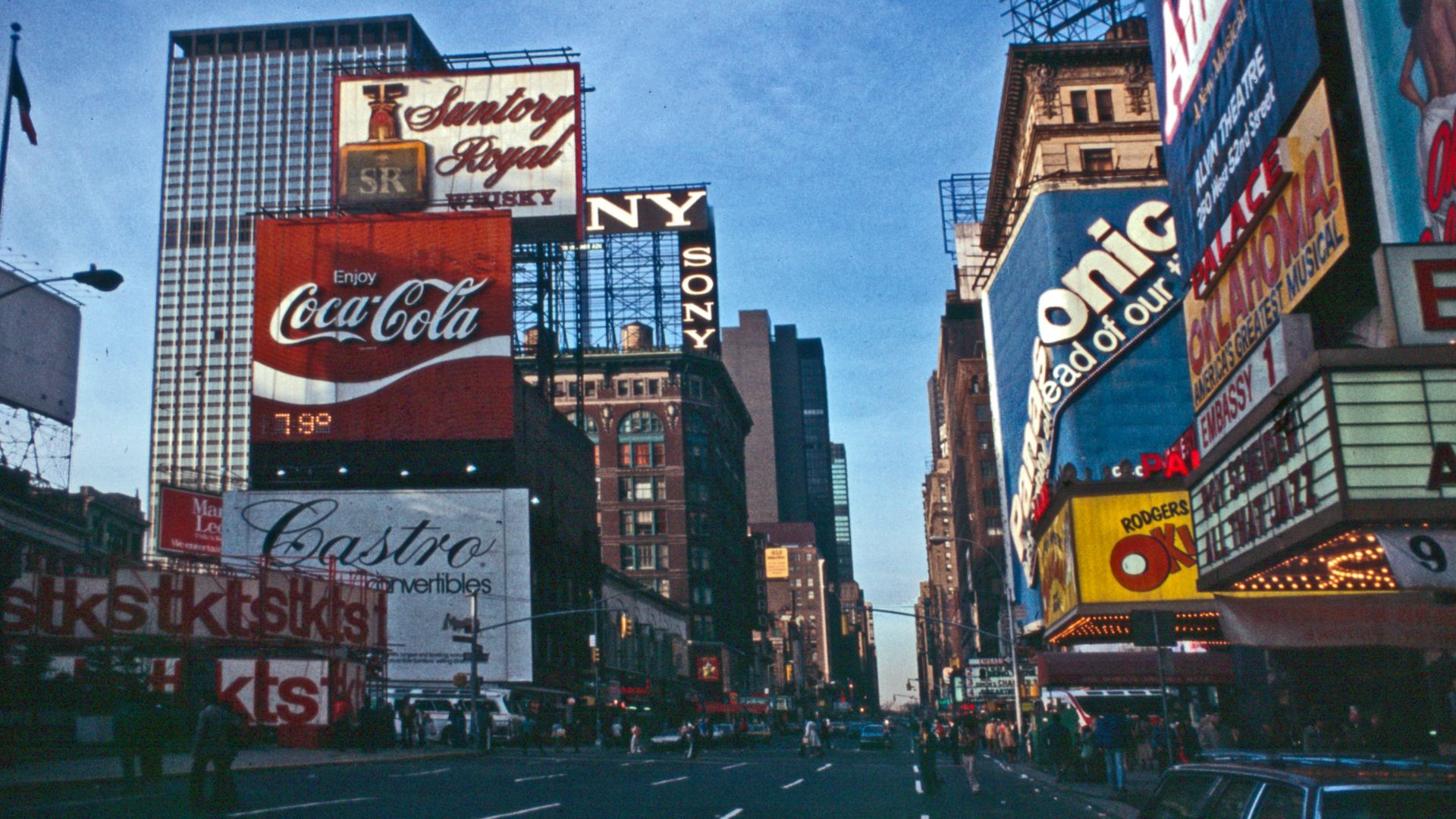
Times Square, New York City
In the 1970s, Times Square was dominated by vehicle traffic and a very different entertainment landscape. A major transformation came in 2009, when sections of Broadway became pedestrian plazas. Today, visitors can relax in spaces once occupied by automobiles.
 Gerd Eichmann, Wikimedia Commons
Fremont Street, Las Vegas
Fifty years ago, cars traveled beneath Fremont Street's famous neon signs. In 1995, the city transformed the roadway into a pedestrian entertainment district beneath an enormous illuminated canopy. The result looks dramatically different from the downtown Las Vegas of the 1970s.
 Larry D. Moore, Wikimedia Commons
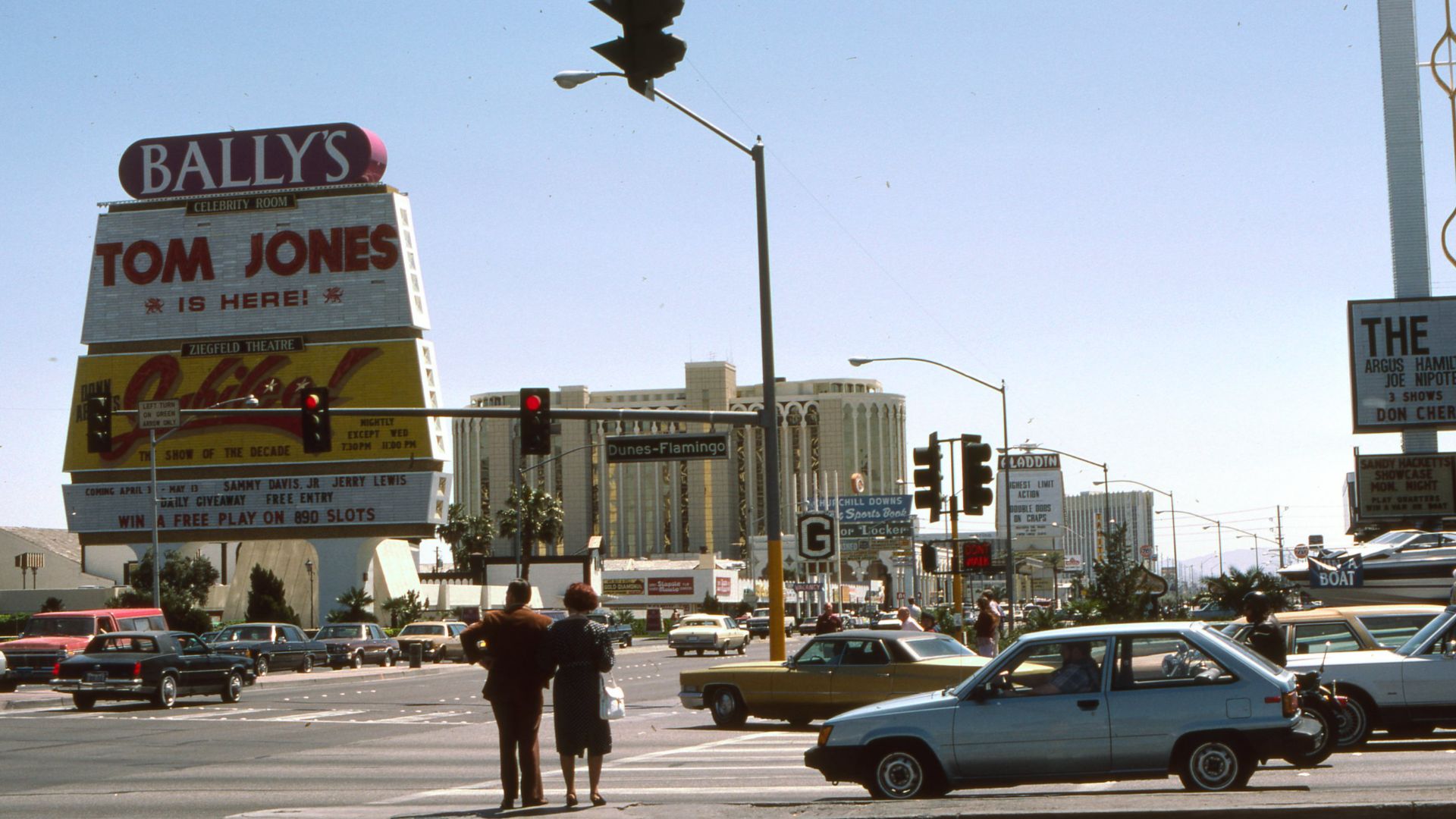
The Las Vegas Strip, Nevada
Many casinos that defined the Strip during the 1970s have disappeared entirely. The Dunes, for example, was demolished in 1993, making way for the Bellagio. Enormous themed resorts have replaced several older properties, completely transforming the skyline.
 André Corboz, Wikimedia Commons
Santa Monica Pier, California
During the 1970s, Santa Monica Pier faced demolition proposals before residents successfully campaigned to preserve it. Storms destroyed more than a third of the structure in 1983. Reconstruction followed, and Pacific Park introduced its famous Ferris wheel in 1996.

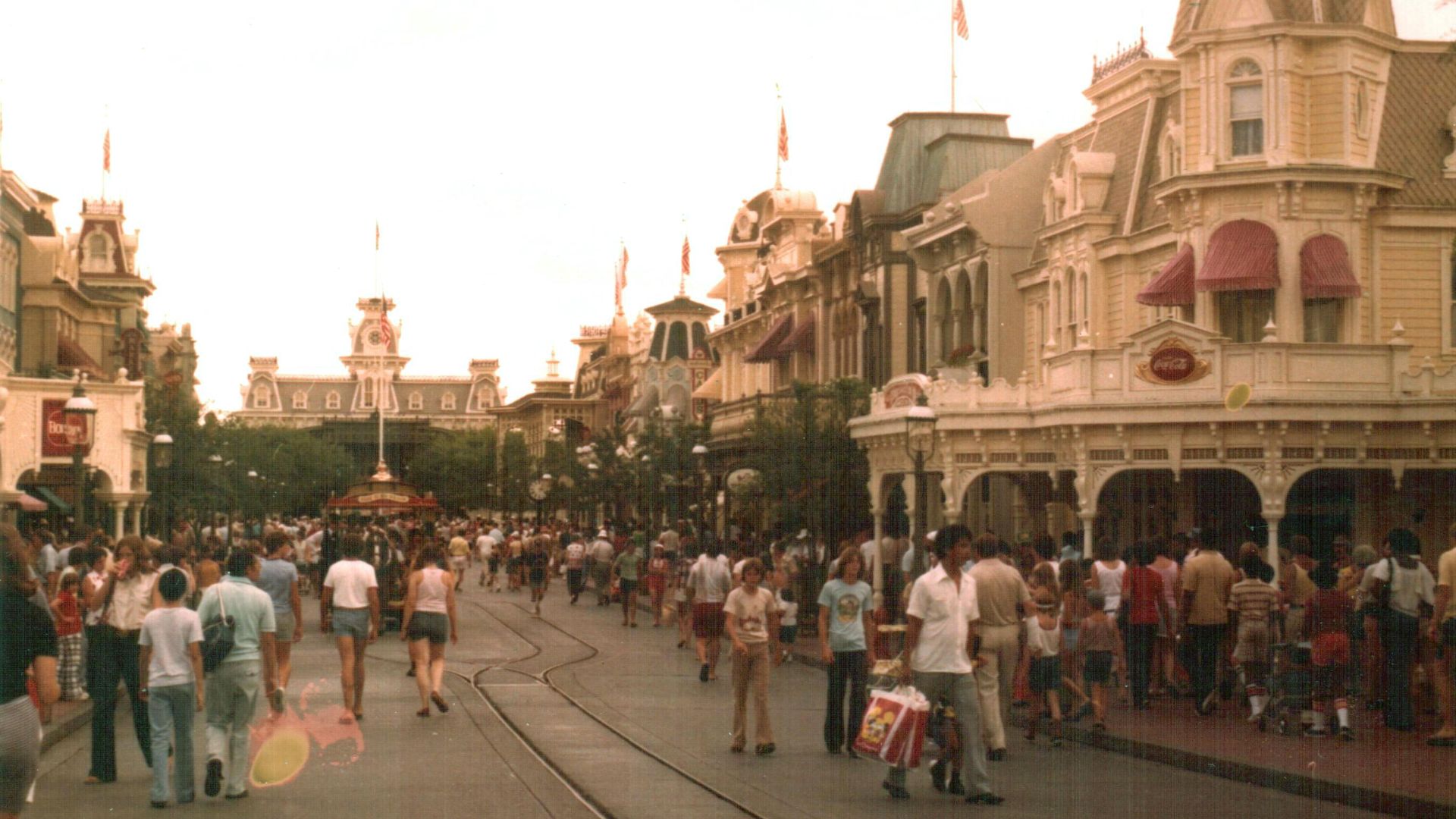
Disneyland, California
Disneyland's original attractions remain important, but the park has expanded considerably since 1976. One enormous addition was Star Wars: Galaxy's Edge, which opened in 2019. Its detailed buildings, spacecraft, restaurants, and immersive rides created an entirely new environment.
 Derzsi Elekes Andor, Wikimedia Commons
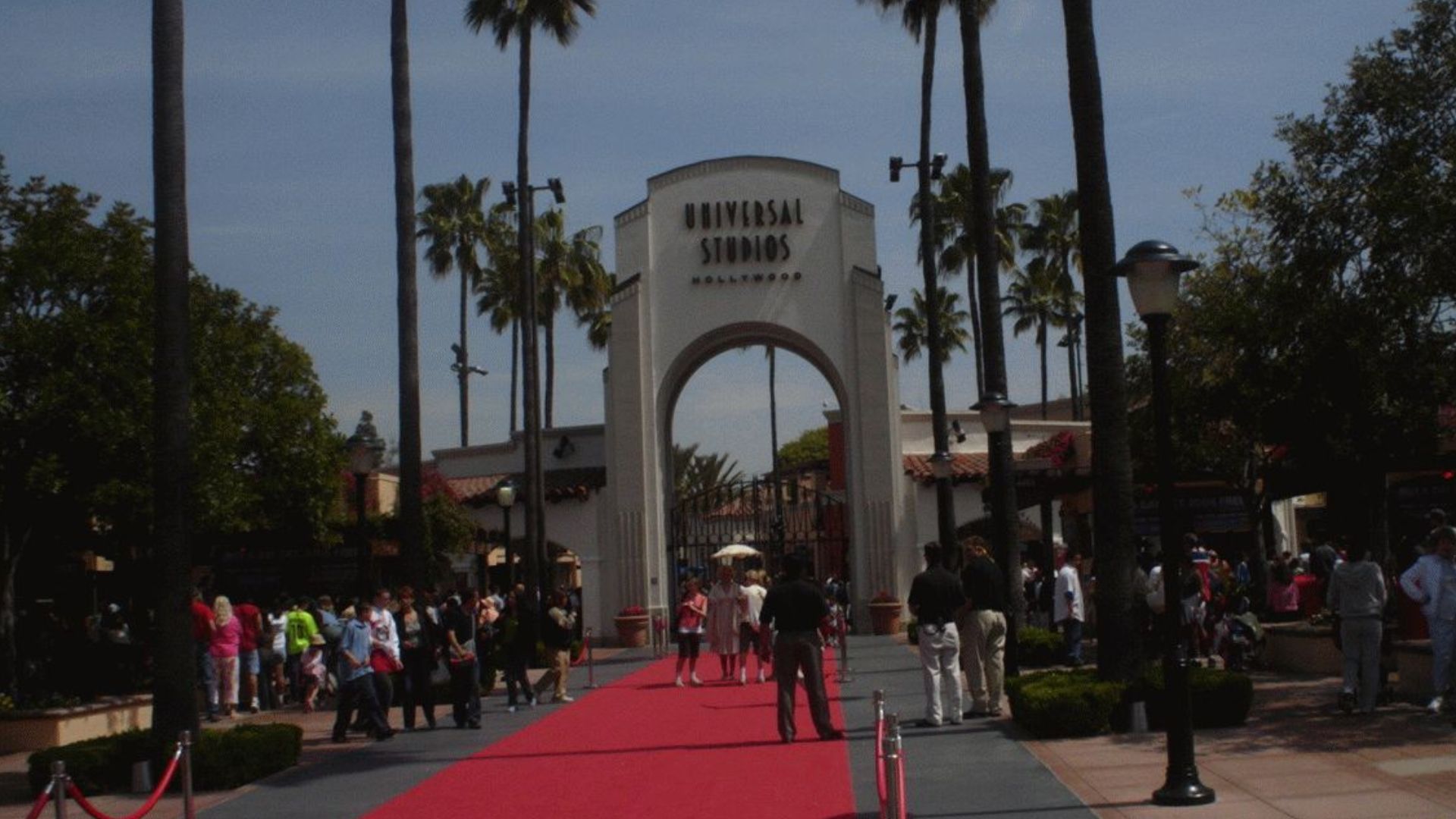
Universal Studios Hollywood, California
Visitors in the 1970s primarily associated Universal Studios Hollywood with its famous studio tour. Today's park includes elaborate themed environments that would have seemed futuristic decades ago. Super Nintendo World, which opened in 2023, recreates the colorful world of Mario.
 No machine-readable author provided. Owen assumed (based on copyright claims)., Wikimedia Commons
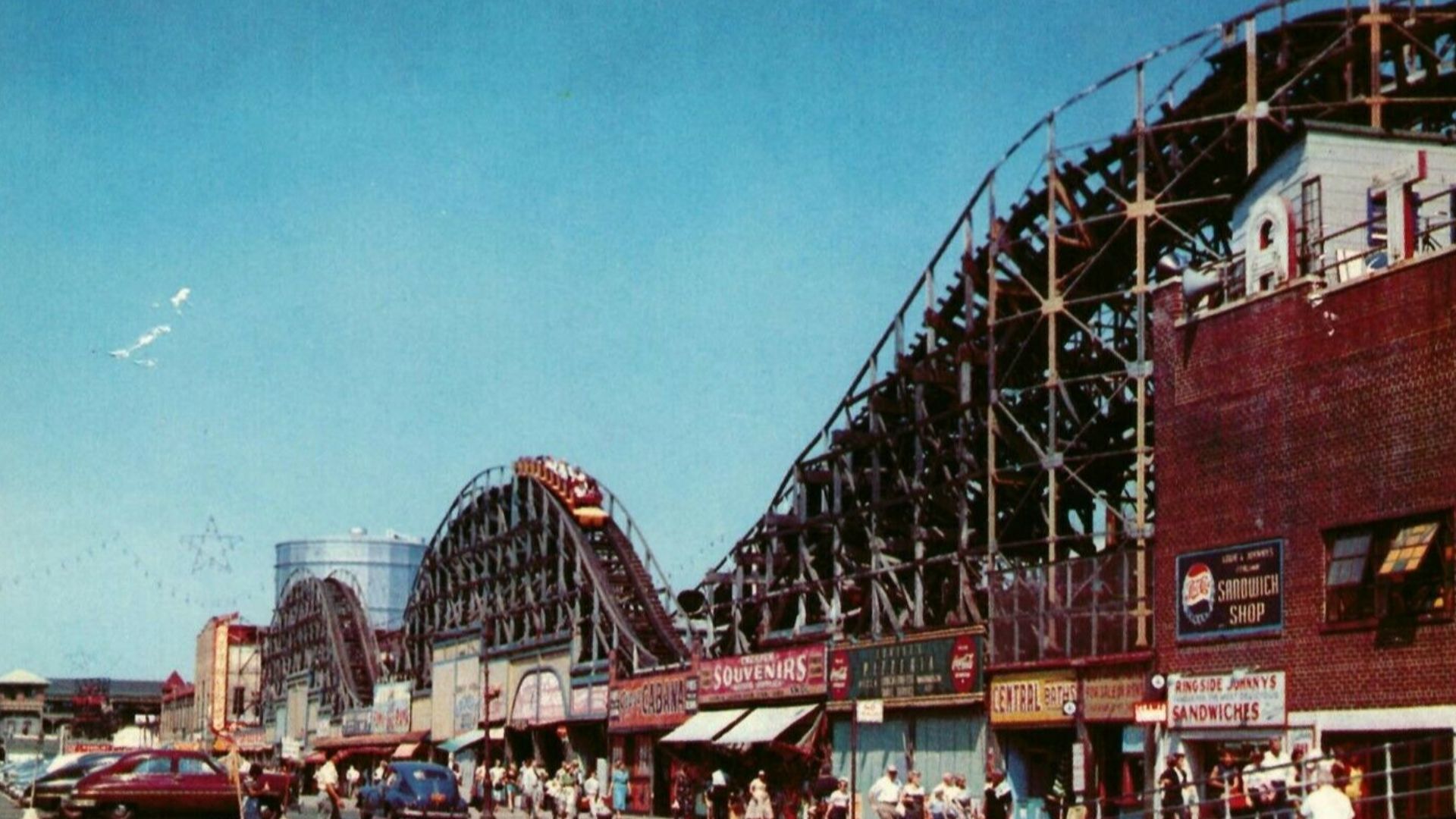
Coney Island, New York
Coney Island's amusement landscape has changed repeatedly over five decades. The Astroland amusement park eventually closed, and a new Luna Park opened on its former site in 2010. Modern rides now stand alongside surviving historic attractions, including the Cyclone.
 Acacia Card Company, Wikimedia Commons
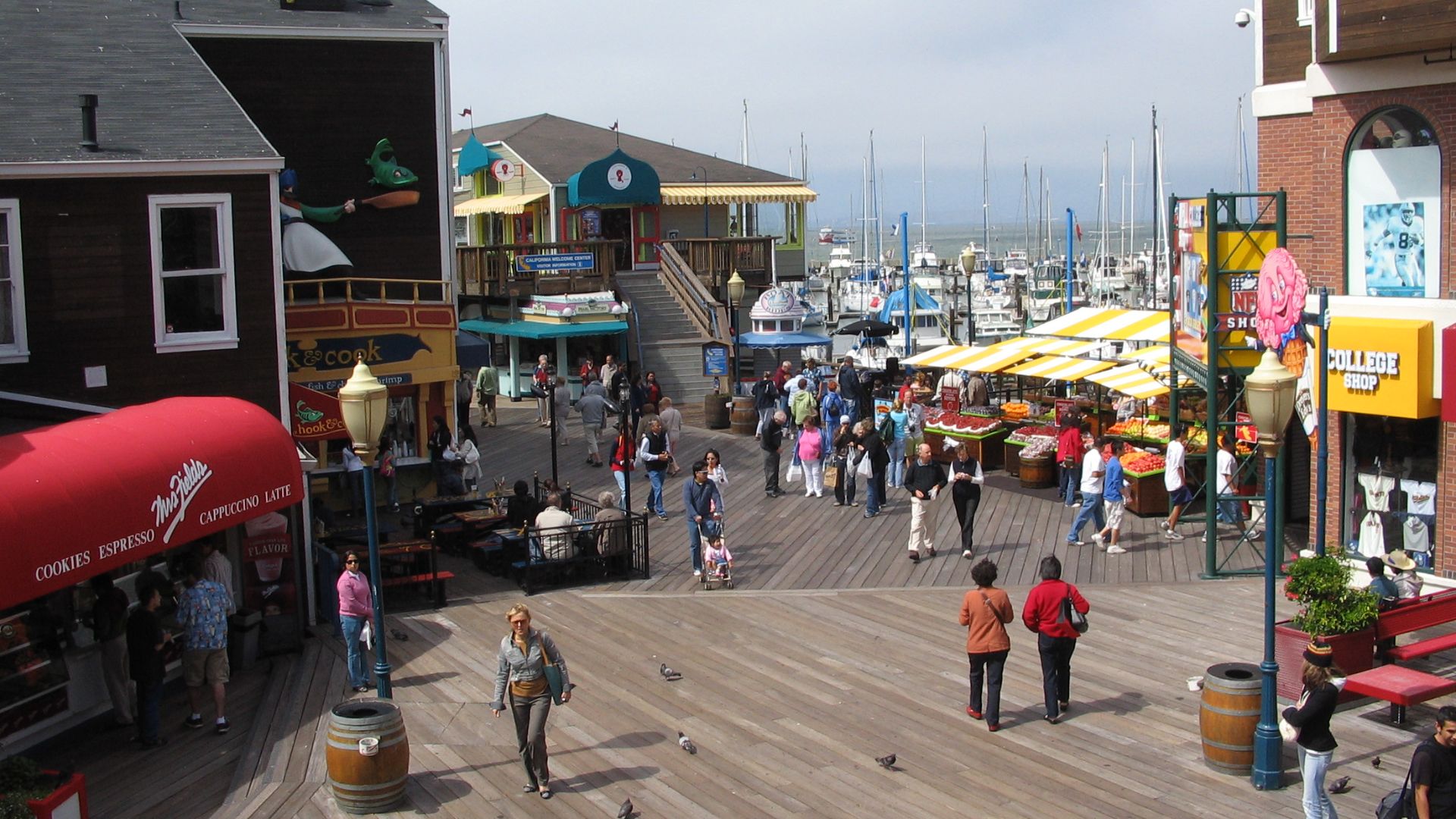
Pier 39, San Francisco
In 1976, Pier 39 hadn't yet become the tourist destination visitors recognize today. Construction began in 1977, followed by its opening in 1978. Restaurants, shops, and entertainment transformed the waterfront, while sea lions began gathering at its docks in 1990.
 en:User:Jester7777, Wikimedia Commons
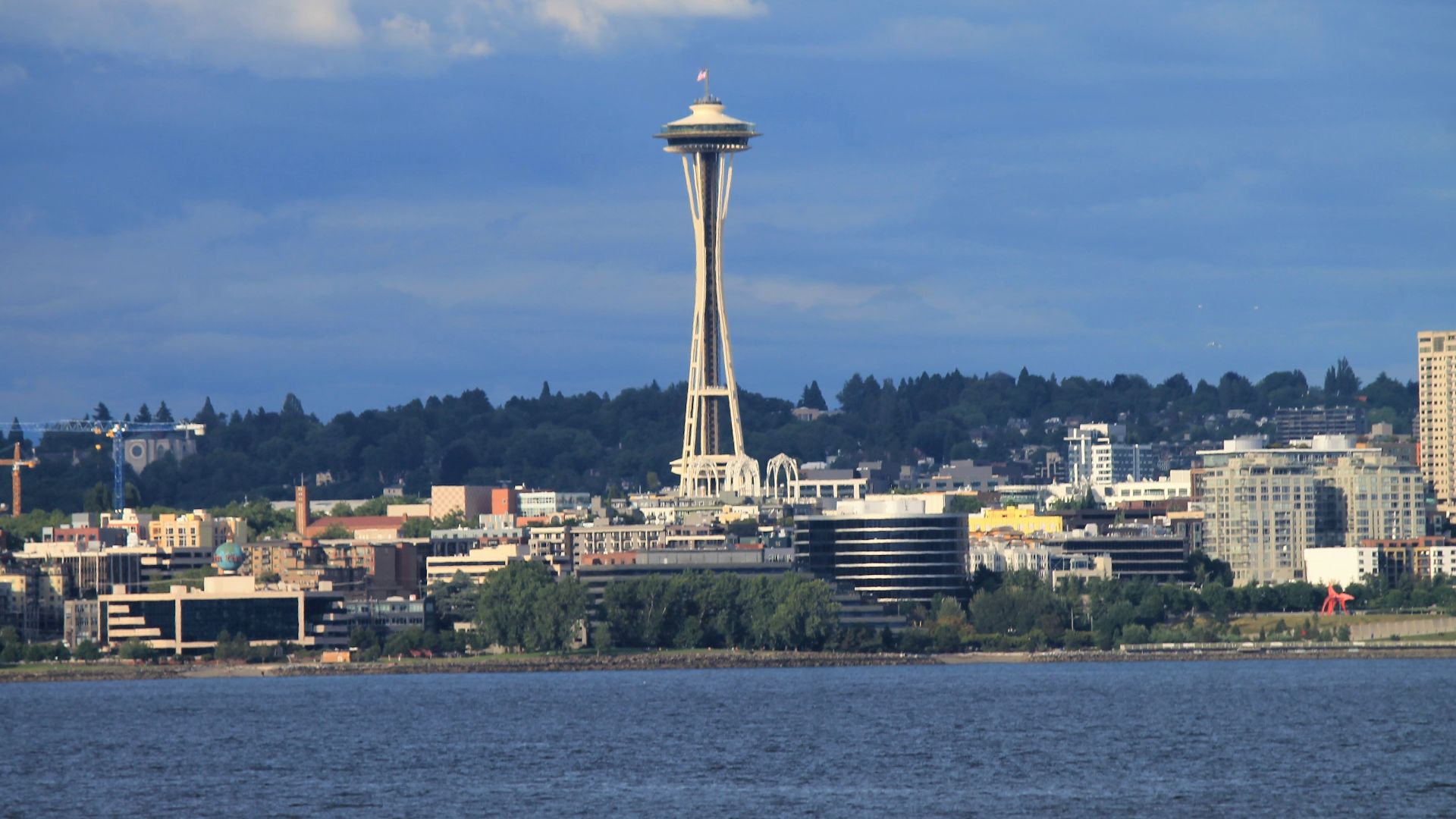
The Space Needle, Seattle
The Space Needle retains its familiar silhouette, but its observation areas look remarkably different. A major renovation unveiled in 2018 replaced walls and barriers with glass. Visitors can now walk across the Loupe, a revolving glass floor overlooking Seattle.
 Rickmouser45, Wikimedia Commons
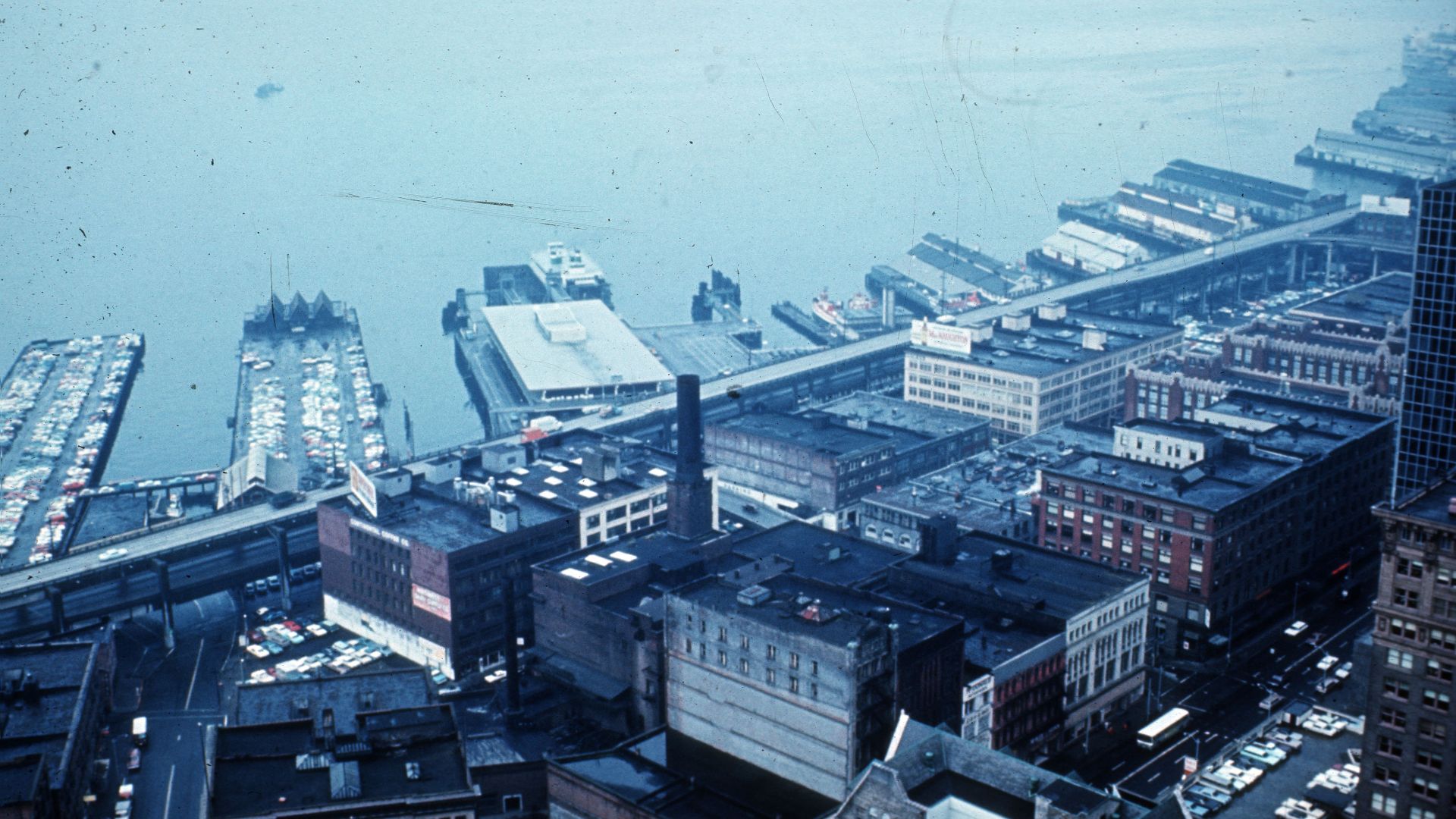
Seattle's Waterfront, Washington
For decades, Seattle's waterfront was separated from downtown by the elevated Alaskan Way Viaduct. After its removal in 2019, redevelopment introduced landscaped promenades, public spaces, and pedestrian connections. The completed Waterfront Park officially opened in September 2025.
 Seattle Municipal Archives, Wikimedia Commons
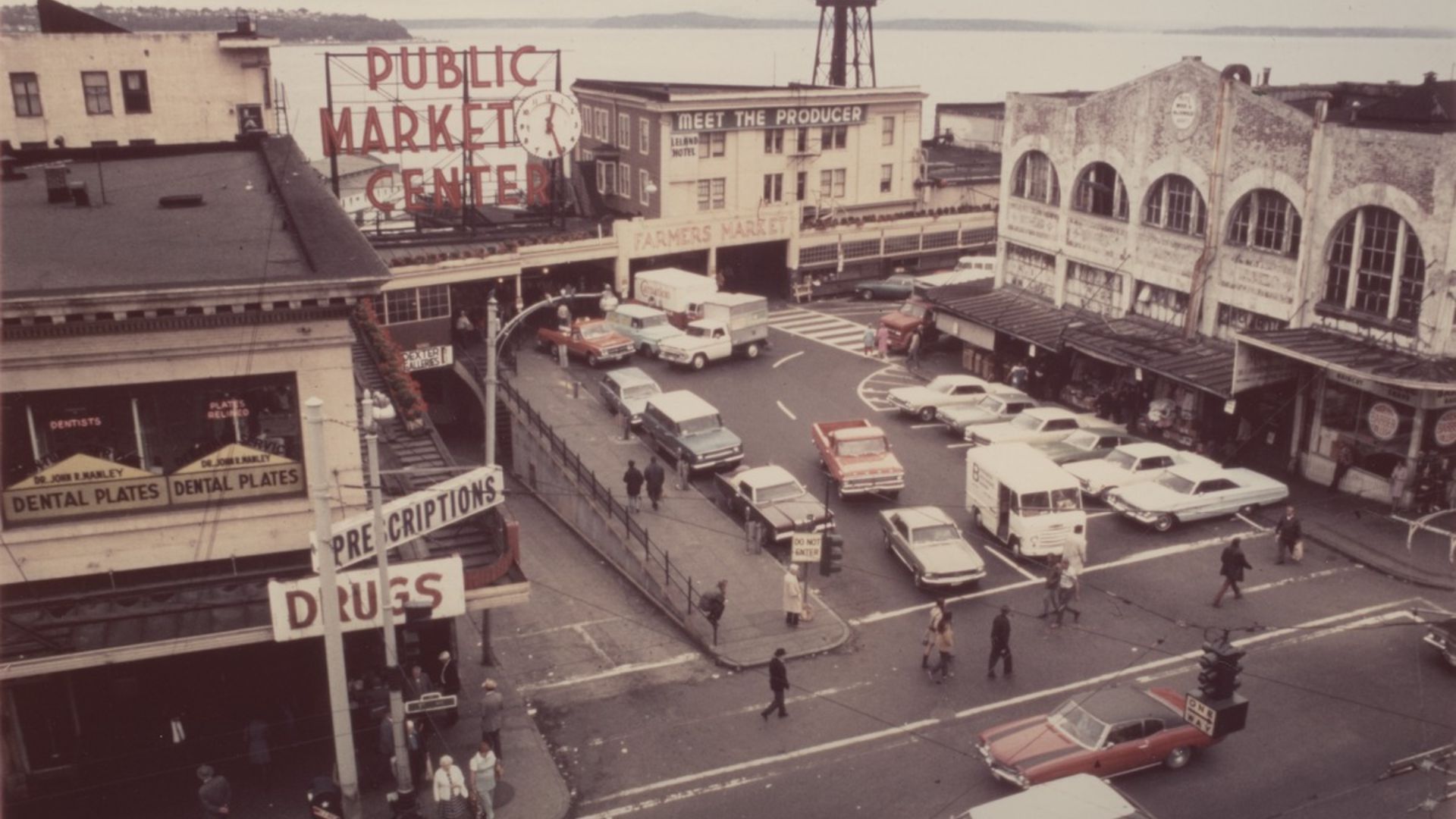
Pike Place Market, Seattle
Pike Place Market's historic buildings survived the decades, but its surroundings changed significantly. A waterfront-side parking lot became the MarketFront expansion in 2017. The project added vendor spaces, housing, and a public viewing plaza overlooking Puget Sound.
 Seattle Municipal Archives, Wikimedia Commons
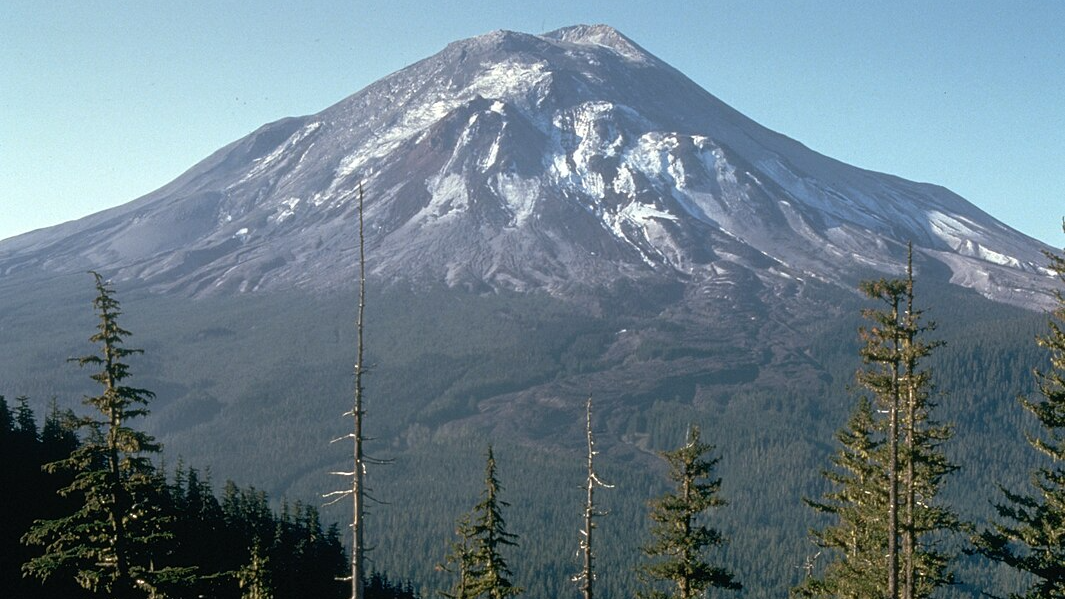
Mount St. Helens, Washington
In 1976, Mount St. Helens had a relatively symmetrical, snow-covered summit. Everything changed during its 1980 eruption, which removed approximately 1,300 feet of the mountain. The once-conical peak now features a massive horseshoe-shaped crater containing a lava dome and glacier.
 Harry Glicken, Wikimedia Commons
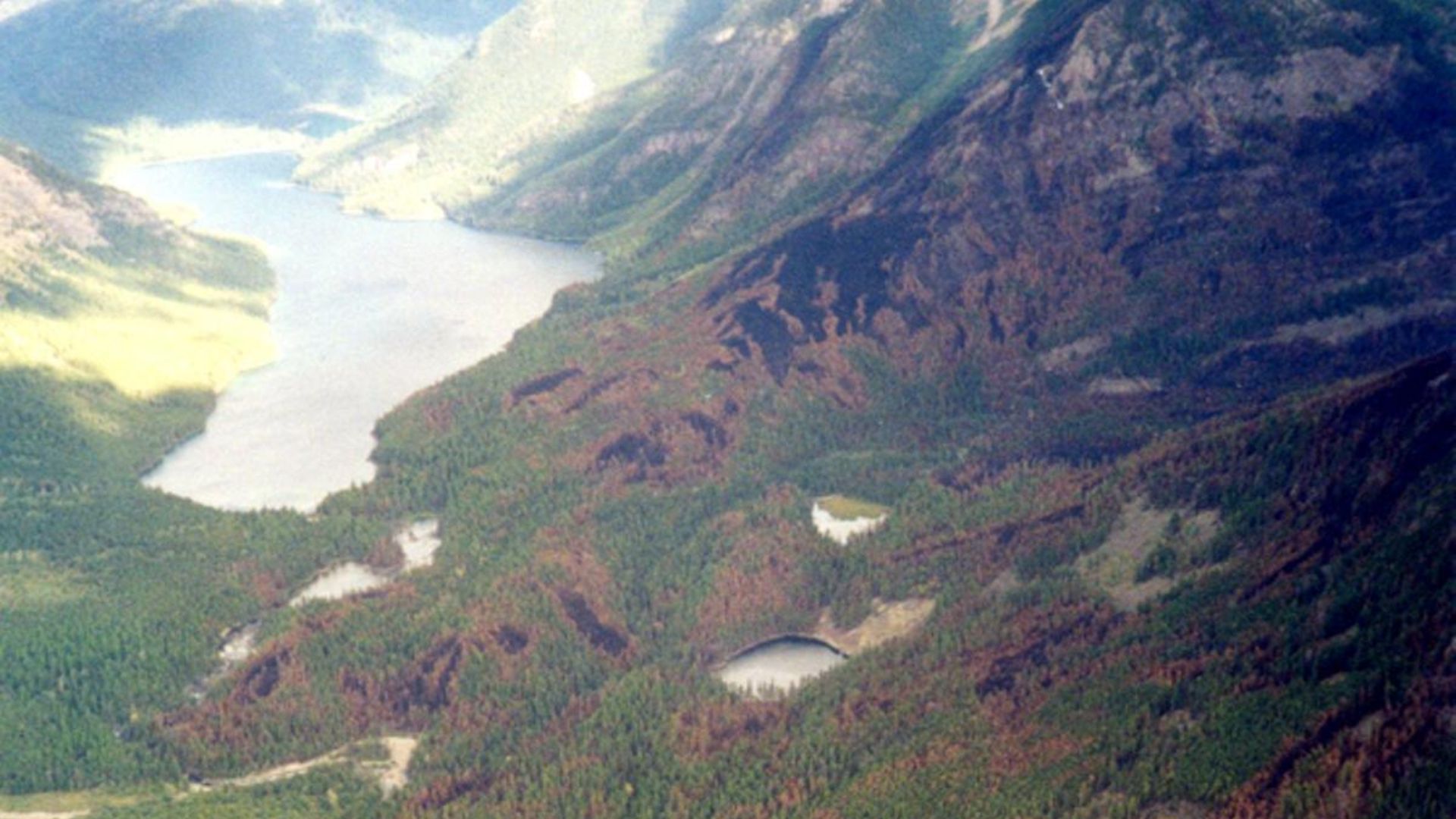
Glacier National Park, Montana
The park's mountain scenery remains spectacular, but its glaciers have noticeably diminished. Grinnell Glacier lost approximately 45% of its area between 1966 and 2015. Comparing photographs from different decades reveals retreating ice and increasingly exposed rock.
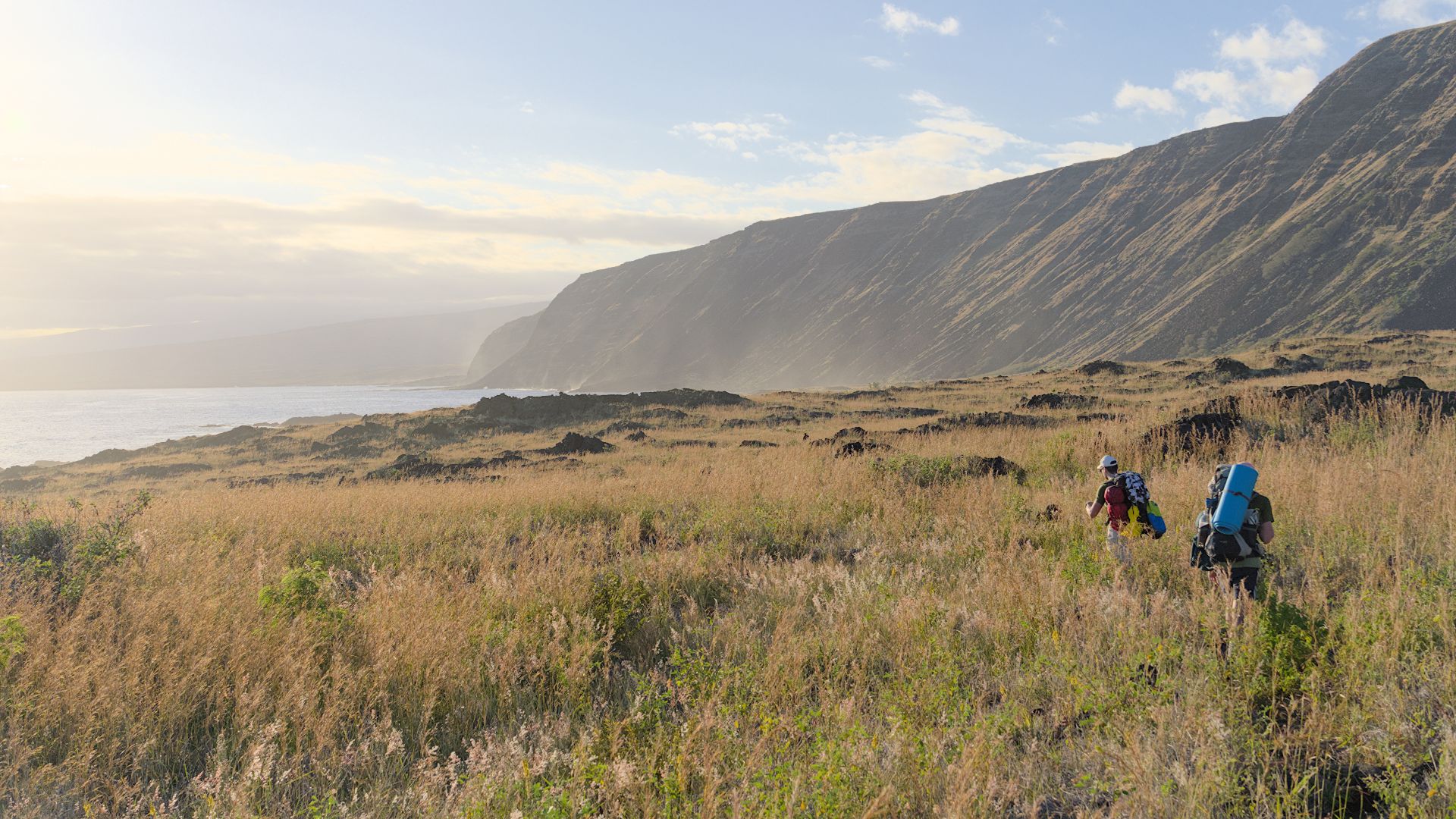
Hawaiʻi Volcanoes National Park, Hawaii
Nature delivered an especially dramatic transformation here. During Kīlauea's 2018 eruption, the summit landscape collapsed and Halemaʻumaʻu crater grew substantially deeper and wider. Familiar viewpoints now overlook a dramatically altered volcanic landscape shaped by repeated eruptions.
 Trougnouf (Benoit Brummer), Wikimedia Commons
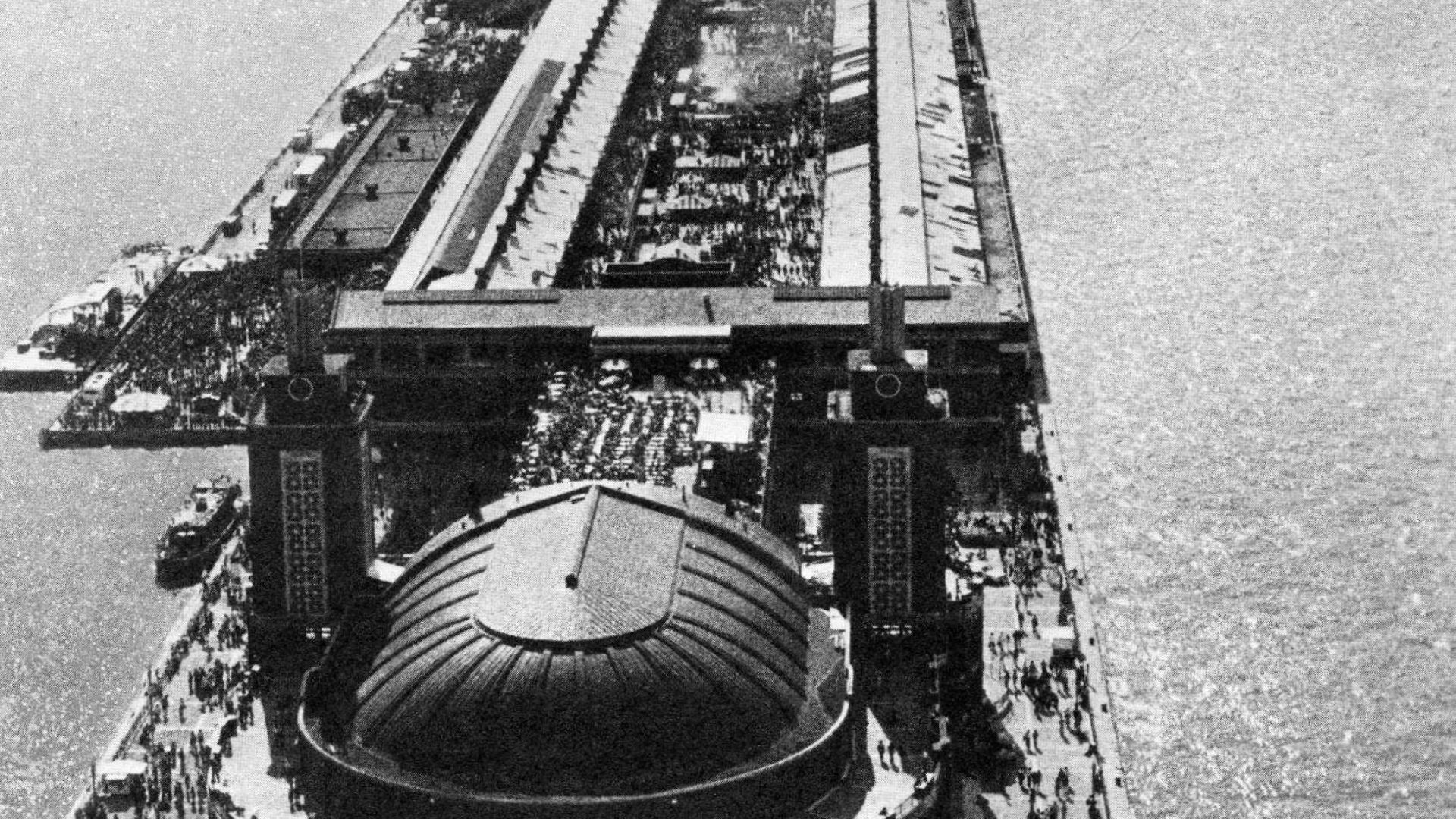
Navy Pier, Chicago
In the 1970s, Navy Pier lacked the extensive entertainment attractions visitors enjoy today. A major redevelopment transformed the site during the 1990s. The original modern Ferris wheel arrived in 1995, followed by the larger Centennial Wheel in 2016.
Gateway Arch, St. Louis
The towering stainless-steel Arch still looks familiar, but its surrounding grounds have undergone enormous changes. A $380 million renovation completed in 2018 introduced an expanded museum, new parkland, and a landscaped connection spanning the highway between downtown and the monument.
 Parker Botanical, CC BY-SA 3.0, Wikimedia Commons
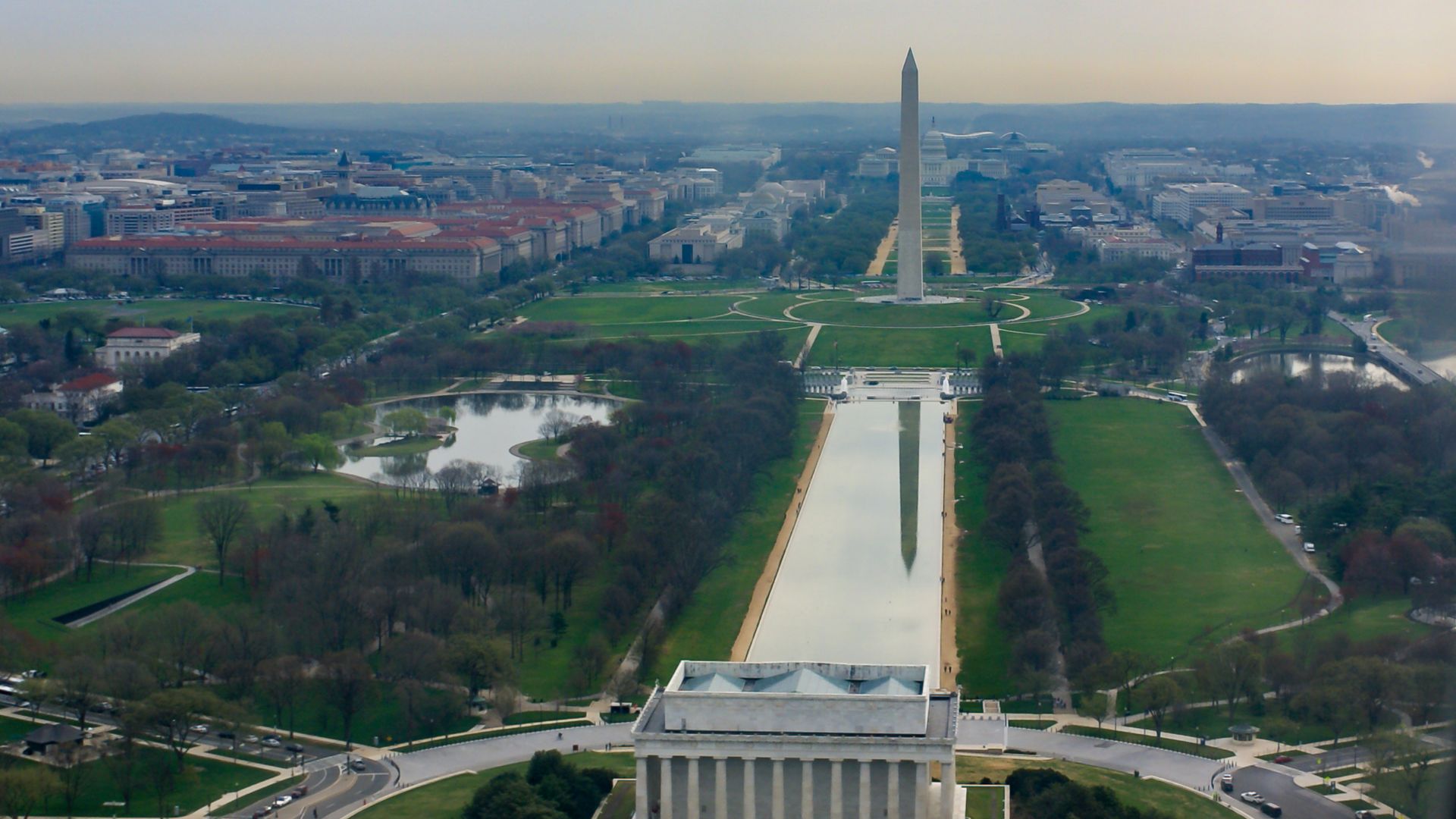
The National Mall, Washington, DC
A visitor from 1976 would encounter several unfamiliar landmarks today. The Vietnam Veterans Memorial was dedicated in 1982, followed by the Korean War Veterans Memorial in 1995 and World War II Memorial in 2004. These additions substantially changed the landscape.
 Matti Blume, Wikimedia Commons
Ellis Island, New York
Ellis Island looked very different during the 1970s, when its former immigration facilities had been closed for decades. Restoration work eventually transformed the abandoned complex into a museum, which opened in 1990. Historic spaces now contain exhibitions and immigrant artifacts.
 Carol M. Highsmith, CC BY-SA 4.0, Wikimedia Commons
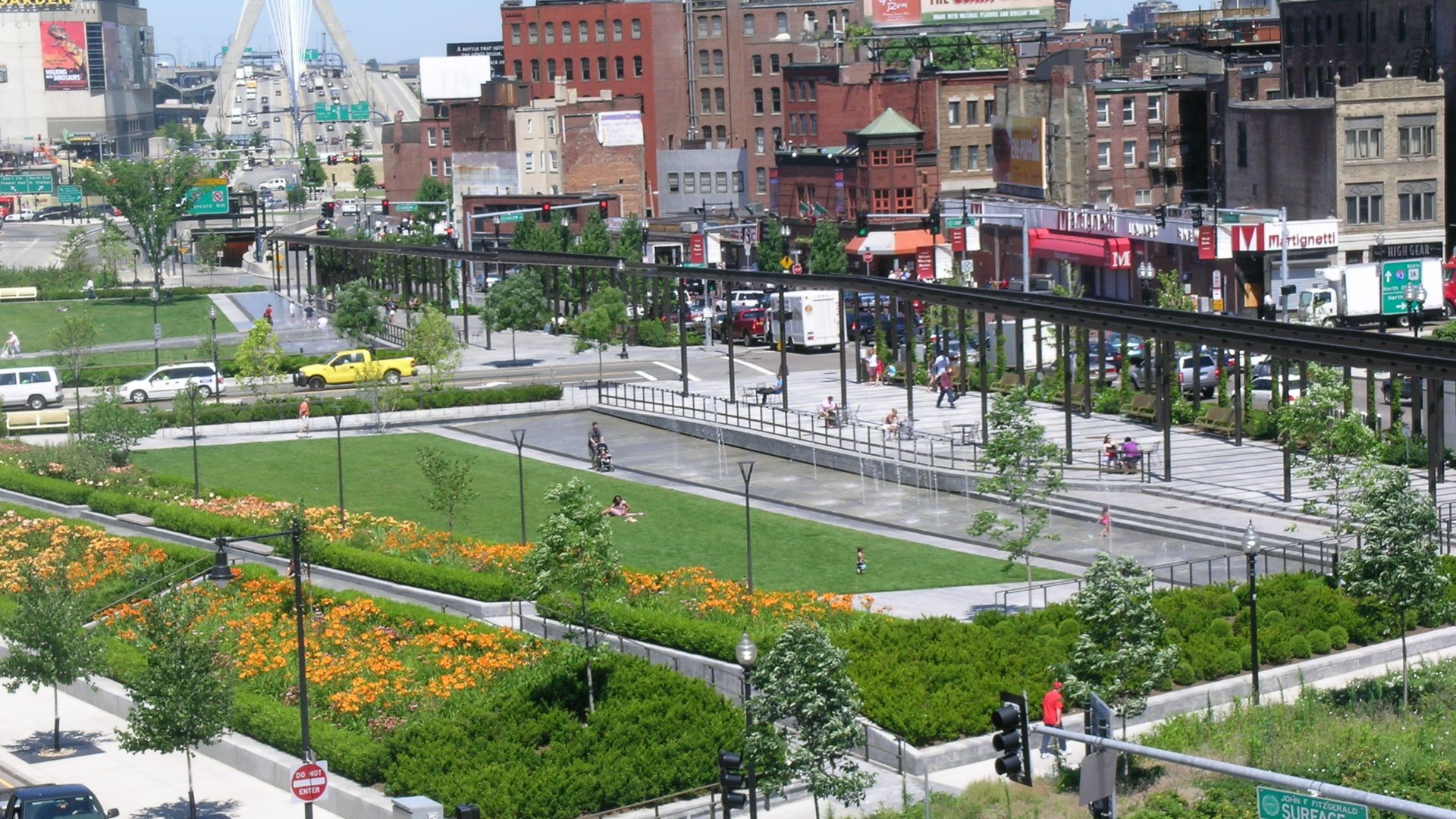
Rose Kennedy Greenway, Boston
The location of Boston's Rose Kennedy Greenway was once dominated by an elevated highway. The massive Big Dig project relocated the roadway underground. When the Greenway opened in 2008, gardens, walking paths, and public gathering spaces replaced the former highway corridor.
 gconservancy from USA, Wikimedia Commons
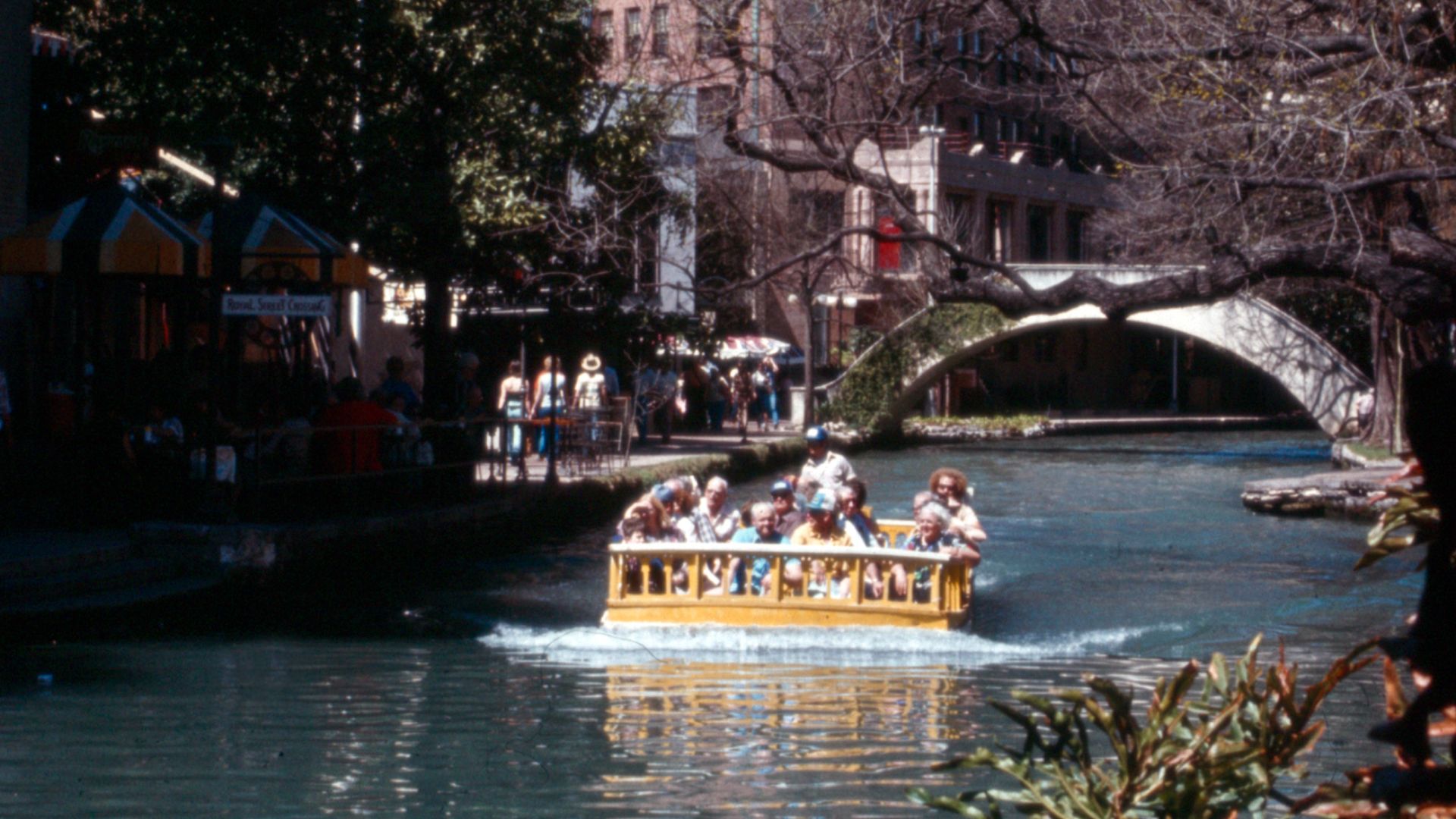
San Antonio River Walk, Texas
The historic downtown River Walk existed in 1976, but today's destination extends much farther. The Museum Reach expansion opened in 2009, introducing landscaped paths, public art, and connections to attractions farther north, including the former Pearl brewery.
 Gerd Eichmann, Wikimedia Commons
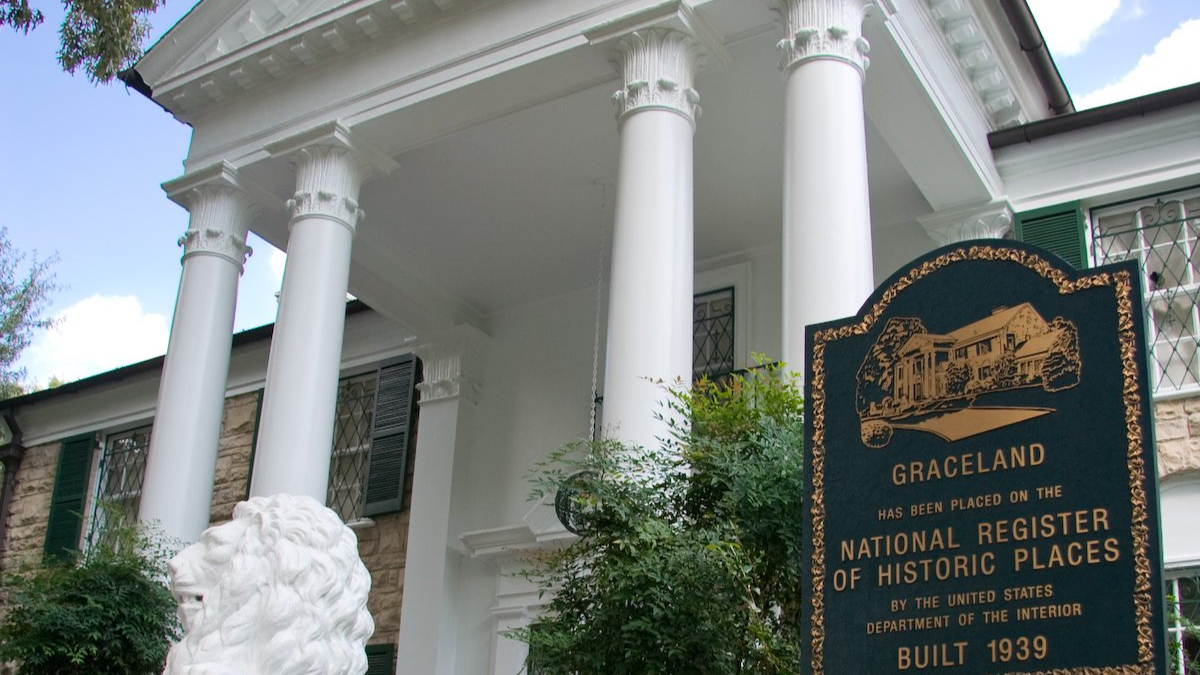
Graceland, Memphis
In 1976, Graceland was still Elvis Presley's private home. Public tours began in 1982, and the surrounding property gradually developed into an extensive visitor attraction. A massive entertainment complex called Elvis Presley's Memphis opened across the street in 2017.
 Cybjorg, CC BY-SA 3.0, Wikimedia Commons
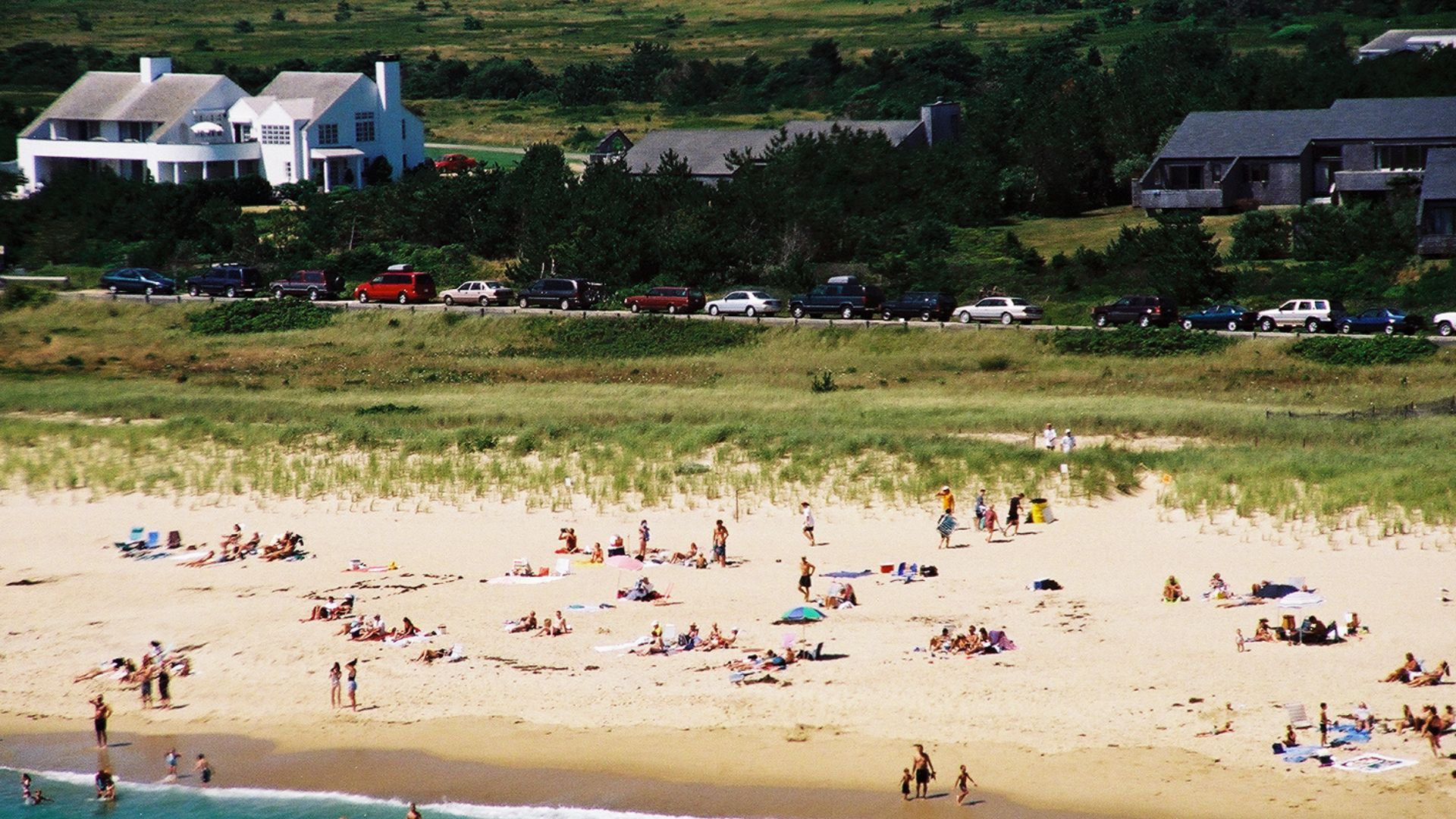
South Beach, Miami
South Beach's Art Deco architecture existed long before today's tourism boom. Preservation efforts gained momentum in 1977 with the formation of the Miami Design Preservation League. Greater attention to the district helped transform its historic buildings into celebrated tourist landmarks.
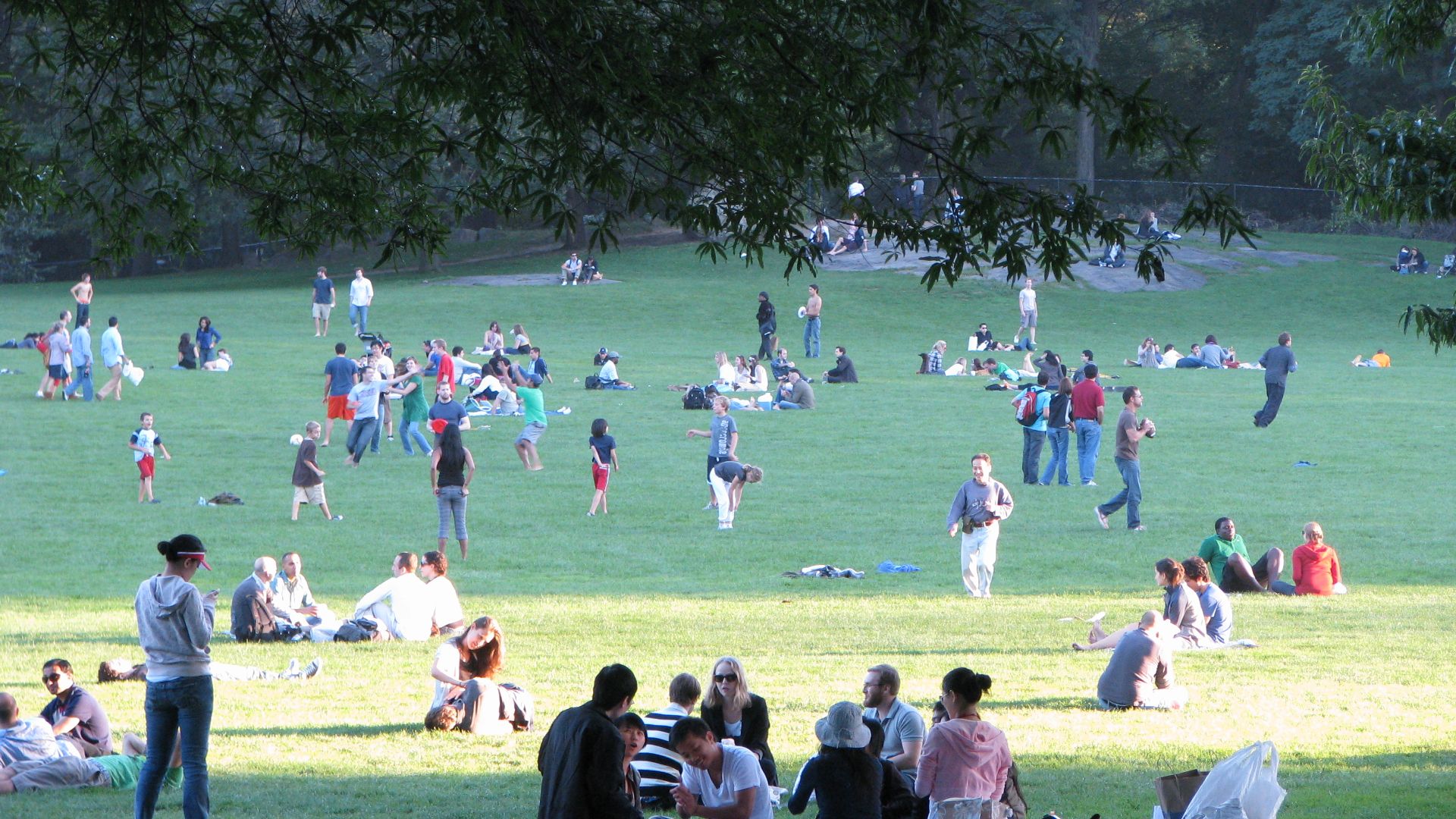
Central Park's Great Lawn, New York
Central Park's Great Lawn was in poor condition during the 1970s. Heavy use and inadequate maintenance left portions so deteriorated that the area acquired the nickname "The Great Dust Bowl." A major restoration completed in 1997 restored its recreational landscape.
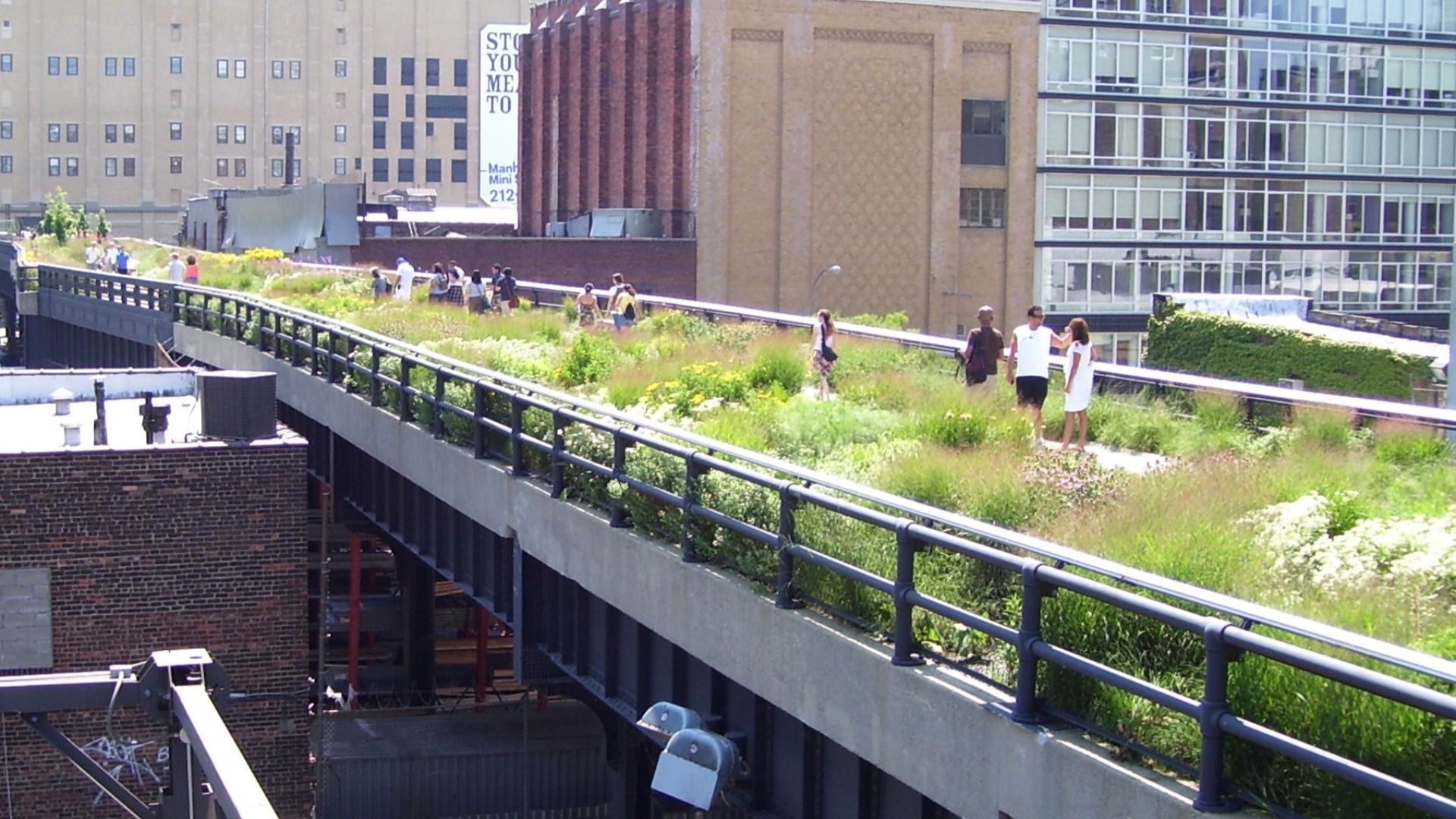
The High Line, New York City
In 1976, freight trains still used Manhattan's elevated High Line railway. Service ended in the early 1980s, and the abandoned tracks deteriorated. Beginning in 2009, the structure reopened as a landscaped public park featuring walkways, greenery, and city views.
 Beyond My Ken, Wikimedia Commons
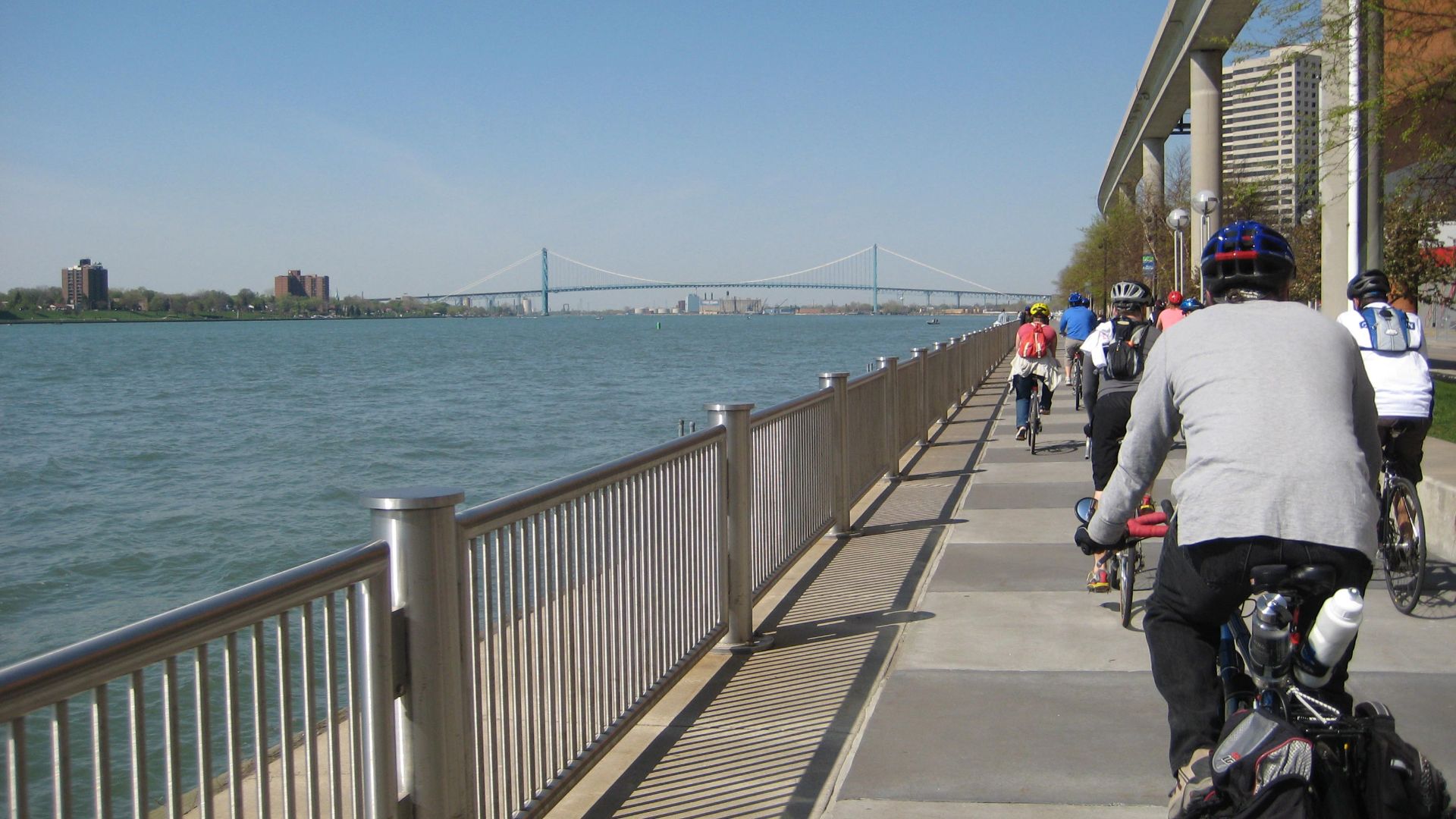
Detroit RiverWalk, Michigan
Detroit's riverfront once contained extensive industrial and commercial properties inaccessible to ordinary visitors. Beginning in 2003, a major redevelopment effort transformed the shoreline. Today, the RiverWalk includes landscaped trails, public parks, plazas, and connections between formerly separated waterfront areas.
 Fishtoes2000, Wikimedia Commons
You May Also Like:
Famous American Hiking Trails With Dark Stories Behind Their Most Beautiful Views
Restaurants Every Road-Tripper Ate At In The 1970s And Younger Travelers Barely Know
Sources: 1, 2, 3, 4, 5, 6, 7, 8, 9, 10, 11, 12, 13, 14, 15, 16, 17, 18, 19, 20, 21, 22, 23, 24, 25