The Highway Used To Have A Different Menu
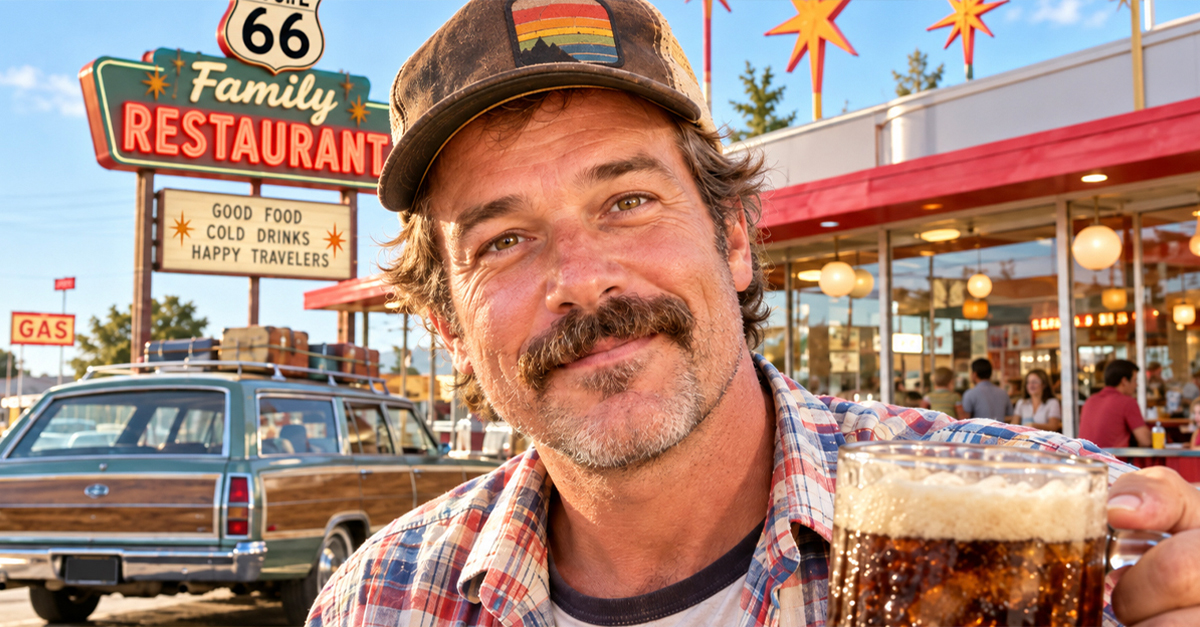
Not every family stopped at every one of these places, but certain restaurant names became fixtures of American car travel in the 1970s. Their giant signs, unusual buildings, kids’ menus, root beer mugs, gift shops, and predictable meals offered something extremely valuable after hours in the car: familiarity.
Do any of these restaurants hit a nostalgic note?
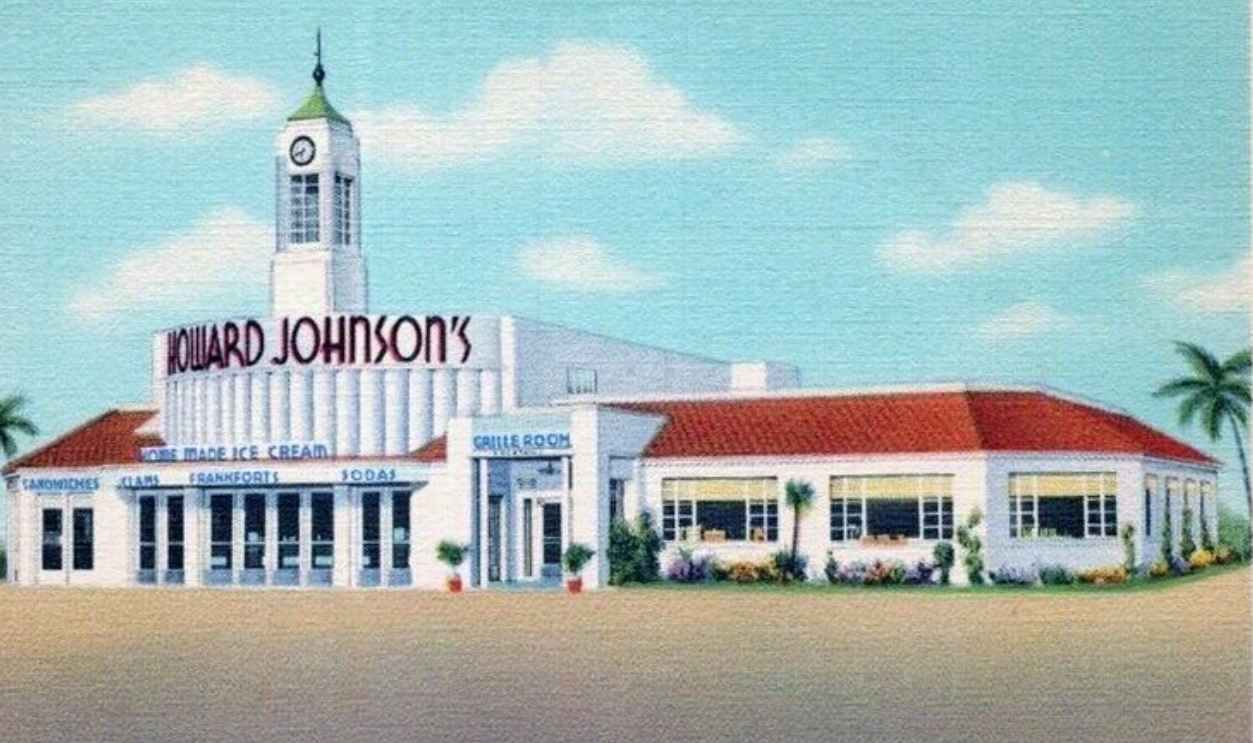
Howard Johnson’s Was Practically A Highway Landmark
Those orange roofs once seemed to appear whenever a family needed lunch, ice cream, or a motel room. Howard Johnson deliberately expanded along American highways as automobile travel grew. By the 1960s it had a nationwide presence, making “HoJo’s” a familiar sight for 1970s vacationers.
 Curt Teich & Co., Wikimedia Commons
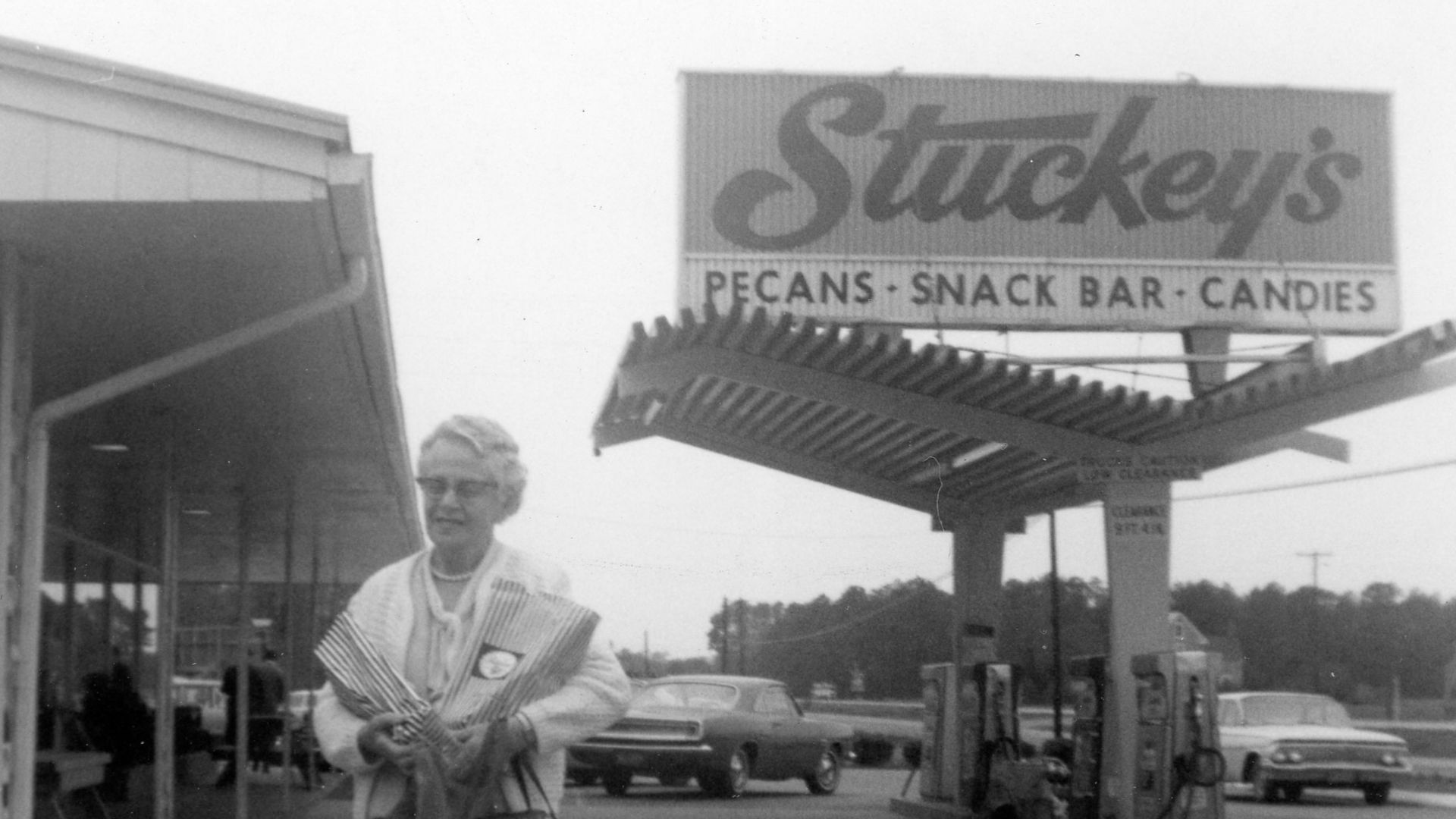
Stuckey’s Turned A Rest Stop Into A Ritual
A teal-blue Stuckey’s roof could change the mood inside a packed station wagon. During the 1960s and 1970s, the company grew to 368 stores in more than 30 states and advertised with thousands of billboards. Families stopped for breakfast, souvenirs, clean restrooms, pecans, and the famous Pecan Log Roll.
 Phillip Pessar, Wikimedia Commons
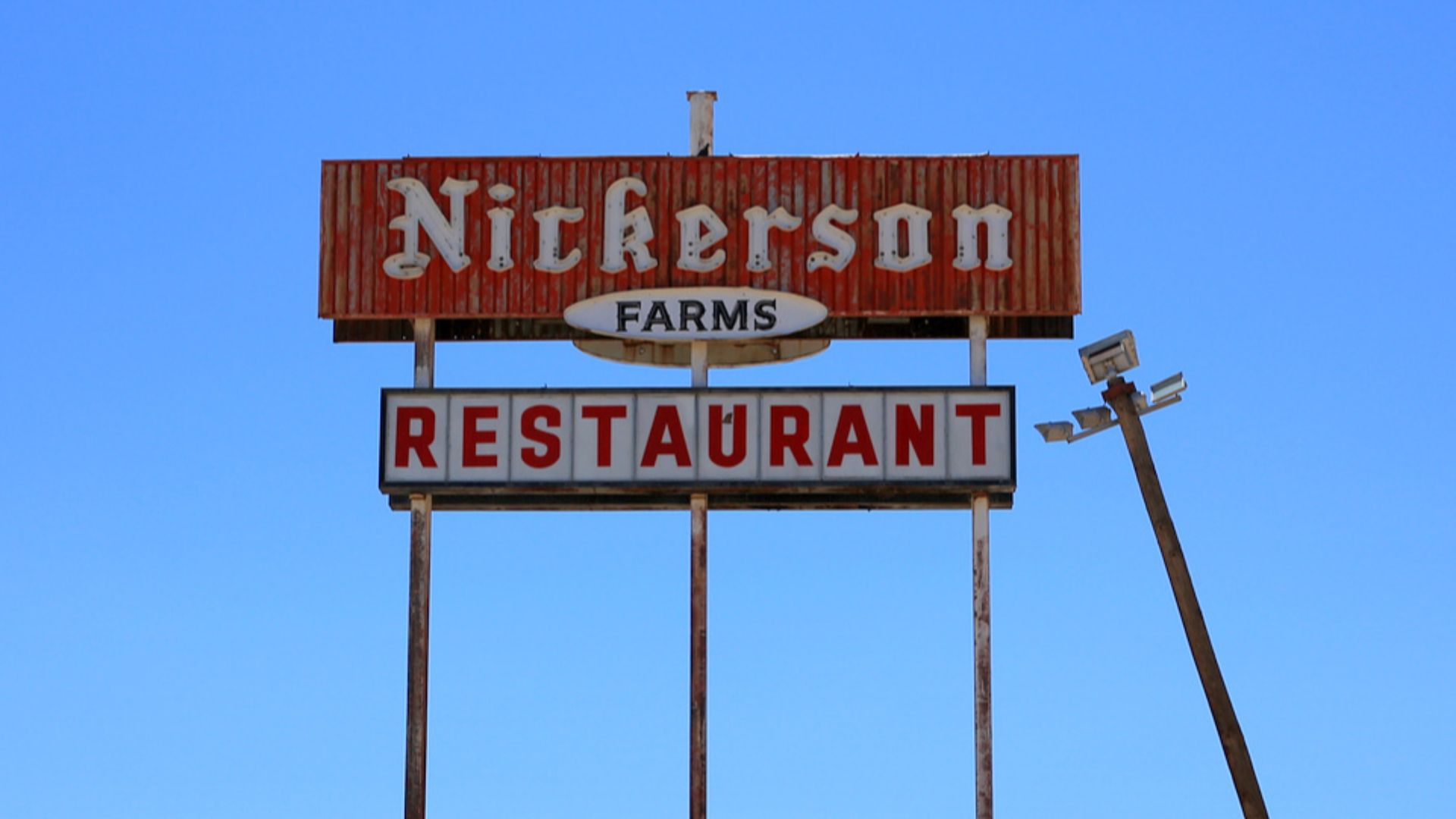
Nickerson Farms Was Made For Interstate Travelers
Nickerson Farms combined a full-service restaurant with fuel, a gift shop, and other roadside conveniences. The Missouri-born chain had 33 locations by 1967 and eventually grew to roughly five dozen, many positioned beside interstates and major highways throughout the Midwest and other regions.
 Bill Morrow, Wikimedia Commons
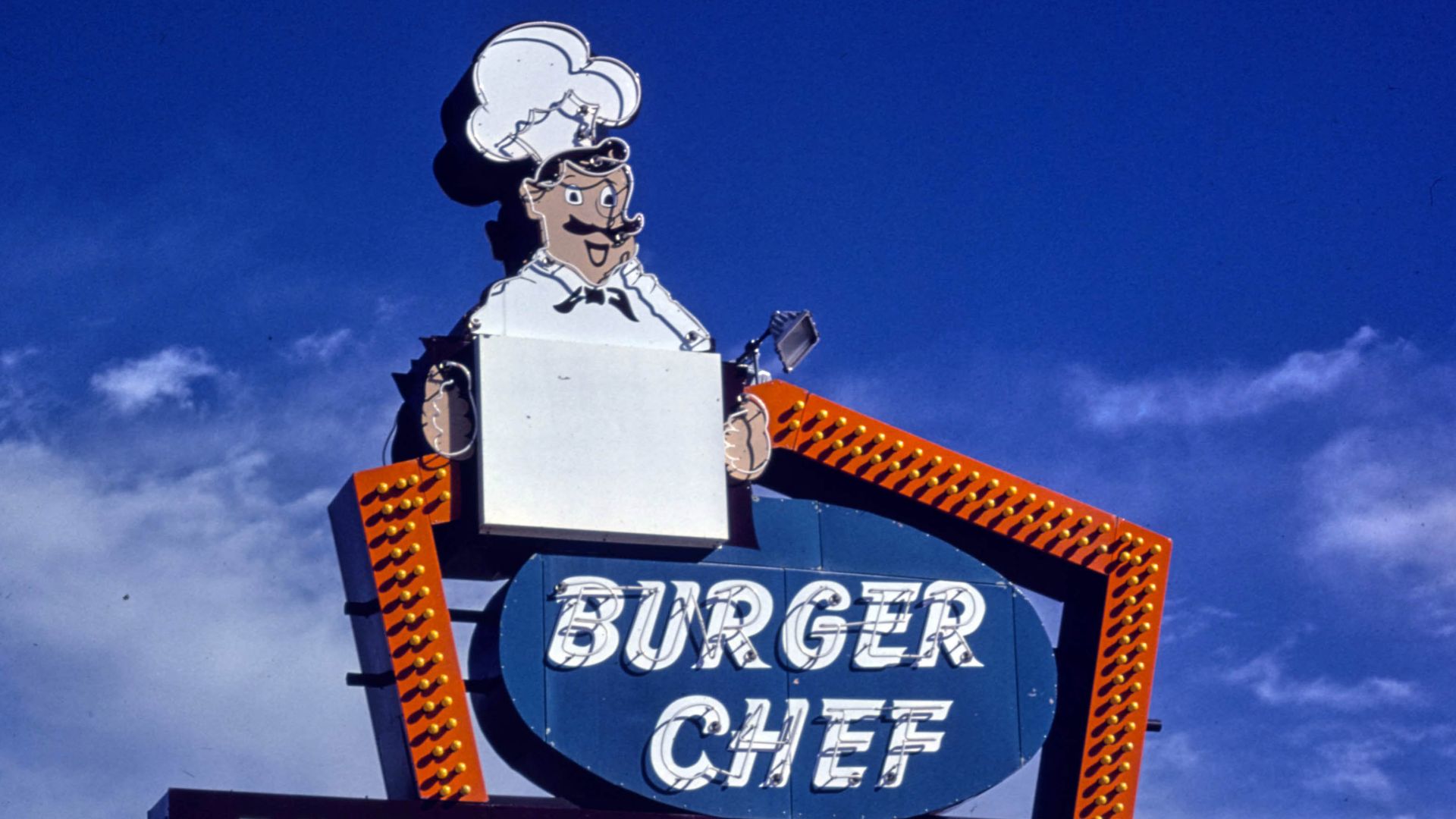
Burger Chef Was Once A Serious McDonald’s Rival
Younger travelers may be surprised by how important Burger Chef once was. The Indianapolis-born chain had 500 restaurants by 1966, and in 1967 it was described as the second-largest restaurant chain in the United States. Its burgers, combo meals, and kid-friendly marketing made it a common 1970s sight.
 John Margolies, Wikimedia Commons
The Red Barn Actually Looked Like A Barn
There was no mistaking a Red Barn restaurant from the highway. Hundreds of the distinctive barn-shaped fast-food buildings were constructed beginning in the 1960s, with the chain eventually reaching roughly 300 to 400 locations in 19 states. Burgers, fried chicken, and fish were the main attractions.
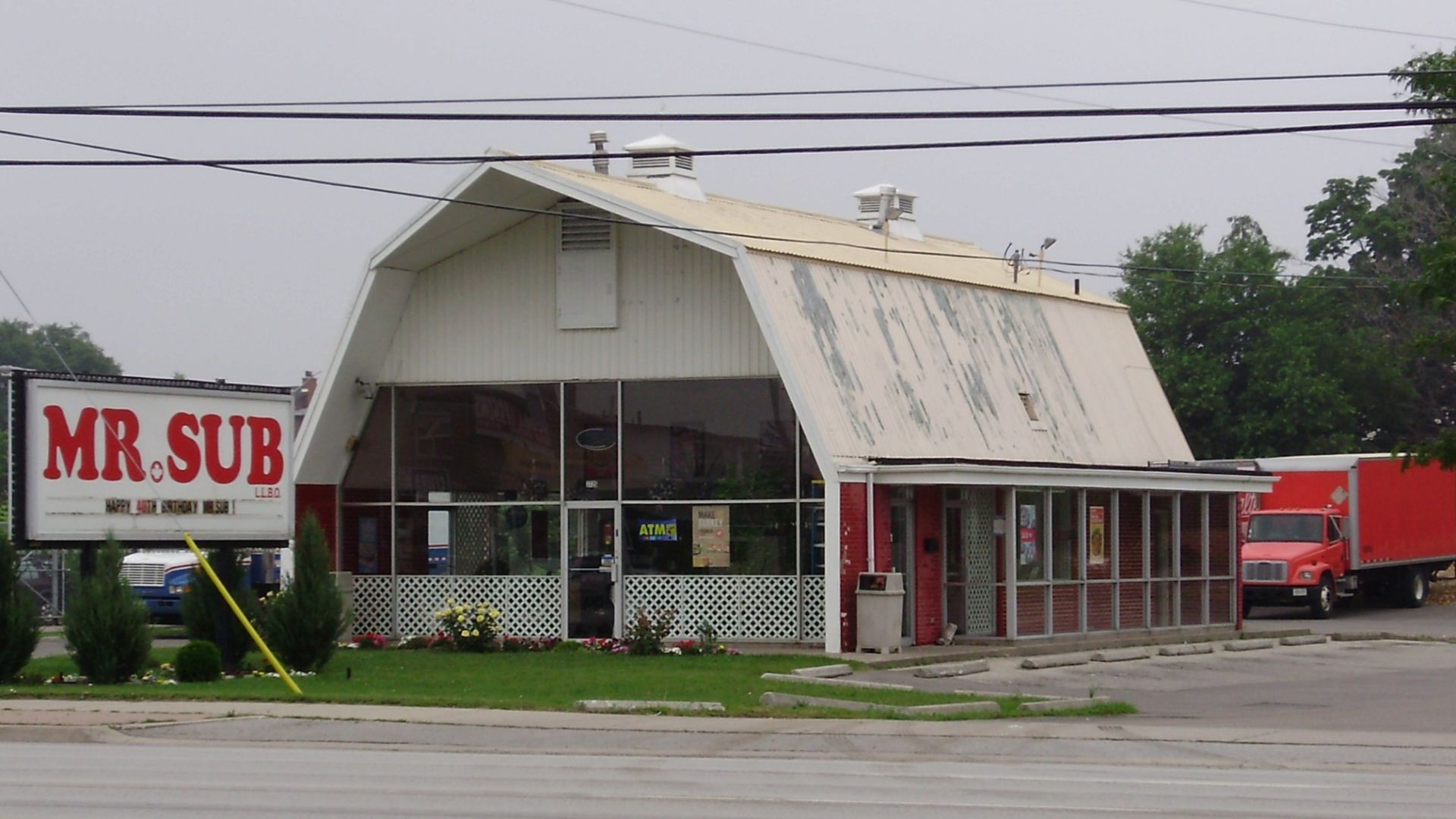 GTD Aquitaine, Wikimedia Commons
Big Boy Was The Guy You Looked For From The Car
The smiling Big Boy mascot became one of the most recognizable figures in American roadside dining. Regional franchise groups operated under names such as Bob’s Big Boy and Elias Brothers Big Boy, but travelers understood what the statue promised: burgers, breakfasts, booths, and dependable family food.
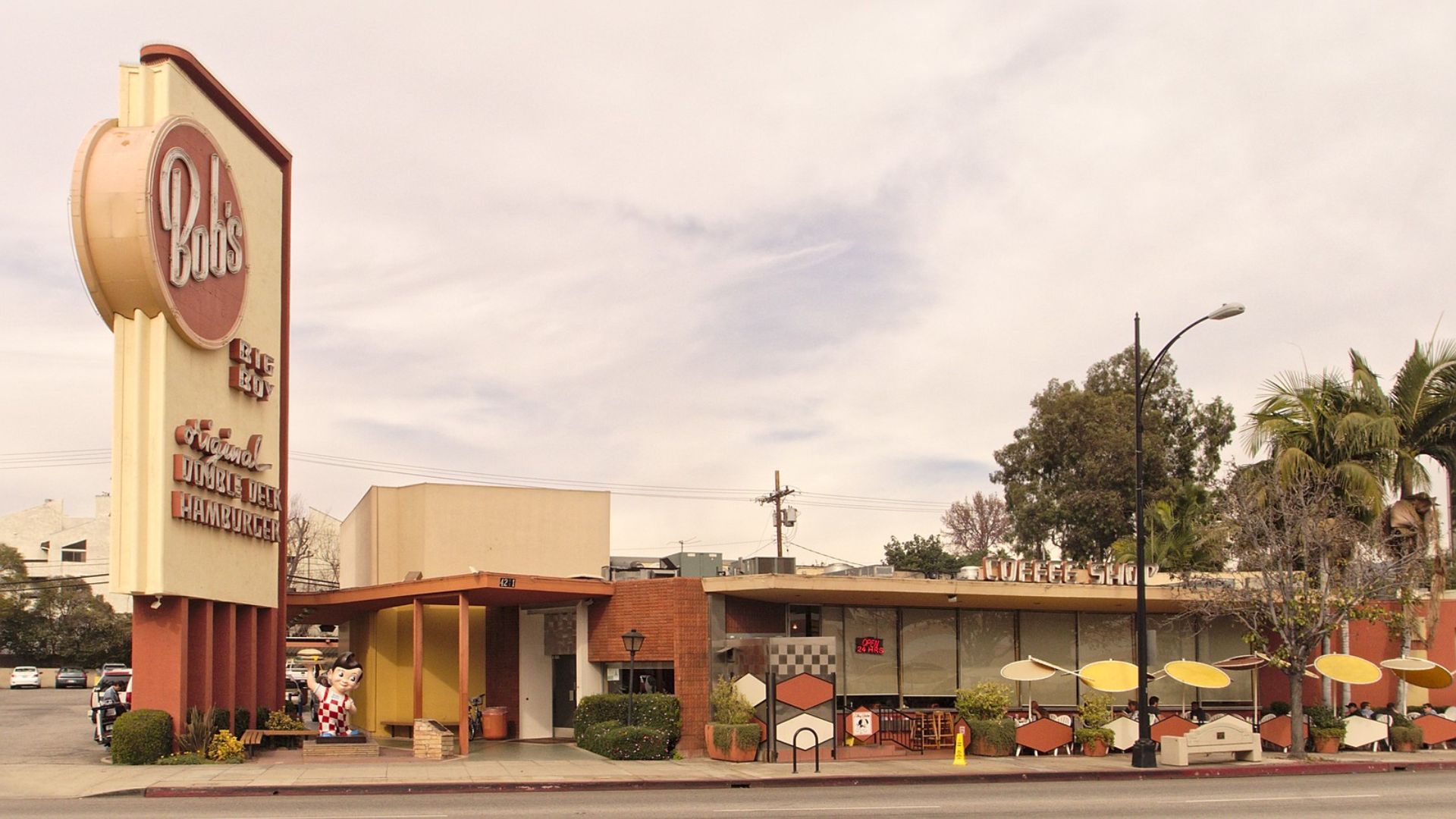 Junkyardsparkle, Wikimedia Commons
Shoney’s Was A Southern Road-Trip Standard
Shoney’s began in Charleston, West Virginia, in 1947 and became part of the Big Boy franchise system before eventually building its own identity. The company officially dropped its Big Boy affiliation in 1977. Its family restaurants became an especially familiar highway presence throughout the South.
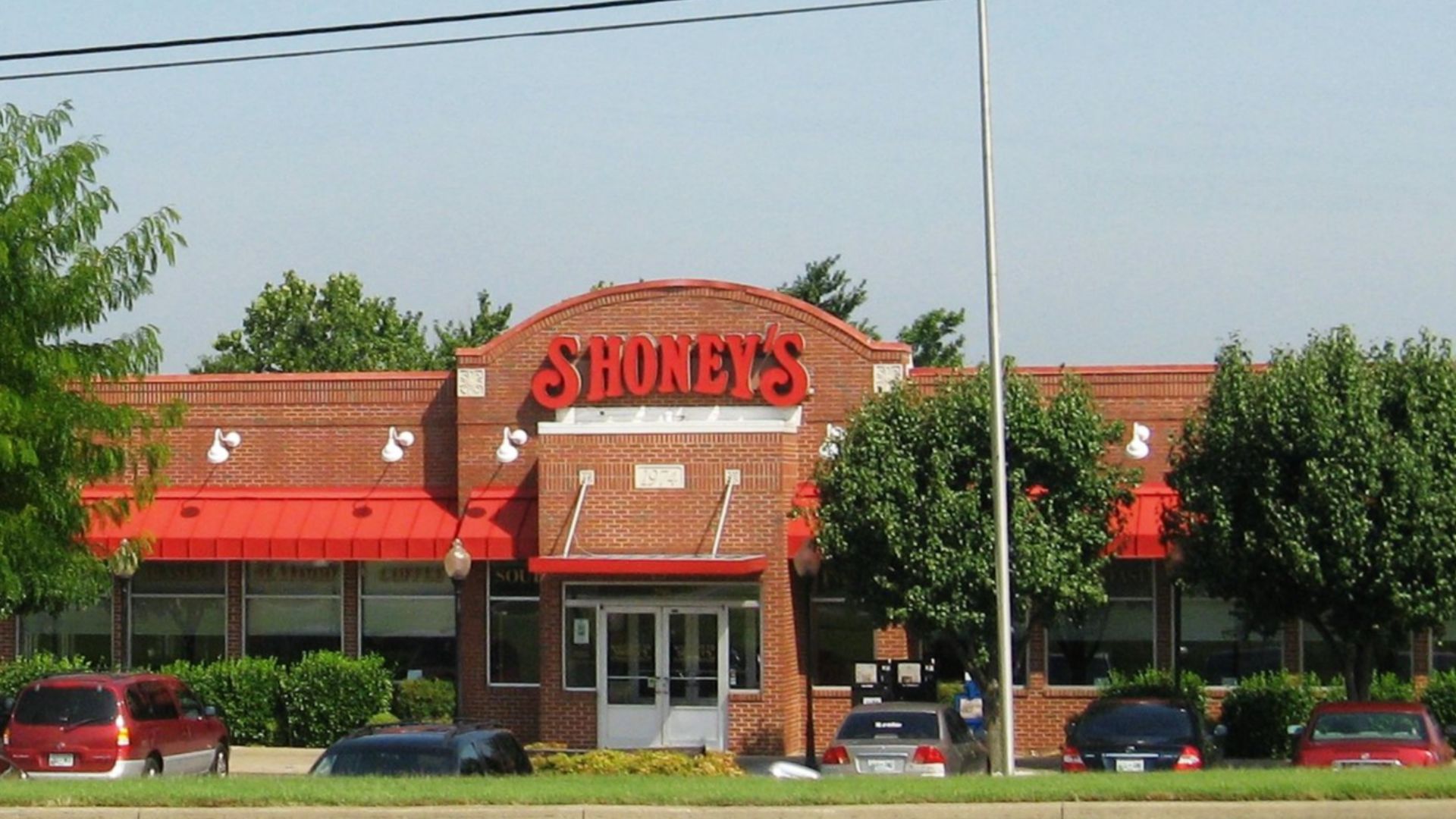 Ed!(talk)(Hall of Fame), Wikimedia Commons
Dog N Suds Made Eating In The Car Feel Like An Event
Dog n Suds paired Coney dogs with creamy root beer served at old-fashioned drive-ins. Founded in Illinois in the 1950s, the chain reached roughly 600 locations in 38 states and Canada by the mid-1970s. Only a fraction remain, making surviving locations feel like working pieces of roadside history.
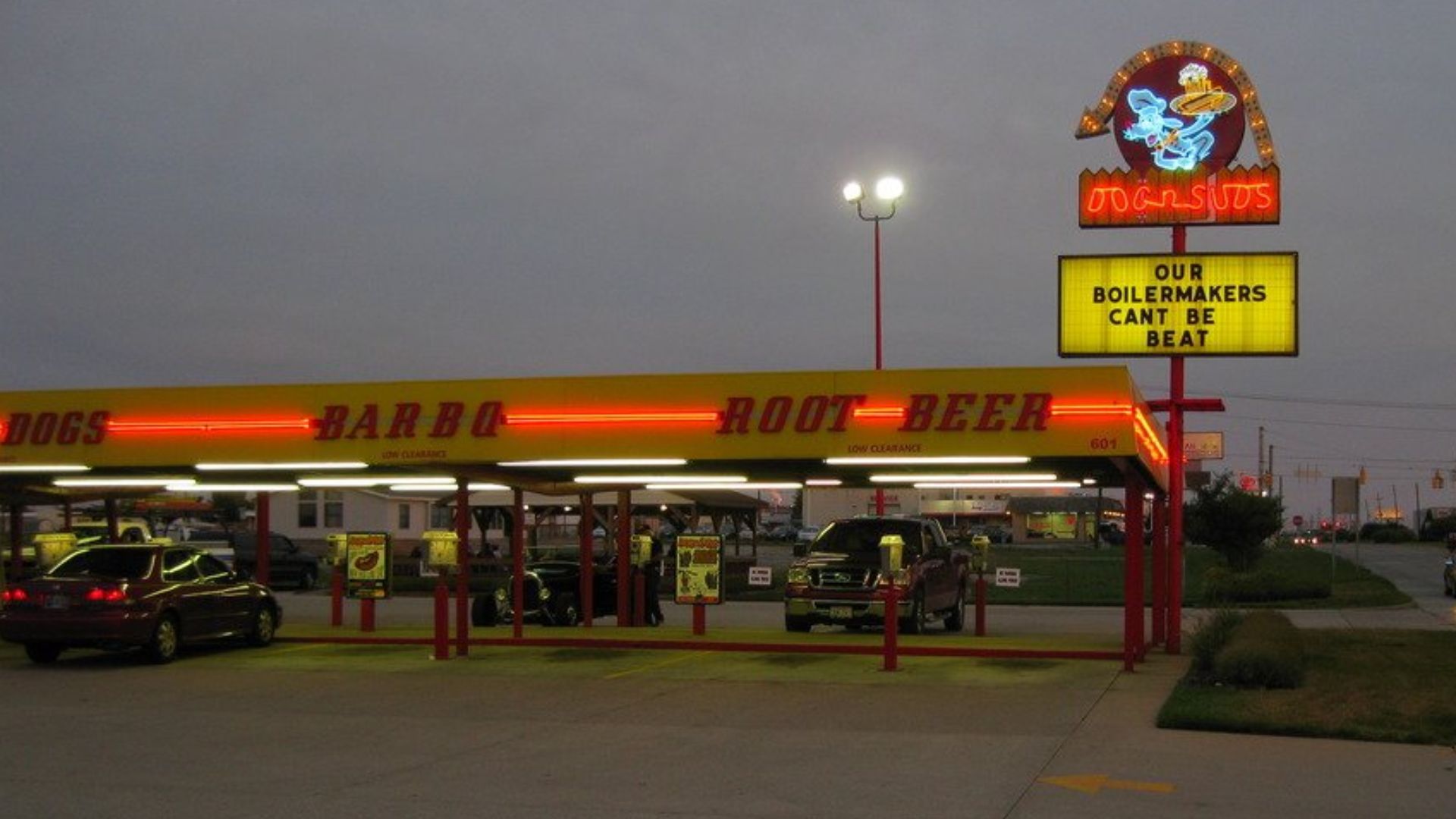
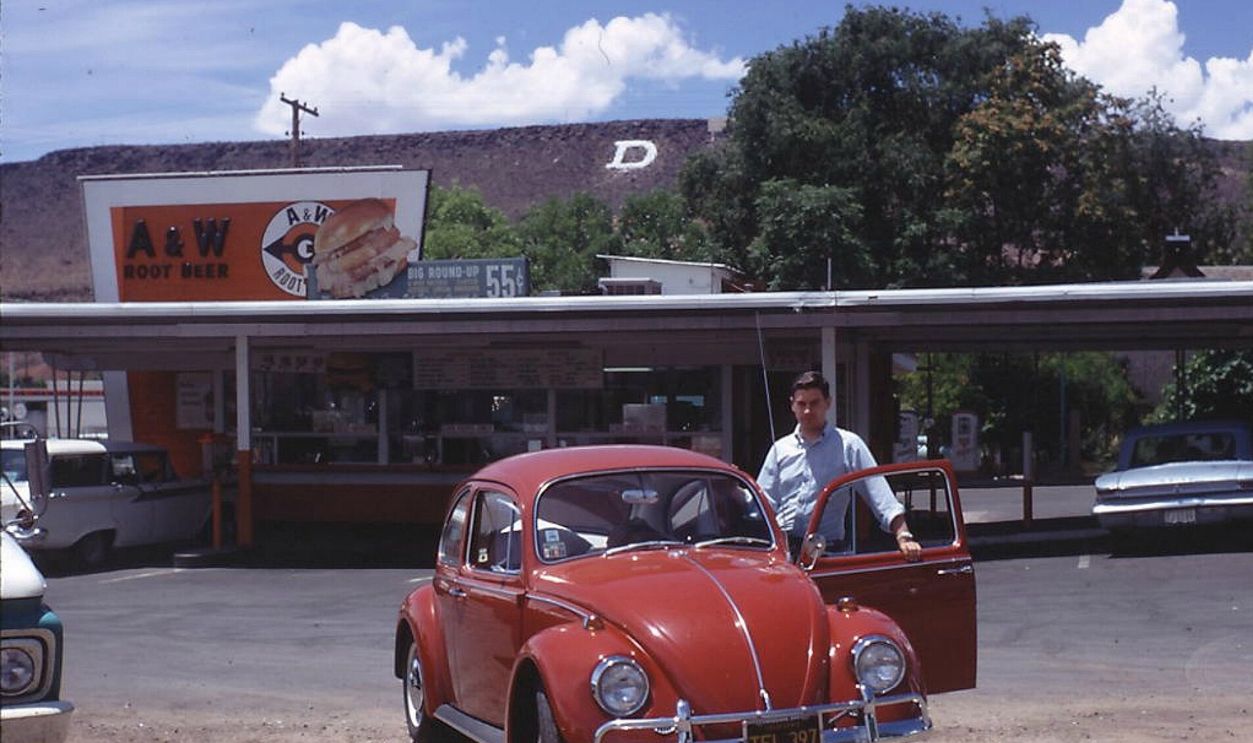
A&W Was More Than Root Beer
A&W traces its restaurant history to a roadside root beer stand opened in Lodi, California, in 1919. Its drive-ins spread widely in the decades that followed. For generations of road-tripping families, pulling beneath the canopy for burgers and a cold mug of root beer became part of the vacation itself.
Lum’s Built A Chain Around Beer-Steamed Hot Dogs
Lum’s became famous for hot dogs steamed in beer, which was certainly one way to stand apart from competing roadside restaurants. The Florida-born company eventually grew to about 450 restaurants. During the 1960s and 1970s, its red-roofed locations became familiar in many American communities.
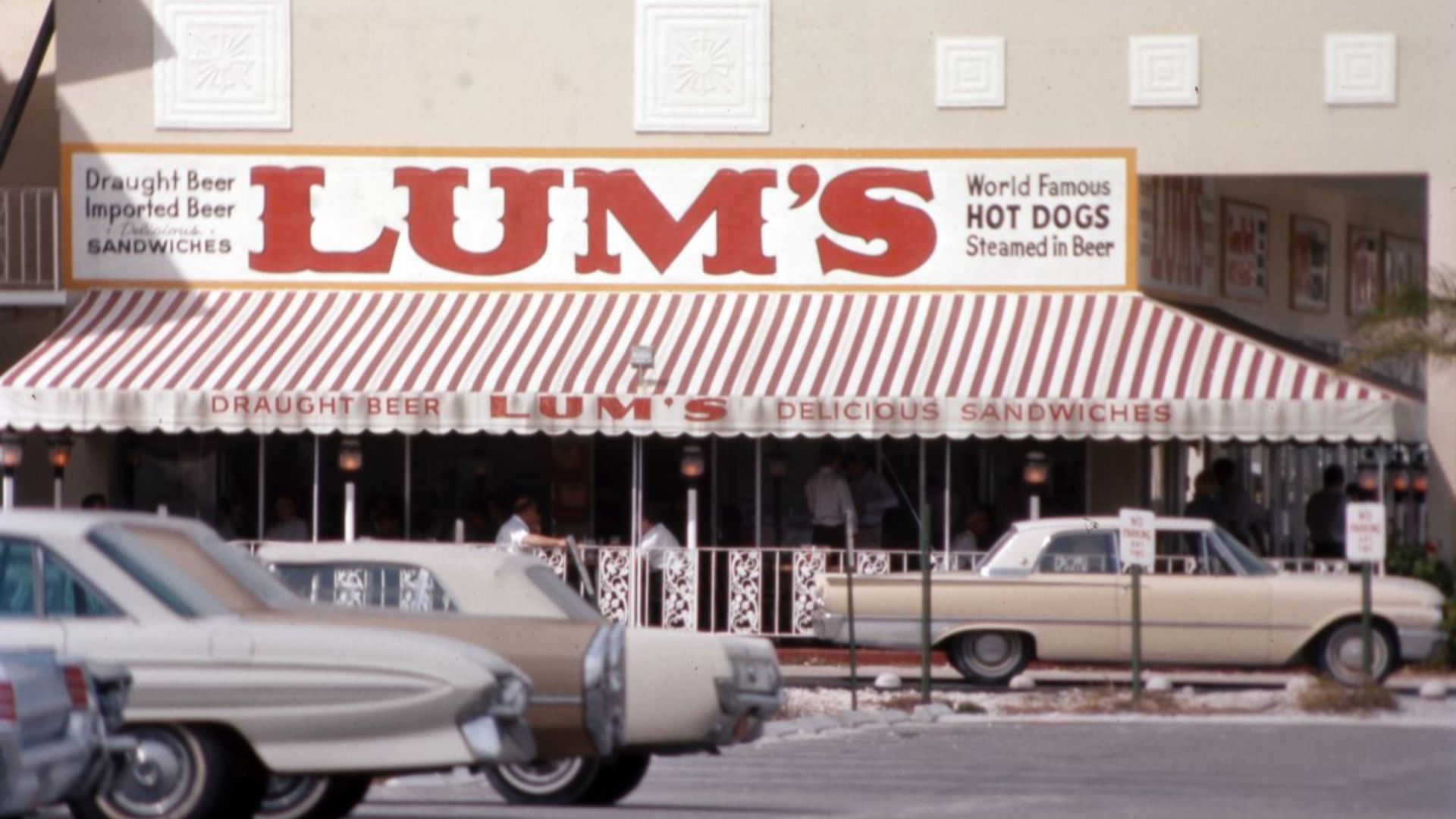 Florida Memory, Wikimedia Commons
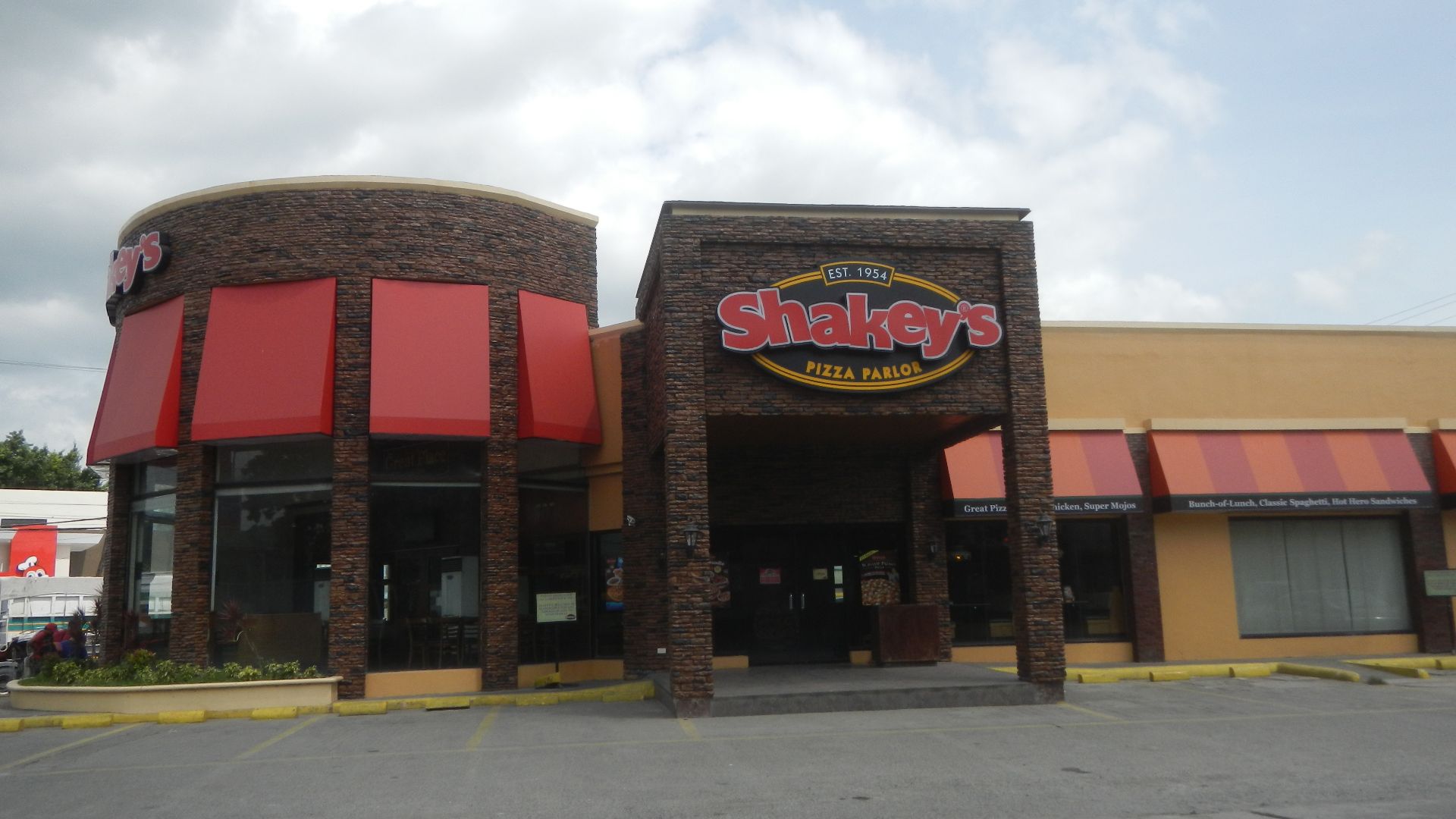
Shakey’s Pizza Felt Like Dinner And Entertainment
Shakey’s was designed as more than a quick pizza stop. Its old-fashioned pizza-parlor atmosphere, communal tables, music, and family energy made it an easy vacation-night choice. Founded in Sacramento in 1954, the company grew to more than 500 locations worldwide at one point during the 1970s.
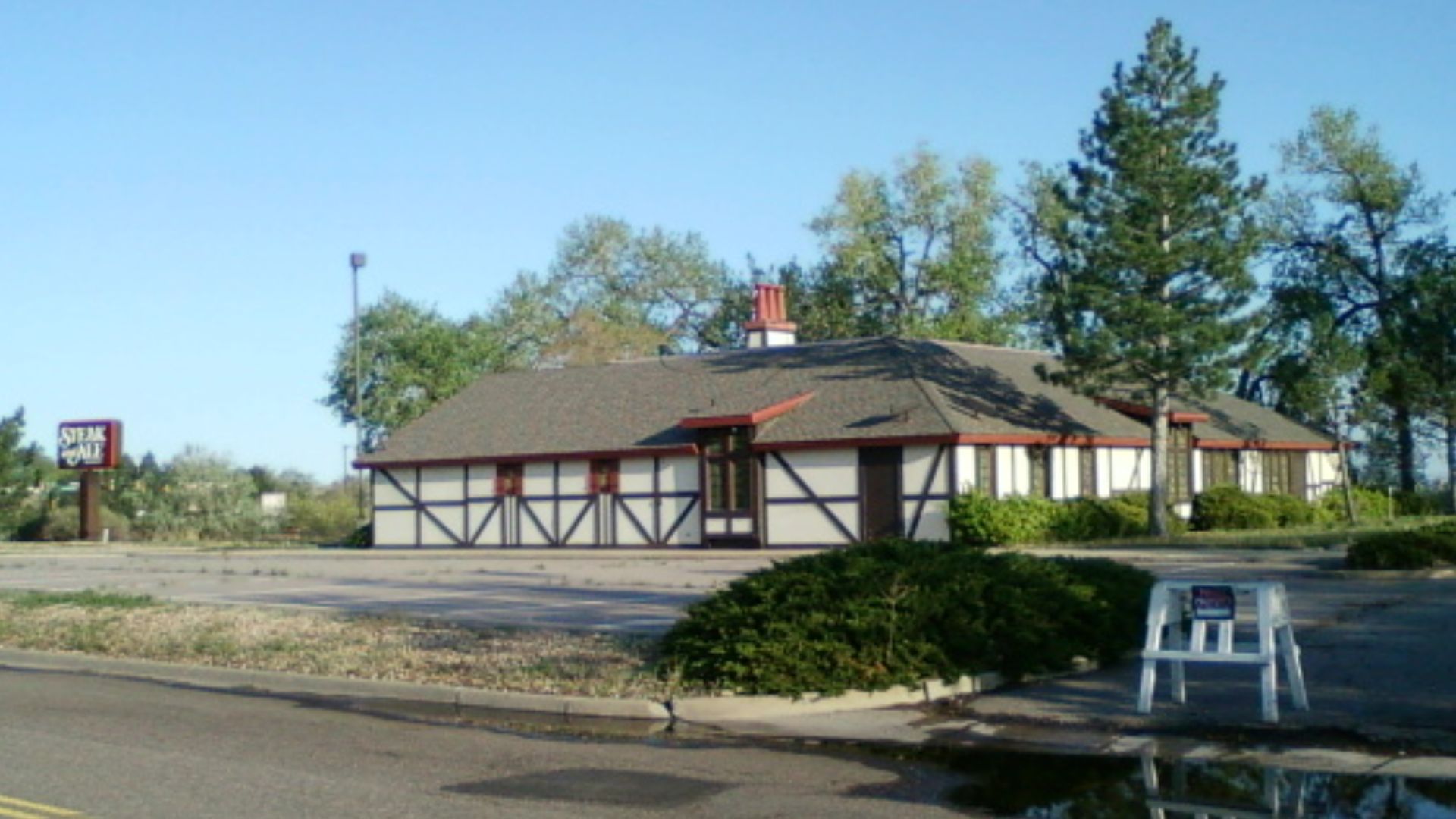
Steak And Ale Made Road-Trip Dinner Feel Fancy
After days of fast food, Steak and Ale could feel surprisingly sophisticated. Norman Brinker founded the chain in Dallas in 1966 with the idea of offering a more upscale steakhouse experience at approachable prices. Dim lighting, prime rib, steaks, and its influential salad bar became trademarks.
Victoria Station Let Families Eat Around Train Cars
Few restaurant chains looked quite like Victoria Station. Founded in 1969 by Cornell Hotel School graduates, the concept incorporated railway boxcars into its restaurants and specialized in affordable prime rib. The unusual buildings helped make Victoria Station a memorable 1970s dining phenomenon.
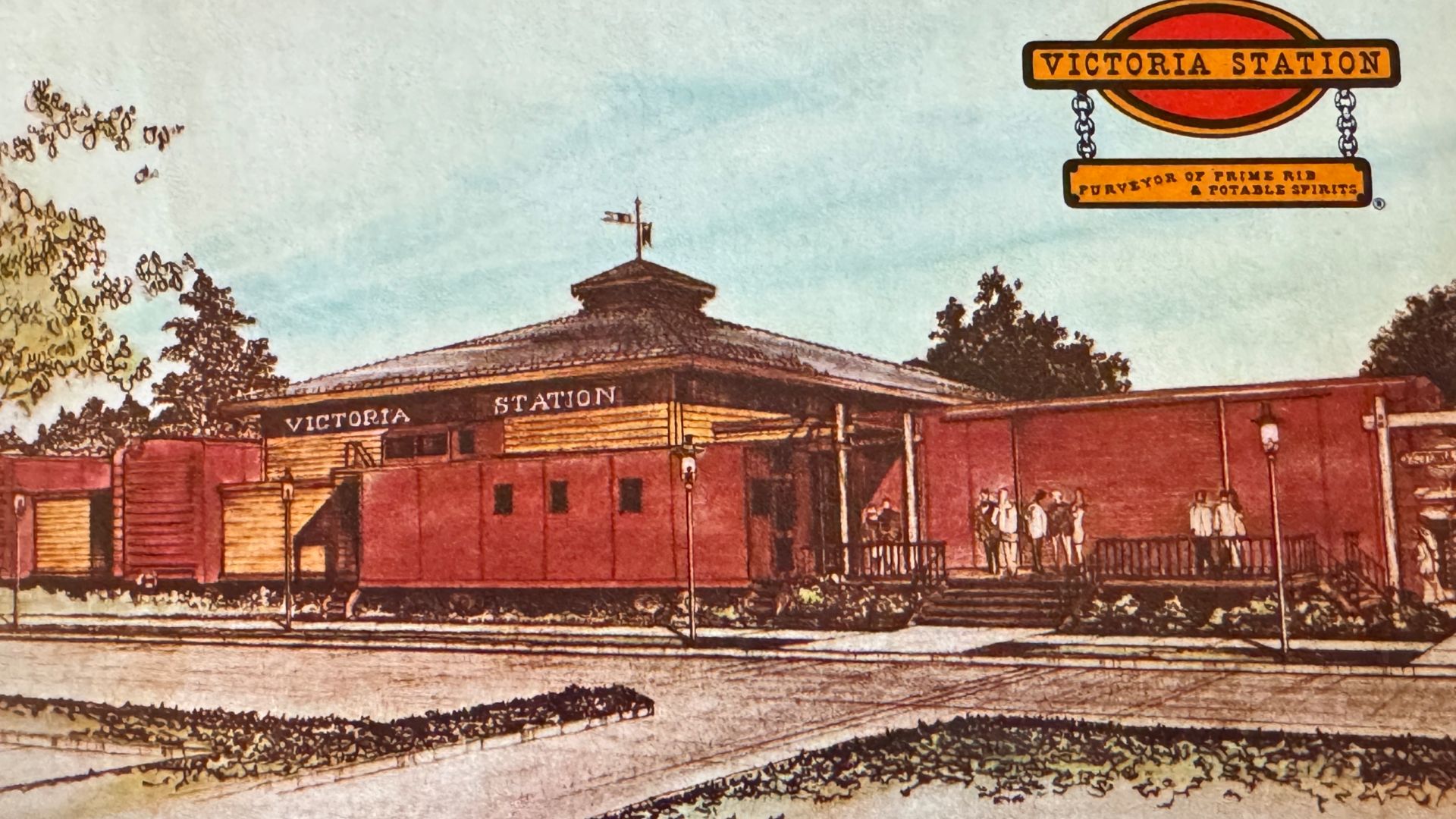 ChesterPlumfield, Wikimedia Commons
The Ground Round Was Designed For Families
Founded in 1969 as a sister concept to Howard Johnson’s, the Ground Round leaned heavily into family entertainment. Cartoons and movies, American comfort food, popcorn, and its famous peanut-shell-on-the-floor tradition gave children plenty to remember besides whatever they ordered.
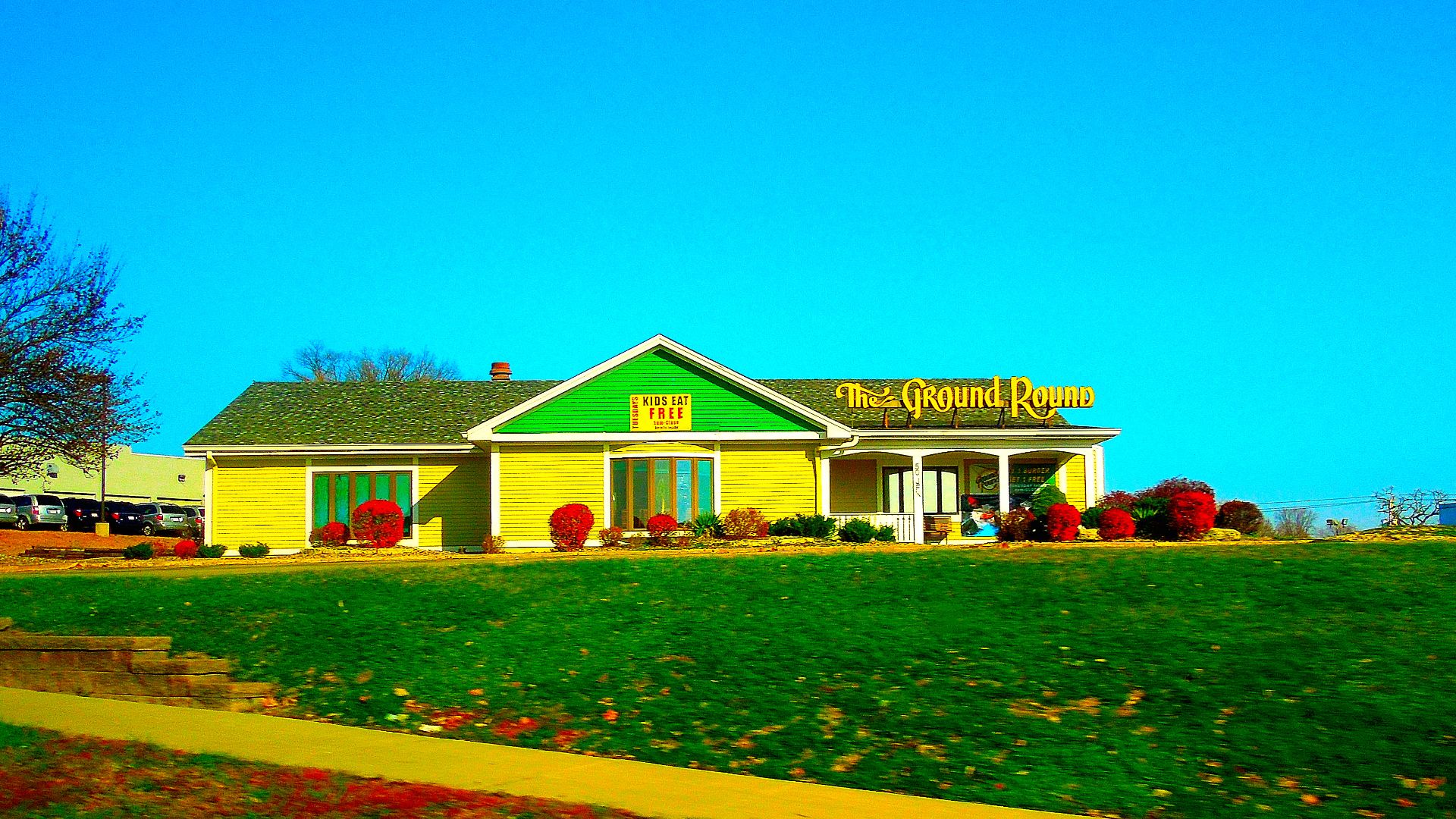 Corey Coyle, Wikimedia Commons
Denny’s Was The Reliable Late-Night Answer
Denny’s began in 1953 as Danny’s Donuts in Lakewood, California. The concept evolved into a coffee shop and adopted the Denny’s name before the 1960s. Its commitment to 24-hour service made it especially useful to travelers who reached town long after more traditional restaurants had closed.
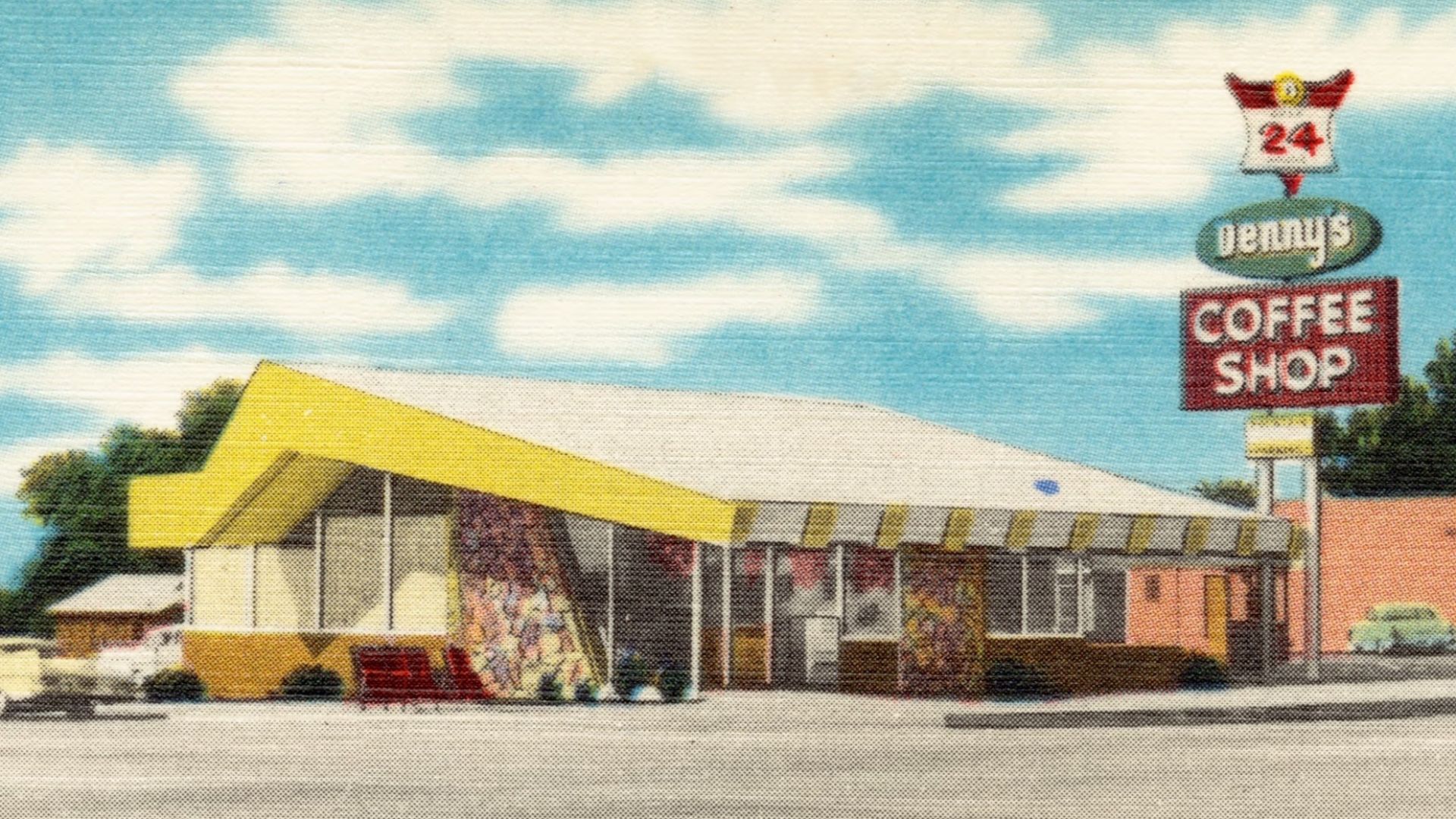 Tichnor Brothers, Publisher, Wikimedia Commons
Sizzler Made Steak Affordable
Sizzler opened in Culver City, California, in 1958 with an unusual middle-ground idea: offer steak at prices below traditional full-service restaurants while using a streamlined ordering system. It expanded to more than 100 restaurants by the mid-1960s and became a familiar family option during the 1970s.
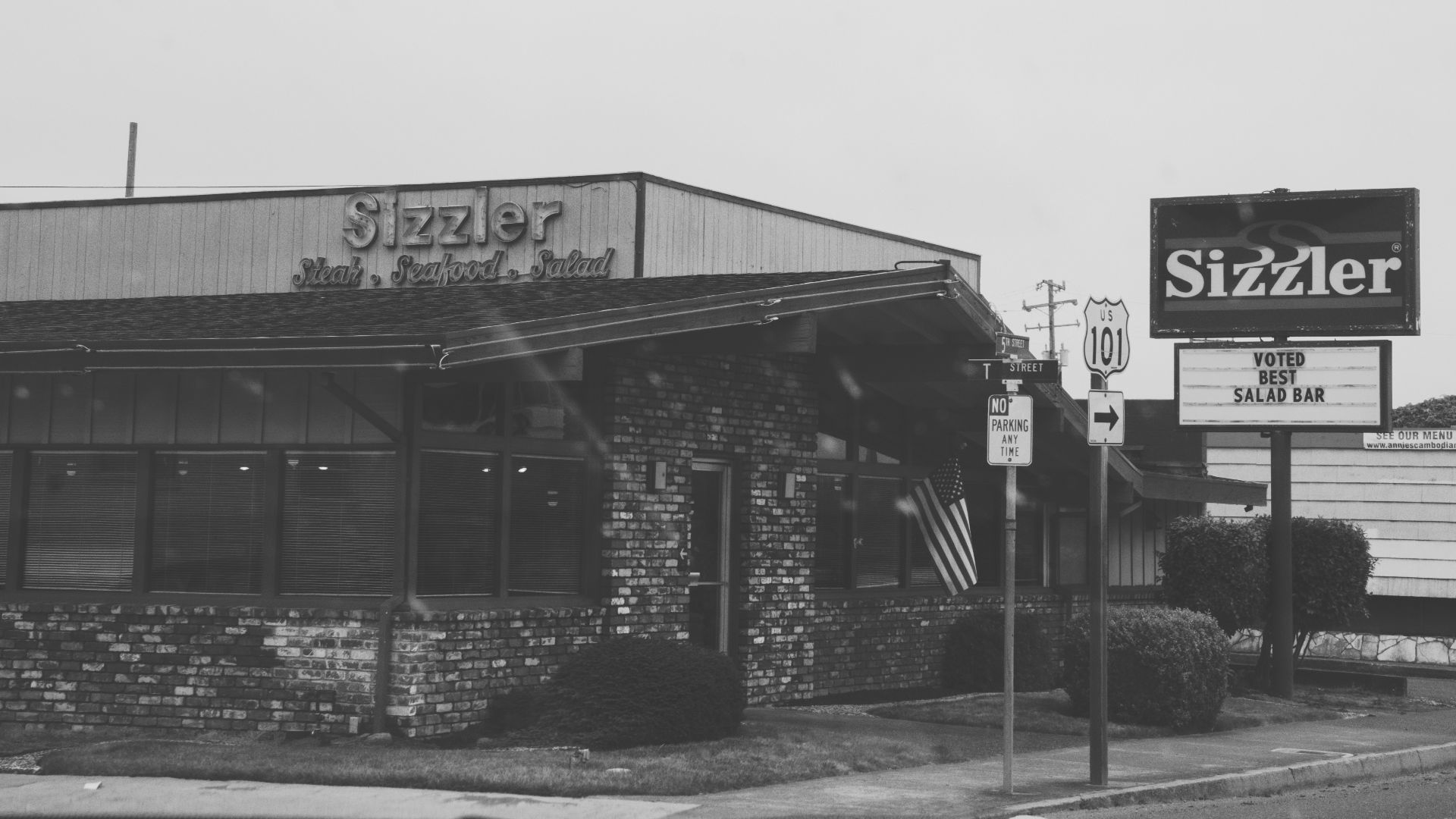 m01229 from USA, Wikimedia Commons
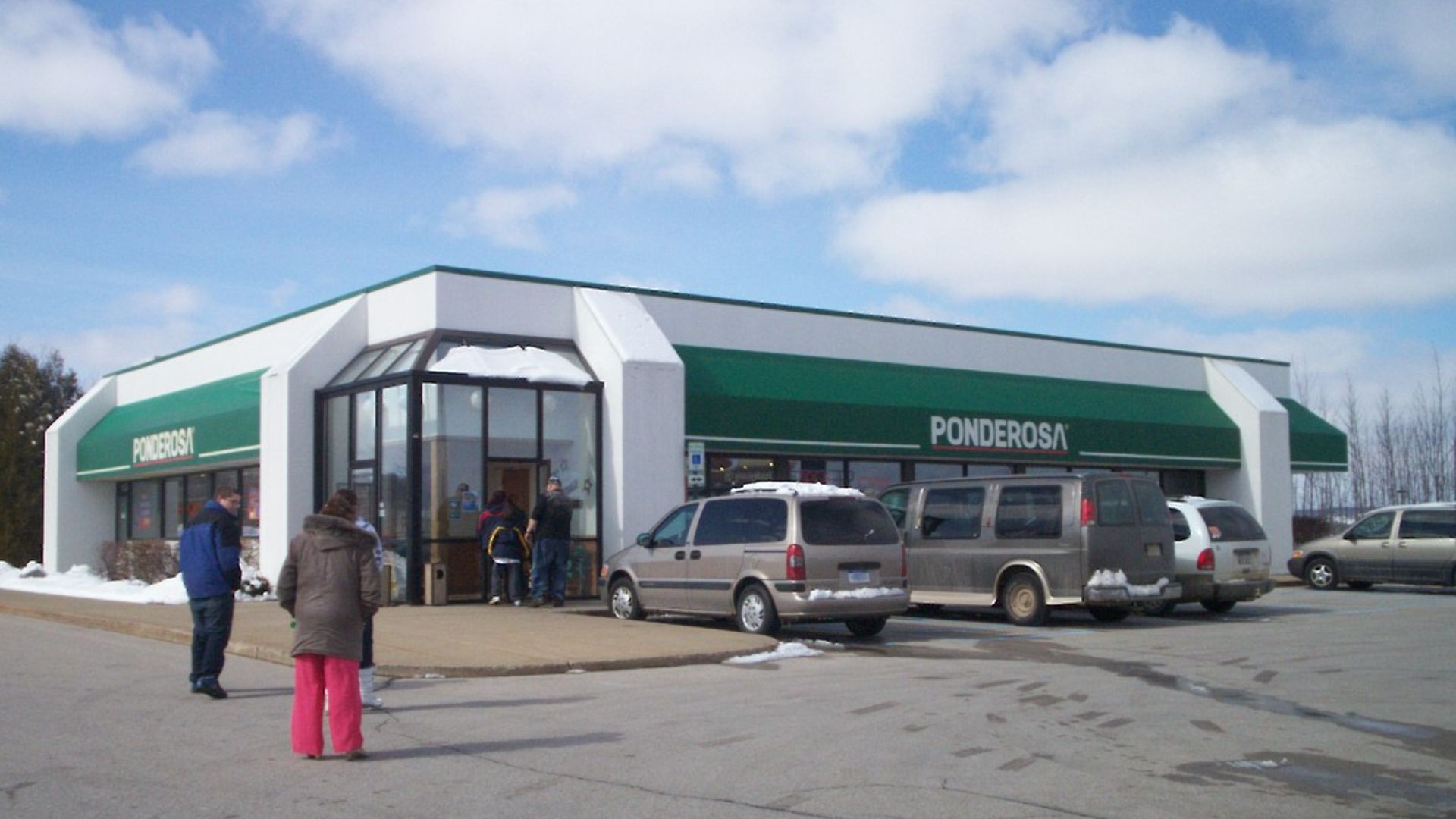
Ponderosa Felt Like A Cowboy Feast
Named after the Ponderosa Ranch in Bonanza, Ponderosa Steakhouse opened in Kokomo, Indiana, in 1965 and expanded rapidly across the Midwest and Canada. Affordable steakhouse meals and later buffet-style offerings helped it become a major family-dining chain whose footprint eventually approached 700 locations.
 TenPoundHammer, Wikimedia Commons
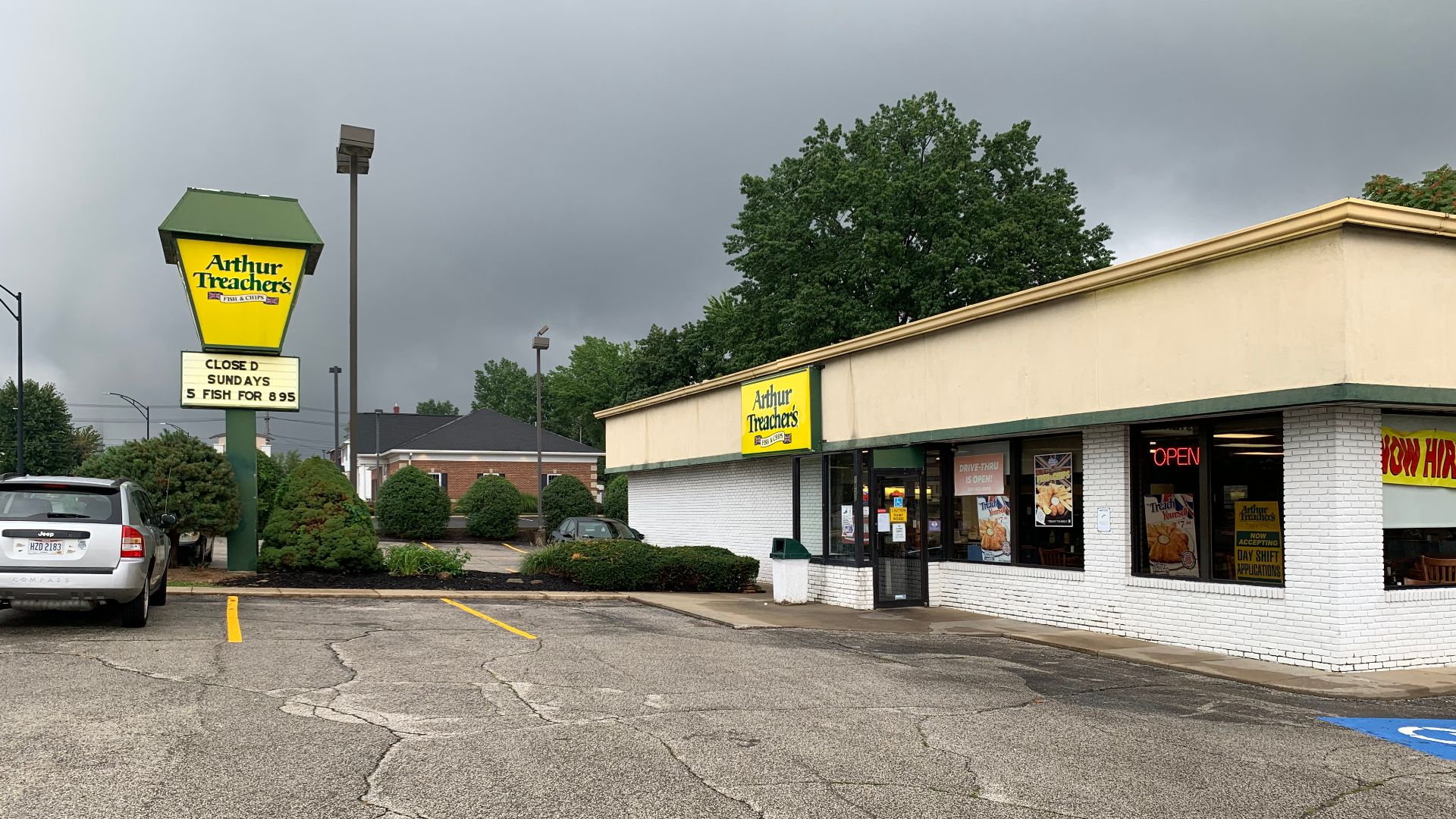
Arthur Treacher’s Made Fish And Chips Fast Food
Arthur Treacher’s proved that hamburgers did not have to dominate every fast-food stop. Founded in 1969 and named for the English actor, the fish-and-chips chain eventually surpassed 800 locations at its peak. Its fried fish, chips, hush puppies, and British branding made it immediately recognizable.
 TenPoundHammer, Wikimedia Commons
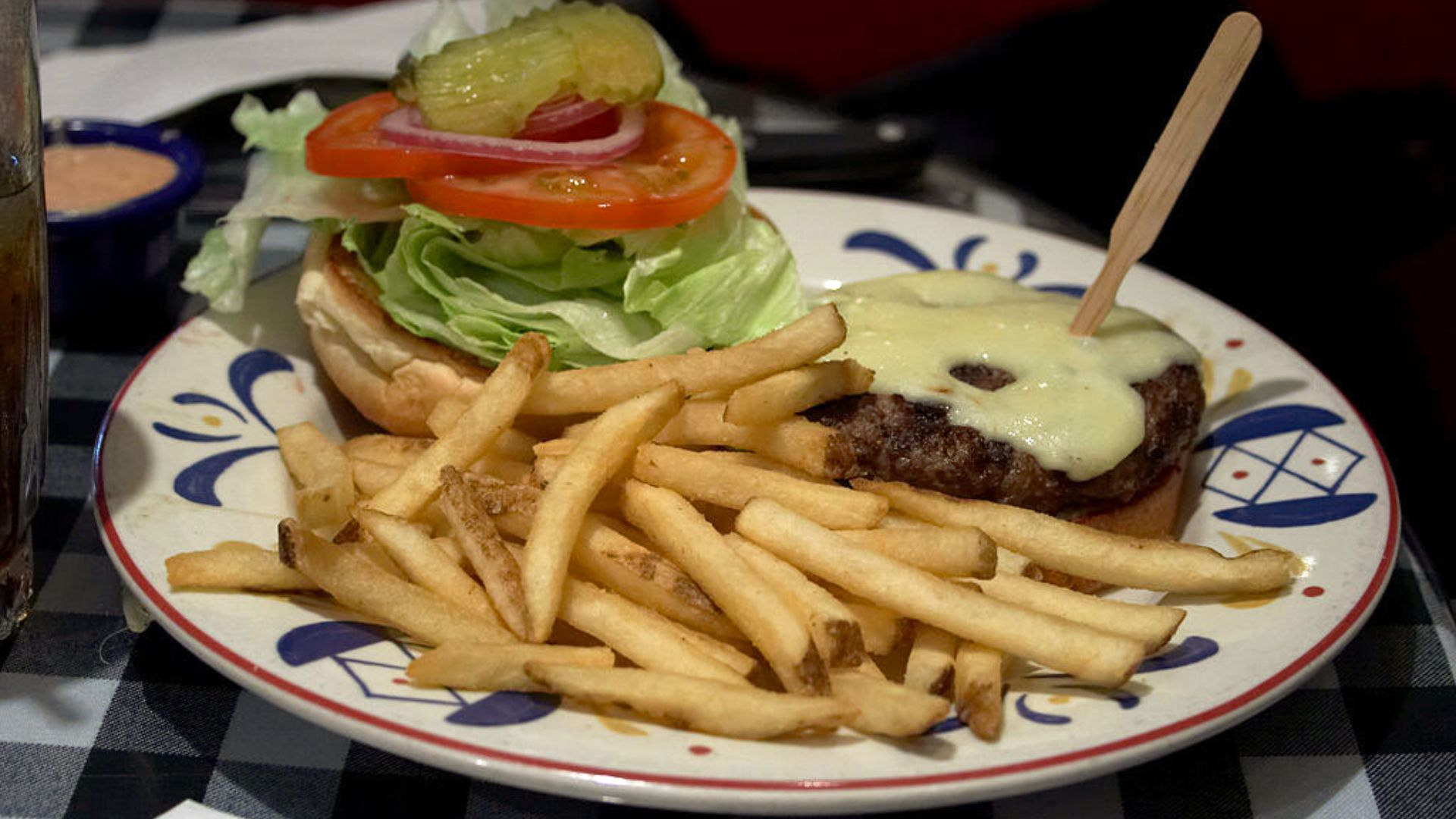
Gino’s Was Huge On The East Coast
Founded by former Baltimore Colts star Gino Marchetti, Gino’s became a major Mid-Atlantic fast-food chain known for hamburgers and chicken. By 1981 it had hundreds of restaurants. Marriott acquired the company in 1982 and converted many former Gino’s locations into Roy Rogers restaurants.
 The original uploader was Y6y6y6 at English Wikipedia., Wikimedia Commons
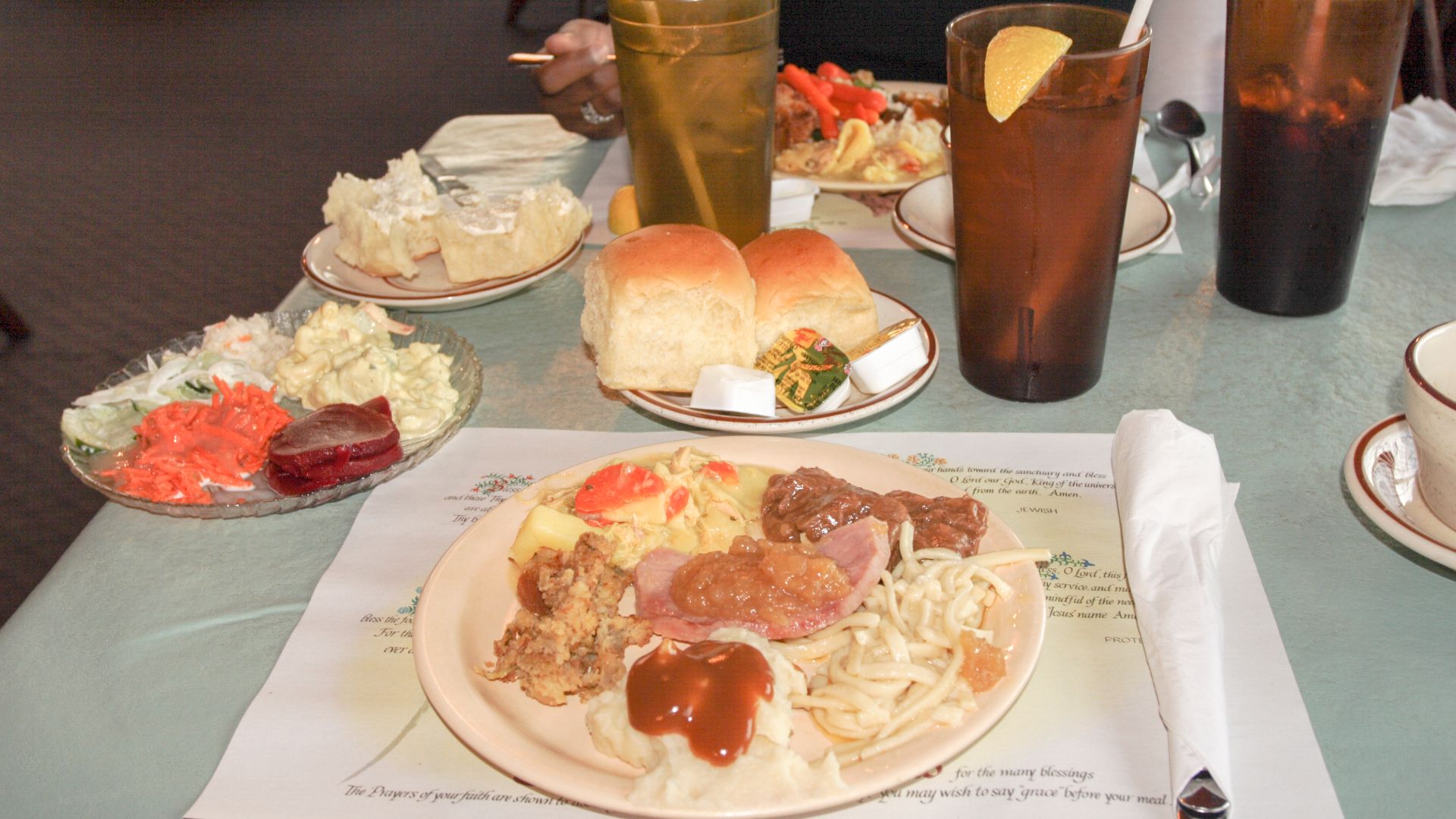
Dutch Pantry Looked Like Pennsylvania Dutch Country
Dutch Pantry restaurants leaned into a rustic Pennsylvania Dutch theme with barn-inspired buildings, country-store areas, traditional décor, and family meals. The chain grew steadily in the 1950s and 1960s, and large franchise operators helped put its recognizable restaurants along heavily traveled roads during the 1970s.
 Andrij Bulba, Wikimedia Commons
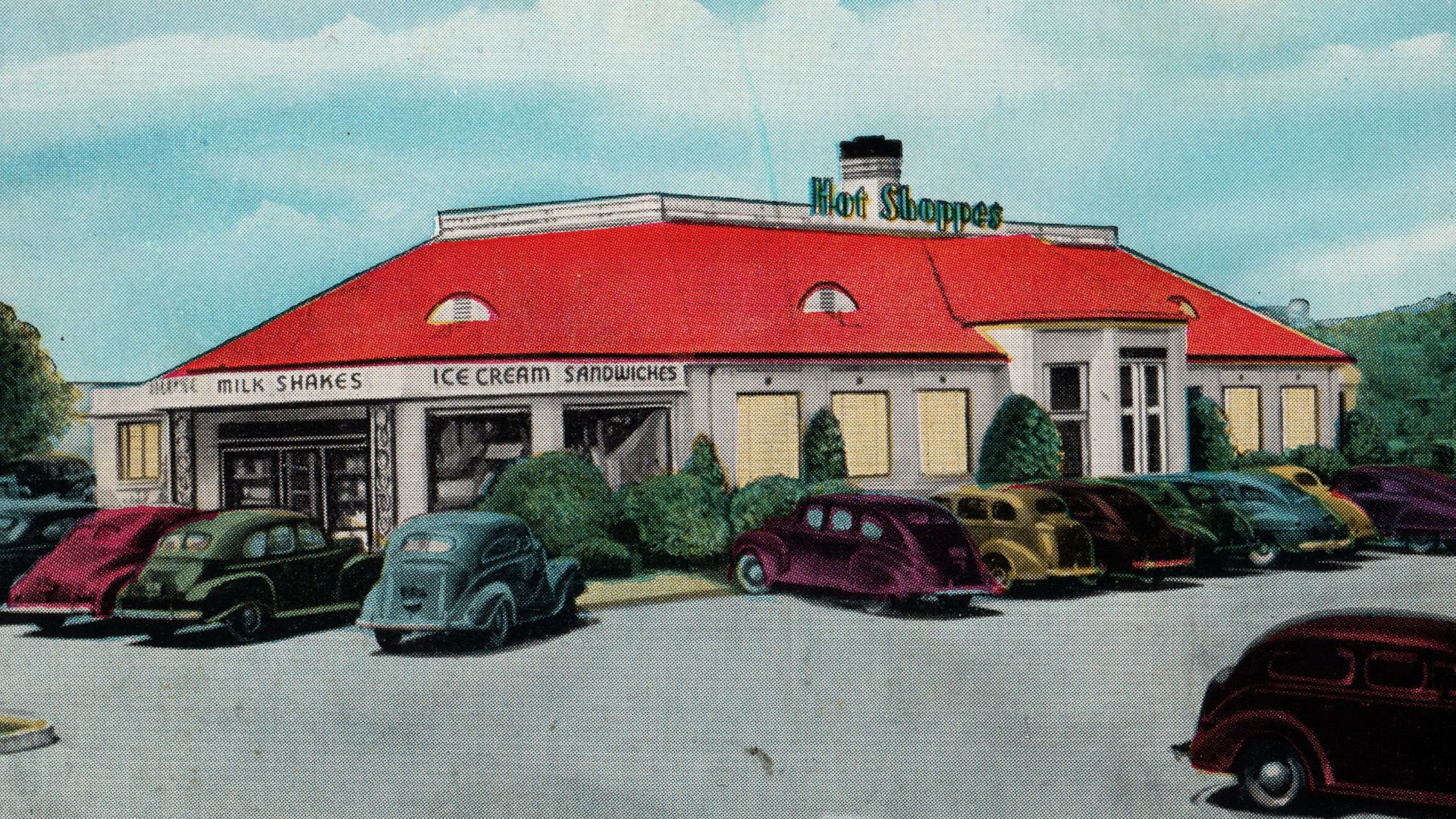
Hot Shoppes Was Part Of The Marriott Story
Before Marriott became synonymous with hotels, the company was deeply rooted in restaurants. J Willard and Alice Marriott started with a Washington, DC, root beer stand in 1927, which developed into the Hot Shoppes chain. Its drive-ins, cafeterias, and coffee-shop-style locations became a major regional institution.
 Unknown authorUnknown author, Wikimedia Commons
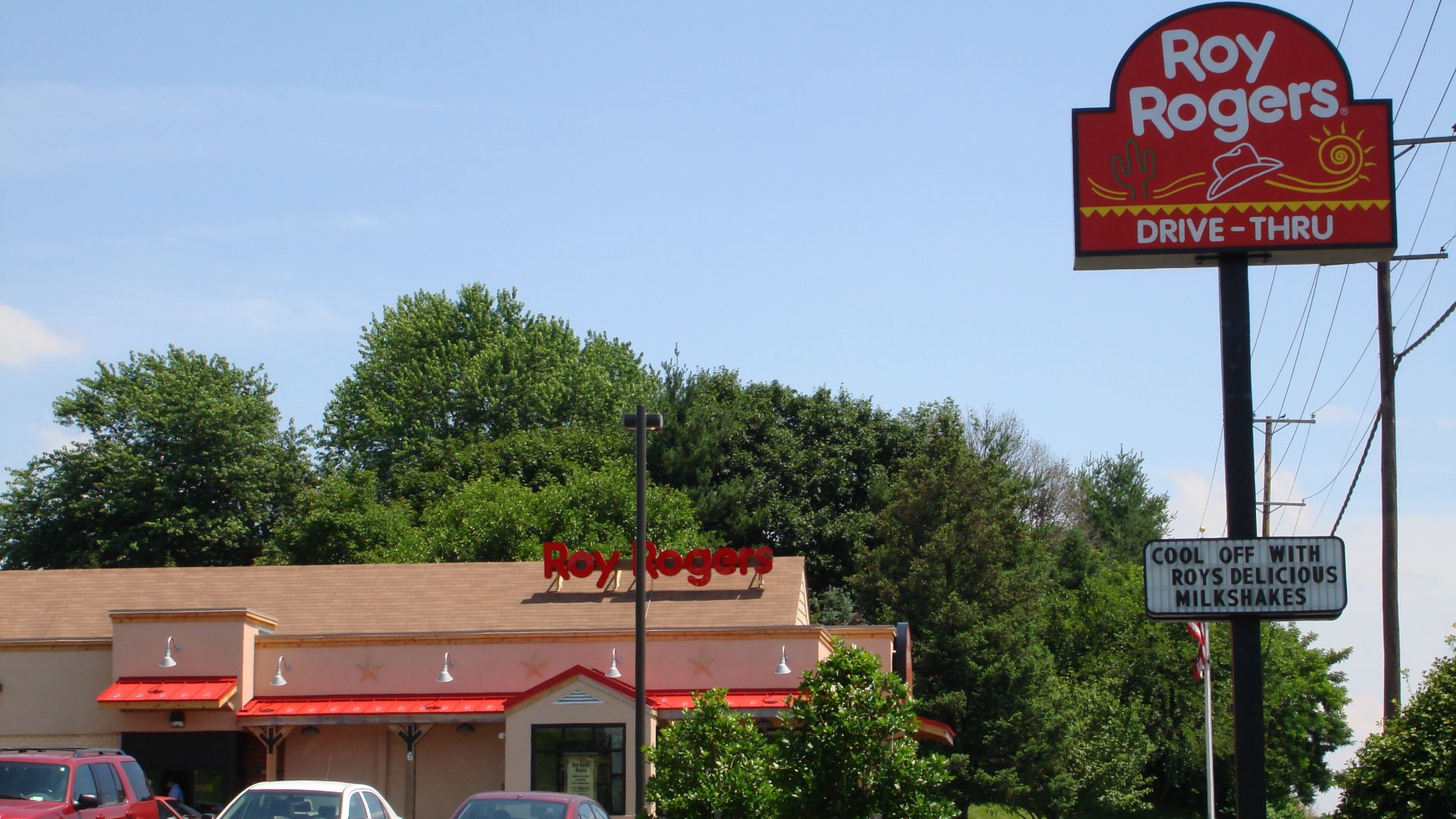
Roy Rogers Became A Highway Favorite Of Its Own
Marriott launched Roy Rogers restaurants in 1968, combining hamburgers, roast beef, and fried chicken under a Western theme. The concept proved successful and eventually grew to hundreds of locations. In the early 1980s, many acquired Gino’s restaurants were converted into Roy Rogers outlets.
 Jonesdr77 (talk)jonesdr77, Wikimedia Commons
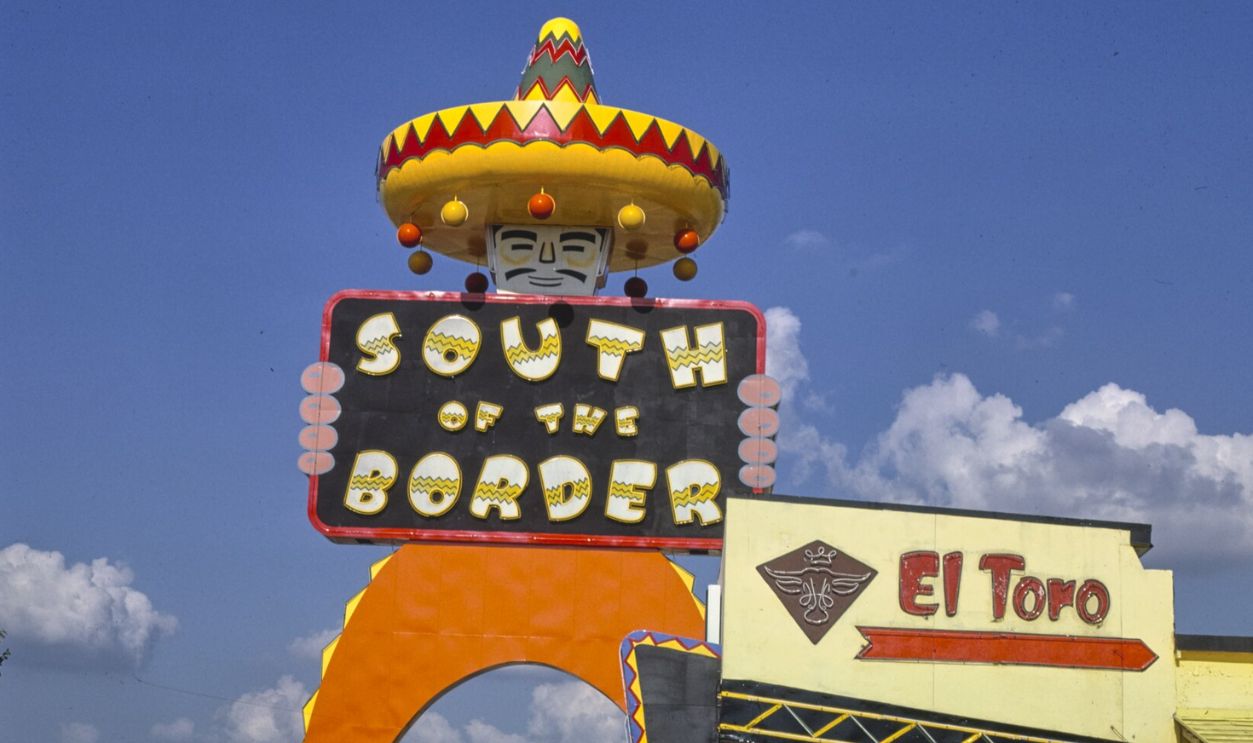
South Of The Border Was Impossible To Ignore
Anyone traveling I-95 through the Carolinas learned about South of the Border long before reaching it. The South Carolina roadside complex began as a beer stand around 1950 and grew into a huge traveler stop with restaurants, motel rooms, gas, souvenirs, attractions, and an army of roadside billboards.
 John Margolies, Wikimedia Commons
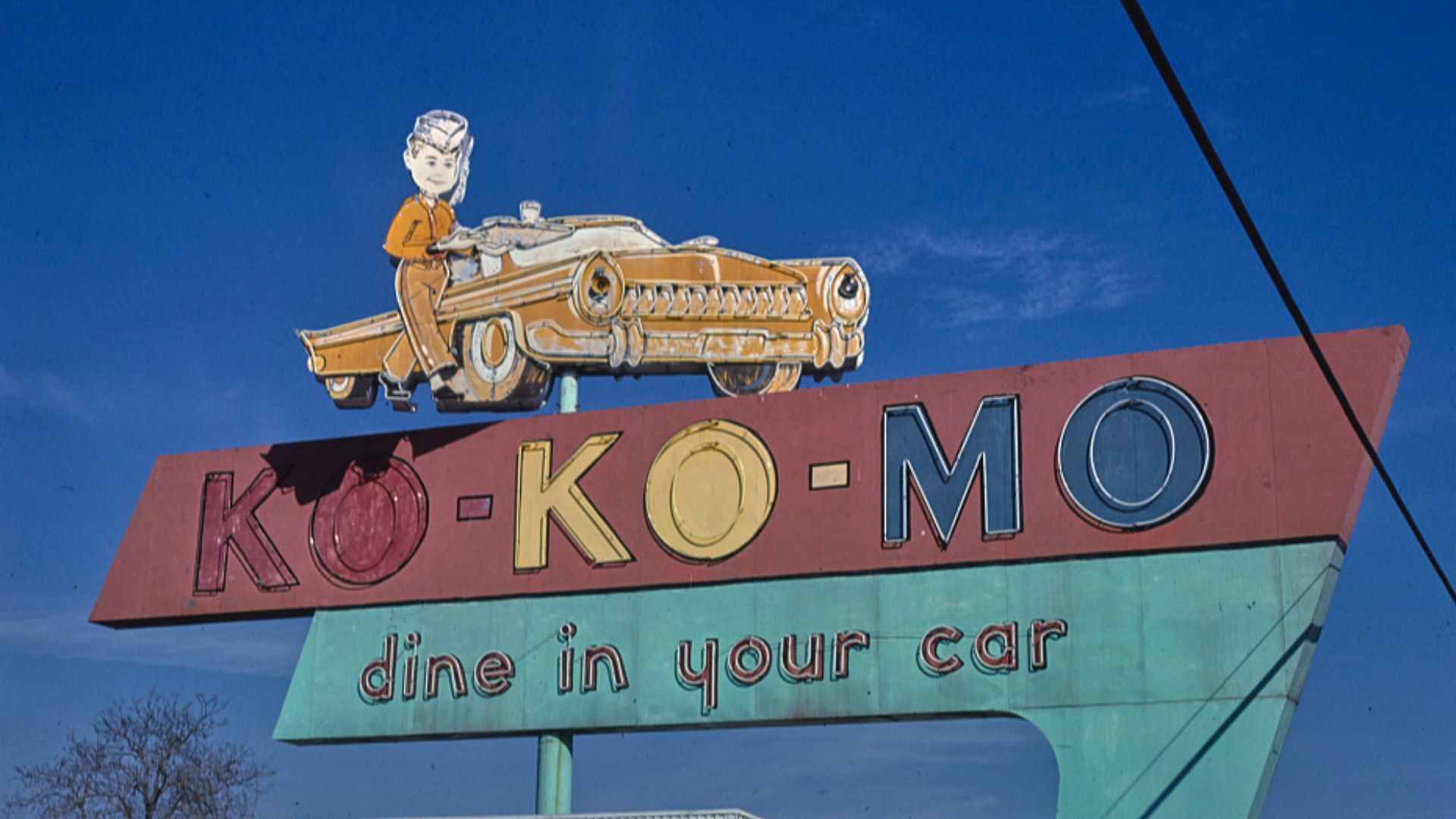
The 1970s Road Trip Was Full Of Giant Signs
The food was only part of what made these places memorable. Families spotted orange roofs, barn-shaped buildings, enormous mascots, and bright billboards from moving cars. Roadside businesses deliberately used unusual architecture and oversized signage because they had only seconds to catch a driver’s attention.
 The Library of Congress from Washington, DC, United States, Wikimedia Commons
Predictability Was Part Of The Appeal
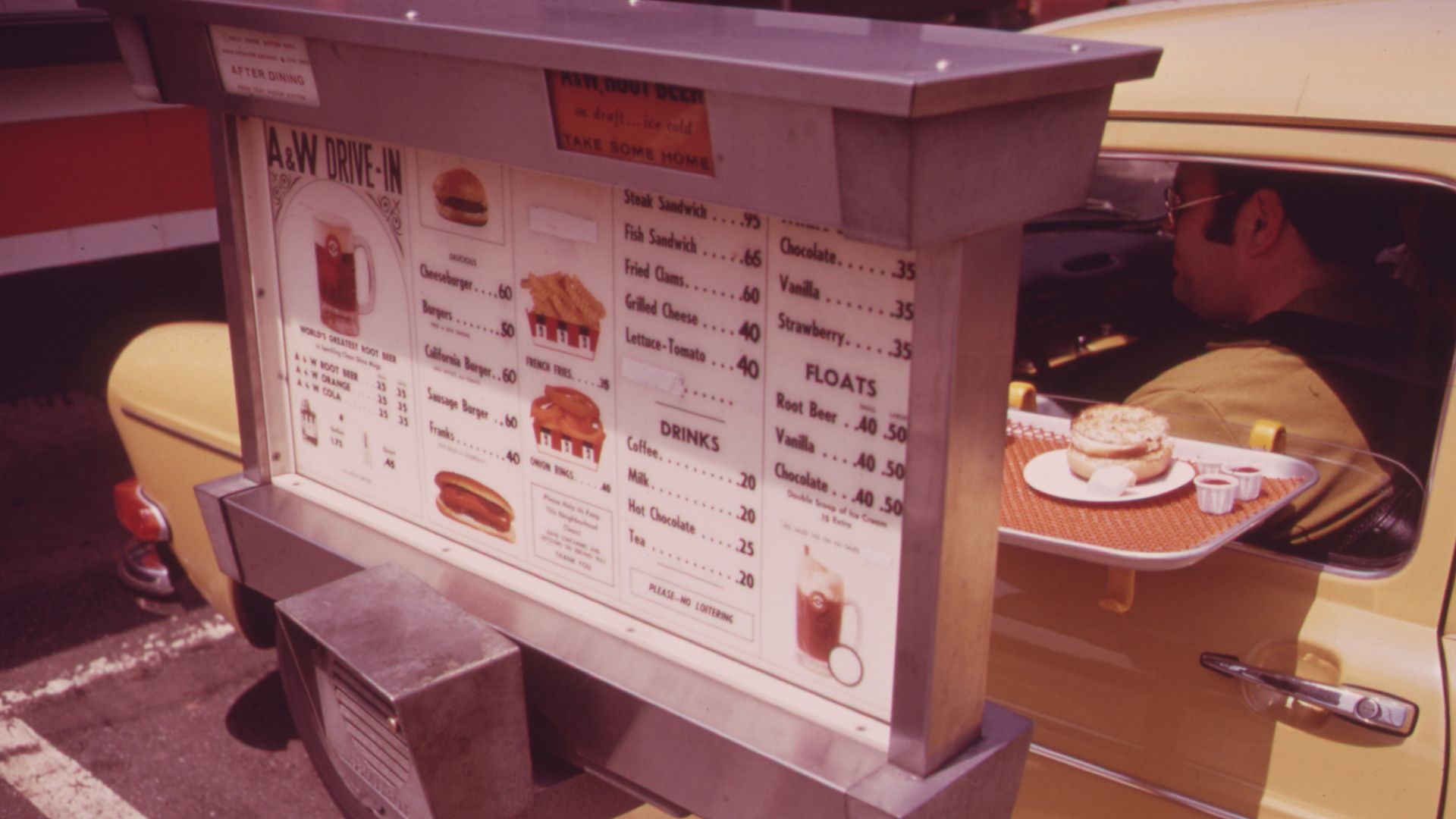
A familiar restaurant could remove one decision from an exhausting travel day. Parents knew there would probably be easy parking, recognizable food, a bathroom, and something the children would eat. Before smartphone reviews and navigation apps, the recognizable chain itself acted as a kind of reassurance.
 Arthur Tress, Wikimedia Commons
The Interstate Changed Which Restaurants Survived
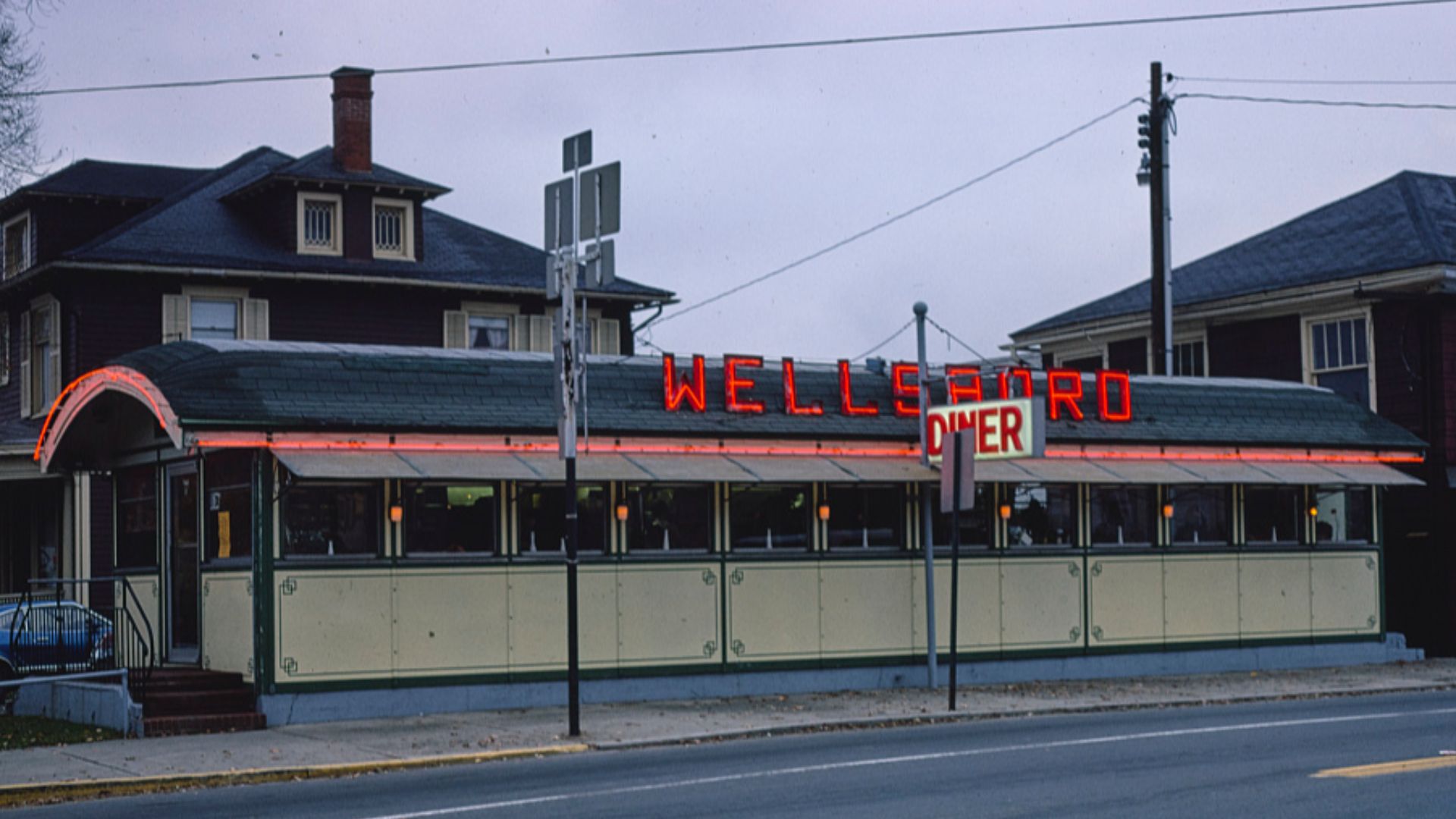
America’s highway system helped national and regional chains spread, but it also changed where travelers spent money. Businesses on bypassed roads often struggled while new restaurants clustered near interstate exits. Overexpansion, changing tastes, corporate mergers, and economic pressure later eliminated many once-familiar names.
 The Library of Congress from Washington, DC, United States, Wikimedia Commons
Some Buildings Are Still Hiding In Plain Sight
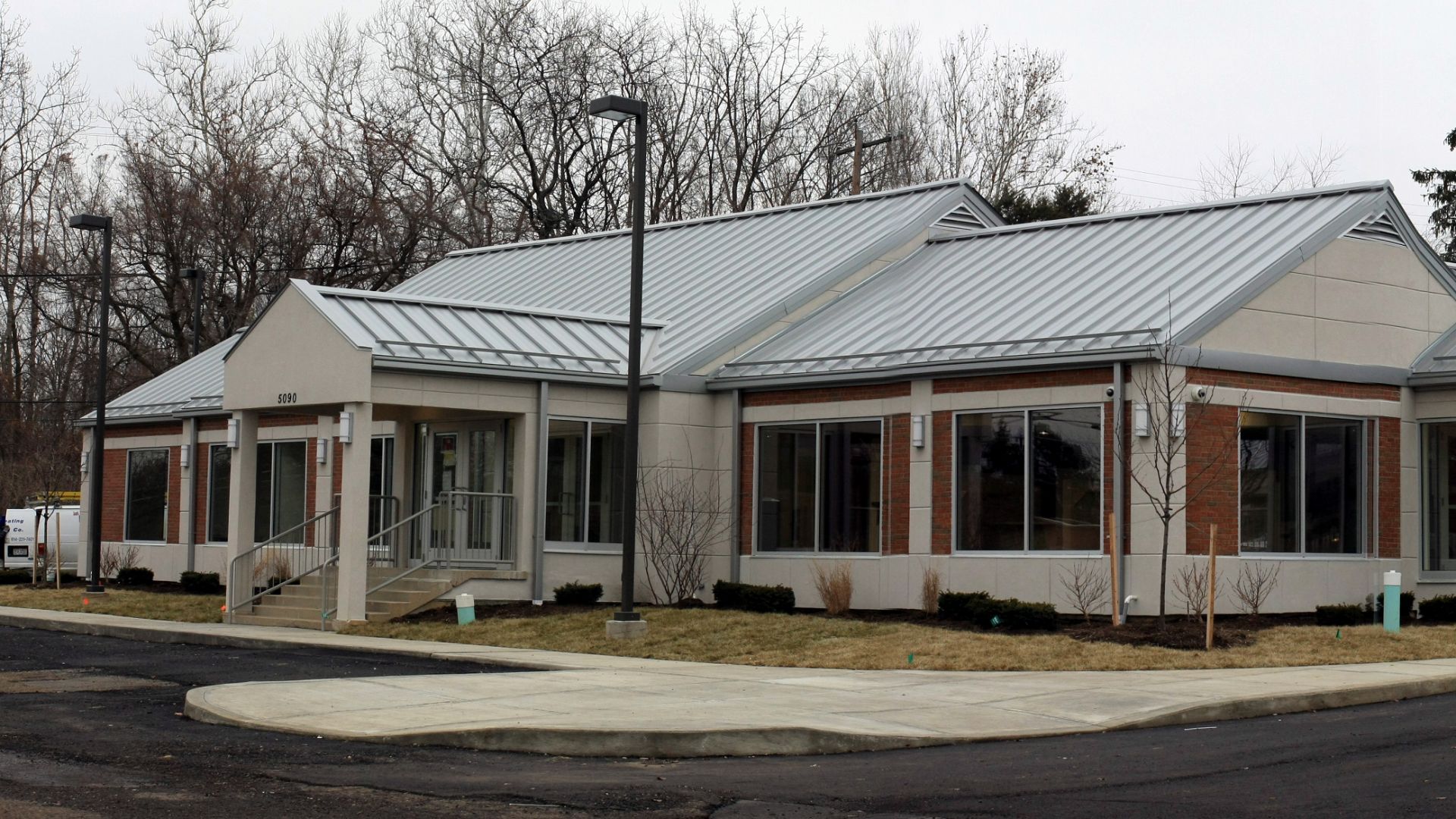
Even when the restaurant signs disappeared, the buildings did not always follow. Former Red Barns, drive-ins, Howard Johnson’s restaurants, and other distinctive structures became banks, offices, independent eateries, stores, and car lots. Roadside-architecture fans can still identify some of them by their shapes.
 George Campbell from Worthington, OH, USA, Wikimedia Commons
Younger Travelers Inherited A Very Different Road Trip
Today, passengers can compare menus, ratings, prices, and directions before the driver reaches an exit. In the 1970s, families often chose from whatever they could spot from the windshield. That is why these faded restaurant names can trigger such strong memories: the stop itself was part of the journey.

You May Also Like:
The Battle Of The Oranges, Italy's Weirdest Festival
Dining With The Stars: Top 10 Celebrity-Owned Restaurants Around The World
20 Thrilling Destinations For Adventure Lovers
Sources: 1, 2, 3, 4, 5, 6, 7, 8, 9, 10, 11, 12, 13, 14, 15, 16, 17, 18, 19, 20, 21, 22, 23, 24, 25, 26, 27, 28