The Breakfast Bait And Switch
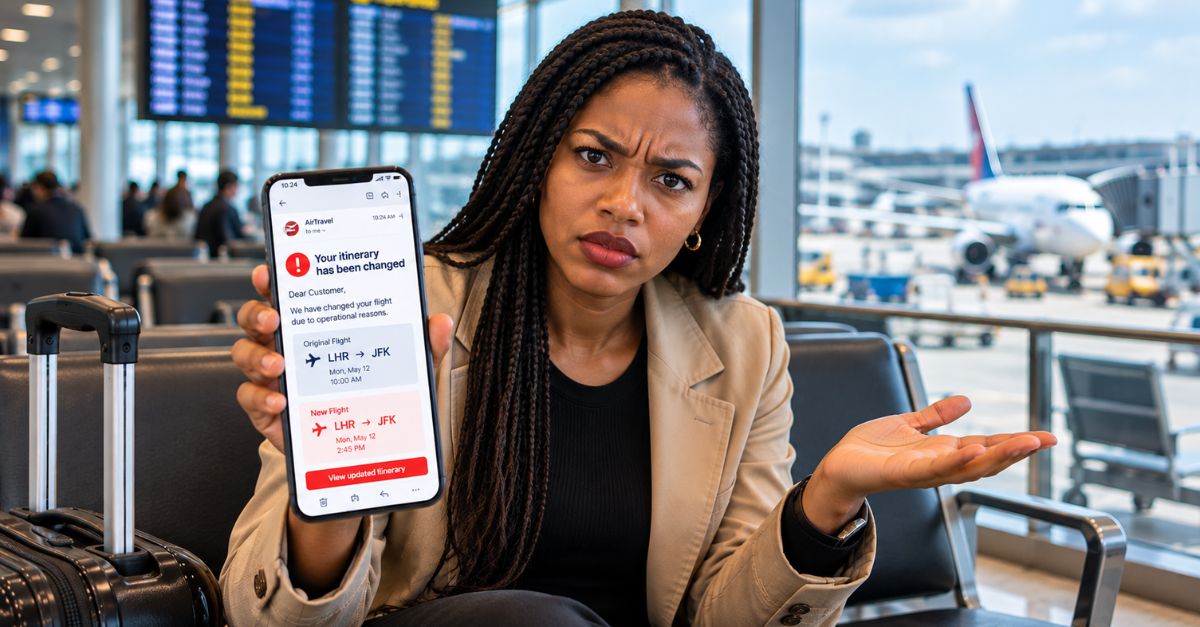
You book a cheap hotel that fit's in your budget, but at least it features “free breakfast.” You're thinking of eggs, fruit, maybe even a waffle machine. Then morning comes and breakfast turns out to be a paper cup of coffee and a wrapped muffin. It feels like a bait and switch, but you've got to read the fine print to see if you have a case.
 Vlada Karpovich, Pexels, Modified
Why This Question Matters
Hotels use breakfast as a selling point for a reason. It matters to families, budget travelers, and anyone trying to keep trip costs down. When a meal is included in the room rate, that can be the thing that pushes someone to choose one hotel over another.
 Vidar Nordli-Mathisen, Unsplash
What Counts As False Advertising
In the United States, false advertising usually comes down to whether a claim is likely to mislead a reasonable consumer. The Federal Trade Commission says ads must be truthful, not misleading, and backed up when needed. That does not mean every sad hotel breakfast breaks the law, but it does set the basic rule.
The FTC’s Basic Rulebook
The FTC says an ad can be deceptive if it includes a statement or leaves out information in a way that is likely to mislead people acting reasonably, and if that information matters to their buying decision. “Free breakfast” can clearly matter when travelers are comparing hotels. If the phrase suggests a real meal and the hotel delivers almost nothing, that gap may matter.
Why One Muffin Can Be A Legal Gray Area
This is where things get tricky. “Breakfast” is not always defined the same way in marketing. A hotel may argue that coffee and a muffin still count as breakfast. A guest may argue that the phrase naturally suggests more than a token snack, especially if the listing gave no warning.

Context Can Change Everything
Courts and regulators usually look at the overall impression of an ad, not just one word by itself. A hotel website showing photos of a buffet, fruit, pastries, and hot food makes a much stronger promise than a simple line that says “complimentary breakfast.” And if the listing says “continental breakfast,” that also changes what a reasonable guest should expect.

Continental Is Not The Same As Full
In hotel marketing, “continental breakfast” has long meant a lighter spread, often coffee, juice, toast, pastries, and maybe fruit. It usually does not mean a hot meal with eggs and bacon. If a hotel promised a “free continental breakfast” and gave guests only coffee and a single muffin, people may still feel misled, but the question would likely turn on how thin that offering was compared with normal expectations.
 Wagner Tamanaha from Sao Paulo, Brazil, Wikimedia Commons
State Law Often Does The Heavy Lifting
While the FTC sets broad federal standards, many hotel advertising disputes are more likely to fall under state consumer protection laws. States commonly ban deceptive or unfair business practices. That means the answer can depend on where the hotel is, where the booking happened, and how a judge or regulator reads the ad as a whole.

California Gives A Useful Example
California’s consumer protection rules, including the Unfair Competition Law and False Advertising Law, broadly ban misleading advertising. Courts there often ask whether members of the public are likely to be fooled. That “reasonable consumer” standard is influential well beyond California, even though each state has its own laws.
 Quintin Soloviev, Wikimedia Commons
New York Uses Similar Logic
New York’s consumer protection law also targets deceptive business practices. The main question is usually whether the conduct is materially misleading to a reasonable consumer. For a traveler, a promised breakfast that turns out to be almost nothing could fit that concern, depending on how it was advertised.
 Jakub Hałun, Wikimedia Commons
Hotels Usually Protect Themselves With Fine Print
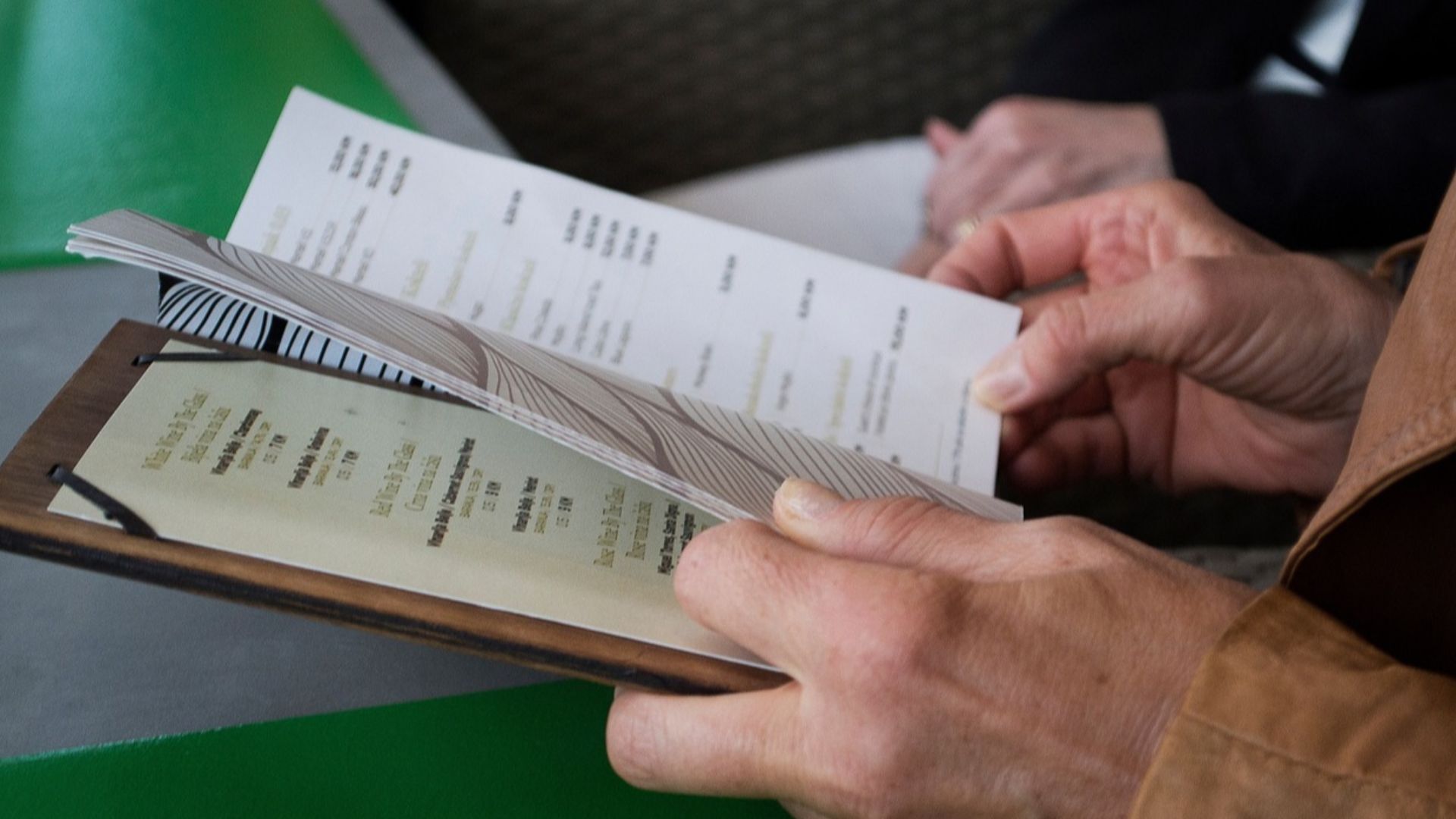
Many hotel listings now soften breakfast claims with careful wording. You will often see phrases like “grab-and-go breakfast,” “light breakfast,” or “continental breakfast included.” Those extra words matter because they narrow the promise and make a legal challenge harder.
Photos Can Be More Powerful Than Words
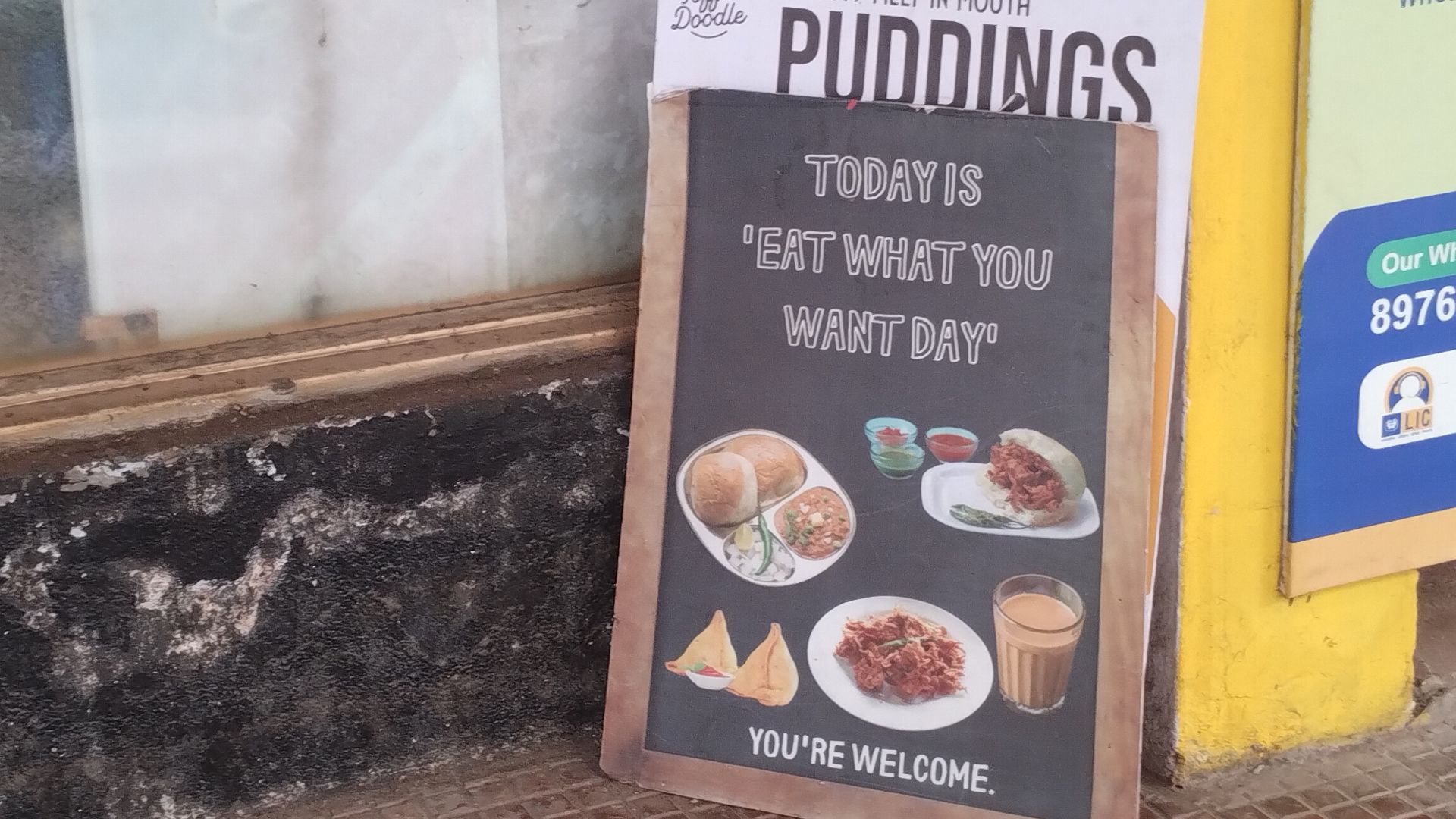
Pictures can do a lot of the selling. If a booking page shows a full breakfast buffet but the property only serves coffee and a packaged muffin, that mismatch could make a complaint much stronger. Regulators care about the overall impression an ad leaves, and photos are part of that impression.
 Fredericknoronha, Wikimedia Commons
Third-Party Booking Sites Add Another Twist
Many travelers book through online travel sites instead of directly with the hotel. Sometimes the amenity details on those platforms are copied, shortened, or out of date. That can make it harder to figure out whether the hotel, the platform, or both helped create a misleading claim.

What The Booking Contract May Say
The confirmation email and final booking details can be important evidence. If those documents just say “breakfast included,” that may support your complaint more than a listing that specifically said “coffee and pastry.” If breakfast is one reason you booked, it is smart to save screenshots before your stay.

COVID Changed Breakfast Expectations
During the pandemic, many hotels cut back buffets and replaced them with bagged items or bare-bones offerings. Some updated their listings clearly, while others did not. That stretch taught travelers a frustrating lesson: “included breakfast” can shrink fast when hotels do not explain what changed.

Consumer Reviews Often Tell The Real Story
One of the easiest ways to test a breakfast claim is to read recent guest reviews. Travelers often post photos and blunt descriptions of what was actually served. If review after review says “just coffee and a muffin,” that points to a steady mismatch, not a one-time bad morning.

When Disappointment Becomes Deception
Not every weak hotel perk is legally deceptive. The issue gets stronger when the breakfast claim likely affected the booking decision and the hotel’s wording or photos suggested something more substantial. In consumer law, claims matter most when they help drive the purchase.

What You Should Do At The Hotel
Start by politely asking the front desk what the property means by “free breakfast.” Sometimes staff will offer a voucher, refund, or credit if the listing was unclear. A calm conversation often works faster than turning it into a showdown in the lobby.
Document What You Actually Received
Take photos of the breakfast setup and any signs nearby. Save your booking confirmation, screenshots of the original listing, and any promo images that mention breakfast. If you later complain to the hotel, a booking platform, or a state agency, that record will matter.

Ask For A Partial Refund
If breakfast was one reason you picked the hotel, asking for compensation is fair. A partial refund, loyalty points, waived parking, or another credit may be easier to get than a full refund. It usually helps to frame the problem as inaccurate marketing, not just bad taste.
Complain To The Booking Platform Too
If you booked through a third-party site, report the problem there as well. Booking platforms often have rules against inaccurate property descriptions and may step in or offer travel credits. At the very least, your complaint may help get the listing fixed for future guests.

Government Complaints Are Still An Option
You can also file a complaint with your state attorney general’s consumer protection office or with the FTC. The FTC does not usually settle individual refund disputes, but complaint data helps regulators spot patterns. State agencies may be better positioned if a local hotel keeps advertising amenities in a misleading way.

Credit Card Protections May Help In Some Cases
If the breakfast issue is part of a larger pattern of misrepresentation, some travelers may consider disputing the charge with their card issuer. That route is stronger when the mismatch is well documented and clearly mattered to the booking. It is usually not the first step for a muffin-and-coffee problem, but it can come into play if the advertising issue is part of something bigger.
What Reasonable Consumers Probably Expect
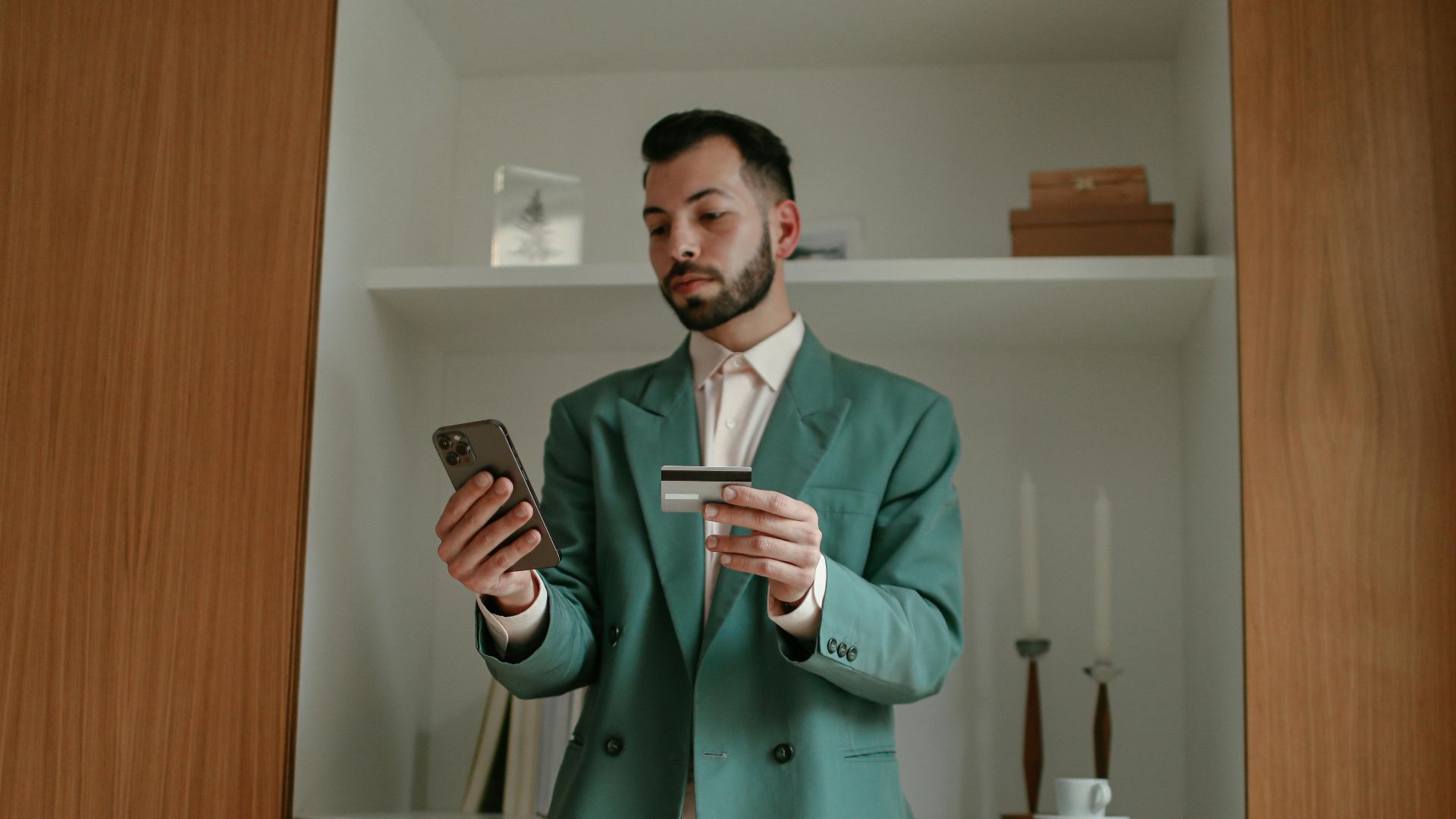
This is really the center of the whole issue. A reasonable consumer may not expect a huge brunch from the words “free breakfast” alone, but many would expect more than just coffee and a single muffin with no other options. That gap between normal expectations and a bare-minimum offering is where false advertising concerns start to look real.

Industry Language Matters More Than You Think
Hotels lean on familiar travel terms because they quickly shape expectations. “Buffet breakfast,” “full breakfast,” “continental breakfast,” and “grab-and-go” all mean different things to guests. The less specific the hotel is, the more room there is for an argument over whether the promise was misleading.

So Is It False Advertising
The honest answer is maybe. If the ad’s overall message would likely lead a reasonable traveler to expect more than coffee and a muffin, and breakfast was an important factor in the booking, the claim could be seen as misleading under consumer protection law. If the hotel clearly said it was offering a light or grab-and-go breakfast, the case gets weaker.

The Smart Traveler Takeaway
Before you book, check the exact breakfast wording, look at recent guest photos, and screenshot the amenity list. If you show up and find a snack dressed up as a meal, raise the issue right away and document everything. In hotel marketing, the line between “included perk” and “bait and switch” can be pretty thin.