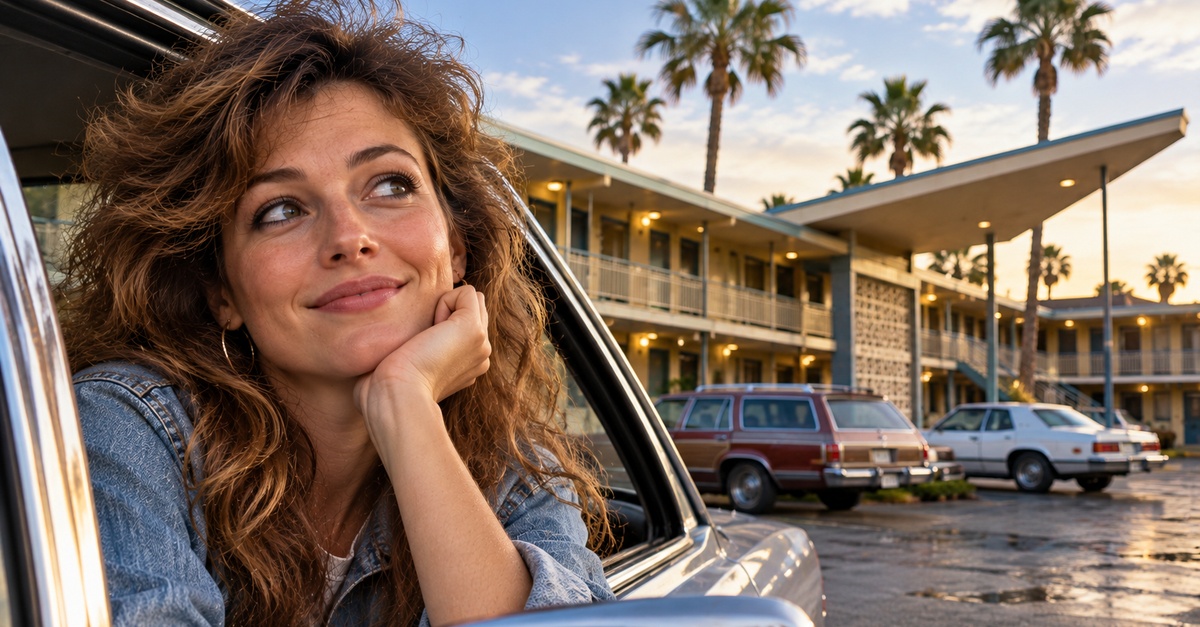
When The Motel Sign Was Part Of The Adventure
Before travel apps and online reviews, choosing a roadside motel often came down to recognizing a familiar sign from the highway. By the 1980s, American lodging included enormous national brands alongside smaller chains that dominated particular regions and travel corridors. Some of those once-familiar names have since vanished completely, even though their old buildings can still turn up beside American highways.

Imperial 400 Had A Look All Its Own
Imperial 400 was founded in Los Angeles in 1959 and quickly became recognizable for its distinctive roadside architecture. The chain commissioned architects Dan Palmer and William Krisel to design a prototype motel featuring a dramatic butterfly-style roof above the registration and manager's building. Variations of that design subsequently appeared at Imperial 400 properties around the country.
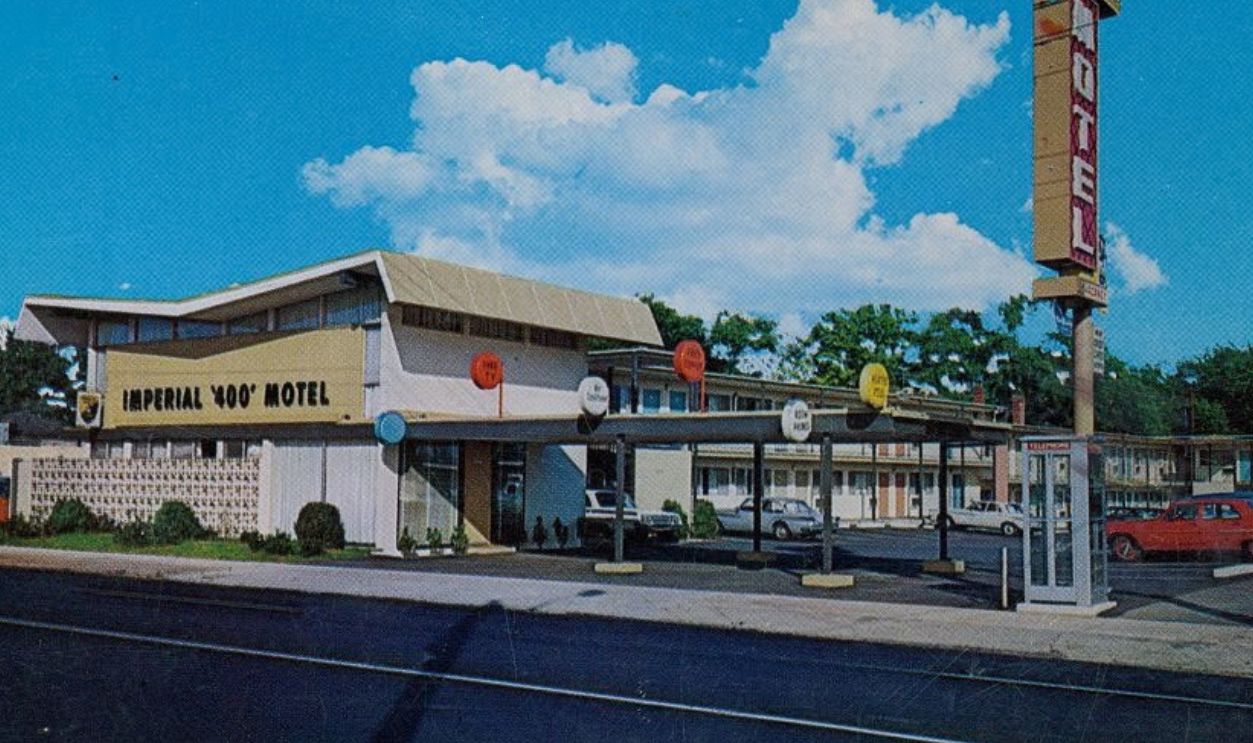 Smith Collection/Gado, Getty Images
The Thrifty Scotsman Promised A Bargain
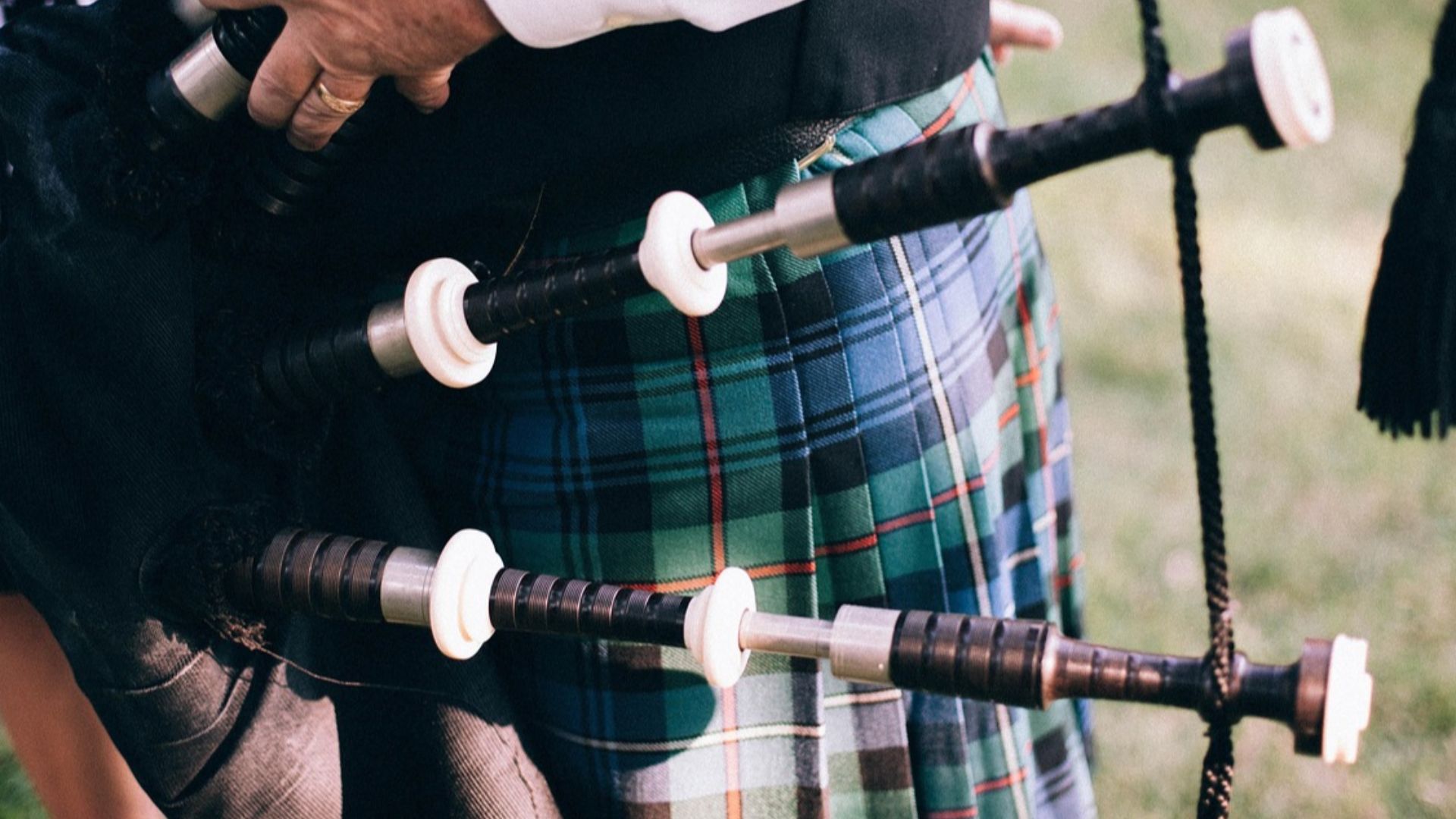
Imperial 400 reinforced its identity with a cartoon Scotsman in a kilt and the slogan “Aye, royal accommodations at thrifty rates.” The company promoted itself aggressively as it expanded through franchising during the early 1960s. Washington State's Department of Archaeology and Historic Preservation says the chain once claimed it was opening a new motel every ten days.
Imperial 400 Expanded Too Quickly
The pace that made Imperial 400 seem unstoppable also created serious problems. The company filed for Chapter 11 bankruptcy protection in 1965 after its rapid expansion. Imperial 400 survived in altered form for years afterward, which meant motorists could still encounter the name long after its early boom had ended.
 Vitalii Vodolazskyi, Shutterstock
The Imperial Name Disappeared In The Eighties
Imperial 400 finally reached the end of the road in 1987, when the chain was sold to Luxembourg-based Interpart S.A. and was subsequently dissolved. That made it one of the roadside motel names that disappeared during the same decade in which it could still be encountered by travelers. Some former Imperial 400 buildings survive under other names, and their unusual roofs can reveal what they once were.
 Steve Morgan, Wikimedia Commons
Friendship Inn Offered A Different Kind Of Chain
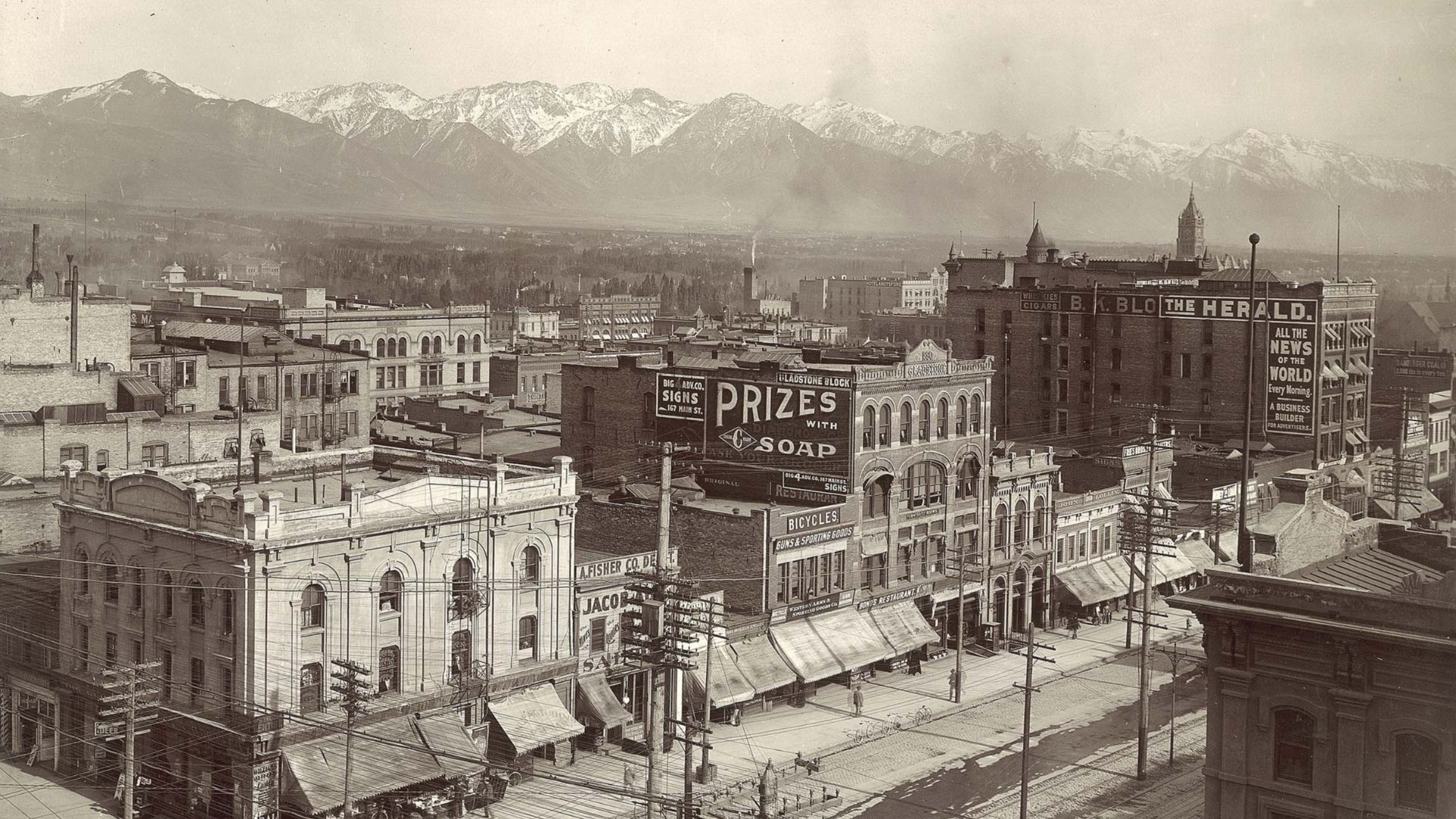
Friendship Inn began in Salt Lake City in 1961 as a referral organization rather than a tightly standardized motel company. Independent operators could join without facing some of the stricter requirements and higher costs associated with competing chains. That looser approach allowed the Friendship Inn name to spread rapidly across a large collection of existing motels.
 Charles Roscoe Savage, Wikimedia Commons
Friendship Inn Became Surprisingly Huge
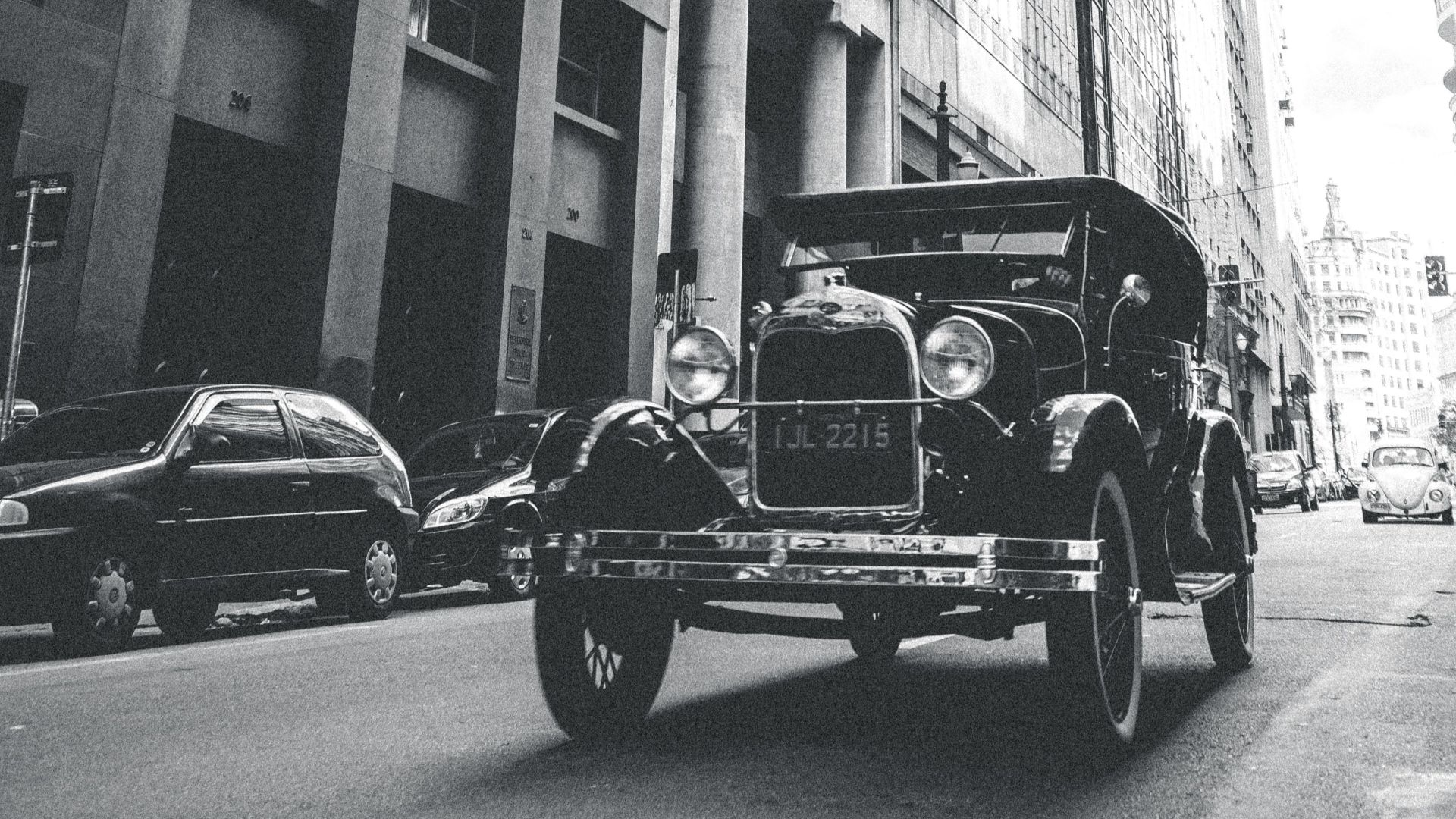
By 1974, Friendship Inn had 771 member locations, an impressive footprint for a name that is now largely forgotten. Many properties were older independent motels offering limited amenities and relatively inexpensive rooms. For road travelers, that meant the Friendship Inn emblem could appear in many different places even when the buildings themselves did not look identical.
The Eighties Changed Friendship Inn
In 1985, Friendship Inn's referral system was converted into a corporate franchise operation. The change came as the American hotel business was becoming increasingly segmented, with companies developing brands aimed at specific price levels and types of traveler. By 1989, Friendship Inn had fallen to 129 franchises, far below its earlier peak.

Econo Lodge Eventually Absorbed The Brand
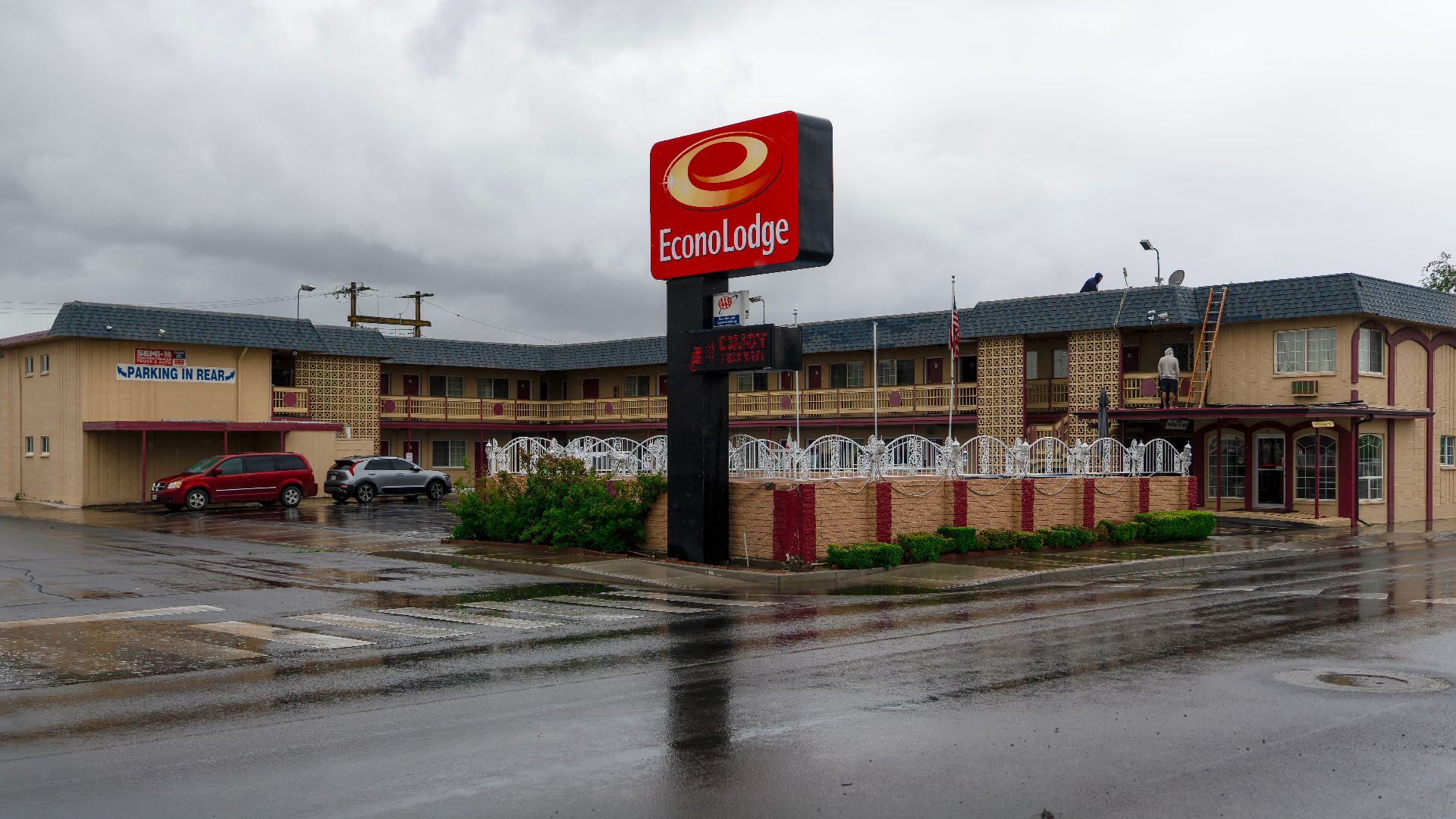
Econo Lodges of America acquired Friendship Inn in 1989, and Quality Inns International acquired Econo Lodges the following year. Friendship Inn remained around for several more years, but its days as a separate roadside identity were numbered. In 1997, Choice Hotels eliminated the Friendship Inn brand and converted its remaining properties to Econo Lodge and Rodeway Inn.
 Quintin Soloviev, Wikimedia Commons
Downtowner Inns Bet On City Centers
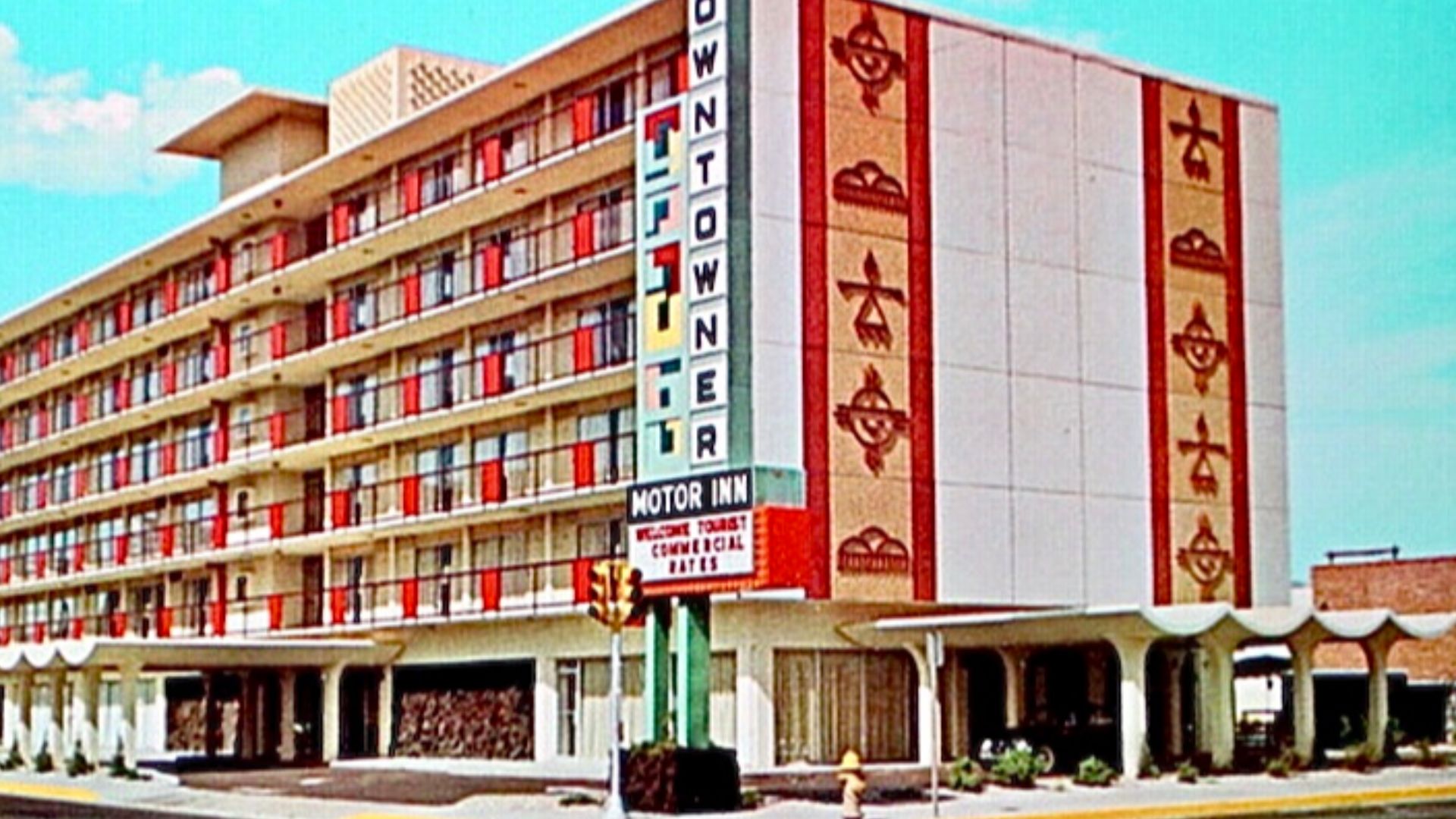
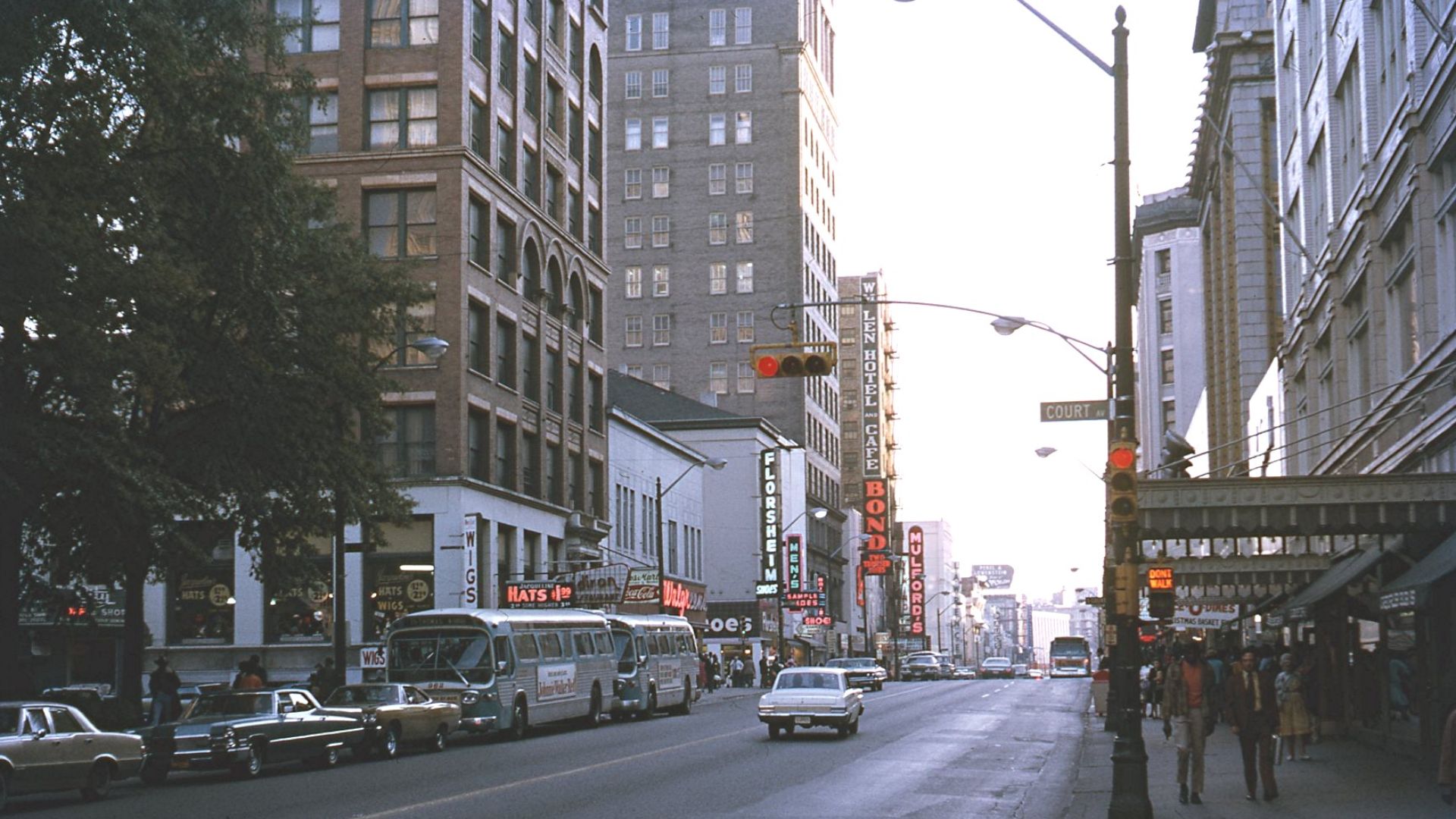
Not every motor inn chased interstate exits. The Downtowner Corporation opened its first motor inn in Memphis in 1958 and built a business around locations convenient to downtown areas. Over the following decade, the company expanded to 101 motels, with much of its network concentrated in the South.
Changing Cities Hurt The Downtowner Model
The very location strategy that distinguished Downtowner Inns eventually became a liability. According to the University of Memphis, declining inner cities and changing clientele hurt the company during the 1970s. After several ownership changes, the original Downtowner Corporation went out of business in 1982.
 lindsaybridge from Sydney, Australia, Wikimedia Commons
The Downtowner Story Has An Odd Footnote
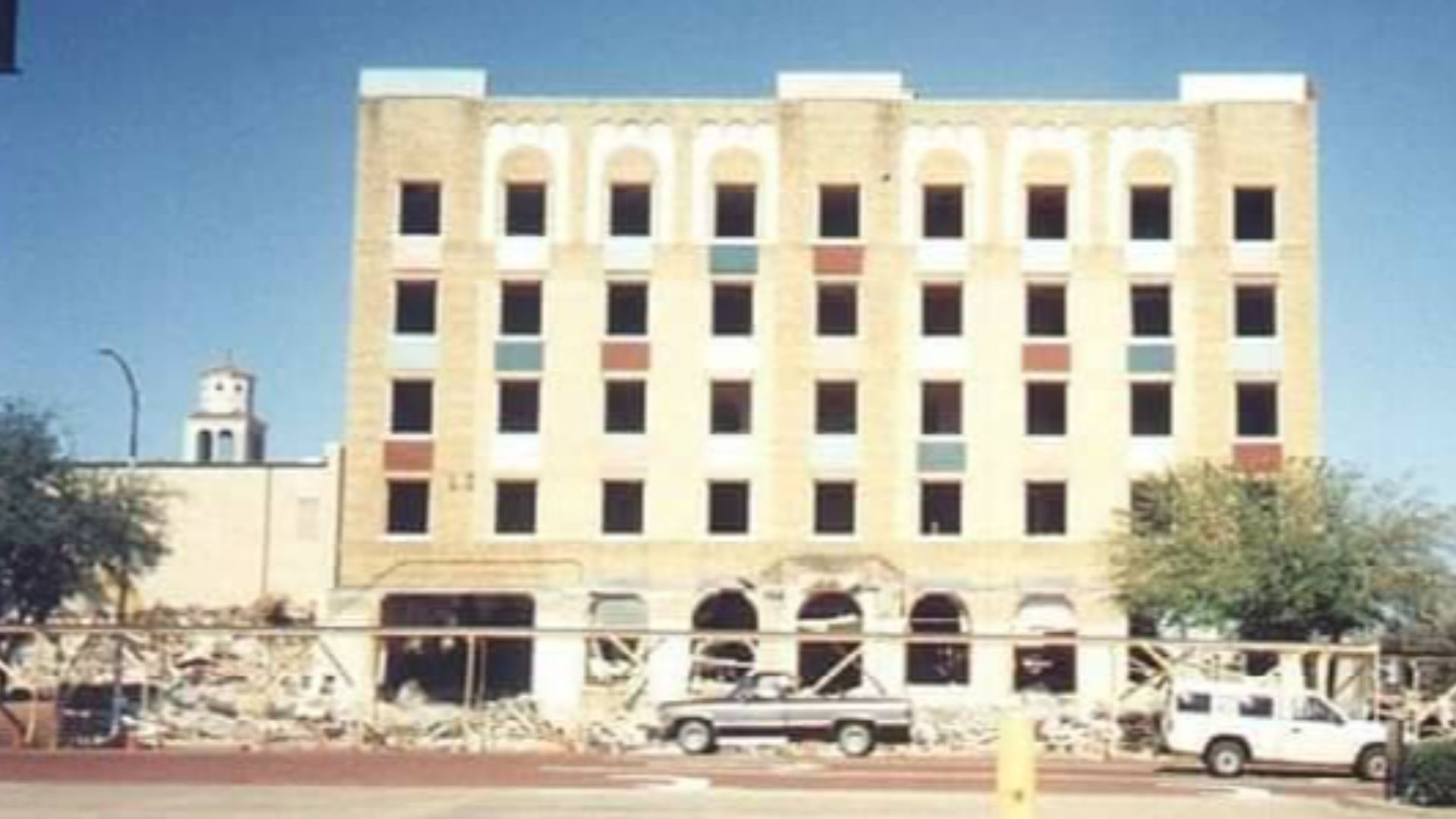
The disappearance of the original Downtowner Corporation did not entirely erase the name. Hospitality International later used Downtowner Inns as one of its small economy brands, meaning the trademark survived even though the original chain was gone. As of March 2026, Hospitality International reported only four Downtowner Inns, making the modern incarnation tiny compared with the original chain's 101-motel peak.
 Countryboyjim77, Wikimedia Commons
Harley Hotels Arrived With Big Ambitions
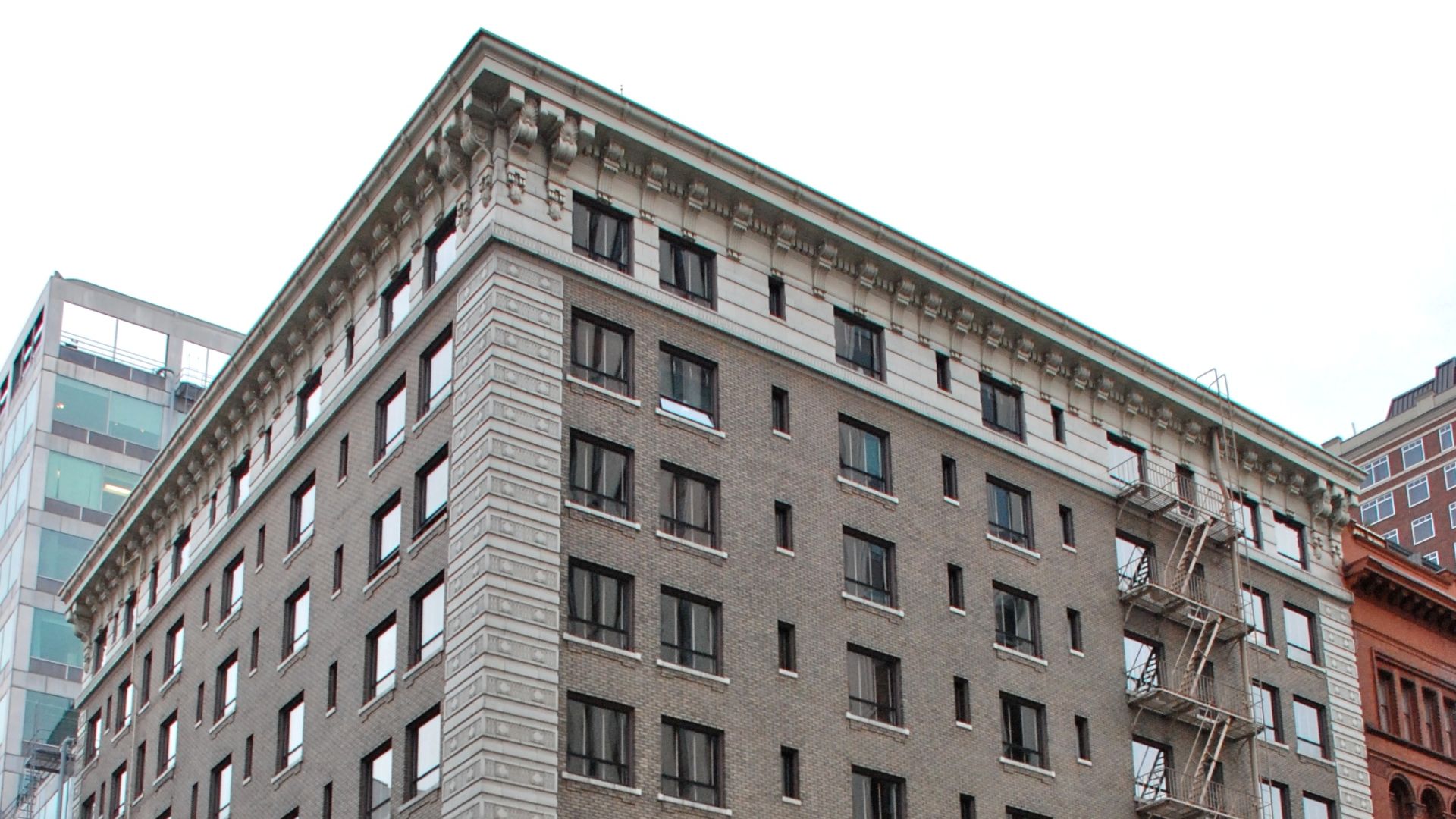
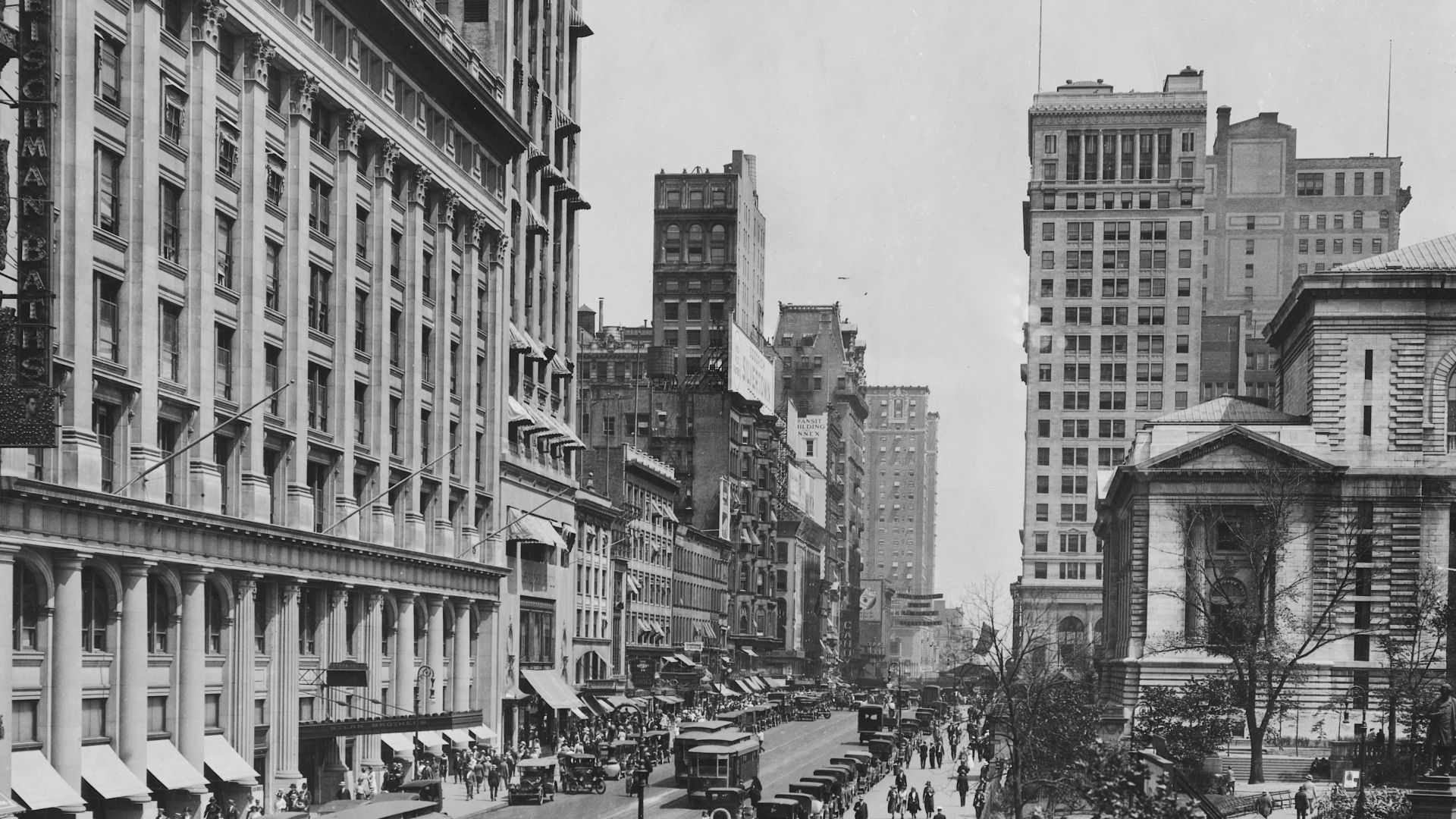
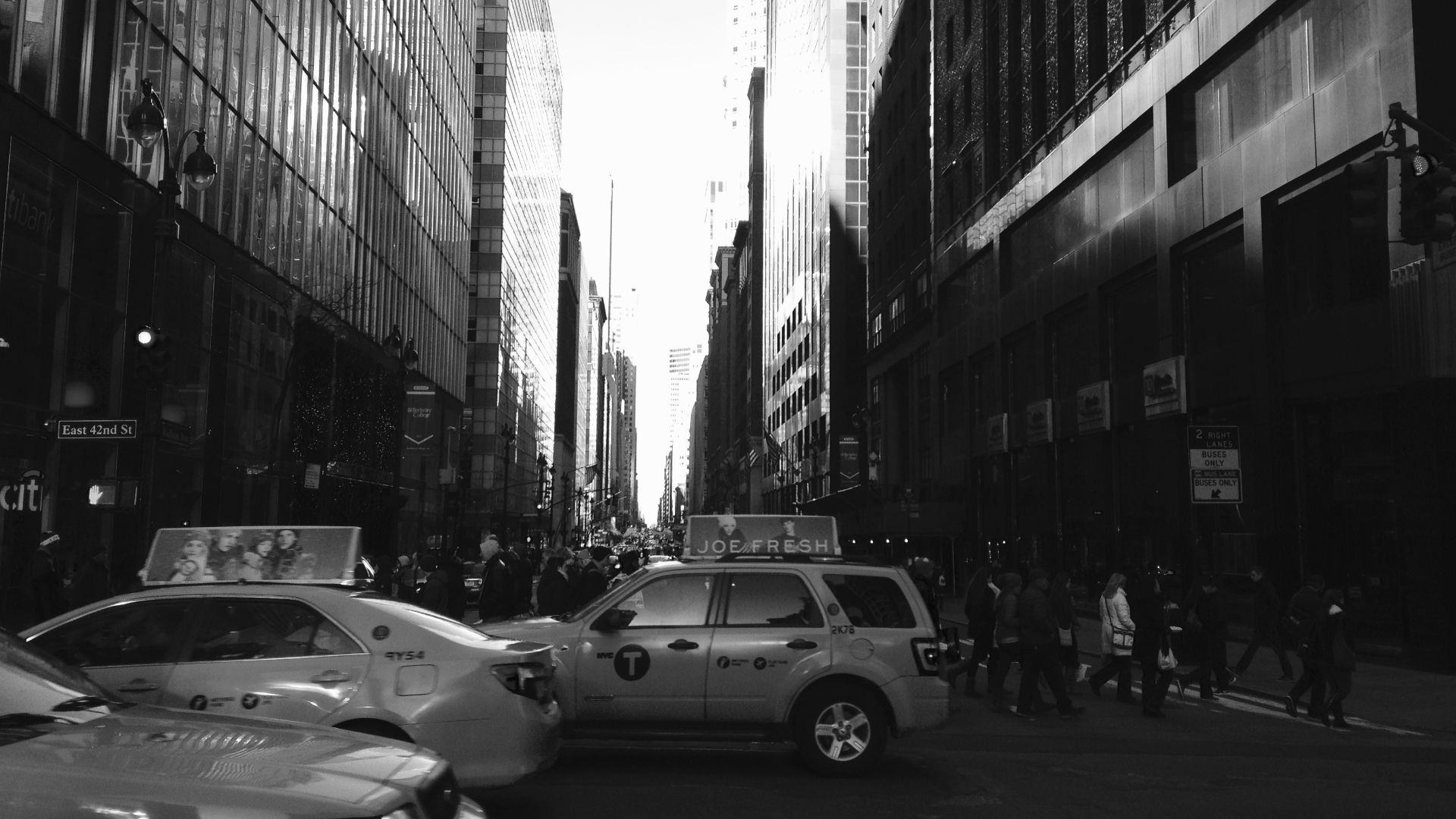
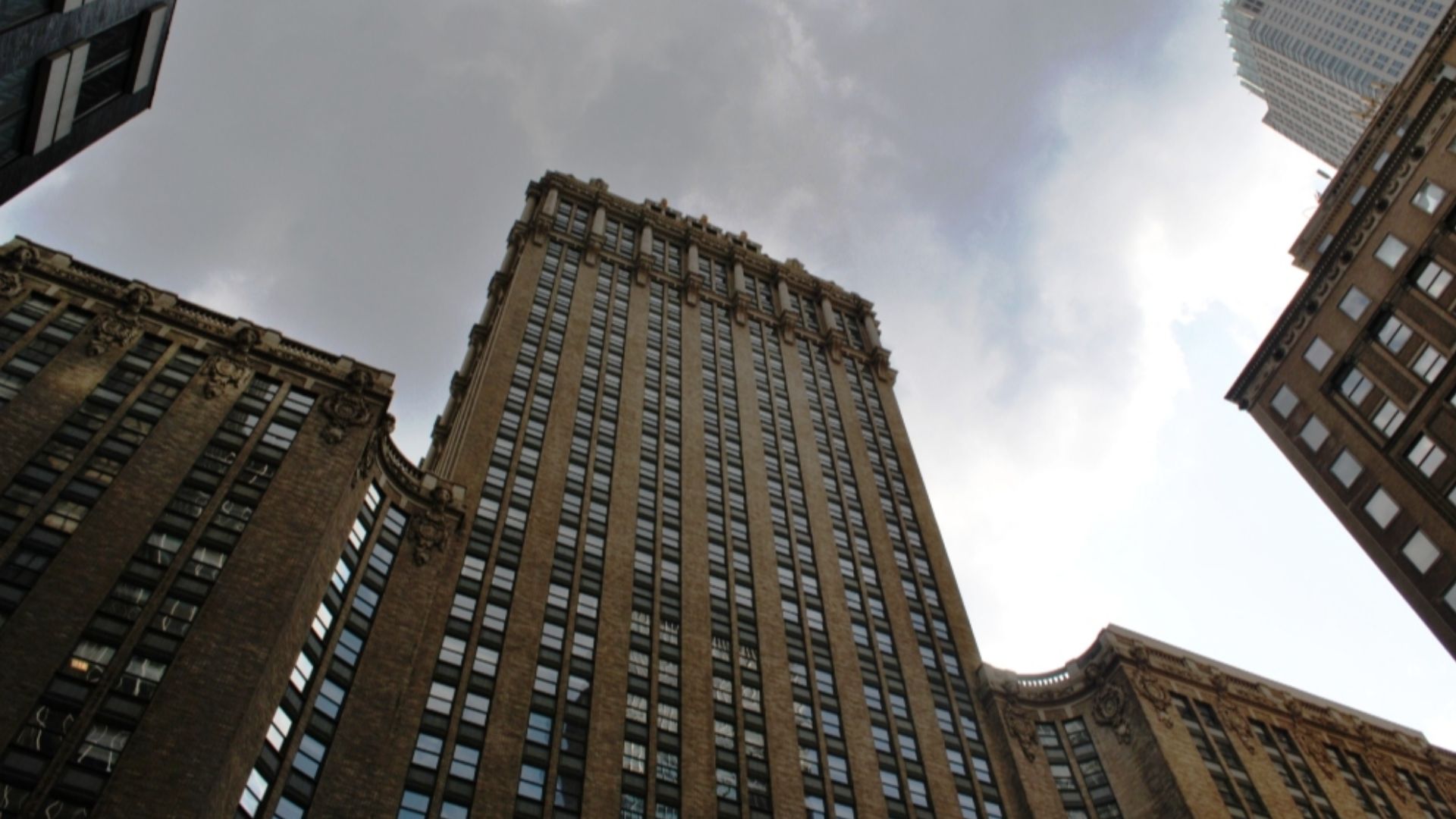
Harley Hotels became a national lodging name after the Helmsley organization acquired Hospitality Inns from Standard Oil of Ohio in 1981. The properties were renamed to create a 27-hotel Harley chain. Its flagship was a towering hotel on East 42nd Street in Manhattan, but the portfolio also included hotels and motels elsewhere in the country.
 American Studio, Wikimedia Commons
Harley Mixed Roadside Lodging With Big-City Glamour
The Harley name occupied an unusual place in the 1980s hotel landscape. Its New York flagship was a 38-story, 793-room property, while the broader group incorporated hotels and motels around the country. That combination made Harley different from a purely budget roadside chain, but it was still part of the rapidly changing lodging world encountered by American travelers.
 Christian Kendzierski , Wikimedia Commons
The Harley Name Slowly Faded Away
The flagship New York Harley was renamed the New York Helmsley in 1985. The remaining Harley hotels lasted much longer, but the chain never became one of the enduring giants of American lodging. In 1998, the remaining properties in the Harley chain were sold to a Philadelphia investment group, bringing its era to a close.
 Elisa.rolle, Wikimedia Commons
Susse Chalet Was A Northeastern Favorite
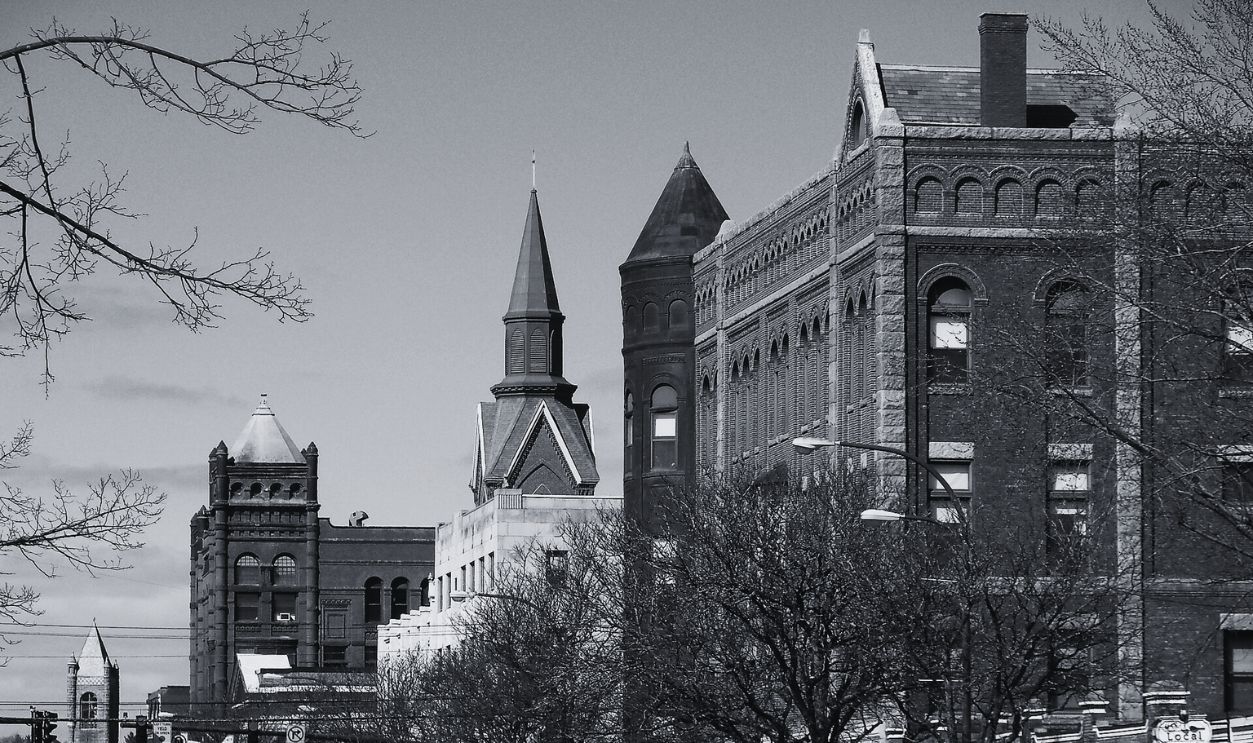
Susse Chalet began when Fred B. Roedel opened a motor lodge in Nashua, New Hampshire, in the late 1960s. Unlike chains that stretched from coast to coast, Susse Chalet concentrated on the Northeast and mid-Atlantic states. Its regional focus made it especially familiar to travelers moving through that part of the country.
Susse Chalet Grew Without Becoming A Giant
Susse Chalet remained much smaller than Holiday Inn or Ramada, but it developed a substantial regional portfolio. Roedel Companies says the business ultimately grew to 36 Susse Chalet and Grand Chalet hotels. The company also developed different versions of its lodging concept as it tried to serve travelers at varying price points.
 Clem Onojeghuo, Unsplash, Modified
A Sale Ended The Susse Chalet Era
Fred Roedel sold Chalet Susse International in 2000 to Olympus Real Estate Trust. The transaction covered a portfolio of roughly three dozen hotels, ending the chain's period as a family-controlled regional lodging company. Roedel and his sons then formed the business that became Roedel Companies.

Many Susse Chalets Became Something Else
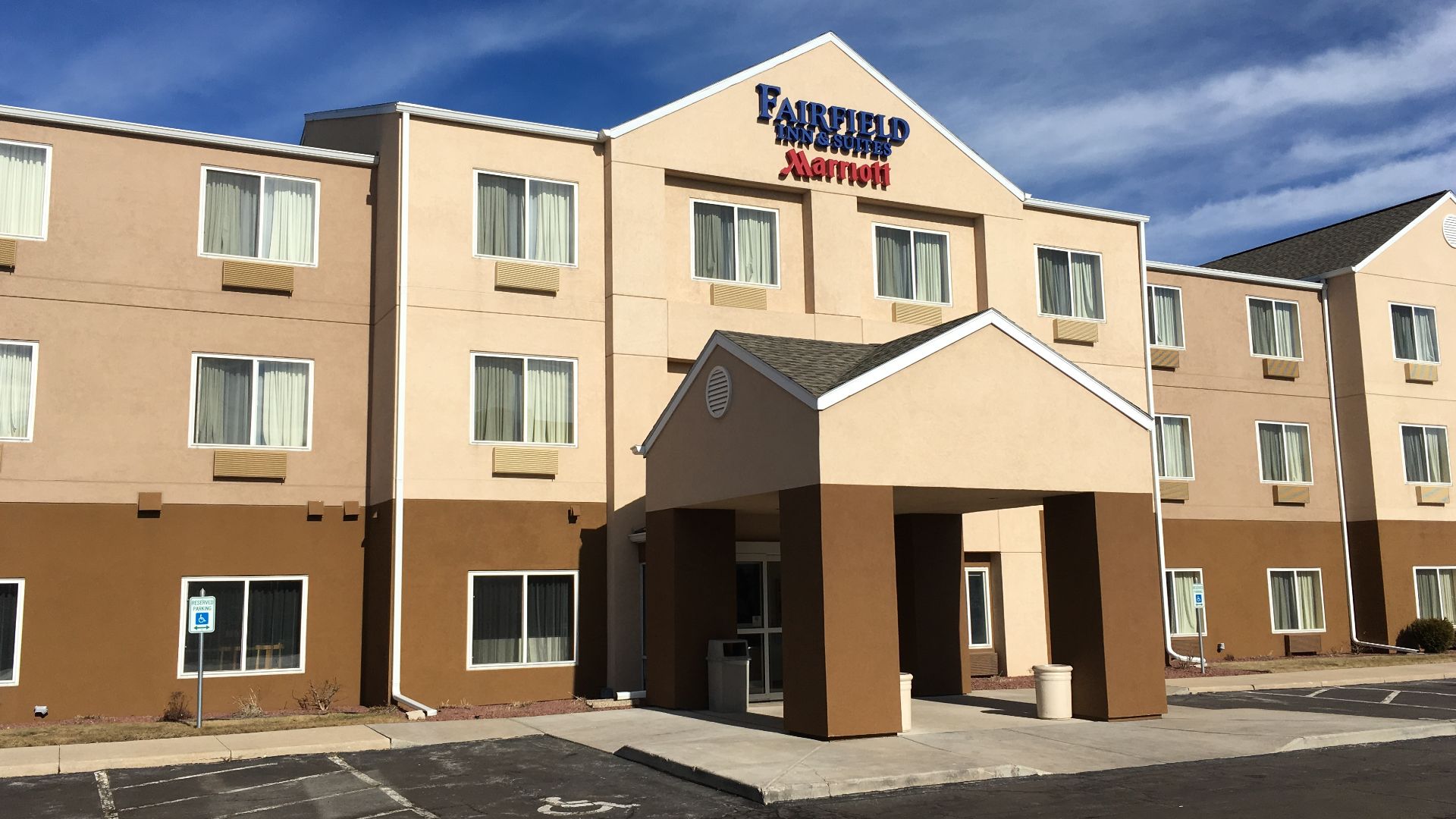
The buildings did not disappear just because the brand changed hands. In 2000, Olympus and Marriott reached an agreement to convert 20 Susse Chalet hotels to Marriott's Fairfield Inn brand. Other properties were sold or converted, and the Susse Chalet identity was phased out soon afterward.
Signature Inn Was Born In The Eighties
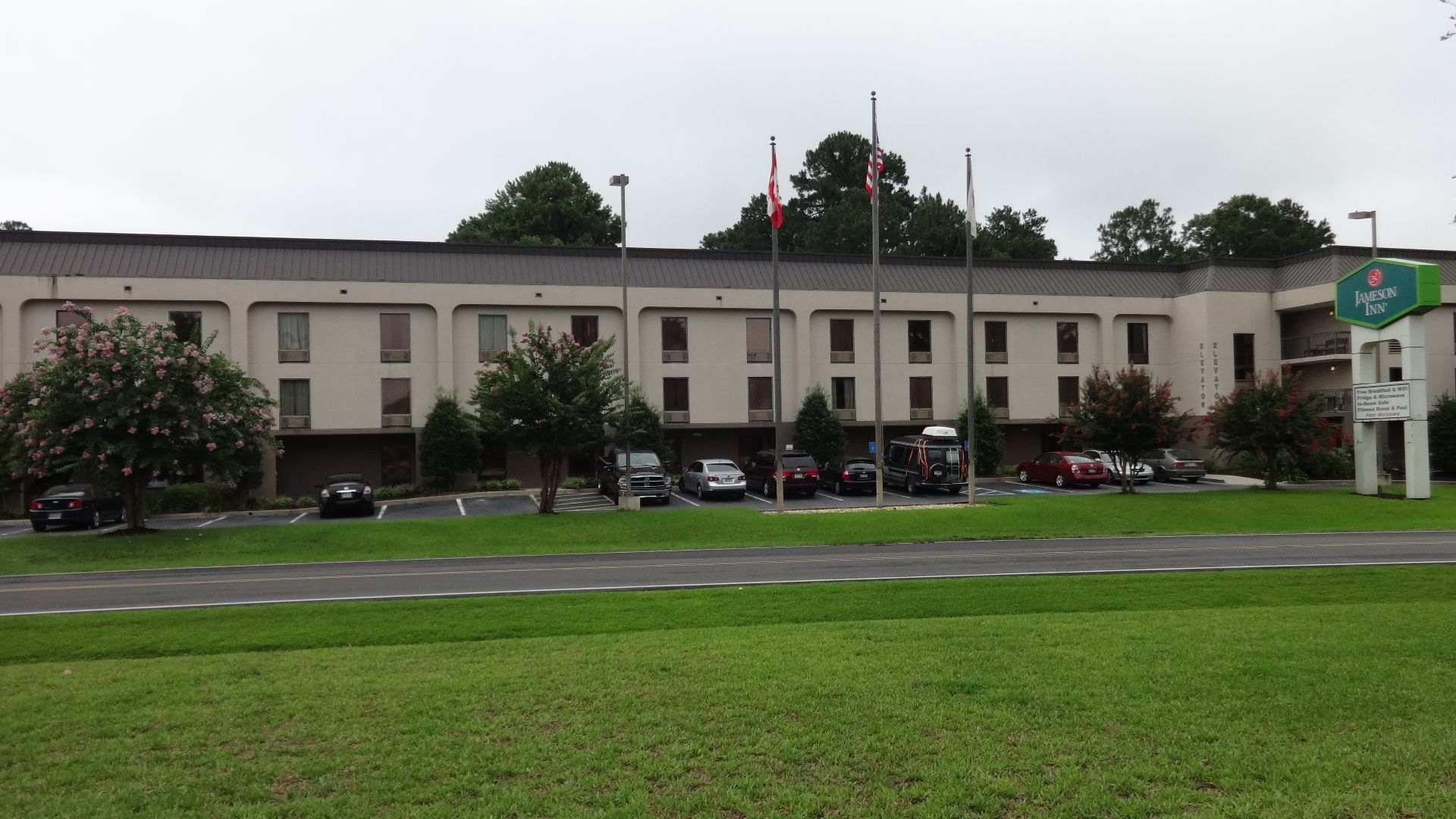
Signature Inn was a true product of the decade, beginning in Indianapolis in 1981. It became associated with Midwestern lodging while a related company developed another regional brand, Jameson Inn, in the Southeast later in the decade. Together, those names represented the kind of smaller regional competition that existed alongside America's enormous national hotel companies.
 Michael Rivera, Wikimedia Commons
Jameson Inn Joined The Roadside Landscape
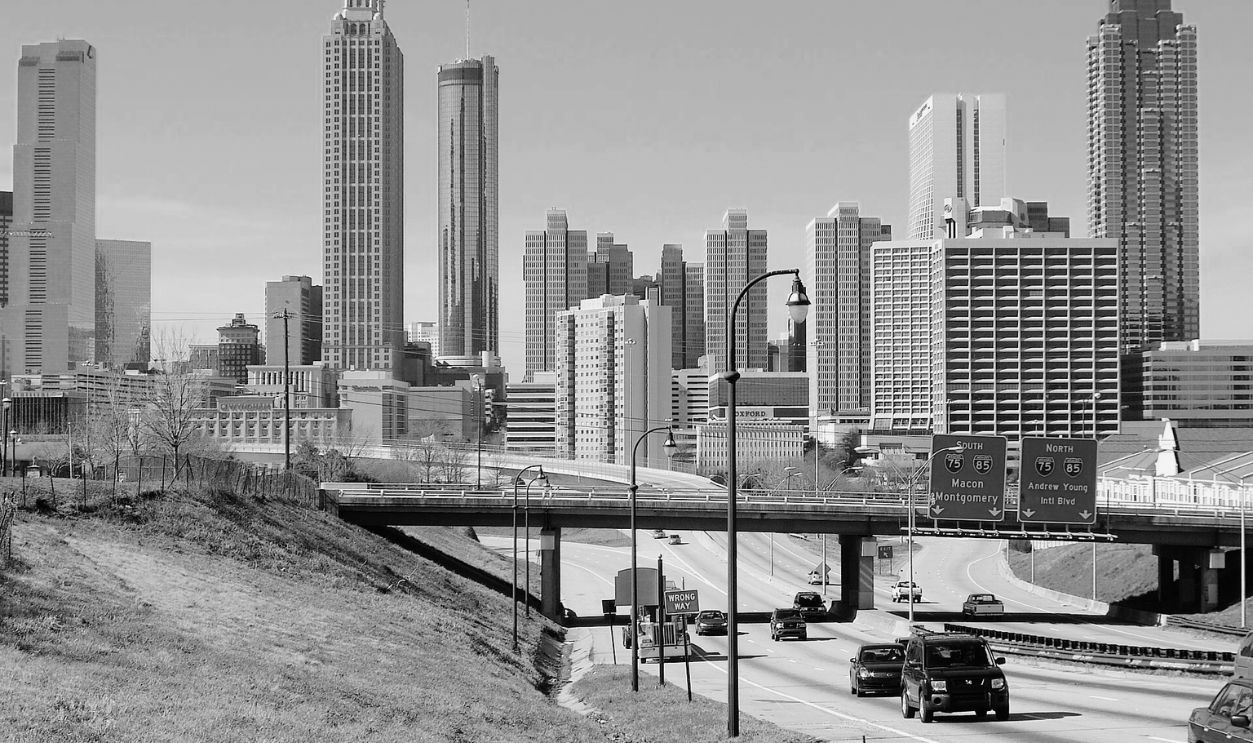
Jameson Inn was founded in Georgia in the late 1980s and became concentrated in the eastern United States. The company eventually operated Signature Inn alongside Jameson Inn, giving it recognizable brands in different regions. At its later peak, the combined business grew far beyond its modest beginnings before ownership changes started reshaping the portfolio.
 known per ticket, Wikimedia Commons
More Than 100 Properties Eventually Changed Hands
In 2006, JER Partners purchased the Jameson Inn business when the chain had 107 properties. Later that year, it became part of Longhouse Hospitality, which also controlled several extended-stay lodging brands. Further sales followed, showing how quickly a familiar hotel sign could disappear even while many of the physical properties continued operating.

Jameson Inn Eventually Vanished Too
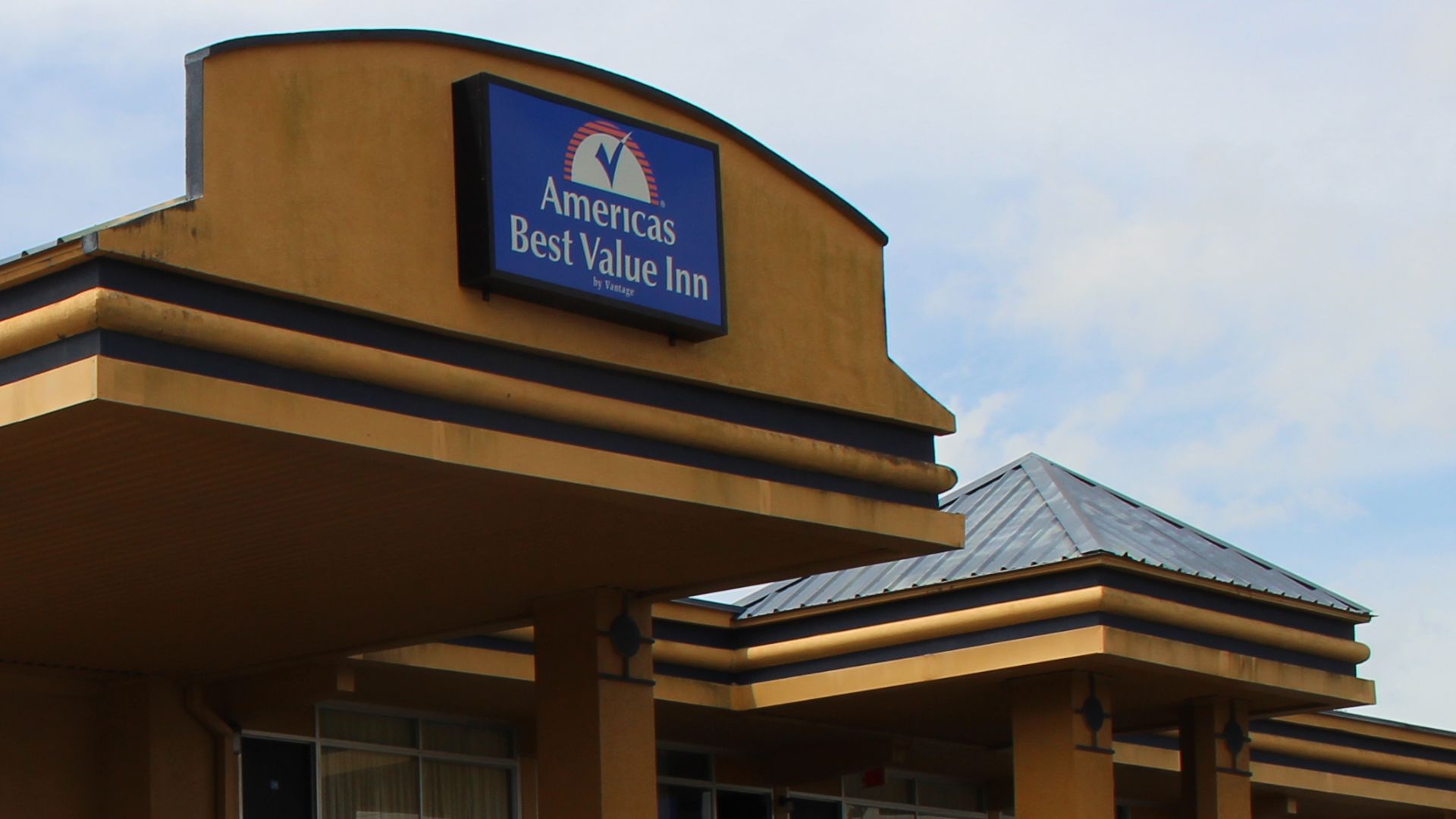
America's Best Franchising acquired Jameson Inn in 2012, followed by another ownership change when Vantage Hospitality acquired the brand in 2014. Vantage itself was sold to Red Lion Hotels Corporation in 2016. Jameson Inn subsequently disappeared as an active chain, closing another chapter in the history of regional roadside lodging.
 Michael Rivera, Wikimedia Commons
Cross Country Inn Arrived Late In The Decade
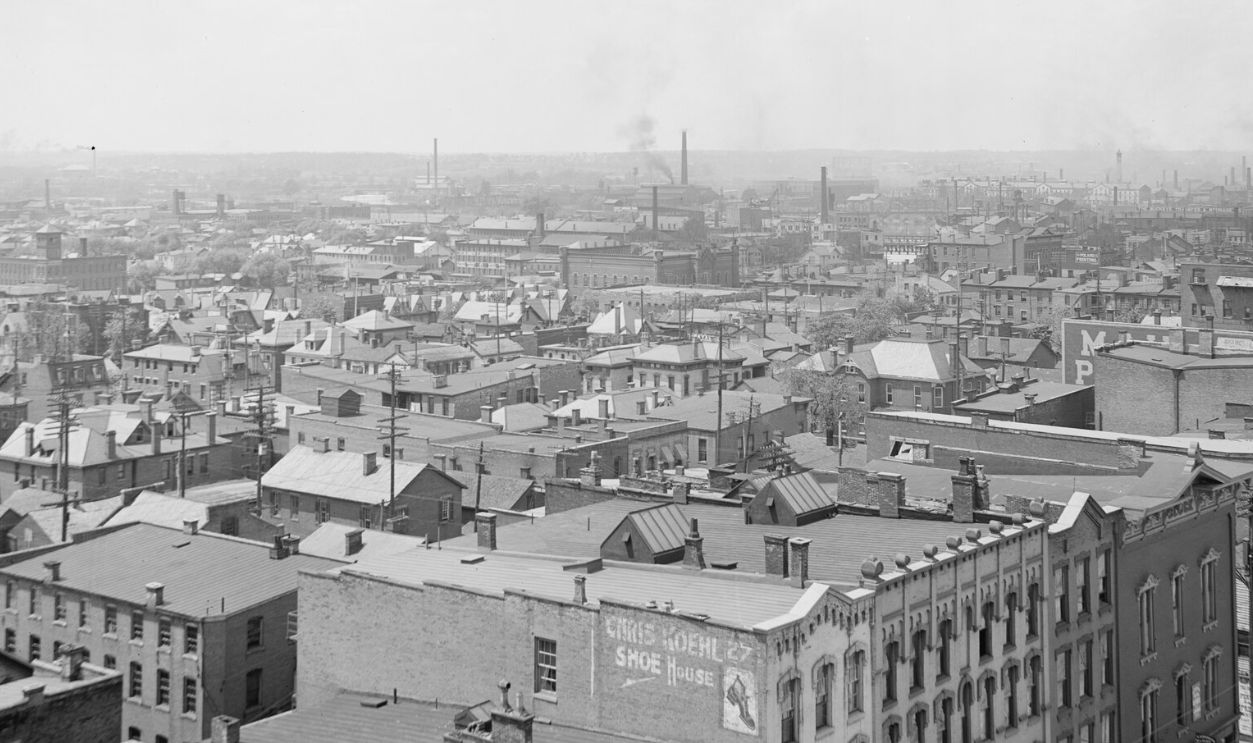
Cross Country Inn did not appear until 1988, but it quickly became a recognizable Midwestern motel chain. Founded in Columbus, Ohio, by developer Don Kenney, it eventually grew to more than 30 locations. Its regional footprint meant it was far from a coast-to-coast giant, yet motorists in its territory could encounter the brand repeatedly.
 Detroit Publishing Co., publisher, Wikimedia Commons
Families Helped Define Cross Country Inn
Cross Country Inn marketed itself to travelers looking for practical lodging rather than luxury. The chain became known for properties with combination indoor and outdoor pools, a feature that helped appeal to families. For children spending hours in the back seat, a motel pool could easily become one of the more memorable parts of an overnight stop.

Cross Country Inn Disappeared In The 2000s
Cross Country Inn's relatively short run ended after its founder began selling the company's assets. Major sales took place in 2003, and the remaining properties followed. By 2005, the last Cross Country Inn motels had been sold, leaving another once-recognizable Midwestern lodging name behind.

The Eighties Changed What Travelers Expected
The disappearance of these chains was part of a much larger transformation in American lodging. By the early 1980s, travelers were splitting between cheaper economy motels and more sophisticated hotels with additional amenities, putting pressure on traditional middle-market operators. Major companies also began creating multiple brands aimed at different budgets, making the lodging business increasingly segmented.

The Buildings Often Outlived The Signs
A vanished chain does not necessarily mean its motels were demolished. Former Imperial 400 properties, for example, have survived under other names, sometimes retaining architectural features from their original construction. Susse Chalet properties likewise became Fairfield Inns and other brands, while hotels from other chains were sold and reflagged.
Yesterday's Familiar Sign Can Become Today's Mystery
Imperial 400, Friendship Inn, Susse Chalet, Harley Hotels, Signature Inn, Jameson Inn, and Cross Country Inn all show how temporary even familiar lodging brands can be. Mergers, sales, changing travel habits, new competitors, and rebranding gradually removed names that once appeared on travel directories and roadside signs. For travelers who remember the motel era before smartphones and instant booking, spotting one of those surviving buildings can feel like finding a piece of road-trip history hiding in plain sight.

You May Also Like: