
The Culture Shock Is Real, Folks
Americans assume their everyday habits are completely normal. Then they cross the Atlantic and discover that Europeans have been getting through life just fine without them. A few differences make sense. But many of them leave Americans asking the same question: Wait...you really don’t do that?

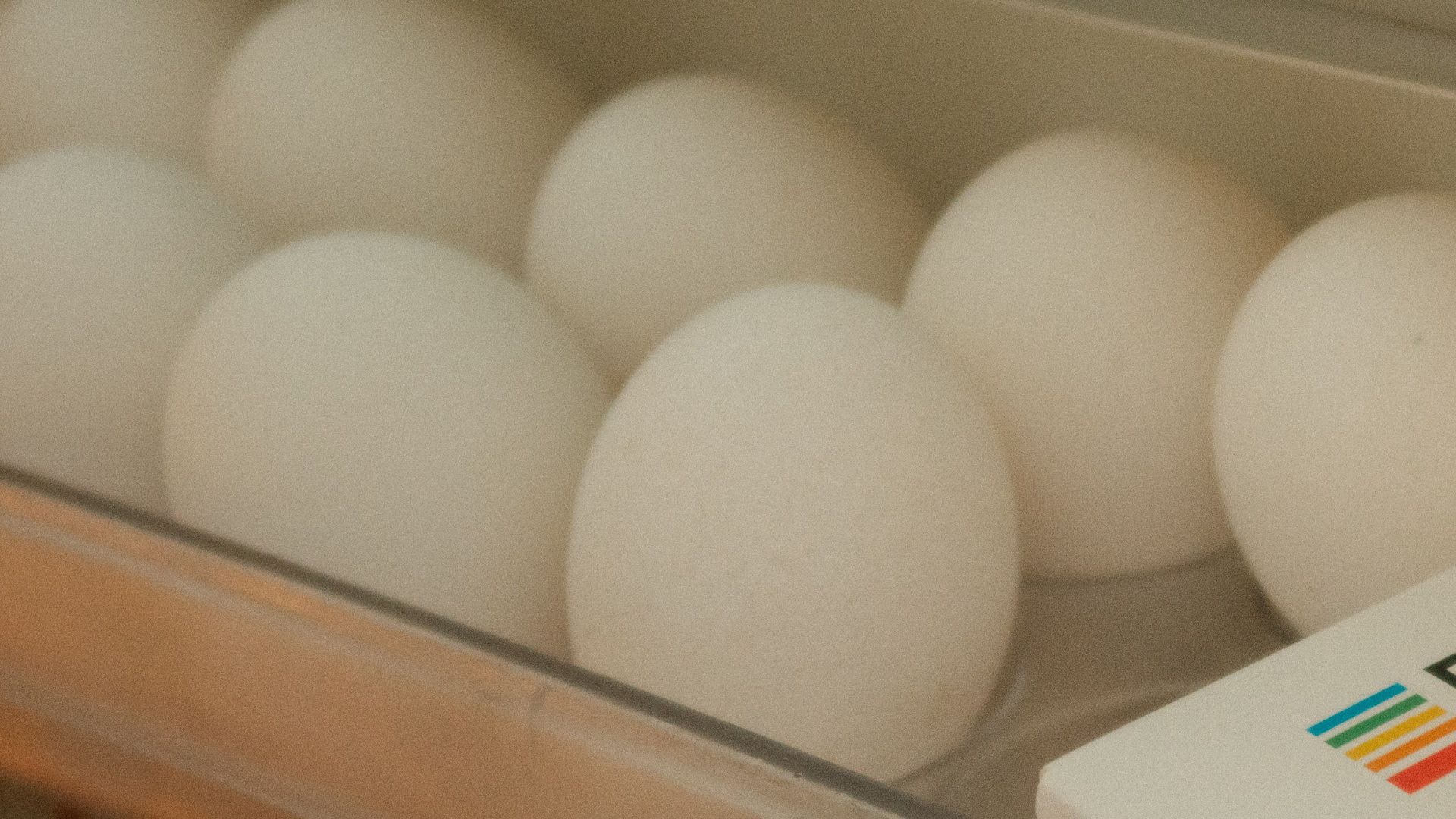
Buy Eggs From A Refrigerator
USDA-graded eggs are washed and sanitized, while federal rules require regulated shell eggs to remain refrigerated during storage and transportation. EU rules generally prohibit washing Class A eggs, which normally are not chilled before retail sale. Europeans may refrigerate them at home, but seeing eggs on a store shelf still alarms Americans.
Accept So Little Vacation Time
European Union workers are entitled to at least four weeks of paid annual leave. The United States has no federal law requiring employers to provide paid vacation. Europeans are often amazed that American workers can receive just two weeks and then feel guilty about using all of it.

Let Sales Tax Appear At Checkout
An American sees a $9.99 price tag and knows that is probably not the final price. EU consumer-pricing rules generally require the displayed selling price to include VAT and other applicable taxes. To Europeans, discovering the real price only at checkout can seem unnecessarily sneaky.

Order Meals Large Enough For Tomorrow
American chain restaurants have helped normalize oversized drinks, towering entrées, and side dishes large enough to become another meal. Europe certainly has generous restaurants too, but the gigantic portions associated with American casual dining remain a genuine surprise to many visitors. Apparently, even the plate needed its own zip code.

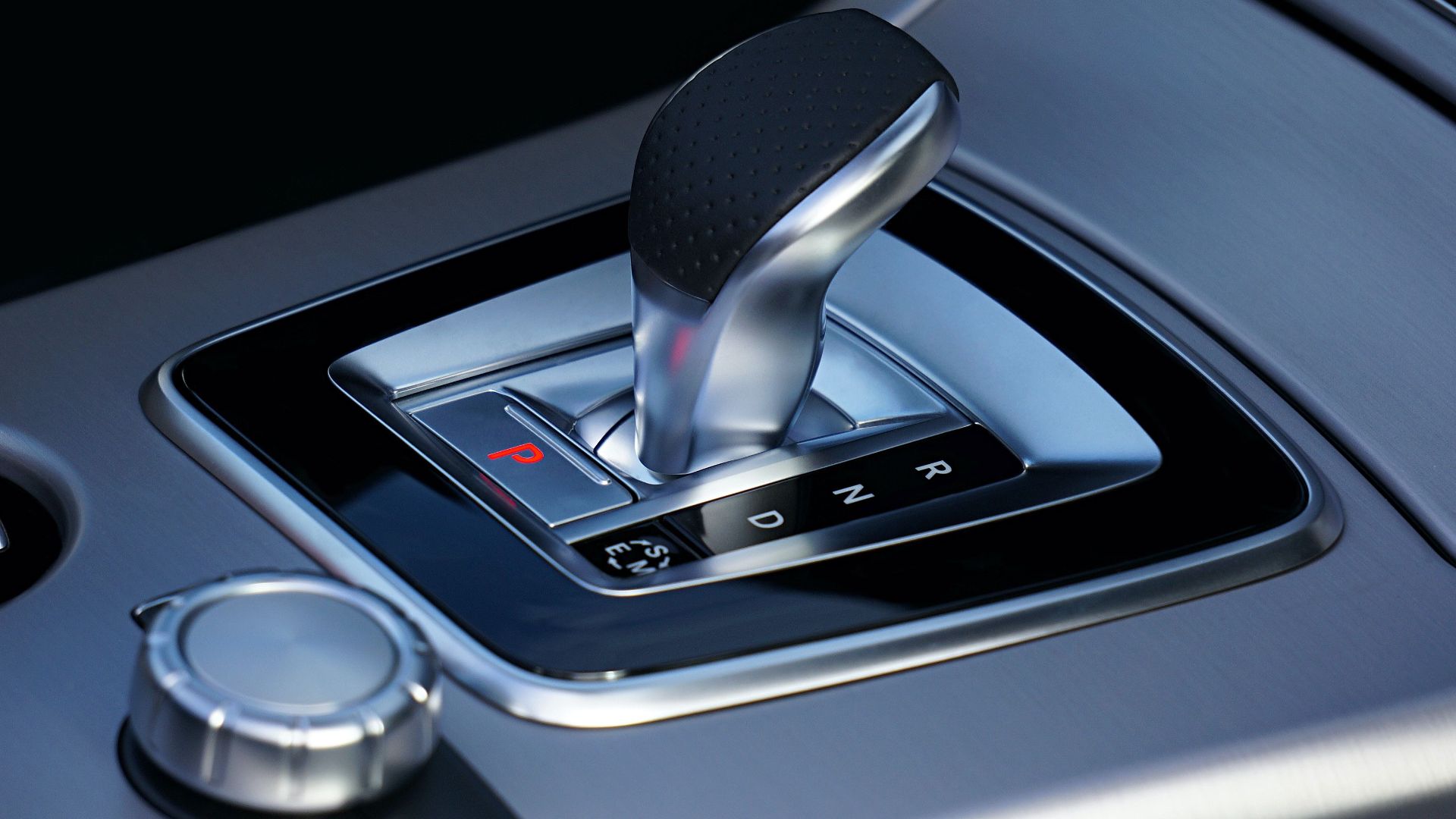
Assume Everyone Drives An Automatic
Automatic transmissions have dominated American roads for decades. Manual cars historically remained much more common across Europe, although that is changing quickly as automatics, hybrids, and EVs gain market share. Even so, far more European drivers learned to operate a clutch than their American counterparts.
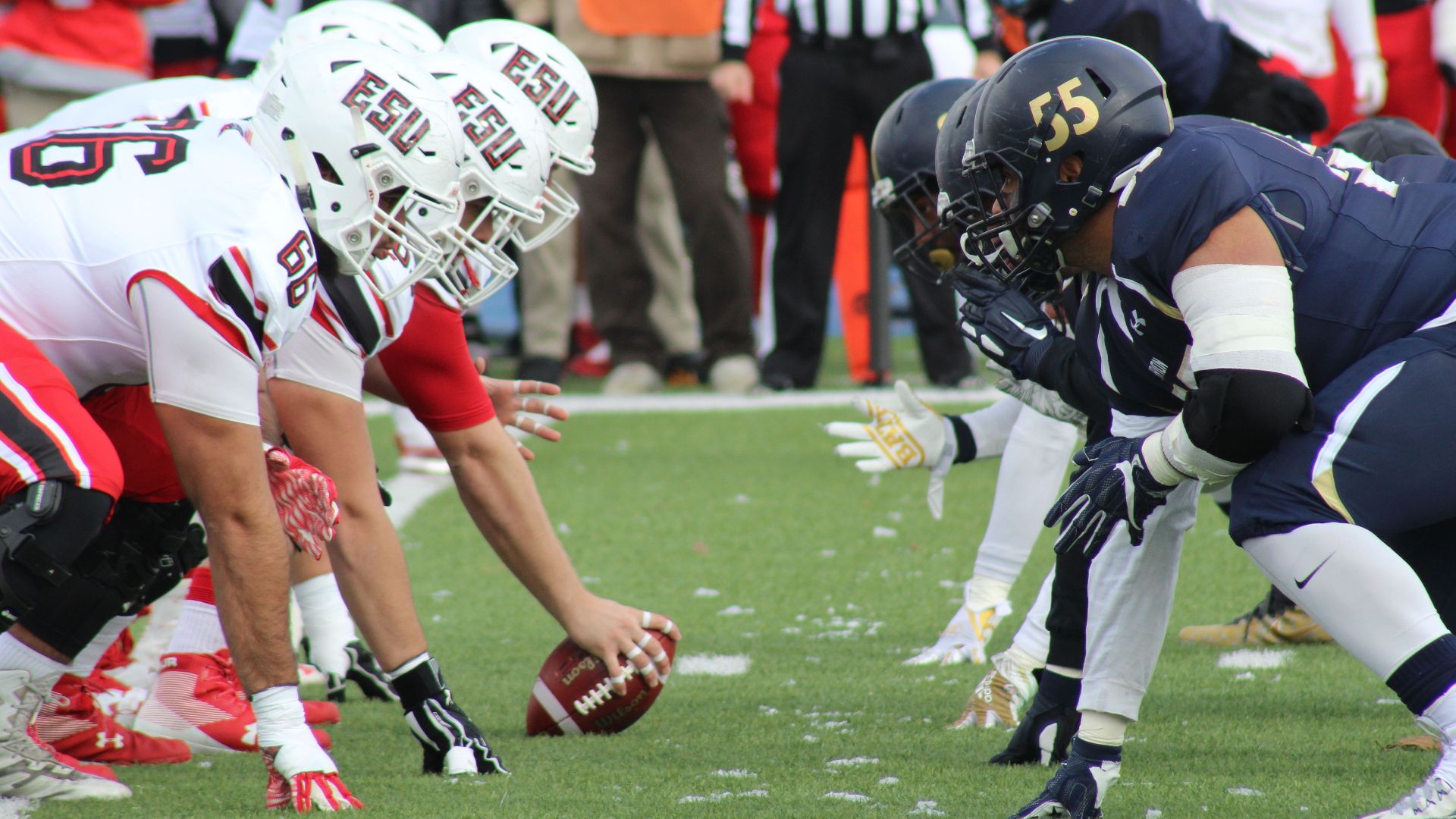
Treat College Sports Like Professional Sports
European universities have athletic teams, but they rarely attract anything resembling the crowds, television contracts, and enormous stadiums associated with American college sports. The idea of 100,000 adults gathering to watch university students play football can require quite a bit of explaining.
Fill Every Drink With Ice
Americans do not merely want a cold drink. They want a glass packed with enough ice to survive a cross-country road trip. Ice is readily available in Europe, but restaurants commonly serve much less of it. Asking for extra may produce three additional cubes and a puzzled look.

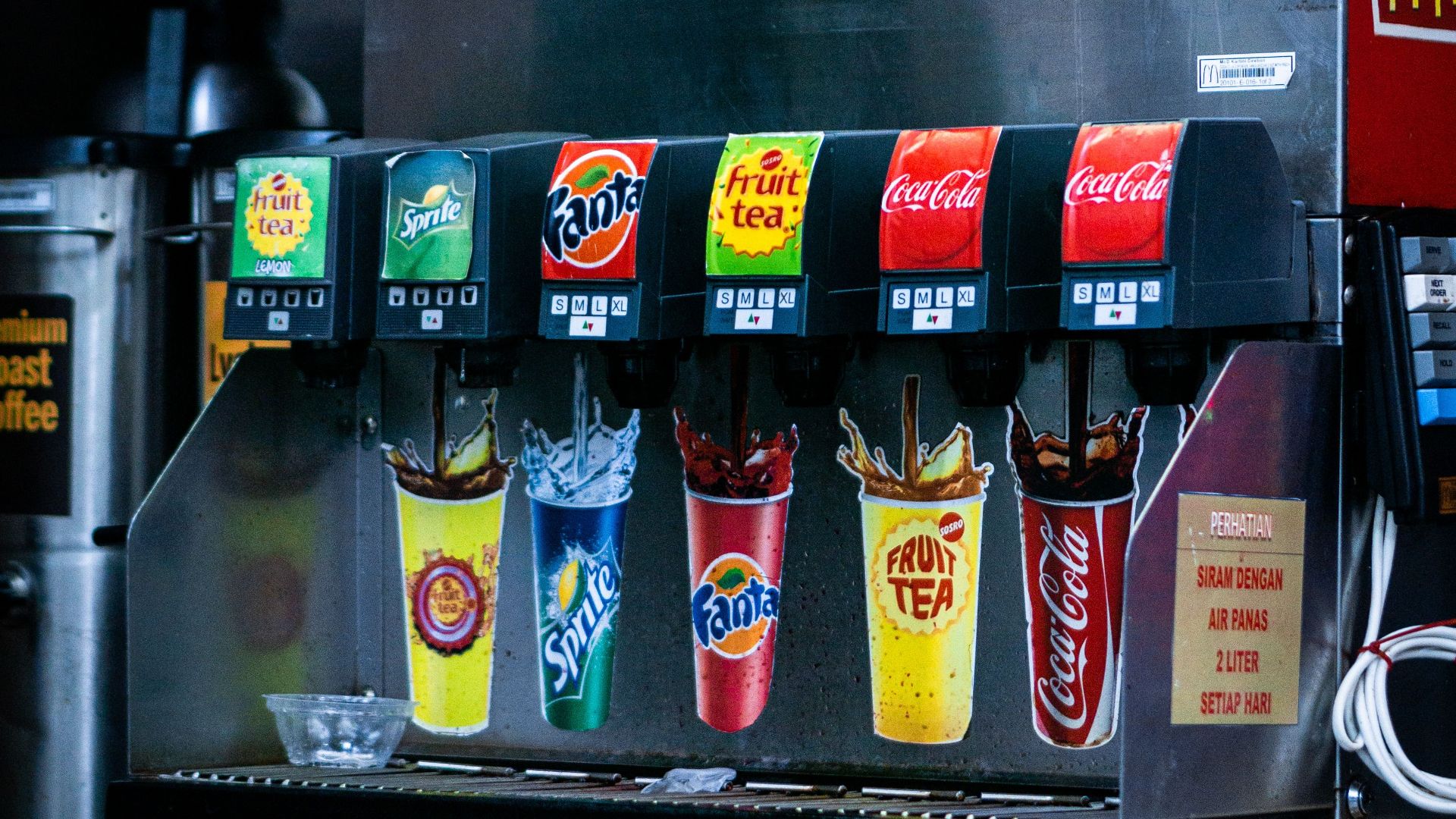
Expect Unlimited Soda Refills
Free refills exist in Europe, particularly at some international restaurant chains, but they are nowhere near as standard as they are in America. In France, unlimited self-service access to sugary drinks has even been prohibited. That third cola may quietly become a third charge.
Tip 20% Almost Automatically
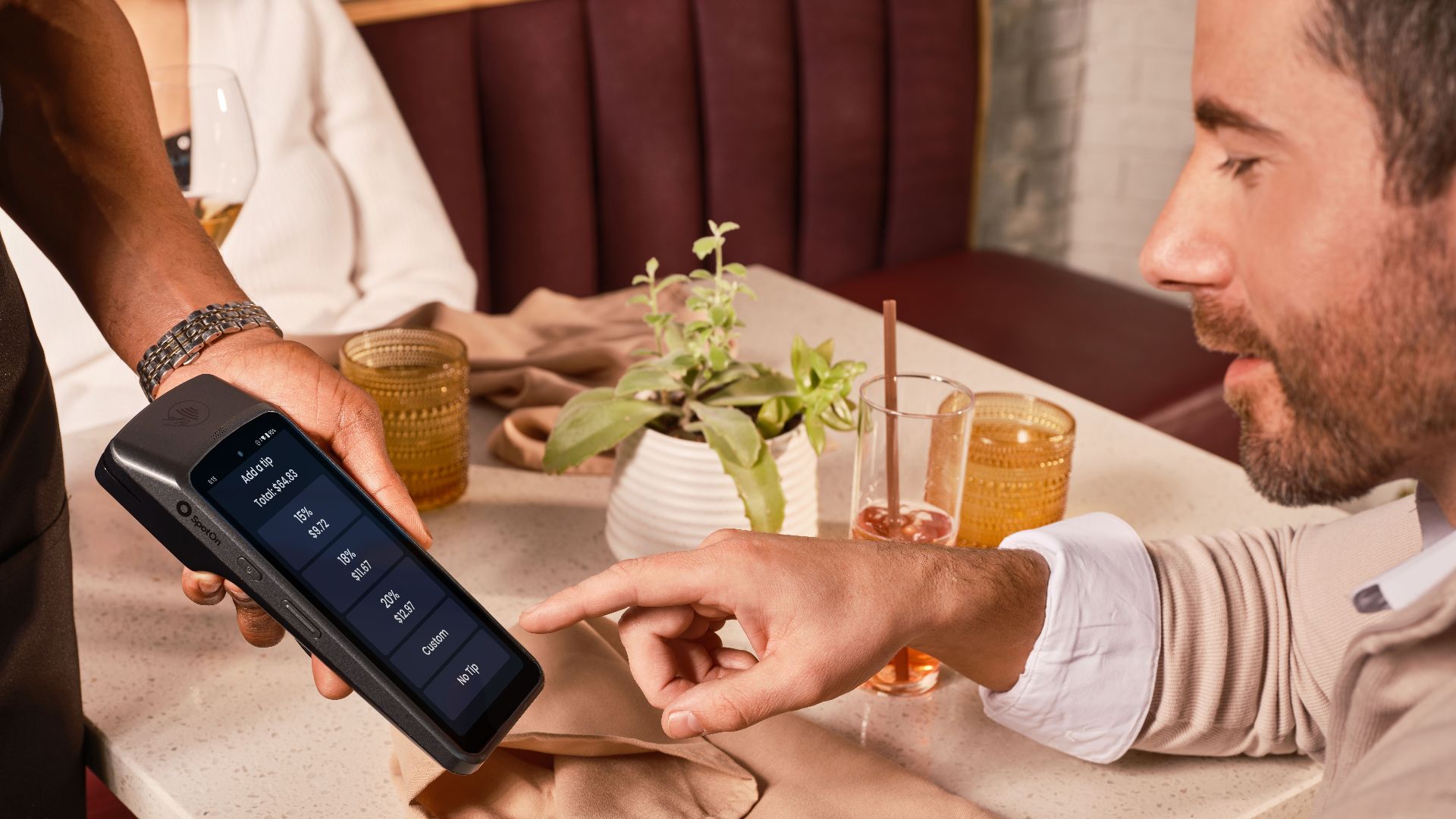
American diners routinely encounter suggested tips of 18%, 20%, or even 25%. European customs vary by country, but service may be included or a smaller amount may be sufficient. Leaving an American-sized tip can delight the server while confusing everyone else at the table.
Expect The Server To Keep Checking In
American servers frequently return to refill drinks and ask whether everything tastes good. In many European restaurants, service is deliberately less attentive because diners are expected to signal when they need something. What Americans consider helpful service can feel intrusive to someone trying to finish a conversation.

Assume Every Restaurant Has Takeout Boxes
Americans rarely hesitate to ask for leftovers to be boxed. The custom is becoming more familiar across Europe, and French commercial restaurants generally must provide reusable or recyclable containers when customers request them, with some exceptions. Still, the doggie bag is not equally established everywhere.
Expect Someone Else To Bag The Groceries
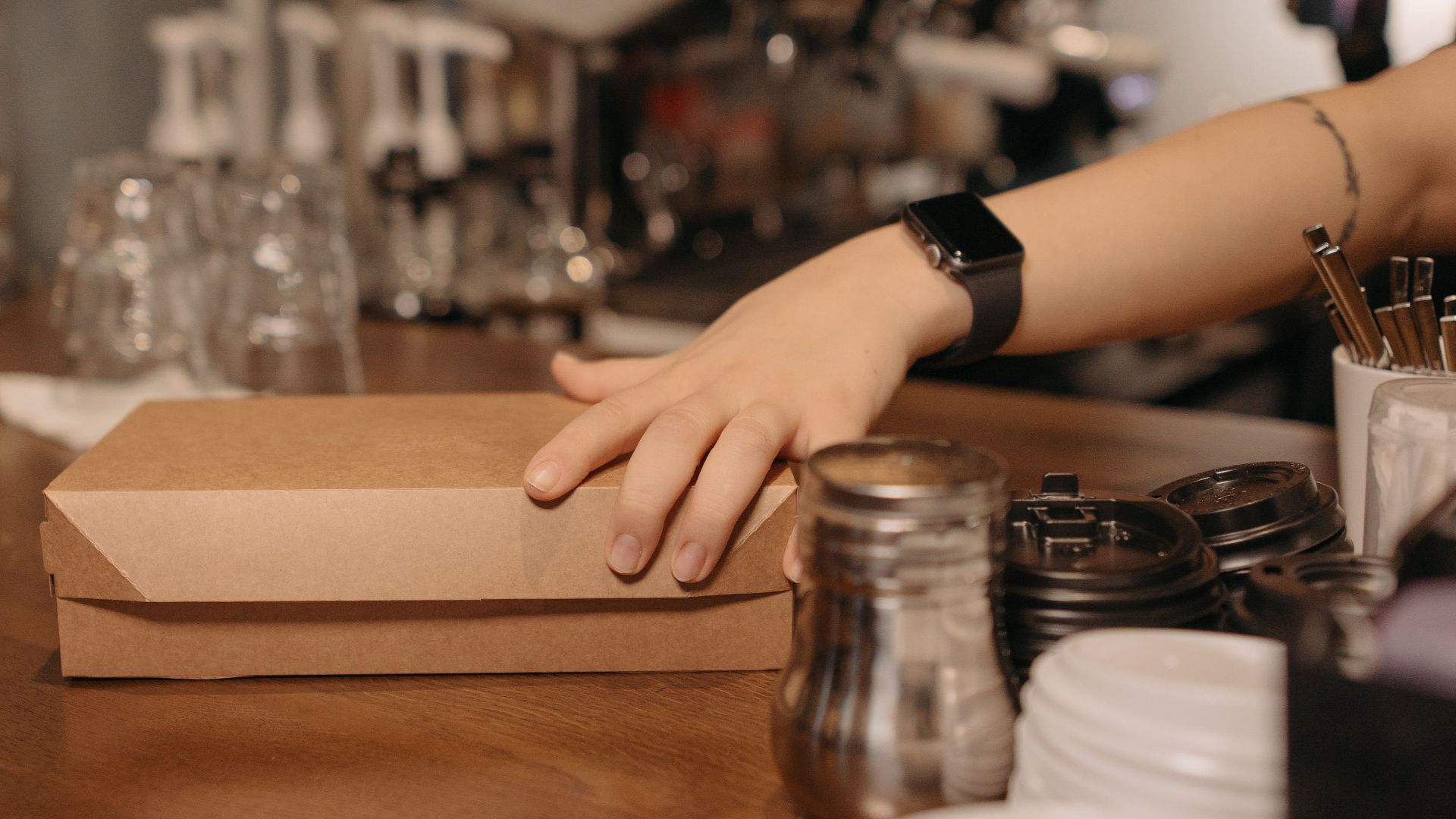
Some European supermarkets provide bagging help, but at many popular chains customers must pack their own purchases, bring their own bags, and move quickly. An American who waits politely for assistance may discover the next customer’s groceries rapidly approaching from behind.

Buy Milk In Enormous Jugs
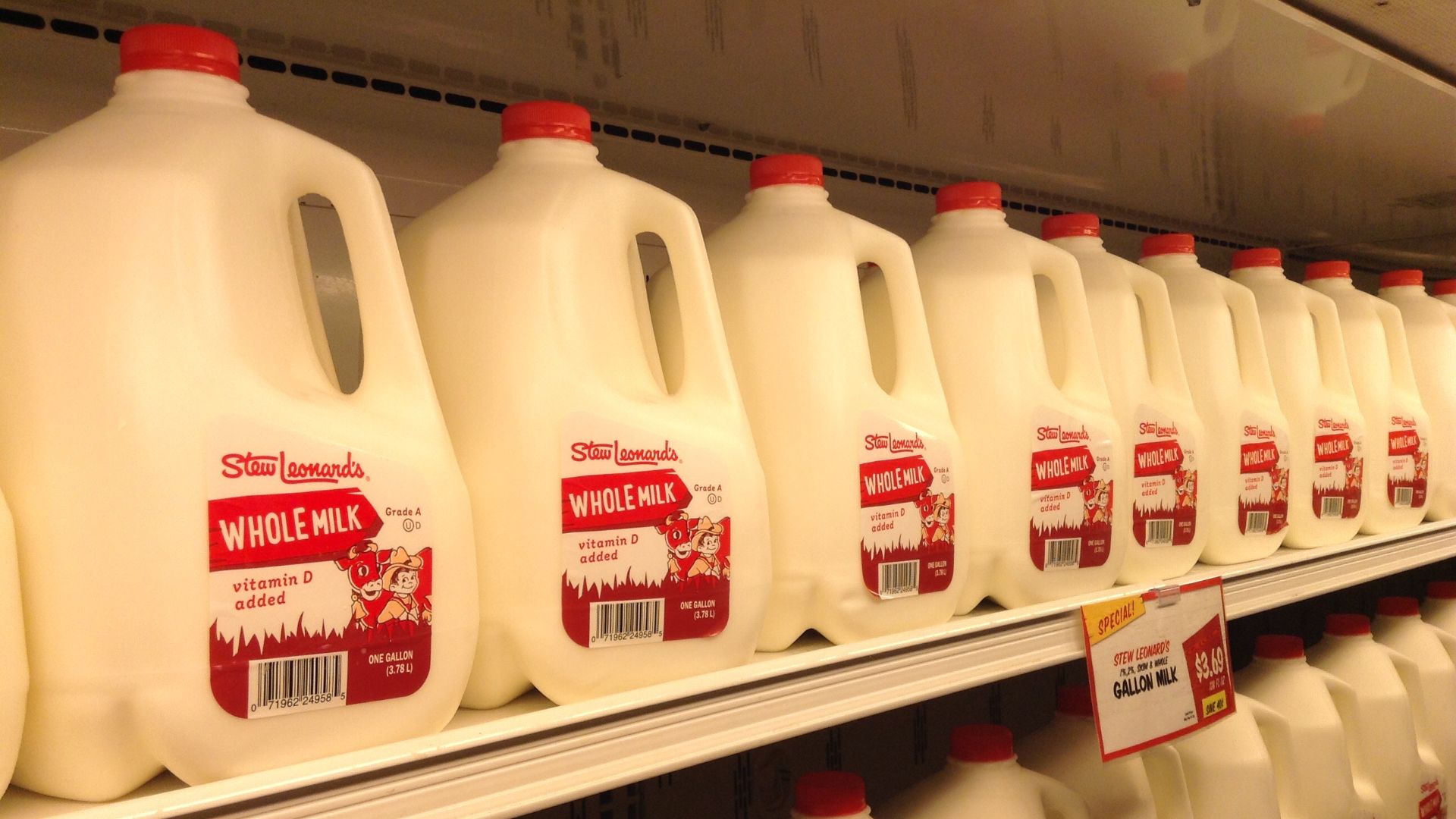
American refrigerators are designed to hold gallon-sized milk containers. European shoppers more commonly encounter one-liter bottles or cartons, including shelf-stable UHT milk in many countries. A 3.8-liter American jug can look less like a grocery purchase and more like restaurant inventory.
 Mike Mozart from Funny YouTube, USA, Wikimedia Commons
Measure Things The American Way
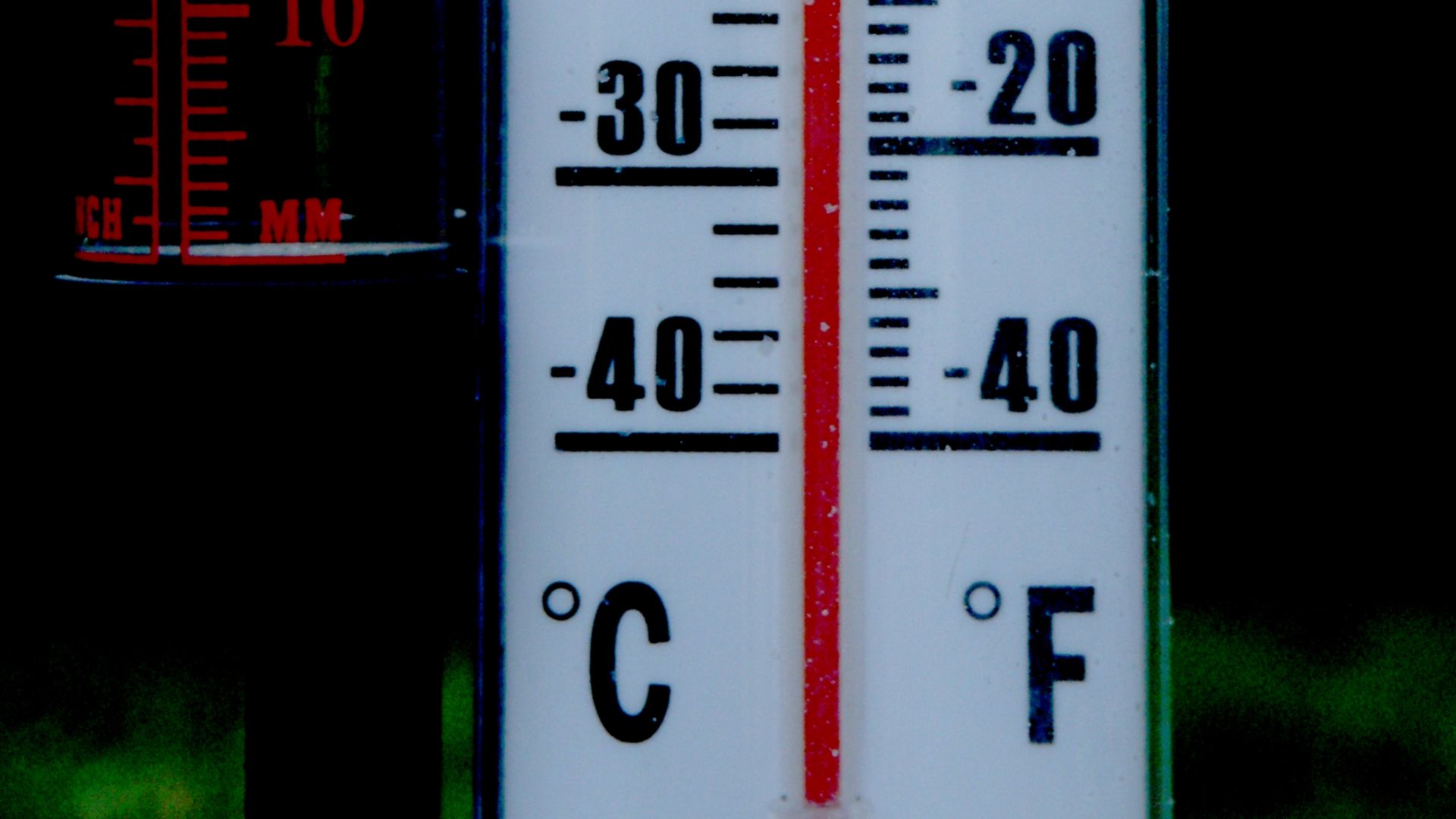
Americans use inches, feet, miles, pounds, gallons, and Fahrenheit in everyday life while most of Europe uses metric measurements. America saw the metric system, shrugged, and said, “Nah, we’ll make our own math, with confusion and feelings.”
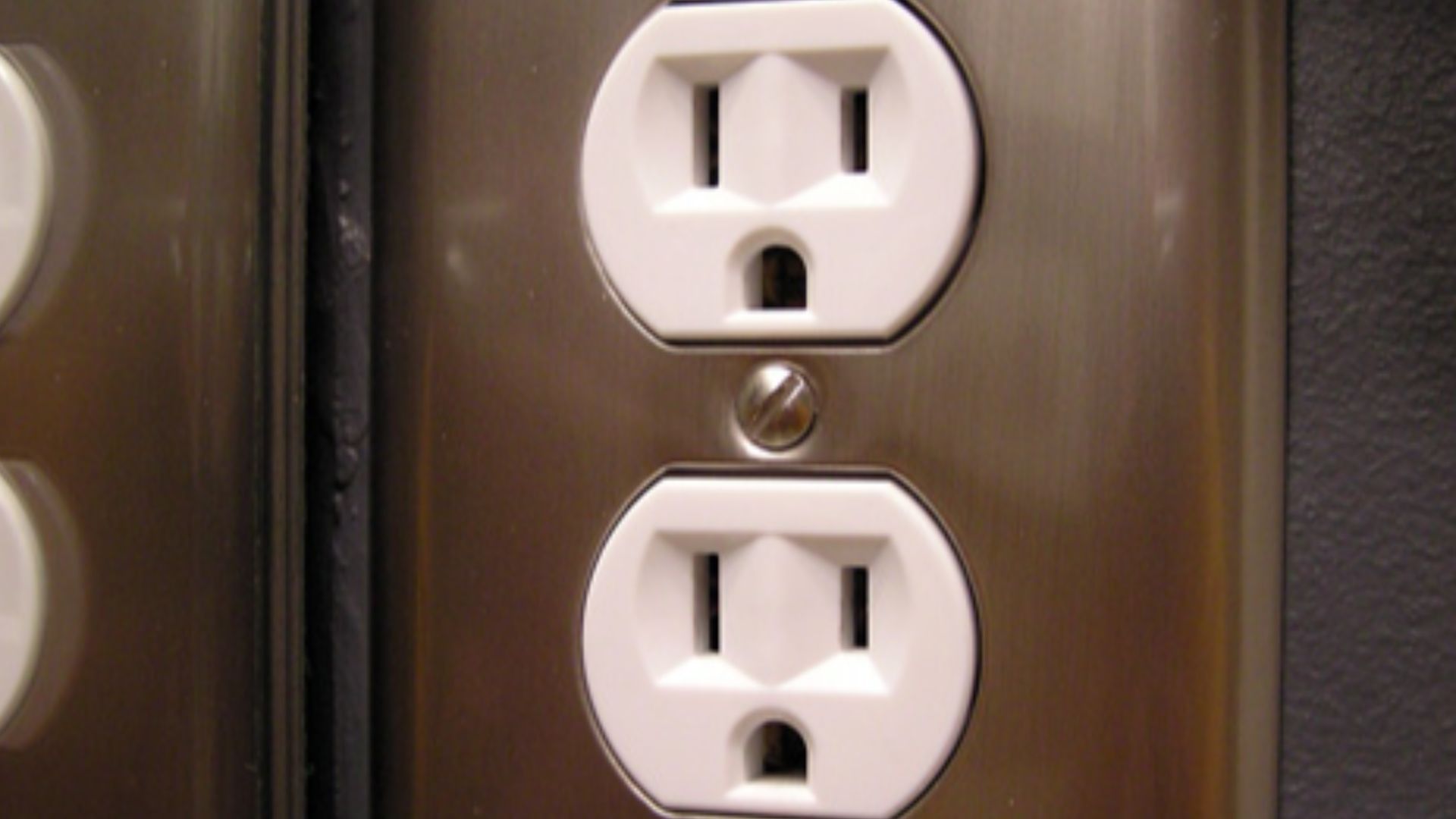
Plug Everything Into 120-Volt Outlets
Standard American household outlets generally supply 120 volts, while European countries typically use 230 volts. Europe also has several different plug designs, although Type C is widely used. Americans cannot simply pack an appliance, find an adapter, and assume everything will work safely.
 JAK83; transferred to the Wikimedia Commons by BPK., Wikimedia Commons
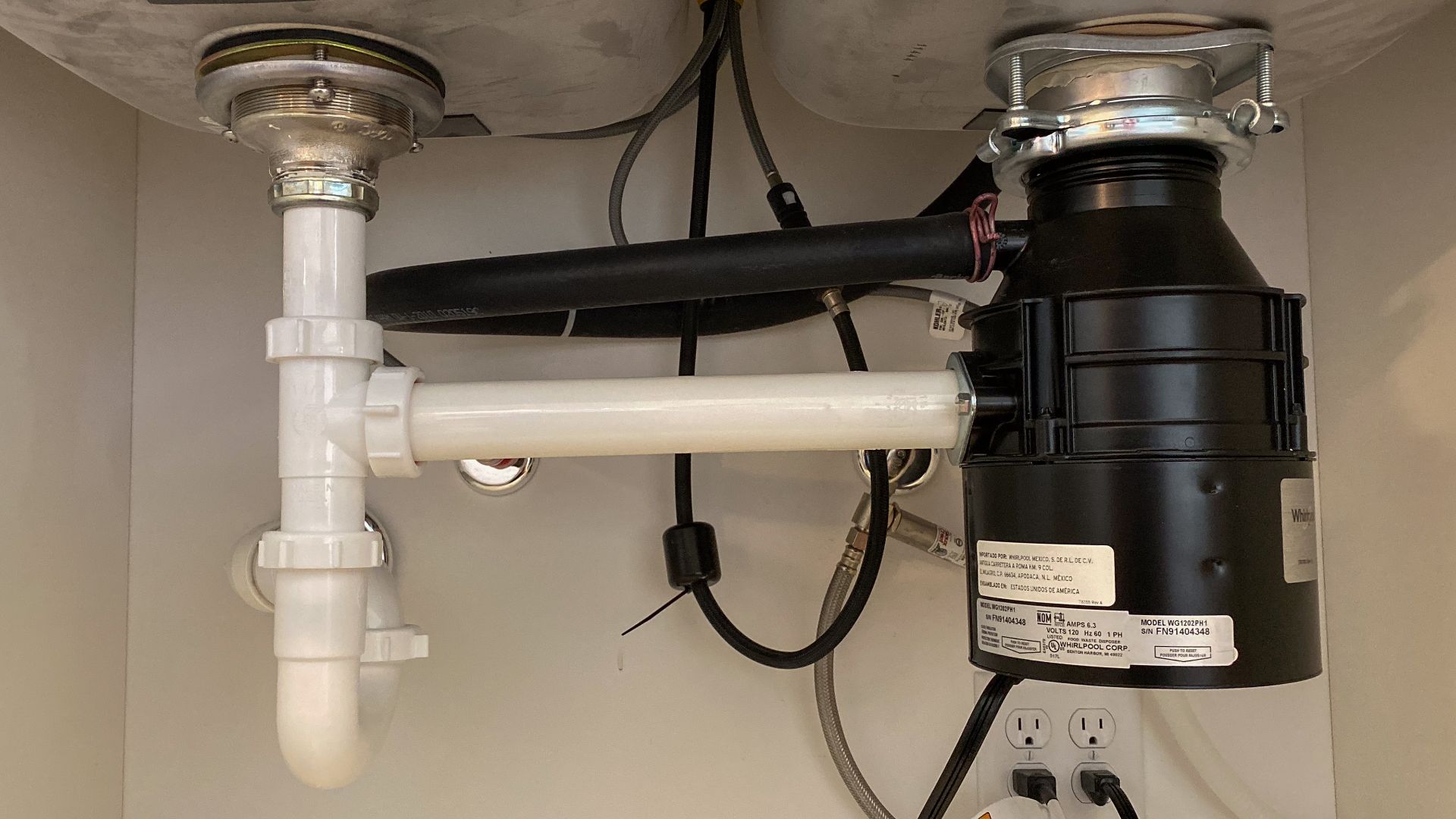
Put Food Scraps Down The Sink
Garbage disposals are ordinary kitchen equipment in millions of American homes. They are available in Europe, but remain uncommon in many countries where food scraps are usually placed in trash or compost containers. Europeans may find the growling machine underneath an American kitchen sink slightly alarming.
 Tony Webster, Wikimedia Commons
Machine-Dry Nearly Every Load
Clothes dryers are widely available throughout Europe, especially in northern countries, but drying racks and clotheslines remain much more visible than in America. Smaller homes, electricity costs, and simple habit all play a part. Many Europeans do not see air-drying clothes as an inconvenience at all.

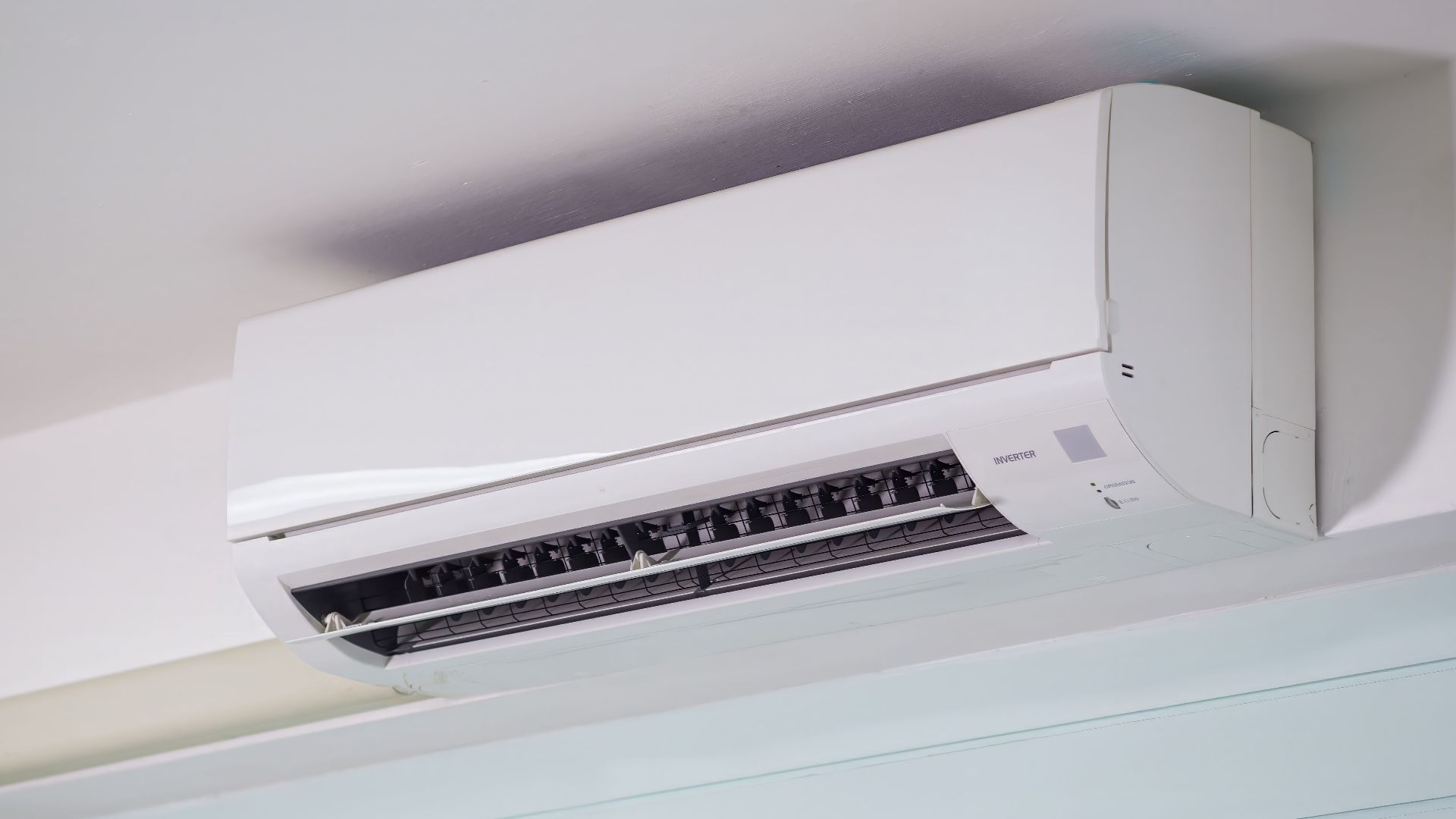
Turn Every Building Into A Refrigerator
American air conditioning can make a store feel colder in July than it did in January. Cooling is becoming more common across Europe as summers grow hotter, but many homes still lack central air. Shutters, fans, thick walls, and carefully timed window opening remain common alternatives.
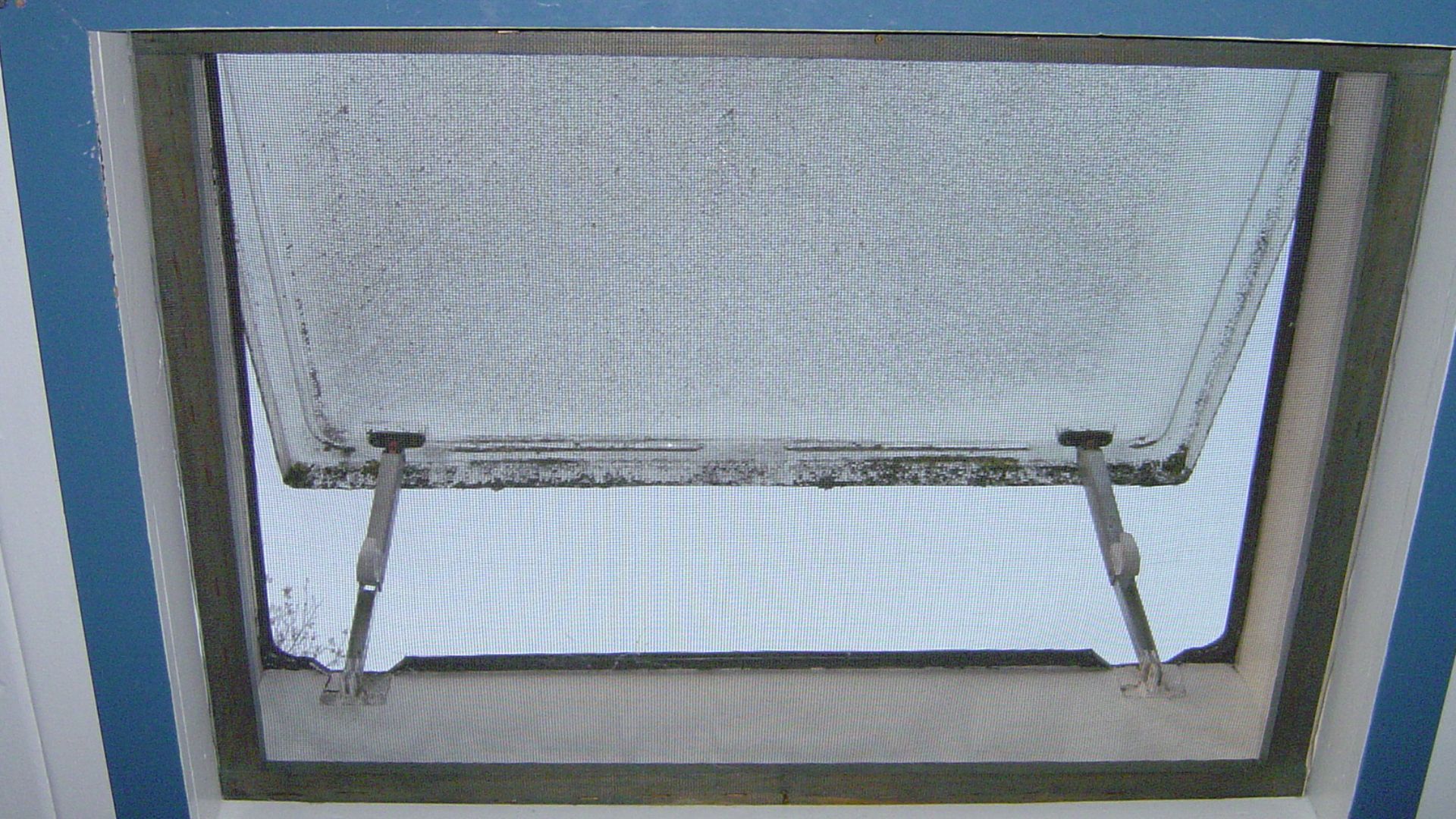
Put Screens On Nearly Every Window
Window screens are common in mosquito-prone parts of southern Europe, but they are not standard equipment in many central and northern European homes. Americans accustomed to opening a protected window may be surprised to find nothing between the bedroom and every insect currently exploring the neighborhood.
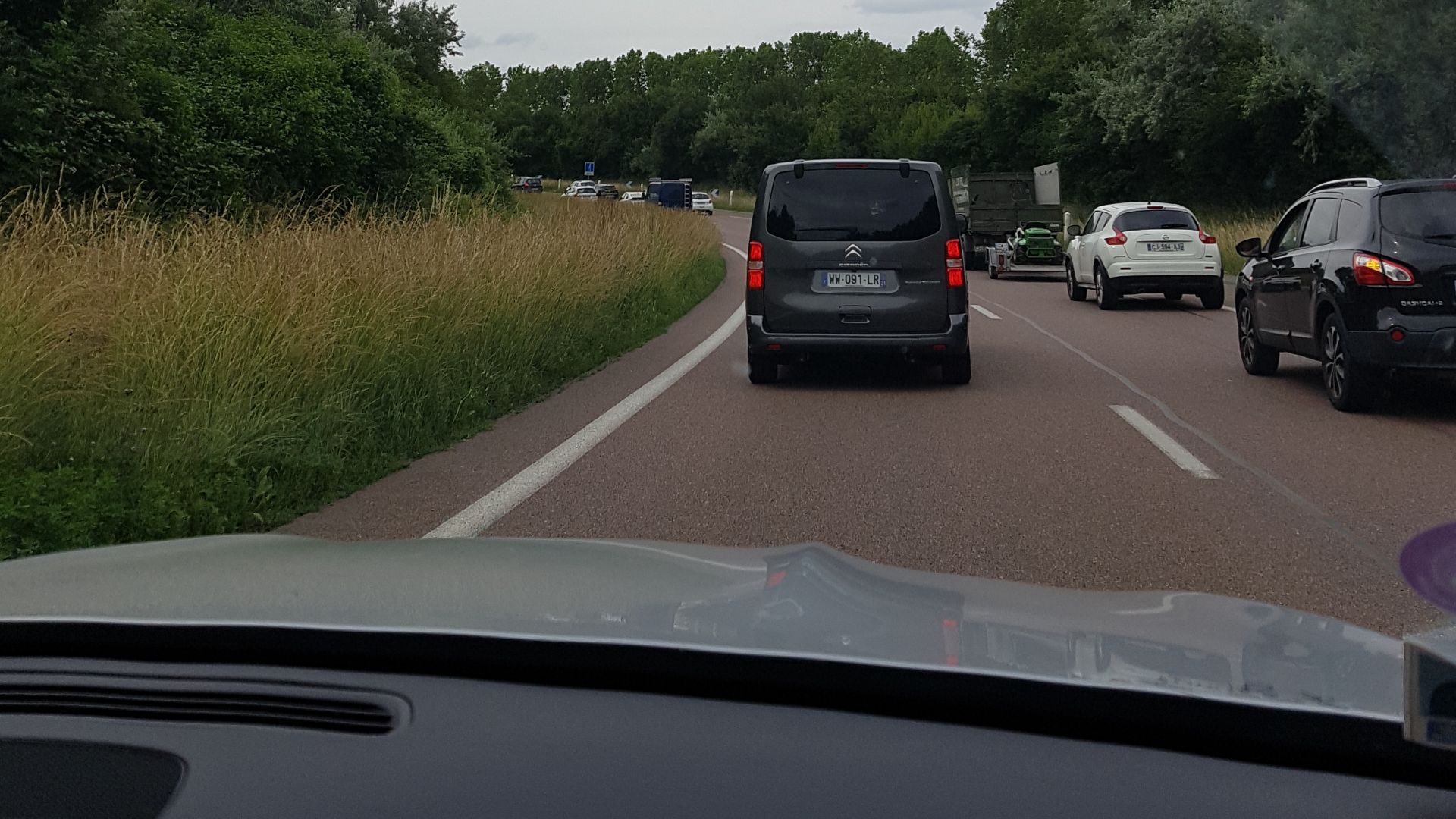
Drive Distances Europeans Would Walk
This varies by location, but American suburbs are frequently designed around vehicles, while many European towns and cities place homes, stores, and transit within walking distance. Some Americans will drive ten minutes to a store and then spend another five minutes searching for the closest parking space.
 Donna Alvita, Wikimedia Commons
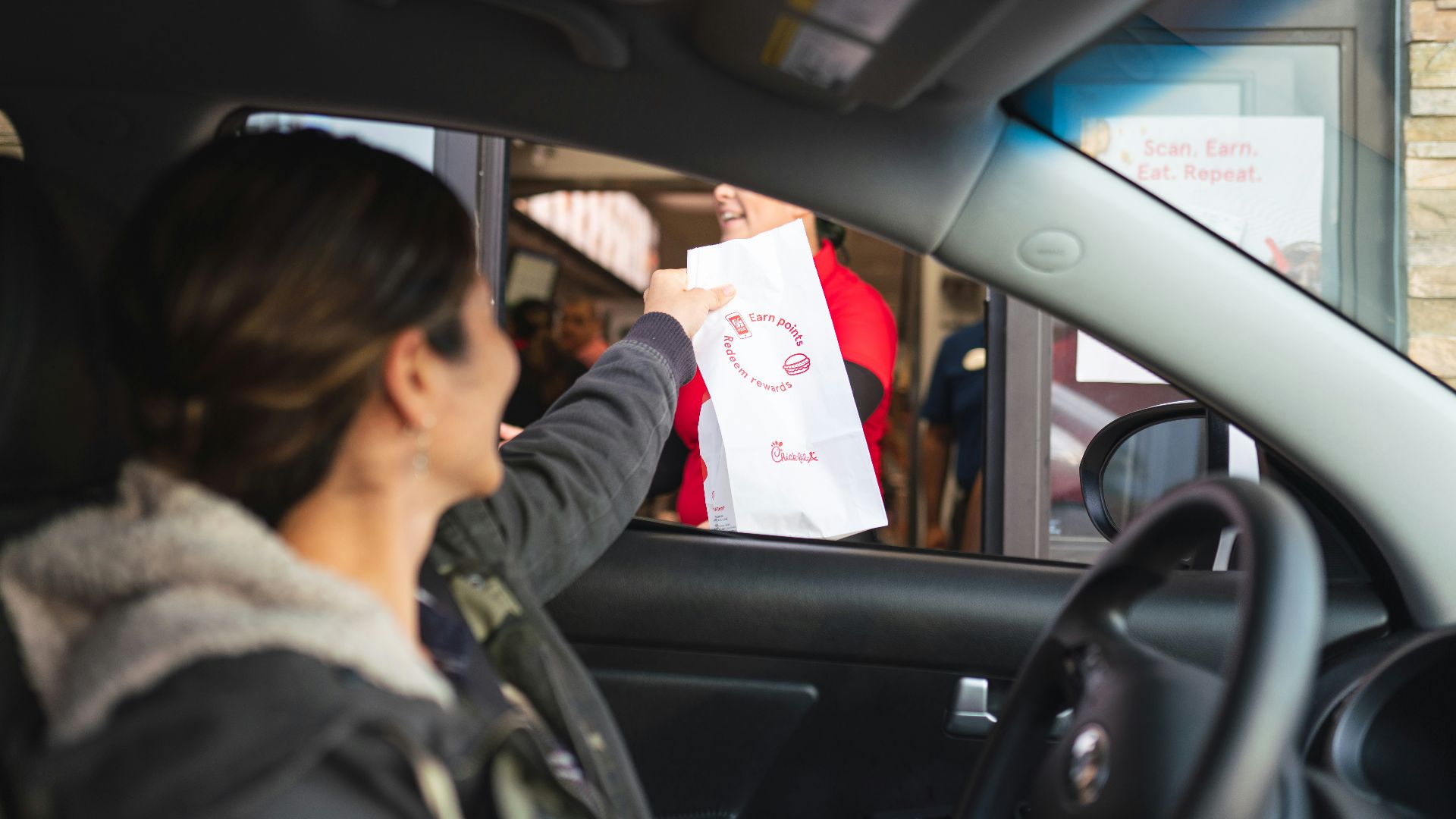
Build A Drive-Through For Everything
Europe has drive-through restaurants, but America took the concept much further. Americans can use drive-through banks, pharmacies, coffee shops, car washes, and even wedding chapels. The American version of convenience sometimes appears to involve completing an entire day without removing a seat belt.
Use Pickup Trucks As Everyday Cars
European drivers certainly own pickups, but the market is tiny compared with America’s. European roads, parking spaces, and fuel prices make giant trucks less practical. A spotless full-size pickup commuting to an office without carrying anything heavier than groceries remains a distinctly American sight.

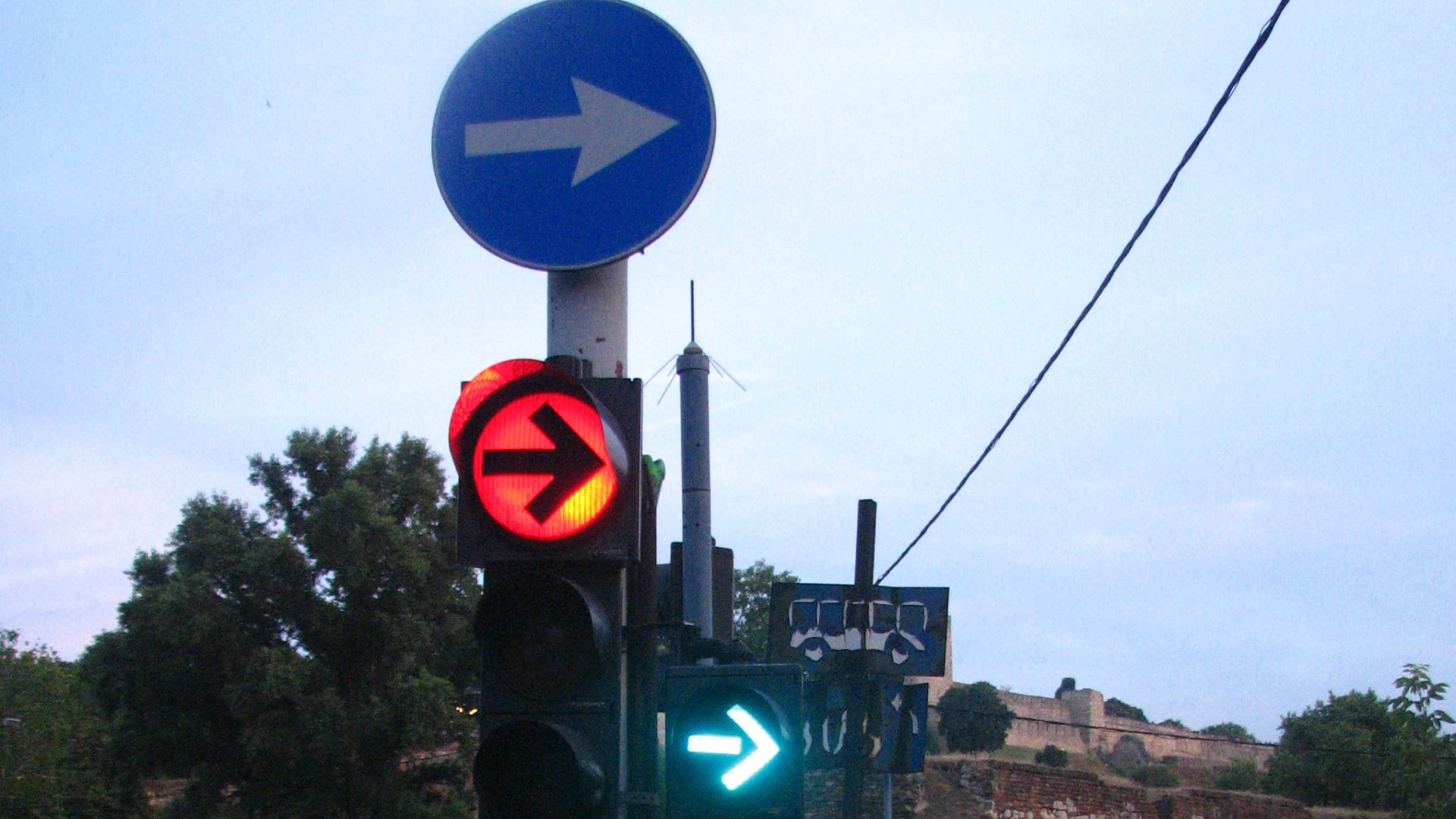
Turn Right At A Red Light
Most American drivers can turn right after stopping at a red light unless a sign prohibits it, although local exceptions exist. That is not the general rule across Europe. Certain countries permit specific turns through signs or signals, but an American should never assume the turn is automatically allowed.
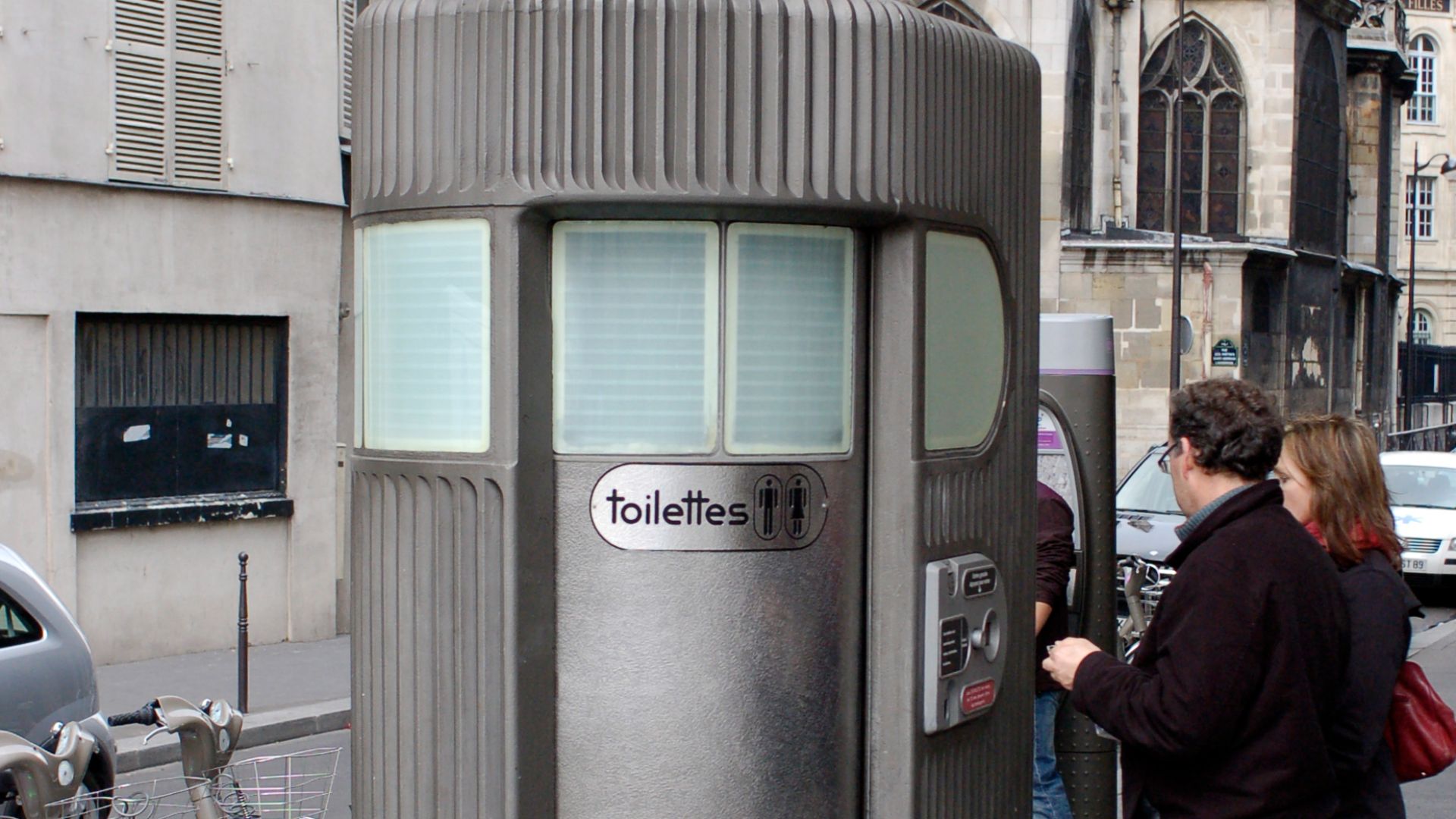
Pay To Use A Public Restroom
Americans may complain about restroom cleanliness, but they generally expect access to be free. Paid facilities remain common in many European stations, tourist areas, and shopping districts, although plenty of free ones exist too. Nothing makes cultural differences feel more urgent than suddenly needing exact change.
Advertise Prescription Medication On Television
American viewers regularly see commercials telling them to “ask their doctor” about a particular prescription medicine. Advertising prescription-only medication directly to the public is prohibited across the European Union. Europeans visiting America often find these commercials especially strange, particularly once the narrator begins listing the possible side effects.

Write The Month Before The Day
To an American, 9/10 usually means September 10. Across most of Europe, it means October 9. The day-month-year format is standard throughout much of the continent, allowing an ordinary expiration date to become a small international mystery during the first 12 days of every month.
 🇻🇳🇻🇳Nguyễn Tiến Thịnh 🇻🇳🇻🇳, Pexels
Use Different-Sized Paper
American offices commonly use letter-size paper measuring 8.5 by 11 inches. European countries generally use A4, which is slightly narrower and longer. It seems like a meaningless difference until a document prints incorrectly, a form does not fit, or someone attempts to use the wrong binder.

Ask “How Are You?” Without Expecting An Answer
For Americans, “How are you?” often means little more than hello. The expected answer is usually “good,” even when absolutely nothing is good. In several European cultures, the question sounds more sincere, making the American version seem friendly, cheerful, and just a little dishonest.

Start Conversations With Complete Strangers
Americans will talk to someone in an elevator, supermarket line, airport, or waiting room simply because the silence lasted too long. Europeans can be equally friendly, but unsolicited small talk is less expected in many countries. The European may quietly wonder what the American is trying to sell.
 Monkey Business Images, Shutterstock
Pledge Allegiance At School
Millions of American students grow up standing beside their desks and reciting the Pledge of Allegiance. European students generally do not begin each school day with a spoken pledge to their national flag. What feels completely routine to Americans can appear remarkably ceremonial to European visitors.
 Harrison Keely, Wikimedia Commons
Expect Stores To Be Open Constantly
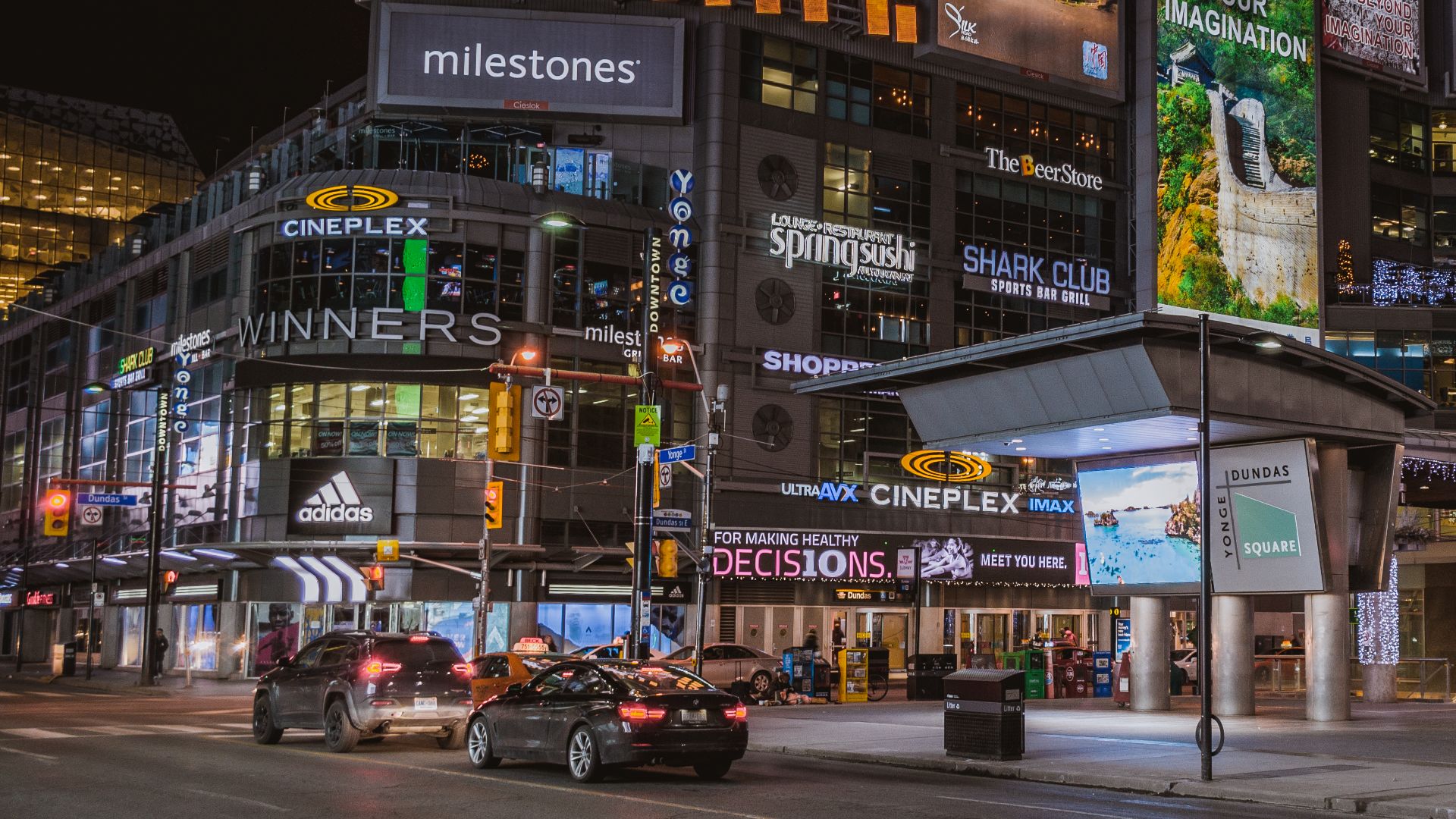
Opening hours vary across Europe, but Sunday closures, shorter business hours, and limits on late-night shopping remain common in numerous countries. Americans accustomed to 24-hour supermarkets can suddenly discover that “I’ll pick it up later” was not a plan. It was a serious tactical error.
 Illia Cherednychenko yourturn, Wikimedia Commons
Could You Give Them Up?
Some of these habits are convenient. Others only seem normal because Americans have been doing them forever. But be honest: after one week without enormous drinks, late-night shopping, constant air conditioning, or familiar measurements, how many of you would be desperately searching for the next flight home?

You Might Also Like:
Americans Reveal The European Foods They Were Happy To Try Once—But Never Want Again
Foreign Visitors Reveal The Things About American Hotels They Wish Their Countries Would Copy