A Different Kind Of Disney Magic
A Disney vacation in the 60s or 70s came with a few experiences that would leave younger visitors scratching their heads today. But for Baby Boomers who rode them, these were part of the magic. How many do you remember?
20,000 Leagues Under The Sea: Submarine Voyage
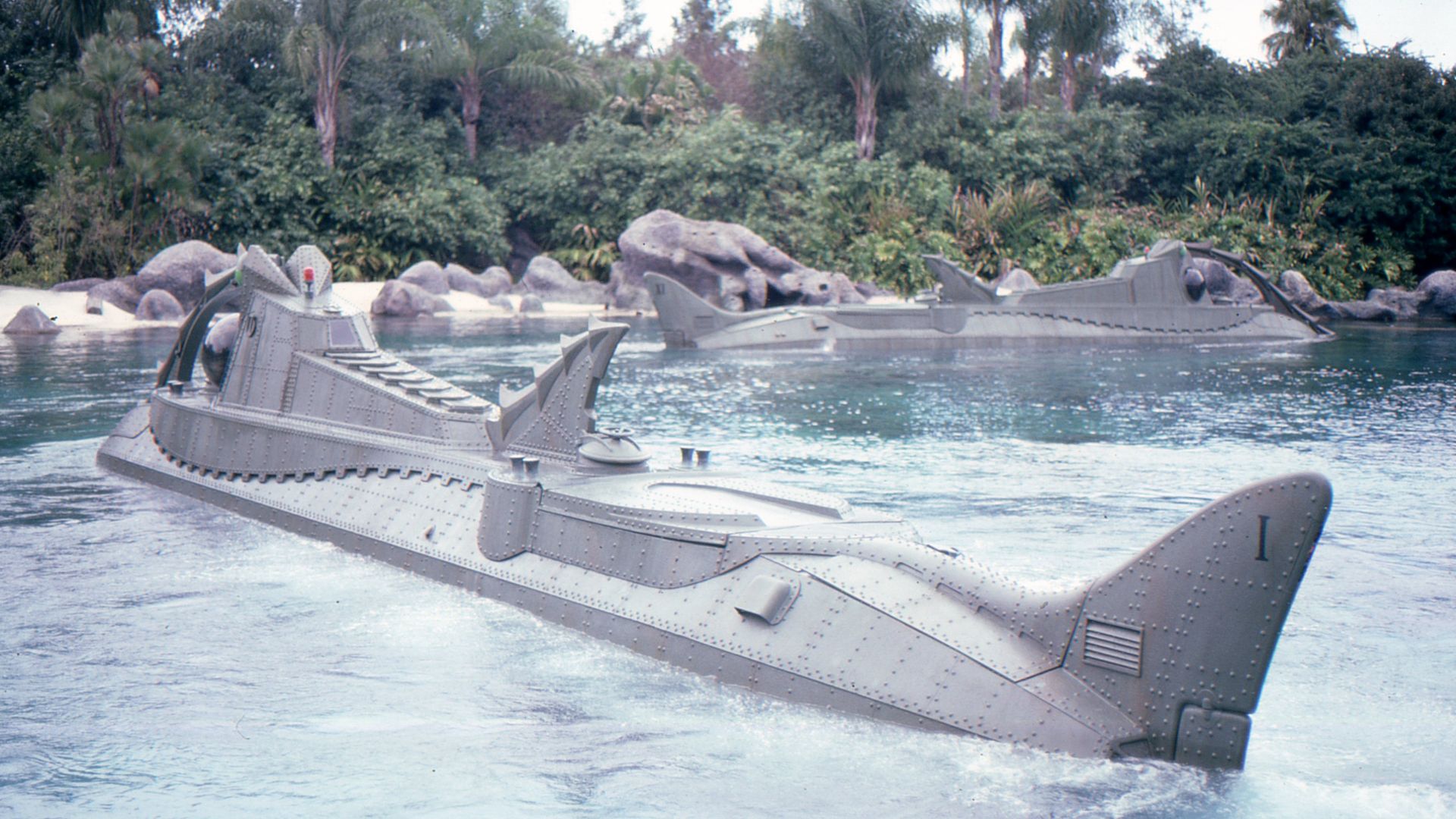
Those elaborate Captain Nemo submarines were hard to forget once you’d climbed aboard. Magic Kingdom’s 20,000 Leagues Under the Sea opened in 1971, sending passengers past underwater scenes in vessels modeled after the Nautilus. It closed in 1994, giving older millennials a chance to experience it. Younger ones missed a ride that had quickly become one of the park’s biggest attractions.
 Alex Reinhart, Wikimedia Commons
If You Had Wings
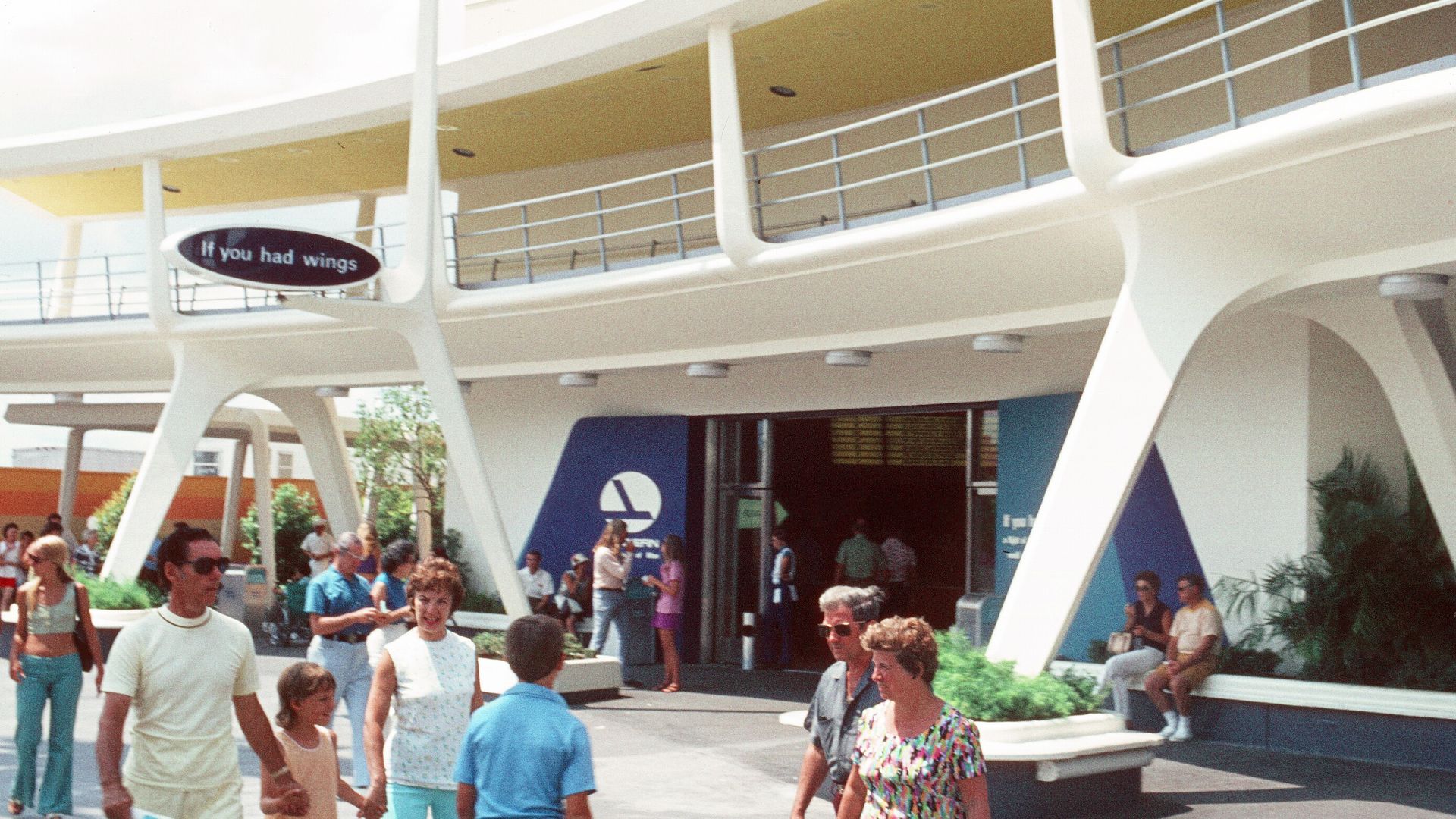
For Boomers who visited Magic Kingdom in the 70s, this could be their first taste of destinations far beyond Florida. Sponsored by Eastern Airlines, If You Had Wings carried riders past filmed scenes of places the airline served. It opened in 1972 and closed in 1987. An airline advertisement? Certainly. But an unusually memorable one with its own theme song.
Flying Saucers
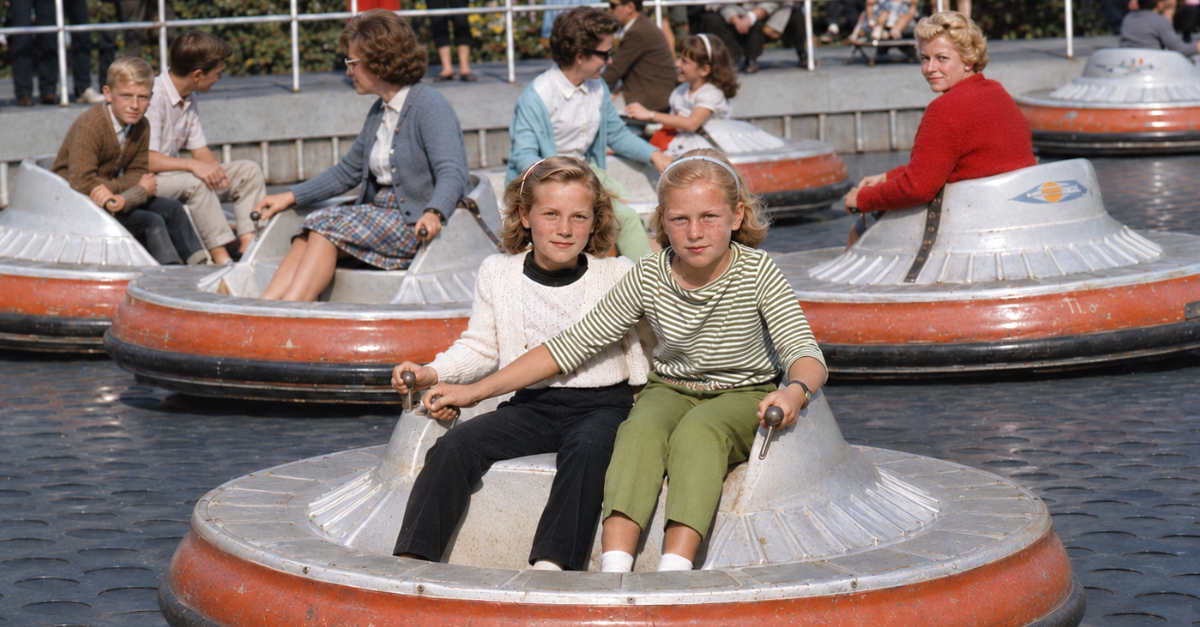
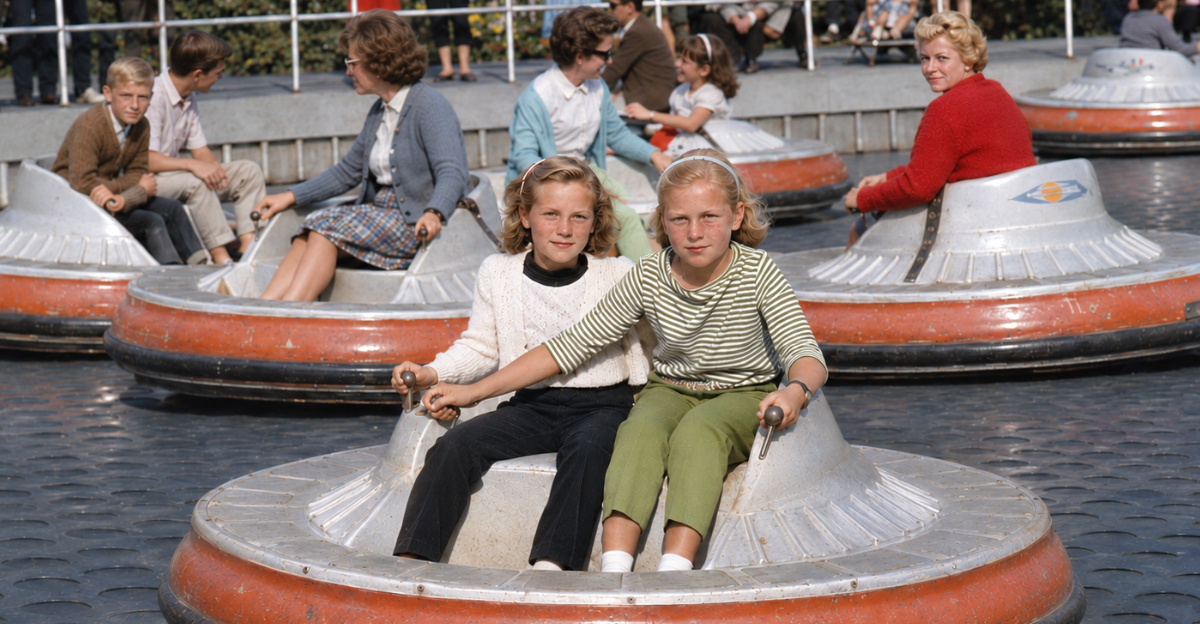
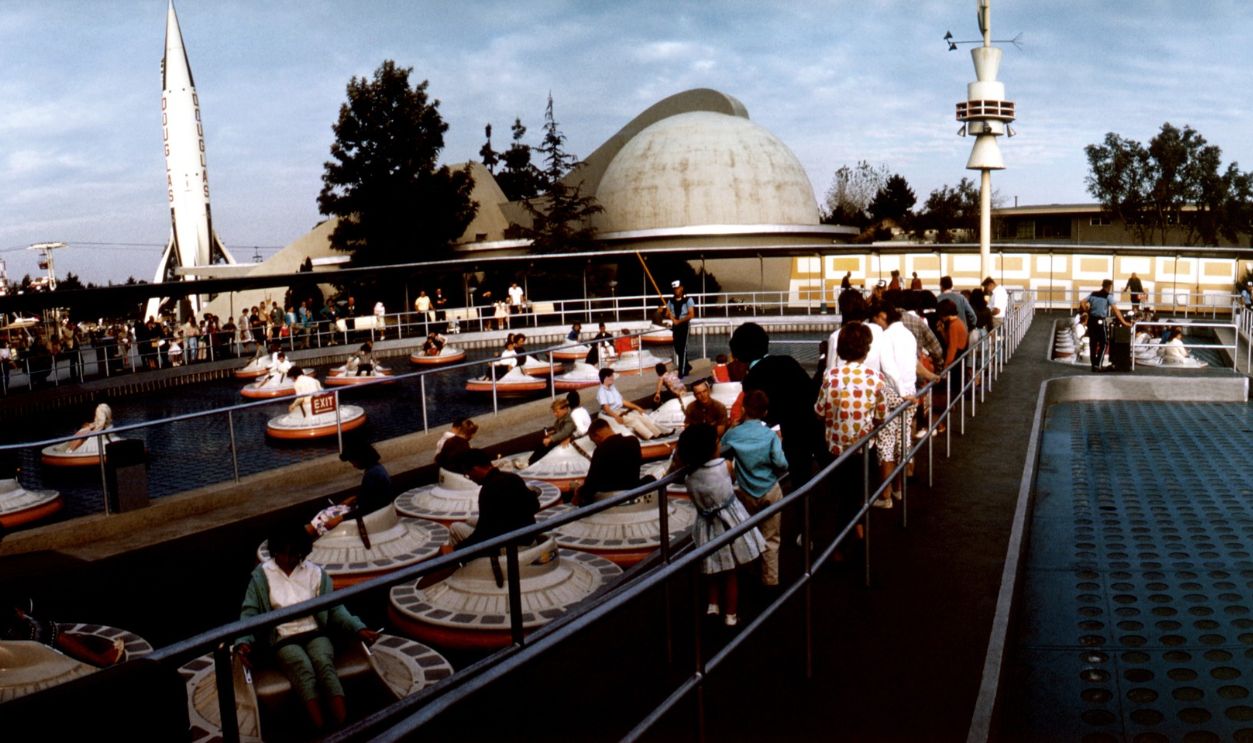
Disneyland once let you climb into your own flying saucer and float across the floor on a cushion of air. Think futuristic bumper cars, except these actually hovered. Tomorrowland’s Flying Saucers opened in 1961, but keeping them working proved a constant headache. They landed for the last time in 1966, giving this childhood memory a surprisingly short window.
Adventure Thru Inner Space
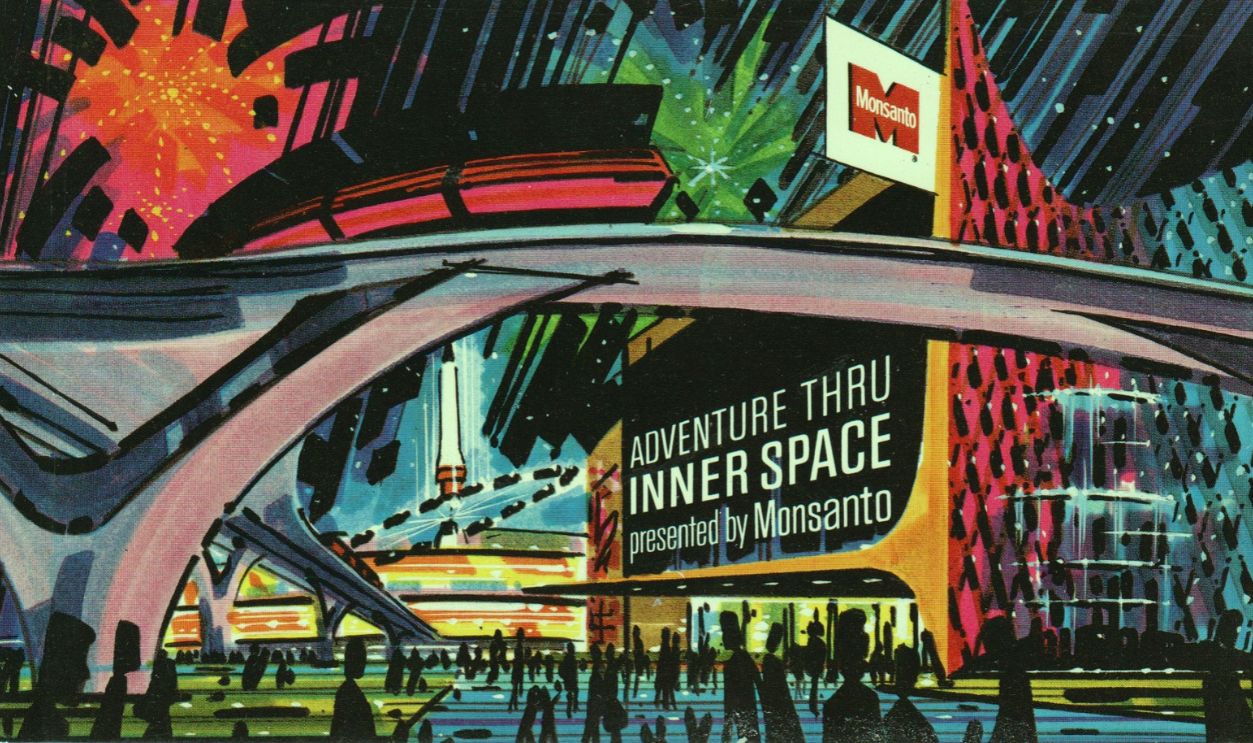
Remember watching other riders supposedly shrink inside that enormous microscope? Disneyland’s Adventure Thru Inner Space carried guests into a snowflake, then deeper into the world of molecules and atoms. Opened in 1967, it turned a science lesson into something wonderfully strange. It closed in 1985 to make room for Star Tours, before most millennials could form a single Disney memory.
Pack Mules Through Nature’s Wonderland
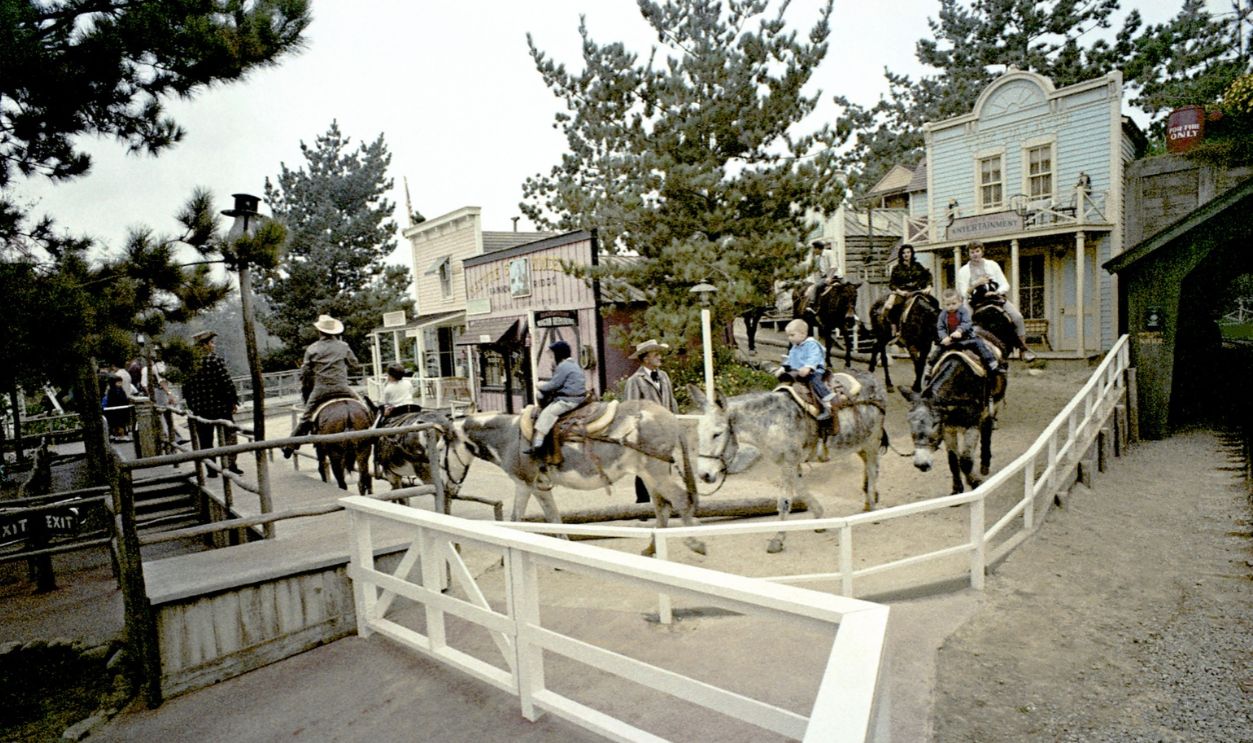
Yes, actual mules. Disneyland visitors could climb onto a living animal and travel through Frontierland’s western scenery, which meant the transportation occasionally had opinions of its own. Disney’s archives recall mules that refused to move or nipped at guests. The Nature’s Wonderland version operated from 1960 until 1973. Try explaining that particular Disney ride to someone raised on motion simulators.
Mine Train Through Nature’s Wonderland
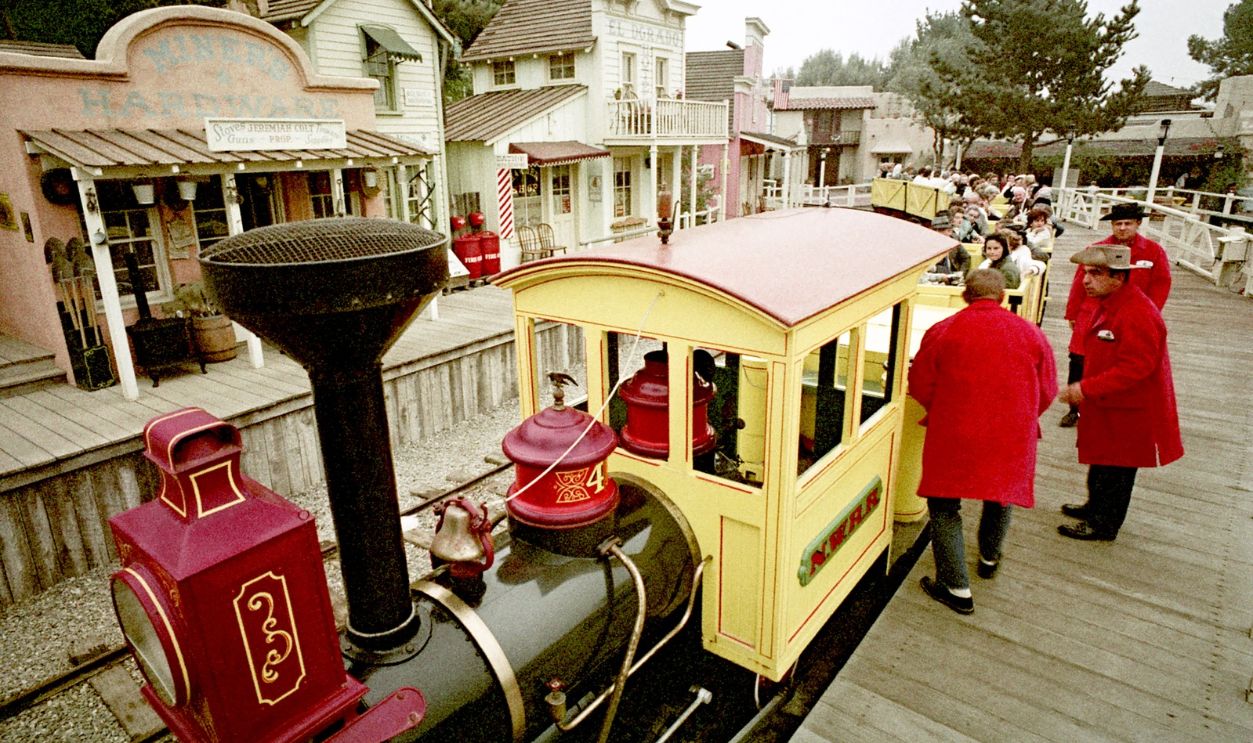
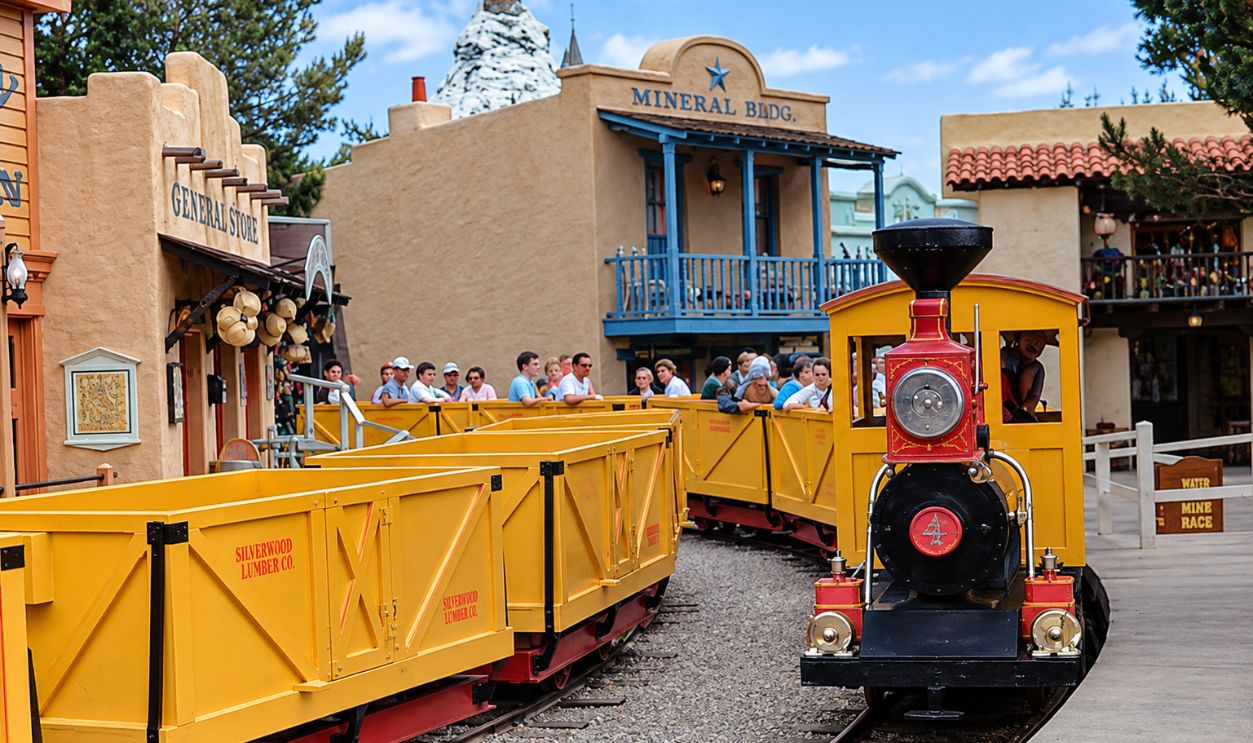
Before Big Thunder Mountain sent passengers hurtling around Frontierland, Disneyland offered a much gentler wilderness excursion. This little train passed lifelike bears, beavers, desert scenery, and the colorful waterfalls of Rainbow Caverns. The expanded Nature’s Wonderland ride opened in 1960 and closed in 1977. If your memory involves watching the scenery rather than gripping the safety bar, this might be the train.
America Sings
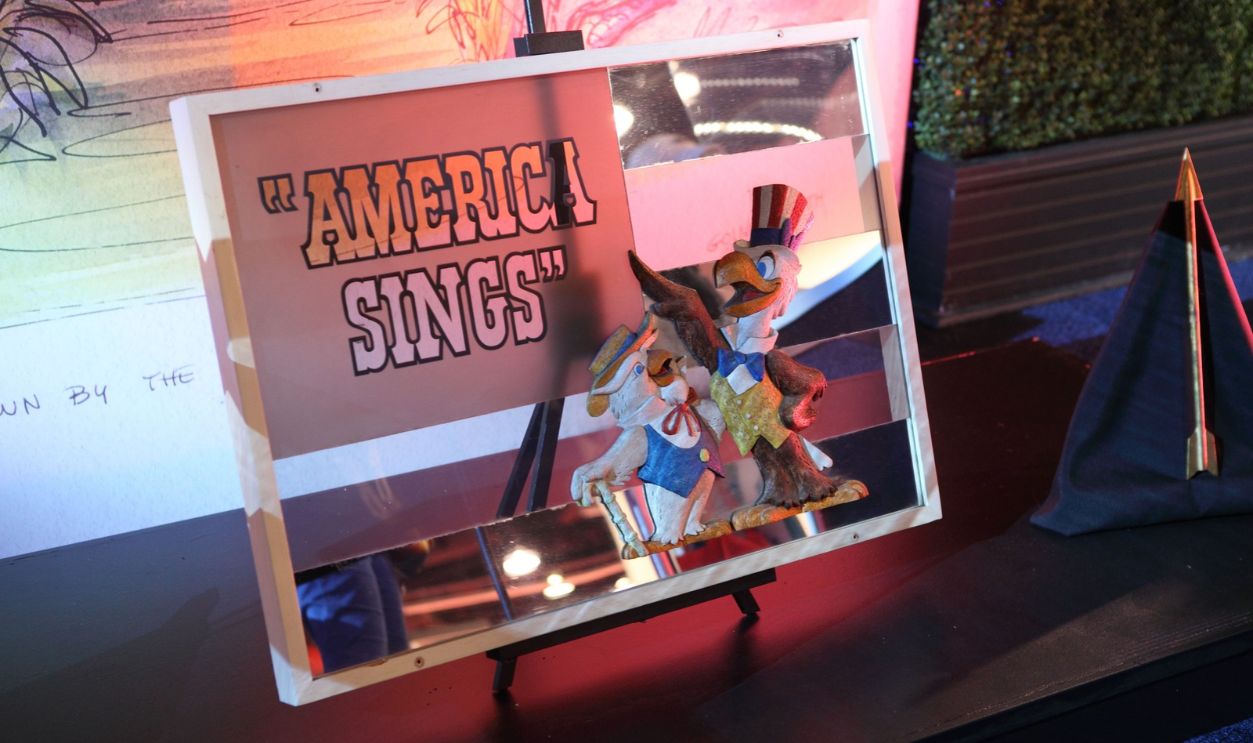
This one did its traveling inside a rotating theater. Disneyland’s America Sings moved audiences between scenes featuring more than 100 Audio-Animatronics characters performing music from different periods of American history. It opened in 1974 and closed in 1988. Many of those animal performers later found new jobs in Splash Mountain, so some younger visitors encountered the cast without ever seeing their original show.
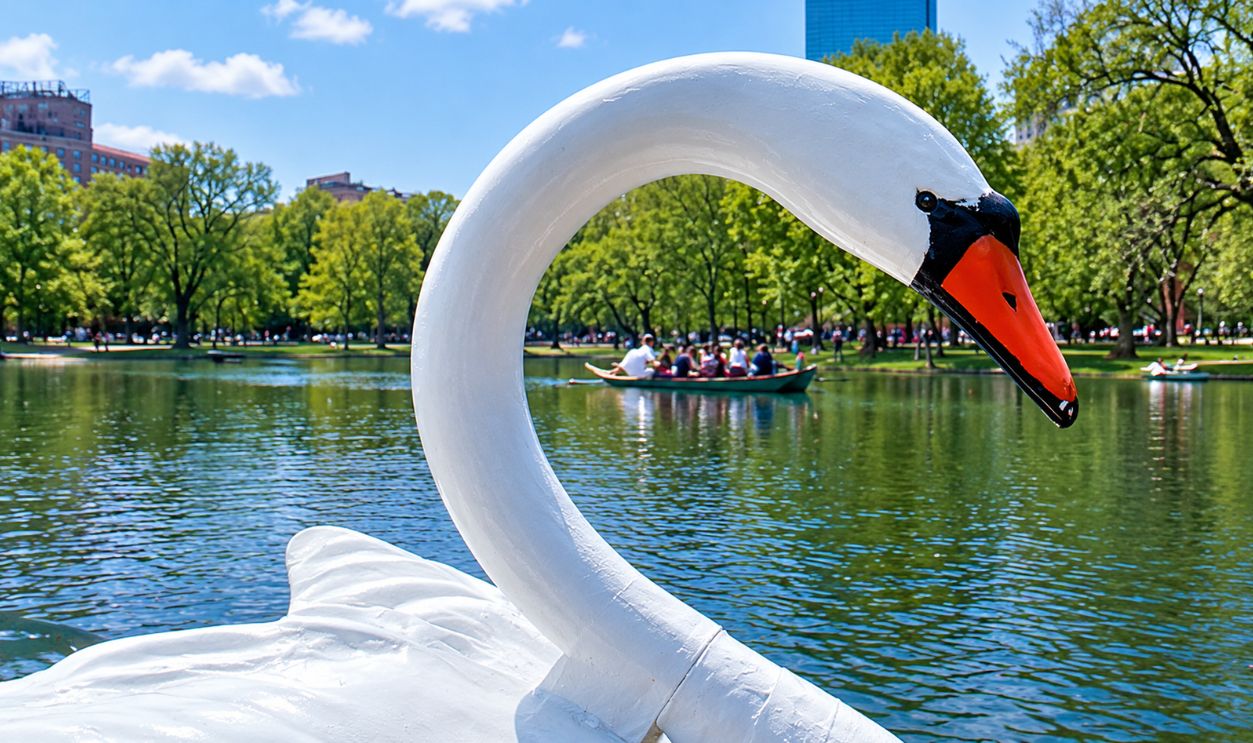
Plaza Swan Boats
Magic Kingdom once offered a leisurely boat trip through waterways many visitors probably assumed were just scenery. Introduced in 1973, the Plaza Swan Boats cruised around the central hub and into Adventureland, passing the Swiss Family Treehouse. They operated during busy periods before disappearing in 1983. For anyone who remembers the ride, those waterways might still look like they’re missing something.
 City of Boston Archives, Wikimedia Commons, Enhanced
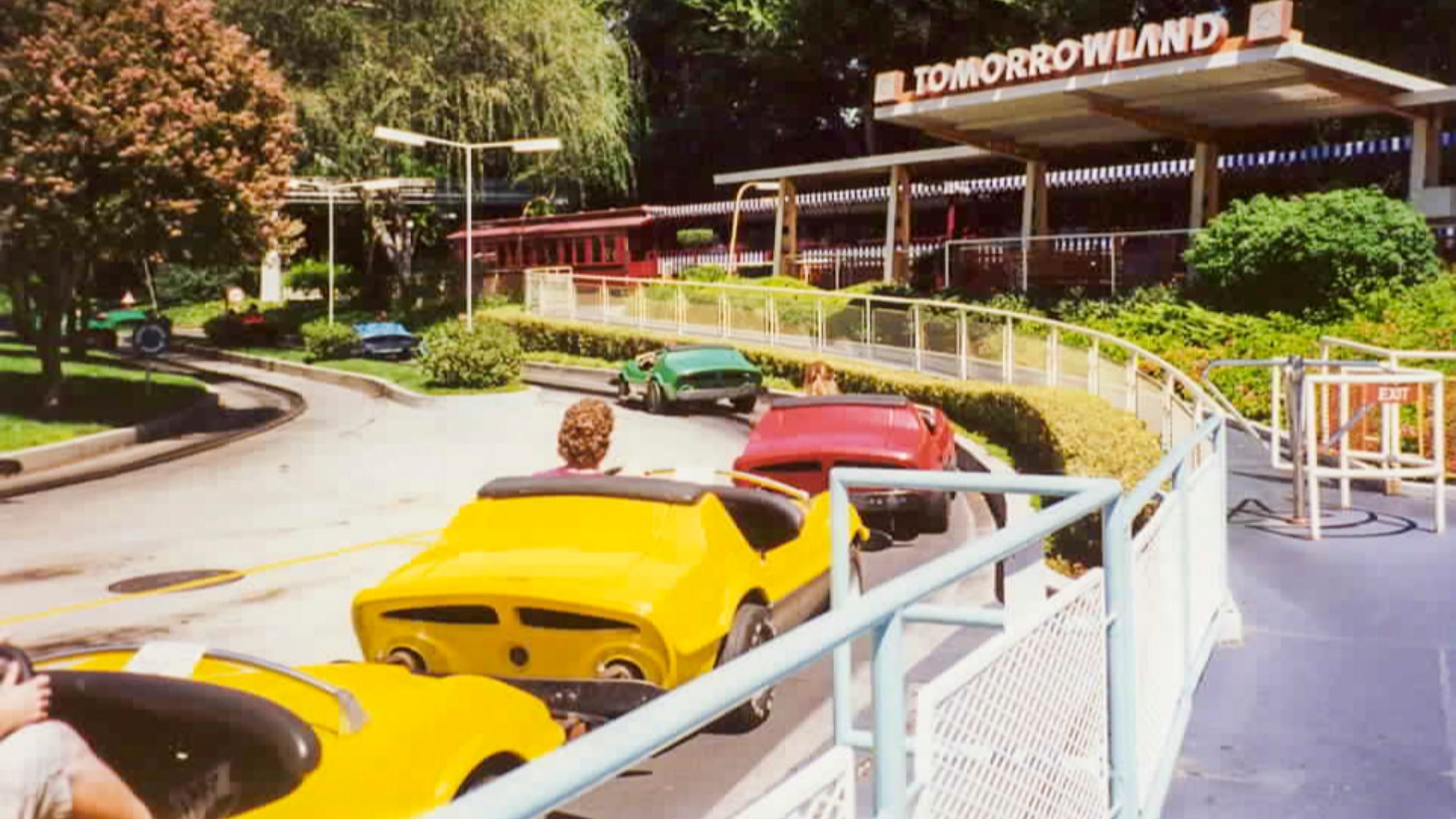
Midget Autopia
That was the attraction’s actual name, and it was designed for Disneyland’s smallest drivers. Unlike the larger Autopia rides, parents couldn’t squeeze in beside their children. It opened in 1957 and closed in 1966, after which Walt donated it to his boyhood hometown of Marceline, Missouri. A little road trip without Mom or Dad aboard was quite an adventure at that age.
Rocket To The Moon And Flight To The Moon
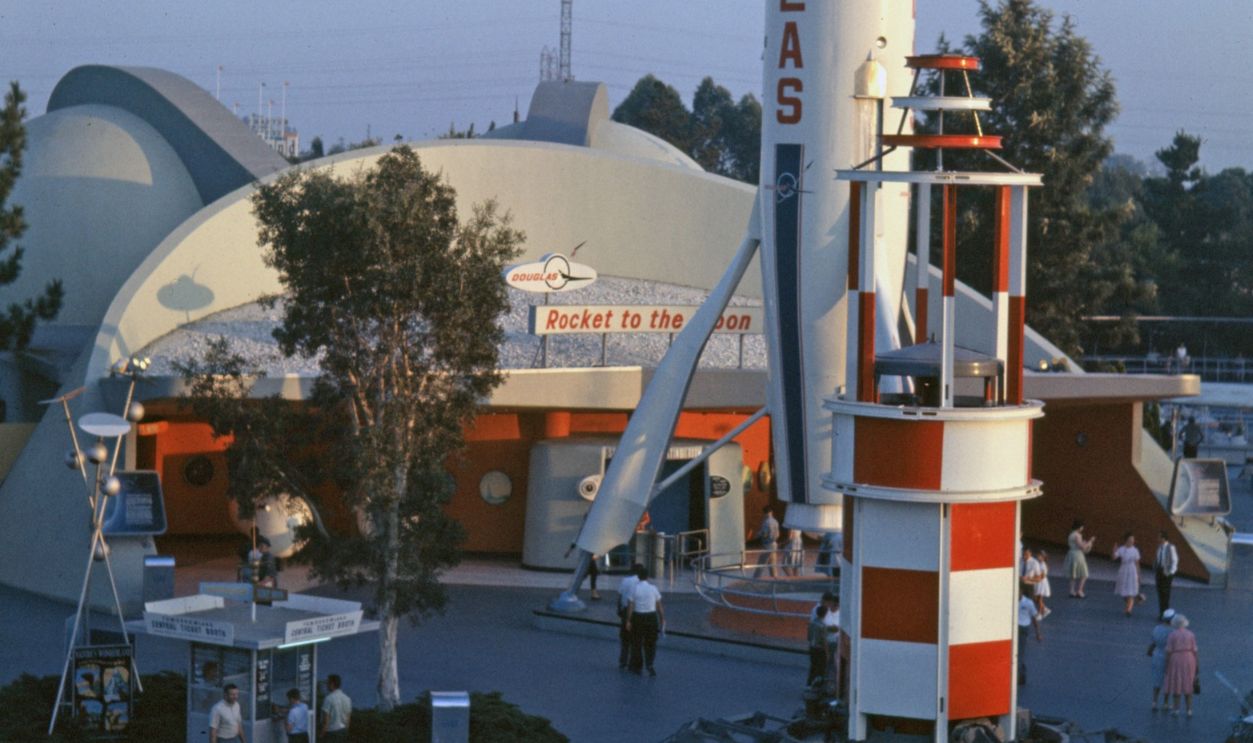
Disneyland was sending guests on imaginary lunar voyages before astronauts made the real trip. Rocket to the Moon used projections above and below seated passengers to suggest a journey into space. It closed in 1966, followed by the updated Flight to the Moon in 1967. Florida received its own version in 1971; both moon attractions became Mission to Mars in 1975.
 Scott McPartland, Getty Images
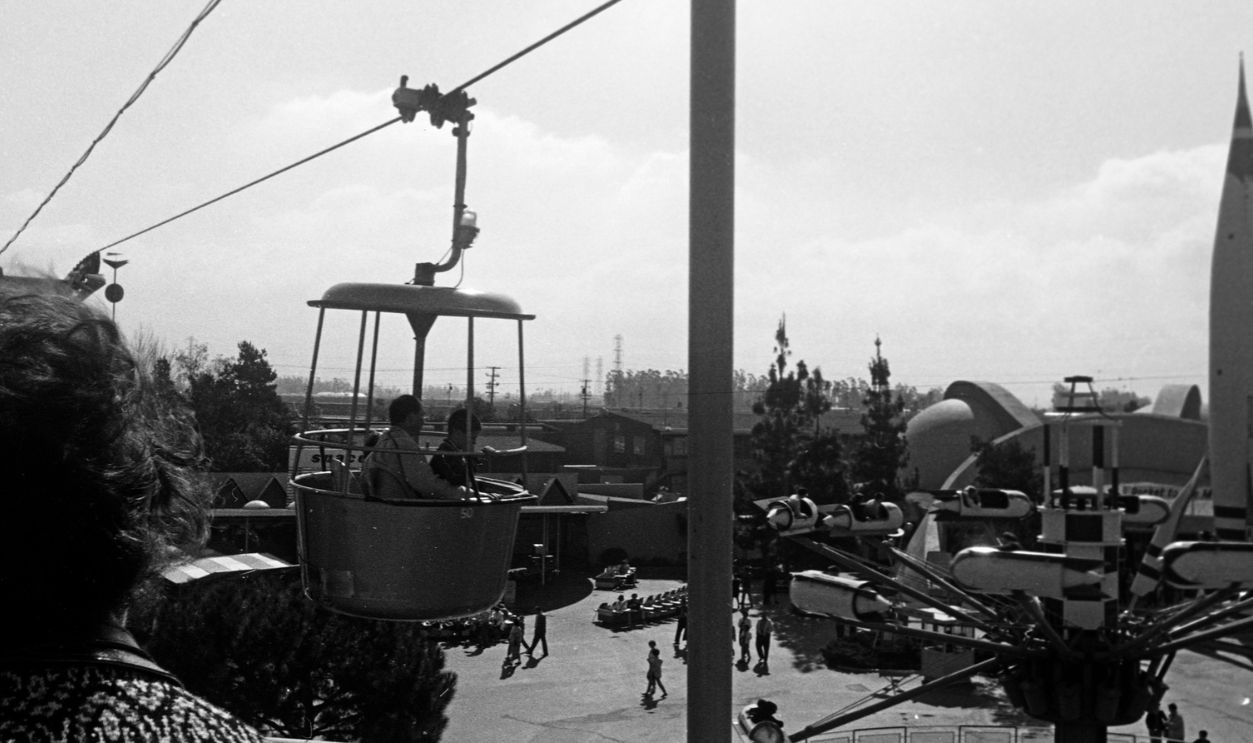
Astro-Jets
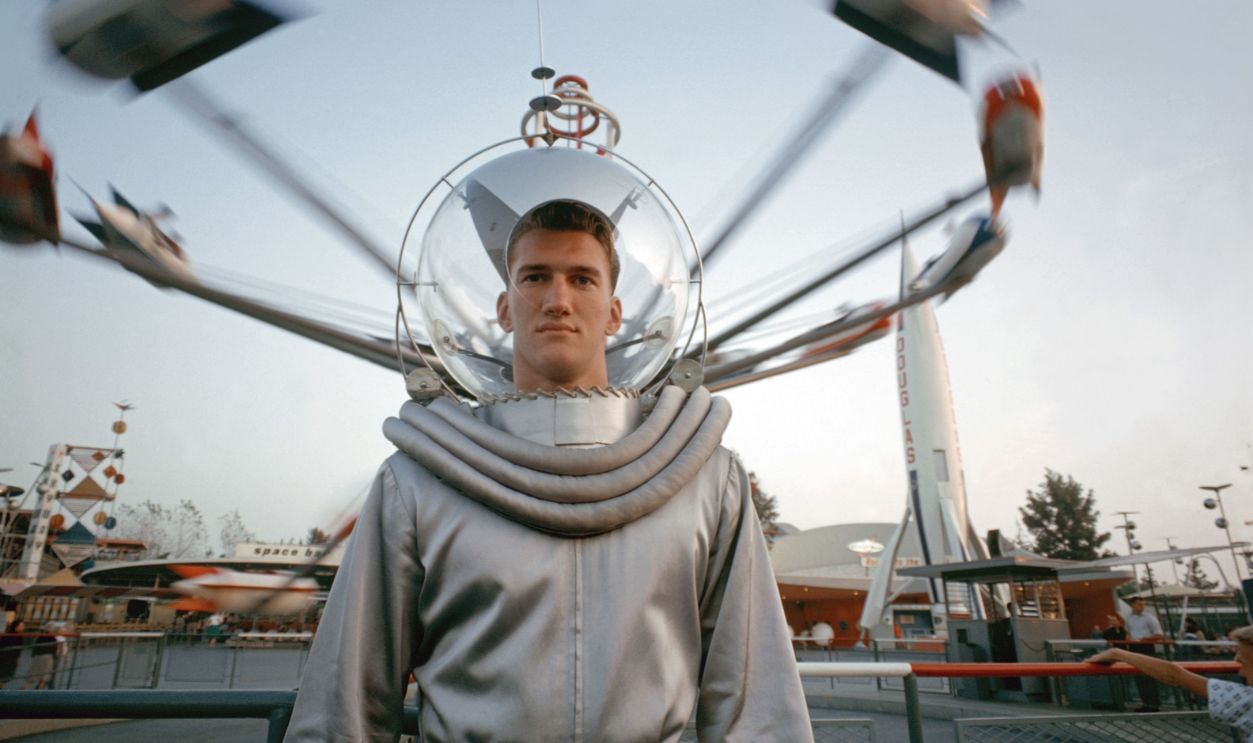
Before Rocket Jets, Disneyland had the original Astro-Jets, which opened in 1956. Riders circled a central structure and used a handle to raise or lower their little aircraft. Renamed Tomorrowland Jets in 1964, this version closed in 1966. Later rocket rides carried on the idea, but the original belonged to an earlier Tomorrowland that millennials never got to visit.
Mission To Mars
Once astronauts had actually reached the moon, Disney needed somewhere farther away to send its imaginary space travelers. Mission to Mars opened at Disneyland and Magic Kingdom in 1975, with a Mission Control preshow and a seated simulated voyage to the Red Planet. California’s version closed in 1992 and Florida’s in 1993, leaving younger millennials without a boarding opportunity.
Motor Boat Cruise
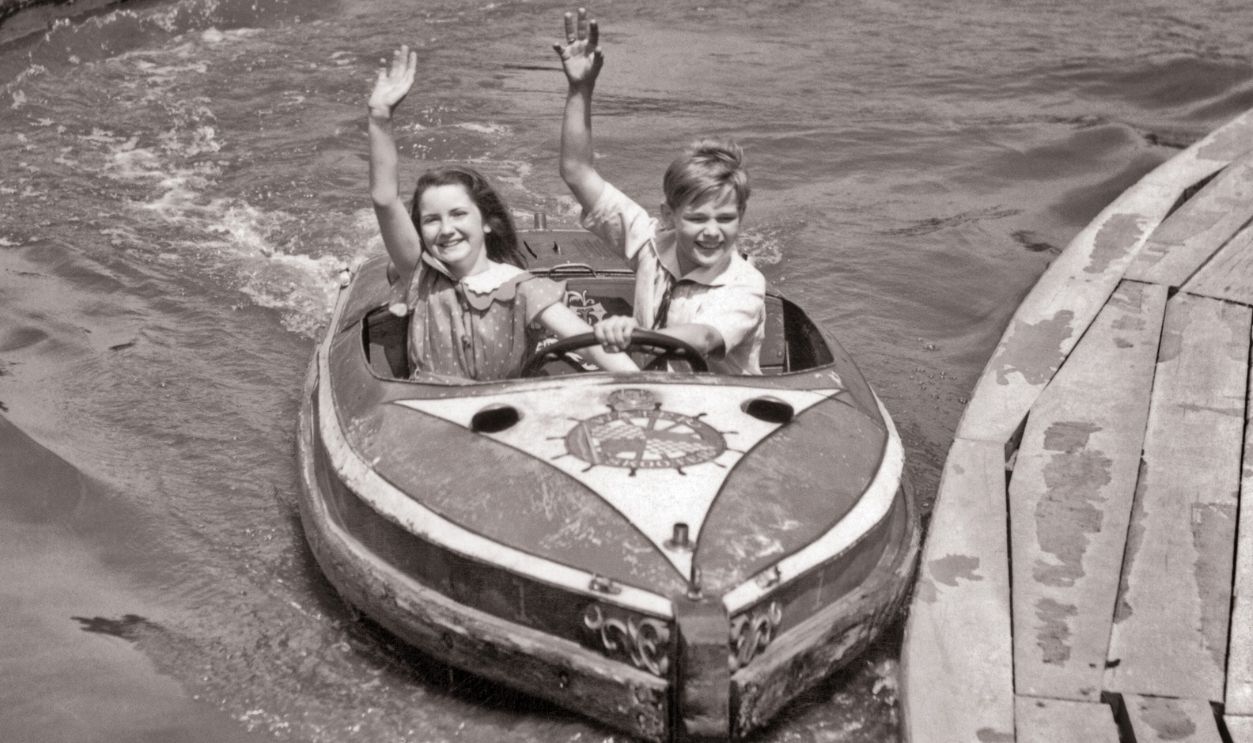
Sitting behind the wheel made children feel like the captain, even though the boats followed a hidden track. Disneyland’s Motor Boat Cruise carried guests through waterways beneath Autopia bridges and Monorail beams, offering a quieter adventure between bigger attractions. It operated from 1957 until January 1993, so older millennials had a chance, but younger ones missed it completely.
Which One Would You Bring Back?
A floating saucer, a tiny Atomobile, or a stubborn mule headed through Frontierland? If Disney gave you the chance to take just one of these rides again, which line would you get into first?
 cpo57, Wikimedia Commons, Enhanced
You Might Also Like:
American Vacation Spots Canadians Remember Loving In The 80s And 90s—But Rarely Visit Anymore
Weird Sandwiches From Different States Across America—Would You Actually Eat Any Of Them?