Remember Those Cross-Border Vacations?
Remember when a family vacation meant loading up the station wagon, crossing the border, and heading somewhere you'd visited three summers in a row? During the 1980s and 90s, certain American destinations were practically Canadian traditions. Many are still worth visiting, but changing tastes, rising costs, and a less favorable exchange rate have altered those familiar holiday routines.
 Jlacomba, Shutterstock; Factinate Ltd
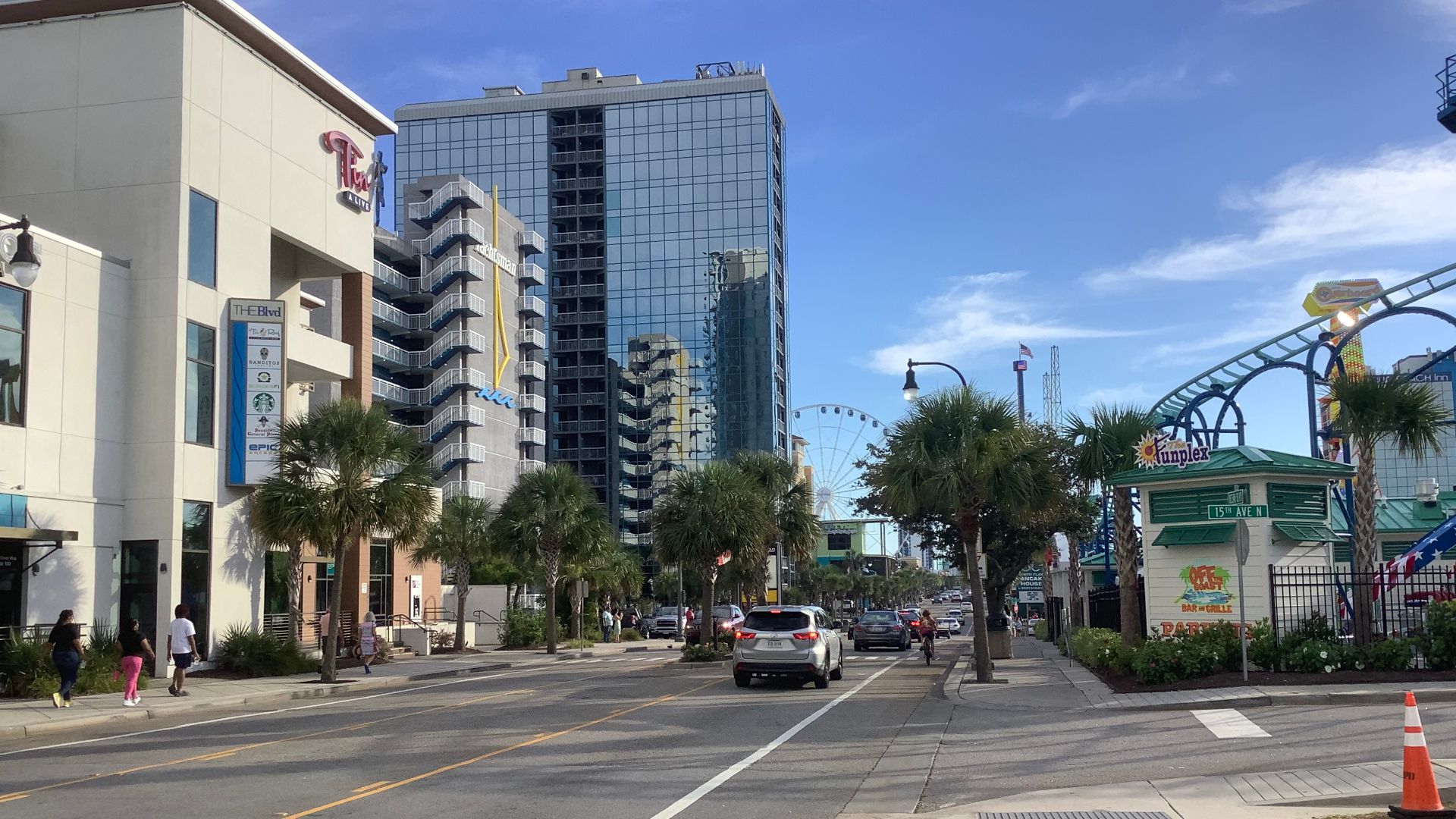
Myrtle Beach, South Carolina
For generations of Ontario and Quebec families, Myrtle Beach meant affordable oceanfront motels, miniature golf, seafood buffets, and endless stretches of sand. The Grand Strand was especially popular with Canadian golfers and families driving south. It's still a major vacation destination, but the inexpensive, uncomplicated beach getaway many Canadians remember isn't quite so easy to find.
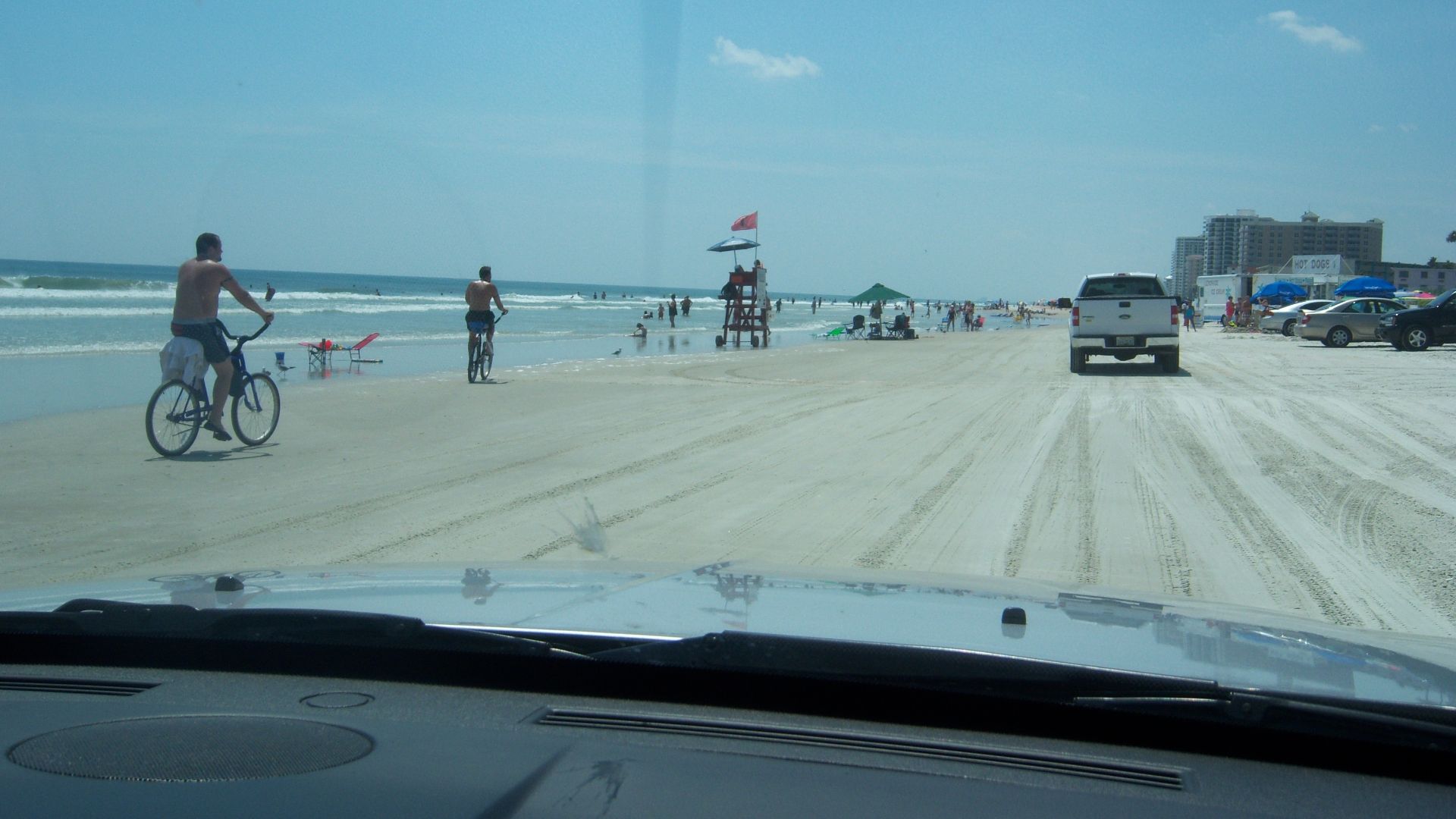
Daytona Beach, Florida
Daytona Beach offered something wonderfully different: miles of sand where vehicles could actually drive along the shoreline. Canadians came for the beaches, motorsports, and affordable hotels, while younger visitors discovered its spring-break atmosphere. Restrictions on beach driving, changes in the resort scene, and competition from other Florida destinations have altered the Daytona experience considerably.
 The Eloquent Peasant, Wikimedia Commons
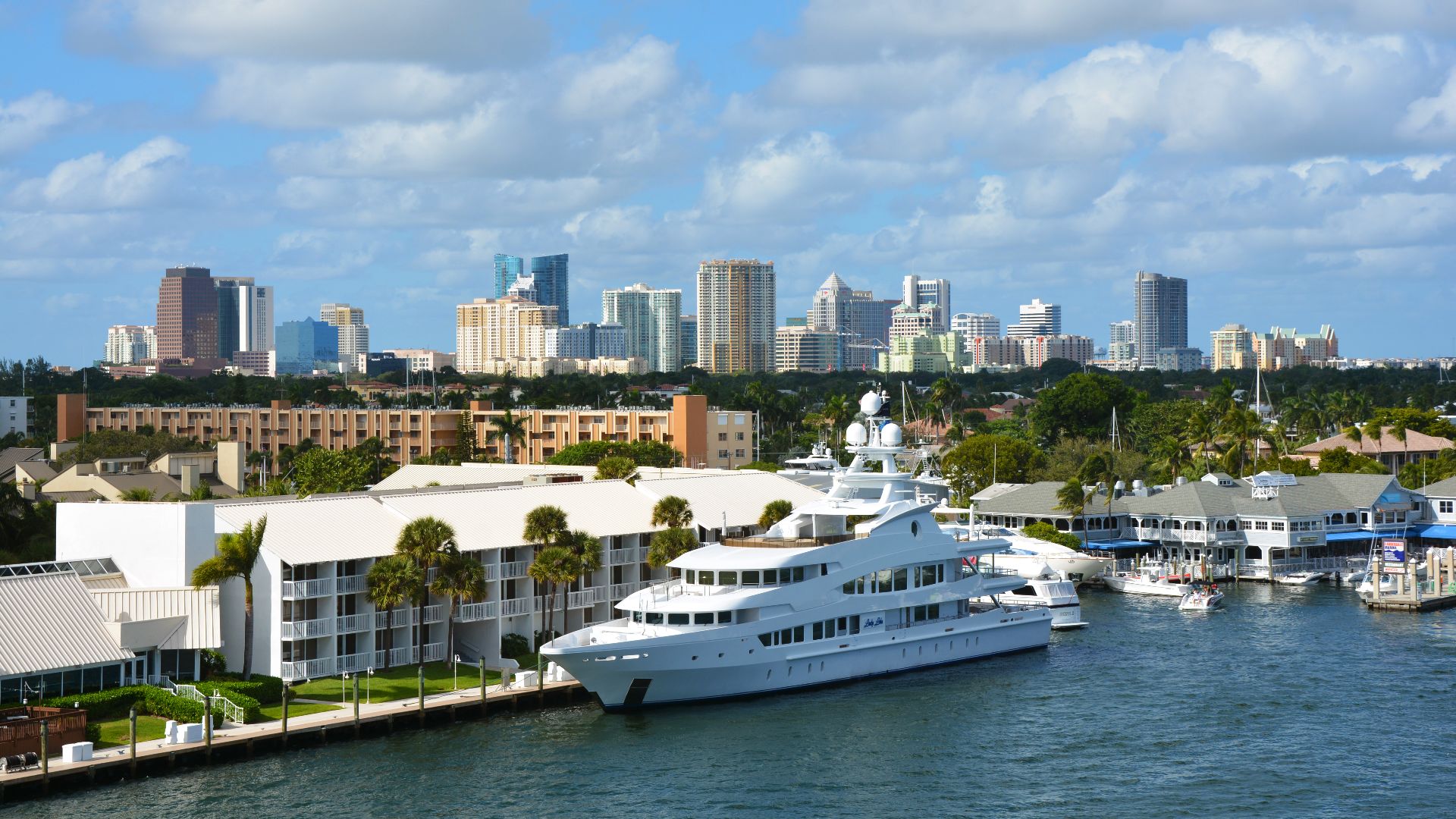
Fort Lauderdale, Florida
Before Fort Lauderdale reinvented itself as an upscale coastal destination, it was famous for spring breakers, inexpensive motels, and a lively beachfront strip. Canadians escaping winter could enjoy sunshine without the prices associated with Miami Beach. The city's transformation brought luxury hotels, sophisticated restaurants, and higher costs, leaving some longtime visitors nostalgic for its more casual past.
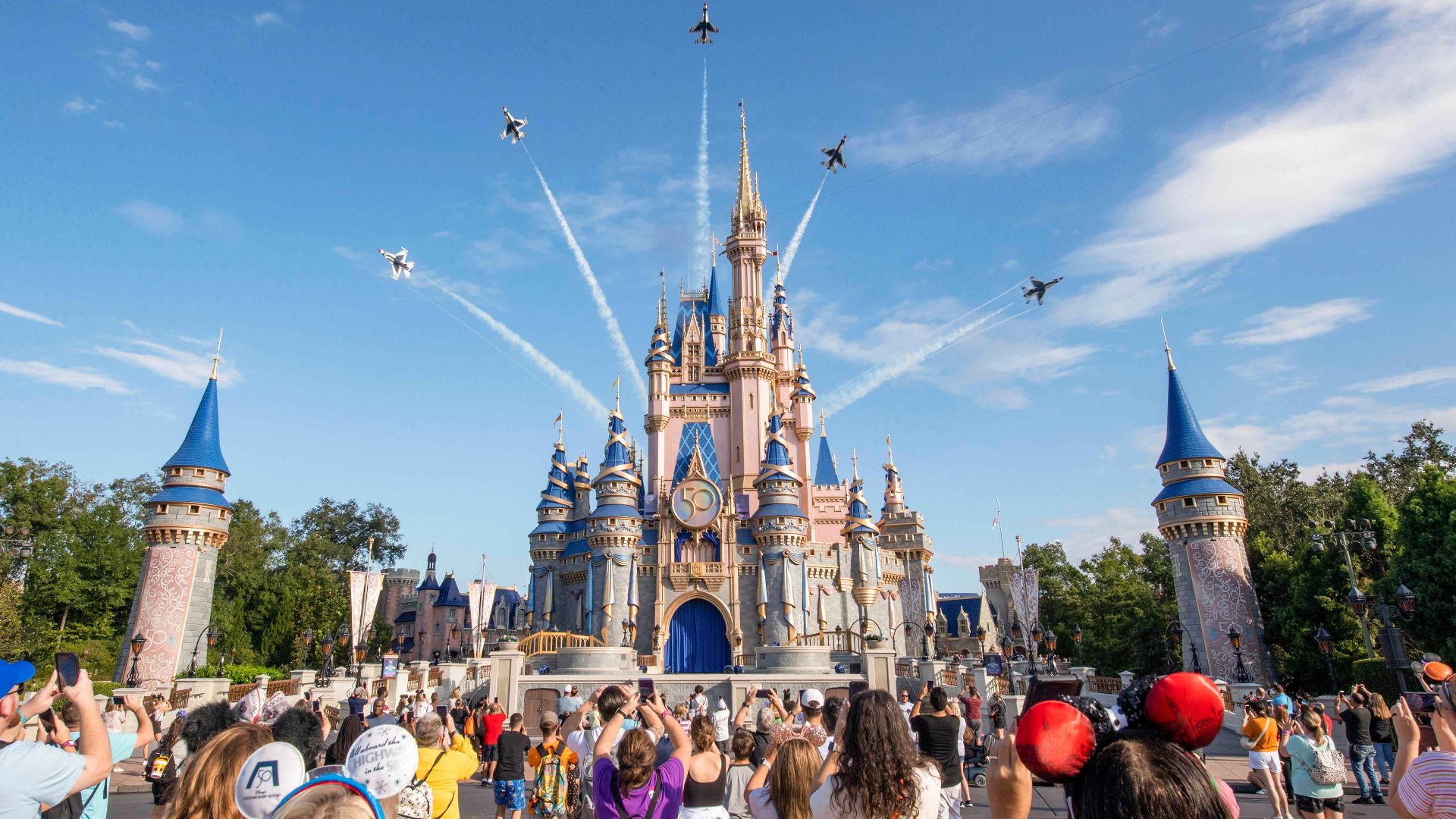
Orlando, Florida
For Canadian families in the 1980s and 90s, a trip to Walt Disney World was often the ultimate childhood vacation. Families saved for years, drove thousands of kilometers, and stayed in budget motels along International Drive. Orlando remains enormously popular, but admission prices, hotel costs, and complicated vacation planning have made that once-straightforward family adventure considerably more expensive.
 Senior Airman Dakota C. LeGrand, Wikimedia Commons
Kissimmee, Florida
Long before elaborate vacation rentals became commonplace, Kissimmee's Highway 192 was lined with inexpensive motels, souvenir shops, family restaurants, and roadside attractions. Canadian families used it as an affordable base for visiting Disney World. Much of that old tourist-strip atmosphere has changed as newer resorts, vacation homes, and developments transformed the surrounding area.
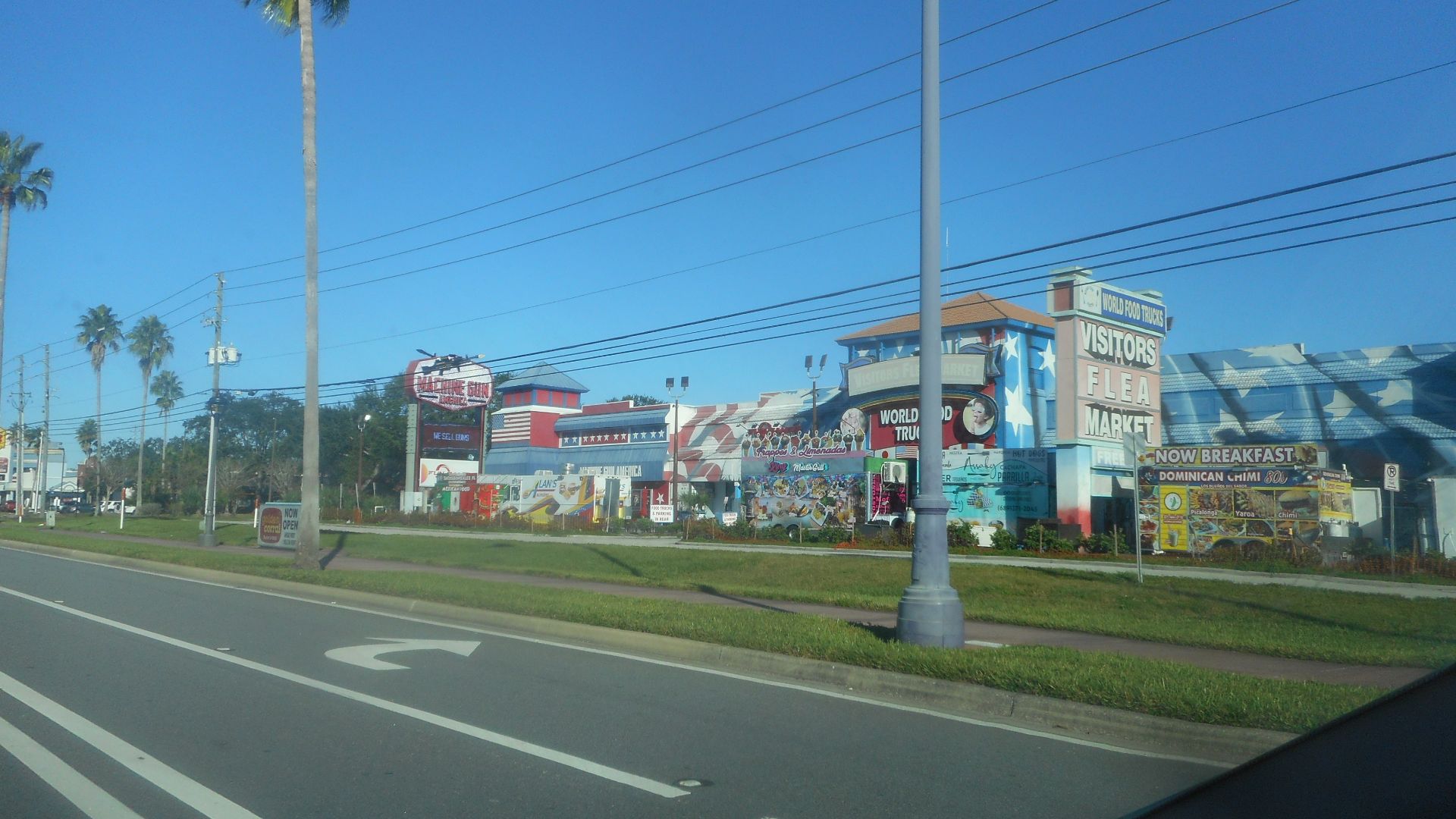
Virginia Beach, Virginia
Virginia Beach was a classic driving destination for Canadian families who wanted Atlantic Ocean sunshine without traveling all the way to Florida. The long boardwalk, oceanfront hotels, and nearby attractions made it easy to fill a week. The destination remains popular, but higher accommodation costs and changing vacation habits have made those traditional summer road trips less automatic.
 Bruce Emmerling, Wikimedia Commons
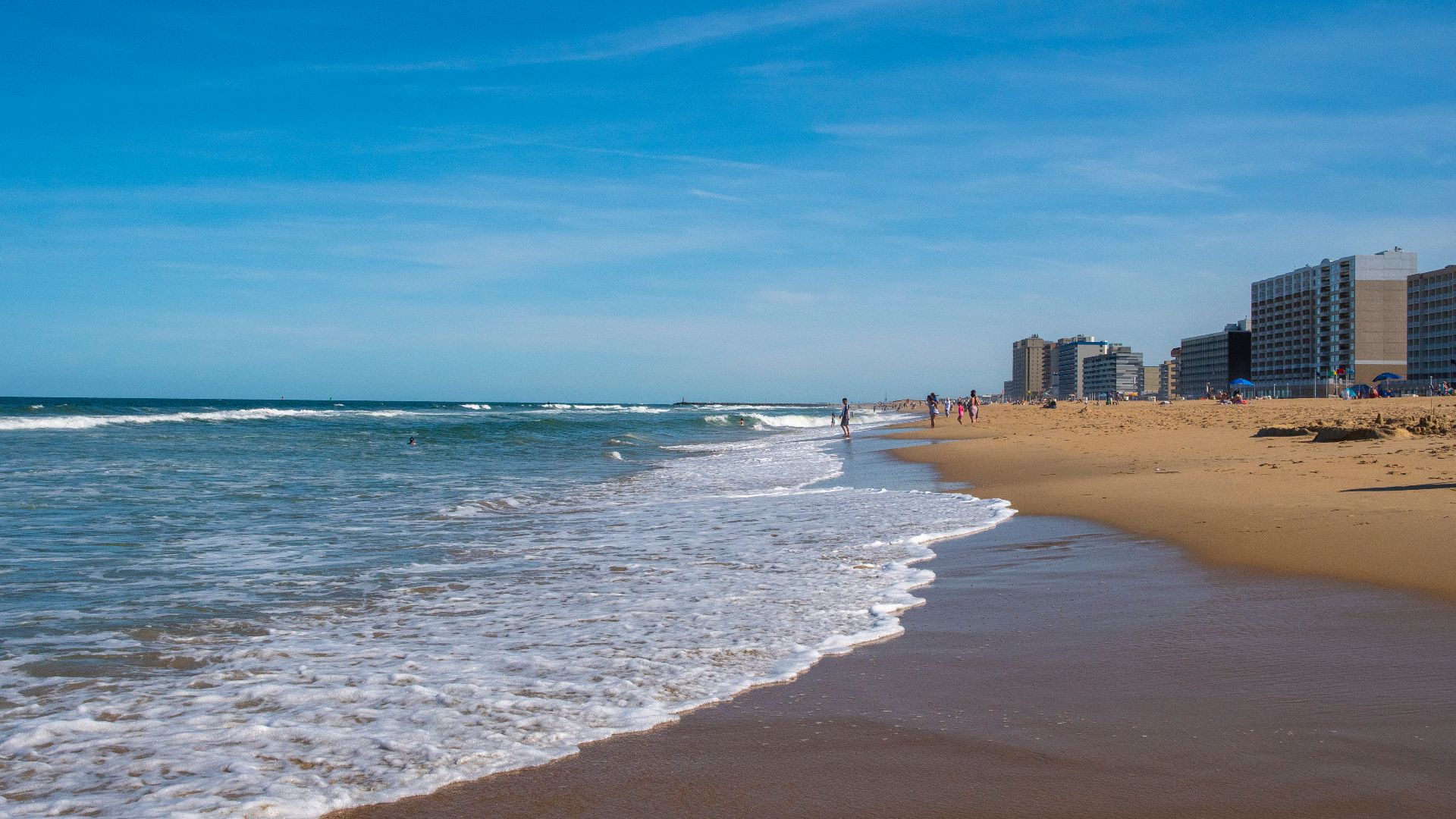
Wildwood, New Jersey
Wildwood's enormous beaches, colorful Doo Wop motels, and amusement piers made it a favorite for families from Quebec and Ontario. French-Canadian visitors became such a familiar presence that some local businesses catered specifically to them. The boardwalk still thrives, but motel demolitions, redevelopment, and changing travel patterns have altered the nostalgic vacation landscape.
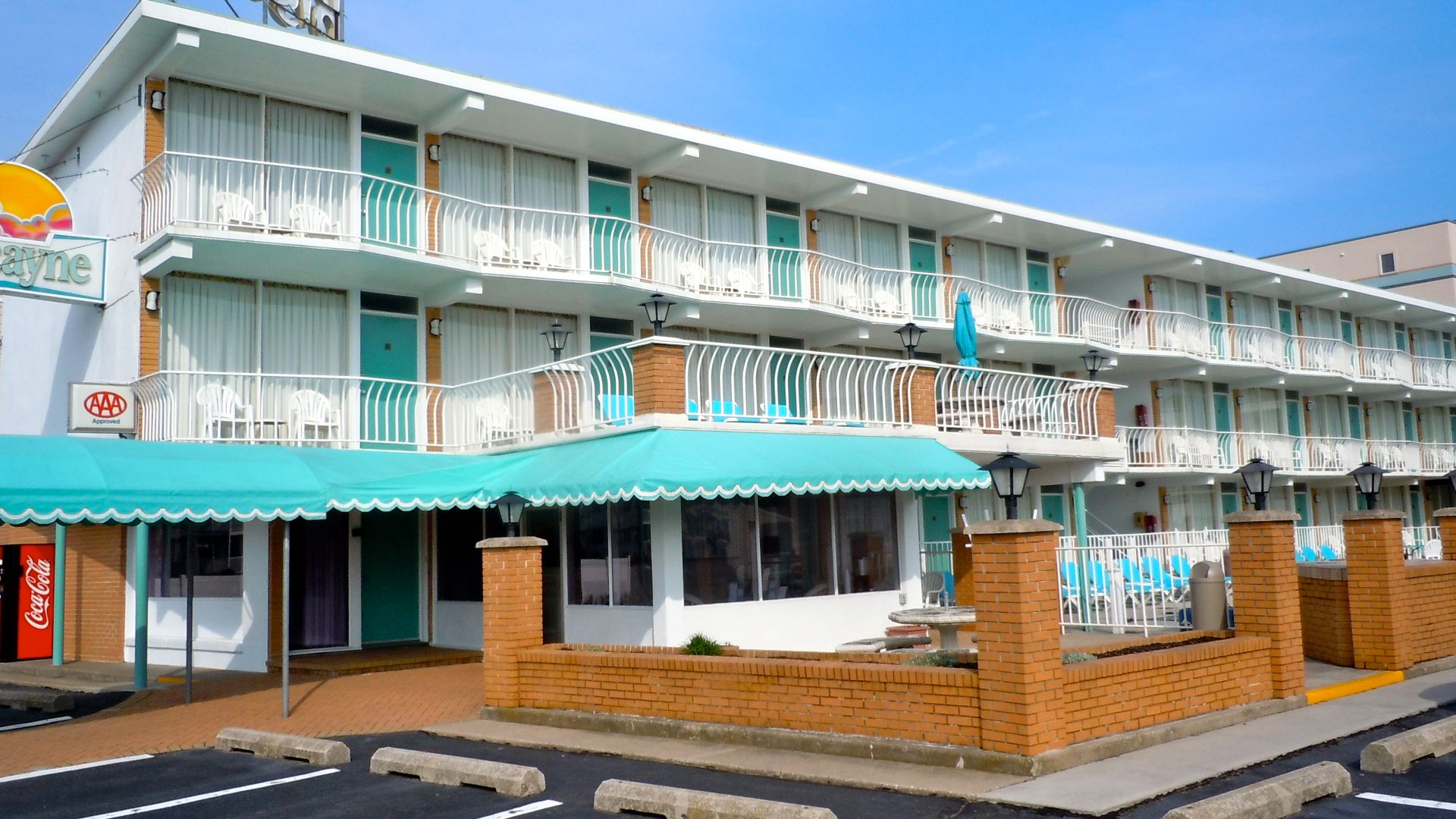
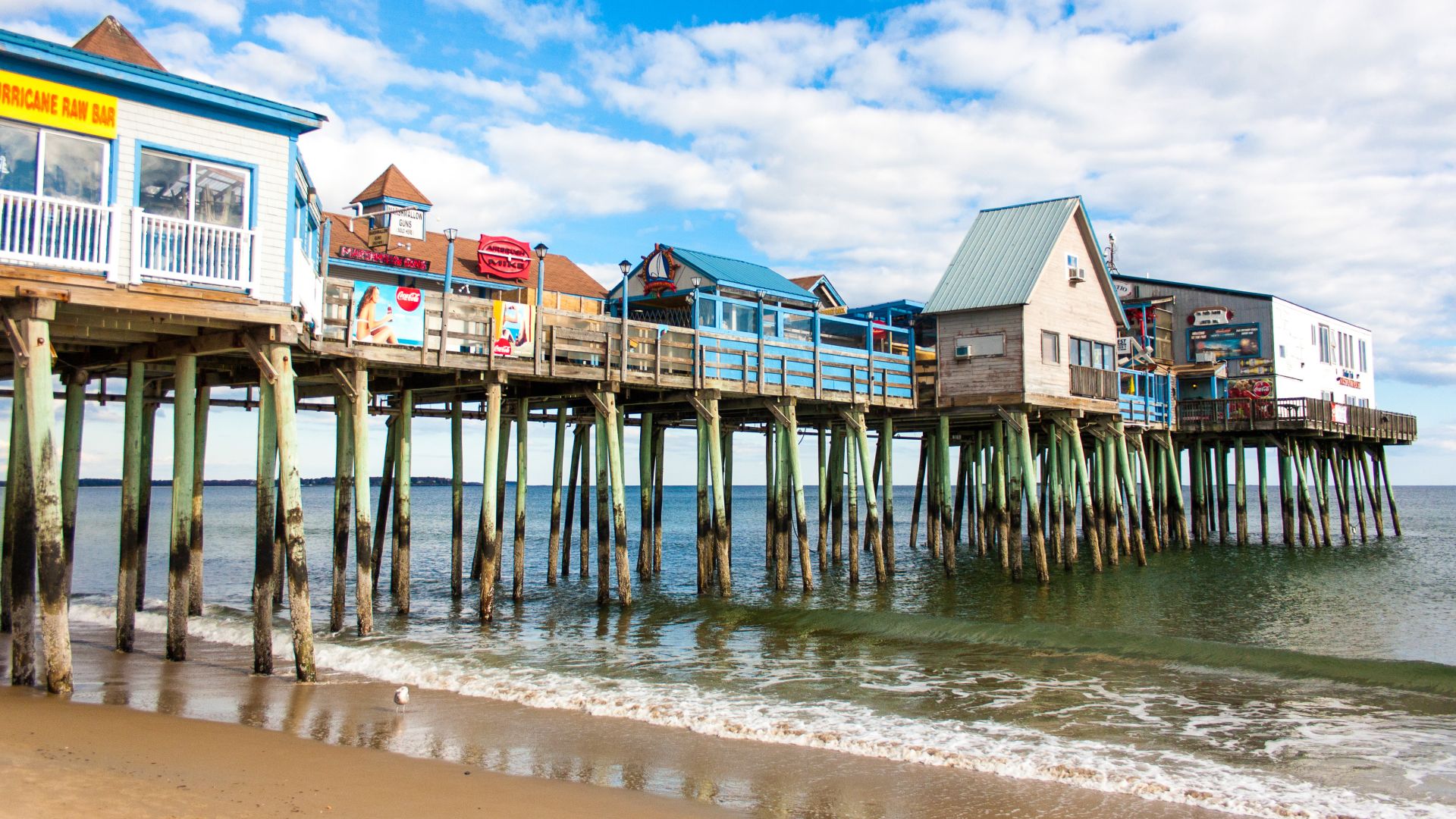
Old Orchard Beach, Maine
For Quebec families, Old Orchard Beach was practically a summer institution. French could be heard everywhere, from the beachfront motels to the famous pier and amusement park. Generations returned to the same accommodations year after year. Many still do, but border disruptions, exchange rates, and recent political tensions have interrupted a tradition that once seemed unbreakable.
 Paul VanDerWerf from Brunswick, Maine, USA, Wikimedia Commons
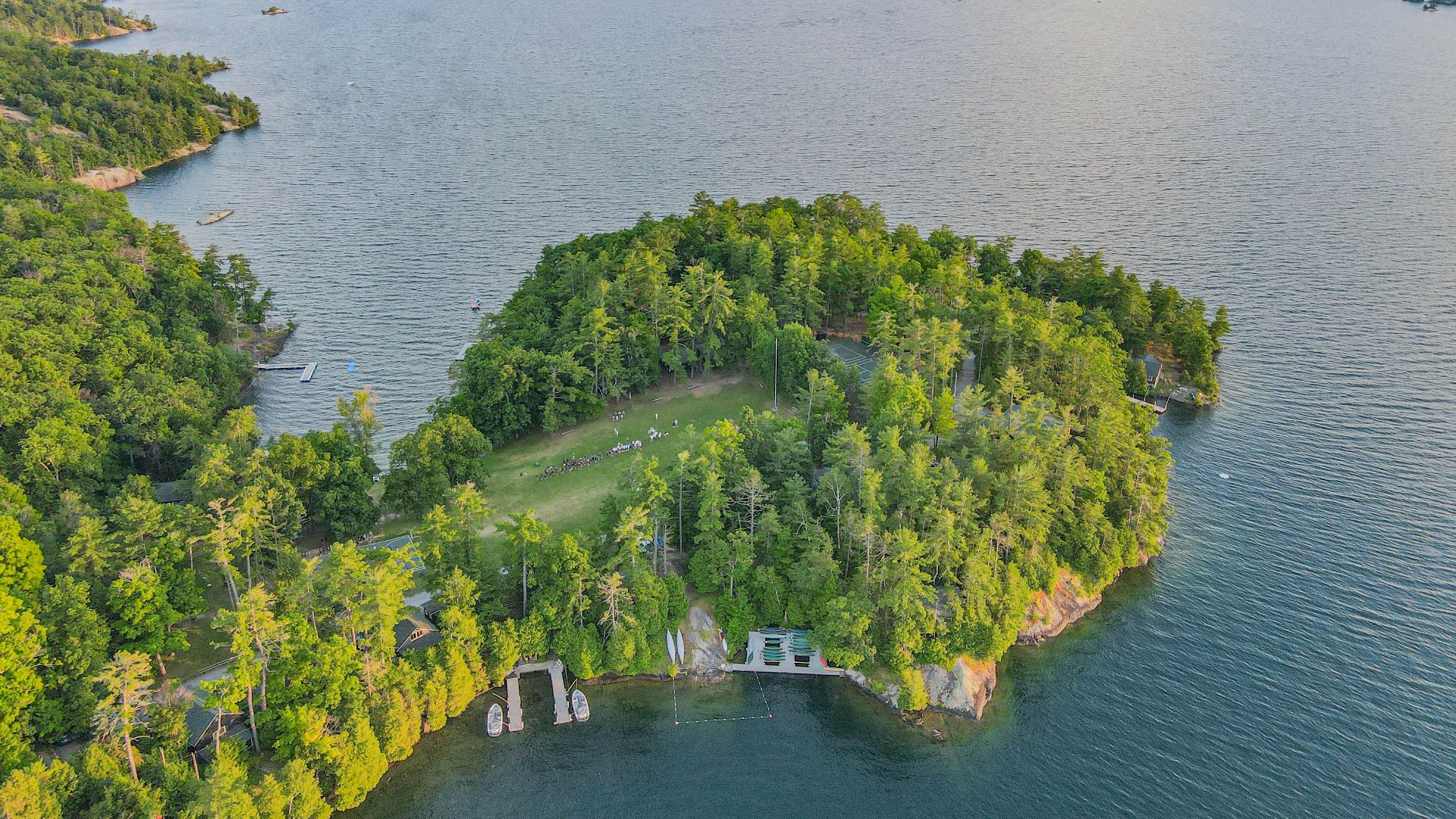
Lake George, New York
Lake George was an easy summer escape for families from Montreal, Ottawa, and southern Ontario. Its combination of lakeside motels, amusement parks, outlet shopping, and Adirondack scenery made it ideal for a weeklong driving holiday. The destination remains appealing, but changing travel preferences and recent reductions in Canadian visits have challenged its once-reliable cross-border business.
 Internetjessy, Wikimedia Commons
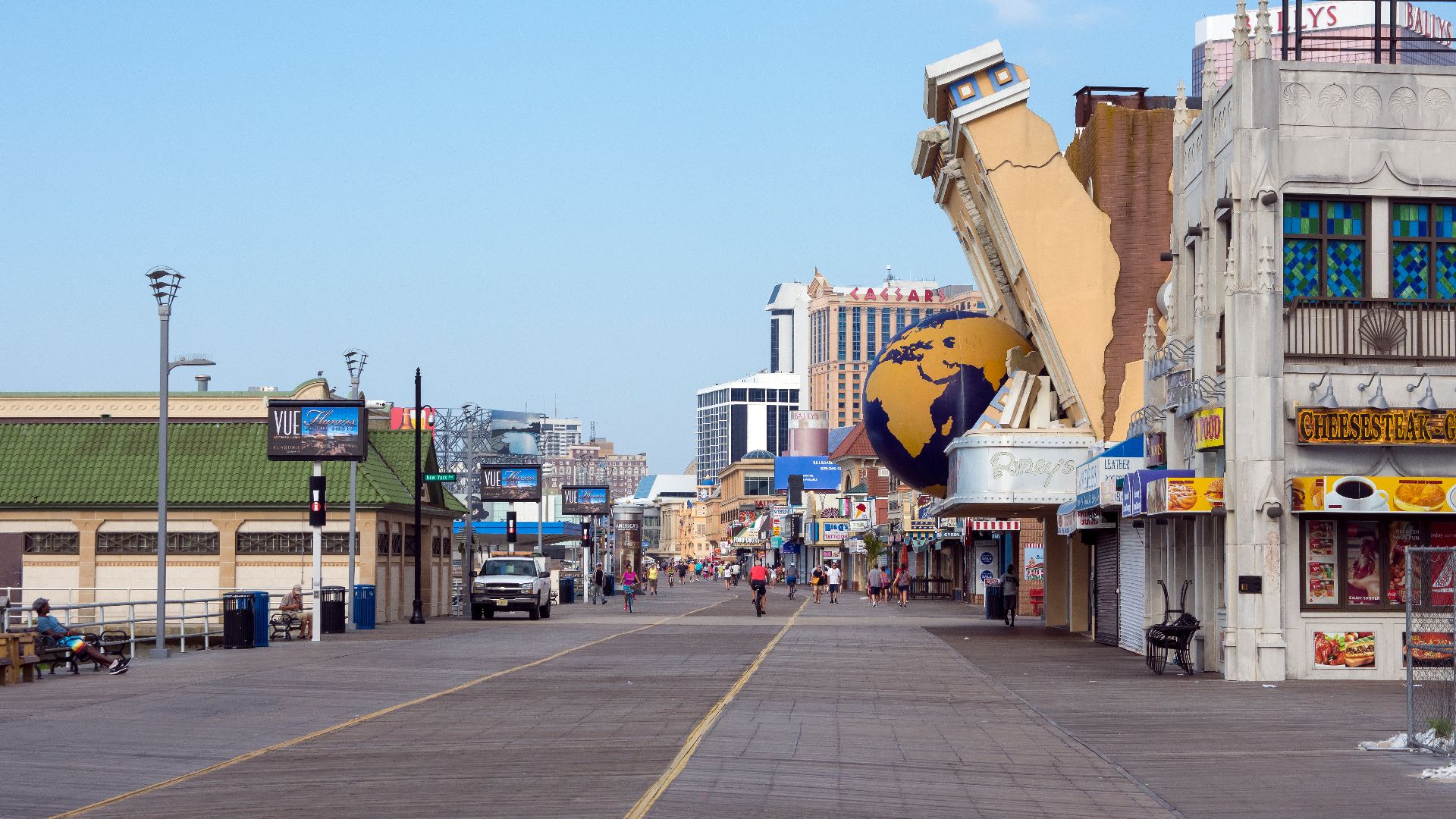
Atlantic City, New Jersey
Atlantic City was a glamorous alternative to Las Vegas for Canadians living in eastern provinces. During the 1980s and 90s, its casinos, boardwalk, and beachfront hotels attracted visitors looking for entertainment without flying across the continent. Competition from casinos closer to home, particularly after Canadian gambling expanded, gradually reduced the need to make that familiar trip.
 Bruce Emmerling, Wikimedia Commons
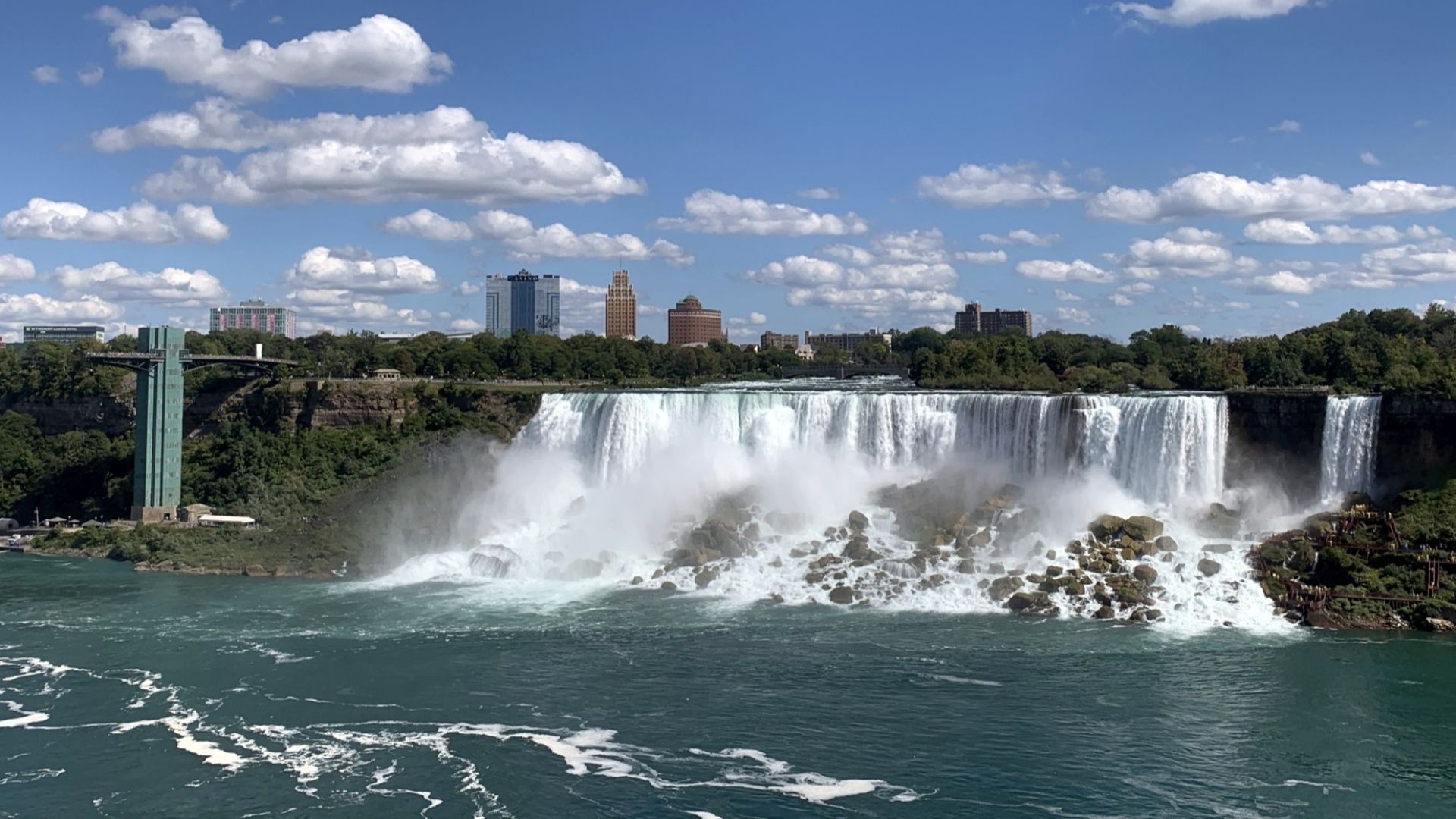
Niagara Falls, New York
For Canadians growing up in southern Ontario, crossing to the American side of Niagara Falls was once part of the adventure. Families visited shopping outlets, enjoyed views from Prospect Point, and explored attractions beyond the border. The falls haven't changed, but passports, shopping habits, and border-crossing inconveniences have made casual excursions less spontaneous than they were decades ago.
Buffalo, New York
Buffalo wasn't necessarily a conventional vacation destination, but for generations of Canadians, a weekend there felt like a miniature American holiday. Families combined shopping at the Walden Galleria with restaurant meals, sporting events, and overnight hotel stays. The appeal of American stores remains, although online shopping, exchange rates, and border formalities have changed the old routine considerably.
 Andre Carrotflower, Wikimedia Commons
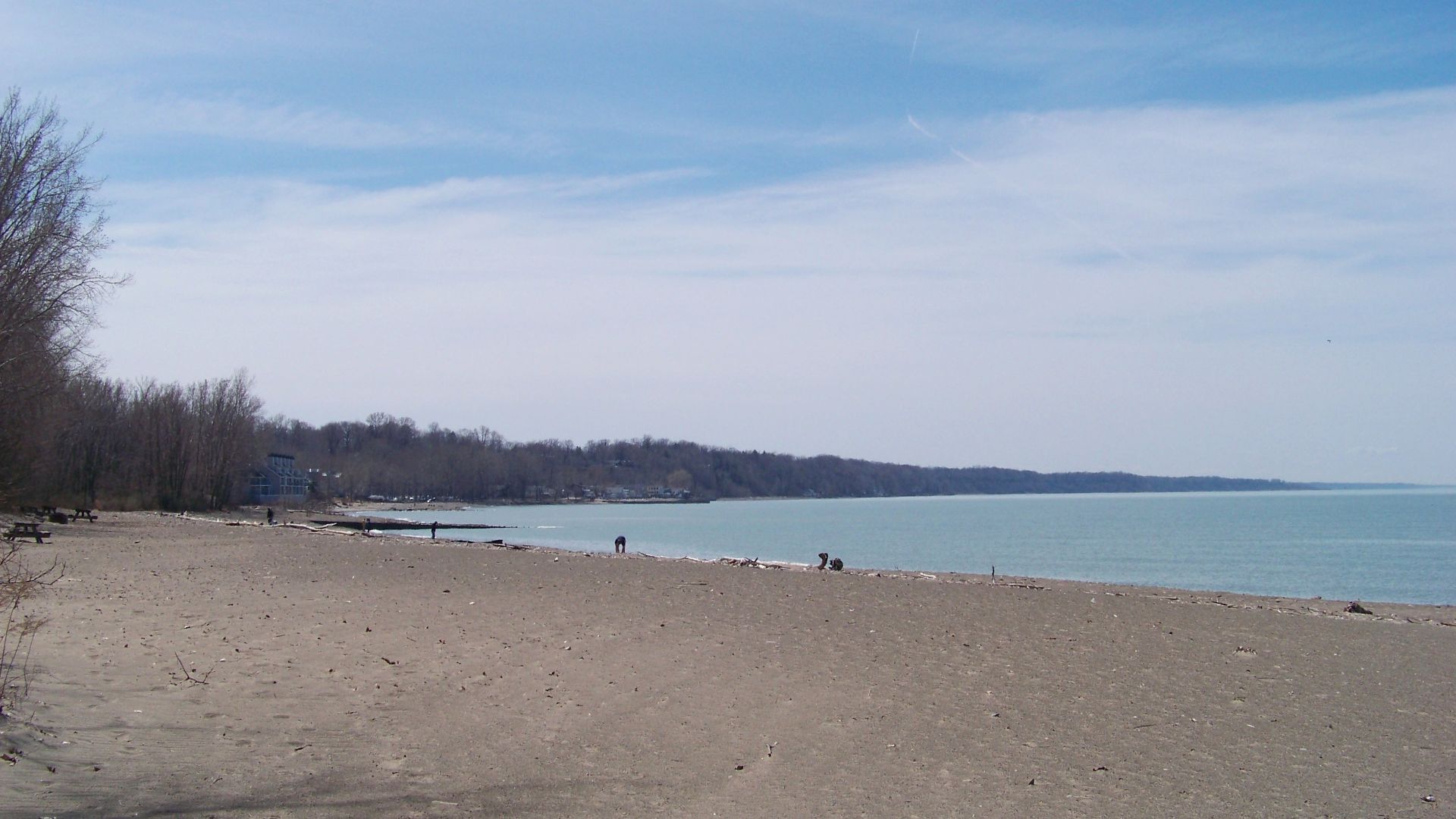
Erie, Pennsylvania
Presque Isle State Park, sandy Lake Erie beaches, and nearby shopping made Erie an attractive summer getaway for Canadians who didn't want to drive all the way to the Atlantic. Families could camp, swim, and enjoy an affordable American vacation. Erie still offers those attractions, but it's easy to overlook amid today's endless selection of more heavily promoted destinations.
The Poconos, Pennsylvania
During the 1980s and 90s, the Pocono Mountains were synonymous with honeymoon resorts, romantic weekends, and family vacations. Heart-shaped whirlpool tubs and themed suites made the region especially memorable. Canadians could reach the mountains by car, but the decline of several famous couples-only resorts changed the area's identity. Today, outdoor recreation and family attractions play larger roles.
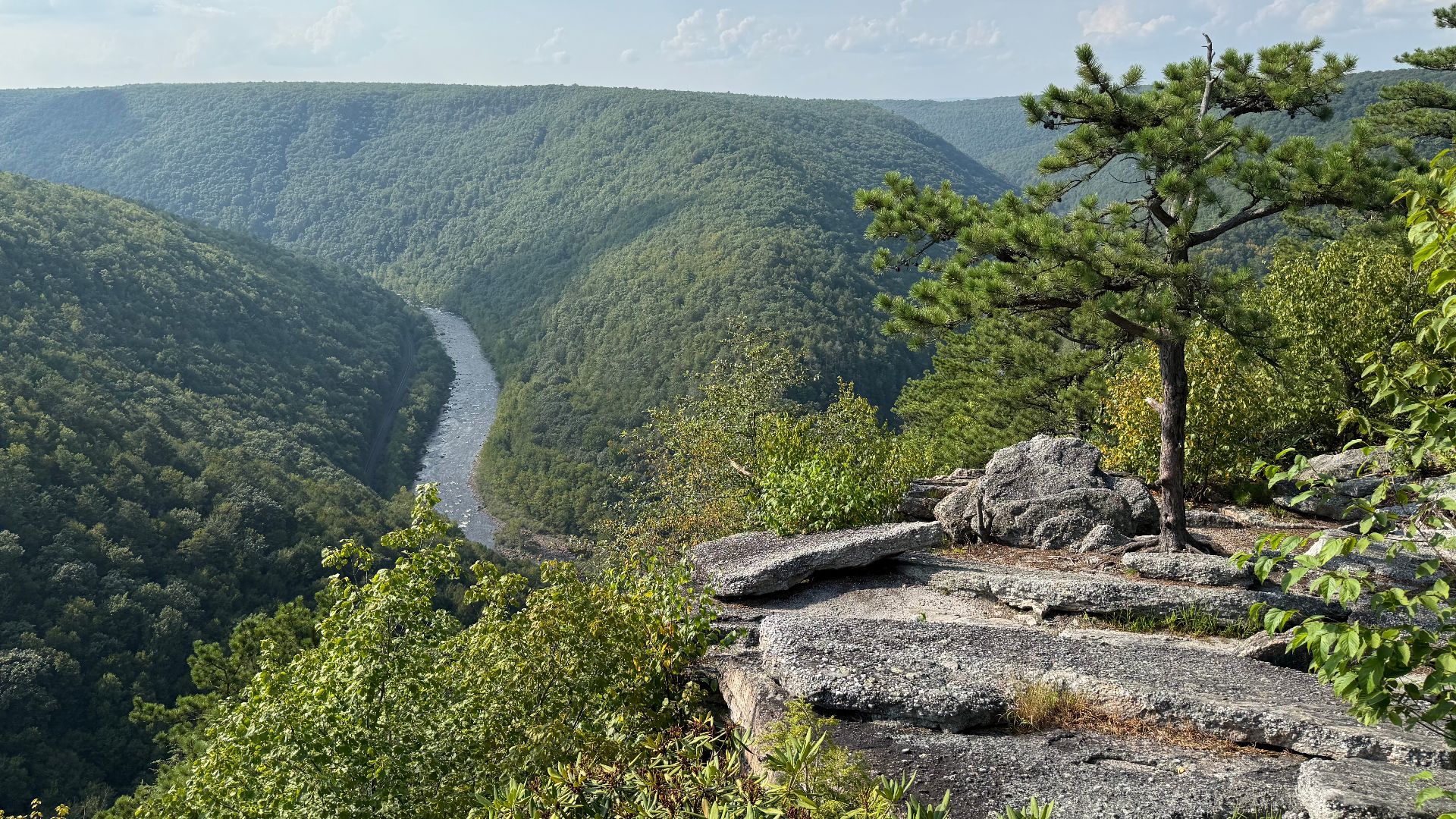
Lancaster County, Pennsylvania
For Canadian families who preferred a quieter vacation, Pennsylvania Dutch Country offered a completely different American experience. Amish farms, covered bridges, roadside markets, and traditional restaurants made Lancaster County a popular touring destination. The region remains fascinating, but the old-fashioned coach tours and leisurely driving holidays that once brought many visitors have lost some of their former appeal.
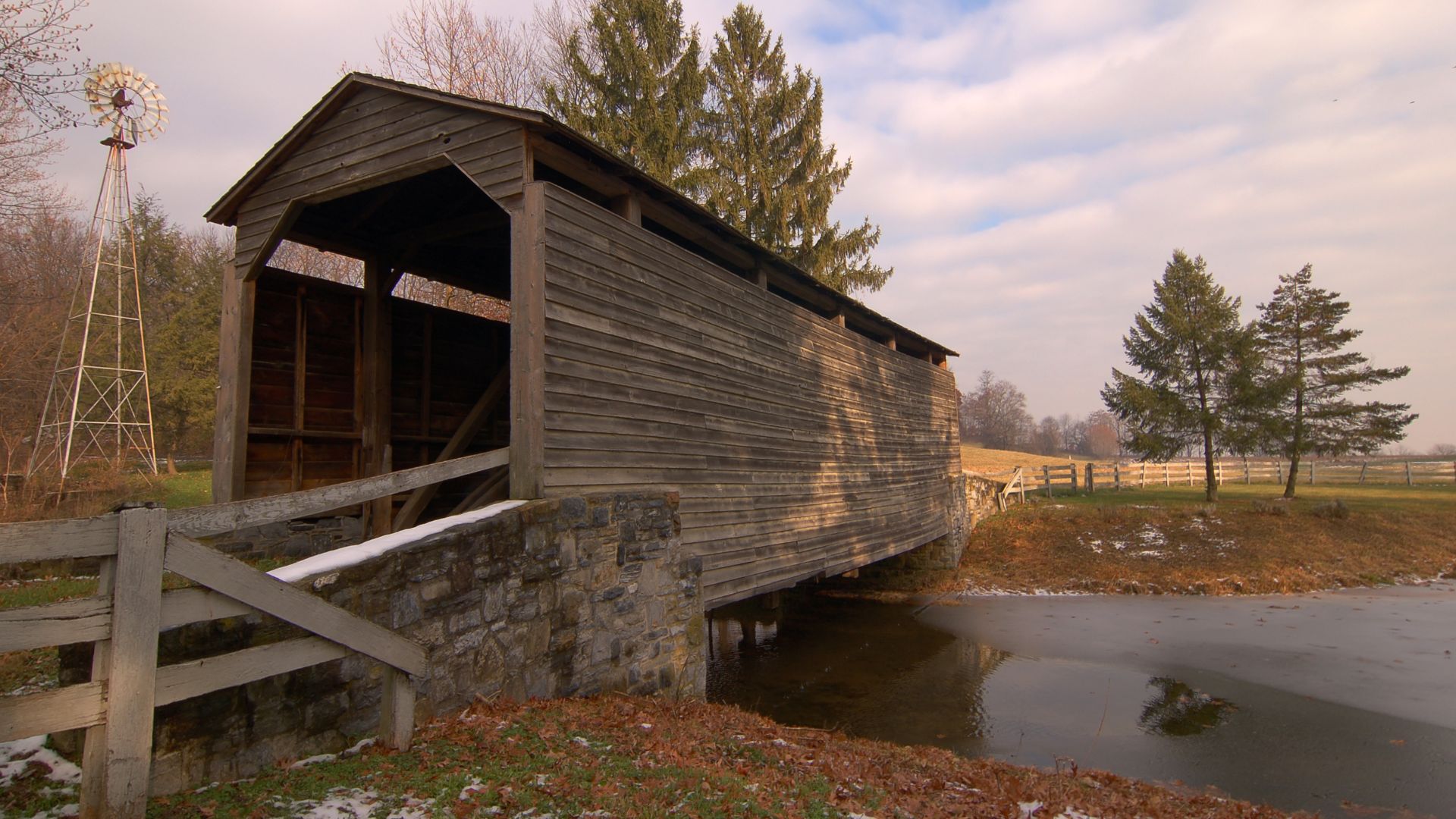 Photo by and (c)2007 Derek Ramsey (Ram-Man), Wikimedia Commons
Wisconsin Dells, Wisconsin
Wisconsin Dells was a Midwestern family-vacation classic, especially for Canadians from Manitoba and northwestern Ontario willing to make the drive. Scenic boat tours, motels, miniature golf, and early water parks provided plenty of entertainment. The destination has since become a massive indoor-water-park center, leaving visitors who remember its smaller roadside attractions with a very different impression.
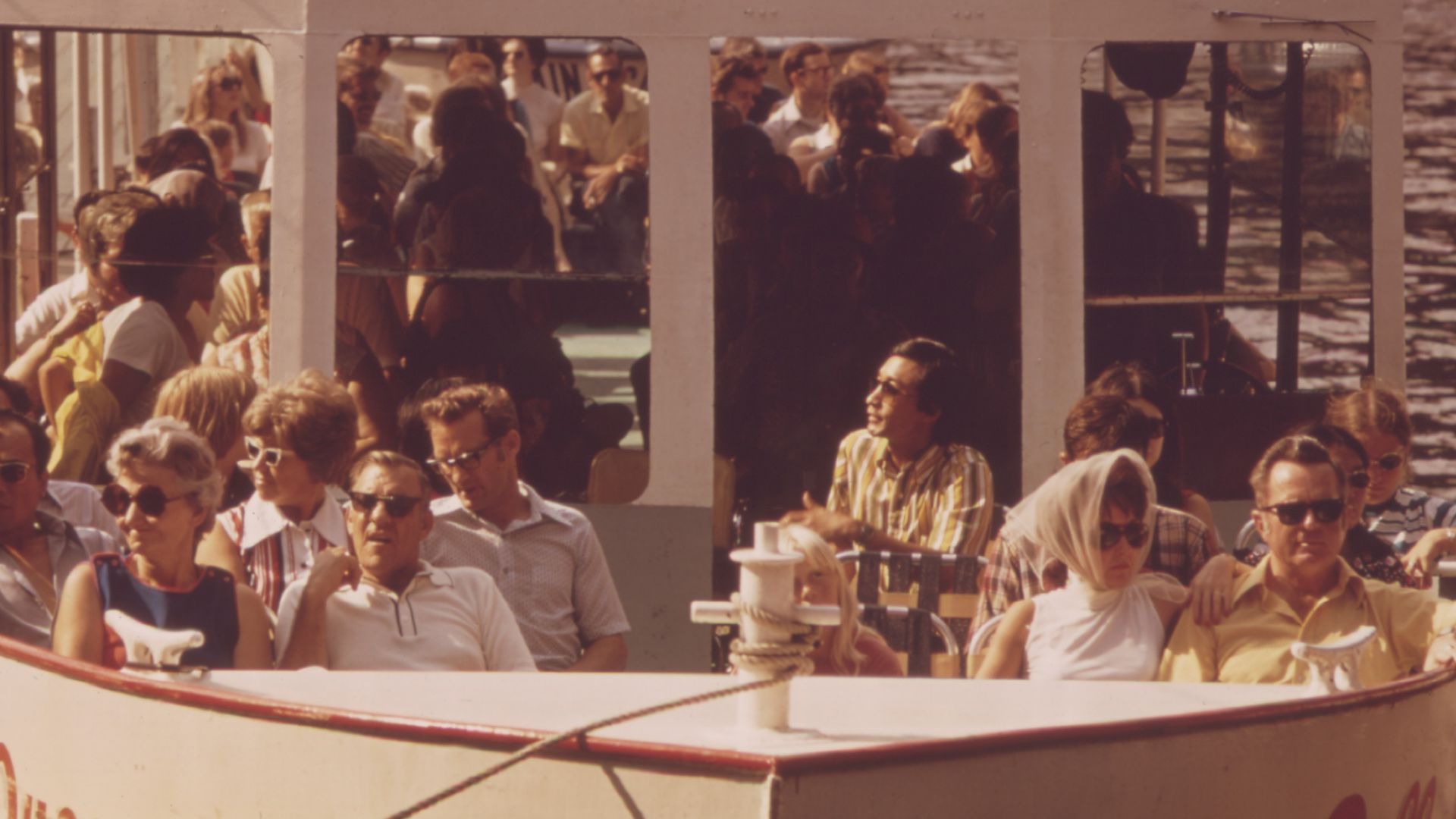 Jonas Dovydenas, Wikimedia Commons
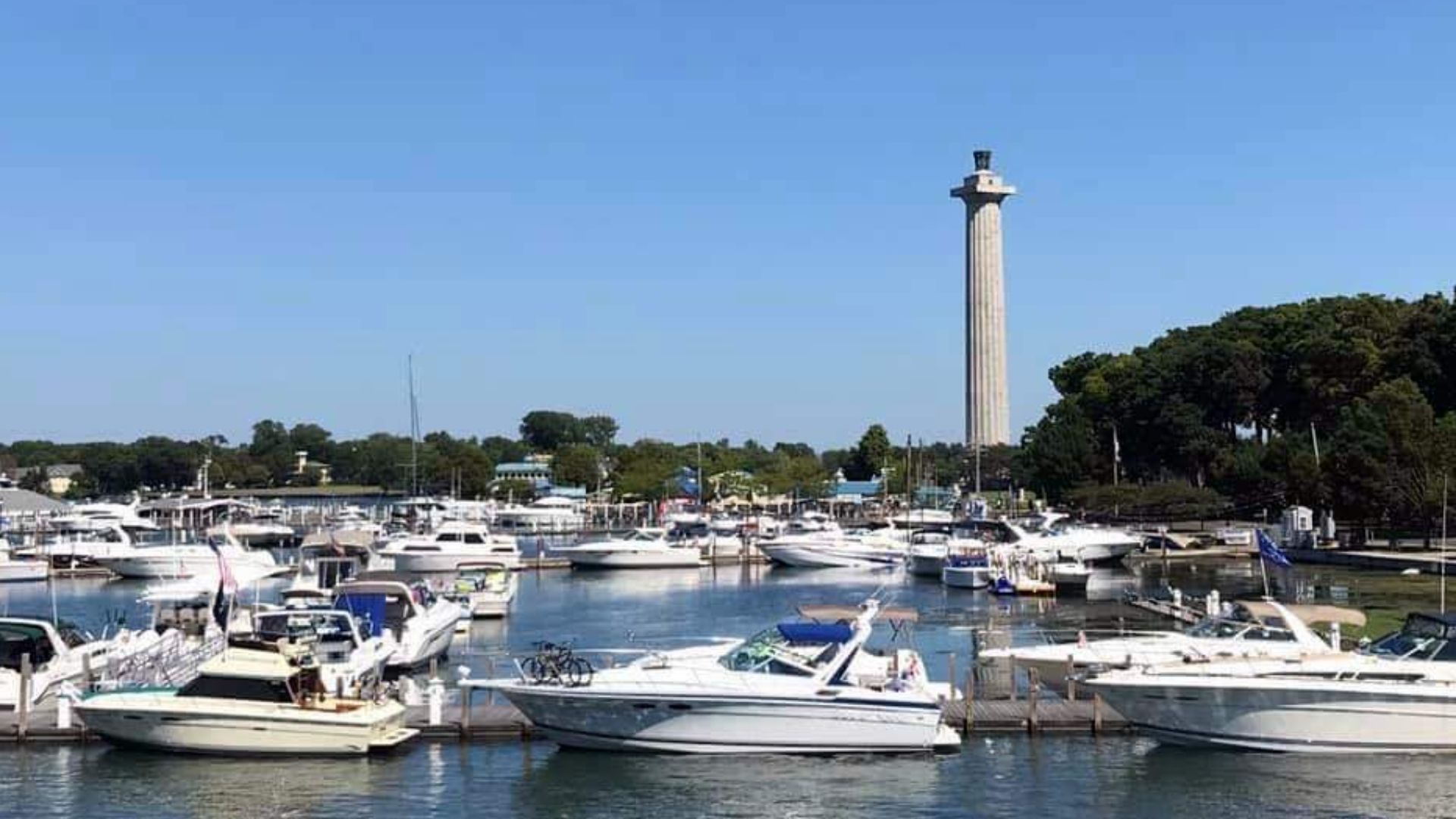
Put-In-Bay, Ohio
Put-in-Bay, on South Bass Island in Lake Erie, offered a wonderfully different kind of American getaway. Ferries, golf carts, waterfront restaurants, and lively bars made it appealing to Canadian visitors looking for a short summer escape. The island remains busy, but travelers who once considered it an exotic little adventure now have plenty of comparable lakeside destinations closer to home.
Mackinac Island, Michigan
For Ontario families, Mackinac Island offered an enchanting American getaway without requiring a long flight. The ferry ride, horse-drawn carriages, fudge shops, and absence of ordinary automobiles made it feel like stepping into another century. The island retains its charm, but accommodation prices and the cost of a family trip can make it harder to justify than in earlier decades.
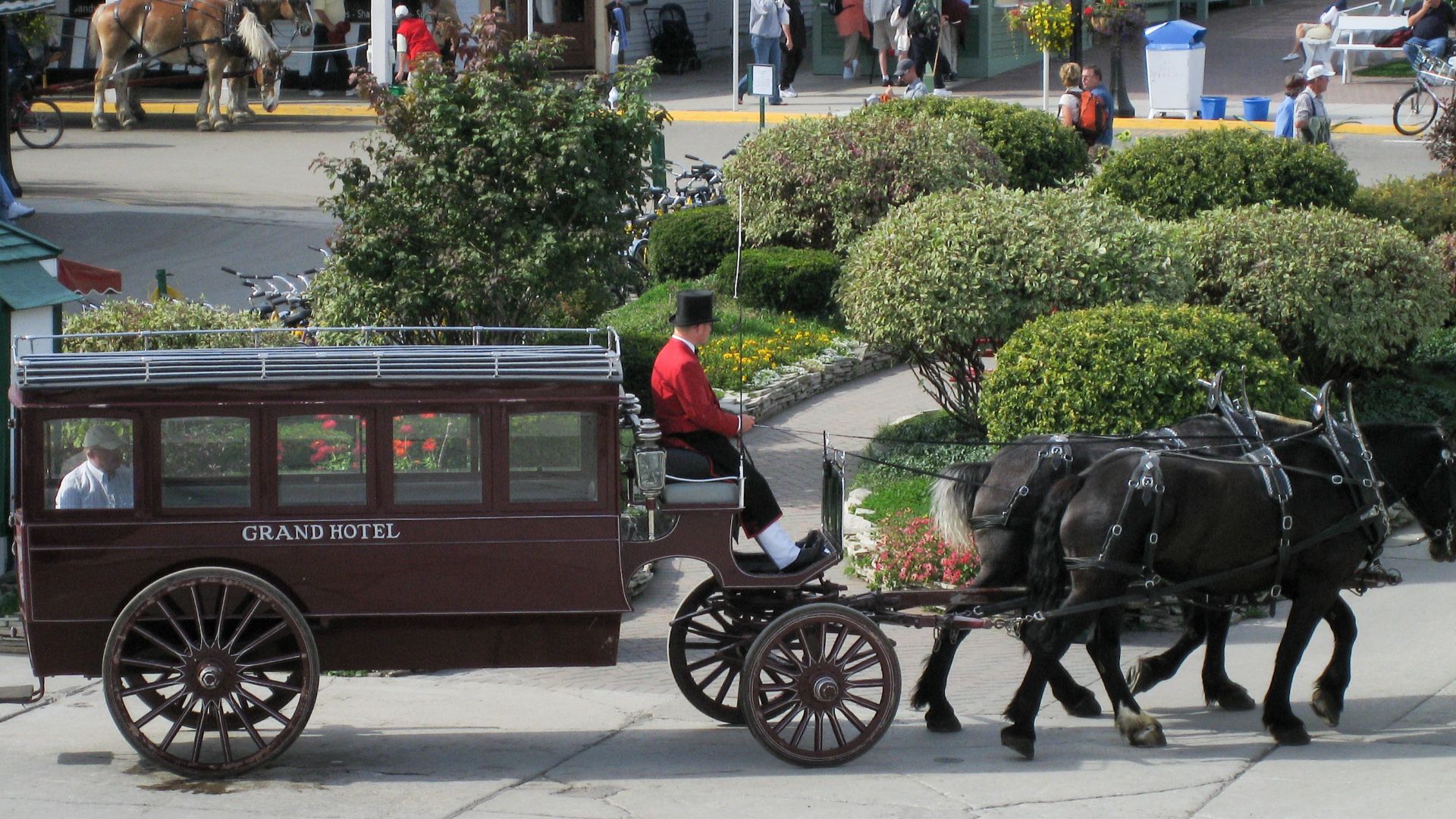 Nicholas Hartmann, Wikimedia Commons
Frankenmuth, Michigan
Michigan's self-styled Little Bavaria became a memorable destination for Ontario families, especially those who loved Christmas shopping. Bronner's Christmas Wonderland, enormous chicken dinners, and Bavarian-style architecture made Frankenmuth feel wonderfully different from an ordinary American town. It remains a popular attraction, but many Canadians who remember childhood visits haven't returned since the days of family road trips.
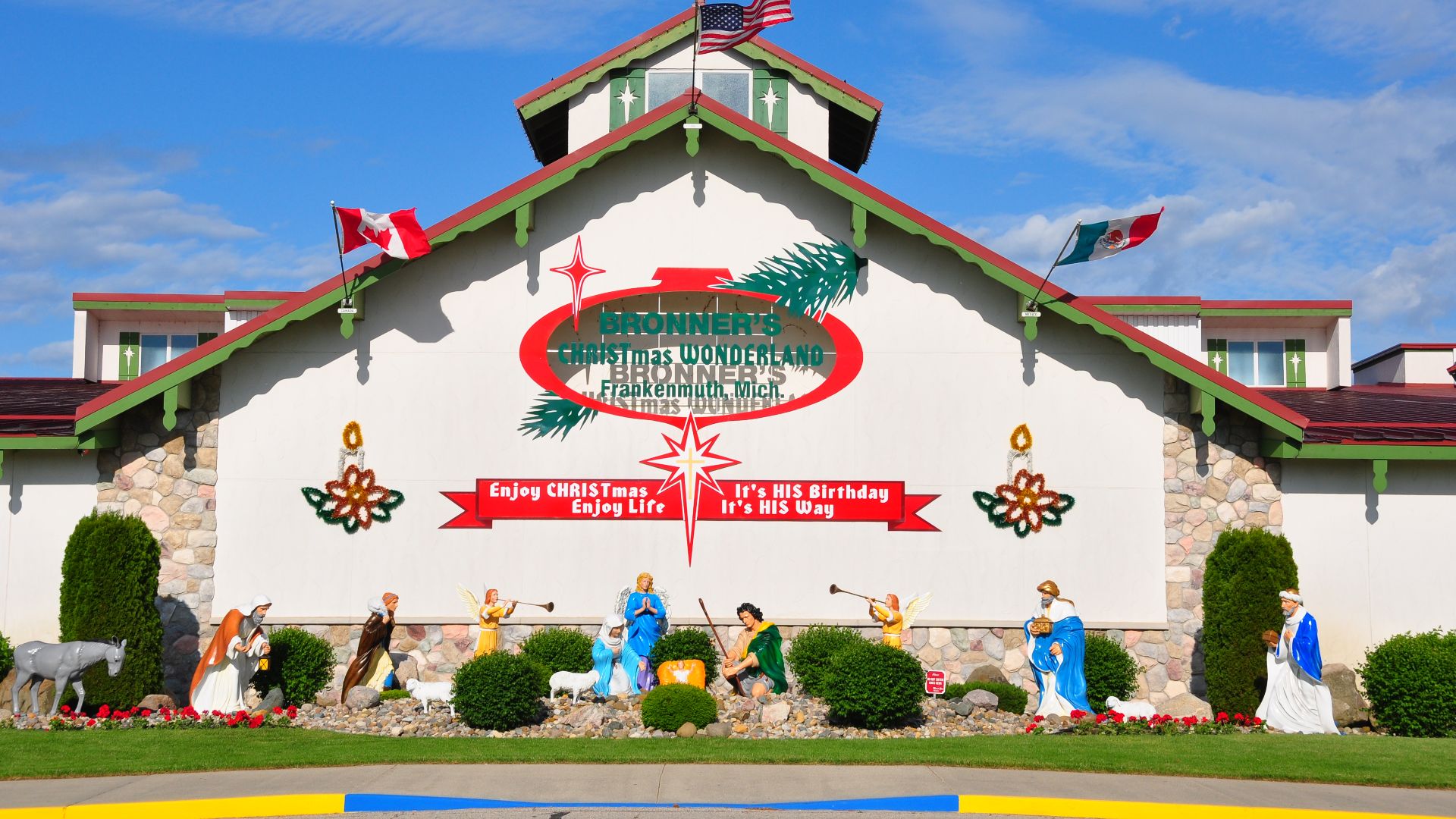 AndrewHorne, Wikimedia Commons
Lake Placid, New York
After hosting the 1980 Winter Olympics, Lake Placid became an especially recognizable name among Canadian sports fans. Families traveled to see the Olympic venues, explore the Adirondacks, and enjoy mountain scenery. Its Olympic heritage remains a major attraction, but today's Canadian vacationers can choose from numerous mountain resorts, often without leaving the country or dealing with border crossings.
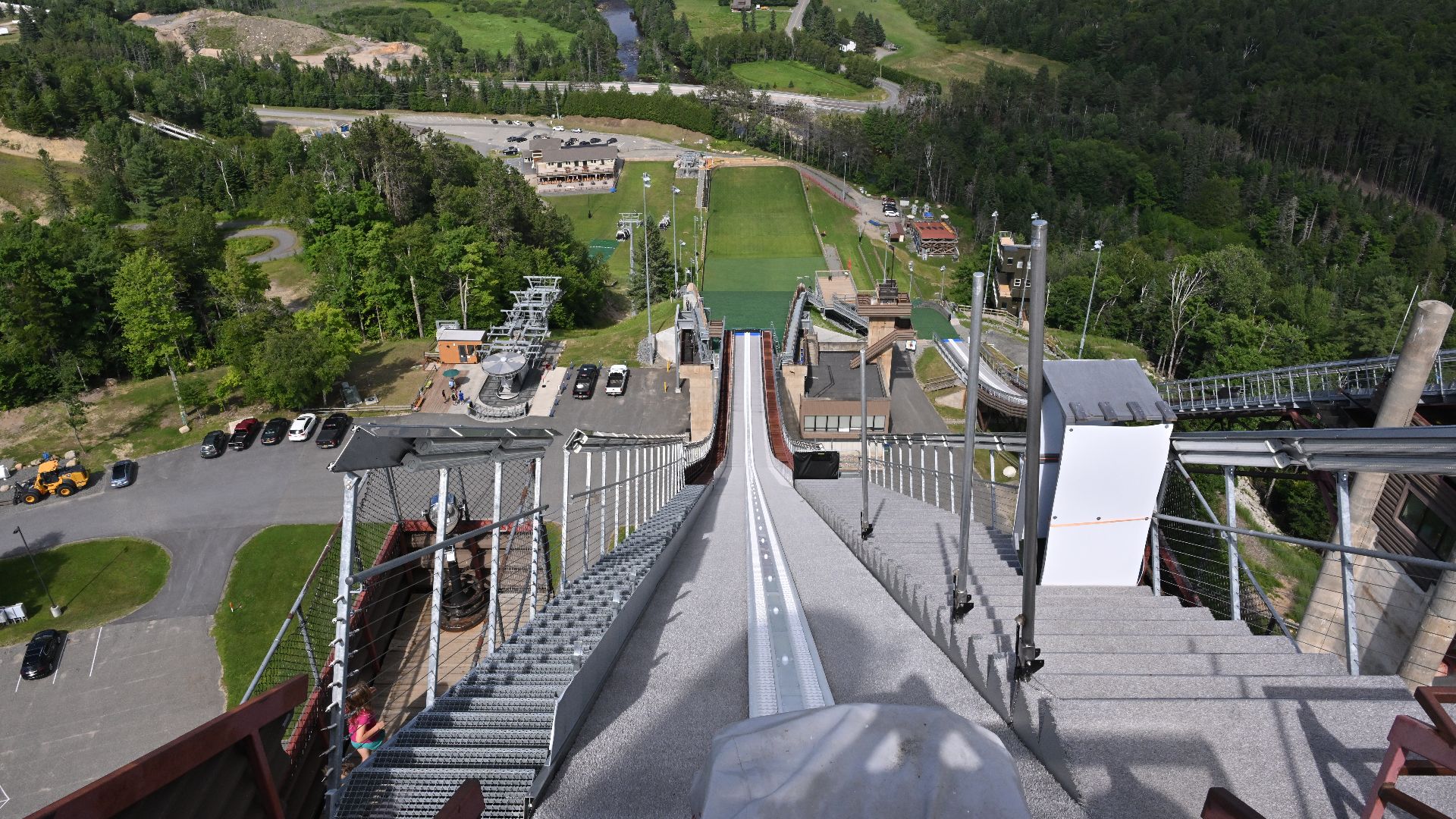 G. Edward Johnson, Wikimedia Commons
Cape Cod, Massachusetts
Cape Cod's sandy beaches, lighthouses, seafood shacks, and seaside cottages once represented the quintessential New England summer holiday. For families from Quebec and the Maritimes, it offered an appealing American alternative to familiar Atlantic Canadian destinations. Cape Cod remains highly desirable, but expensive summer rentals and heavy traffic can make its traditional family vacation considerably harder to justify.
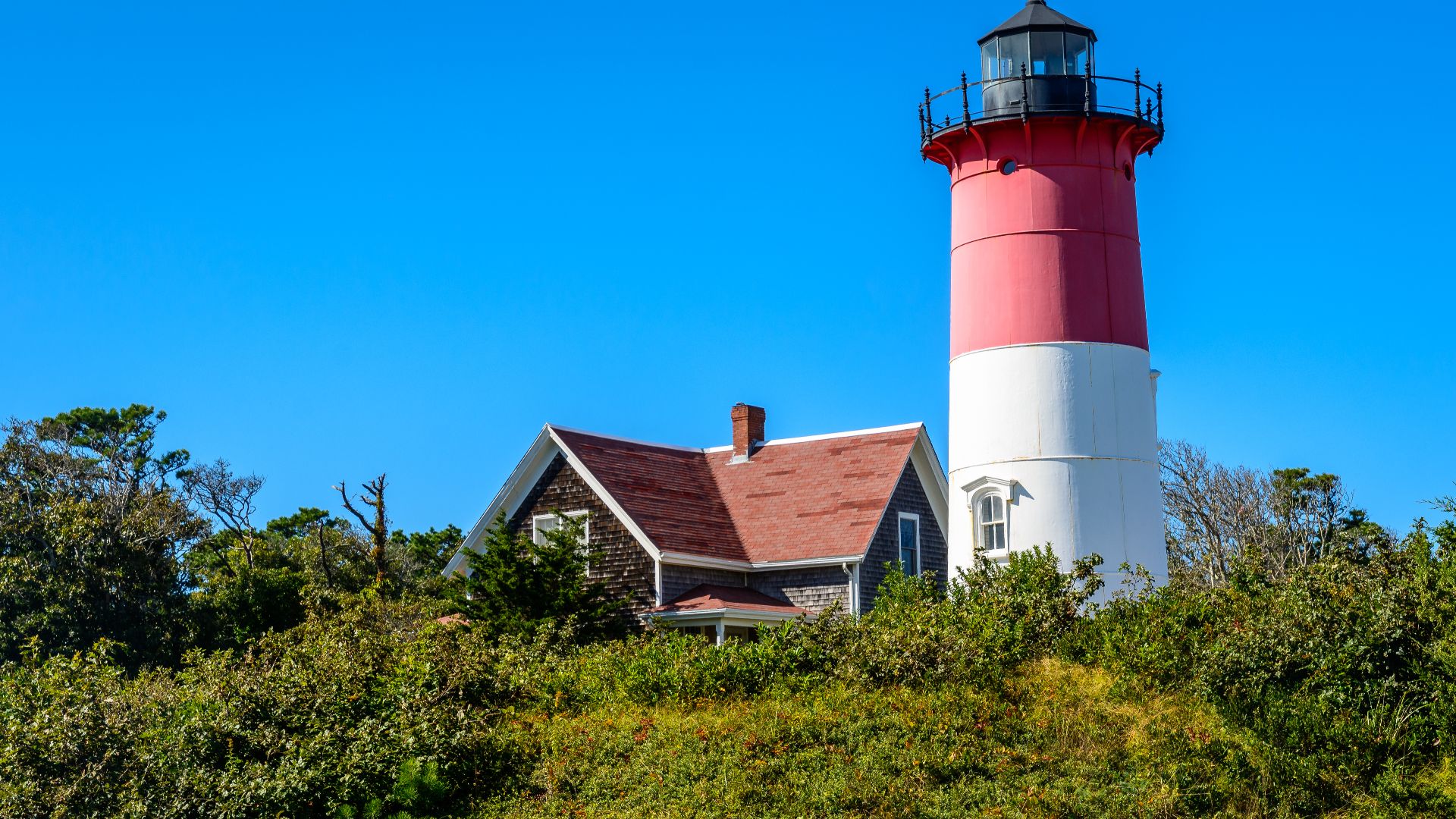 Domenico Convertini from Zurich, Schweiz, Wikimedia Commons
Hampton Beach, New Hampshire
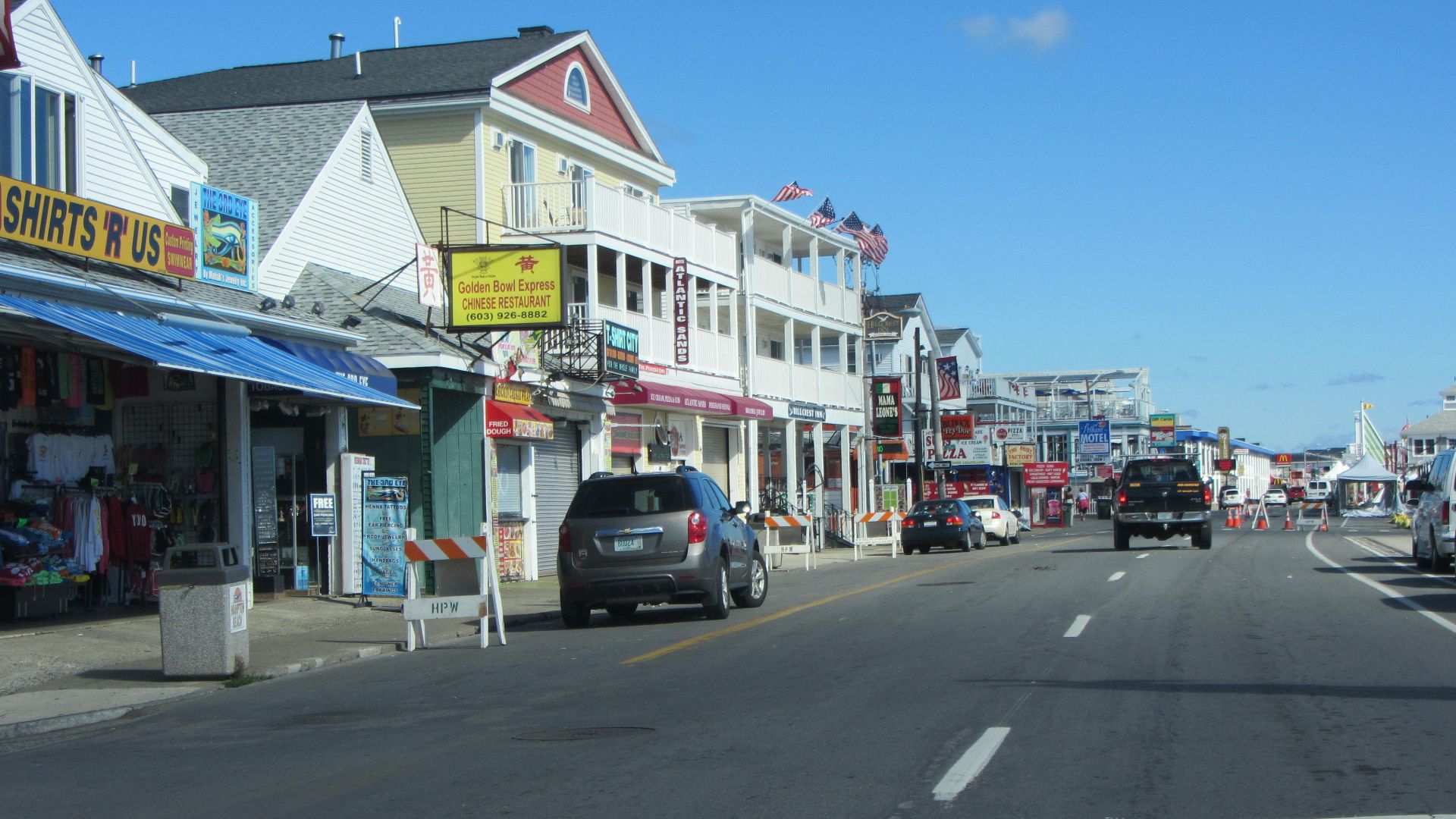
Hampton Beach was another classic New England road-trip destination, particularly for families from Quebec. Its beachfront motels, arcades, souvenir shops, and lively boardwalk atmosphere offered a straightforward summer vacation. Many of those attractions remain, but the combination of hotel prices, exchange rates, and newer travel options means some families now look elsewhere for their annual beach holiday.
 David Wilson, Wikimedia Commons
St. Augustine, Florida
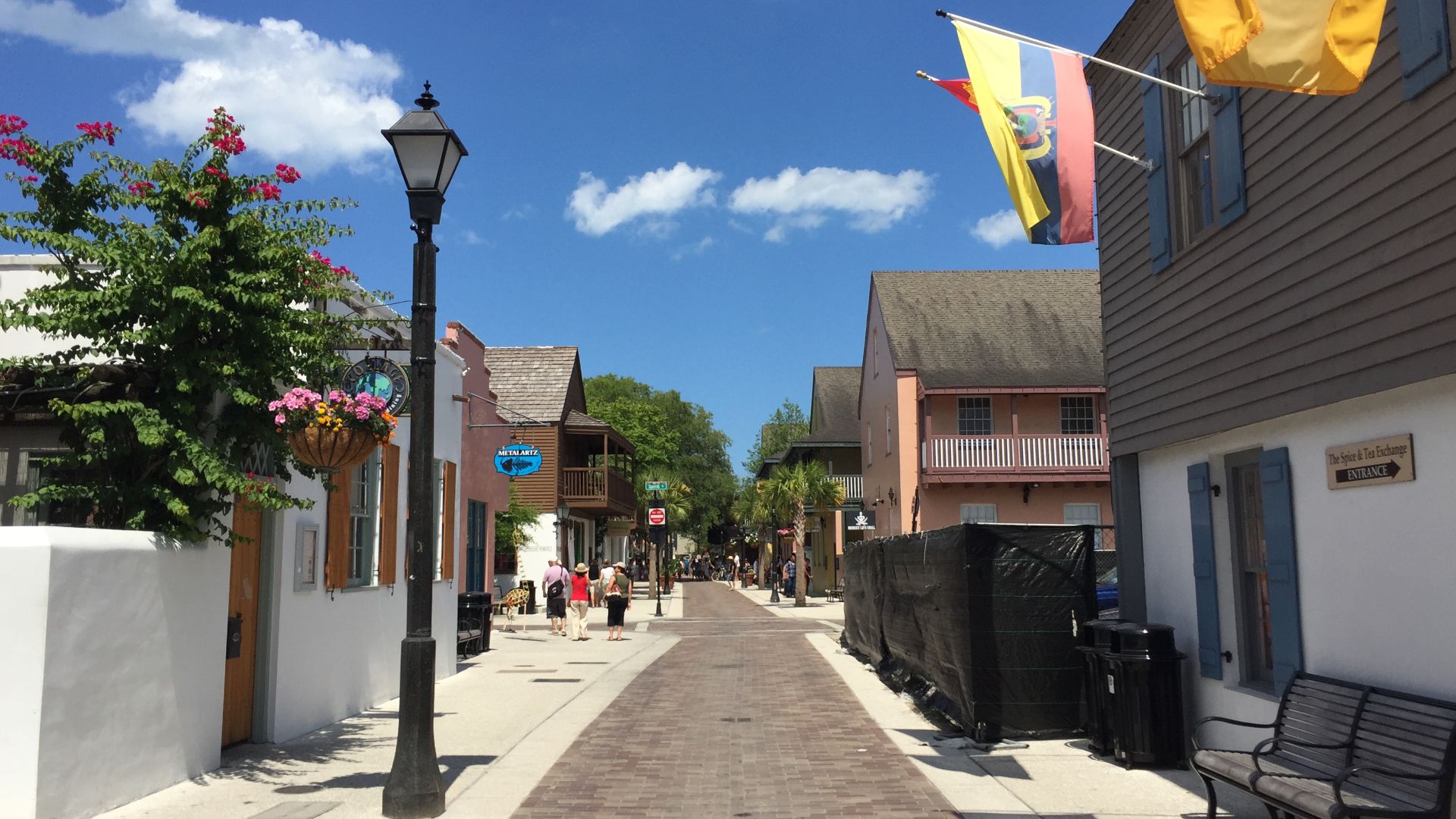
St. Augustine offered Canadian snowbirds and road-tripping families a quieter alternative to Florida's better-known resort cities. Visitors could explore Spanish colonial streets, historic forts, and nearby Atlantic beaches without the intensity of Orlando or Miami. It remains a charming destination, but the city's growing popularity and rising accommodation costs have changed the inexpensive, relatively undiscovered atmosphere some longtime visitors remember.
Branson, Missouri
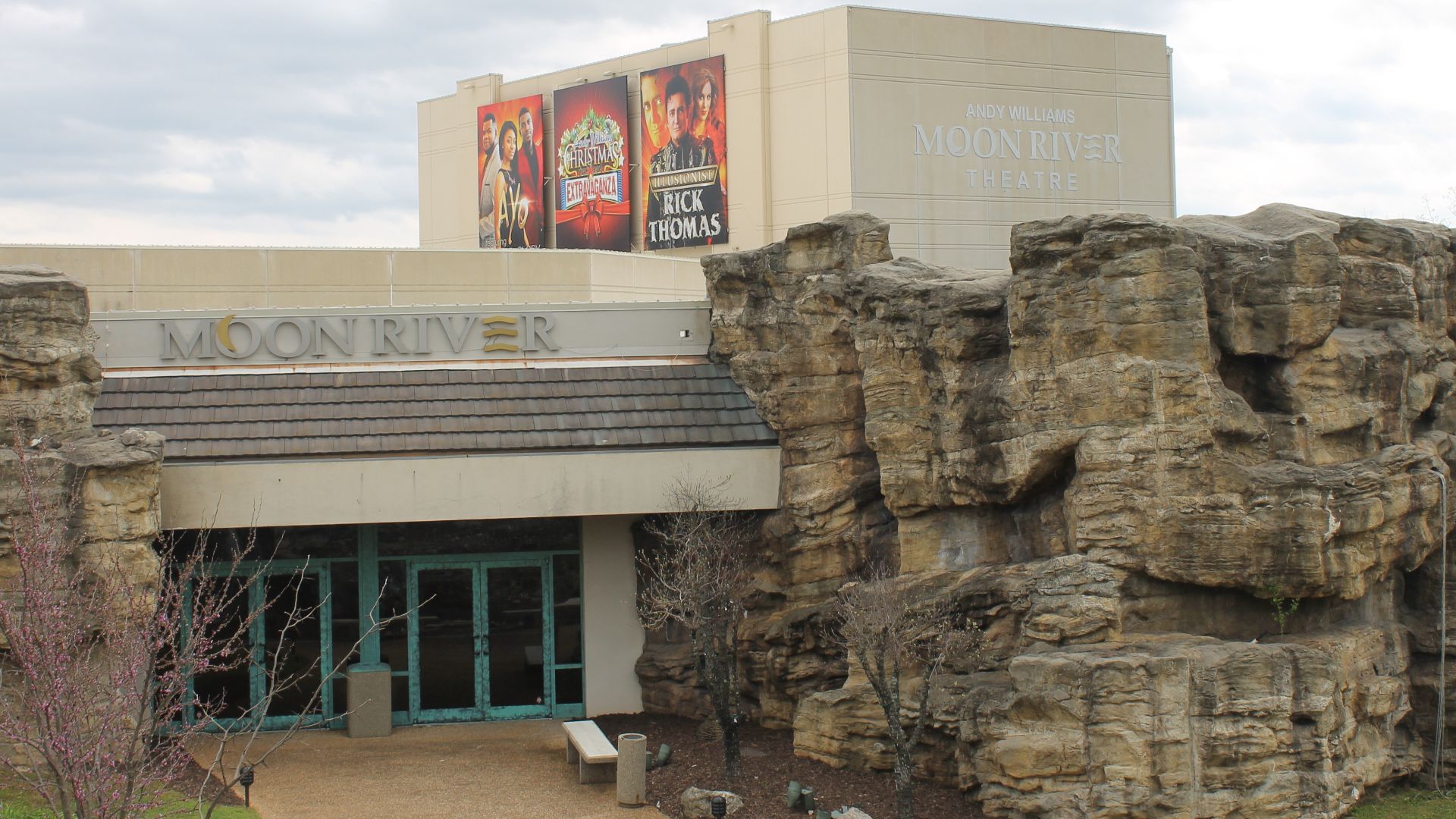
During the 1990s, Branson became a phenomenon among country-music fans and older travelers. Its theaters, family entertainment, and wholesome atmosphere appealed to visitors who preferred live shows to beaches or theme parks. Some Canadians made the long journey to the Ozarks specifically for its entertainment scene. Branson still attracts visitors, but its extraordinary 1990s boom belongs to another era.
 Billy Hathorn, Wikimedia Commons
Las Vegas, Nevada
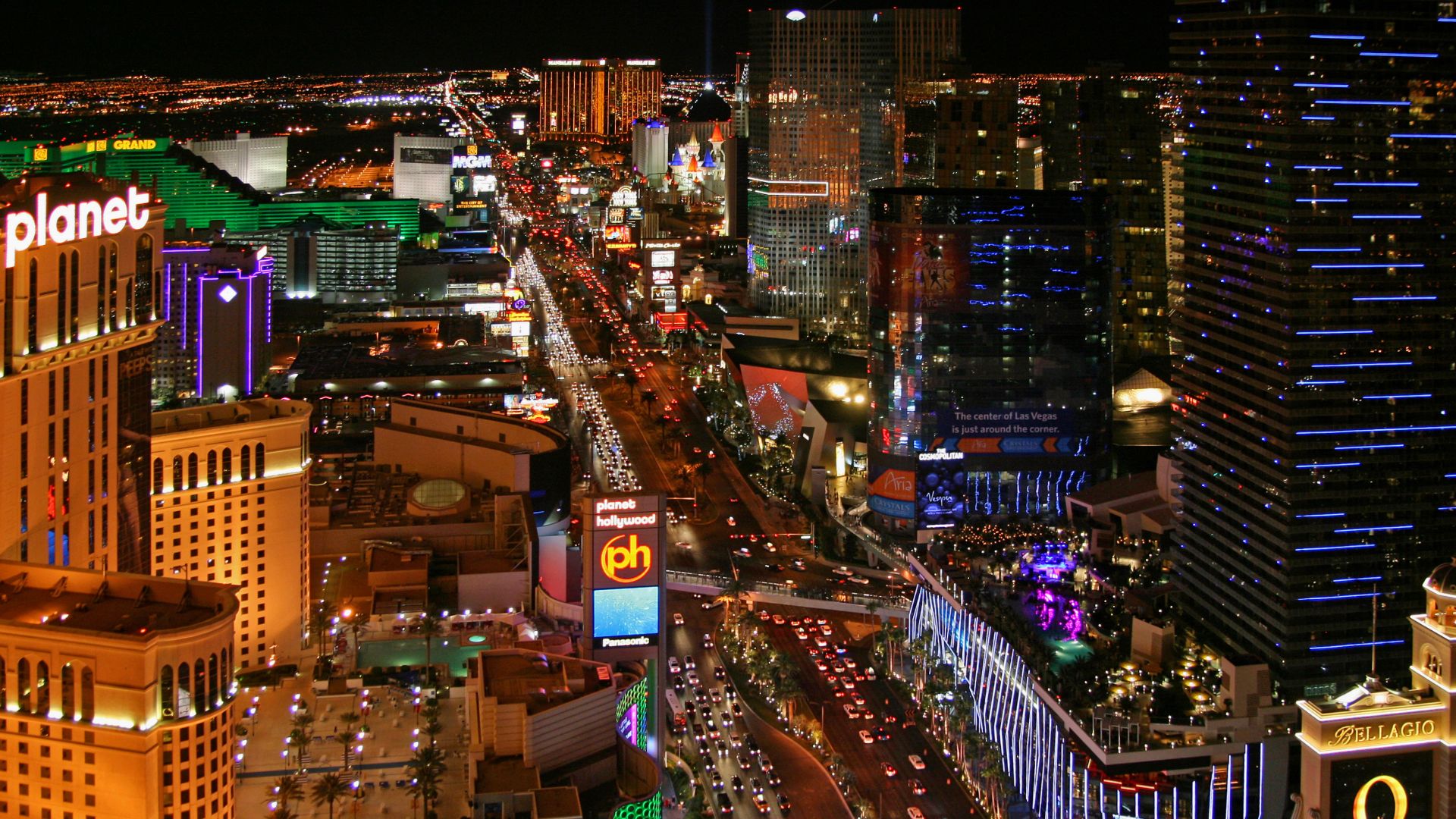
For Canadians in the 1980s and 90s, Las Vegas promised inexpensive buffets, affordable hotel rooms, glittering casinos, and spectacular entertainment. The arrival of giant themed resorts made it even more exciting. Today's Vegas is a different proposition, with resort fees, expensive dining, and higher entertainment costs. Canadians still visit, but the bargain vacation they remember is harder to recreate.
 Clément Bardot, Wikimedia Commons
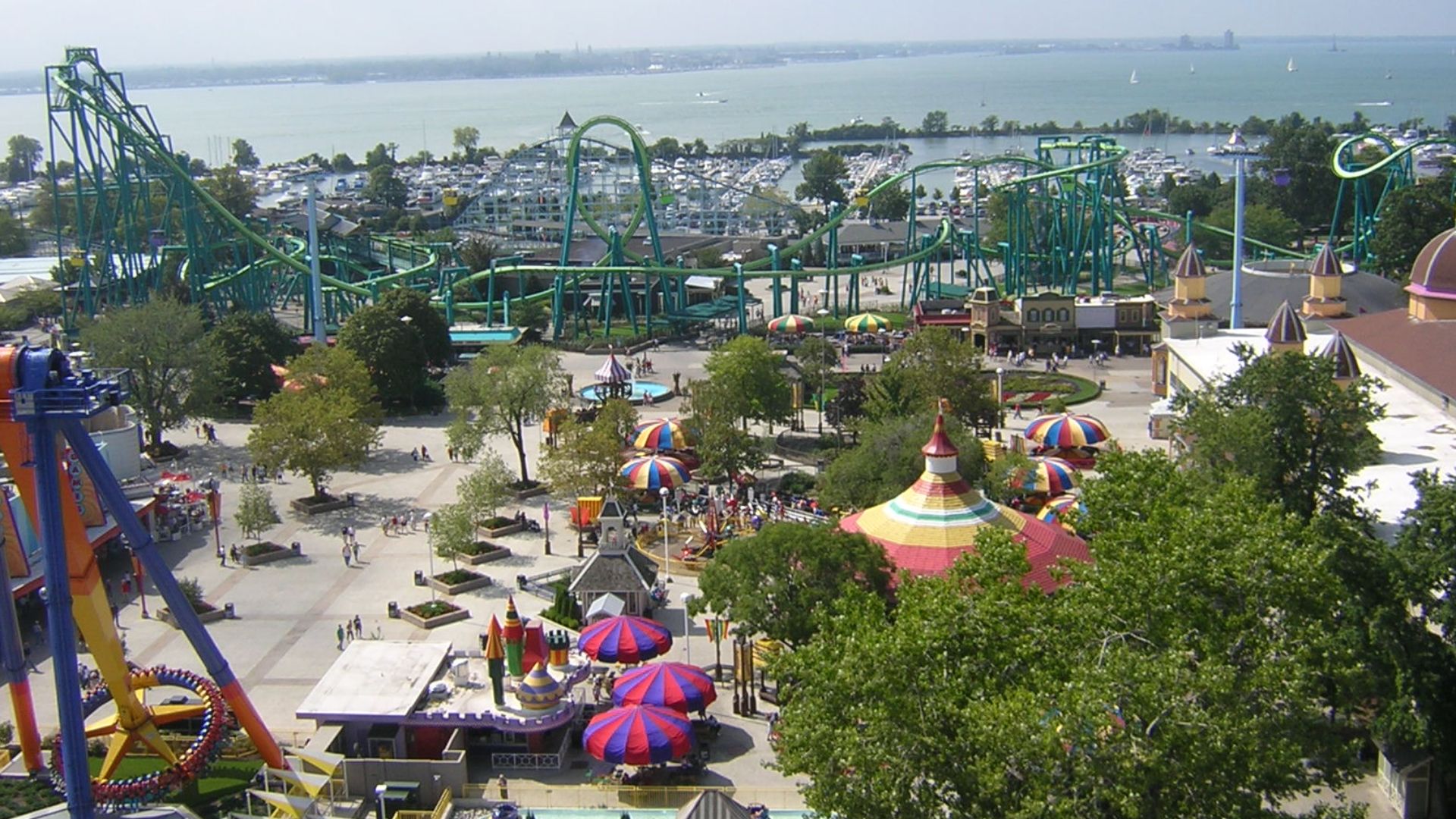
Cedar Point, Ohio
For Canadian teenagers growing up in the 1980s and 90s, Cedar Point was practically legendary. The Sandusky amusement park boasted some of the world's most thrilling roller coasters, making it worth the long drive from southern Ontario. It remains a major attraction, but Canada's Wonderland has added increasingly ambitious rides, giving families more reasons to stay closer to home.
 Larry Pieniazek, User:Lar, en:User:Lar (primary), Wikimedia Commons
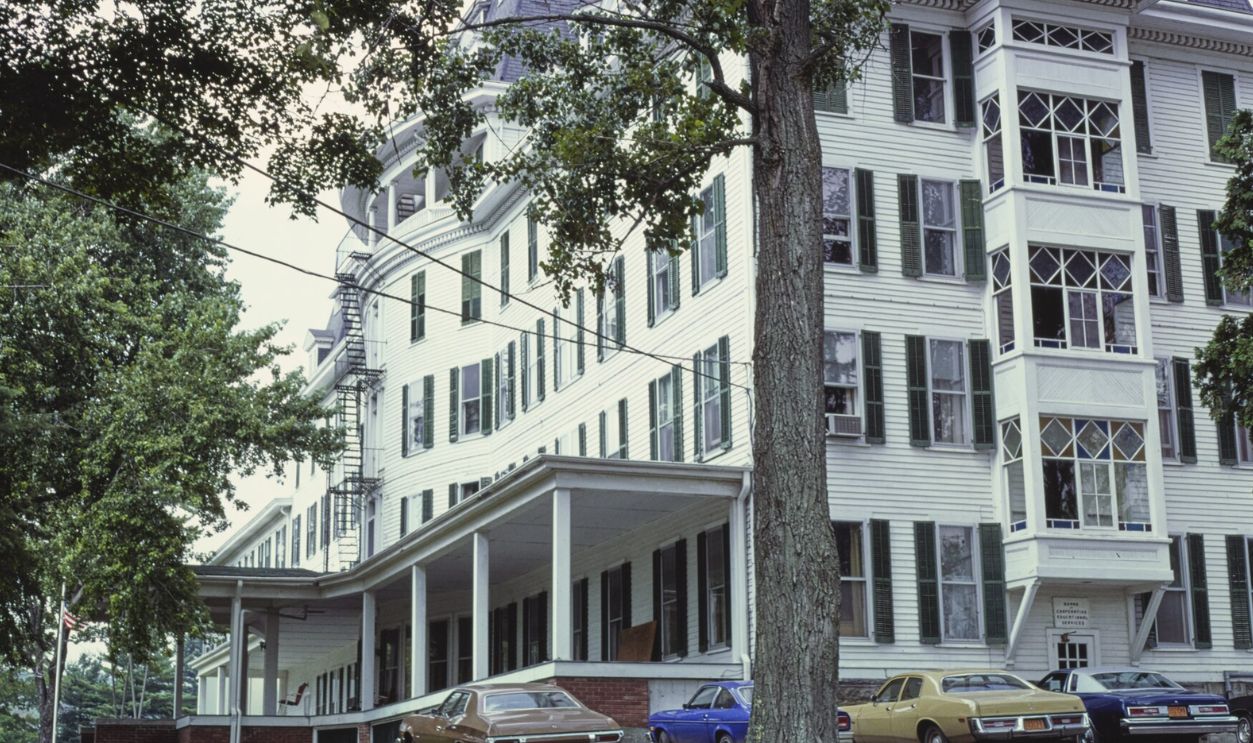
The Catskills, New York
The Catskills once offered an entire world of family resorts, entertainment, swimming pools, and organized activities. Canadian visitors could enjoy an old-fashioned resort holiday without traveling far from home. Although the area's famous Borscht Belt heyday largely preceded the 1980s, some resorts survived into the 1990s. Today, the region is better known for boutique hotels, hiking, and weekend escapes.
 John Margolies, Wikimedia Commons
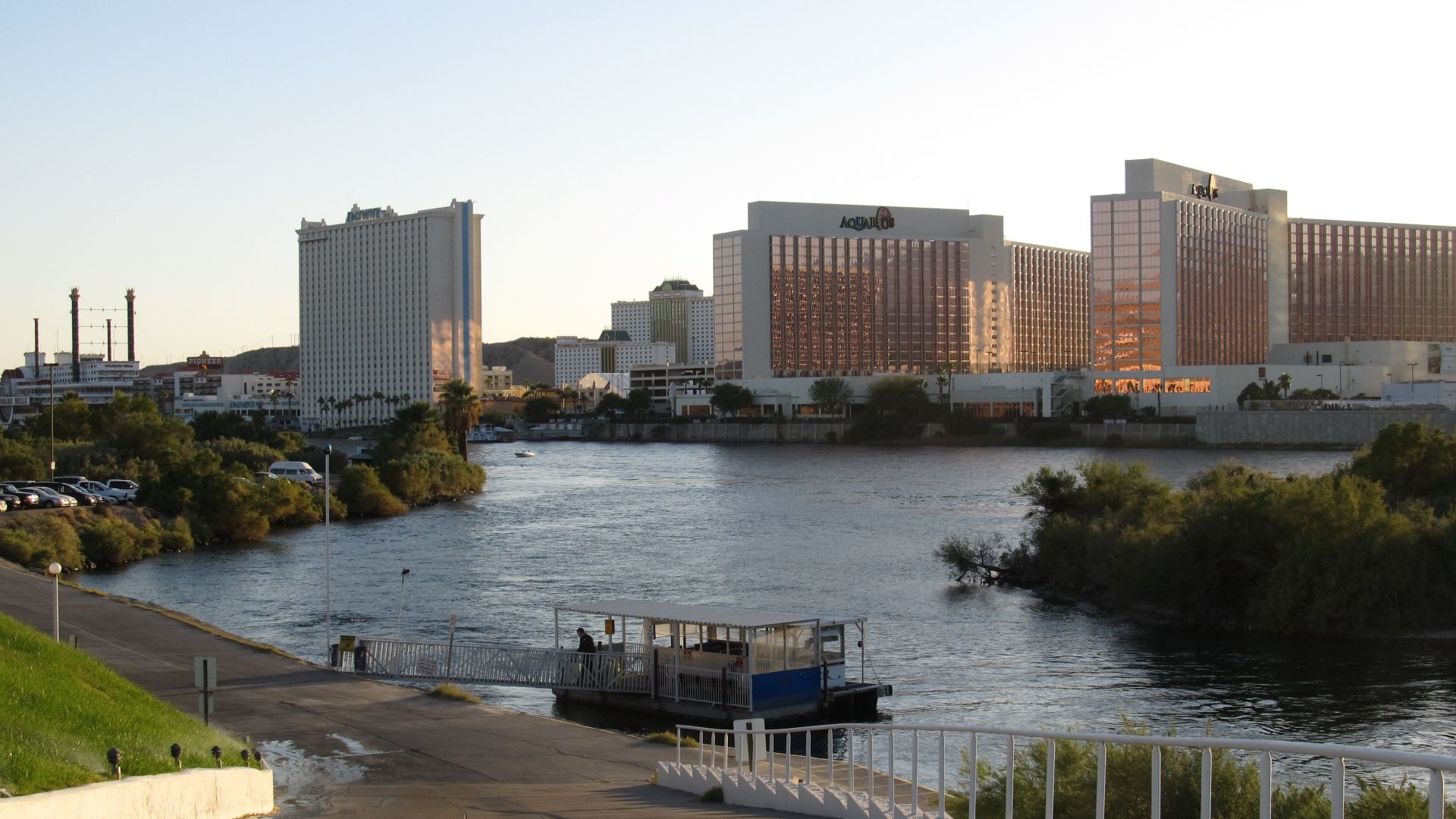
Laughlin, Nevada
Before Las Vegas became increasingly upscale, Laughlin offered Canadian snowbirds a quieter alternative along the Colorado River. Casino hotels, inexpensive meals, and warm desert weather made it attractive to retirees, particularly from Western Canada. Laughlin still welcomes winter visitors, but its older casino-resort atmosphere feels far removed from the elaborate entertainment destinations that dominate modern travel advertising.
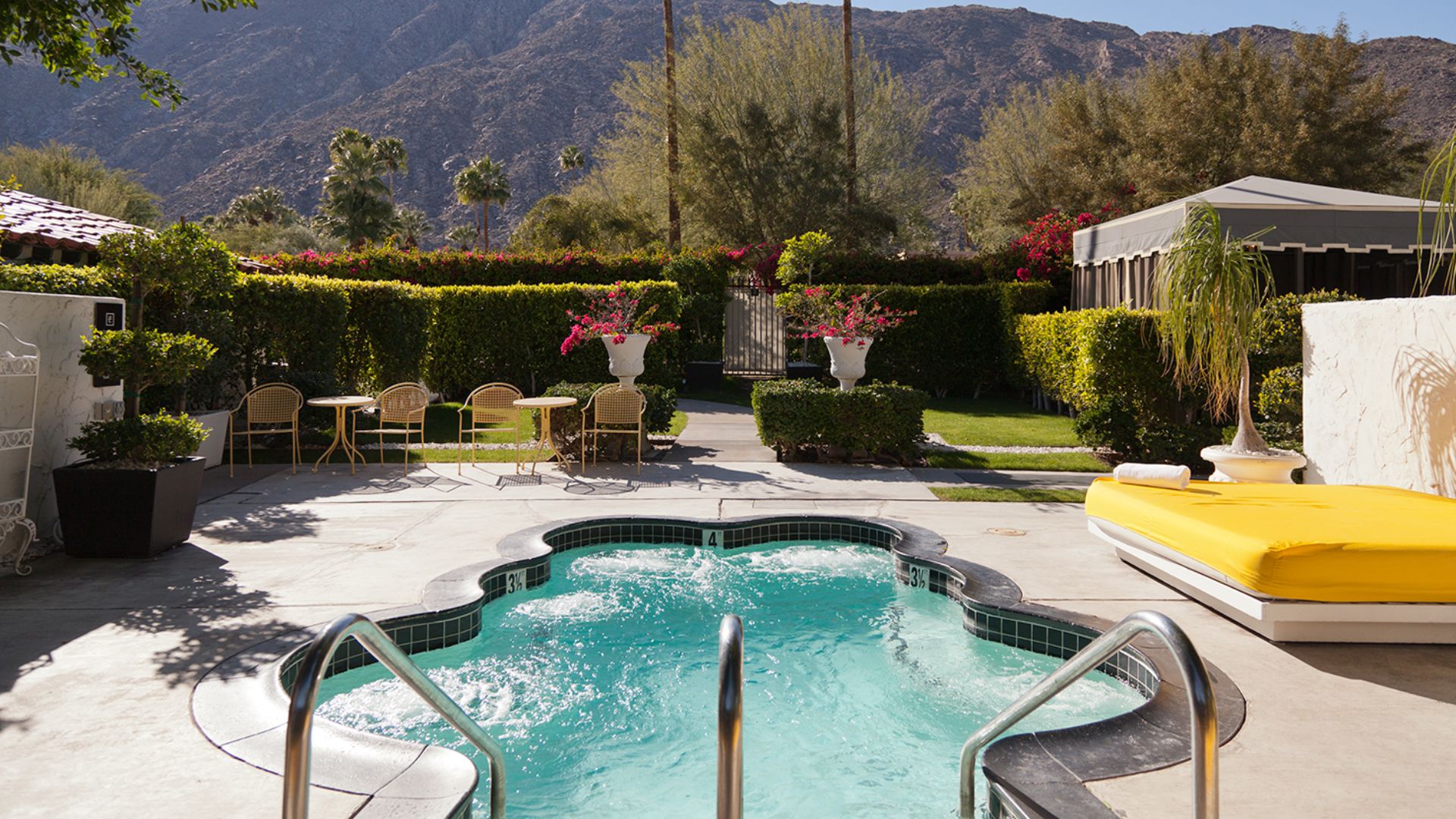
Palm Springs, California
Palm Springs was once synonymous with leisurely winter escapes for Western Canadian retirees. Golf courses, swimming pools, midcentury motels, and dependable sunshine attracted visitors escaping months of cold weather. The city has since developed a fashionable reputation for boutique hotels, festivals, and luxury accommodations. While Canadian snowbirds remain an important presence, the inexpensive extended stays some remember are increasingly difficult to arrange.
 (User:Wgreaves), Wikimedia Commons
You May Also Like:
U.S. Tourist Towns That Canadians Find Surprisingly Fascinating
Americans Were Asked Which Countries They’d Feel Most At Home Outside The U.S.—Here’s What They Said