A Town Where You Can Stand In Two States At Once
Imagine walking down Main Street, stepping across the road, and suddenly finding yourself in another state. That's everyday life in Bristol, where Tennessee and Virginia meet along one remarkable downtown street. It's one of America's more unusual destinations, with a fascinating history to match.
Welcome To Bristol, And Bristol
Most American towns belong to one state, but Bristol is different. There's Bristol, Tennessee, and Bristol, Virginia, sitting directly opposite each other. Although they share a downtown, a name, and much of their history, they're officially two separate cities, each with its own government.
 AppalachianCentrist, Wikimedia Commons
The State Line Runs Down The Road
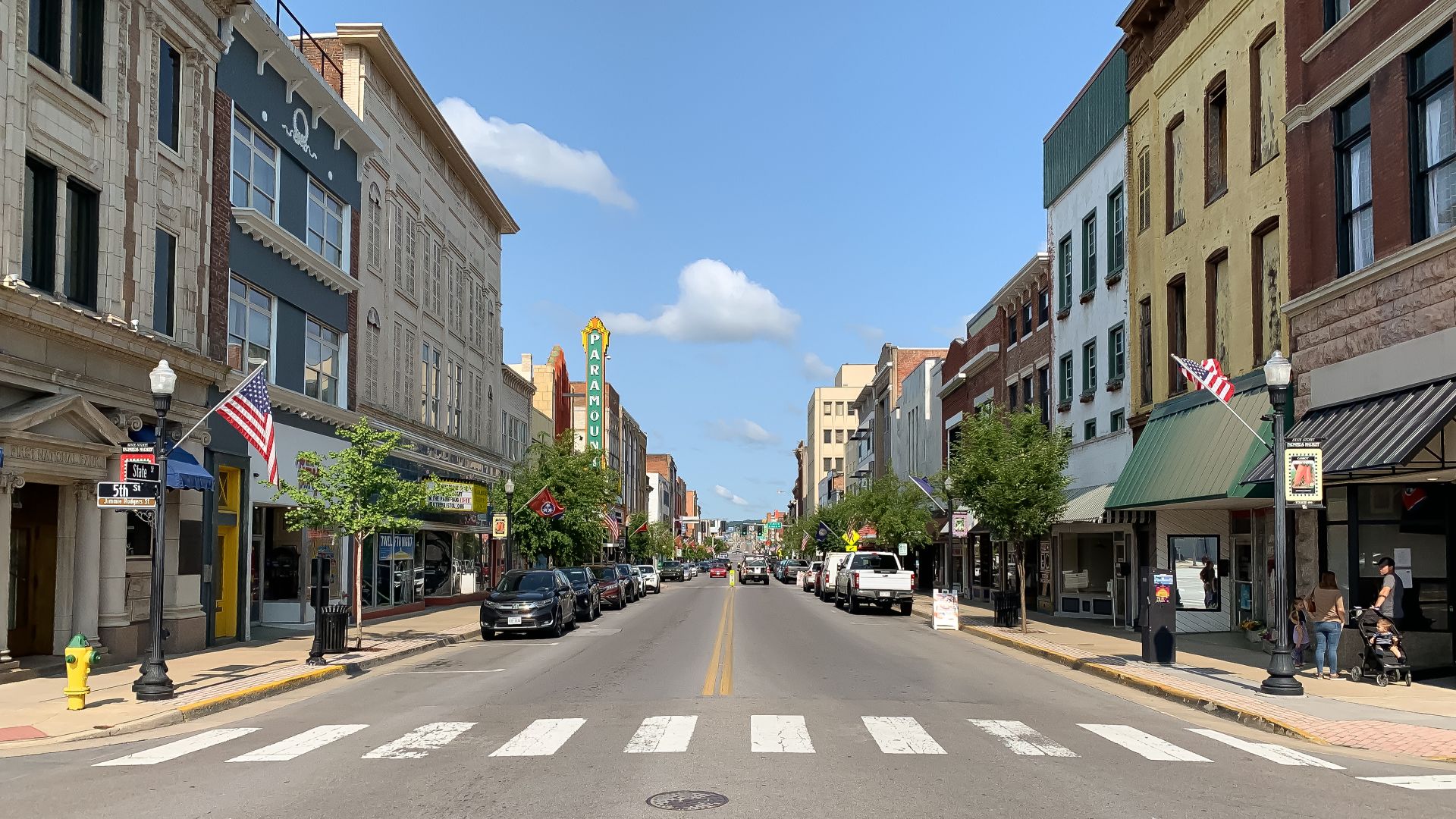
The dividing line isn't hidden in some nearby field. It runs directly along the center of State Street, Bristol's historic main thoroughfare. Businesses on the north side are in Virginia, while those on the south side are in Tennessee. It's quite an unusual arrangement.
 Springfulutopia, Wikimedia Commons
You Can Actually See The Border
Visitors don't have to guess where Tennessee ends and Virginia begins. Small brass markers embedded between the double yellow lines identify the state boundary. They're a popular photography attraction, allowing tourists to pose with one foot in each state, provided they can do so safely.
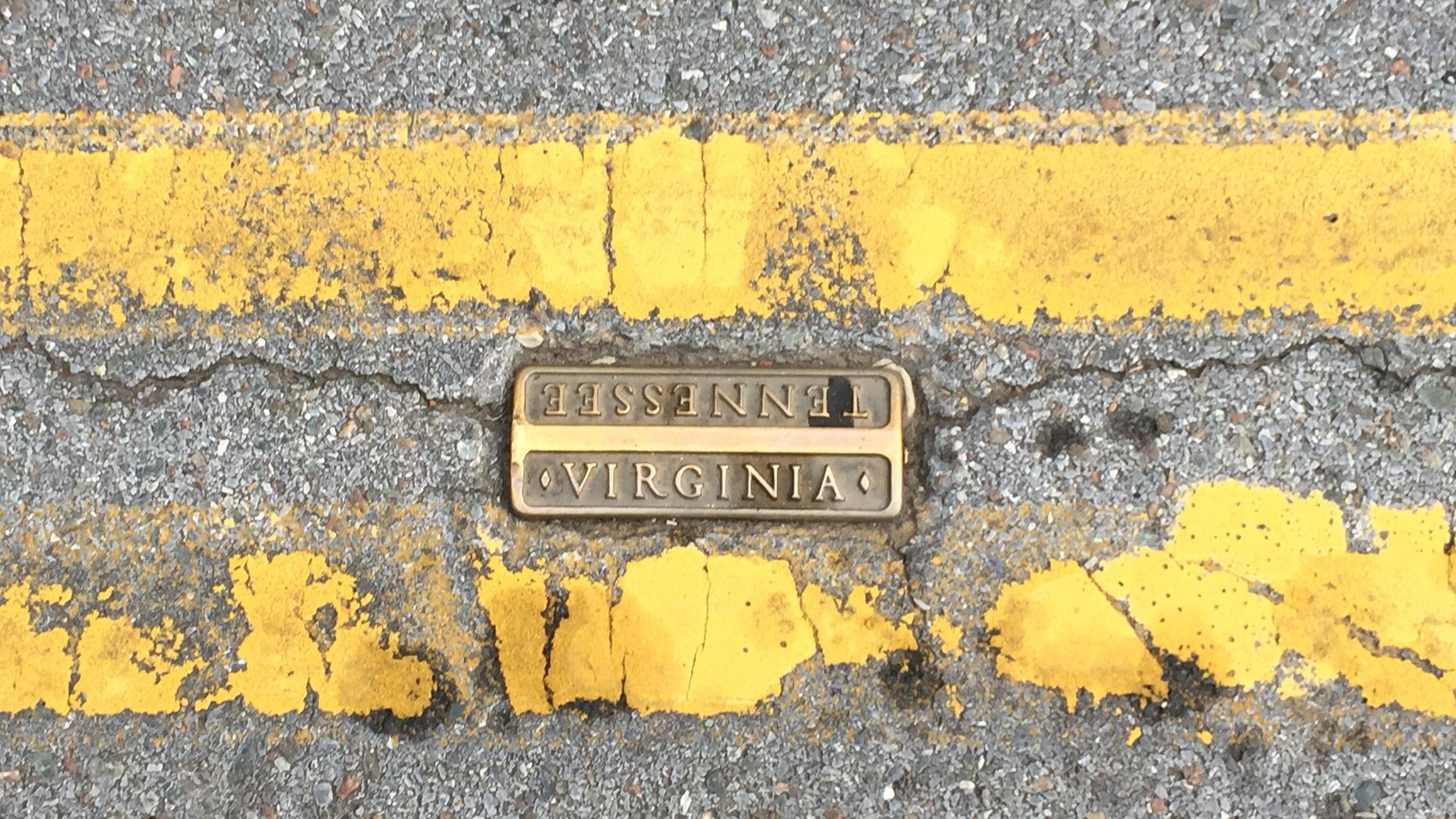 Springfulutopia, Wikimedia Commons
It All Started With A Railroad
Bristol's unusual layout dates back to the 1850s, when railroad expansion was transforming American communities. Developers recognized that the Virginia-Tennessee border would become an important transportation junction. Rather than building away from the boundary, they decided to establish a town right across it.
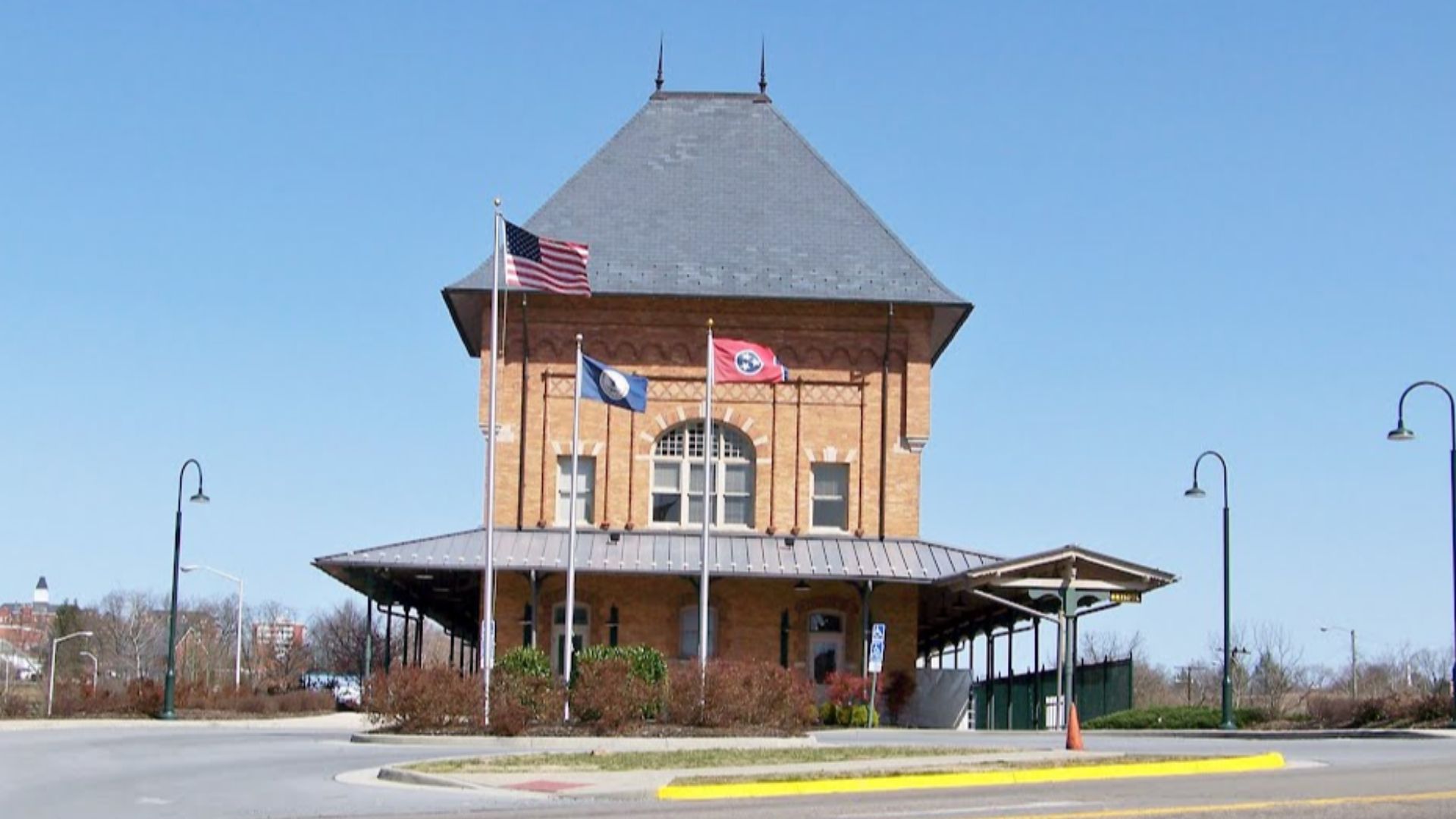 Upstateherd, Wikimedia Commons
One Man Saw An Opportunity
The driving force was Joseph Rhea Anderson, a Tennessee merchant with an eye for business. In July 1852, he arranged to purchase 100 acres from his father-in-law's family property. The deal included 48 acres in Tennessee and 52 acres in Virginia, creating Bristol's original footprint.
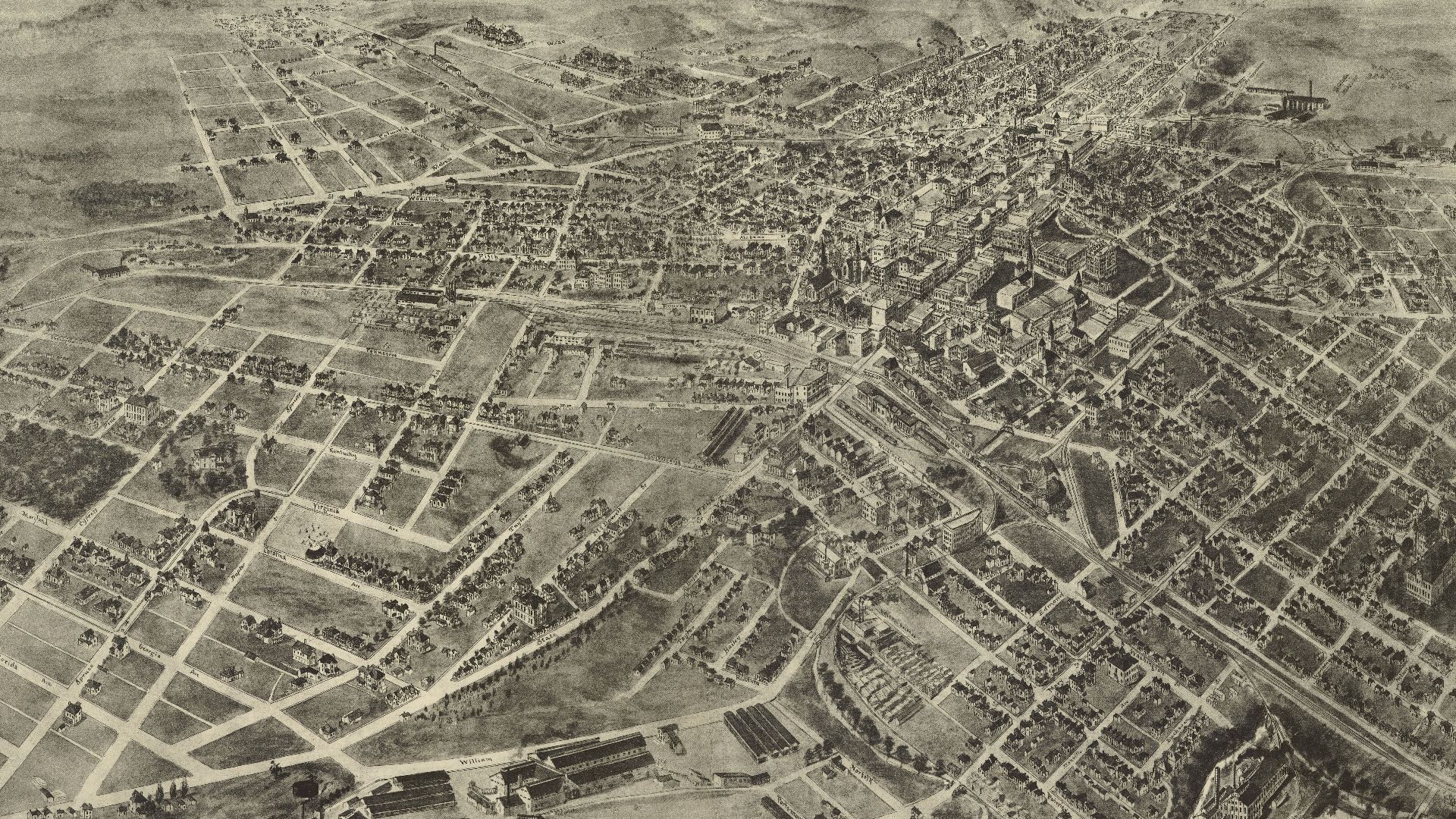 Fowler, T. M. (Thaddeus Mortimer); Fowler, T. M., Wikimedia Commons
The Town Almost Had Another Name
Here's a little piece of local trivia. When Anderson selected a name for his planned community in 1852, Bristol reportedly beat out another contender by just one point. That alternative was Paradise. Imagine today's visitors telling their friends they were spending the weekend in Paradise!
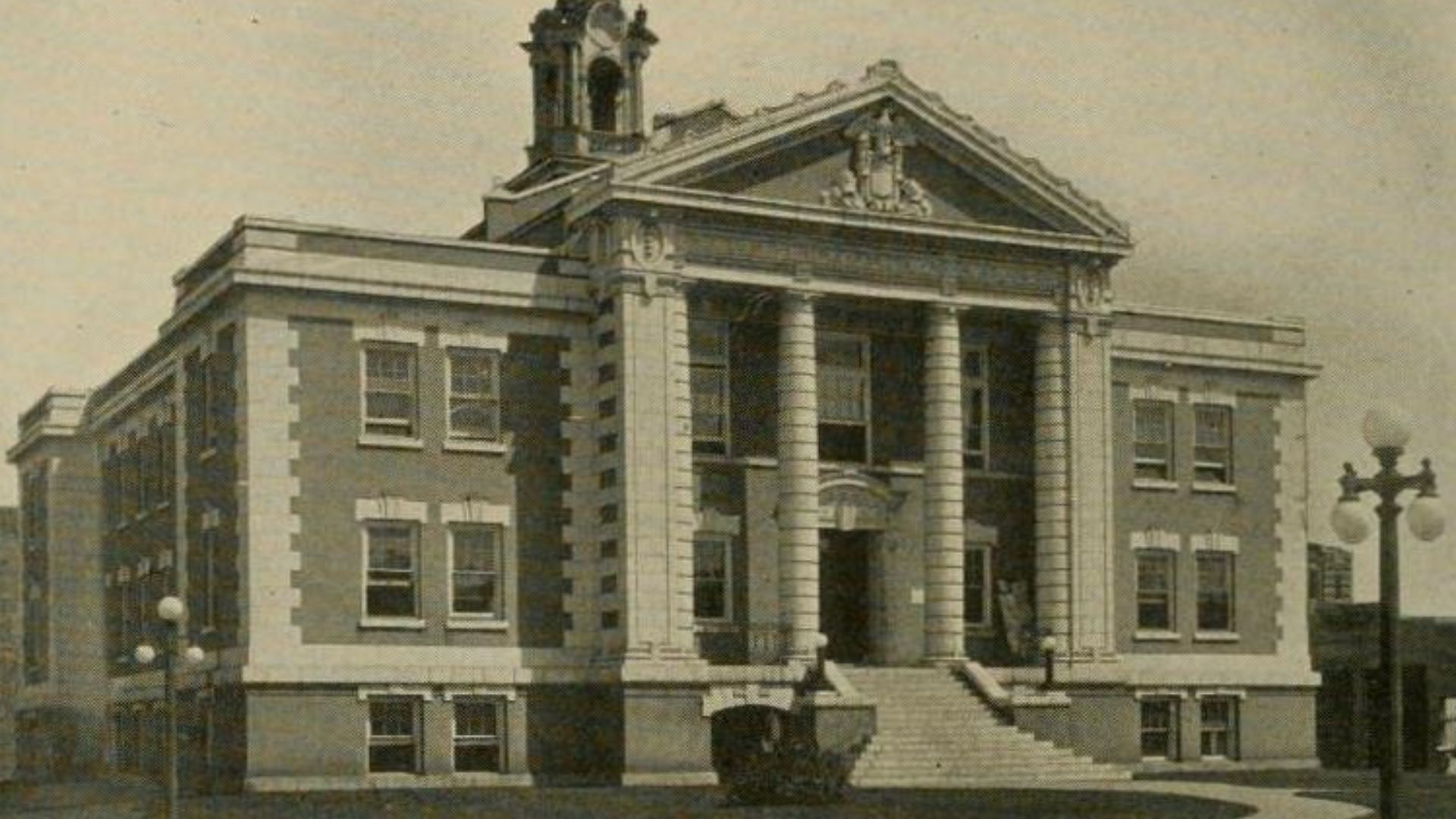
Bristol Began Taking Shape
Surveyors laid out the community in August 1852, and Anderson soon began putting his plans into action. By 1853, he had established a building that served as both his family's residence and a business. It became the starting point for Bristol's commercial development.
The First Business Opened Its Doors
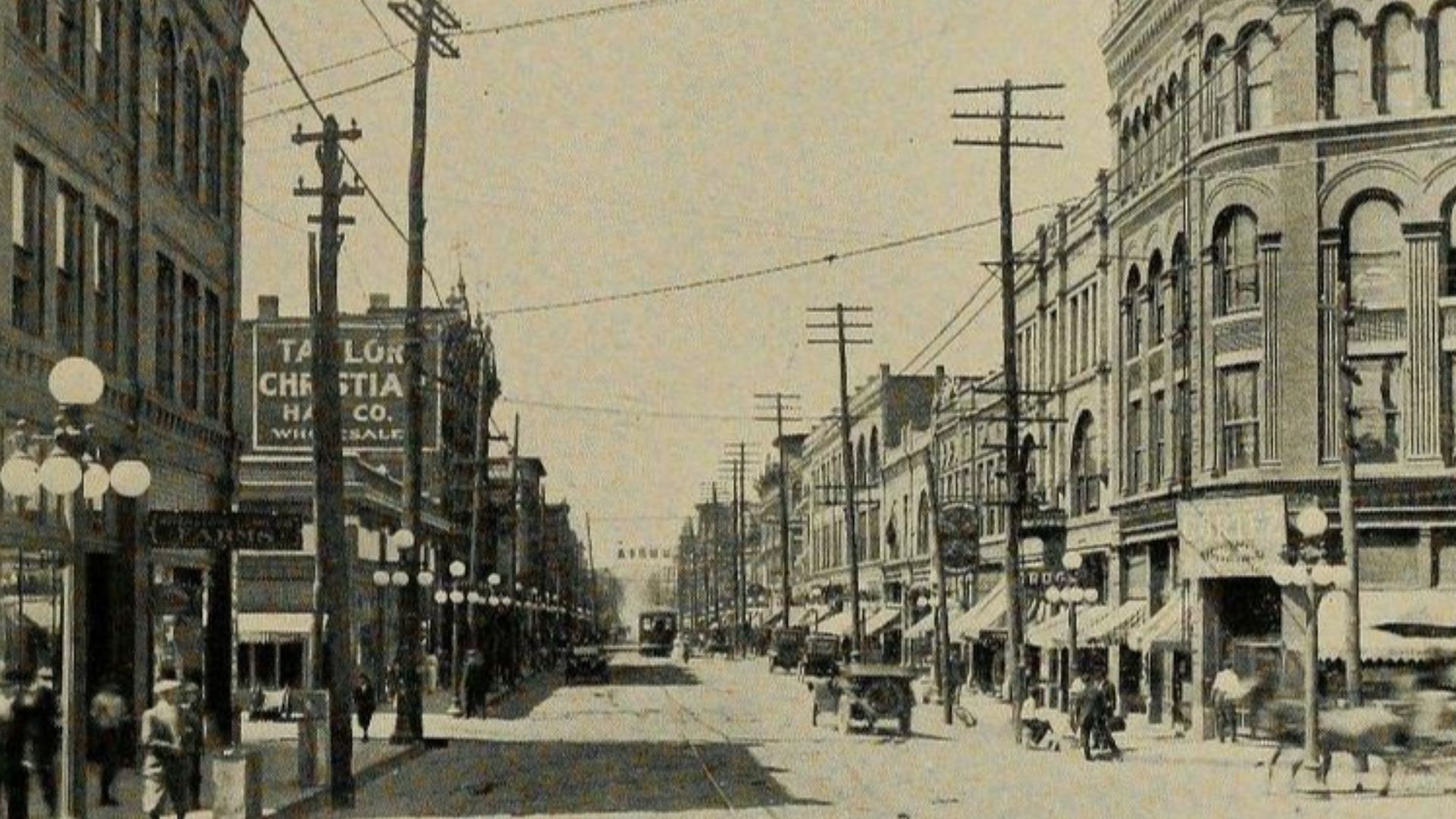
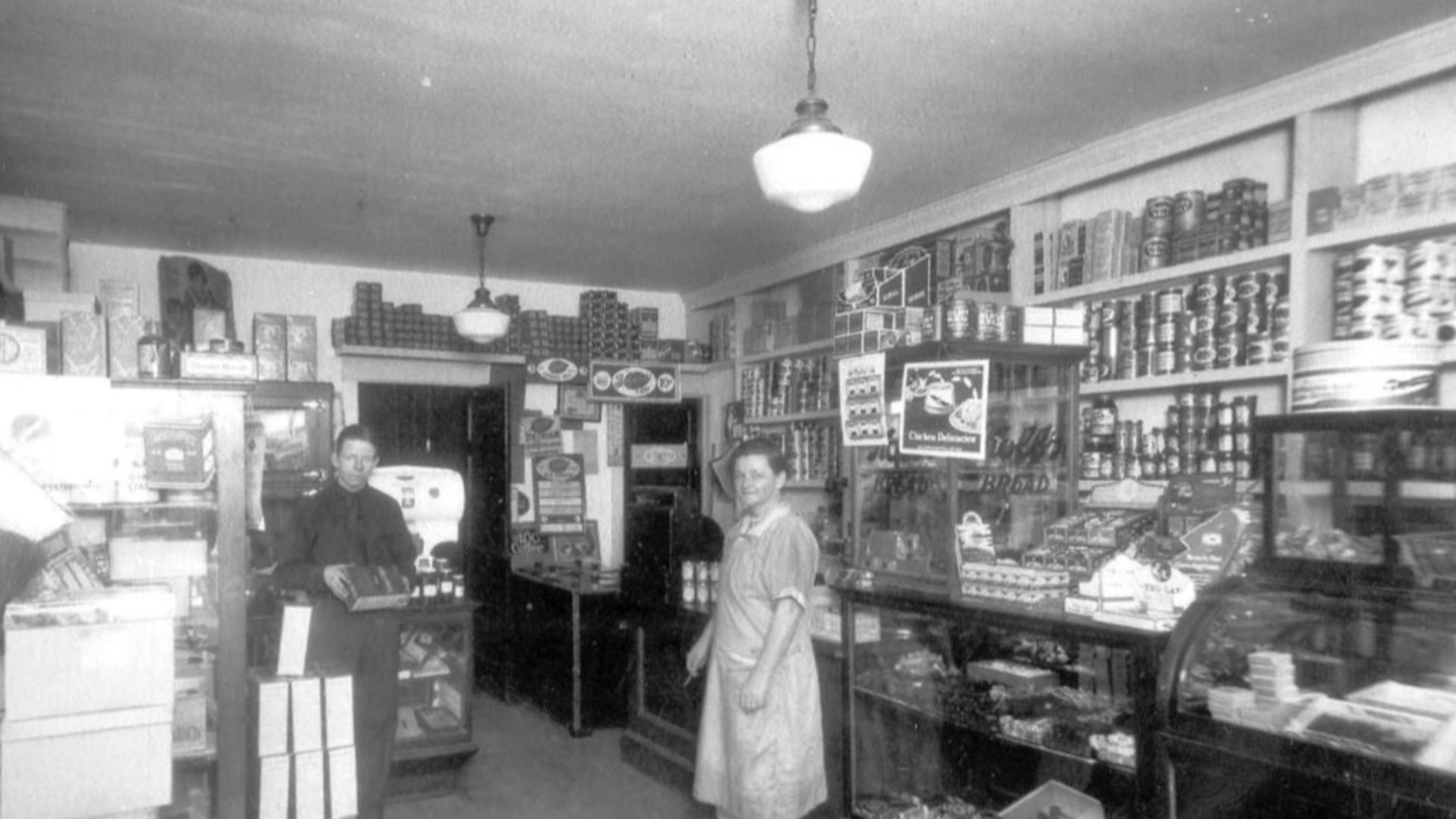
Anderson's building wasn't just a home. Bristol's first post office began operating there in November 1853, followed by his general store that December. Customers could purchase supplies and collect their mail at the same location. For a newly developing railroad town, that was a promising beginning.
Two Towns Began Growing Together
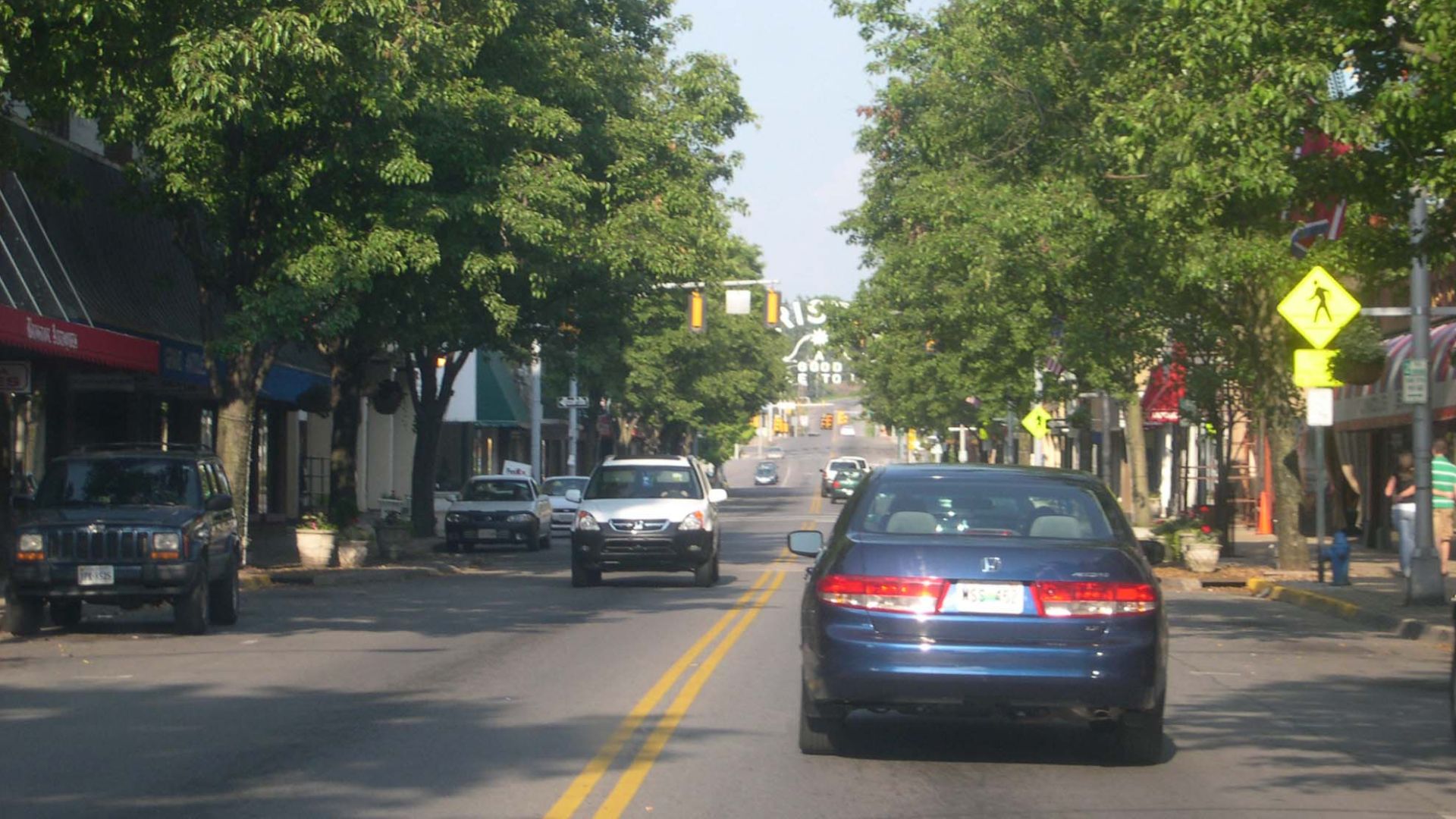
Things became a little more complicated in 1856. The Tennessee portion developed as Bristol, while the Virginia side became part of a municipality called Goodson. Despite the different names, the communities remained closely connected through commerce, transportation, and their shared location along the state boundary.
The Railroad Changed Everything
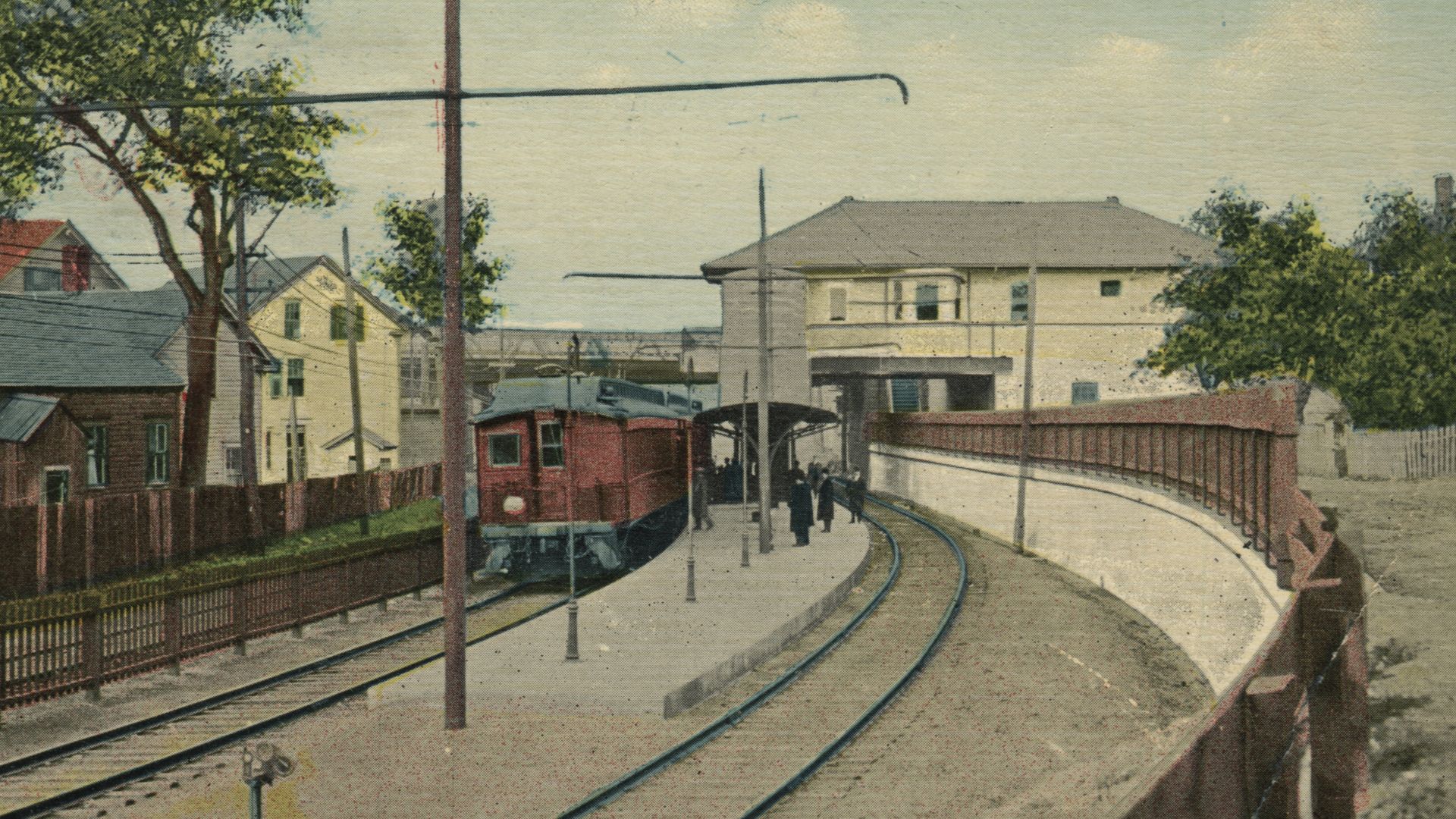
Rail service reached Bristol in the 1850s, helping transform the settlement into a regional transportation center. Passenger trains brought travelers, while freight trains carried goods between communities. Hotels, warehouses, stores, and other businesses followed, giving Bristol the bustling atmosphere of a growing railroad town.
 Charles H. Seddon, Wikimedia Commons
The Virginia Side Changed Its Name
For decades, the two communities didn't officially share the same name. That changed in 1890, when Goodson, Virginia, adopted the name Bristol. From then on, Bristol, Virginia, and Bristol, Tennessee, became the familiar twin cities visitors know today, separated by just a street.
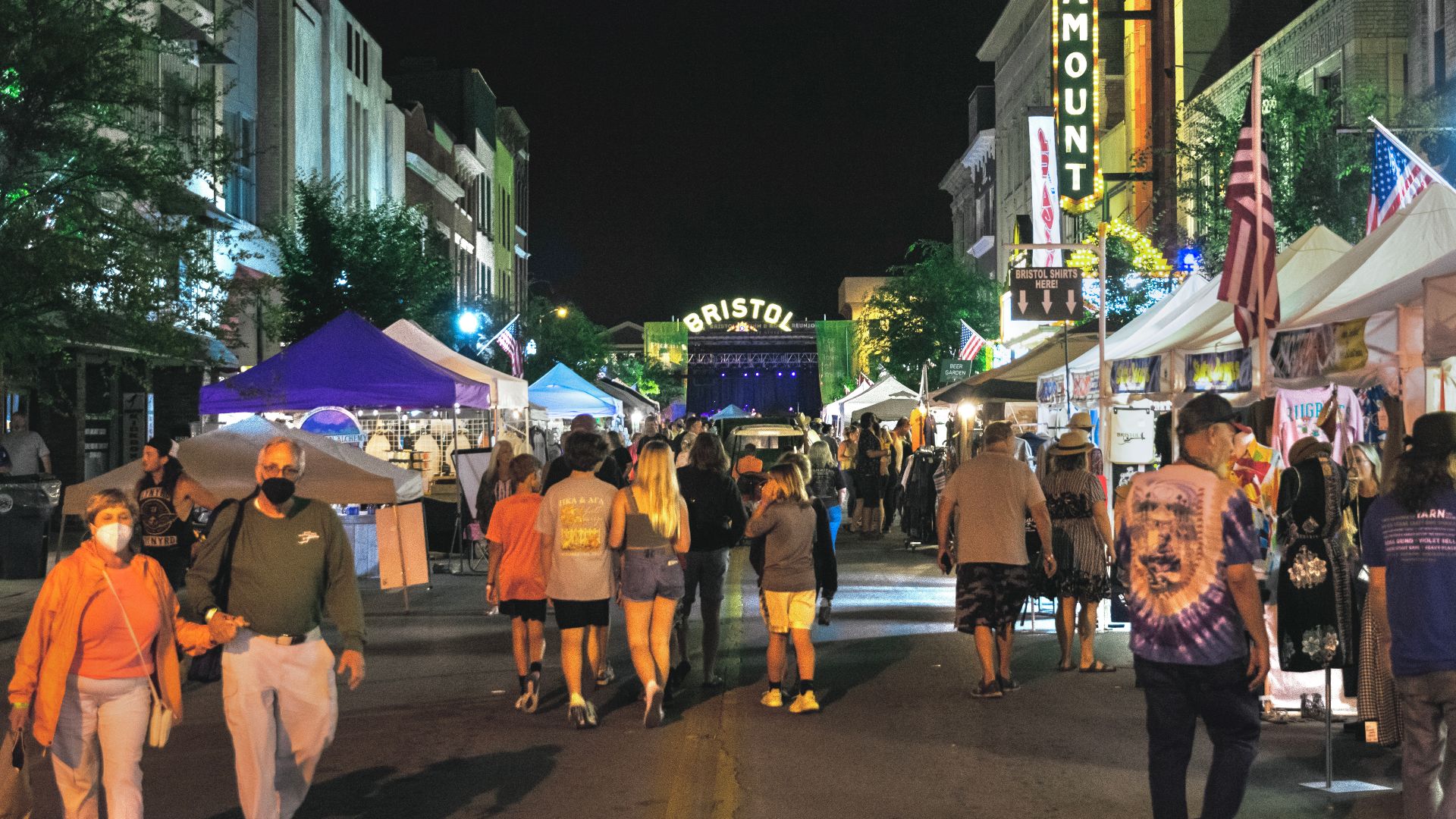 Daniel Grogan from Bristol TN, USA, Wikimedia Commons
State Street Became The Heart Of Town
As Bristol expanded, State Street grew into its principal shopping district. By the late 19th and early 20th centuries, businesses lined both sides of the road. Shoppers could cross from one state to another simply by visiting a different store across the street.
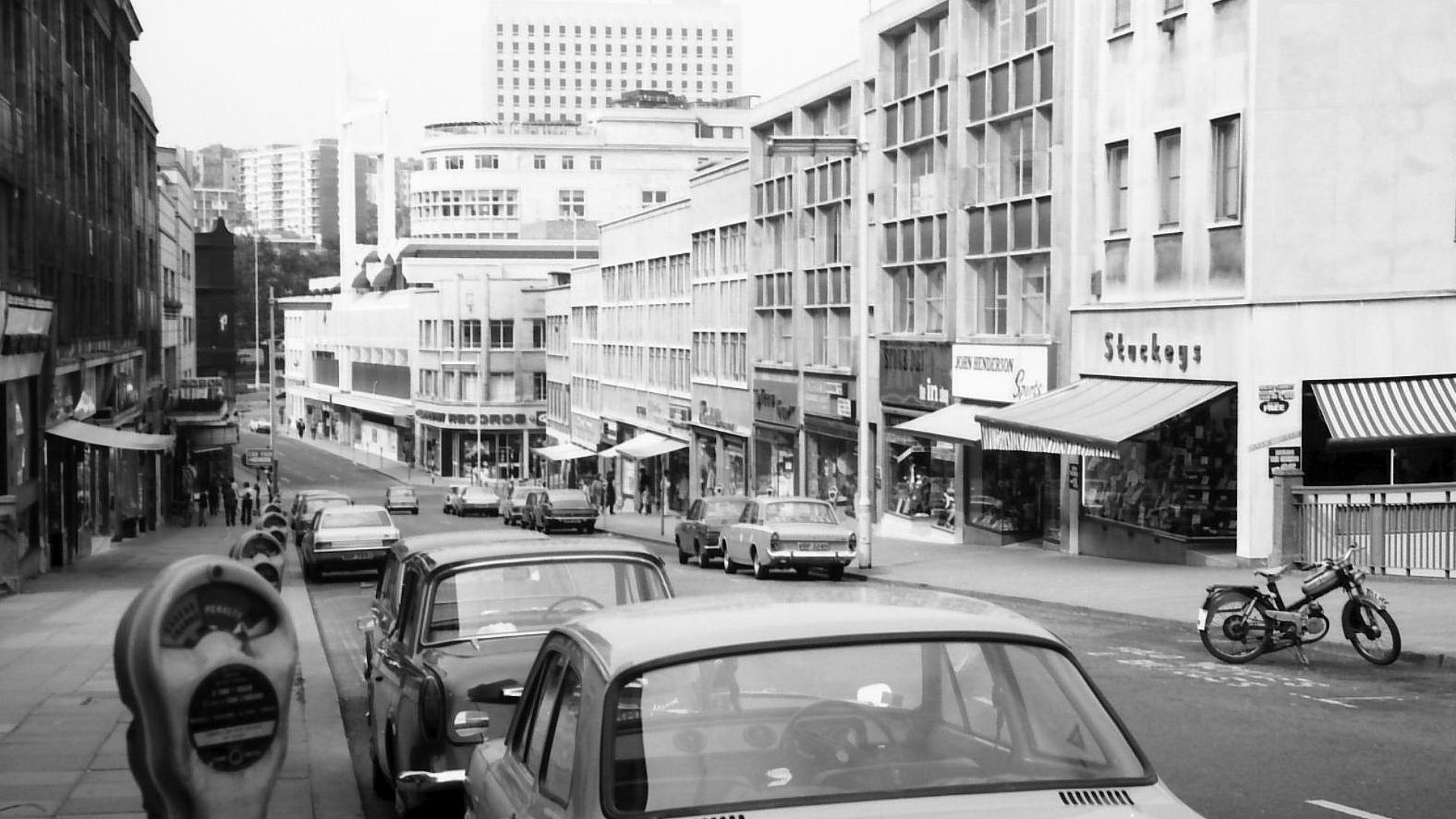 Willy Pragher, Wikimedia Commons
Two Cities Meant Two Governments
Despite their close relationship, the two Bristols developed separate municipal administrations. Each city maintained responsibility for its own services, budgets, and local decisions. That arrangement continues today, making Bristol a particularly interesting example of two neighboring communities operating across a state boundary.
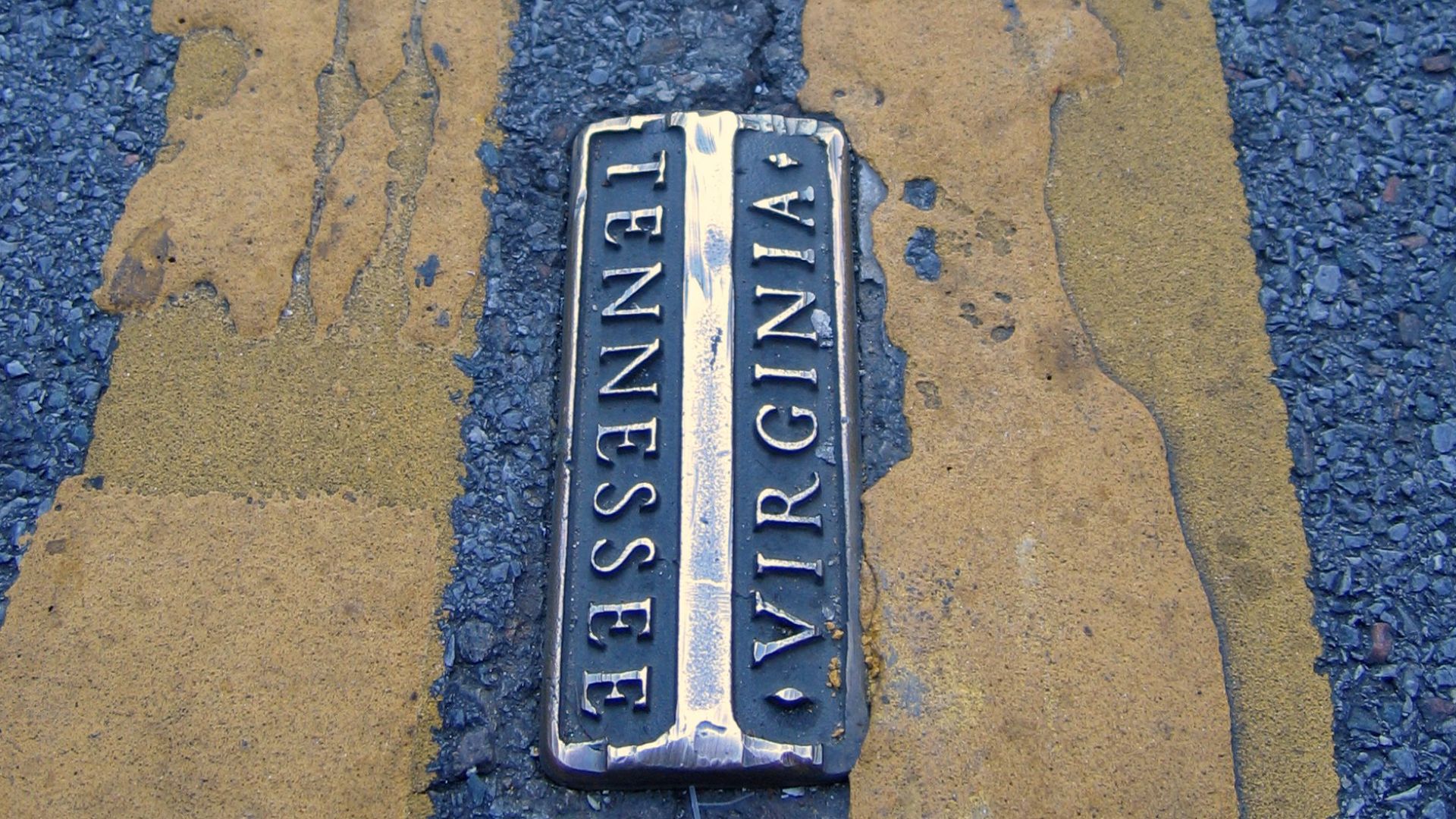 Jason Riedy from East Point, GA, USA, Wikimedia Commons
Different States, Different Rules
Living on opposite sides of State Street has sometimes meant following different laws. Virginia and Tennessee developed their own regulations governing businesses, taxes, and other matters. During the early 1900s, differing local restrictions on alcohol sales made Bristol's unusual boundary especially significant to residents and merchants.
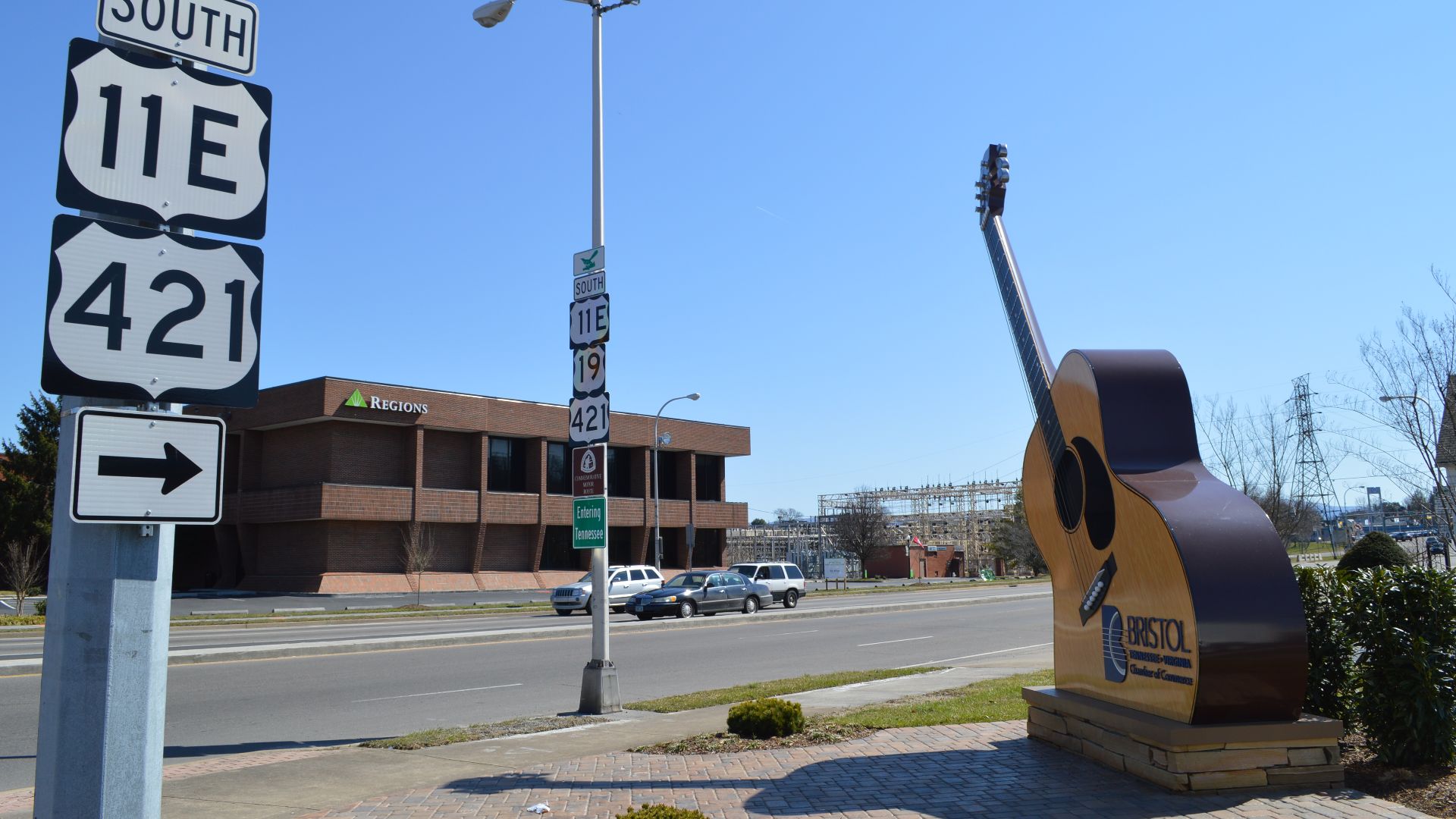
The Famous Sign Appeared In 1910
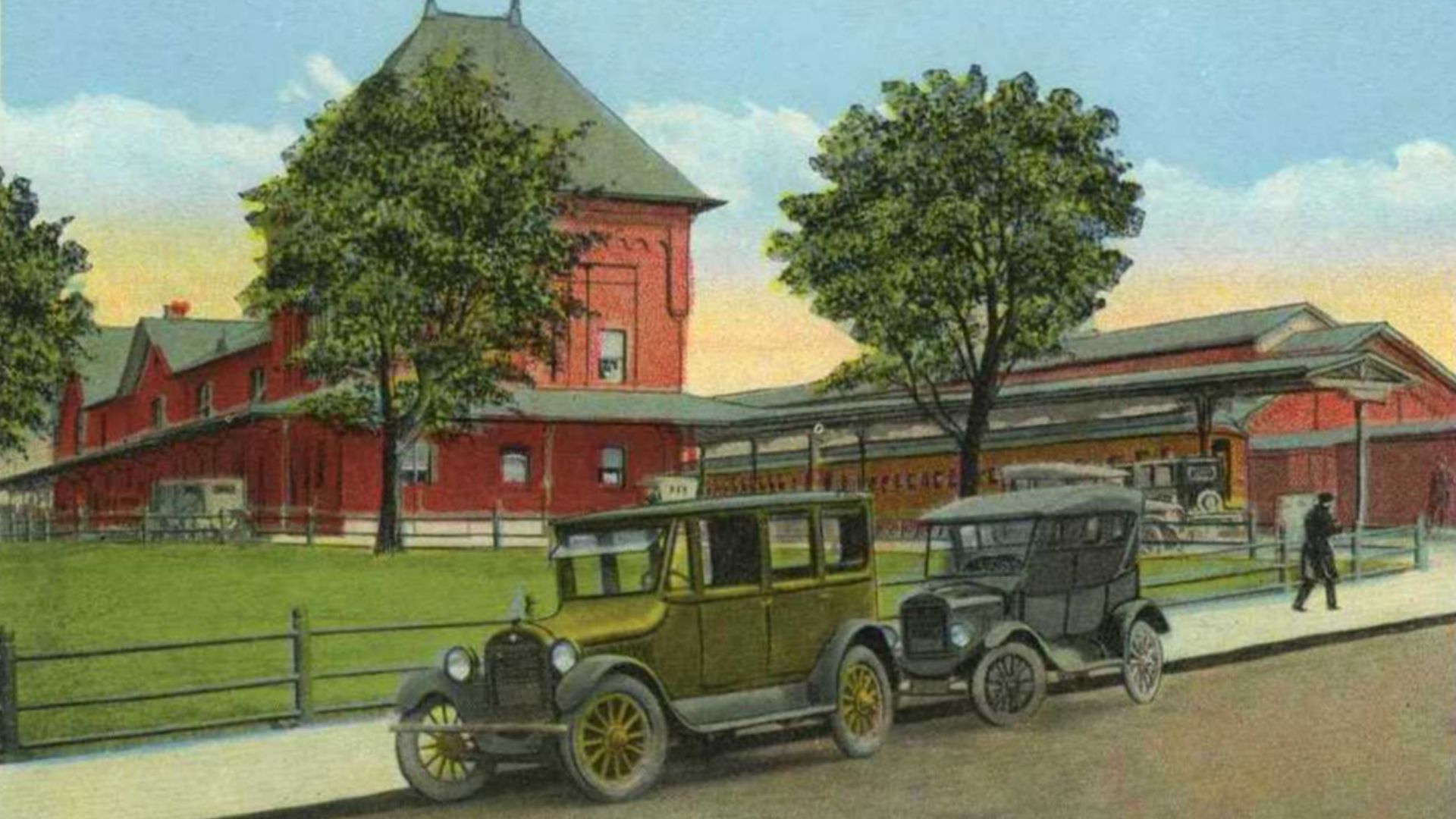
Bristol eventually found a memorable way to celebrate its shared identity. In 1910, an enormous electric sign was installed above the downtown streetscape. Originally mounted on a building, it advertised Bristol with the enthusiastic slogan "Push! That's Bristol," reflecting the town's ambitions.
 Unknown authorUnknown author, Wikimedia Commons
A Good Place To Live
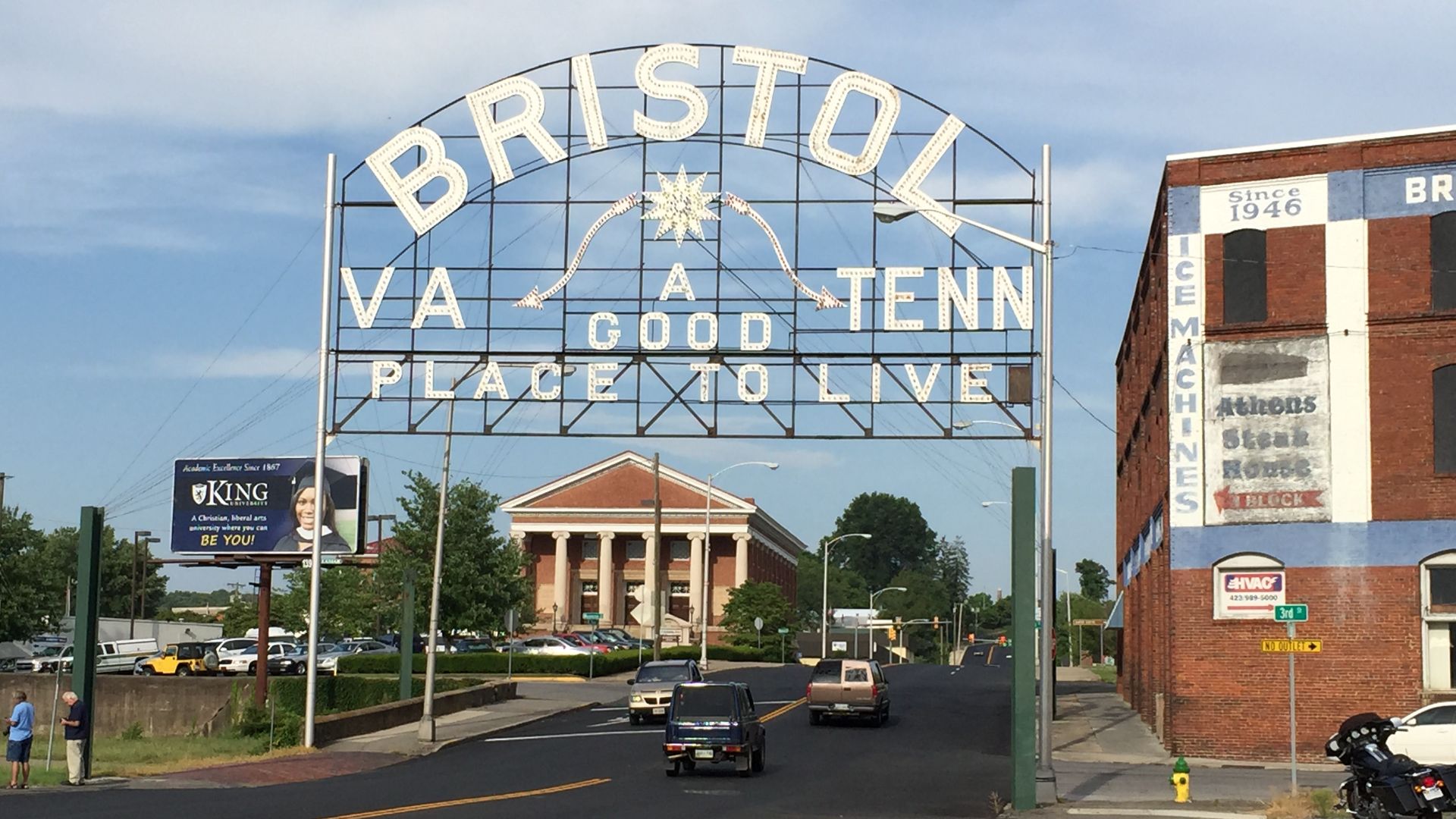
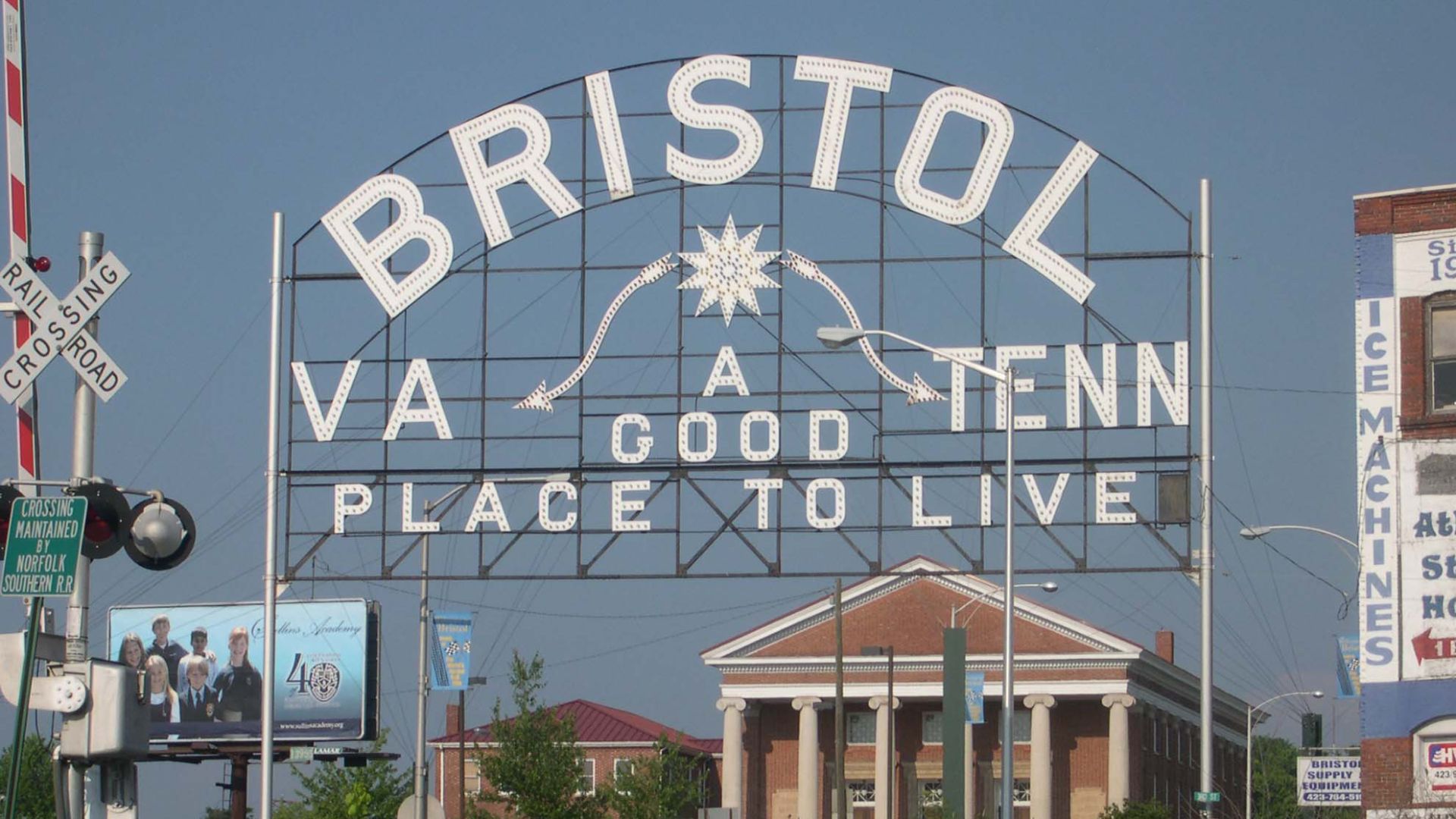
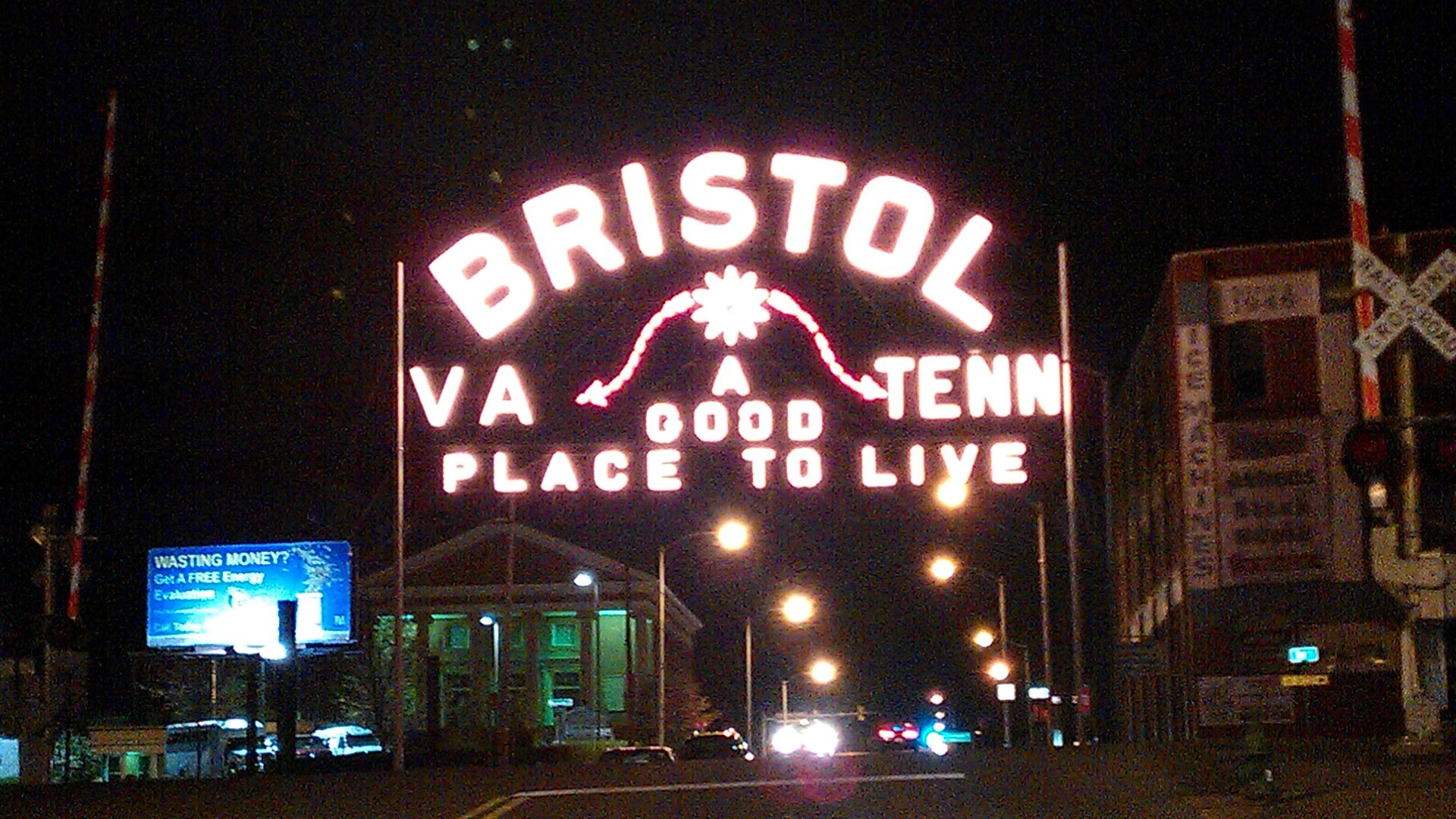
In 1915, the sign moved to its familiar position spanning State Street. Its message changed in 1921 to "Bristol, A Good Place to Live." The enormous illuminated landmark became a beloved symbol of both cities and remains one of downtown Bristol's most recognizable attractions.
 Aplomado~commonswiki, Wikimedia Commons
The Sign Became A Historic Landmark
The Bristol Slogan Sign isn't merely an unusual roadside attraction. In 1988, it was added to the National Register of Historic Places. Measuring approximately 60 feet wide and 35 feet tall, the structure preserves a distinctive chapter of American advertising and civic pride.
 Bwheelerrtrm, Wikimedia Commons
Bristol Helped Shape Country Music
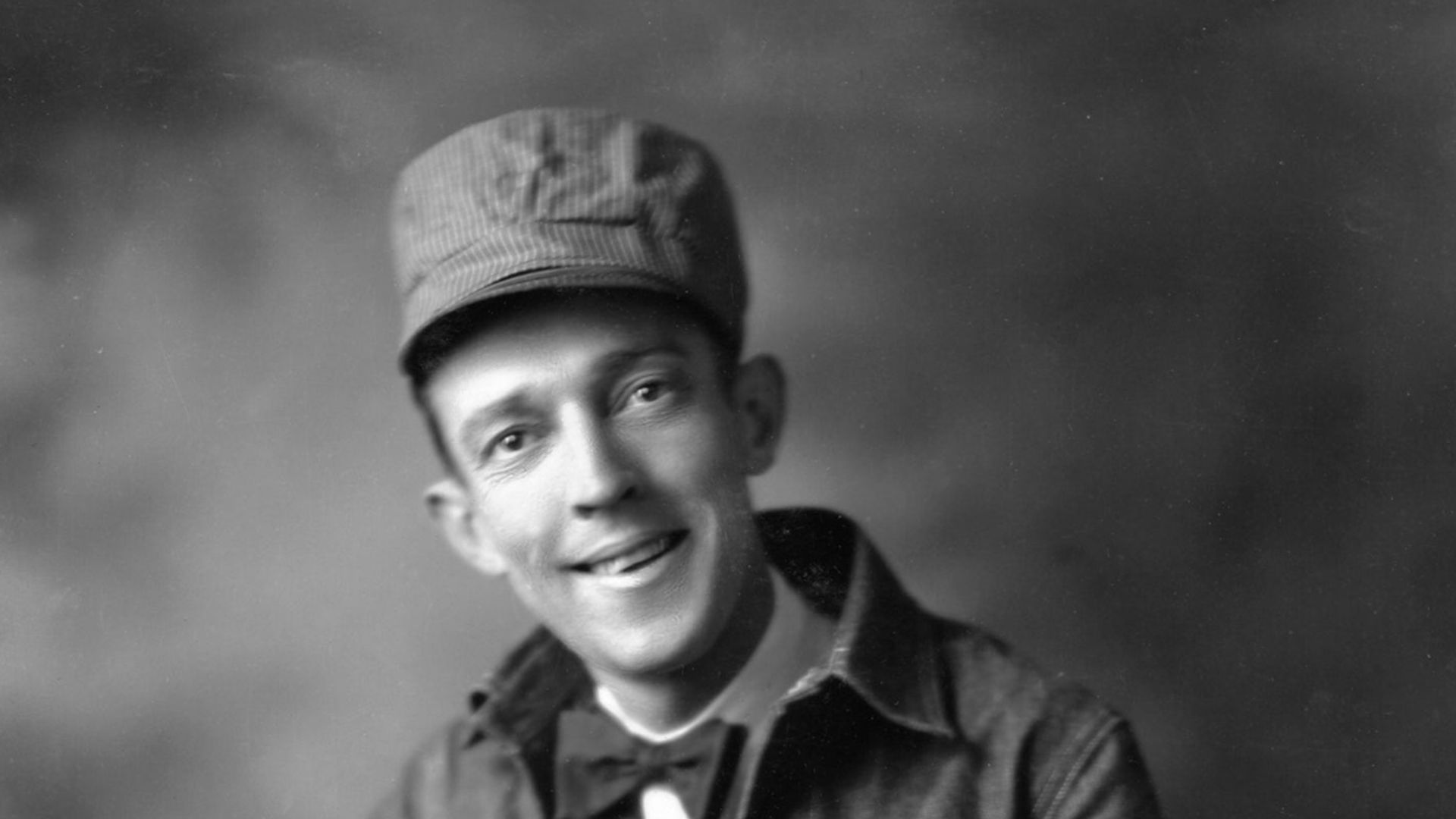
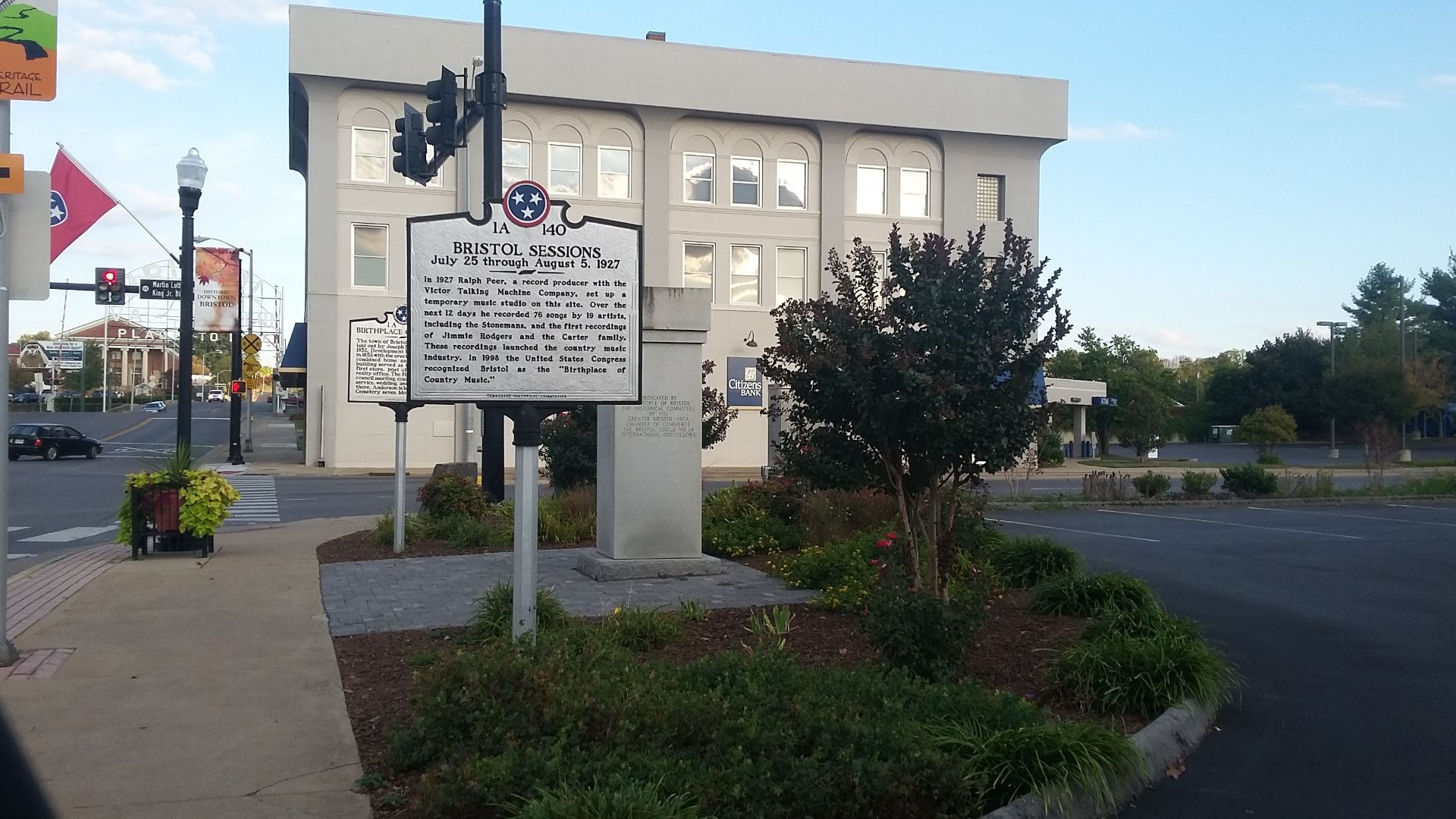
Bristol has another remarkable claim to fame. In 1927, record producer Ralph Peer arrived to record regional musicians for the Victor Talking Machine Company. The resulting Bristol Sessions helped introduce several influential performers to national audiences, earning the town an important place in American musical history.
 Victor Talking Machine Company (taken by Moss Photo, NYC), Wikimedia Commons
The Carter Family And Jimmie Rodgers Made History
Among the musicians recorded during those sessions were the Carter Family and Jimmie Rodgers. Their recordings helped shape the growing commercial country music industry. For fans who remember these pioneering performers and their influence on later generations, Bristol offers a remarkable connection to musical history.
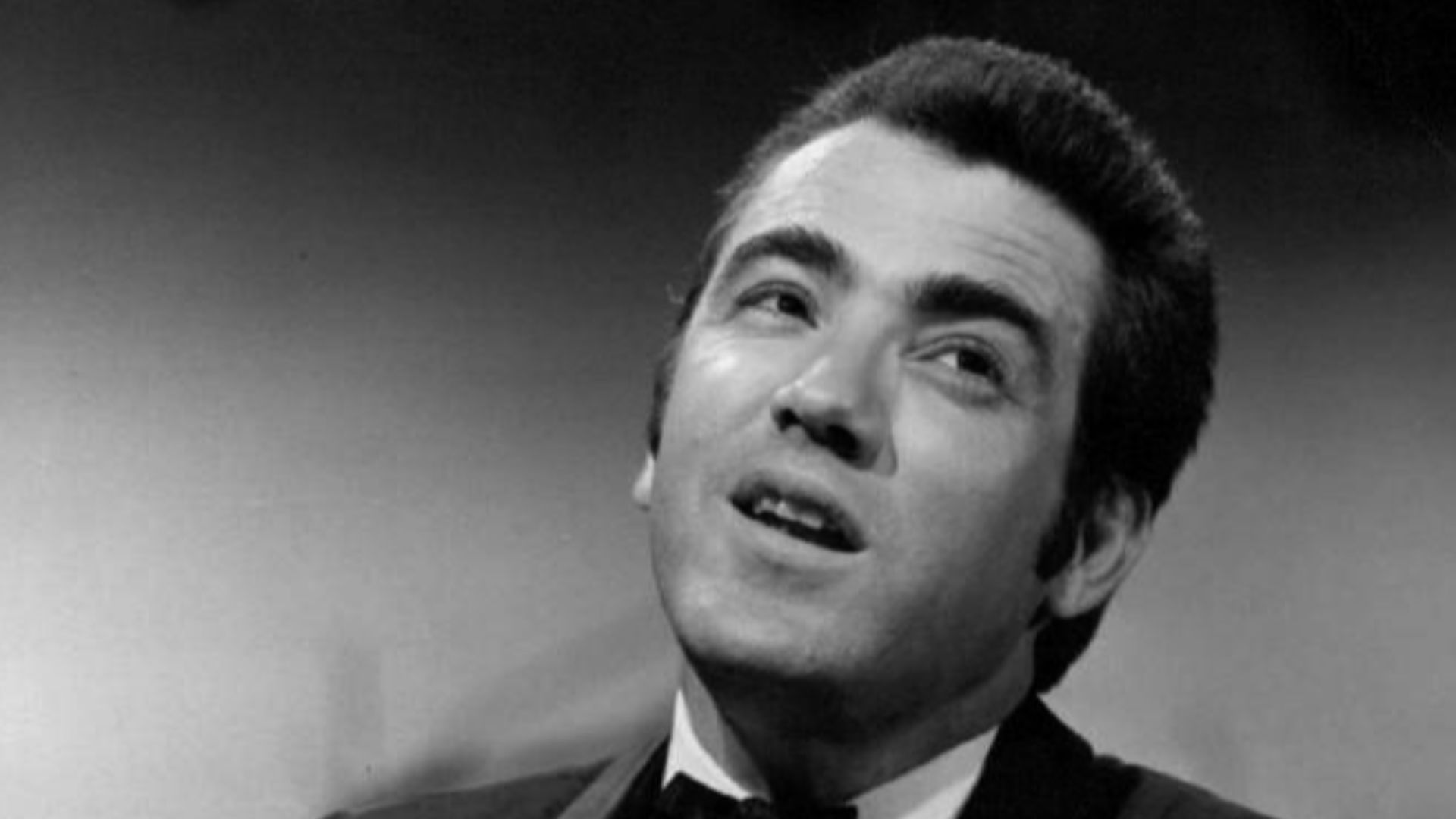 NBC Television, Wikimedia Commons
The Birthplace Of Country Music
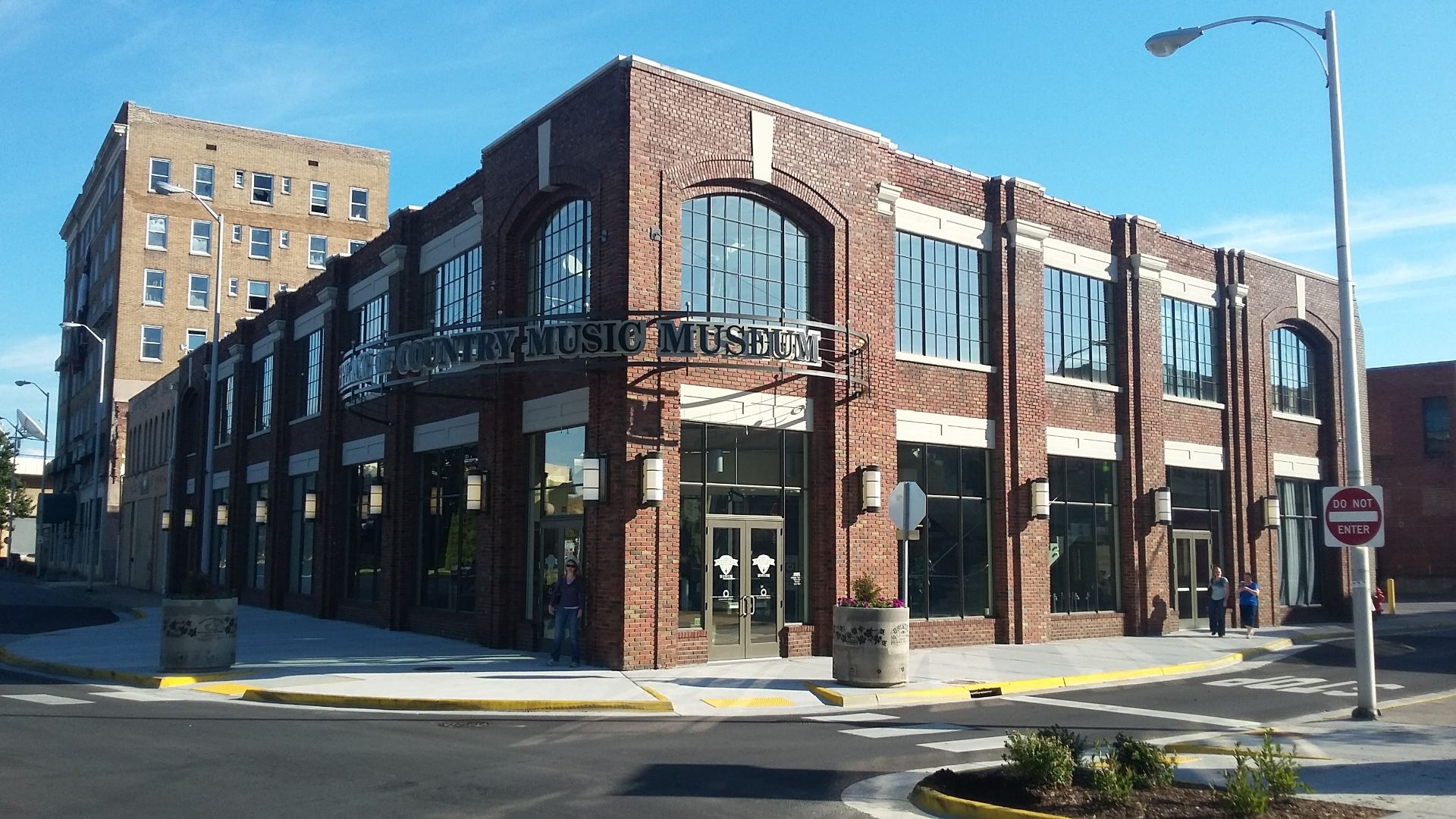
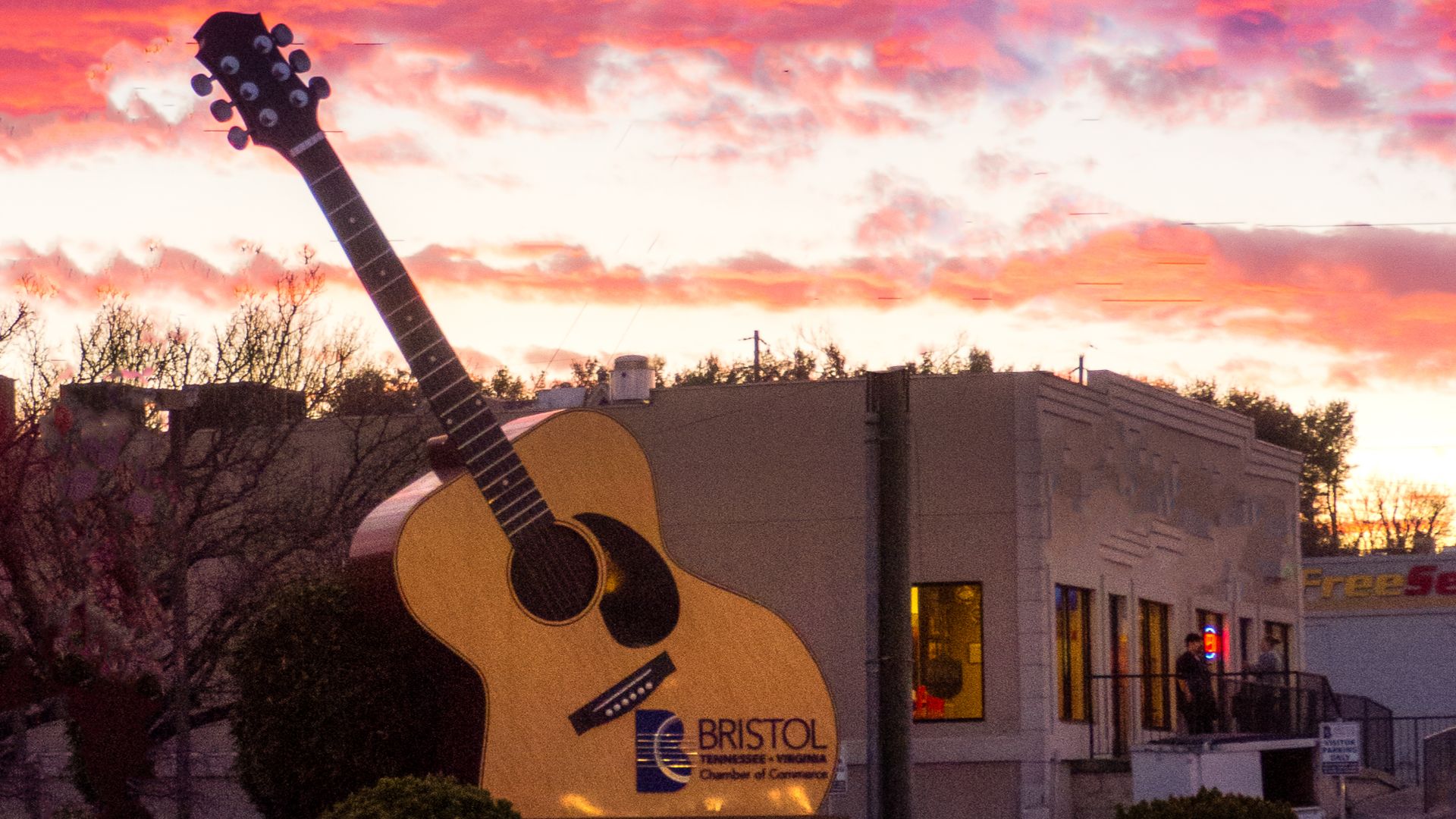
Bristol's contributions were officially recognized by Congress in 1998, when the Tennessee-Virginia community received the designation "Birthplace of Country Music." Today, the Birthplace of Country Music Museum in Bristol, Virginia, tells that story through exhibits, recordings, and displays exploring the region's musical heritage.
There's Even A Historic Movie Palace
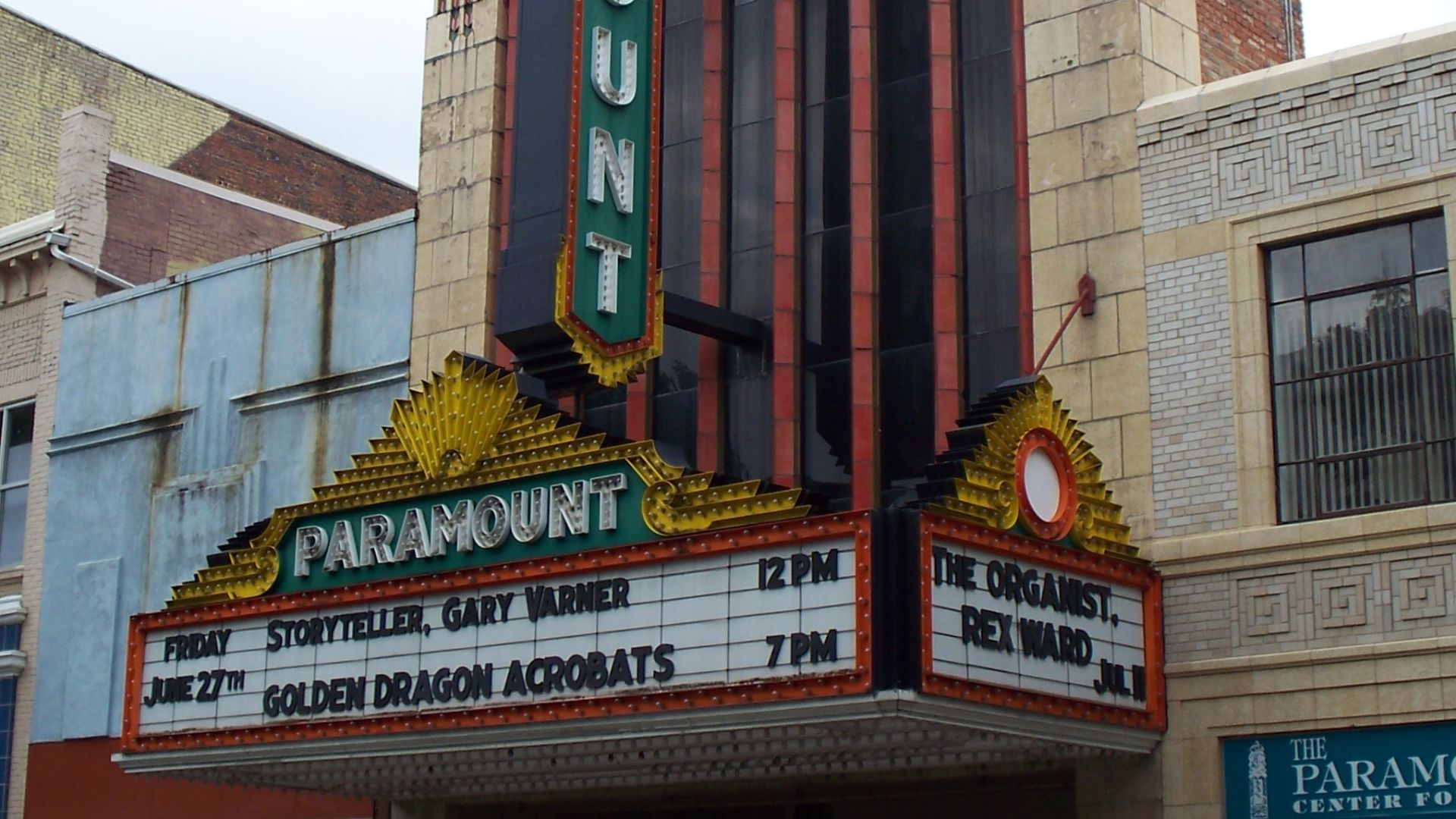
Visitors strolling along State Street will discover another Bristol treasure: the Paramount Bristol theater. Opened in 1931, this elegant Art Deco venue entertained generations of moviegoers. The restored landmark now hosts concerts and performances, preserving the atmosphere of the grand movie palaces of yesteryear.
NASCAR Fans Know Bristol Too
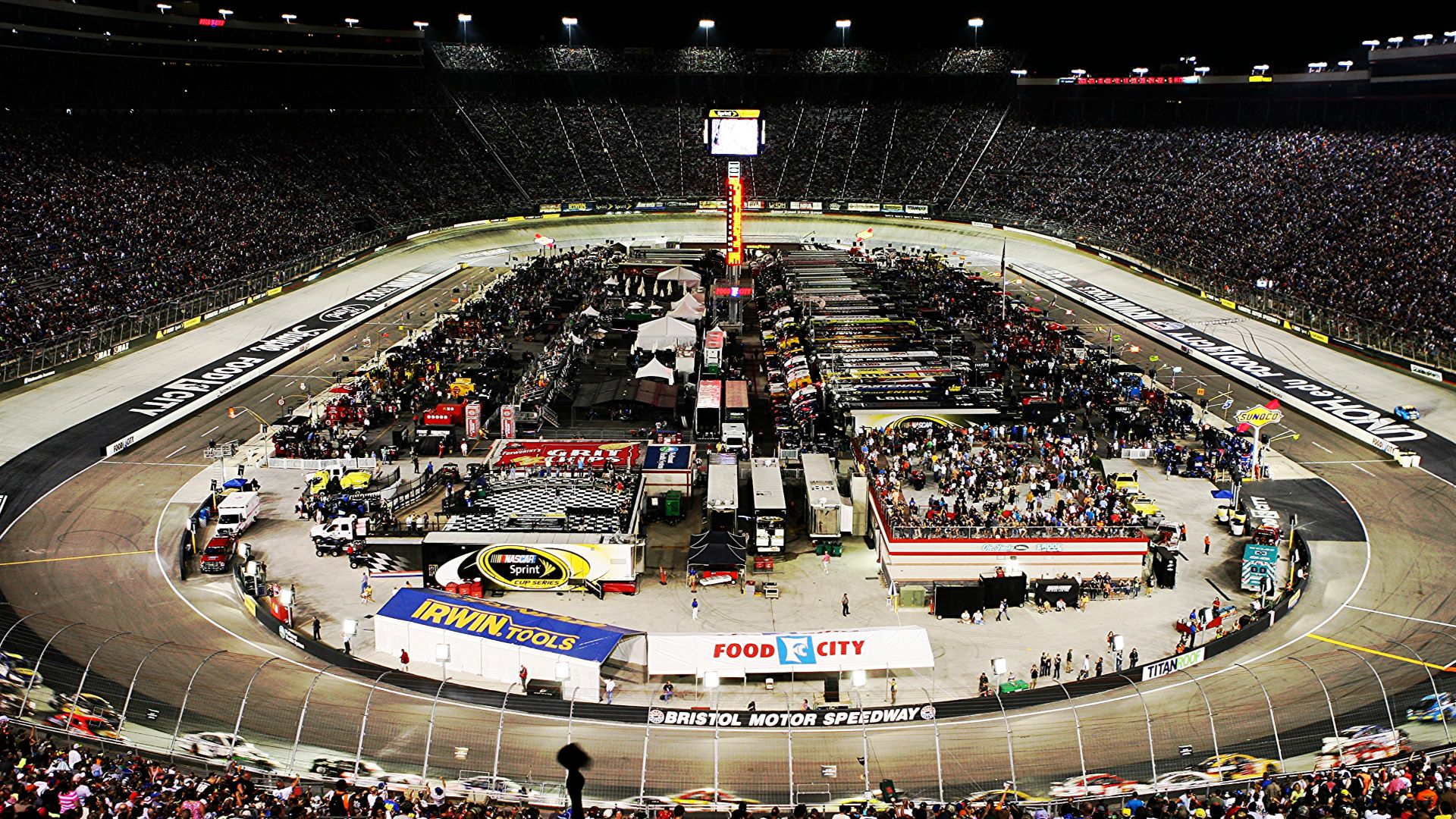
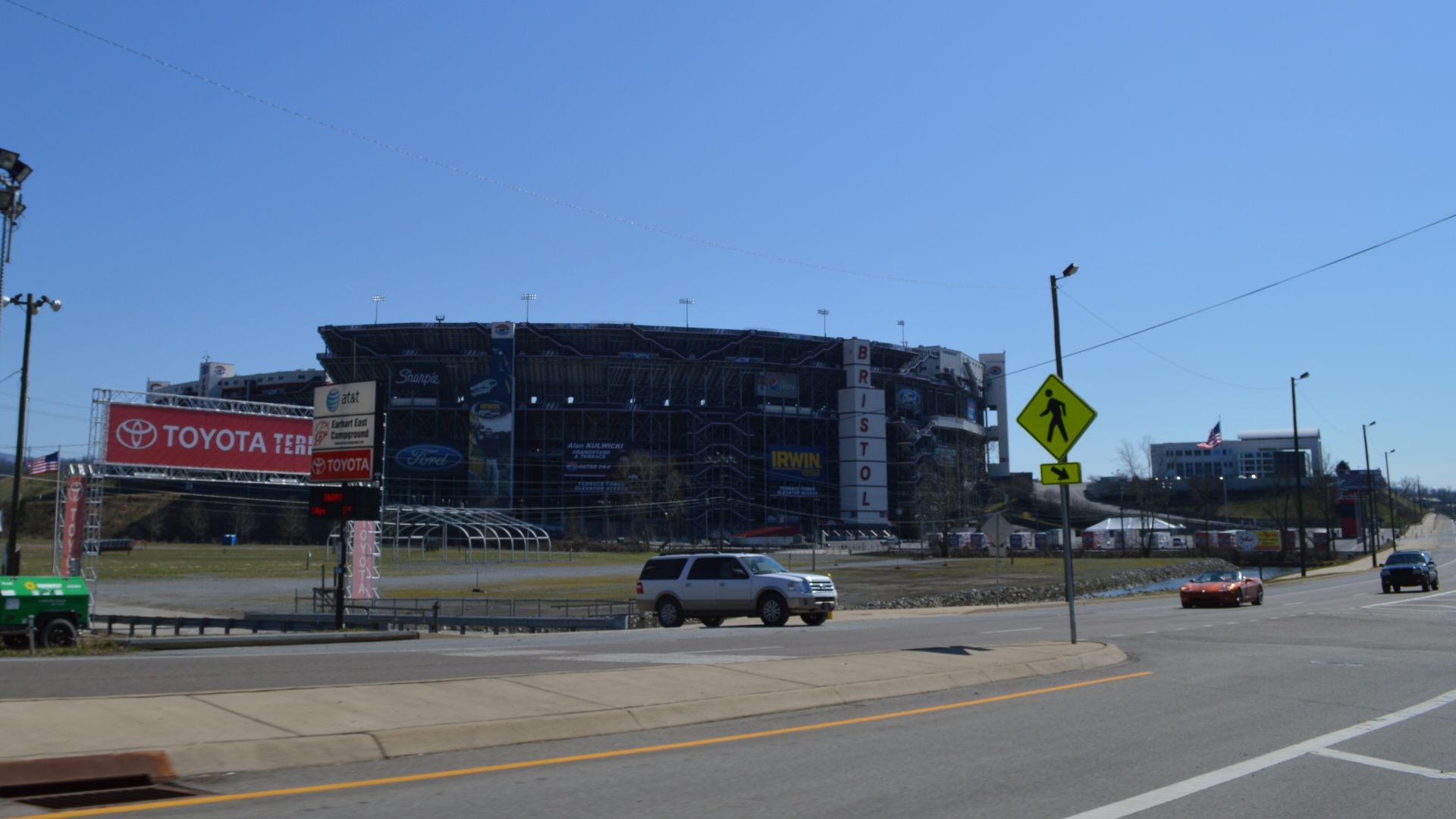
For Baby Boomers who grew up watching stock-car racing, Bristol probably sounds familiar for another reason. Bristol Motor Speedway opened in 1961 and became one of NASCAR's celebrated venues. Its steeply banked track and close racing have made the surrounding area a longtime destination for motorsports enthusiasts.
 Raniel Diaz from Corona del Mar, United States, Wikimedia Commons
Downtown Bristol Still Has That Old-Fashioned Charm
State Street continues to attract visitors with its historic buildings, specialty shops, restaurants, and entertainment venues. The downtown district preserves much of its early 20th-century character. It's the sort of place where an afternoon stroll can turn into several hours of browsing and discovering local history.
An Easy Place To Explore On Foot
One of Bristol's greatest attractions is how easily visitors can experience its unusual geography. A walk through the historic downtown offers opportunities to admire the famous sign, explore local businesses, and appreciate the architecture. Best of all, you can visit two states without leaving the neighborhood.
The Border Hasn't Divided Its Identity
Bristol's two municipal governments have frequently worked together on downtown improvements and community initiatives. The State Street revitalization effort that emerged during the 1990s helped strengthen the district. Today, the shared downtown celebrates what connects its communities rather than simply emphasizing the boundary separating them.
 Mike Kalasnik from Fort Mill, USA, Wikimedia Commons
Two States, One Unforgettable Destination
There aren't many places in America where crossing Main Street also means crossing a state border. Yet that's only part of Bristol's appeal. With its railroad history, country music heritage, vintage architecture, and famous illuminated sign, these twin cities offer a road-trip stop worth remembering.
You May Also Like:
Original Oregon Trail Wagon Ruts You Can Still See From Public Trails
Awe-Inspiring American Land Art That Could You Could Never Experience In A Museum