These Aren’t The Same Thing As Dark Sky Parks
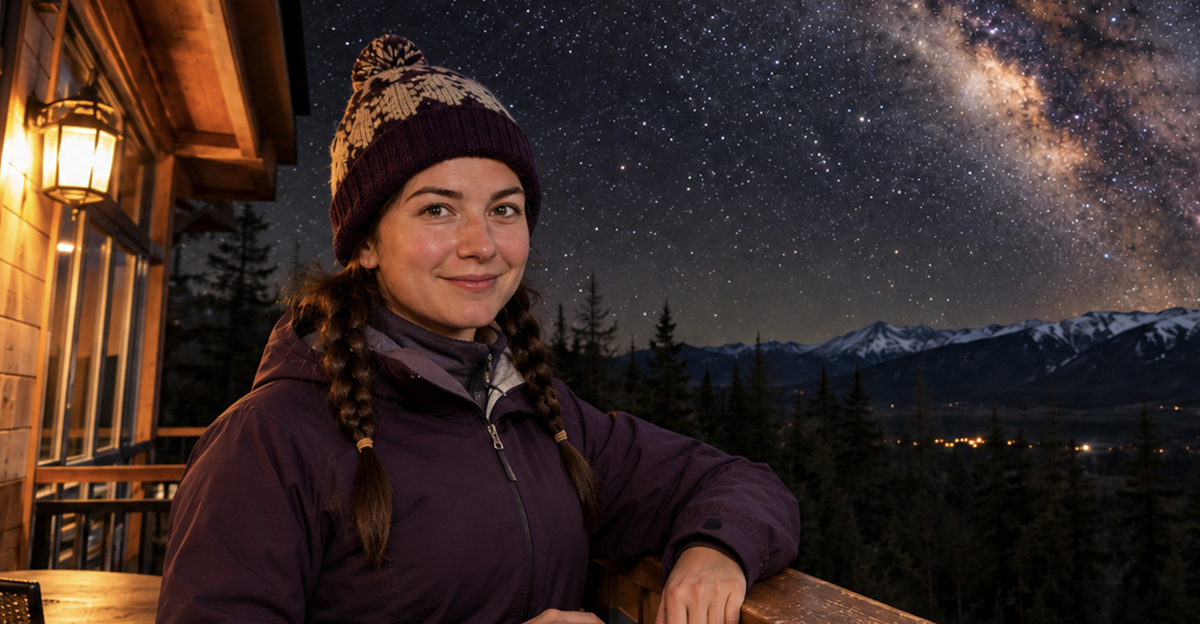
The best stargazing destinations aren’t always isolated patches of wilderness. Some are real towns where dark skies have become part of the local identity. Dark Sky Communities are officially recognized places that protect the night through thoughtful lighting and community-wide policies, setting them apart from Dark Sky Parks, Reserves, and Sanctuaries. For travelers, that means you can explore all day and still have something spectacular waiting overhead after dark.
Flagstaff, Arizona
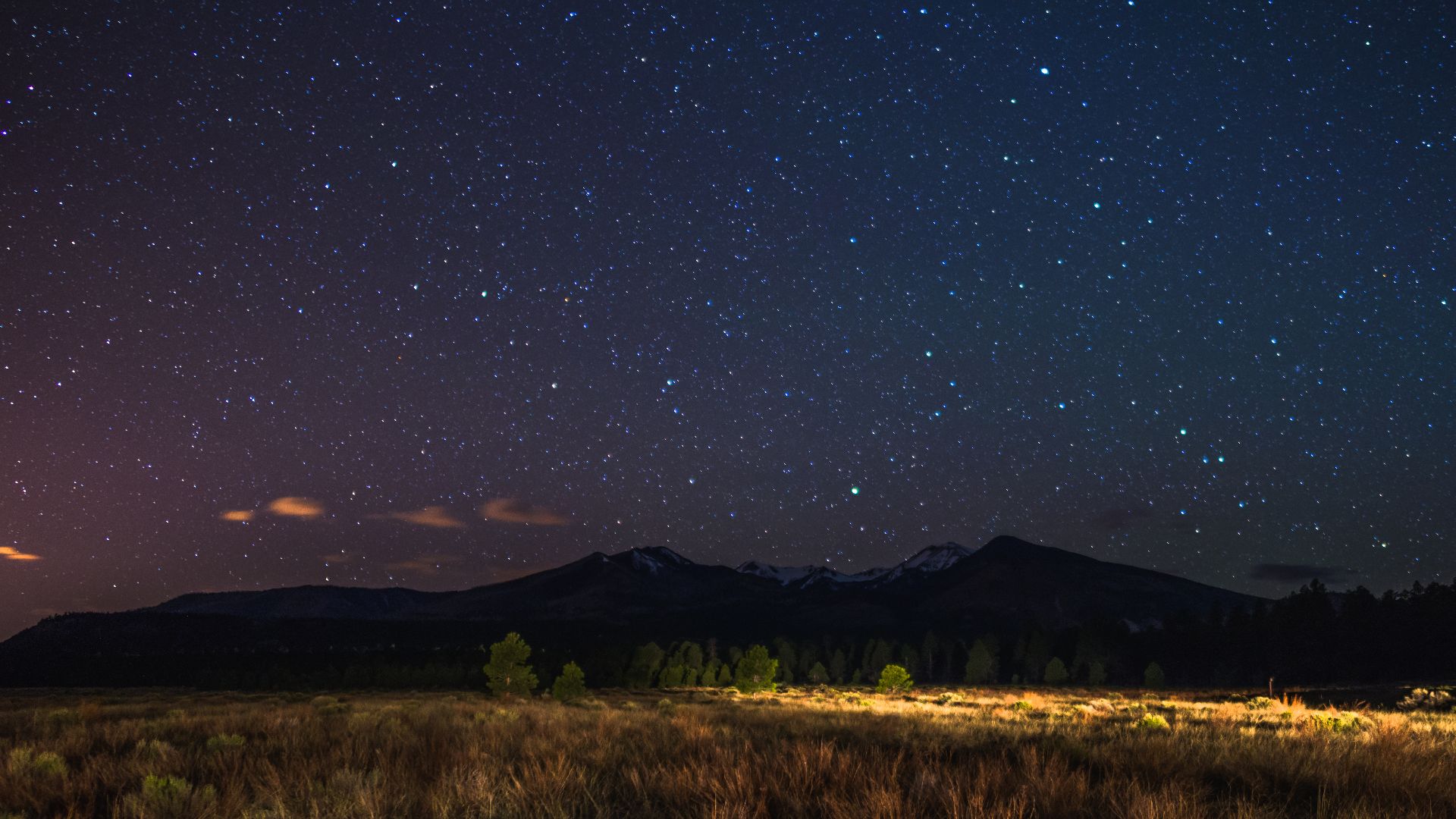
Flagstaff started this whole idea. In 2001, it became the world’s first International Dark Sky Community, building on lighting protections that stretch back to 1958. Stargazing is practically part of the city’s identity, helped by Lowell Observatory and the US Naval Observatory nearby. You don’t have to drive far beyond town to find darker skies, although surrounding forests make it easy to escape even more light. Summer and early fall are especially comfortable, while winter can deliver brilliantly clear skies if you’re prepared for snow and cold.
 Coconino National Forest, Wikimedia Commons
Sedona, Arizona
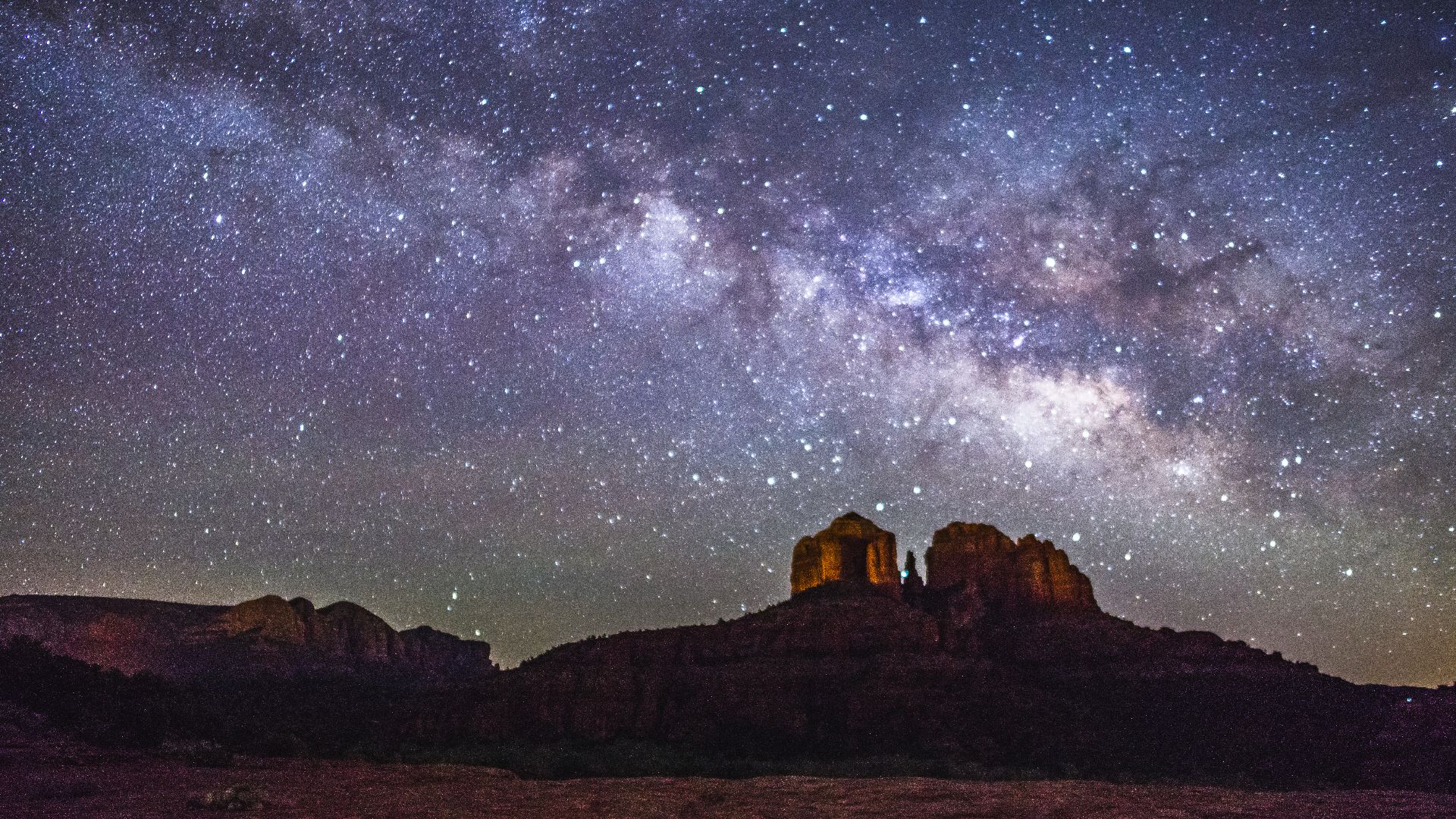
Sedona’s famous red-rock formations become even more dramatic once the landscape turns into a silhouette beneath the Milky Way. The city has protected its nighttime environment despite being one of Arizona’s busiest tourism destinations. Official stargazing spots include the Baldwin, Aerie, Centennial, and Thunder Mountain trailheads, along with Beaverhead Flat Scenic Overlook. Spring and fall combine pleasant nighttime temperatures with plenty of daytime hiking. Summer offers excellent Milky Way viewing too, though afternoon monsoon storms can complicate plans.
 Coconino NF Photography, Wikimedia Commons
Borrego Springs, California
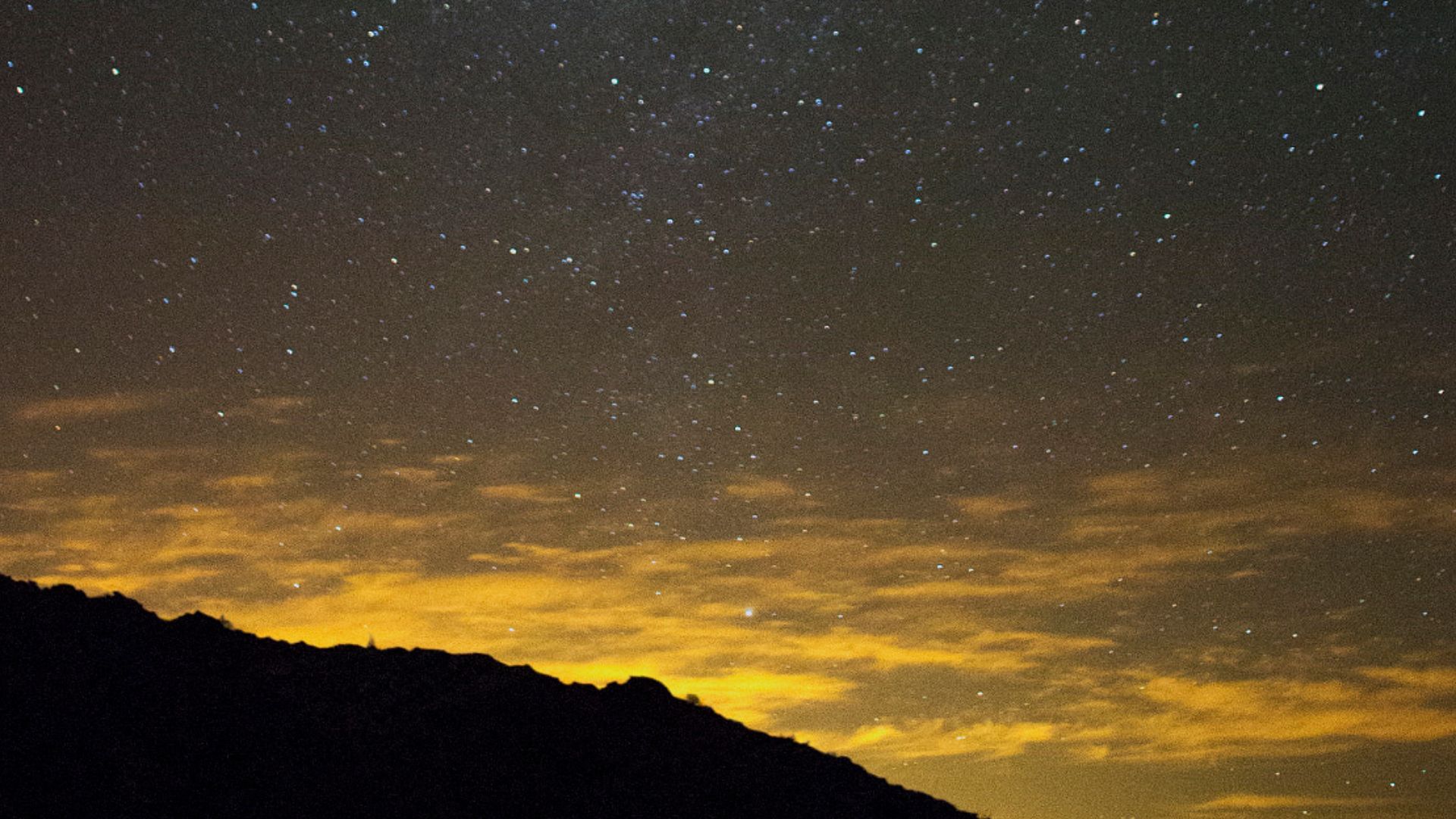
Borrego Springs is surrounded by the enormous Anza-Borrego Desert State Park, which gives this little desert community a huge buffer from major city lights. It has long attracted amateur astronomers and astrophotographers, and the open desert makes finding a broad horizon easy. Winter is probably the most comfortable time for a dedicated stargazing trip, with mild days and chilly but manageable nights. Spring can be excellent too, especially if desert wildflowers happen to be putting on a show before the stars come out.
 Jason Amunwa, Wikimedia Commons
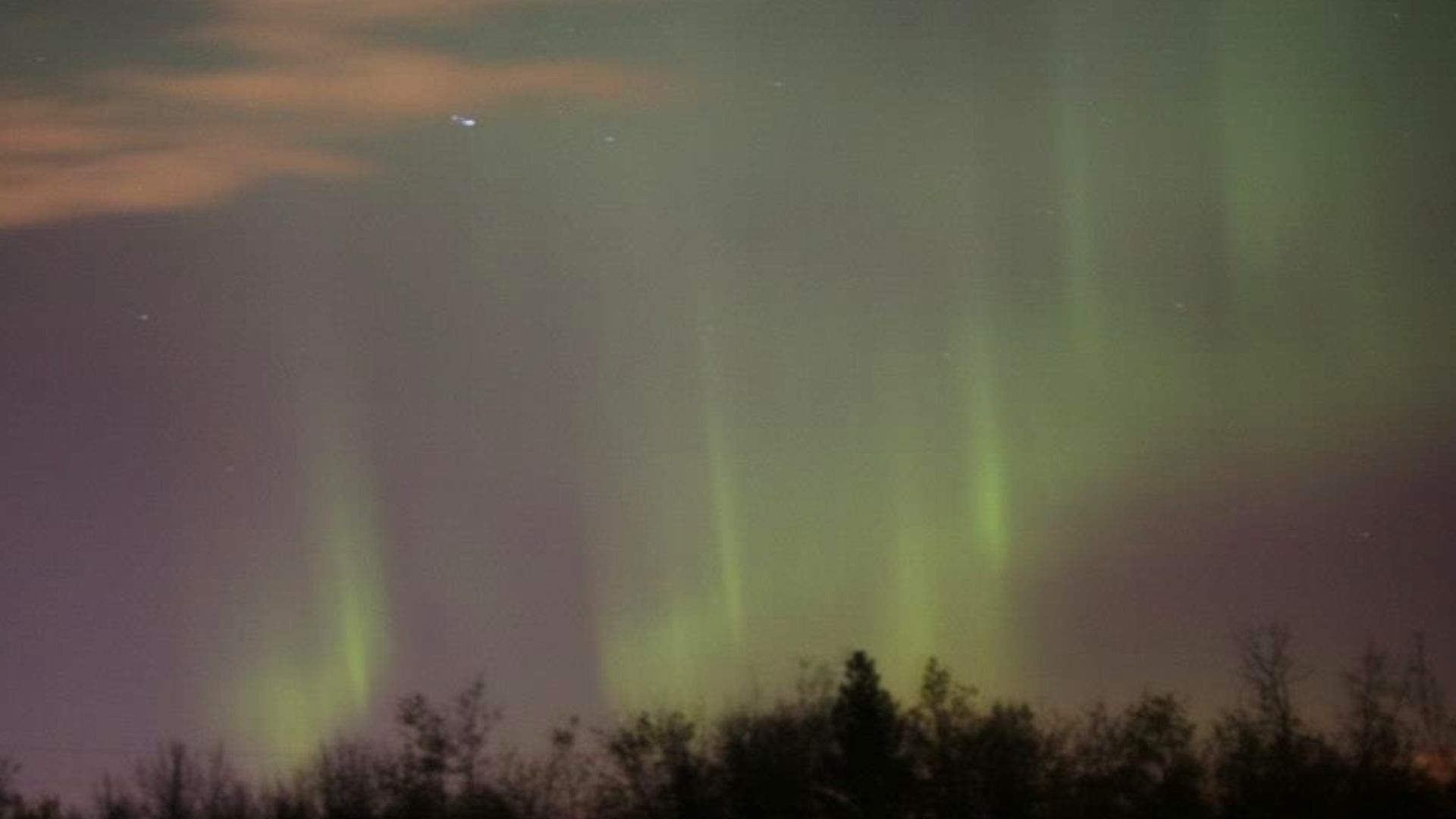
Bon Accord, Alberta
Bon Accord became Canada’s first International Dark Sky Community, and its location roughly 40 kilometers north of Edmonton makes it surprisingly easy to reach. Prairie horizons provide broad views of the sky, while sufficiently strong geomagnetic activity can occasionally add the northern lights to the show. Autumn through early spring gives you longer darkness and better aurora potential, but that also means colder nights. Summer is much warmer, although Alberta’s far-northern latitude leaves relatively little full darkness around the longest days of the year.
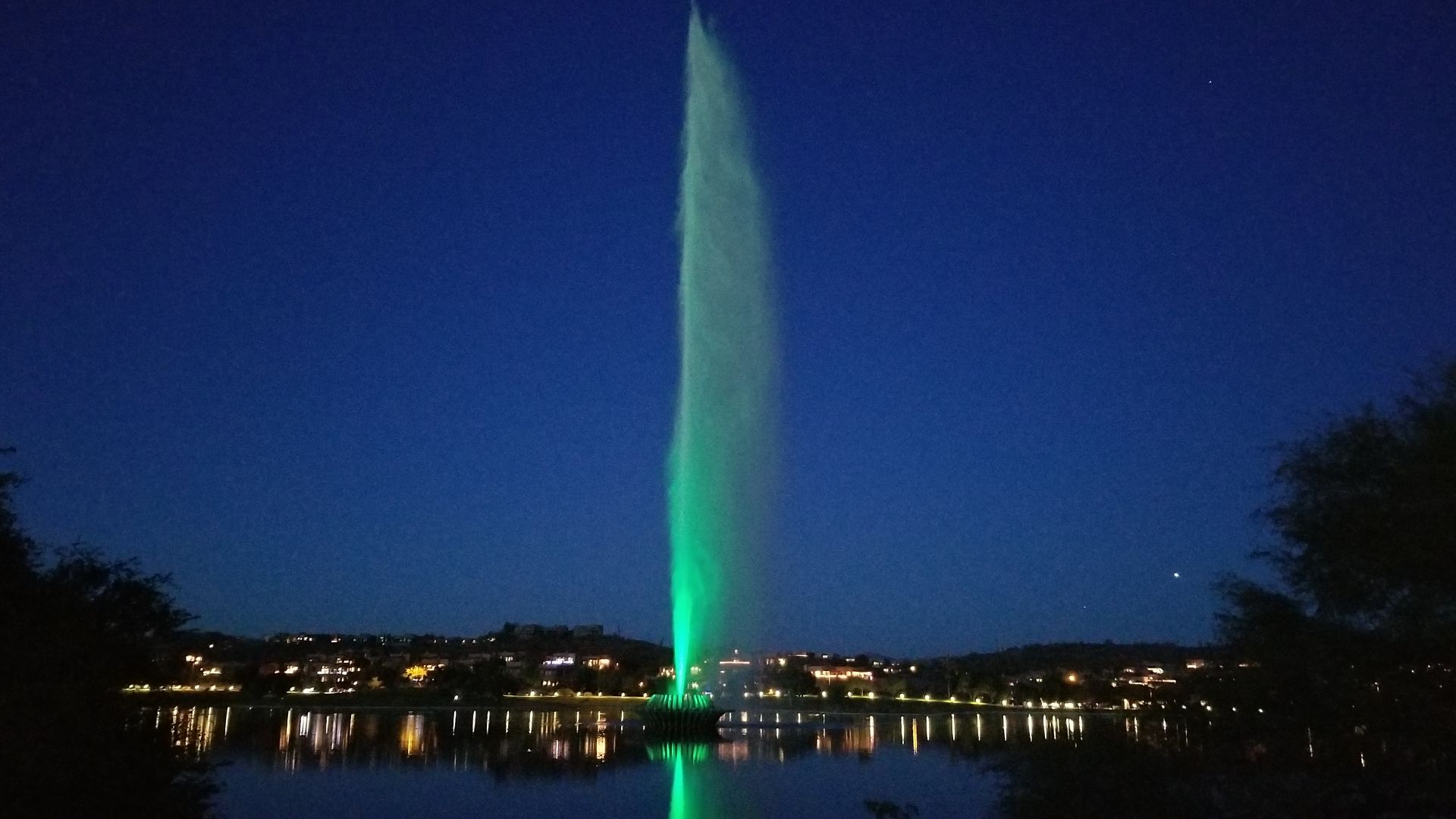
Fountain Hills, Arizona
What makes Fountain Hills interesting is how close it sits to metropolitan Phoenix. You’re not getting the isolation of a remote desert park, but nearby mountains help block some urban glow, allowing surprisingly dark nights for a community on the edge of a huge city. The giant fountain and surrounding McDowell Mountain scenery give you plenty to do during the day. For stargazing, cooler fall through spring nights are easiest. On favorable nights, even the Milky Way can still make an appearance despite Phoenix glowing in the distance.
 BowenLarsen, Wikimedia Commons
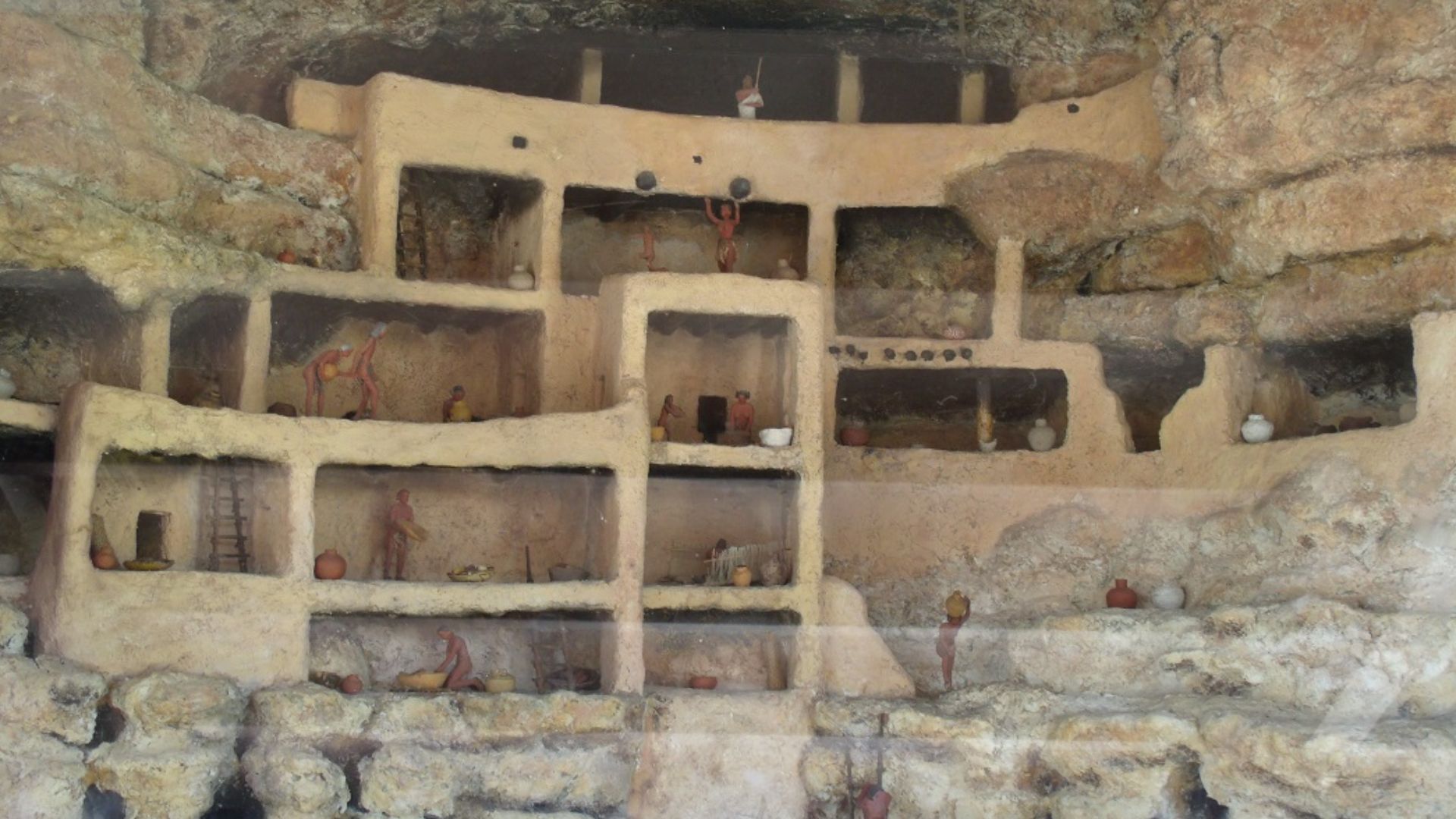
Camp Verde, Arizona
Camp Verde makes a good alternative for travelers who want northern Arizona scenery without basing themselves in busier Sedona or Flagstaff. The Verde Valley community sits near Montezuma Castle National Monument, trails, river scenery, and several outdoor recreation areas. Rockin’ River Ranch State Park also hosts star parties, giving visitors a more structured way to experience the night sky. Spring and fall are comfortable for both hiking and evening astronomy, while summer nights stay warmer if you don’t mind Arizona’s monsoon season.
 Tony the Marine (talk), Wikimedia Commons
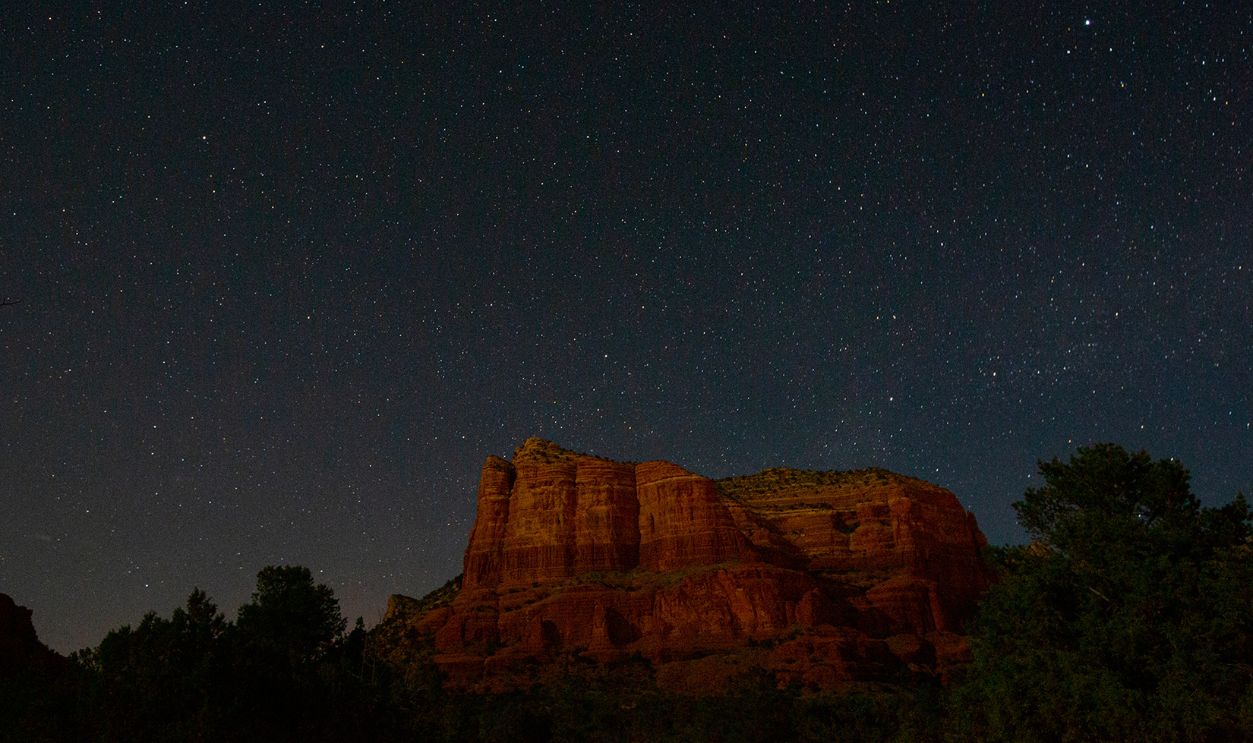
Village Of Oak Creek, Arizona
Officially listed by DarkSky as Big Park/Village of Oak Creek, this community sits just south of Sedona and shares much of the same spectacular red-rock scenery without quite as much bustle. Bell Rock and Courthouse Butte dominate the daytime landscape, while darker areas just outside the village open up after sunset. Beaverhead Flat Scenic Overlook is only a short drive away and offers an especially broad view of the sky. Visit in spring or fall for comfortable evenings and fewer weather complications than midsummer.
Torrey, Utah
Torrey is only about eight miles from Capitol Reef National Park, making it one of the easiest places on this list to combine a Dark Sky Community with a certified Dark Sky Park. Spend the day exploring Capitol Reef’s cliffs, canyons, orchards, and scenic drives, then stay outside after sunset. Torrey itself has deliberately reduced unnecessary outdoor lighting to help protect the park’s nightscape. Late spring through early fall offers the warmest nights, although September and October can be especially pleasant once summer heat and crowds ease.
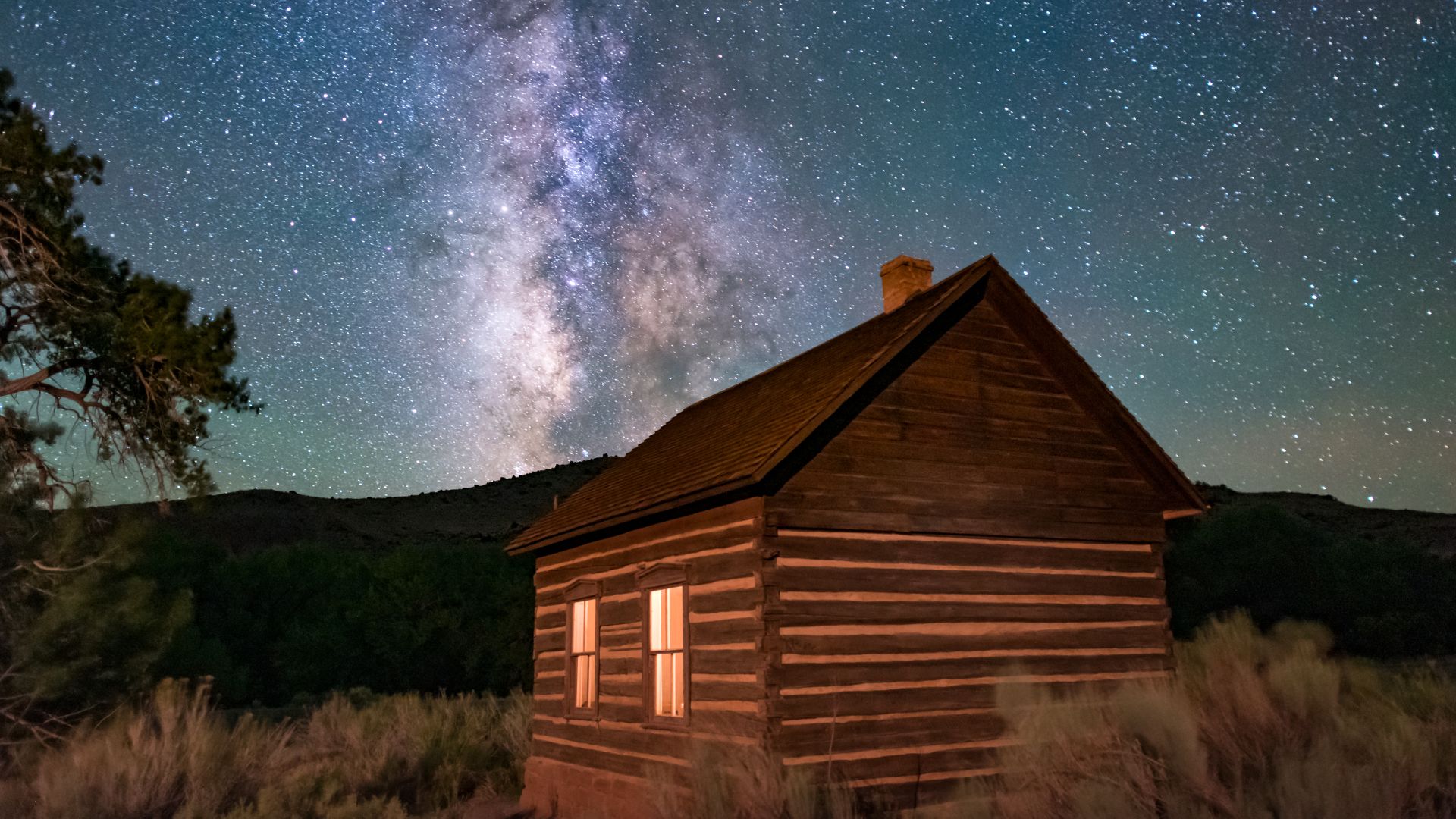 InDancingLight, Wikimedia Commons
Moab, Utah
Moab would already be one of America’s great stargazing bases even without its community certification. Arches National Park, Canyonlands National Park, and Dead Horse Point State Park are all certified Dark Sky Parks nearby. Popular night-sky locations include Panorama Point and the Windows area in Arches, plus wide-open overlooks in Canyonlands. The Milky Way’s bright core is easiest to catch during warmer months, particularly summer. Spring and fall, however, bring more comfortable daytime temperatures if your trip includes plenty of hiking.
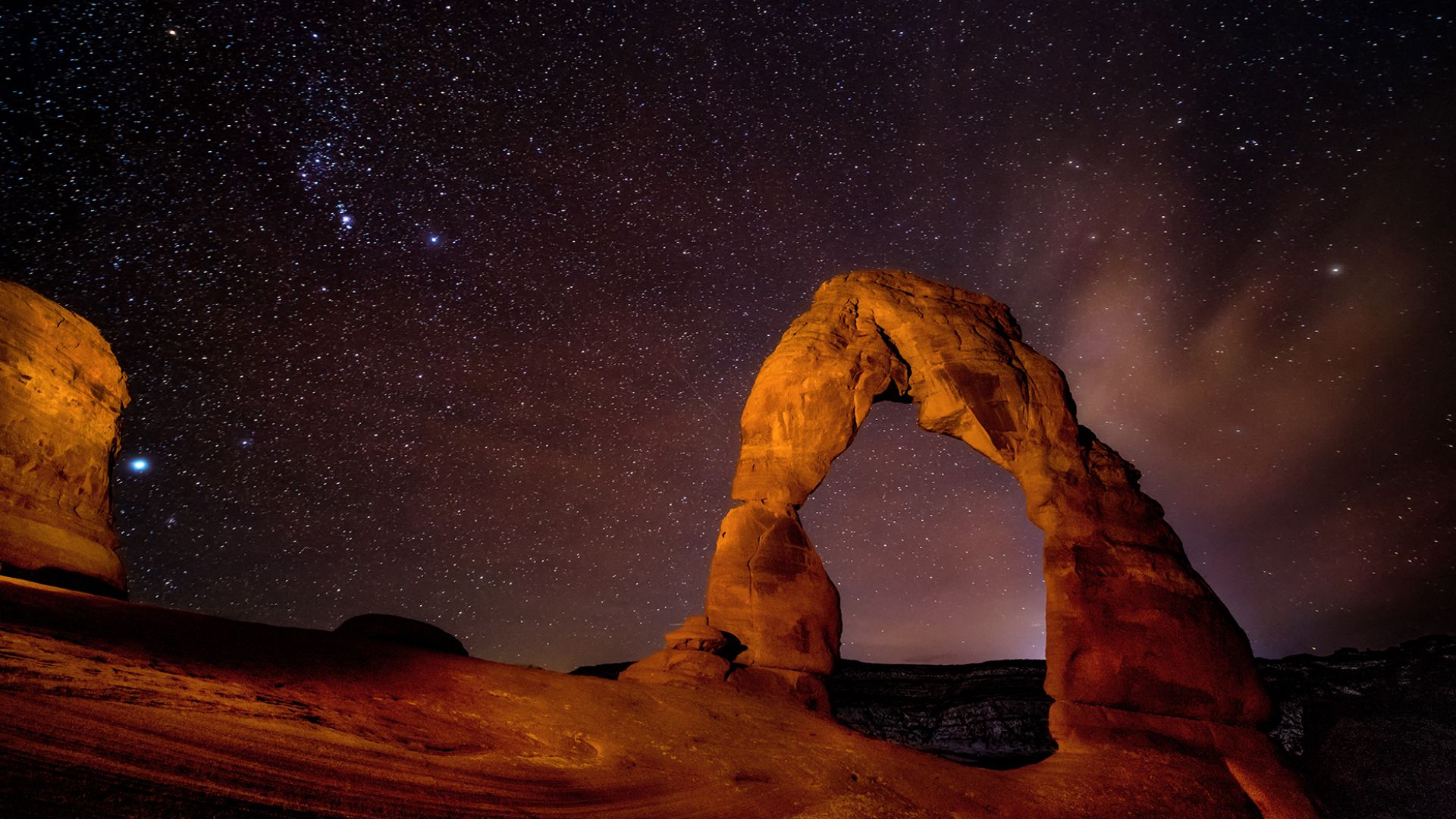 Charles Knowles from Meridian Idaho, USA, Wikimedia Commons
Springdale, Utah
Springdale sits directly outside Zion National Park, so this is another case where the town and neighboring protected landscape work together. Zion is itself a certified Dark Sky Park, while Springdale has adopted lighting rules designed to keep the canyon entrance from glowing all night. You can hike Zion during the day, return to town for dinner, then head back outside once darkness settles over the cliffs. Spring and fall are excellent times to visit, with cooler hiking weather and comfortable evenings compared with midsummer.
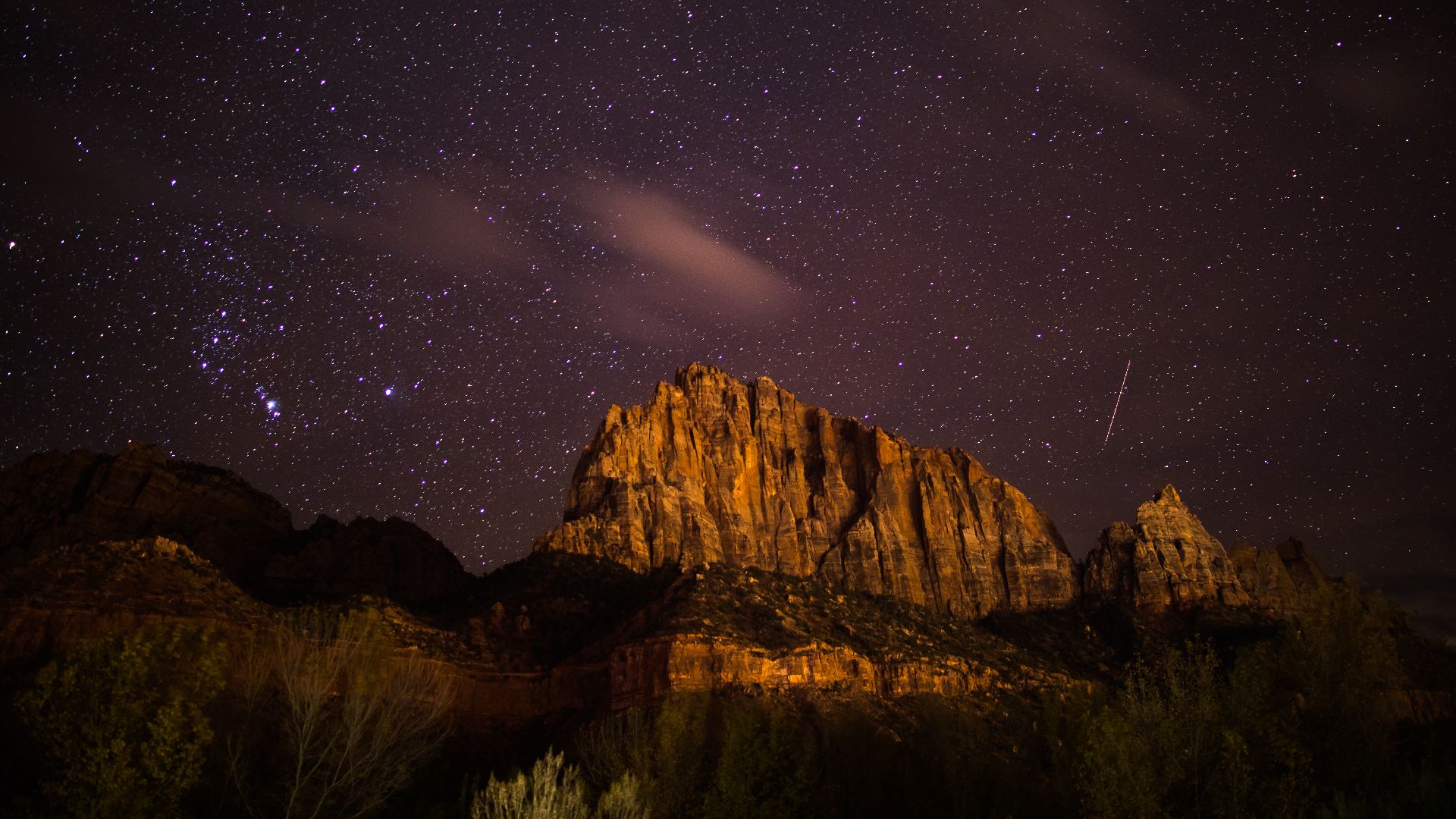 Anubhav Saxena anubhav, Wikimedia Commons
Bluff, Utah
Tiny Bluff sits among some of southeastern Utah’s most striking desert scenery, with Twin Rocks rising above town and the San Juan River nearby. It’s also surrounded by an extraordinary cluster of night-sky destinations, including Natural Bridges National Monument, Goosenecks State Park, and Hovenweep National Monument. Bluff has hosted star parties featuring telescope viewing, constellation tours, and Indigenous star stories. Spring and fall are easiest for comfortable nights, while summer offers excellent Milky Way viewing if you can handle the daytime heat.
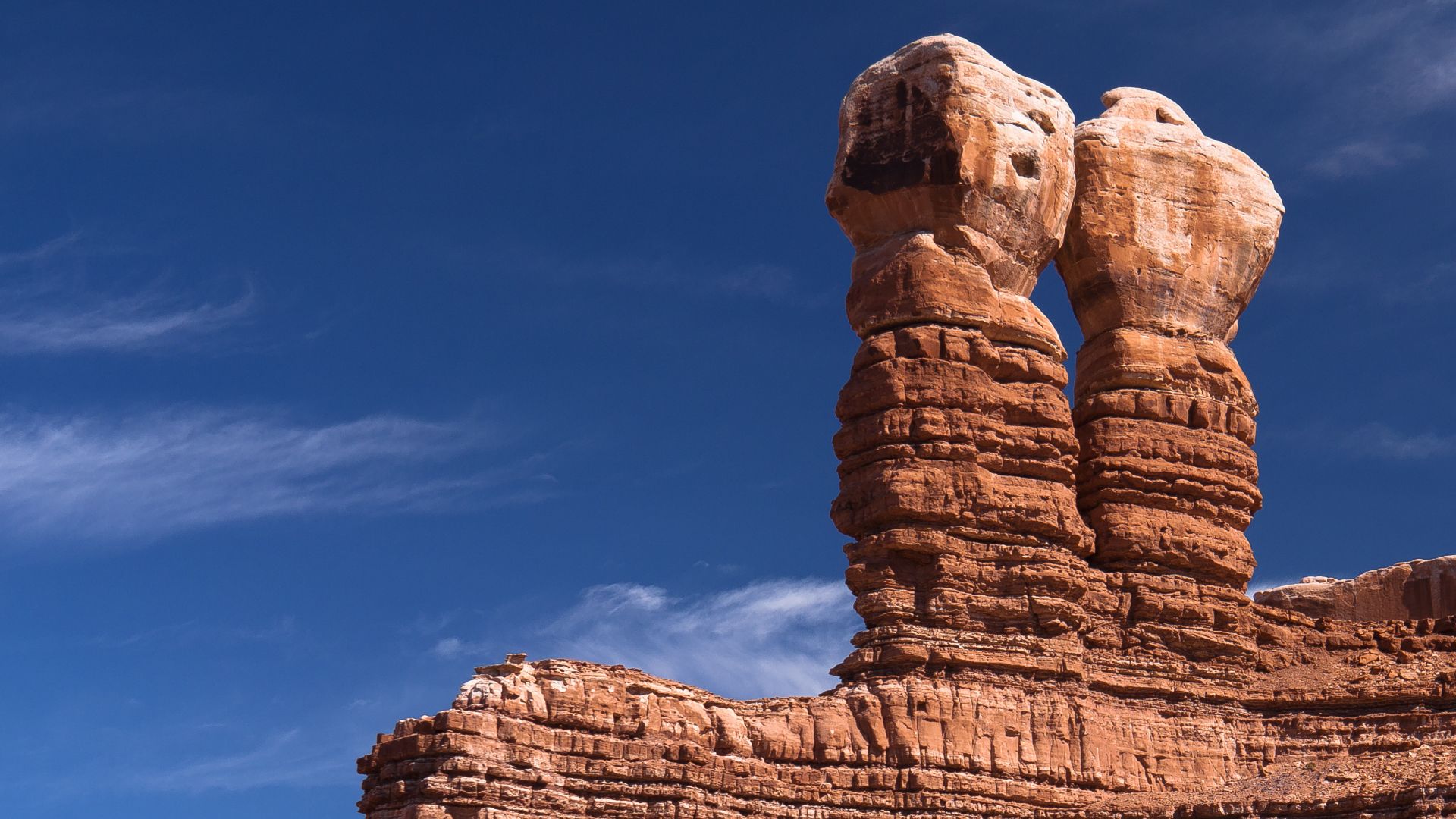 Andrew Smith from Seattle, WA, USA, Wikimedia Commons
Westcliffe And Silver Cliff, Colorado
These neighboring towns share one Dark Sky Community designation and sit in the Wet Mountain Valley beneath the Sangre de Cristo Mountains. The setting is spectacular even before darkness arrives. Once it does, the Smokey Jack Observatory in Westcliffe becomes a major draw, hosting public and reservable star parties around a powerful telescope. The observatory generally operates during the warmer part of the year, making May through September the easiest period to plan around. Mountain nights can become cold surprisingly quickly, even in summer.
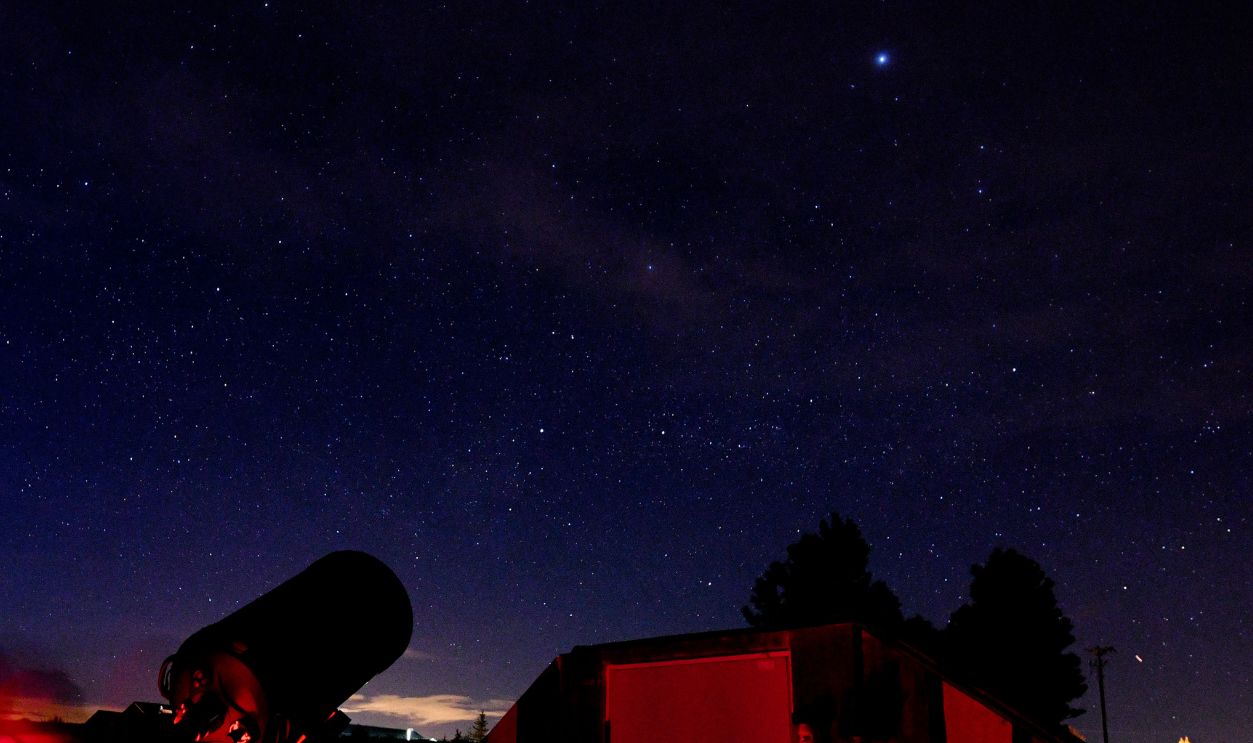 Hyoung Chang/MediaNews Group/The Denver Post, Getty Images
Crestone, Colorado
Crestone is tiny, remote, and tucked against the Sangre de Cristo Mountains at the edge of the vast San Luis Valley. It’s already unusual during the day, thanks to its reputation as a spiritual center filled with retreat centers, temples, stupas, and monasteries representing several traditions. After sunset, the sparse population and surrounding open land become the main attraction. Summer through early fall is easiest for nighttime viewing, while winter can deliver exceptionally crisp skies if you’re willing to deal with serious mountain cold.
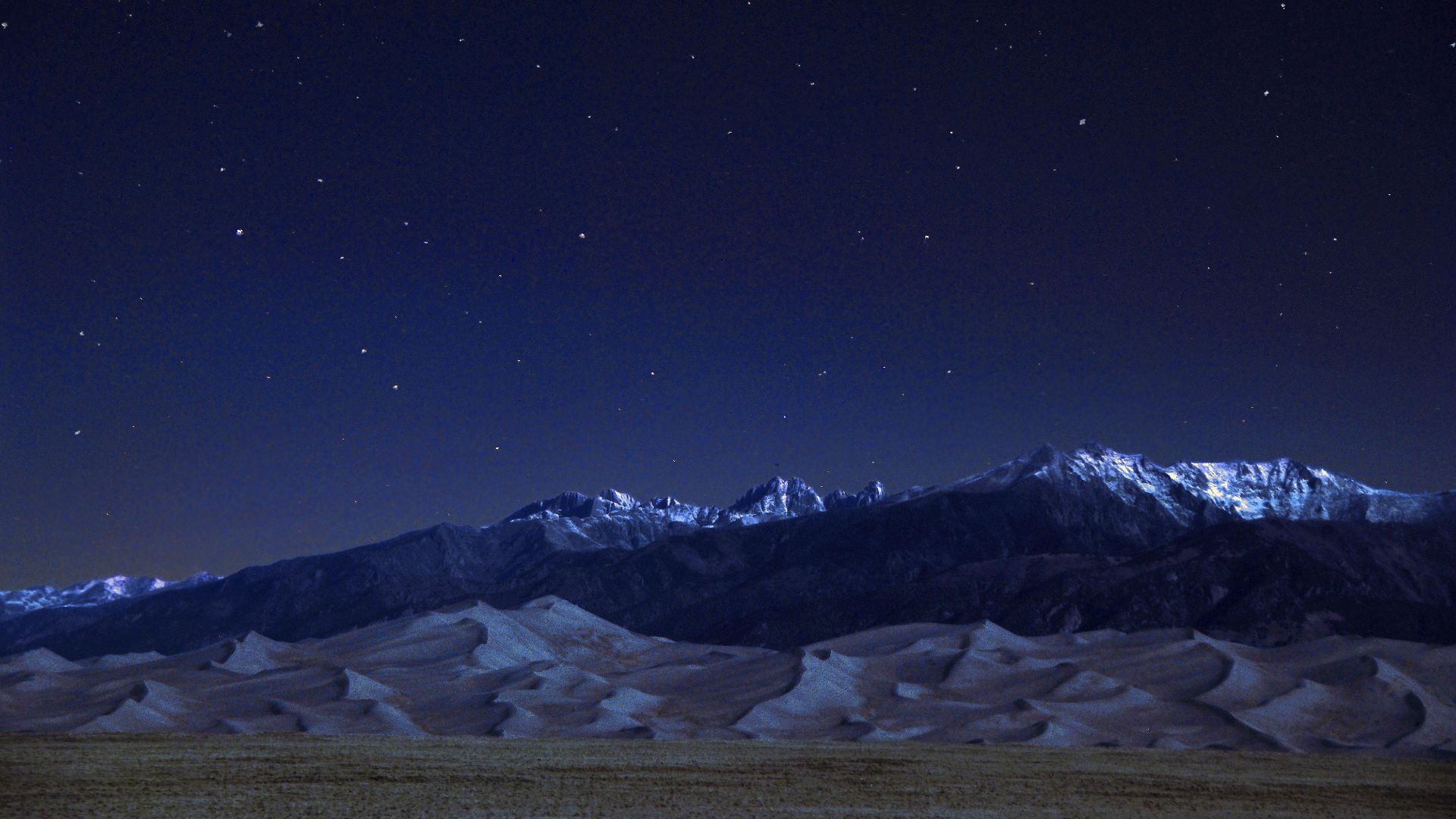 Great Sand Dunes National Park and Preserve, Wikimedia Commons
Breckenridge, Colorado
Breckenridge proves that a busy ski destination can still take night-sky protection seriously. At roughly 9,600 feet above sea level, the town already benefits from high elevation and mountain surroundings. Suggested stargazing spots include the Sawmill Museum area, Gold Run Nordic Center, and Discovery Hill. Winter visitors can combine skiing with long dark evenings, although temperatures can be brutal. For a more comfortable stargazing trip, summer and early fall offer hiking, mountain biking, and clear alpine nights without the need for quite so many layers.
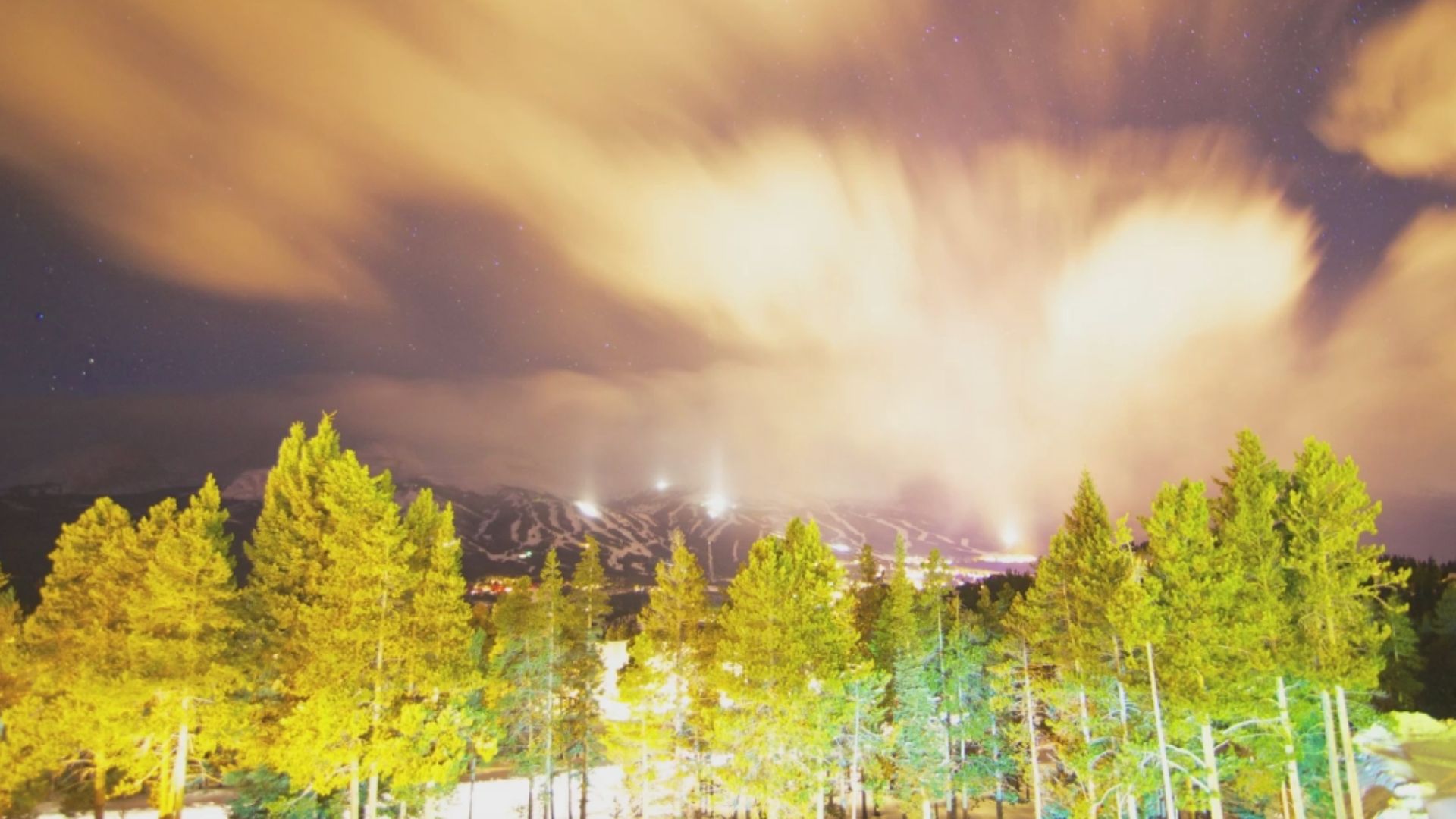 Zach Dischner, Wikimedia Commons
Norwood, Colorado
Norwood sits on Wright’s Mesa at around 7,000 feet, surrounded by mountains, plateaus, ranchland, and remarkably little development. Its dry high-desert climate creates plenty of clear nights, while distant urban lights are largely screened by the terrain. This is the kind of place where you don’t necessarily need a famous viewing platform because the sky can be impressive right from town. Late spring through early fall offers the easiest combination of dry roads, tolerable nighttime temperatures, and plenty of daylight for exploring southwestern Colorado.
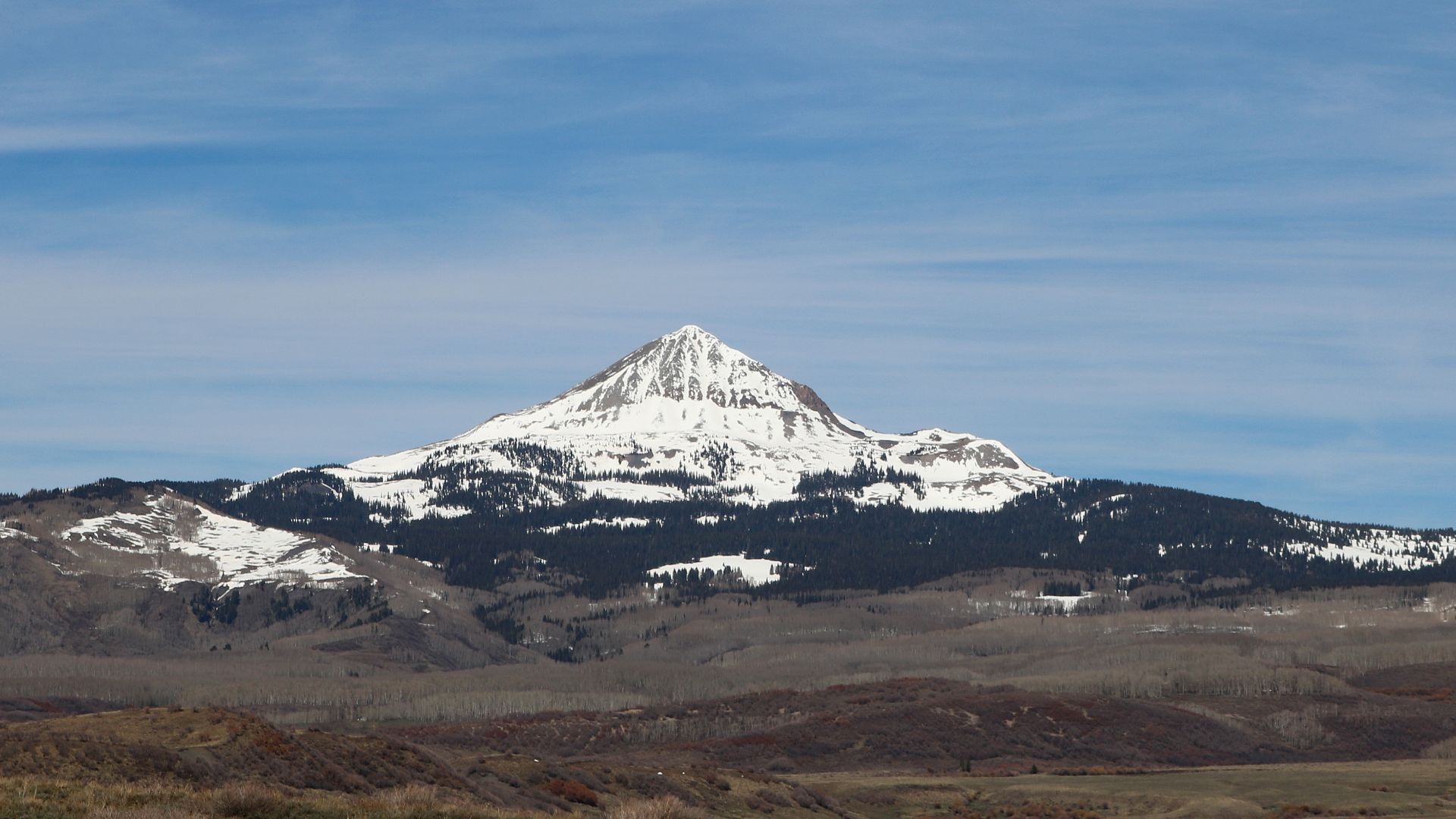 Jeffrey Beall, Wikimedia Commons
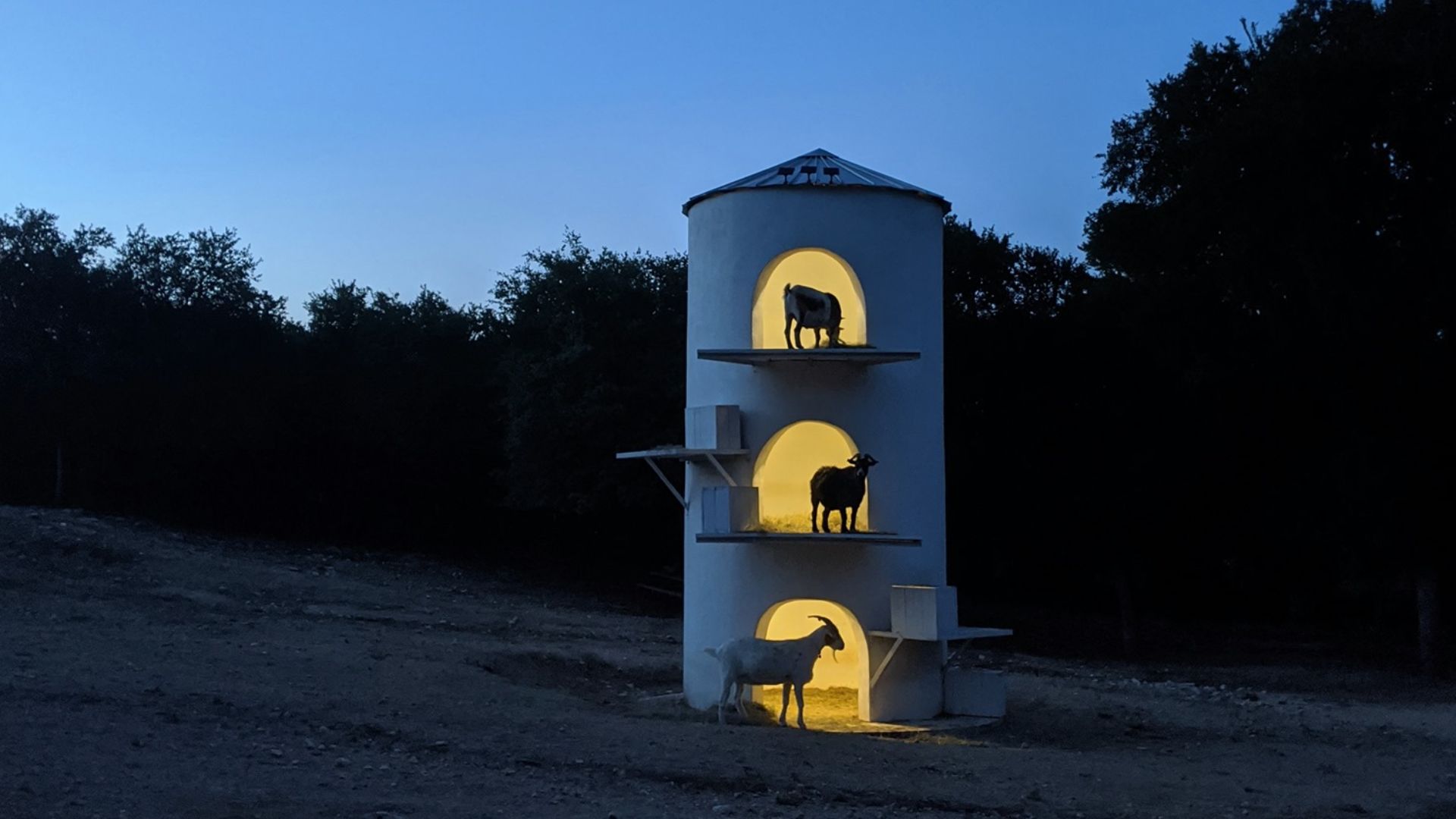
Dripping Springs, Texas
Dripping Springs became Texas’ first International Dark Sky Community, an especially notable achievement given how quickly the Austin region has grown around it. The town sits in the Hill Country, where ranches, limestone landscapes, swimming holes, breweries, and wineries make it easy to build a whole weekend around the nighttime experience. Fall through spring is generally the most comfortable period for stargazing, since Texas summers can stay hot long after sunset. A new moon weekend makes an especially big difference this close to a major metro area.
 Maggieworld, Wikimedia Commons
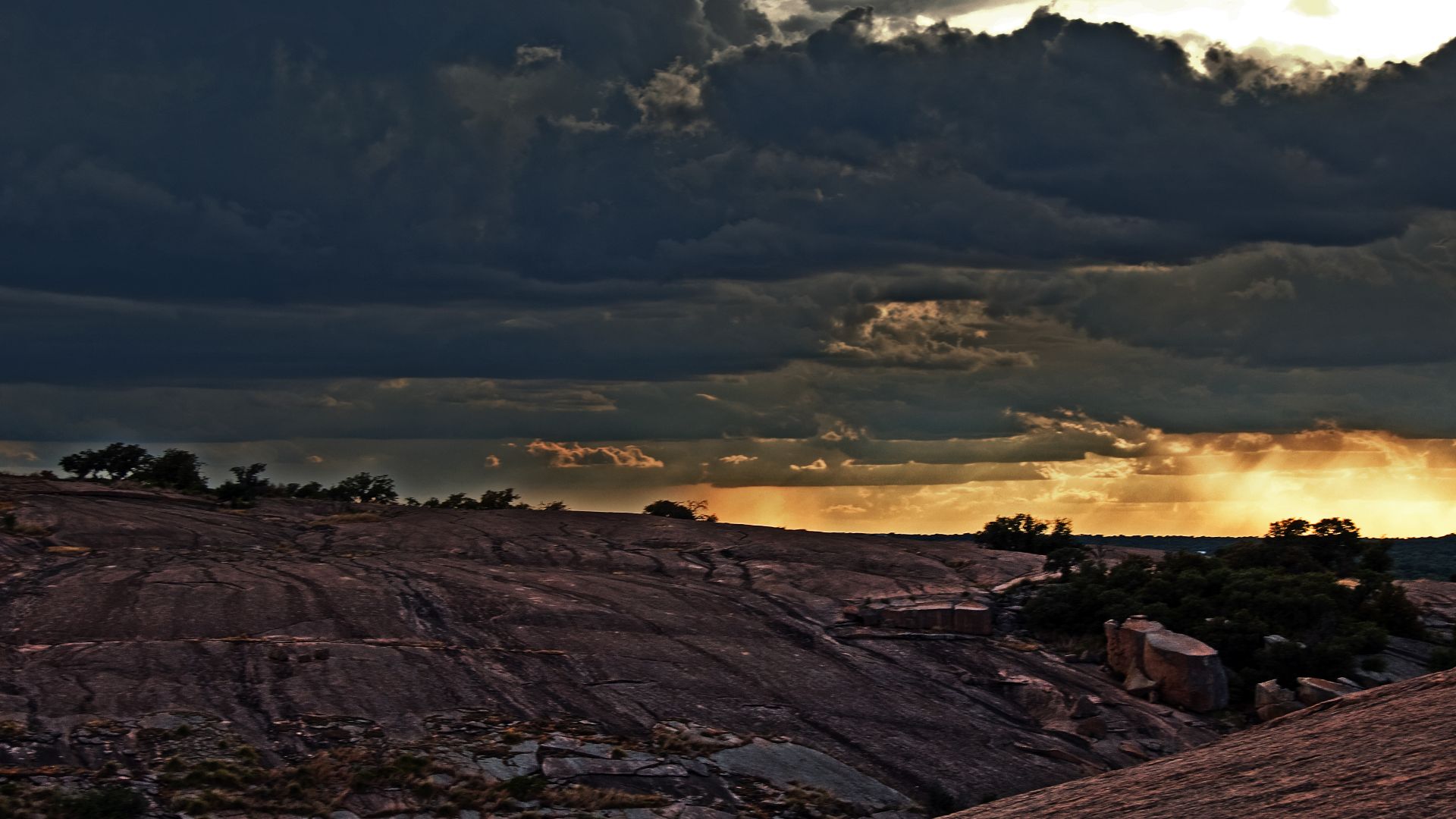
Fredericksburg, Texas
Fredericksburg gives stargazers an unusually strong combination of dark skies, German-Texan history, restaurants, wineries, and nearby protected landscapes. Enchanted Rock State Natural Area is a certified Dark Sky Park and regularly hosts astronomy programming, while Lyndon B. Johnson National Historical Park has also earned Dark Sky Park status. That gives you multiple places to watch the stars within one trip. Fall through spring usually offers the most comfortable evenings, and reservations are smart if Enchanted Rock is part of your plan.
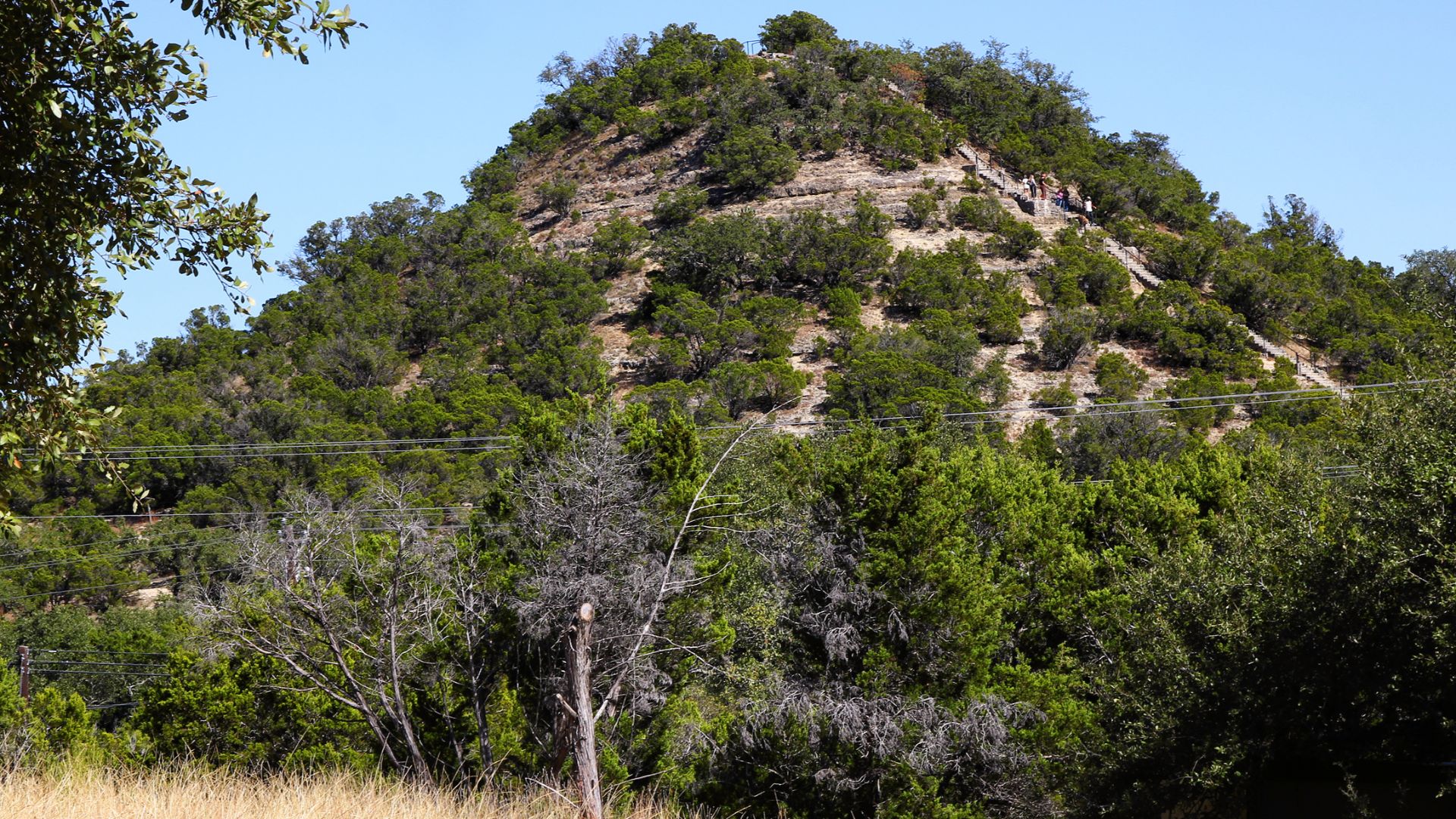
Wimberley Valley, Texas
The Wimberley Valley designation covers both Wimberley and Woodcreek, two Hill Country communities that worked together to protect their shared nightscape. By day, the region is better known for limestone creeks, swimming holes, small shops, galleries, and relaxed weekend getaways. At night, moving a little beyond the village centers reveals why local residents fought to keep unnecessary lighting under control. Spring and fall are particularly appealing, although summer can work if you plan daytime swimming and save your outdoor exploring for after the heat fades.
 Larry D. Moore, Wikimedia Commons
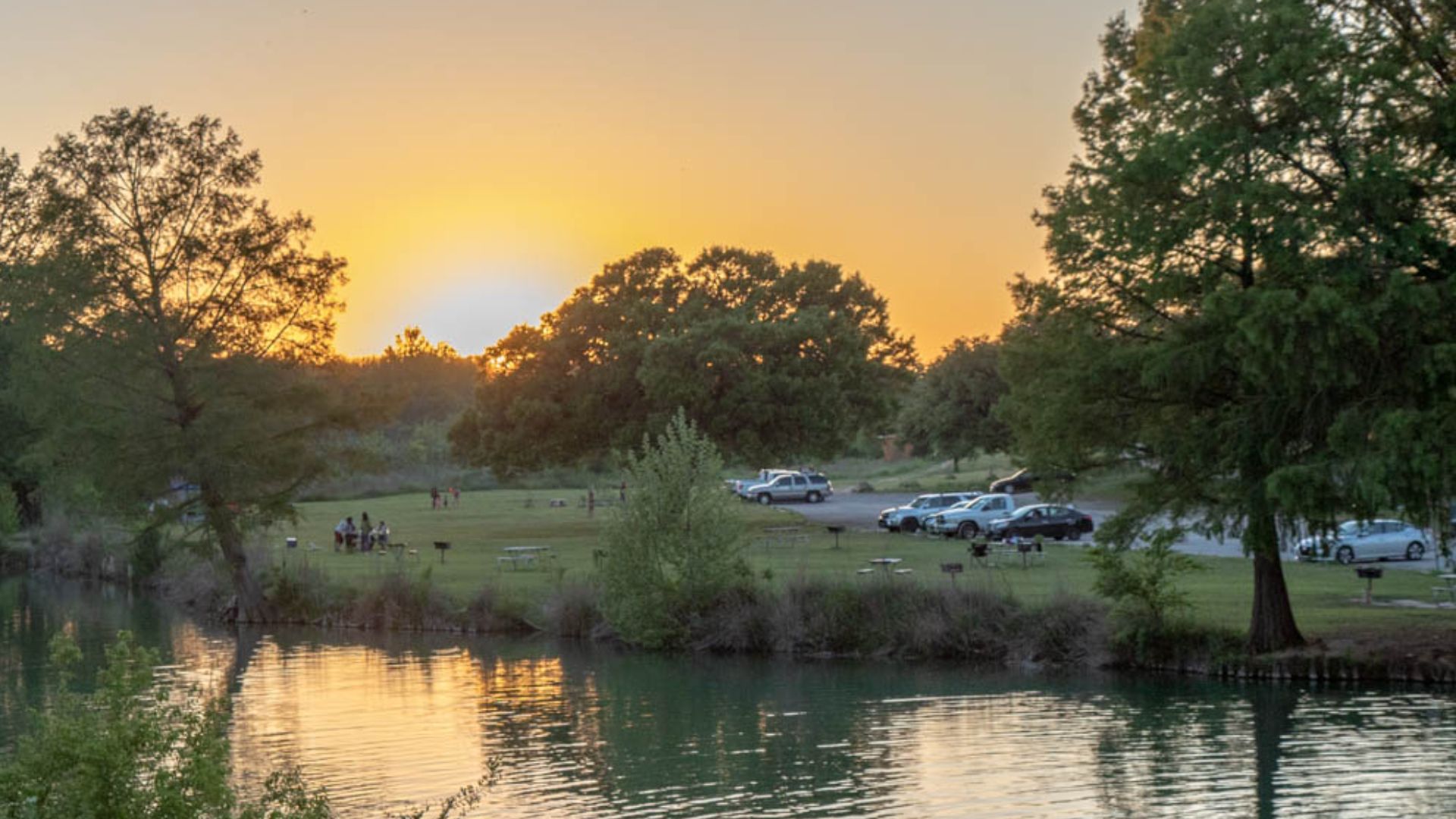
Blanco, Texas
Blanco is a small Hill Country town surrounded by rolling oak-covered landscapes, ranches, rivers, and big open skies. Unlike a remote Dark Sky Park, the appeal here is being able to stay in town, eat locally, explore Blanco State Park or nearby countryside, and then experience noticeably darker nights than you’d expect this close to growing Central Texas. Fall through spring is usually the easiest period for stargazing. Summer works too, but you may appreciate the stars more once the daytime heat finally lets go.
Castle Valley, Utah
Castle Valley sits just northeast of Moab but feels considerably more isolated. Red mesas rise thousands of feet around a sparsely developed valley where minimum lot sizes and long-standing lighting rules have helped keep nighttime illumination low. There’s very little commercial development, which is exactly the point. Travelers can use nearby Moab for restaurants and services, then return to Castle Valley for a quieter experience under the stars. Spring and fall offer comfortable temperatures, while summer is excellent for Milky Way photography after the desert finally cools down.
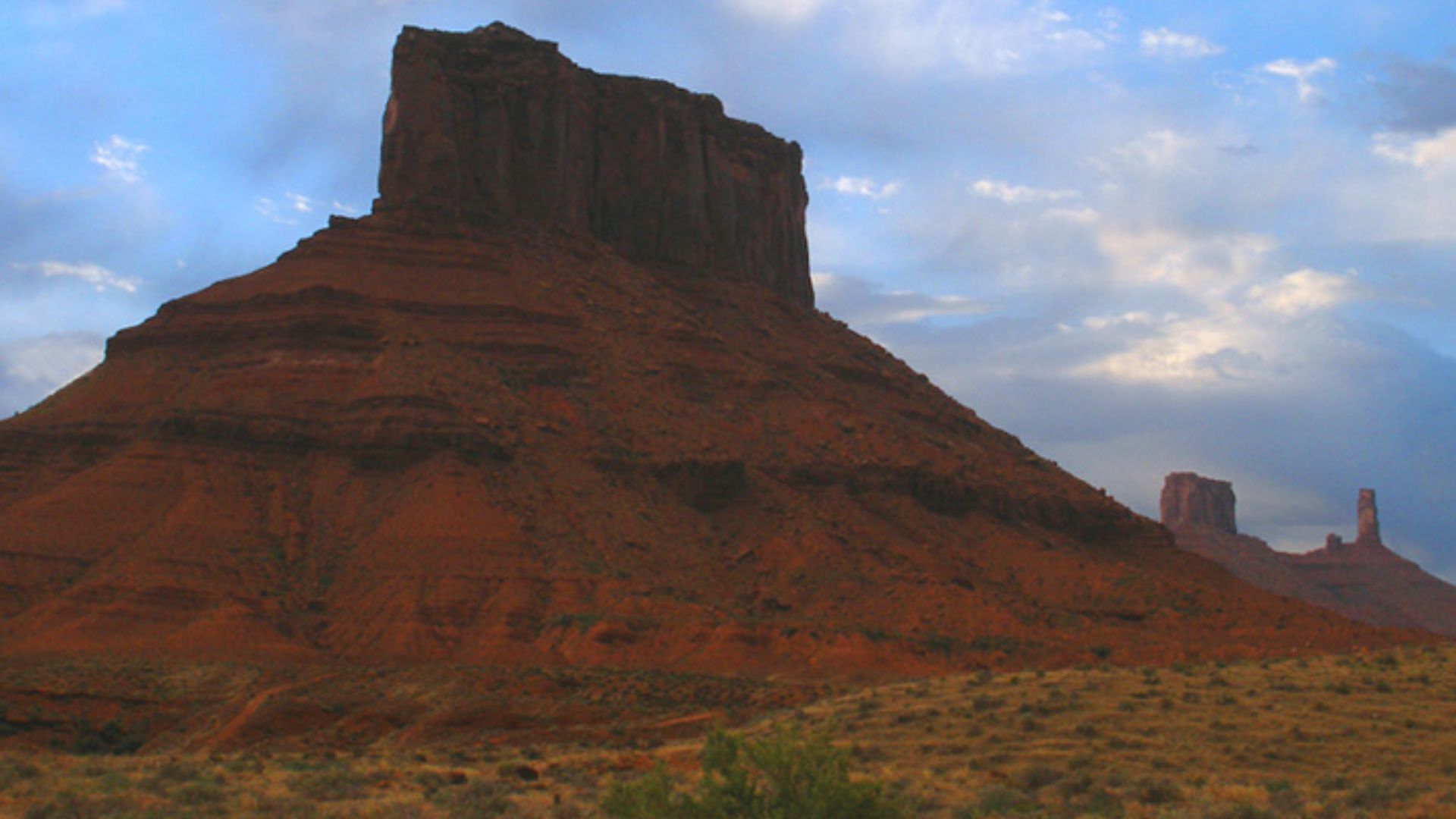 Brian W. Schaller, Wikimedia Commons
Helper, Utah
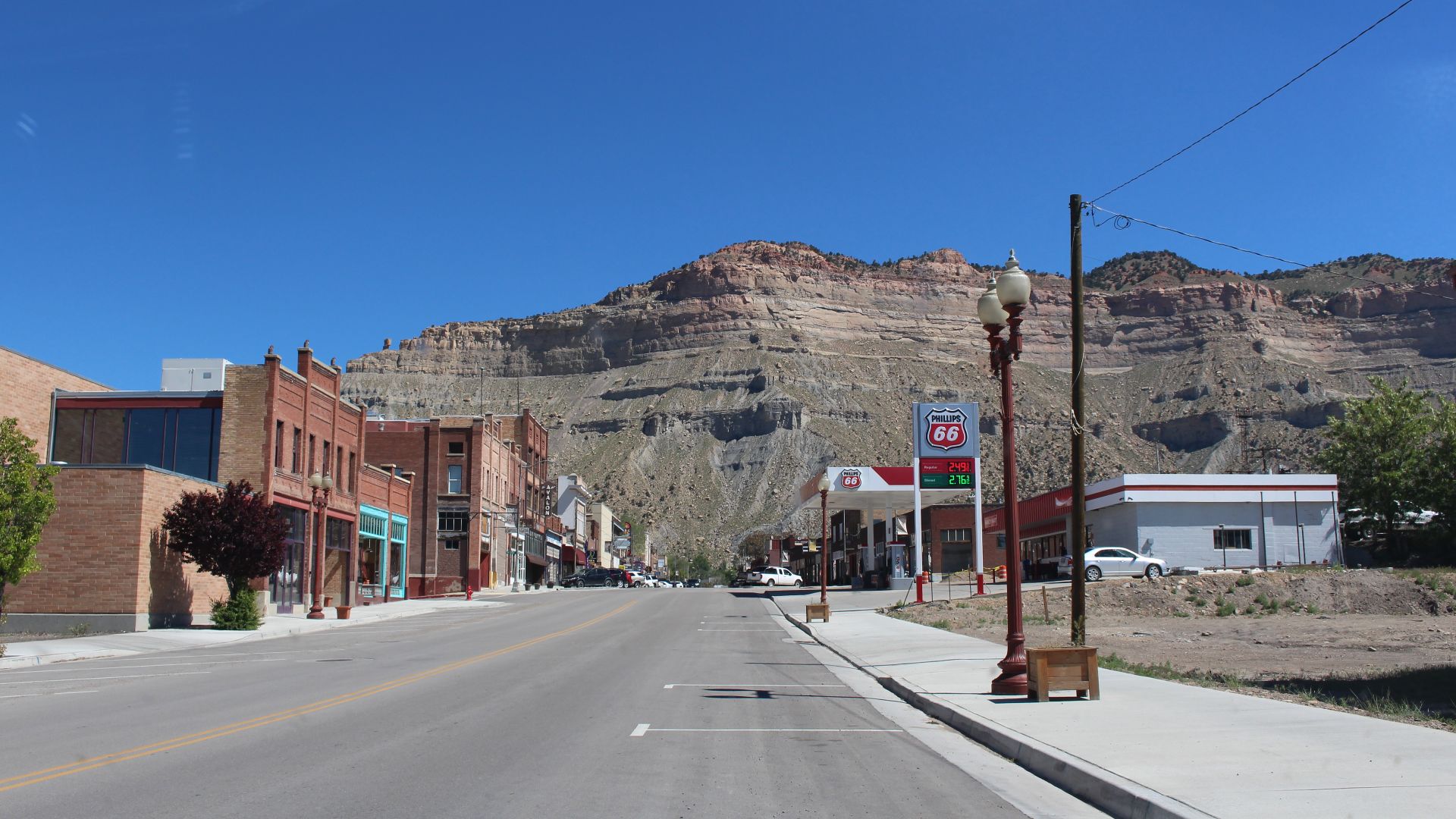
Helper is an old railroad and mining town that has reinvented itself around art, historic architecture, and outdoor recreation. Its restored Main Street gives travelers more to do than simply wait for sunset, while surrounding canyons and high-desert landscapes provide plenty of darker ground once night arrives. Local astronomy groups hold events in the region, and Utah’s concentration of certified dark sky destinations makes Helper easy to fold into a longer road trip. Late spring and early fall offer a particularly comfortable mix of daytime exploring and cool evenings.
Sisters, Oregon
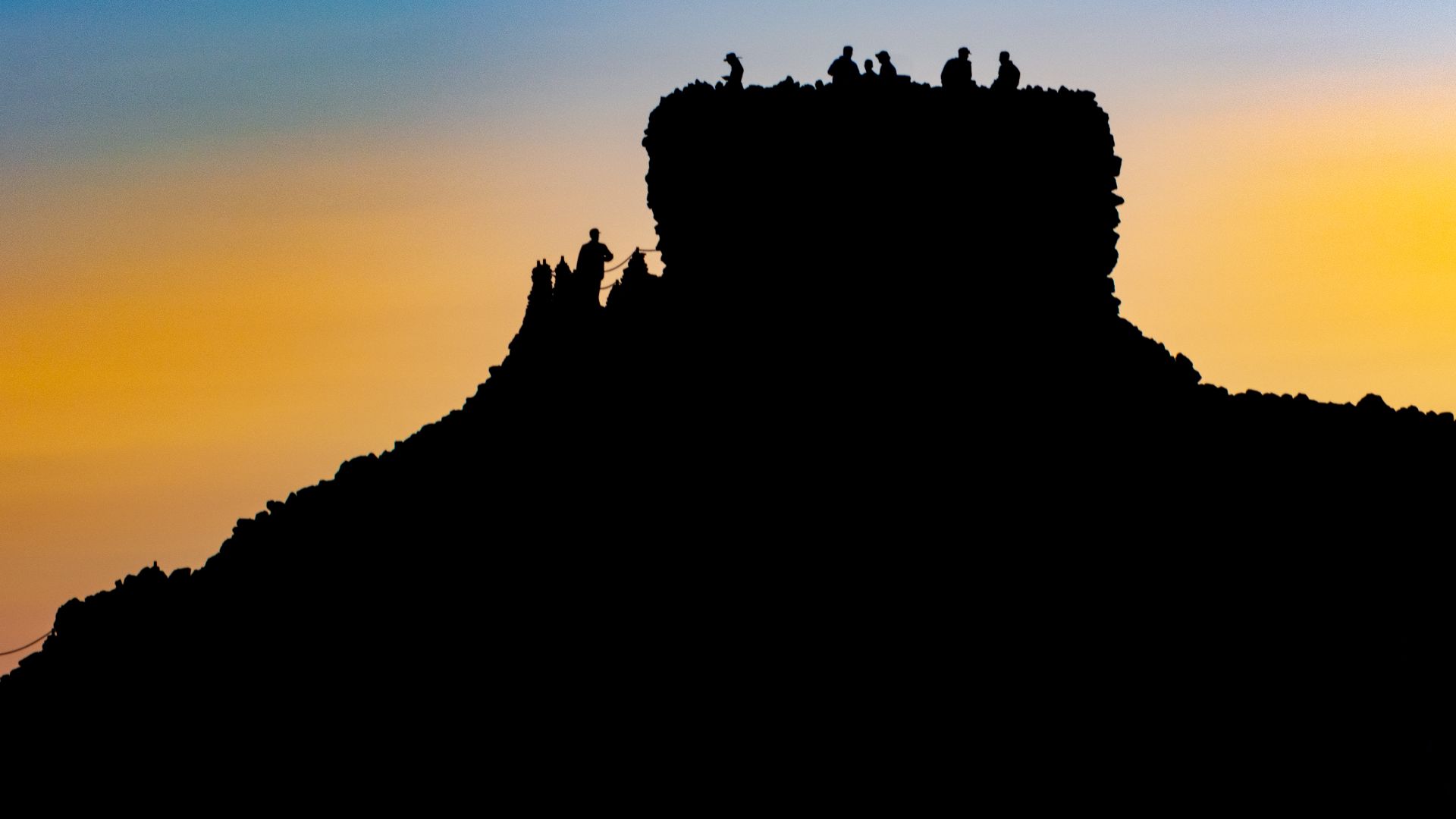
Sisters sits where Central Oregon’s high desert meets ponderosa forest, with the Cascade peaks rising nearby. The western-themed downtown makes a fun daytime base, but the real advantage for stargazers is how quickly you can reach surrounding public land. Dee Wright Observatory, about 15 miles away on McKenzie Pass, becomes an extraordinary nighttime viewpoint when Highway 242 is open. That road is seasonal, usually making late June through October the best period for combining the observatory, mountain scenery, and relatively comfortable nights.
Ketchum, Idaho
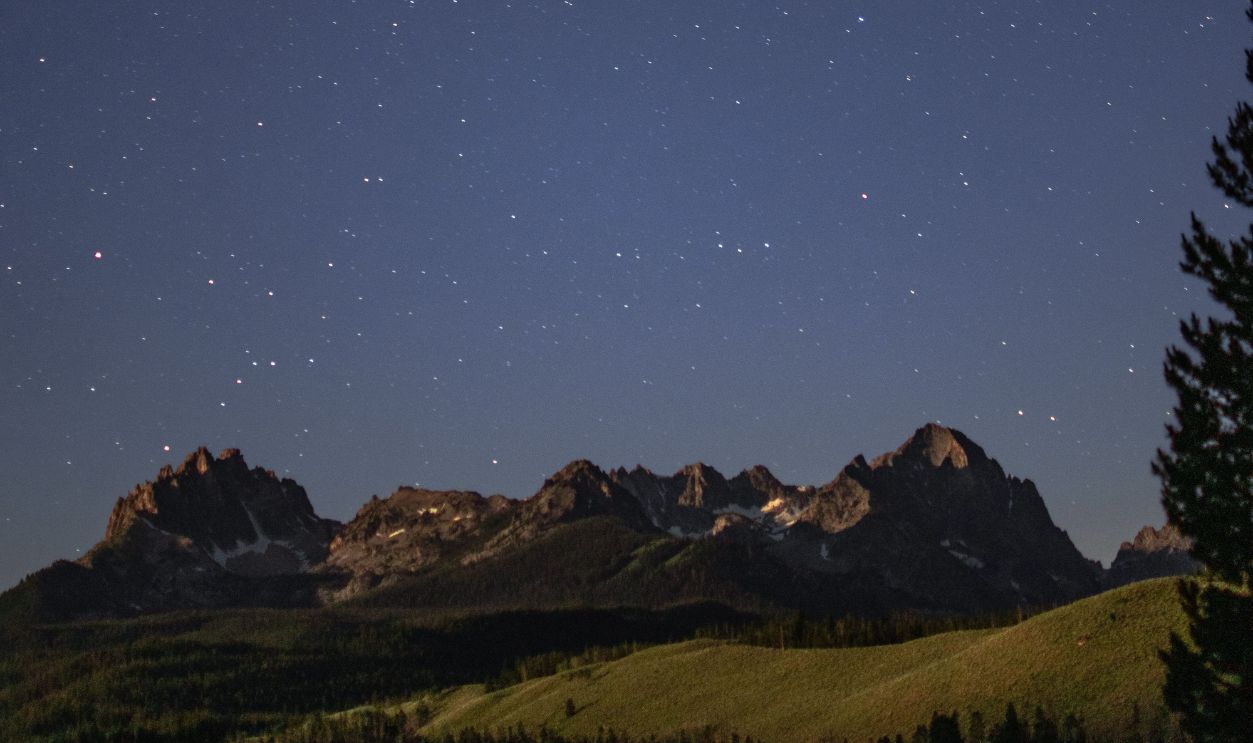
Ketchum is surrounded by the Sawtooth Mountains and sits beside one of North America’s most ambitious dark sky conservation projects, the Central Idaho Dark Sky Reserve. That means the community itself is only one part of a much larger protected nightscape. Skiing dominates winter tourism, while hiking, biking, fishing, and mountain drives take over during warmer months. Summer and early fall are especially easy for stargazing because remote viewpoints remain accessible and nights aren’t quite as punishingly cold. Give your eyes time to adjust and the difference can be dramatic.
Beverly Shores, Indiana
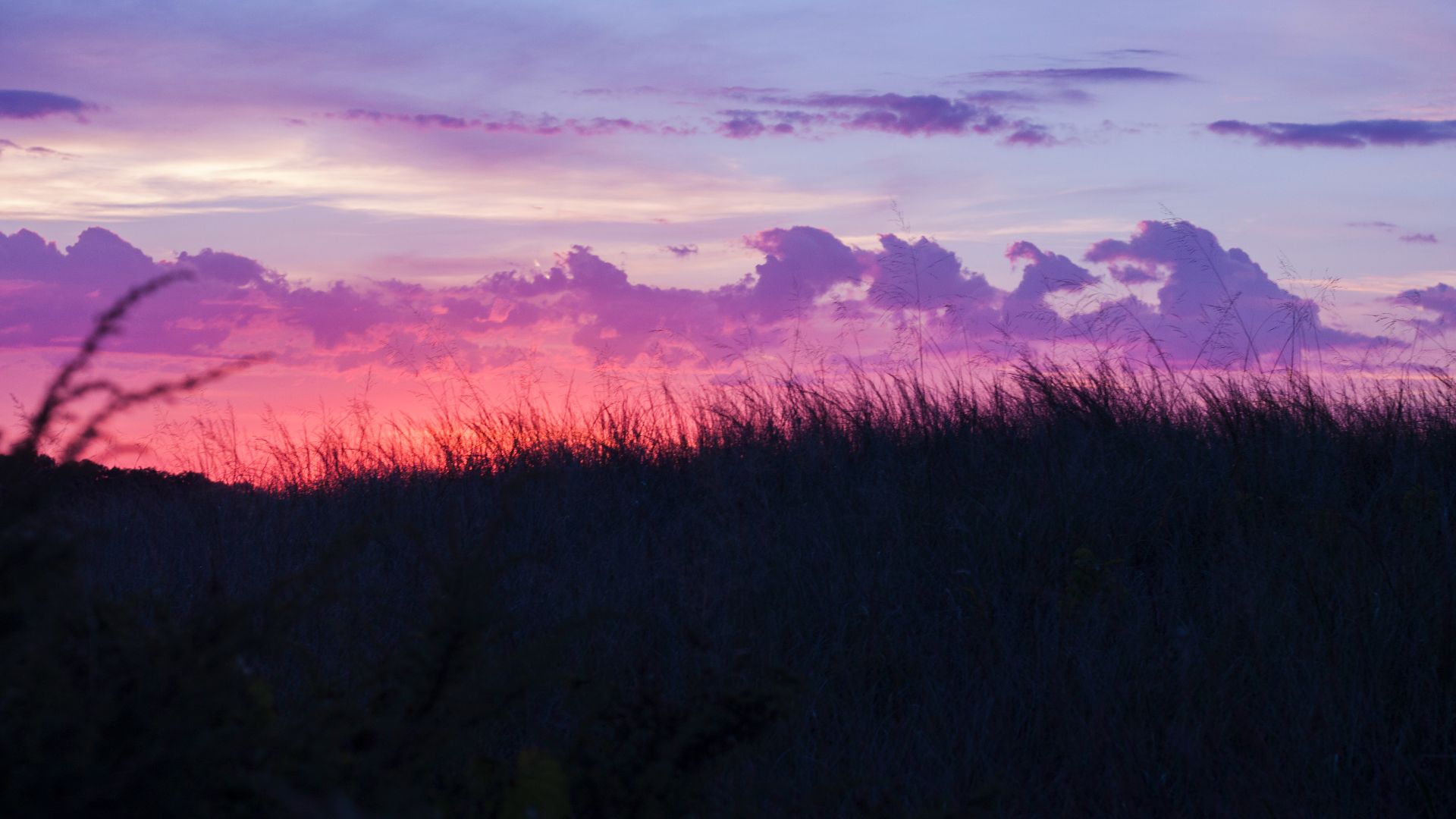
Beverly Shores is unusual because it sits within reach of the enormous Chicago metropolitan area yet still preserves noticeably darker skies. Indiana Dunes National Park surrounds much of the town, while Lake Michigan opens up a huge dark northern horizon. The combination of beach, dunes, and stars makes this one of the most accessible entries for Midwestern travelers. Late spring through early fall is easiest for comfortable beachside stargazing, although crisp autumn nights can be excellent. Just remember that lake weather can change quickly once the sun disappears.
 Courtney Recker courtneyrecker, Wikimedia Commons
Frisco, Colorado
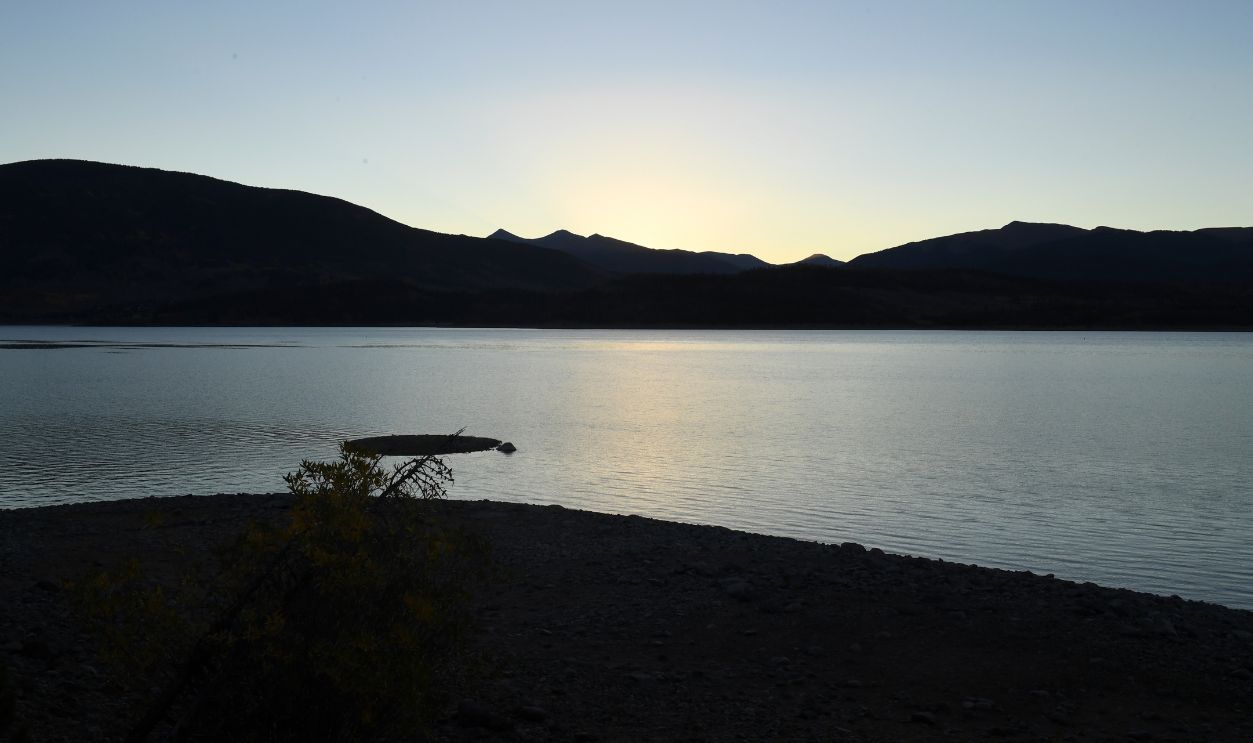
Frisco is one of the newest additions to the Dark Sky Community map. The mountain town sits beside Dillon Reservoir with the Tenmile Range towering nearby, giving stargazing trips a particularly dramatic setting. Local parks recommended for night-sky viewing include Frisco Bay Marina, Walter Byron Park, and the Frisco Adventure Park, while federal open space surrounds the town on three sides. Summer and early fall are easiest for comfortable astronomy nights, but skiers visiting in winter can enjoy extremely long stretches of darkness once they’re willing to bundle up.
Old Snowmass, Colorado
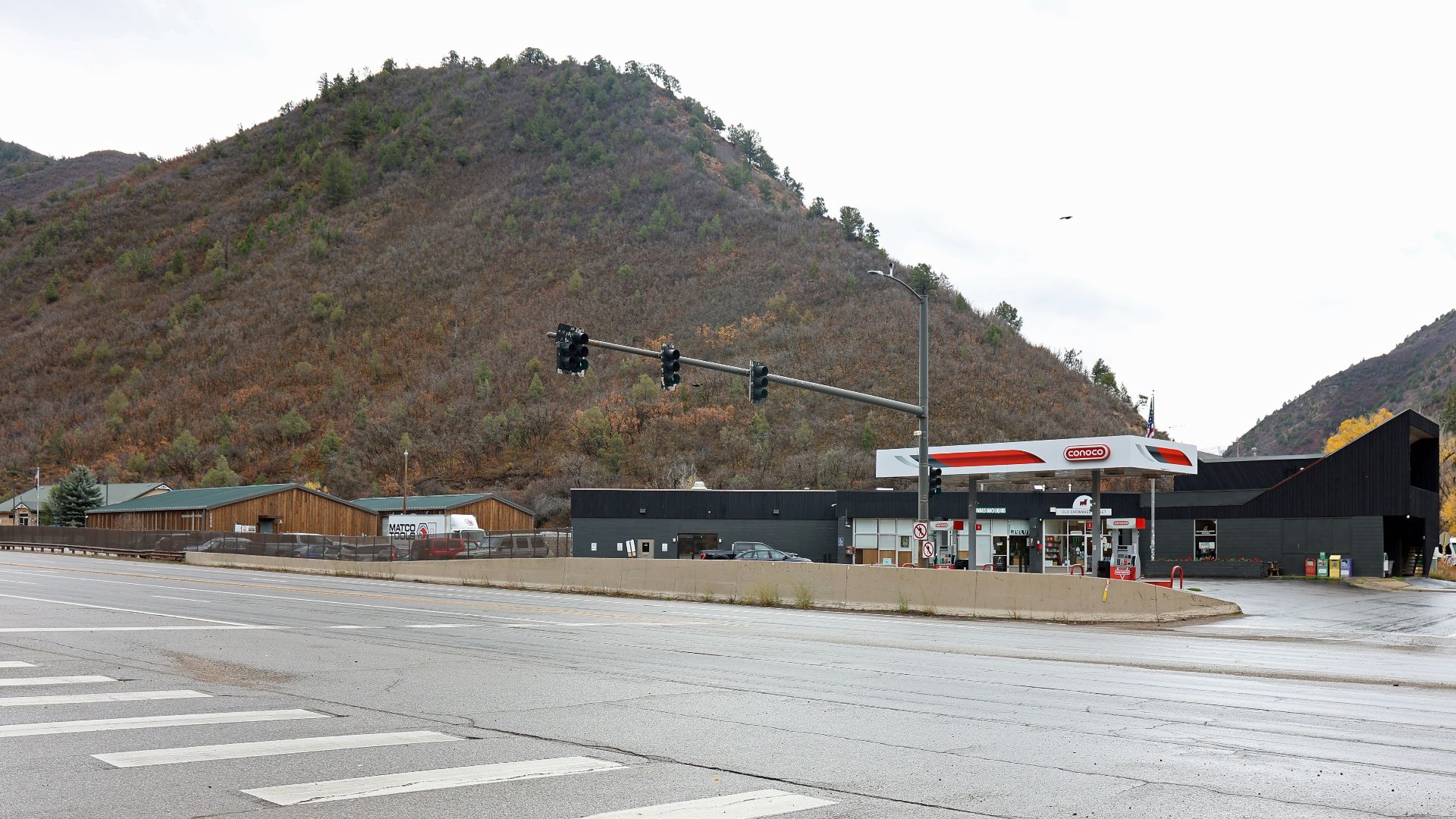
Old Snowmass feels very different from nearby Aspen. This rural enclave sits around 7,500 feet above sea level and remains dominated by open space, ranchland, creeks, and mountain scenery rather than resort development. That lack of development is exactly why its skies have remained so impressive. It’s a good choice for travelers who want to combine Roaring Fork Valley hiking and sightseeing with nights somewhere quieter. Summer into early fall offers the easiest conditions, although clear winter nights can be spectacular for anyone prepared for cold and snow.
 Jeffrey Beall, Wikimedia Commons
The Best Stargazing Trip Starts Before Sunset
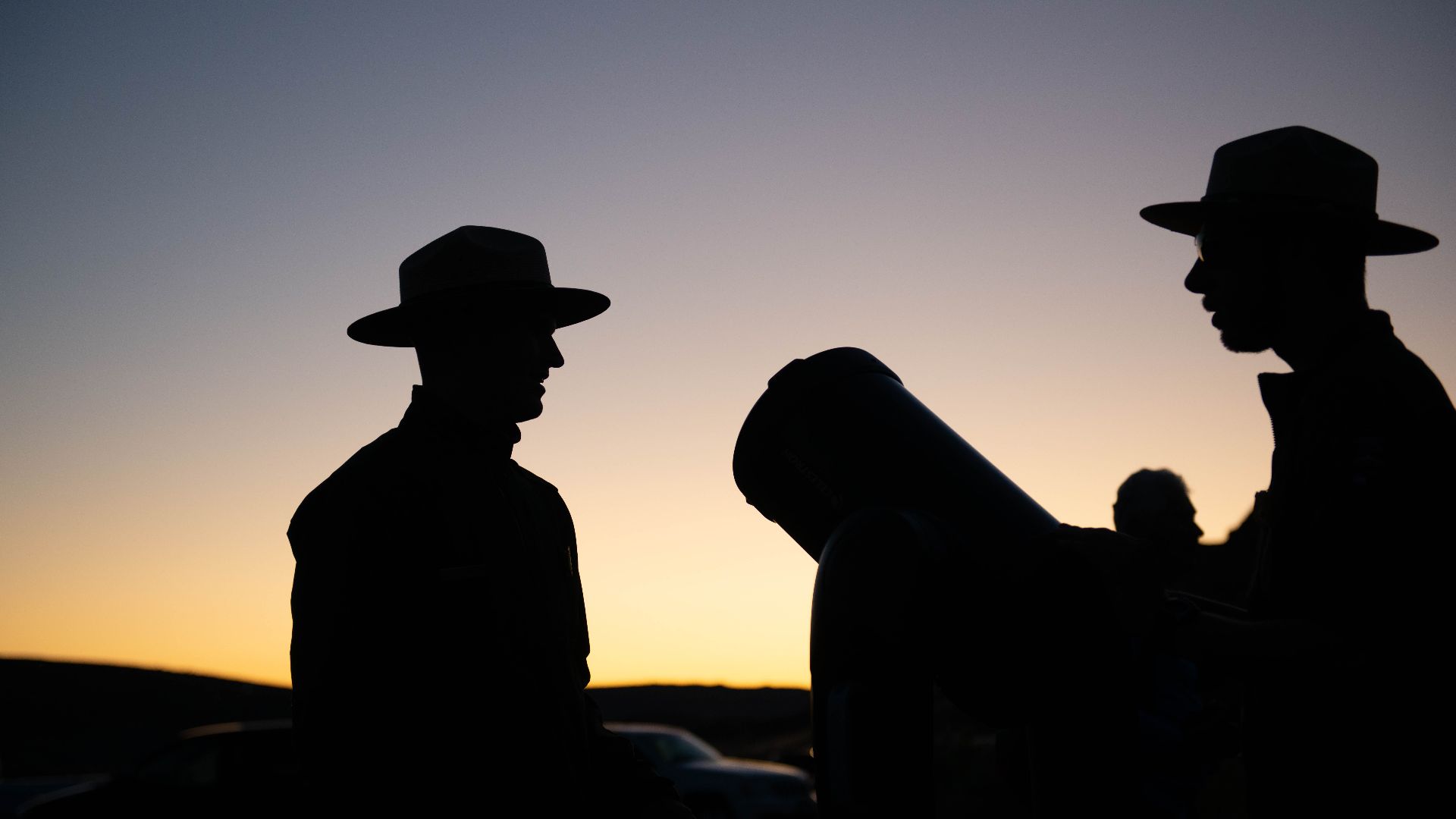
The nice thing about Dark Sky Communities is that you don’t have to spend the entire trip waiting for darkness. These are real towns with hiking trails, historic districts, restaurants, mountains, deserts, lakes, and national parks nearby. Just plan the night portion as carefully as the daytime one. Check the moon phase, watch the cloud forecast, bring a red-light flashlight, and give your eyes 20 to 30 minutes away from bright screens. On the right night, the destination above you will end up being the part you remember most.
 Chris Wonderly, Wikimedia Commons
You May Also Like:
Sleeping Under the Stars: 8 Spectacular Igloo Getaways Around the World
Canadian Destinations Americans Say Feel More Remote Than They Expected
US National Parks That Americans Say Are Better Than The Famous Ones