The Prairie Road Trip Feels Familiar—Until It Doesn’t
For Americans from the Midwest, driving across Alberta, Saskatchewan, and Manitoba can feel strangely familiar at first. There are farms, grain fields, small towns, pickup trucks, and very big skies. But spend a few hours on the road and the differences start piling up fast.
The Sky Somehow Looks Even Bigger
Midwesterners already know what a big horizon looks like, but the Canadian Prairies take things to another level. Outside the major cities, the landscape can seem almost completely unobstructed. On a clear afternoon, the sky feels enormous, and approaching storms can sometimes be spotted from an impressive distance away.
The Roads Can Be Shockingly Straight
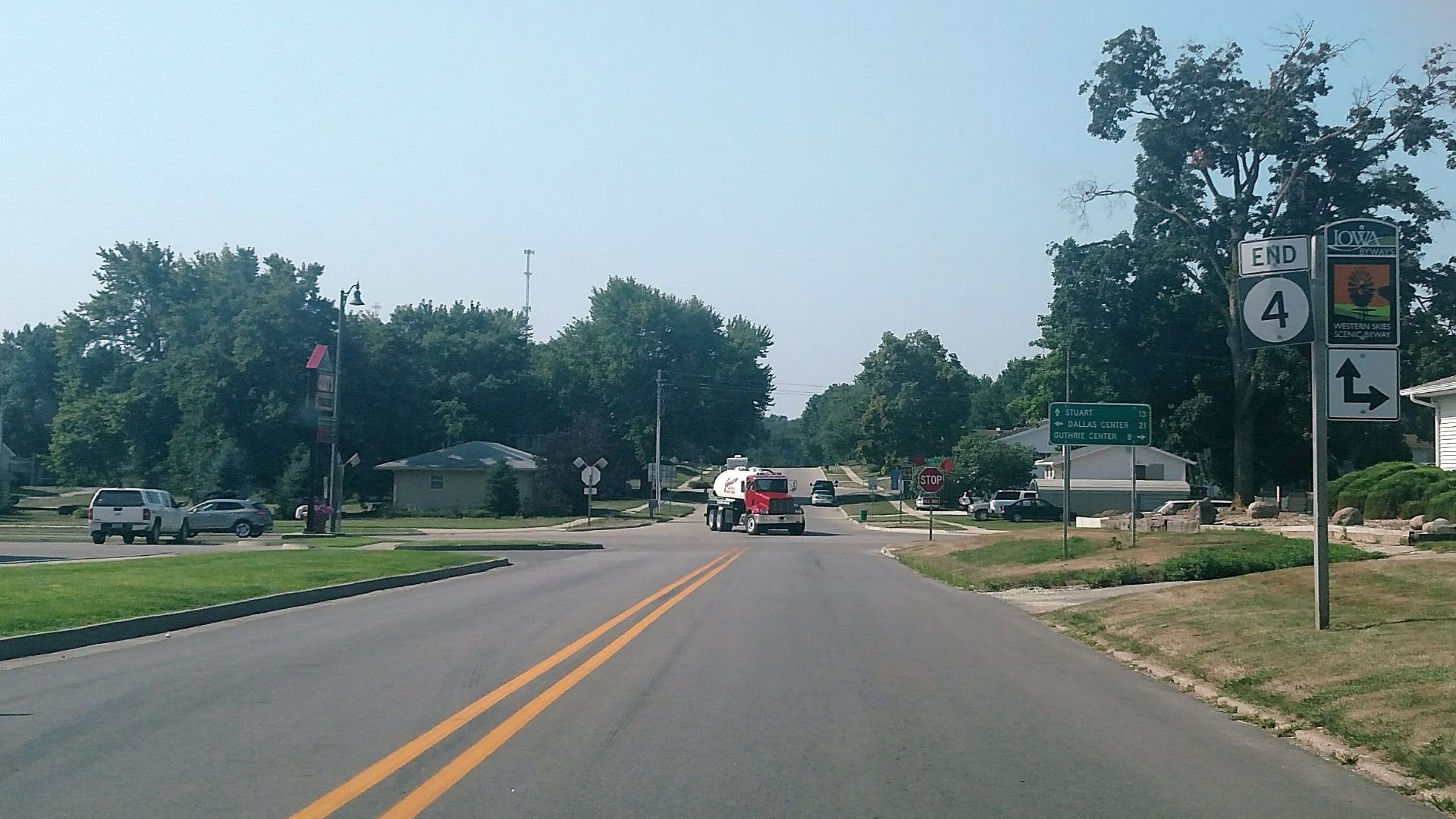
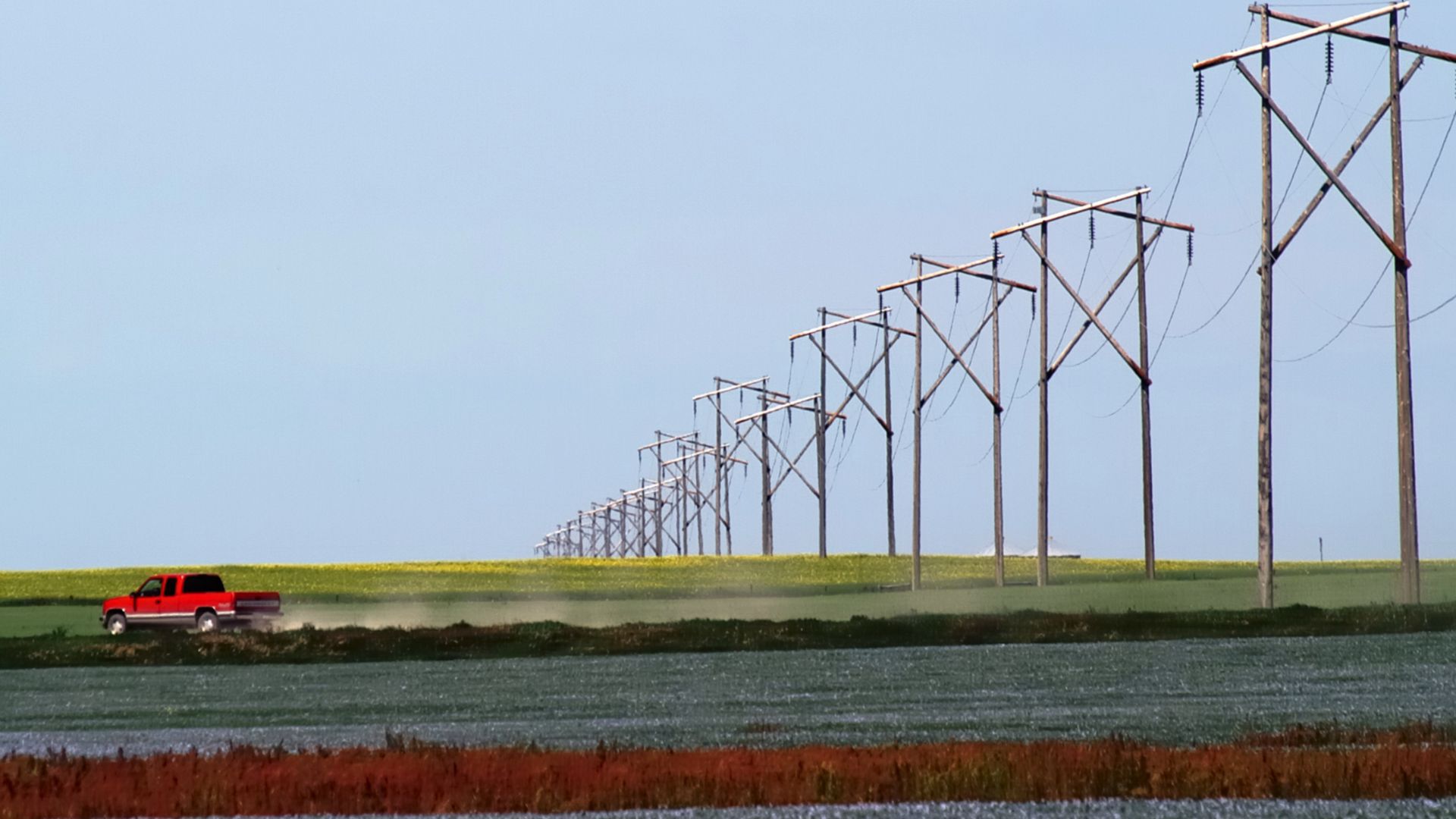
Drivers from Iowa, Nebraska, or the Dakotas certainly aren't strangers to straight highways. Even so, sections of the Prairies seem to stretch toward the horizon without so much as a bend. Saskatchewan in particular can make a driver wonder whether the steering wheel is even necessary.
 Brandonrush, Wikimedia Commons
Kilometres Take Some Mental Adjustment
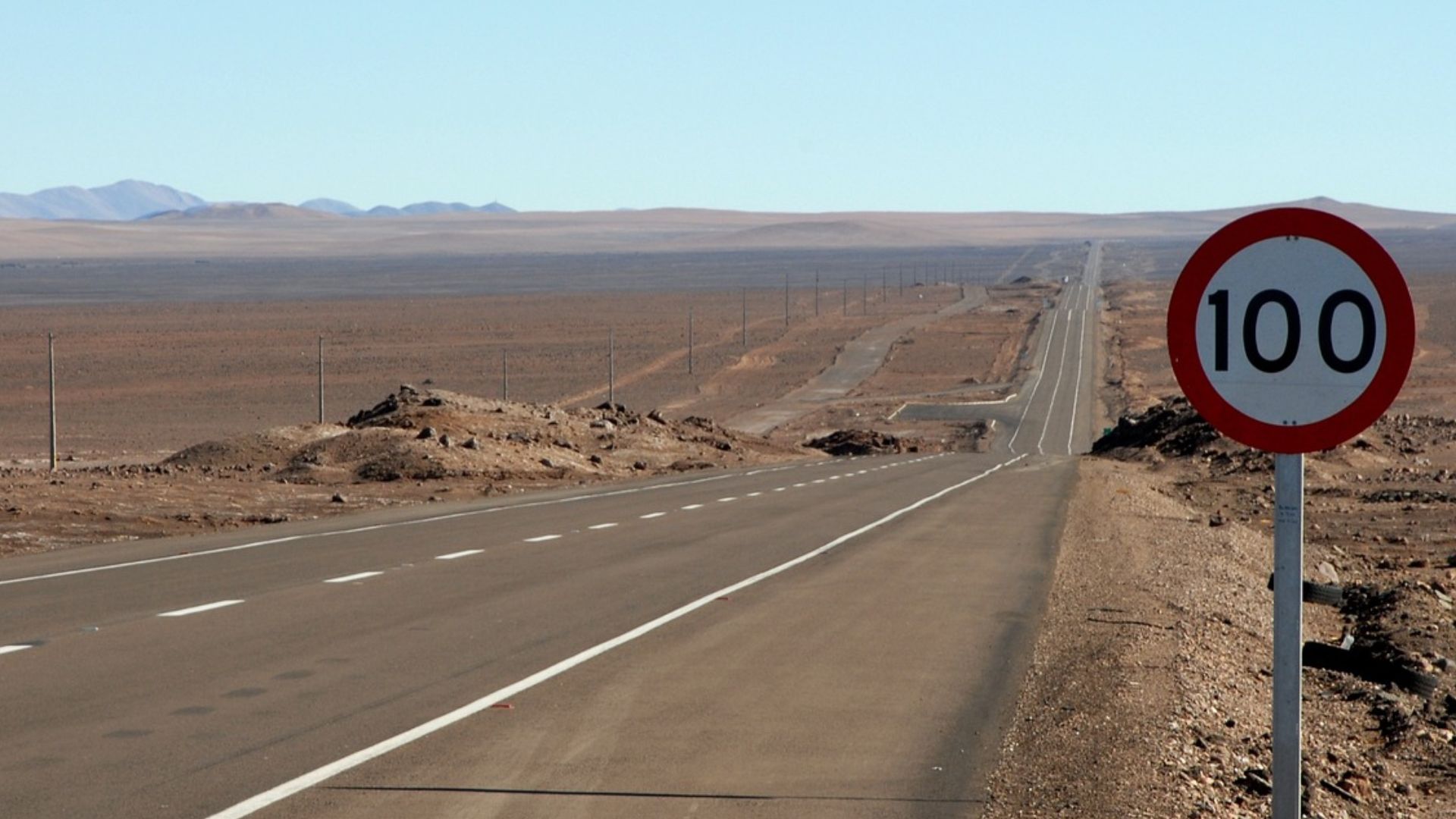
That 100 on the speed-limit sign looks exciting until American visitors remember Canada uses kilometres per hour. Prairie highways commonly post limits of 100 or 110 km/h, depending on the road and province. Americans quickly become surprisingly good at mentally converting Canadian speeds into something that feels more familiar.
Distances Are Measured Differently Too
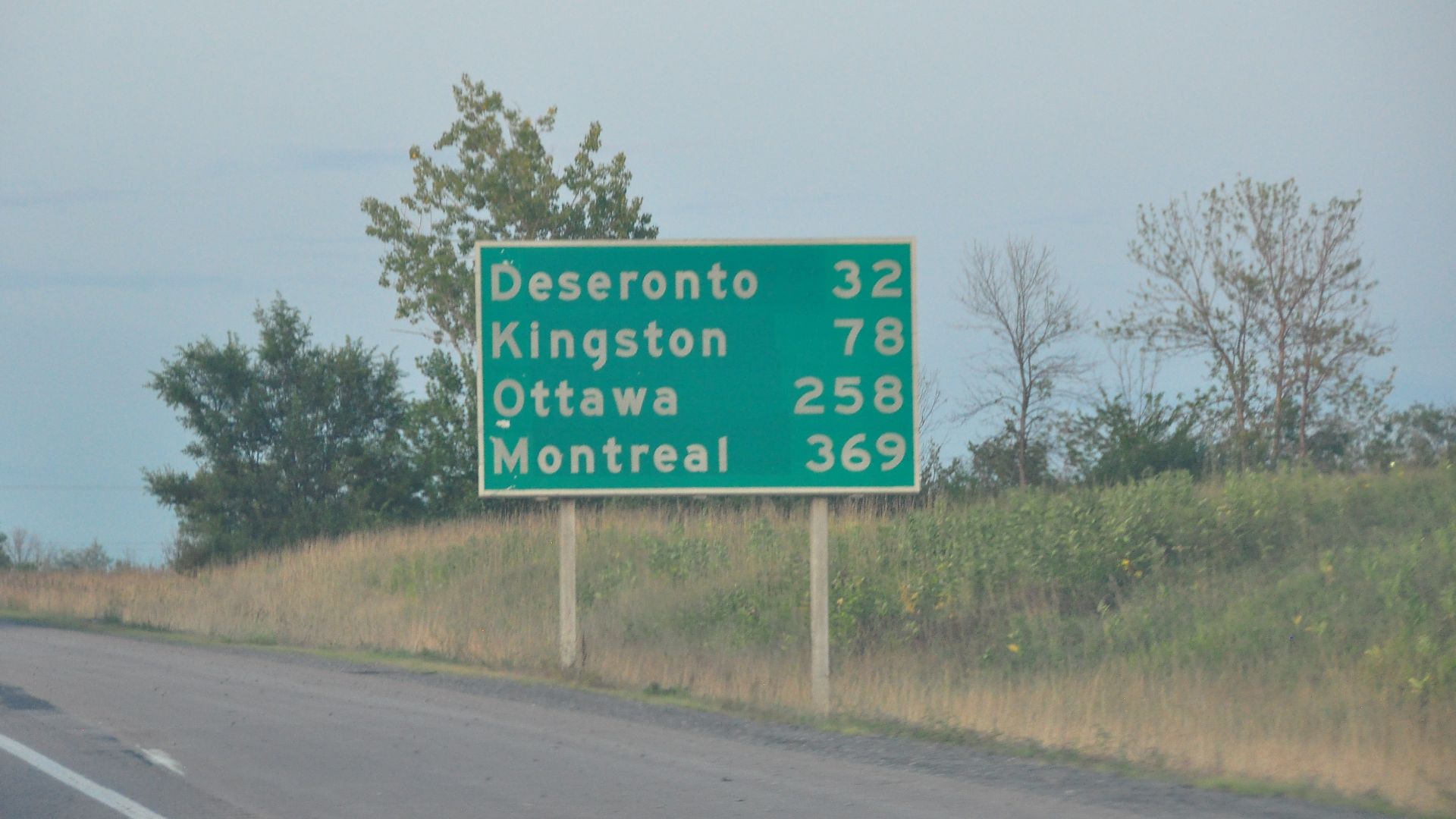
The metric system follows Americans everywhere once they cross the border. The next town might be 85 kilometres away, fuel is sold by the litre, and temperatures arrive in Celsius. After a day or two, many visitors stop converting everything and simply start thinking in Canadian road-trip measurements.
 abdallahh from Montreal, Canada, Wikimedia Commons
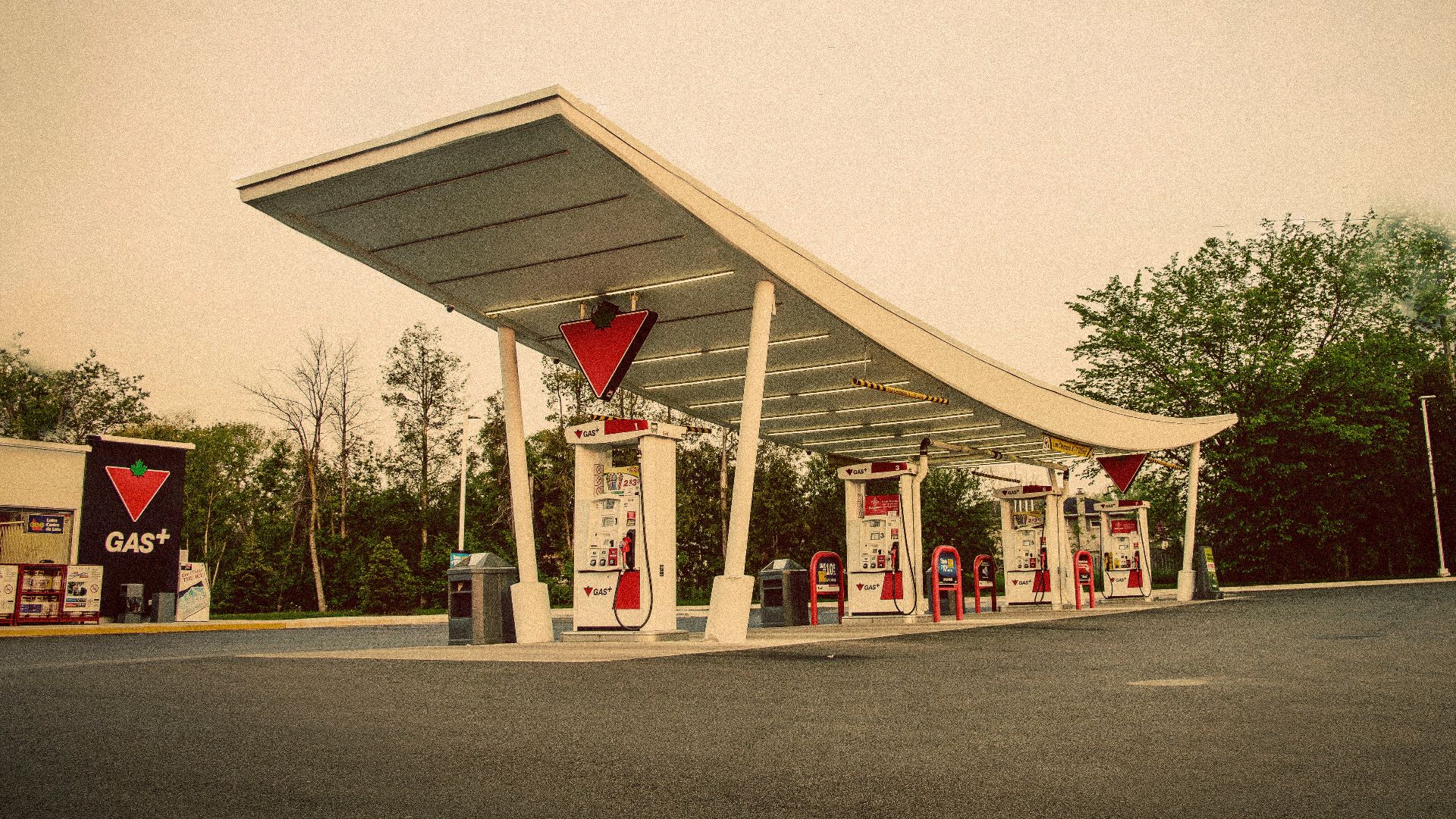
Gas Stations Can Be Very Far Apart
Midwestern Americans know rural driving, but the Prairies can still catch people off guard. Some stretches between communities feel remarkably empty. When the fuel gauge drops below half, experienced prairie travelers generally don't assume another massive service plaza will appear conveniently around the next bend.
 Francisco Diez from Toronto, Canada, Wikimedia Commons
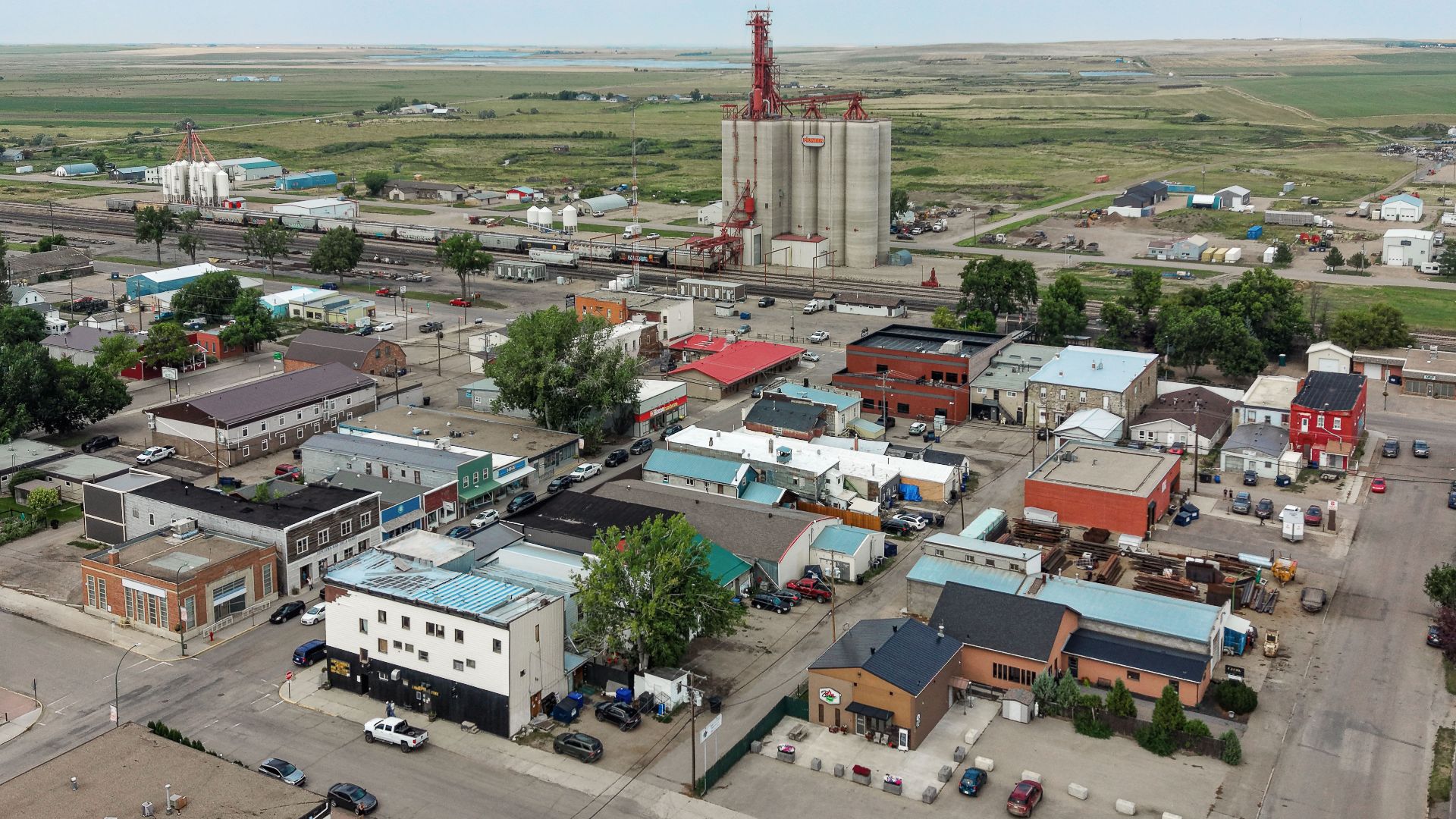
Small Towns Really Are Small
A dot on the map might look promising until you arrive and discover a handful of streets, a grain elevator, a gas station, and maybe one restaurant. Prairie communities can be tiny, and that modest scale surprises Americans accustomed to rural towns surrounded by larger commercial strips.
 Quintin Soloviev, Wikimedia Commons
Grain Elevators Still Define The Horizon
Nothing announces a prairie town quite like a grain elevator rising from otherwise flat countryside. Many Americans from agricultural states recognize the basic idea instantly. Yet the elevators, silos, and rail infrastructure remain such dominant visual landmarks that they give Canadian prairie towns a distinctly recognizable silhouette.
 The original uploader was Northwest at English Wikipedia., Wikimedia Commons
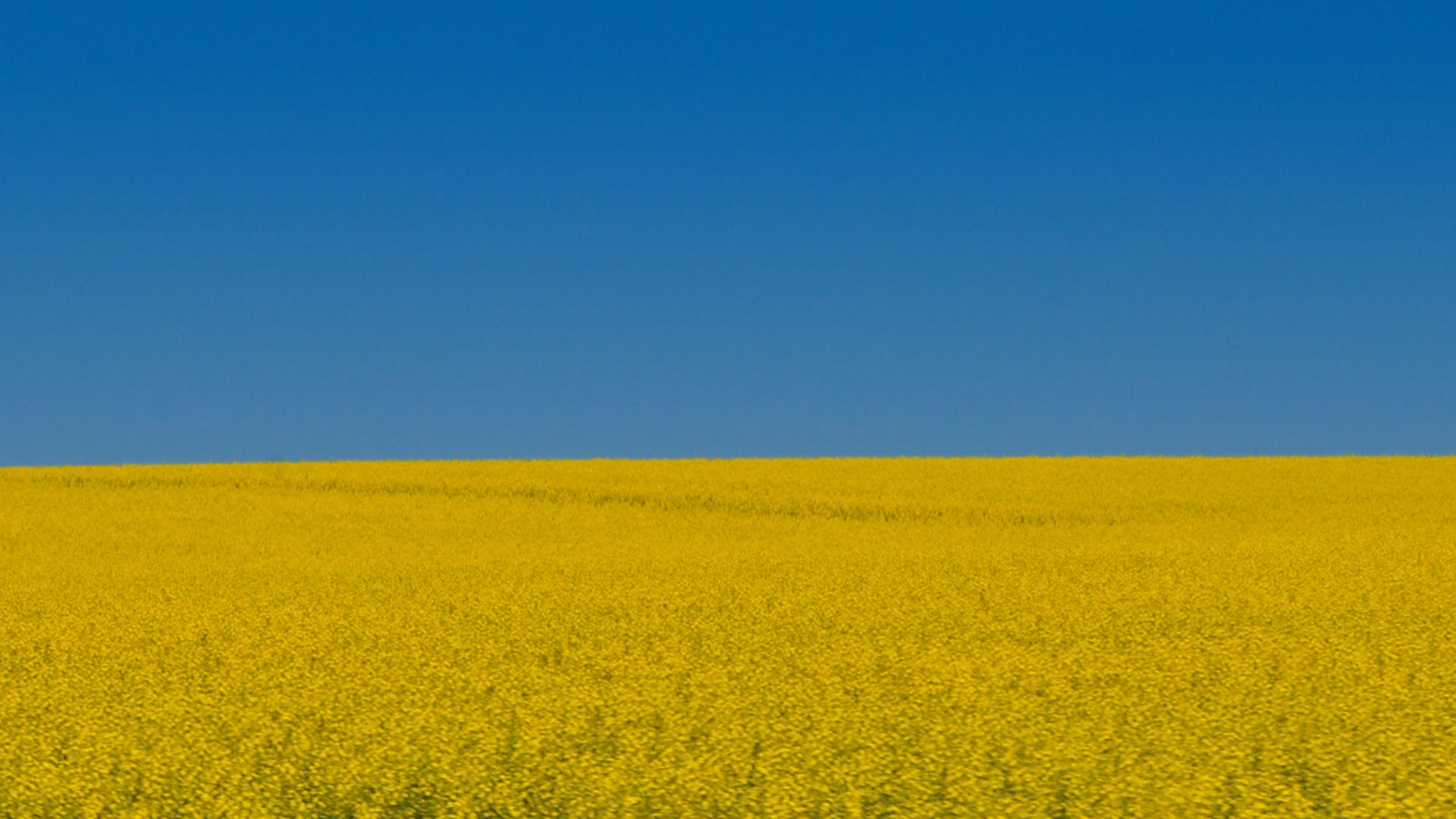
Canola Fields Are Impossible To Miss
During summer, huge stretches of Alberta, Saskatchewan, and Manitoba can turn brilliant yellow with blooming canola. American Midwesterners are familiar with endless corn and soybean fields, so the scale feels familiar. The almost fluorescent yellow color, however, makes many first-time visitors reach for their cameras.
 Hugh Lee from Edmonton Alberta, Canada, Wikimedia Commons
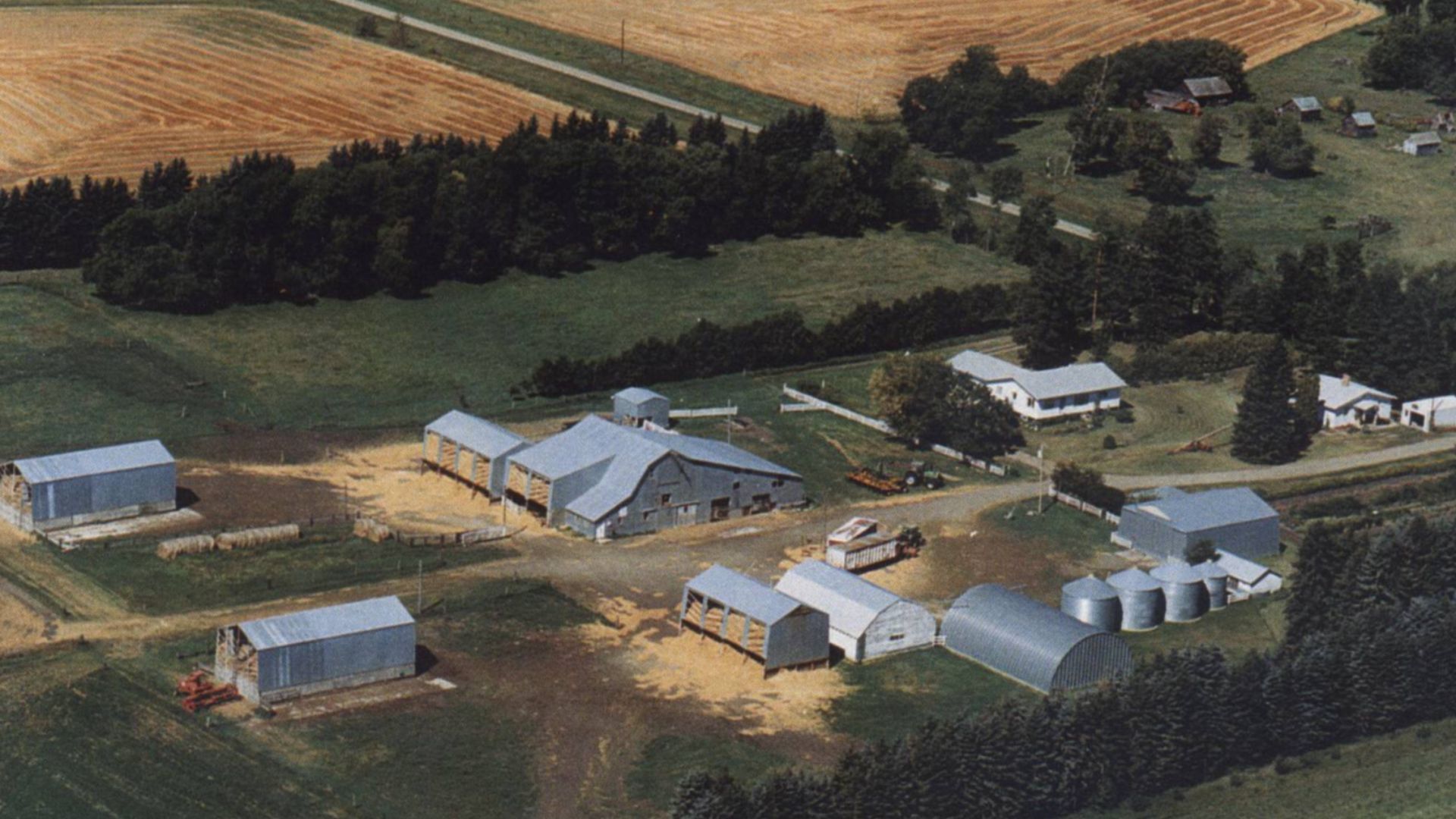
Wheat Still Rules A Lot Of The Landscape
The Prairies remain deeply connected to grain farming, and Americans quickly notice field after field extending toward the horizon. Depending on the season, wheat and other cereal crops create enormous patches of green, gold, and brown. It feels agricultural like the Midwest, but somehow even more expansive.
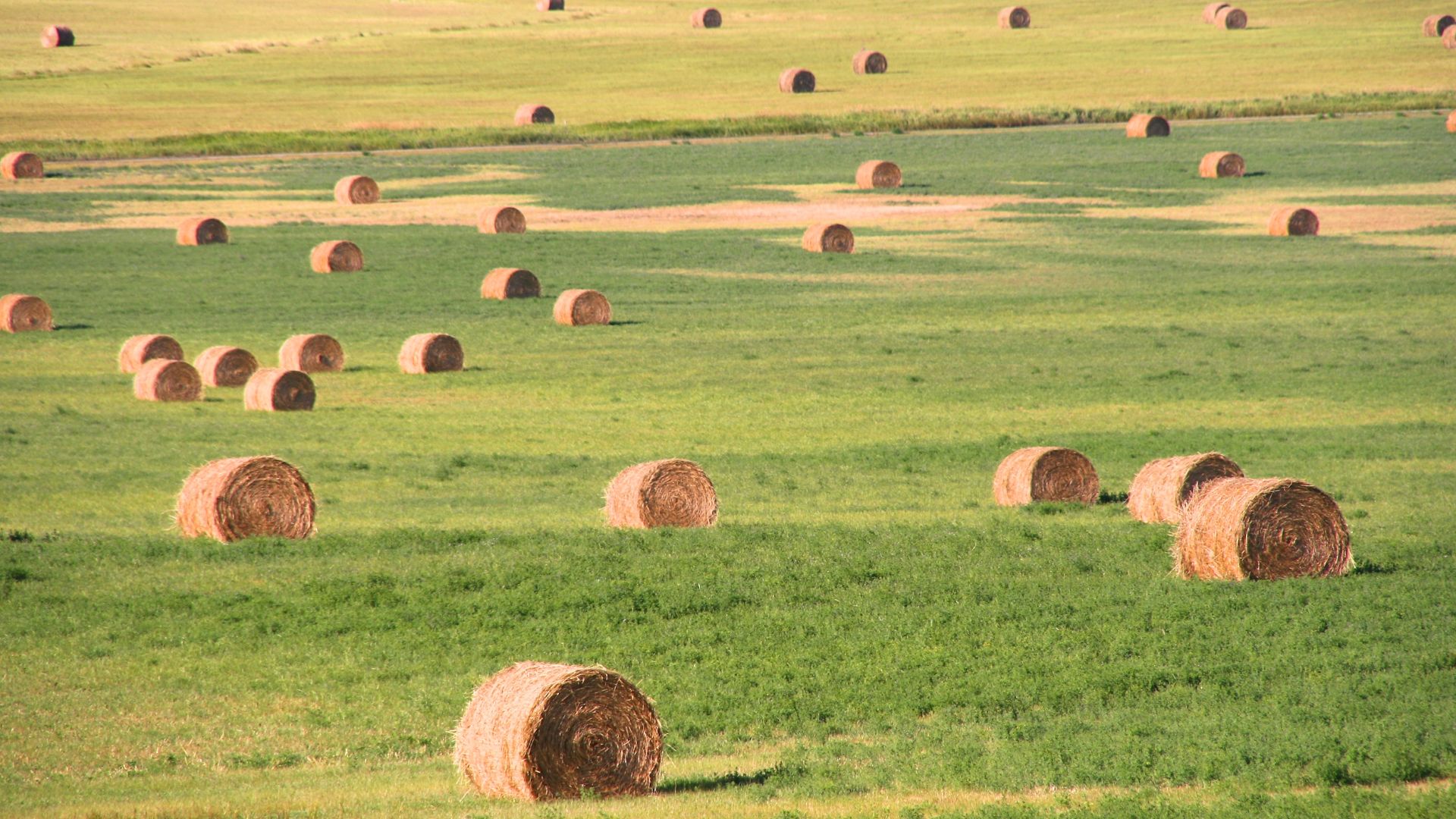 Marek Slusarczyk (Tupungato) Photo portfolio, Wikimedia Commons
You Can Drive Forever Without Seeing A Billboard
Visitors coming from heavily traveled American highways may notice something refreshingly absent: endless roadside advertising. There are certainly signs and billboards in Canada, but many prairie highway stretches feel visually uncluttered compared with busy American interstates lined with restaurants, hotels, attractions, and increasingly enthusiastic lawyers.
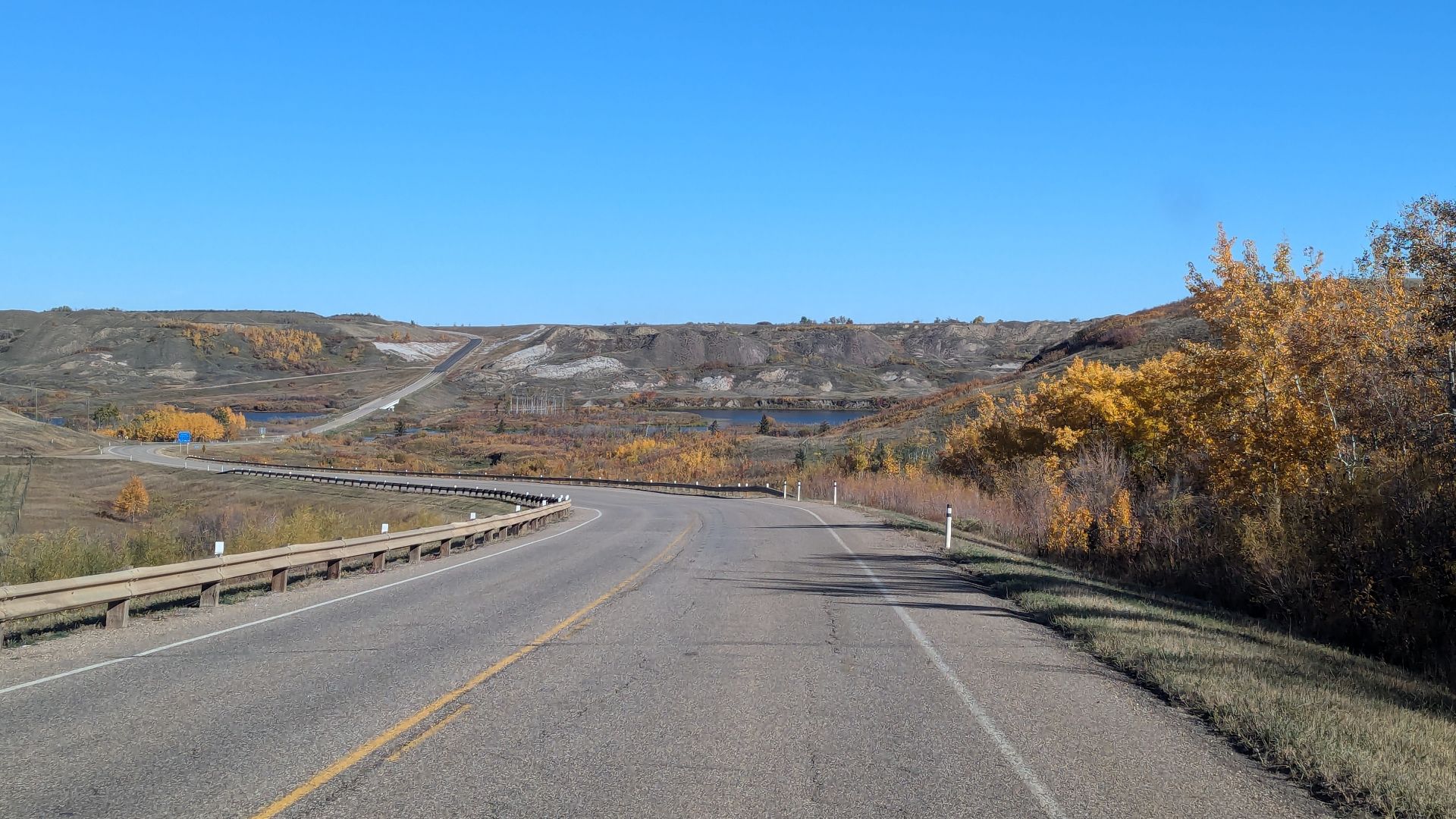
The Trans-Canada Highway Is Not An Interstate
Americans sometimes expect Canada's most famous cross-country road to resemble an American Interstate from coast to coast. It doesn't always. Although portions are divided, high-speed highways, other stretches can feel more like conventional rural highways. That makes the Trans-Canada experience noticeably different depending on where you're driving.
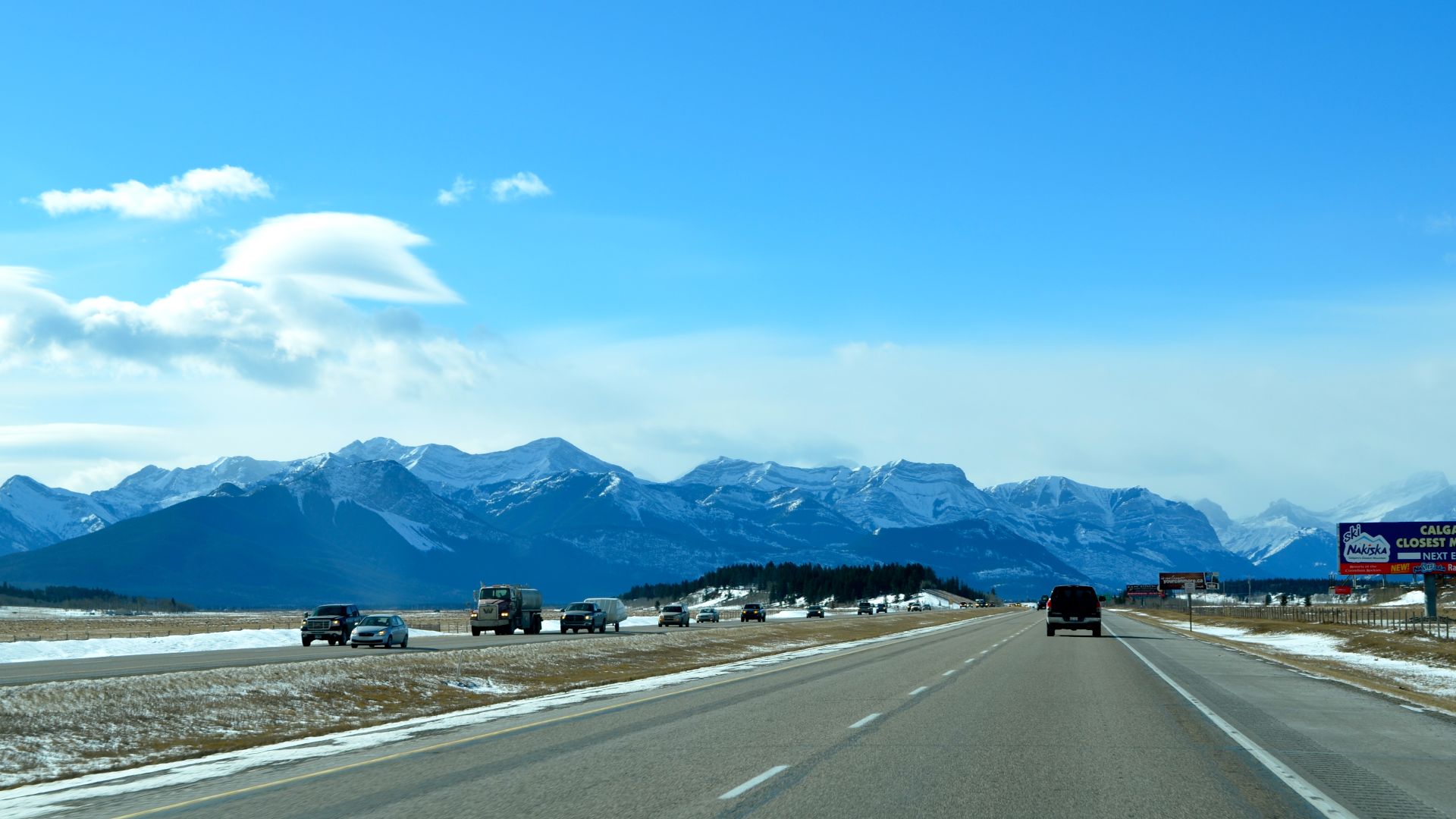
Passing Through Towns Can Slow Everything Down
On certain routes, a long period of highway cruising suddenly ends as the road passes directly through a community. Speed limits drop, intersections appear, and businesses line the road. Americans accustomed to Interstates bypassing most towns may find this old-school style of highway travel surprisingly charming.
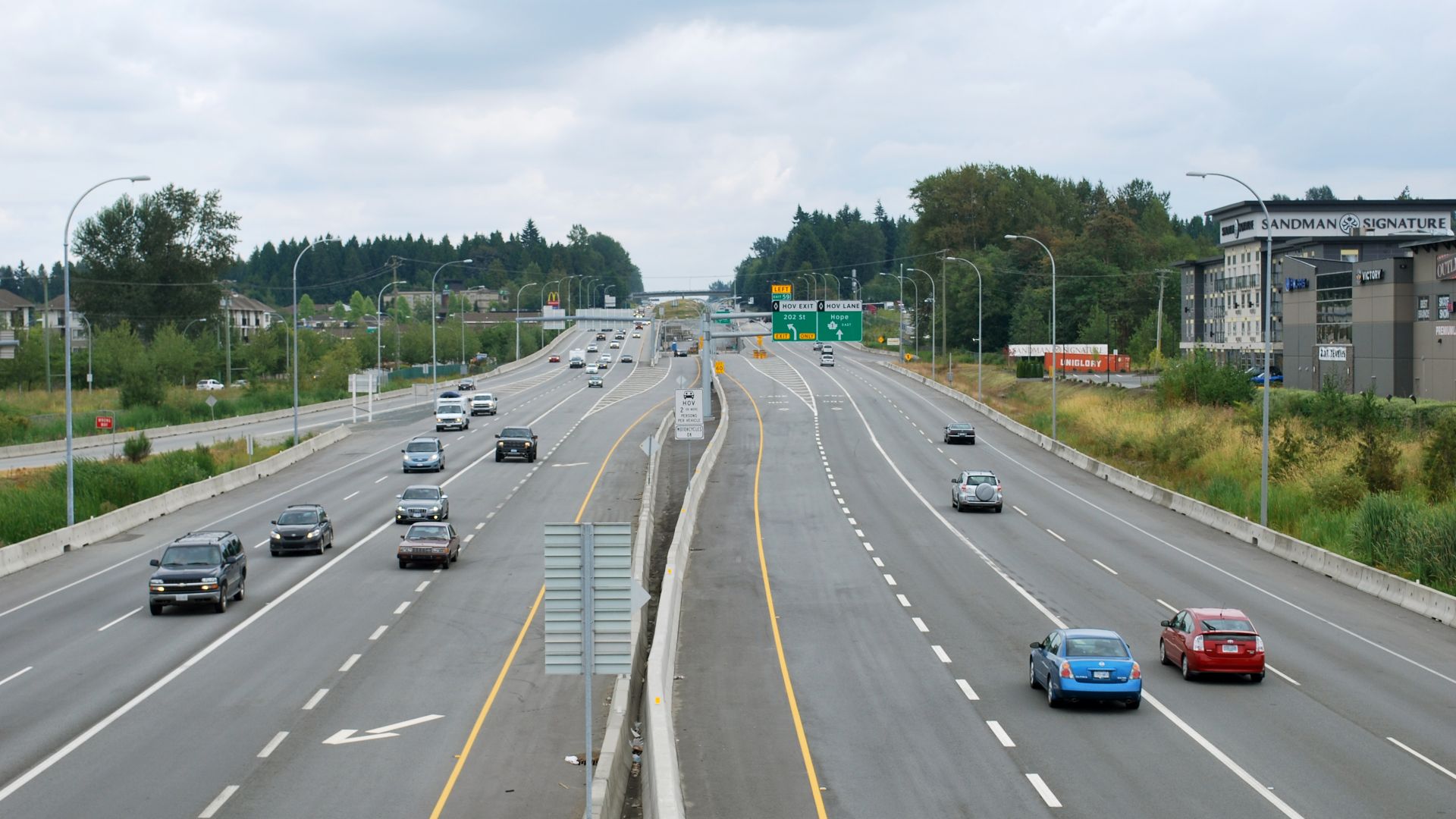
The Cities Appear Almost Out Of Nowhere
After hours of farms and open land, seeing the skyline of Winnipeg, Regina, Saskatoon, Calgary, or Edmonton can feel dramatic. There may be relatively little suburban buildup compared with what Americans expect around some major metro areas. One minute you're surrounded by fields; soon you're unmistakably in a city.
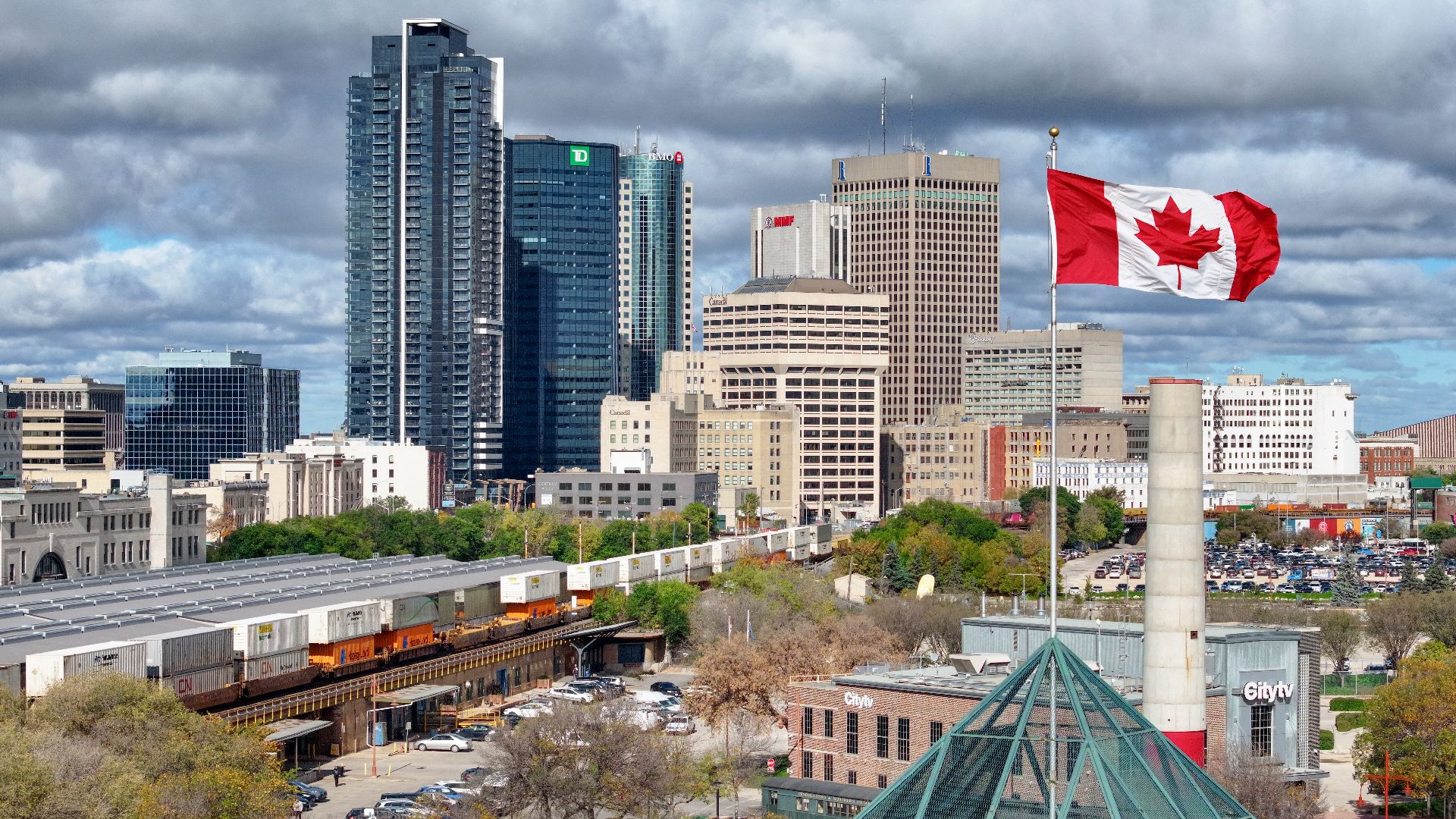 Quintin Soloviev, Wikimedia Commons
Winnipeg Feels Familiar To Midwesterners
Of all the major prairie cities, Winnipeg can feel especially recognizable to someone from Minnesota, Wisconsin, or the Dakotas. The weather, architecture, river setting, neighborhoods, and general practicality can all seem strangely familiar. Winnipeg feels Canadian, but it also shares some unmistakable DNA with America's northern Midwest.
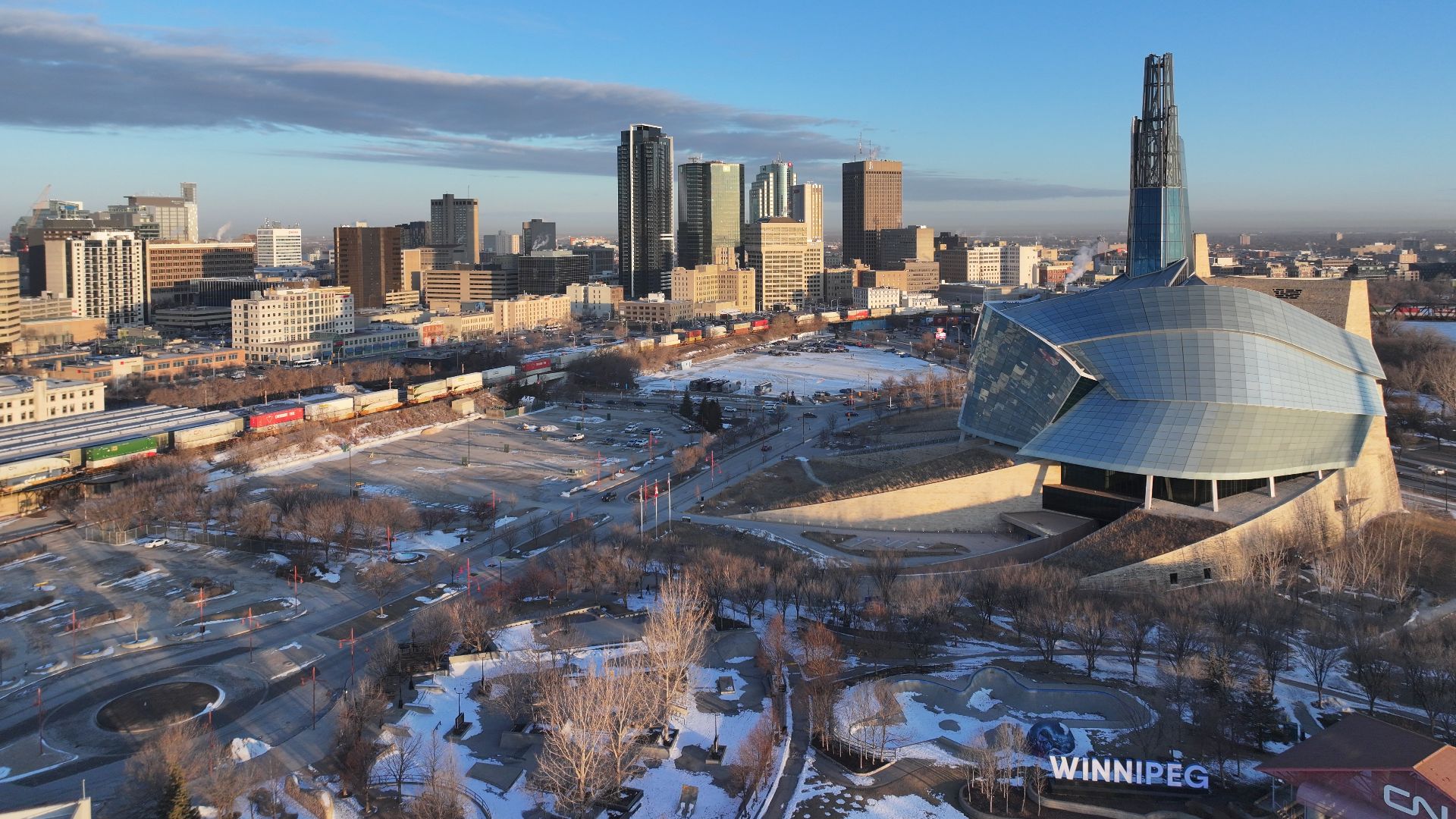 Quintin Soloviev, Wikimedia Commons
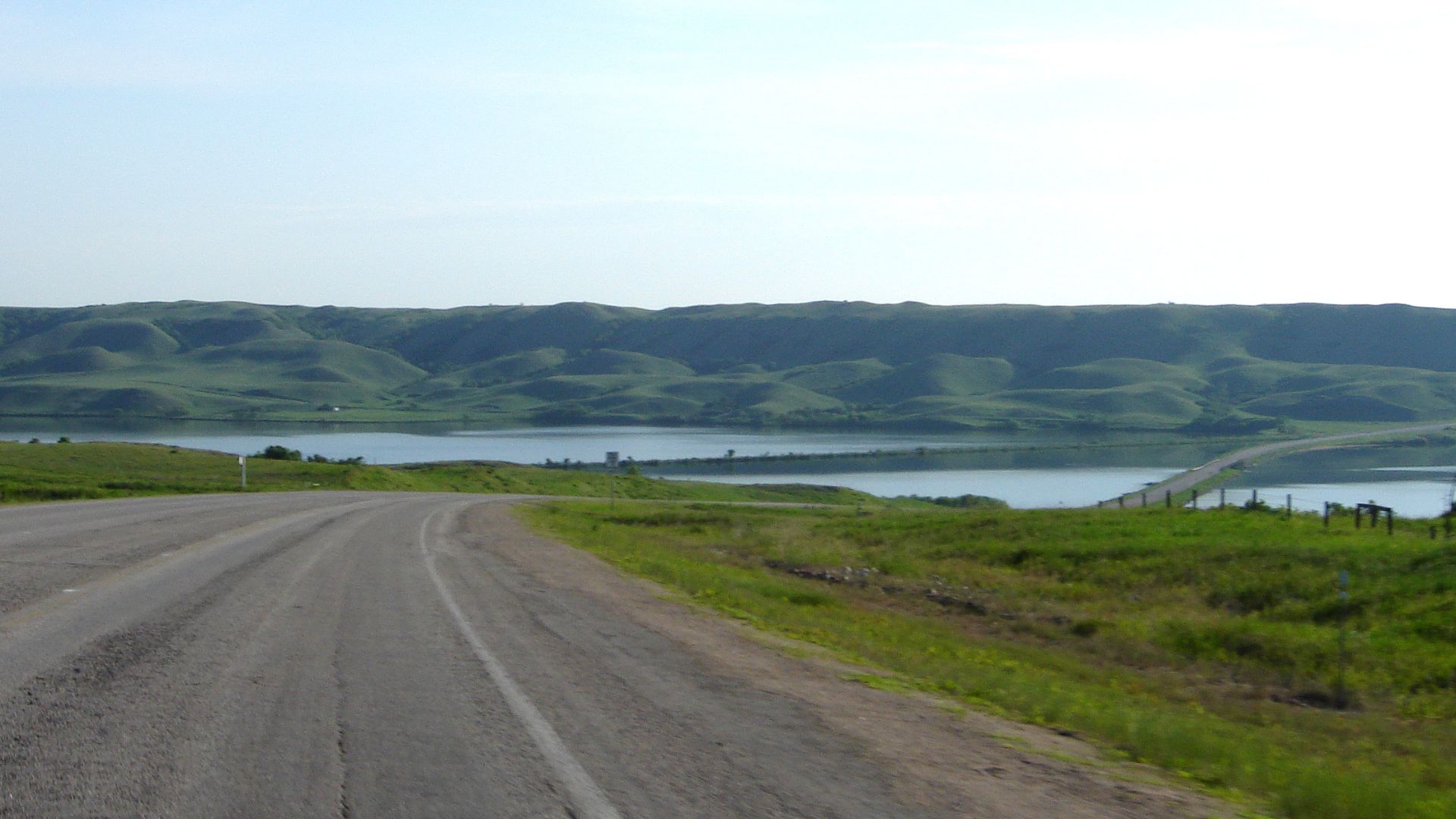
Saskatchewan Feels Almost Impossibly Open
Saskatchewan's reputation for flatness is exaggerated—there are hills, valleys, forests, and plenty of varied terrain. Still, southern Saskatchewan delivers some truly gigantic vistas. For Midwestern visitors who thought they understood open farmland, the province provides an impressive lesson in just how far a horizon can stretch.
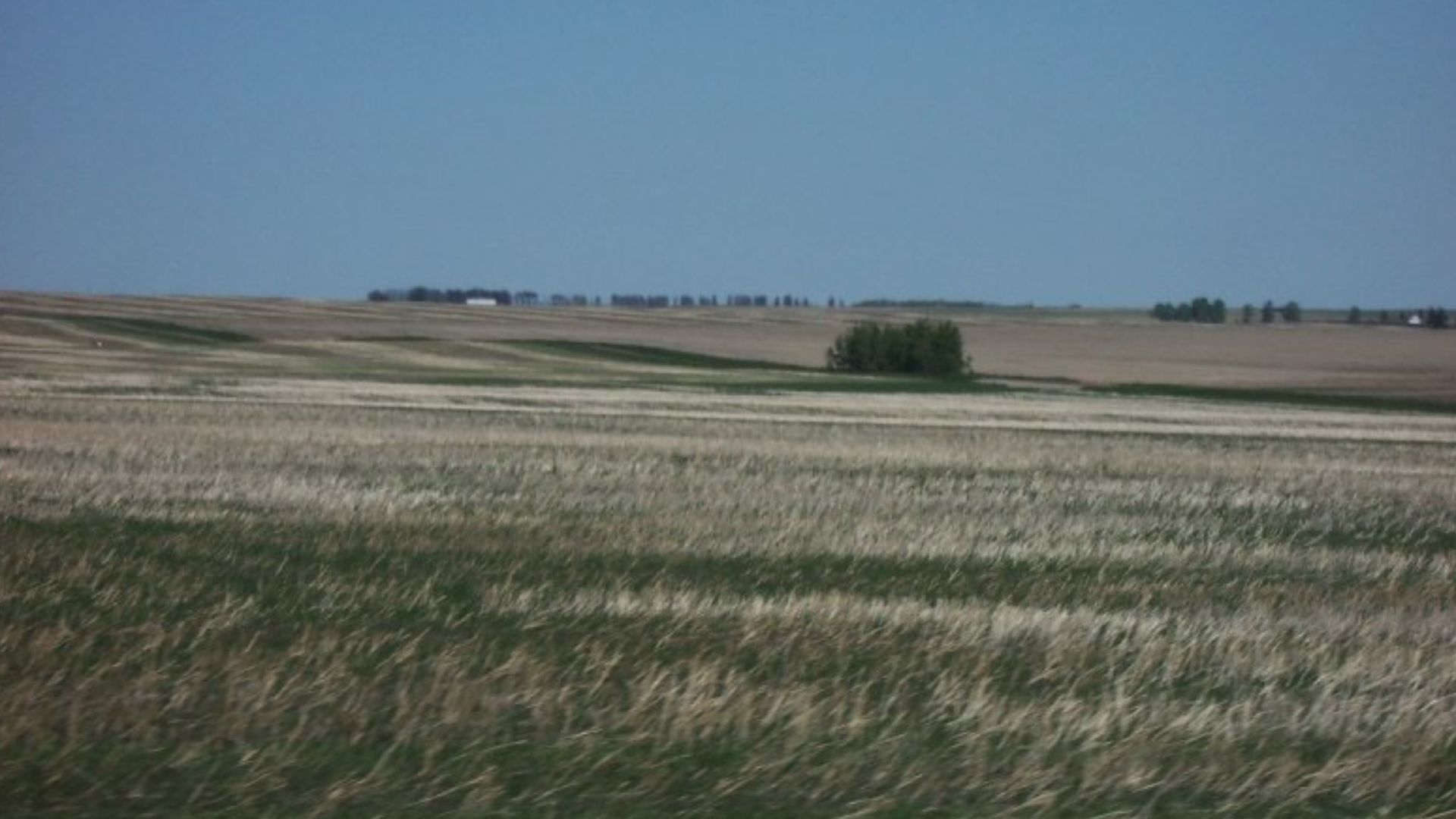
Alberta Changes More Than People Expect
Americans who picture Alberta as endless flat farmland are often surprised by how quickly the scenery changes. Drive west and the Rockies eventually dominate the horizon. Head through other regions and you'll encounter rolling ranch country, badlands, forests, and enormous agricultural areas that look nothing alike.
The Weather Can Change Fast
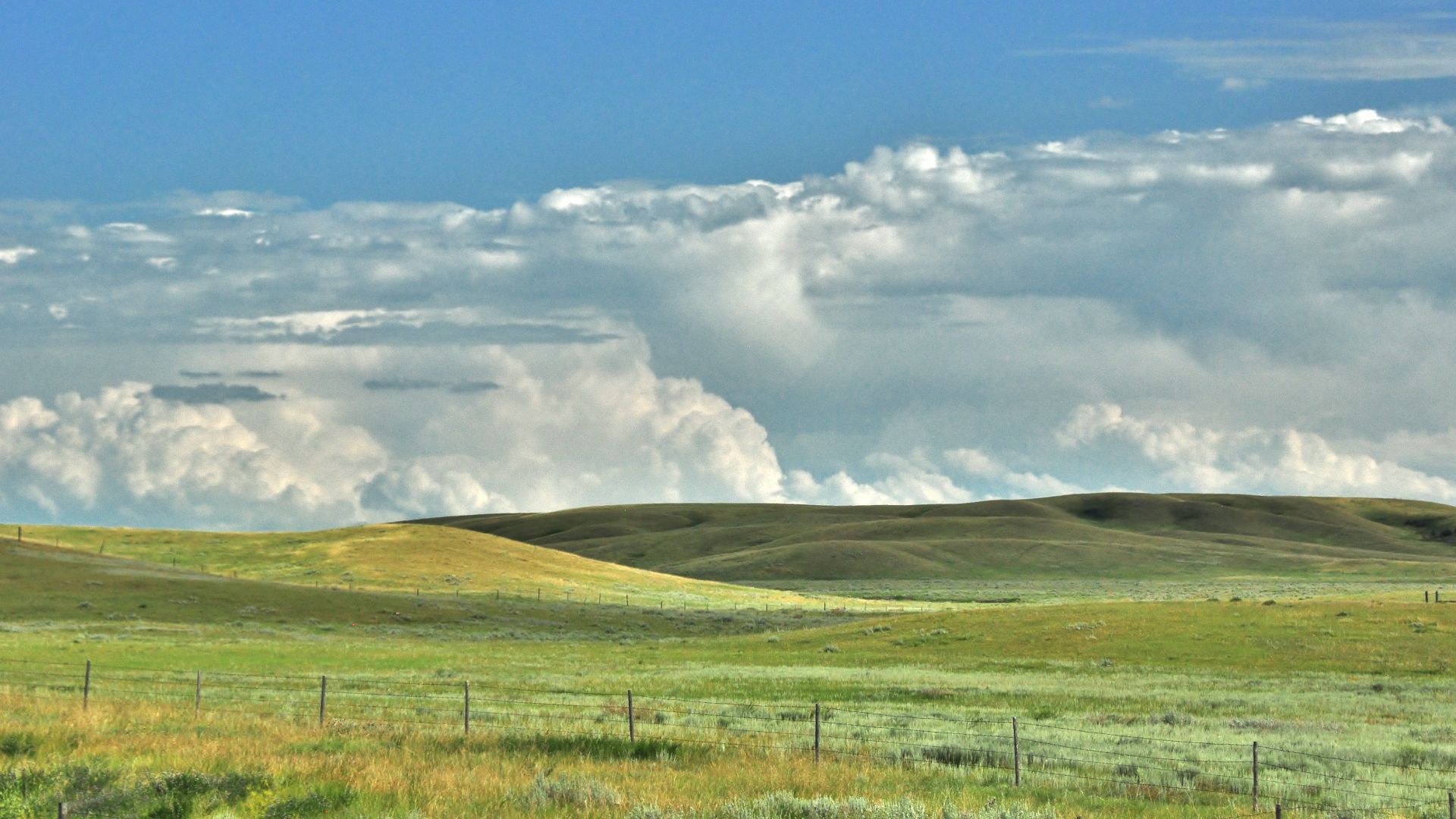
Prairie weather rarely worries about maintaining continuity. Sunshine can give way to dark clouds, powerful winds, hail, or thunderstorms surprisingly quickly. Midwesterners understand dramatic weather perfectly well, but even experienced storm watchers may find themselves impressed by how clearly approaching systems can be seen across Canada's wide-open landscape.
 Mykola Swarnyk, Wikimedia Commons
Wind Is Practically A Travel Companion
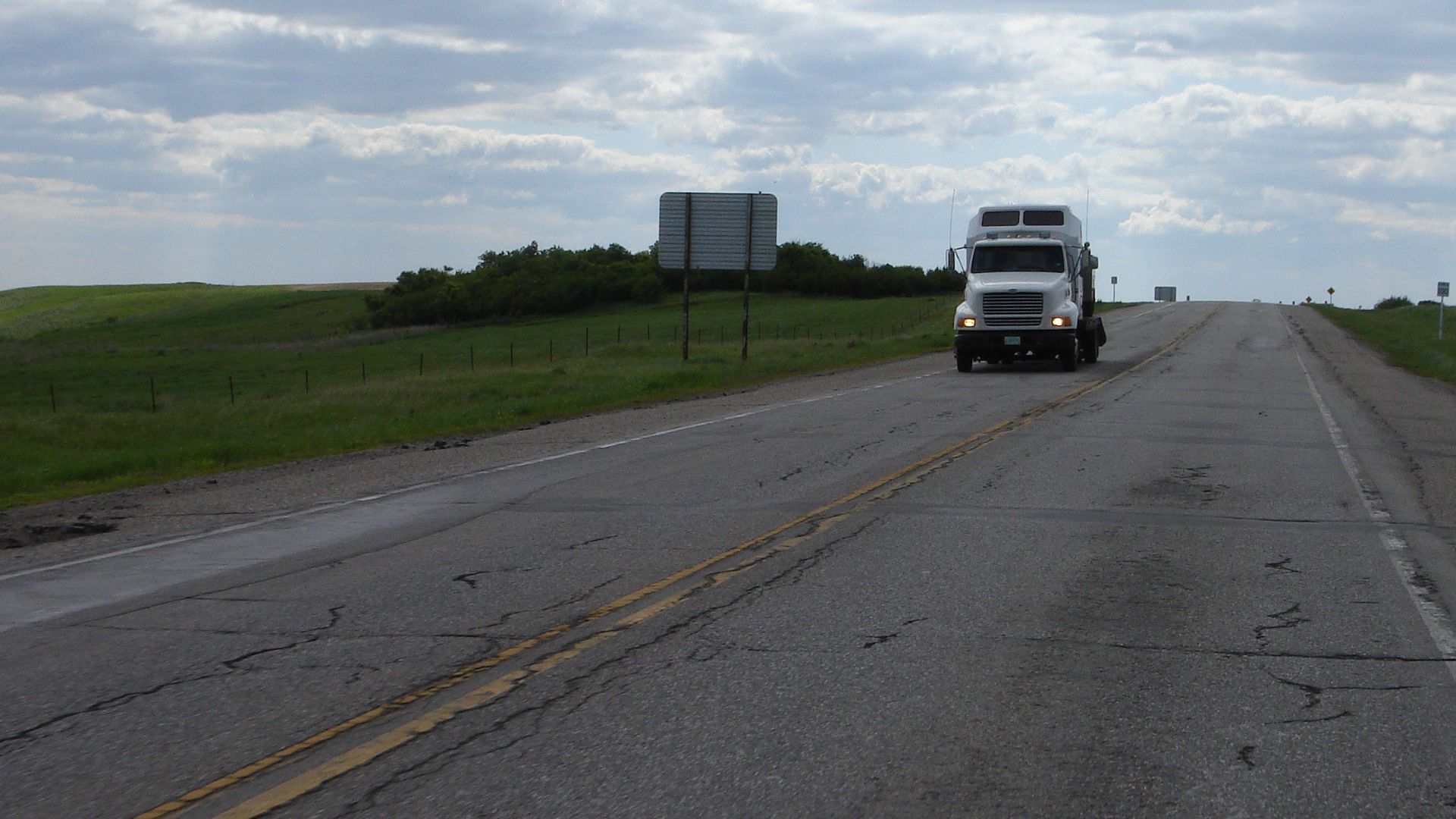
There are calm prairie days, of course, but strong winds are hardly unusual. Drivers notice it when passing large trucks, crossing exposed stretches, or stopping at roadside viewpoints. After several hours of battling crosswinds, even visitors from the famously breezy American plains may develop new respect for prairie weather.
Winter Roads Are A Different Kind Of Serious
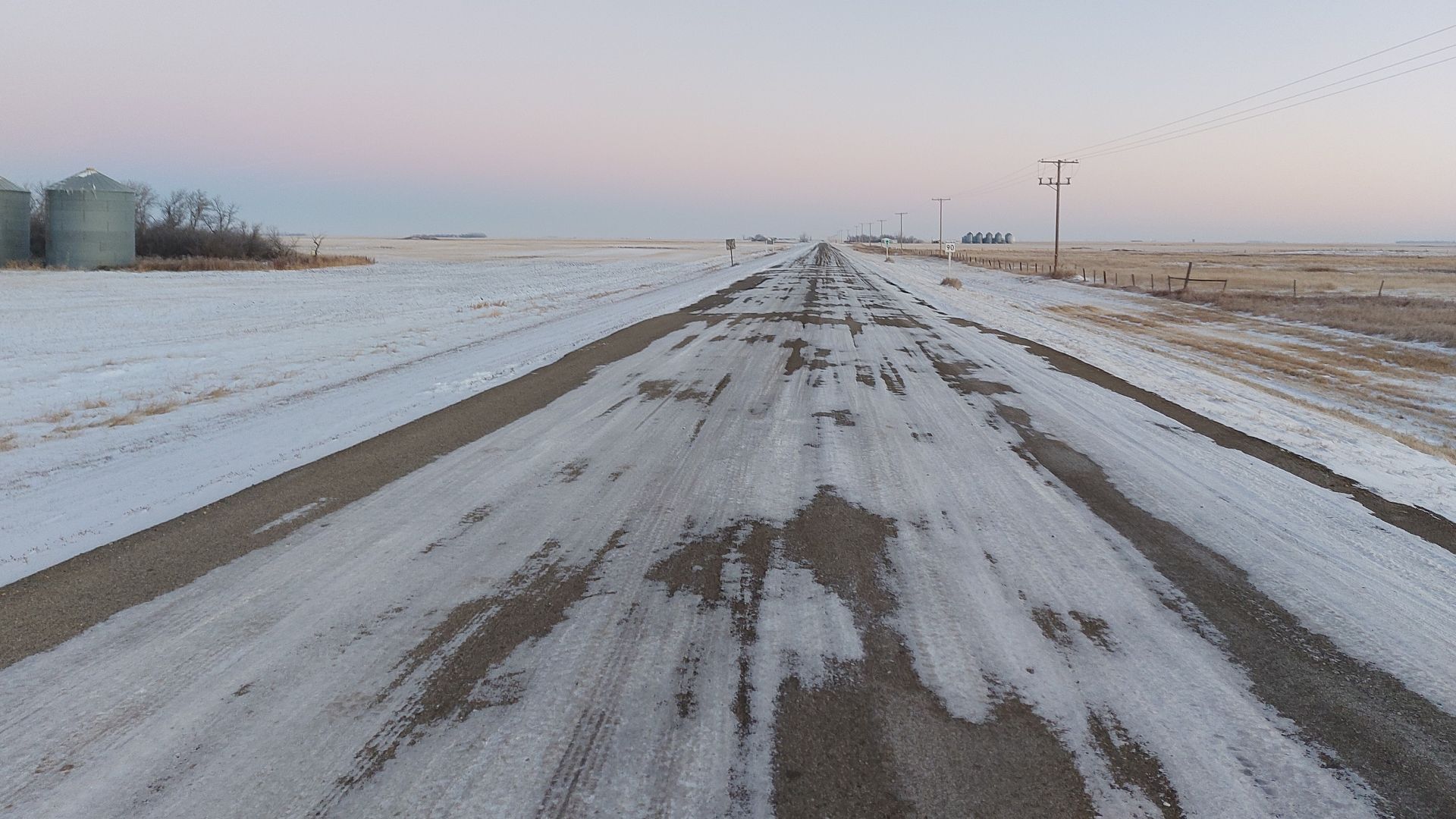
Traveling across the Prairies in January is nothing like a leisurely summer road trip. Blowing snow, extreme cold, drifting, and rapidly changing visibility can make conditions difficult. Midwesterners understand winter driving, but prairie distances mean travelers have extra reason to keep emergency supplies and monitor conditions carefully.
 Masterhatch, Wikimedia Commons
Wildlife Signs Start Getting Your Attention
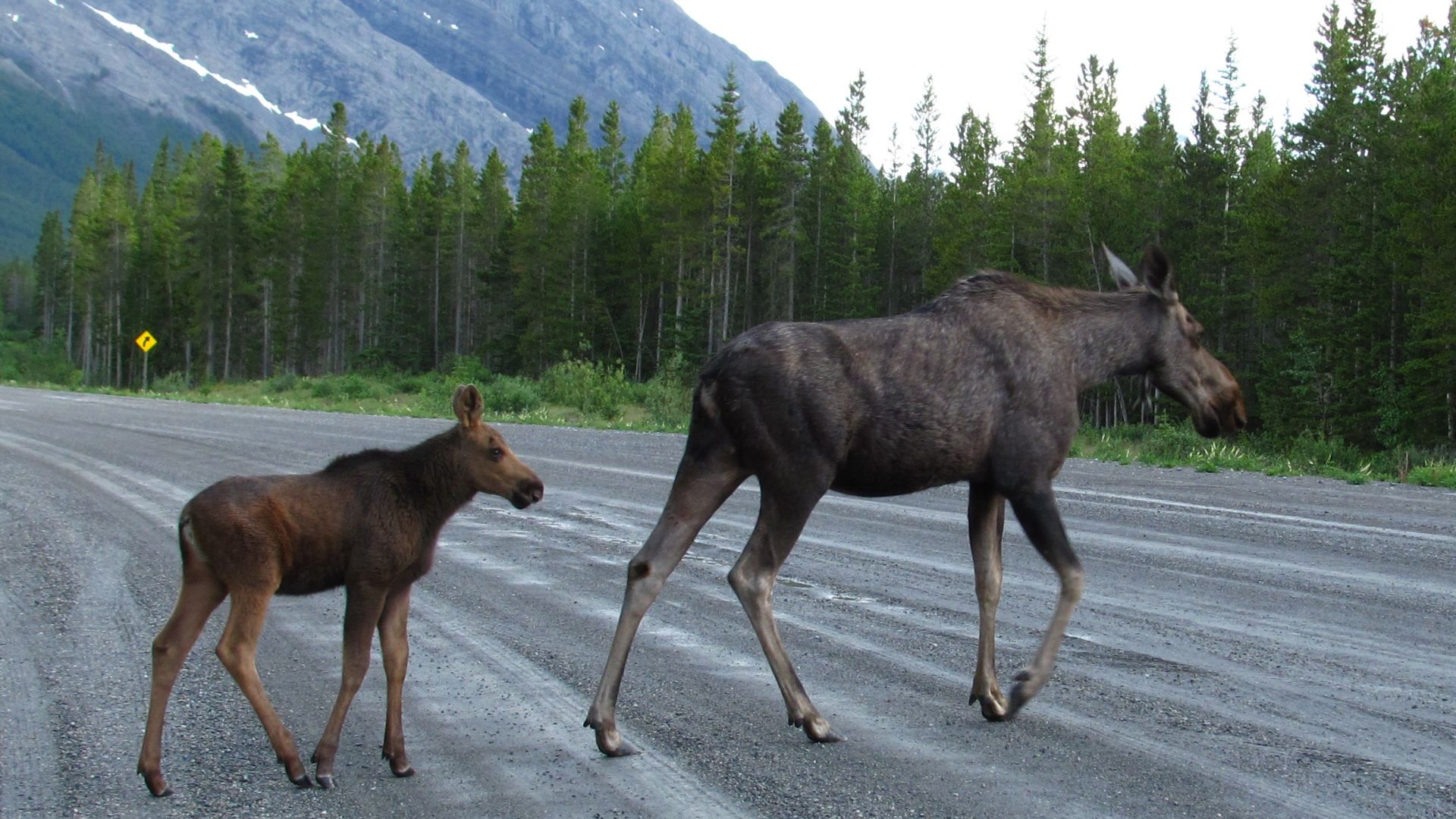
Deer are familiar to American drivers, but prairie roads can also bring warnings about moose and other large animals. Seeing one near the highway quickly makes those signs feel less decorative. Dawn and dusk deserve particular attention, especially on quieter rural roads where wildlife can appear with very little warning.
 Veronika Ronkos, Wikimedia Commons
The Town Names Are Fascinating
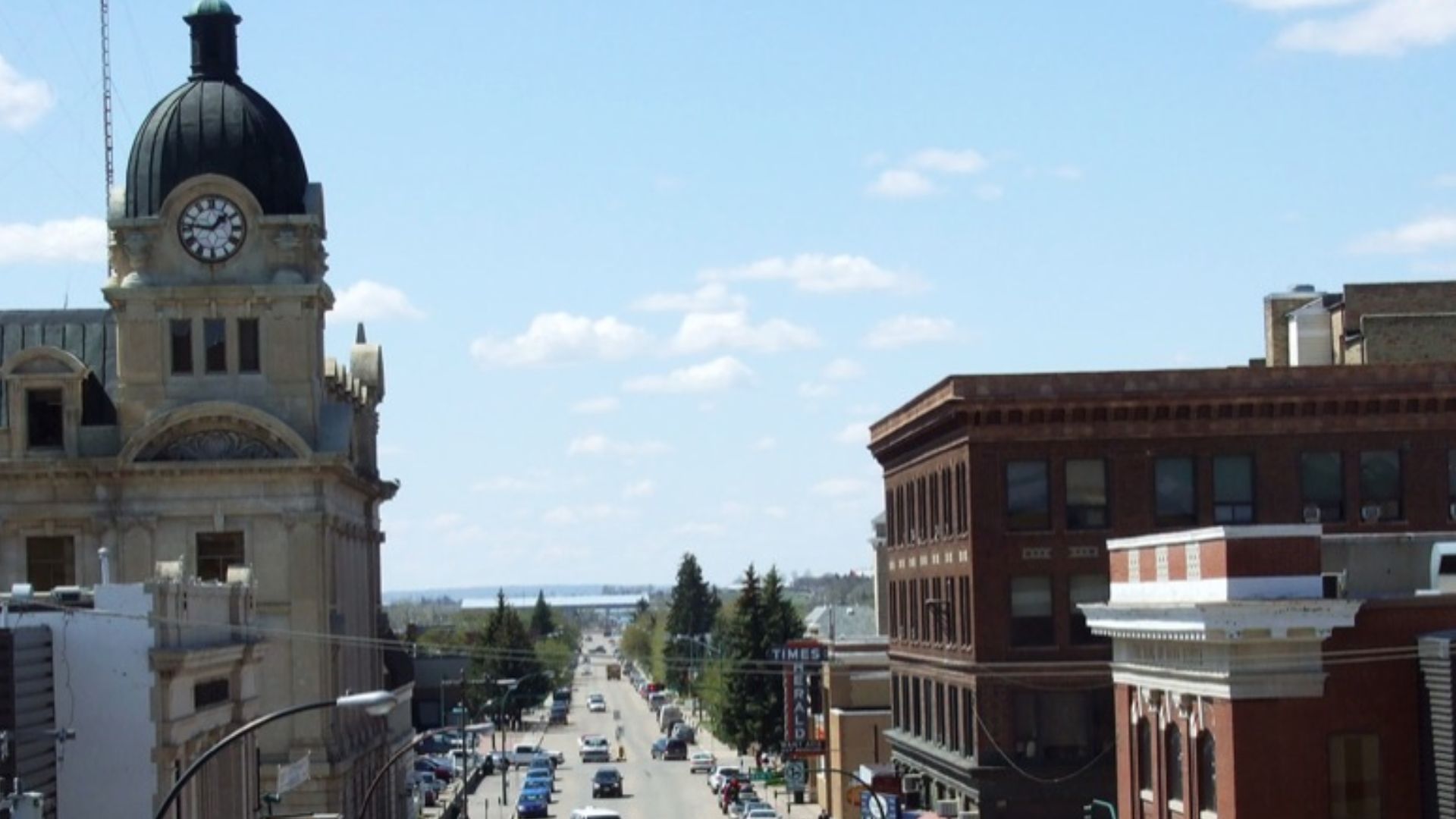
Prairie road maps are filled with memorable names: Moose Jaw, Medicine Hat, Swift Current, Moosemin, and plenty more. Some come from Indigenous languages or local history, while others simply sound unusual to American ears. Reading highway signs becomes unexpected entertainment during the longer stretches between major destinations.
 Joseph Novak from Canton, Mich., USA, Wikimedia Commons
Indigenous History Feels Much More Visible
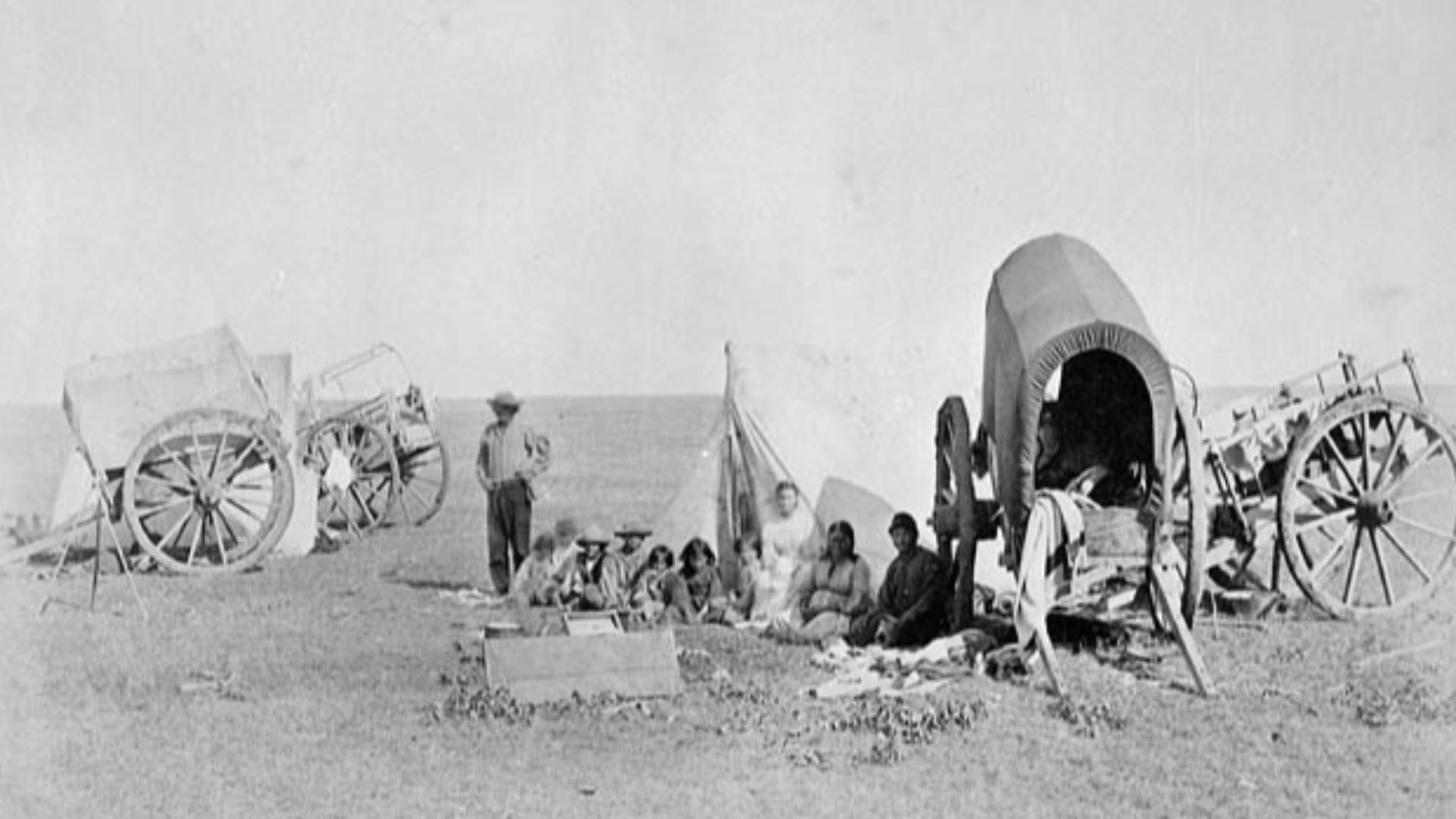
Travelers will encounter communities, place names, interpretive sites, and museums connected to First Nations and Métis history throughout the Prairies. For American visitors, this can provide an important reminder that these landscapes have histories extending far beyond modern farms, provincial borders, railways, and highways.
 Unknown authorUnknown author, Wikimedia Commons
Rest Stops Can Feel Pretty Basic
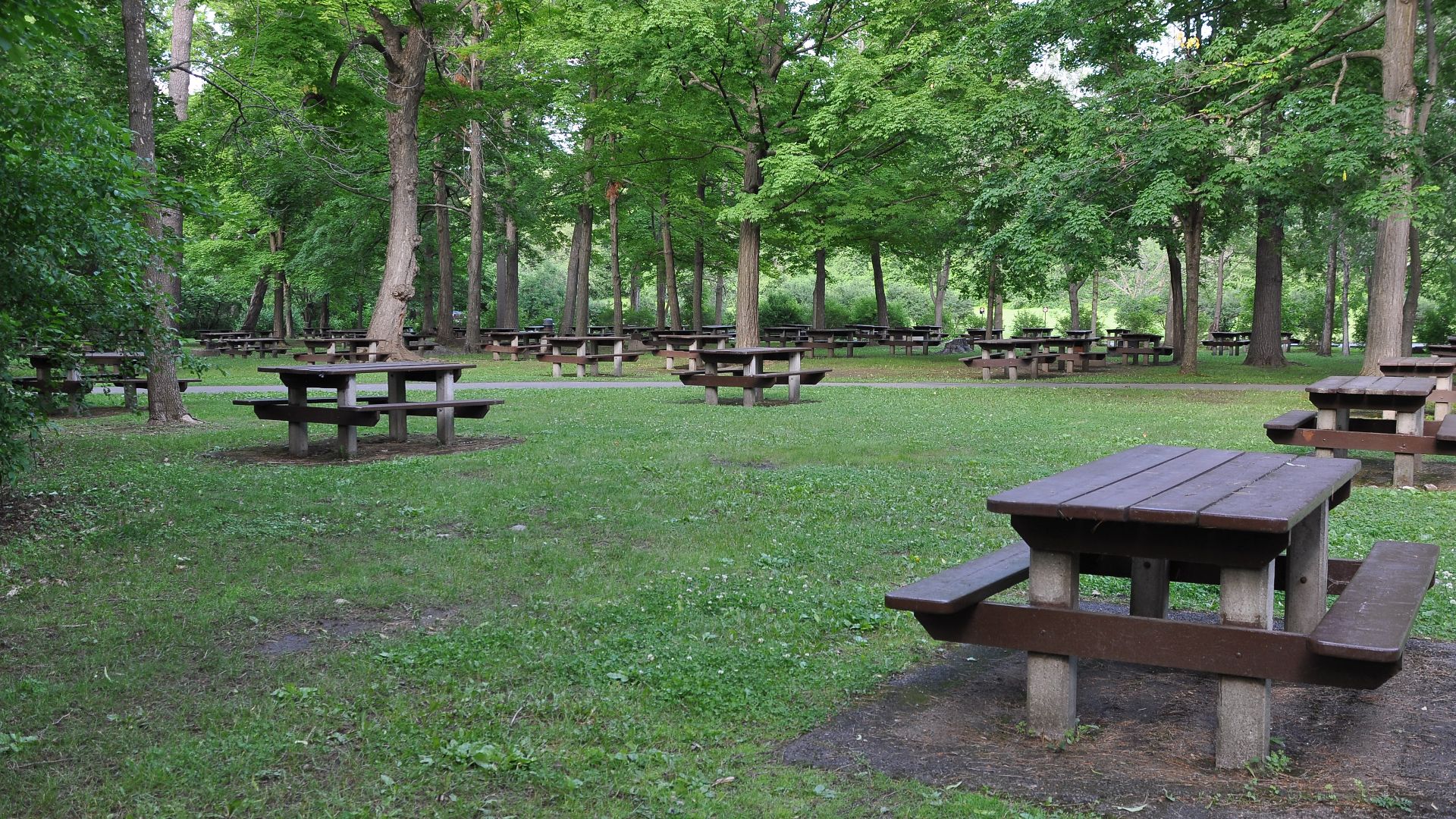
American Interstate travelers may expect elaborate highway plazas with restaurants, fuel, large bathrooms, and chain coffee shops. Prairie road stops can be much simpler. Depending on the route, travelers may encounter small pull-offs, picnic areas, or modest facilities that reinforce just how rural some stretches really are.
 shankar s. from Dubai, united arab emirates, Wikimedia Commons
Tim Hortons Becomes A Road-Trip Landmark
Eventually, many Americans develop a new system for navigating Canada: towns with a Tim Hortons and towns without one. The chain becomes a reliable prairie-road-trip sight, offering coffee, snacks, bathrooms, and a familiar place to stop before heading back into another long stretch of open highway.
 Marek Slusarczyk (Tupungato) www.wyprawa.info, Wikimedia Commons
The Sunsets Can Be Ridiculous
Few landscapes show off a sunset quite like the Prairies. With so little blocking the horizon, evenings can produce huge bands of orange, pink, purple, and red stretching across the sky. Even seasoned Midwestern sunset watchers may admit that Canada has created some serious competition.
 Viktor Birkus https://viktor-birkus.pixels.com[1], Wikimedia Commons
The Similarities Might Be The Biggest Surprise
After noticing all the differences, many Midwestern Americans end up struck by how comfortable the Prairies feel. Farming communities, friendly small towns, severe winters, pickup trucks, hockey conversations, and wide-open country create plenty of cultural overlap. Crossing the border doesn't suddenly make everything feel foreign.
A Familiar Landscape With A Canadian Twist
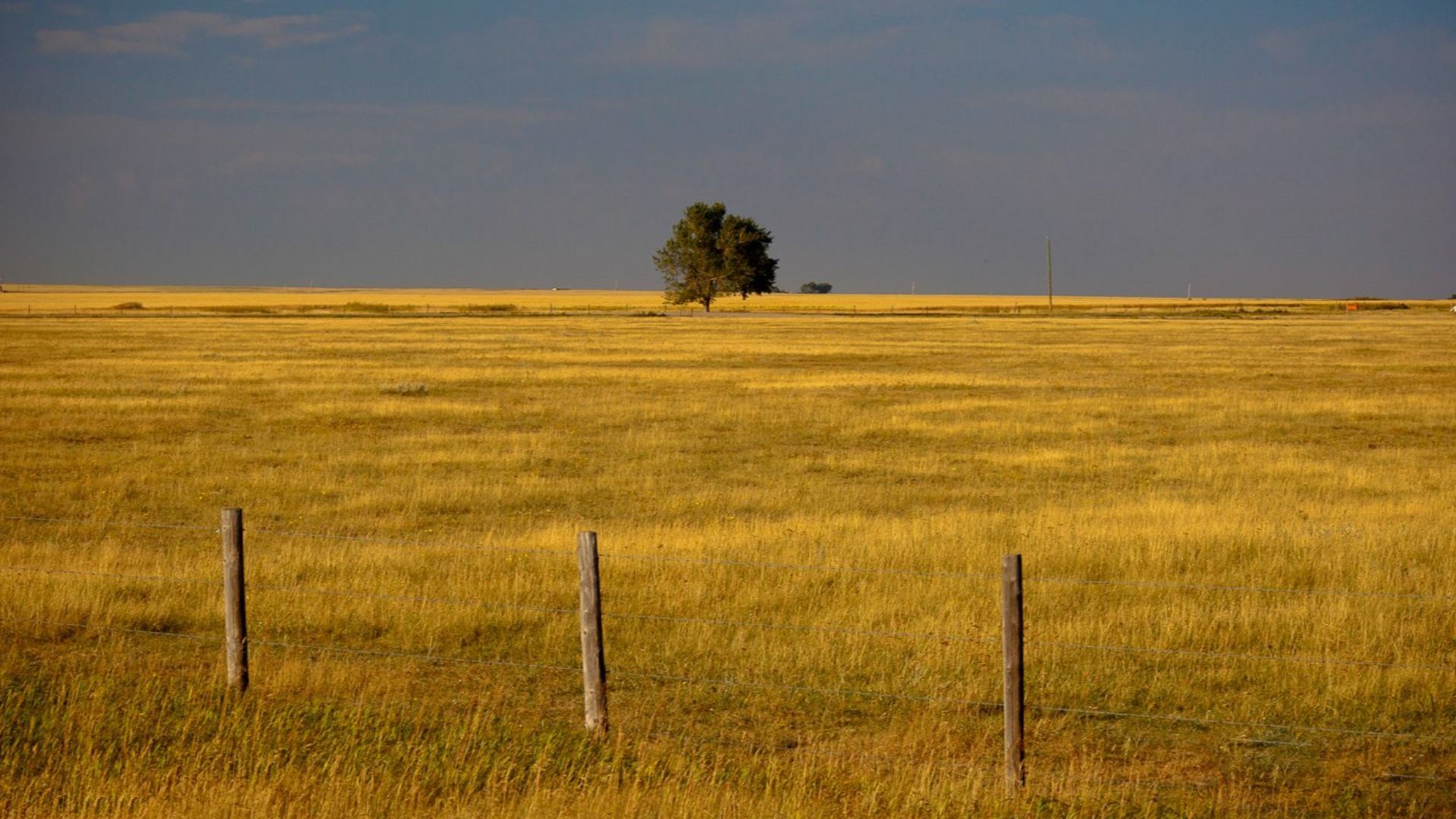
Driving the Canadian Prairies is one of those trips that keeps shifting between recognizable and unexpected. Americans from the Midwest may feel strangely at home, yet the kilometres, canola fields, enormous horizons, small-town rhythms, and unmistakably Canadian details ensure the road never feels quite like home.
 Saffron Blaze, Wikimedia Commons
You May Also Like: