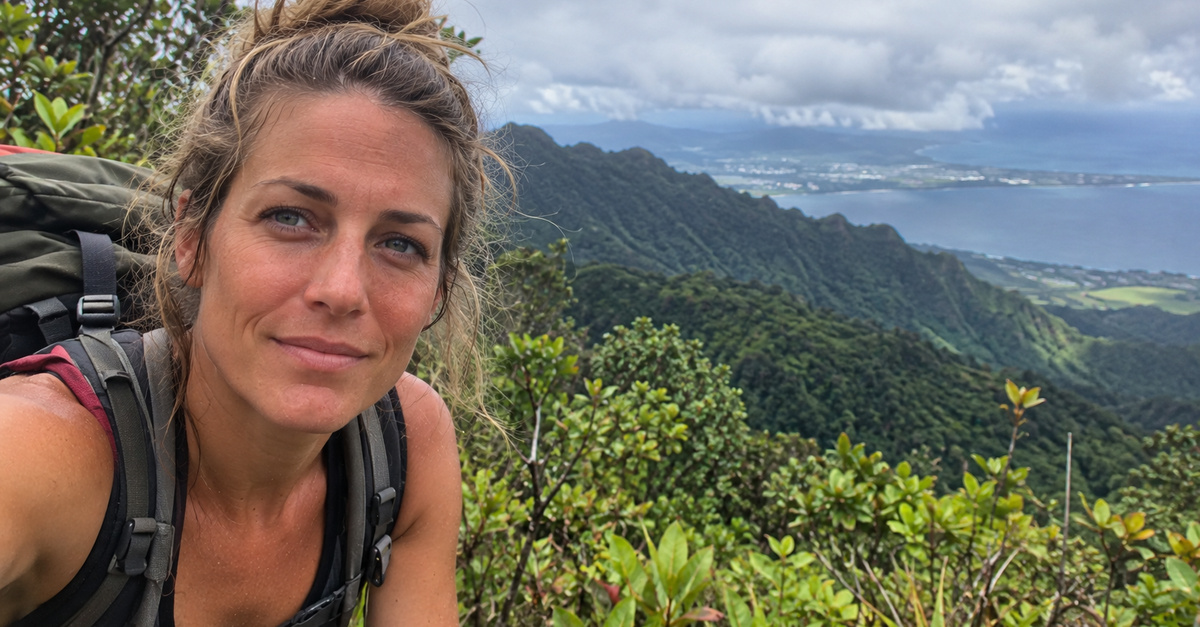
One Small Choice Can Change Everything
Getting lost in the wilderness does not always begin with a dramatic mistake. Sometimes it starts with a wrong turn, a forgotten phone, or the decision to keep walking when the trail disappears. Real survival stories show how seemingly minor choices can shape what happens next. Some hikers made it home against incredible odds, while others were not so fortunate.
Aron Ralston Entered A Canyon Without Telling Anyone
In April 2003, experienced outdoorsman Aron Ralston headed into Utah's remote Bluejohn Canyon for what he expected to be a daylong adventure. He had the skills to navigate challenging terrain, but he made one critical decision before leaving. He did not tell anyone exactly where he was going. That omission became terrifyingly important when an enormous boulder trapped his right arm against a canyon wall.
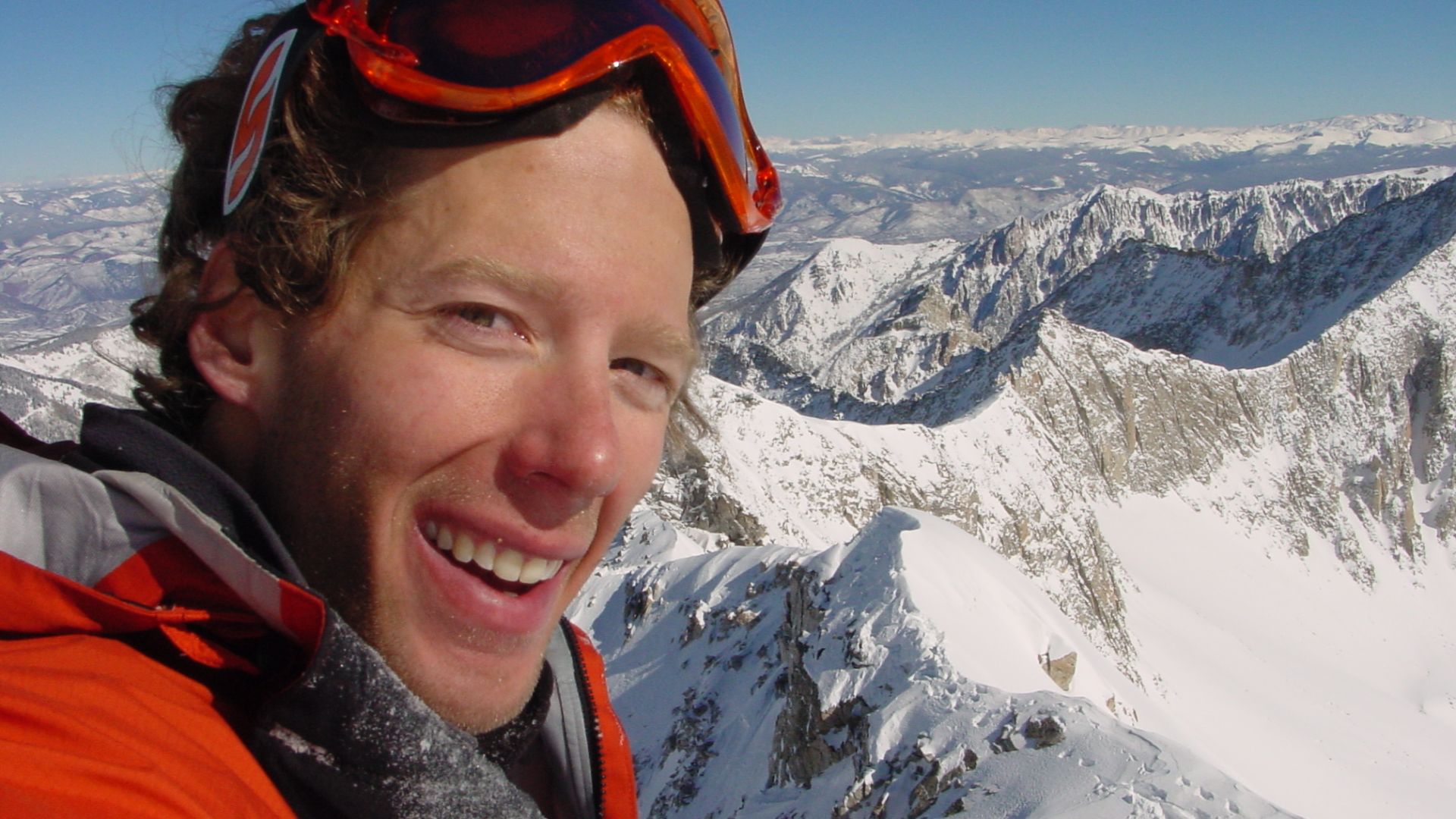 Aron Ralston, Wikimedia Commons
A Boulder Turned His Hike Into A Nightmare
Ralston spent five days pinned beneath the rock, unable to move it despite repeated attempts. His limited food and water eventually ran out, and he had little reason to expect rescuers would find him. Because nobody knew his intended location, authorities had no precise starting point for a search. His failure to leave an itinerary had transformed an already dangerous accident into a desperate survival situation.
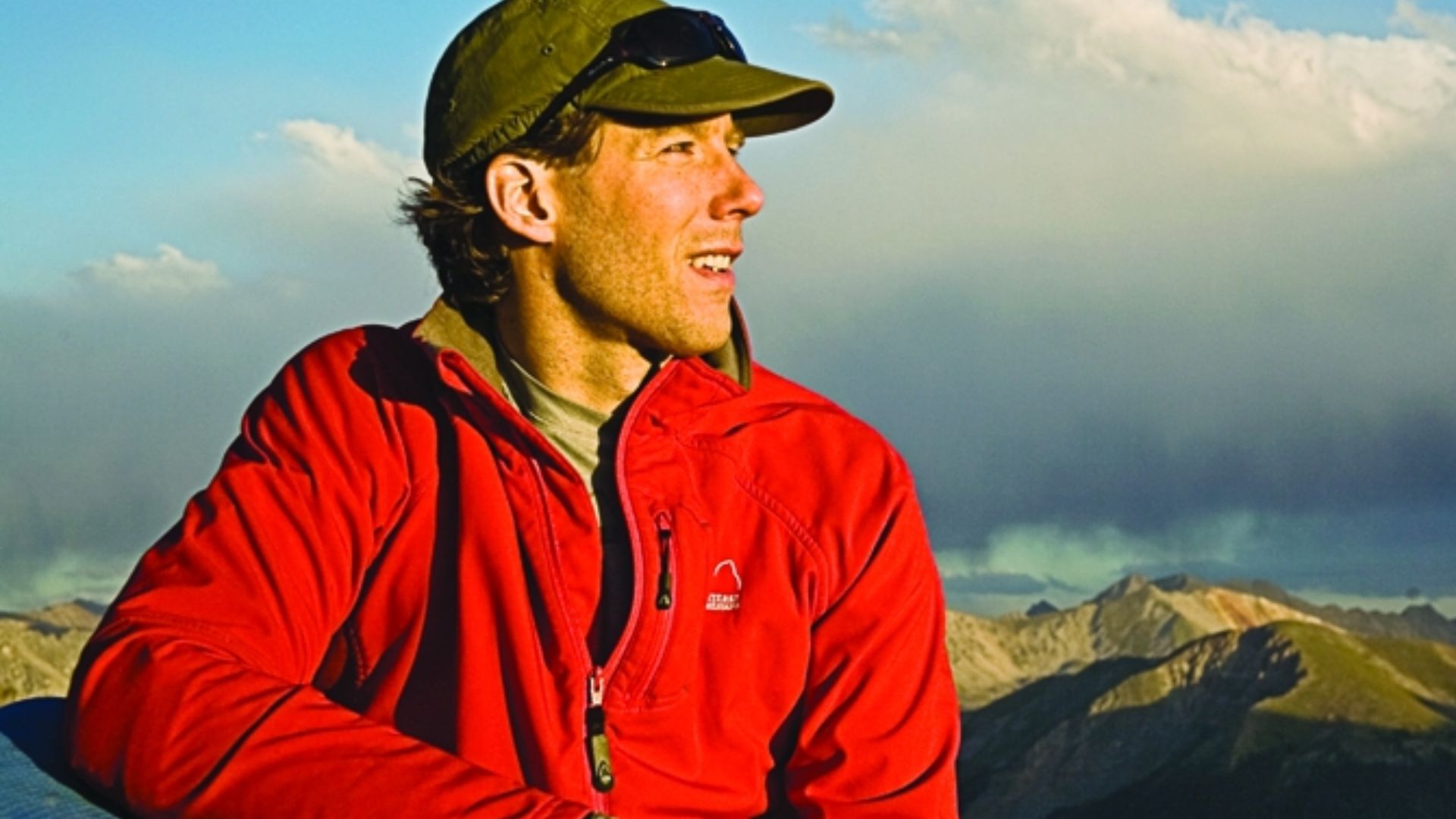 Michael Alvarez, Aron Ralston, Wikimedia Commons
His Final Decision Saved His Life
Facing an increasingly desperate situation, Ralston made an extraordinary personal sacrifice to free himself. His determination ultimately allowed him to escape the canyon and reach safety. He survived the ordeal and later shared his experience publicly. His story became a famous reminder that telling someone your route can be just as important as carrying survival equipment.
 Nicolas Richoffer, Wikimedia Commons
Geraldine Largay Stepped Off The Appalachian Trail
In July 2013, 66-year-old Geraldine Largay was hiking a section of the Appalachian Trail through Maine. She briefly left the marked route to use the bathroom, something countless hikers do without incident. Unfortunately, she became disoriented and could not locate the trail again. That ordinary detour began a disappearance that would remain unresolved for more than two years.
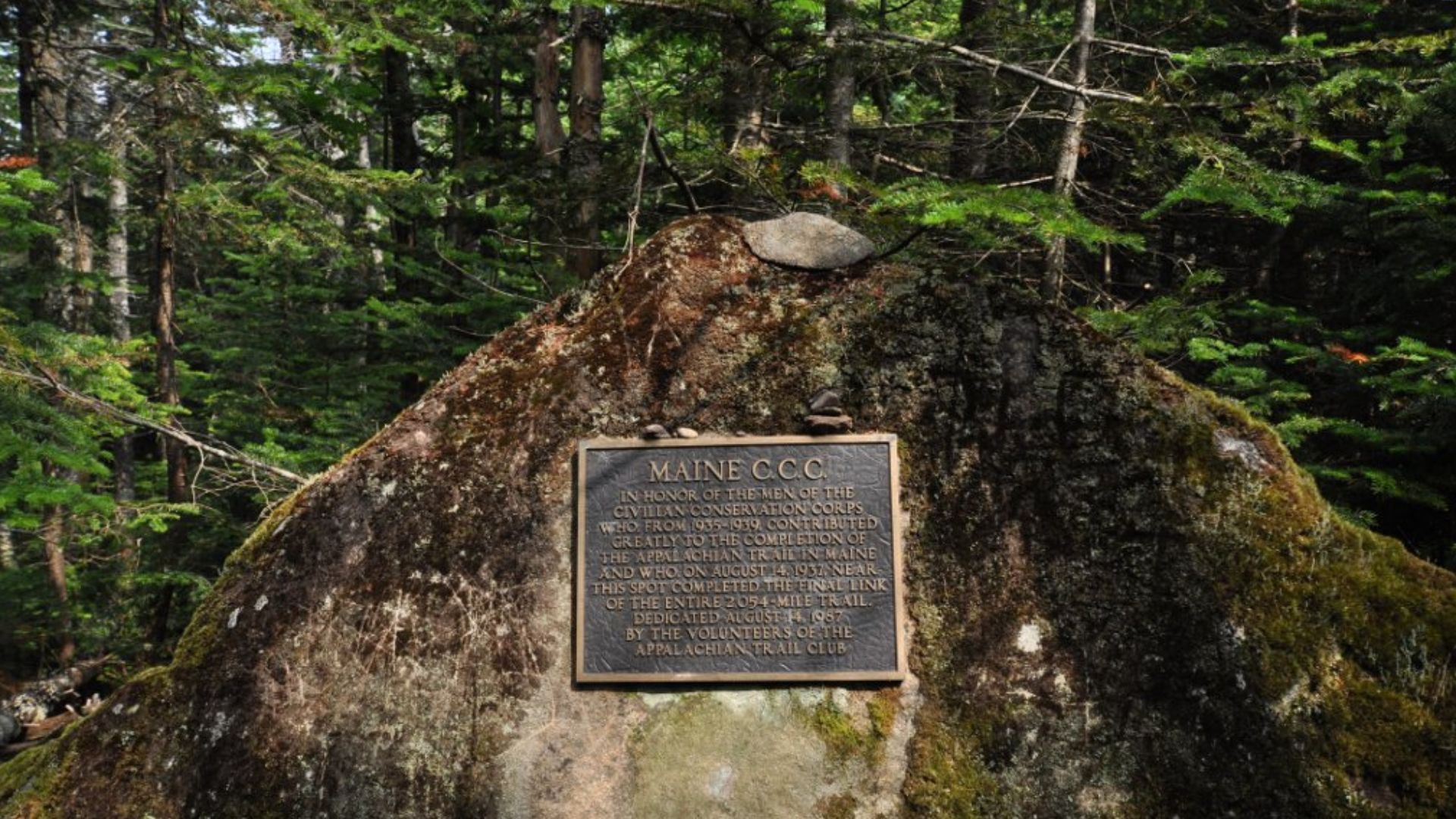 User:Magicpiano, Wikimedia Commons
Her Phone Could Not Send The Message
After realizing she was lost, Largay attempted to contact her husband by text message. She explained that she had stepped off the trail and needed help finding her way back. However, poor cellular reception prevented her messages from reaching him. She eventually established a campsite in the forest, but searchers could not locate her.

Searchers Never Reached Her Campsite
The search for Largay finally reached a heartbreaking conclusion in October 2015, when investigators discovered what had happened to her. Authorities determined that she had not survived her prolonged ordeal in the wilderness. Her case demonstrates how a brief departure from a familiar route can become dangerous when navigation and communication fail. Although she attempted to summon help, her location remained unknown to rescuers.
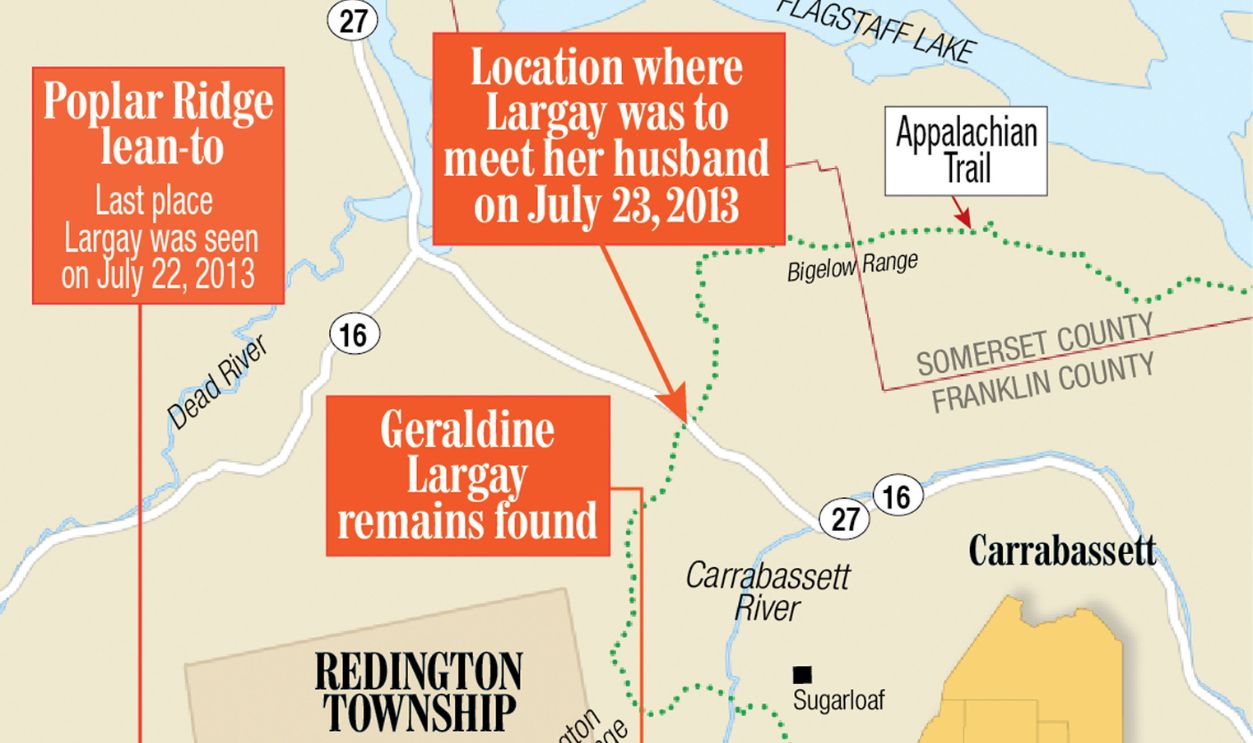 Portland Press Herald, Getty Images
Amanda Eller Left Her Phone Behind
In May 2019, yoga instructor Amanda Eller went for what was supposed to be a relatively short outing in Maui's Makawao Forest Reserve. She left her cellphone behind, believing she would not need it during her exercise. When she became disoriented, that decision left her without a convenient way to contact anyone. Her brief trip eventually turned into 17 days of survival in the Hawaiian wilderness.
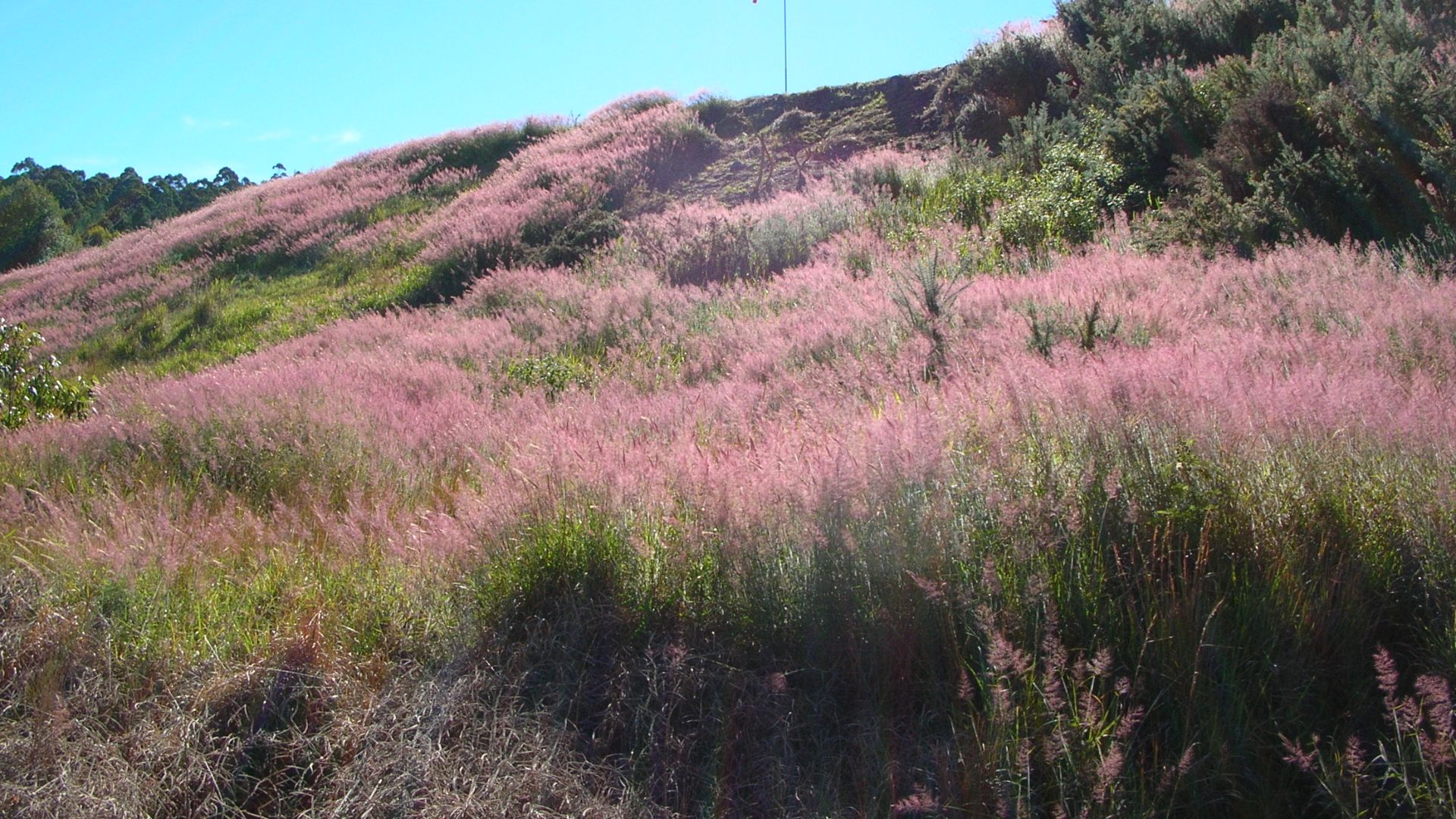 Forest and Kim Starr, Wikimedia Commons
Trying To Find Her Car Made Things Worse
Eller initially attempted to navigate back toward her vehicle, but her efforts took her deeper into unfamiliar forest. During the ordeal, she suffered injuries to her legs and struggled with difficult terrain, limited food, and dangerous weather. At one point, flash flooding forced her to endure an especially frightening night. What had started as a navigation problem became a prolonged test of endurance.
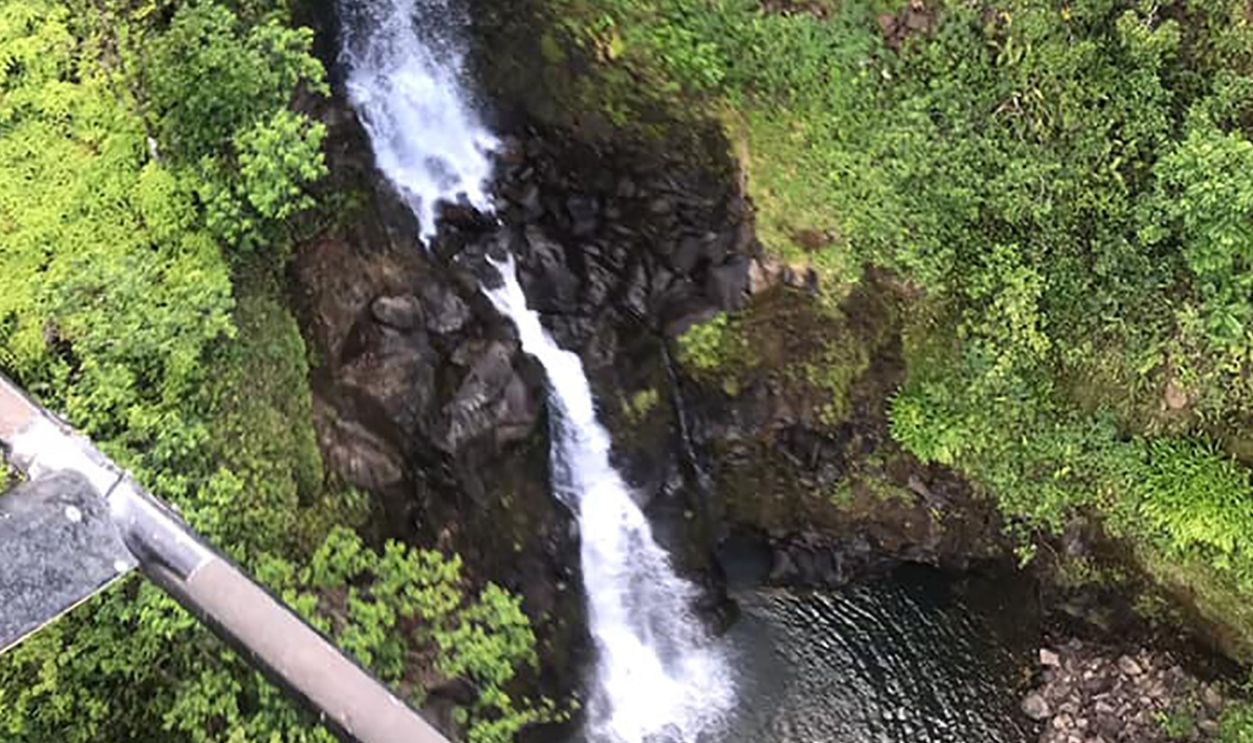 JAVIER CANTELLOPS, Getty Images
A Helicopter Finally Spotted Her
Despite her injuries and weakening condition, Eller continued trying to survive until searchers located her. On May 24, 2019, a helicopter search team spotted her in a remote area near waterfalls. She was rescued alive after more than two weeks in the forest. Eller later acknowledged that bringing her cellphone and other basic supplies would have been a wiser decision.
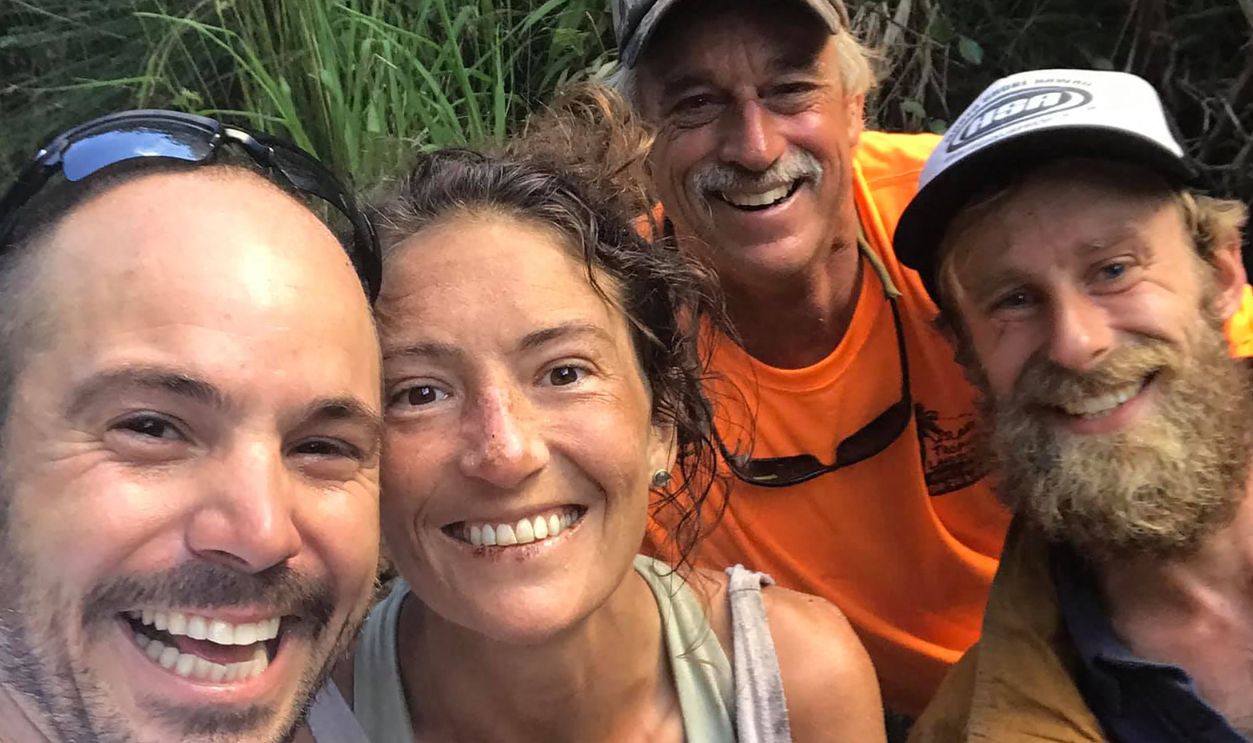 JAVIER CANTELLOPS, Getty Images
James Kim Left His Family's Stranded Car
In November 2006, James Kim and his family became stranded while driving through Oregon's snowy wilderness. Although their ordeal began on a road rather than a hiking trail, the survival decisions they faced were remarkably similar. After several days without rescue, Kim decided to leave the vehicle and walk through the mountains to find help. His wife, Kati, remained with their two young daughters.
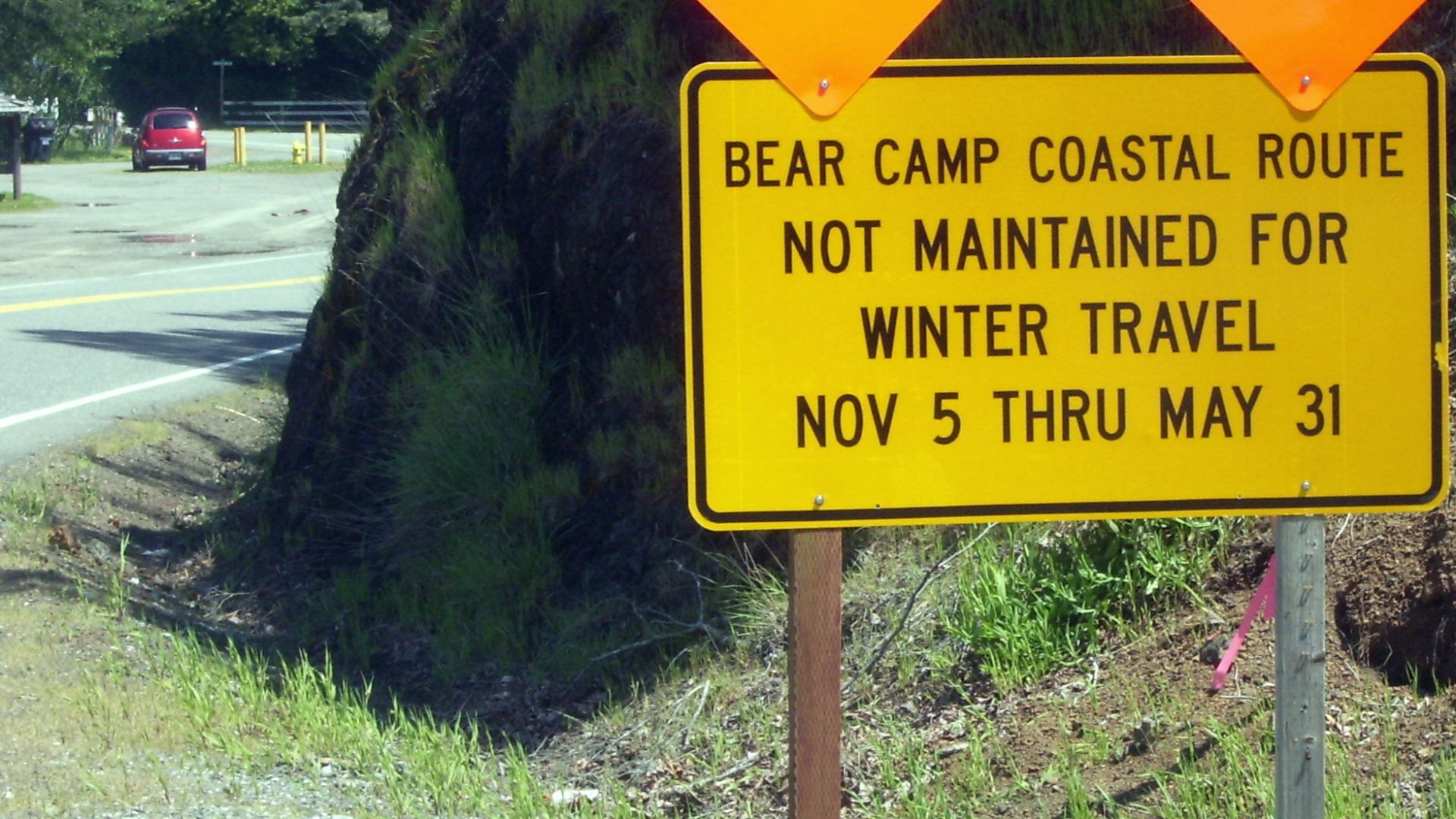
Staying With The Vehicle Saved Three Lives
Kati Kim and the children endured freezing conditions while waiting for someone to find them. Their vehicle provided a recognizable location for searchers, even though the family had limited supplies. On December 4, a helicopter spotted Kati signaling with an umbrella near the car. All three were rescued alive, but James was still missing.
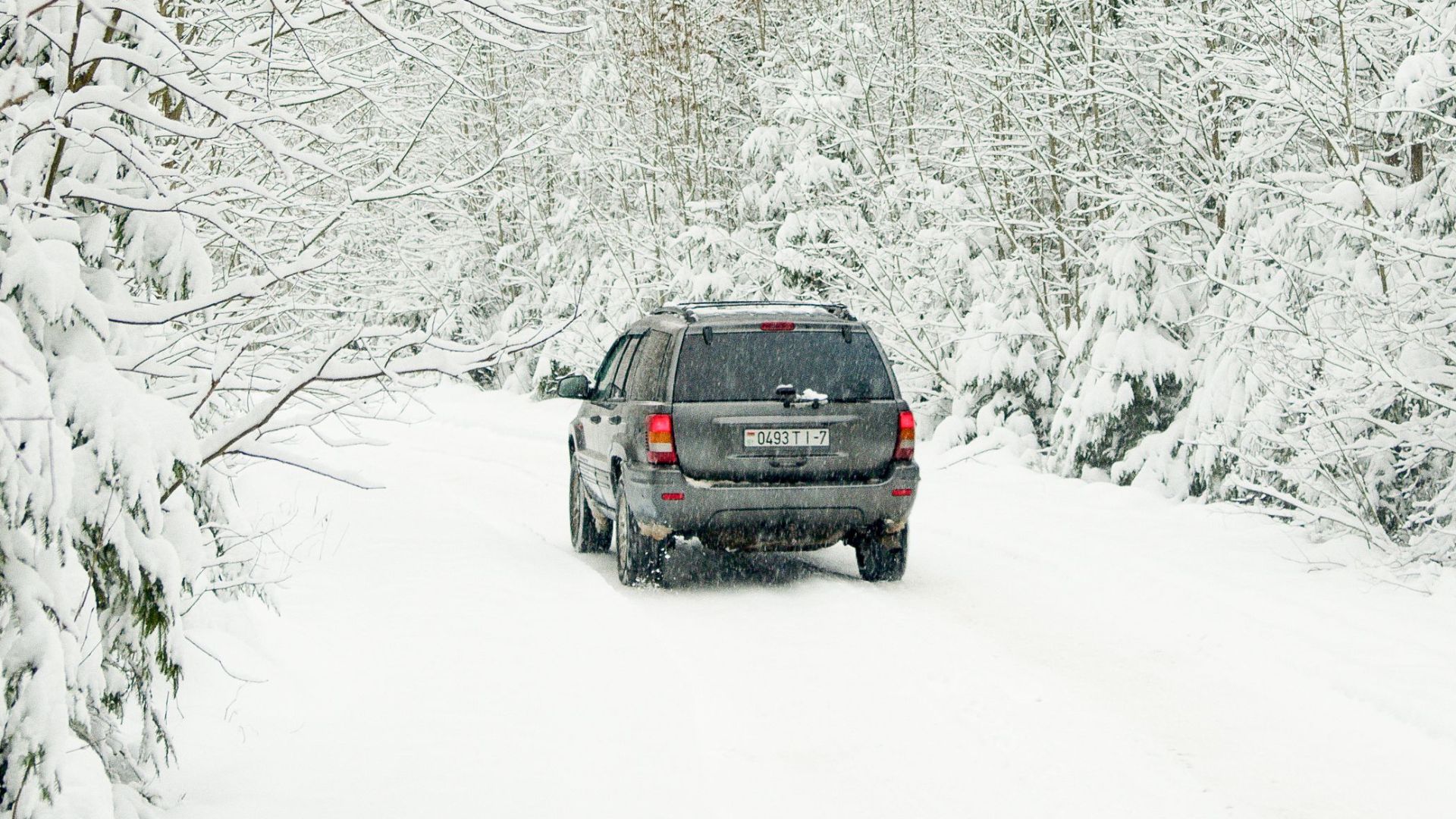
James Never Made It Back
The search for James Kim ended tragically on December 6, several days after he had left the vehicle seeking help. Authorities determined that he had not survived the freezing conditions while attempting to navigate the rugged wilderness. Investigators believed he had traveled a considerable distance while trying to reach civilization. His story illustrates the risks of leaving a known shelter, although the difficult circumstances make it impossible to know whether staying would have guaranteed his survival.
 San Francisco Chronicle/Hearst Newspapers, Getty Images
Stanislav Volo Started With A Six-Hour Plan
On August 30, 2026, Stanislav Volo set out to hike the challenging Mount Habrich Loop near Squamish, British Columbia. He expected the approximately 12-kilometre route to take around six hours. Partway through the journey, he realized his phone battery might not last until he returned. His attempt to find another way down led him into unfamiliar terrain, where he became lost.
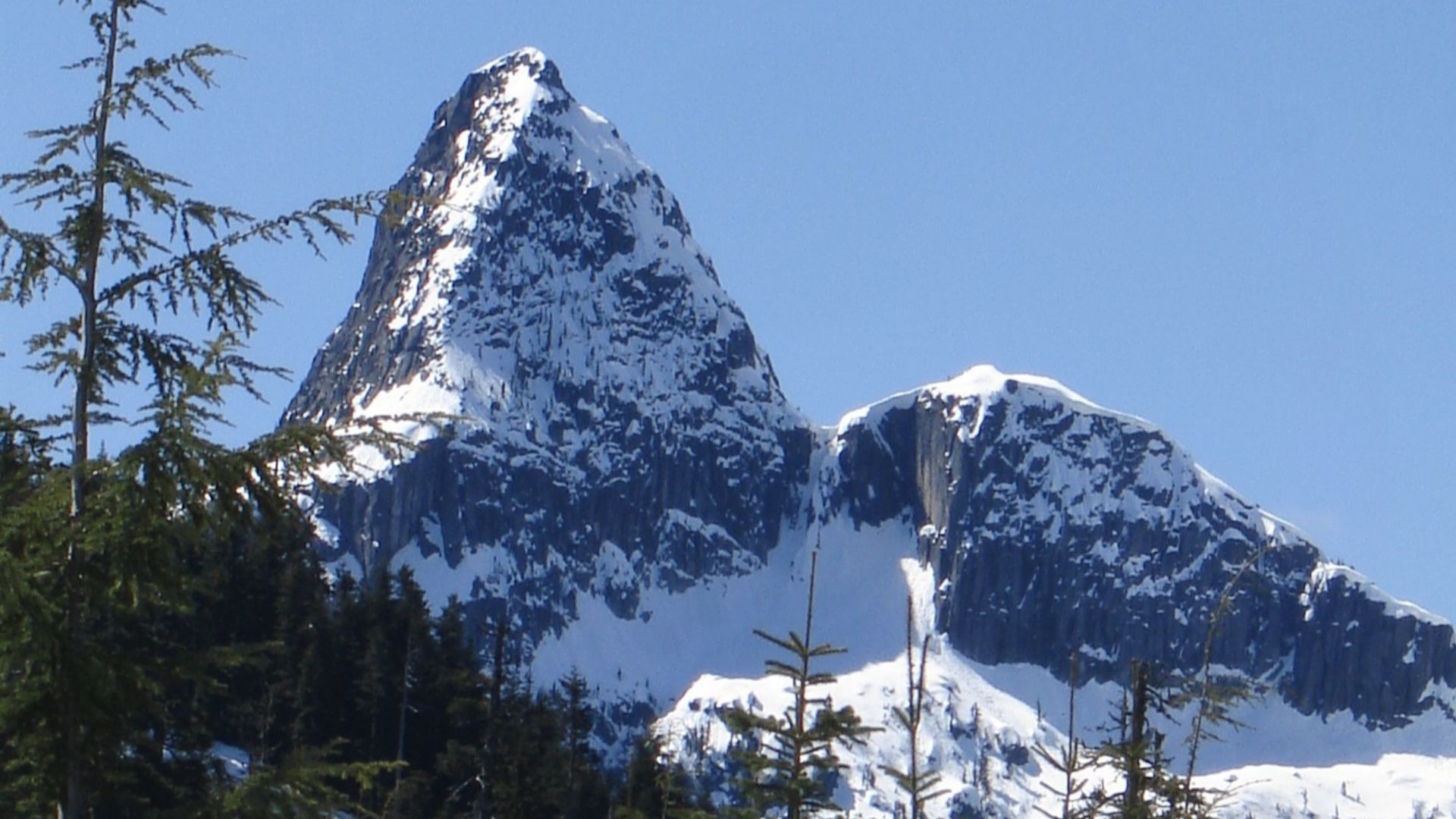 Siegfried R, Wikimedia Commons
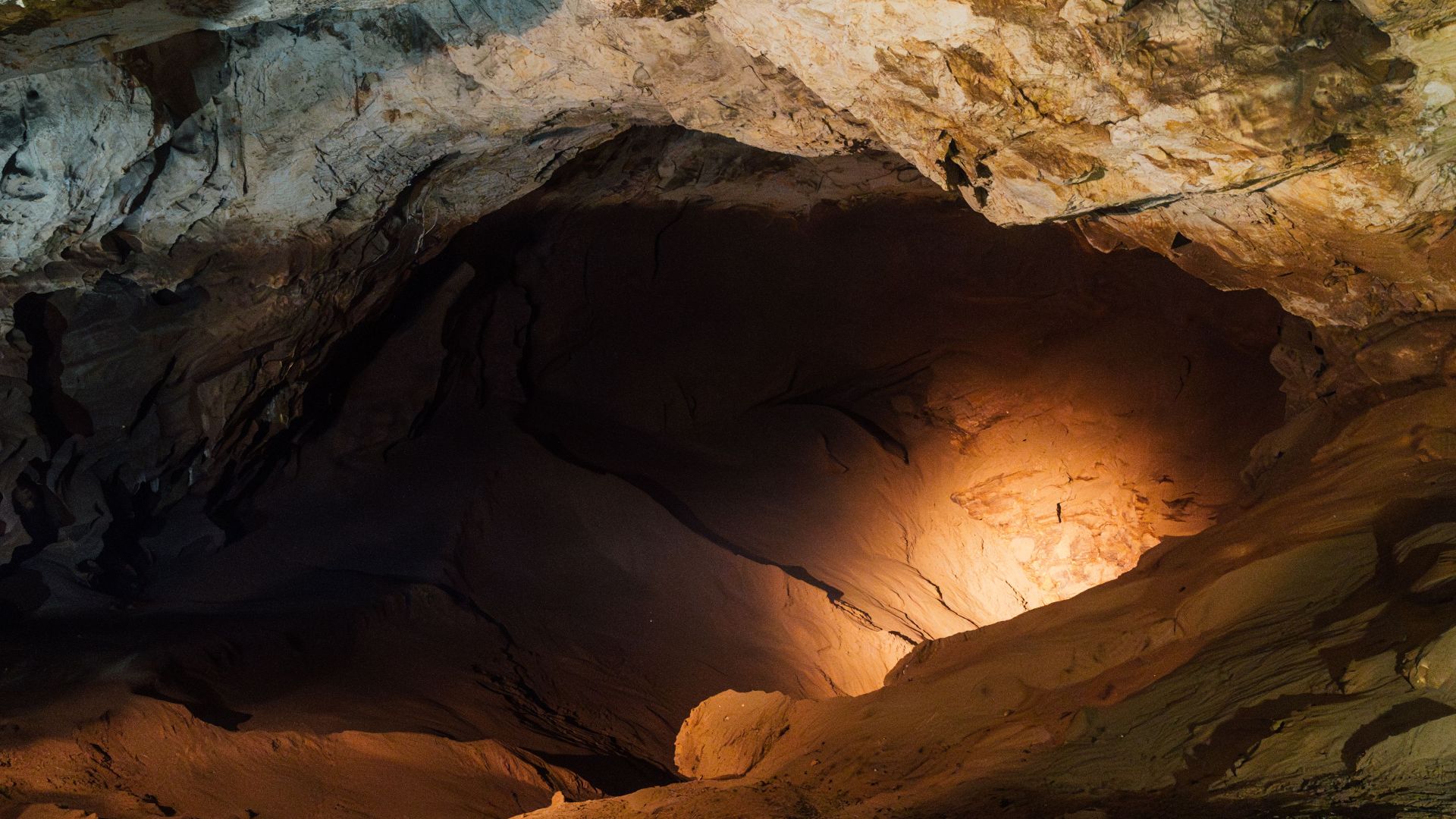
A Small Cave Became His Shelter
Unable to find his way out, Volo located a small cave that offered some protection from the weather. Over the following days, he survived on available water and plants while dealing with injuries from falls. Search aircraft passed overhead, but their crews could not spot him. His improvised shelter helped him endure the conditions, even as his situation became increasingly serious.
The Sound Of Traffic Guided Him Home
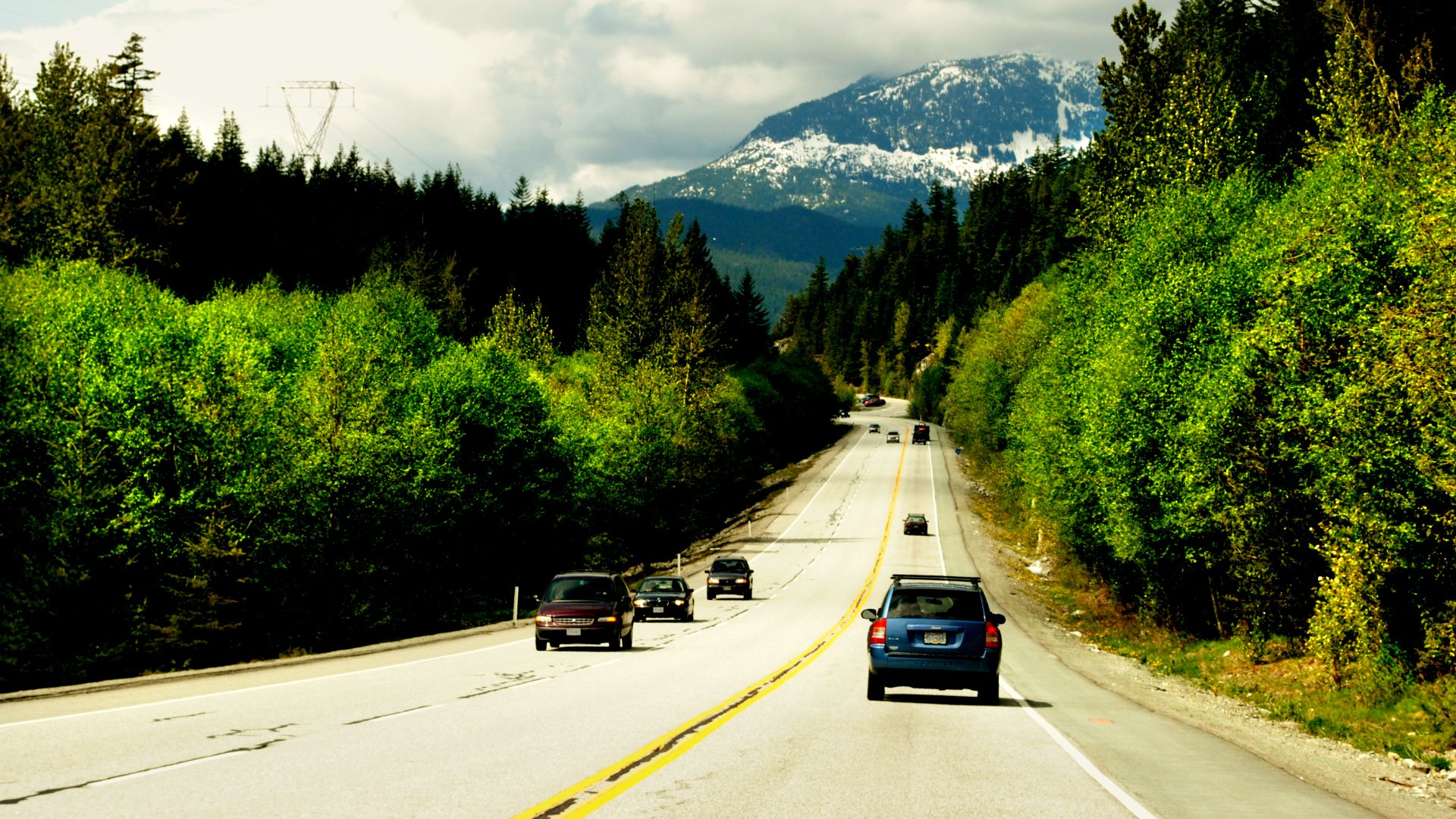
After days in the wilderness, Volo eventually heard the familiar sound of vehicles traveling along a road. He followed the sound and managed to climb toward the roadway despite his injuries. Passing motorists helped him, bringing his ordeal to an end. His experience shows how quickly a short hike can become dangerous when navigation depends on a phone with limited battery power.
 Vince Alongi from Delta, B.C., Canada, Wikimedia Commons
Two Hikers Got Lost After Sunset
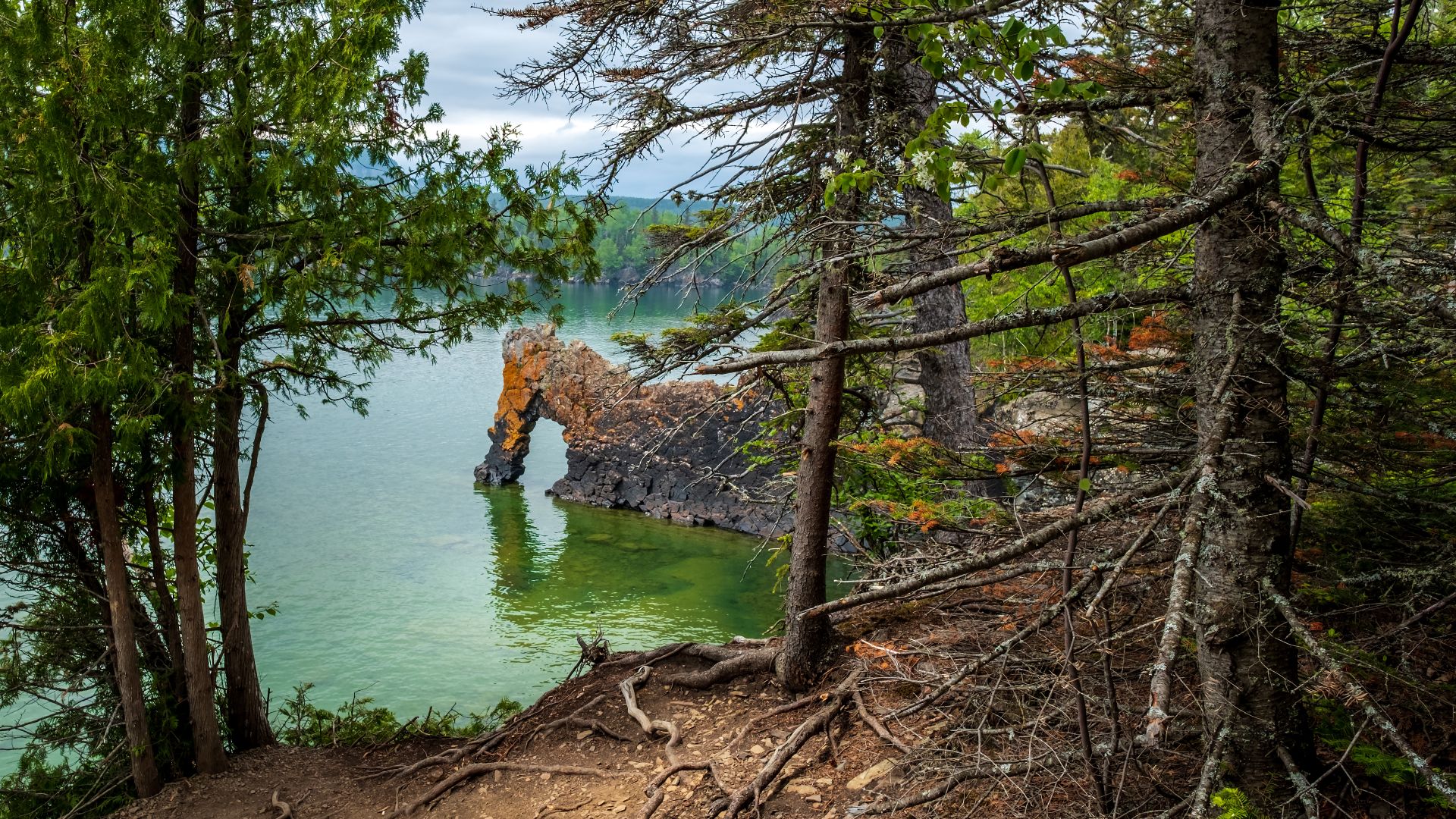
In October 2026, two hikers became disoriented while exploring Sleeping Giant Provincial Park in Ontario. Darkness had fallen, and their phones were running out of power. Before losing communication, they managed to send a message that enabled family members to alert emergency services. That last contact gave police valuable information about where to begin searching.
 Mcdougallgregor, Wikimedia Commons
They Made The Decision To Stop Walking
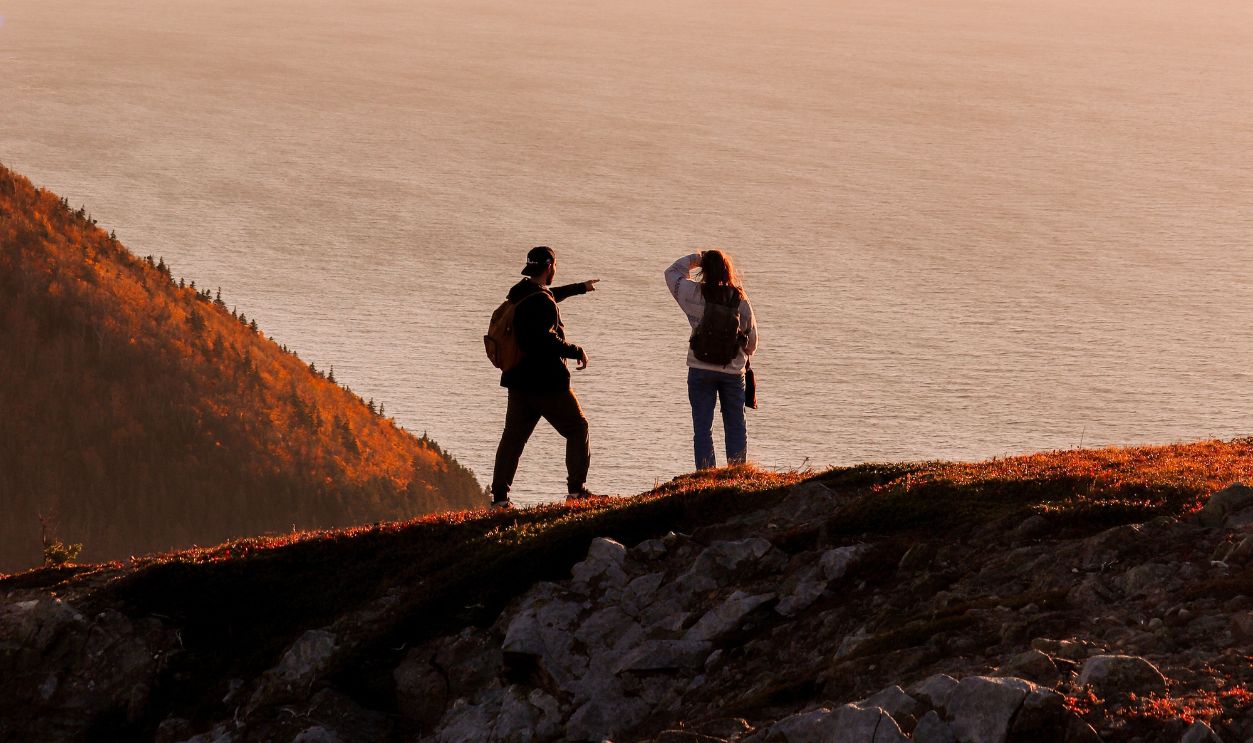
Instead of continuing through unfamiliar terrain, the hikers remained near their last known location. Ontario Provincial Police officers began searching the area using all-terrain vehicles. Because the pair had stayed nearby, officers were able to locate them more efficiently. Police specifically credited their decision to remain in place with helping the rescue succeed.
Staying Put Made All The Difference
Both hikers were found and brought to safety after their nighttime ordeal. Ontario Provincial Police used the incident to remind outdoor enthusiasts to carry maps, navigation tools, and emergency supplies. Officers also emphasized the importance of telling someone your route and expected return time. Their experience offers a striking contrast to cases in which continued wandering made rescue considerably more difficult.
 Ken Lund from Reno, Nevada, USA, Wikimedia Commons
Two Young Hikers Underestimated Mount Shasta
On October 12, 2026, a 19-year-old man and a 20-year-old woman set out on California's Mount Shasta. They had prepared for a day hike rather than an extended stay in the mountains. When conditions deteriorated, they found themselves around 11,000 feet above sea level without adequate provisions for the freezing weather. They eventually contacted authorities after becoming too cold to complete their descent.
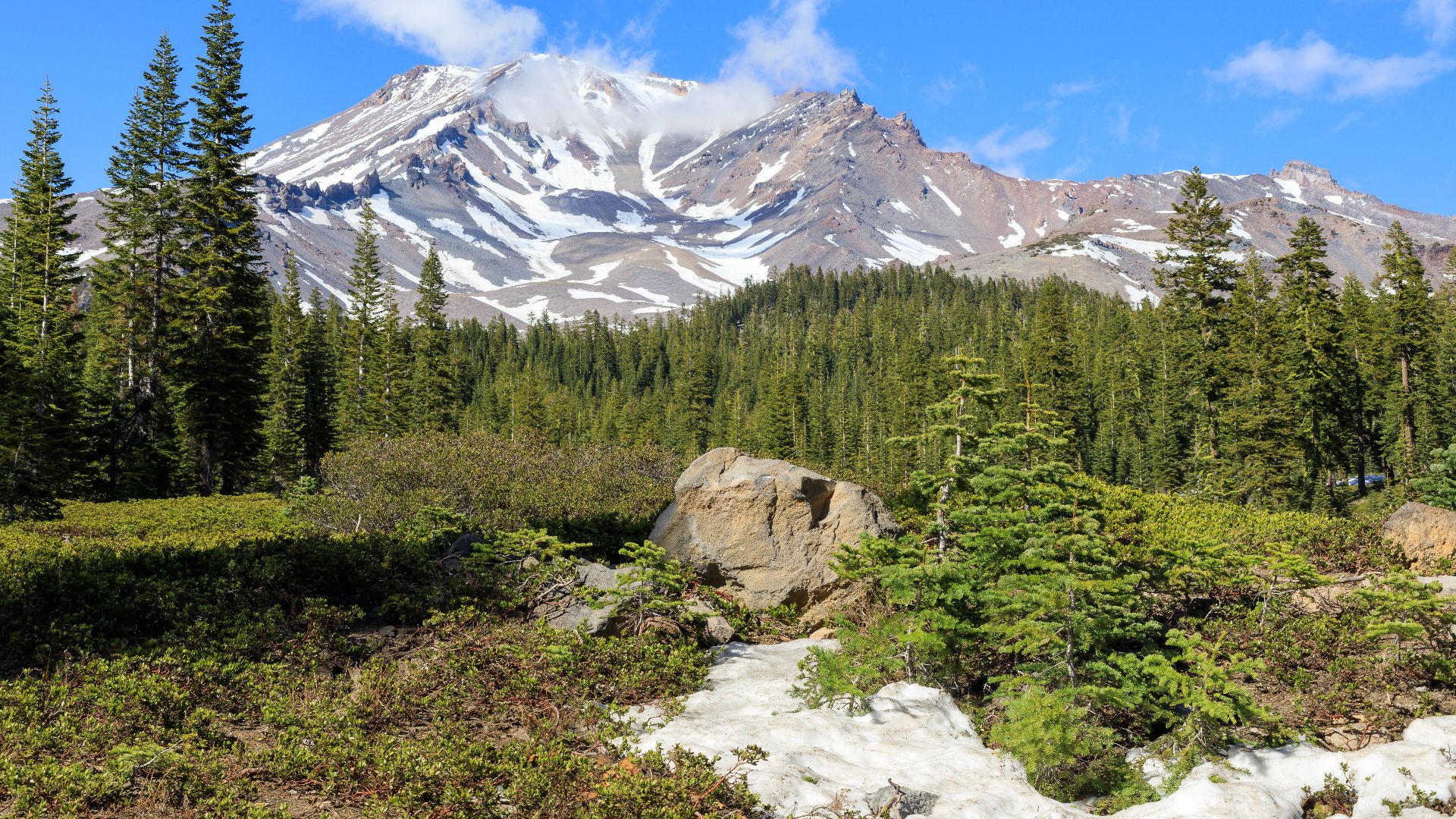 Frank Schulenburg, Wikimedia Commons
Their Phone Battery Ran Out Overnight
Rescue personnel instructed the hikers to continue descending to help maintain their body temperature. The pair reached the Helen Lake area during the early morning hours, but their phone subsequently died. They continued struggling through the mountain terrain as search teams prepared to locate them. Poor visibility contributed to their becoming stranded in Cascade Gulch, between steep cliffs.
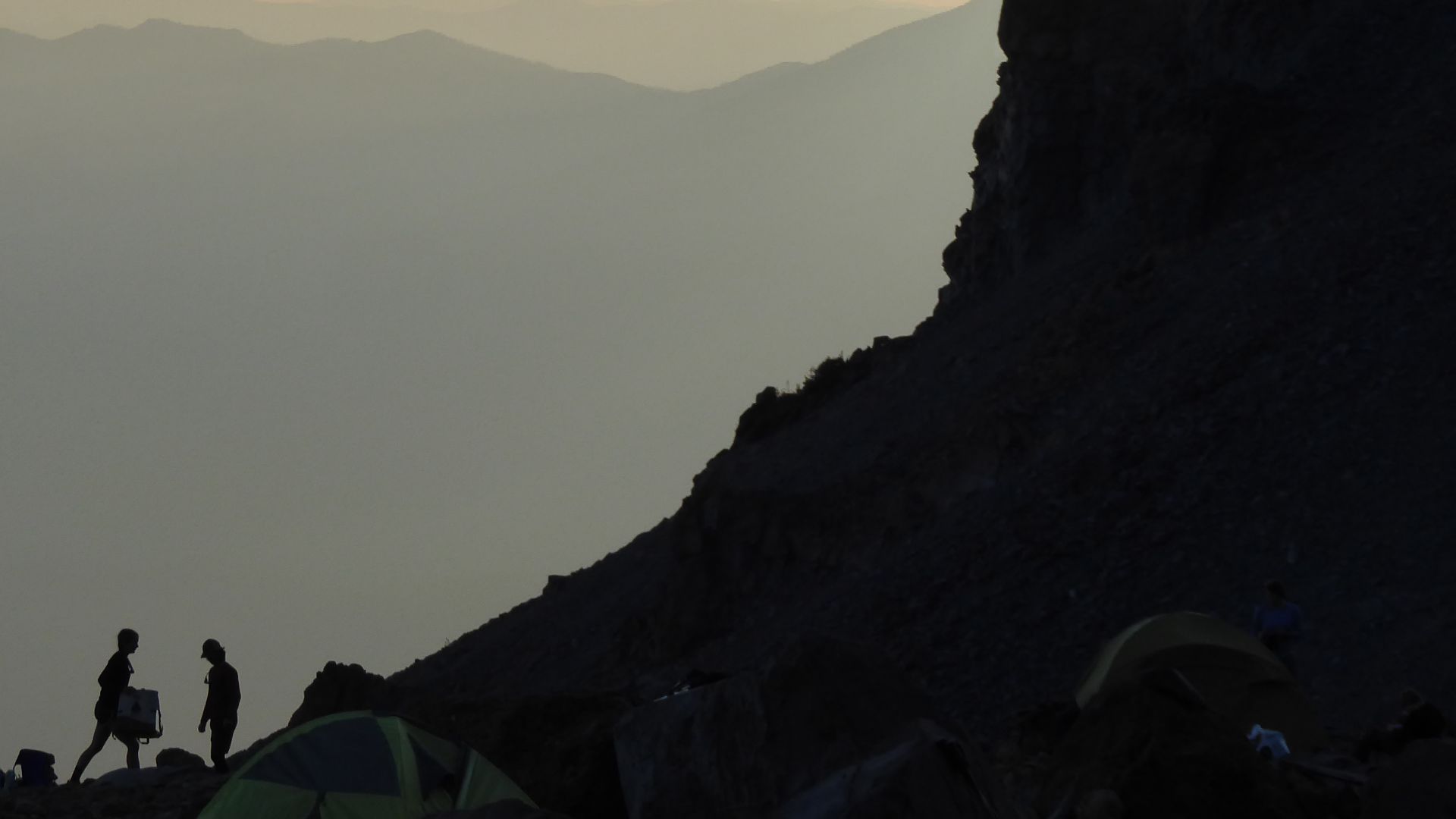 Griffinrocco1, Wikimedia Commons
Shouting Finally Brought Rescuers To Them
Search teams spent hours looking for the missing pair from the ground and air. By late afternoon on October 13, rescuers heard the hikers shouting from the bottom of the gulch. Both were found uninjured and received assistance climbing out of the difficult terrain. Authorities later warned that the route was not recommended for that season because of deteriorating conditions and other hazards.
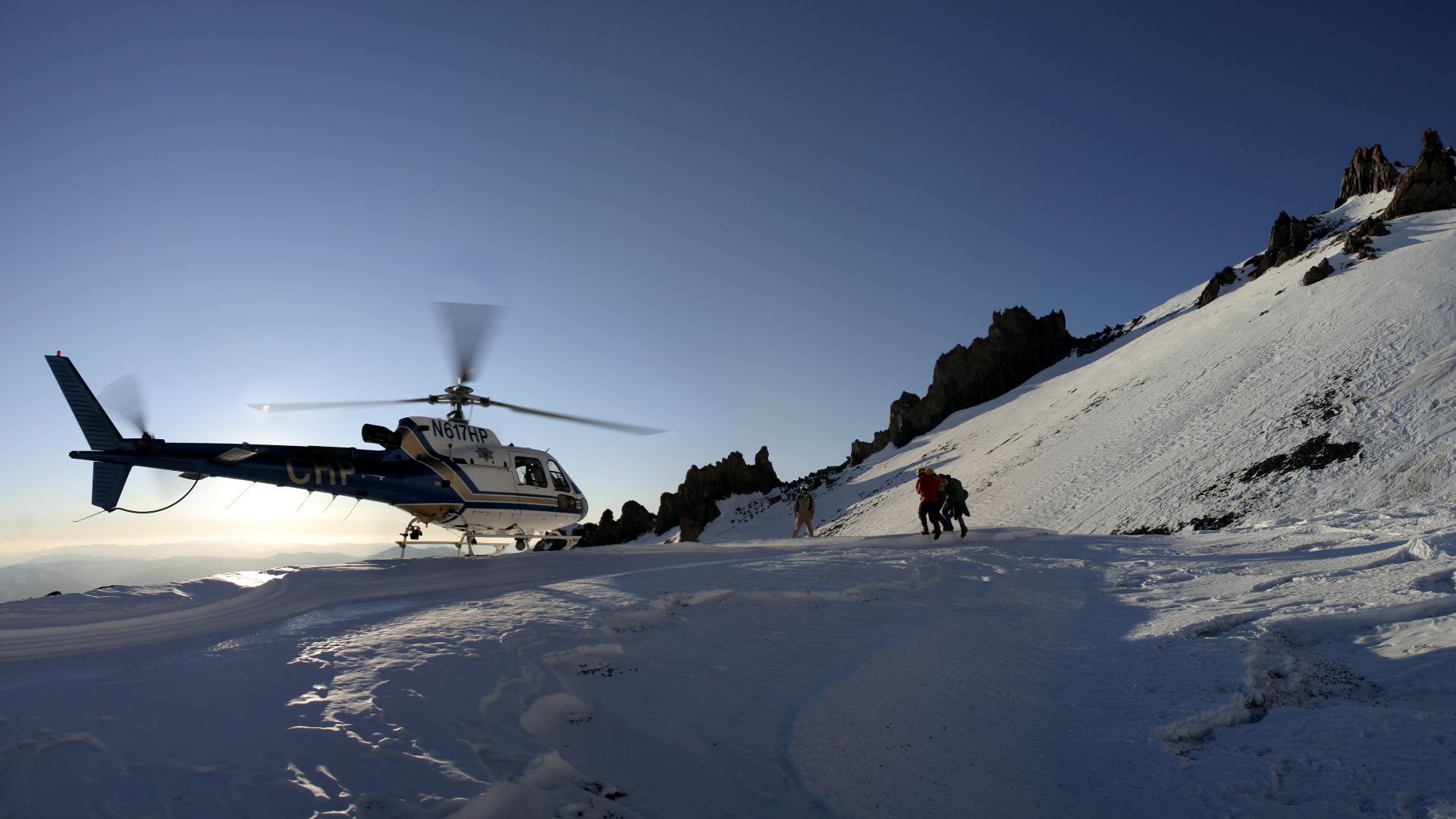 Phreakdigital at English Wikipedia, Wikimedia Commons
One Hiker Became Separated From A Companion
On October 14, 2026, a hiker became separated from a companion in the Simcoe County Forest near Bradford West Gwillimbury, Ontario. The individual wandered away from the trail and became disoriented as daylight faded. Cold and damp conditions made the situation increasingly urgent. Fortunately, the hiker still had access to a working cellphone when emergency personnel established contact.
 Chicken4War, Wikimedia Commons
A Phone App Helped Reveal The Location
Emergency dispatchers guided the lost hiker through downloading and using the what3words location app. They also helped the individual use the phone's SOS feature to provide location information. The technology allowed officers to narrow their search to a specific section of forest. Rather than relying on vague descriptions of nearby trees or trails, rescuers could work with more precise information.
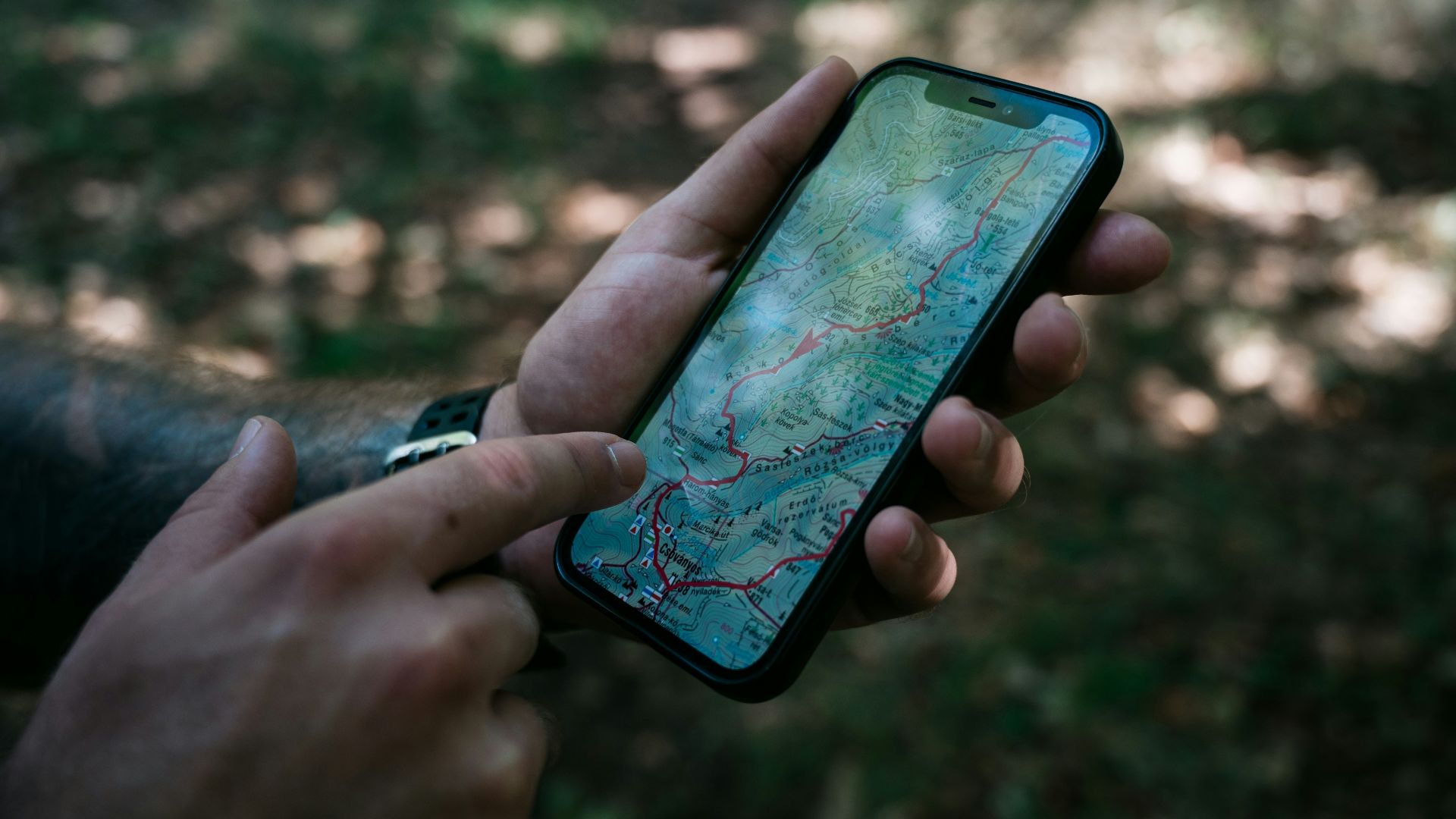
Police Found The Hiker Deep In The Forest
Officers and a canine unit coordinated their search using updates supplied by dispatchers. They eventually located the missing hiker approximately 1.5 kilometres into the forest. The individual was unharmed and returned safely. Police highlighted the incident as an example of how effective communication and location technology can help resolve a wilderness emergency.
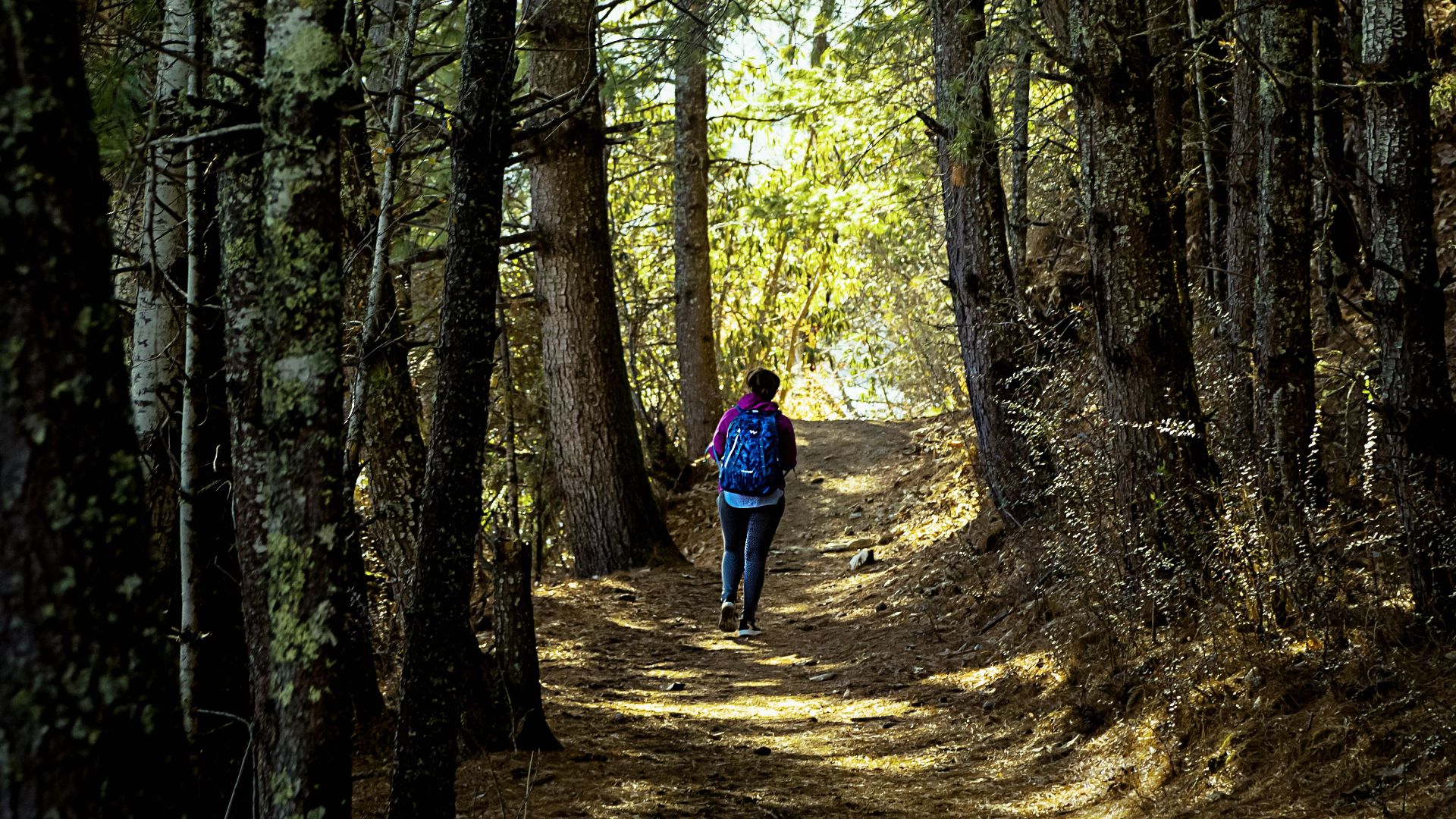
Thomas Donnelly Faced A Dangerous Creek Crossing
In October 2026, 21-year-old University of Cincinnati student Thomas Donnelly was hiking in West Virginia with members of the university's Mountaineering Club. The group had been exploring the Red Creek Trail and Fisher Springs Trail area in Tucker County. Heavy rainfall had raised water levels and strengthened currents in South Red Creek. On October 11, the hikers attempted to cross the swollen waterway.
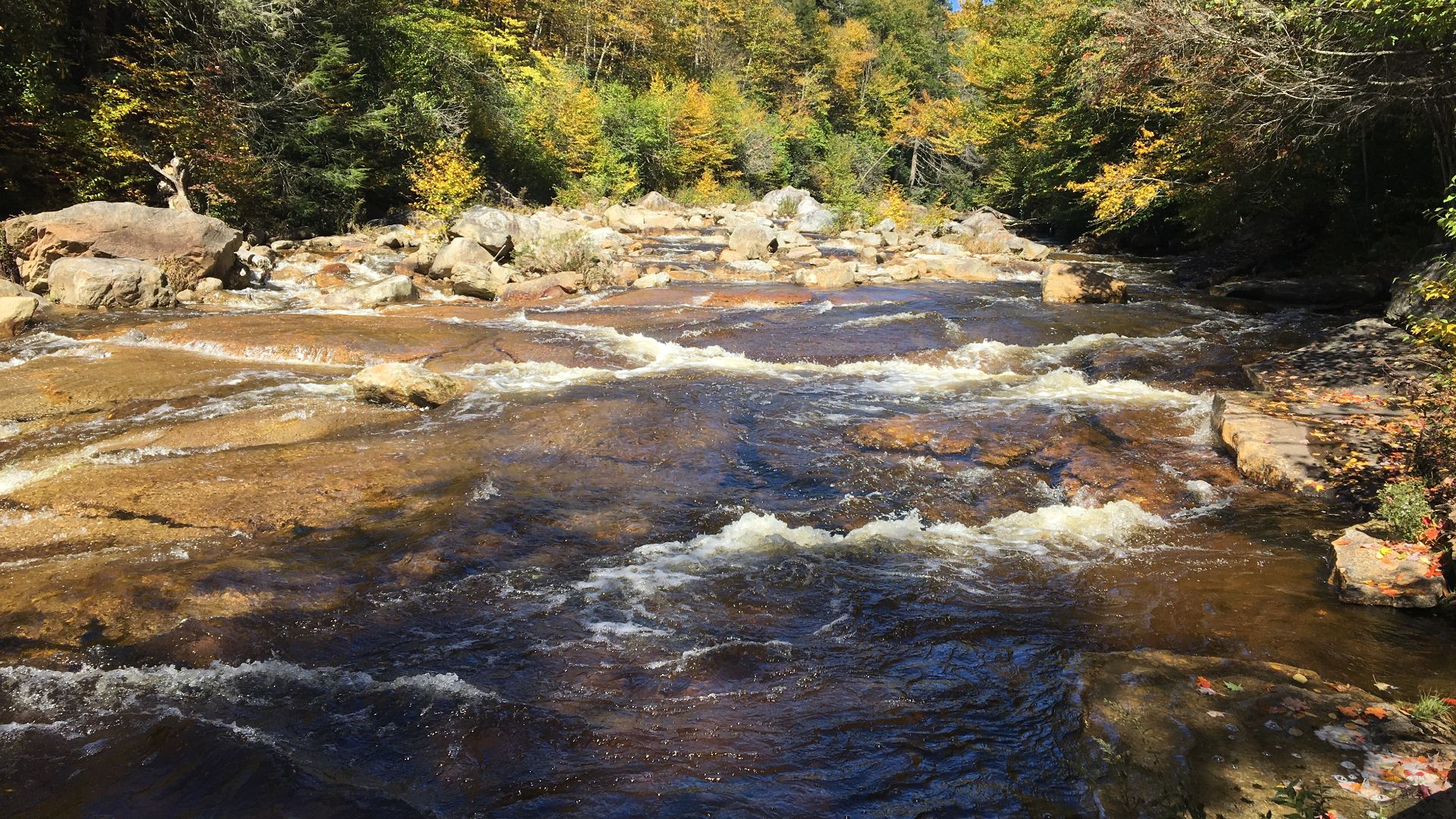 Valerius Tygart, Wikimedia Commons
The Current Was Stronger Than Expected
During the crossing, Donnelly encountered the powerful current and was unable to reach safety. Authorities later explained that the creek had become particularly dangerous because of the recent rainfall. Emergency personnel launched a search, but worsening weather and darkness complicated their efforts. The situation demonstrated how an ordinary stream crossing can become life-threatening when water conditions change.
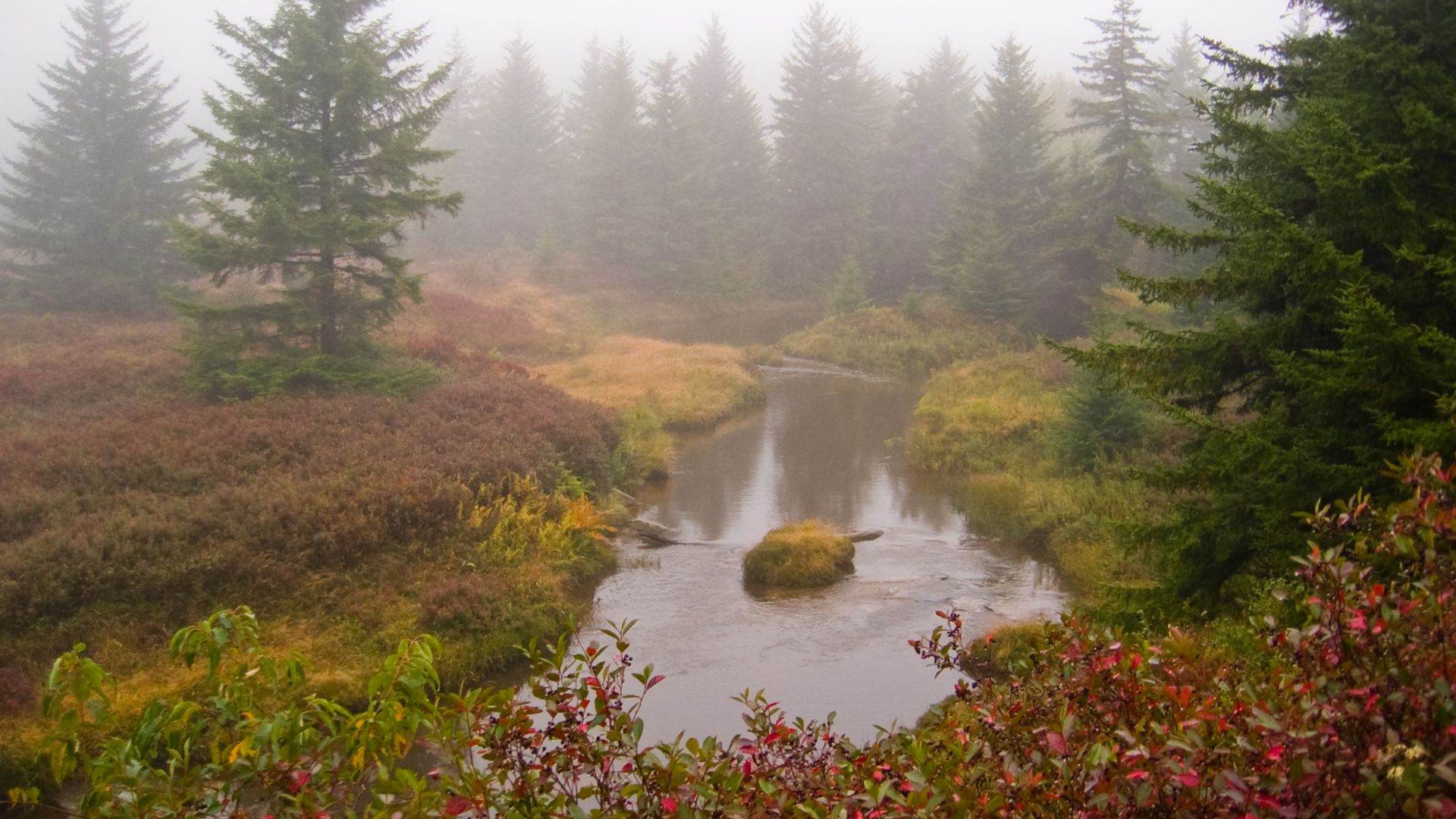 FishSpeaker, Wikimedia Commons
The Search Ended In Tragedy
Search operations resumed the following day, but authorities confirmed a tragic outcome on October 12. Donnelly's passing deeply affected members of the university community and prompted expressions of sympathy from school officials. Unlike hikers who survived after finding shelter or successfully contacting rescuers, Donnelly encountered a hazard that left little opportunity to recover. His story is a sobering reminder that deciding whether to cross moving water can be one of the most consequential choices on a wilderness trip.
 vastateparksstaff, Wikimedia Commons
The Smallest Decisions Deserve The Most Attention
These stories reveal that wilderness survival rarely depends on courage alone. Telling someone your route, carrying reliable navigation equipment, recognizing dangerous conditions, and knowing when to stop can all affect the outcome of an emergency. Sometimes a small decision helps rescuers find someone quickly, while other times a seemingly harmless choice begins a chain of events nobody anticipated. The most important lesson is not that every accident can be prevented, but that thoughtful preparation can give hikers a better chance of returning home.
You May Also Like:
Ancient Cities That Survived In Places Modern Travelers Would Think Impossible
The Countries Americans Say They Would Move To If Money Were No Object