

Cities Built Where Nature Said No
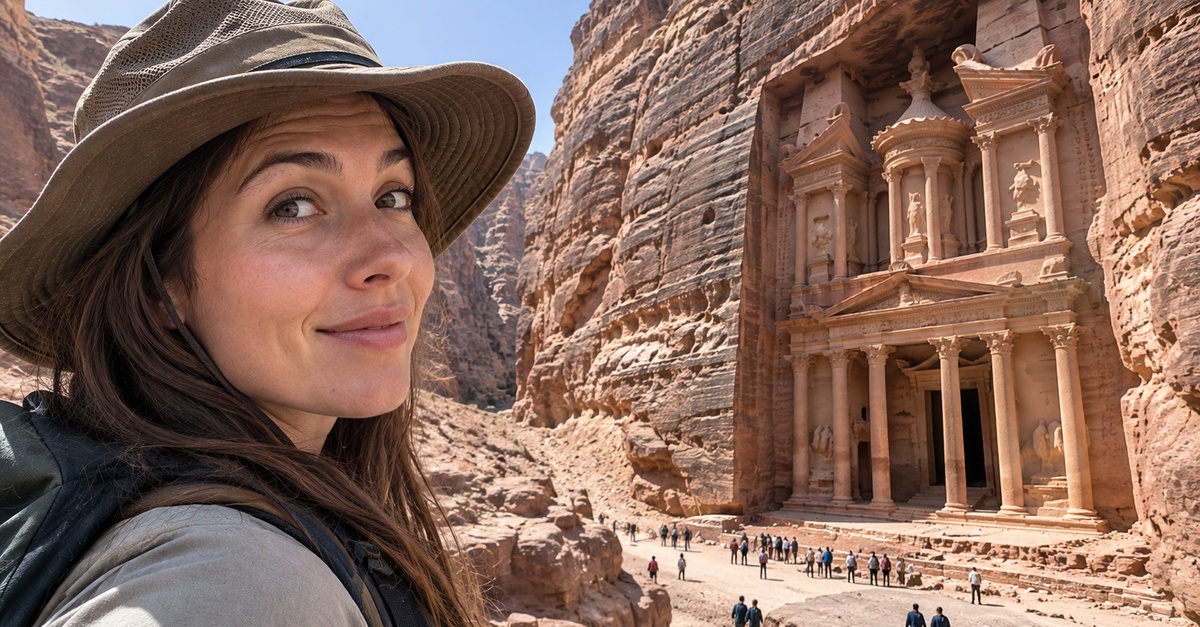
Modern travelers usually expect cities to sit near reliable water, easy roads, and relatively forgiving terrain. Yet ancient builders repeatedly chose deserts, cliffs, mountains, caves, floodplains, and isolated plateaus, then found ingenious ways to make those places work. Some settlements were protected by their surroundings, while others turned harsh geography into an advantage. What remains today shows just how adaptable ancient urban life could be.
Petra Turned A Desert Canyon Into A Capital
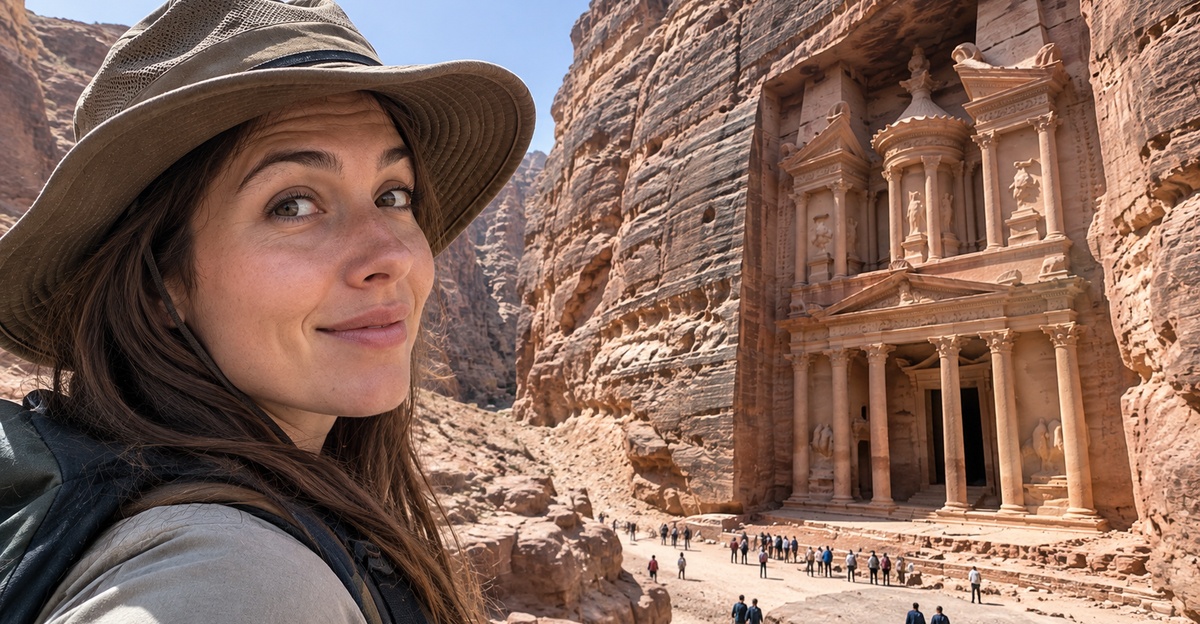
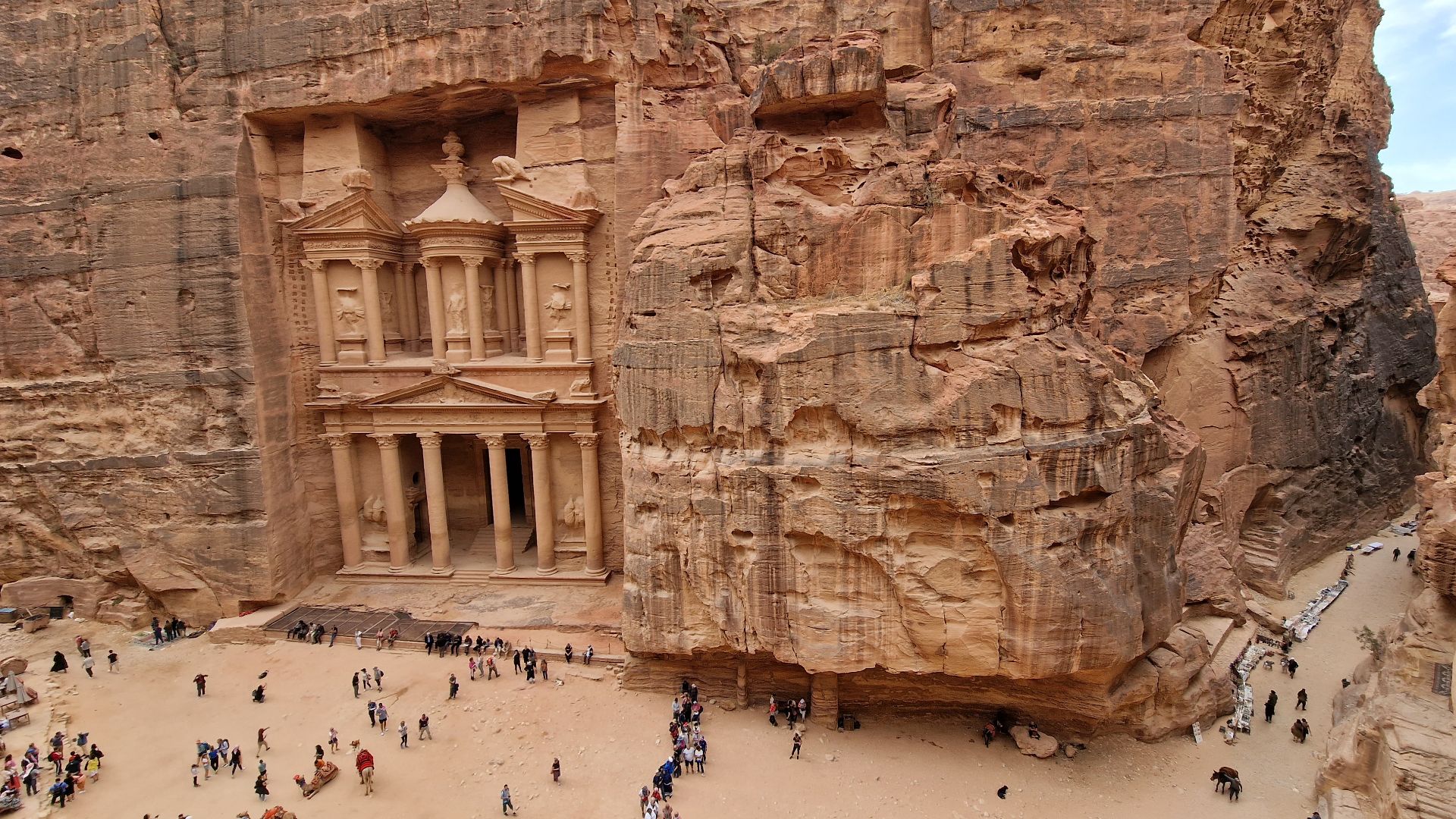
Petra rose in an arid landscape of red sandstone mountains between the Dead Sea and the Red Sea. The Nabataeans carved monuments directly into the cliffs while constructing channels, tunnels, dams, cisterns, and reservoirs that captured scarce seasonal rainfall. That water-management network allowed a major population and trading center to flourish in surroundings that can seem almost hostile to permanent settlement today.
Machu Picchu Balanced On The Andes
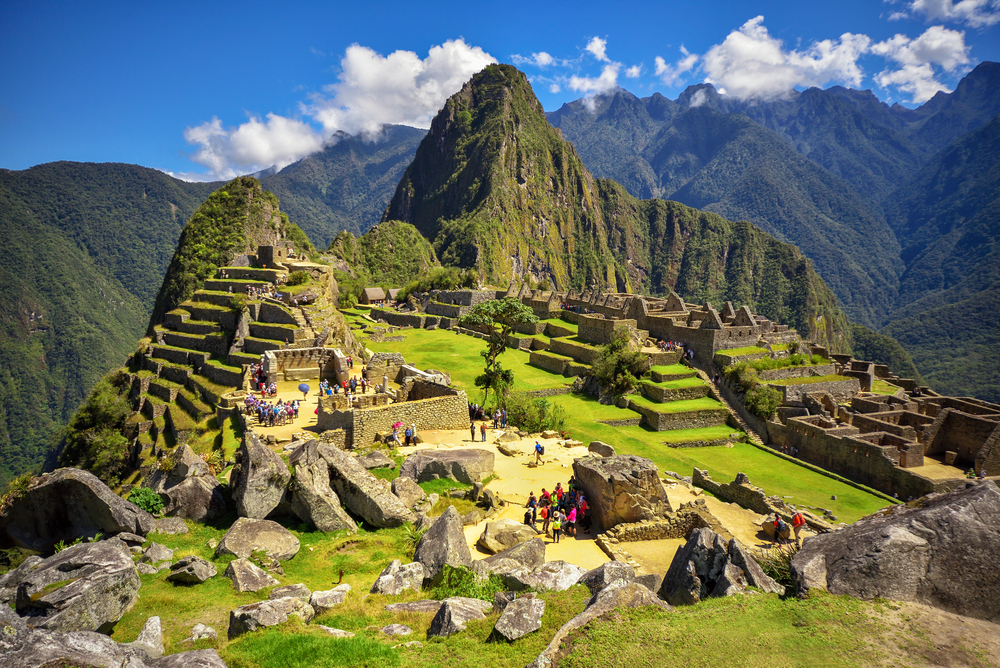
Machu Picchu sits about 2,430 meters above sea level where the Andes meet the upper Amazon Basin. Inca builders fitted terraces, walls, ramps, and structures into steep mountain terrain that would challenge even modern construction crews. Its dramatic location was not simply scenic, since the architecture and carefully modified landscape formed an integrated mountain settlement.
Sana'a Rose More Than Two Kilometers Above Sea Level
The old city of Sana'a stands in a mountain valley roughly 2,200 meters above sea level. People have inhabited the area for more than 2,500 years, and its skyline eventually filled with multistory tower houses made largely from earth and brick. Instead of spreading outward across easier ground, builders created dense vertical neighborhoods adapted to the highland setting.
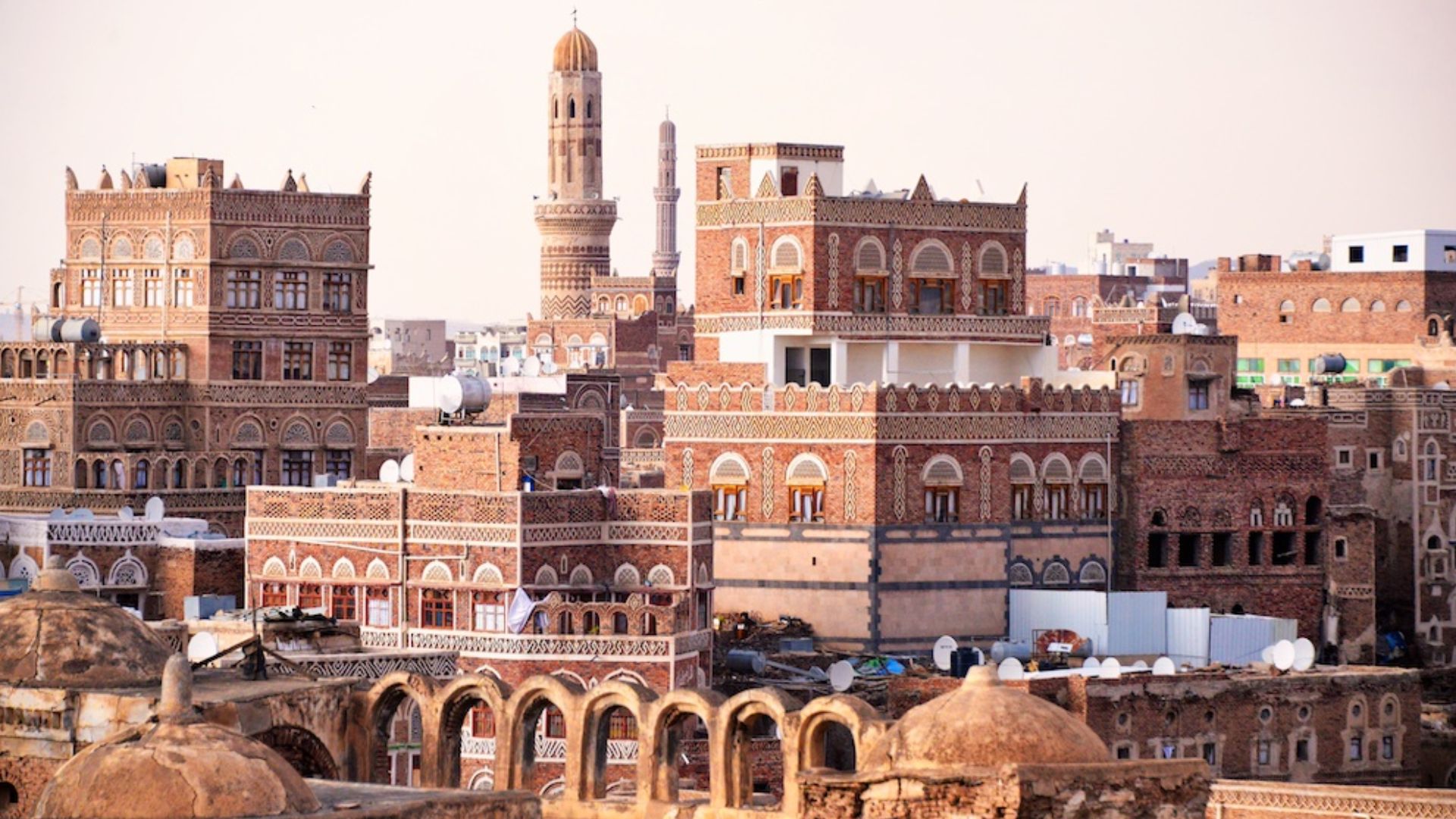 Rod Waddington from Kergunyah, Australia, Wikimedia Commons
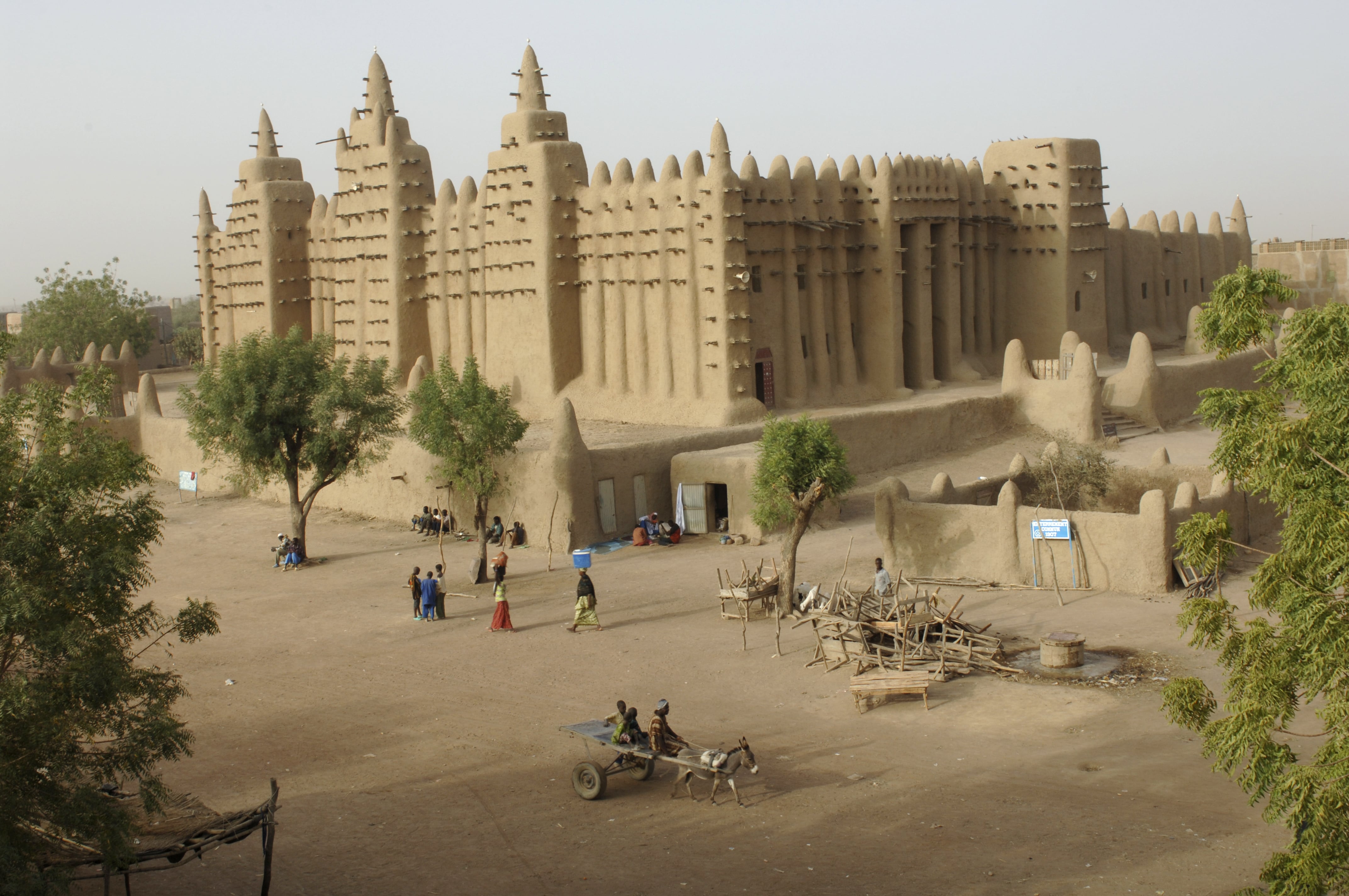
Djenné Learned To Live With The Floods
Djenné developed in the inland Niger Delta, where seasonal flooding could easily have made permanent construction difficult. Traditional homes were built on raised hillocks known as toguere, helping protect them when surrounding waters rose. Nearly 2,000 historic houses survived in the old town, demonstrating how builders adapted earthen architecture to a landscape that regularly changed with the seasons.
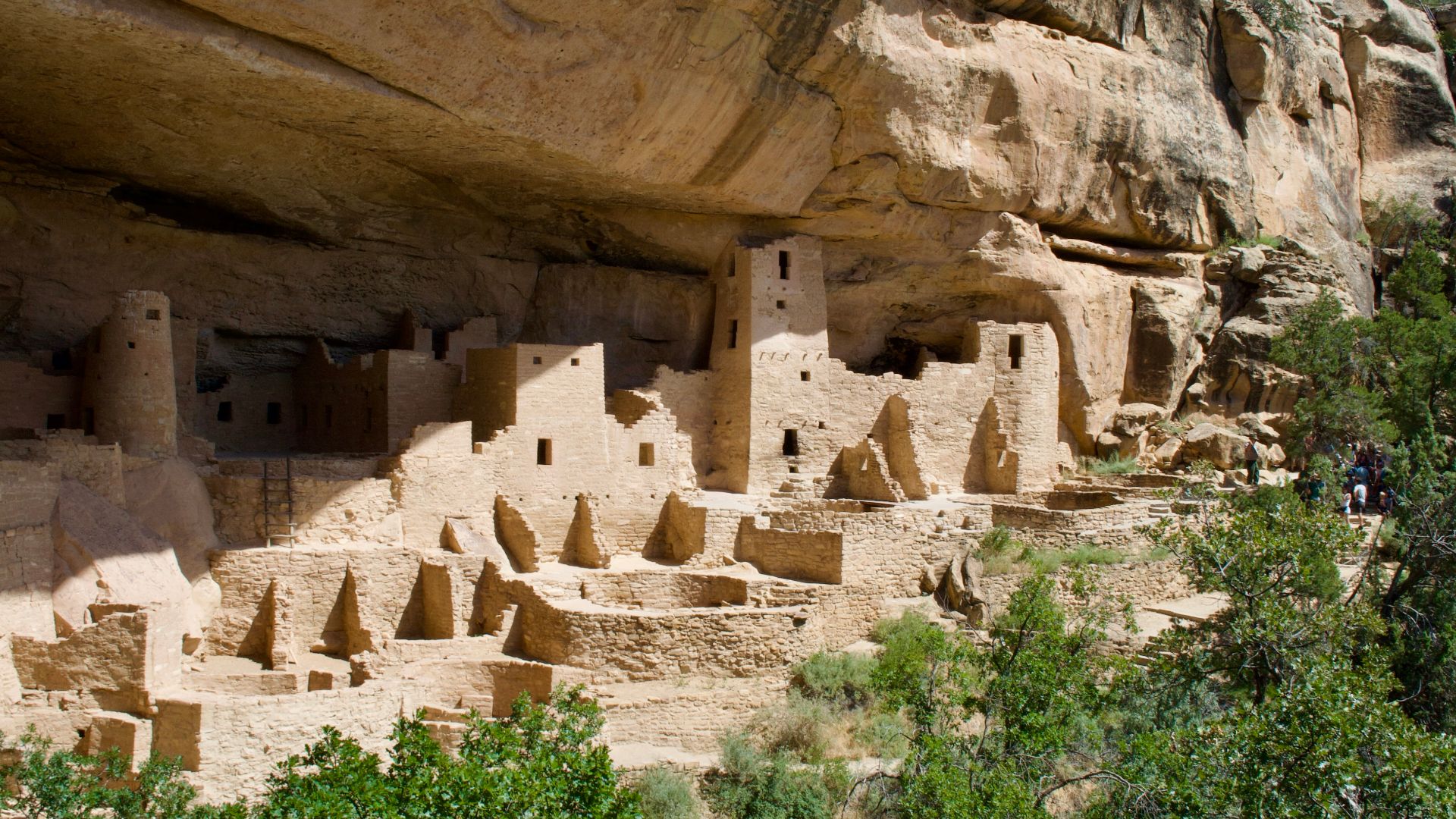
Mesa Verde Put Neighborhoods Beneath Cliffs
The Ancestral Puebloan settlements of Mesa Verde occupy a high plateau in what is now southwestern Colorado. Hundreds of dwellings were constructed beneath rock overhangs, including substantial villages with dozens or even more than one hundred rooms. Farming terraces, reservoirs, ditches, and check dams show that survival here required far more than simply finding shelter under a cliff.
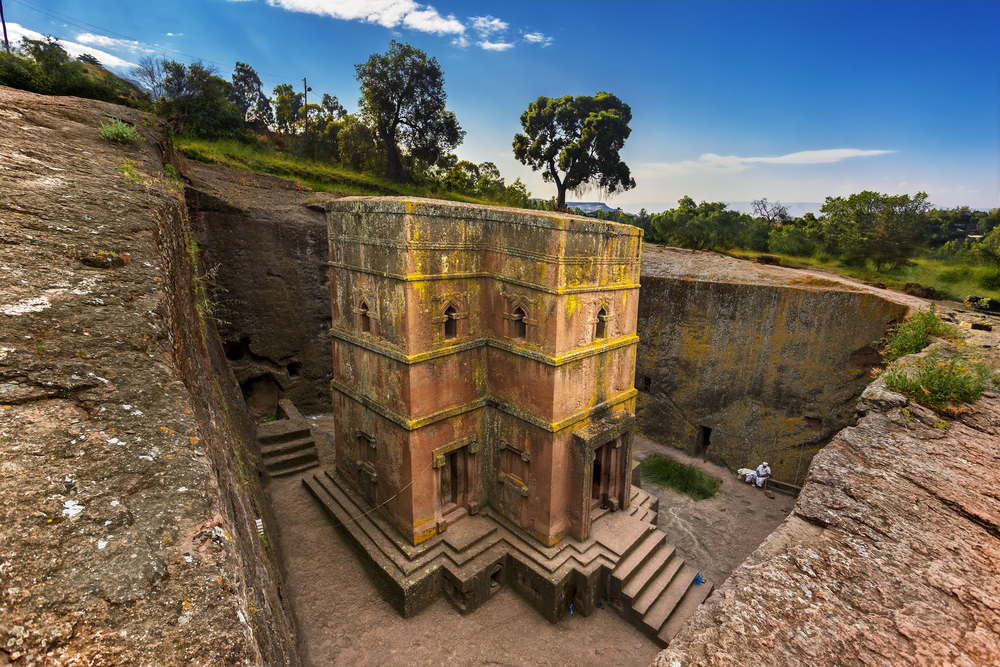
Lalibela Carved A Sacred City Into Rock
Lalibela's famous medieval churches were not assembled from ordinary blocks brought to a construction site. Eleven churches were cut into the living rock of Ethiopia's mountainous interior, creating a religious complex that became an important pilgrimage destination. The surrounding settlement also retained traditional stone houses, making the landscape feel as if architecture had grown directly from the ground.
Bam Made An Oasis Support A Fortified City
Bam sits on the edge of Iran's high plateau near the vast Lut Desert. Permanent life depended heavily on qanats, underground channels that carried water from aquifers and mountain catchments toward the oasis. The resulting settlement developed into an important fortified trading center whose walls, homes, and public structures were largely constructed from earth.
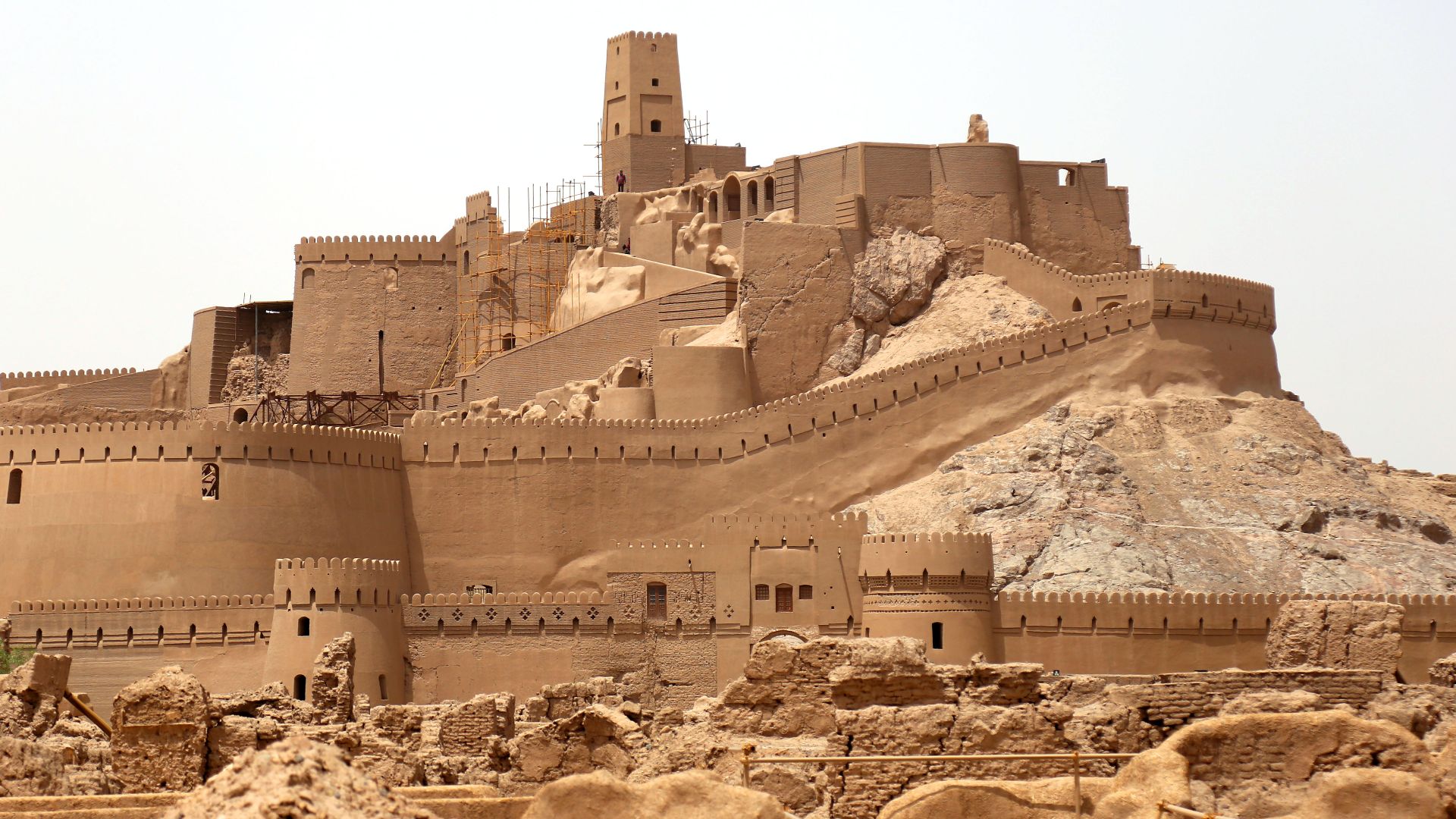 Safa.daneshvar, Wikimedia Commons
Sigiriya Put A Capital On Top Of A Rock
Sri Lanka's Sigiriya seems less like a practical city site than a natural fortress selected for dramatic effect. King Kassapa I established his capital around a granite rock rising roughly 180 meters above the surrounding landscape in the late fifth century. Galleries, stairways, buildings, and gardens transformed steep slopes and the summit into an extraordinary royal complex.
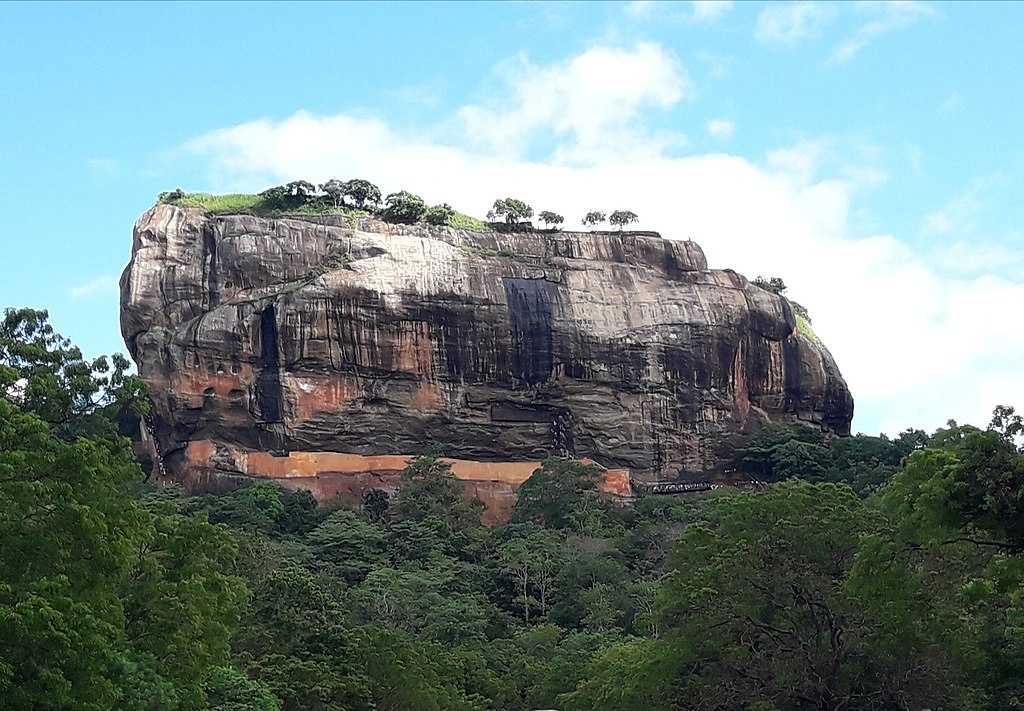 Diwyanjalee Wanigasekara, CC BY-SA 4.0, Wikimedia Commons
Masada Stored Water Above A Desert
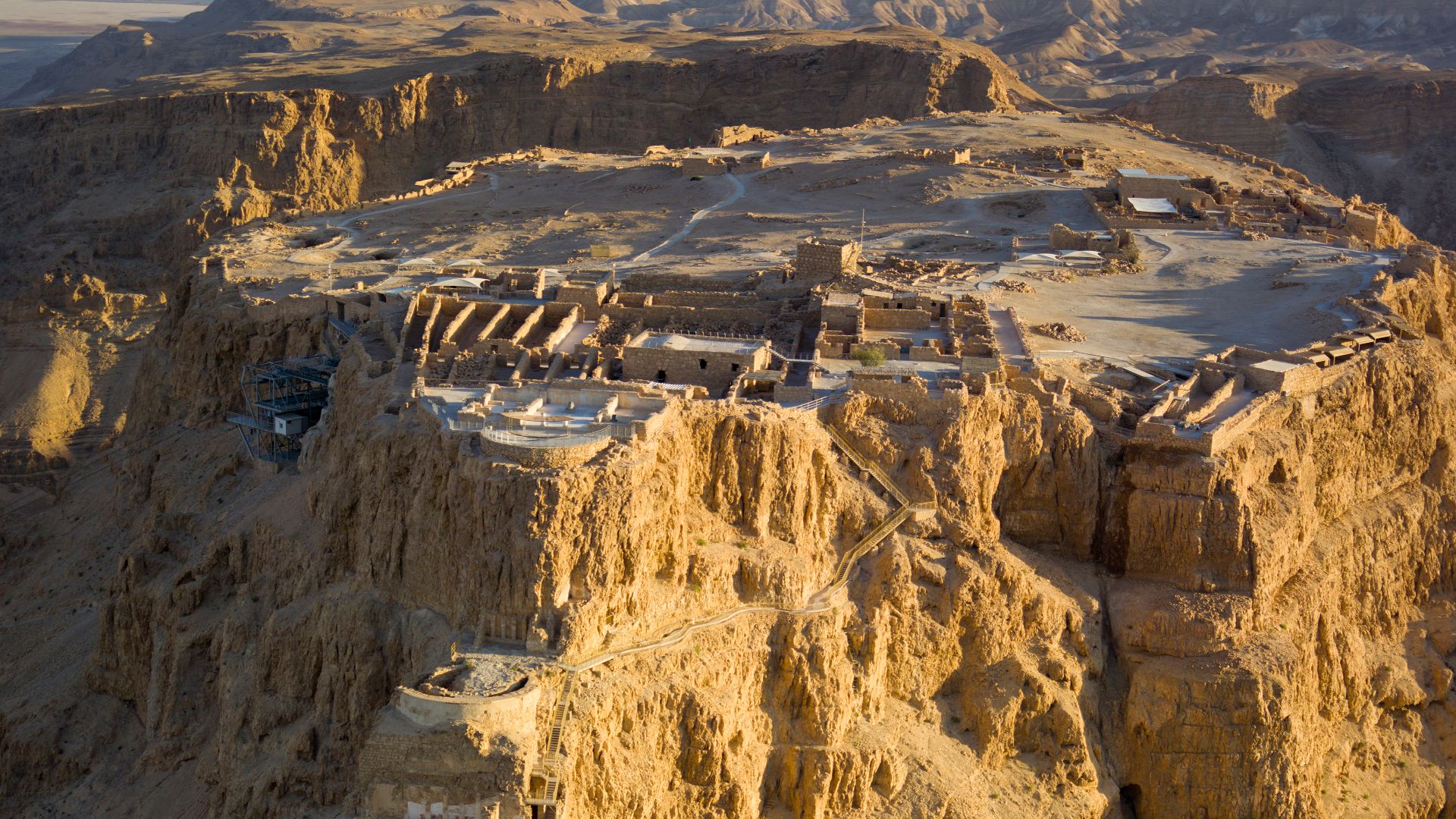
Masada rises above the Dead Sea on an isolated natural fortress in the Judaean Desert. Herod the Great developed an elaborate palace complex there even though the surrounding environment offered little obvious water. A sophisticated system captured runoff and stored it in cisterns, making sustained occupation of the barren plateau possible.
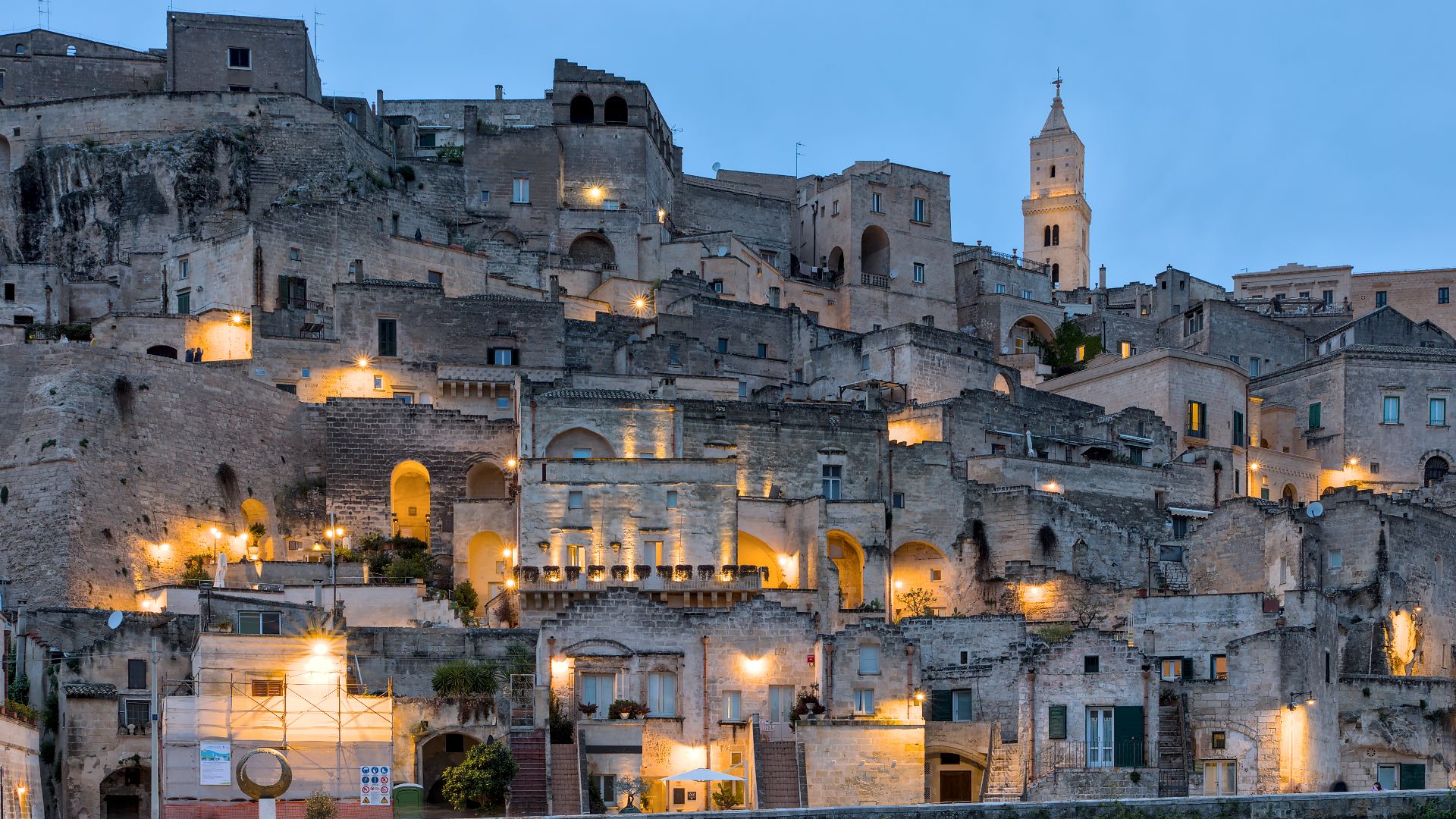
Matera Turned Caves Into An Urban Landscape
Matera developed around deep ravines and natural caves in southern Italy. People enlarged those caves and combined them with built structures, eventually creating homes, churches, workshops, monasteries, and other spaces within the rock-cut landscape. UNESCO describes the Sassi as an unusually intact example of a settlement shaped directly by its difficult terrain and ecosystem.
 Benjamin Smith, Wikimedia Commons
Derinkuyu Hid Urban Life Underground
Cappadocia's volcanic landscape contains underground towns as well as churches, dwellings, and villages carved into soft rock. Derinkuyu and Kaymaklı are among the subterranean settlements preserved within the UNESCO-listed region. Communities used underground spaces as places of refuge during periods of insecurity, turning the ground beneath an already strange landscape into another layer of habitation.
 Nevit Dilmen (talk), Wikimedia Commons
Chan Chan Built A Metropolis From Earth
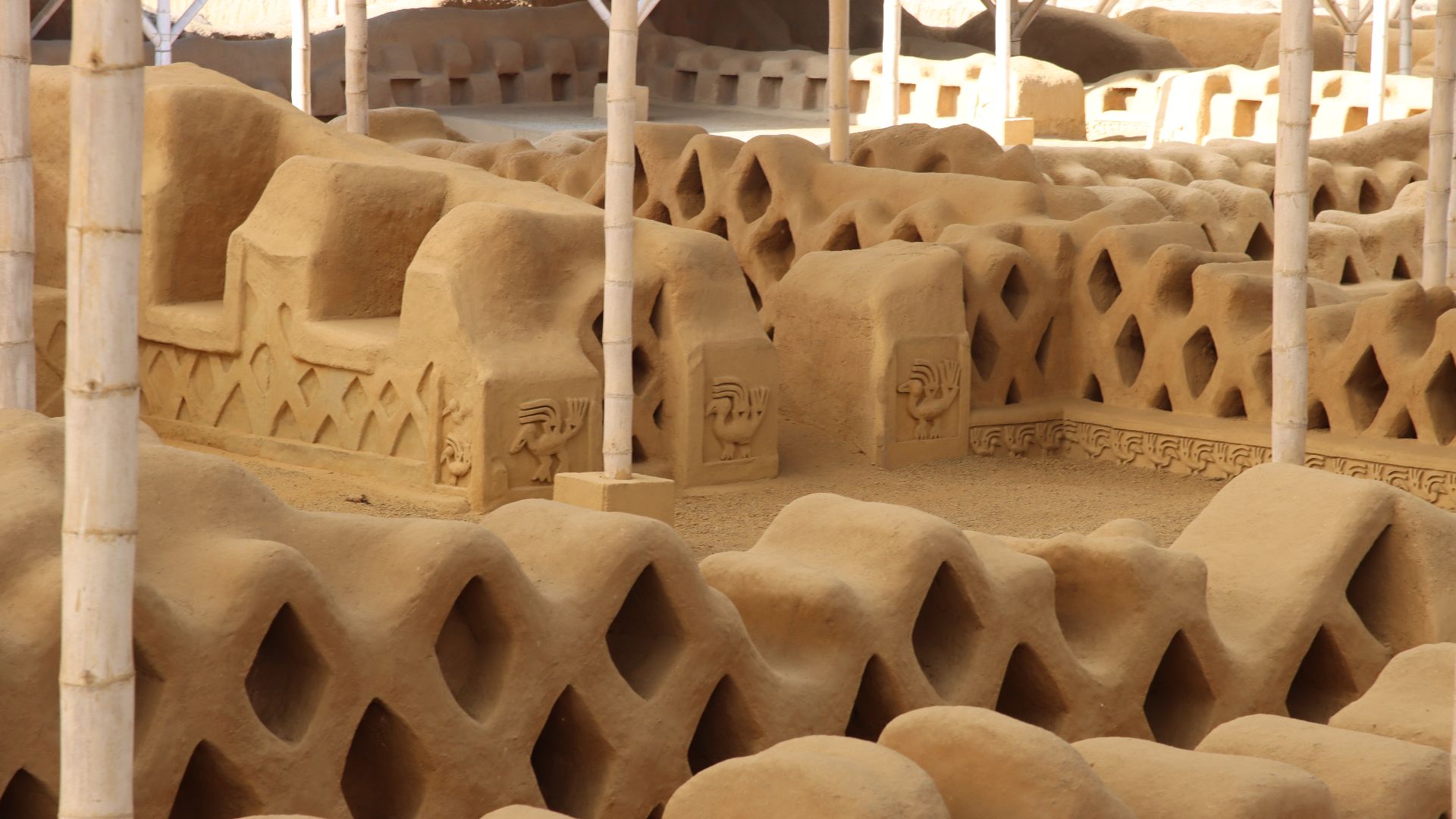
Chan Chan flourished on Peru's northern coast as the capital of the Chimú kingdom. Its massive urban landscape relied heavily on earthen architecture, with high walls enclosing palaces, temples, residences, storage areas, reservoirs, and work spaces. Maintaining such a large city in an arid coastal environment required organized agricultural and water-management systems whose remains are still visible.
Shibam Built Up Instead Of Out
Shibam rises from Yemen's Wadi Hadramaut in a cluster of tall mud-brick tower houses. The fortified city developed on a compact rectangular plan, with some homes reaching seven stories. Built on a rocky spur above the wadi bed, Shibam replaced an earlier settlement partly destroyed by a major flood in the 16th century and became one of history's most striking examples of vertical urban design.
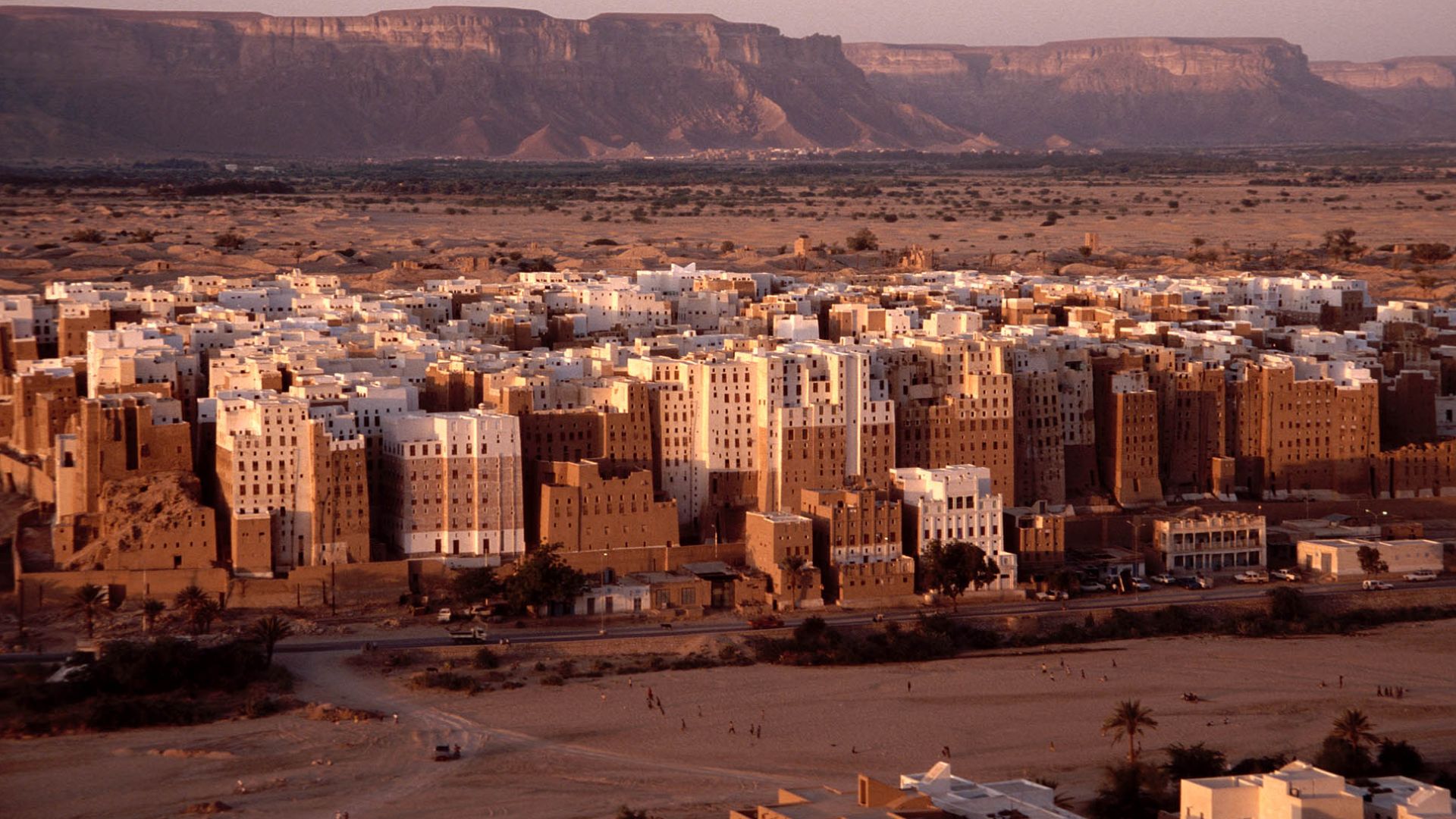 Jialiang Gao www.peace-on-earth.org [dead link], Wikimedia Commons
Ani Survived On The Edge Of A Ravine
Ani occupied a secluded plateau in what is now northeastern Türkiye, beside a deep ravine along the modern Armenian border. Its defensible position helped support a settlement that became an important medieval capital and Silk Road trading center. Churches, fortifications, homes, and other ruins remain scattered across a landscape that still feels remarkably isolated.
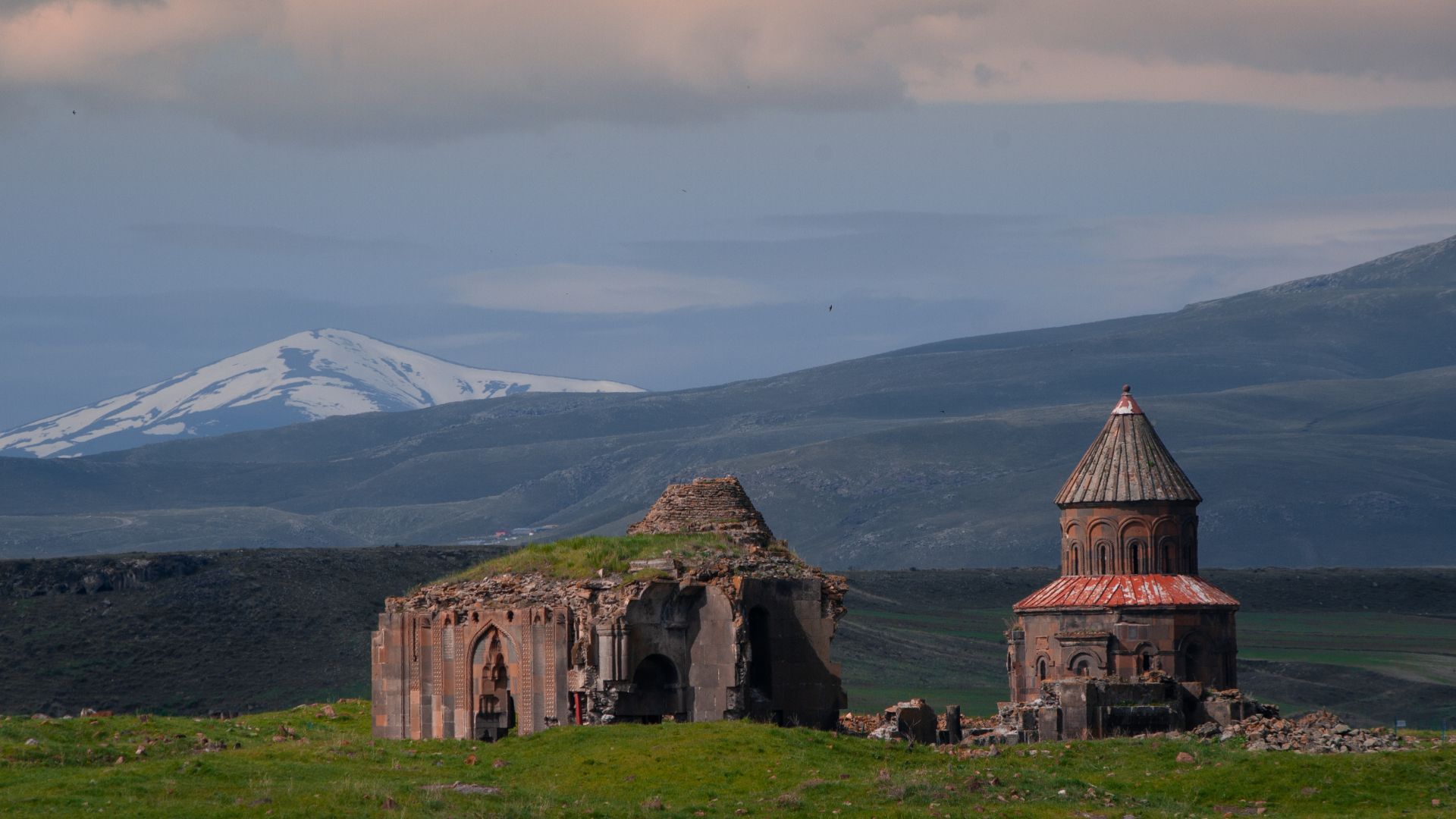 Engin Tavlı, Wikimedia Commons
Great Zimbabwe Rose Among Granite Hills
Great Zimbabwe developed in southeastern Africa between roughly the 11th and 15th centuries. Its major sections included hilltop ruins, a monumental enclosure, and extensive valley settlements spread across a rugged landscape. The stone architecture supported a politically and commercially important center far removed from the image many travelers have of a conventional medieval city.
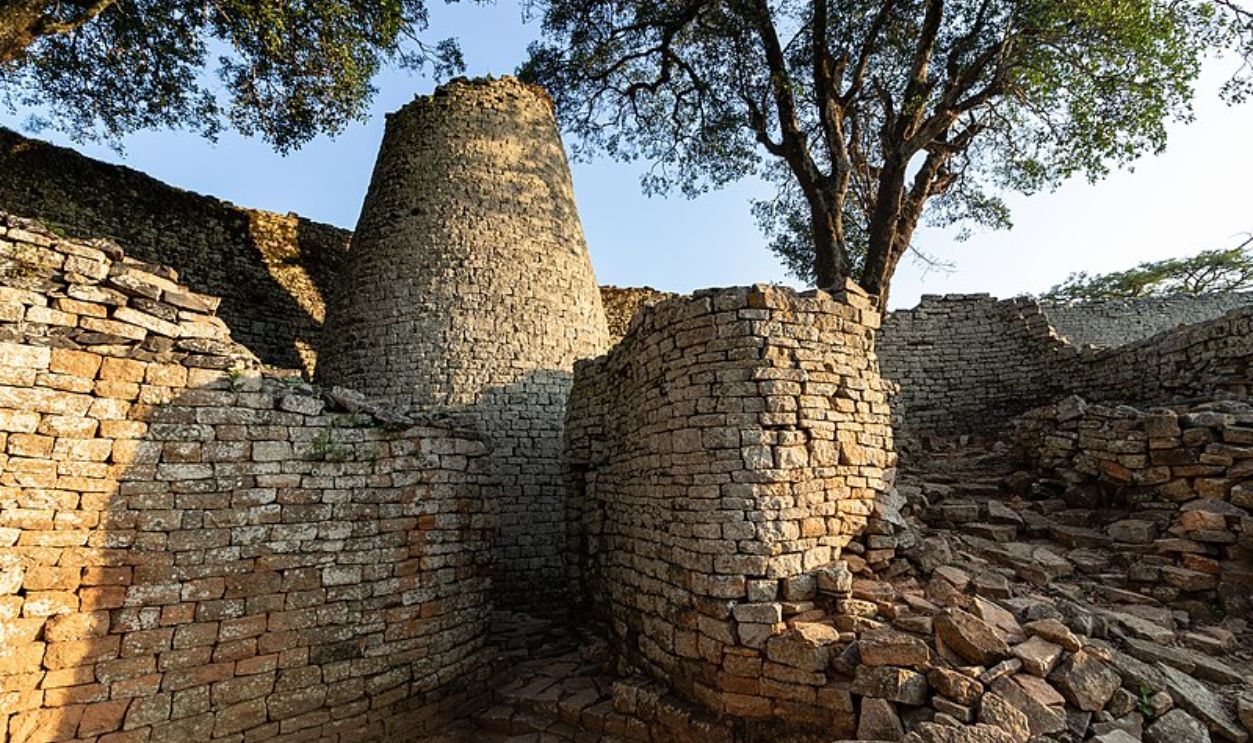 Andrew Moore from Johannesburg, South Africa, CC BY-SA 2.0, Wikimedia Commons
Harar Hid Behind Walls And Gorges
Harar stands on an eastern Ethiopian plateau surrounded by deep gorges, desert, and savannah. Protective walls built between the 13th and 16th centuries enclosed a dense town of religious buildings, houses, and narrow streets. Its relative isolation helped preserve a distinctive urban culture whose layout and social traditions remain visible today.
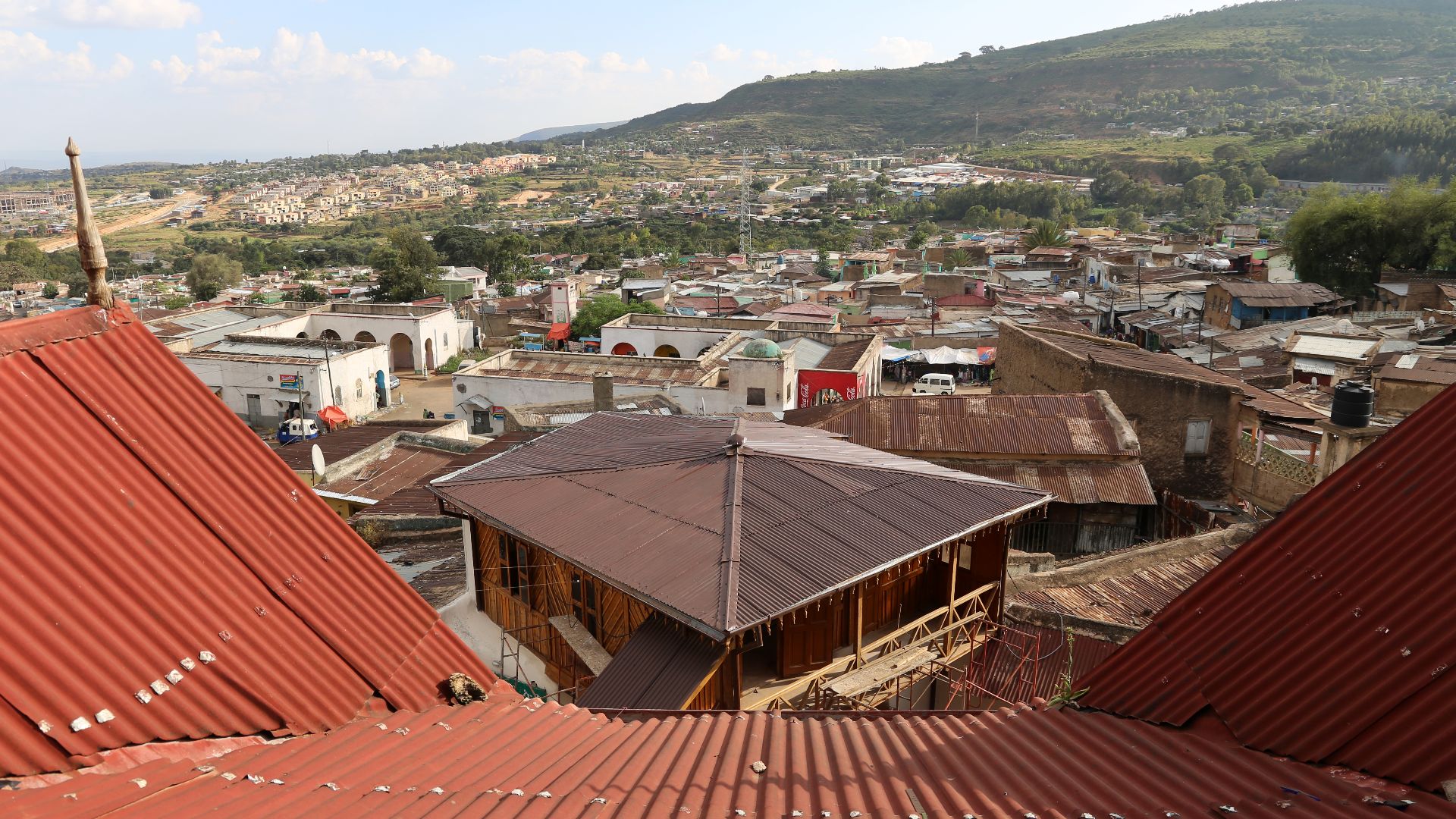
Timgad Brought A Roman Grid To The Mountains
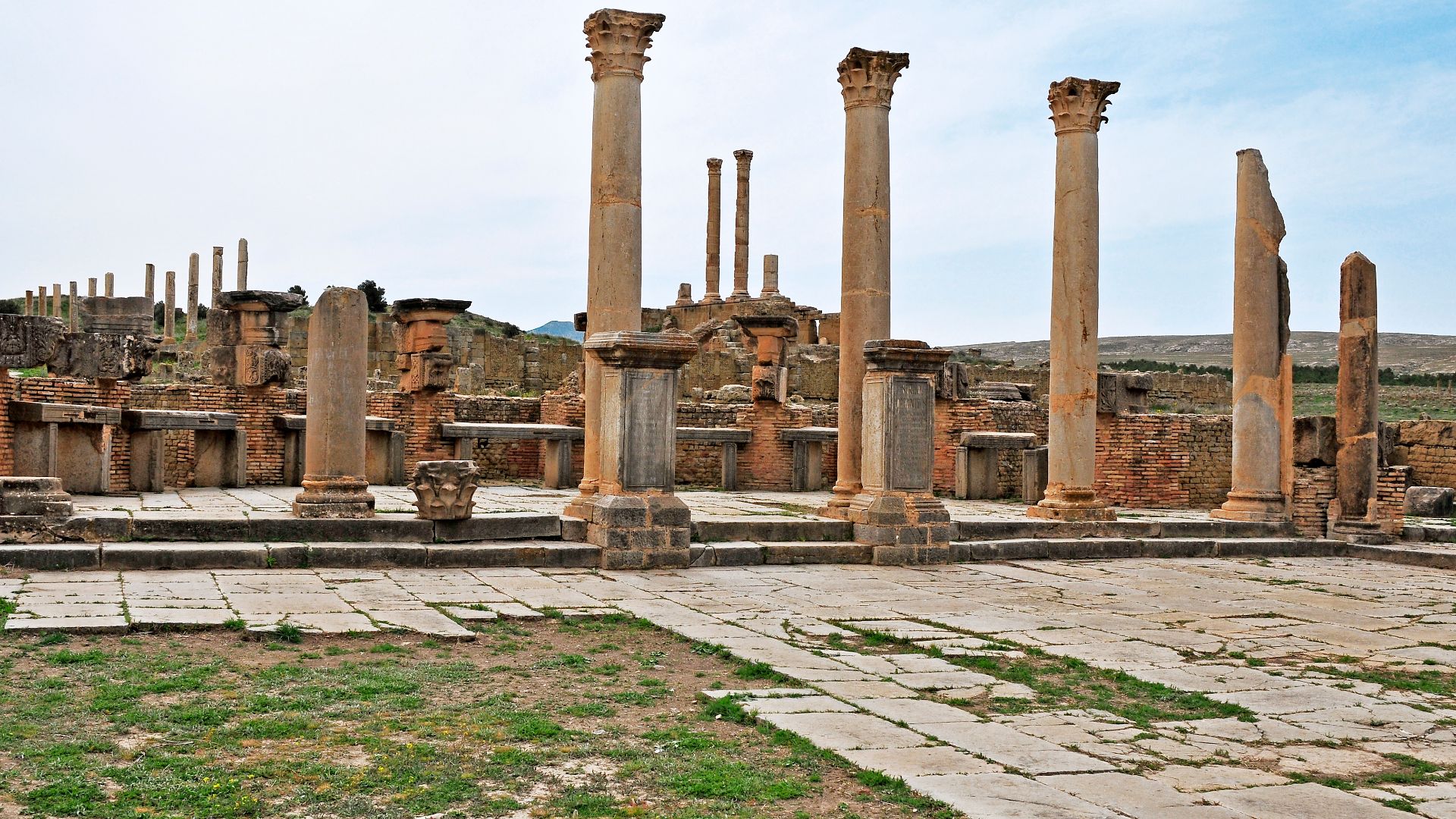
Emperor Trajan founded Timgad around AD 100 on the northern slopes of Algeria's Aurès Mountains. Roman planners imposed a highly regular street grid on this highland setting, creating the settlement largely from scratch as a military colony. The surviving plan is so clear that visitors can still trace the main intersecting streets and recognize the logic of an ancient planned city.
Leptis Magna Thrived Between Desert And Sea
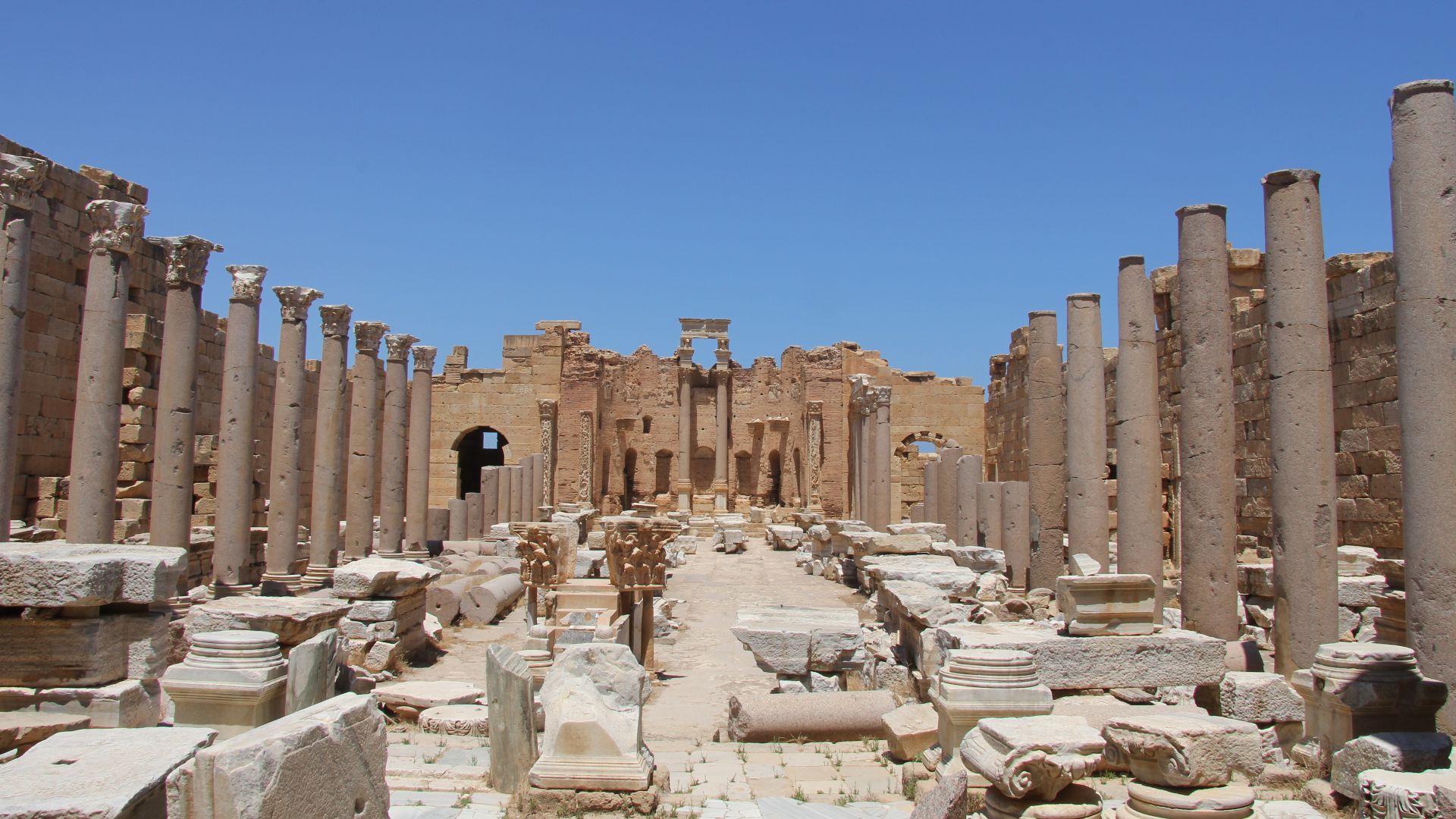
Leptis Magna began as a Phoenician trading settlement on the North African coast and expanded dramatically under Roman rule. Engineers created an artificial harbor, canals, public buildings, markets, storage areas, and residential districts around the mouth of Wadi Lebda. The surviving remains show how a sophisticated city could flourish where a dry continental landscape met the Mediterranean.
 joepyrek from Richmond, Va, USA, Wikimedia Commons
Palmyra Became Rich In The Syrian Desert
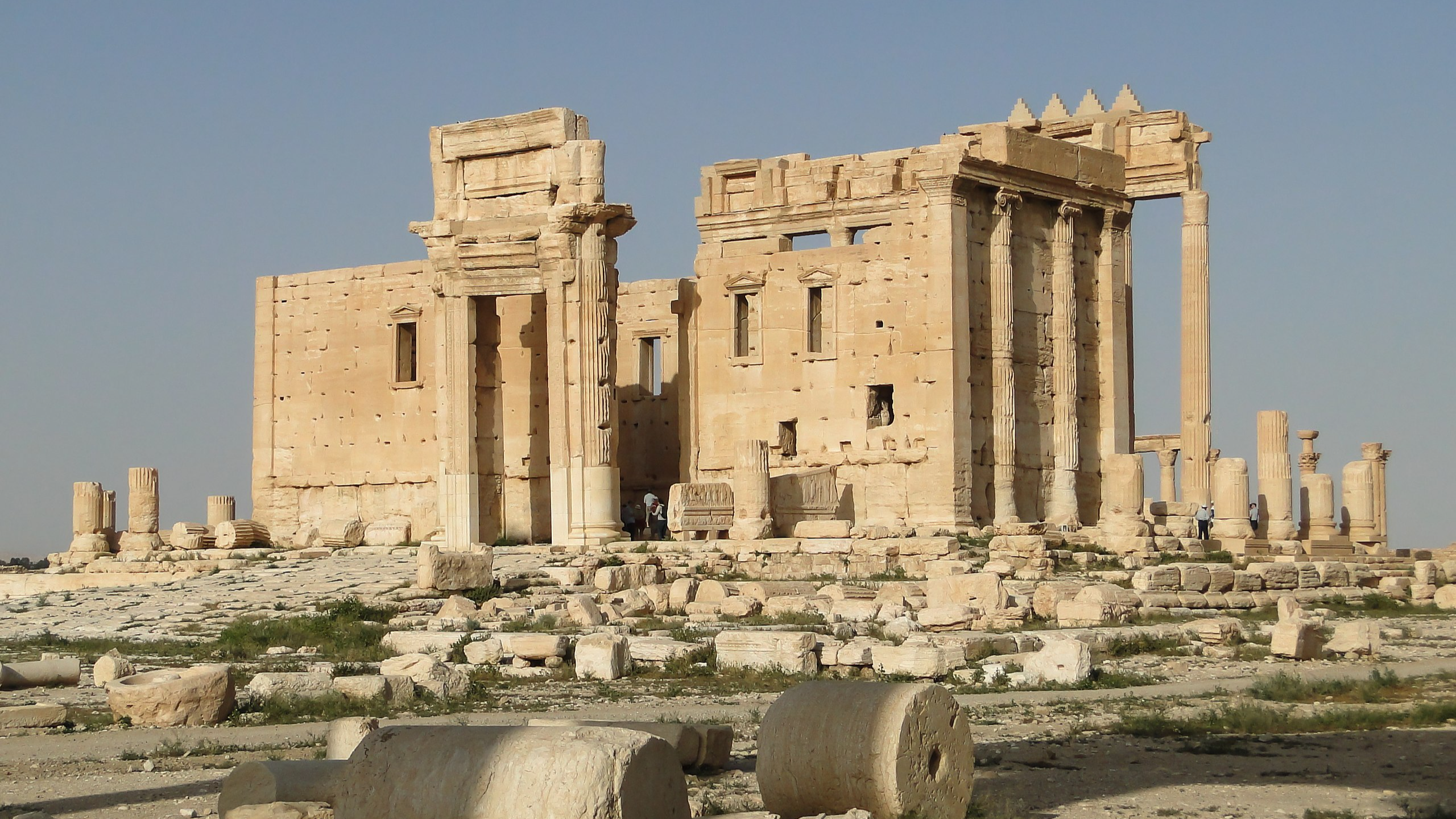
Palmyra grew around an oasis deep in the Syrian desert. Its position helped make it an important caravan center linking trade networks connecting the Roman world with Persia and regions farther east. Monumental temples, streets, tombs, and public buildings eventually rose from surroundings where water and cultivable land were precious resources.
 Bernard Gagnon, CC BY-SA 3.0, Wikimedia Commons
Hatra Defended A City In Open Semi-Desert
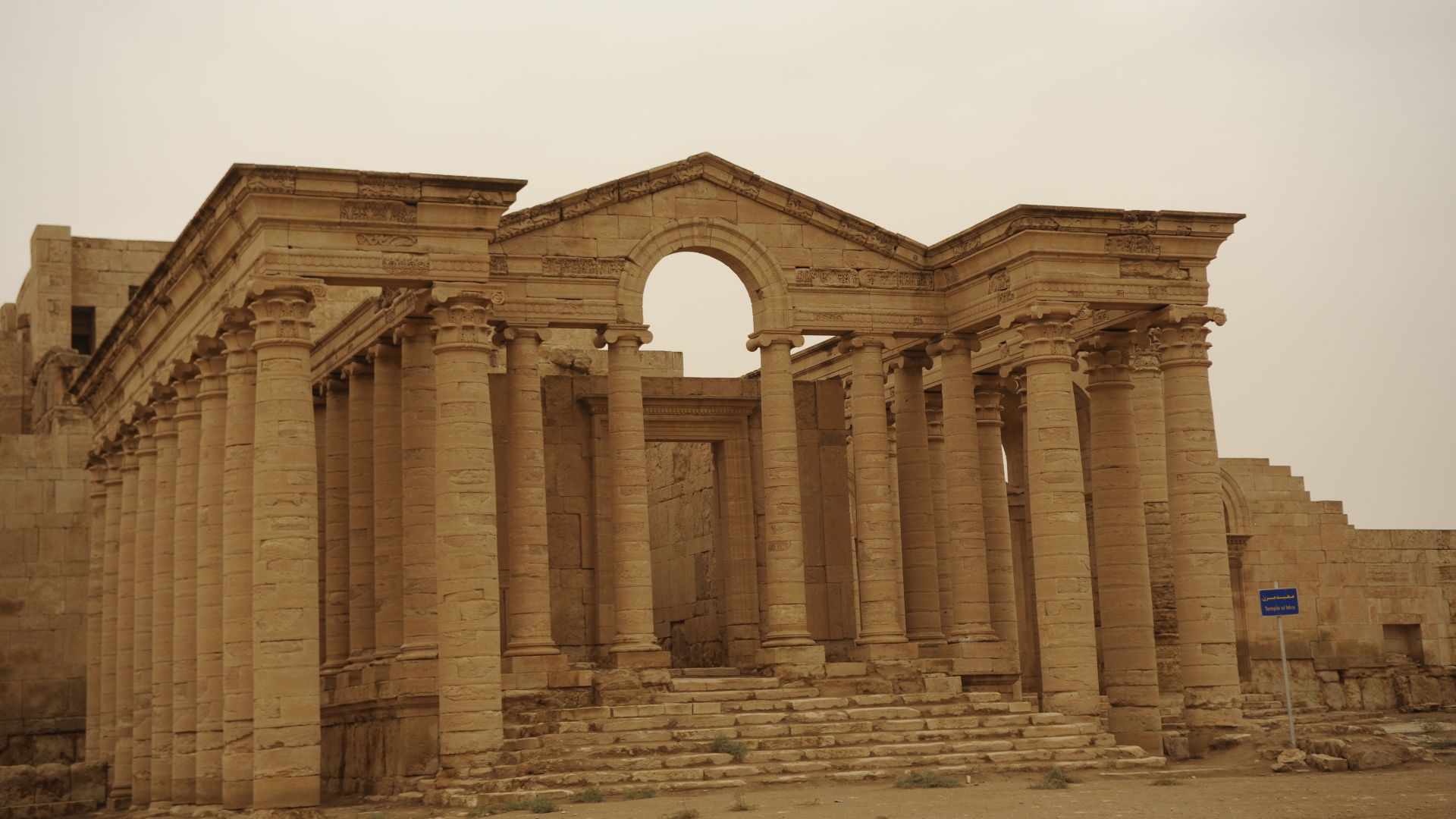
Hatra developed between the Tigris and Euphrates in the semi-desert of northern Mesopotamia. Its location on important military and commercial routes helped transform a relatively small community into a major religious and trading center. Massive double walls and towers strengthened the city so effectively that it resisted major Roman assaults in AD 116 and 198.
 Staff Sgt. JoAnn Makinano, Wikimedia Commons
Persepolis Raised A Capital On An Artificial Terrace
Darius I began Persepolis around 518 BC at the foot of Kuh-e Rahmat in southwestern Iran. Builders reshaped the landscape with an immense terrace that was partly natural and partly constructed before adding monumental halls, staircases, gateways, and palaces. The scale of that platform made the royal complex appear to rise above its surrounding plain as a carefully engineered statement of imperial power.
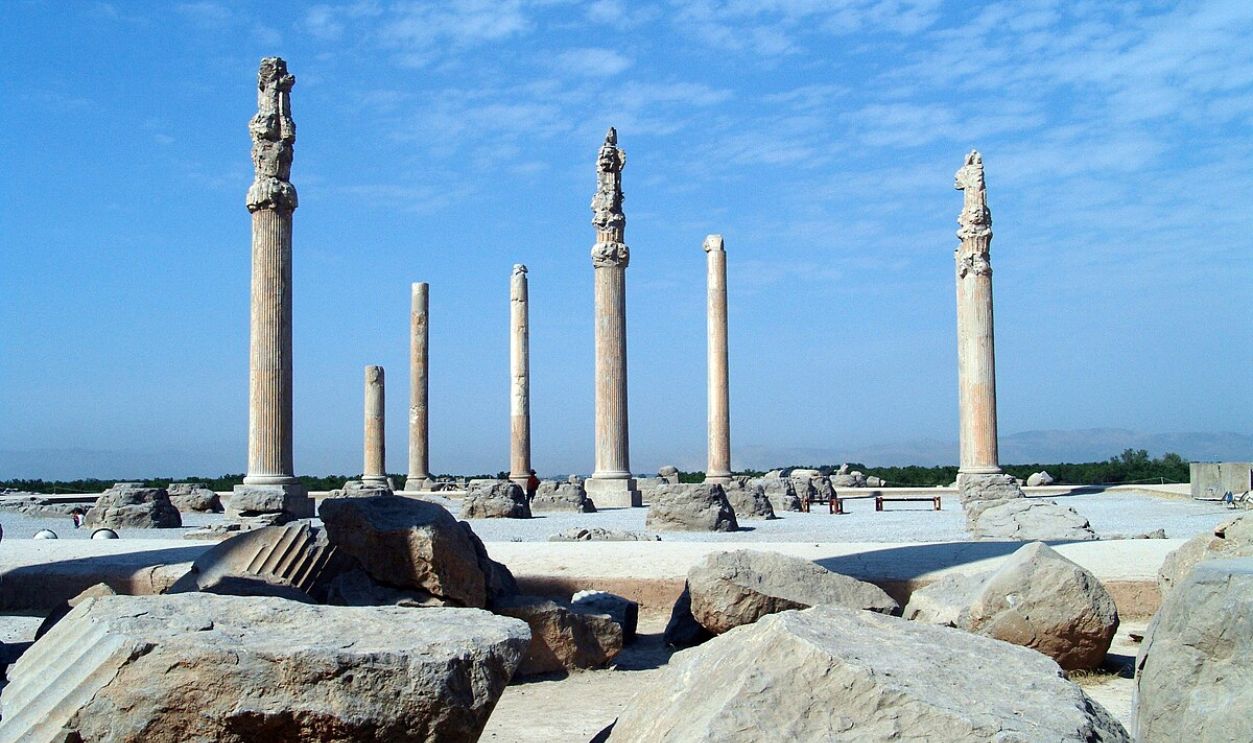 Derfash Kaviani, CC BY-SA 3.0, Wikimedia Commons
Pasargadae Made A Royal Landscape In Iran's Interior
Pasargadae was established by Cyrus the Great as the first dynastic capital of the Achaemenid Empire. Its palaces, gardens, and other monuments stood within a broad landscape that required carefully organized settlement and water use. The city's garden design, divided by waterways and paths, became an influential early expression of the Persian garden tradition.
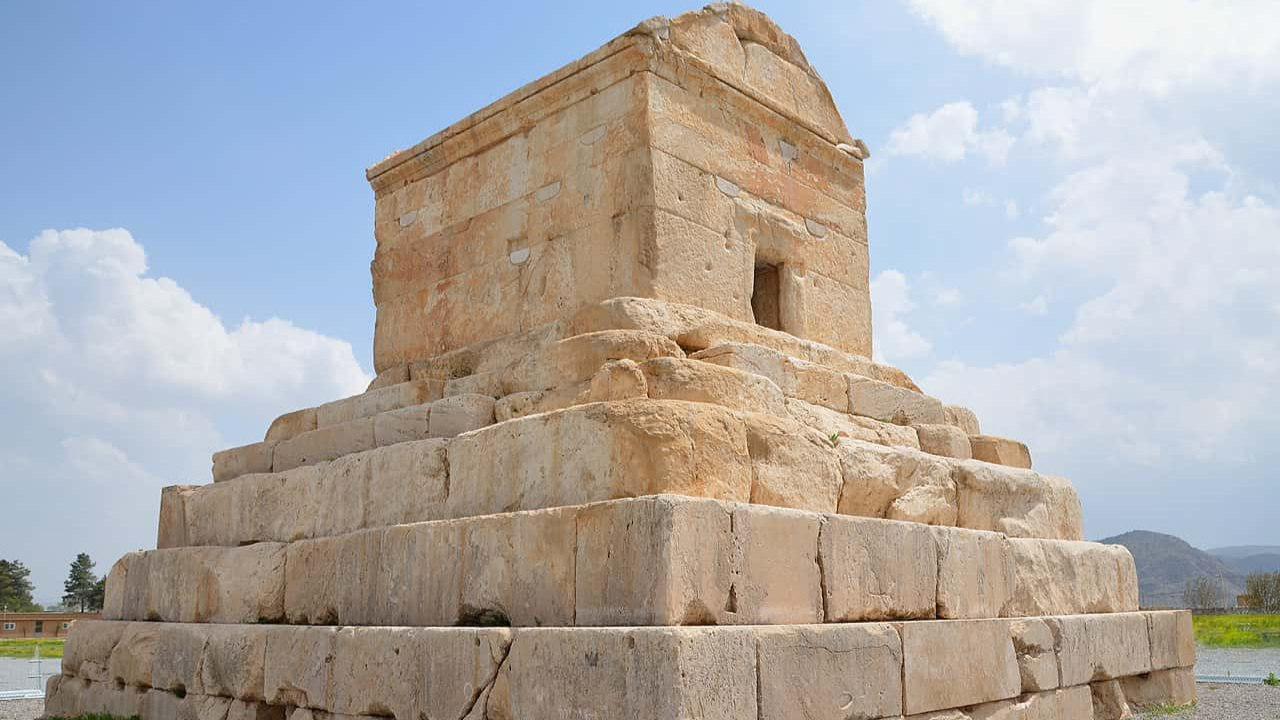 Carole Raddato from Frankfurt, Germany, Wikimedia Commons
Bagan Filled A Dry Plain With Thousands Of Monuments
Bagan occupies a bend of the Ayeyarwady River in Myanmar's central dry zone. During its height from the 11th to the 13th centuries, the capital accumulated thousands of Buddhist structures across the surrounding plain. UNESCO records 3,595 monuments within the listed property, alongside archaeological remains and living communities that continue to occupy the landscape.
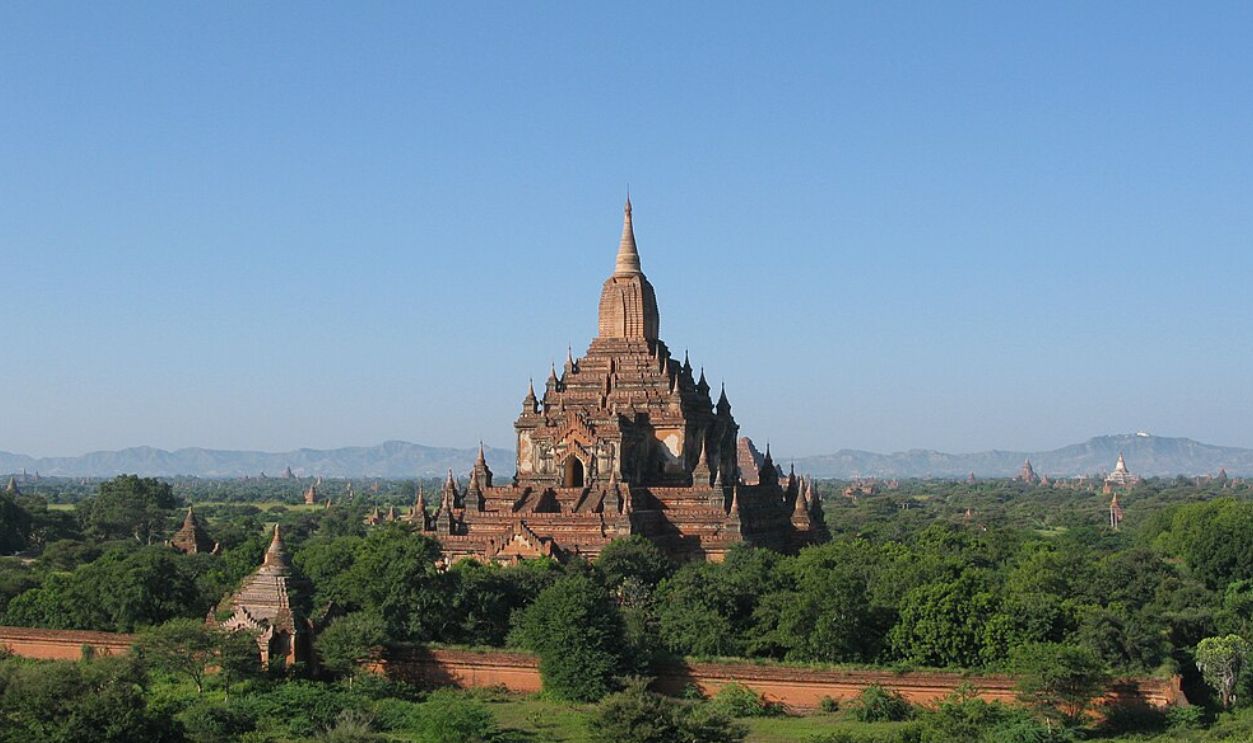 © Vyacheslav Argenberg, CC BY 4.0, Wikimedia Commons
Angkor Engineered Water On A Monumental Scale
Angkor spread across an enormous area of northern Cambodia containing temples, roads, reservoirs, dikes, and canals. These hydraulic works formed part of an urban landscape that served as the heart of the Khmer Empire for centuries. Dense forest later obscured many features, but archaeological study has revealed a far more extensive and deliberately engineered settlement than its famous stone temples alone suggest.
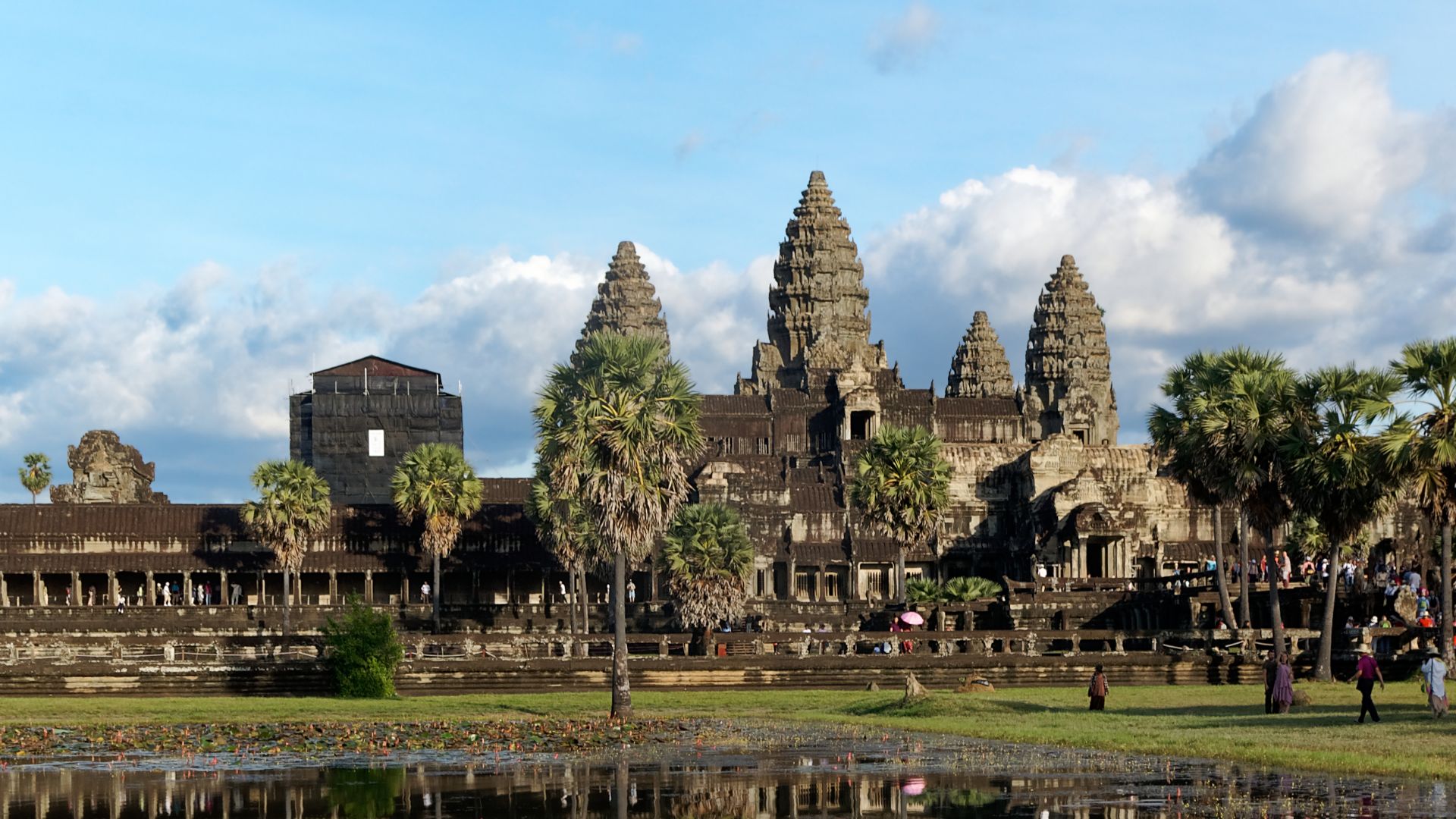 Jakub Hałun, Wikimedia Commons
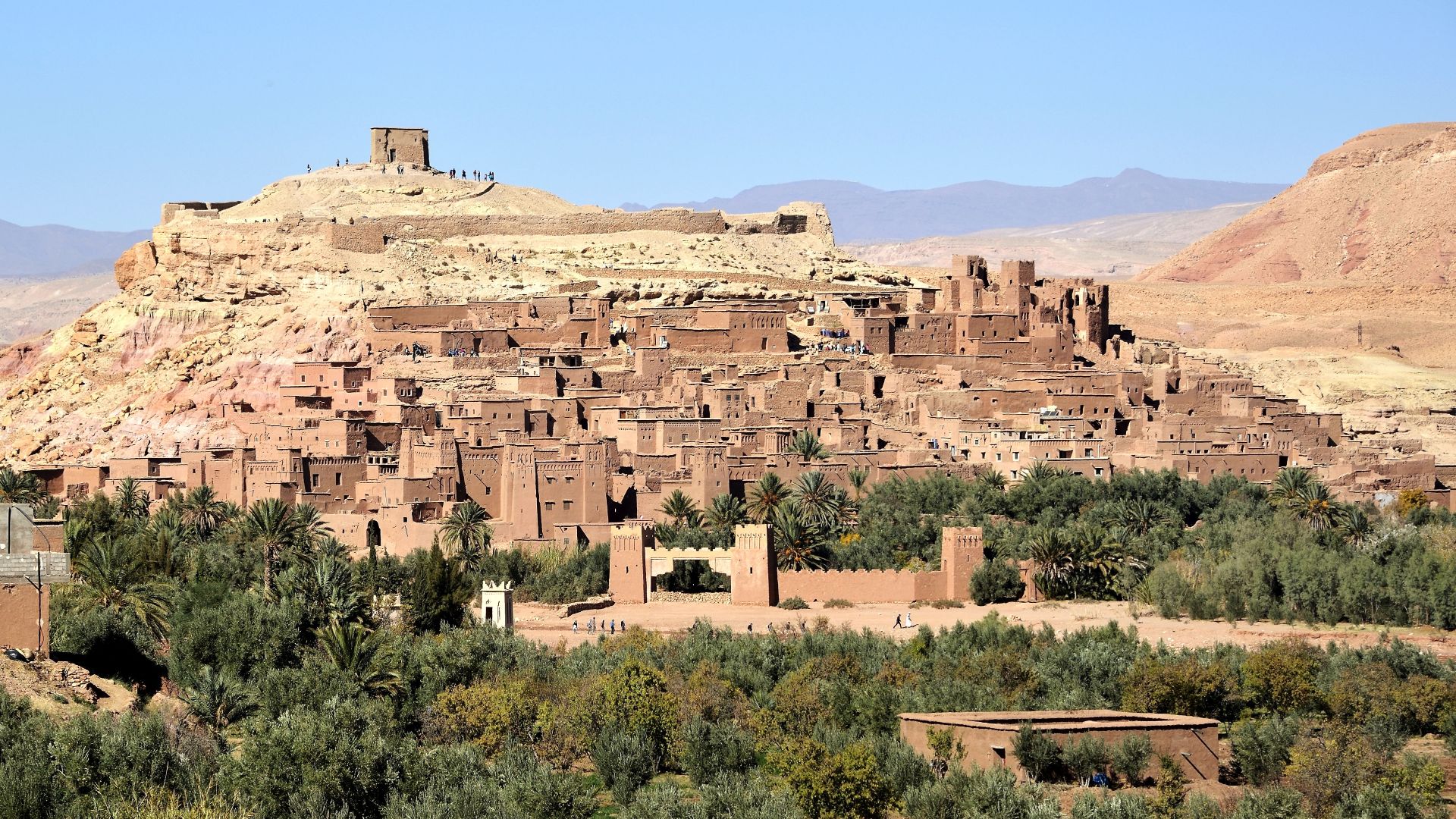
Ait-Ben-Haddou Packed A Settlement Behind Earthen Walls
Ait-Ben-Haddou stands on the southern slopes of Morocco's High Atlas region in a pre-Saharan environment. Houses were clustered closely inside defensive earthen walls strengthened with corner towers, creating a compact settlement adapted to its surroundings. The result demonstrates how communities could build substantial collective settlements using earth even in landscapes where timber and other conventional materials were limited.
 ER Bauer from Freising, Germany, Wikimedia Commons
Ancient Builders Often Used The Landscape Instead Of Fighting It
These settlements survived because their builders rarely treated extreme geography as a problem that could simply be removed. They redirected water, carved into rock, built upward, raised homes above floods, constructed underground refuges, and turned cliffs or deserts into defensive advantages. For modern travelers accustomed to roads, pumps, concrete, and electric infrastructure, their locations can look impossible until the engineering behind them comes into view.
 Benjamin Smith, Wikimedia Commons
You May Also Like:



.jpg)


.jpg)
