One River, Ten States, And Countless Stories
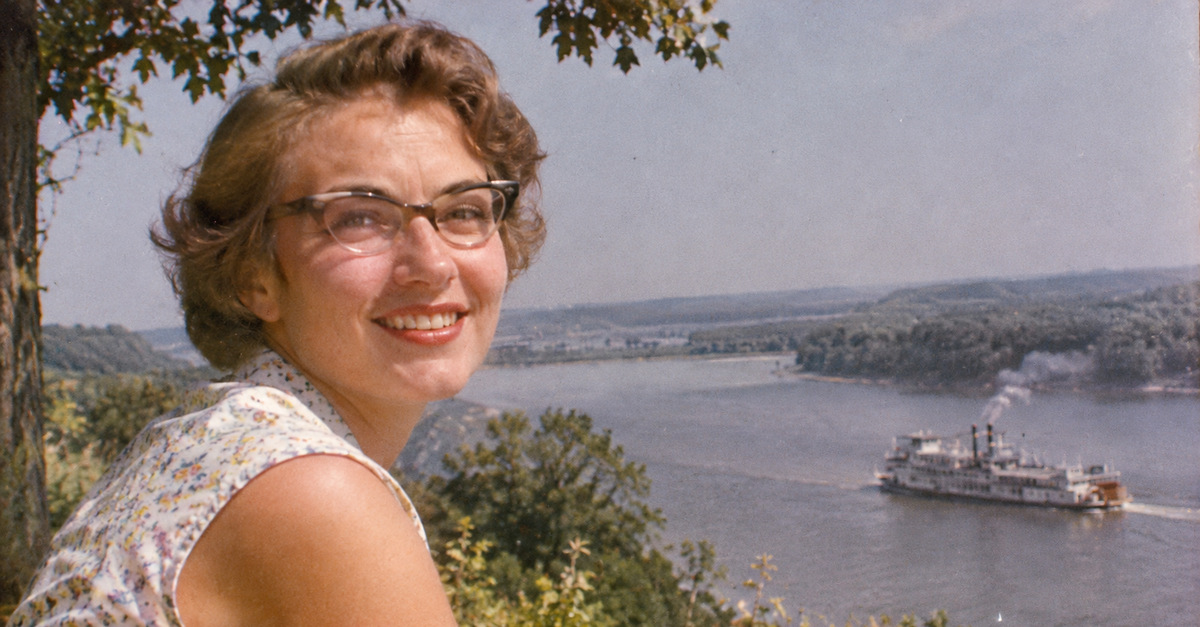
The Great River Road offers one of America's most fascinating road trips, following the Mississippi River from northern Minnesota toward the Gulf of Mexico. Along the way, travelers encounter historic river towns, dramatic bluffs, bustling cities, and communities shaped by centuries of trade and migration. The route passes through ten states, revealing how one enormous river helped shape the country's geography, culture, and history.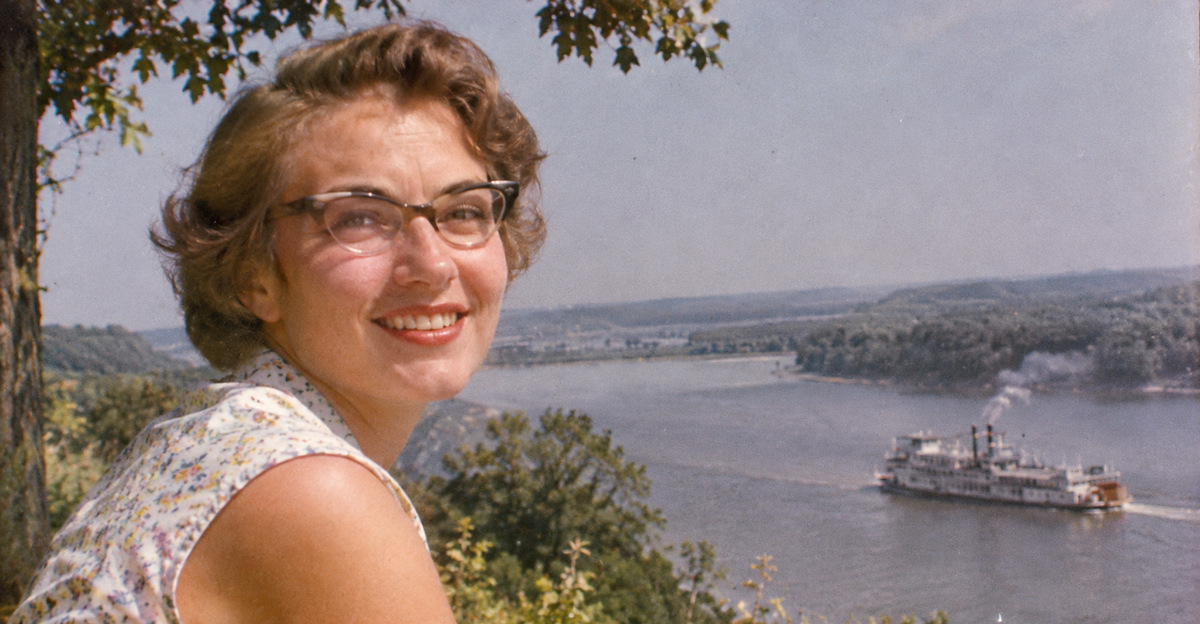 Factinate Ltd
A Road Trip That Connects America
First envisioned in 1938, the Great River Road is a network of existing highways and scenic routes rather than one continuous road. Its designated routes stretch through Minnesota, Wisconsin, Iowa, Illinois, Missouri, Kentucky, Tennessee, Arkansas, Mississippi, and Louisiana. Travelers can follow the familiar green pilot's wheel signs while exploring hundreds of communities connected by the Mississippi.
Minnesota: Where The Mississippi Begins
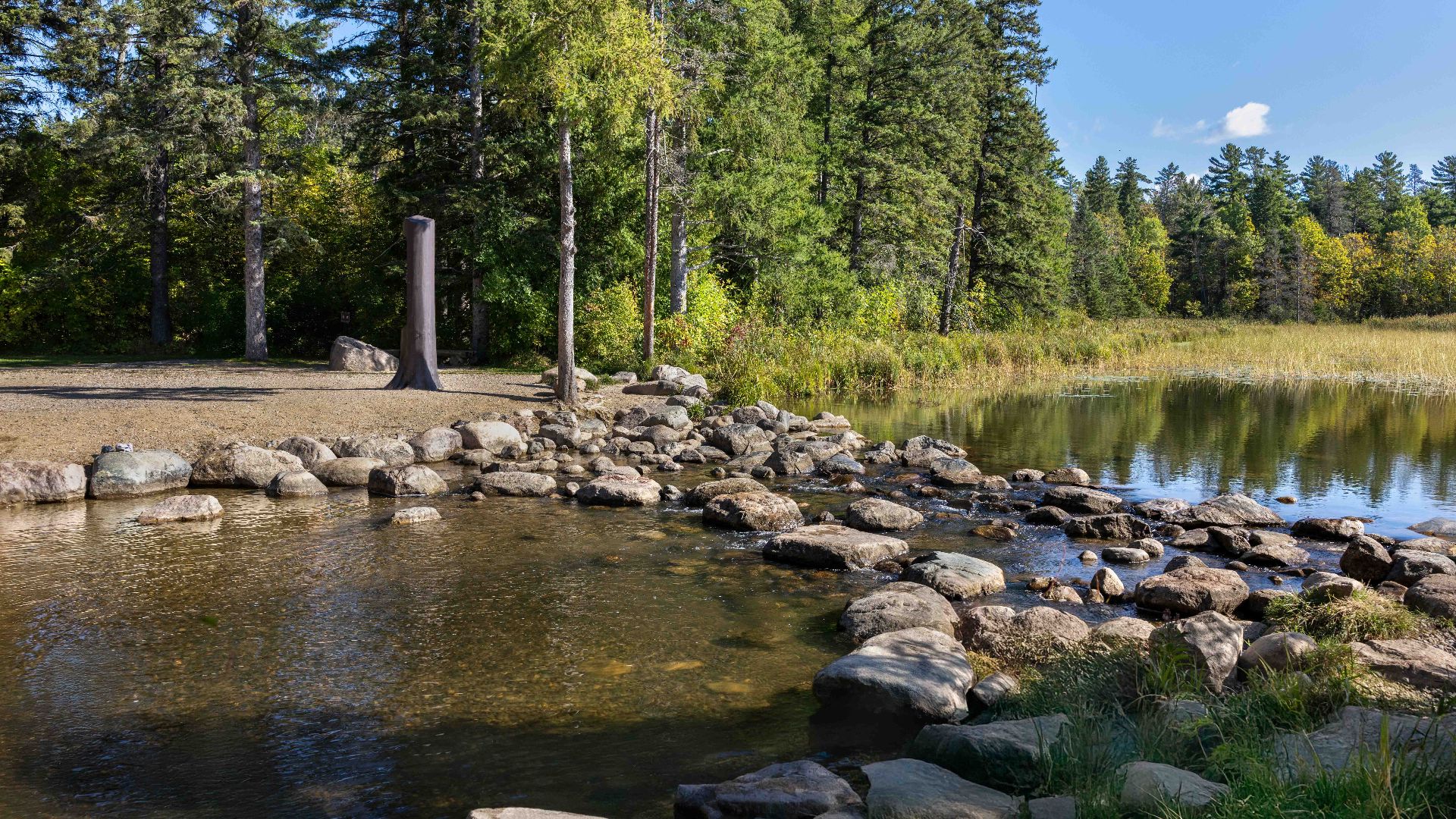
The journey starts at Itasca State Park in northern Minnesota, where the Mississippi River begins its long journey south. Visitors can walk across the river's shallow headwaters, a remarkable experience considering how enormous the waterway eventually becomes. The surrounding forests and lakes provide a peaceful introduction to a road trip that will gradually transform into something much bigger.
 Robbschultz69, Wikimedia Commons
Bemidji Brings Northern Minnesota To Life
Near the river's beginnings, Bemidji offers a lively introduction to northern Minnesota's culture and outdoor traditions. The town is famous for its larger-than-life Paul Bunyan and Babe the Blue Ox statues, which have become recognizable roadside attractions. Its downtown sculpture walk and lakeside setting make Bemidji an enjoyable stop before following the Mississippi farther south.
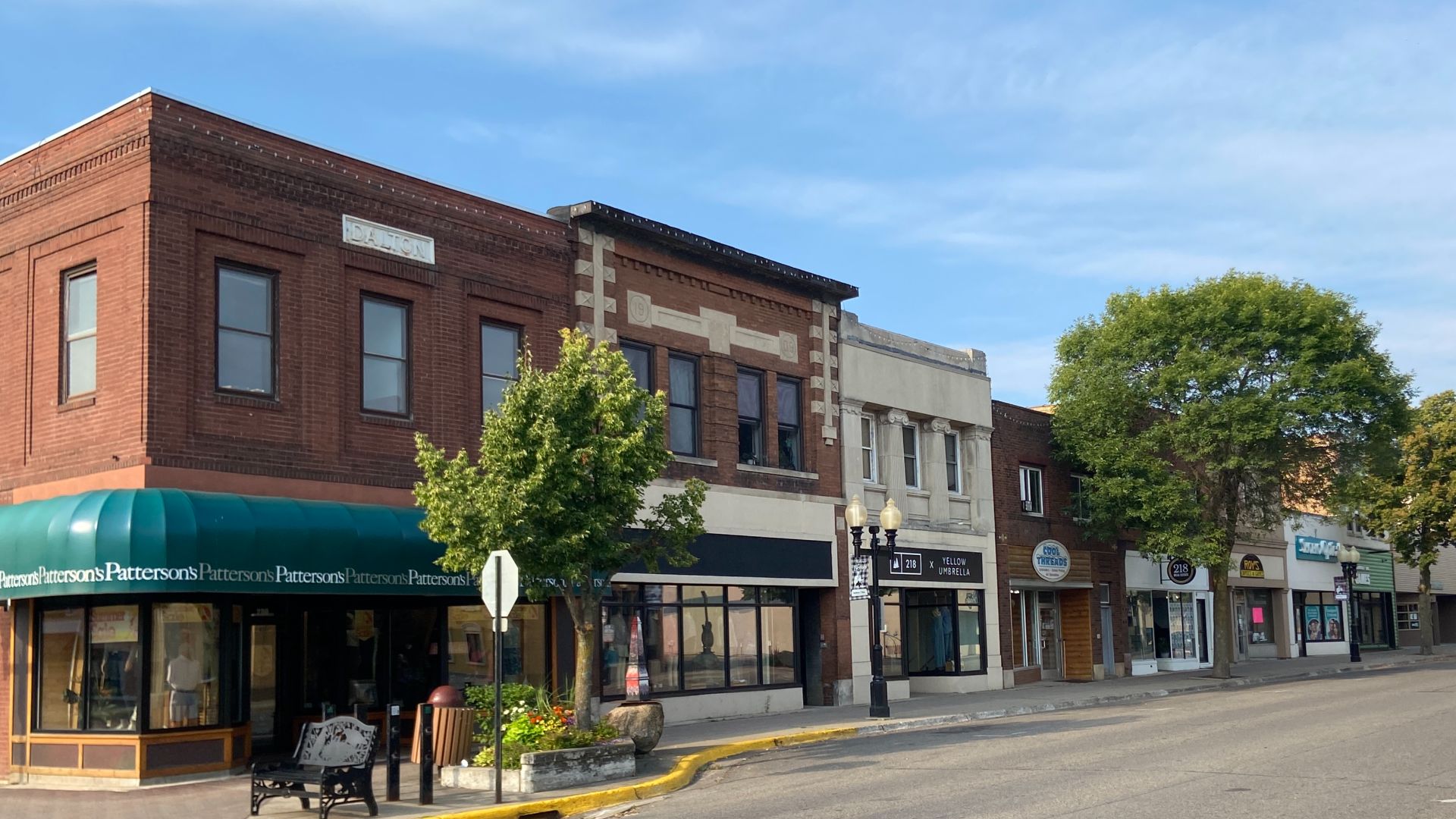
Red Wing Preserves Its River Town Heritage
Farther downstream, Red Wing demonstrates how Mississippi River communities prospered through transportation, manufacturing, and trade. The town is known for its historic downtown, pottery heritage, and the famous Red Wing Shoes brand. Nearby Barn Bluff offers sweeping views of the Mississippi Valley, making it an excellent place to appreciate the landscape that helped shape the community.
 Michael Hicks, CC BY 2.0, Wikimedia Commons
Winona Sits Beneath Towering River Bluffs
Continuing south, Winona occupies a beautiful stretch of the Mississippi surrounded by steep limestone bluffs. The town grew into an important transportation and lumber center during the nineteenth century, leaving behind impressive historic architecture. Today, visitors can explore the Minnesota Marine Art Museum, stroll through downtown, or admire the river from scenic overlooks.
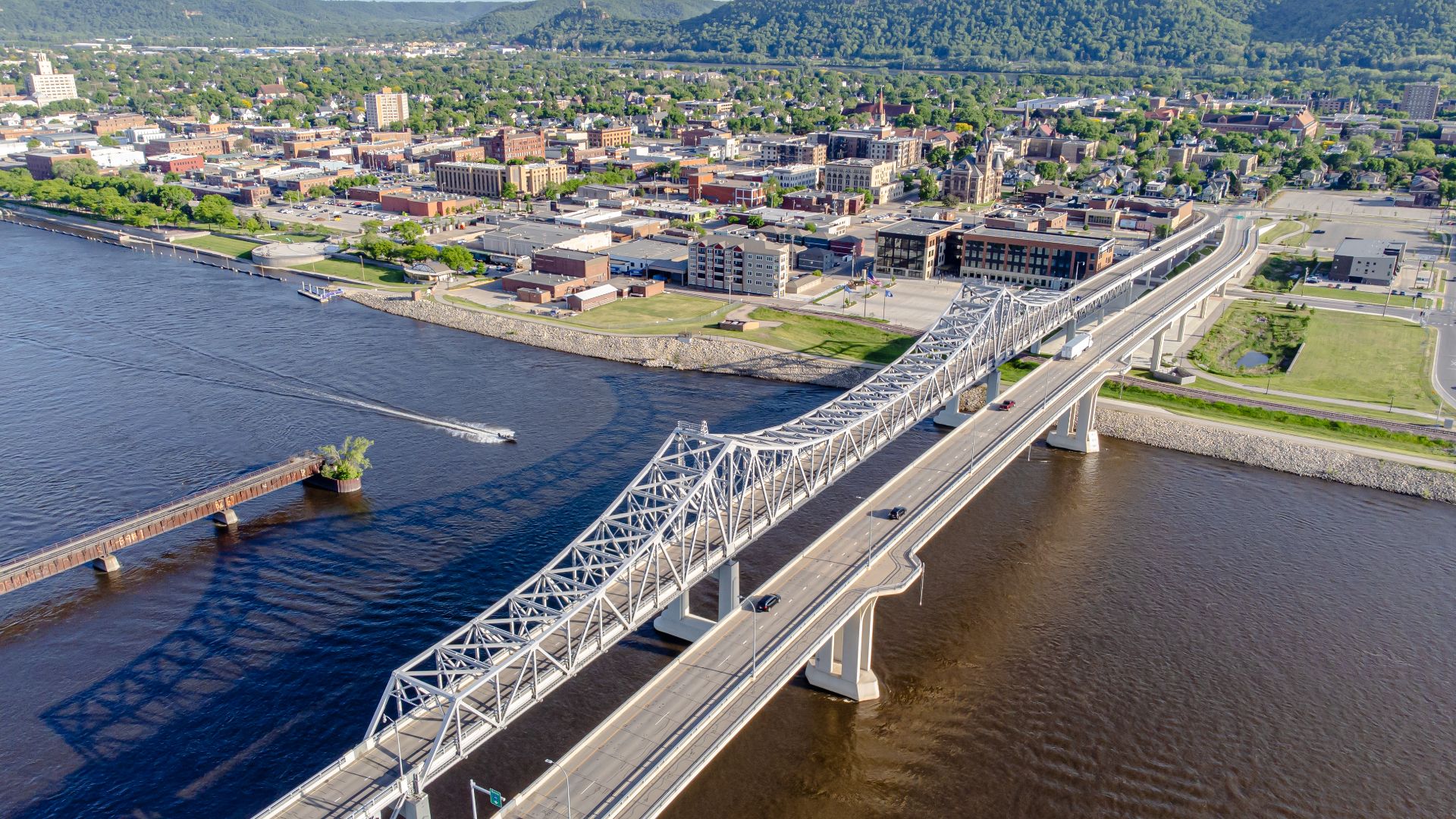
Wisconsin: A Different View Of The Same River
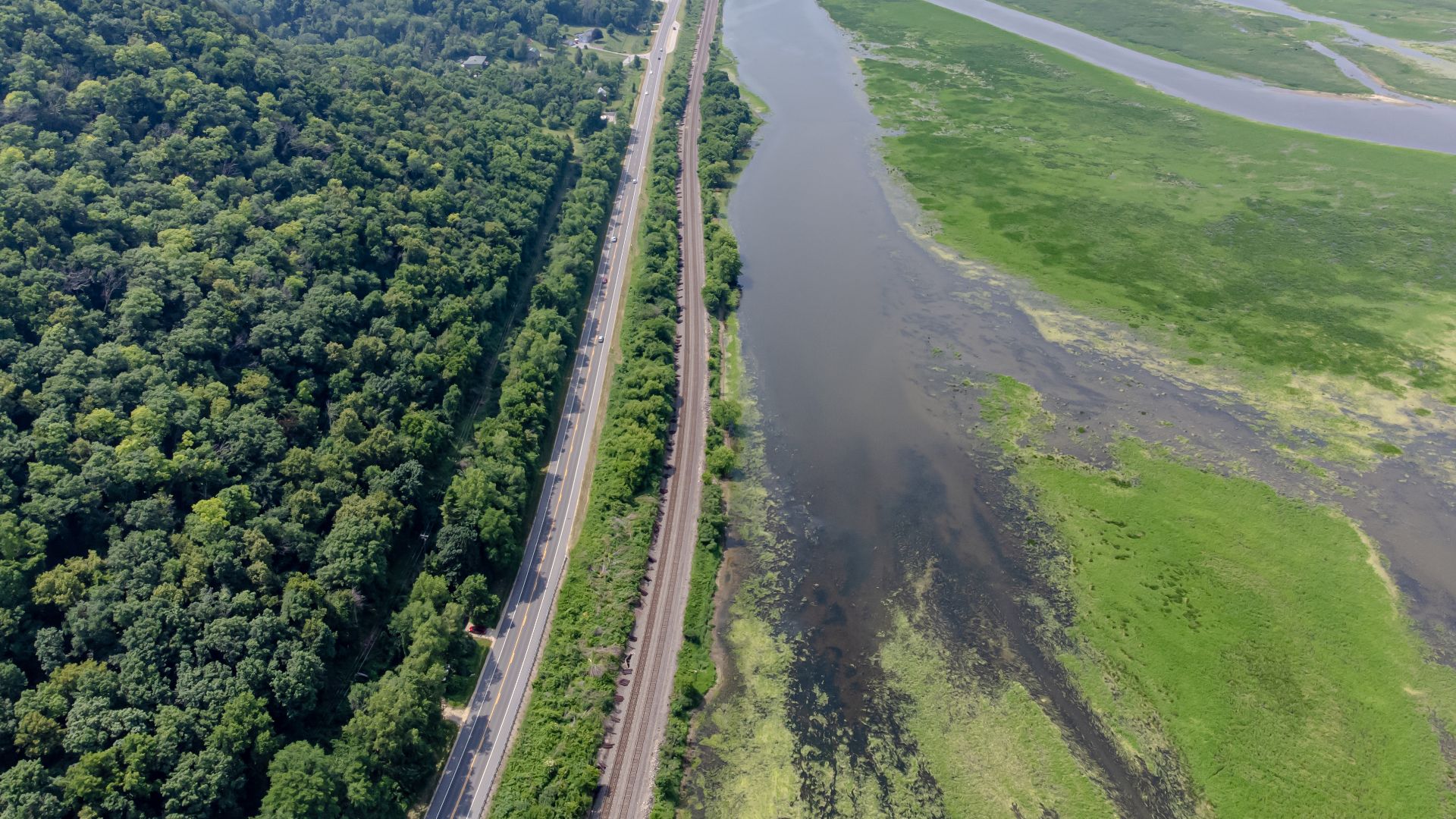
Across the Mississippi, Wisconsin's Great River Road follows a particularly scenic corridor of riverfront communities and wooded bluffs. Much of the route runs along Highway 35, passing through places where the river widens into broad pools and wetlands. Small towns, wildlife viewing areas, and dramatic overlooks make this stretch especially appealing to travelers who enjoy slowing down.
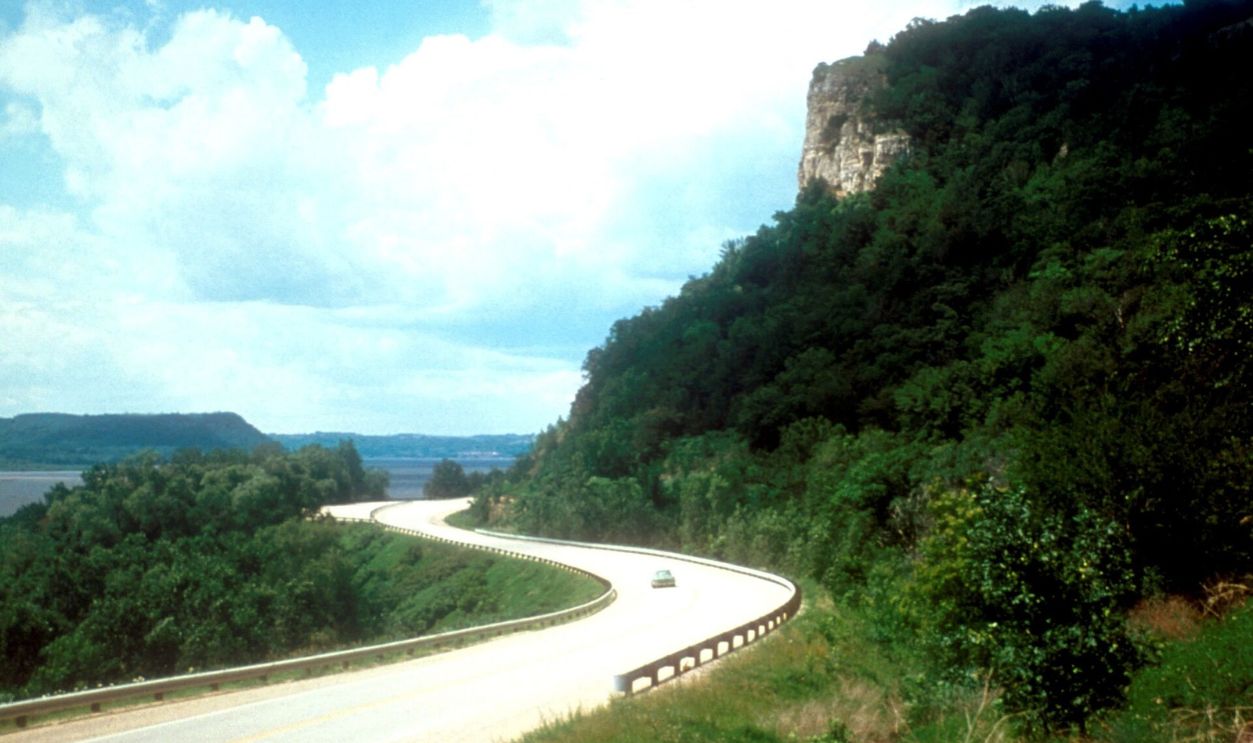 U.S. Government, Wikimedia Commons
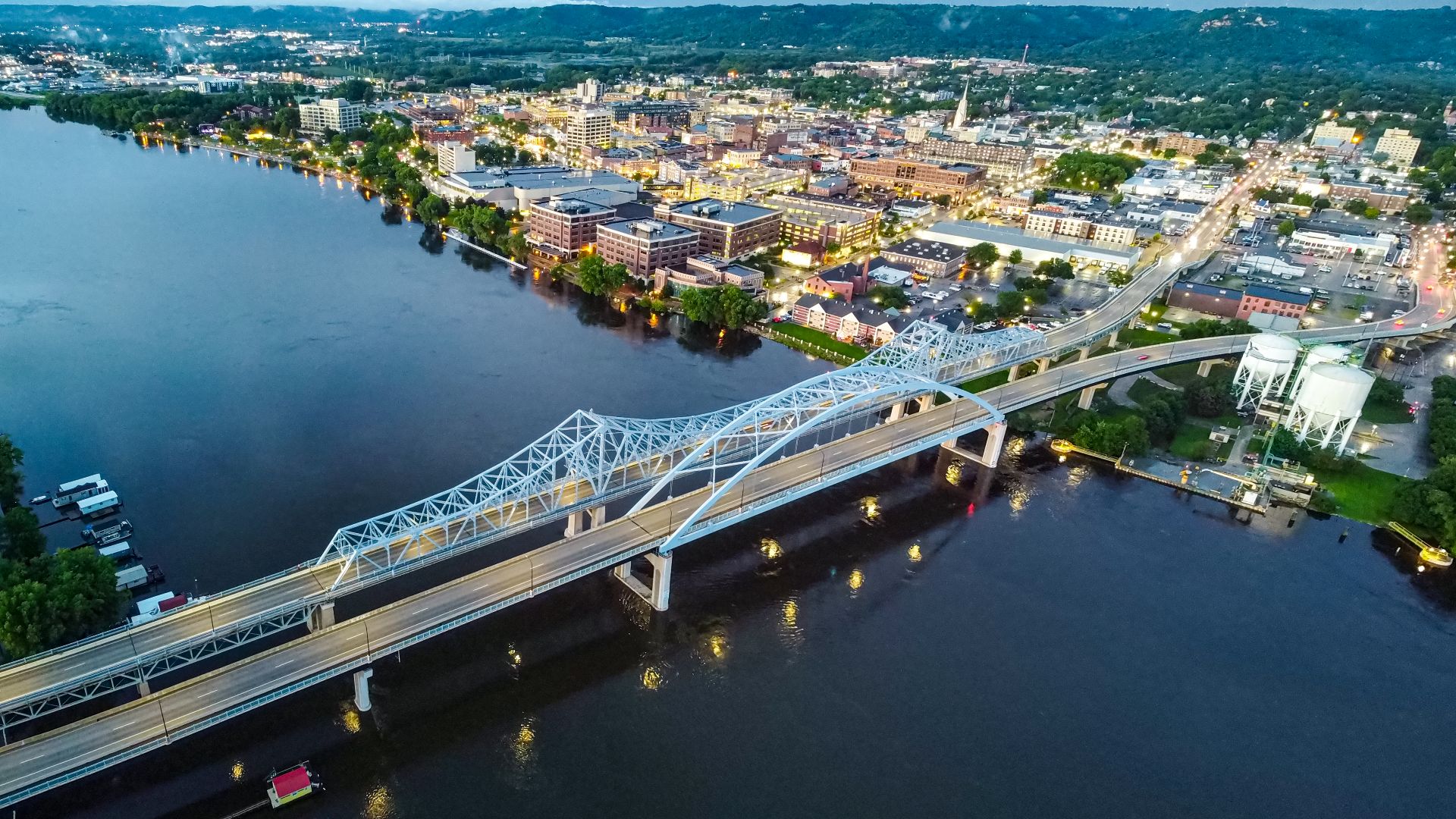
La Crosse Offers History With A View
La Crosse grew into a major river port as steamboats, railroads, and commercial activity transformed the Upper Mississippi Valley. Today, its historic downtown and riverfront parks offer plenty of opportunities to explore. Grandad Bluff, rising above the city, provides a spectacular panorama of the surrounding valleys and neighboring states.
Prairie Du Chien Remembers The Fur Trade
One of Wisconsin's oldest European-settled communities, Prairie du Chien developed near the meeting of the Mississippi and Wisconsin rivers. Its location made it an important center for trade, transportation, and military activity. Visitors can explore Villa Louis, a preserved nineteenth-century estate, while learning how river commerce influenced life along this frontier.
Iowa: Small Towns Along A Mighty Waterway
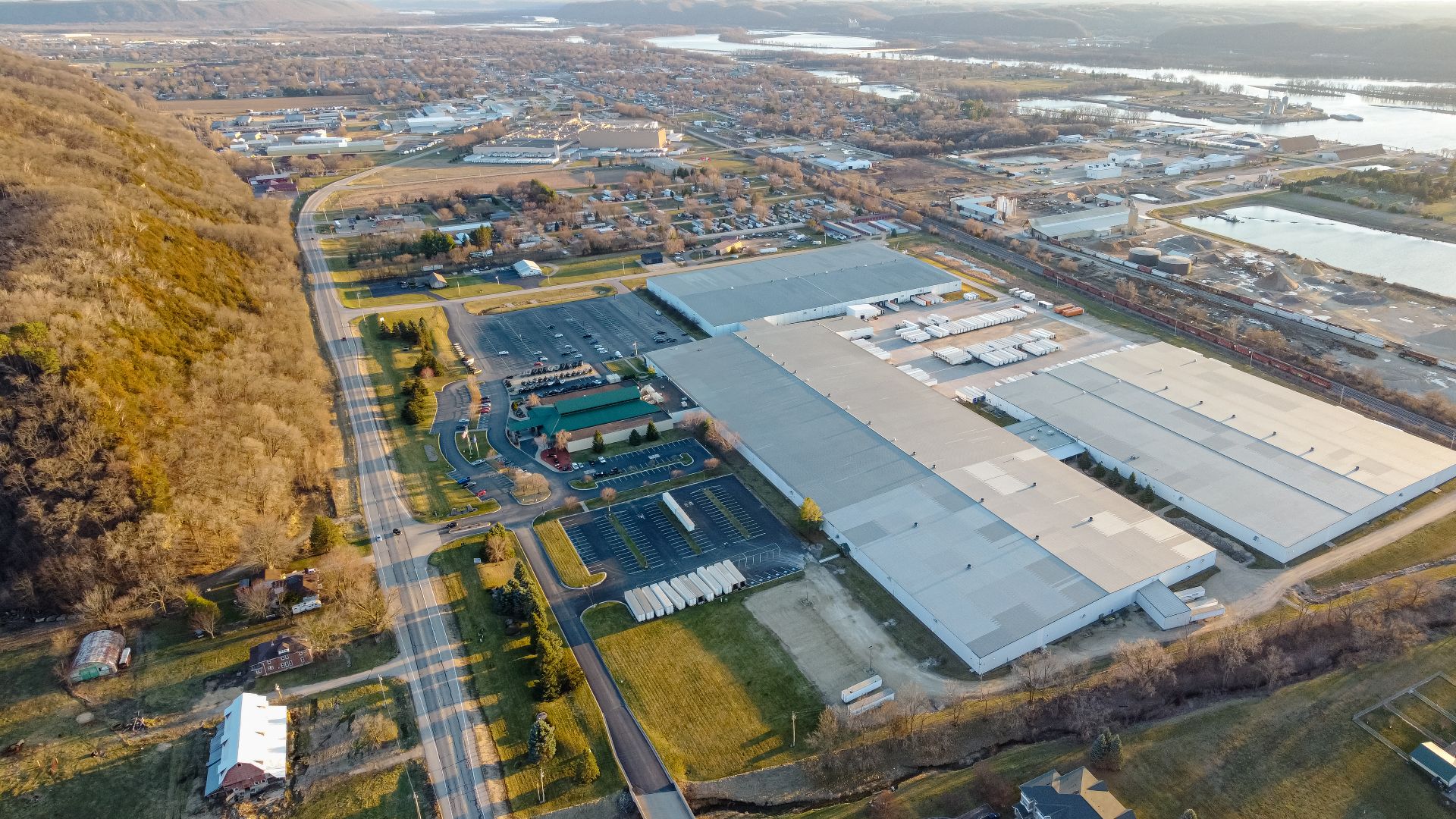
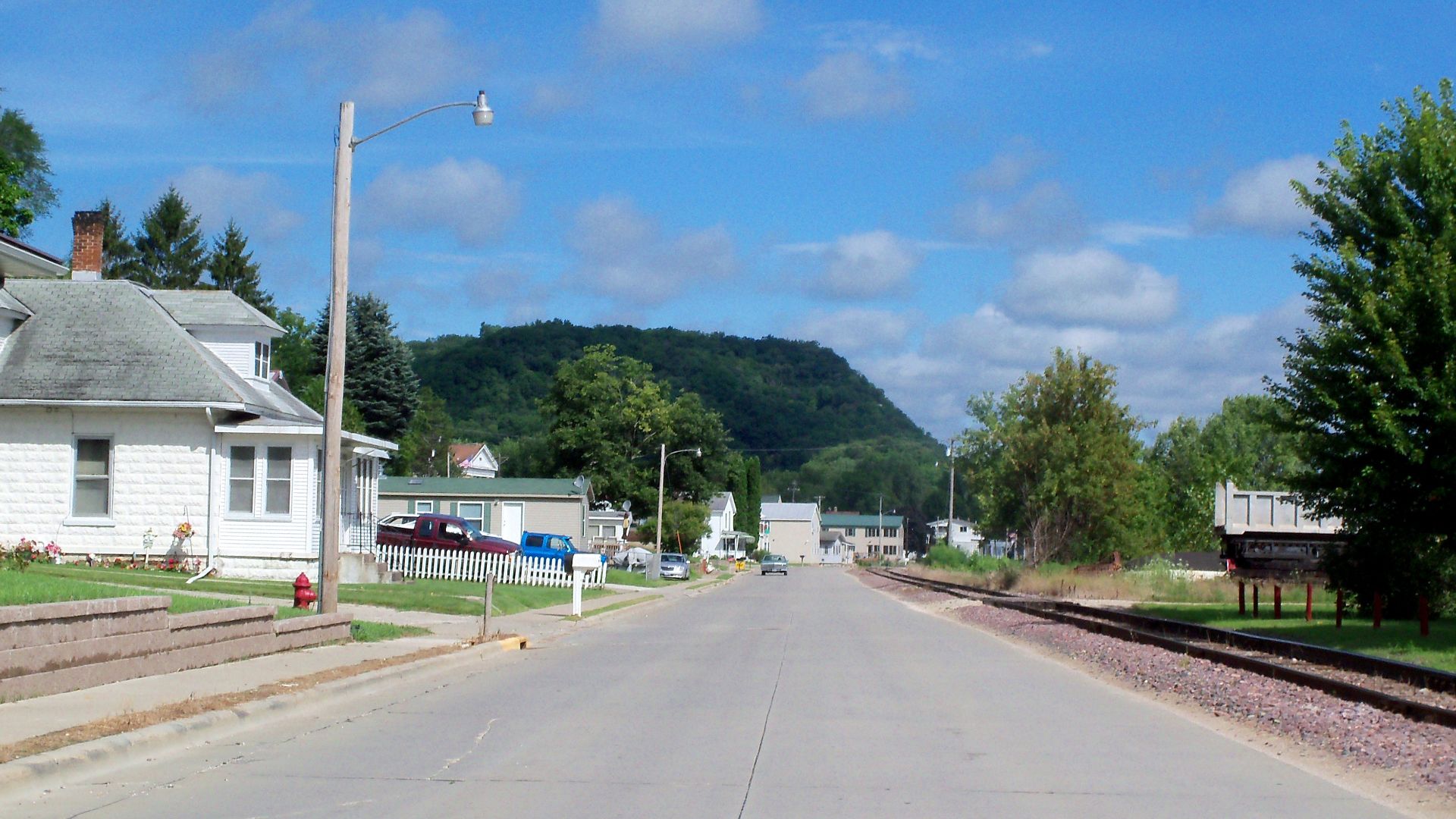
Iowa's stretch of the Great River Road introduces travelers to historic river ports, scenic overlooks, and communities built around commerce. The Mississippi forms the state's eastern boundary, connecting towns that once depended heavily on steamboats and river transportation. Today, museums, preserved architecture, and waterfront parks help tell the stories of those earlier generations.
Dubuque Reveals Iowa's Riverfront History
Dubuque is one of Iowa's most rewarding stops, with a historic downtown overlooking the Mississippi River. The National Mississippi River Museum & Aquarium explores the river's wildlife, navigation, and importance to American communities. Its exhibits make an excellent introduction to the relationship between the waterway and the people who built their livelihoods beside it.
 Benjamin Haines from Chicago, USA, Wikimedia Commons
LeClaire Keeps The Riverboat Era Alive
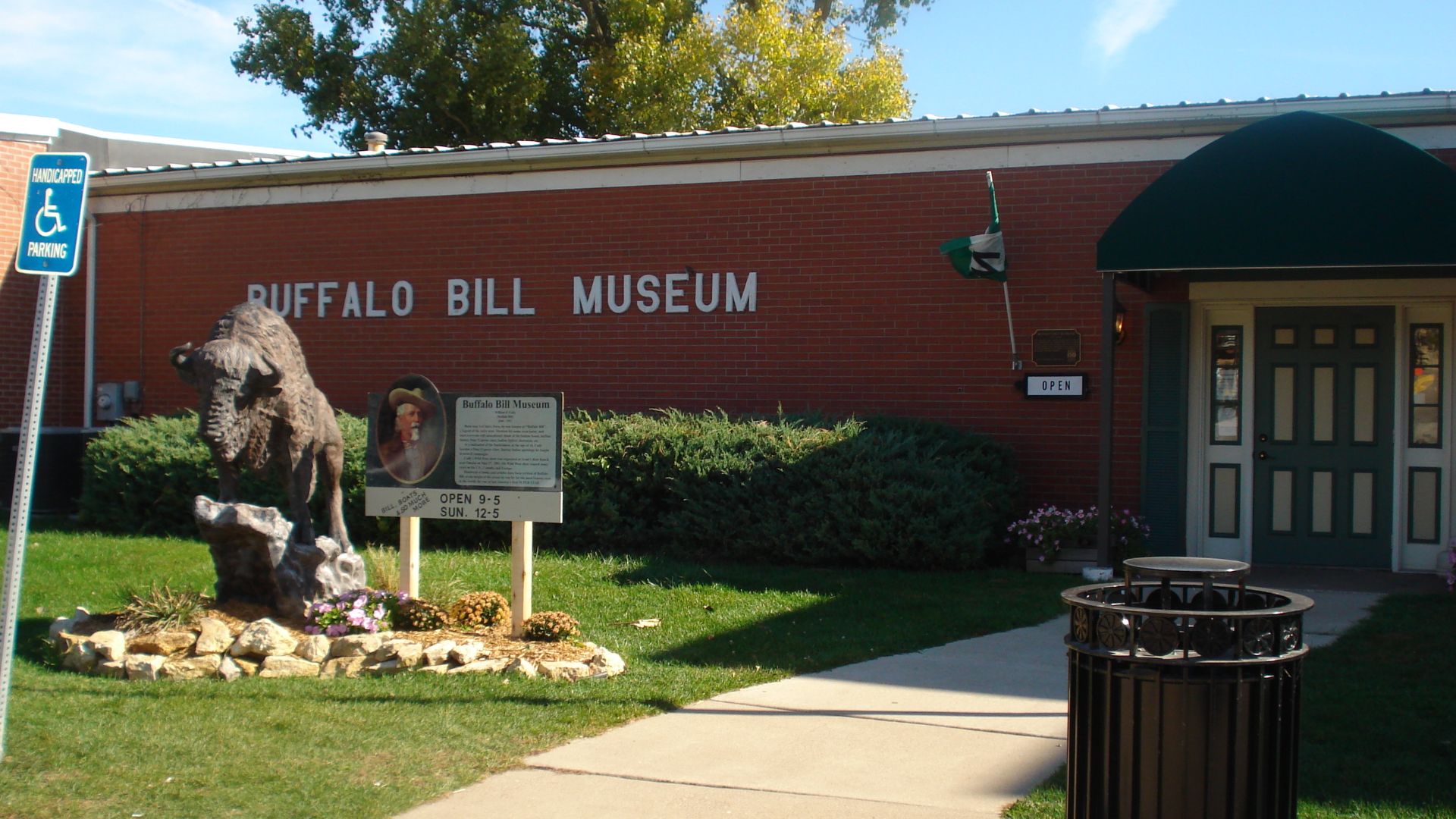
The small Iowa town of LeClaire celebrates its connection to Mississippi River navigation and nineteenth-century river pilots. Visitors can explore the Buffalo Bill Museum, which also preserves stories about the town's river heritage. Its waterfront and historic buildings offer a pleasant contrast to the larger cities encountered farther downstream.
Illinois: Following The River Through History
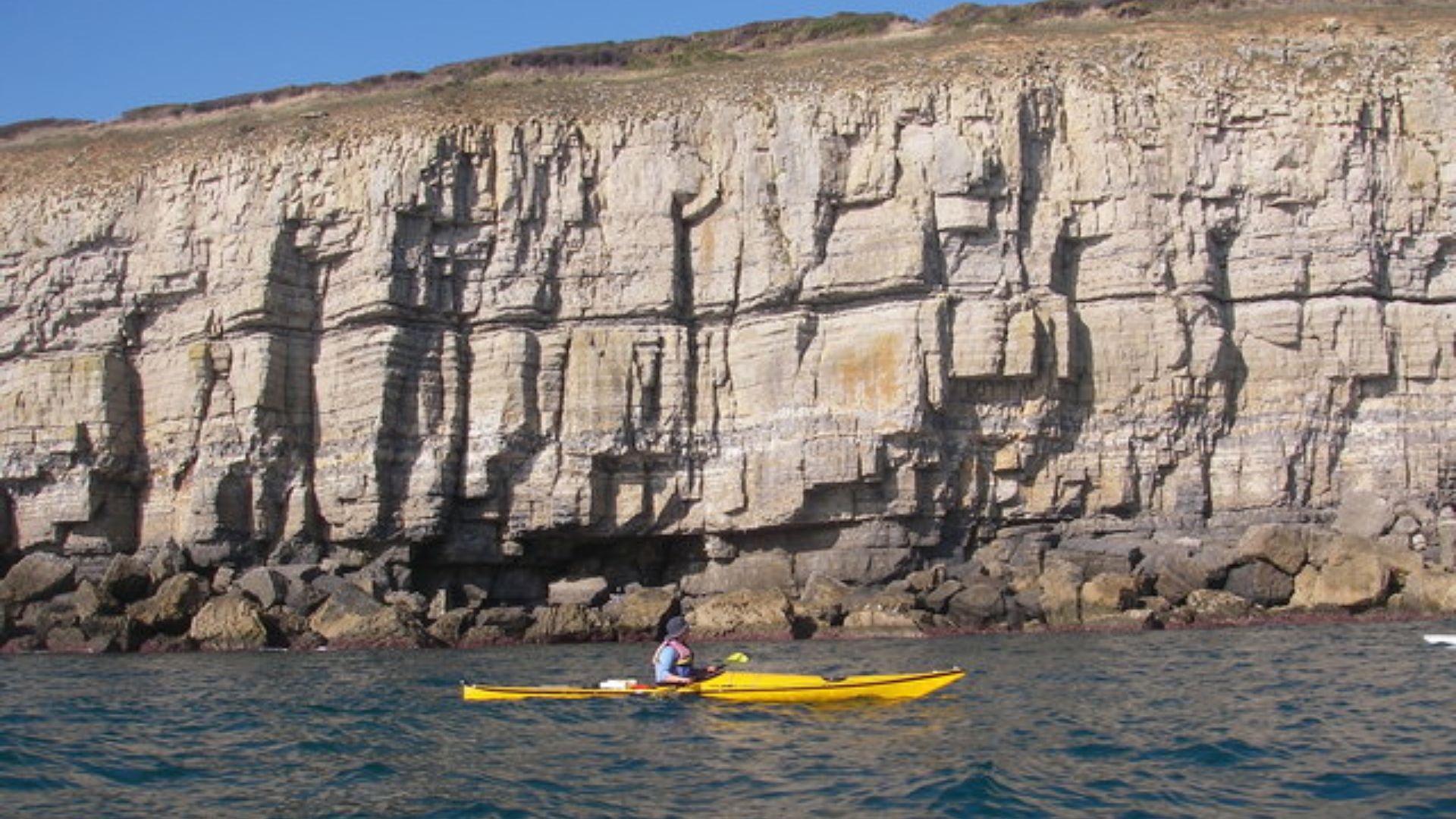
Illinois offers another fascinating stretch of the Great River Road, with historic settlements, limestone bluffs, and important cultural landmarks. The route connects communities that grew through agriculture, river commerce, and transportation. From the northern Mississippi Valley to the river's meeting with the Ohio, travelers encounter landscapes that reveal different chapters of American history.
 Barry Deakin, Wikimedia Commons
Galena Feels Like A Journey Into The Past
Galena lies near the Mississippi River in northwestern Illinois and is famous for its beautifully preserved nineteenth-century architecture. The town prospered through lead mining and river commerce before becoming closely associated with Ulysses S. Grant. Visitors can explore its historic Main Street and Grant's former home, making it a worthwhile detour from the riverfront route.
 Daniel Case, Wikimedia Commons
Grafton Sits Where Two Great Rivers Meet
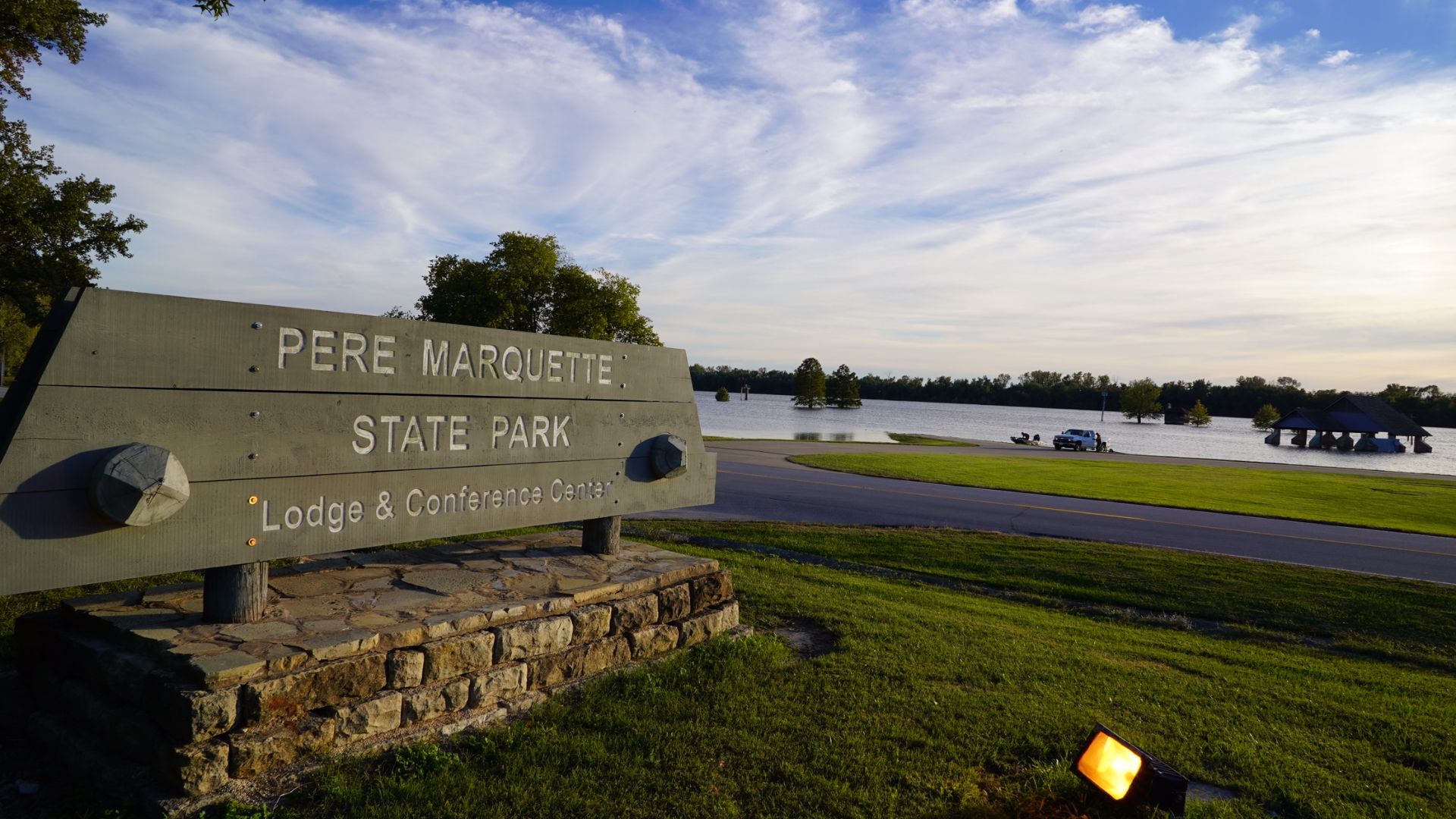
Farther south, Grafton occupies a scenic location near the confluence of the Illinois and Mississippi rivers. The surrounding limestone bluffs create some of the most striking scenery along Illinois' Great River Road. Nearby Pere Marquette State Park offers hiking trails, river views, and opportunities to explore the natural environment of the Mississippi Valley.
 Quentin Melson, Wikimedia Commons
Missouri: Entering Mark Twain Country
Missouri's Mississippi River communities combine literary history, early settlement stories, and landmarks associated with America's westward expansion. The Great River Road passes historic towns where steamboats once carried passengers and goods along the waterway. Perhaps no place captures the romantic image of the Mississippi quite like Hannibal, the hometown of one of America's most famous authors.
Hannibal Brings Mark Twain's Stories To Life
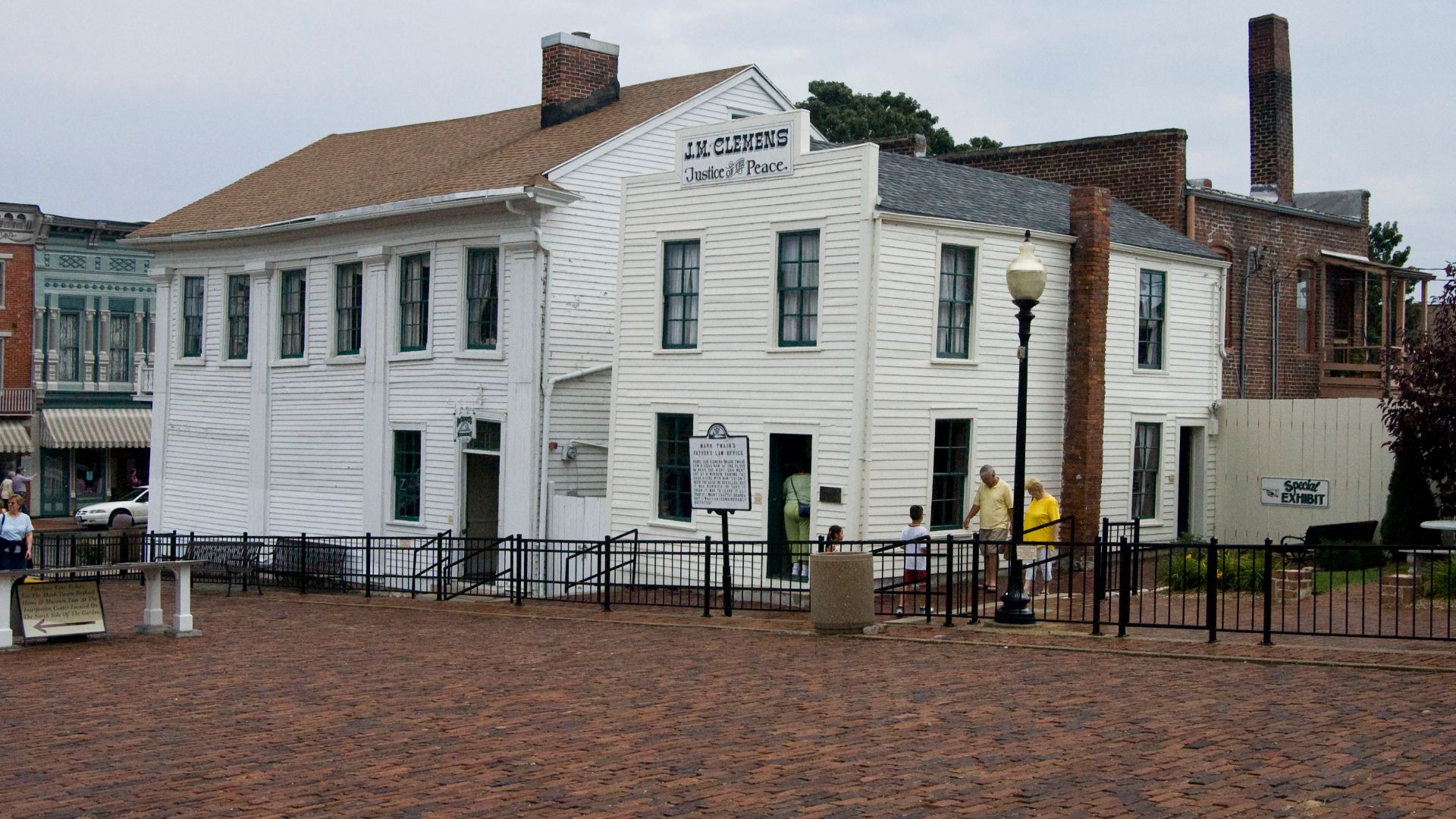
Hannibal is closely associated with Samuel Clemens, better known as Mark Twain, who spent part of his childhood there. His experiences along the Mississippi helped inspire The Adventures of Tom Sawyer and Adventures of Huckleberry Finn. Visitors can explore the Mark Twain Boyhood Home & Museum and discover how the river influenced his unforgettable fictional world.
 Andrew Balet, Wikimedia Commons
St. Louis Became A Gateway To The West
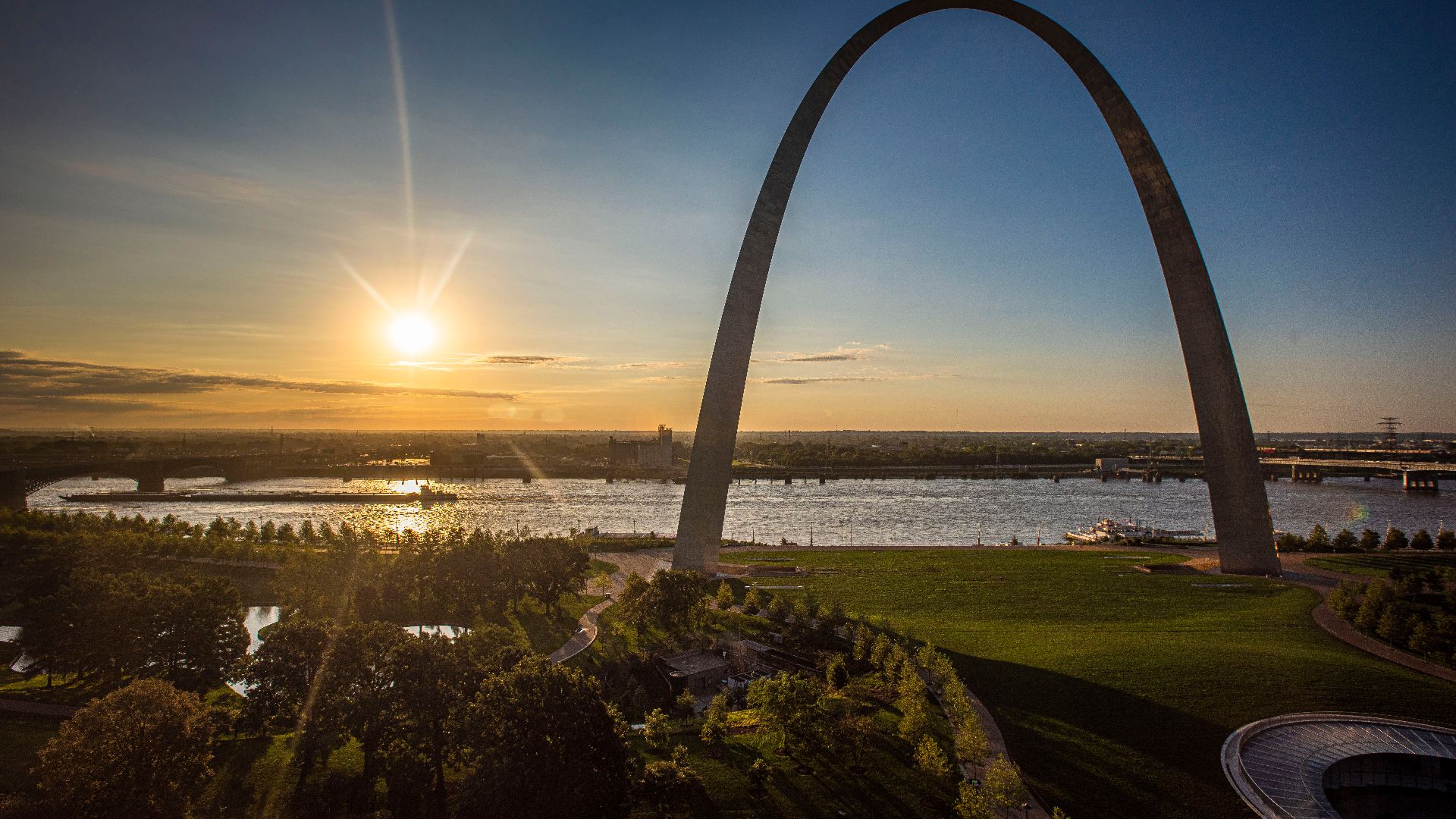
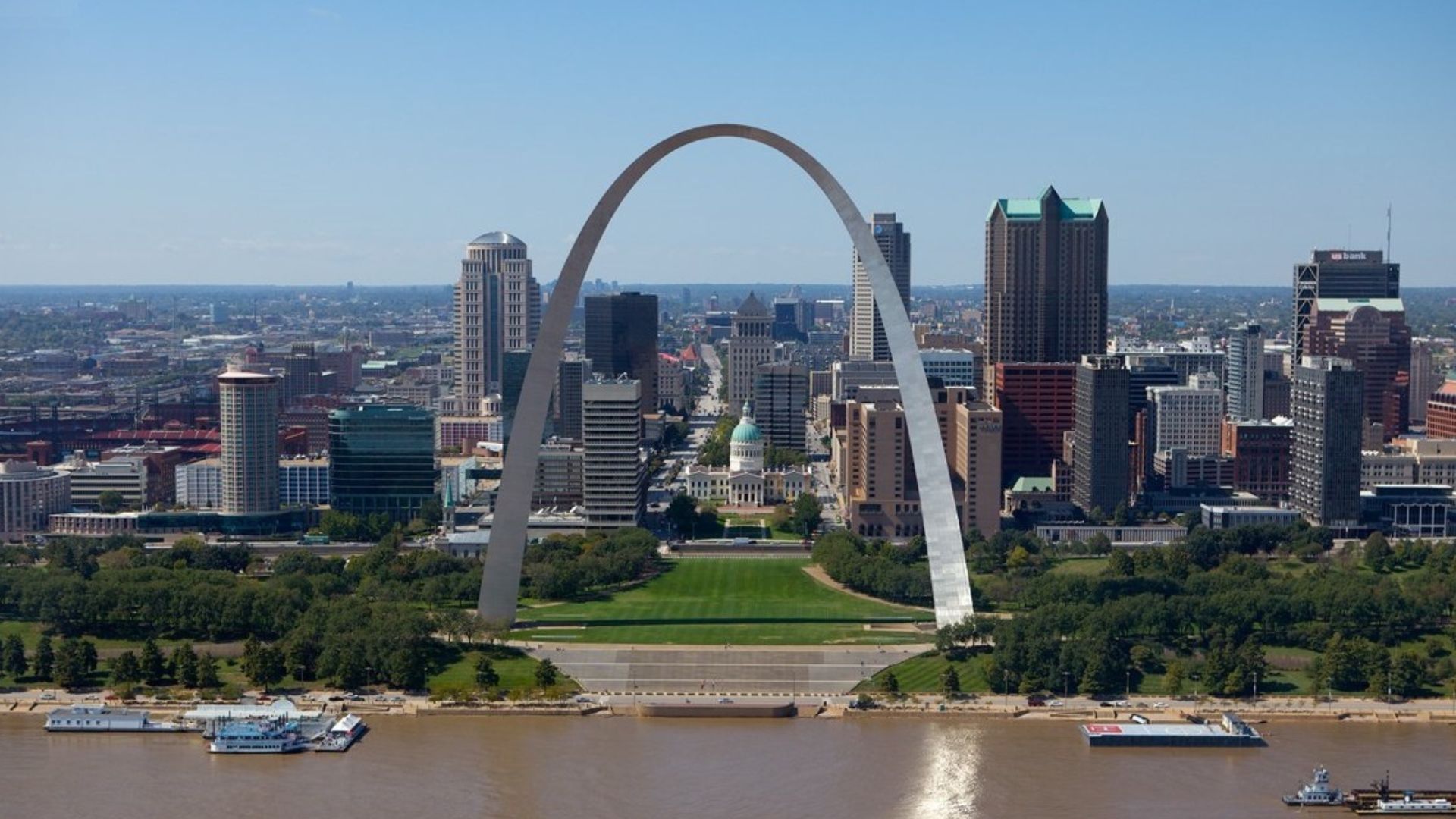
Continuing south, St. Louis demonstrates how the Mississippi helped transform a river settlement into a major American city. Its position near the Missouri River made it an important center for commerce, transportation, and westward expansion. The Gateway Arch now commemorates that history, while the surrounding national park offers visitors a chance to explore the city's connection to the river.
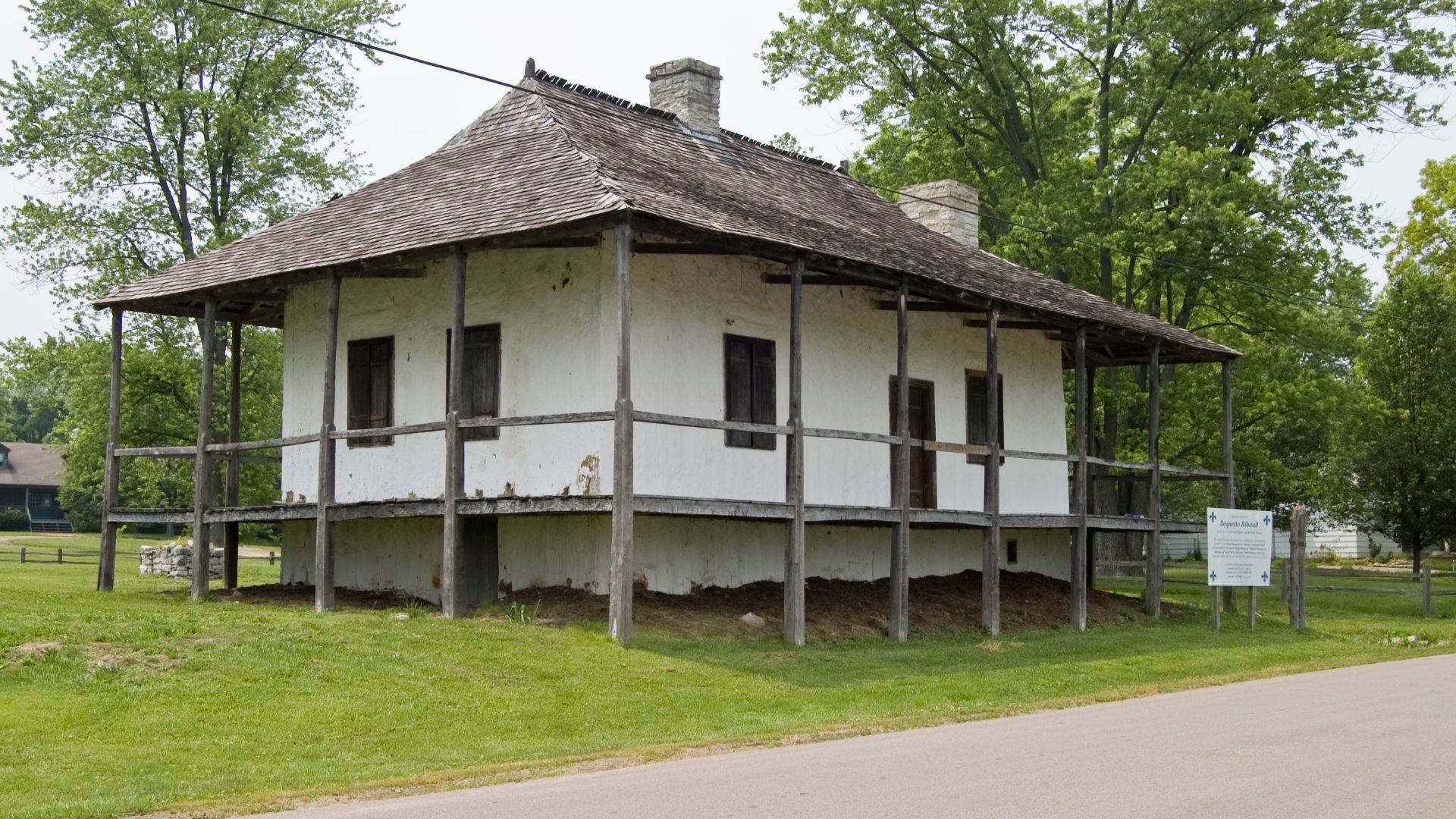
Ste. Genevieve Preserves French Colonial History
South of St. Louis, Ste. Genevieve introduces travelers to one of Missouri's oldest European-settled communities. Established during the French colonial period, the town preserves distinctive historic buildings and traditions connected to life along the Mississippi. Ste. Genevieve National Historical Park helps visitors understand how French settlers, enslaved people, and other communities shaped the region.
 Andrew Balet, Wikimedia Commons
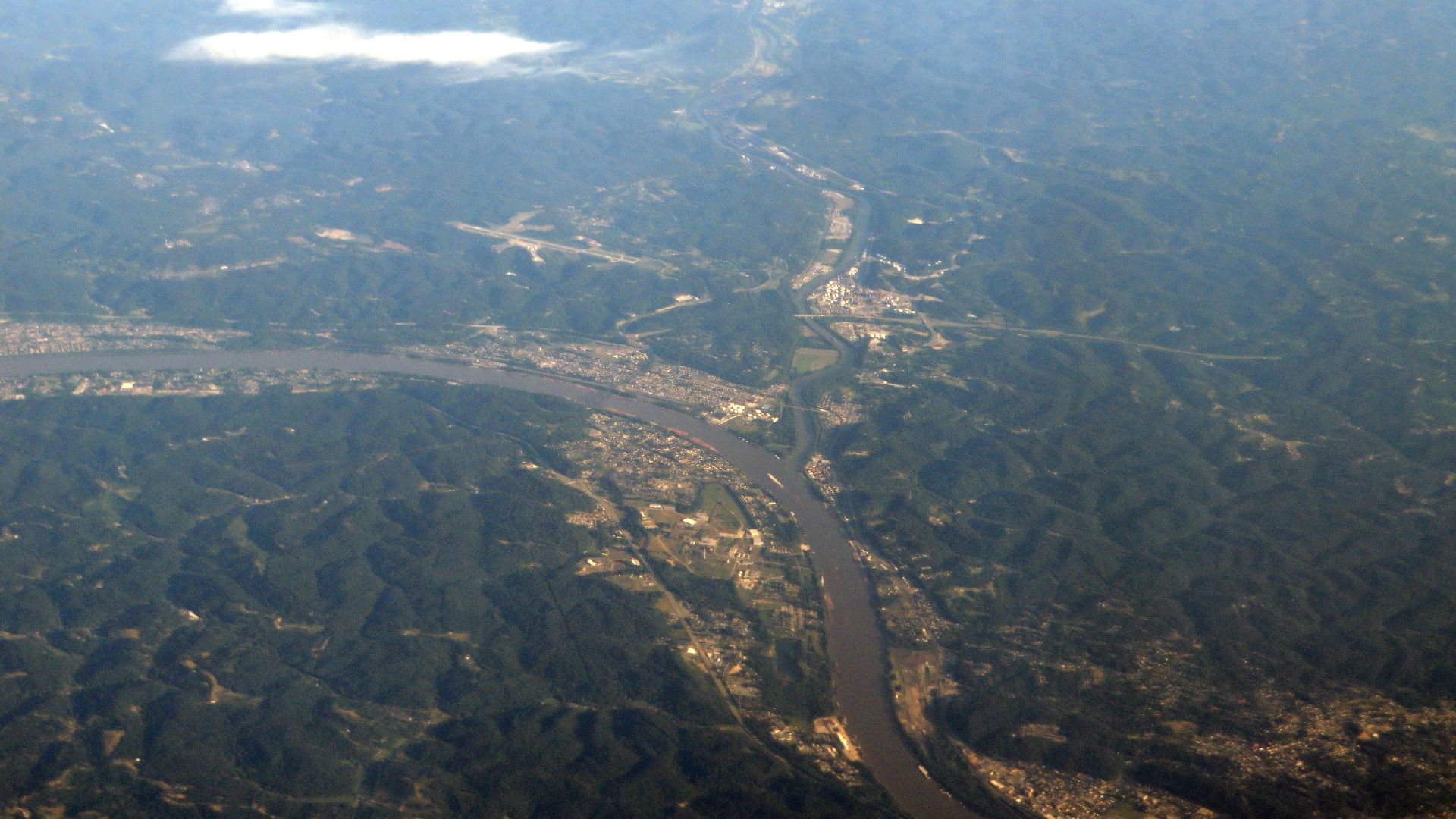
Kentucky: A Short Stretch With A Long History
Kentucky has the shortest section of the Great River Road, but its western edge offers important historic and archaeological attractions. Near Wickliffe, the Ohio River joins the Mississippi, creating one of the region's most significant river junctions. Wickliffe Mounds State Historic Site preserves evidence of the Indigenous Mississippian culture, while Columbus-Belmont State Park explores the area's Civil War history.
 Ken Lund from Reno, Nevada, USA, Wikimedia Commons
Tennessee: Where The River Meets American Music
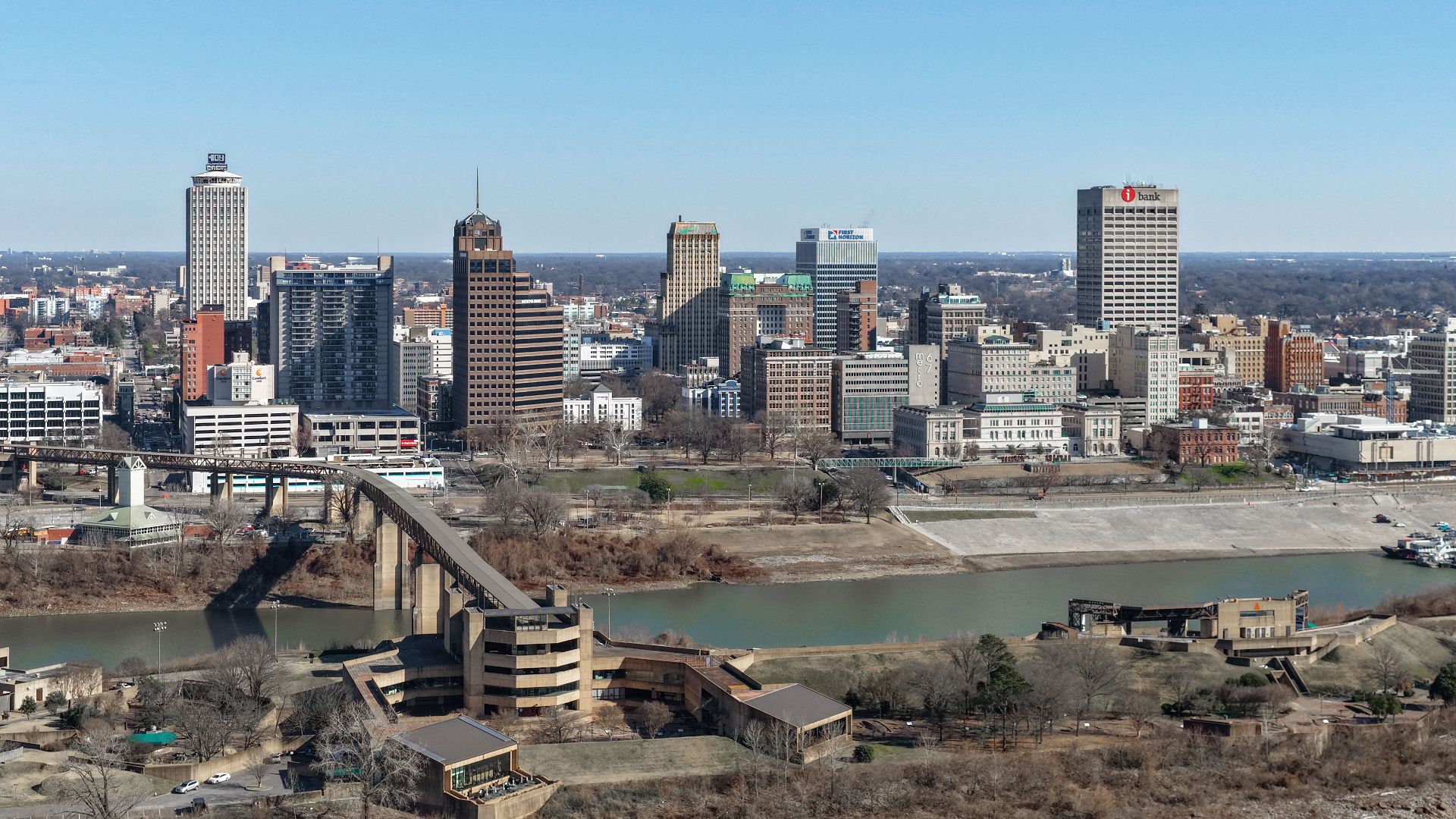
Tennessee's Great River Road leads travelers through landscapes closely connected to agriculture, river transportation, and musical history. The route passes through western Tennessee before reaching Memphis, one of the Mississippi's best-known cities. Here, the river's commercial importance intersects with the cultural traditions that helped shape blues, soul, and rock and roll.
 Quintin Soloviev, Wikimedia Commons
Memphis Celebrates Its Musical Legacy
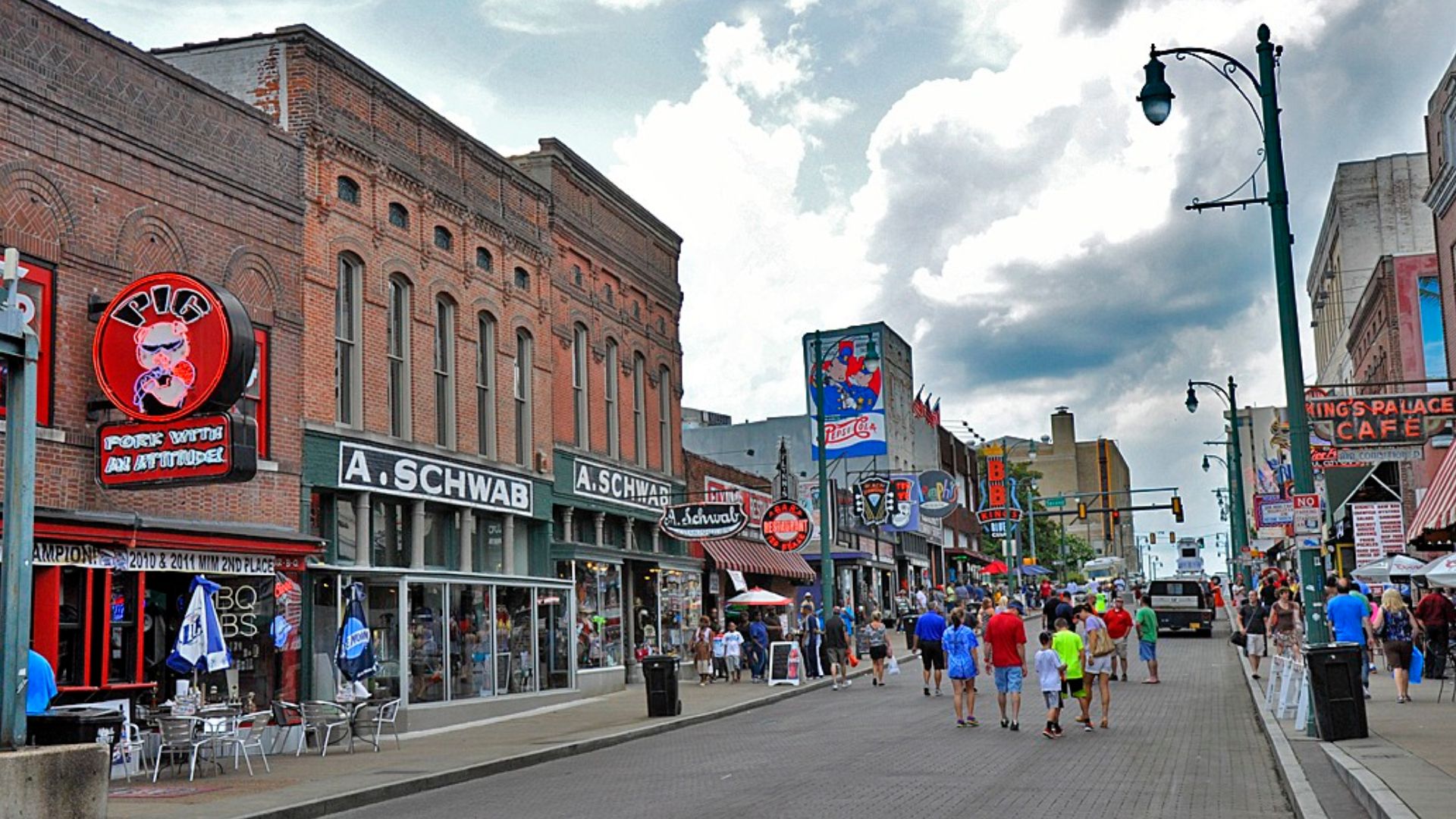
Memphis developed into a major Mississippi River port and became an influential center of American music. Visitors can explore Beale Street, Sun Studio, and the Stax Museum of American Soul Music to discover the city's remarkable musical heritage. The riverfront also offers views of the waterway that helped support Memphis' growth and connect it with communities throughout the South.
 Andreas Faessler, Wikimedia Commons
Arkansas: Discovering The Delta's River Towns
Across the river, Arkansas introduces travelers to the broad agricultural landscapes of the Mississippi Delta. Its Great River Road passes through communities whose histories reflect farming, transportation, music, and the challenges of living beside a powerful river. Interpretive centers throughout the region preserve these stories, offering a deeper understanding of the people who shaped eastern Arkansas.
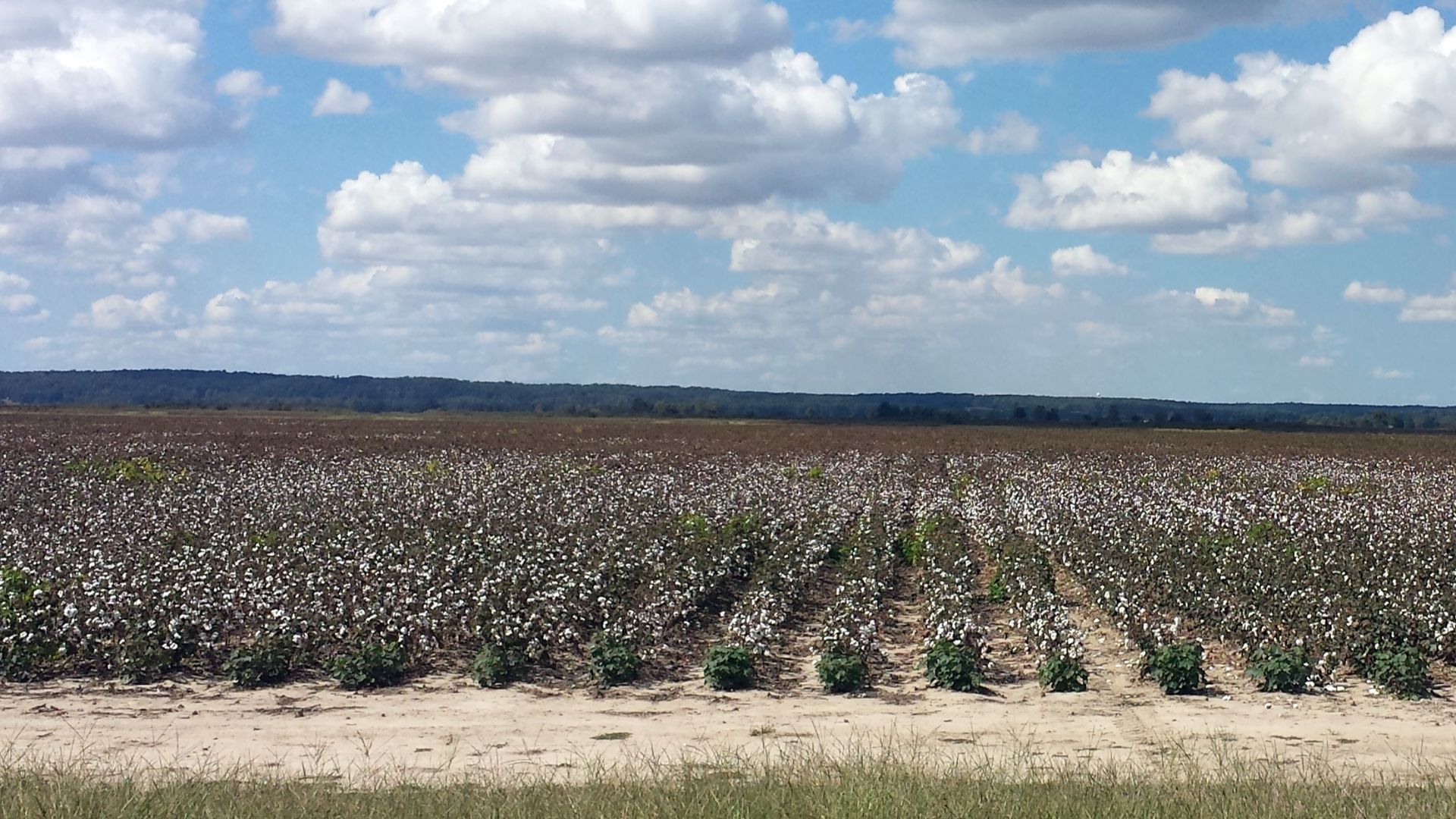 Brandonrush, Wikimedia Commons
Helena Keeps The Delta's Stories Alive
Helena occupies an important place in Arkansas' Mississippi River history, with connections to river commerce, the Civil War, and blues music. The Delta Cultural Center explores the region's cultural traditions and the development of the blues. Its historic downtown and nearby riverfront make Helena an appealing stop for travelers interested in the Mississippi's musical and social history.
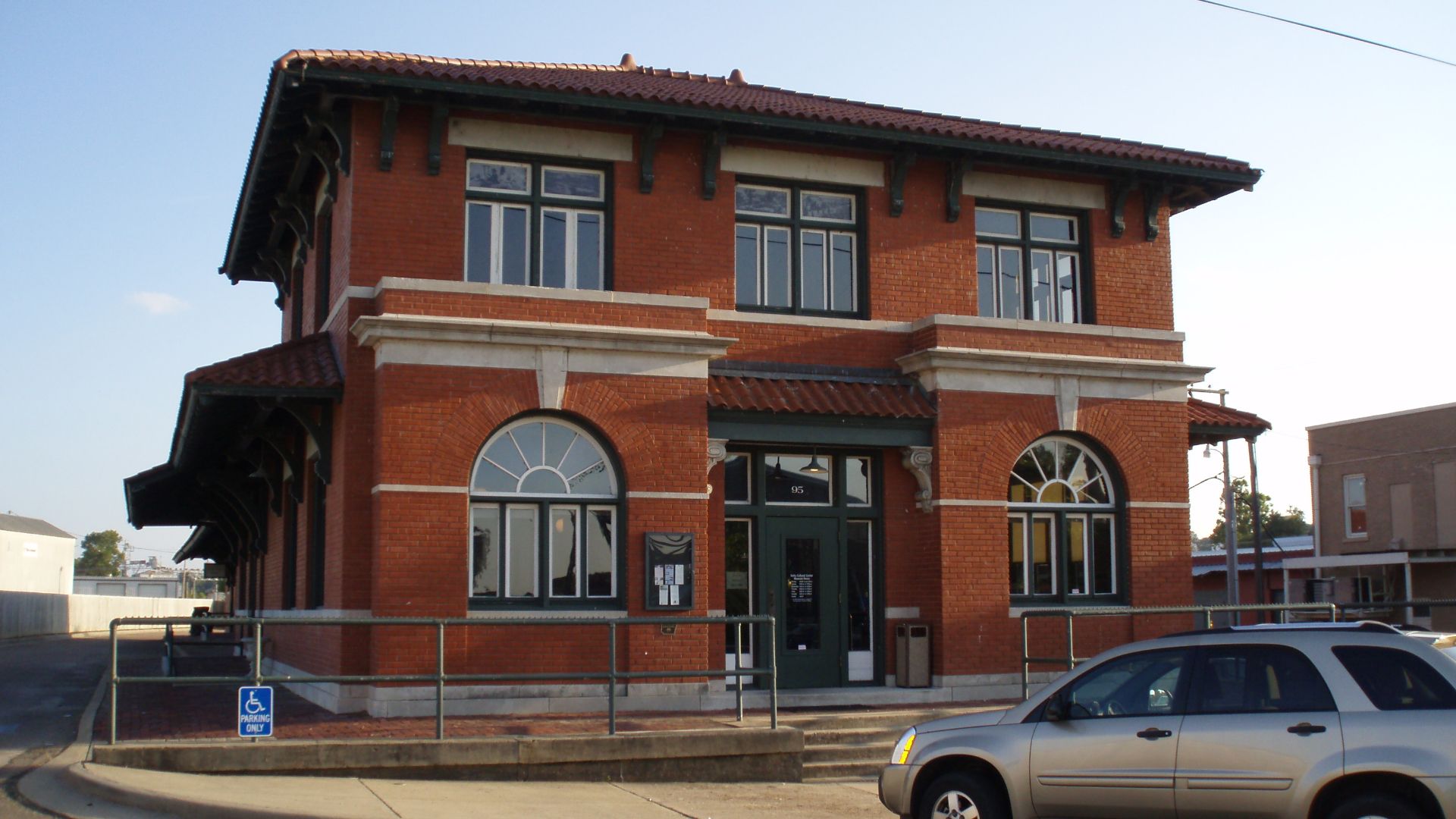 Josh Czupryk, Wikimedia Commons
Mississippi: Following The Famous Blues Highway
Mississippi's Great River Road takes travelers into the heart of the Delta, where agriculture, music, and river history are deeply connected. Portions follow U.S. Highway 61, widely known as the Blues Highway because of its associations with legendary musicians and the development of the blues. The journey also reveals historic communities that experienced the Mississippi's importance as both a transportation route and a powerful natural force.
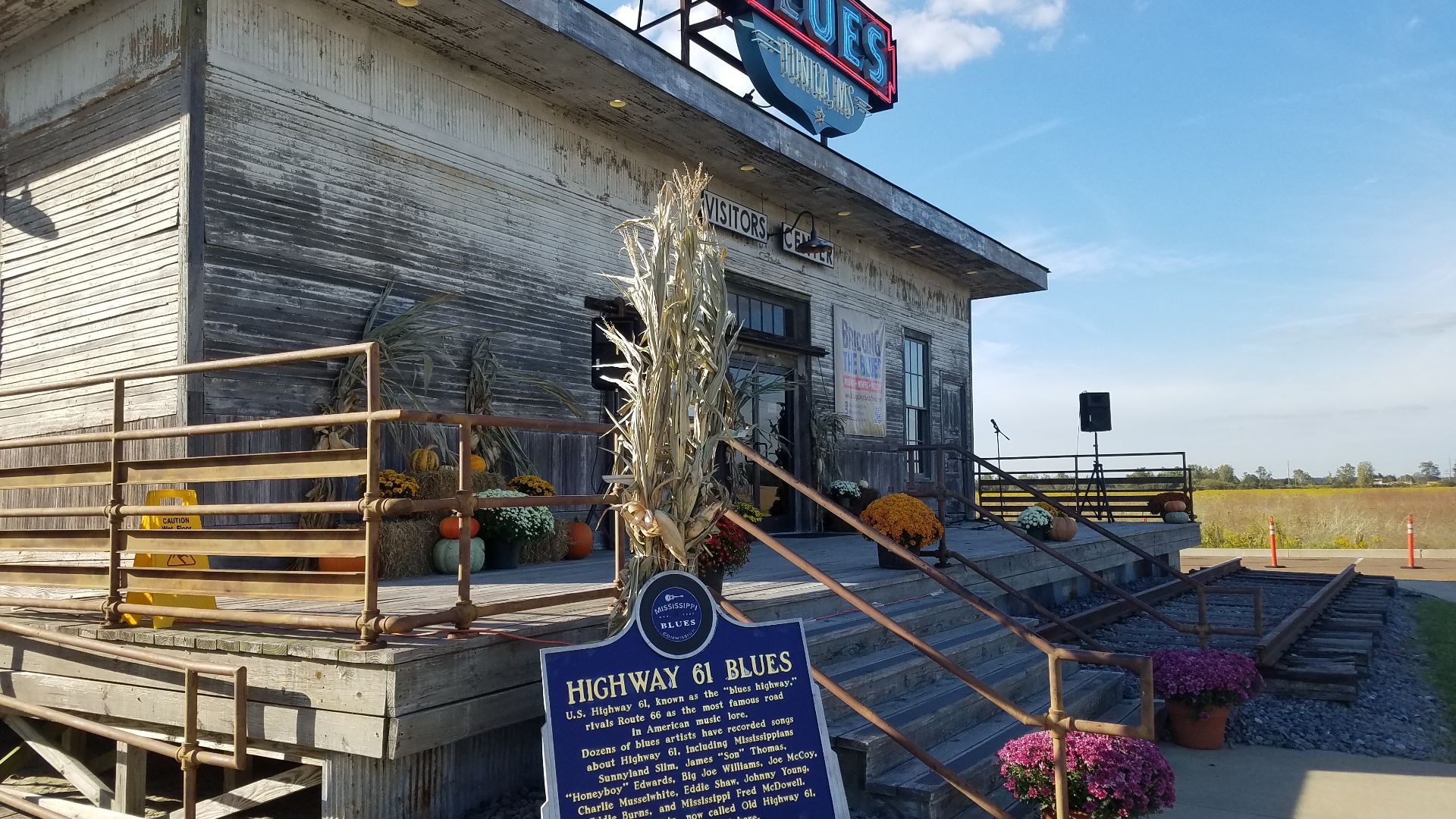
Clarksdale Celebrates The Birth Of The Blues
Clarksdale is one of Mississippi's best-known music destinations, with a history closely connected to Delta blues. The Delta Blues Museum introduces visitors to the musicians and traditions that helped shape American popular music. Although the town sits inland from the Mississippi itself, it makes a worthwhile stop along the Great River Road's Blues Highway corridor.
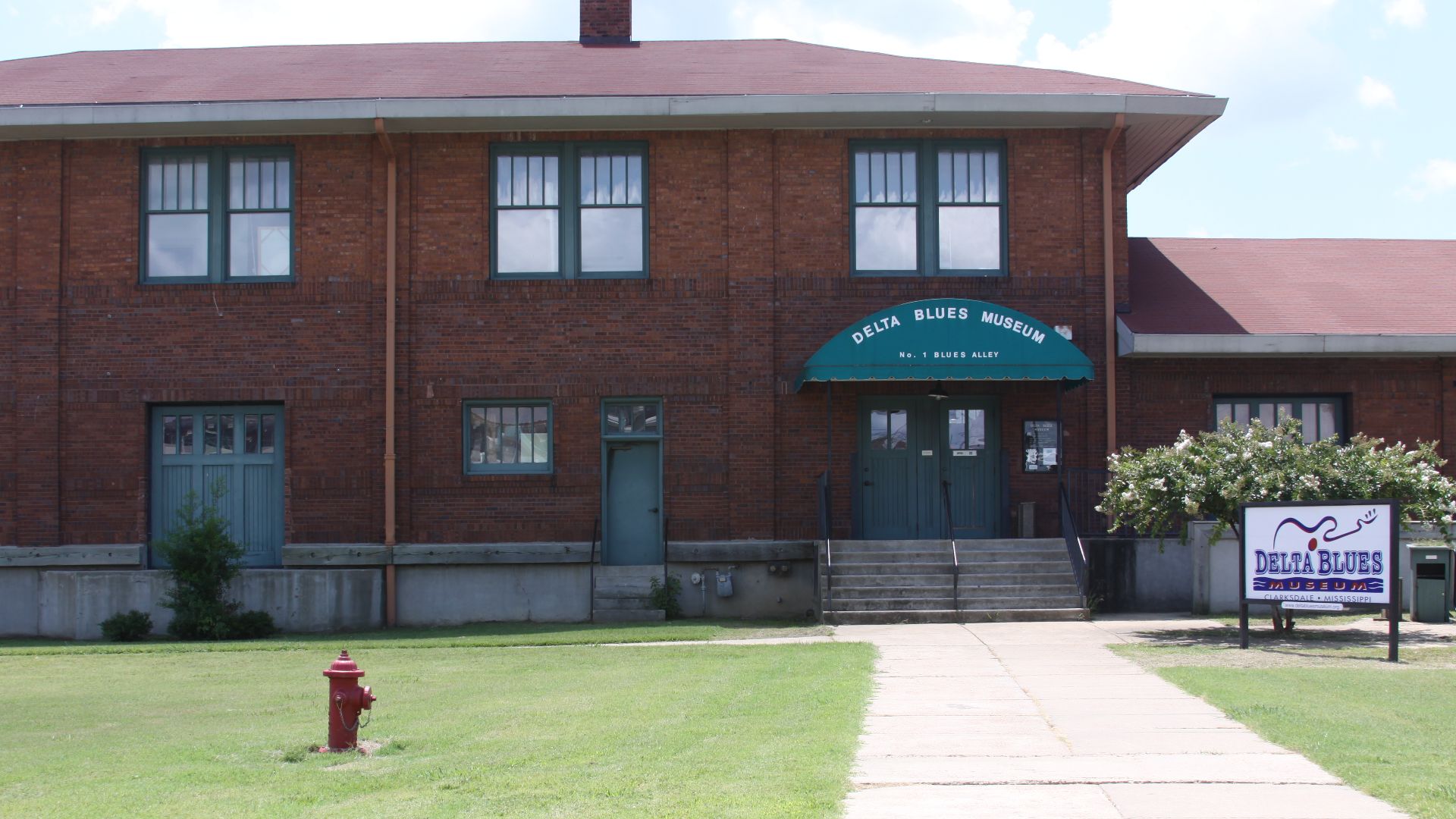 Joe Mazzola, Wikimedia Commons
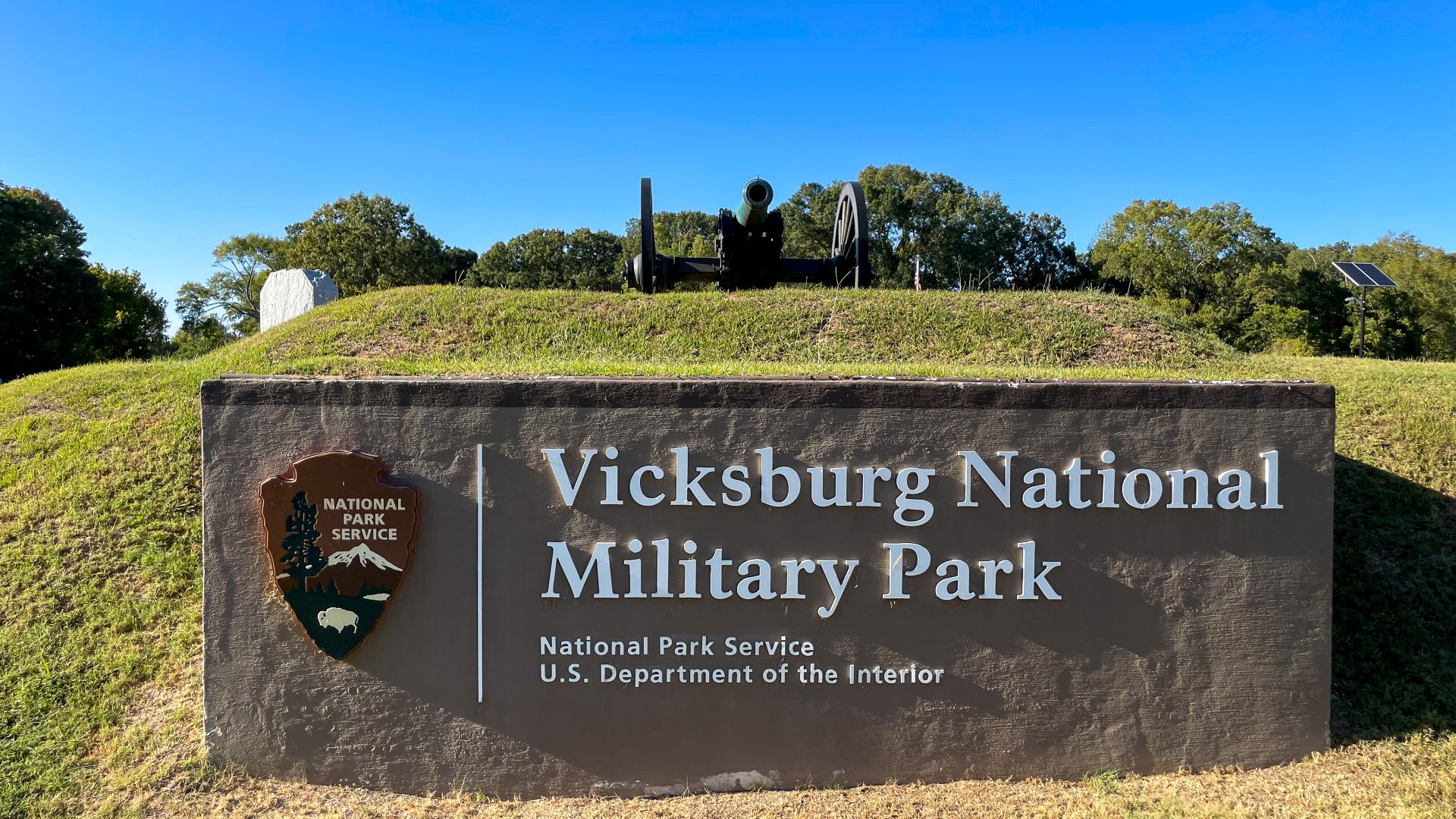
Vicksburg Tells A Pivotal Civil War Story
Farther south, Vicksburg occupies a commanding position above the Mississippi River. Its strategic location made the city the focus of a major Civil War campaign, culminating in the Union victory of July 1863. Today, Vicksburg National Military Park preserves battlefield landscapes, monuments, and historical exhibits that explain why control of the river mattered so much.
 Kenneth C. Zirkel, Wikimedia Commons
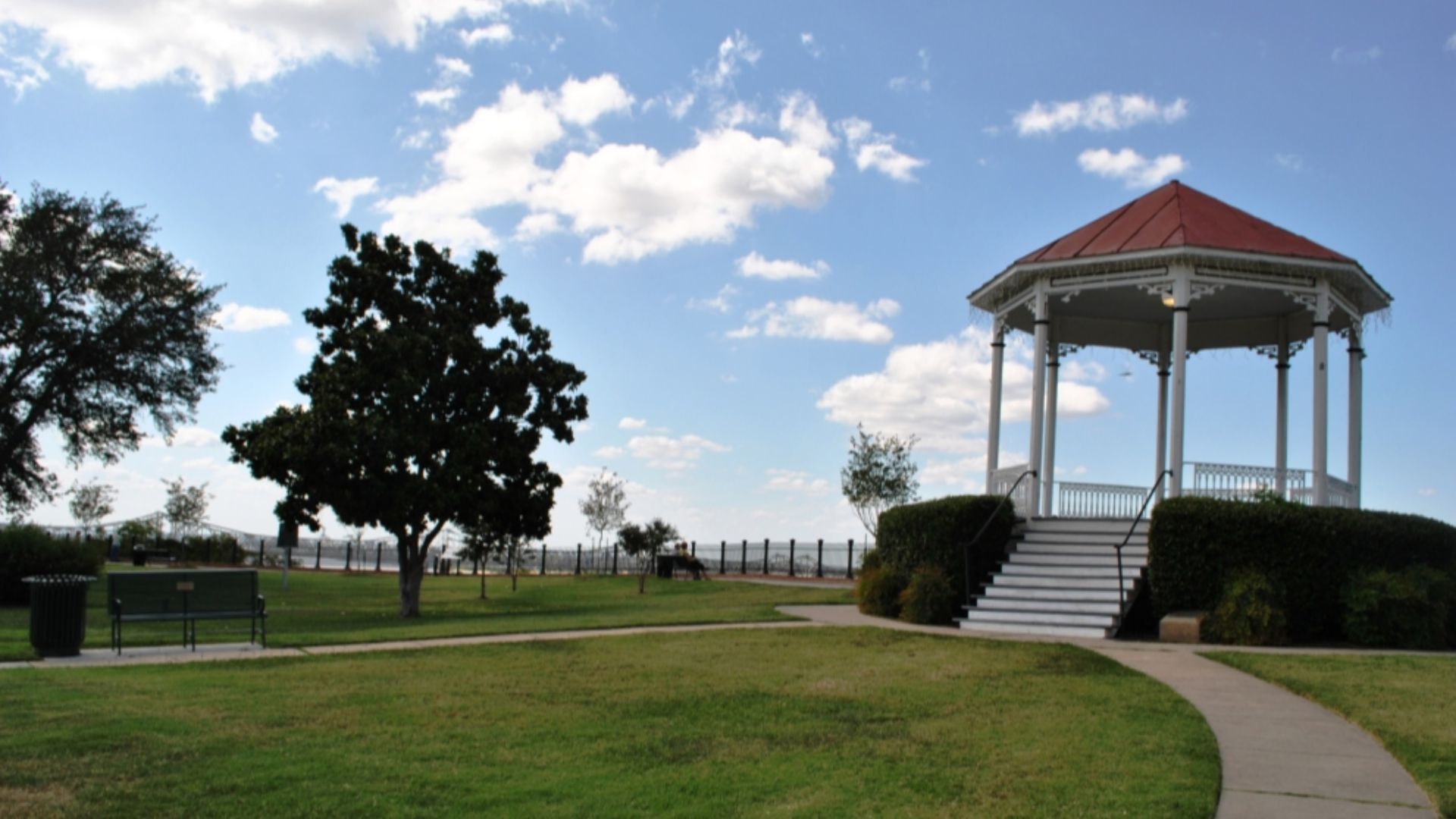
Natchez Reveals The River's Complicated Past
Natchez is one of the Mississippi's most historic cities, known for its dramatic riverfront bluffs and preserved nineteenth-century buildings. Its prosperity was closely tied to cotton production, river commerce, and the labor of enslaved African Americans. Exploring the city's historic districts and museums reveals both the architectural beauty and the difficult history of the plantation economy.
 Elisa.rolle, Wikimedia Commons
Louisiana: The Mississippi Approaches The Gulf
Entering Louisiana, the Great River Road follows a landscape where the Mississippi has influenced settlement, agriculture, transportation, and cultural traditions for centuries. Historic communities such as St. Francisville and Plaquemine offer glimpses into the region's colonial and industrial past. The road eventually reaches Baton Rouge and New Orleans, where the river remains central to everyday life.
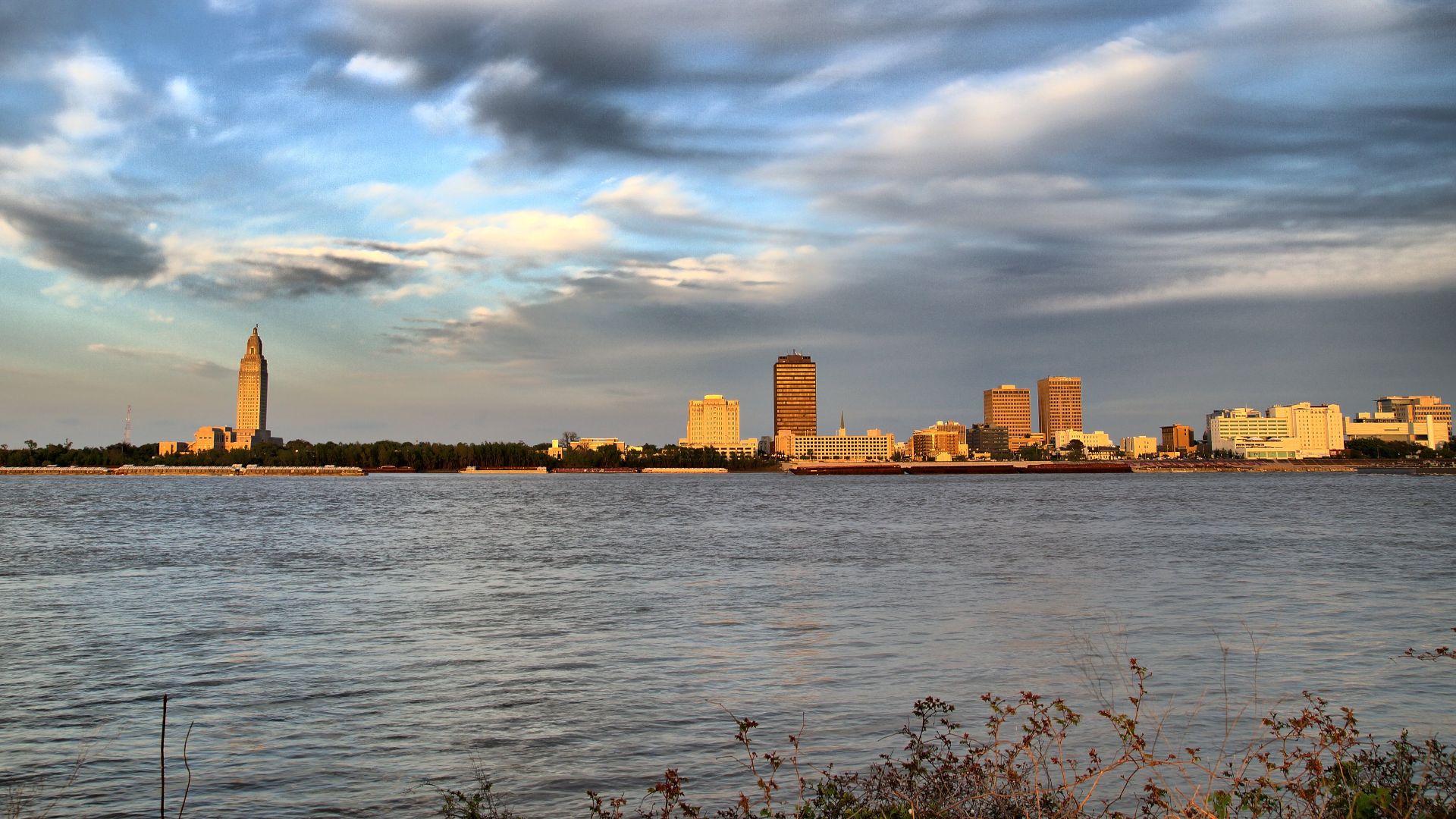
Baton Rouge Combines History And River Commerce
Louisiana's capital stands beside the Mississippi, reflecting the river's long-standing importance to the state's economy and development. Baton Rouge offers historic neighborhoods, museums, and a riverfront where visitors can appreciate the scale of the waterway. The city also provides an interesting transition between the quieter river communities upstream and the busy metropolitan landscape farther south.
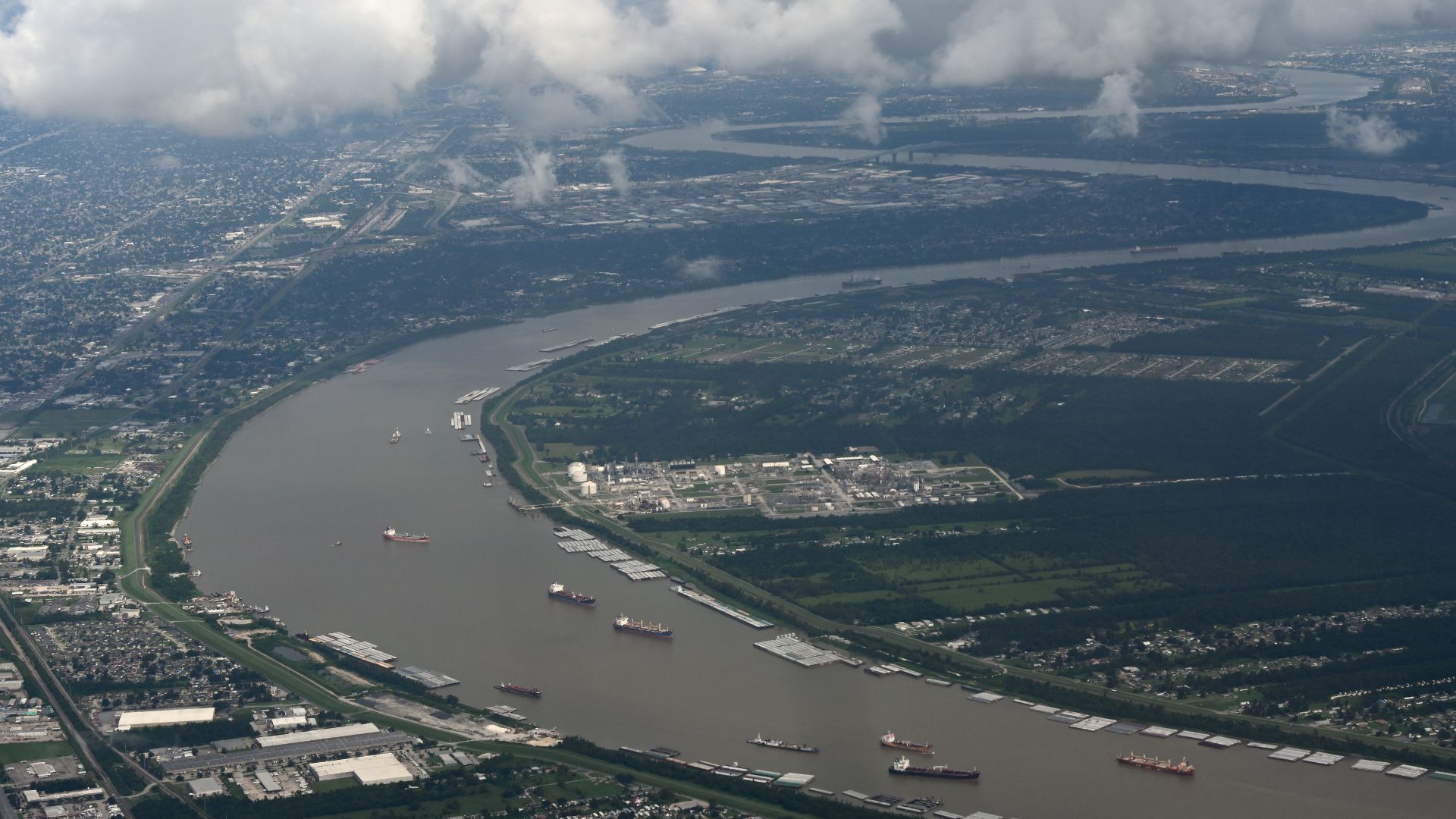
New Orleans Brings The Journey To Life
New Orleans provides one of the most memorable stops along the entire Great River Road, combining centuries of river commerce with distinctive music, architecture, and cuisine. The French Quarter, historic neighborhoods, and riverfront attractions reflect the city's French, Spanish, African, and American influences. Visitors can explore jazz history, enjoy traditional Louisiana dishes, and watch commercial vessels navigate the Mississippi.
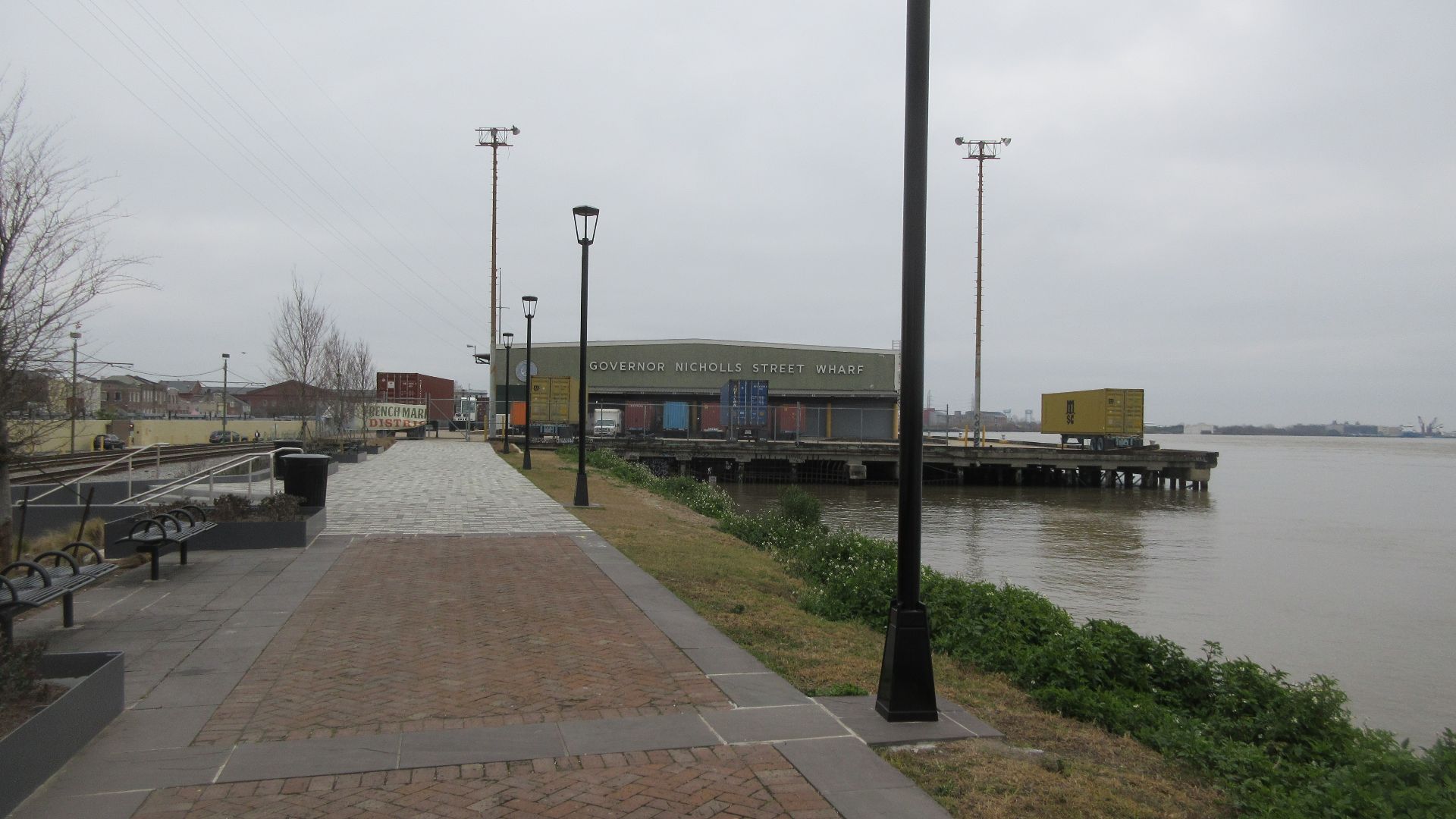 Infrogmation of New Orleans, Wikimedia Commons
The Road Ends Near The Gulf Of Mexico
Beyond New Orleans, the Great River Road continues through southern Louisiana toward Venice, near the Mississippi River's outlet to the Gulf of Mexico. The scenery changes dramatically as urban neighborhoods give way to wetlands, fishing communities, and the working landscapes of the river delta. After passing through ten states, the journey reveals how the Mississippi connects vastly different places through one extraordinary waterway.
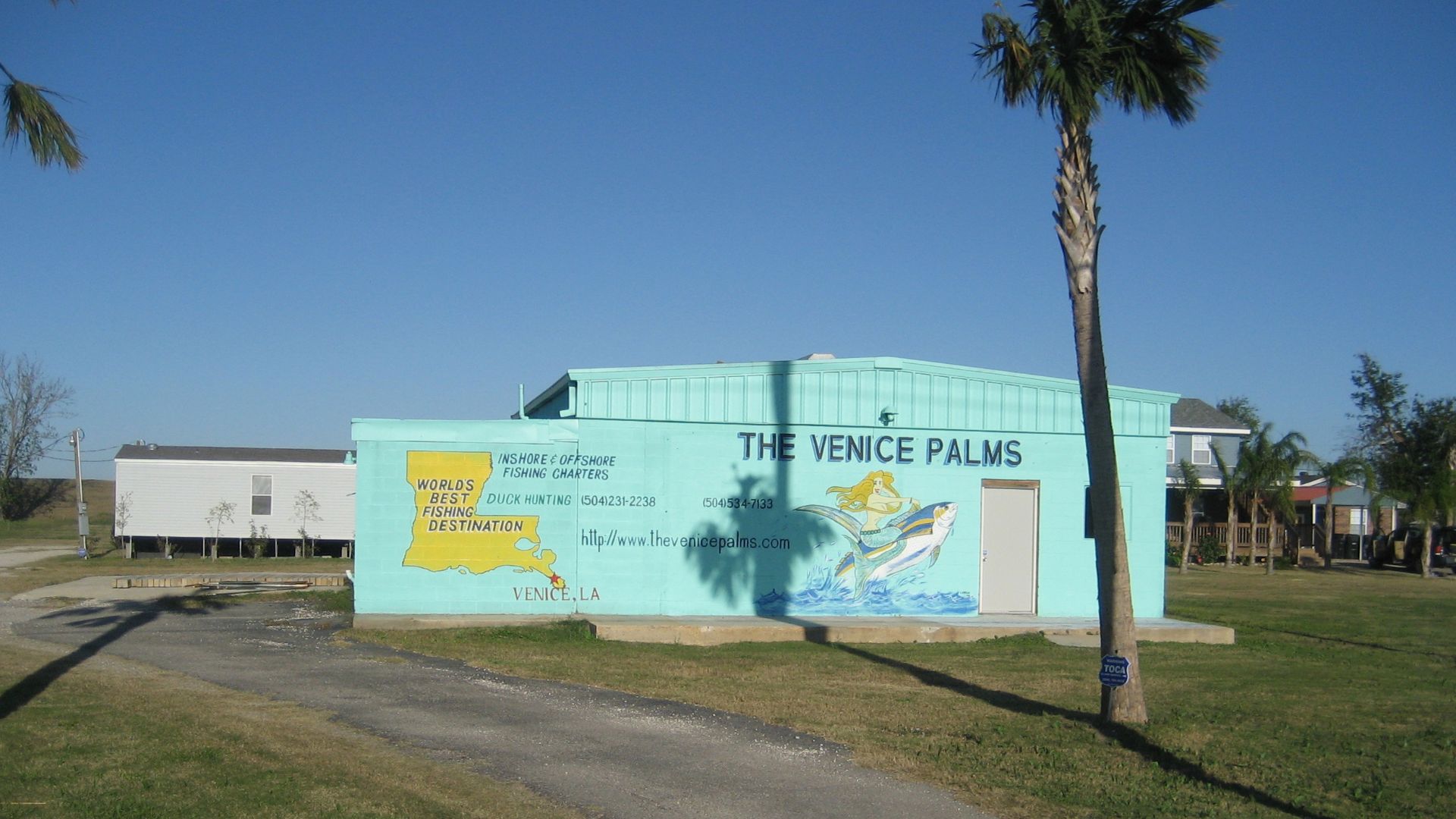 Infrogmation of New Orleans, Wikimedia Commons
You May Also Like:
Outdated Travel Products That Older Generations Refuse To Stop Packing
The Strangest Unsolved Mystery From Every Major Region Of Canada