
Some Old Travel Habits Are Hard To Break
Smartphones have replaced an impressive amount of traditional travel gear, from maps and cameras to alarm clocks and translation tools. Yet plenty of travelers still prefer packing physical backups rather than trusting one battery-powered device with everything. Some of these supposedly outdated products are surprisingly practical, while others mostly survive because familiar travel routines are difficult to abandon. Factinate Ltd
Paper Maps Still Make The Cut
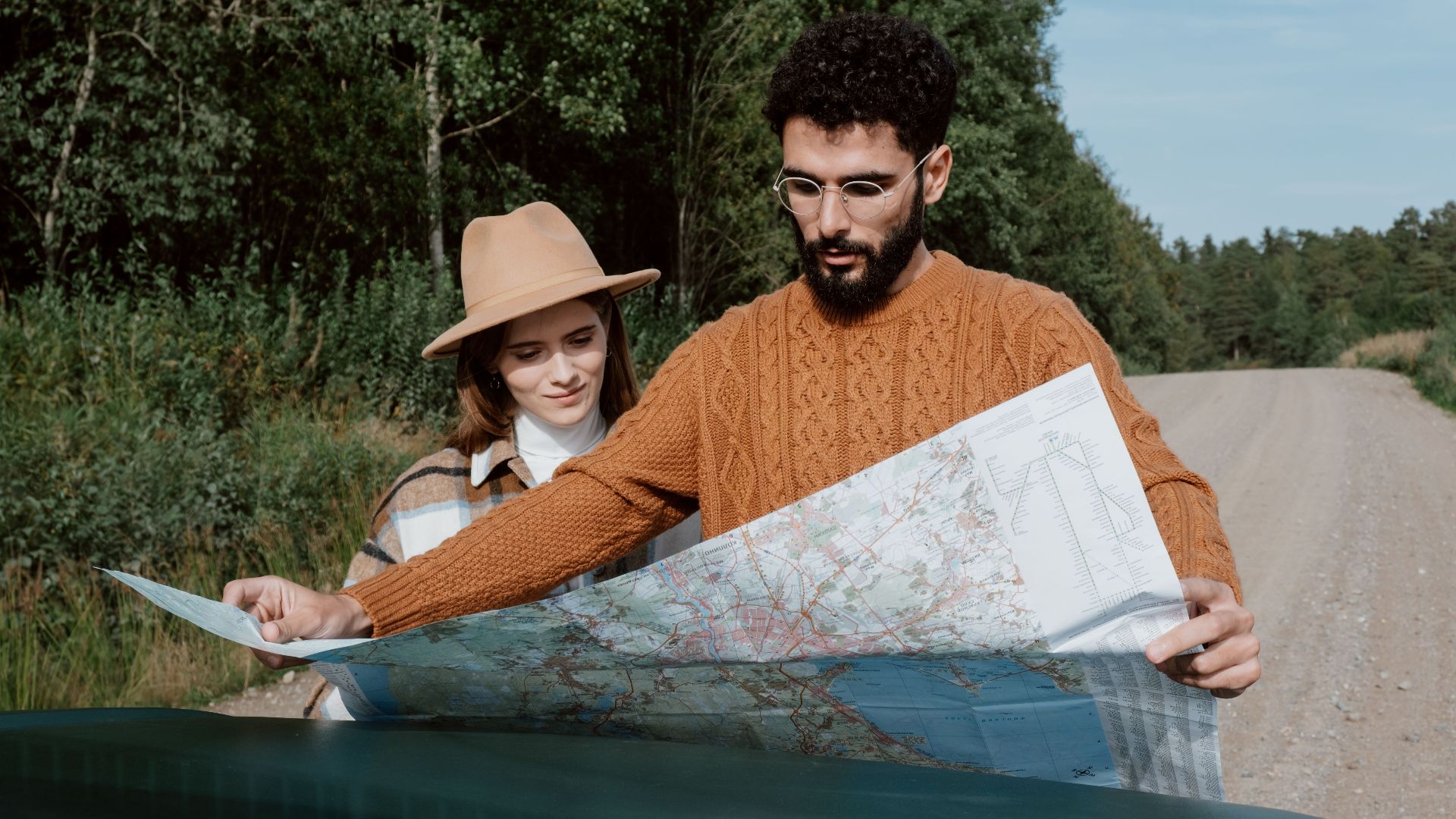
GPS navigation may have transformed road trips, but the folded highway map has not completely disappeared. AAA still makes paper maps available through its offices even as its TourBook travel information has moved into a digital experience. A map also works without cellular service, a charging cable, or a functioning phone, which helps explain why some motorists still keep one in the glove compartment.
The Road Atlas Refuses To Retire
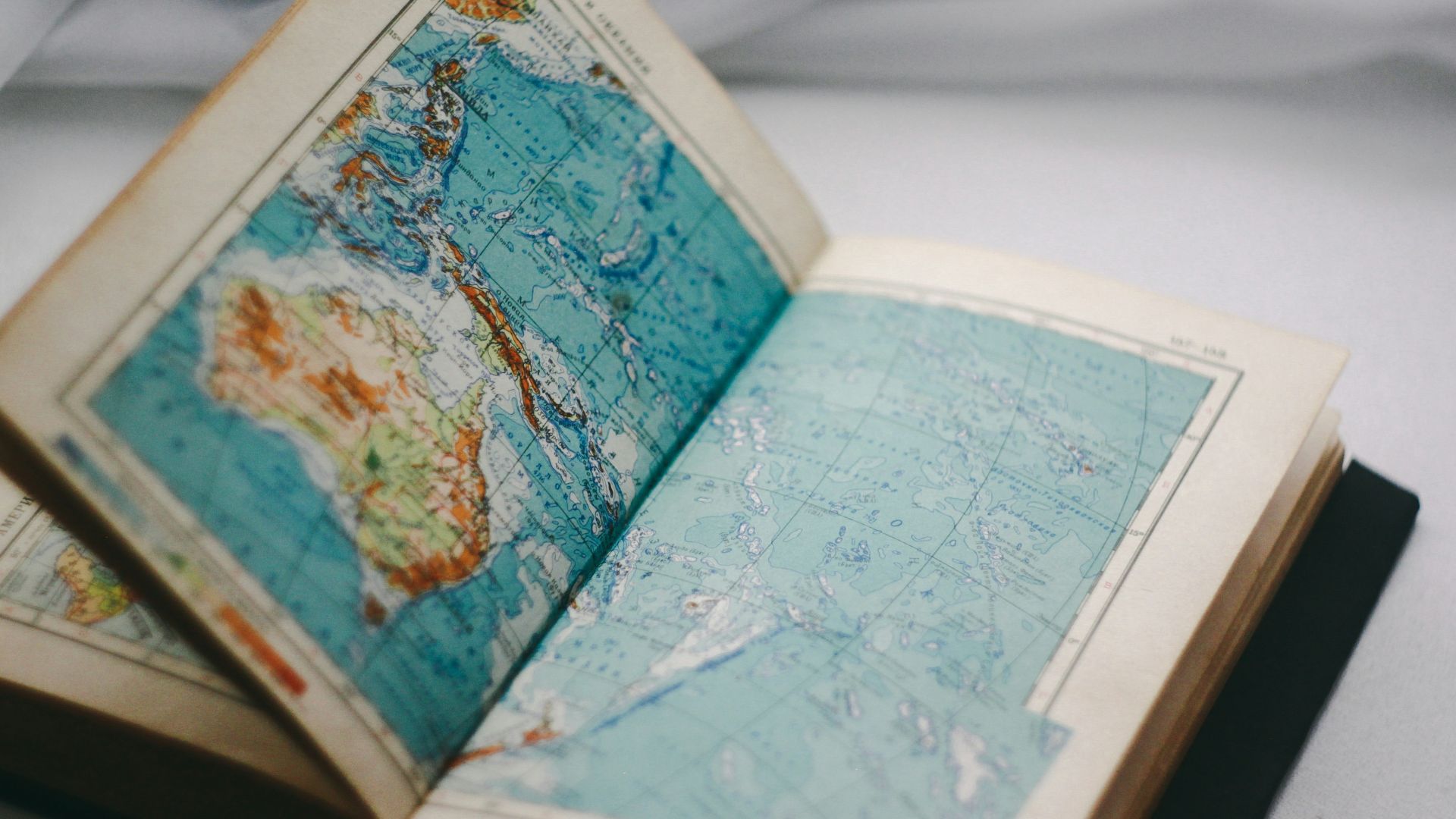
For generations of drivers, a thick road atlas was practically standard equipment on a long American trip. Digital navigation now provides turn-by-turn instructions, traffic information, and points of interest without requiring passengers to flip between pages. Paper navigation has nevertheless survived alongside those tools, with AAA continuing to make physical maps available to travelers who want them.
TripTiks Belong To Another Road-Trip Era
AAA's TripTik became a memorable part of American road-trip planning long before online navigation existed. Traditional versions used a sequence of maps to guide motorists along a planned route, and the modern TripTik system now has a substantial digital component. Some AAA clubs still offer physical TripTiks, showing how a navigation format dating to the 1930s has managed to coexist with smartphone mapping.

Printed Guidebooks Keep Surviving
Travelers can now research restaurants, attractions, hotels, and neighborhoods without carrying a hefty book around all day. Predictions that printed guidebooks would disappear, however, have repeatedly proved premature. The Guardian noted that authoritative guidebooks continued to find an audience even after smartphones made enormous amounts of destination information instantly accessible.

The Phrasebook Has A Digital Rival
A pocket phrasebook once gave international travelers quick access to useful expressions without requiring them to know the language. Phones can now store translation tools alongside maps, reservations, and other travel information, reducing the need for another book in the bag. Even so, a printed language guide has one obvious advantage over an app: nobody has to worry about its battery running out.
Printed Itineraries Are Not Quite Dead
Keeping airline, hotel, and transportation information exclusively on a phone may feel completely normal today. The CDC nevertheless advises travelers to carry important information such as lodging details and emergency contacts, and says that having both print and digital versions of important documents is preferable when possible. The stack of confirmation pages may look dated, but redundancy can be useful when technology fails.
Passport Photocopies Remain Surprisingly Sensible
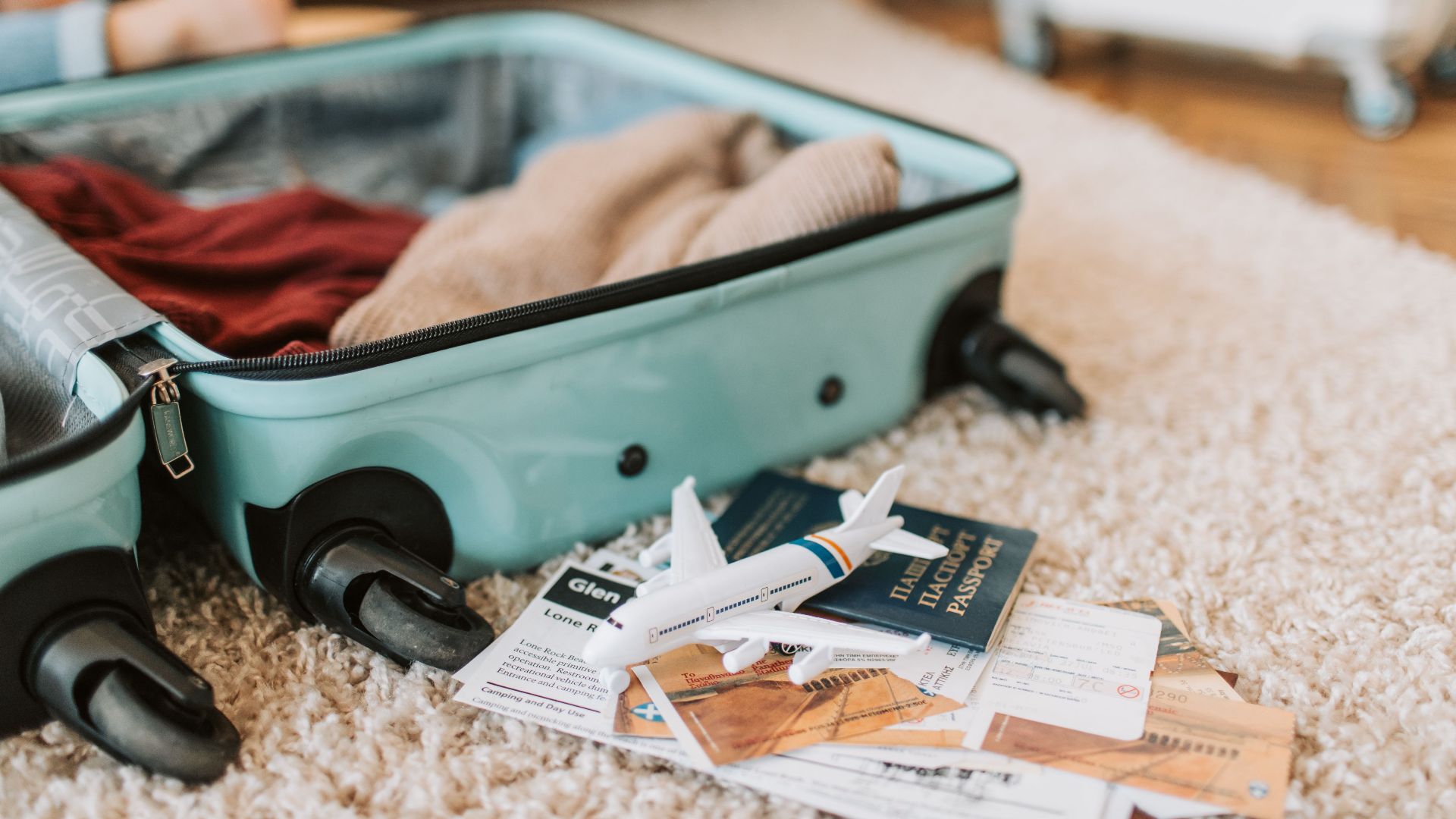
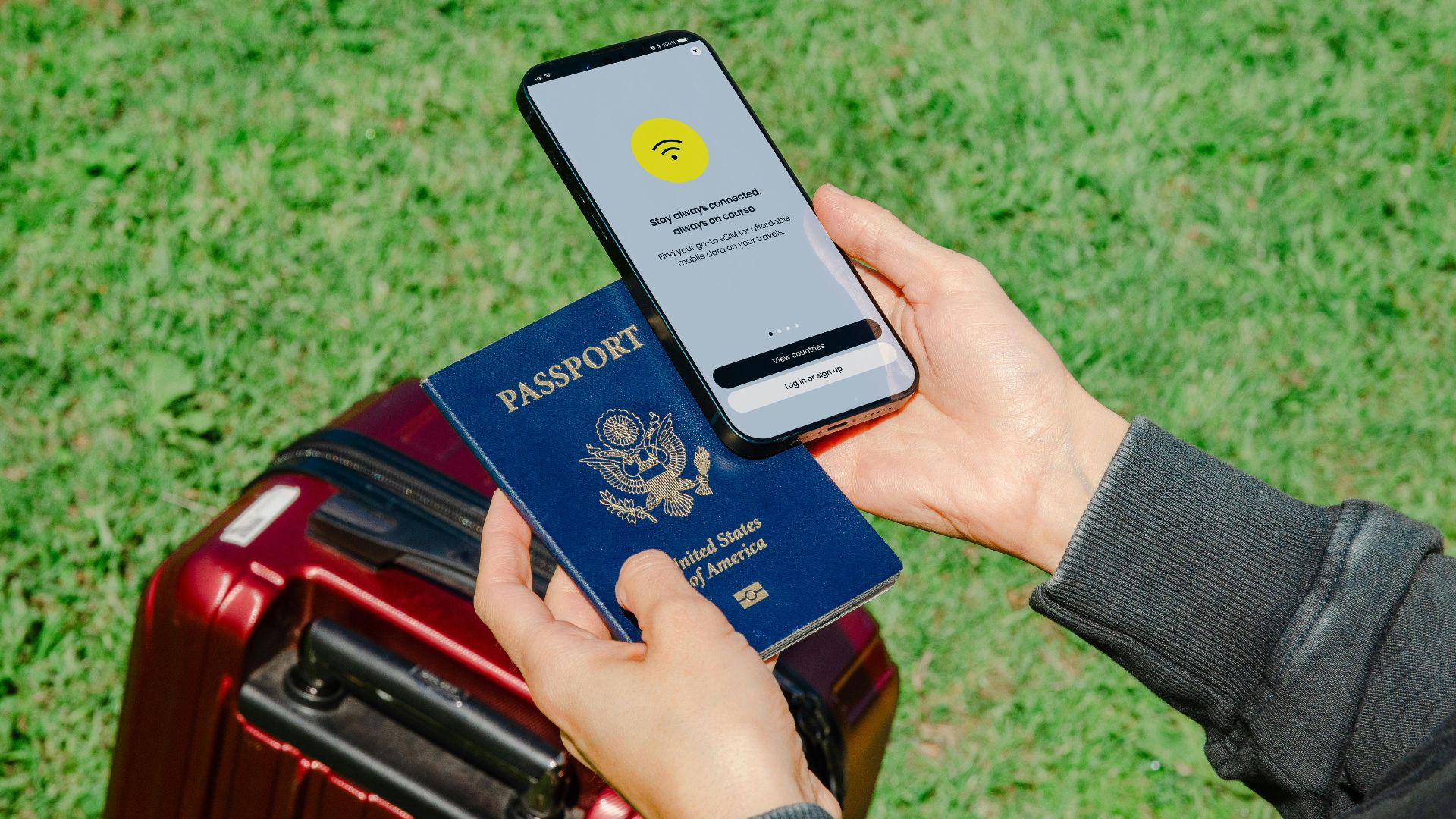
Taking photocopies of important documents can seem almost quaint when photographs and files can be stored digitally. The U.S. State Department still recommends making multiple copies of important travel documents, keeping one set separate from the originals, and leaving another with someone trusted. It also recommends taking photographs of travel documents with a phone, making the modern strategy a combination of paper and digital backups rather than choosing only one.
The Emergency Contact Card Still Works
A paper card containing phone numbers may seem unnecessary when hundreds of contacts live inside a smartphone. The CDC advises international travelers to carry emergency contacts and to write down information for people or services they might need abroad. A tiny card therefore remains a remarkably low-tech backup for information that could become important when a phone is unavailable.
 https://kaboompics.com/, Pexels
The Money Belt Never Got The Memo
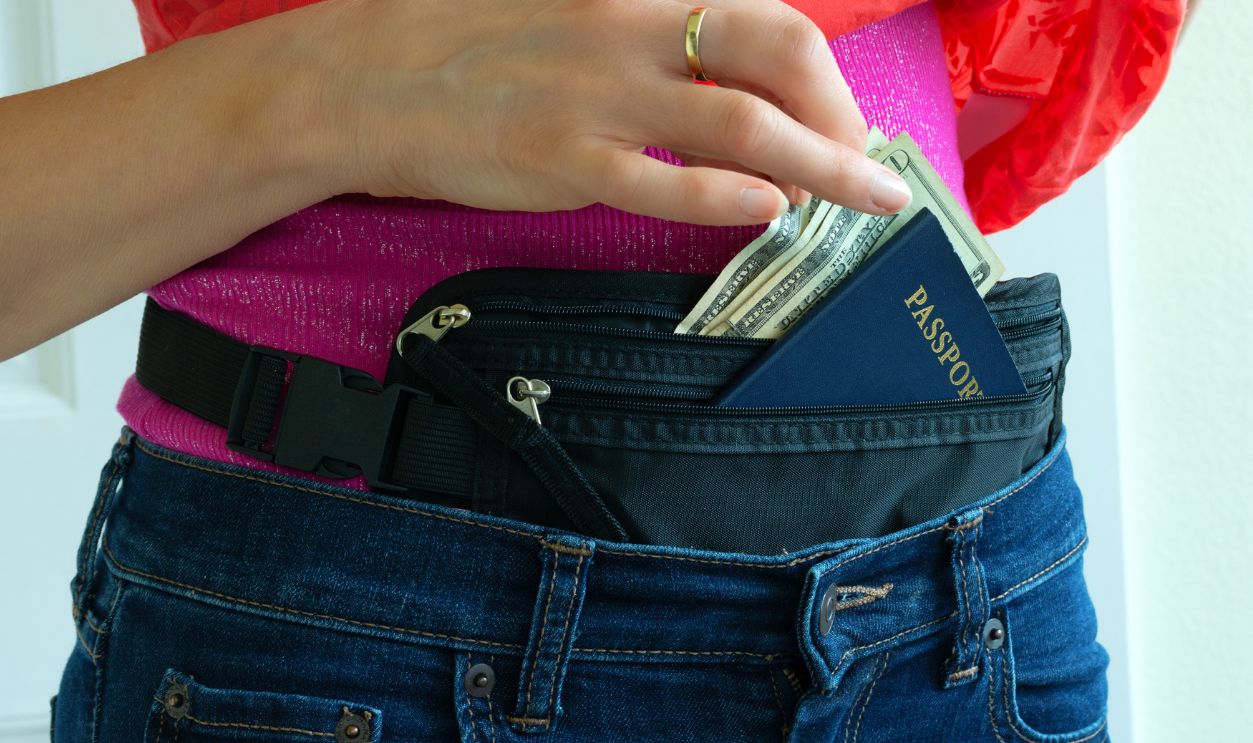
Money belts can look like accessories left over from an earlier generation of international tourism. Travel writer Rick Steves still recommends using one as concealed storage for a passport, cards, and backup cash rather than as an everyday wallet. The concept may be old-fashioned, but separating valuable documents from ordinary spending money remains its central purpose.
Backup Cash Keeps Finding Its Way Into Bags
Contactless payments and cards have reduced how much physical currency many travelers need to carry. Even advocates of modern card use still recommend having some backup cash rather than keeping every financial resource in one place. Rick Steves, for example, advises travelers to secure a backup stash while carrying only the amount needed for daily spending.

The Dedicated Camera Has Lost Its Monopoly
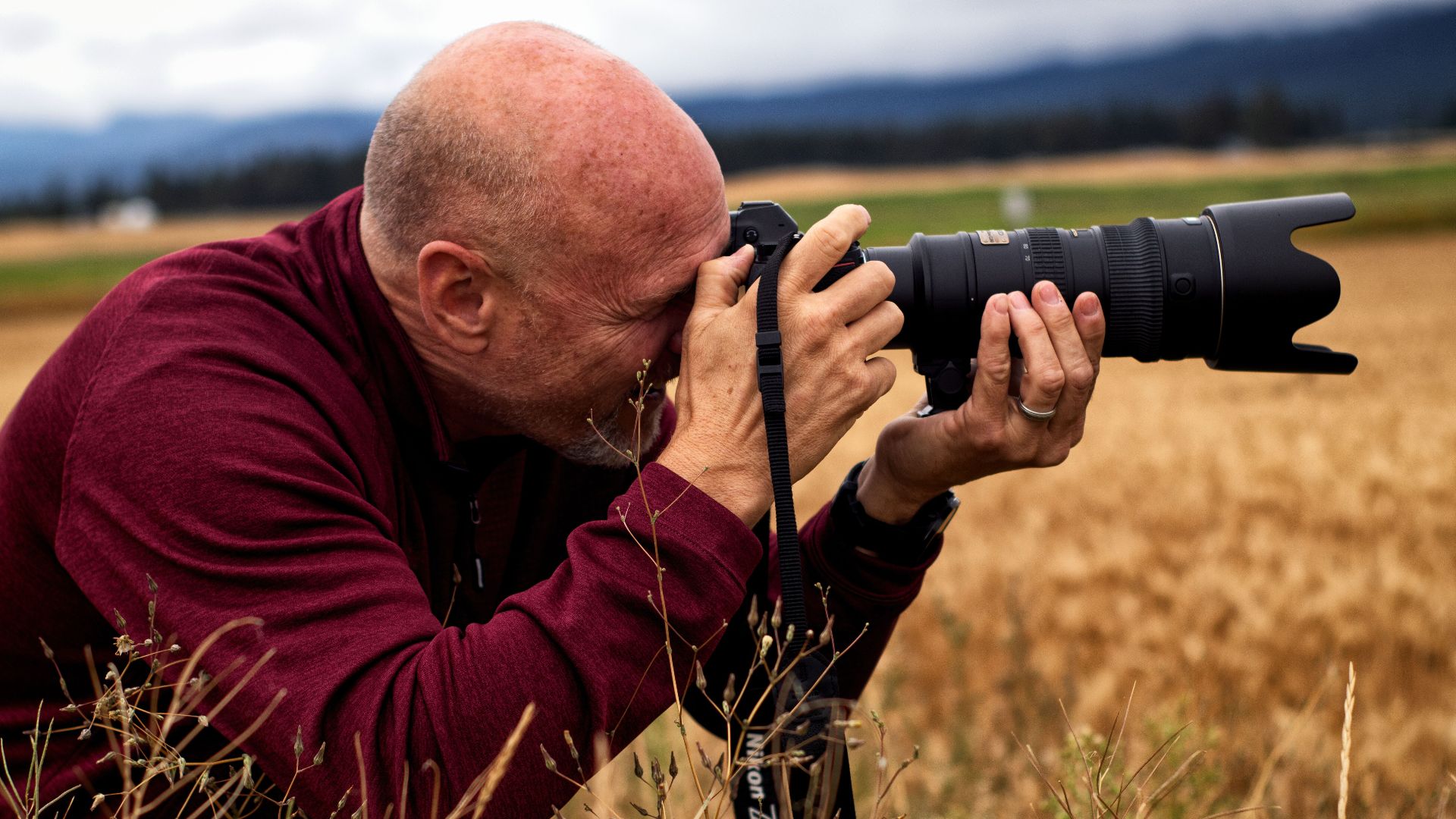
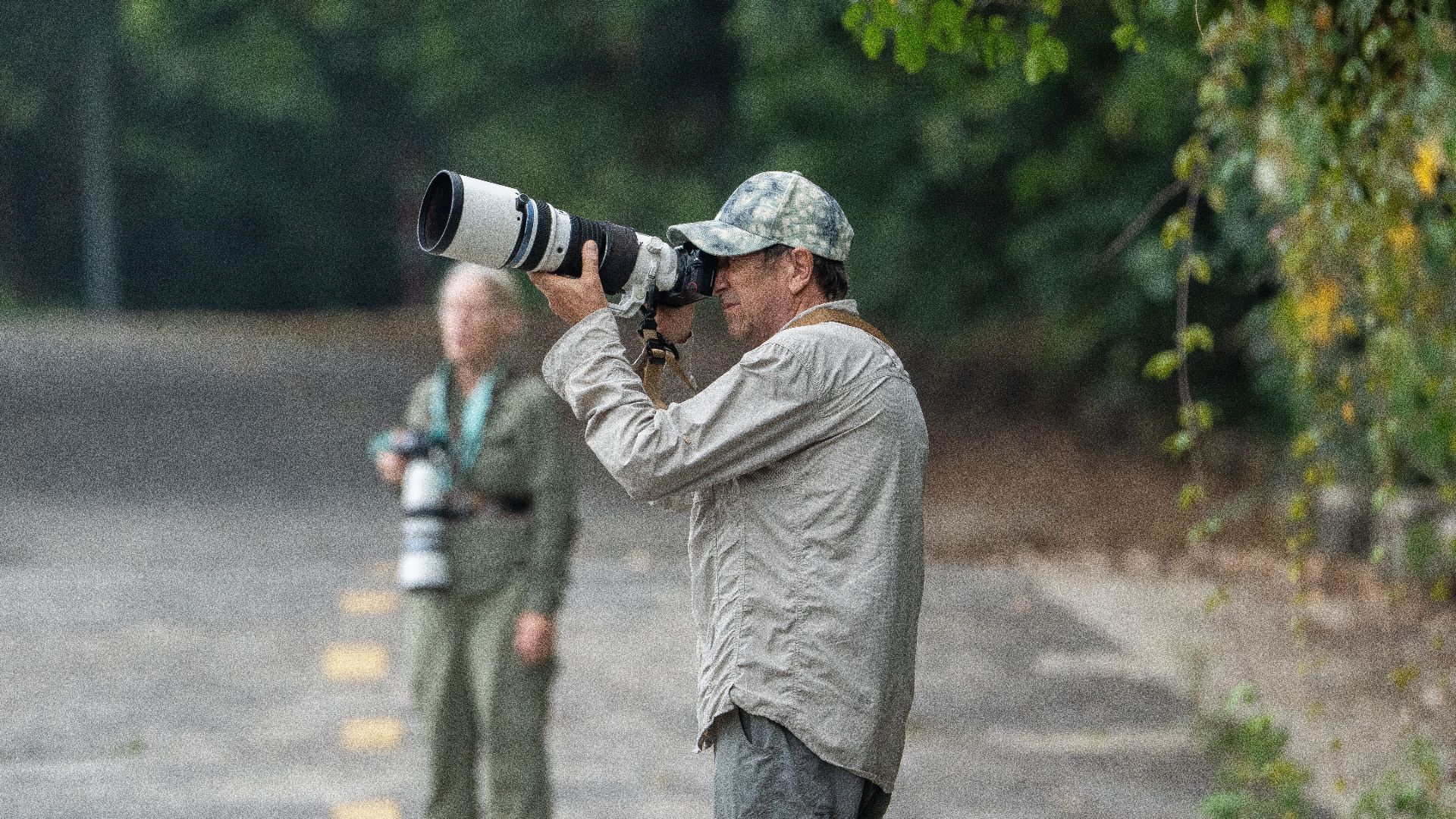
For casual vacation photography, a smartphone can eliminate the need to carry another device, charger, and accessories. That does not mean a separate camera has become useless, particularly when the subject is far away. The National Park Service specifically notes that although mobile cameras are convenient, a camera with a zoom lens can produce better results when photographing distant wildlife.
Binoculars Are Still Better Than Pinching A Screen
A phone camera makes it tempting to zoom in on anything interesting in the distance. National Park Service guidance still recommends binoculars or spotting scopes for observing wildlife while maintaining a safe distance. In places such as Sequoia and Kings Canyon National Parks, visitors are specifically encouraged to bring binoculars rather than moving closer to animals.

A Field Guide Can Beat Another App
Printed bird and wildlife guides look decidedly old-school beside identification apps. Yet Olympic National Park still suggests field guides among the tools that can improve wildlife viewing, and Acadia National Park recommends bringing one to help identify animals. For nature-focused trips, the old book in the backpack has not completely lost its job.
The Paper Travel Journal Hangs On
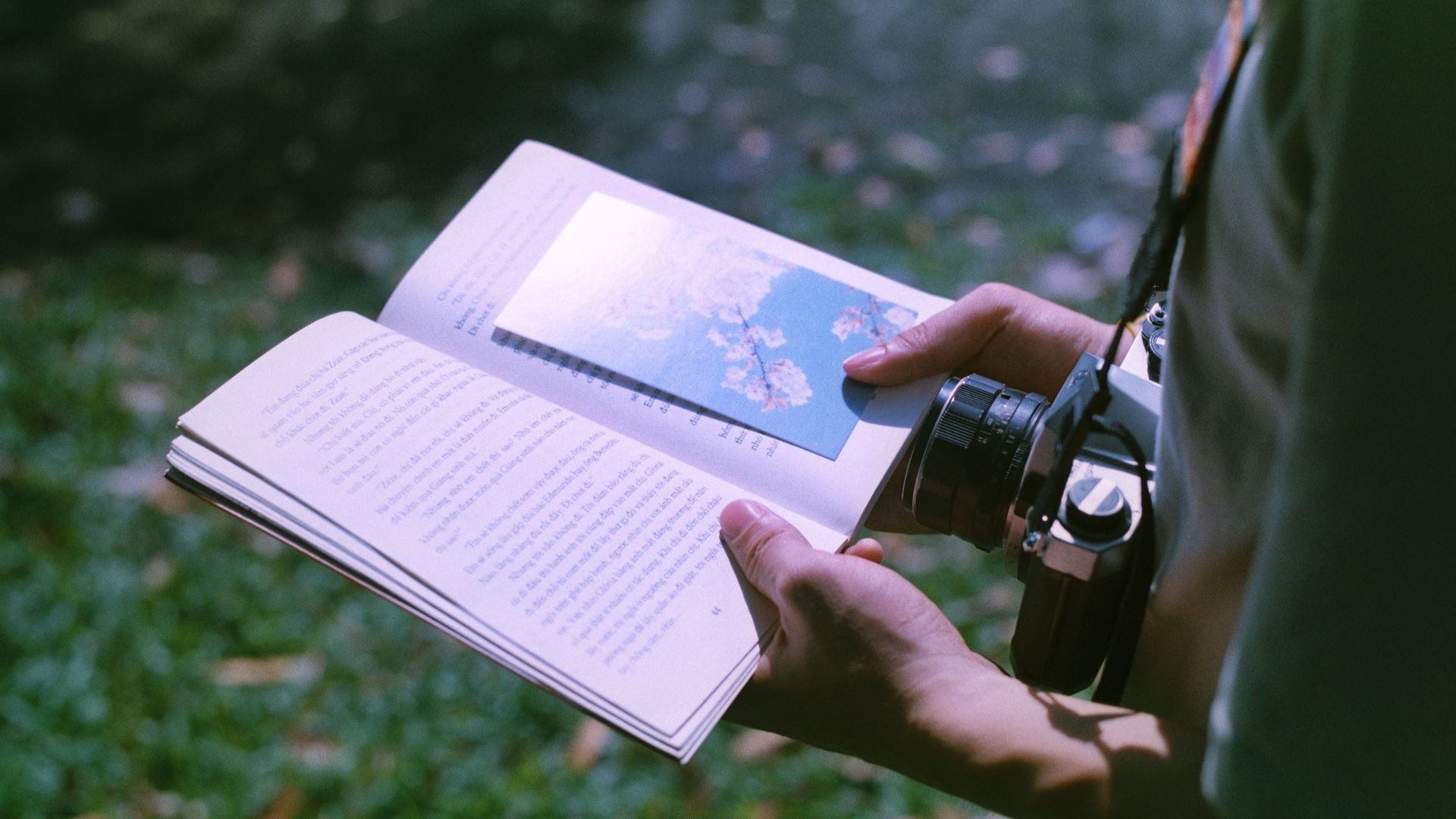
Phones can record photographs, locations, notes, and videos in a single device. A traditional notebook nevertheless remains a simple way to record observations without opening another screen. Acadia National Park even includes a journal on its suggested list for visitors interested in recording wildlife observations.

Prescription Lists Still Belong On Paper
Medication information is easy to store digitally, but health authorities continue to recommend carrying written documentation. The CDC advises travelers taking medication abroad to bring copies of written prescriptions, including generic drug names. It also recommends leaving a copy with a friend or relative in case the traveler's own copy is lost or an emergency refill becomes necessary.

Spare Eyeglasses Remain Hard To Digitize
Some old packing habits survive simply because technology has not produced a practical replacement. The CDC's travel-health guidance includes spare prescription glasses or contact lenses among useful items for a personal travel health kit. A backup pair may occupy more suitcase space than a digital document, but a smartphone cannot replace prescription lenses when the originals disappear or break.
 https://kaboompics.com/, Pexels
The Homemade Medicine Kit Keeps Its Place
Experienced travelers often carry a small collection of familiar over-the-counter medicines rather than planning to buy everything after arrival. That habit remains consistent with CDC guidance, which recommends preparing a travel health kit with prescription and over-the-counter medicines that could be difficult to obtain at the destination. Travelers are also advised to bring enough medication for the trip plus additional supplies in case of delays.
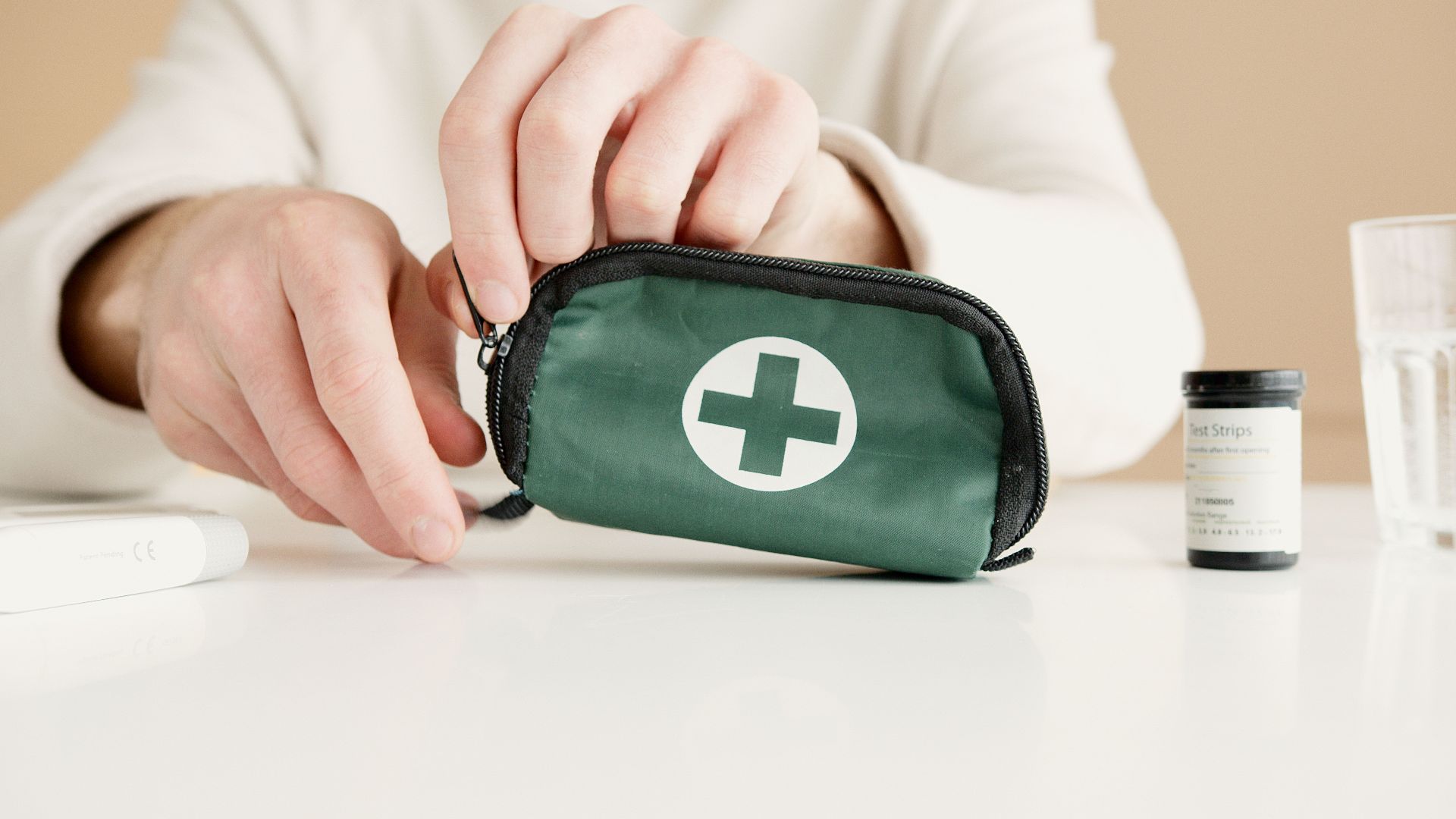
Original Pill Bottles Are Still Worth The Space
Transferring pills into a tiny organizer certainly saves room, but international travel can complicate medication packing. The CDC recommends keeping medicines in their original labeled containers when traveling abroad and ensuring the labels clearly identify the traveler and medication. Suddenly, those bulky pharmacy bottles do not seem quite as pointless as they look in an overstuffed carry-on.

The Printed Medical Summary Has A Purpose
A phone can hold an extraordinary amount of health information, but a paper summary can still be useful if somebody else needs to read it quickly. The CDC Yellow Book recommends carrying a medical summary containing relevant diagnoses, regular medications, and allergies, and notes that this documentation can be hard copy or digital. This is one old-school packing habit that modern health guidance has not eliminated.

A Flashlight Is Not Completely Obsolete
The flashlight built into a smartphone is perfectly adequate for many everyday situations. A separate light, however, avoids draining the same battery being used for communication, navigation, tickets, and reservations. The CDC Yellow Book specifically lists a headlamp as useful for remote locations, power outages, and emergencies.

The Power Bank Is The Modern Backup Plan
Ironically, replacing older travel products with a smartphone often creates the need to pack another product just to keep that phone running. Portable power banks have become the obvious solution, but air travelers have to pack them correctly. The FAA requires power banks and spare lithium batteries to remain in carry-on baggage rather than checked luggage.
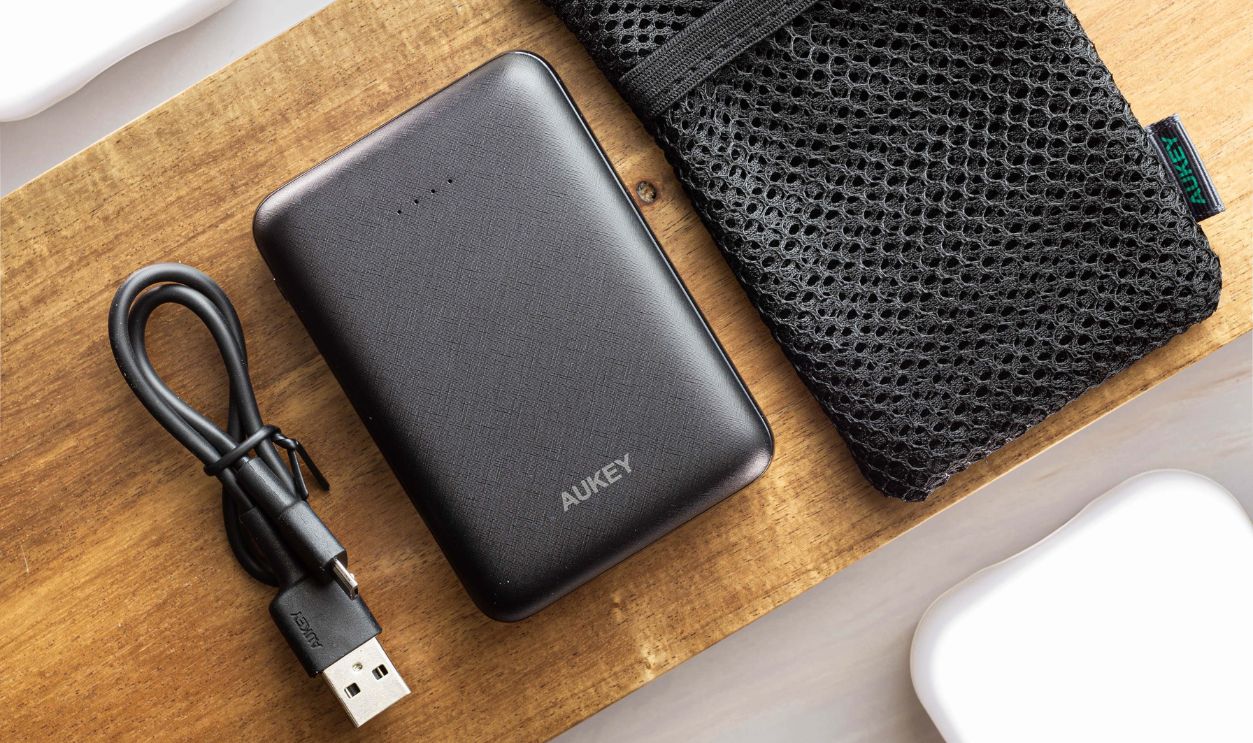
The Old Battery Pouch Still Makes Sense
Travelers who remember carrying spare batteries for cameras and portable electronics may still instinctively keep batteries organized and protected. Modern lithium batteries have made that habit more important rather than less. FAA guidance says spare batteries must be protected against damage and short circuits, including by using original packaging, covering exposed terminals, or keeping batteries in protective bags or cases.
Printed Hotel Information Can Rescue A Dead Phone
Hotel addresses and reservation details are usually stored in email or travel apps now. The CDC's packing guidance still recommends carrying lodging information as part of a traveler's important documentation. Having the hotel's street address available outside a phone can be particularly useful when a traveler needs to show the destination to someone else.
Paper Insurance Information Has Not Disappeared
Insurance cards and policy documents are another category that travelers increasingly store digitally. The CDC nevertheless includes health insurance and travel insurance documentation among the records travelers should consider carrying in both printed and digital form. The paper copy may spend the entire vacation untouched, which is exactly what most travelers hope happens.

Even Embassy Information Deserves A Backup
Modern travelers can search for an embassy or consulate in seconds when internet access is available. The CDC recommends keeping embassy or consulate information for international destinations among important travel documentation. The State Department also advises travelers to review destination-specific embassy contact information before leaving home.

Older Gear Can Be Safer Around Wildlife
One of the strangest consequences of smartphone travel is the temptation to get physically closer to something simply to capture a better image. The National Park Service repeatedly advises visitors to observe wildlife from a safe distance and use binoculars, spotting scopes, zoom lenses, or telephoto lenses. In that situation, supposedly old-fashioned optics can outperform the device that replaced so many other pieces of travel equipment.
Maybe The Backup Plan Was The Smart Part
The most useful lesson from old-fashioned packing is not that travelers should abandon technology. It is that concentrating maps, reservations, identification copies, contacts, payment tools, and entertainment on one device creates a single point of failure. Current guidance from the State Department and CDC still encourages travelers to keep backups of essential documents and information, sometimes explicitly recommending both physical and digital versions.

Some Travel Habits Deserve To Survive
Paper maps, guidebooks, money belts, binoculars, printed documents, and handwritten emergency information can look unnecessary beside a modern smartphone. Yet several remain recommended or supported by organizations including AAA, the CDC, the State Department, and the National Park Service. Older travelers may pack them out of habit, but in several cases that habit still provides a useful backup when batteries, connectivity, or technology fail.

You May Also Like:
Ancient Cities That Survived In Places Modern Travelers Would Think Impossible
Things American Visitors Find Surprisingly Different About Canadian Campgrounds
The Mysteries Of Ancient Human Survival That Scientists Are Still Trying To Explain