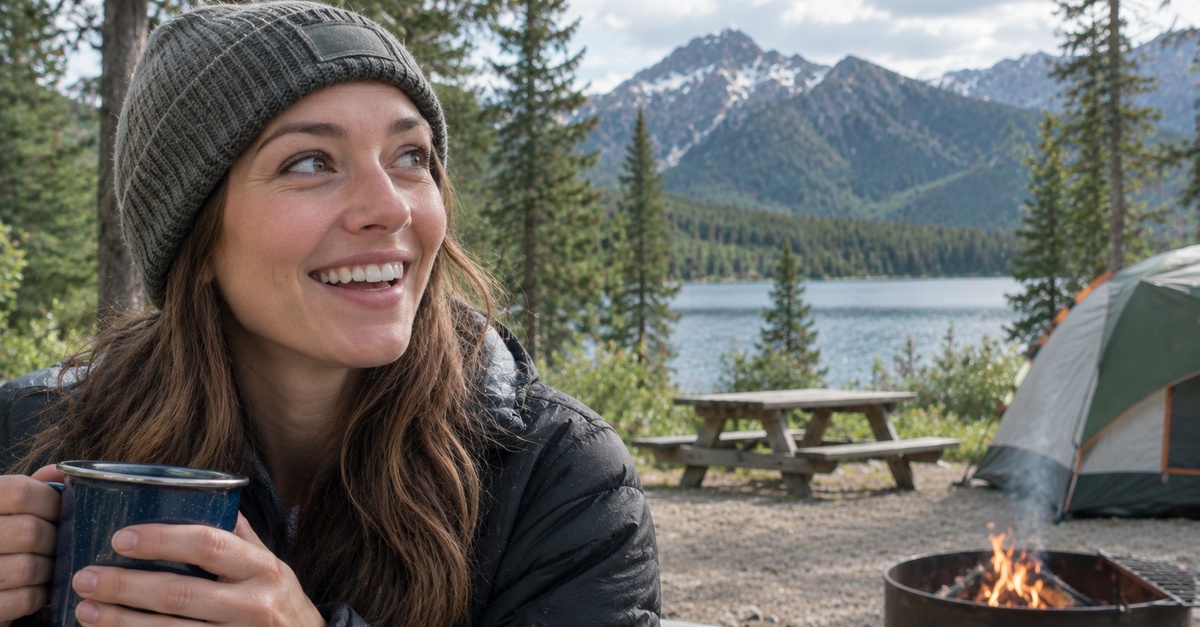
Canadian Camping Comes With A Few Surprises
Crossing the border for a camping trip might not sound like a major cultural adjustment. Yet American visitors can discover that Canadian campgrounds have their own reservation systems, terminology, wildlife precautions, and surprisingly specific rules. Some differences vary by province, but knowing about them before arrival can prevent a few unexpected moments around the campsite.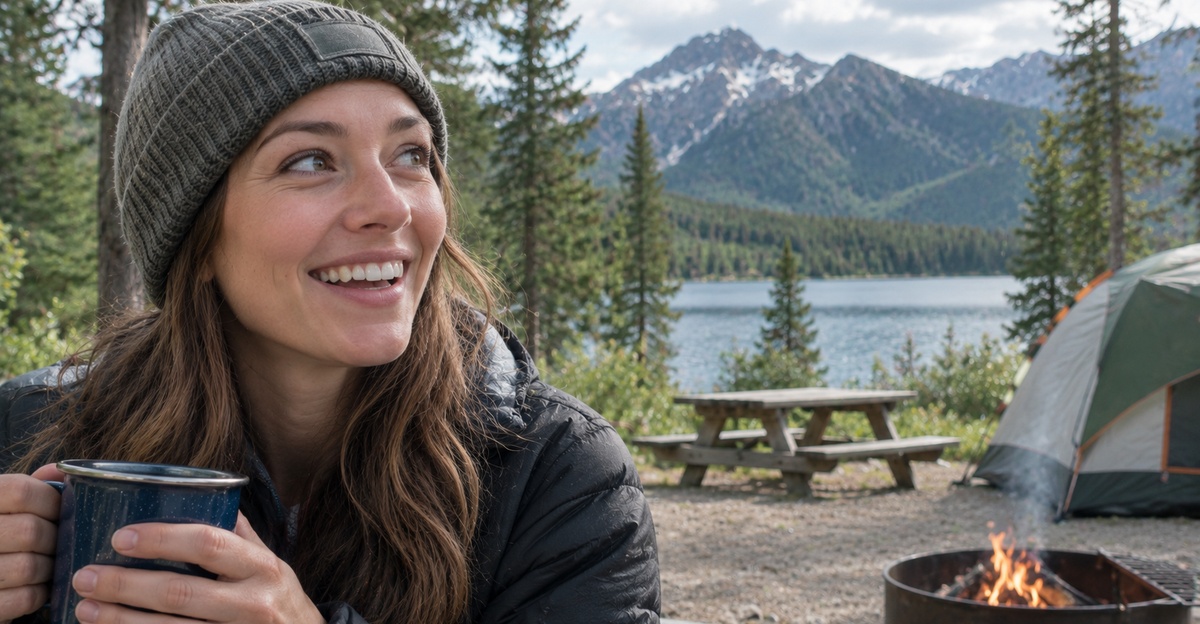 Factinate Ltd
Camping Is Managed By Several Different Systems
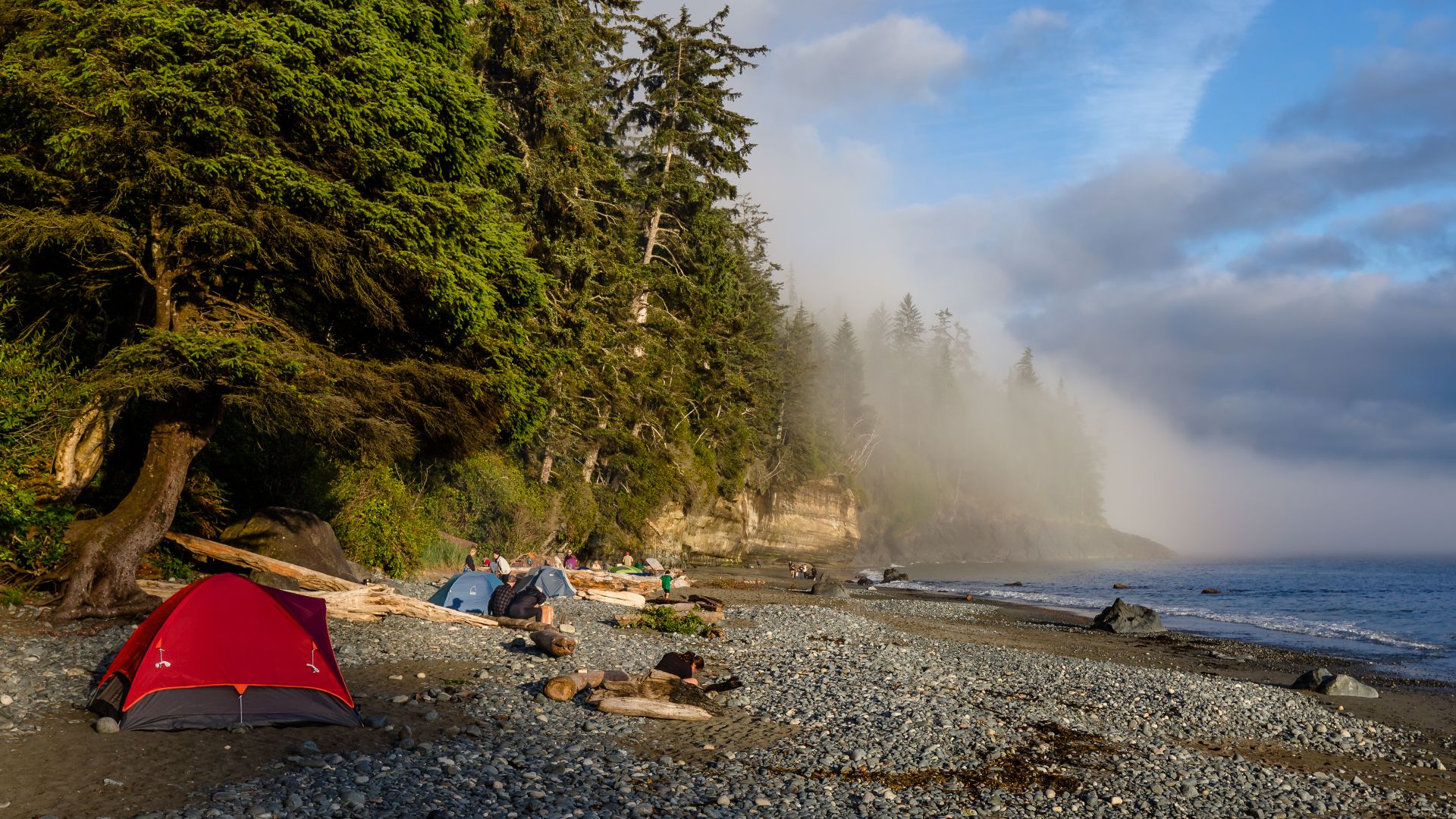
There is no single campground authority covering every public campsite in Canada. Parks Canada operates camping in national parks and other federal sites, while provinces run systems such as Ontario Parks, BC Parks, Alberta Parks, and Quebec's Sépaq network. That means reservation windows, fees, campsite rules, and available facilities can change dramatically as travelers cross provincial boundaries.
 Michal Klajban, Wikimedia Commons
Reservations Can Become A Serious Competition
Popular Canadian campsites can require considerably more advance planning than a casual road trip might suggest. Parks Canada launches reservations for different destinations on scheduled dates and even uses an online queue during particularly busy launches. Ontario Parks, meanwhile, allows campsites to be booked up to five months before arrival, and the agency acknowledges that popular dates may already appear unavailable when that window opens because longer reservations began earlier.

Every Province Has Its Own Booking Clock
Travelers planning a multi-province camping trip quickly encounter different reservation calendars. Alberta Parks uses a rolling 90-day booking window for individual campsites and backcountry camping, while comfort camping can be reserved 180 days ahead. Ontario's system generally works up to five months ahead, so successful campers learn to check the rules for each destination rather than relying on one booking strategy.

British Columbia Now Charges Some Visitors More
American campers heading to British Columbia face a relatively new expense. Beginning with stays starting May 15, 2026, BC Parks charges visitors who live outside British Columbia an additional $20 non-resident fee on covered camping stays and services. Staff may request proof of B.C. residency from campers who booked at the resident rate, making home address relevant to the final campground bill.

One Campsite Does Not Mean Unlimited Campers
A roomy campsite can make squeezing in another tent seem harmless, but occupancy rules may say otherwise. Ontario Parks generally limits a car-camping campsite to six people unless the occupants are parents and their children in a single family. Alberta Parks also generally limits a campsite to six people unless everyone belongs to the same single family unit.
Extra Cars Can Cost Extra
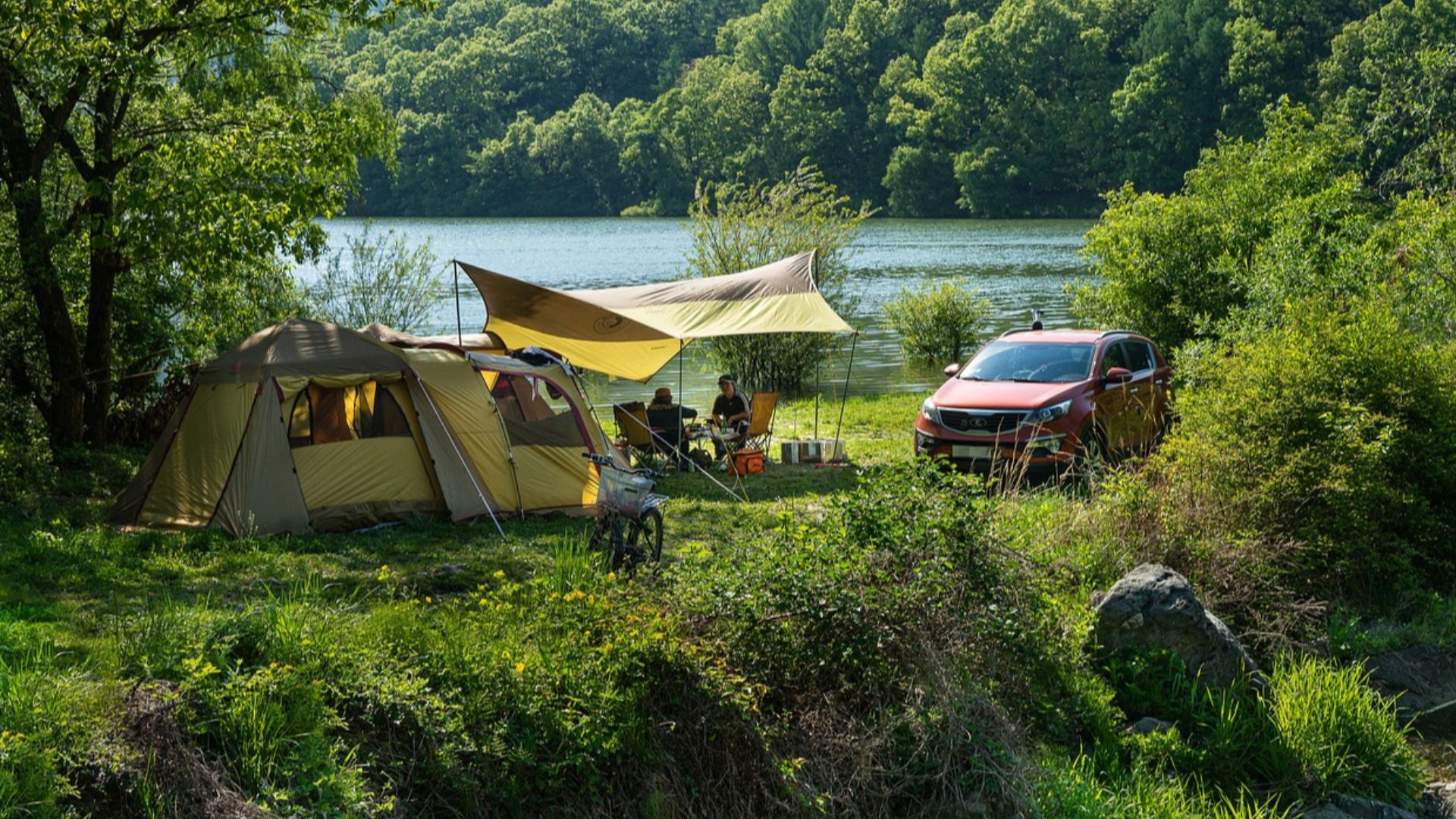
The campsite fee does not necessarily cover every vehicle your group brings. Ontario Parks includes parking for one vehicle with a campsite permit, while additional vehicles require permits and may have to be parked elsewhere. BC Parks similarly says its base camping fee normally includes one parking spot, with extra parking potentially available for an additional charge.
 https://kaboompics.com/, Pexels
Quiet Hours Can Be Taken Very Seriously
A Canadian campground is not automatically a place where the party continues until everyone gets tired. Alberta Parks sets quiet hours from 11 p.m. to 7 a.m. and says excessive noise and rowdy behavior are not tolerated. BC Parks also says quiet time at most of its campgrounds runs from 11 p.m. to 7 a.m., although individual campgrounds can establish different hours.
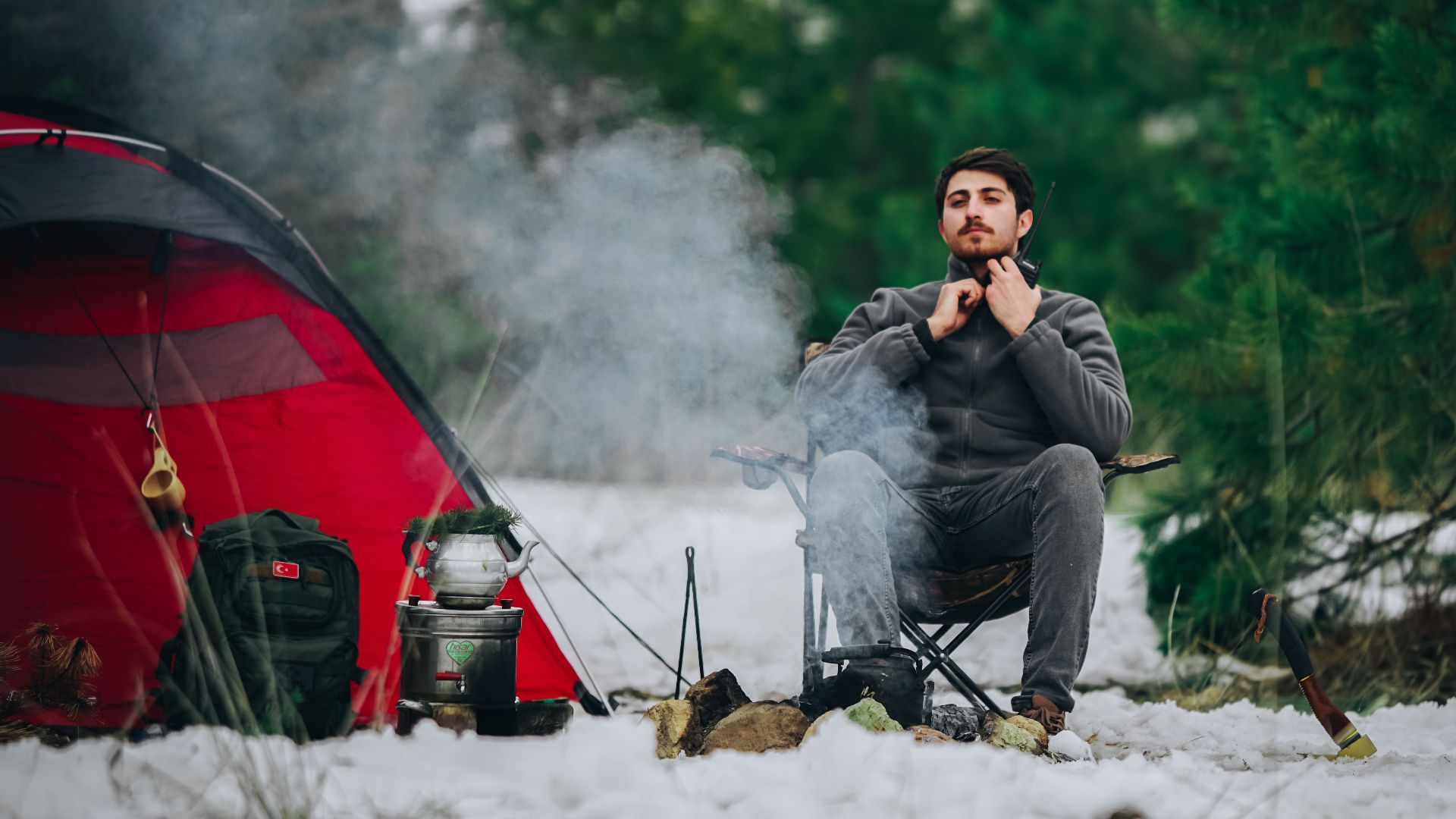
Some Campgrounds Are Actually Radio-Free
Ontario takes the pursuit of campground peace one step further at selected locations. Ontario Parks says designated campground areas in 22 parks offer radio-free camping, including areas in Algonquin, Arrowhead, Bon Echo, Killbear, and Presqu'ile. At MacGregor Point's Huron Campground, radios, speakers, music devices, and generators are prohibited entirely.
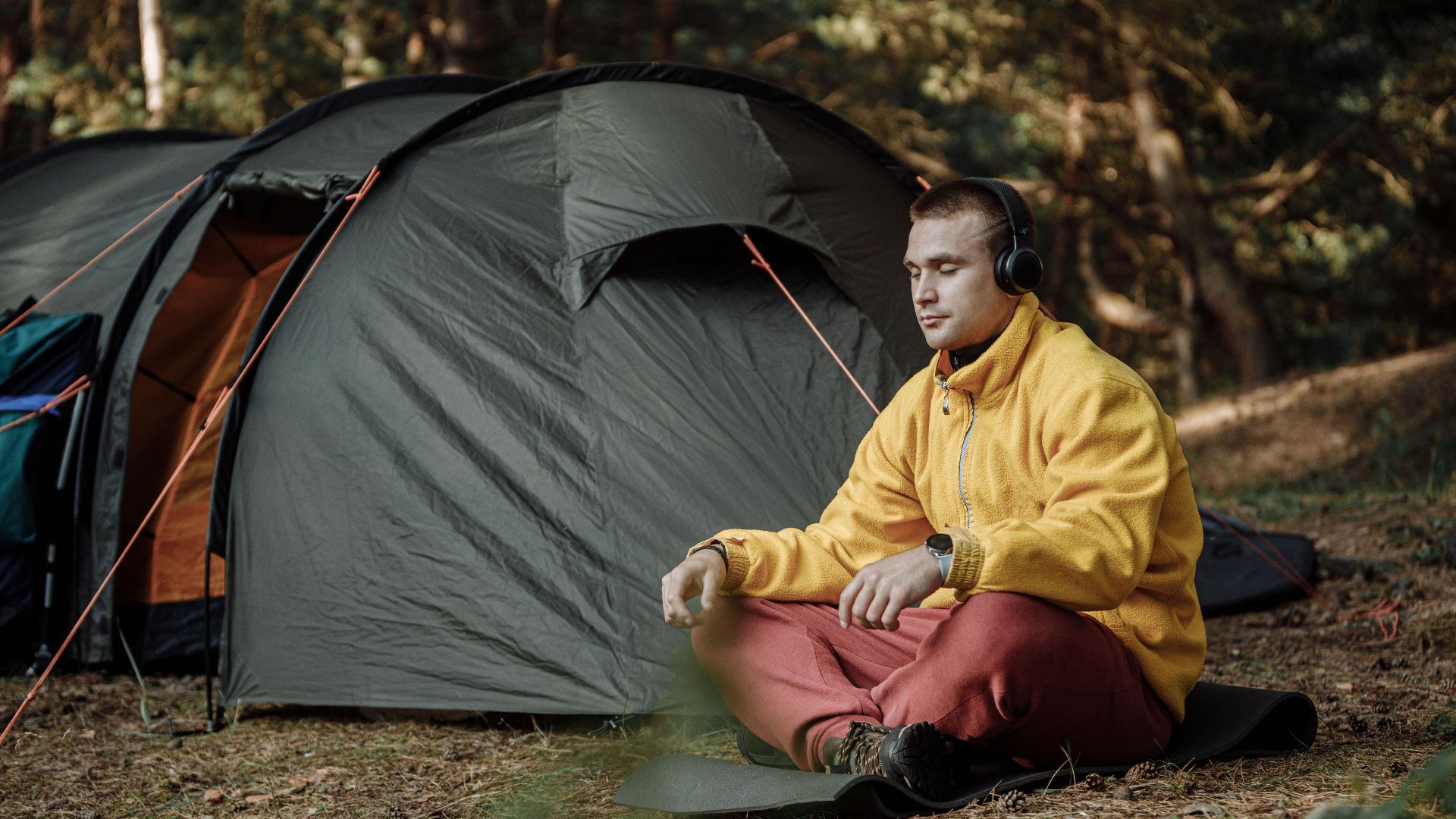
Generators May Have Their Own Schedule
RV travelers accustomed to starting a generator whenever the batteries get low should check local restrictions first. BC Parks generally limits fuel-powered generator operation to 9 a.m. to 11 a.m. and 6 p.m. to 8 p.m. Alberta Parks also restricts generator use, with participating campgrounds limiting fuel generators to 9 a.m. through 9 p.m. and other provincial campgrounds tying their use to broader quiet-hour rules.
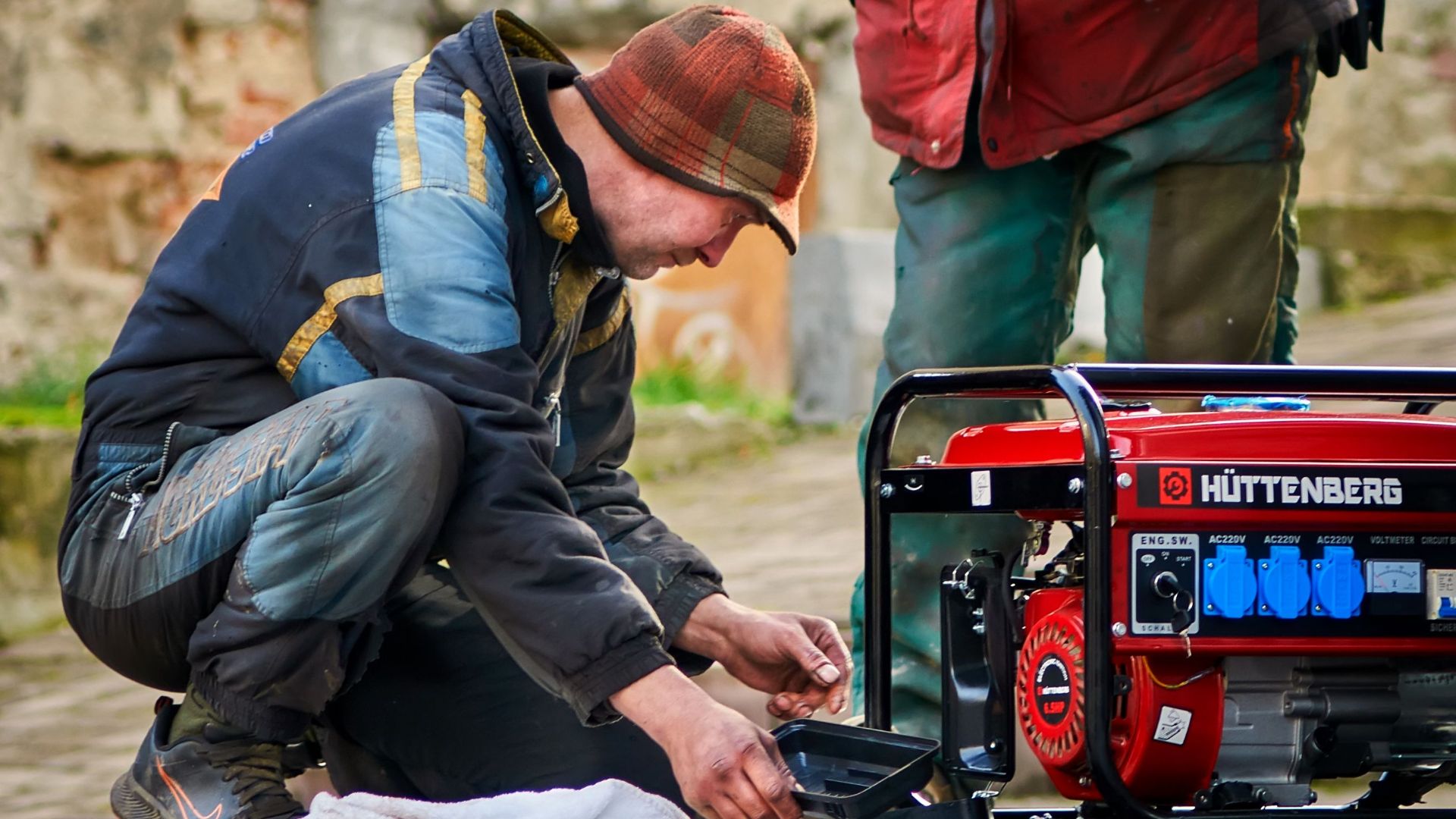
Some Places Ban Generators Completely
Even those limited operating windows are not universal. MacGregor Point Provincial Park's Huron Campground prohibits generators at all times as part of its radio-free designation. Algonquin's Achray Campground similarly prohibits generators, so checking the individual campground page matters as much as knowing the broader provincial rules.
 Ryan Hodnett, Wikimedia Commons
A Clean Campsite Means More Than No Litter
In bear country, campground tidiness becomes a wildlife-management issue rather than simple etiquette. Parks Canada's Bare Campsite Program requires campers in participating national parks to secure food and scented items in a hard-sided vehicle, trailer, motorhome, or campground food locker. Leaving a cooler or cooking supplies unattended outside can therefore be more serious than merely looking messy.

Toiletries Can Count As Wildlife Attractants
Visitors sometimes focus on steaks and marshmallows while forgetting that wildlife follows scents rather than grocery categories. Parks Canada specifically tells campers to store toiletries along with food and other food-related items in secure locations. In backcountry bear habitat, guidance can also include separating cooking and food storage areas from sleeping areas.

Your Tent Is Not A Food Locker
A zippered tent may feel closed, but Parks Canada does not consider a soft-sided shelter appropriate storage for food in areas covered by its Bare Campsite Program. Food and scented items must instead go into approved storage such as a hard-sided vehicle or wildlife-proof locker. That distinction is particularly important for tent campers who might otherwise leave snacks packed inside overnight.
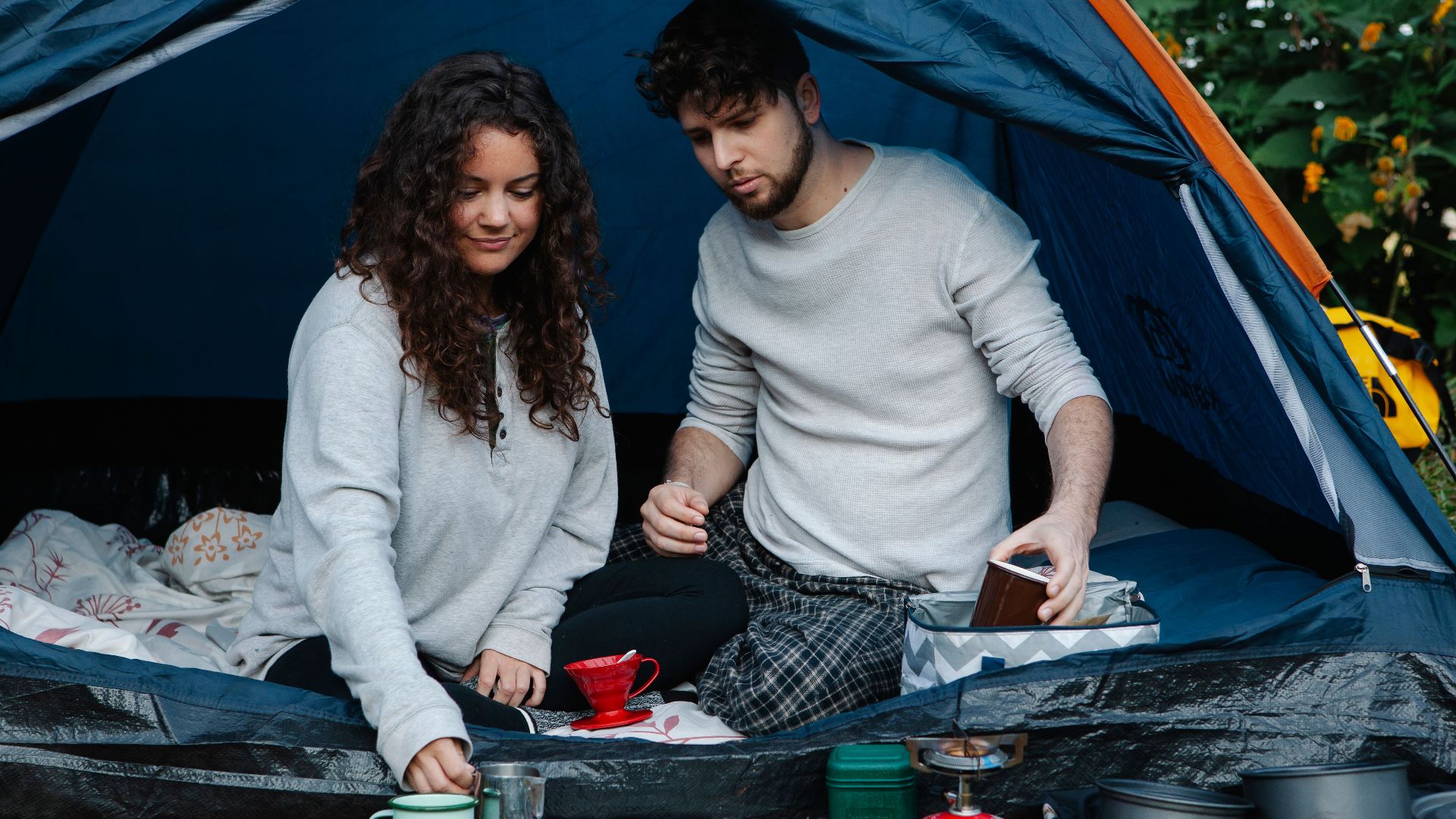
Firewood Is Better Bought Locally
Bringing a trunk full of firewood from home can create an ecological problem. Parks Canada warns that moving firewood even relatively short distances can spread invasive insects and diseases and advises campers to purchase local wood instead. It also tells campers not to collect deadfall or cut surrounding trees for their campfire.
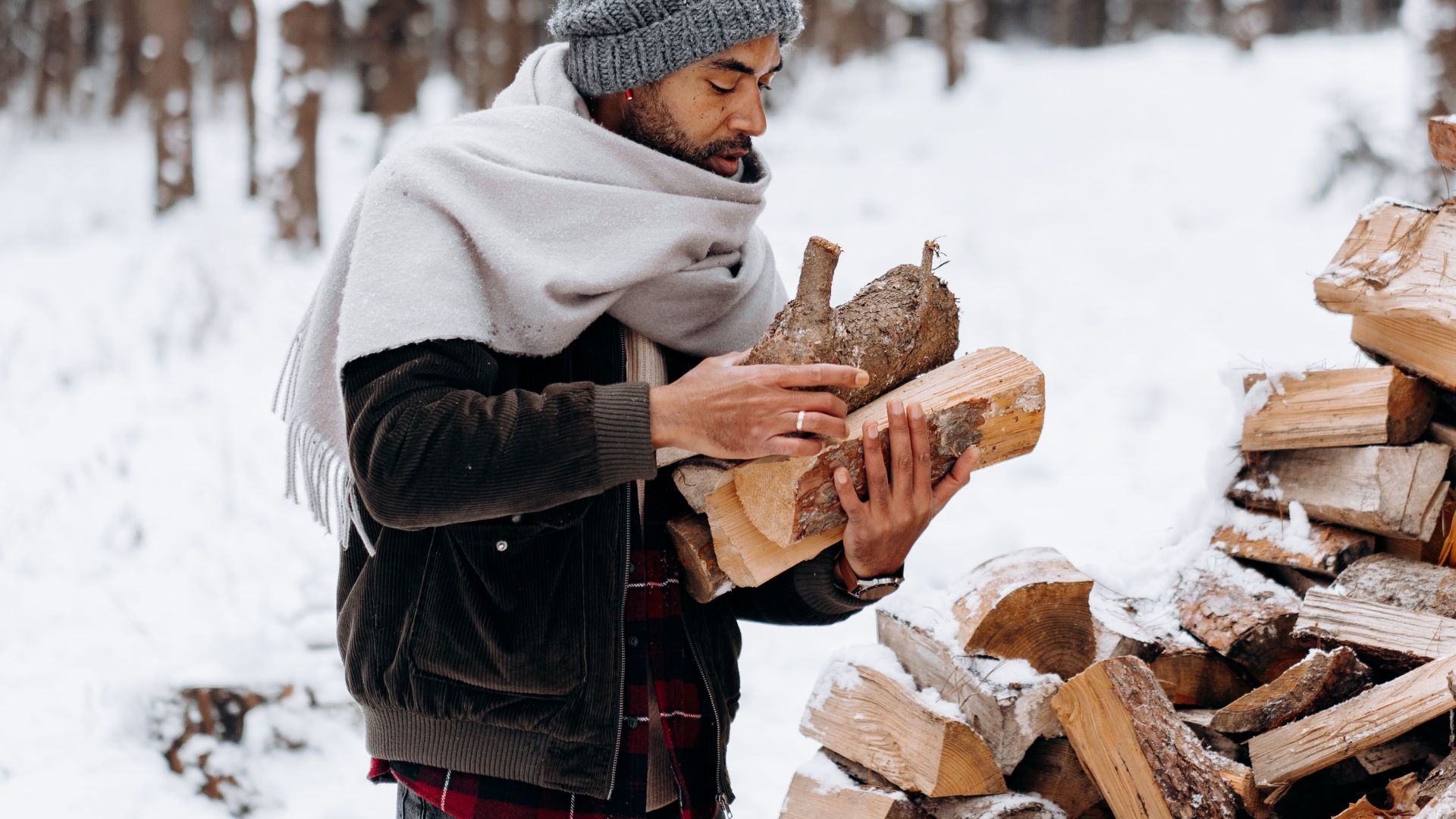
A Campfire Is Never Guaranteed
A fire ring beside the picnic table does not necessarily mean campers are allowed to light it that evening. Parks Canada explicitly advises visitors to check the fire restrictions in effect at their destination. Conditions can change, so travelers should verify local restrictions rather than assuming the presence of a fire pit equals permission to use it.
Cannabis Rules May Look Different
Canada legalized non-medical cannabis nationally, but campground use is still regulated. Parks Canada says cannabis consumption in its campgrounds is restricted to a visitor's campsite and is prohibited in common areas such as playgrounds, kitchen shelters, washrooms, trails, and roads. Provincial, territorial, municipal, and individual park restrictions can add further rules, so legalization does not mean unrestricted public use.
Dogs Do Not Automatically Get The Run Of The Park
Pet-friendly camping still comes with boundaries. Ontario Parks tells visitors not to leave dogs unattended and identifies campground sections where dogs are prohibited altogether. Some parks also provide designated dog beaches or exercise areas, creating a clear distinction between places where a dog must remain controlled and areas specifically intended for recreation.
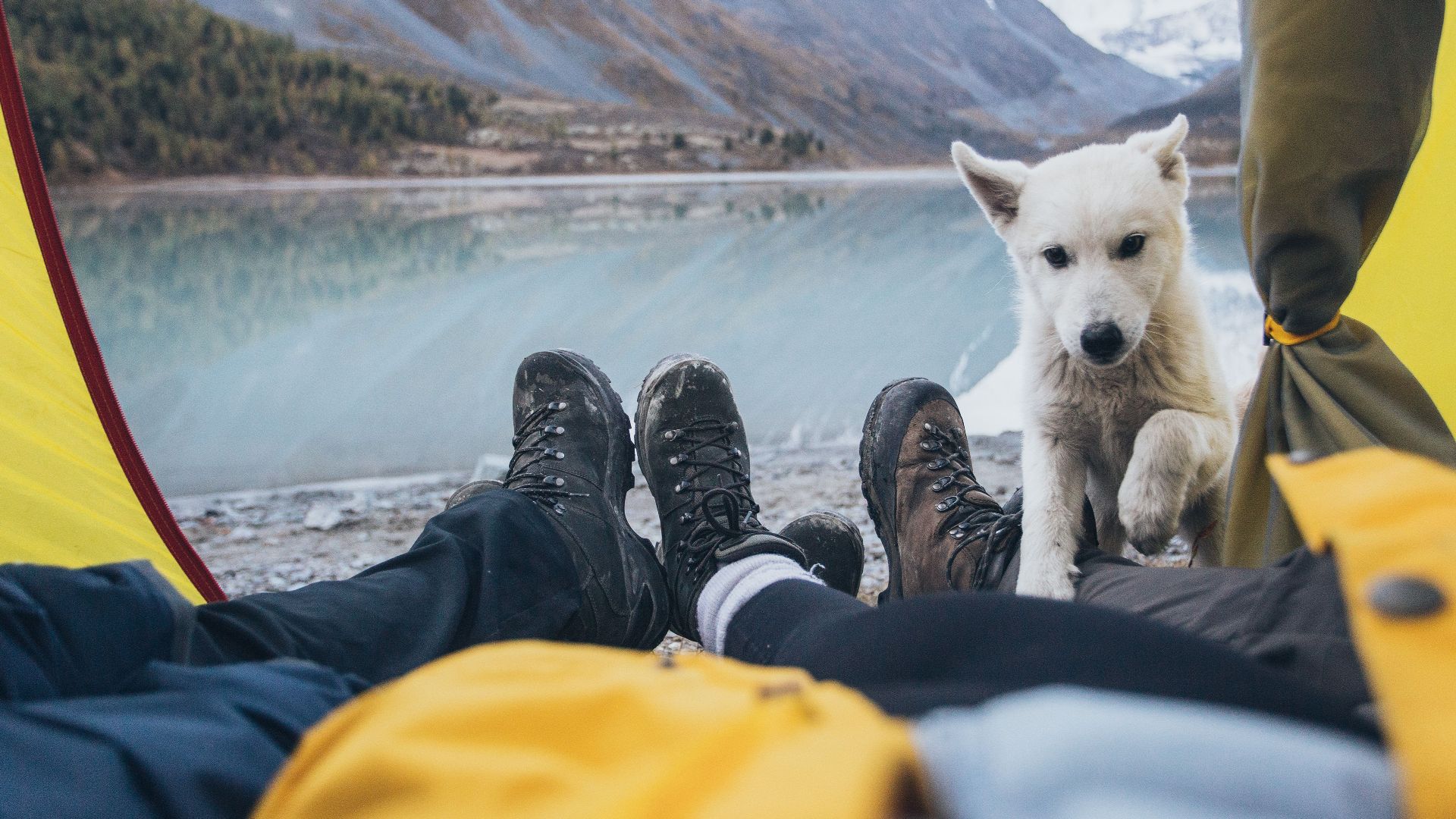
You Can Even Book A Dog-Free Camping Area
Canadian park systems sometimes separate campers according to preferences that go beyond electricity and waterfront access. Voyageur Provincial Park in Ontario has a 20-site loop specifically designated as pet-free. Awenda Provincial Park also has a dog-free campground, while other campground areas there are designated radio-free or generator-free.
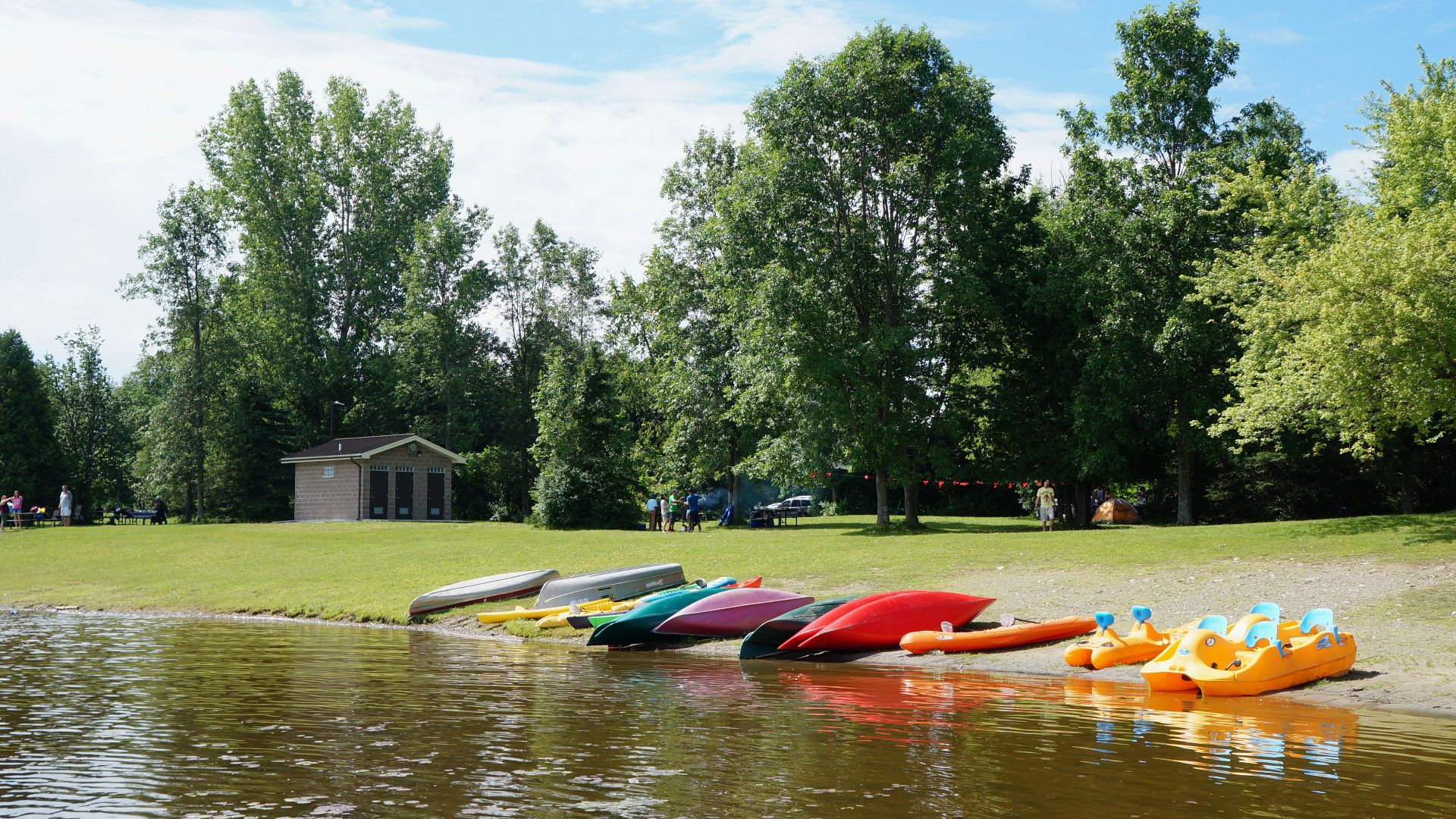 Jiaqian AirplaneFan, Wikimedia Commons
Comfort Stations Can Be Surprisingly Comfortable
The phrase "comfort station" appears frequently in Ontario campground descriptions and generally refers to a developed washroom building. Depending on the park, these facilities can include flush toilets, hot showers, and even laundry machines. Chutes Provincial Park, for example, has showers, flush toilets, washers, and dryers in its comfort station.
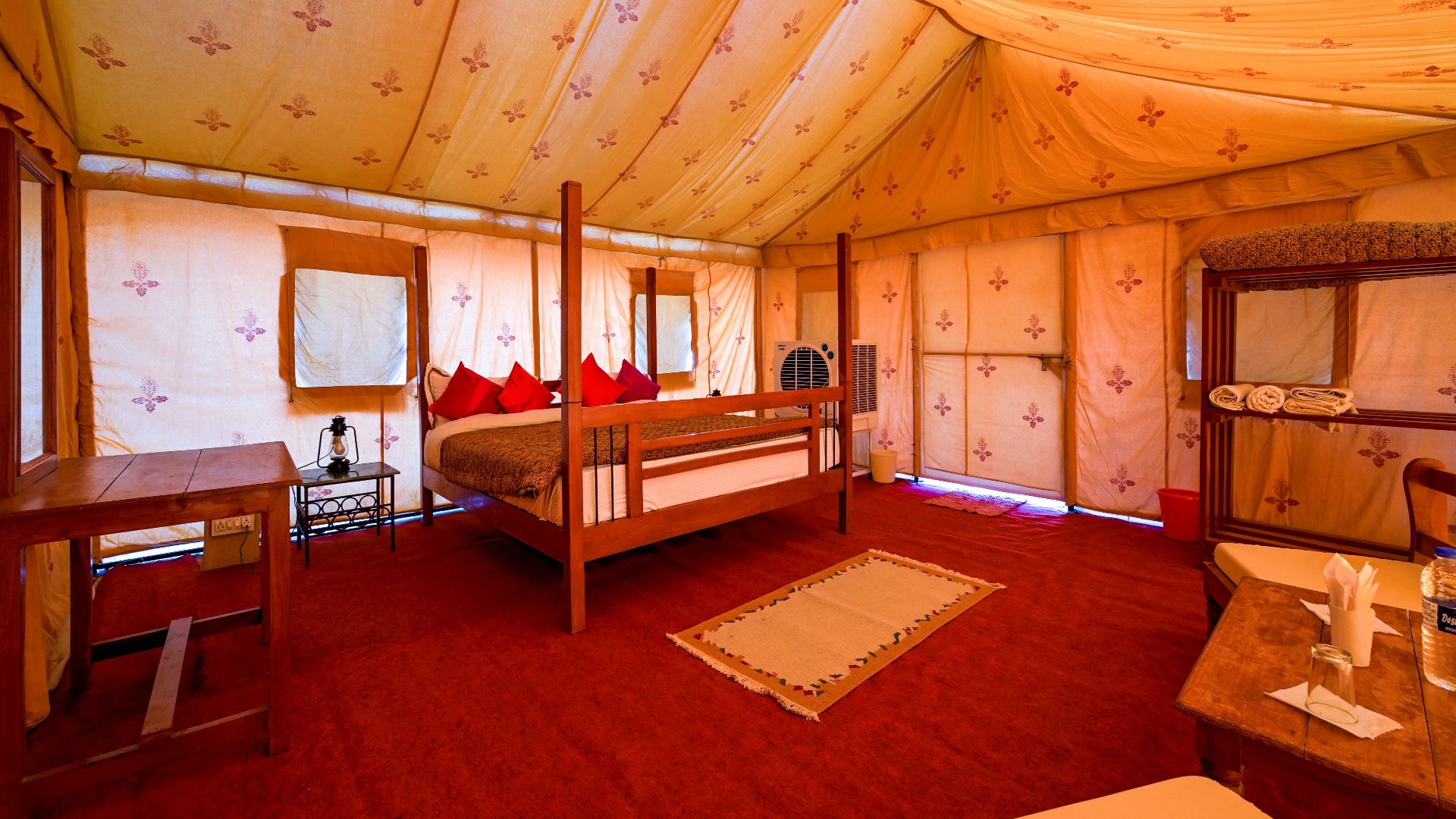
Laundry In The Woods Is Not Unusual
Campers spending a week on the road may not have to save every dirty shirt for the trip home. Numerous Ontario provincial parks advertise campground laundry facilities alongside showers and flush toilets. Pakwash, Selkirk, Sandbar Lake, Fushimi Lake, and several others list laundromats or washers and dryers among their campground facilities.
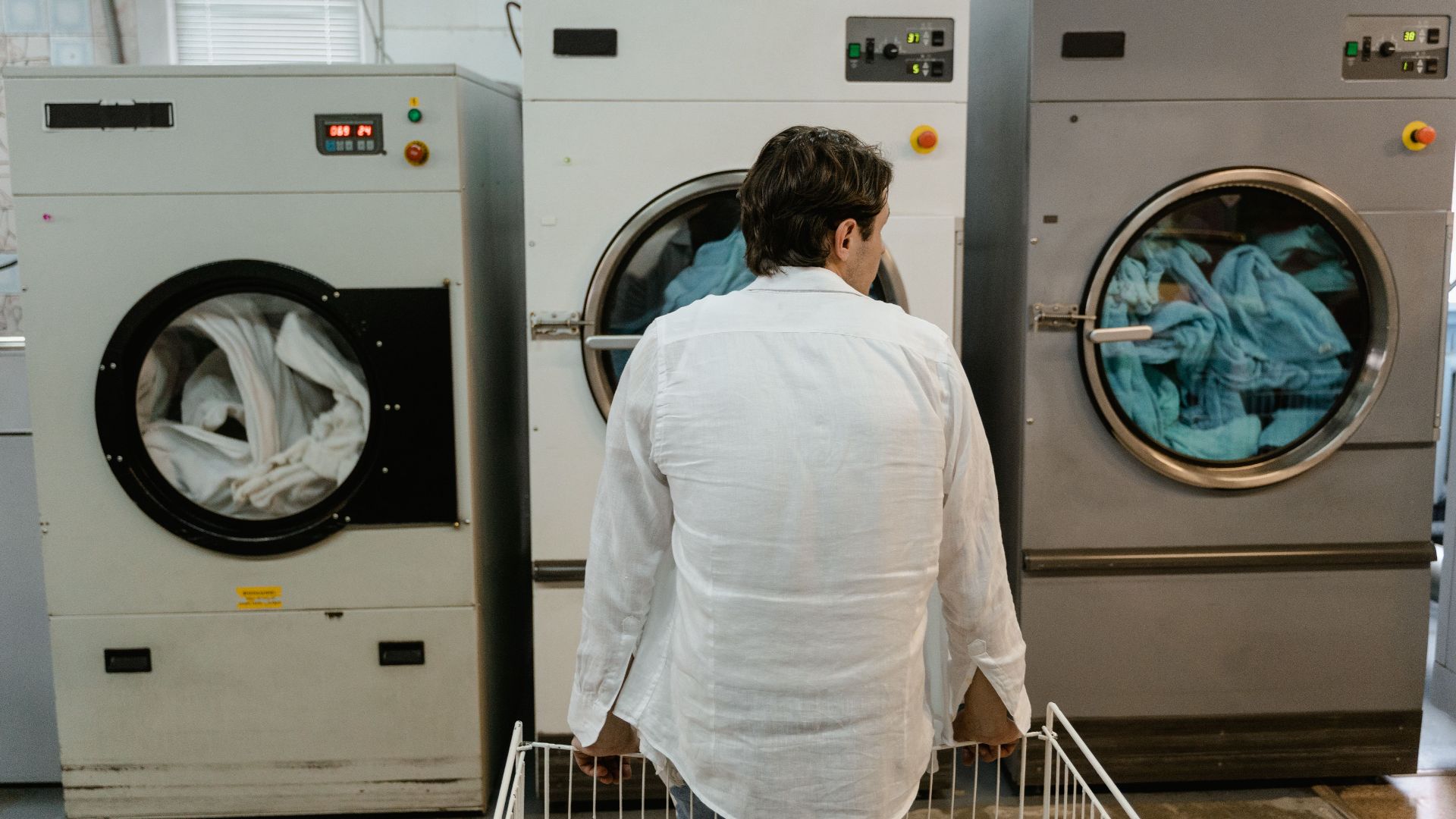
Frontcountry Camping Can Be Quite Developed
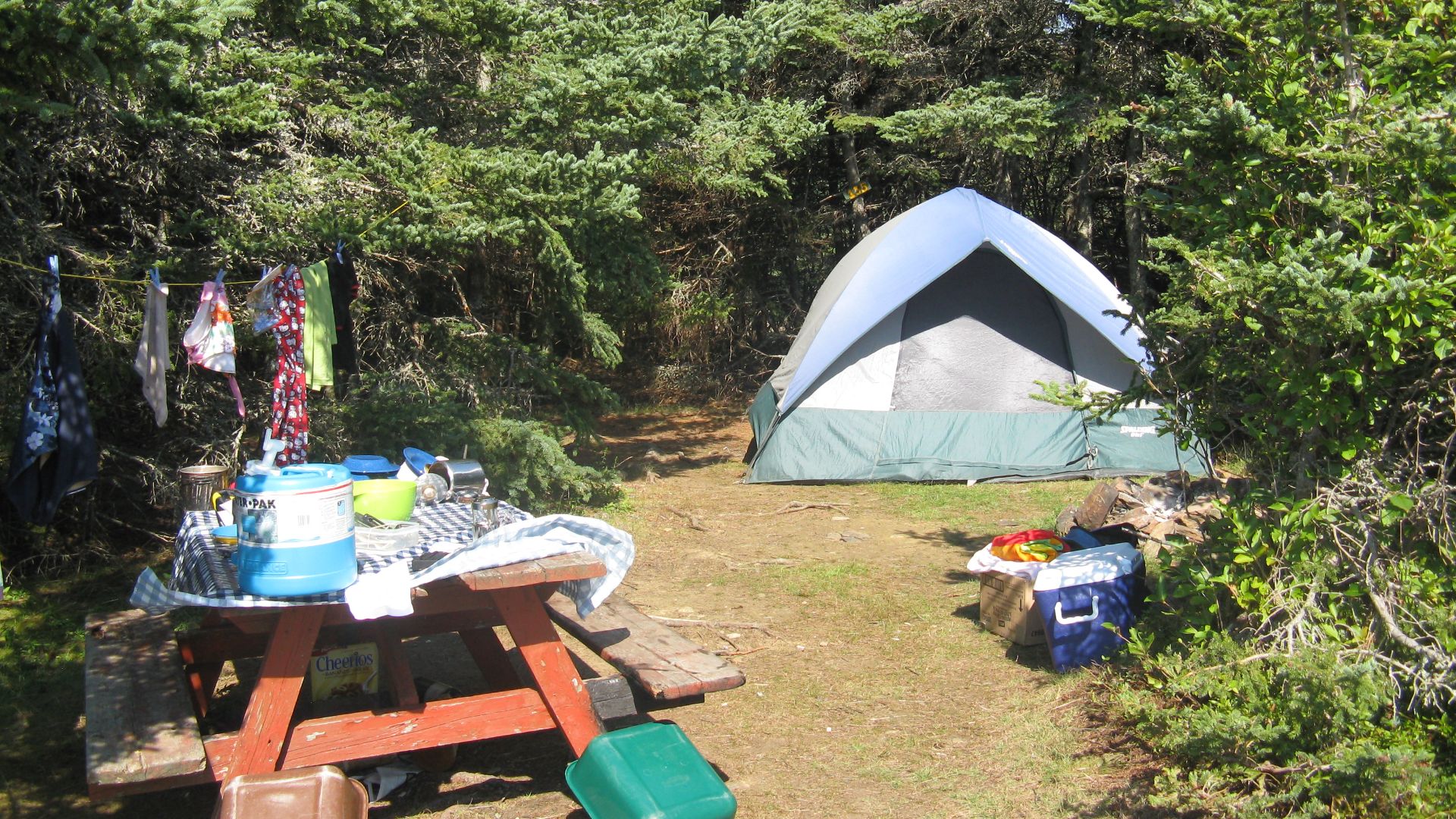
Camping in a Canadian national park does not always mean an isolated patch of forest and an outhouse. Parks Canada says frontcountry campgrounds may offer showers, kitchen shelters, electrical service, sewer and water hookups, and even Wi-Fi access zones. Some are also close to beaches, playgrounds, grocery stores, picnic shelters, and outdoor theatres.
 Helena Jacoba, Wikimedia Commons
Walk-In Sites Can Start Surprisingly Close To Civilization
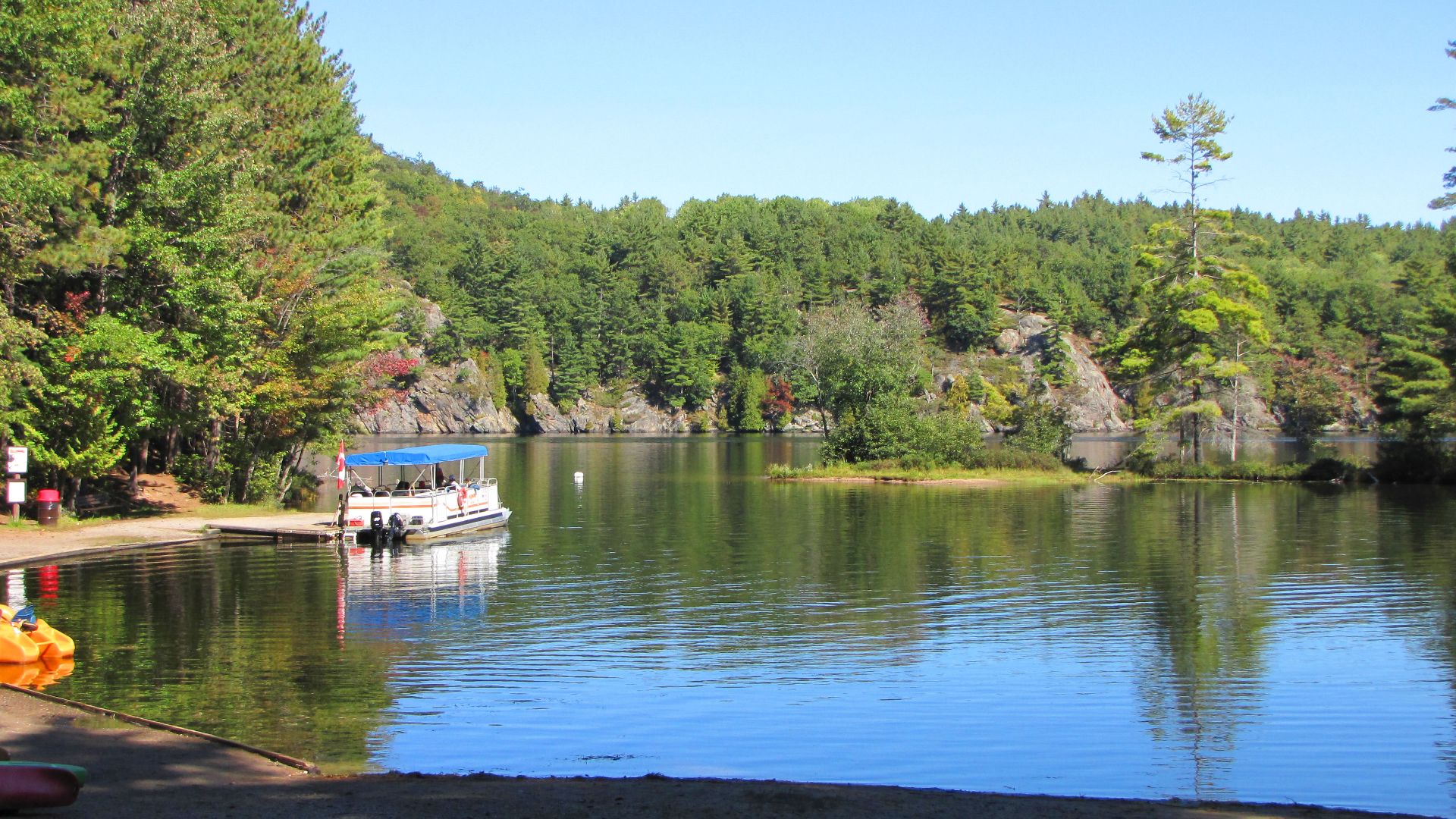
Visitors who want more separation from their vehicle do not always need a full backcountry expedition. Bon Echo Provincial Park has walk-in sites where parking is roughly 100 to 300 metres from the campsite. MacGregor Point added walk-in sites for summer 2026 that require campers to carry their gear roughly 1.5 to 2.1 kilometres from the trail parking lot.
 D. Gordon E. Robertson, Wikimedia Commons
Parks Canada Has Its Own Style Of Glamping
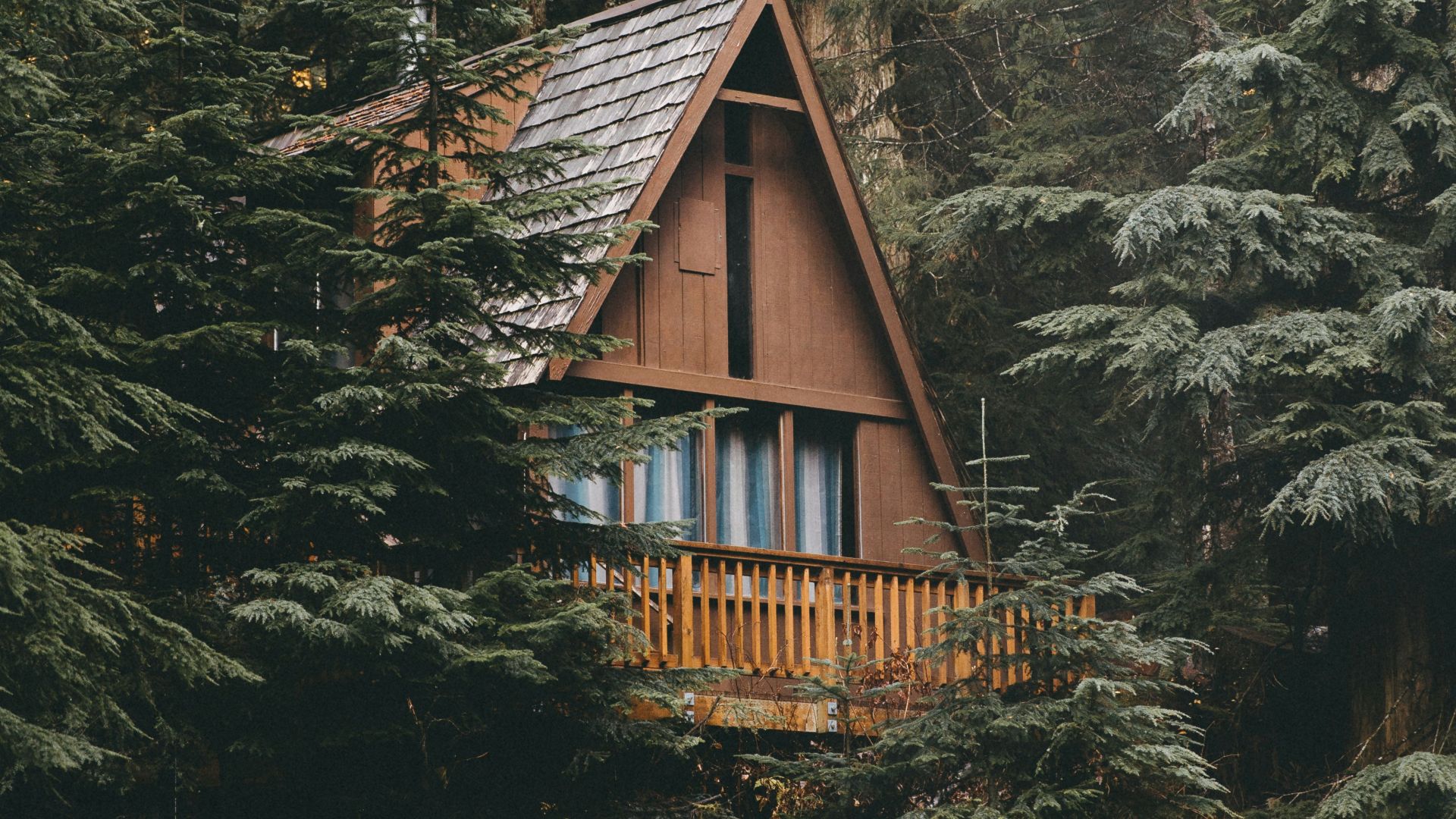
One of the most distinctly Canadian campground sights is the Parks Canada oTENTik. These permanent structures combine elements of an A-frame cabin and a tent, typically providing raised floors, beds or mattresses, furniture, and shelter without requiring visitors to pitch anything. Parks Canada says more than 400 oTENTik units are available at 30 locations across the country.
Quebec Has Its Own Ready-To-Camp Culture
Quebec's Sépaq system offers hundreds of "ready-to-camp" accommodations alongside conventional campsites. Depending on the unit, visitors may find beds, lighting, a camp stove, a small refrigerator, furniture, and heating already waiting for them. Bedding is generally something guests still need to bring, so the experience sits somewhere between tent camping and renting a fully equipped cabin.
 Lkovac at English Wikipedia, Wikimedia Commons
A Quebec Campsite May Come With Very Specific Details
Sépaq's reservation listings can get impressively precise about what a particular campsite will accommodate. Individual pages may specify the maximum trailer length, electrical amperage, distance to washrooms, sun exposure, parking arrangements, and whether dogs are permitted. At Îles-de-Boucherville, for example, one RV site specifies 30-amp service, water, vehicle access, and a maximum recreational vehicle length of 12 metres.
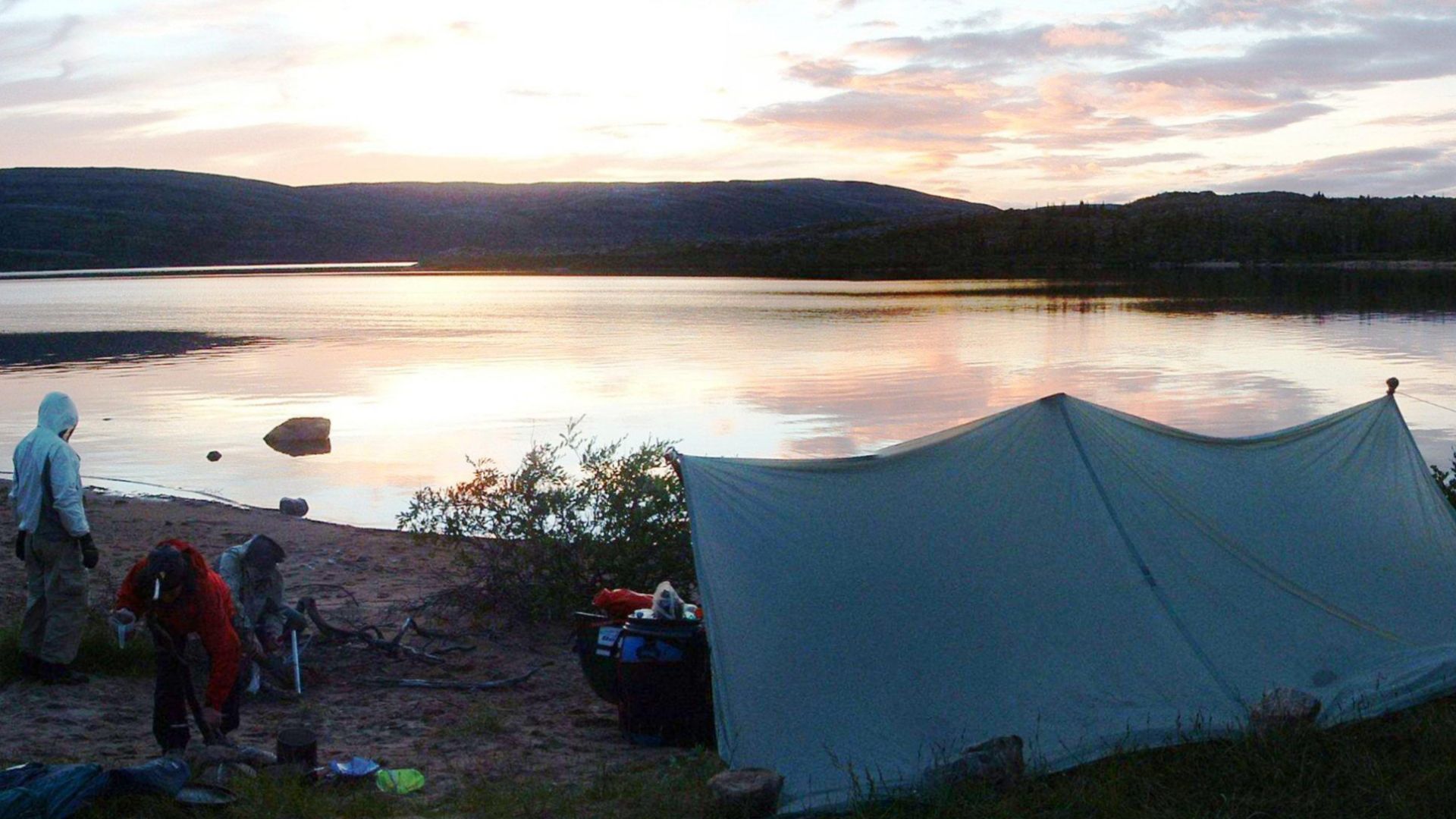 . The original uploader was Lkovac at English Wikipedia., Wikimedia Commons
Remote Directions Deserve Extra Attention
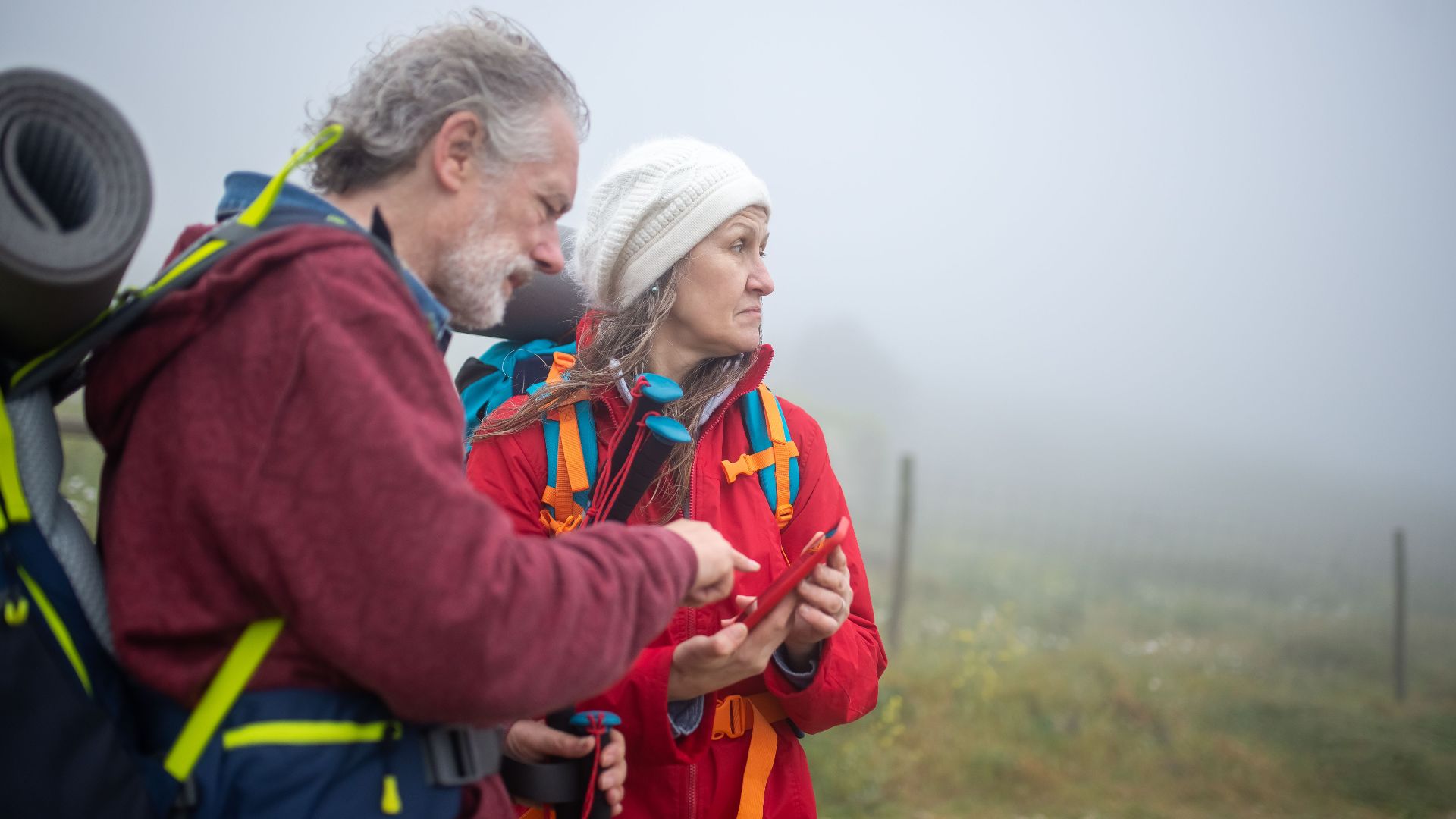
In Canada's more isolated camping areas, blindly following a navigation app can be a mistake. Sépaq specifically warns visitors to Réserve faunique La Vérendrye that GPS and navigation software can contain errors on forest roads and tells guests to follow its supplied directions. In a country where campgrounds can sit far beyond familiar highway corridors, downloading official directions before losing cellular service is a sensible precaution.
Backcountry Camping Can Become Seriously Remote
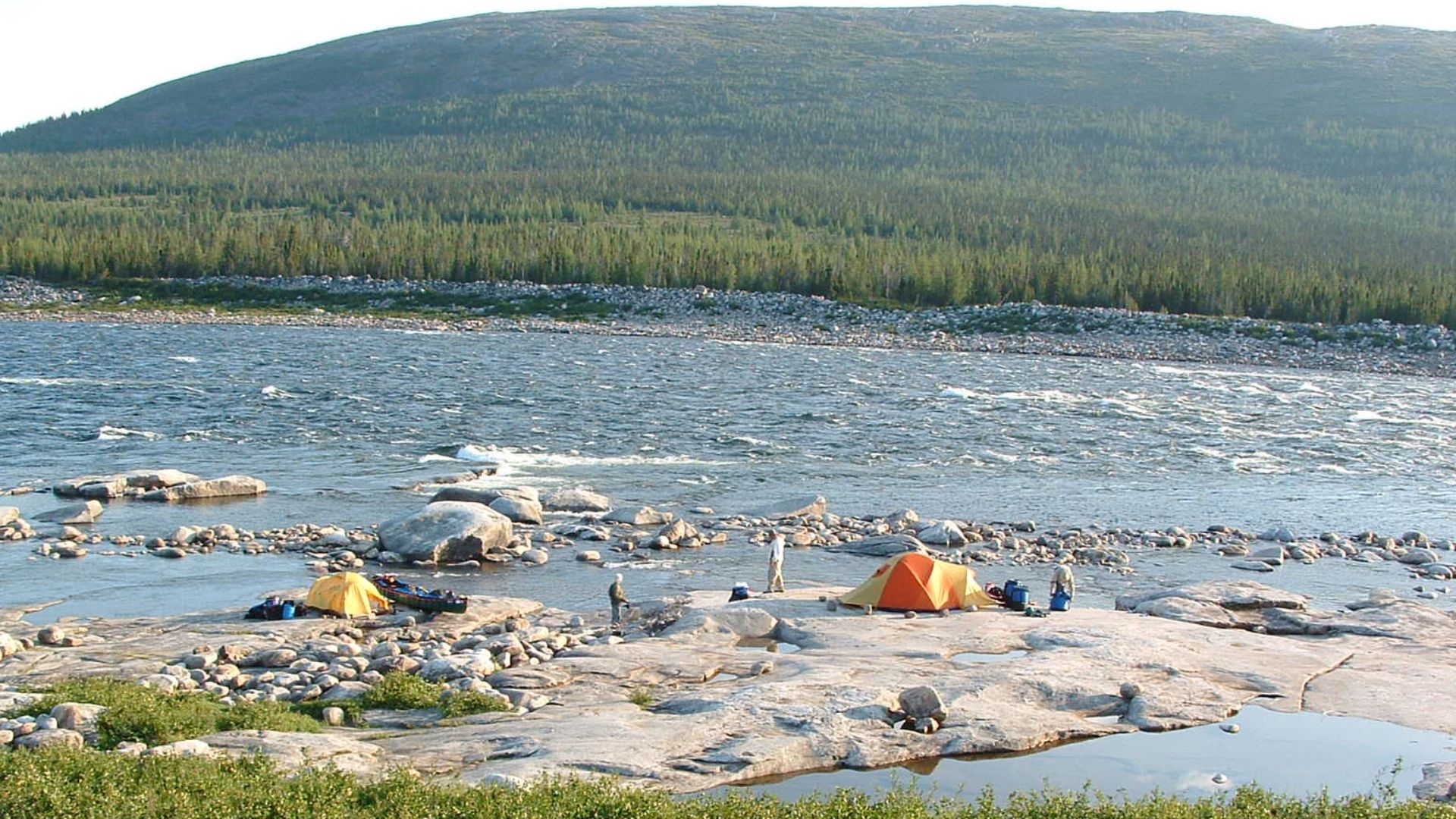
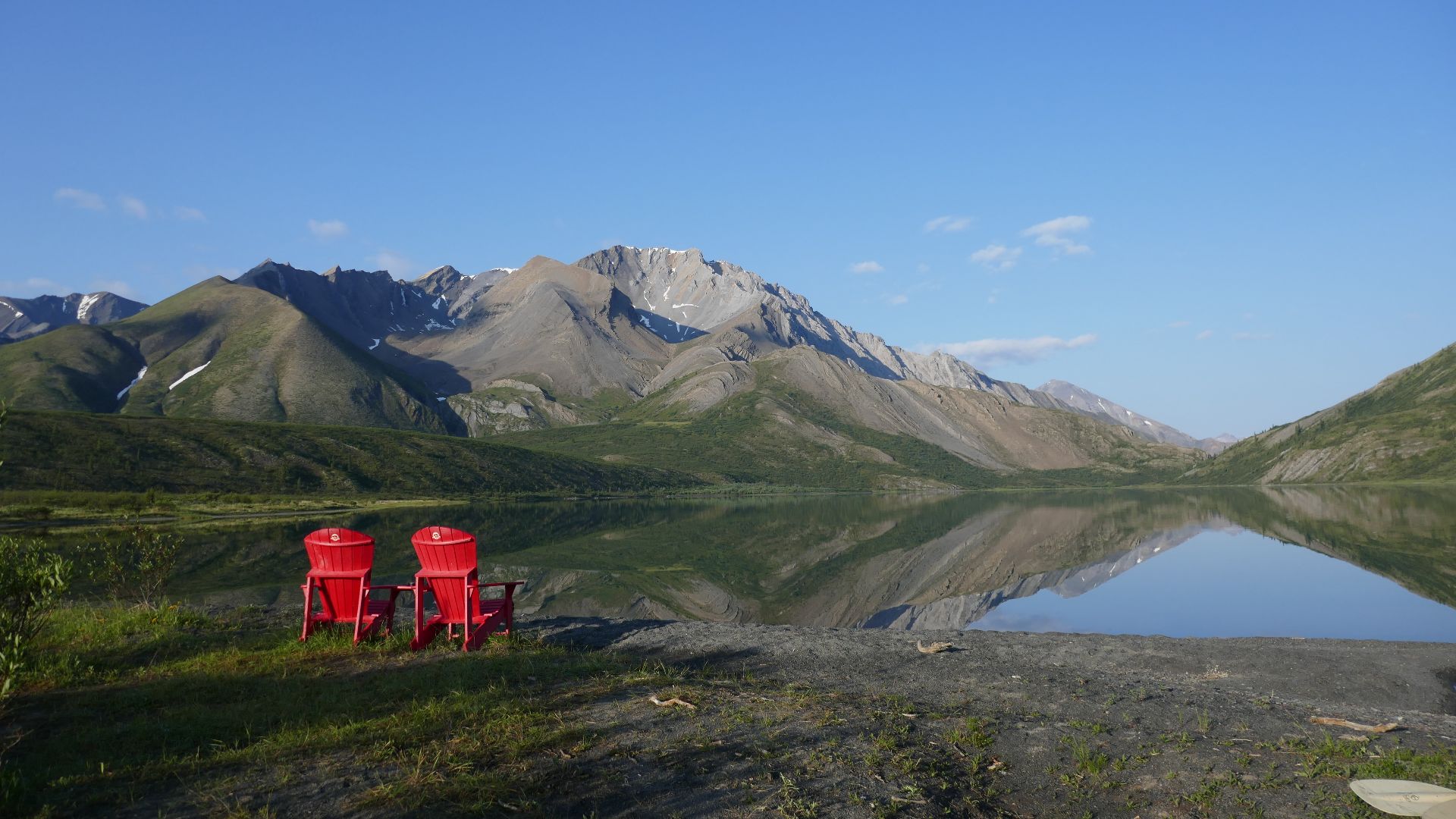
Canada's definition of camping stretches far beyond developed loops with picnic tables. Parks Canada distinguishes frontcountry camping from backcountry sites reached on foot or by boat, and remote northern parks can require much more elaborate wildlife precautions. In places such as Nááts'įhch'oh National Park Reserve, campers are advised to separate food and cooking areas from tents, use bear-resistant storage, and carefully manage garbage and scented items.
 Paul Gierszewski, Wikimedia Commons
The Biggest Difference Is That There Is No Single Canadian Experience
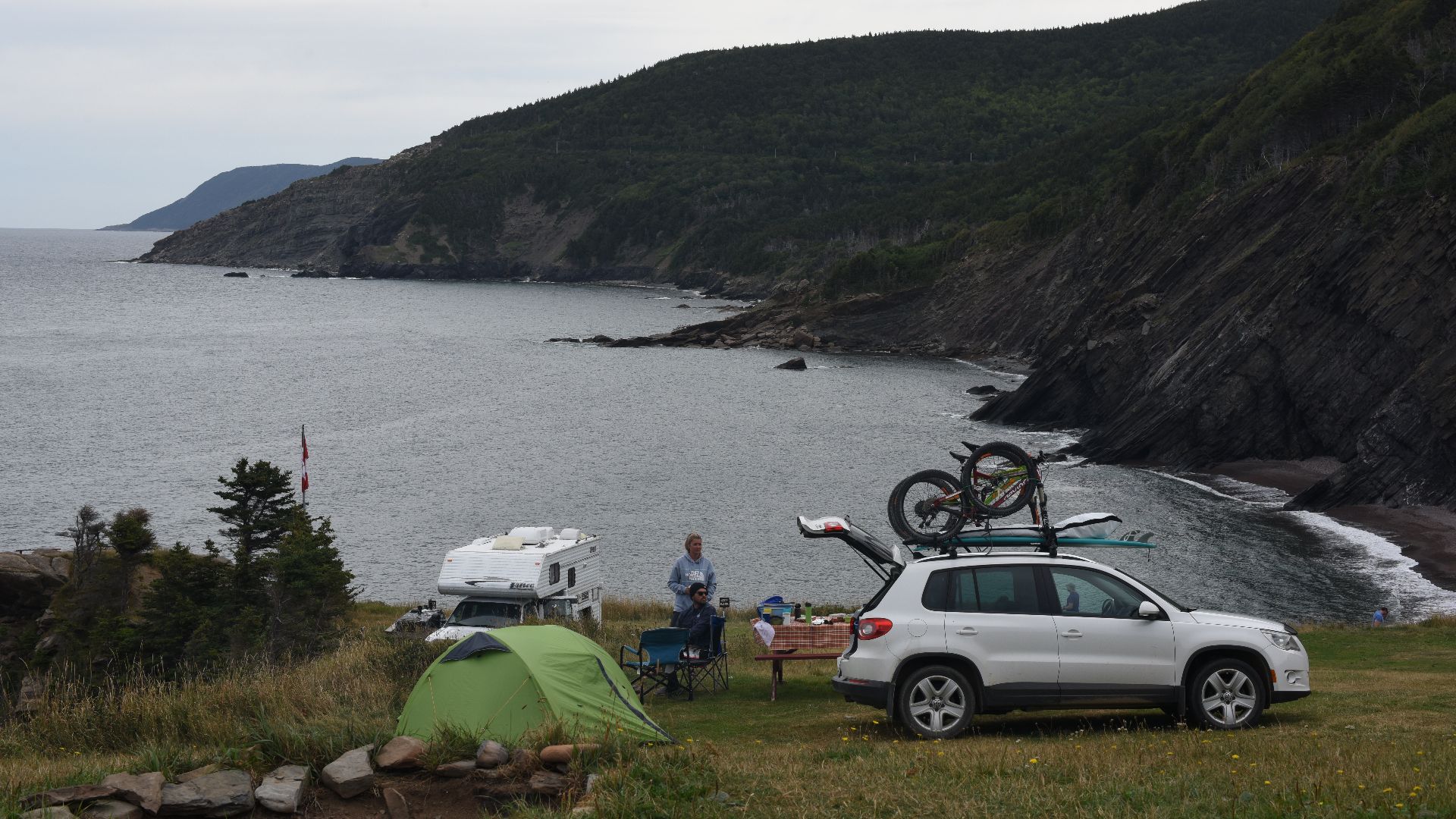
A campground in southern Ontario can have electrical hookups, laundry, showers, and a nearby beach, while a northern backcountry trip can demand bear-resistant food storage and careful wilderness planning. British Columbia has its own fees and generator restrictions, Quebec has a large ready-to-camp network, and individual Ontario campgrounds can be radio-free or pet-free. For American visitors, the most useful Canadian camping habit may simply be checking the exact park's rules before assuming the next campground will operate like the last one.
 Chris Hunkeler from Carlsbad, California, USA, Wikimedia Commons
You May Also Like: