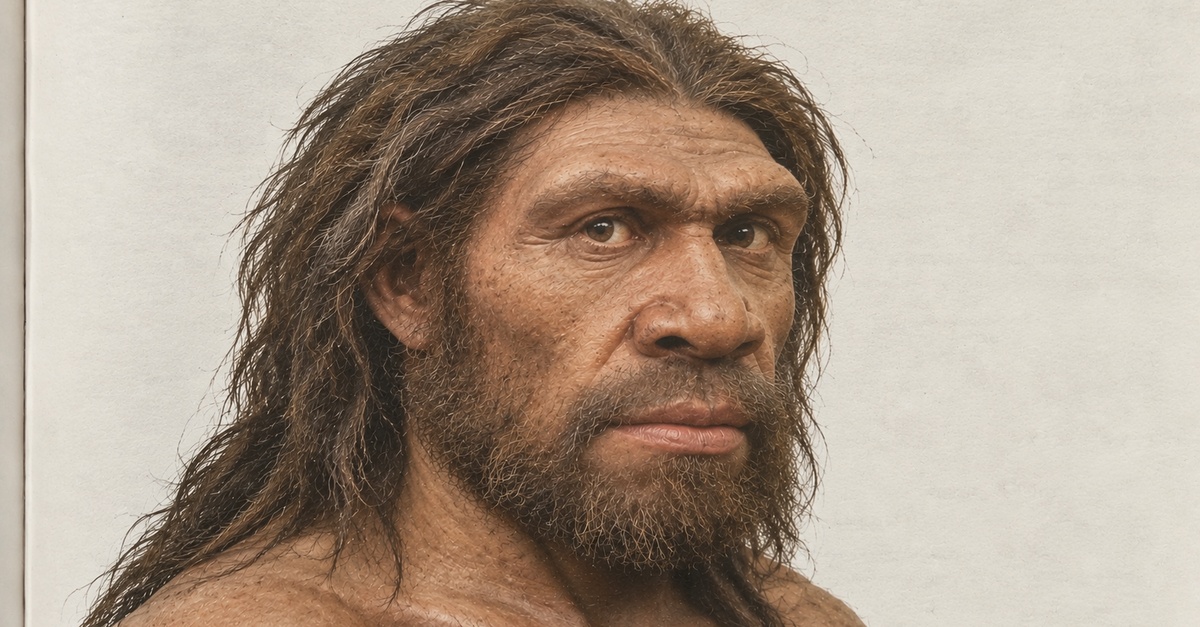
Humanity Came Much Closer To Failure Than We Realize
Human survival looks inevitable only because we are here to tell the story. For most of prehistory, small populations faced dramatic climate changes, unfamiliar environments, predators, disease, food shortages, and competition from other humans. Archaeology and genetics increasingly show that our ancestors survived repeated crises, although scientists still debate exactly how they managed it.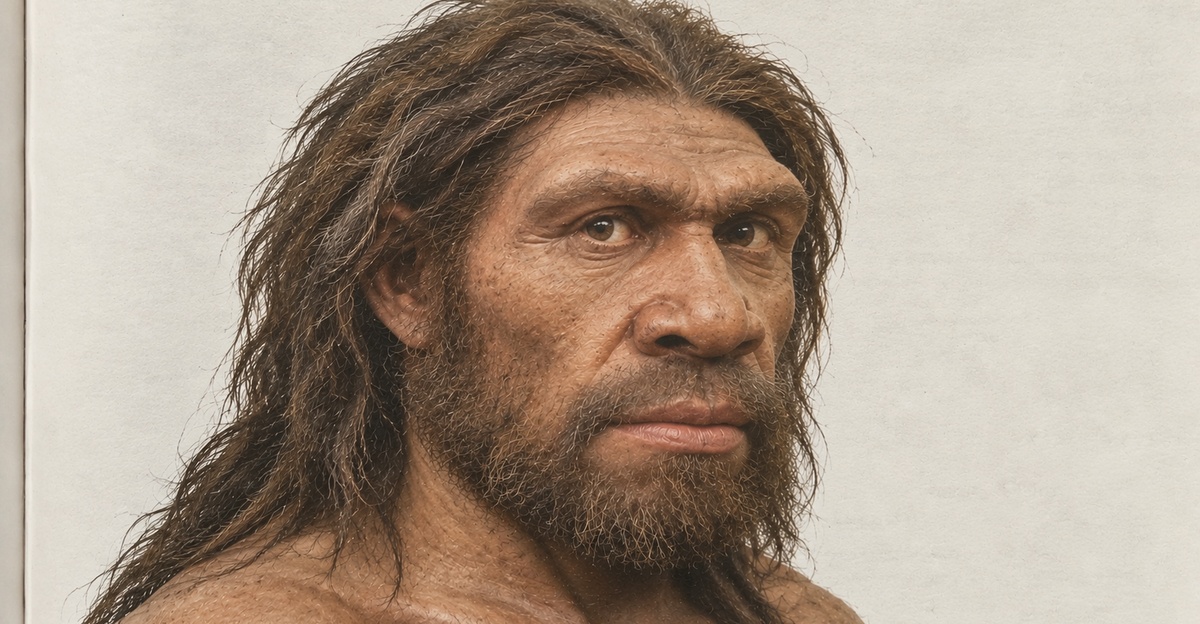 Factinate Ltd
A Mysterious Population Crash May Have Nearly Ended The Story
A controversial genetic study published in 2023 proposed that ancestral humans experienced an extraordinary population bottleneck roughly 900,000 years ago. According to the model, the effective breeding population may have fallen to around 1,280 individuals for more than 100,000 years. Researchers have connected the proposed bottleneck with major climatic changes, but exactly what happened remains uncertain because the conclusion comes from genetic modeling rather than a direct census of ancient people.
 Biswarup Ganguly, Wikimedia Commons
Genetics Can Reveal Disasters That Left No Written Record
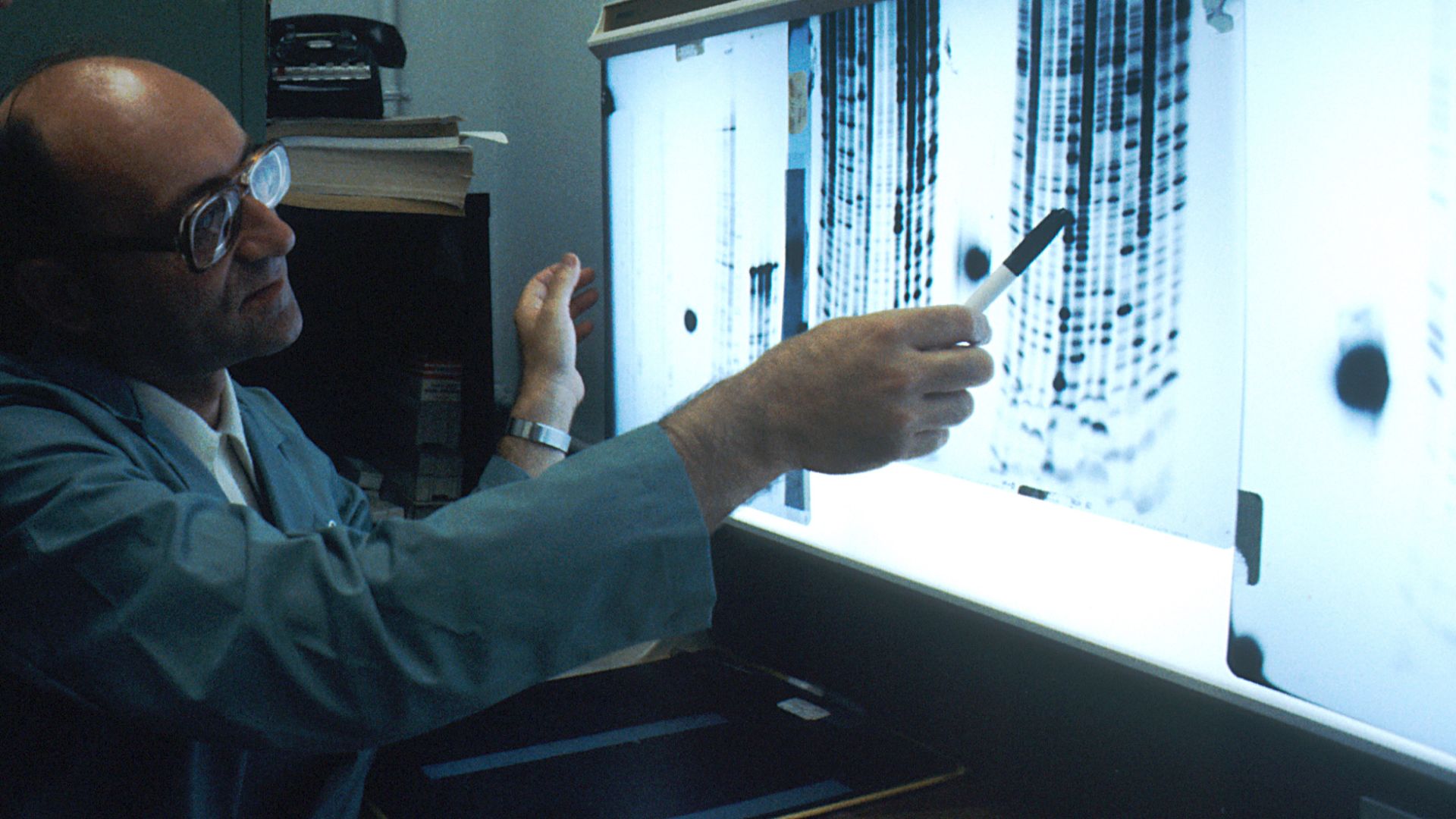
Population bottlenecks leave distinctive patterns because a small number of survivors pass only part of a population's genetic diversity to later generations. Scientists can therefore use modern genomes to reconstruct demographic events that happened hundreds of thousands of years ago. The challenge is that different demographic histories can sometimes produce similar genetic signals, which is why extremely ancient population estimates remain subjects of debate.
 Linda Bartlett (Photographer), Wikimedia Commons
Then There Was The Toba Supereruption
About 74,000 years ago, the Toba volcano in present-day Indonesia produced one of the largest explosive eruptions of the Quaternary period. Scientists once seriously considered the idea that the environmental consequences caused a catastrophic human population collapse. Archaeological discoveries have complicated that picture considerably, suggesting that at least some populations endured the event surprisingly well.
 Taro Taylor edit by Richard Bartz, Wikimedia Commons
Some Humans Apparently Lived Straight Through Toba
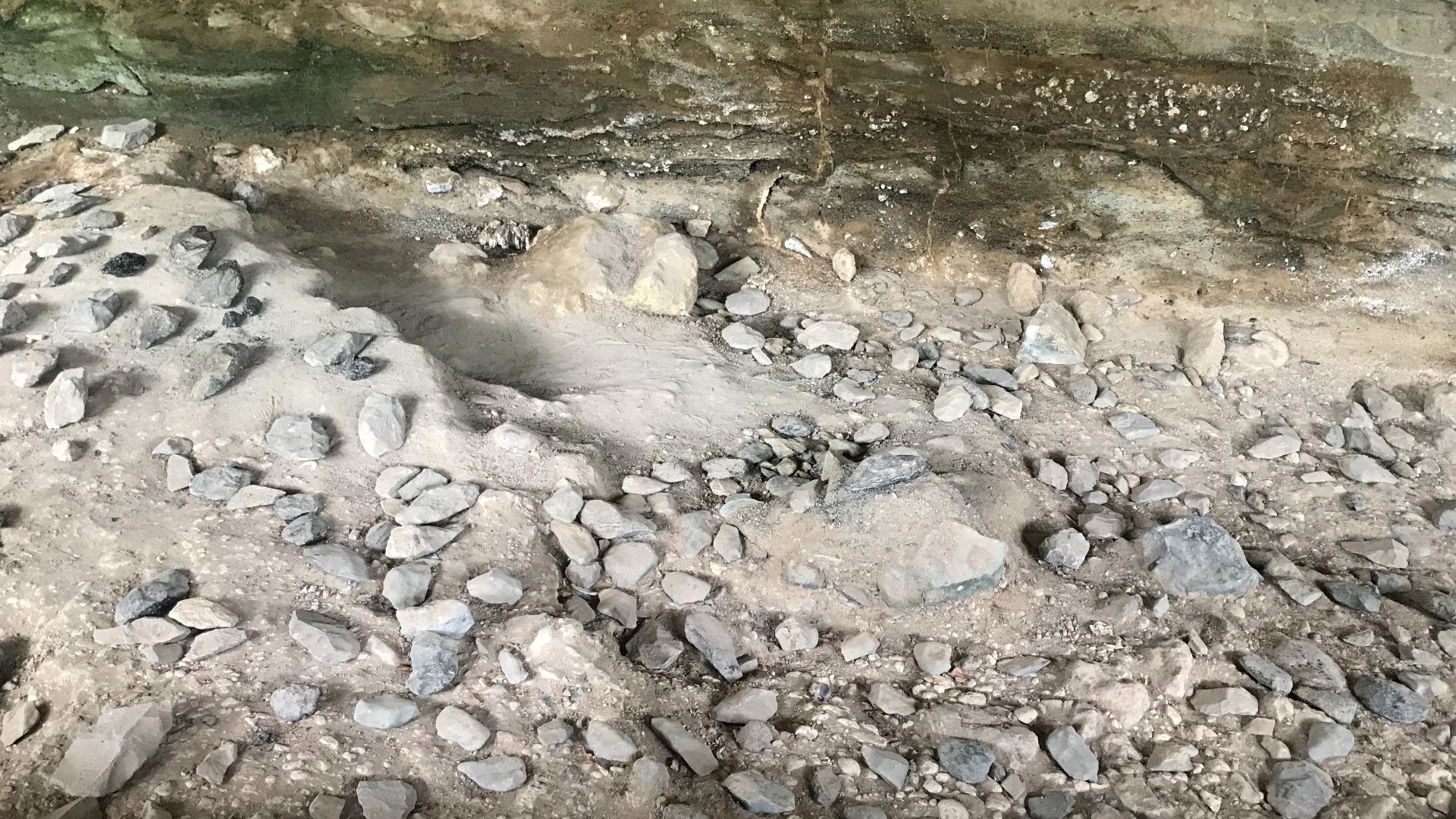
At Dhaba in central India, researchers found stone-tool deposits extending across the period of the Toba eruption without an obvious technological break. Evidence from South Africa has likewise documented human occupation through the eruption, while a site in Ethiopia preserves signs of flexible foraging around the same period. These discoveries do not prove that Toba was harmless, but they make a simple worldwide human near-extinction scenario increasingly difficult to support.
Flexibility May Have Been Our Greatest Survival Tool
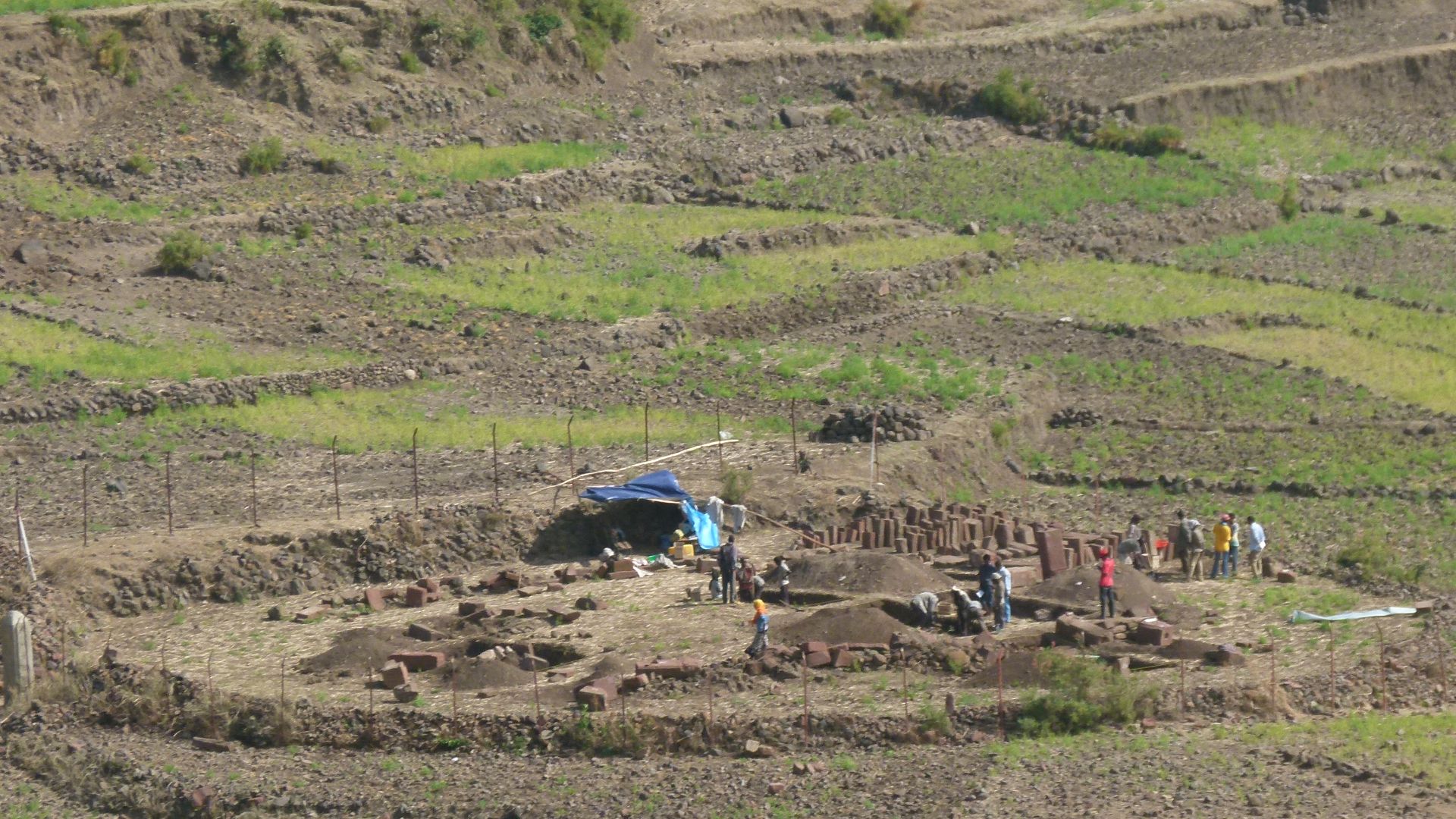
The Ethiopian site of Shinfa-Metema 1 offers an especially interesting clue about surviving environmental instability. People there exploited terrestrial animals as well as aquatic resources, apparently adjusting their behavior as river conditions changed during the period surrounding Toba. Rather than depending on one perfect habitat, some early Homo sapiens seem to have survived by changing what they ate and how they obtained it.
Fire Changed Almost Everything
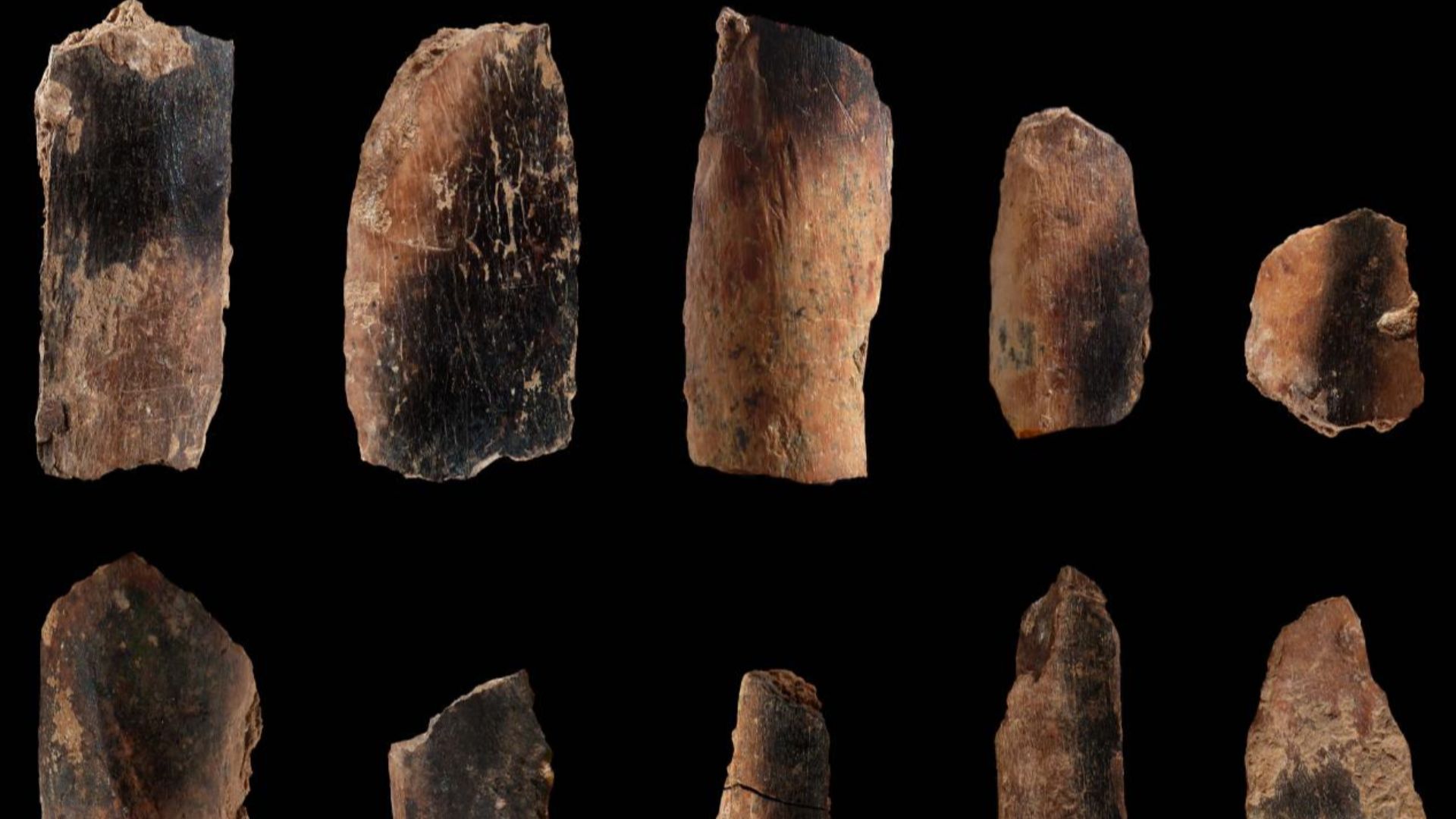
Controlled fire gave ancient humans warmth, protection, light, and a way to transform food. Smithsonian's Human Origins Program notes that the earliest well-supported hearths are at least about 790,000 years old, although claims for earlier fire use remain debated. Once fire became dependable, surviving colder nights and expanding into unfamiliar habitats became much more practical.

Cooking May Have Been Just As Important As Warmth
Heating food can make some nutrients easier to obtain while also neutralizing toxins in certain plants. Fire therefore did more than keep predators away, because it altered the range of foods humans could safely and efficiently consume. Scientists still debate exactly when habitual cooking began, since finding burned material does not automatically prove that ancient people were preparing meals with it.
 Ruth Blasco, Wikimedia Commons
Humans Became Unexpectedly Good Long-Distance Travelers
People are unimpressive sprinters compared with many other mammals, yet the human body is remarkably capable of sustained endurance activity. Researchers Dennis Bramble and Daniel Lieberman identified anatomical traits suggesting that endurance running became important within the genus Homo roughly two million years ago. Exactly how much running contributed to hunting or scavenging remains debated, but long-range mobility clearly became a powerful advantage.
Meat Was Valuable, But Variety Probably Mattered More
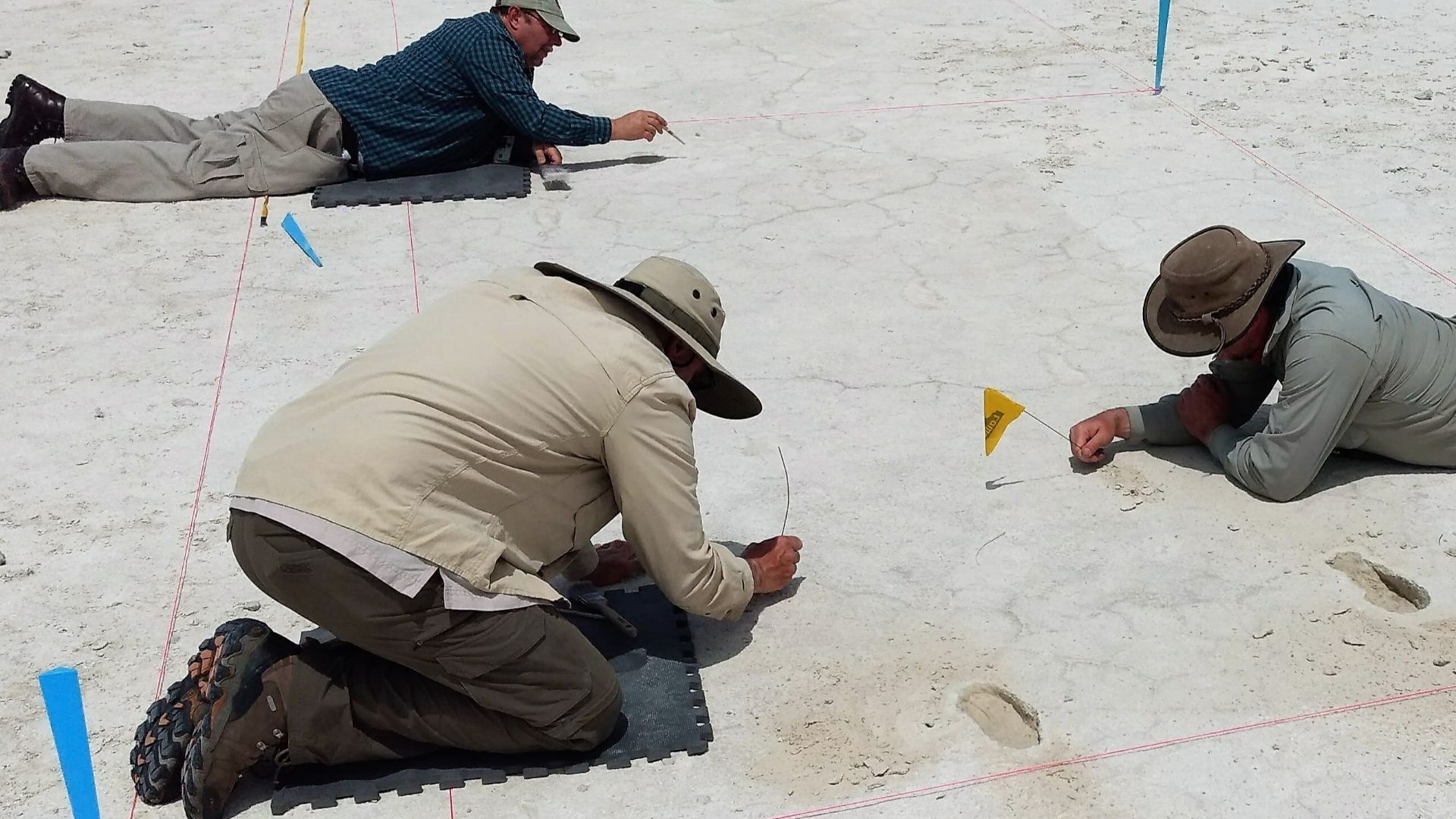
Animal bones from East African sites preserve evidence that early hominins butchered carcasses and extracted marrow more than a million years ago. Yet human survival never depended solely on becoming efficient meat eaters, because later populations used an extraordinarily broad range of plant, animal, aquatic, and coastal foods. That dietary flexibility eventually allowed humans to occupy environments that offered completely different menus.
 Max Planck Institute for Evolutionary Anthropology, Wikimedia Commons
The Ocean Became A Prehistoric Pantry
Evidence from South African coastal sites shows that early Homo sapiens were exploiting marine resources deep in the Middle Stone Age. Smithsonian's Human Origins Program places shellfish collection and cooking by modern humans at about 164,000 years ago. Reliable coastal foods may have provided valuable alternatives when terrestrial resources fluctuated, although researchers continue examining how important shorelines were to early human expansion.
 Norm Andreiw, Wikimedia Commons
Survival May Have Depended On People Far Away
Stone tools provide clues that prehistoric communities were sometimes connected across unexpectedly large distances. Obsidian found at Middle Stone Age sites in Kenya came from sources more than 160 kilometers away, while later evidence from Olorgesailie also points toward expanding exchange networks. Such connections could have moved raw materials, information, technologies, and social support between groups when local conditions became difficult.

Cooperation May Have Been As Important As Technology
Researchers studying early Homo sapiens increasingly emphasize social networks rather than imagining isolated bands inventing everything independently. Long-distance exchange means people could potentially gain access to resources unavailable in their immediate surroundings. Archaeologists cannot reconstruct every relationship behind an ancient piece of imported stone, but such finds suggest that social connections themselves may have functioned as survival technology.

Clothing Left Behind Almost Nothing
Animal skins and plant fibers decay easily, so the earliest clothing rarely survives in archaeological deposits. Scientists found an unusual way around that problem by studying clothing lice, which evolved from lice associated with human heads. Genetic estimates suggest clothing lice had diverged by at least about 83,000 years ago and perhaps considerably earlier, implying that regular clothing use was already helping Homo sapiens deal with new environments.

A Tiny Parasite Preserved A Huge Human Secret
The clothing-louse evidence shows why prehistoric survival remains so difficult to reconstruct. Some of humanity's most important technologies were made from perishable materials and vanished almost completely. Genetic traces preserved in another organism can therefore reveal behavioral innovations that stone tools and skeletons alone might never expose.
 Gilles San Martin, Wikimedia Commons
Neanderthals Were Far More Adaptable Than Their Reputation Suggests
Neanderthals survived across western Eurasia for hundreds of thousands of years despite dramatic climatic fluctuations. Ancient DNA recovered from dental calculus shows that Neanderthals in Belgium consumed animals such as woolly rhinoceros and wild sheep, while individuals from Spain ate foods including pine nuts, mushrooms, and other plant materials. That regional variation undermines the old caricature of Neanderthals as inflexible hunters surviving on one narrow diet.

Yet Neanderthal Disappearance Is Still Unsolved
Neanderthals disappeared as a distinct population around 40,000 years ago, but scientists still lack a single explanation for why. Proposed factors include climatic instability, small population sizes, competition, disease, demographic disadvantages, and absorption into expanding Homo sapiens populations through interbreeding. Recent genetic work has even challenged the idea that extreme inbreeding alone doomed some late Neanderthal groups, keeping the debate very much alive.

Denisovans Mastered An Environment That Should Have Been Brutal
The mysterious Denisovans were once known primarily from fragmentary remains in Siberia. A jawbone from Baishiya Karst Cave on the Tibetan Plateau showed that Denisovan-related people were living more than 3,000 meters above sea level at least 160,000 years ago. That means archaic humans were coping with cold temperatures and low oxygen on the plateau long before modern permanent high-altitude populations appeared there.

Their High-Altitude Survival Was Not Based On One Food
Research from Baishiya Karst Cave indicates that Denisovans exploited a remarkably wide selection of animals in this difficult environment. The faunal evidence includes large and small mammals and suggests adaptable hunting or scavenging strategies over a long occupation history. Scientists are still piecing together how these populations organized themselves and survived for so long in one of Asia's harshest landscapes.
 Dongju Zhang, Wikimedia Commons
Denisovan Survival Genes Are Still With Us
The story becomes even stranger because Denisovan DNA later entered the genomes of Homo sapiens. One Denisovan-related genetic variant near EPAS1 is strongly associated with high-altitude adaptation in modern Tibetans. Interbreeding therefore did more than mix populations because, in some circumstances, it gave later humans useful genetic variants shaped by much older survival challenges.

Ancient Interbreeding May Also Have Helped Fight Disease
Modern humans also inherited genetic material from Neanderthals and other archaic populations after expanding beyond Africa. Some inherited variants affect immune-system functions, including Toll-like receptors involved in recognizing infections. Researchers have found evidence that certain archaic variants were favored by natural selection, although the same immune responses that once offered advantages can also carry costs such as increased allergy susceptibility.

Arabia Was Sometimes A Desert And Sometimes A Highway
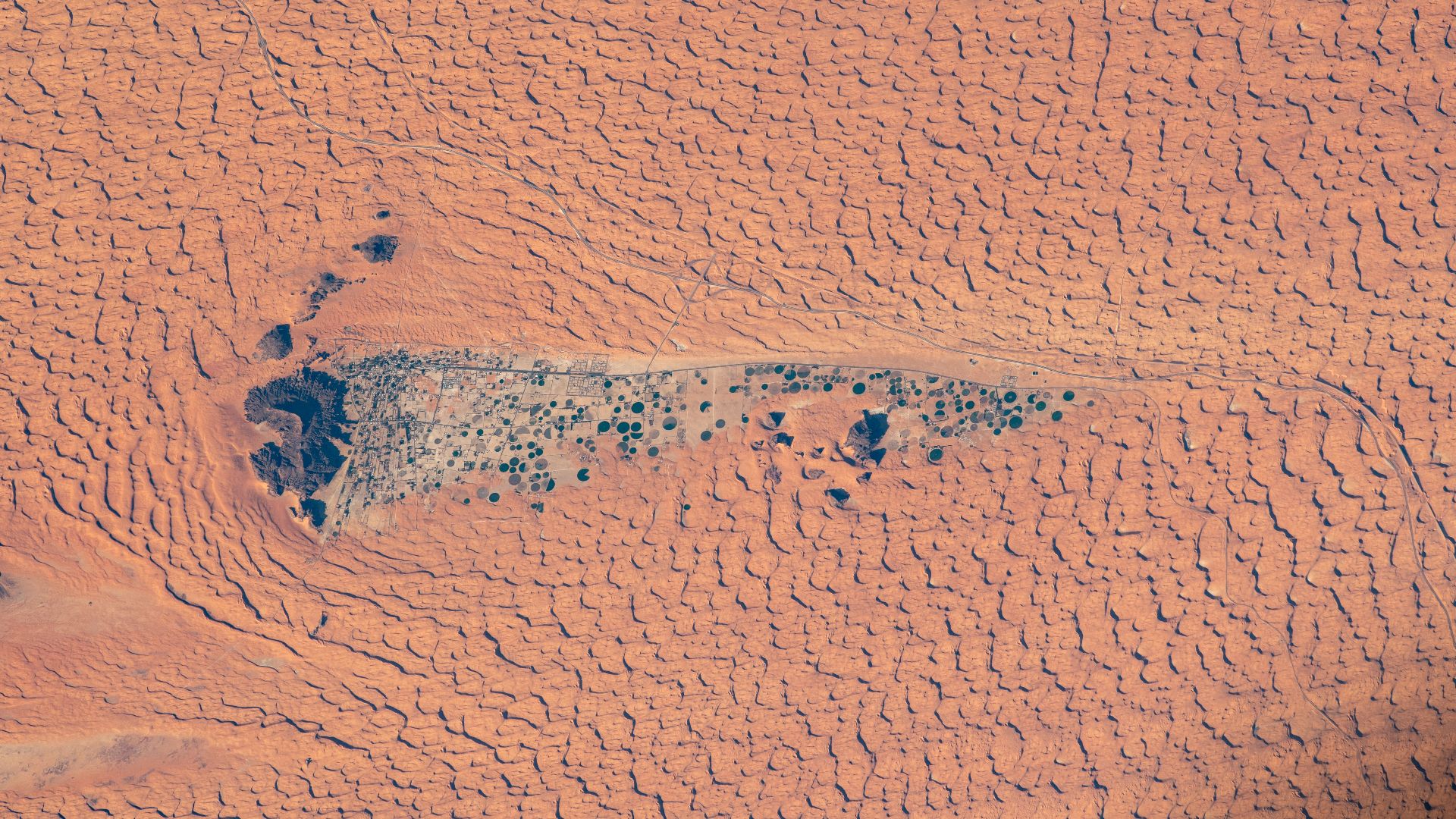
The Arabian Peninsula looks like a formidable barrier to prehistoric migration today, but its climate repeatedly changed. Archaeological sites in the Nefud Desert show at least five periods of hominin occupation over roughly the past 400,000 years that coincided with wetter intervals when lakes and grasslands spread through the region. Humans and their relatives therefore appear to have expanded through Arabia whenever temporary environmental windows made survival possible.
Some Survival Stories Were Really Stories Of Timing
The Arabian evidence demonstrates that prehistoric success did not always require conquering permanently hostile environments. Sometimes populations moved when rainfall transformed deserts into habitable landscapes and disappeared when those conditions ended. Scientists are still determining how much ancient migration resulted from deliberate exploration and how much simply followed shifting ecological opportunities.
![Cave where the remains of Homo floresiensis were discovered in 2003, Lian Bua, Flores, Indonesia [2007].](https://www.factinate.com/storage/app/media/splashtravels/2026/9/16/17895535598f0e9baa6824f68d4fec19859ada268cb575e800.jpg)
Reaching Australia Required Something Extraordinary
Archaeological deposits at Madjedbebe indicate human occupation of northern Australia around 65,000 years ago. Getting into the continent of Sahul required movement through Island Southeast Asia, where even during periods of low sea level significant water crossings remained necessary. The exact routes, vessels, group sizes, and navigational abilities involved remain among the great unanswered questions of early human migration.

Australia's First Settlers Quickly Learned A New Menu
Plant remains from Madjedbebe show that early inhabitants exploited a surprisingly broad range of plant foods between roughly 65,000 and 53,000 years ago. Some required significant processing before they could be eaten efficiently. Researchers argue that this dietary breadth helped early populations obtain dependable nutrition while adapting to an unfamiliar continent.
The Island Of Flores Produced One Of Humanity's Strangest Survivors
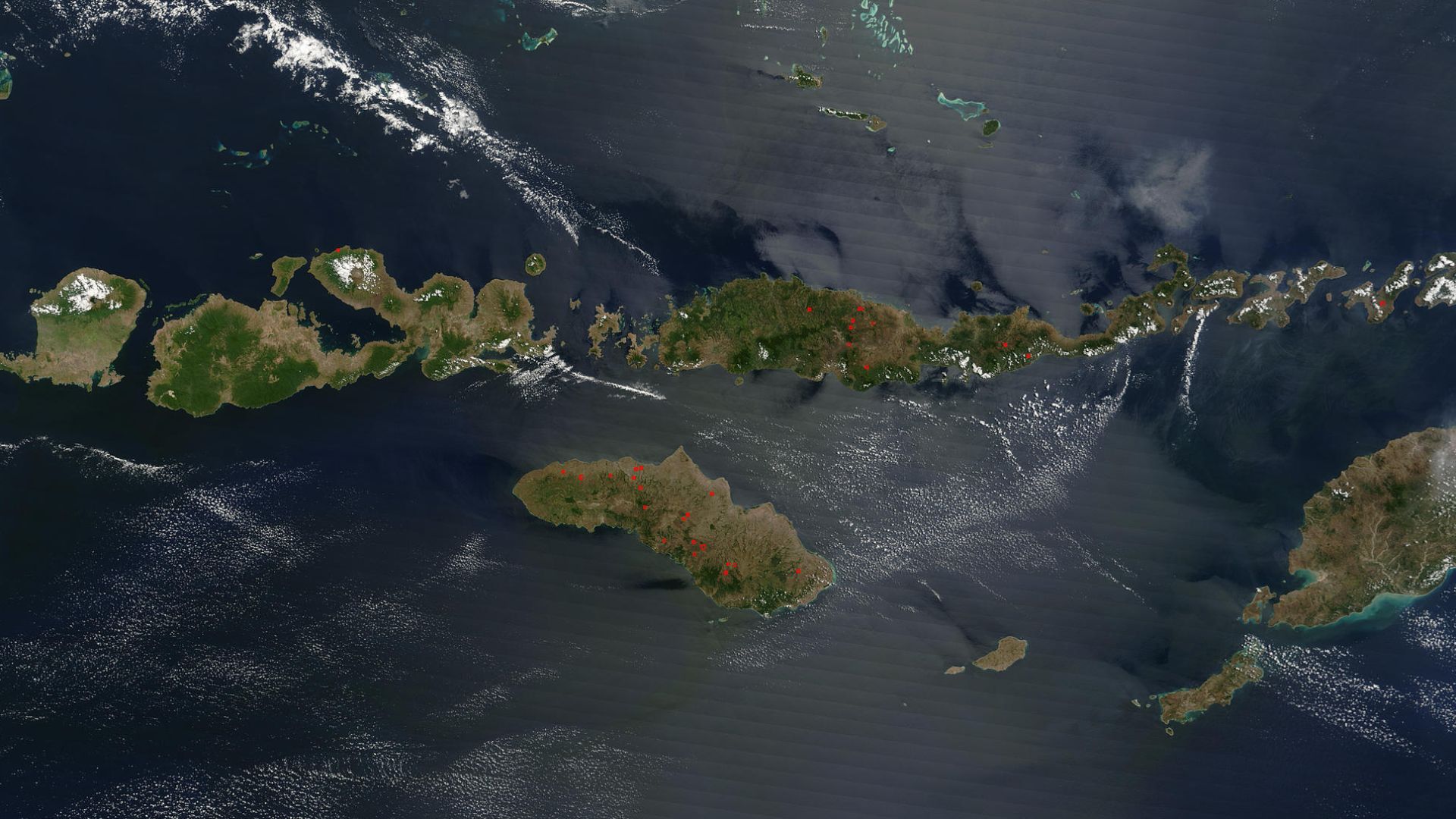
Homo floresiensis was a small-bodied hominin that survived on the Indonesian island of Flores until tens of thousands of years ago. Revised dating places known skeletal remains at roughly 100,000 to 60,000 years old, while stone tools associated with the population extend to about 50,000 years ago. How the ancestors of these hominins reached an island separated by water, and how they persisted there for so long, remain major questions.
Climate May Explain Part Of The Flores Mystery
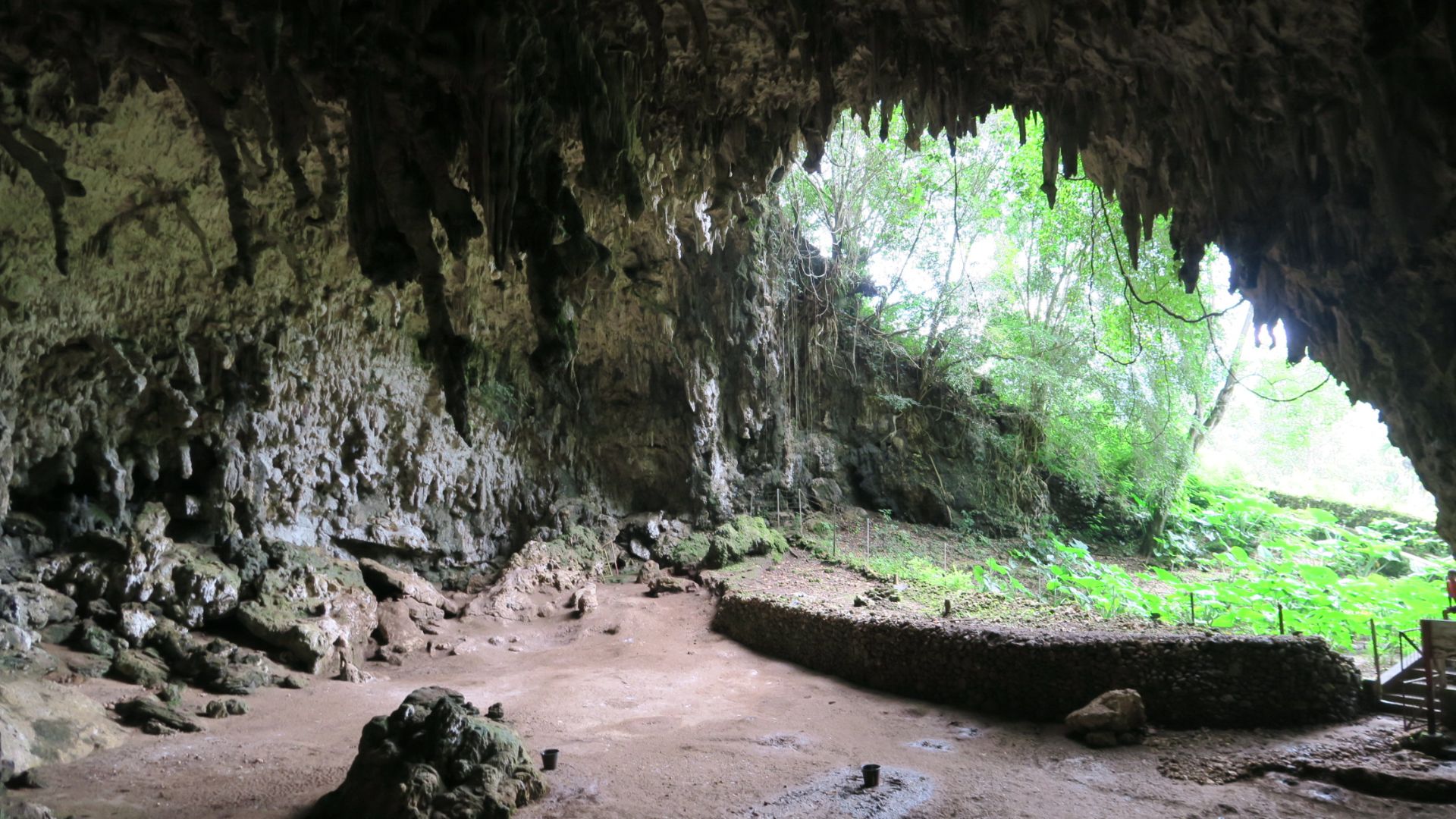
A 2025 study reconstructed declining rainfall around Liang Bua, the cave where Homo floresiensis remains were discovered. The researchers found pronounced drying between about 76,000 and 61,000 years ago, alongside changes involving Stegodon, an important animal in the local ecosystem. Increasing aridity may therefore have contributed to the population's disappearance from the cave, although climate change and interactions with other humans remain active areas of investigation.
 Felix Dance, Wikimedia Commons
Survival Was Probably A Network Of Solutions
No single invention explains why Homo sapiens eventually spread across nearly every habitable environment on Earth. Fire, clothing, broad diets, complex tools, mobility, cooperation, interbreeding, and the ability to exploit temporary environmental opportunities all appear in different parts of the archaeological record. The biggest mystery may be how these advantages interacted, because our survival was probably the result of many small solutions working together rather than one decisive evolutionary breakthrough.

You May Also Like: