When Yes Turns Into No
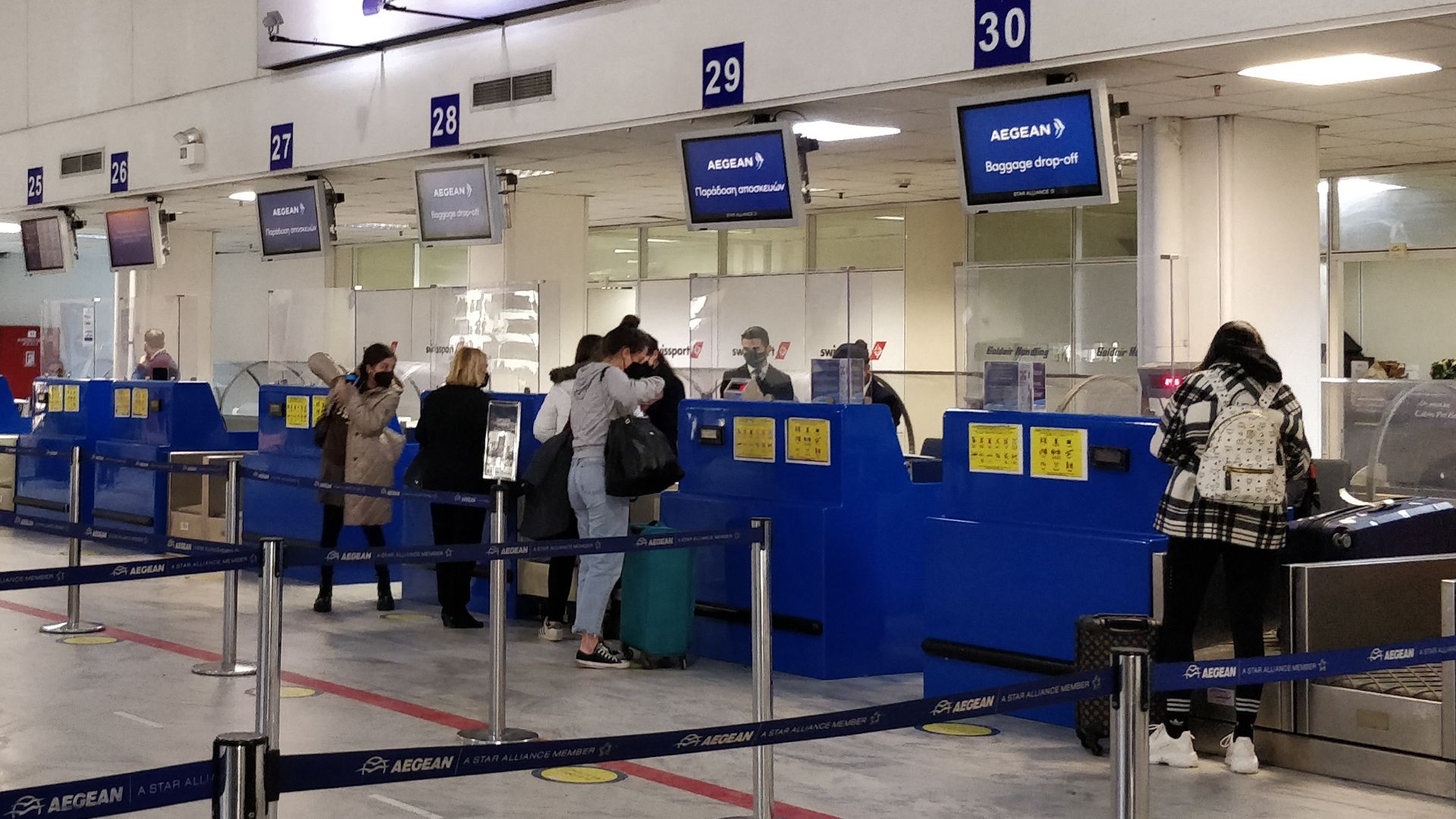
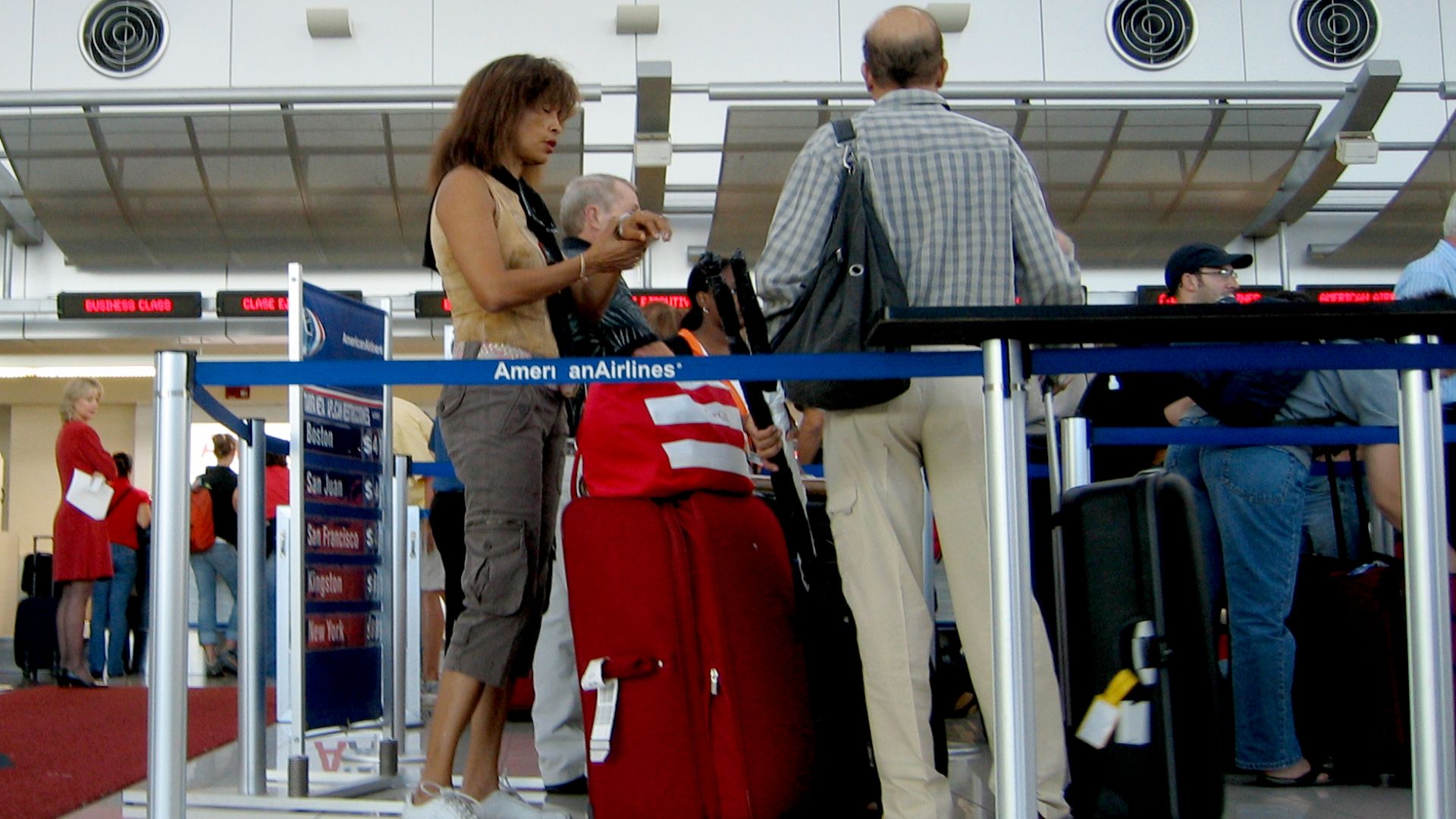
You measure the carrier, check the airline’s website, and maybe even call customer service. Then you get to the gate and an employee says your dog cannot board. It is one of the most maddening surprises in air travel, and it happens because a carrier that seems approved in theory can still be rejected in person.
Who Actually Decides
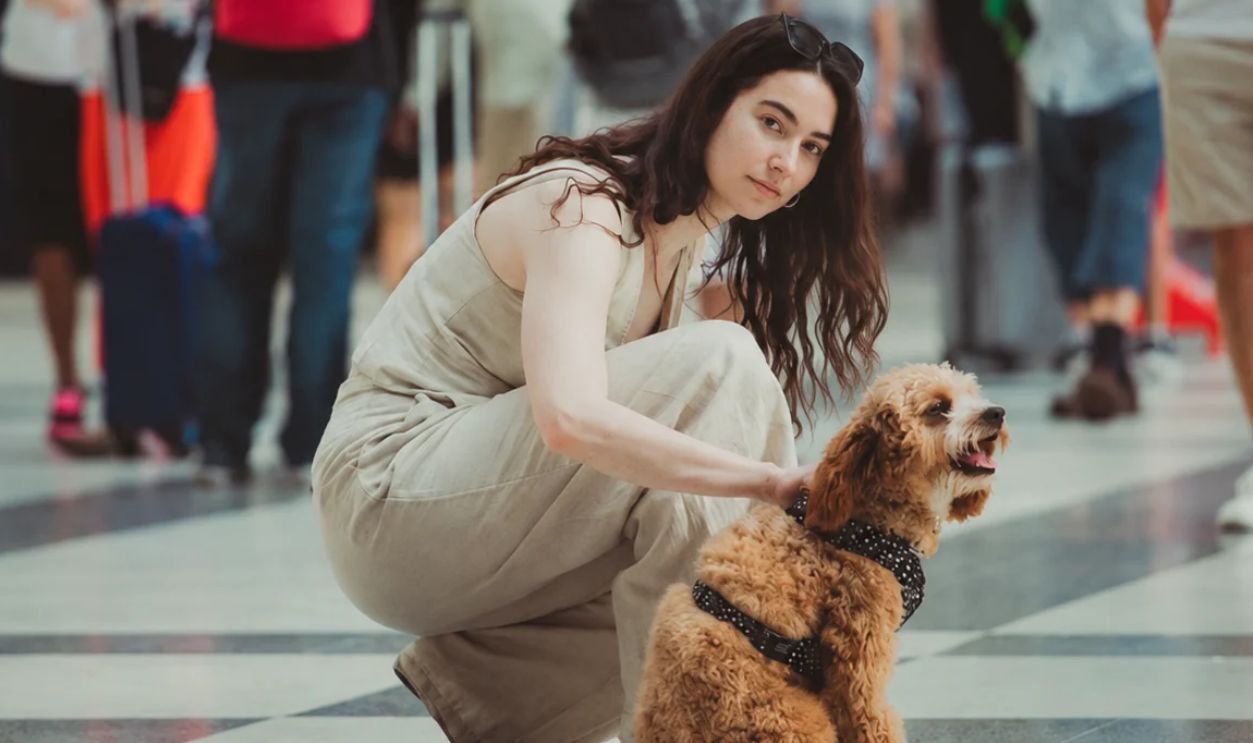
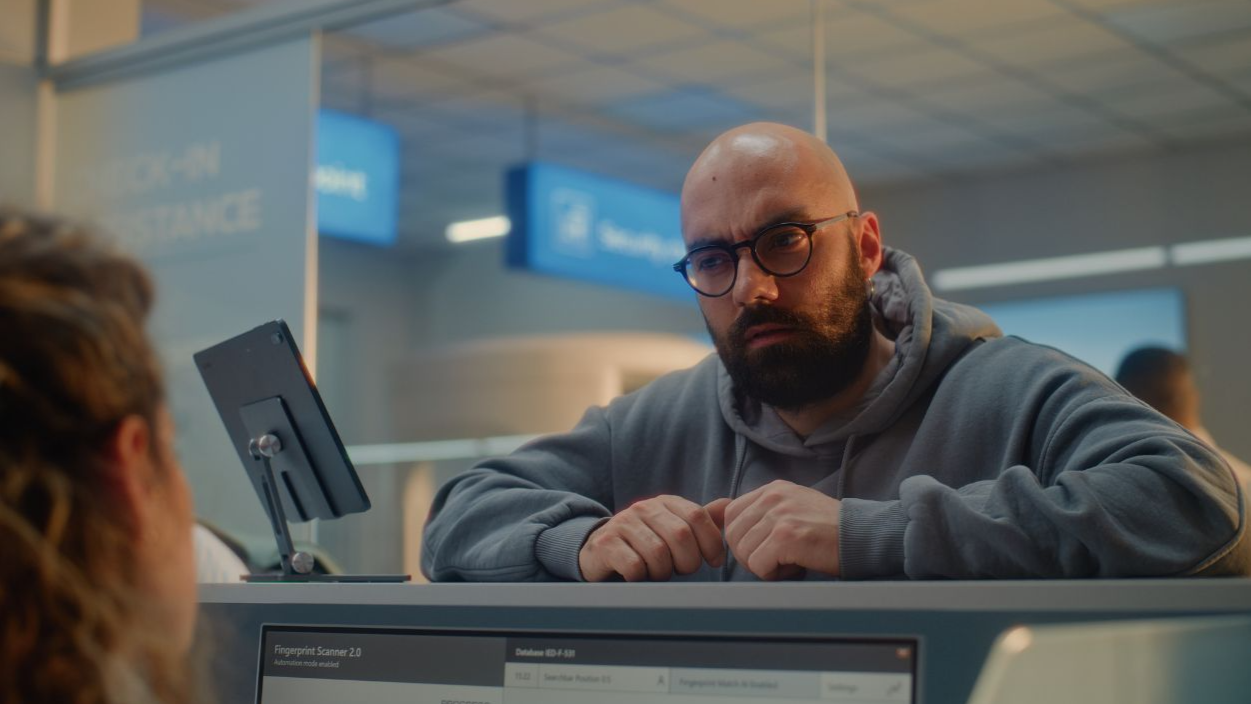
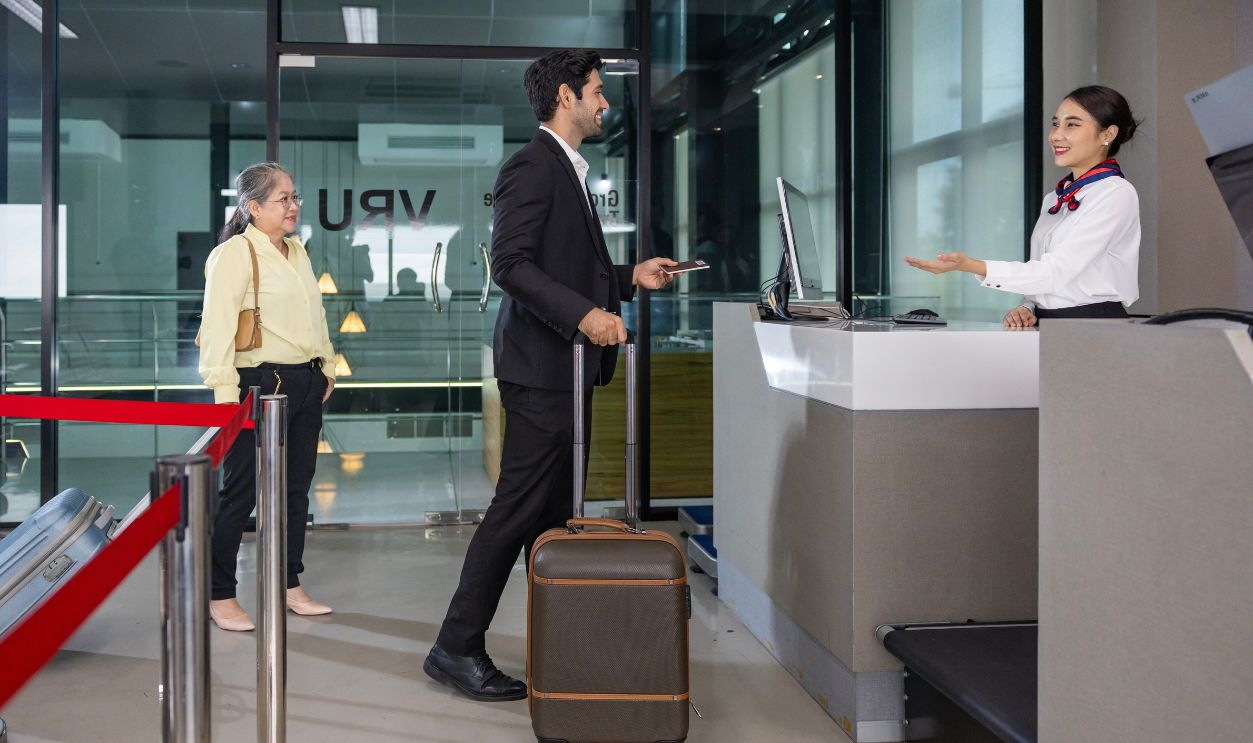
In practice, the airline decides whether a pet can fly, and the final call is usually made by airport staff on the day of travel. That can mean check-in agents, gate agents, and sometimes the flight crew if there is a safety issue. Federal rules set broad limits, but airlines write their own pet policies and enforce them.
 Frame Stock Footage, Shutterstock
Why Travelers Get Mixed Messages
The confusion usually starts because airline websites give general size limits, while airport staff have to judge the actual fit of a pet and carrier in a specific cabin on a specific plane. A soft-sided carrier might meet the posted dimensions but still be denied if it will not fit fully under the seat. A phone representative also may not be the person with authority to approve that exact carrier for that exact flight.

The Rule Most Airlines Keep Coming Back To
Across major U.S. airlines, the basic rule is simple. The pet must stay inside the carrier, and the carrier must fit under the seat in front of you. American Airlines, Delta Air Lines, United Airlines, Southwest Airlines, JetBlue, and Alaska Airlines all publish some version of that rule in their pet travel policies.
American Airlines Says It Plainly
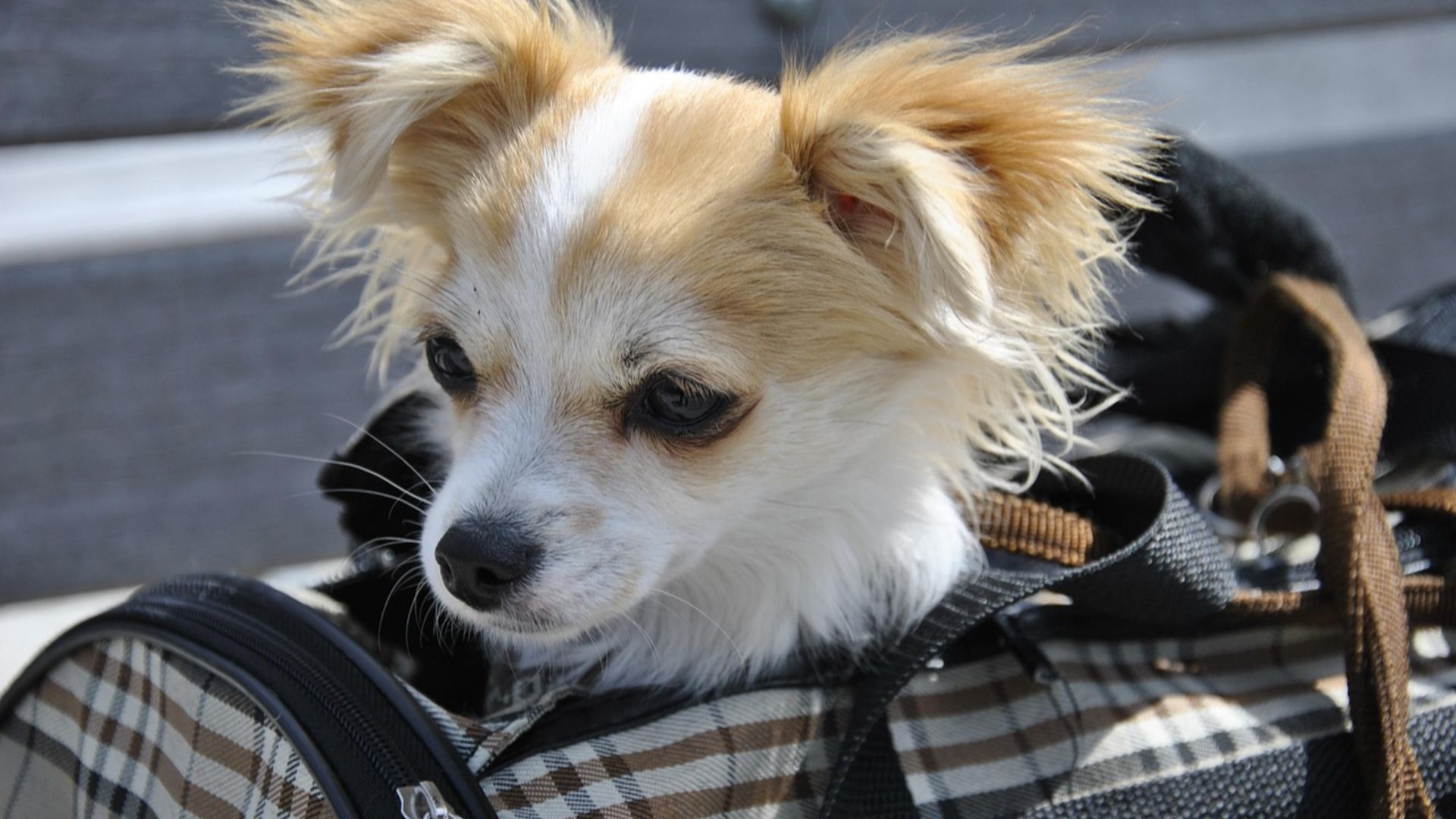
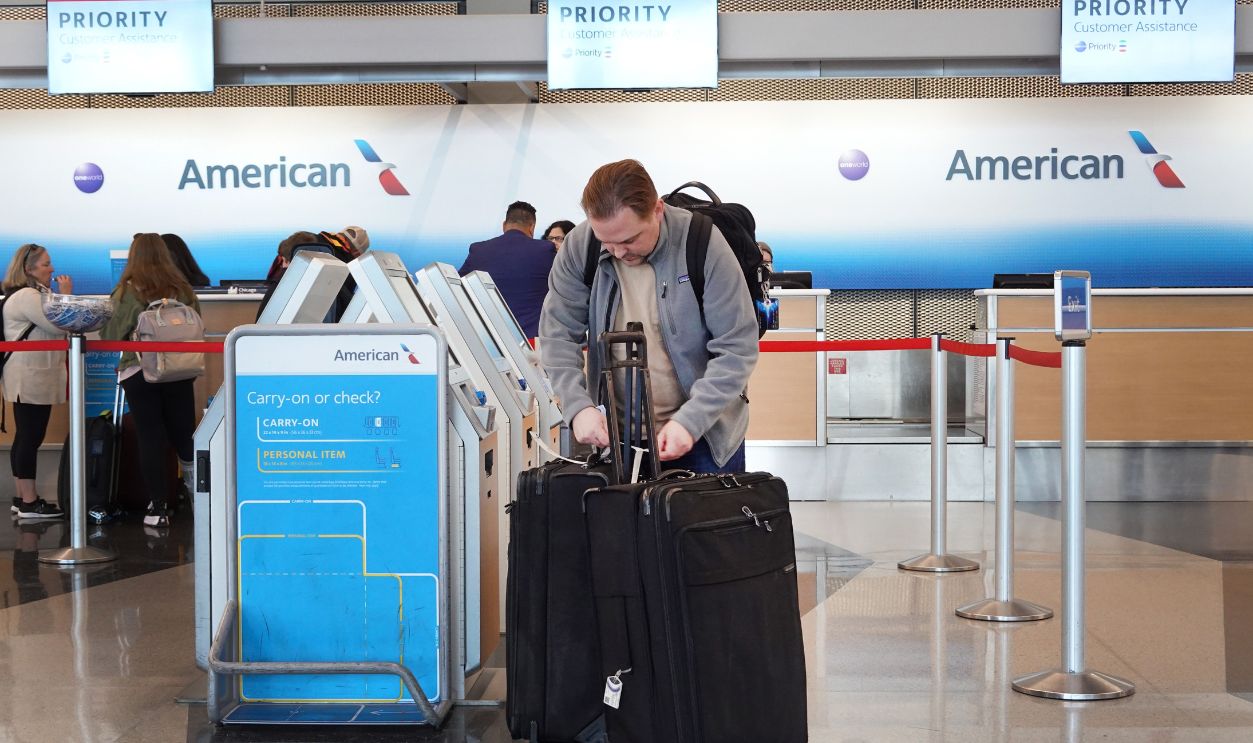
American Airlines says pets traveling in the cabin must stay in a closed and secured carrier under the seat in front of the customer during the flight. The airline also says soft-sided carriers may go slightly over the dimensions because they can bend to fit the space under the seat. That sounds helpful, but the final judgment still comes down to whether staff can see that it actually fits.

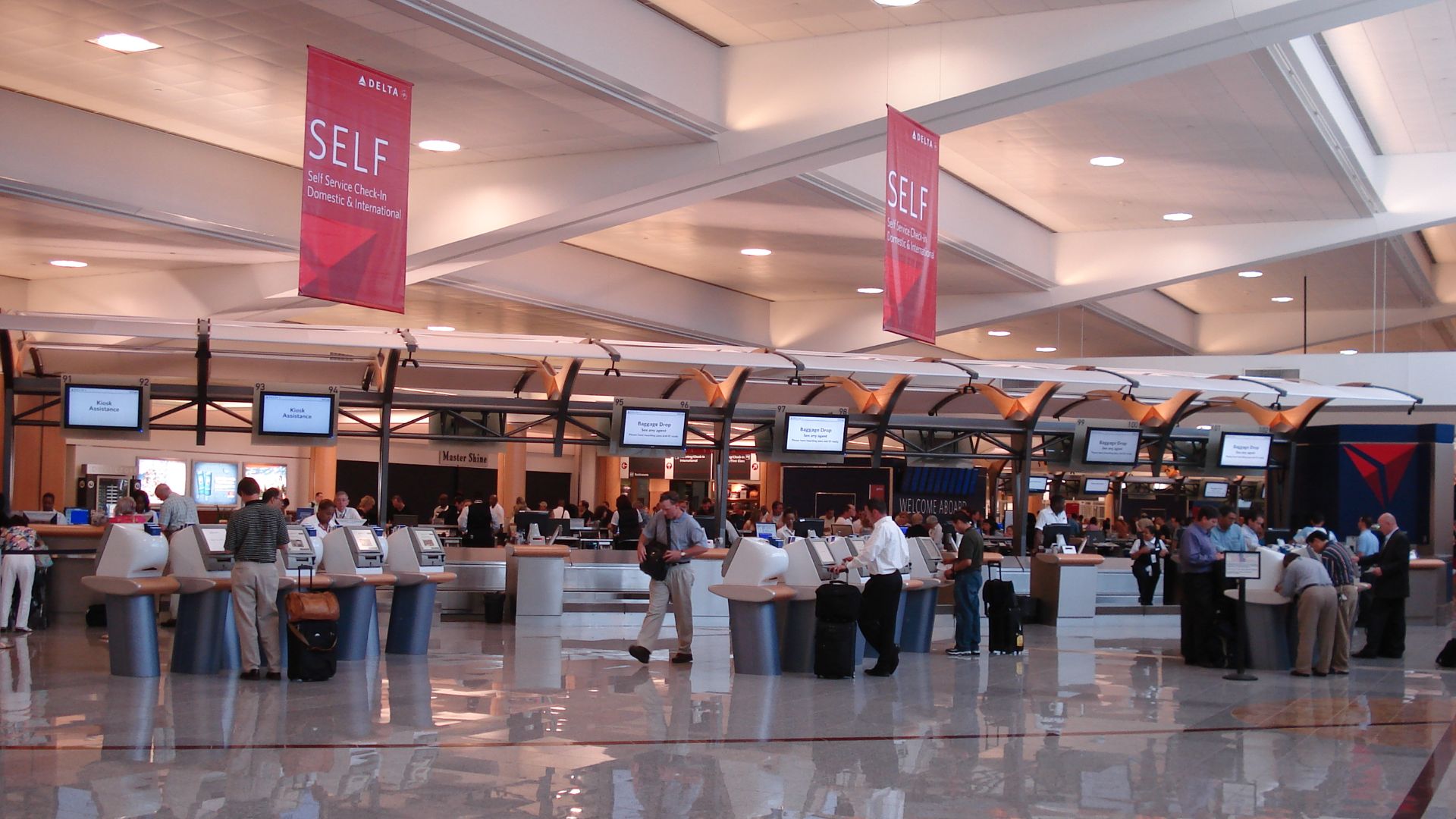
Delta Uses Similar Wording
Delta says a pet must be small enough to fit in a kennel that goes under the seat in front of you. The airline also says the kennel must fit under the seat for your specific flight. That last part matters, because under-seat space can change by aircraft type and even by seat location.
 Atlantacitizen, Wikimedia Commons
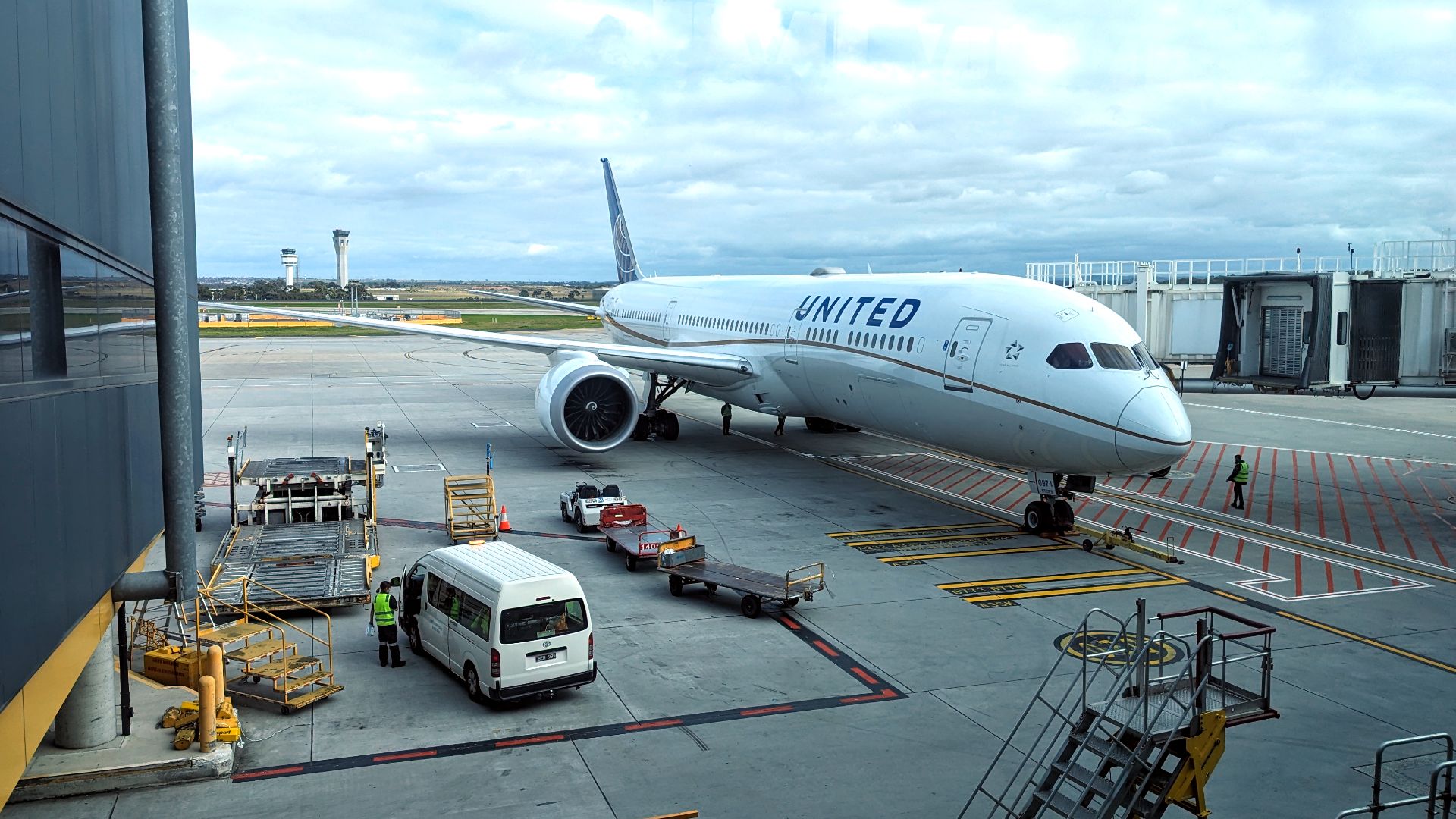
United Adds One Important Catch
United tells customers that in-cabin pets must travel in a carrier that fits completely under the seat in front of them. It also notes that soft-sided carriers can be a little larger if they are flexible enough to fit. That gives travelers some leeway, but not certainty, because the real test still happens at the airport.
 Philip Mallis, Wikimedia Commons
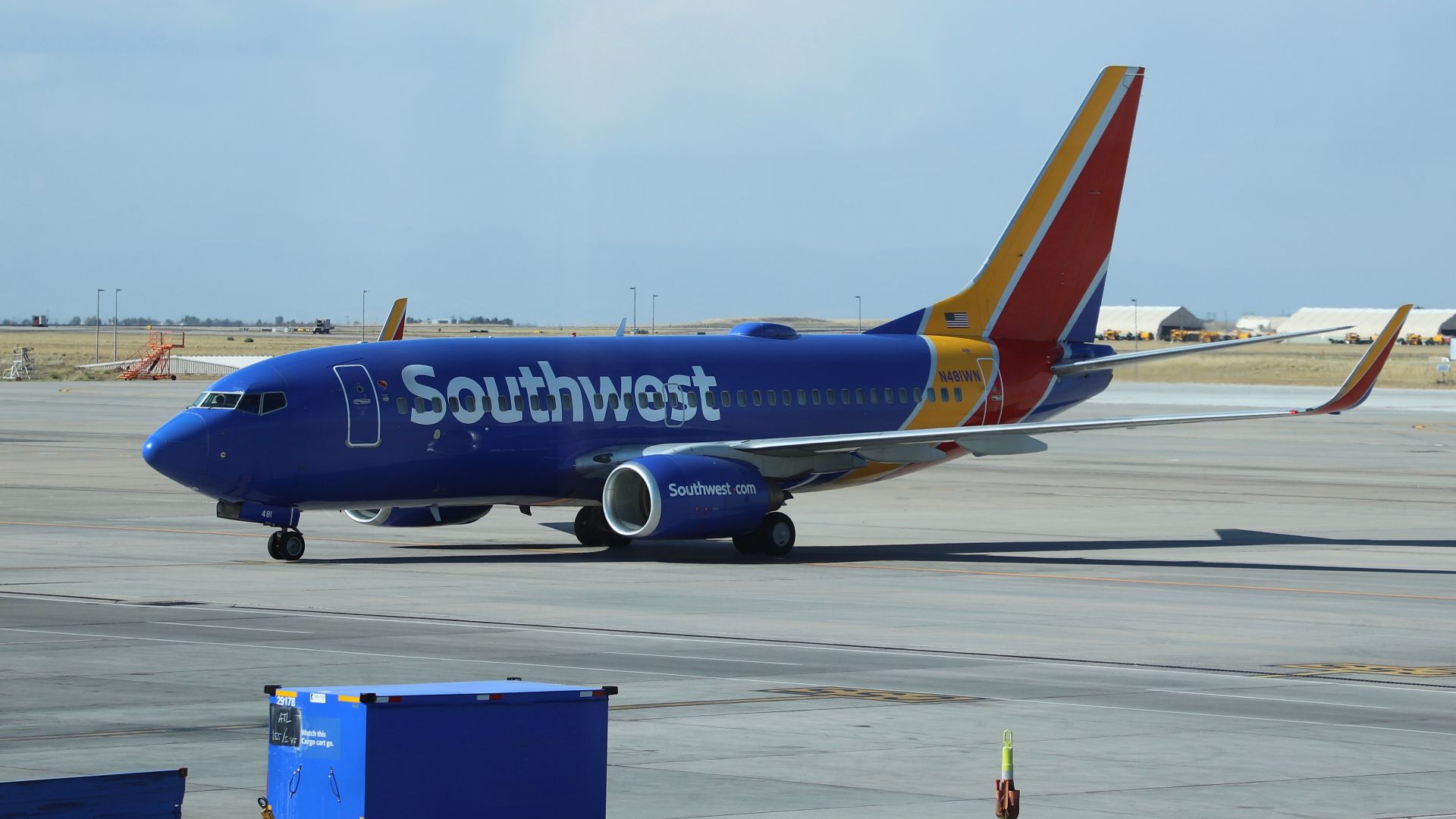
Southwest Focuses On The Space Test
Southwest’s policy says the pet carrier must be stowed under the seat in front of the customer. The airline allows only small vaccinated domestic cats and dogs in the cabin on eligible flights. If the carrier cannot be safely stowed, the pet does not travel in the cabin, even if the dimensions seemed fine online.
JetBlue And Alaska Say Much The Same
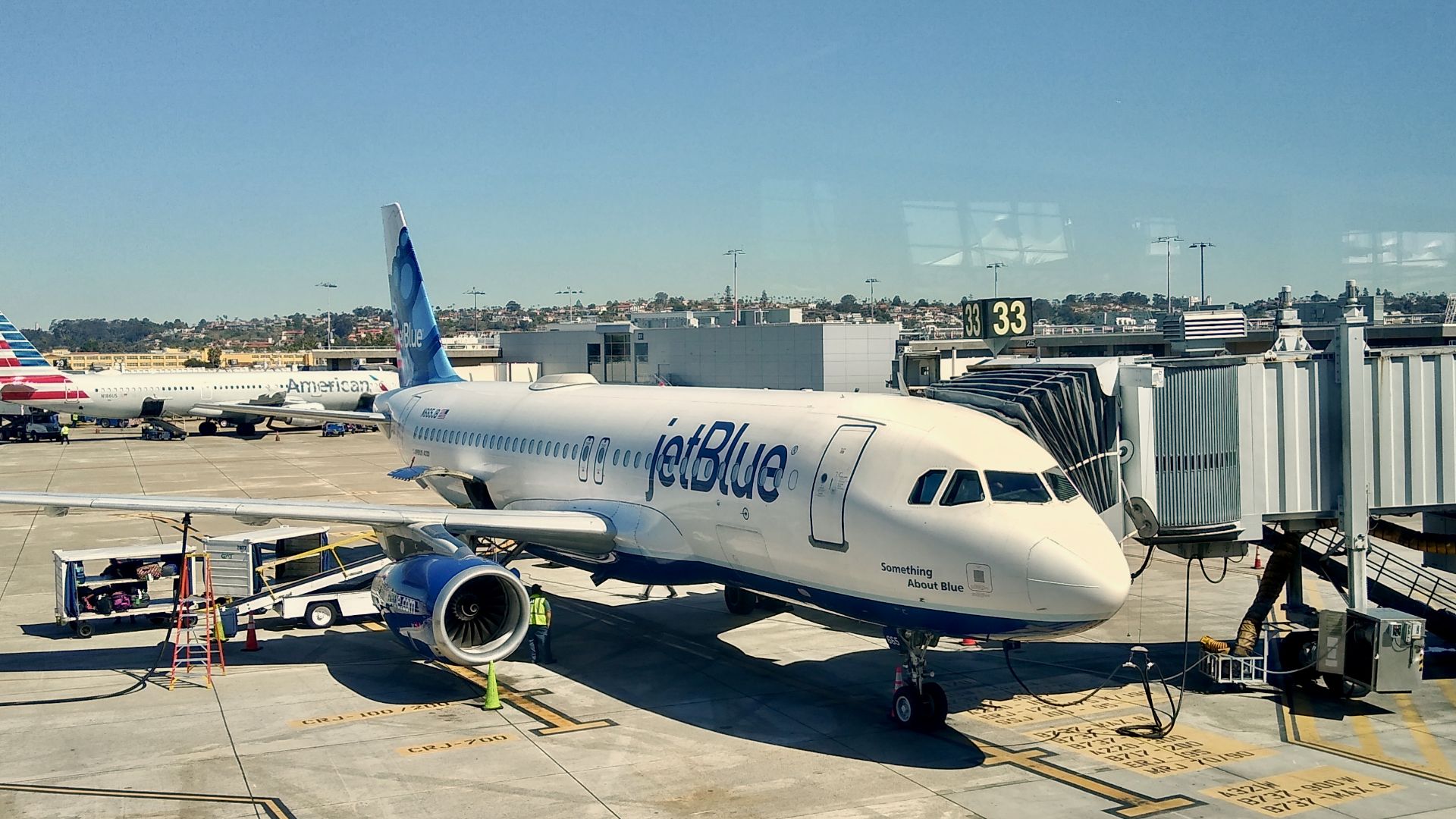
JetBlue requires pets to fit comfortably inside the closed carrier and says the carrier must fit under the seat in front of you. Alaska Airlines says the pet must stay in its carrier, under the seat, while boarding and throughout the flight. Different wording, same bottom line. The staff working that flight have to decide whether those conditions are met.
What Federal Regulators Actually Control
The U.S. Department of Transportation does not publish one universal size chart for in-cabin pet carriers. Its role is broader and includes consumer protection and rules for service animals under the Air Carrier Access Act. For ordinary pets, airlines still have a lot of control over acceptance and cabin rules.
 Alex Steffler (alex-s), Wikimedia Commons
Service Animal Rules Shifted In 2020
In December 2020, the DOT announced a final rule on traveling by air with service animals. The rule lets airlines treat emotional support animals as pets rather than service animals. That change cleared up one gray area, but it did not create a new federal right for pets to fly in the cabin.

Why Gate Rejections Still Happen
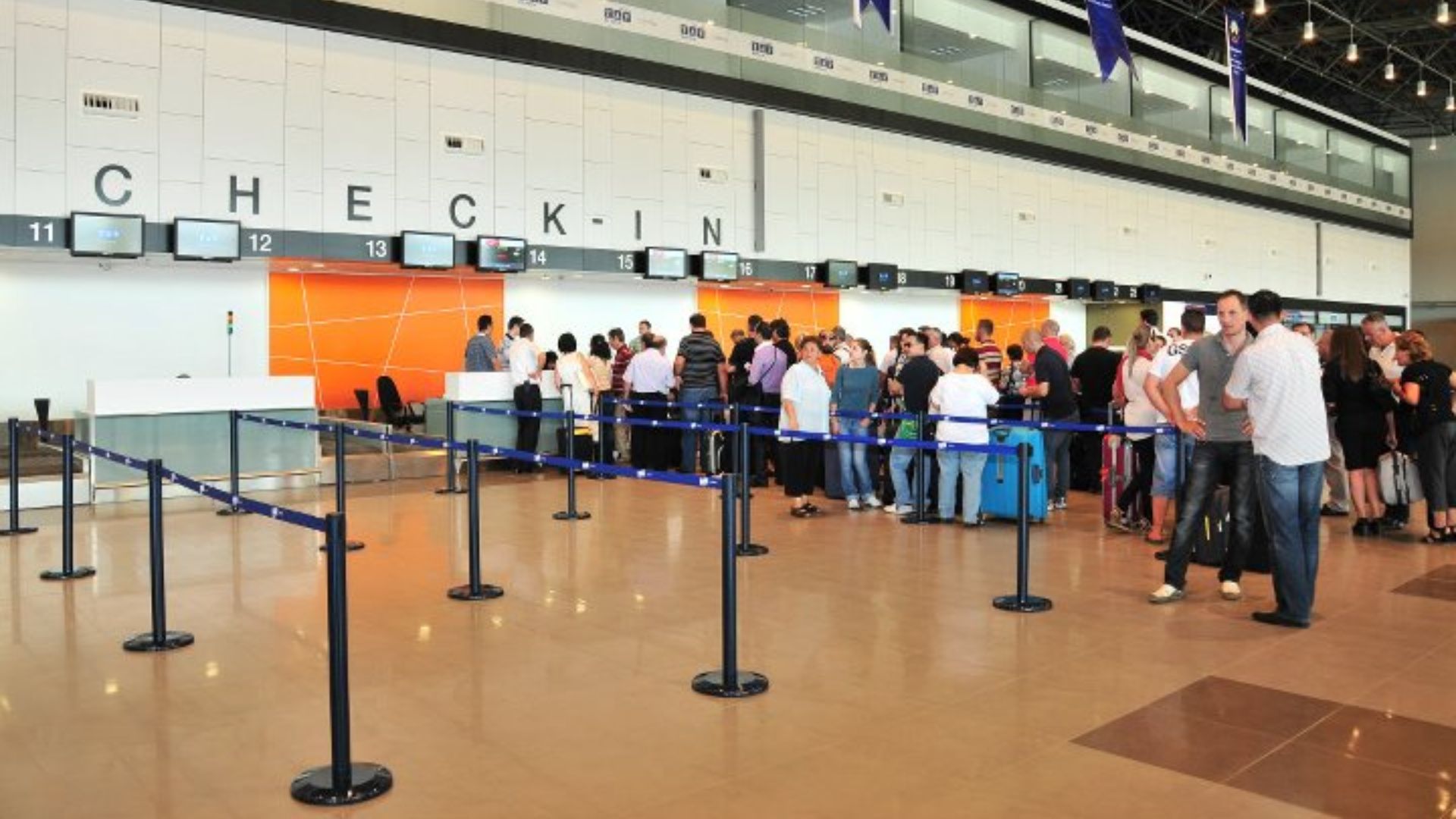
The gate is where the policy meets the actual airplane. Staff can see if your carrier bulges too much, if your dog cannot stand up and turn around properly inside, or if the seat assignment leaves too little room. If they believe the carrier will not fit safely under the seat, they can deny in-cabin boarding.
Aircraft Type Can Make Or Break The Trip
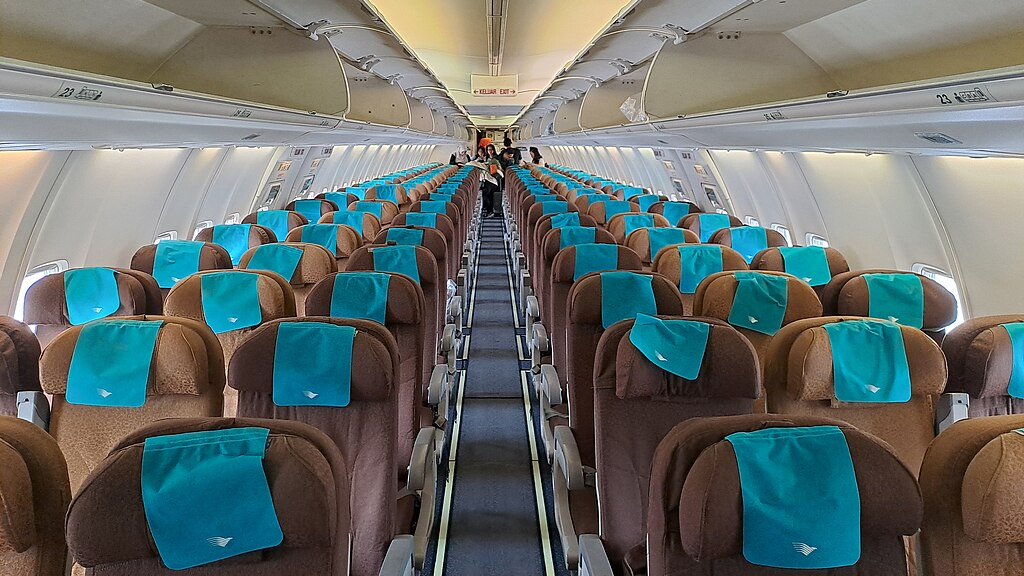
One of the biggest reasons travelers get different answers is aircraft variation. The under-seat space on a Boeing 737 may differ from that on an Airbus A320, and bulkhead seats often have different storage rules. Some airlines directly warn travelers that under-seat dimensions vary by aircraft, which means a carrier that worked on one flight may be rejected on another.
 Tappyoca, CC0, Wikimedia Commons
Seat Location Matters More Than People Think
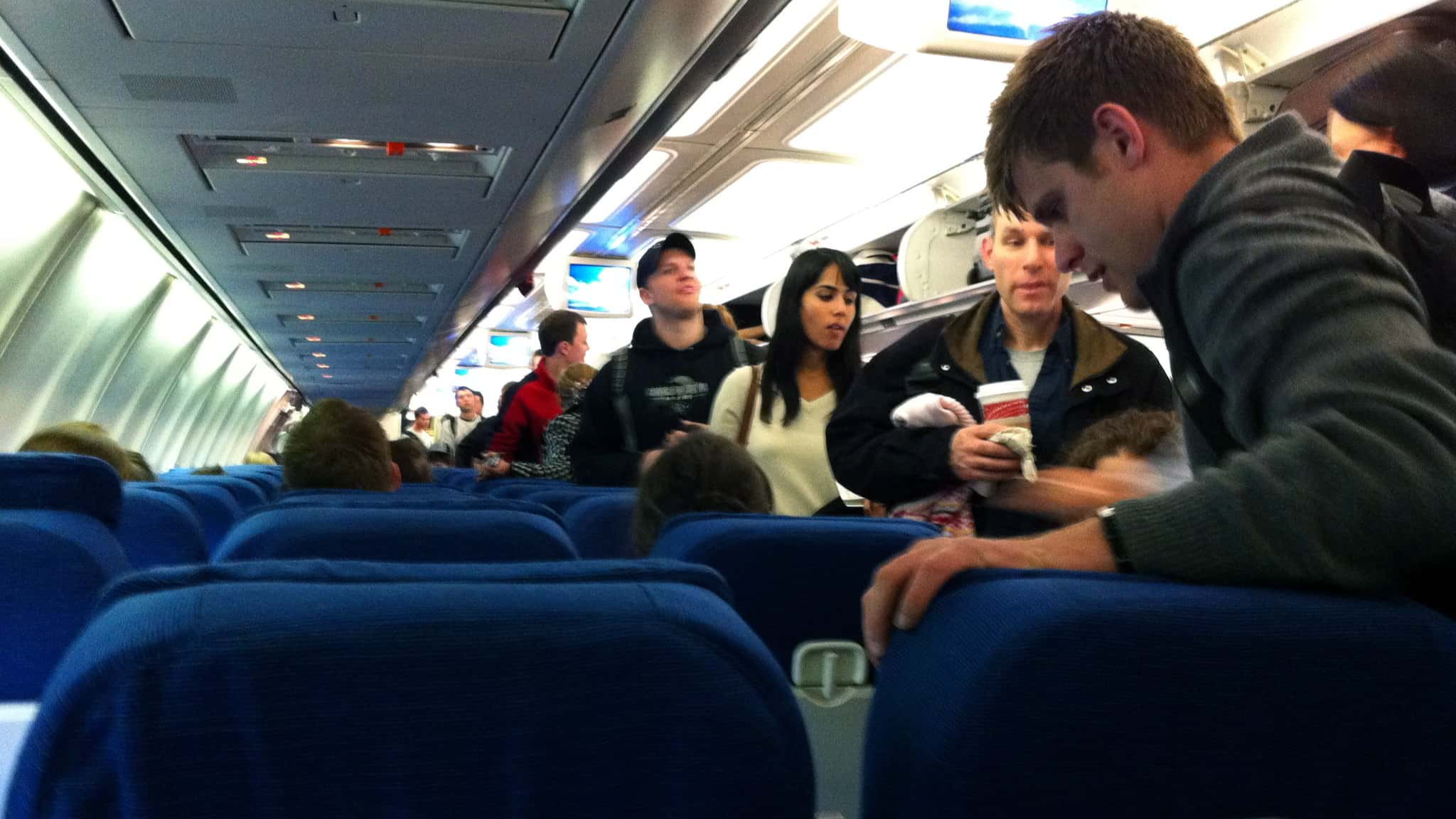
Even on the same plane, not every seat works the same for pet travel. Exit rows, some premium cabins, and some bulkhead rows can create problems because there may be no under-seat space or because safety rules are stricter there. That is why an airline may move a traveler with a pet or require a different seat assignment.
Phone Agents Usually Do Not Make The Final Call
Many travelers hear “that should be fine” from a reservations line and take it as approval. In reality, customer service can explain the policy, but airport staff enforce it. Unless the airline gives a written waiver or a specific confirmation tied to your itinerary, a phone call is not the same thing as final approval.

Published Dimensions Are Not A Promise
Some airline websites list maximum carrier measurements, but those numbers are usually guidance, not a guarantee. Soft-sided carriers can compress, hard-sided carriers cannot, and the shape of the seat supports matters too. If a carrier matches the posted measurements but still does not slide under the seat, the airline can still say no.

There Is Also A Cabin Pet Limit
Another issue people often miss is the cap on how many pets are allowed in the cabin. American, Delta, United, Southwest, JetBlue, and Alaska all note that in-cabin pet space is limited and often handled on a first-come, first-served basis. A traveler can be turned away if the pet allotment is already full, even with a compliant carrier.
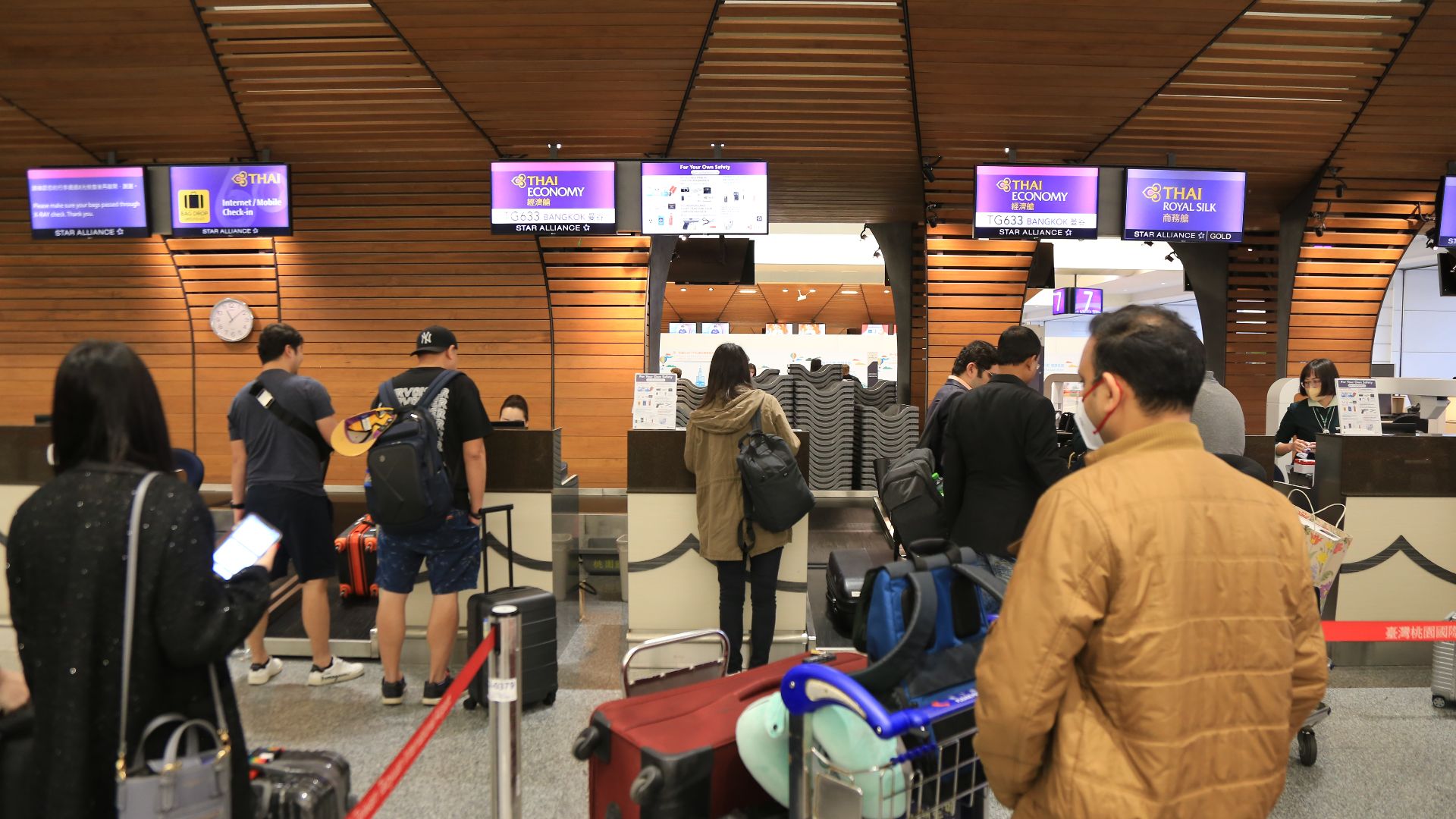 Wutthichai Charoenburi, Wikimedia Commons
Health And Behavior Matter Too
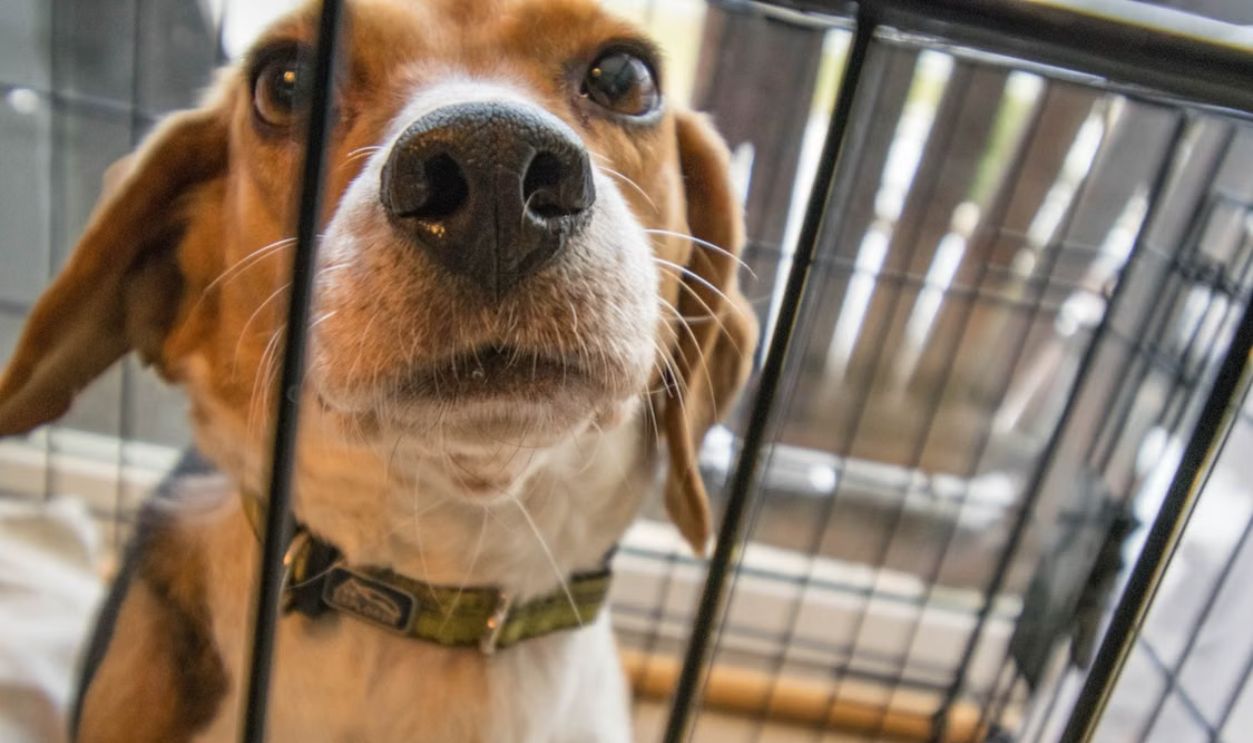
Fit is not the only standard. Airlines may refuse a pet that appears sick, aggressive, or distressed. Policies also commonly require the animal to stay inside the carrier and behave properly for the full trip.
What The DOT Says About Complaints
If you believe an airline applied its own rules unfairly, the DOT lets consumers file aviation service complaints. That does not mean the DOT will overrule a same-day safety judgment, but it does create a record and can help flag patterns. It is one of the few formal options travelers have after a gate denial.
What To Ask Before You Travel
The most useful question is not “does this carrier fit your policy?” but “what aircraft am I flying, what seat should I avoid, and what are the under-seat limits for that flight?” Ask the airline to note your reservation for an in-cabin pet and confirm the pet fee and capacity rules. If possible, get any guidance in writing through email or chat.

Why Soft-Sided Usually Gives You The Best Chance
Several airlines specifically say soft-sided carriers are preferred or may go slightly over the dimensions because they can bend to fit the under-seat space. That flexibility matters when seat hardware narrows the opening. A rigid carrier that looks perfect on paper can fail the real-world test more easily than a softer one.
Measure More Than Once
Before you leave for the airport, measure the carrier’s length, width, and height with the pet inside. A bag can expand more than you expect once the dog settles in. It is also smart to compare your measurements with the airline’s website on the same day you travel, because policies can change.

Take Proof With You
Bring screenshots of the airline’s current pet policy, your pet reservation confirmation, and any written messages from the airline. These documents will not force a gate agent to accept the carrier, but they can help if there is confusion about a fee, a booking note, or the airline’s own posted dimensions. They are also useful if you later file a complaint.

Arrive Early If You Are Flying With A Pet
Extra time can save the trip. If there is a question about your carrier, arriving early gives staff more time to reseat you away from a problem row or check whether another flight has pet space available. It also lowers the chance that a rushed interaction turns into an automatic denial.
The Hard Truth About Final Authority
Here is the part travelers usually do not want to hear. Even if your carrier appears to meet the written dimensions, the airline’s airport staff can still decide it is not acceptable for that flight. That is because the real standard is safe stowage under the seat and compliance with the airline’s contract of carriage and pet policy.
 Monkey Business Images, Shutterstock
What To Do If You Are Rejected At The Gate
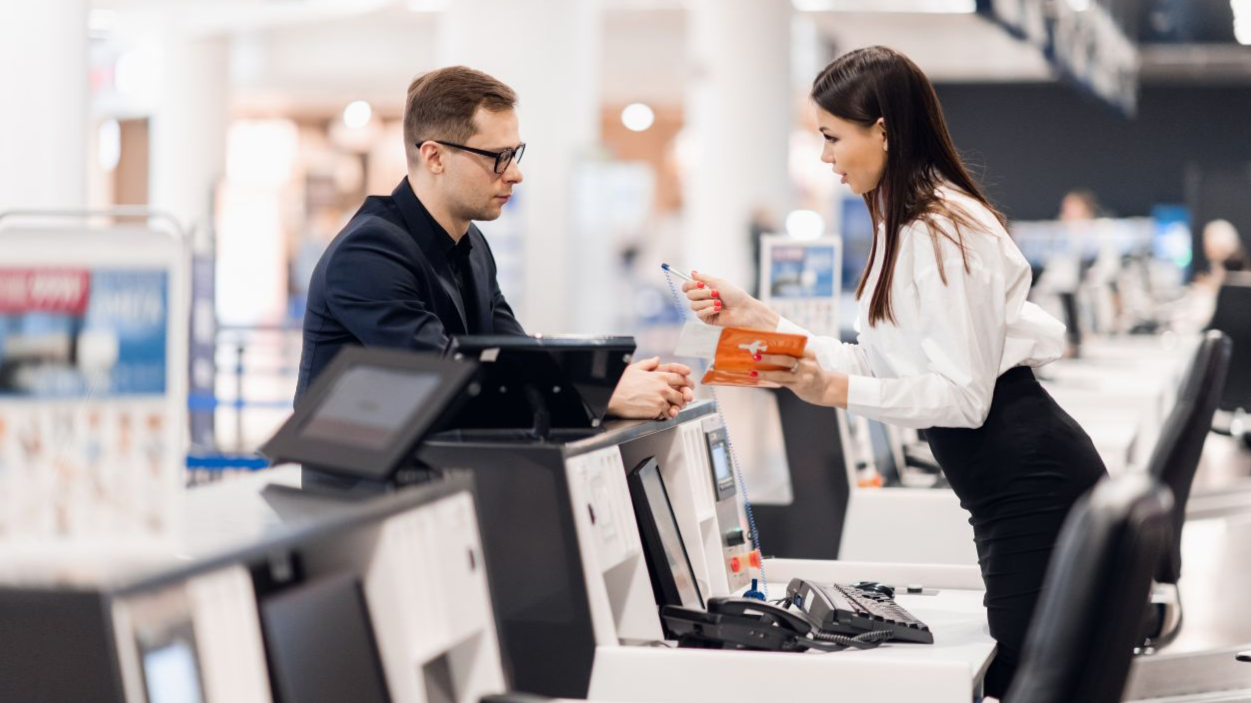
Stay calm and ask for the specific reason in plain language. Ask whether the problem is the seat, the aircraft, the carrier size, the pet’s comfort, or the cabin pet limit, and request rebooking options if they are available. If you think the airline misapplied its own policy, document names, times, and what you were told, then follow up with customer relations and, if needed, the DOT complaint process.
The Bottom Line For Pet Owners
If your airline first says your dog carrier fits and then rejects it at the gate, the frustrating answer is that the airline staff working your trip usually have the final say. The deciding factor is not just the published dimensions. It is whether your pet, your carrier, your seat, and your aircraft all work together safely in that moment.