
Your Miles May Not Be As Permanent As They Look
Airline miles can feel like money sitting safely in an account. However, they are governed by loyalty-program rules that may allow expiration, devaluation or forfeiture. Even programs advertising “no expiration” usually attach conditions that travelers should understand.

Miles Are Loyalty Currency, Not Cash
Airline miles generally do not represent money deposited in your name. They are units created and managed by a loyalty program. Their usefulness depends on the program’s current rules, available rewards and the number of miles required for a booking.

Expiration Encourages Continued Activity
An expiration policy gives members a reason to keep interacting with the airline and its partners. Taking a flight, using an affiliated credit card or earning miles through another partner may help the program retain customers who might otherwise disappear.

Unused Miles Create A Financial Obligation
Airlines account for outstanding loyalty awards as future obligations. When miles expire or are forfeited, the company may no longer expect to provide travel for them. Expiration policies can therefore reduce the burden created by large numbers of unused miles.

Some Programs Use Inactivity Expiration
Under an inactivity system, miles remain valid only if the account records qualifying activity within a particular period. The expiration clock normally restarts after eligible earning or redemption activity, although each program decides what qualifies.

American Uses A 24-Month Activity Rule
American Airlines states that AAdvantage miles generally expire when an account has no qualifying activity during a 24-month period. Eligible activity can include earning or redeeming miles with American or participating partners. Certain cardholders and members under 21 receive exceptions.
 Oleg Yunakov, Wikimedia Commons
A Tiny Transaction May Protect Everything
When expiration is tied to inactivity, travelers may not need to book an expensive flight. A small qualifying earning or redemption transaction can sometimes extend the entire balance. Members should confirm that the activity is eligible and posts before the deadline.

Not Every Airline Uses Expiration
Several major American airline programs currently advertise that their redeemable miles or points do not expire. That removes the ordinary inactivity countdown, but it does not necessarily protect an account from closure, fraud investigations or other forfeiture provisions.

Delta SkyMiles Currently Do Not Expire
Delta’s current SkyMiles rules state that miles do not expire. The airline may still close an account and remove its miles in circumstances such as fraudulent activity, duplicate accounts, a member-requested closure or violations of applicable program rules.
 U.S. Air Force photo by Senior Airman Milton Hamilton, Wikimedia Commons
United MileagePlus Miles Do Not Expire
United eliminated ordinary mileage expiration in 2019. Its current promotional information says MileagePlus miles do not expire while an account remains active and in good standing. Account status and compliance with program rules therefore still matter.
 4300streetcar, Wikimedia Commons
Southwest Points Remain While The Account Is Open
Southwest states that Rapid Rewards points do not expire while the member’s account remains open. Closing the account results in forfeiture, and suspected fraud, misuse or rule violations can also lead to suspended benefits, account cancellation or lost points.

JetBlue TrueBlue Points Do Not Expire
JetBlue currently says TrueBlue points never expire. Members can retain points without periodically taking a flight simply to reset a deadline. However, award prices, eligible partners and available redemption choices can still change independently of expiration.

Alaska And Hawaiian Now Share Atmos Rewards
Alaska Airlines and Hawaiian Airlines introduced Atmos Rewards as their combined loyalty program. The airlines stated that existing miles became points at a one-to-one rate and that Atmos Rewards points do not expire, preserving balances through the transition.
 4300streetcar, Wikimedia Commons
Redeemable Miles And Status Credits Differ
Redeemable miles may remain available indefinitely while elite-status credits reset annually. Status metrics are used to qualify travelers for benefits such as upgrades or priority services. They commonly follow separate earning periods and should not be confused with spendable miles.

“No Expiration” Does Not Mean “Guaranteed Forever”
A no-expiration policy describes the program’s current treatment of inactive balances. It does not necessarily promise that every redemption option, partner relationship or award price will remain unchanged indefinitely. The terms and conditions usually preserve considerable flexibility for the operator.
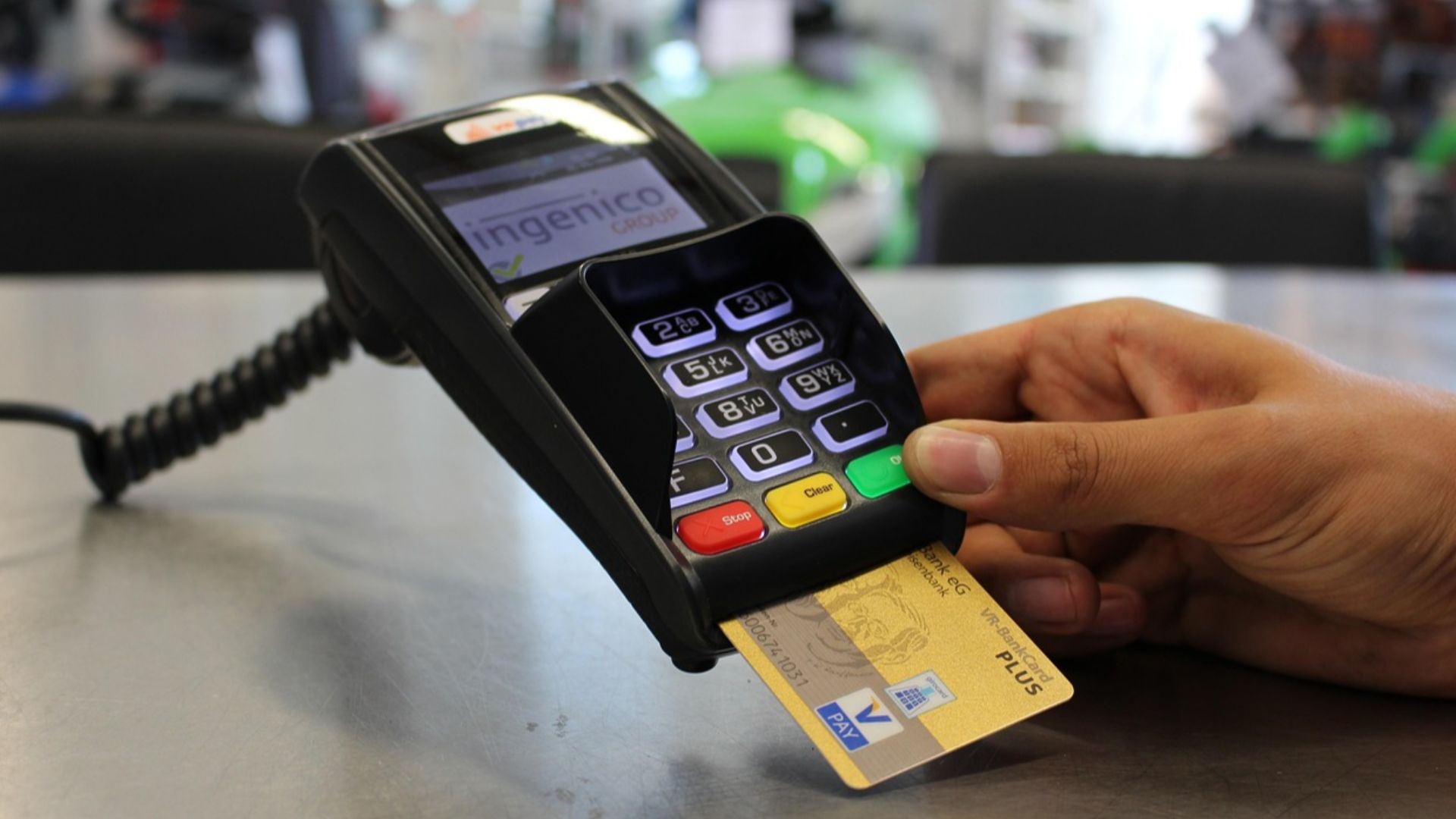
Closing An Account Can Erase The Balance
Points that do not expire may still be forfeited when the related loyalty account closes. Closure may happen at the member’s request or after serious rule violations. Travelers should investigate the consequences before deliberately closing an airline or rewards account.

Credit Card Closure Creates Another Risk
Bank-issued points may be lost when a credit card account closes, depending on the issuer and rewards program. Co-branded airline miles already transferred to the airline often follow the airline’s rules, but future cardholder protections or earning opportunities may end.

Bank Points And Airline Miles Are Separate
Flexible credit card points generally remain under the bank’s rules until transferred. After a transfer, they become subject to the airline partner’s terms. Travelers must therefore review two different programs instead of assuming the original card protections continue.

Transfers Are Commonly Final
Transfers from a credit card program to an airline are generally one-way and cannot simply be reversed when award space disappears. Before transferring, confirm the flight, required mileage, fees, passenger details and expected processing time.

Programs Can Change Their Terms
Airline loyalty agreements commonly reserve the right to alter earning rules, rewards, special offers and other program features. American, for example, warns that changes may affect a member’s ability to use accumulated miles or obtain particular awards.
 CAPTAIN RAJU, Wikimedia Commons
A Balance Can Survive While Its Value Falls
Miles do not need to expire to become less useful. If a flight rises from 25,000 to 35,000 miles, the balance remains intact but buys less travel. This loss of purchasing power is generally called devaluation.

Dynamic Pricing Makes Values Move
Many programs connect award prices to factors such as the cash fare, travel date, demand or available inventory. The same route can require very different mileage totals on different days, making it difficult to assign one permanent value to every mile.

Partner Awards Can Disappear
An airline may offer rewards on flights operated by partner carriers, but those seats depend on agreements and inventory released by the partner. A route visible today may disappear later without the traveler’s existing balance technically changing.

Taxes And Fees Still Apply
An award ticket is not always completely free. Government taxes, airport charges, carrier-imposed surcharges or booking fees may remain payable in cash. These charges can significantly reduce the appeal of certain international or partner redemptions.

Advance Notice Is Not Always Assured
The amount of notice provided before a loyalty change depends on the program’s terms, the type of change and applicable law. Members should not assume they will always receive months of warning before an award chart or partnership changes.
 4300streetcar, Wikimedia Commons
Federal Consumer Protections Still Matter
The Consumer Financial Protection Bureau has said companies may violate federal consumer-finance law when they unfairly devalue promised credit card rewards, rely on buried or vague conditions, or deduct rewards without supplying the corresponding benefit.

Read Messages Instead Of Ignoring Them
Program emails often resemble routine advertising, but some contain expiration warnings, updated terms or partnership announcements. Members should keep their contact information current and review messages concerning policy changes, account status and expiring benefits.

Track Every Account In One Place
A simple list containing each program, balance, last activity date and possible expiration date can prevent unpleasant surprises. Set calendar reminders well before any deadline, giving transactions enough time to post and allowing mistakes to be corrected.

Avoid Hoarding Miles Without A Purpose
Saving indefinitely can expose a balance to inflation, changing award prices and discontinued partnerships. Travelers do not need to spend recklessly, but redeeming miles for genuinely useful trips is often safer than treating them as a permanent investment.

The Rules Can Move Even When The Miles Do Not
Airline miles expire because programs may use inactivity limits, account-closure rules or enforcement provisions. Even nonexpiring miles can lose value when award prices and partnerships change. The safest strategy is to monitor the account, understand the terms and redeem thoughtfully.

You May Also Like: Costly Luggage Mistakes That Airlines Hope You Keep Making In 2026