

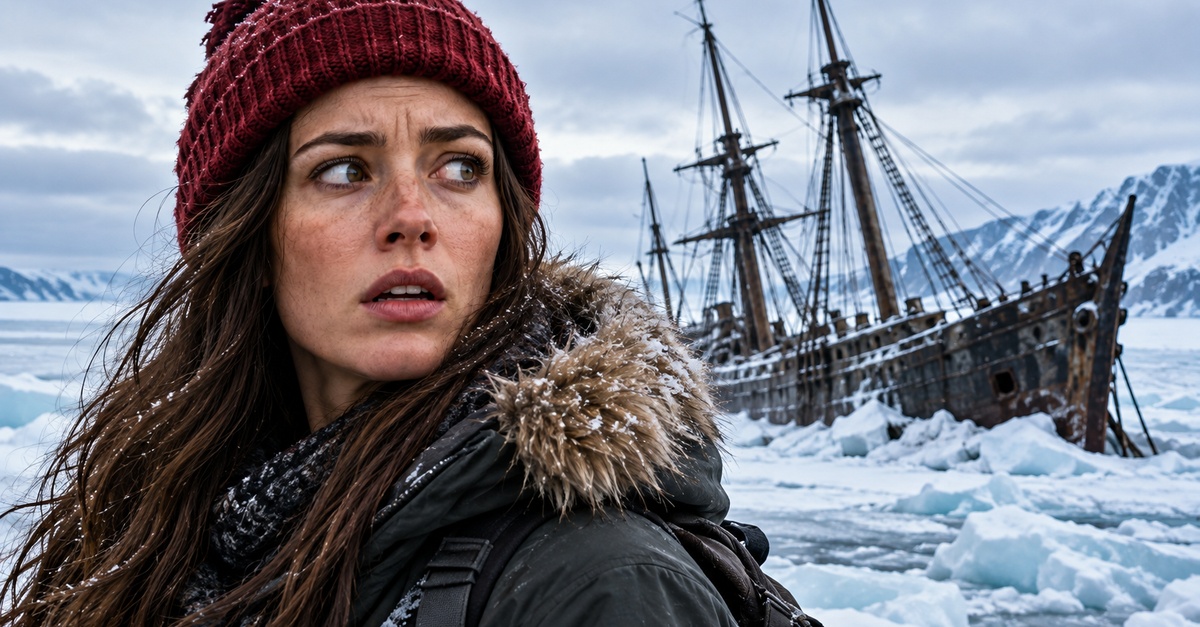
Canada Has No Shortage Of Unanswered Questions
Canada's enormous size and long history have produced mysteries ranging from unexplained disappearances to archaeological puzzles that have lasted for generations. Some cases have attracted treasure hunters, while others remain active police investigations or subjects of historical research. From Nova Scotia to the Arctic, these six mysteries show how difficult it can be to separate what is known from what people desperately want to know. Factinate Ltd
Atlantic Canada Has The Oak Island Mystery
A small island on Nova Scotia's South Shore has inspired one of Canada's longest-running treasure hunts. According to Nova Scotia's official tourism site, the Oak Island story traditionally begins in 1795, when a teenager reportedly discovered a circular depression and began digging with friends. The location eventually became famous as the supposed "Money Pit," although the earliest events have been embellished through generations of retelling.
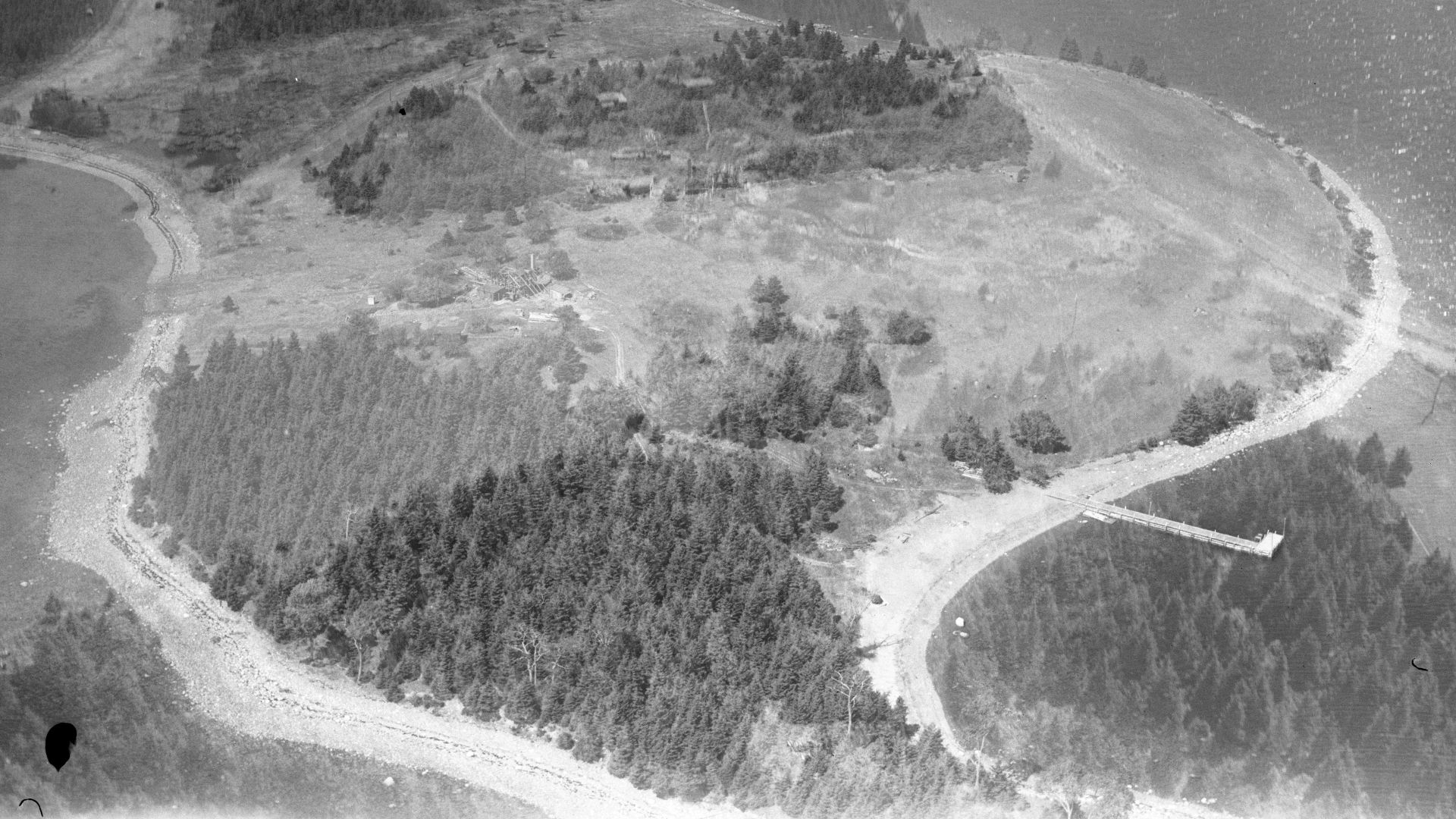 Richard McCully, Wikimedia Commons
Searchers Kept Digging For Generations
The possibility of buried treasure attracted numerous expeditions to Oak Island over the next two centuries. Searchers dug shafts, drilled boreholes, pumped out flooded excavations, and interpreted various underground discoveries as evidence that something unusual had happened there. Despite all that work, no discovery has definitively established the existence of the legendary treasure described in popular versions of the story.
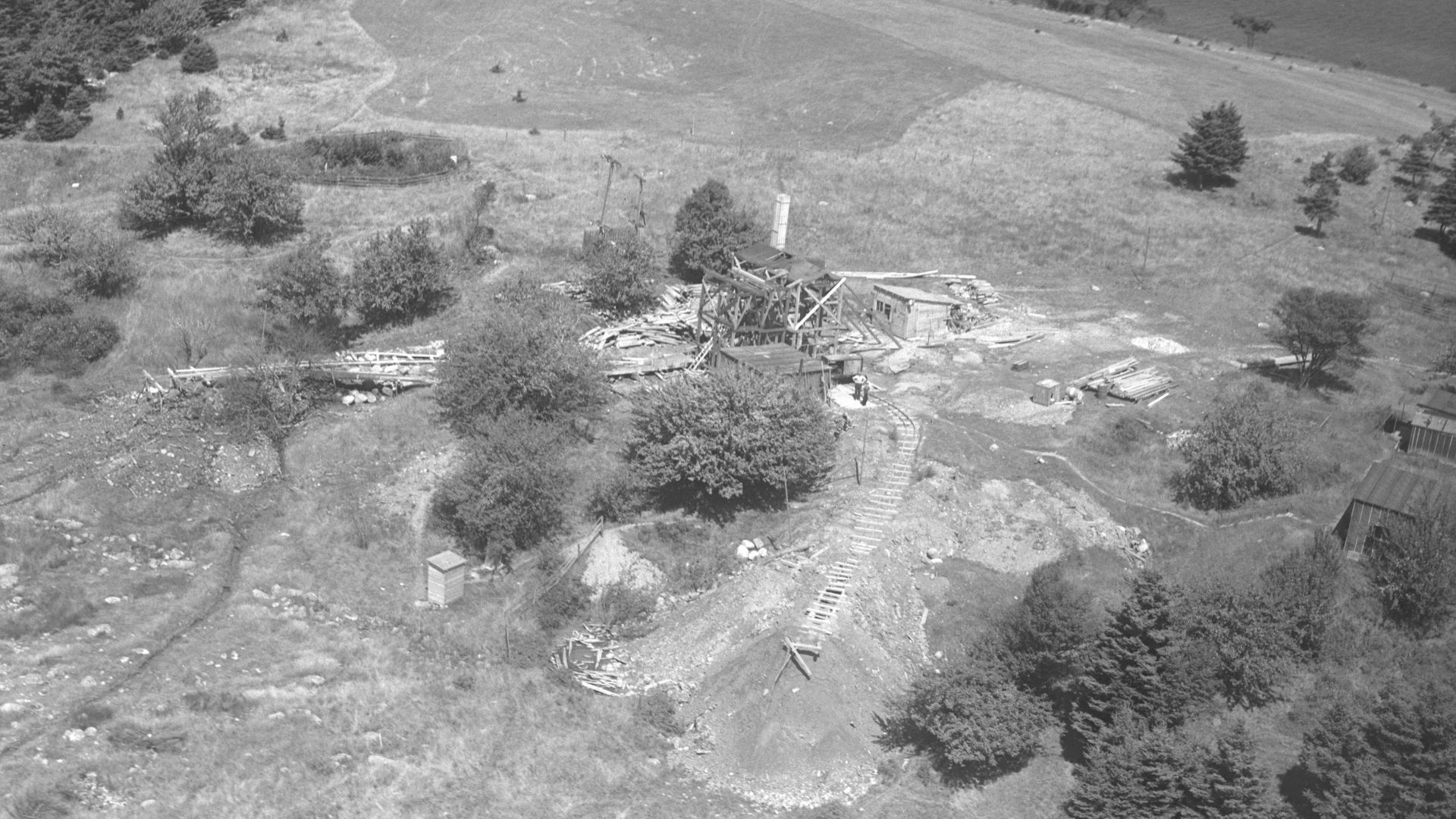 Richard McCully, Wikimedia Commons
The Treasure Theories Became Increasingly Wild
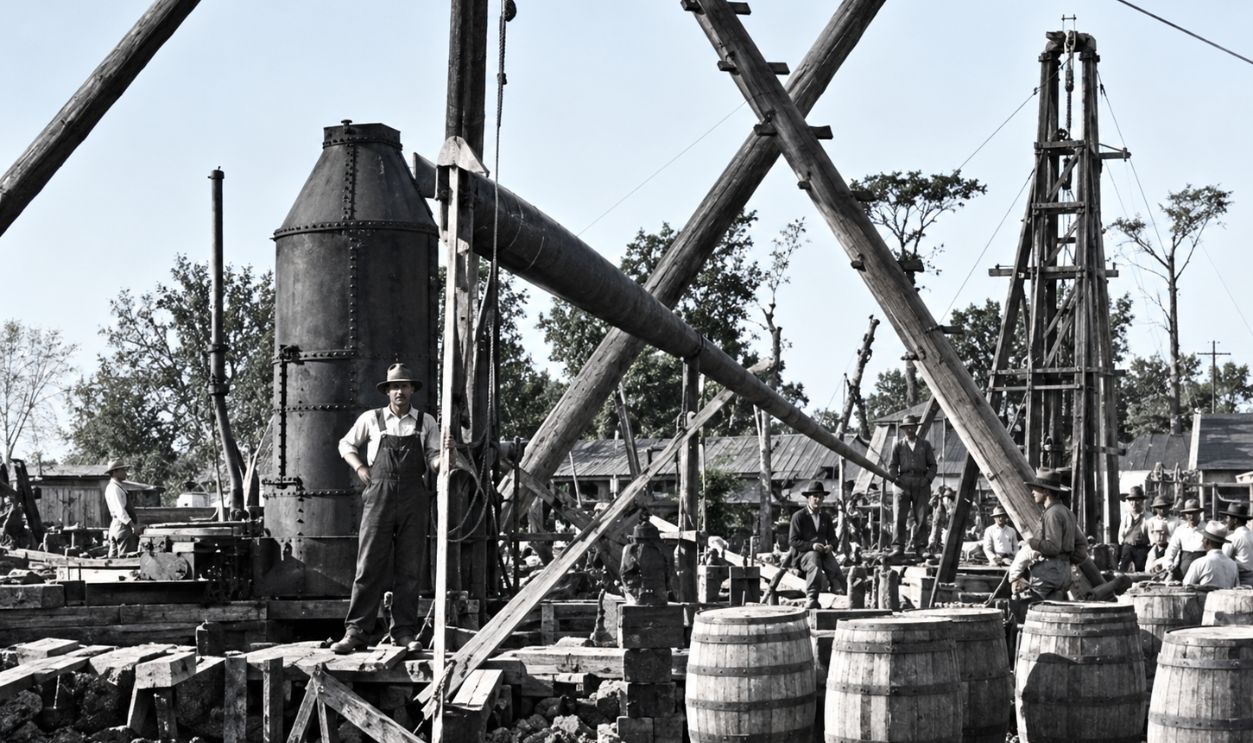
Proposed explanations for Oak Island have ranged from pirate treasure to valuable historical documents and elaborate secret deposits. The problem is that speculation has often raced far ahead of the physical evidence. Even sources devoted to the mystery acknowledge that basic questions about who supposedly created the underground works, what they contained, and why they were built remain unanswered.
 Unknown Author, Wikimedia Commons, Modified
Oak Island Still Refuses To Give Up A Final Answer
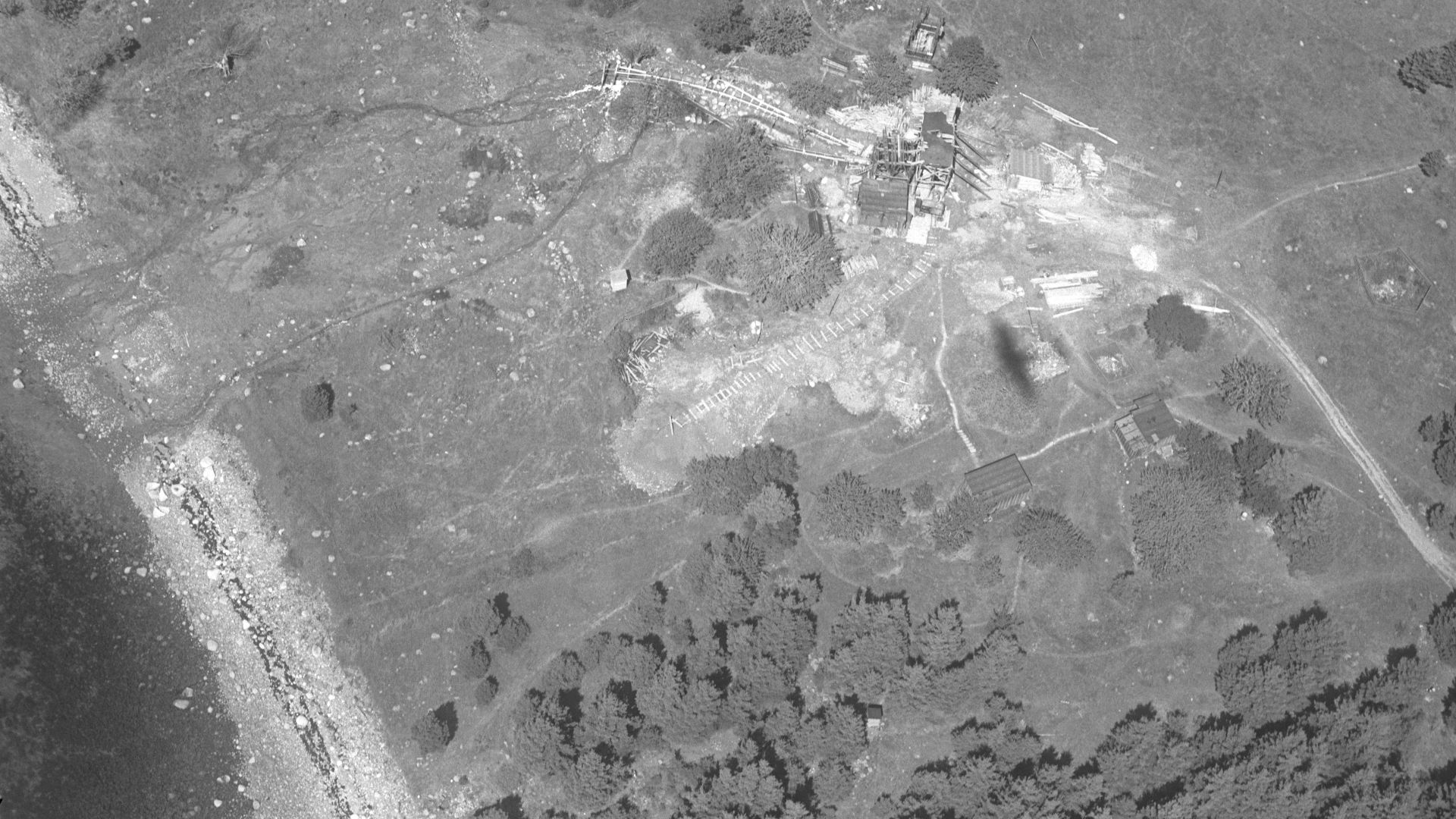
Modern investigations continue to uncover objects and geological features, but the legendary treasure itself remains unconfirmed. Nova Scotia's tourism authority states plainly that no definitive treasure has ever been found despite more than two centuries of searching. That leaves Atlantic Canada's most famous mystery in an unusual position: people have spent generations looking for something that nobody has conclusively demonstrated was there in the first place.
 Richard McCully, Wikimedia Commons
Quebec Has A Mystery Inside A Montreal Mansion
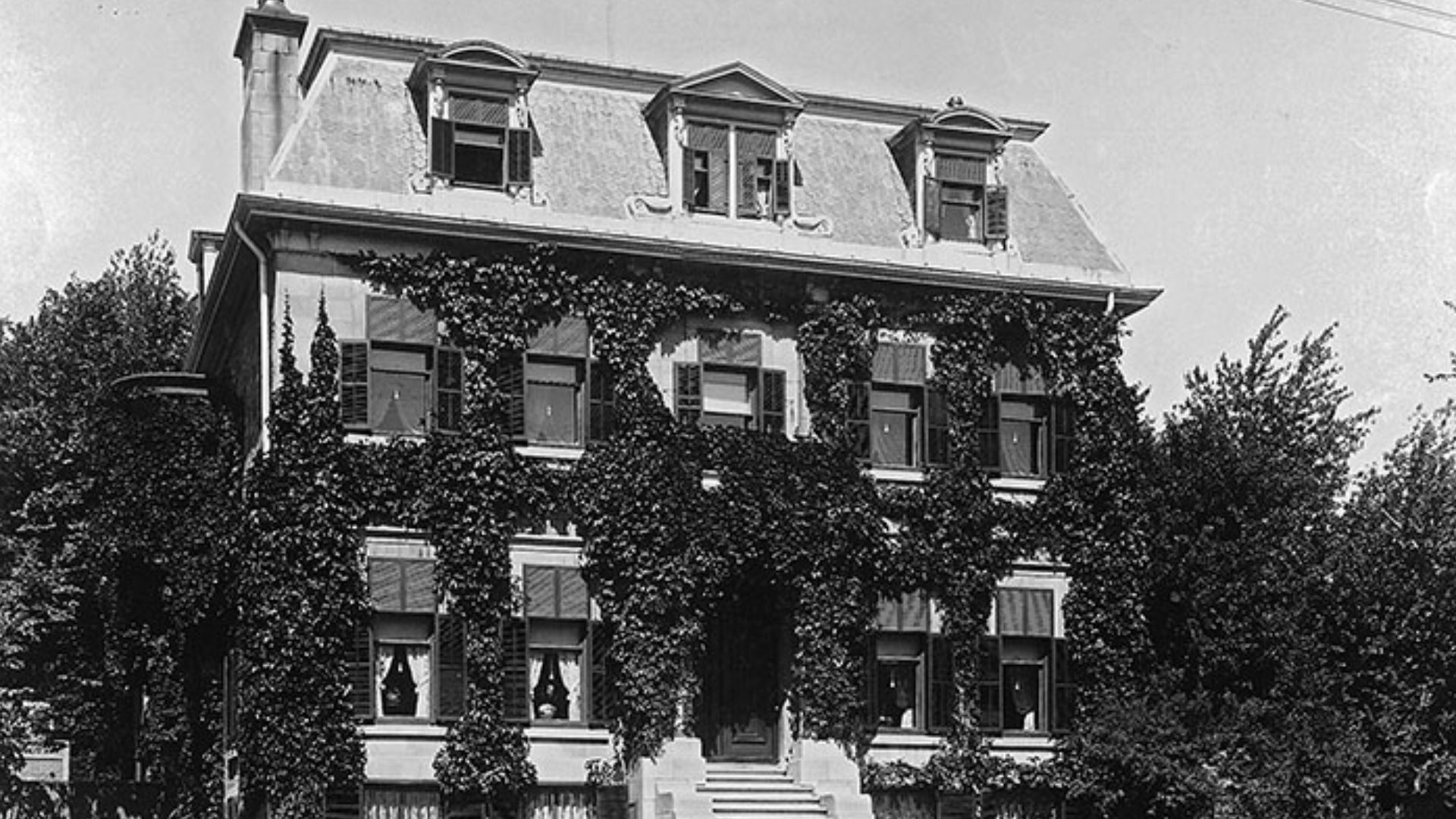
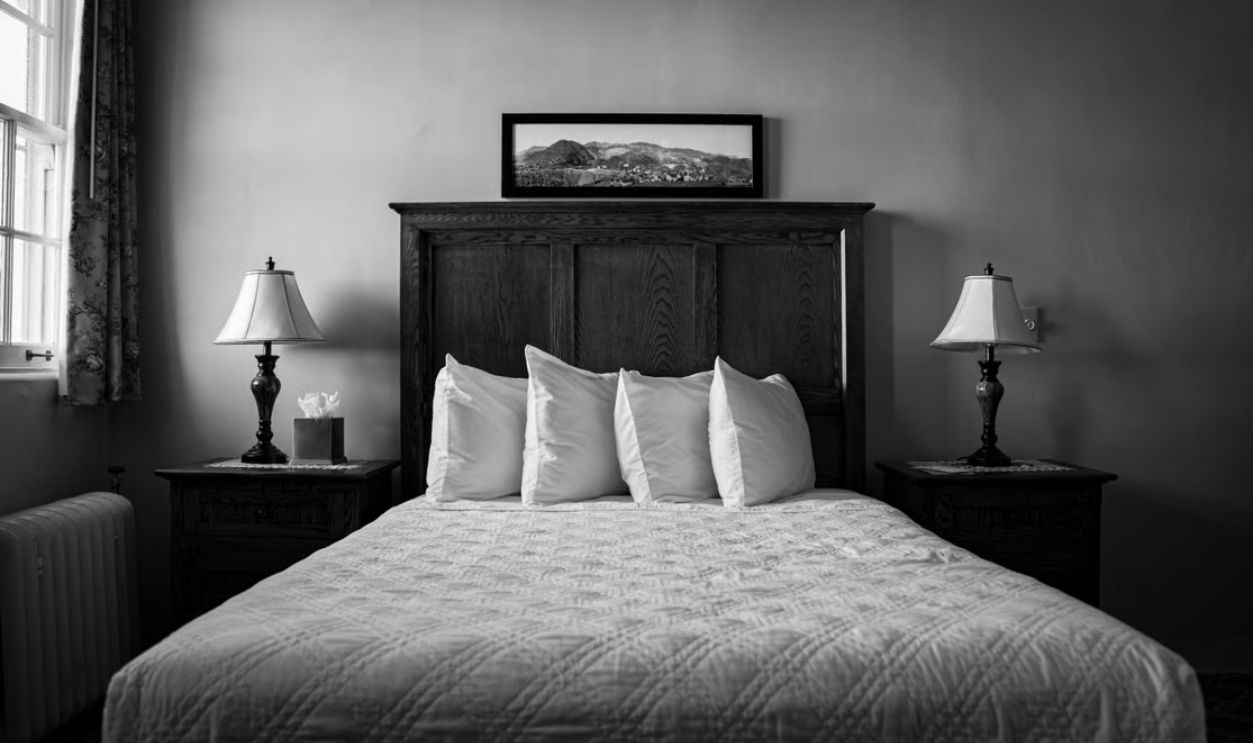
On June 13, 1901, Ada Maria Mills Redpath and her 24-year-old son, Jocelyn Clifford Redpath, were shot inside the family's Montreal mansion. The Redpaths belonged to one of Canada's wealthiest families, which made the deaths immediate news. Yet surviving evidence leaves major questions about exactly what happened inside Ada's bedroom.
 Musée McCord Museum, Wikimedia Commons
The Investigation Was Remarkably Brief
The aftermath was unusual even by the standards of the early twentieth century. According to the Great Unsolved Mysteries in Canadian History project, police apparently were not called, a coroner's investigation was quickly conducted, and Ada and Clifford were buried within 48 hours of the shooting. That compressed timeline left investigators of later generations with a frustratingly limited record.
The Evidence Did Not Fit Neatly Together
Clifford's brother Peter said he heard shots and found his mother and brother in the bedroom. Surviving records and newspaper reports contain contradictions, including disagreements about what happened to Clifford immediately after the shooting. Researchers studying the case have therefore had to compare coroner records, family documents, and sometimes-conflicting newspaper accounts rather than rely on a complete police investigation.
 Llyfrgell Genedlaethol Cymru / The National Library of Wales, Unsplash
The Redpaths Left Behind More Questions Than Answers
One interpretation is that Clifford shot his mother and then himself, but exactly what occurred and why remains disputed. The family apparently avoided publicly discussing the tragedy afterward, making it even harder to reconstruct the events. More than a century later, the basic question remains surprisingly simple: what actually happened in that Montreal bedroom?
Ontario's Mystery Began With A Millionaire
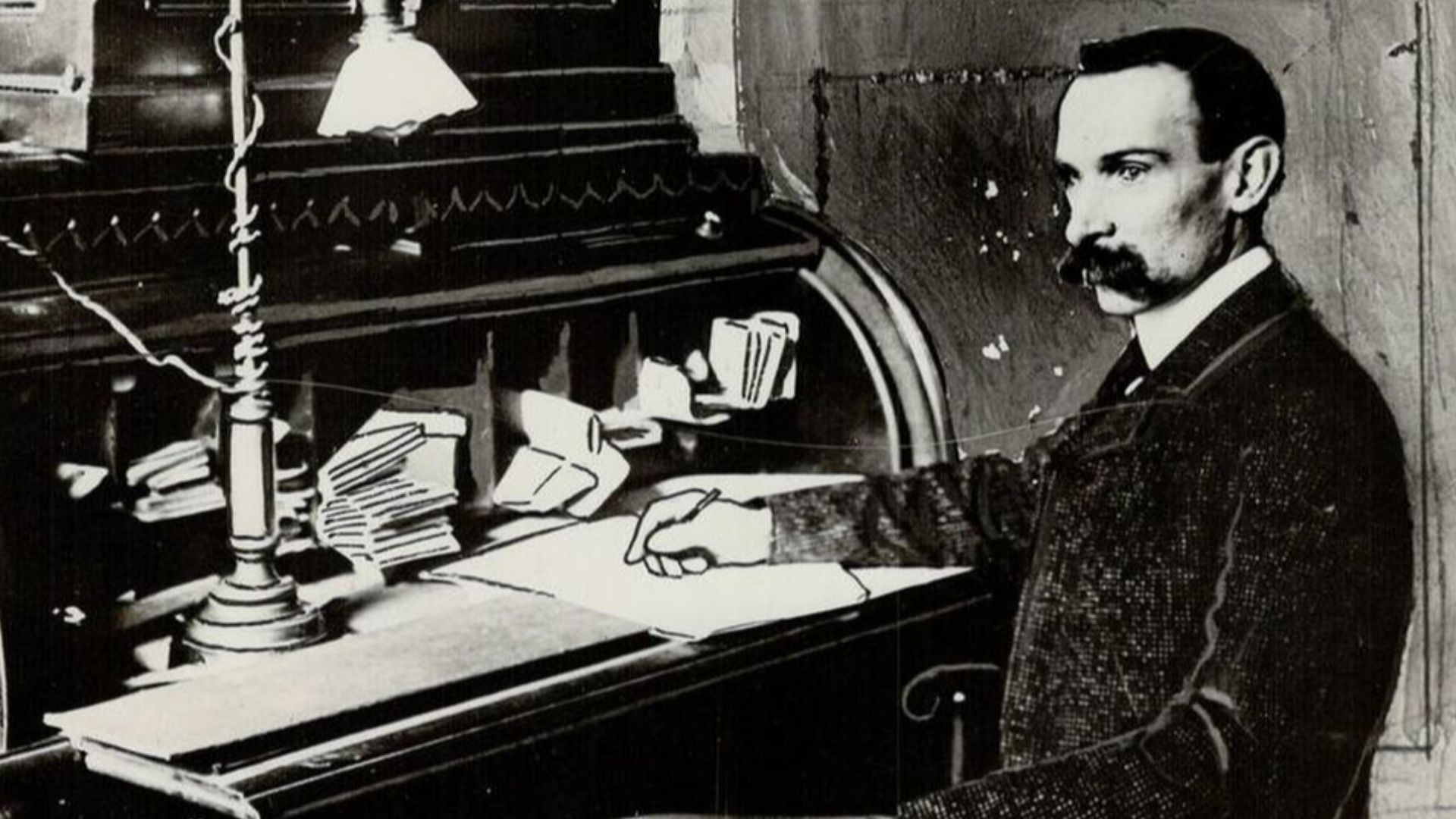
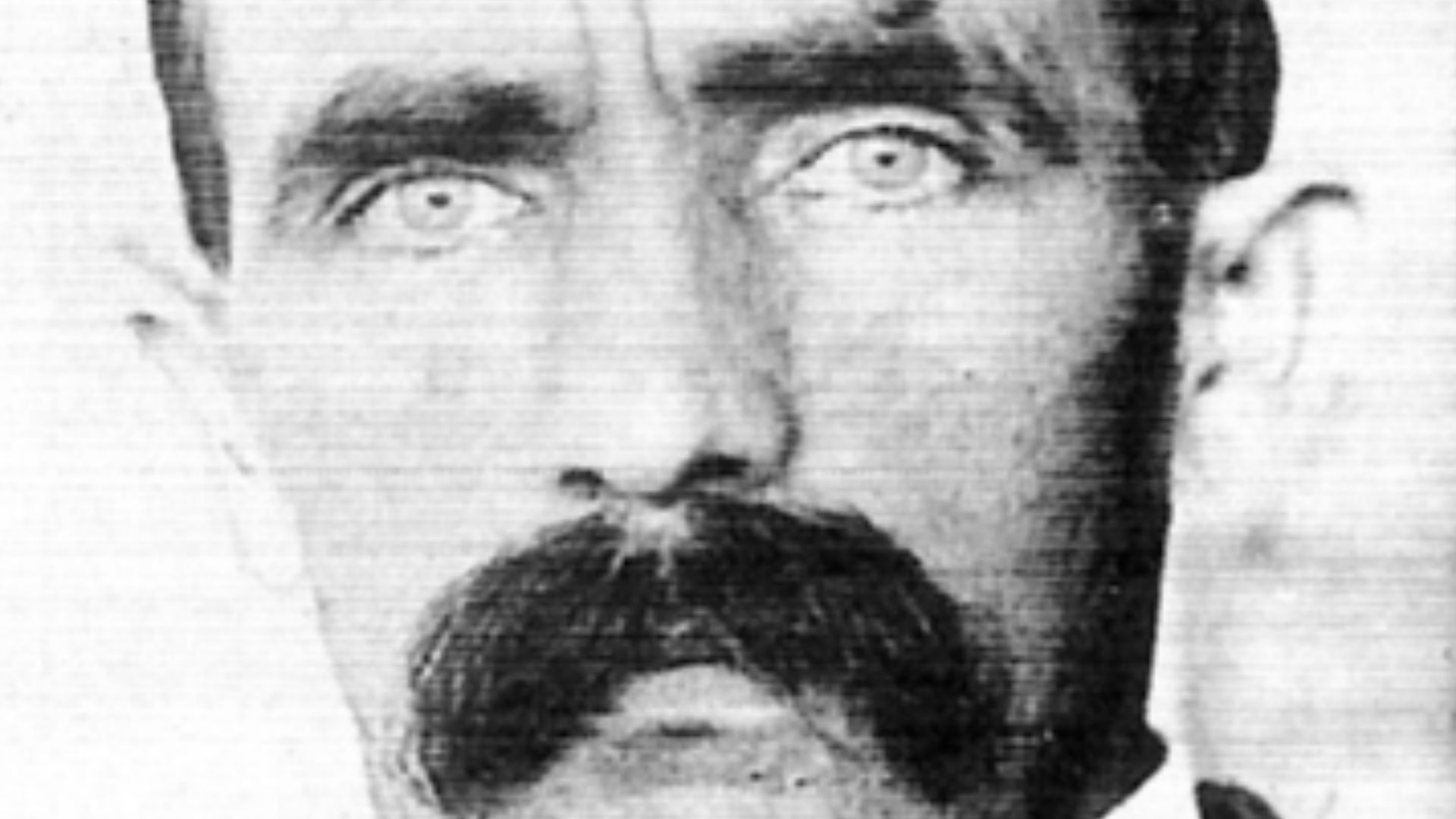
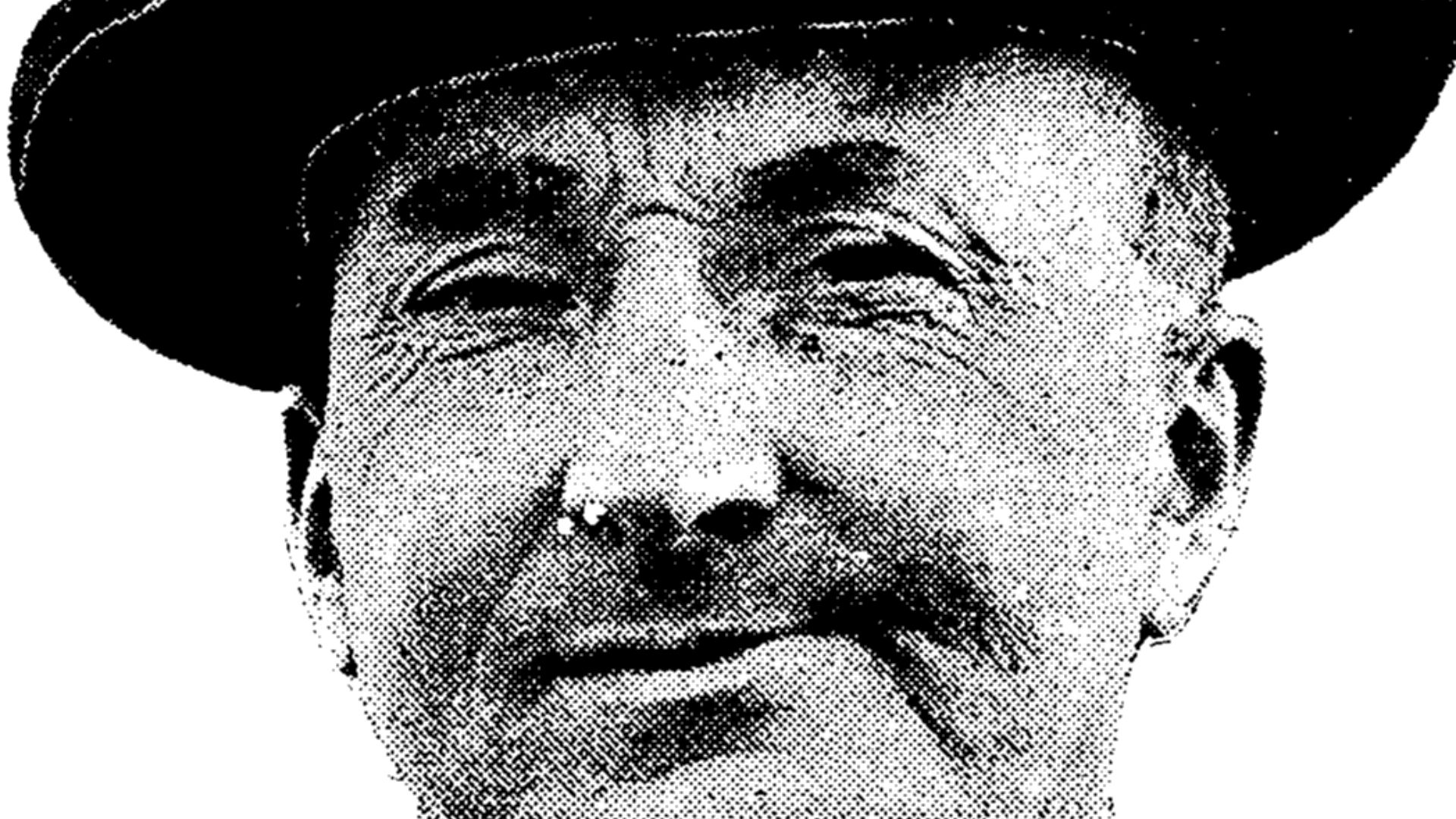
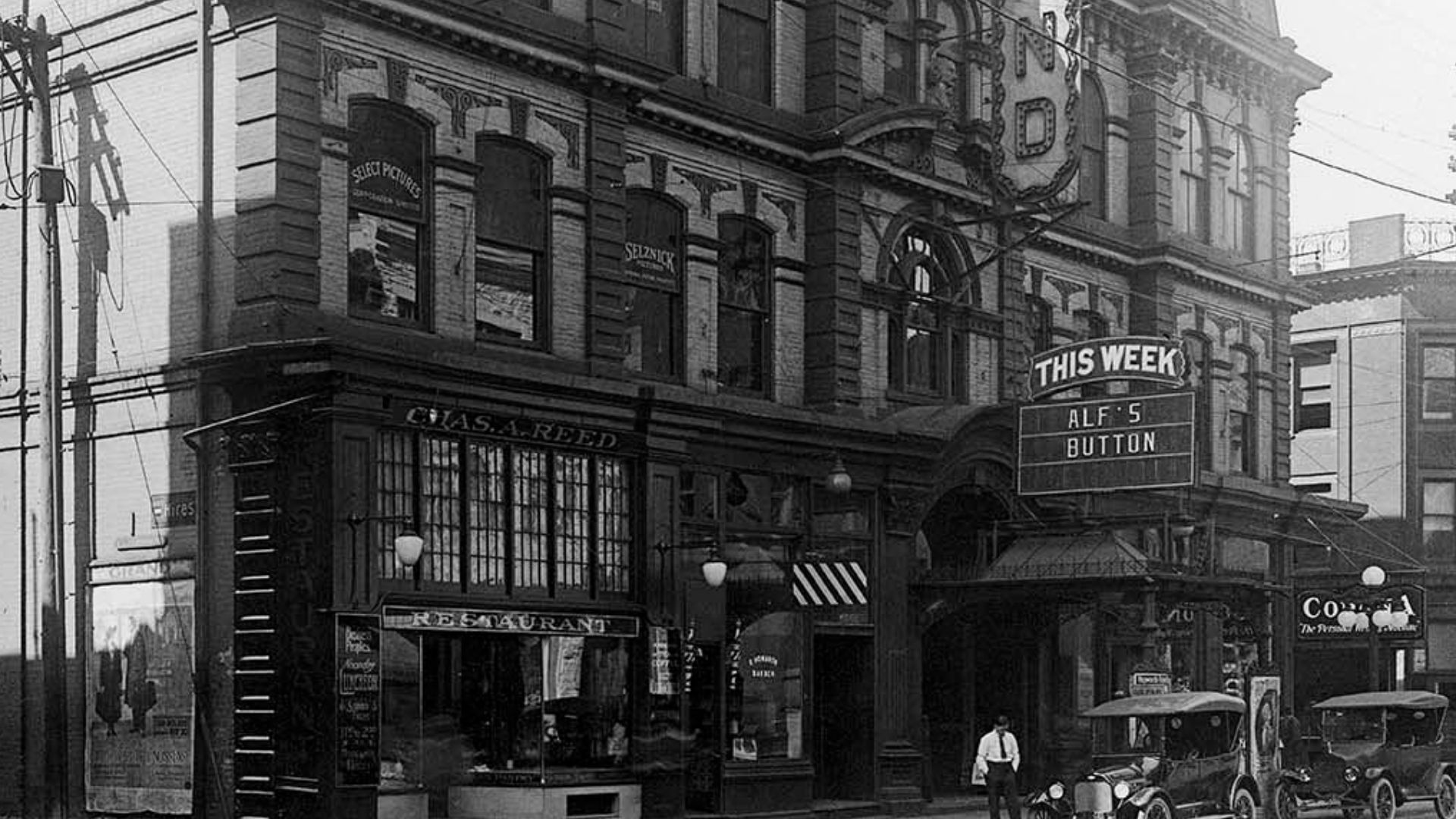
Ambrose Small was a wealthy Ontario theatre owner whose life already attracted attention before he disappeared. On December 2, 1919, Small vanished shortly after completing a lucrative business transaction. He was never conclusively seen again, and no confirmed trace of him has ever been discovered.
 Toronto Star, cited by Katie Daubs in her book
Small Seemed To Vanish Into Thin Air
Small's disappearance generated enormous publicity because he was rich, recognizable, and connected to theatres across Ontario. His personal life and business dealings provided investigators and newspapers with plenty of possible motives to examine. Yet the central problem never changed: authorities could not establish where Small went after his final known movements in Toronto.
 Unknown authorUnknown author, Wikimedia Commons
His Secretary Added Another Strange Twist
Small's secretary, John Doughty, also disappeared, and securities belonging to Small were discovered to be missing. Doughty was eventually located in the United States, returned to Toronto, and convicted of theft. His reappearance solved one part of the drama, but it did not reveal what had happened to Small.
 Toronto Star Newspaper, Wikimedia Commons
Ambrose Small Simply Never Came Back
Investigators searched locations connected to Small and pursued numerous leads, but the theatre magnate remained missing. Historica Canada notes that theories ranged from murder to the possibility that Small deliberately disappeared. More than a century later, the lack of a body or definitive evidence means Ontario's famous vanishing act still has no confirmed ending.
 James Salmon, Wikimedia Commons
The Prairies Have Canada's Famous UFO Case
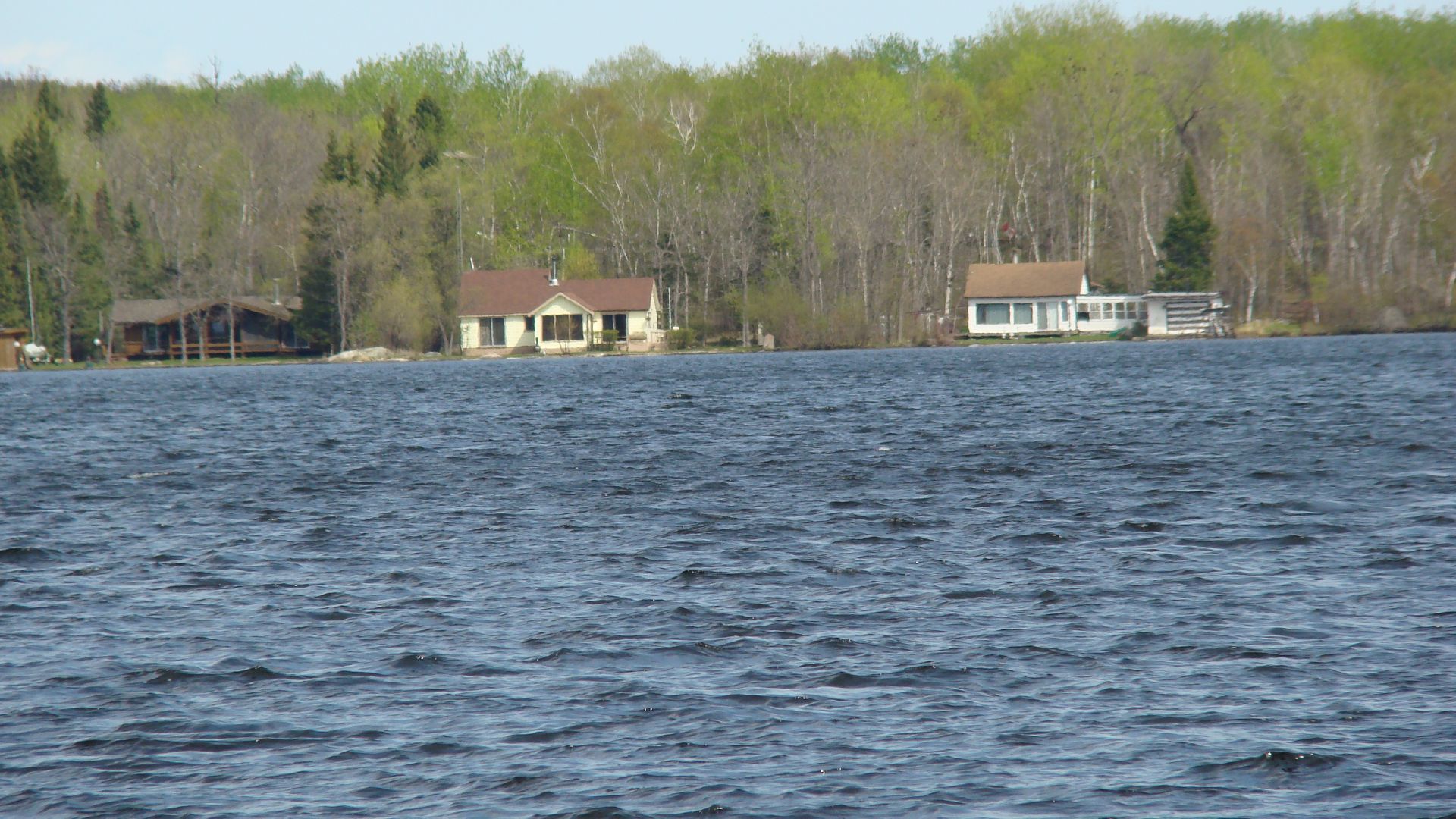
On May 20, 1967, Stefan Michalak was prospecting near Falcon Lake, Manitoba, when he reported an extraordinary encounter. He said he observed unusual objects and approached one that had landed nearby. Whatever happened next became the subject of an extensive collection of government records.
Michalak Said The Object Came Close
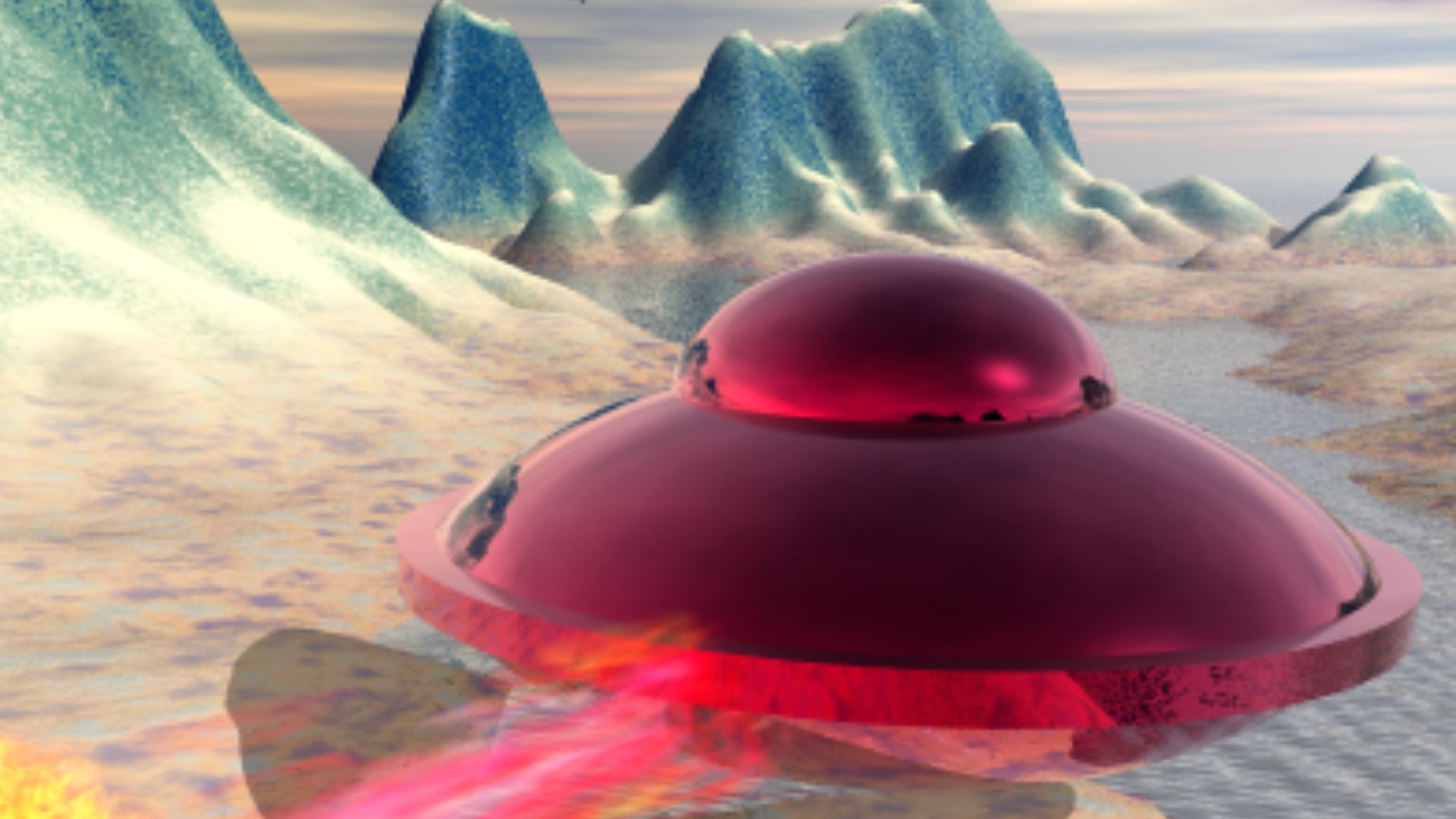
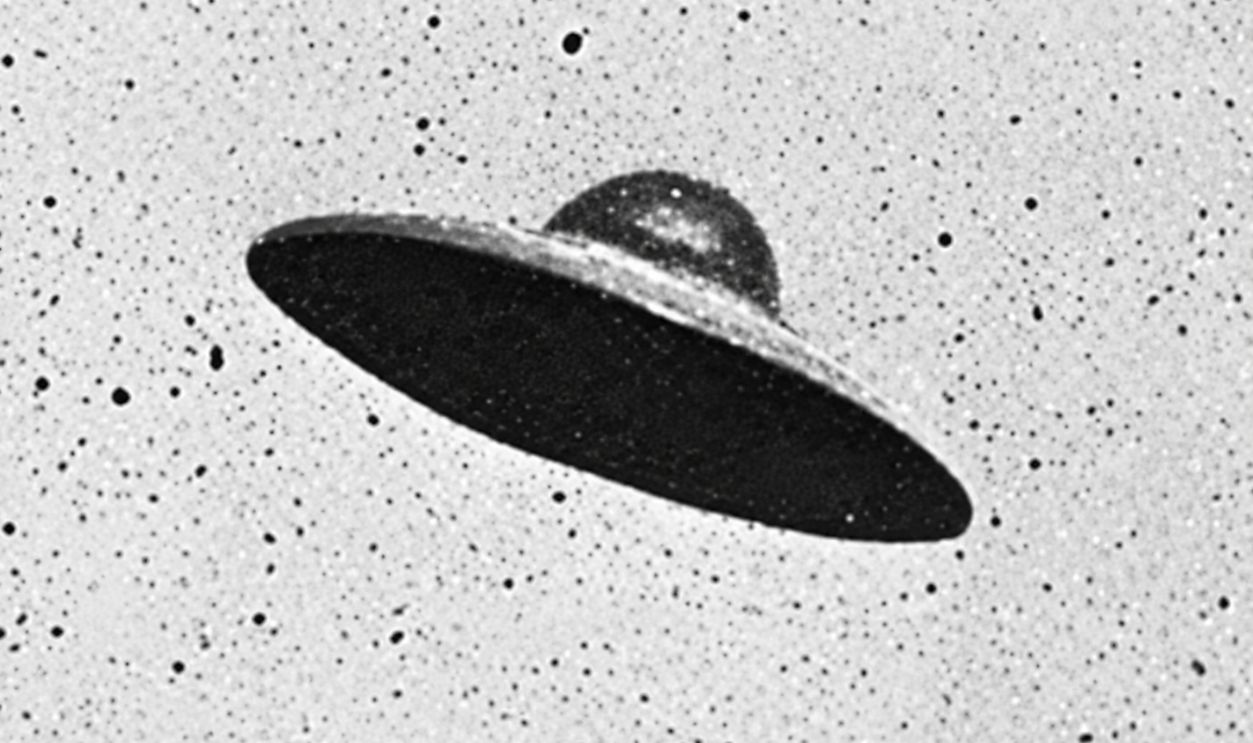
Michalak described a metallic-looking object that appeared to have landed while another object departed. He later reported physical injuries that he attributed to the encounter. His account became particularly famous because it involved more than a distant light in the sky and prompted attention from authorities and researchers.
 George Stock, Wikimedia Commons, Modified
The Government Paper Trail Is Real
The strange part of Falcon Lake is not that everyone agreed Michalak had encountered an extraterrestrial spacecraft. They did not. What can be verified is that Canadian government records contain numerous documents associated with the May 20, 1967 Falcon Lake sighting, including material held by Library and Archives Canada from the National Research Council.

Falcon Lake Never Received A Universally Accepted Explanation
Researchers have debated Michalak's account for decades, and the existence of official files does not prove an extraterrestrial explanation. Library and Archives Canada itself presents Falcon Lake as a historically significant UFO case and preserves the investigative material surrounding it. The enduring mystery is therefore not proof of visitors from another world, but what exactly Michalak experienced in the Manitoba wilderness that day.
 Shahnoor Habib Munmun, Wikimedia Commons
British Columbia Lost An Entire Family
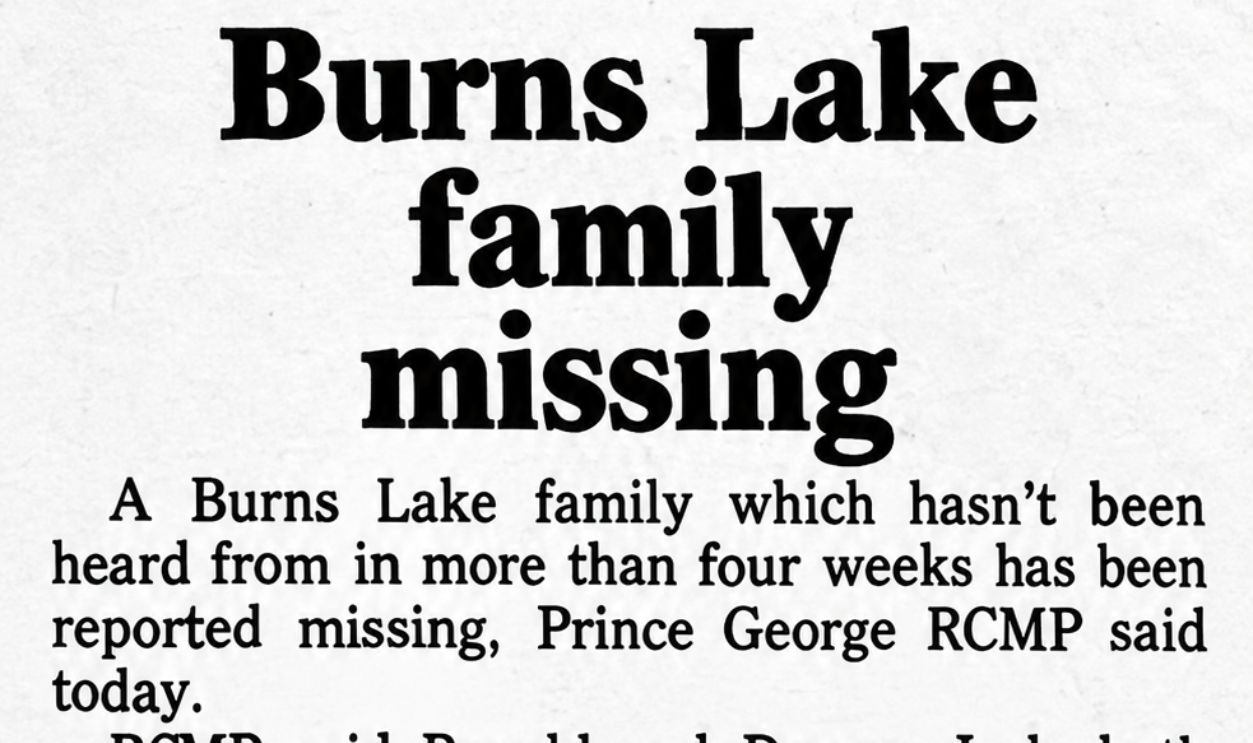
On August 1, 1989, Ronald Jack reportedly received an offer connected to a job opportunity west of Prince George. Ronald, his wife Doreen, and their sons Russell and Ryan subsequently disappeared. The Prince George RCMP Serious Crime Unit continues to investigate the case decades later.
 Naitsabes101, CC-BY-SA-4.0, Wikimedia Commons, Modified
They Expected To Come Home
Ronald told his mother that the family would be leaving for a camp job for roughly ten days and expected to return before the children's school year began. That detail makes the disappearance particularly unsettling because the trip was apparently supposed to be temporary. Ryan was four years old at the time, while Russell was nine.
 Naitsabes101, CC-BY-SA-4.0, Wikimedia Commons
Four People Disappeared Together
Unlike a case involving one missing traveler, the disappearance removed an entire household at once. RCMP said in 2024 that investigators have little evidence showing where the family went after they were last seen, with no modern digital trail such as cell phone or surveillance records available from 1989. The circumstances surrounding the family's departure remain largely unknown.
 Naitsabes101, CC-BY-SA-4.0, Wikimedia Commons
The Search Has Continued For Decades
The Jack family's disappearance has never faded completely from public attention. In June 2024, extended family members organized another search in the Willow River area east of Prince George while RCMP investigators remained in contact with organizers. More than three decades after Ronald, Doreen, Russell, and Ryan disappeared, investigators still do not know where they are.
 Naitsabes101, CC-BY-SA-4.0, Wikimedia Commons, Modified
Canada's North Holds A Mystery On A Massive Scale
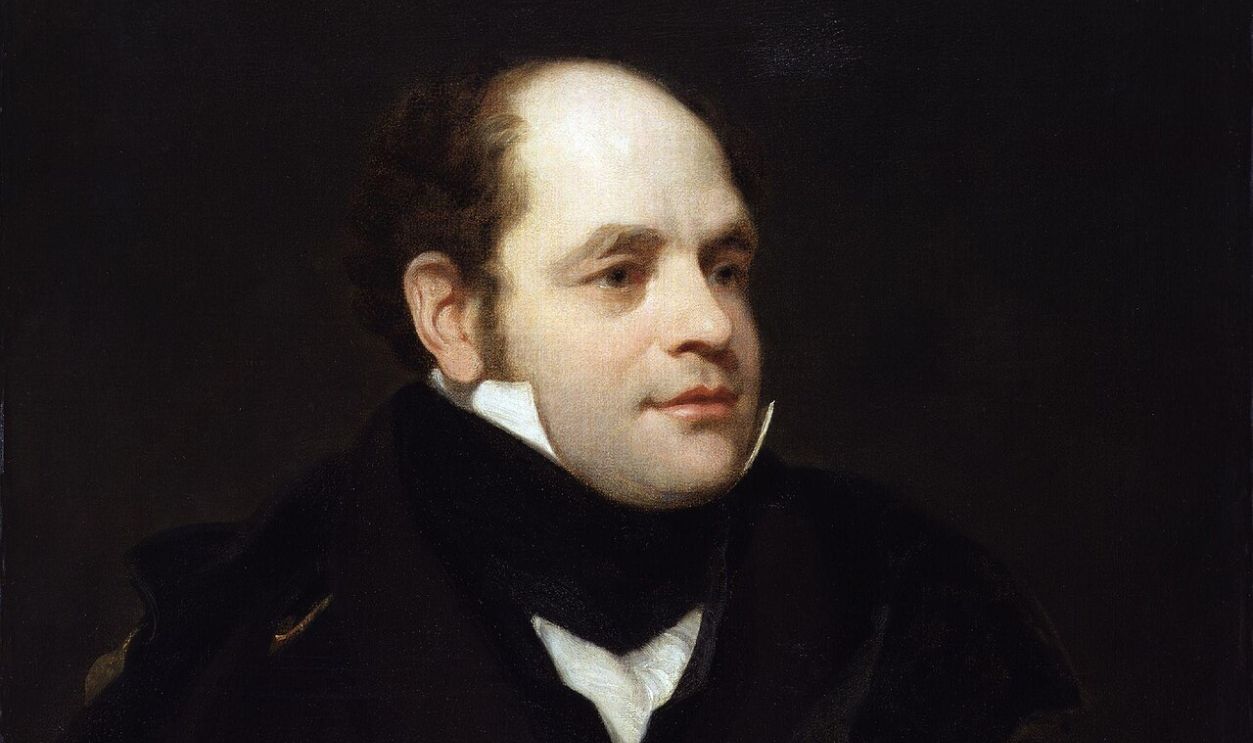
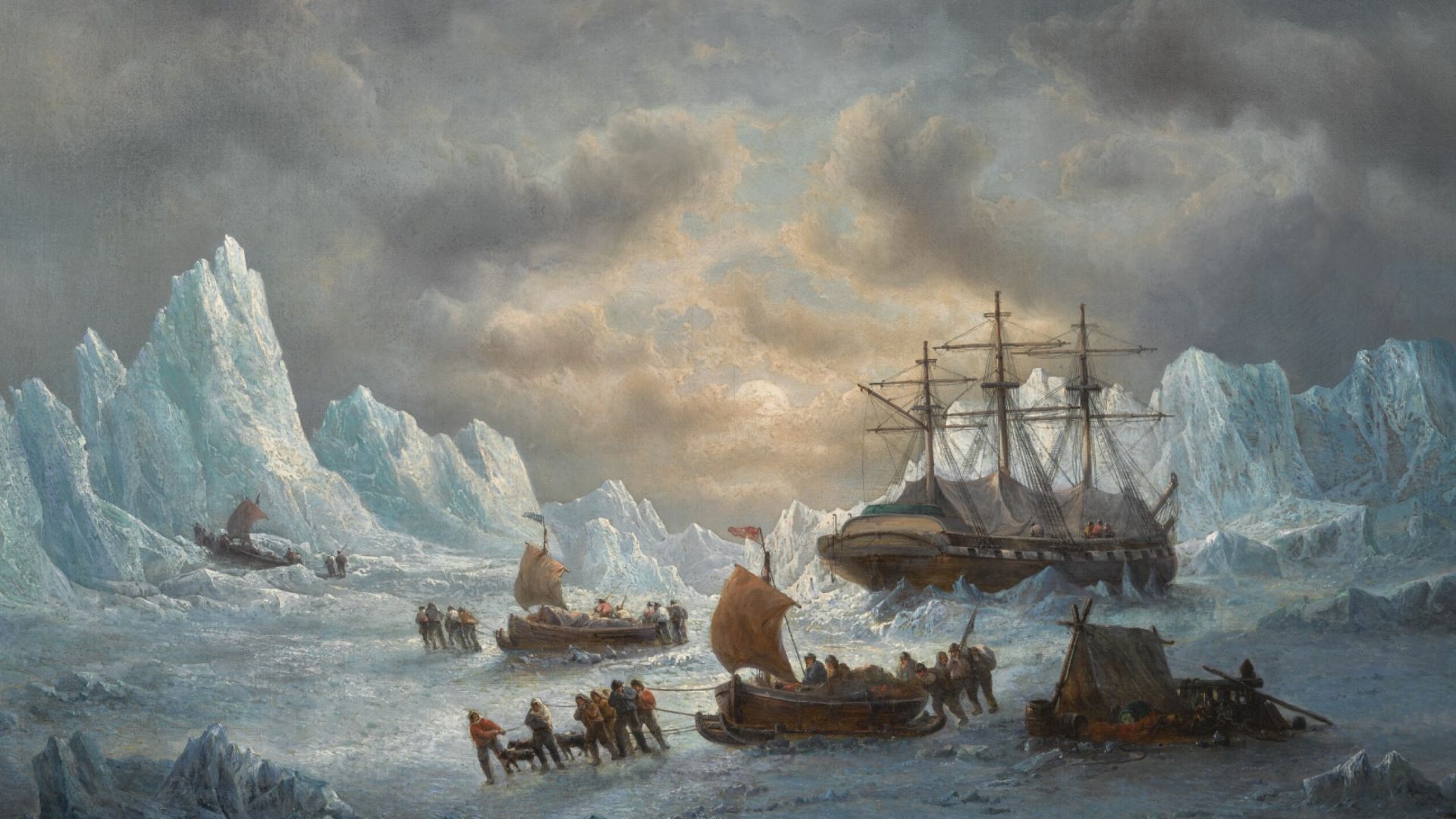
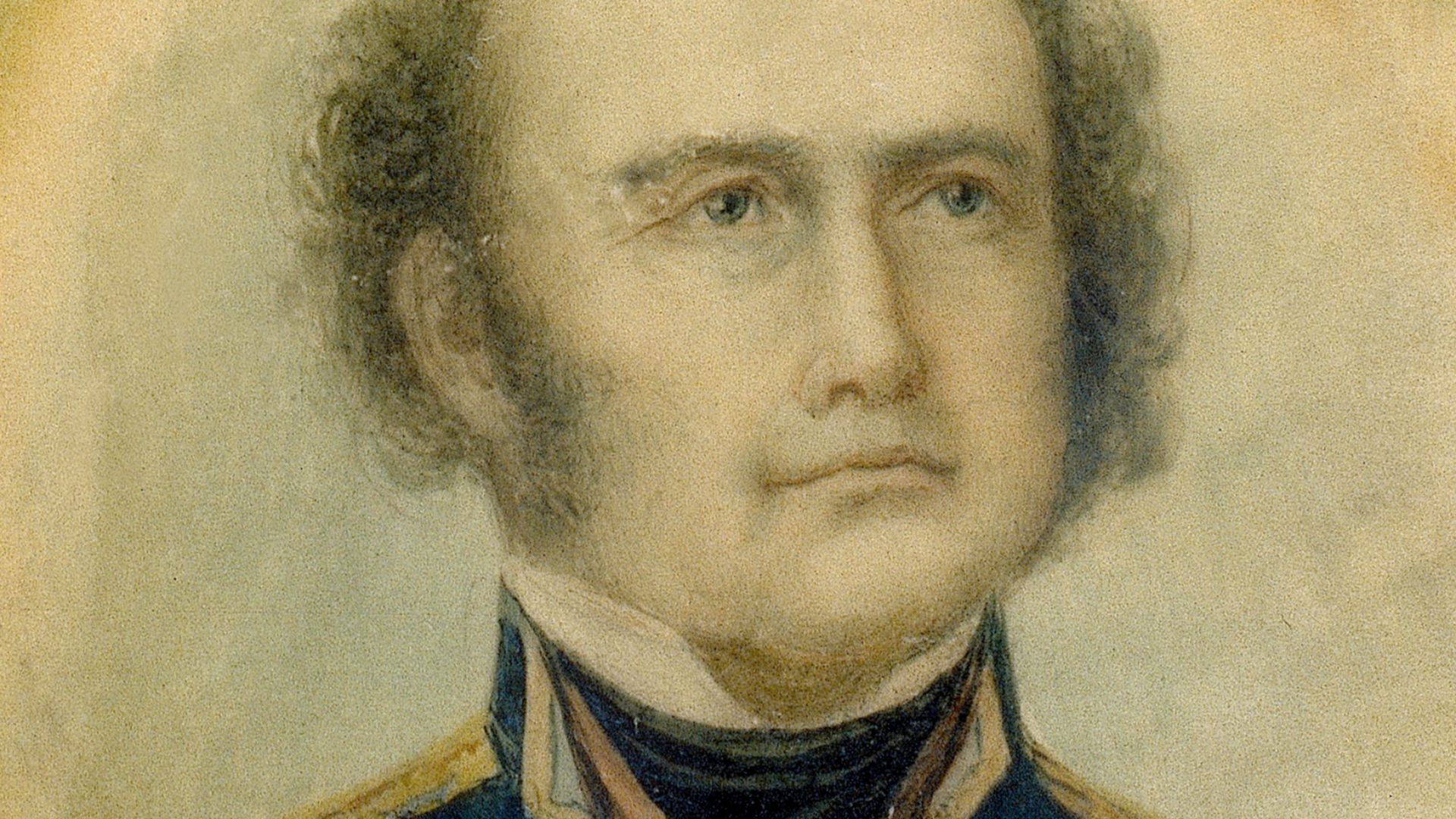
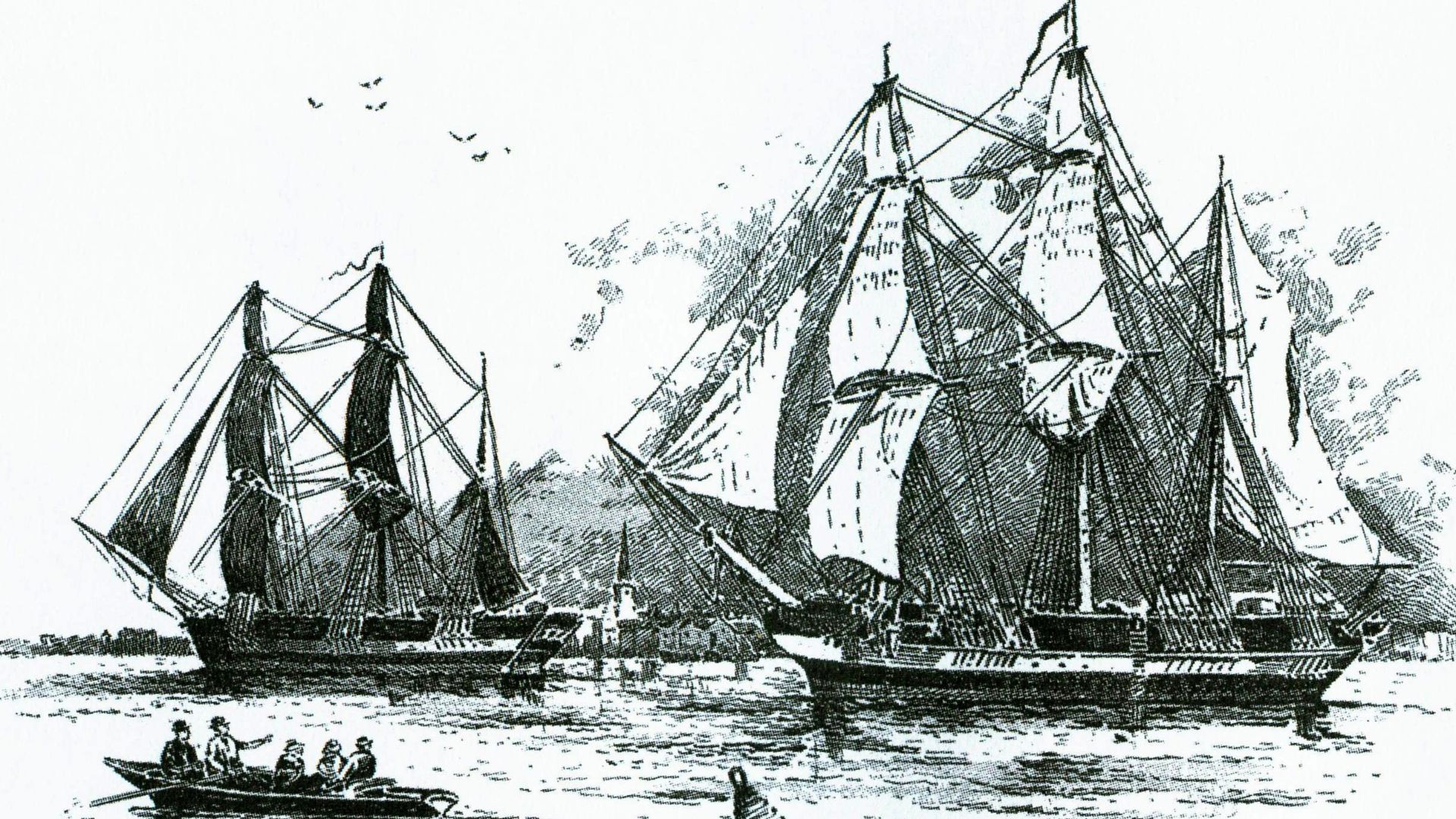
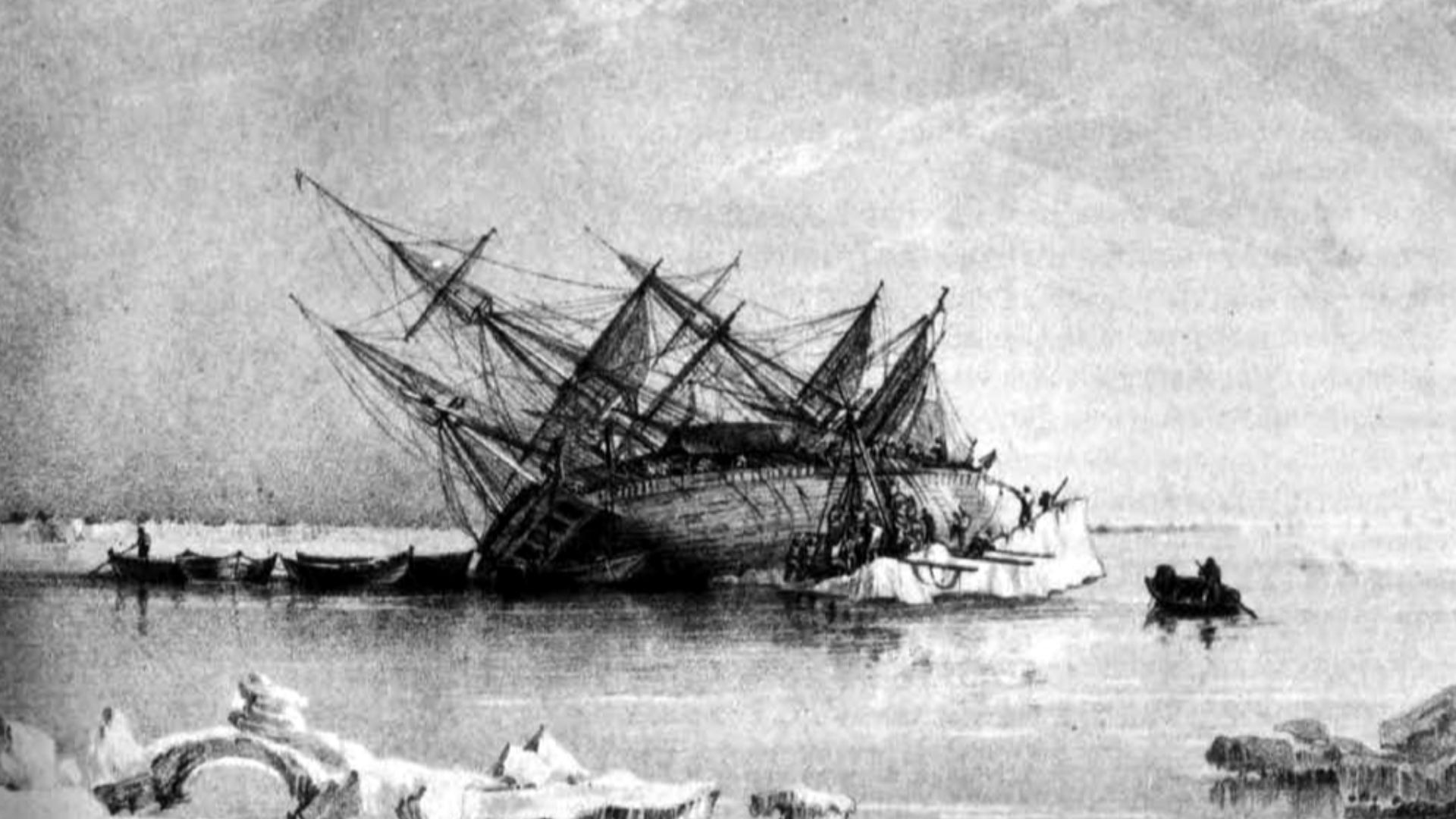
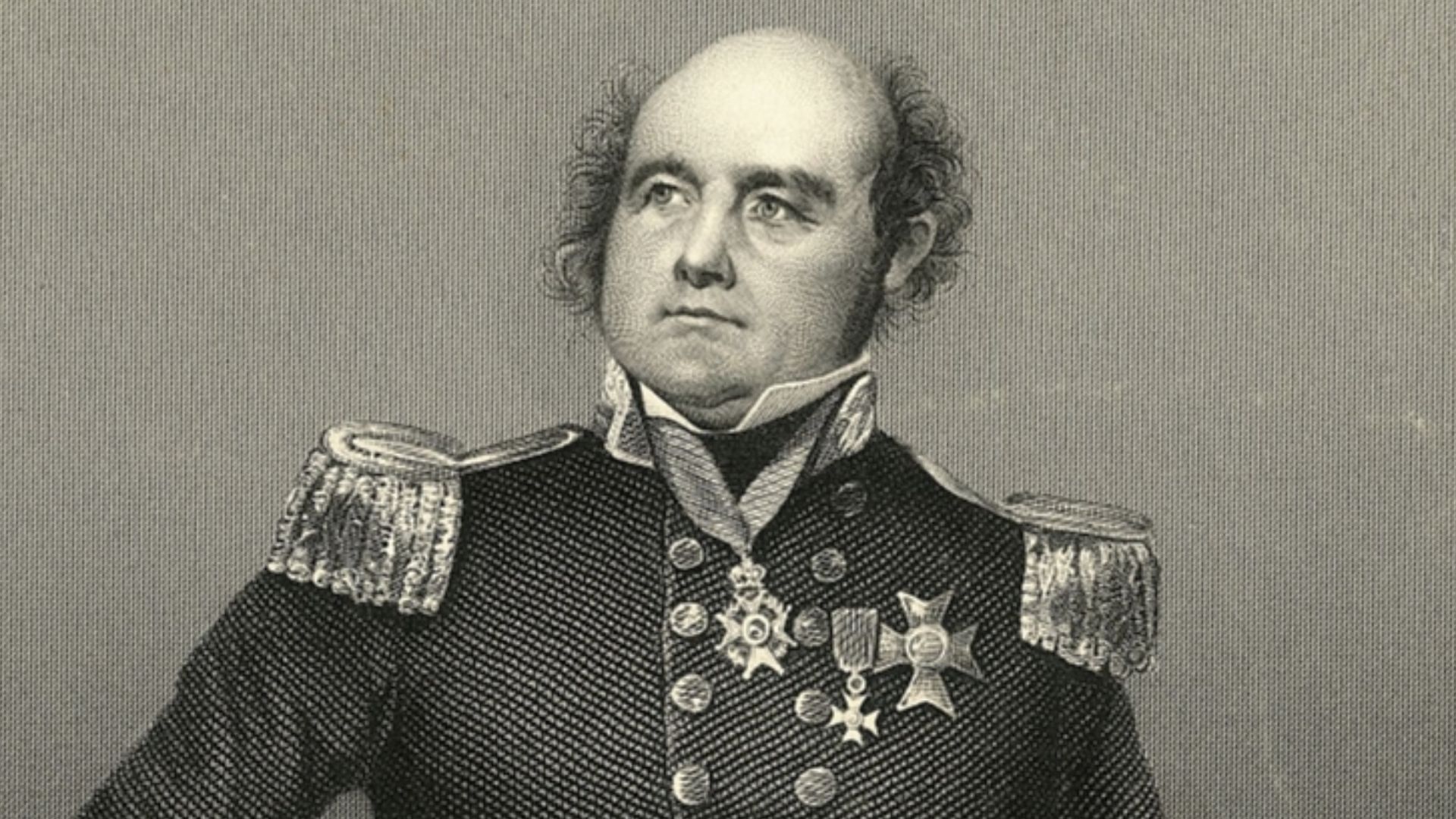
In 1845, Sir John Franklin sailed into the Arctic with HMS Erebus, HMS Terror, and a crew that ultimately numbered 129 men after several crew members returned home from Greenland. The expedition intended to navigate and chart the Northwest Passage. Instead, the ships became trapped in ice, and the expedition disappeared from European contact.
 National Portrait Gallery, Wikimedia Commons
The First Clues Only Deepened The Mystery
Searchers eventually found graves, human remains, abandoned equipment, and accounts preserved through Inuit knowledge. A written record discovered at Victory Point revealed that Franklin had died on June 11, 1847 and that the ships were abandoned in April 1848 after being trapped in ice. It also reported that 24 officers and men had already died by that point.
 François Musin, Wikimedia Commons
Inuit Accounts Preserved Crucial Information
European searches did not hold all the answers. Inuit witnesses and oral histories preserved information about encounters with members of the expedition and the locations where ships or survivors had been seen. That knowledge later became extremely important to modern searches for Franklin's vessels.
 Unknown authorUnknown author, Wikimedia Commons
One Lost Ship Finally Appeared
In September 2014, Parks Canada archaeologists located HMS Erebus after years of systematic searching. The discovery followed a combination of archaeological work, modern technology, and Inuit knowledge. Sonar revealed the remarkably recognizable wreck sitting on the seafloor, ending one part of a mystery that had endured for more than 160 years.
 Unknown authorUnknown author, Wikimedia Commons
Then HMS Terror Was Found Too
Two years later, the search produced another extraordinary breakthrough. A tip from Gjoa Haven resident Samy Kogvik helped redirect attention, and the research vessel Martin Bergmann passed over a wreck that Parks Canada archaeologists subsequently verified as HMS Terror. Finding both vessels transformed the Franklin mystery, but it did not answer every question about the expedition's final months.
 George Back, Wikimedia Commons
Franklin's Biggest Questions Still Survive
Archaeologists continue examining the wrecks and thousands of potential artifacts for evidence about what happened after the expedition collapsed. Parks Canada notes that written documents may still survive among material at the wreck sites, while Inuit knowledge continues to contribute to the investigation. The ships are no longer missing, but the precise sequence of decisions, movements, and events that ended with the loss of every member of Franklin's expedition remains incompletely understood.
 Unknown authorUnknown author, Wikimedia Commons
You May Also Like:
The Lenape: The Native Tribe That Tipped The Balance of The Revolutionary War
Scientists uncover a toxic legacy of Ancient Rome that may have lowered intelligence across Europe






.jpg)


