Americans Abroad Have Some Pretty Recognizable Habits
You might think your accent is the biggest giveaway when traveling through Europe, but sometimes your behavior speaks first. From ordering enormous drinks to tipping generously and squeezing five cities into one vacation, certain American travel habits can stand out. Travel experts have documented plenty of these cultural differences, although not every American does them and European customs vary widely. So, how many of these familiar vacation behaviors are you guilty of?
Talking At Full Volume Everywhere
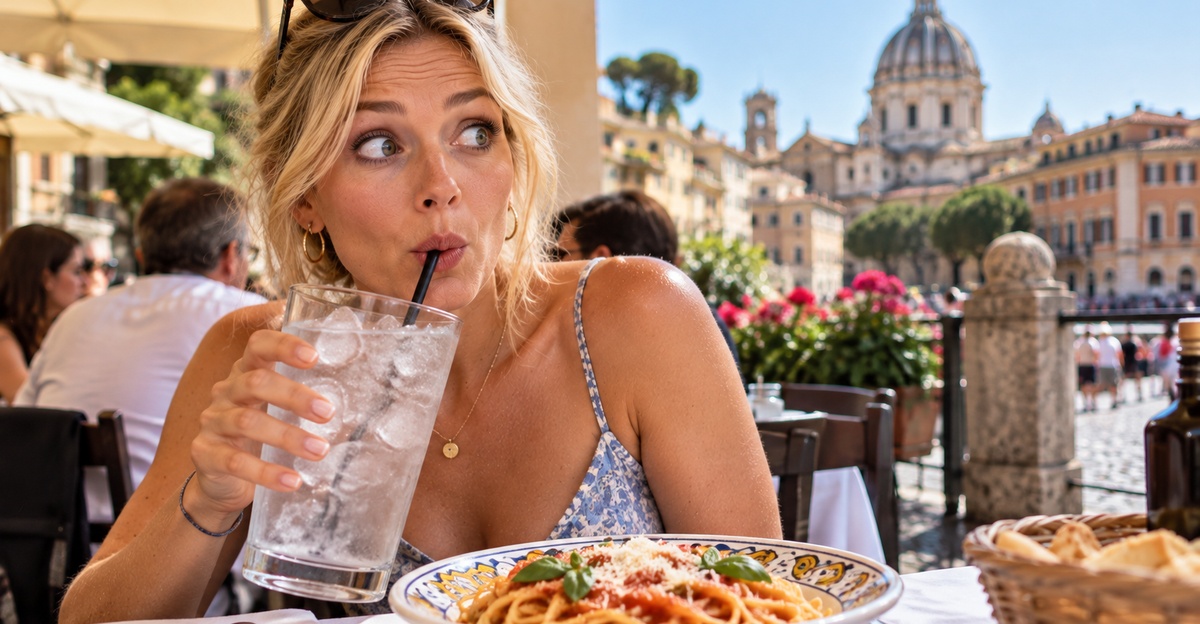
Americans often have a reputation for being louder than Europeans, particularly in restaurants and on public transportation. Travel expert Rick Steves advises visitors to pay attention to the volume of local conversations and adjust accordingly. What feels like an ordinary conversation at home might attract attention inside a quiet European train carriage. You don't have to whisper, but matching the room's volume can make a noticeable difference.

Tipping Like You're Still In America
Leaving a 20% restaurant tip might feel perfectly normal in the United States, but European tipping customs are often considerably different. Rick Steves explains that diners in many European countries simply round up the bill, leave a few coins, or tip nothing. In some places, restaurant prices already include service, making a large additional tip unnecessary. Generosity is appreciated, but checking local expectations can save you money and confusion.

Asking For Ice In Every Drink
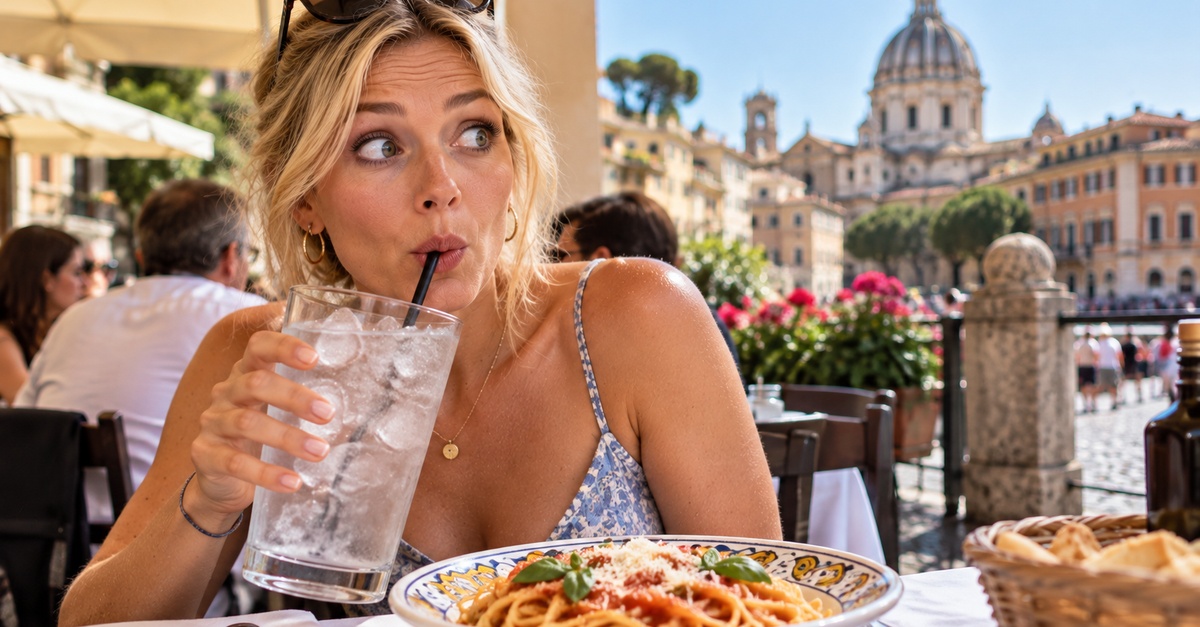
A glass filled to the brim with ice is familiar territory for many Americans. Across Europe, however, drinks are not always served with the same generous quantities of ice. Rick Steves specifically identifies expecting ice cubes as an American habit that can clash with local drinking customs. If your first question at a restaurant is whether they have more ice, you might already be revealing where you're from.

Carrying A Giant Water Bottle Everywhere
Some American travelers treat their reusable water bottle like an essential travel companion. Rick Steves guidebook co-author Cameron Hewitt has observed that Europeans sometimes find Americans' enthusiasm for constant hydration unusual. Carrying water is practical, especially during hot sightseeing days, but the enormous bottle can become a recognizable accessory. There's nothing wrong with staying hydrated, even if your bottle attracts a curious glance.

Expecting Free Water At Every Restaurant
In American restaurants, receiving complimentary tap water without asking is a familiar experience. In many European restaurants, diners are expected to specify what kind of water they want, and bottled water may be offered instead. Rick Steves recommends learning how to request tap water in the local language to avoid unnecessary charges. The water itself isn't necessarily the problem, but assuming restaurant service works exactly like home can lead to surprises.

Looking For Unlimited Coffee Refills
Americans accustomed to diners with bottomless coffee may be surprised when every additional cup costs extra. Rick Steves notes that complimentary refills are not a standard expectation in many European cafés. Coffee culture also differs significantly between countries, with espresso and smaller servings playing important roles in places like Italy. If you're waiting for someone to wander over with a fresh pot, you may be waiting a while.

Eating Dinner Before The Locals Arrive
Planning dinner for 6 PM might sound completely reasonable to an American traveler. In Spain and other parts of southern Europe, however, dinner commonly begins much later, and restaurants may not become lively until 8 or 9 PM. The Washington Post highlights these differences as an important adjustment for first-time American visitors. Showing up early isn't wrong, but you might find yourself dining almost exclusively alongside other tourists.

Expecting Restaurant Service To Move Quickly
American restaurant culture often emphasizes prompt service and efficient table turnover. In many European dining settings, a slower meal is considered part of the experience rather than a problem requiring correction. Rick Steves encourages visitors to view dinner as an evening activity instead of something to finish quickly. If you're checking your watch while everyone else enjoys another conversation, you might be missing one of the pleasures of traveling.

Waiting For The Waiter To Bring The Check
In many American restaurants, the bill arrives shortly after everyone finishes eating. European restaurant etiquette can work differently, with servers often leaving guests alone until they request the check. Rick Steves explains that this approach is generally intended to respect the diner's time at the table. If you've been sitting there wondering why nobody wants your money, the answer might be that you haven't asked.

Ordering A Huge American-Style Breakfast
A breakfast featuring eggs, bacon, pancakes, and several cups of coffee might be your favorite way to start vacation. But traditional breakfasts vary dramatically across Europe, and many southern European countries favor lighter morning meals. Rick Steves describes Italian breakfasts built around coffee and pastries, while Scandinavian hotels often serve substantial buffets. Asking for an American diner breakfast everywhere you go can mean overlooking some wonderful local traditions.

Packing Enough Clothes For A Month
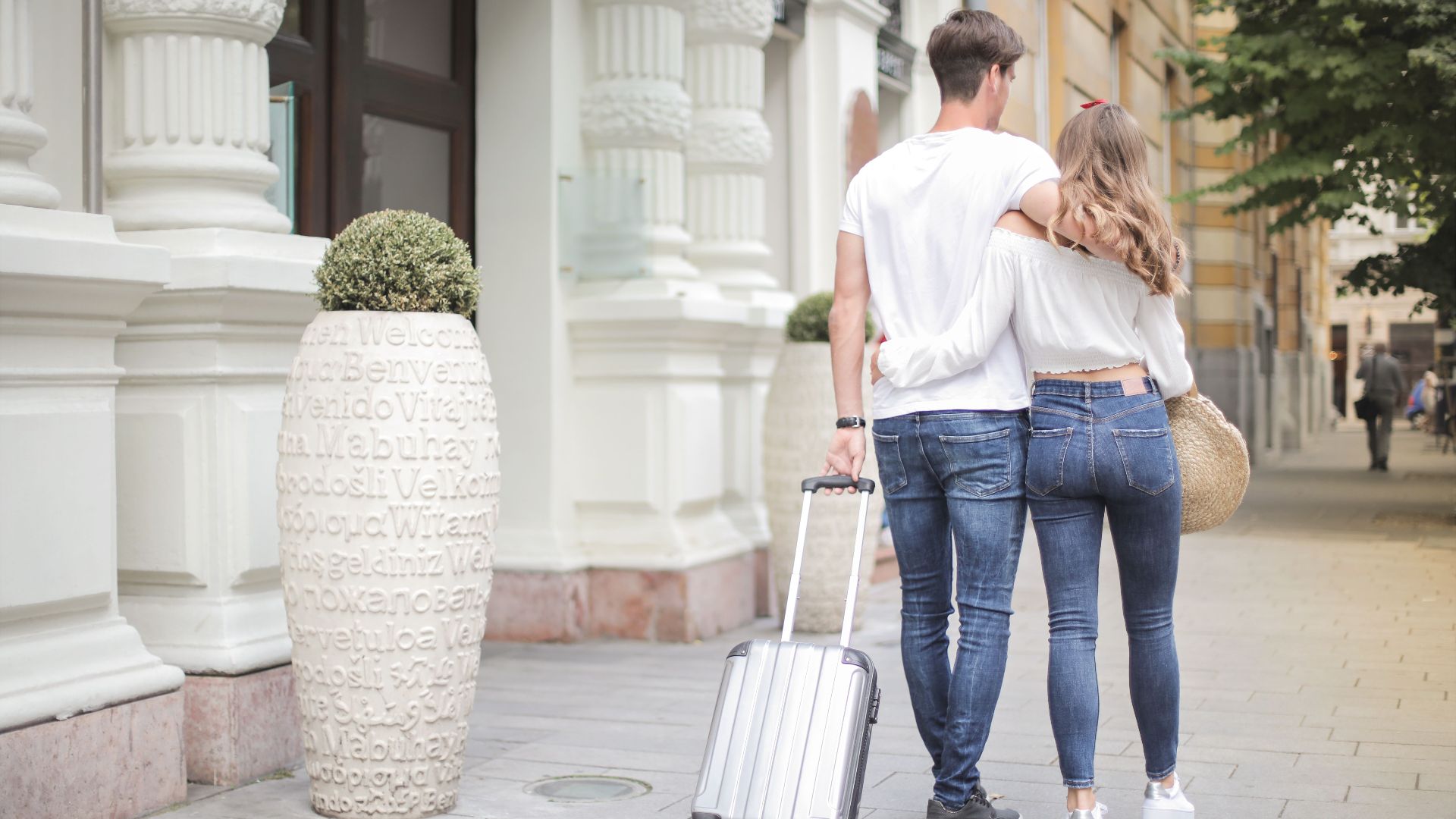
Bringing several outfit choices for every possible occasion can feel reassuring before an international trip. Unfortunately, oversized suitcases become much less convenient when you're navigating cobblestone streets, staircases, and crowded train stations. Rick Steves strongly recommends packing light, explaining that mobility is one of the greatest advantages of traveling with less luggage. That extra suitcase might contain your favorite outfits, but it could also become your least favorite travel companion.

Trying To Visit Five Cities In Five Days
When Americans travel across the Atlantic, the temptation to see absolutely everything can be overwhelming. Paris, Amsterdam, Rome, and Barcelona might all seem essential, even when vacation time is limited. Rick Steves recommends building itineraries around realistic travel times and personal priorities rather than simply collecting destinations. If your schedule leaves more time for checking out of hotels than exploring neighborhoods, you might be moving too quickly.

Assuming Everyone Will Speak English
English is widely useful in many European tourist destinations, but that doesn't mean every person you meet will understand it. Rick Steves recommends learning a handful of basic local words and using simple communication when language barriers arise. Beginning every interaction with a complicated question in English can make an ordinary exchange unnecessarily difficult. Even a basic greeting in the local language demonstrates that you're making an effort.

Expecting Huge Hotel Rooms
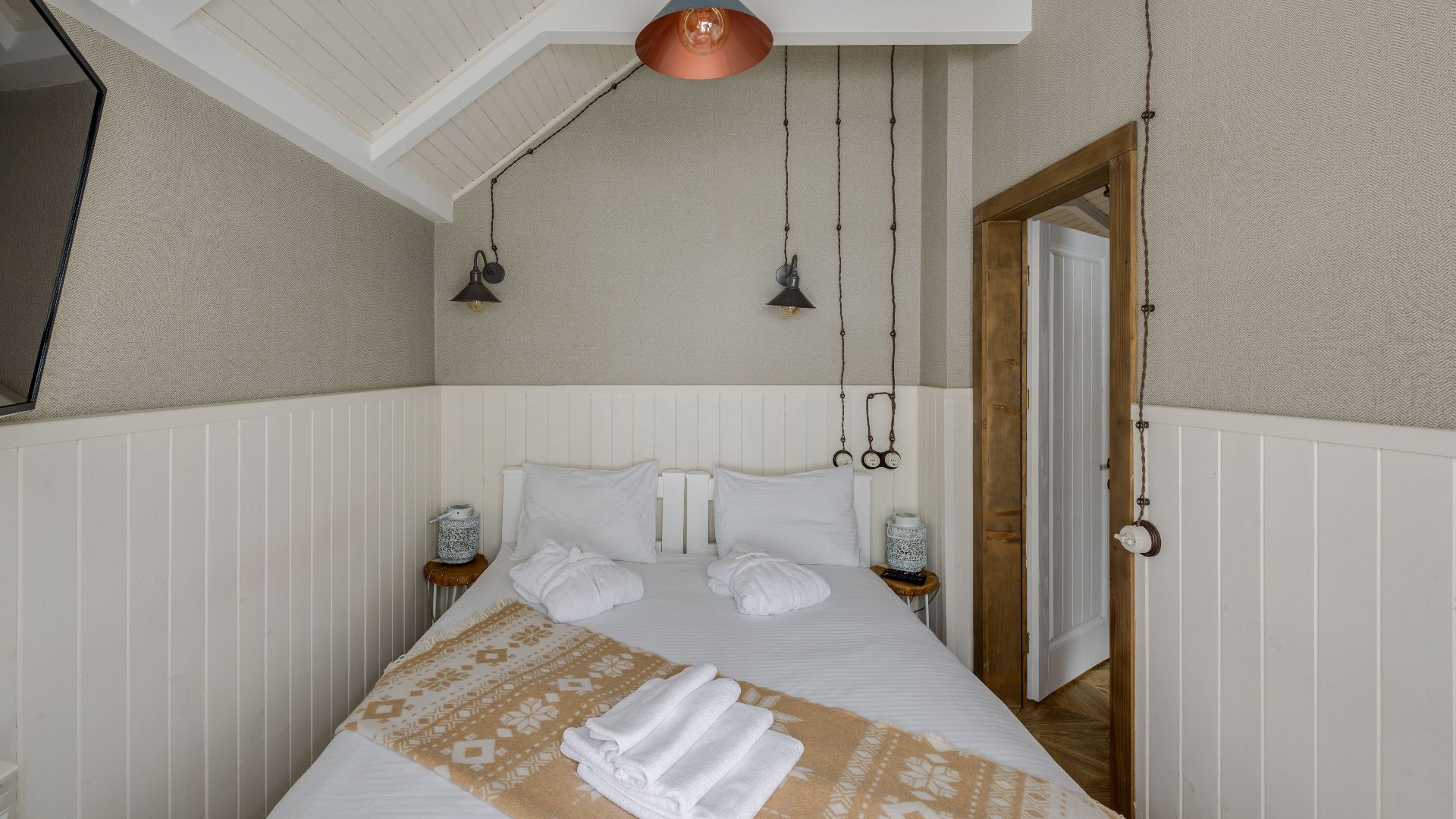
American travelers accustomed to spacious chain hotels may be surprised by the dimensions of some European accommodations. Historic buildings and compact city-center properties often have smaller rooms and bathrooms than visitors expect. Rick Steves notes that even comfortable European hotels can feature tight showers, unusual layouts, and limited counter space. The room might feel tiny, but its location could put you within walking distance of the city's best attractions.
Assuming Every Hotel Has Strong Air Conditioning
Air conditioning can feel like a basic requirement to Americans accustomed to climate-controlled buildings. However, smaller European hotels and older properties do not always provide the same cooling systems found in American chain hotels. Rick Steves recommends checking whether air conditioning is available before booking, particularly when it's important to your comfort. Discovering this difference during a summer heat wave is considerably less enjoyable than learning about it beforehand.

Being Shocked That Public Bathrooms Cost Money
Paying to use a restroom can catch American visitors completely off guard. In parts of Europe, toilets at train stations, highway rest areas, and tourist attractions may require a small payment. Rick Steves advises travelers to keep coins available because attendants and payment machines are still encountered in some locations. It's one of those small cultural adjustments that becomes much easier once you know what to expect.

Wearing Shorts Into Historic Churches
A comfortable pair of shorts might seem perfect for sightseeing during a hot European summer. However, certain churches and other religious sites require visitors to cover their shoulders or knees. Rick Steves advises checking dress expectations before entering, particularly at major religious attractions in southern Europe. Packing lightweight trousers or a suitable cover-up can prevent an awkward surprise at the entrance.

Blocking The Left Side Of Escalators
Standing beside your travel companion on an escalator might feel completely harmless. In many European subway systems, however, the customary practice is to stand on the right and leave the left side open for people walking past. Rick Steves specifically includes this rule in his advice for navigating European public transportation. If people keep trying to squeeze around you, your escalator positioning might be the reason.

Talking Loudly On Trains
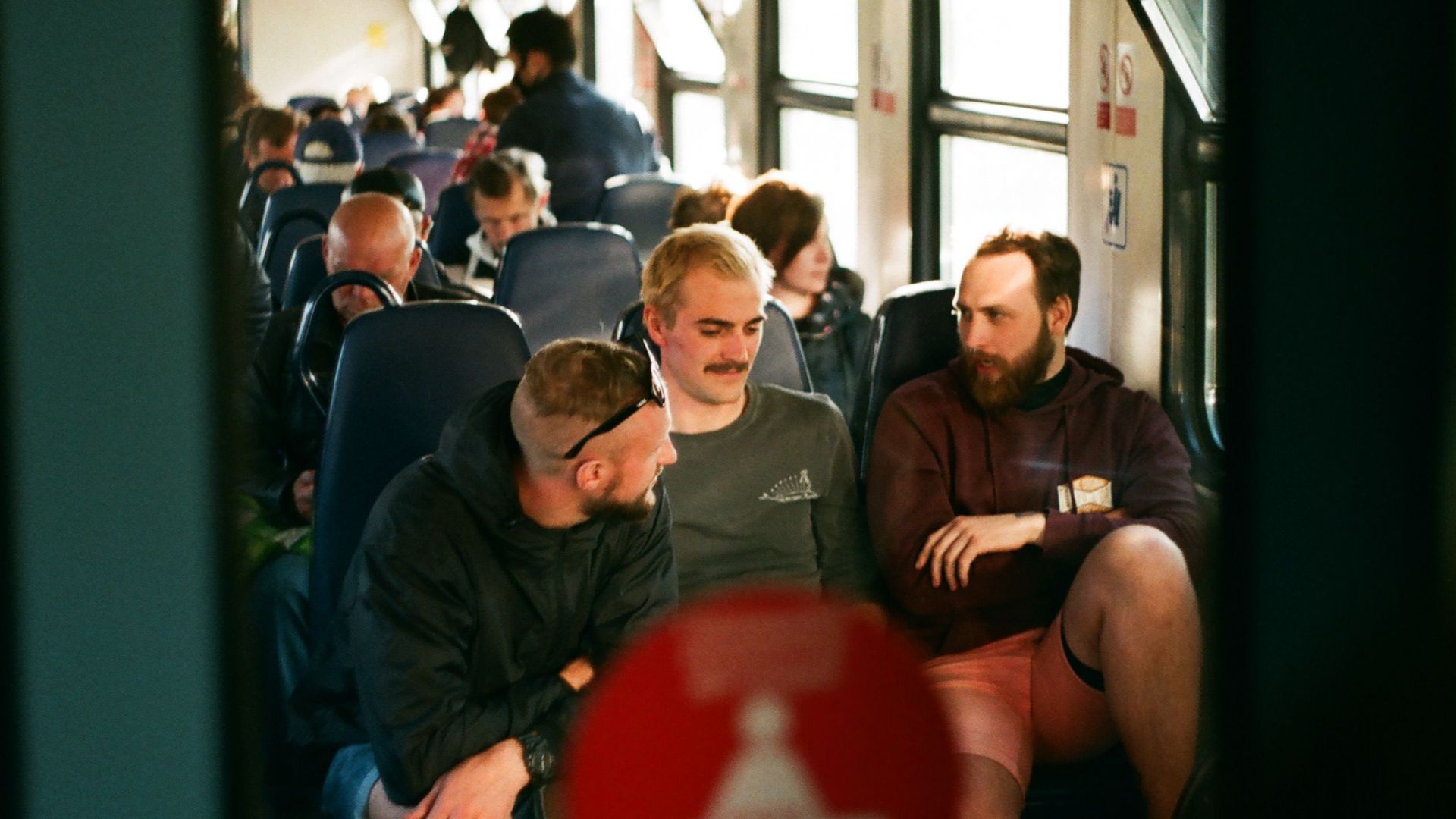
Train travel offers an opportunity to chat about the scenery, compare sightseeing plans, or call someone back home. But some European trains have designated quiet carriages, and even ordinary coaches may have a subdued atmosphere. Rick Steves recommends checking carriage signs and keeping conversations at an appropriate volume. A lively vacation discussion that seems perfectly innocent to you might be disruptive to someone trying to work or rest.
Expecting A Rental Car To Solve Everything
Americans accustomed to driving between destinations may instinctively consider renting a car for their European vacation. Yet many European city centers have pedestrianized areas where driving and parking can be inconvenient or restricted. Rick Steves encourages travelers to consider walking and public transportation rather than assuming a car will always provide the easiest access. Sometimes the most convenient way to explore a city is to leave the vehicle behind.
Expecting Every Restaurant To Offer Takeout-Style Convenience
American diners may be accustomed to large portions, leftover containers, and meals designed around convenience. The Washington Post notes that portions can be smaller in Europe and that taking leftovers home may be viewed differently depending on the country and restaurant. Some dining traditions place greater emphasis on enjoying the meal at the table. That doesn't mean asking for leftovers is universally unacceptable, but it helps to recognize that expectations aren't identical everywhere.
 ANTONI SHKRABA production, Pexels
Looking For American Food Instead Of Local Specialties
Trying unfamiliar food can be one of the most rewarding parts of international travel, but not everyone feels adventurous at every meal. Rick Steves has described tourists who insist on familiar American breakfasts, English menus, and other comforts while visiting Europe. His advice is to embrace local customs rather than constantly comparing them with home. Ordering something familiar occasionally is understandable, but doing it everywhere can mean missing the food you traveled so far to experience.

Photographing Everything Instead Of Enjoying The Moment
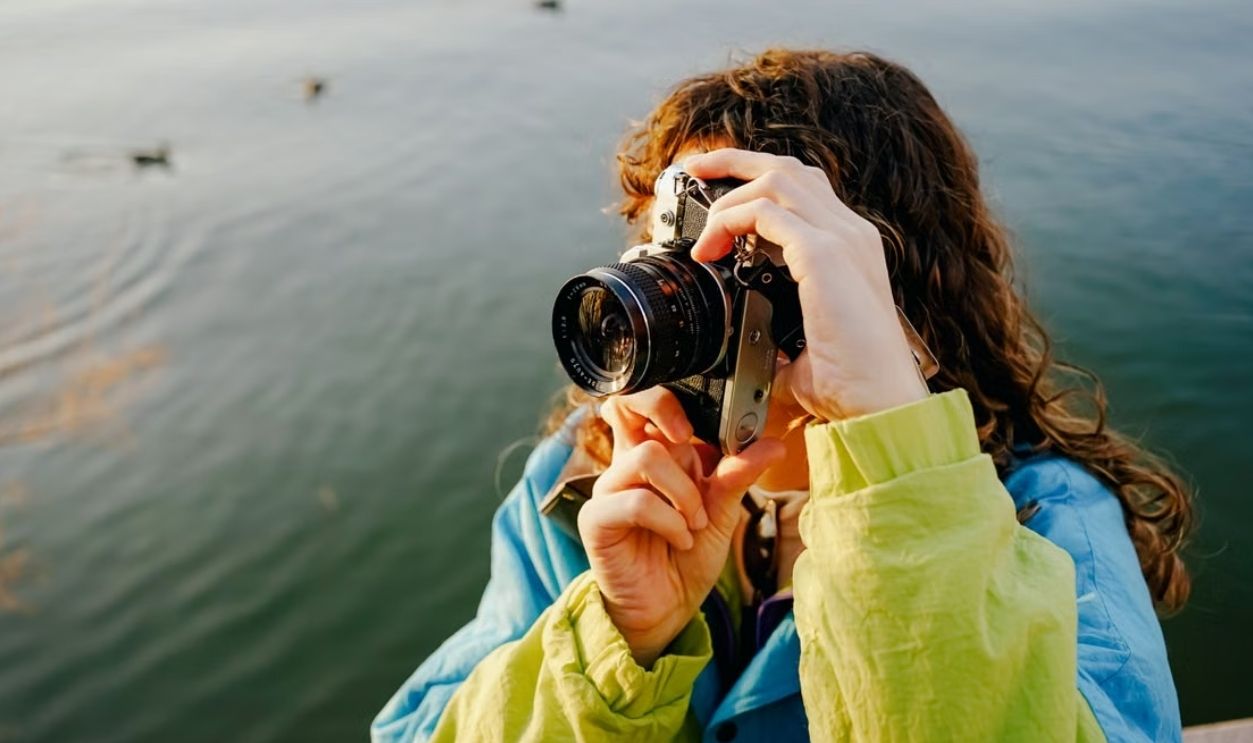
European landmarks practically invite visitors to take photographs, and there's nothing wrong with preserving vacation memories. However, Rick Steves warns that some tourists become so focused on cameras and selfies that they overlook the people and experiences around them. Constantly stopping for photographs can also interfere with the natural rhythm of exploring a neighborhood. Sometimes putting the camera away for a few minutes reveals something more memorable than another picture.
Assuming Every Attraction Accepts Walk-Ins
Spontaneous sightseeing sounds wonderful until you discover that a famous attraction requires advance reservations. Rick Steves notes that many popular European landmarks sell timed-entry tickets, allowing visitors to avoid lengthy ticket lines. Travelers who arrive without reservations may face long waits or limited availability. Booking major attractions beforehand can actually create more time for spontaneous discoveries elsewhere.
Choosing Dollars Instead Of The Local Currency
When a European card terminal offers to charge your purchase in American dollars, choosing the familiar currency might seem convenient. Unfortunately, Rick Steves warns that dynamic currency conversion can result in unfavorable exchange rates and additional costs. Paying in the local currency generally avoids the merchant's conversion markup. It's an easy mistake for international travelers to make, especially when the payment screen presents dollars as the simpler option.

Assuming Your Credit Card Works Everywhere
Americans may be accustomed to using credit cards for nearly every purchase, from restaurant meals to small convenience-store transactions. Although major cards are widely accepted throughout Europe, some smaller businesses and situations still require cash. Rick Steves recommends carrying access to local currency rather than relying exclusively on plastic. Finding out that you need cash is much less stressful when you've already visited an ATM.

Comparing Everything To Back Home
Perhaps the most recognizable travel habit isn't clothing, tipping, or even speaking loudly. It's constantly explaining how things are bigger, faster, cheaper, or more convenient in the United States. Rick Steves argues that travelers enjoy Europe more when they stop measuring every experience against American expectations. The next time something works differently, consider whether you've discovered an inconvenience or simply another way of doing things.

The Best Travelers Know When To Adapt
Recognizing yourself in several of these habits doesn't mean you're a bad traveler. Cultural differences are part of the experience, and even seasoned travelers occasionally make mistakes. Rick Steves encourages visitors to approach unfamiliar customs with curiosity, flexibility, and respect rather than worrying excessively about fitting in. After all, the goal isn't to convince everyone you're European, but to enjoy being somewhere different.

You May Also Like:
North American Vacation Habits That Seem Strange Almost Everywhere Else
North American Cities That Tourists Say Are Surprisingly Friendly, Despite Their Reputations
The American Road Trips That Canadians Are Secretly Jealous Of