The Little Vacation Habits That Turn Heads
Travel habits often reflect geography, culture, and history as much as personal preference. North Americans, especially travelers from the United States and Canada, have developed vacation traditions that feel perfectly ordinary at home but often surprise visitors from other parts of the world. Here are some of the most recognizable vacation habits that tend to stand out abroad. Factinate Ltd
Turning The Drive Into The Vacation
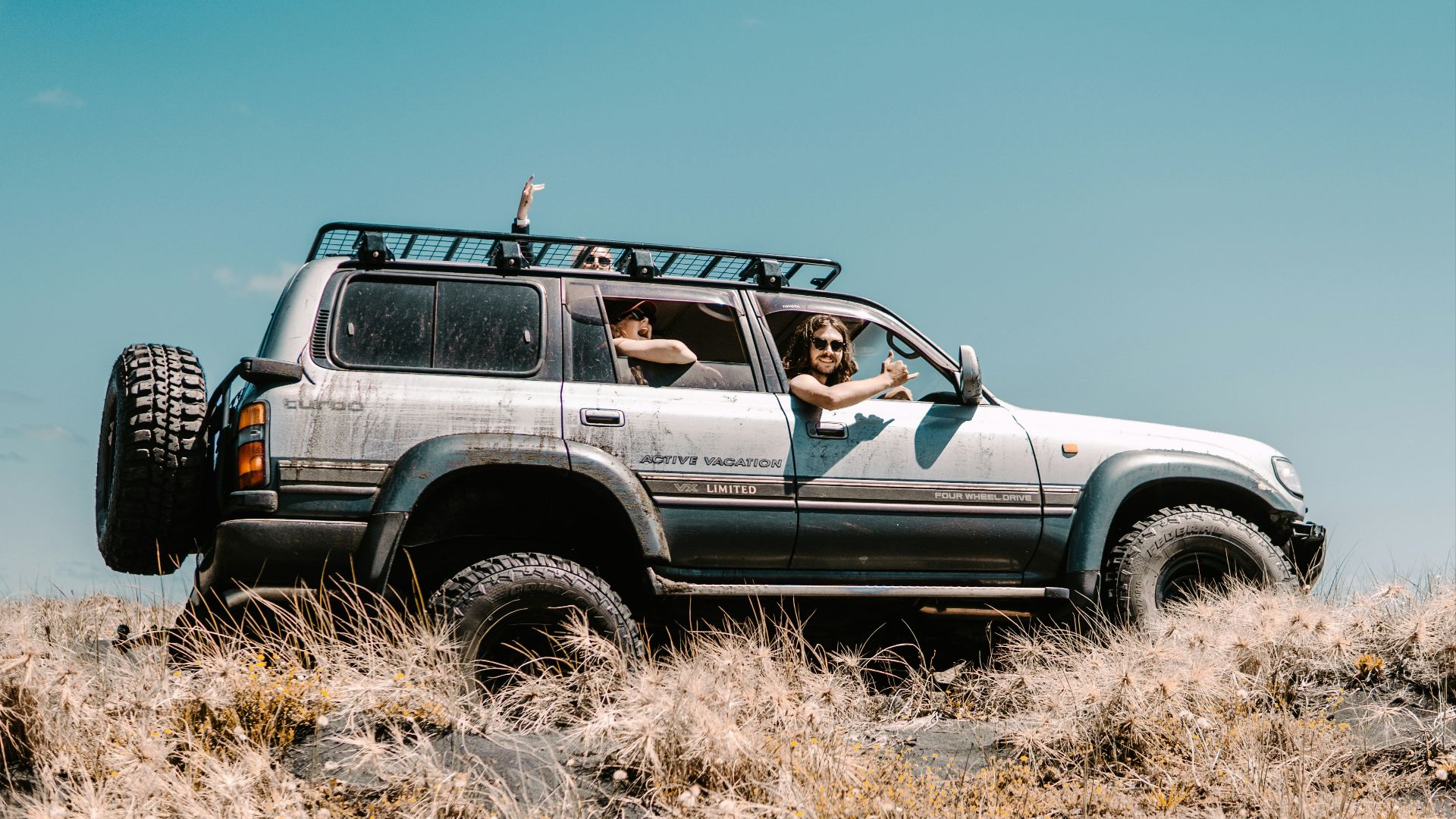
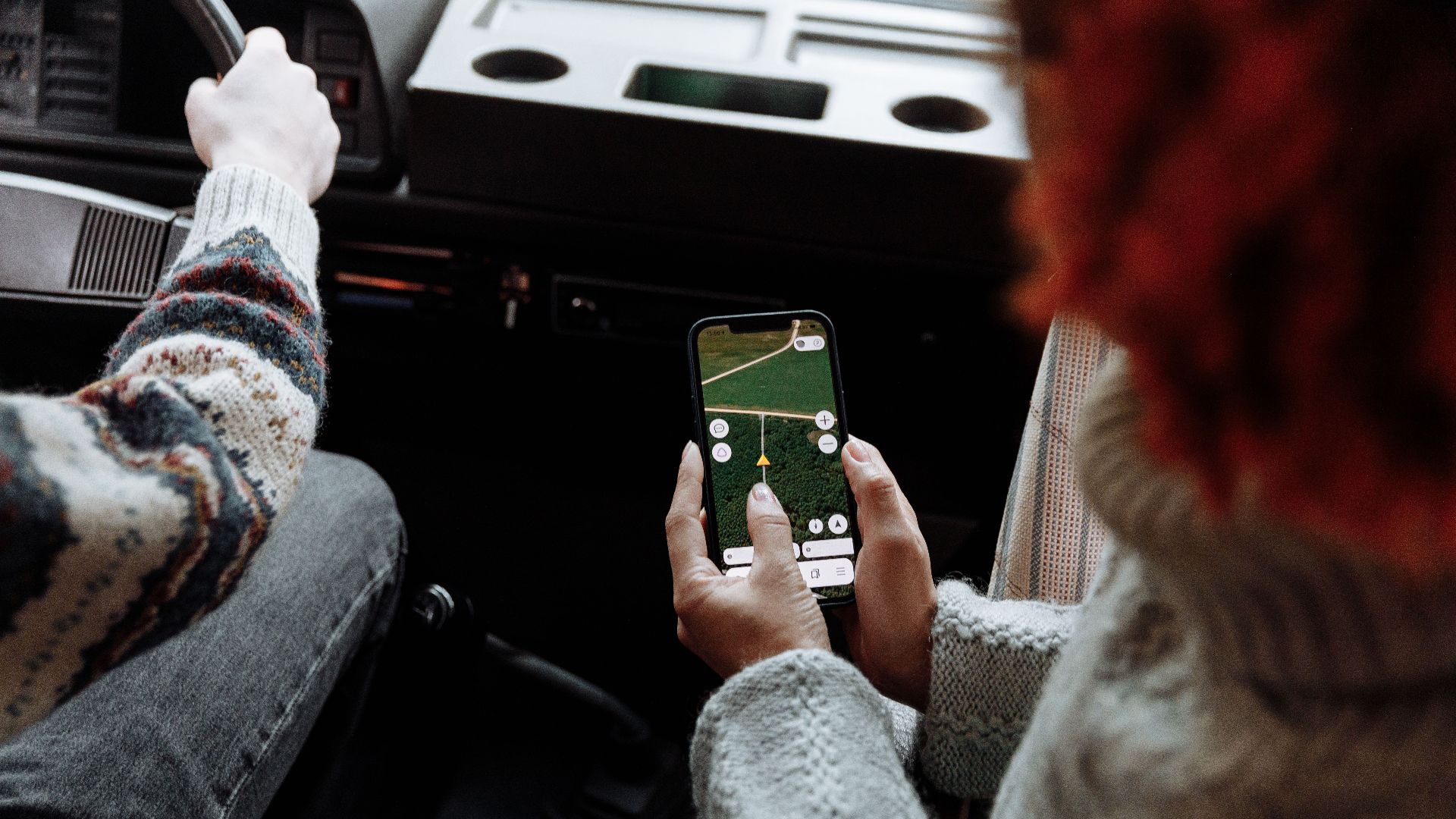
Many North Americans think nothing of driving for eight or ten hours before reaching their destination. In much of Europe or Asia, that same amount of time could cross several countries, making the idea seem unusual. The classic road trip has been a defining part of American travel culture for decades, thanks to vast highway networks and enormous distances.
Planning Around National Parks
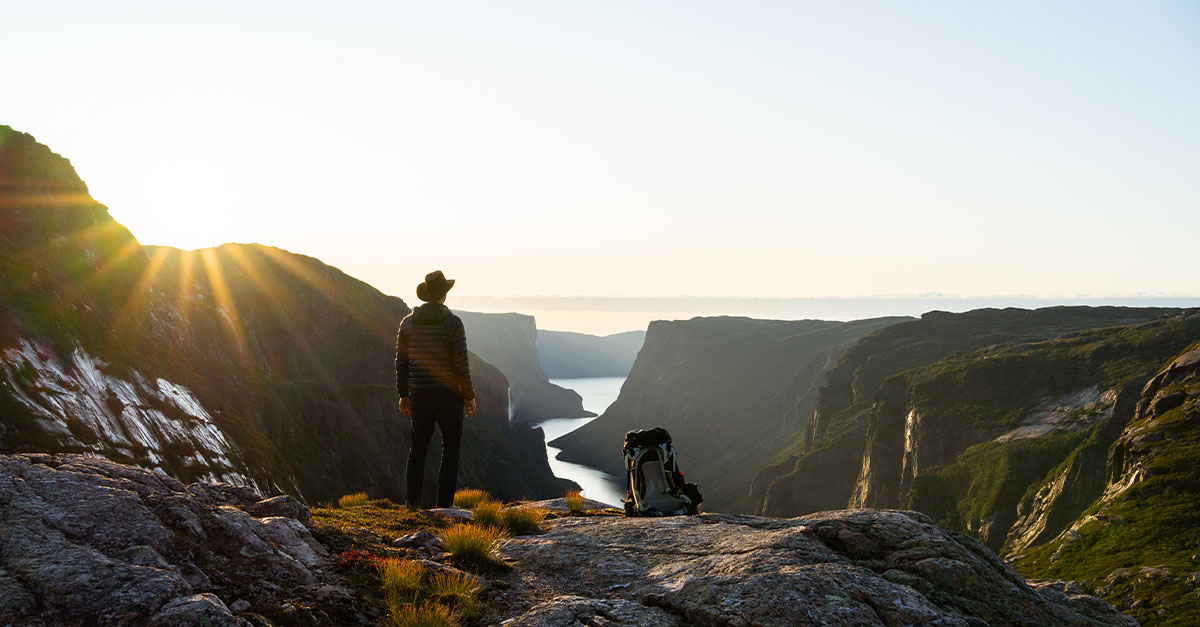
Many families organize entire vacations around visiting national parks instead of major cities. Yellowstone, Banff, Yosemite, Acadia, and Jasper are vacation destinations rather than quick day trips. Visitors from densely populated countries are often surprised by how much time North Americans willingly spend exploring wilderness.
Measuring Distance In Driving Hours
Instead of saying a destination is 400 miles away, many North Americans simply say it is about six hours from home. Travel conversations naturally revolve around driving time instead of geographic distance. People from countries with stronger rail networks often find this way of thinking unusual.
Renting Huge Vacation Homes Together
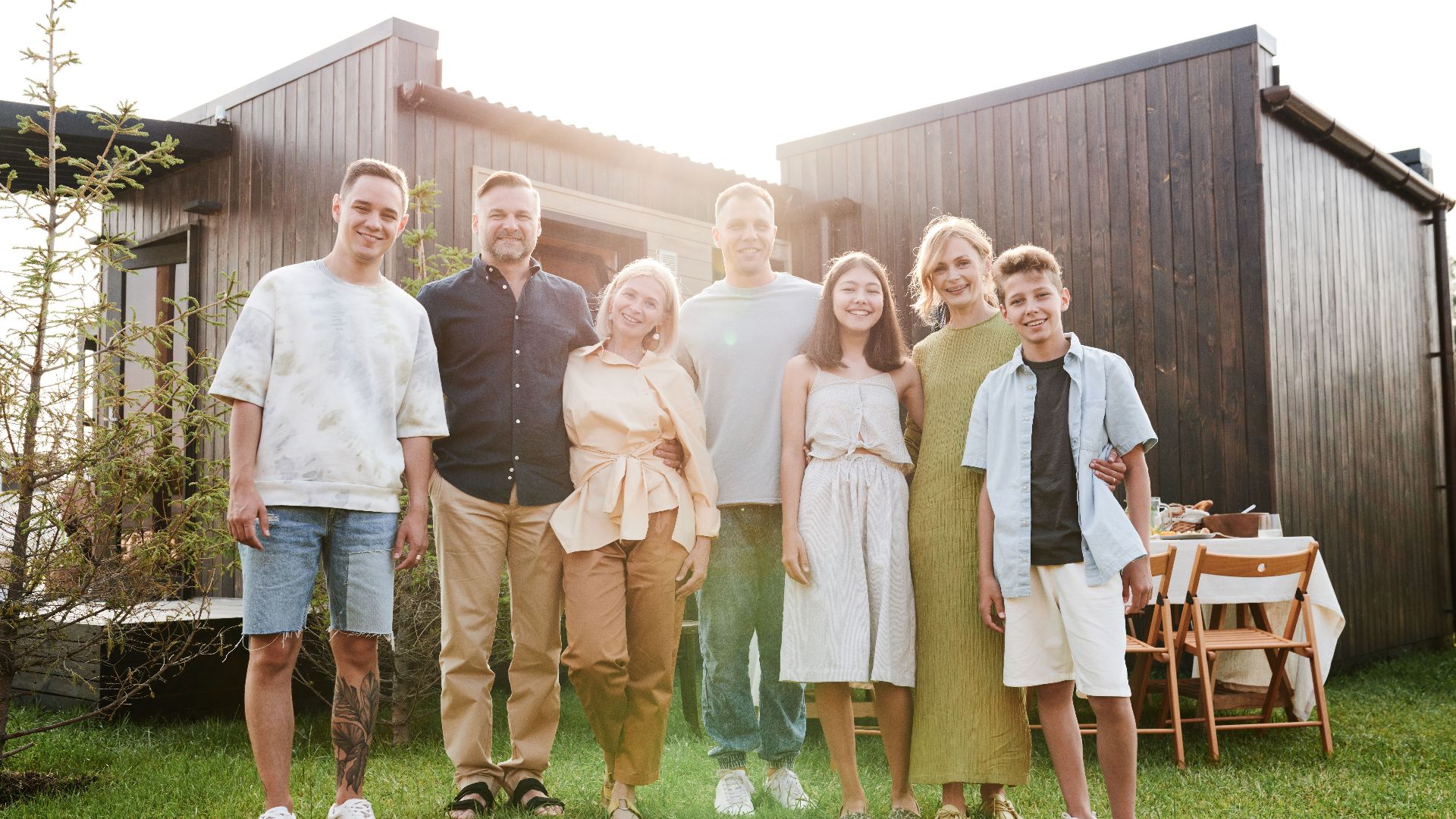
Extended families frequently rent large lake houses, beach houses, or mountain cabins for an entire week. Several generations often stay under one roof while sharing meals and expenses. This style of vacation is less common in places where hotels remain the preferred accommodation.
Packing The Entire Kitchen
North American vacationers often bring coolers, groceries, spices, coffee makers, and cooking supplies. Many expect to prepare most of their meals instead of dining out every day. Vacation rentals with full kitchens have become especially popular because they make this possible.

Spending Hours In The Car Every Day
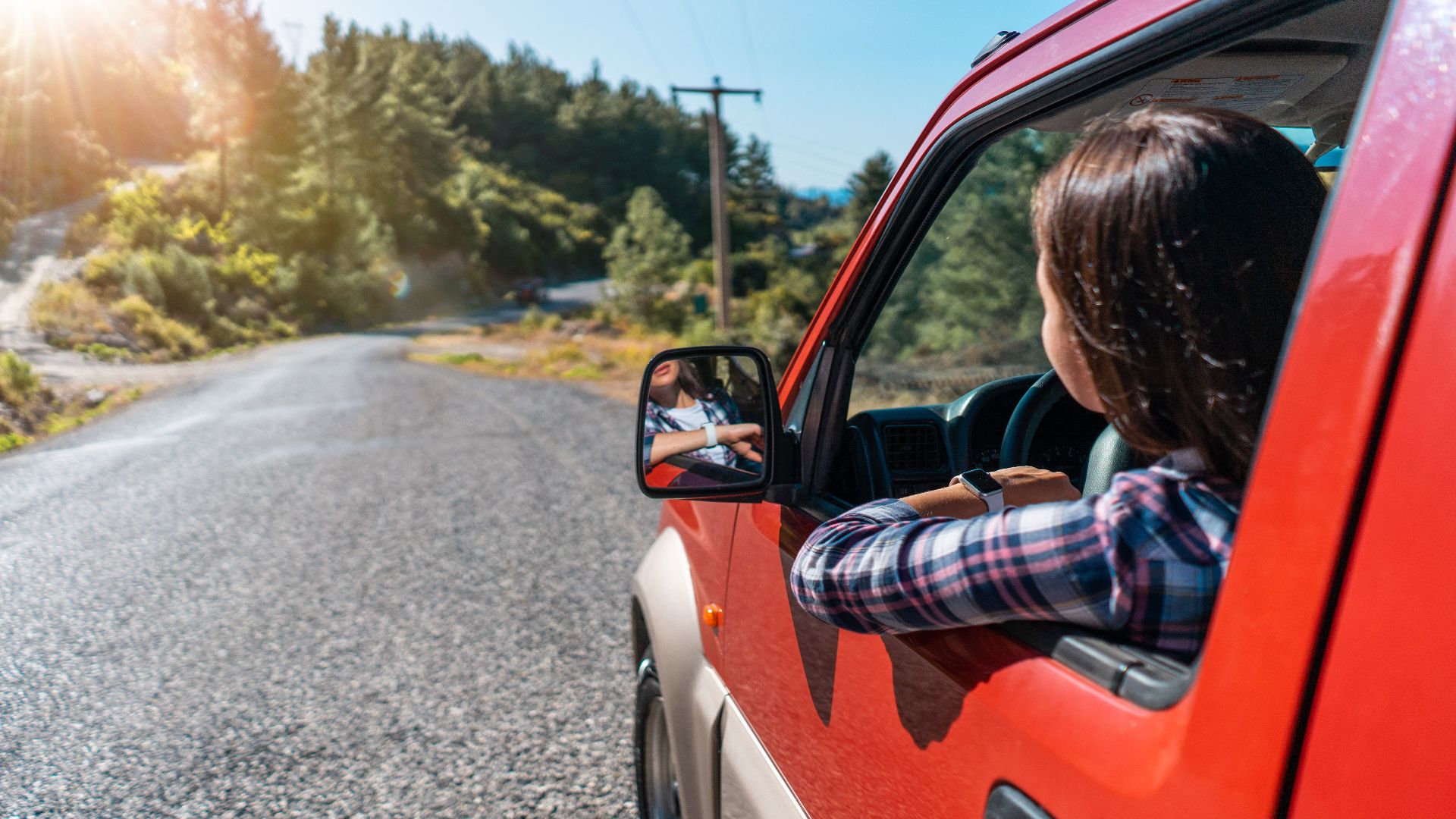
Some travelers happily drive several hours each day while sightseeing. Long scenic drives through places like the Rocky Mountains or along the Pacific Coast are considered part of the experience. Visitors from smaller countries sometimes expect to stay in one location instead.
Treating Camping Like A Luxury Experience
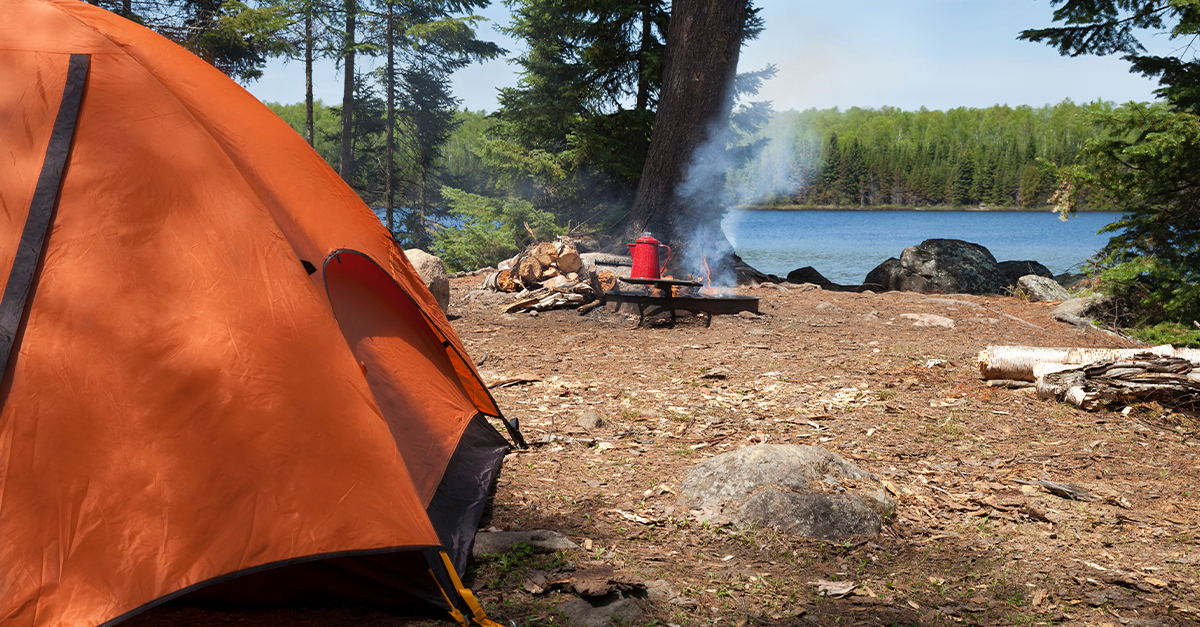
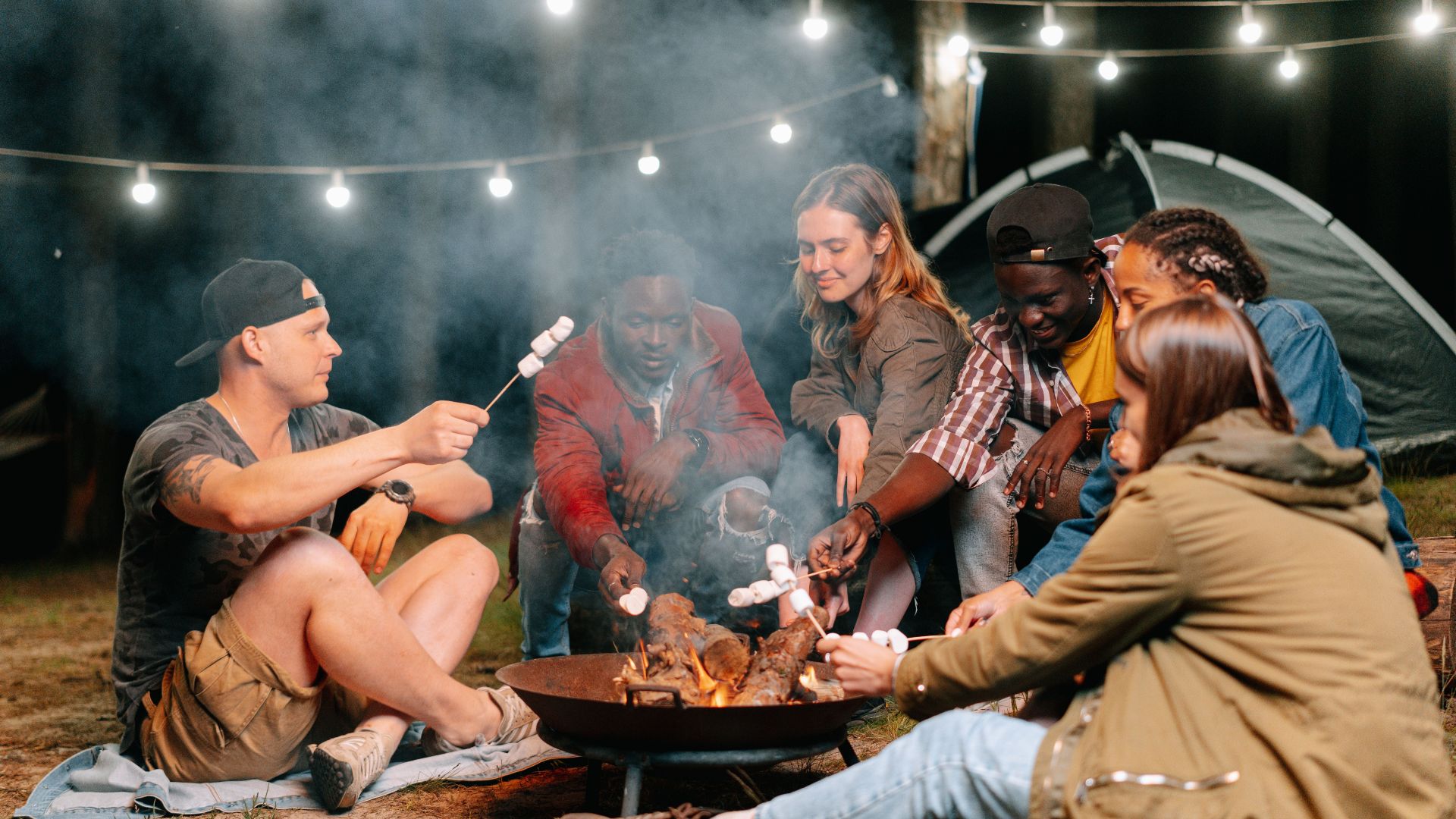
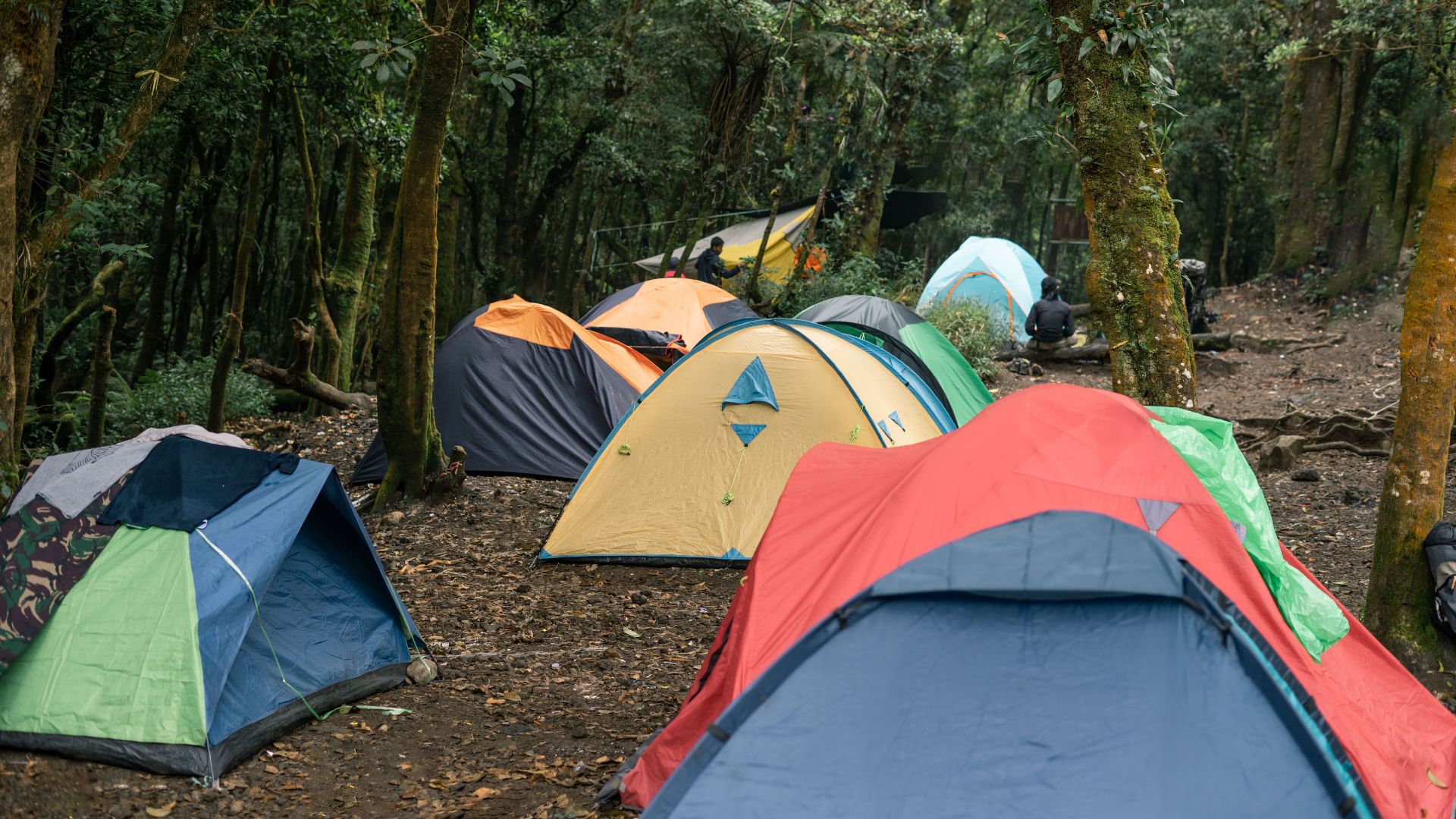
Camping in North America often includes elaborate tents, outdoor kitchens, portable grills, comfortable chairs, and even generators. Some campgrounds resemble temporary neighborhoods rather than rustic campsites. Glamping has only expanded this trend in recent years.
Traveling With Massive RVs
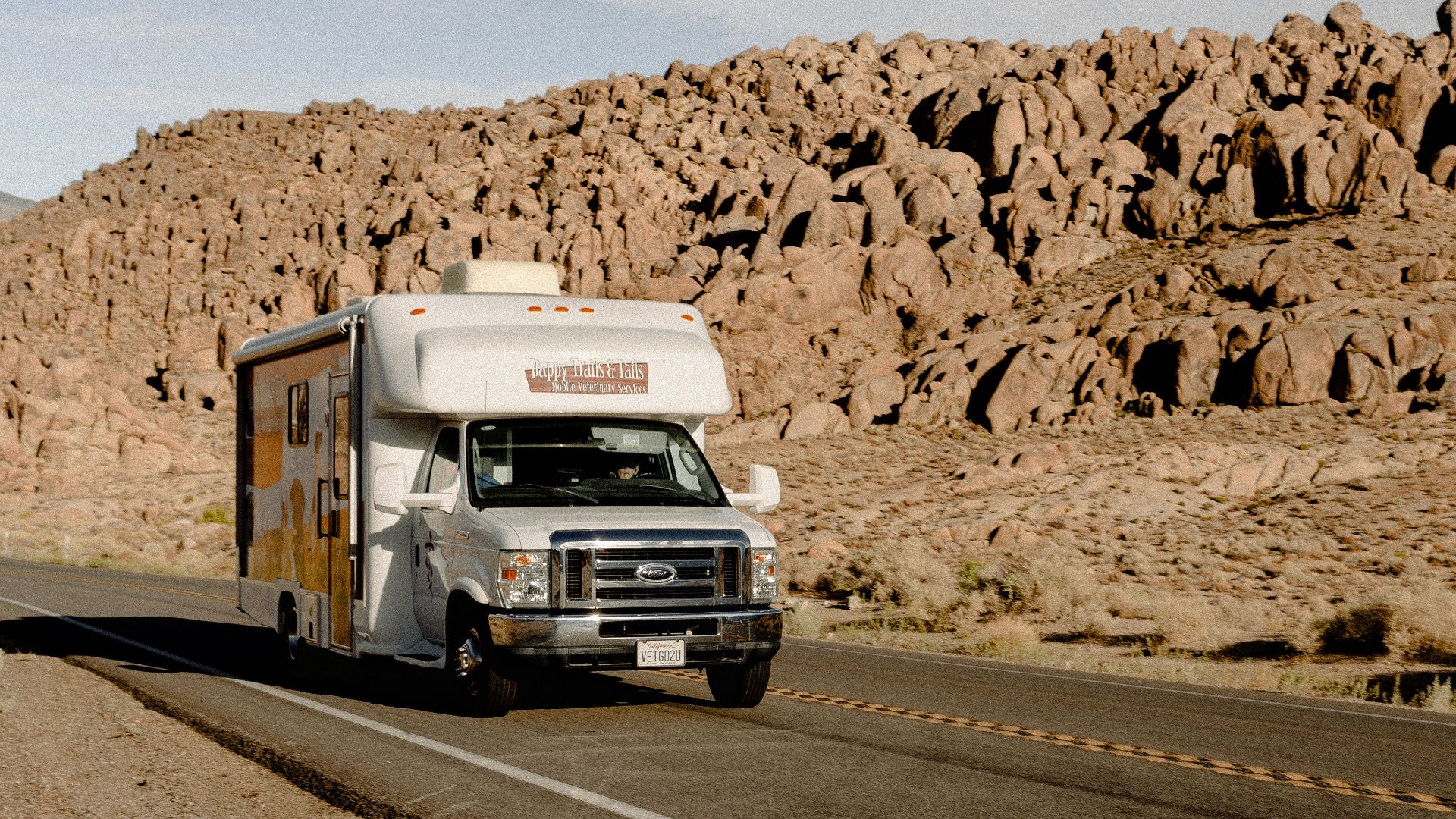
Large recreational vehicles are iconic throughout the United States and Canada. Many families spend weeks exploring while bringing their own bedroom, kitchen, and bathroom with them. RV culture has become a distinctive part of North American tourism for generations.
Buying An Annual Park Pass
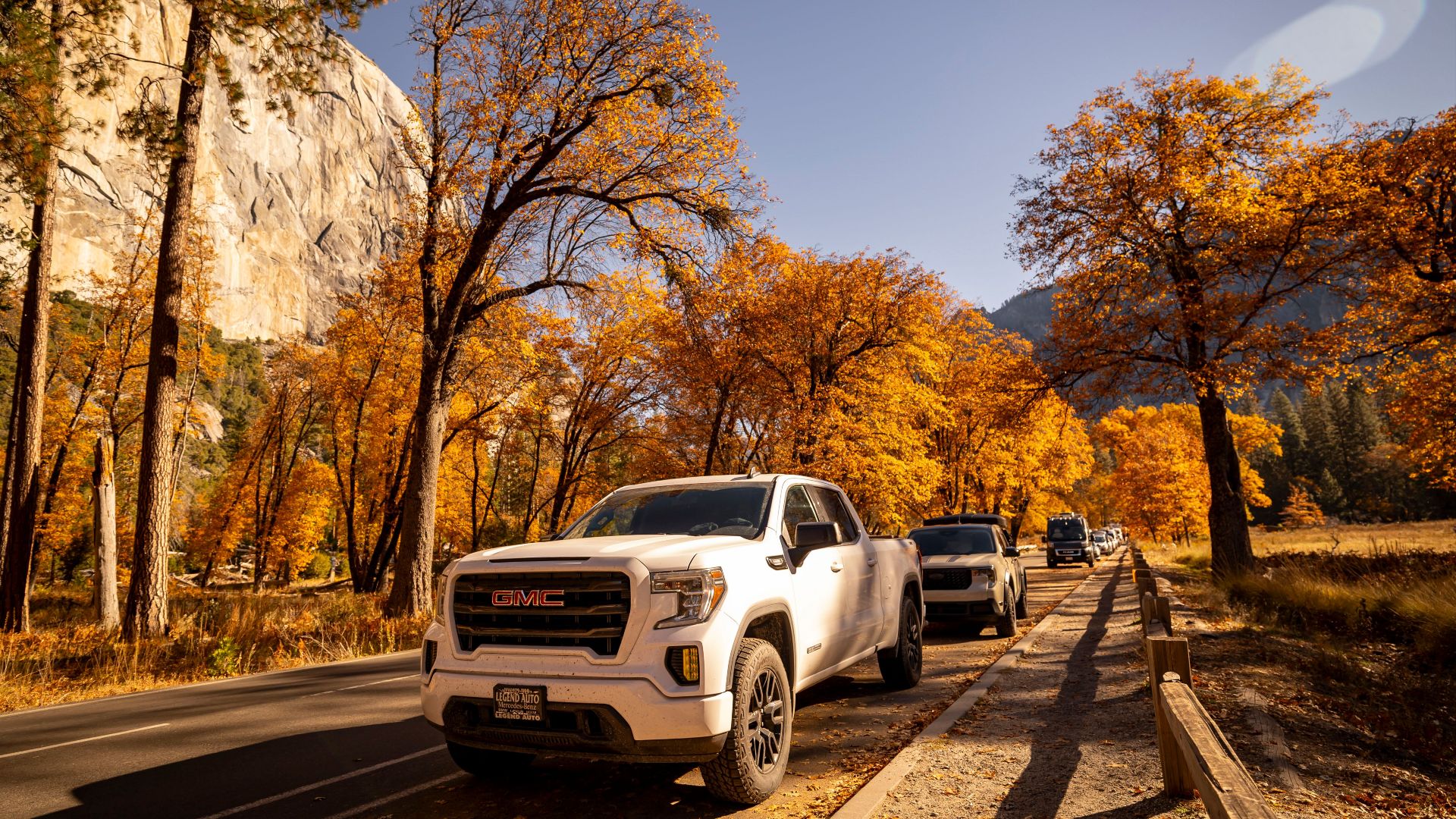
Many outdoor enthusiasts purchase annual passes that encourage repeat visits to national parks throughout the year. Families often plan multiple vacations around maximizing the value of a single pass. This approach reflects how central public parks are to North American recreation.
Filling The Vacation With Activities
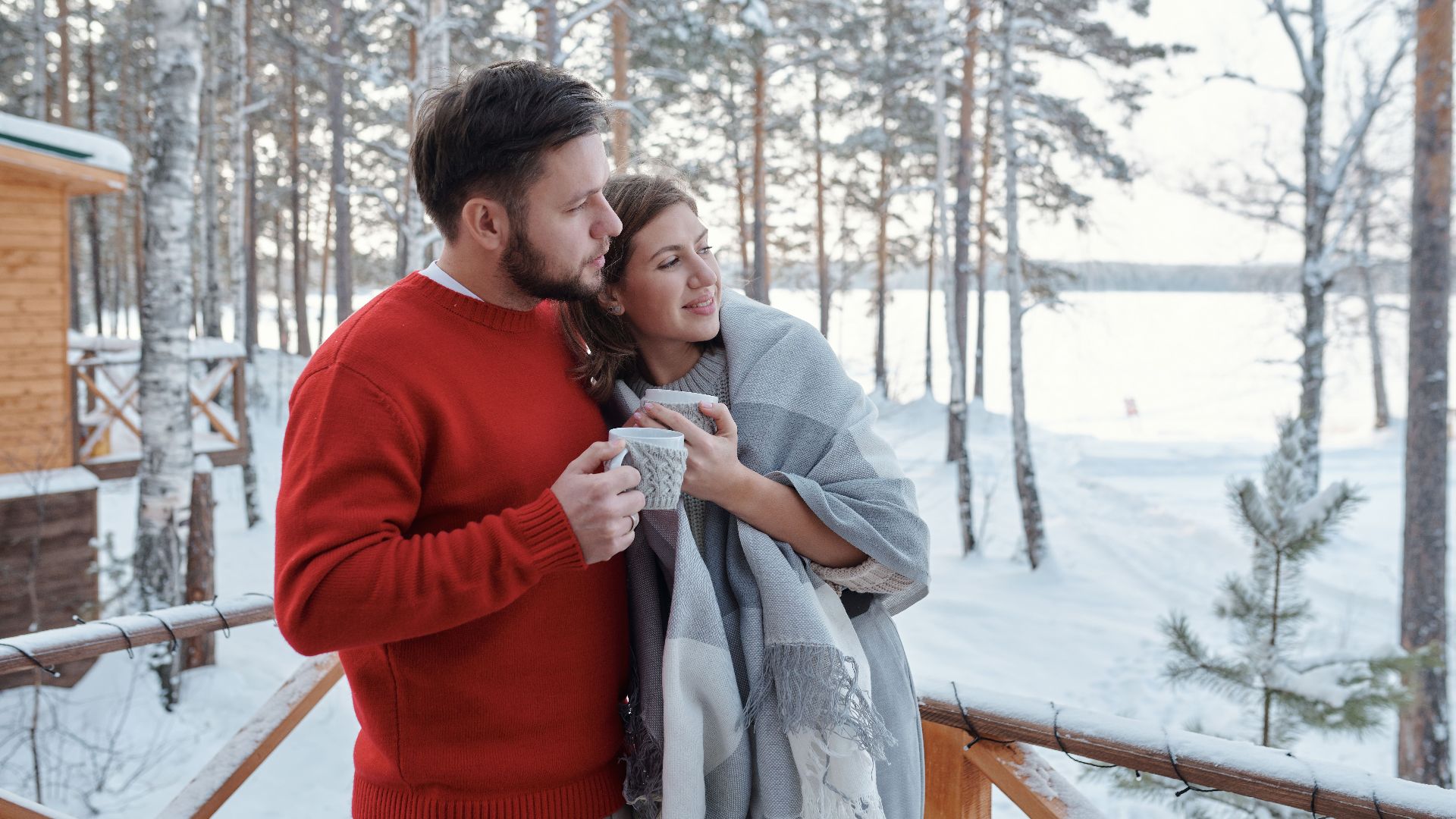
Many North American itineraries leave little room for doing nothing. Days may include museums, hiking, shopping, restaurants, sporting events, and scenic viewpoints from morning until evening. Travelers from cultures that emphasize slower holidays sometimes find the pace exhausting.

Choosing Theme Parks For Adults
Disney, Universal, Cedar Point, and other amusement parks attract millions of adults traveling without children. Roller coasters, festivals, and themed hotels become vacation destinations in their own right. In many countries, amusement parks remain more closely associated with family outings.

Staying Loyal To Hotel Brands
Many travelers deliberately book the same hotel chain across multiple trips. Loyalty programs, reward points, and predictable amenities make consistency more important than novelty. Frequent travelers often build entire vacations around earning additional points.

Vacationing Close To Home
Many families take short trips within driving distance instead of flying overseas every year. Lakes, cottages, beaches, and nearby cities remain popular options because they are affordable and convenient. Domestic tourism has always played an important role in North American travel.
Booking Cabins Deep In The Woods
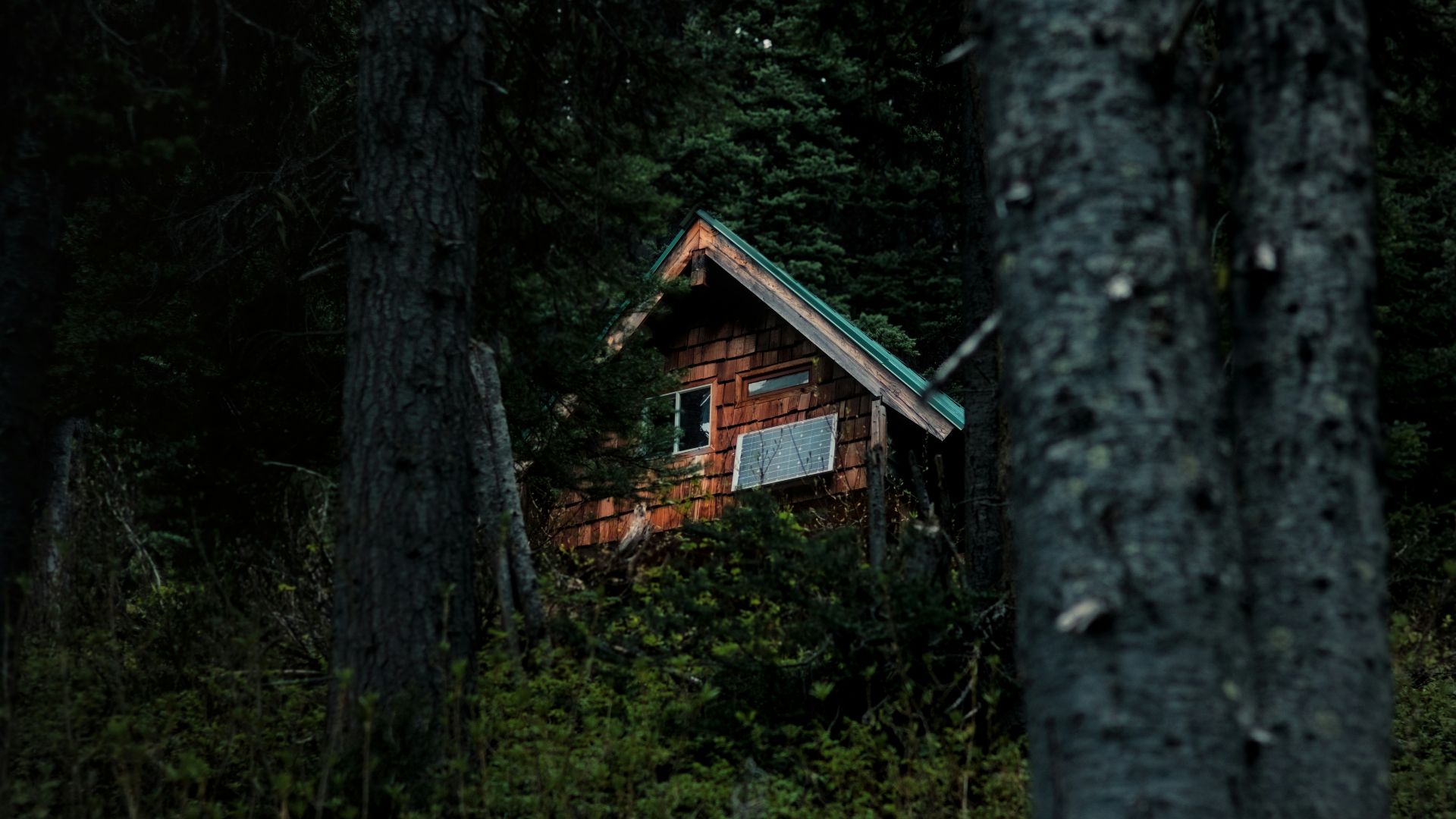
Remote cabins without nearby towns appeal to many vacationers seeking quiet surroundings. Disconnecting from busy schedules becomes part of the attraction. Visitors from more urbanized countries sometimes find the isolation surprising.
Expecting Endless Free Parking
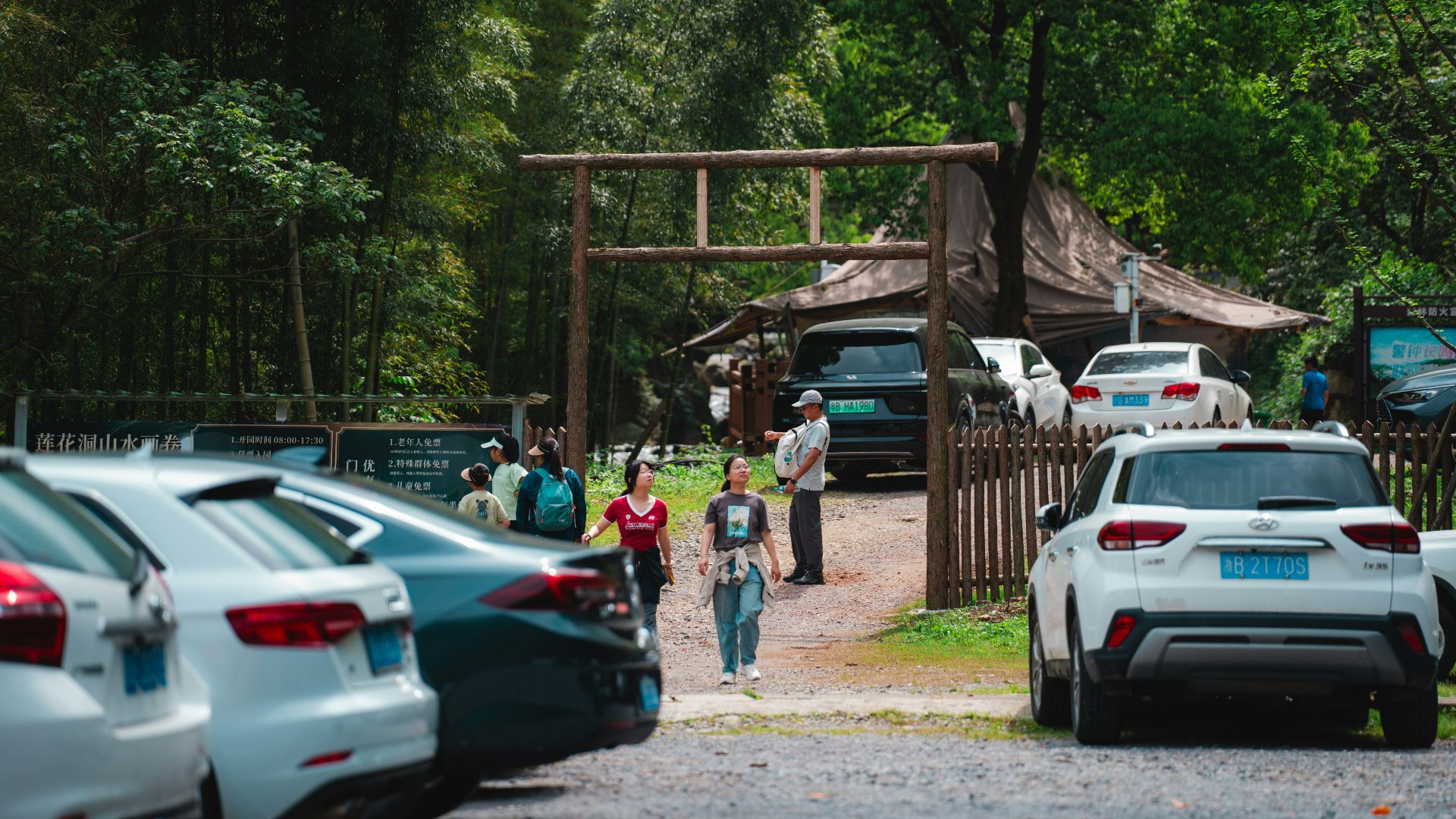
North American travelers often assume parking will be available almost everywhere. Large parking lots are common at hotels, shopping areas, attractions, and restaurants outside major city centers. That expectation differs sharply from many older cities around the world.
Bringing Pets On Vacation
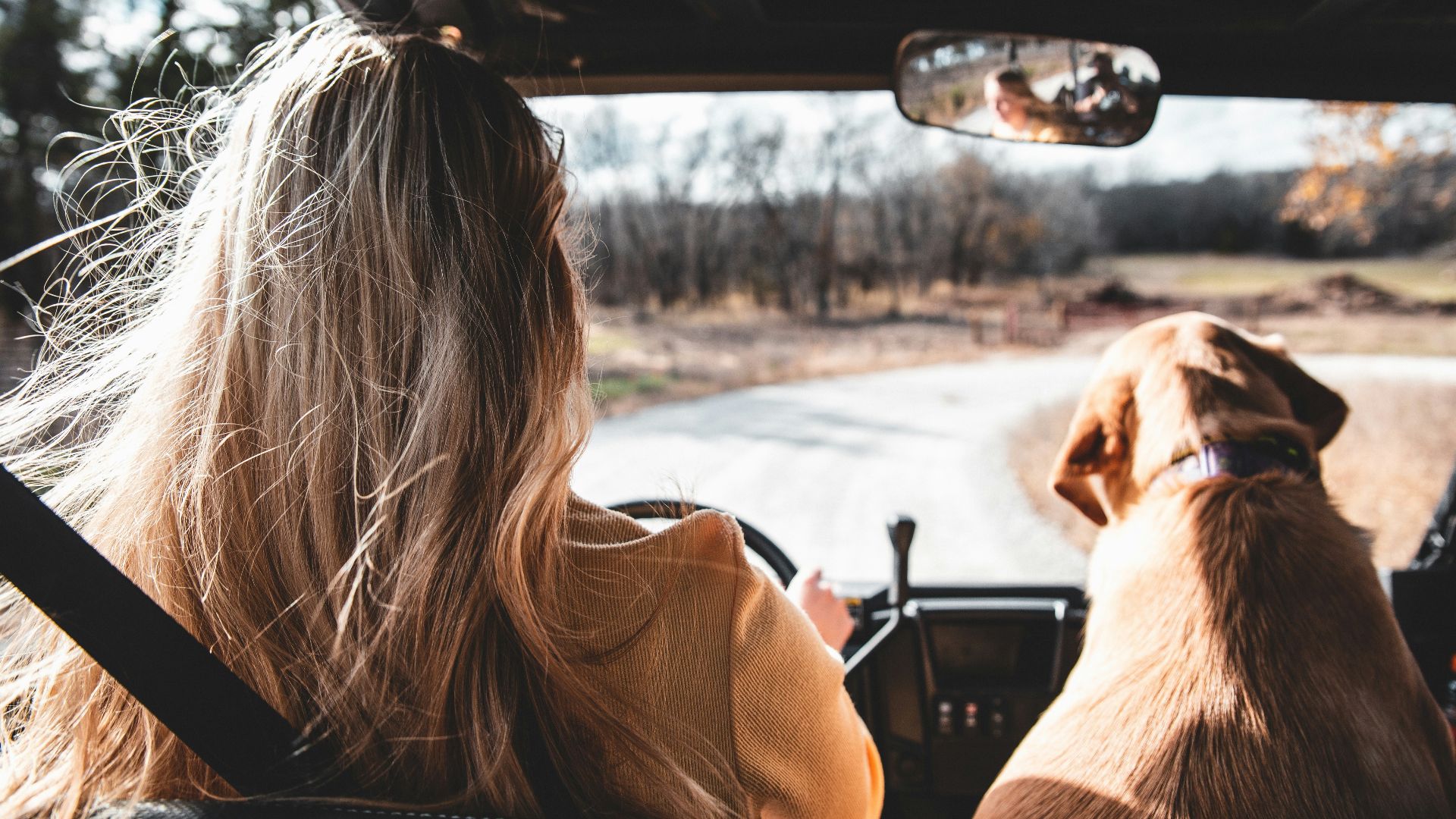
Dogs frequently accompany families on road trips, campground stays, and cottage vacations. Many hotels, vacation rentals, and parks actively advertise pet friendly accommodations. International visitors often notice how common traveling with pets has become.
Shopping During The Holiday
Outlet malls and discount shopping centers are regular vacation stops for many travelers. Entire afternoons may be dedicated to finding bargains rather than sightseeing. Shopping has become an attraction alongside traditional tourism.

Treating Vacation Like A Sporting Event
Many vacations revolve around attending professional baseball, football, hockey, or basketball games. Some fans travel specifically to visit famous stadiums or follow their favorite teams on the road. Sports tourism represents a significant segment of North American travel.

Eating Familiar Food Everywhere
Even while traveling, many people seek out familiar restaurant chains they already know. Predictability often outweighs culinary adventure during family vacations. Visitors from countries that emphasize local cuisine sometimes find this habit surprising.

Filling The Cooler Before Leaving
Packing drinks, snacks, and sandwiches before a trip remains a classic vacation ritual. Coolers reduce food costs and make spontaneous roadside stops easier. Nearly every road trip seems to begin with someone loading ice into a large cooler.

Photographing Every Scenic Stop
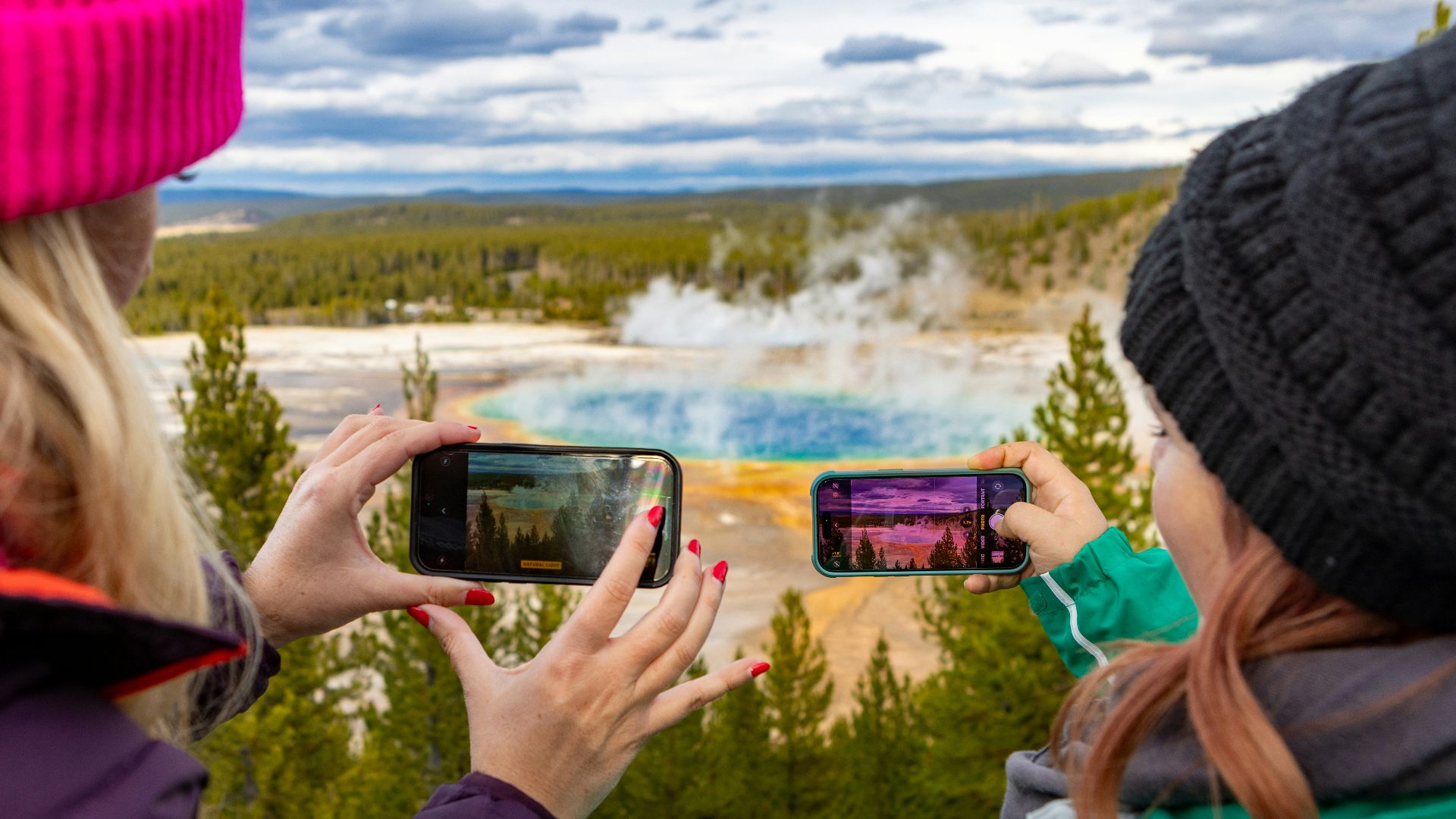
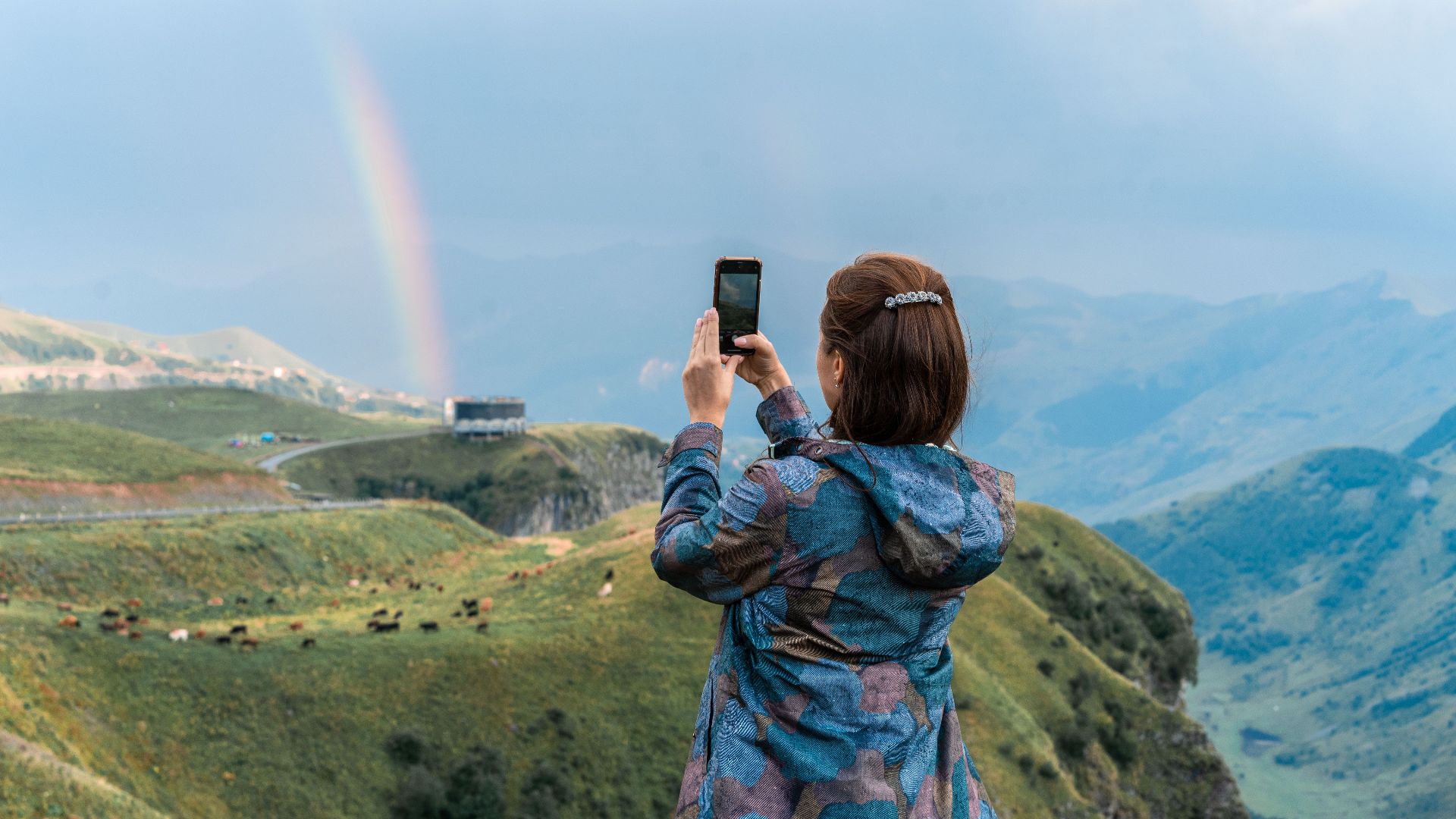
North American road trips often include countless scenic overlooks designed specifically for photographs. Travelers regularly stop every few miles to admire waterfalls, mountains, or dramatic coastlines. Scenic pullouts have become part of the travel experience itself.
Treating Vacation As Family Reunion Time
Rather than traveling separately, extended families often coordinate annual gatherings at one destination. Cousins, grandparents, siblings, and grandchildren spend an entire week together. The vacation serves as both holiday and reunion.

Reserving Campsites Months Ahead
Popular campgrounds often require reservations many months before summer arrives. Travelers carefully plan vacations around campsite availability. This surprises visitors who expect camping to be a spontaneous activity.
Expecting Air Conditioning Everywhere
Many North American travelers assume hotels, cabins, rental homes, and vehicles will have reliable air conditioning. They are often surprised when accommodations abroad rely on natural ventilation instead. Climate expectations influence vacation planning more than many realize.
Collecting Souvenirs From Every Stop
Magnets, T shirts, patches, mugs, and stickers remain popular purchases throughout road trips. Many families enjoy displaying souvenirs that represent every destination they have visited. These collections often grow over decades of travel.

Returning To The Same Place Every Year
Many families revisit the exact same beach, lake, campground, or cottage every summer. Familiar traditions often matter more than exploring somewhere new. Returning to beloved vacation spots becomes part of family identity across generations.
You May Also Like: