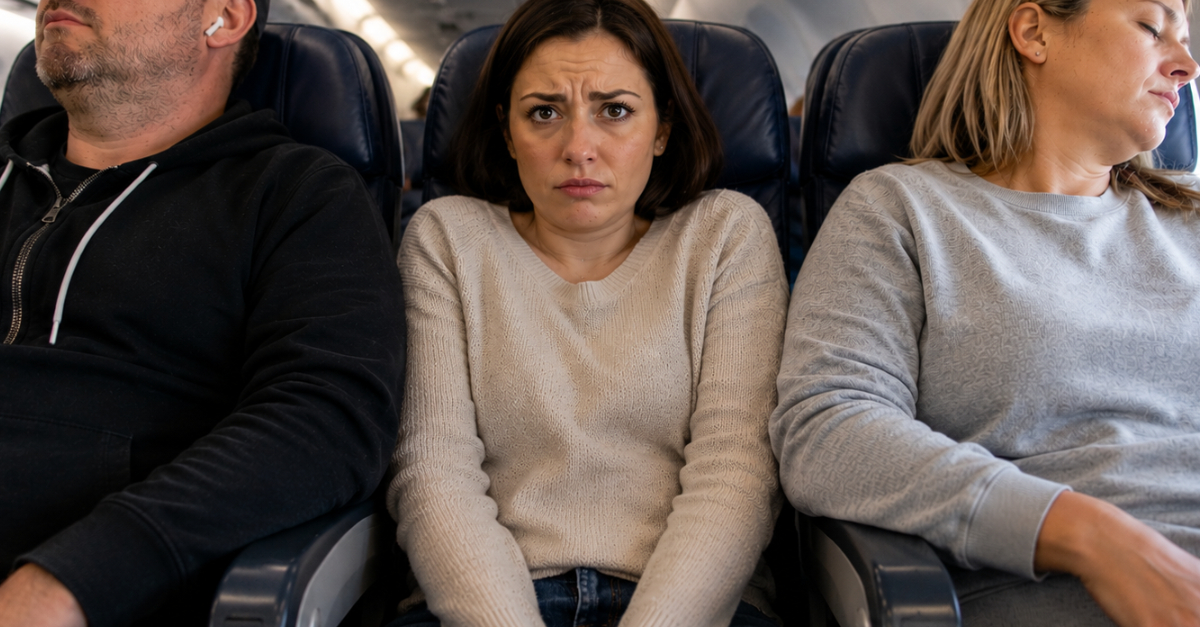
The Seat Fee Problem So Many Travelers Hit
You book a flight, think you are finished, and then the airline wants more money just to let you sit next to the person helping you travel. Passengers who rely on a caregiver, personal care attendant, or other helper may find airlines to be especially unforgiving.
But the key thing to know is that airlines cannot always treat this like a normal seat selection issue.
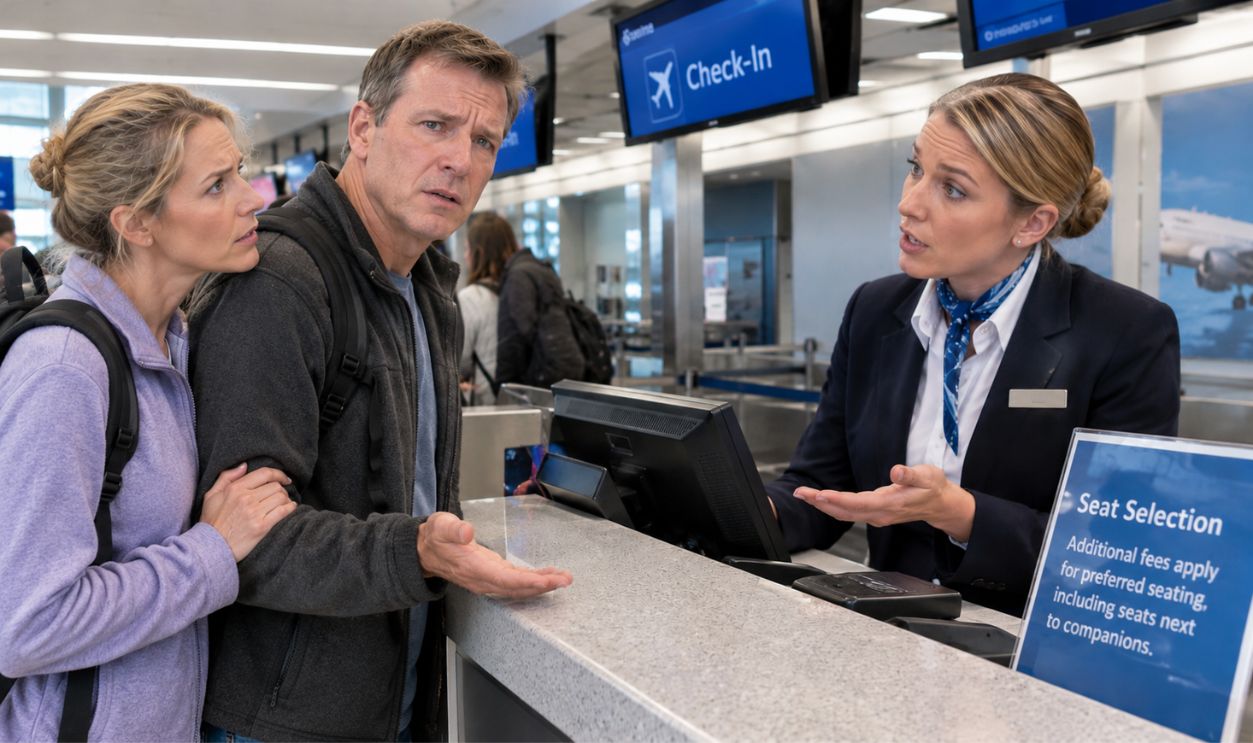
Seat Assignments Are Big Money
Over the past decade, airlines have turned seat assignments into a major stream of extra revenue. More travelers now get asked to pay for “preferred” or even regular seats that used to come with the ticket. For disabled passengers and people traveling with caregivers, those fees can run straight into basic access needs.
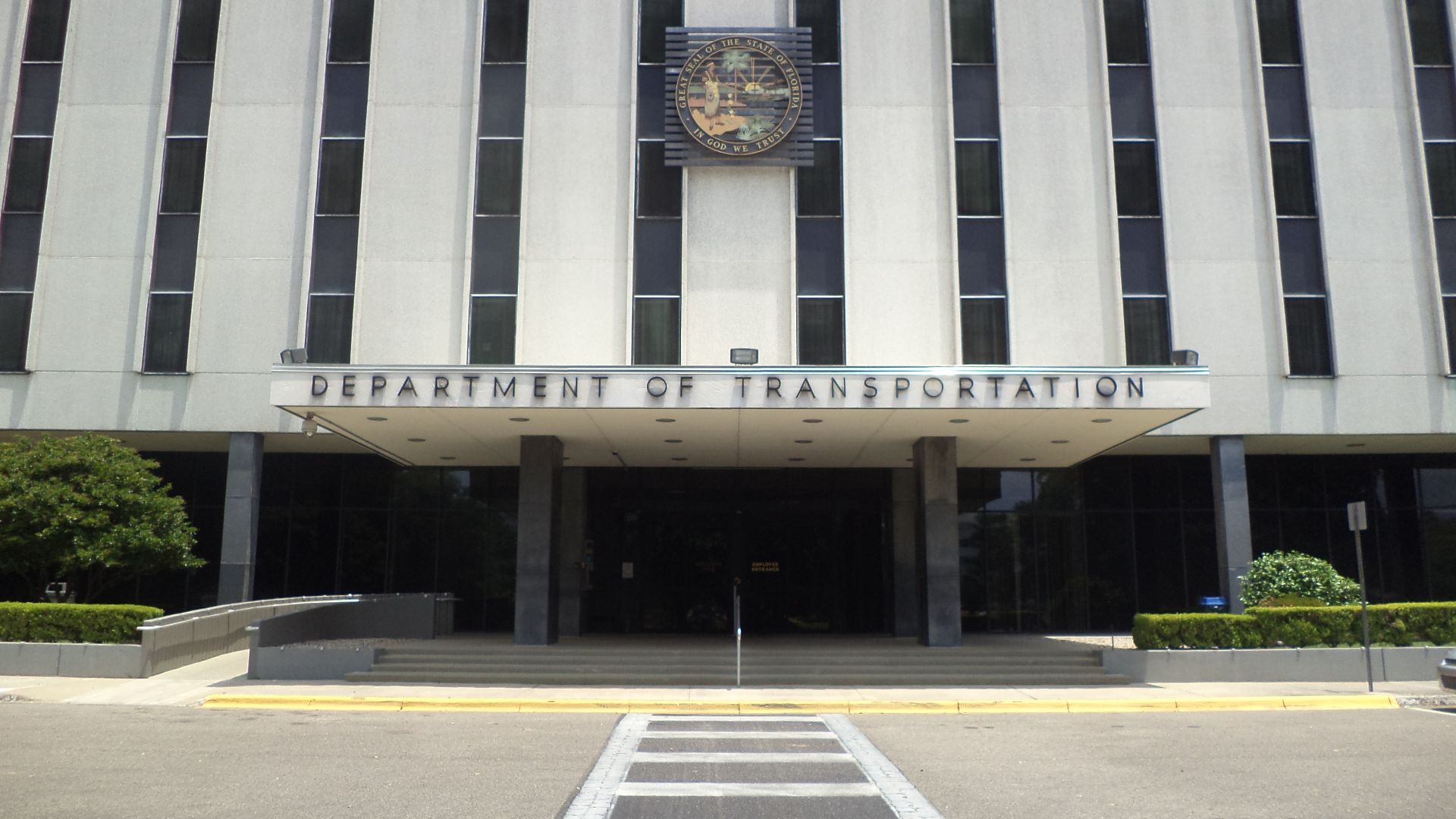
The Main Rule Comes From The Department Of Transportation
The biggest federal protection here comes from the Air Carrier Access Act and the Department of Transportation’s disability rules. Under DOT rules, airlines must provide certain seating accommodations to passengers with disabilities without charging extra. That matters when sitting near a caregiver is not just a preference, but a disability-related need.
 Michael Rivera, Wikimedia Commons
When A Caregiver Seat Has To Be Free
The DOT says a passenger with a disability who needs a personal care attendant to perform a function during the flight can ask to sit next to that attendant. If adjacent seating is needed because of the passenger’s disability, the airline has to provide it if seats are available that can meet the need. It cannot charge more for that disability-related accommodation than it would charge other passengers for the same class of service.
The Rule Covers More Than One Type Of Helper
The person traveling with you might be called a caregiver, attendant, assistant, or companion in everyday life. In DOT language, the key terms are usually “personal care attendant” and “safety assistant,” depending on the traveler’s needs. The label matters less than why you need to sit together and whether that need is tied to a disability.

A Safety Assistant Is Not The Same As A Travel Companion
DOT rules draw a line between someone traveling with you for convenience and someone needed because of a disability. A safety assistant may be required when a passenger cannot help with their own evacuation, cannot understand safety instructions, or in some cases has both severe vision and hearing impairments. If the seat next to that person is needed for safety, that is very different from paying extra to sit with a friend.

The Regulations Specifically Address Companion Seating
Federal regulations at 14 C.F.R. Part 382 require airlines to provide seating accommodations for certain passengers with disabilities. The rules cover things like movable aisle armrests and seating for attendants or companions in some cases. These protections have been around for years, but many travelers do not find out about them until a seat fee pops up during booking.
If Adjacent Seats Are Available, Airlines Must Act
If the airline can meet the disability-related seating need with available seats in the same class of service, it generally has to do that. That may mean shifting seat assignments around if needed, as long as the change fits within DOT rules. The airline is not supposed to turn a disability accommodation into a paid upgrade pitch.
 Monkey Business Images, Shutterstock
What Happens If The Flight Looks Almost Full
This is where timing becomes a big deal. If you wait until the last minute, the airline may have fewer ways to place you next to your caregiver. DOT guidance encourages passengers to request disability-related seating as early as possible, because early notice gives the airline a better chance to arrange adjacent seats.
Families Helped Bring More Attention To Seating Fees
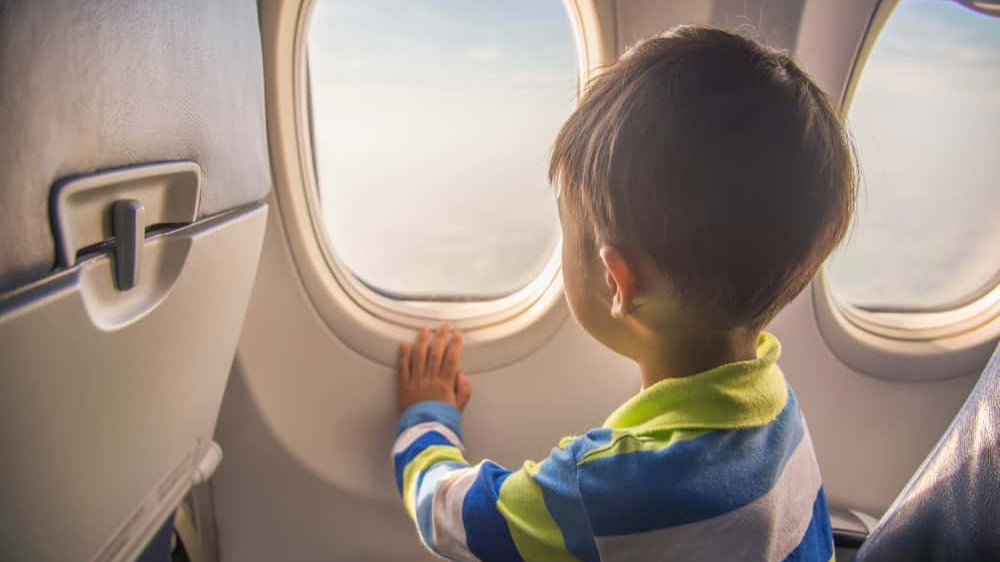
One of the biggest public fights over airline seating fees has involved parents trying to sit with young children. In July 2022, the Department of Transportation under Secretary Pete Buttigieg announced a push to hold airlines accountable for family seating. That was not the same as disability law, but it added pressure on airlines over paid seating practices.
The Family Seating Dashboard Changed The Conversation
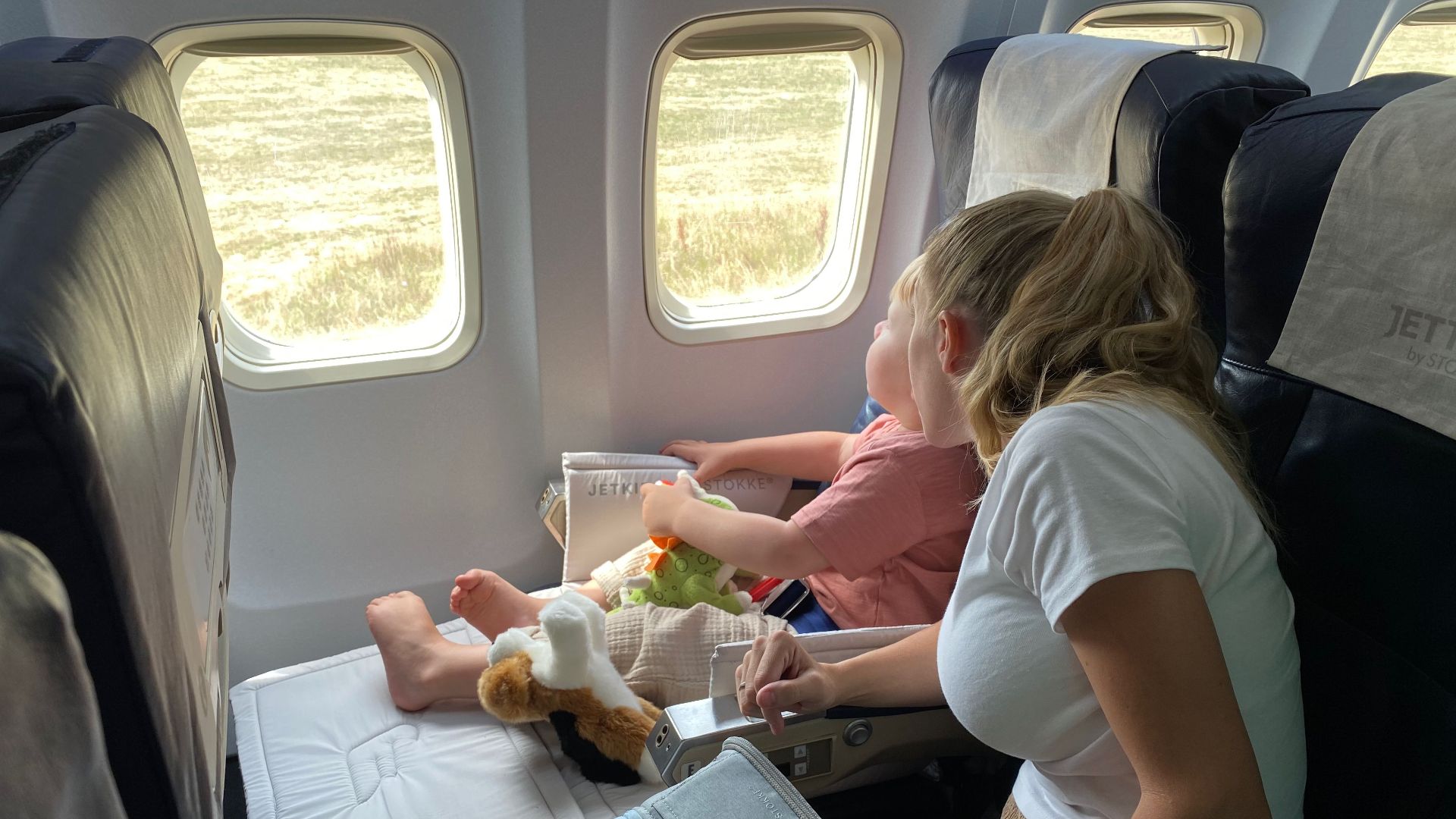
In March 2023, DOT launched a family seating dashboard showing which U.S. airlines promised to seat young children next to an accompanying adult at no extra cost. The tool focused on children age 13 and under. It did not create disability rules, but it showed that the department was willing to publicly pressure airlines over seating fees.
Disability Rights Follow A Different Legal Path
If you are traveling with a caregiver because of a disability, your strongest argument usually comes from the Air Carrier Access Act, not the family seating dashboard. The family policy deals with children and airline commitments. Disability seating accommodations come from federal nondiscrimination rules.

DOT Has Also Proposed Stronger Family Seating Rules
In December 2023, DOT announced a proposed rule that would require airlines to seat children age 13 or younger next to an accompanying adult for free in many situations. That proposal focused on families, but it reflected a wider government concern that seat fees can block necessary seating together. It also showed that seat assignment policies are getting more scrutiny.
What DOT Says About Extra Charges
DOT’s disability guidance makes one point especially clear. Airlines cannot charge a passenger with a disability more for a seat accommodation that is necessary to meet a disability-related need if the seat is in the same class of service. If the only adjacent seats are labeled “preferred” and sold for extra, that can still raise disability compliance issues.
 LightField Studios, Shutterstock
The Same Cabin Rule Matters
These protections do not mean you can demand a free move from economy to premium economy or first class. The general rule is about accommodation within the same class of service you bought. In plain terms, the airline may need to seat you next to your caregiver for free, but it usually does not have to upgrade you to make that happen.
You May Not Need Documentation Right Away
Airlines are not supposed to put unnecessary barriers in front of disability accommodations. In many cases, a traveler can explain the need directly to the airline without handing over a stack of paperwork during booking. Still, if your situation is more complicated, a short doctor’s note or other disability-related documentation can help settle a dispute faster, even if it is not always formally required for seating.

The Best Time To Ask Is Before The Airport
Call the airline as soon as you book, or even before you buy the ticket if seating is already tight. Clearly explain that you need adjacent seating because of a disability-related need and that the other traveler is your caregiver, personal care attendant, or safety assistant. Ask the representative to note the reservation and send email confirmation if possible.

Do Not Depend Only On The Seat Map
Airline booking systems often treat every seat that is not random as something to be sold. That can make it seem like paying is your only option. A disability-related seating request often has to be handled by customer service or an accessibility desk, not the regular online seat selection tool.

Ask For The Accessibility Or Disability Desk
Most major airlines have staff who handle disability-related travel requests. Those teams are often more familiar with Air Carrier Access Act rules than a general reservations agent. If the first person says no, politely ask to be transferred to the accessibility desk or a Complaint Resolution Official, often called a CRO.
 Frame Stock Footage, Shutterstock
A CRO Can Change The Outcome
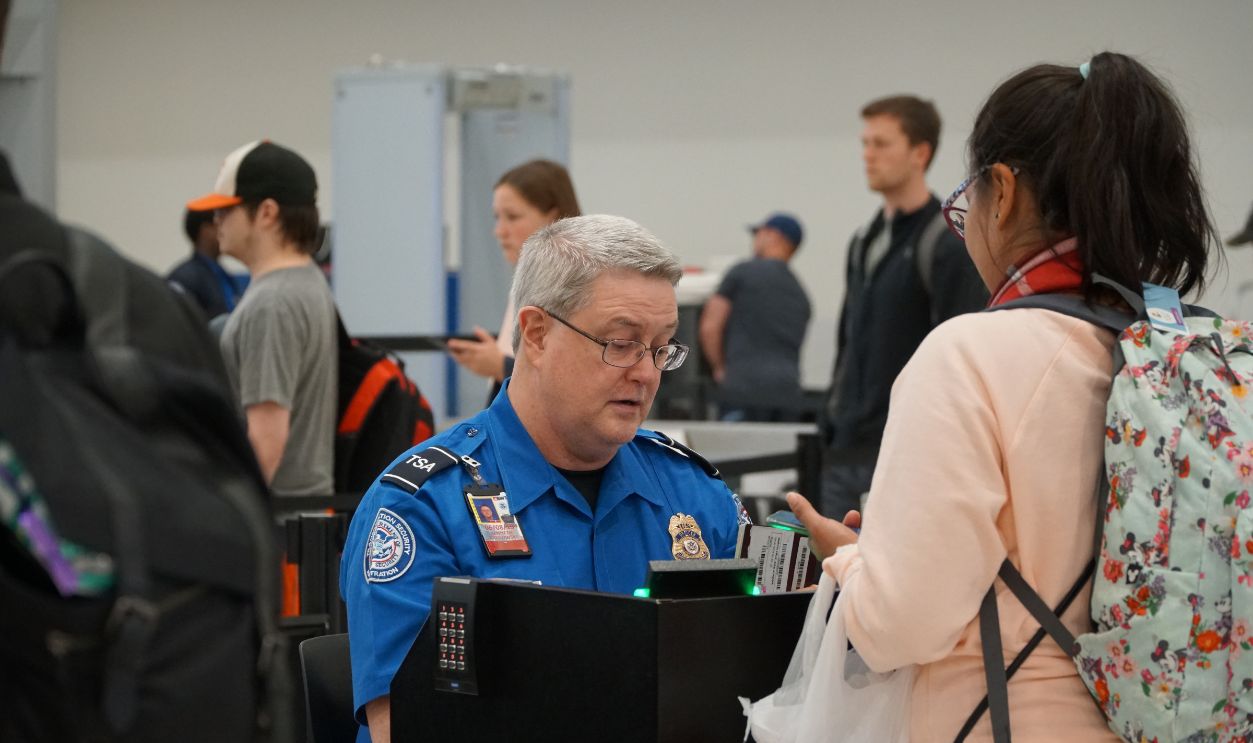
Under DOT rules, airlines must make a Complaint Resolution Official available at the airport and by phone during operating hours. A CRO is trained in disability regulations and has the authority to resolve many access disputes. If you are being told to pay a seat fee to sit next to a caregiver because of a disability-related need, asking for the CRO is a strong next step.
 Frame Stock Footage, Shutterstock
What To Say If The Airline Pushes Back
Keep it short and clear. Say that you are requesting adjacent seating as a disability accommodation under the Air Carrier Access Act and DOT rules, and that you need to sit next to your caregiver or personal care attendant. Ask the airline to confirm whether it is denying a disability-related seating accommodation or whether the agent simply cannot process it.
 Everythingforall, Shutterstock
Keep A Record Of Everything
Save screenshots of the seat map, fare rules, chat logs, and any messages showing the airline wanted to charge extra. Write down the names of employees you spoke with and the time of each conversation. If you need to file a complaint later, that paper trail can matter a lot.

At The Airport, Get There Early
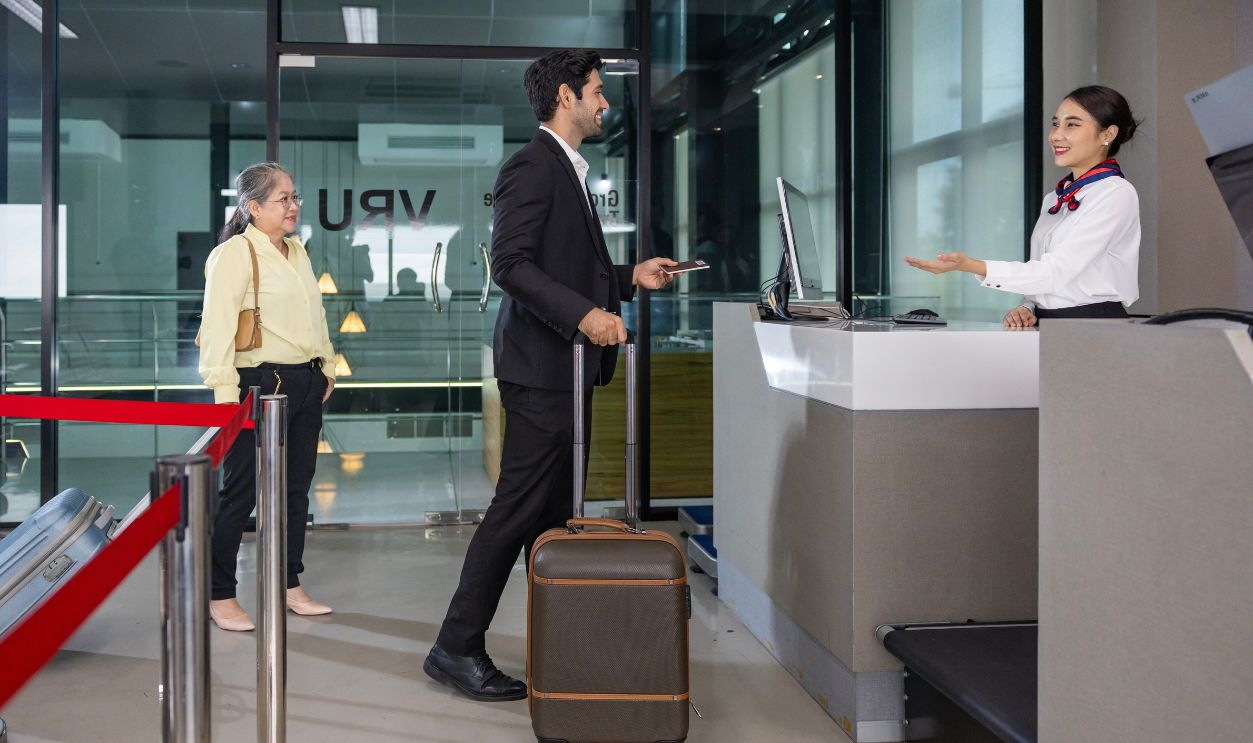
If the issue is still not fixed, arrive early and go straight to the check-in counter. Explain the disability-related need again and ask for a CRO if needed. Once boarding starts and seats are nearly locked in, the options often shrink fast.
There Are Limits To What Airlines Have To Do
The law does not guarantee your favorite row, a window seat, or extra legroom unless those details are tied to a disability accommodation recognized under the rules. It also does not erase every problem on a completely full flight. But it does mean airlines have duties that go beyond ordinary seat preferences.

If You Paid Anyway, You Can Still Fight It
Some travelers pay first because they are worried about losing the seats they need. If that happens, you can still contact the airline later and ask for a refund of the seat fee, explaining that the charge was tied to a disability-related seating accommodation. If the airline refuses, you can file a complaint with the Department of Transportation.

How To File A DOT Complaint
The Department of Transportation accepts disability-related air travel complaints through its Aviation Consumer Protection system. Include your itinerary, the names of the travelers involved, the seat fee charged, and why sitting together was required because of a disability. The complaint process will not fix the flight you already took, but it can help with refunds and regulatory follow-up.

Why The Exact Wording Matters
The strongest requests are specific. Saying “we want to sit together” sounds like a preference. Saying “I need to sit adjacent to my personal care attendant because of a disability-related need during the flight” makes clear that this is an accommodation request covered by federal rules.
 Tongpool Piasupun, Shutterstock
The Bottom Line For Travelers
Yes, there can be exceptions to seat selection fees if you need to sit near a caregiver because of a disability. The biggest factors are whether the need is disability-related, whether the caregiver is acting as an attendant or assistant, and whether the seat can be provided within the same class of service. Ask early, use the airline’s accessibility channels, and do not hesitate to escalate if the system tries to treat a necessary accommodation like just another add-on.
 Frame Stock Footage, Shutterstock