
The Fee They Hope You Don't See
You return a rental car, figure the trip is wrapped up, and then spot a roadside assistance fee you never saw coming. This happens often enough that consumer agencies and card issuers have set very clear rules for disputes.
The upside is that you may be able to fight the charge, especially if the company billed you for something you can prove you didn't approve or clearly never got.

Start With The Key Question
First, figure out what kind of charge this is. Was it for optional roadside assistance coverage you turned down at the counter, or was it for an actual service call the company says happened later. Those are two very different disputes. Your case is much stronger if your paperwork shows you declined the add-on and there is no signed record showing you asked for help afterward.

What Roadside Assistance Usually Covers
Rental car companies often sell roadside assistance plans for things like lockouts, lost keys, jump starts, tire service, or towing for some non-mechanical problems. These plans are usually optional, not automatic. The details are normally listed in the rental jacket, online booking process, or rental agreement, which is why your copy of the contract is the first thing to review.

Read The Contract Before Anything Else
Your rental agreement is the center of the whole dispute. Check for a line showing whether roadside assistance or similar protection was accepted or declined. Then look at the final receipt too, because some cases come down to whether the fee was a prepaid coverage option or a charge tied to a later incident.

Hertz Puts The Terms In Writing
Hertz says its optional roadside assistance protection is available for an added fee and can limit what you owe for common roadside problems. The company also says that if you do not buy that protection, you may still be on the hook for charges tied to certain calls for help. That matters because Hertz may argue the fee was not for coverage you never bought, but for a real service event.

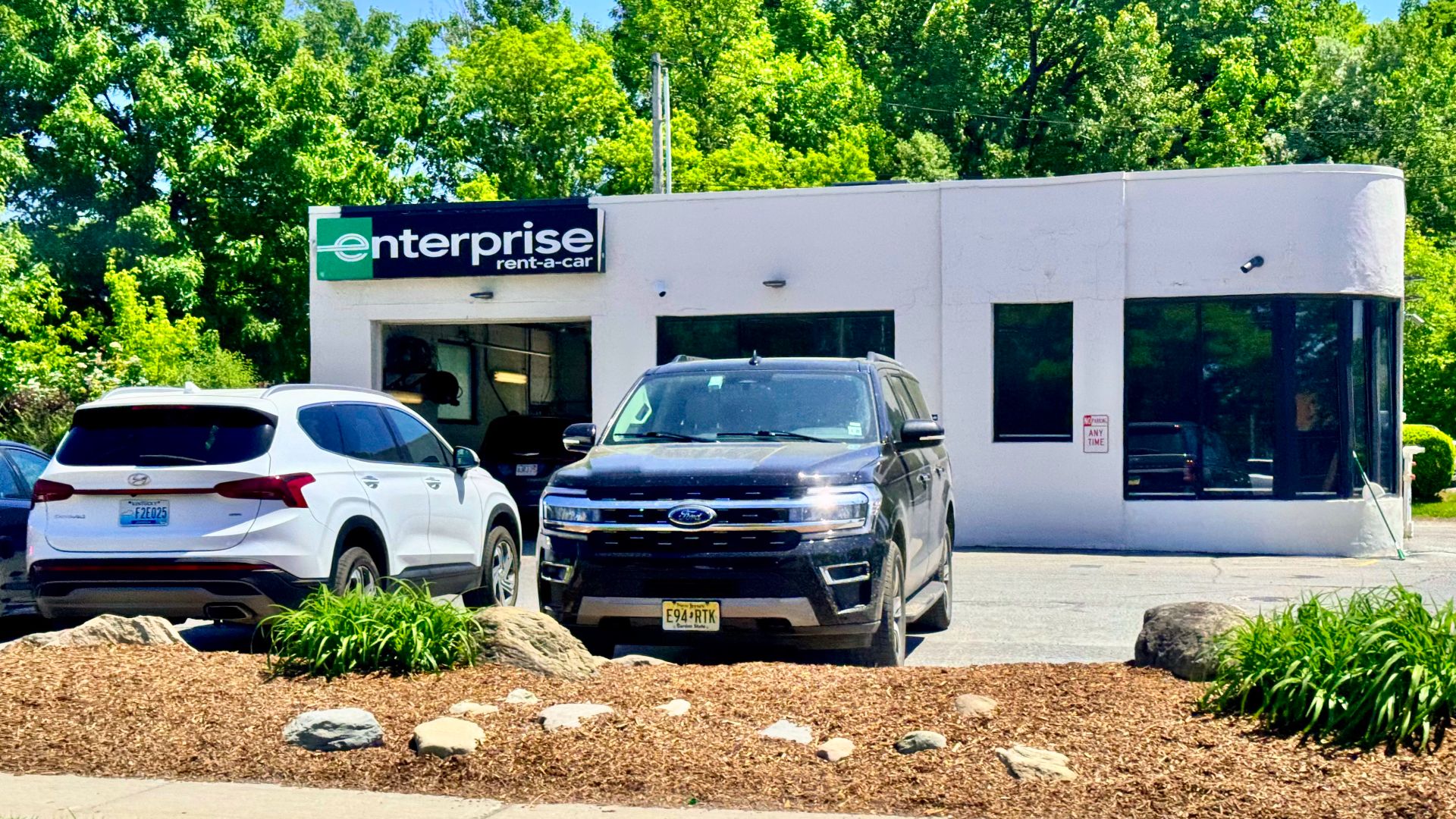
Enterprise Says The Same Basic Thing
Enterprise describes roadside assistance protection as an optional product offered at the time of rental. It says customers who do not buy it can still be charged for roadside service in situations not caused by a mechanical failure. So if your bill showed up after a flat tire, lockout, or dead battery, the company may point to that language to defend the charge.
 Harrison Keely, Wikimedia Commons
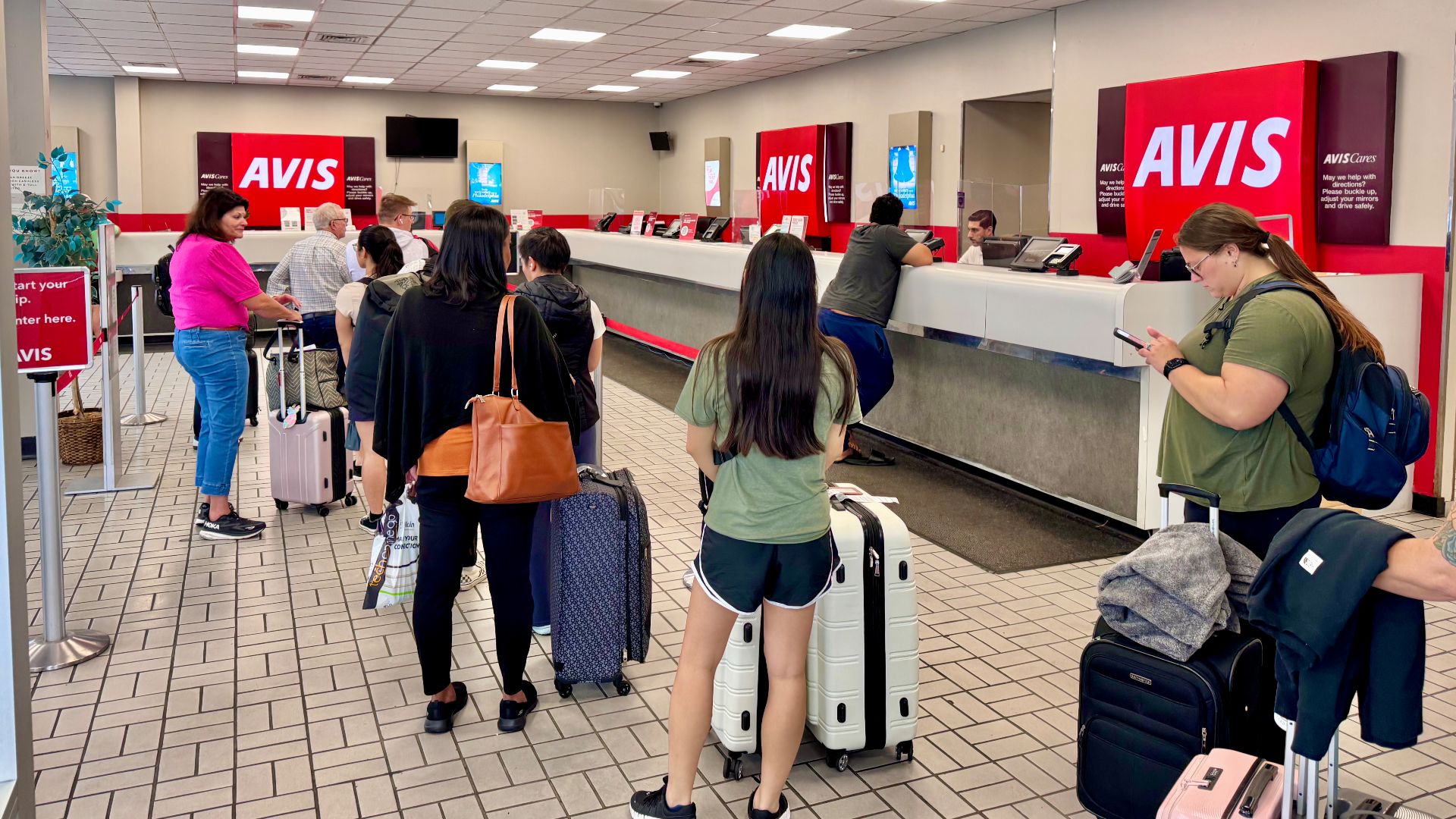
Avis And Budget Use Similar Language
Avis and Budget publish similar disclosures for roadside safety or assistance plans. Those pages say the coverage is optional and generally applies to certain service events during the rental. If your paperwork shows you declined the plan but the final bill still includes the optional product, that looks like a classic billing error and is worth disputing.
 Harrison Keely, Wikimedia Commons
A Billing Error Is Different From A Contract Dispute
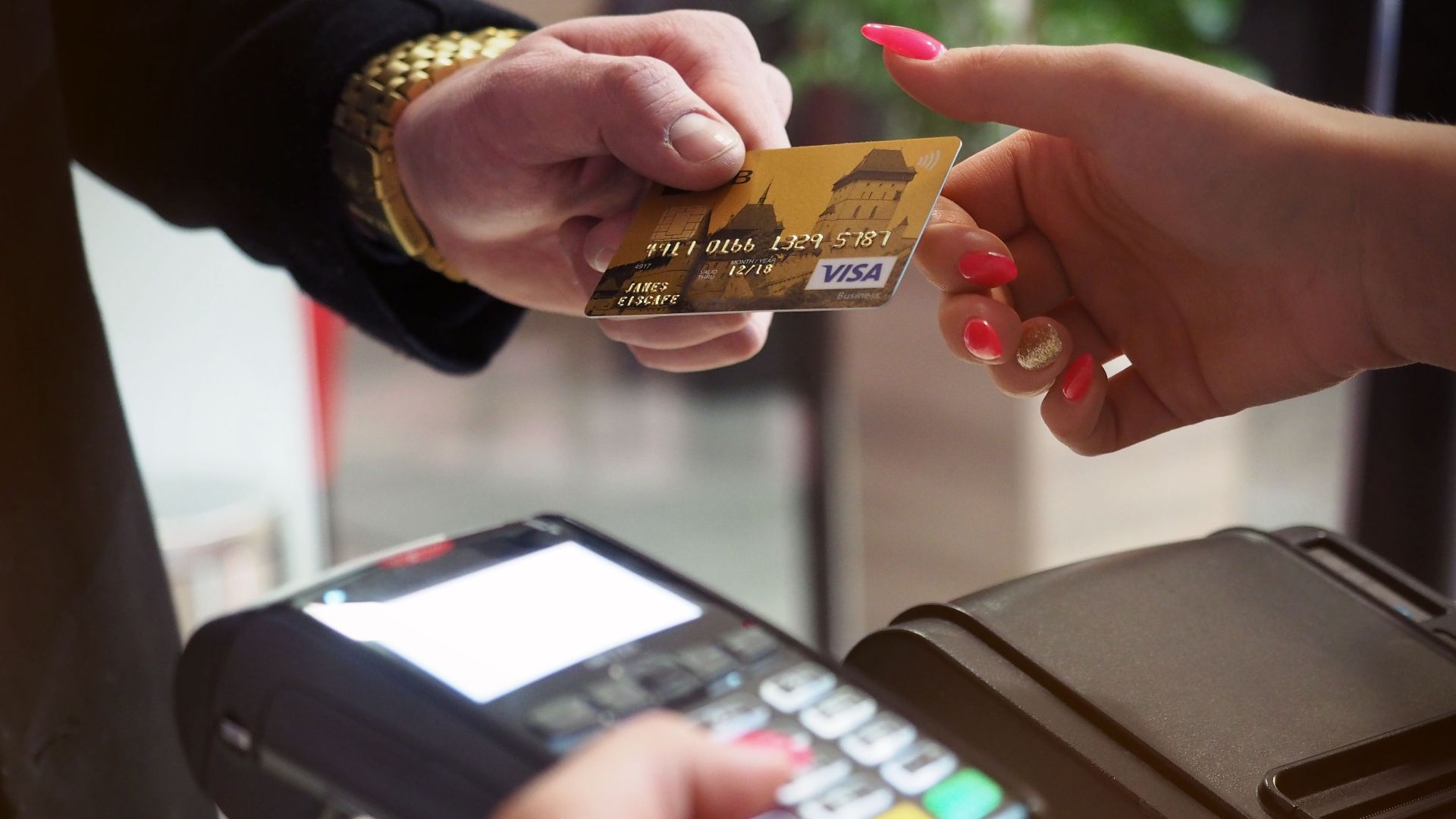
The Fair Credit Billing Act gives consumers the right to dispute some credit card billing errors, including charges for goods or services not accepted or not delivered as agreed. The Consumer Financial Protection Bureau says you generally need to send your dispute within 60 days after the first bill that shows the problem. That deadline is one of the biggest dates in this process.

Why The Sixty Day Deadline Matters
If the charge landed on your credit card statement, do not let it sit there while you go back and forth with the rental company for weeks. The CFPB says you should write to the card issuer within 60 days of the statement date that includes the charge. You can still try to work it out with the rental company first, but do not miss the deadline that protects your rights.

How To Dispute A Credit Card Charge The Right Way
The CFPB says to send a letter to the address for billing inquiries, not the payment address. Include your name, account number, the amount you are disputing, and why you think the charge is wrong. You can also include backup like the rental agreement, screenshots, and any messages showing you declined the service.

Debit Cards Usually Make Things Harder
If you paid with a debit card, you may not get the same Fair Credit Billing Act protections that apply to credit cards. The CFPB notes that debit card disputes often fall under different rules, sometimes under the Electronic Fund Transfer Act, depending on the facts. That means you should contact your bank quickly, but also understand that the legal rules are not the same.
Ask The Company To Prove The Charge
Request an itemized explanation of the roadside assistance fee. Ask for the date and time of the service, what was supposedly done, who approved it, and any call log, dispatch note, or signed service record. If the company cannot produce a clear record, that can seriously help your argument.

Signed Records Can Decide The Case
If you initialed or signed next to a roadside assistance option, the company may have strong proof that you accepted it. If the form shows you declined it, your position is much stronger. Digital rentals matter too, so if you checked out at a kiosk or on a tablet, ask for the electronic audit trail.

Watch For Changes On The Final Receipt
One big red flag is when the amount on your emailed receipt does not match what you saw at the counter or at return. Save both versions if you have them. A changed receipt can help show that the disputed fee appeared later and was not clearly disclosed when you handed the car back.

Mechanical Breakdowns Are A Different Story
If the car itself failed because of a mechanical problem, the company may have a weaker case for charging you for help. Many rental companies draw a line between driver-caused problems, like lockouts or running out of gas, and true mechanical failures. If the car broke down, say that plainly and ask the company to explain why it charged you anyway.

Government Agencies Track Rental Car Complaints
The Federal Trade Commission tells consumers to review rental agreements carefully and challenge unauthorized charges quickly. State attorneys general also take complaints about unfair or deceptive business practices, including disputed add-ons. Filing a complaint does not guarantee a refund, but it can create pressure and help document a pattern if other renters report the same problem.

The BBB Is Not A Regulator, But It Can Still Help
The Better Business Bureau is not a government agency, but many companies do respond to BBB complaints in public. That can sometimes move things along, especially when the issue is a simple billing dispute. It usually makes sense after you have already asked the company for records and a refund.
Build A Clean Timeline
Put together a simple timeline with dates. List when you picked up the car, when you returned it, when the charge posted, when you contacted the company, and when you filed your card dispute. A clear timeline can make a messy fight look straightforward and factual.

What To Say In Your First Complaint
Keep it short and direct. Say you are disputing a roadside assistance charge because you did not buy the optional coverage and did not approve or receive the billed service, if that is true. Then ask for the charge to be reversed and for copies of every document the company is relying on.

Do Not Depend On Phone Calls Alone
Phone calls are fine for getting started, but written follow-up is what creates a record. Send an email or a message through the company portal after every call. Note who you spoke with, what they said, and any deadline they gave you.

Photos And Screenshots Can Be Huge
If you took a photo of the checkout screen, the rental folder, or the return receipt, keep it. If you booked online, save the reservation page showing which add-ons were accepted or declined. Small pieces of proof often make the difference between a strong case and a weak one.

If You Used A Travel Credit Card, Check The Benefits
Some travel credit cards offer rental car protections, but those benefits usually deal with collision damage and theft, not roadside assistance billing fights. Even so, the card issuer may have a benefits or claims team that can explain what applies. At the very least, the issuer can tell you how to file a formal billing dispute the right way.

When The Company May Have A Real Argument
If you called for help with a lockout, lost key, flat caused by driver error, or an empty tank, the rental company may argue that the service was separately chargeable even if you turned down the prepaid roadside plan. In that situation, the fight may not be about whether you requested help, but whether the amount charged matches the contract. Ask for the exact contract clause and compare it to the invoice.

When Your Dispute Looks Especially Strong
Your case looks stronger if the final contract shows roadside assistance was declined, there is no signed or recorded approval for service, and the company cannot identify the service event. It also helps if the fee appeared only after return and was not on your original receipt. Those facts support the idea that the charge was unauthorized or added improperly.

Escalating The Complaint Can Change Things
If regular customer service goes nowhere, move it up to executive customer relations or the company’s formal complaint channel. Send the contract, receipts, and your timeline together in one clean package. Companies often respond differently when the issue is laid out as a documented billing dispute instead of a vague complaint.

Small Claims Court May Be The Final Step
If the amount is large enough and your evidence is strong, small claims court may be an option depending on your state and the contract terms. Some rental agreements have arbitration clauses or rules about where disputes must be filed, so read that section carefully first. This step usually makes sense only after you have exhausted the company complaint process and the card issuer dispute route.
 https://kaboompics.com/, Pexels
So Can You Dispute It
Yes. You can dispute a roadside assistance charge you never requested, especially if your contract shows you declined the optional coverage or the company cannot prove you approved a service call. Move quickly, gather every document, and use the credit card dispute process within the 60 day window if you paid by credit card. With rental cars, the fine print matters, but the paper trail can matter even more.