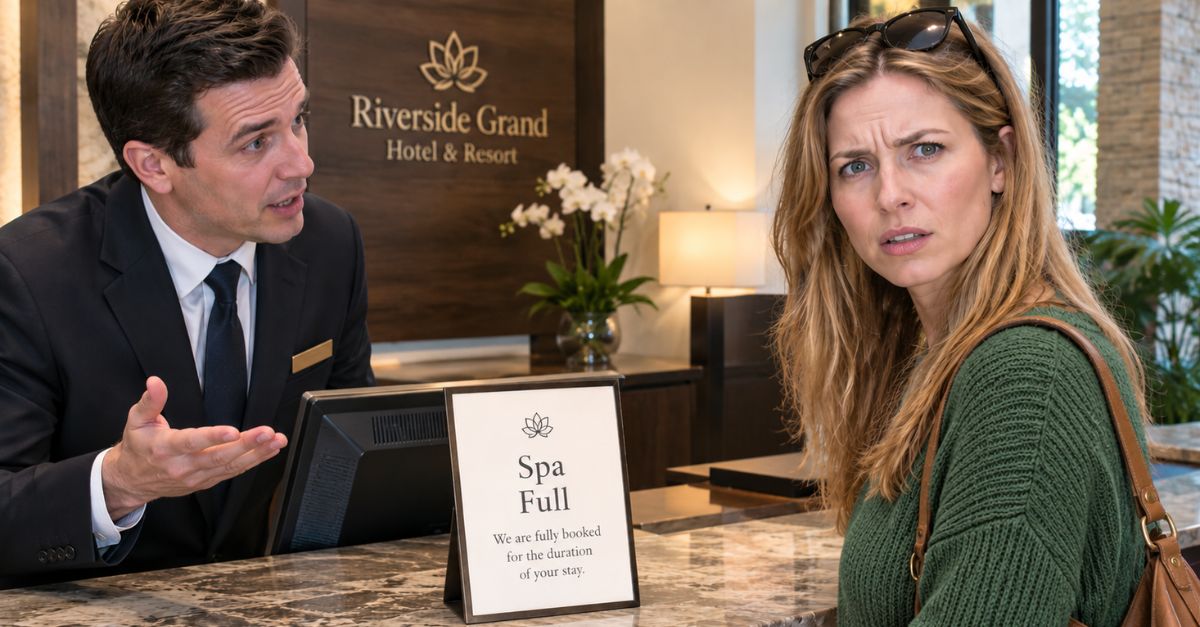
The Spa Trip You Couldn't Actually Have
You book a resort thinking about poolside naps, a robe, and a massage that takes the edge off. Then you arrive and find out the spa is fully booked for your whole stay. That can feel like more than bad luck when the amenity that helped sell the trip is basically unavailable.
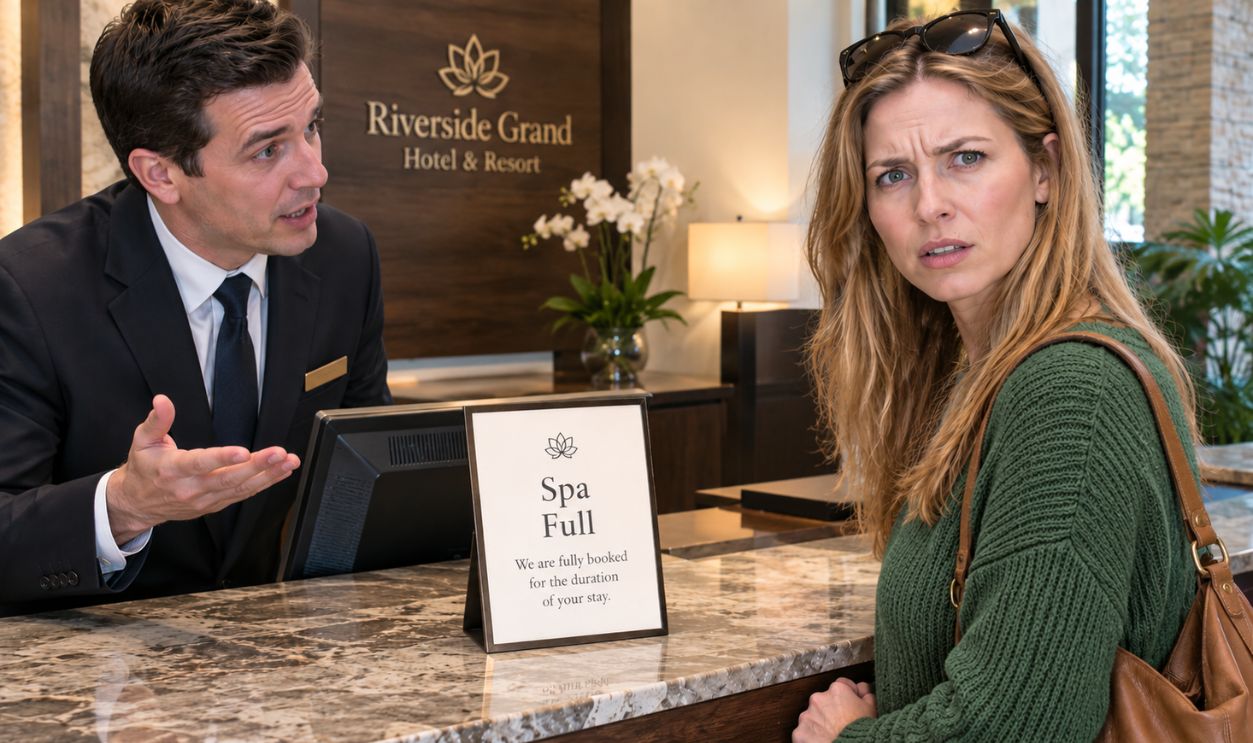
Why This Feels Like A Big Deal
A resort spa is not always some small extra. For plenty of travelers, it is a main part of the vacation and sometimes the reason they agreed to pay a higher room rate. When that access disappears, it is fair to wonder whether the marketing gave a false impression.

What The Law Usually Looks At
In the United States, the Federal Trade Commission says advertising must be truthful, not misleading, and backed up when needed. A claim can be misleading if it gives consumers the wrong overall impression, even if the words are not technically false. That matters when a resort heavily promotes a spa without making clear that access may be very limited.
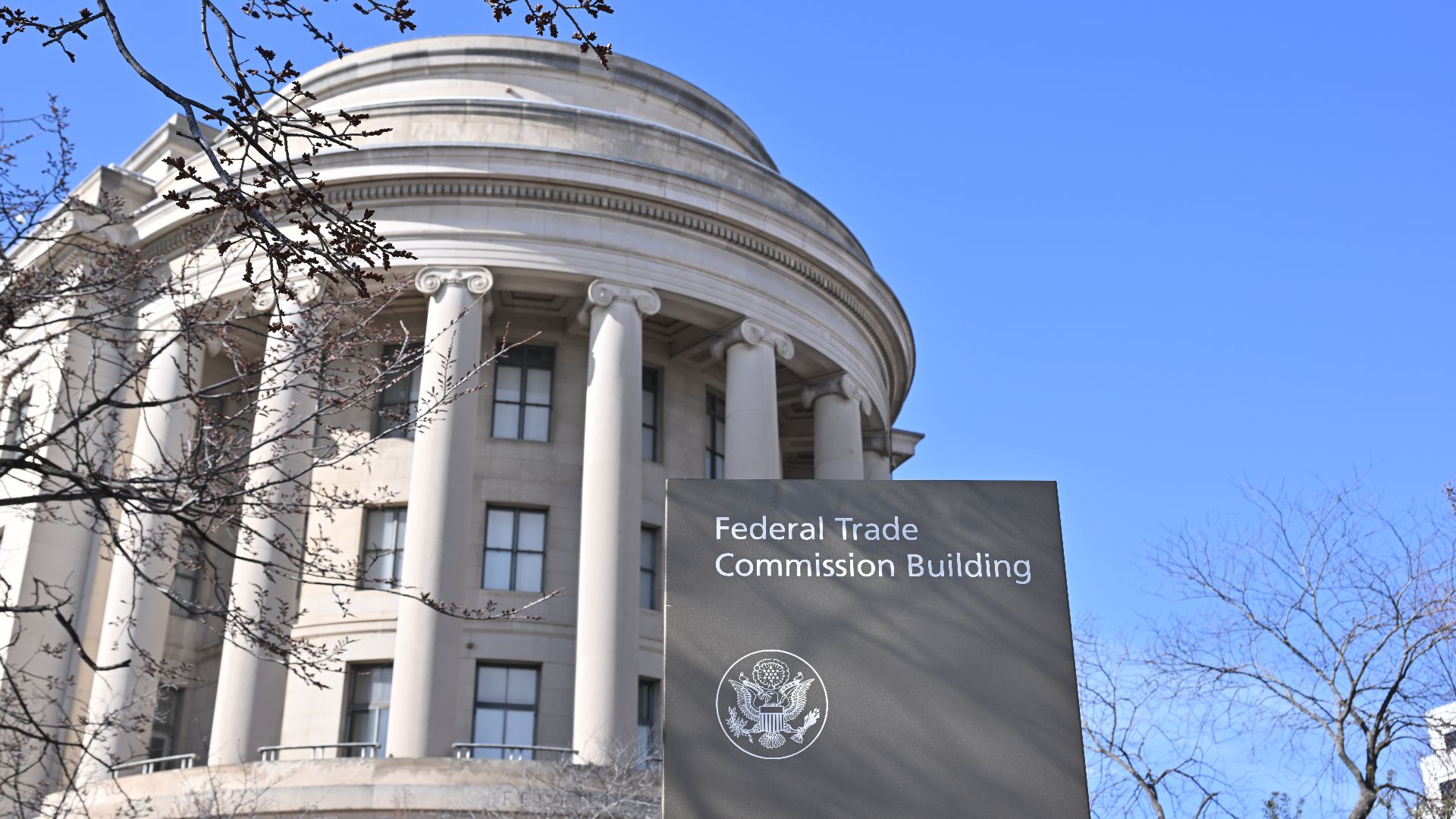 G. Edward Johnson, Wikimedia Commons
Pictures Can Sell A Promise Too
The FTC also makes clear that images and overall presentation matter, not just fine print. If a hotel website puts serene treatment rooms and spa experiences front and center, guests may reasonably assume they can book that amenity during a normal stay. That does not automatically make the marketing deceptive, but it does make clear disclosure more important.

There Is A Difference Between Existing And Being Available
A resort can truthfully say it has a spa if one is physically on site. The harder question is whether the spa was available in any real sense during your stay. If appointments were routinely impossible to get without booking weeks ahead, that is the kind of detail many travelers would want to know before paying.
Hotels Usually Lean On Fine Print
Major booking and loyalty terms often say amenities may vary, may require reservations, and are subject to availability. Marriott Bonvoy, for example, says benefits and amenities may vary by brand and location and can be changed by participating properties. Fine print does not erase every issue, but it can make a legal claim tougher if the hotel disclosed the limits somewhere in the booking process.
Subject To Availability Does A Lot Of Heavy Lifting
That phrase shows up everywhere because it gives hotels room to handle demand. A spa can be fully open and still unavailable to a last-minute guest because locals, members, and other resort guests already grabbed the appointments. From a guest's point of view, though, that language can feel pretty thin if the spa was pitched as a main reason to stay there.

Consumer Complaints Usually Hinge On What Matters
The legal issue is usually not whether every guest gets every appointment they want. It is whether the missing information would have changed a reasonable person's booking decision. If you picked the resort mainly for the spa and the property knew appointments were always hard to get, clearer disclosure would have been the fairer move.

Mandatory Fees Raise The Stakes
The issue gets sharper when a resort charges a mandatory resort fee tied to amenities. The FTC's Rule on Unfair or Deceptive Fees, announced in December 2024, targets misleading pricing practices and requires clear disclosure of total price in many situations. The rule is mainly about fees, but it also shows a broader push to look more closely at hospitality marketing and what travelers are led to expect.

Resort Fees And Amenity Promises Often Clash
Hotels sometimes justify resort fees by pointing to access to facilities like pools, fitness centers, or wellness programs. If the spa itself costs extra, the fee may not promise treatment access, but the property's marketing can still shape expectations. Travelers should look closely at what the fee really covers and what needs to be reserved in advance.

Availability Problems Are Nothing New
Consumer advocates have warned for years that resort advertising can oversell the on-property experience. That concern has come up in disputes over beach access, shuttle service, dining capacity, and recreational facilities. Spa access fits right into that pattern because a flashy amenity can be technically there but practically out of reach.

Where You Book Can Matter A Lot
If you booked through an online travel agency, the listing may have shown the spa as a property amenity without much explanation. On some platforms, hotels can list an amenity even when separate reservations are required and space is tight. That gap between the listing and the real experience is often where the frustration starts.

Luxury Marketing Raises Expectations Fast
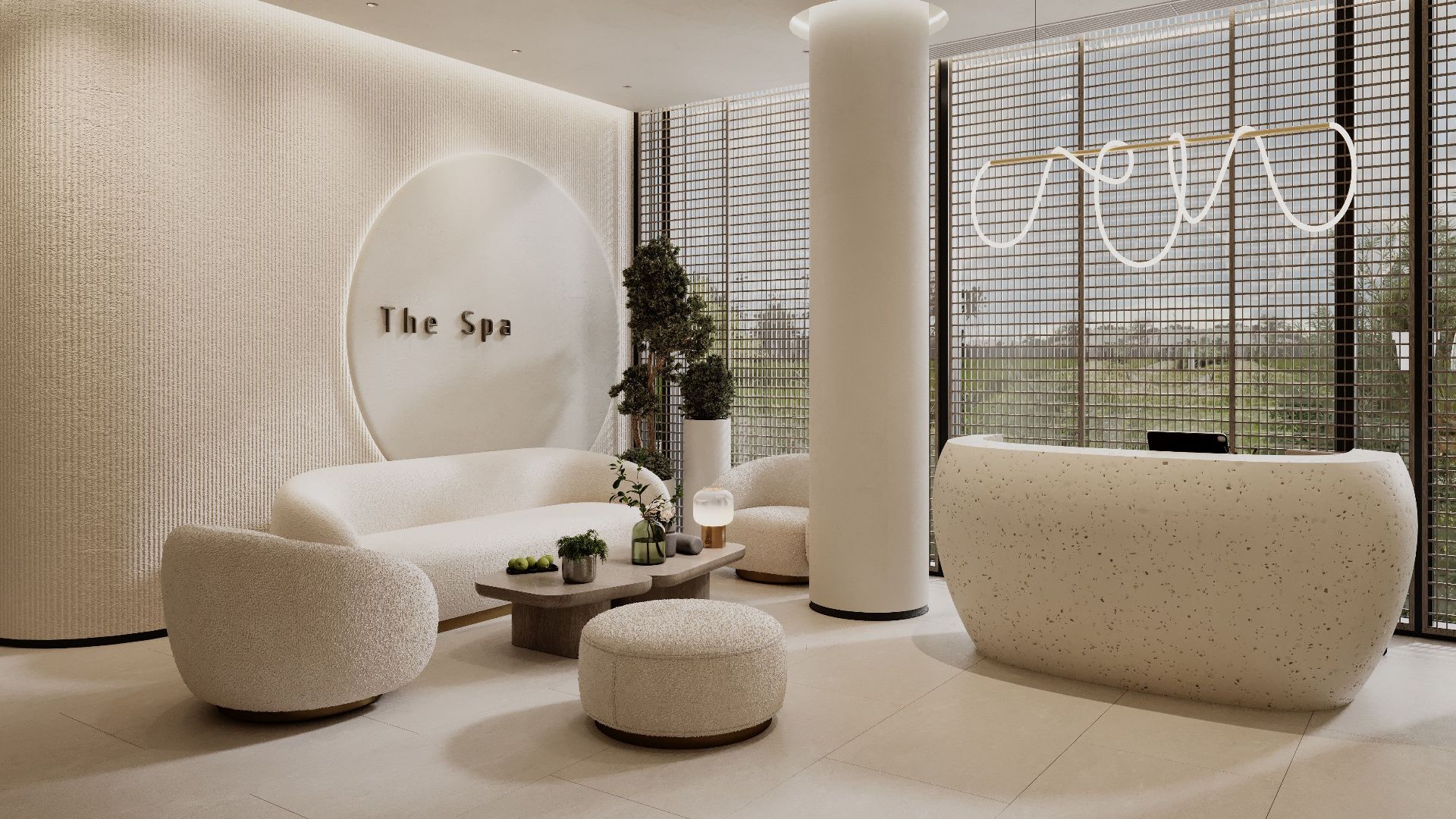
The more a resort leans on wellness imagery, the more central the spa can seem to the trip. A few polished photos and a spa tab on the homepage can do a lot of work. If the property knows appointments book up long before check-in, a simple warning could save guests a lot of disappointment.

What Misleading Looks Like In Real Life
A misleading impression can come from what a business leaves out just as much as from what it says outright. If a resort knows same-week bookings are rarely available, not mentioning that may leave guests with an incomplete picture. That does not guarantee a refund, but it does strengthen the argument that the marketing left out something important.

What Hotels Will Say Back
Expect the resort to point out that the spa exists, appointments are first come first served, and reservations were always recommended. Staff may also say availability changes by season and depends on demand. Those are fair points, but they do not automatically fix a poor booking experience if key limits were never clearly explained.

The Strongest Case For A Guest Complaint
Your complaint is stronger if the spa was featured heavily in the resort's sales pitch, you booked because of it, and no clear warning appeared before you paid. It gets even stronger if staff confirm that the spa is regularly fully booked days or weeks in advance. Screenshots, confirmation emails, and timestamps can make a real difference.

The Weakest Case For A Guest Complaint
Your claim is weaker if the website clearly said reservations were required and recommended booking before arrival. It is also weaker if you waited until check-in to ask for a treatment during a peak weekend or holiday. In that case, the situation may be frustrating, but not necessarily misleading.

What To Do While You Are Still At The Resort
Start with the front desk or guest relations team and calmly explain that the spa was a key reason for your booking. Ask whether there is a waitlist, a cancellation list, or access at a sister property. If not, request a goodwill gesture like a dining credit, a waived fee, or late checkout.
 Tongpool Piasupun, Shutterstock
How To Make Your Case
Be specific and factual instead of just saying you are unhappy. Explain when you booked, when you first tried to reserve a treatment, and what the website or listing led you to expect. Hotels are more likely to help when the problem is clear and documented.

When It Makes Sense To Ask For Compensation
If the resort strongly marketed the spa and there was no real way to use it, asking for compensation is reasonable. You may not get a full room refund, but a partial credit or a waived resort fee is a practical ask. The more central the spa was to the resort's branding, the stronger your argument.
 Hryshchyshen Serhii, Shutterstock
Chargebacks Should Come Last
It can be tempting to dispute the charge with your card issuer, but that route is not always easy. Banks and card networks usually want proof that what you paid for was materially misrepresented. Try working with the resort first, then escalate in writing if you need to.

Keep A Paper Trail
Save screenshots of the resort's spa marketing, amenity list, and any language about reservations or availability. Keep your booking confirmation and note the date and time you asked for appointments. If a manager admits the spa is routinely sold out, write that down right away.

How To Avoid This Before You Book
The best move is simple. Call or email the spa before final payment and ask what appointment availability looks like for your exact dates. If the treatments you want are already gone, you may have just saved yourself from a very expensive letdown.

Questions Smart Travelers Should Ask
Ask whether non-guests can book the spa, how far in advance appointments usually fill up, and whether weekend demand is much higher than weekday demand. Also ask whether access to wet areas, saunas, or relaxation lounges is included for hotel guests who do not book a treatment. Sometimes the real problem is not the massage itself. It is that every part of the spa experience needs a reservation.

Wellness Travel Is Growing Fast
This issue may become more common because wellness tourism keeps expanding. The Global Wellness Institute reported in January 2024 that wellness tourism expenditures reached $830.2 billion in 2023 and projected the market to hit $1.35 trillion by 2028. That growth means more travelers are choosing hotels based on spa and wellness offerings, which makes honest marketing even more important.
The Real-World Rule Of Thumb
If a spa is just one amenity among many, sold-out appointments may be an annoyance. If the spa was a marquee feature that helped drive your booking decision, unavailable access can reasonably feel misleading. The difference often comes down to what the hotel emphasized and what it did not say.

So Is It Misleading
Sometimes yes, sometimes no. If the resort made the spa a star attraction but did not clearly disclose that appointments usually need to be booked well before arrival, many travelers would see that as an unfair omission. If the property gave fair warning and you waited too long, it is more likely a planning miss than deceptive marketing.
The Bottom Line For Travelers
Treat a resort spa the way you would treat a hard-to-get dinner reservation. Check availability before you assume it comes with the room, especially at luxury properties and during busy periods. A dreamy amenity only counts as part of the vacation if you can actually use it.