The Kitchenette That Wasn't Quite A Kitchen
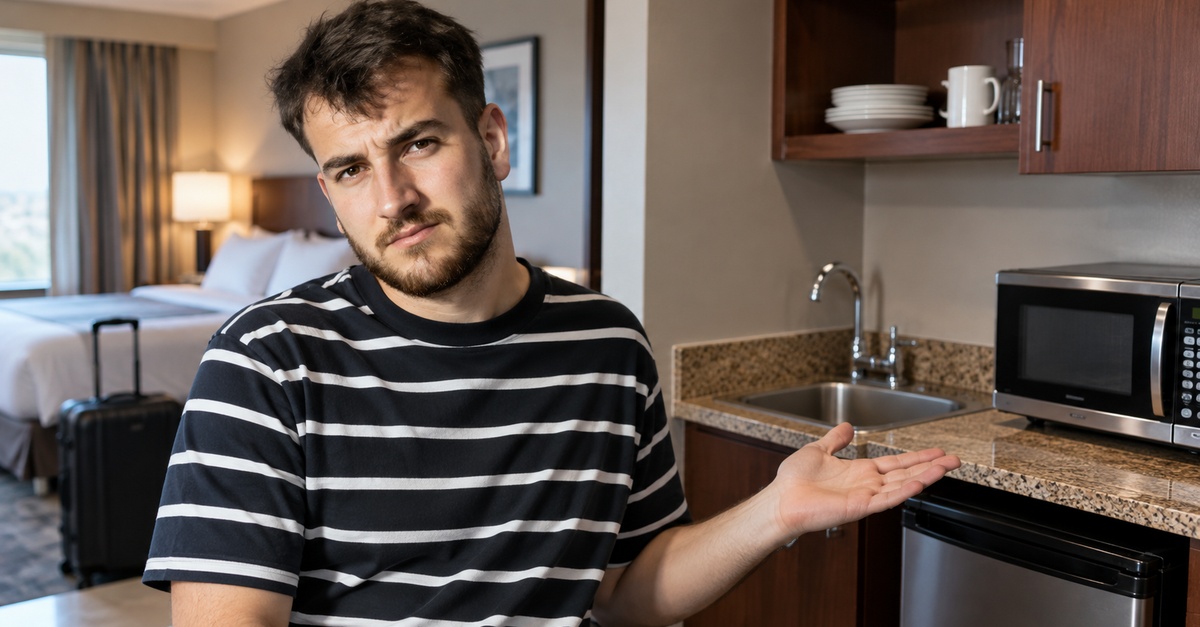
I booked a hotel room with a kitchenette because I wanted the option to prepare meals instead of eating out every day. But when I arrived, the promised cooking area consisted of little more than a microwave and a sink. There was no stovetop, no proper cooking equipment, and barely enough space to prepare anything. Suddenly, I was wondering whether the hotel had misled me or whether I had simply misunderstood what a kitchenette meant.
What Does Kitchenette Actually Mean?
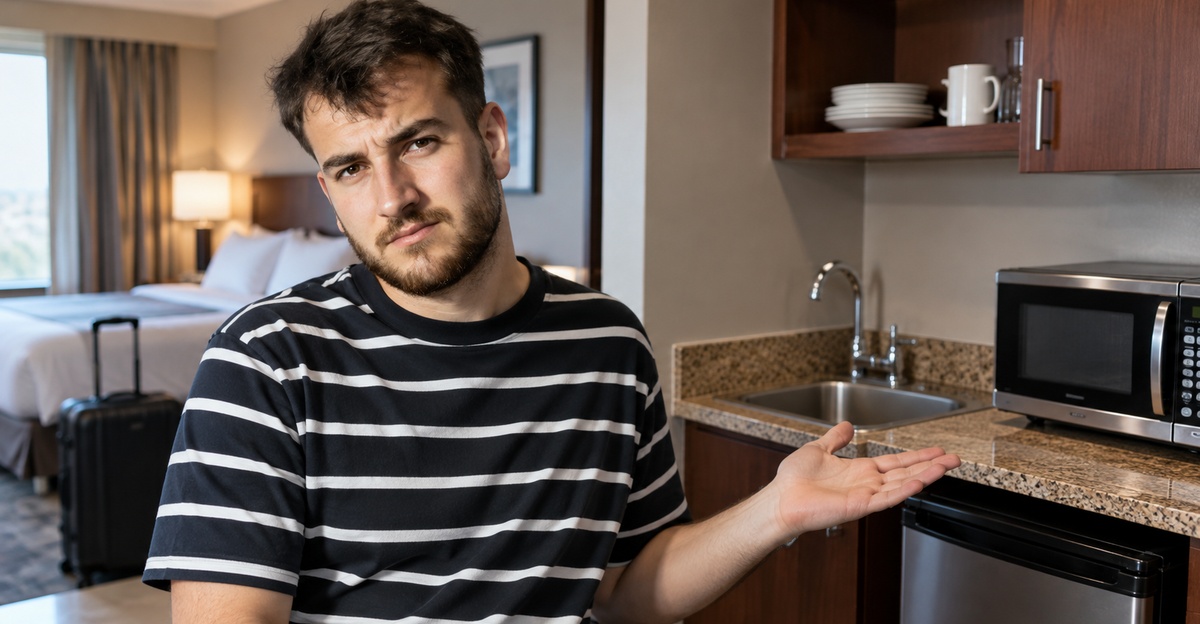
According to the Cambridge Dictionary, a kitchenette is a small room or area used as a kitchen. That definition leaves plenty of room for interpretation because it doesn't specify which appliances must be included. A hotel might consider a compact food preparation counter sufficient, while a guest might expect something closer to a small working kitchen. This ambiguity is where disagreements over advertised amenities begin.
A Kitchenette Isn't A Full Kitchen
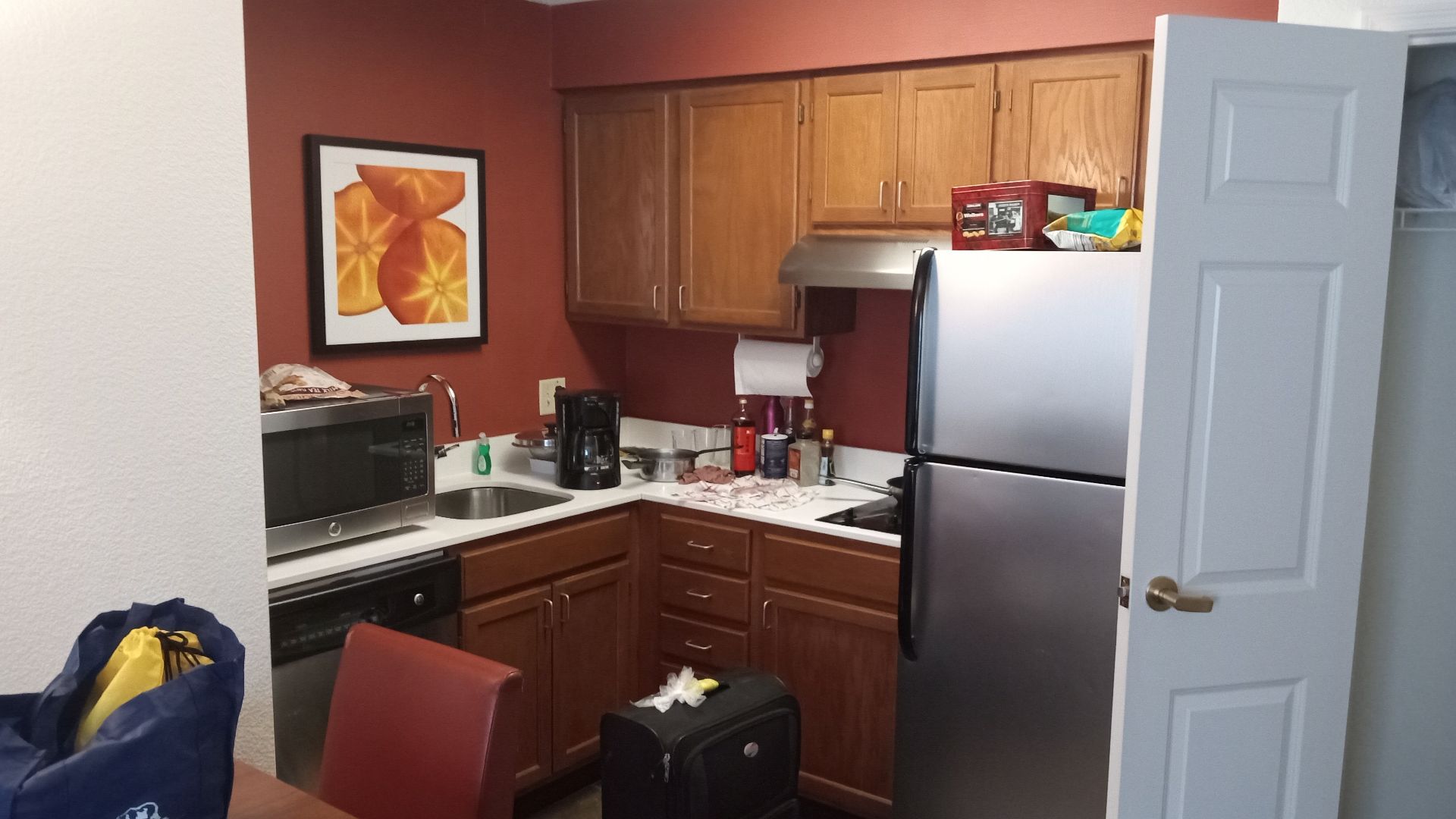
Hotels generally distinguish between full kitchens and kitchenettes based on the appliances and cooking facilities available. Extended Stay America explains that hotel kitchenettes commonly include a microwave, mini fridge, and sink, while full kitchens offer more extensive cooking capabilities. That means guests shouldn't automatically expect an oven or four-burner stove just because a listing mentions a kitchenette. However, the distinction doesn't excuse a hotel from providing amenities it specifically advertised.

Why A Microwave And Sink Might Qualify
A microwave and sink can form part of a kitchenette, even without traditional cooking burners. The problem is that the word alone doesn't guarantee a particular combination of appliances or utensils. If the hotel advertised only a kitchenette without additional details, proving that the description was misleading could be difficult. The stronger complaint would involve a specific promised feature that wasn't actually provided.

The Missing Refrigerator Changes Things
Extended Stay America's explanation identifies a mini fridge as one of the common components of a hotel kitchenette. Without refrigeration, guests have fewer practical options for storing ingredients, leftovers, and other perishable foods. A microwave and sink might still satisfy a broad interpretation of the term, but they provide less functionality than many kitchenette descriptions suggest. Whether that difference justifies compensation depends on the listing's wording and the circumstances of the booking.
The Real Question Is What Was Advertised
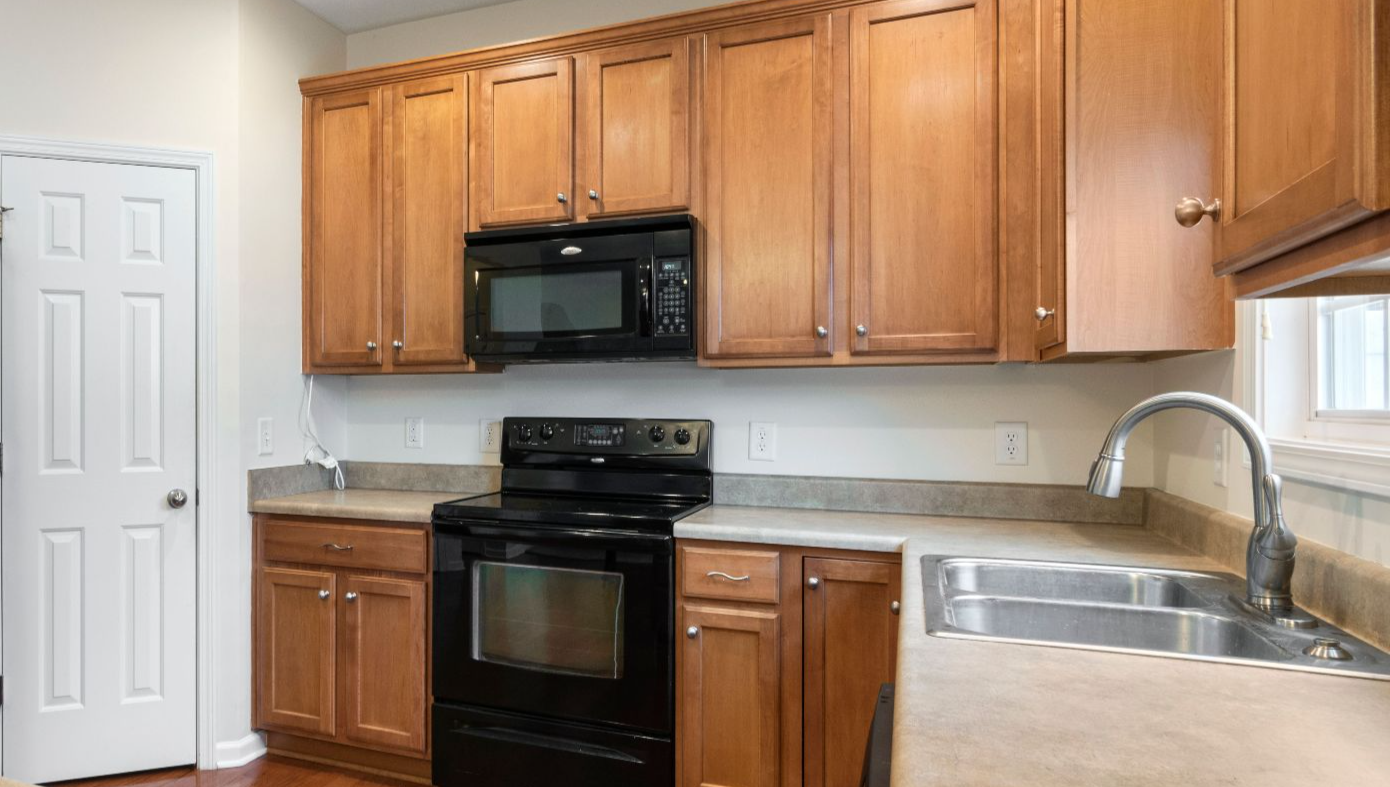
The important distinction isn't necessarily between a kitchenette and a full kitchen. It's between what the hotel represented before payment and what the guest actually received. Consumer protection authorities examine misleading advertising based on the impression it creates, not simply whether every individual word is technically defensible. That makes the original reservation description especially important when deciding whether to complain.

Pictures Can Tell A Different Story
Suppose the booking photographs showed a stovetop, refrigerator, and cooking utensils, but the actual room contained only a microwave. Those photographs could strengthen a complaint because visual representations can influence purchasing decisions. Canada's Competition Bureau specifically considers the overall impression created by advertising, including illustrations and other promotional materials. A hotel cannot necessarily defend a misleading presentation simply by pointing to a technically accurate word elsewhere in the listing.

Fine Print Doesn't Always Settle The Argument
Hotels may include detailed amenity descriptions or qualifications alongside their main promotional claims. However, Canada's Competition Bureau explains that technically accurate statements can still be misleading when the overall impression is deceptive. Fine print also doesn't necessarily correct a misleading message presented more prominently. Guests should therefore examine both the headline description and any additional information available before booking.

Why The Missing Feature Matters
Consumer protection rules generally pay particular attention to information that could influence a purchasing decision. Canada's Competition Bureau describes materially misleading information as information capable of affecting consumer behavior. A kitchenette could be a deciding factor for someone booking a lengthy stay or planning to prepare meals. If the promised facilities influenced the reservation, that connection can help explain why the discrepancy deserves attention.

Hotel Advertising Isn't Above Consumer Protection Laws
Hotels are businesses, and their advertising is subject to consumer protection requirements in the jurisdictions where they operate. In Canada, the Competition Act prohibits materially false or misleading representations used to promote goods and services. In the United States, the Federal Trade Commission also has authority over deceptive commercial practices, including hotel-related advertising. The precise legal remedy depends on where the hotel is located and the facts of the complaint.
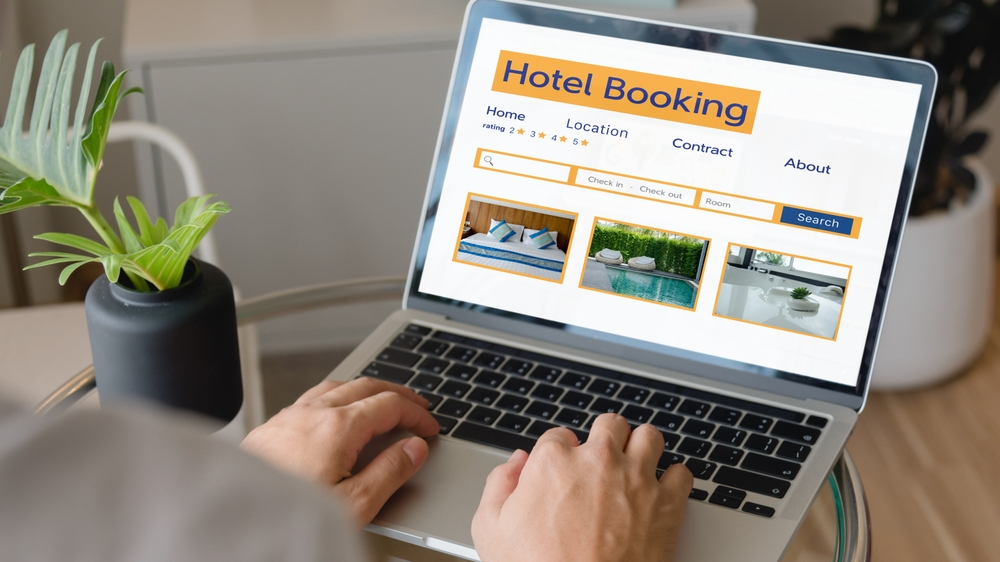
A Complaint Doesn't Require A Legal Battle
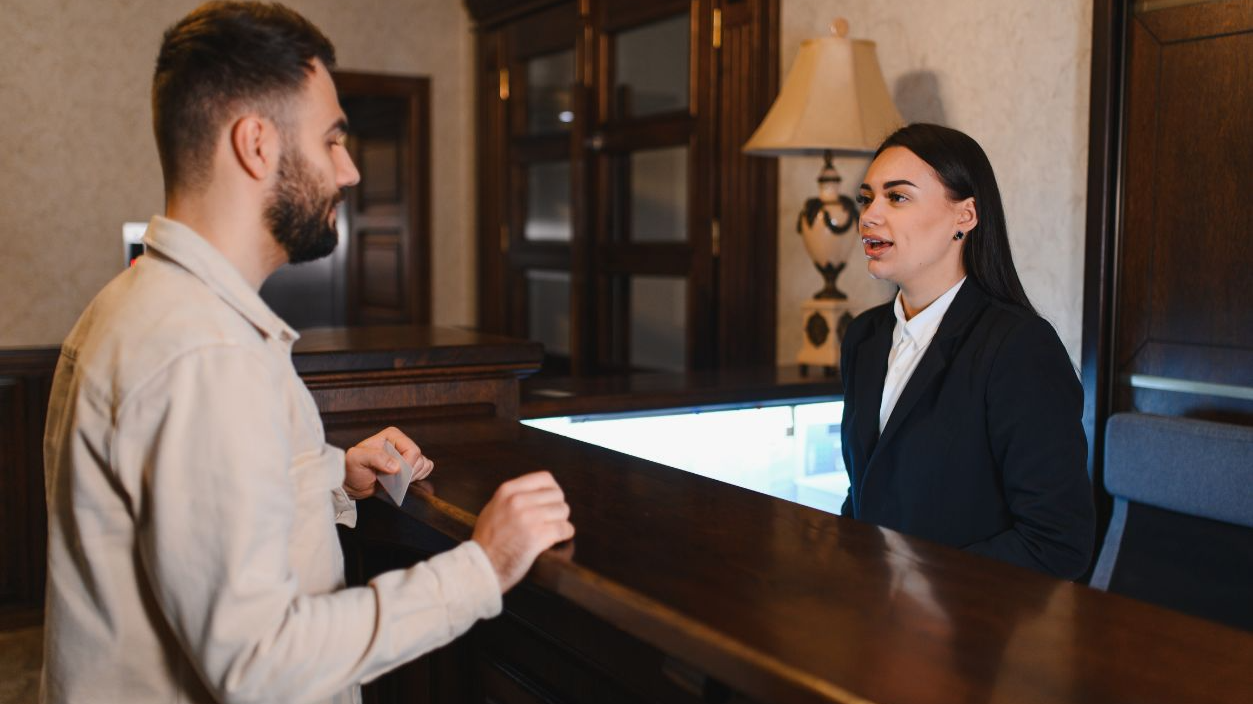
Guests don't need to begin with a lawyer or formal legal proceedings when they discover a disappointing room. The FTC recommends contacting the business directly, explaining the problem, and identifying the resolution being requested. This gives the hotel an opportunity to address the discrepancy before it becomes a larger dispute. For a missing kitchenette feature, a conversation with the front desk is a sensible starting point.

Speak Up Before Unpacking Everything
Timing can make a practical difference when resolving hotel problems. Expedia's terms advise travelers to report service issues before or during their trips whenever possible, allowing the provider an opportunity to respond. A guest who notices missing cooking facilities immediately should therefore raise the concern rather than waiting until checkout. Prompt reporting also helps establish when the problem was discovered.

Ask For A Room That Matches The Listing
One possible solution is requesting a different room with the facilities originally advertised. Before accepting a replacement, guests should confirm that it actually contains the appliances they need. The FTC's consumer complaint guidance encourages customers to explain clearly what outcome would resolve their problem. A suitable room change could settle the dispute without requiring a refund.
 Hryshchyshen Serhii, Shutterstock
What If The Hotel Has No Better Room?
Sometimes the property simply cannot provide the kitchen facilities the guest expected. In that situation, a partial refund, price adjustment, or cancellation without penalty may be reasonable outcomes to request. The FTC advises consumers to identify the specific remedy they want when complaining about a product or service. However, the hotel isn't automatically required to approve every requested remedy simply because a guest is dissatisfied.

Could I Demand A Full Refund?
A full refund is possible to request, but it isn't guaranteed whenever an advertised amenity disappoints. The strength of the claim depends on the actual promises, applicable consumer laws, reservation terms, and whether the guest used the accommodation. The Consumer Financial Protection Bureau recommends first asking the seller to resolve situations where a purchased service wasn't what was ordered. A missing essential feature may support a stronger refund request than a minor difference in room equipment.

Nonrefundable Doesn't Mean No Questions Allowed
A nonrefundable reservation generally restricts ordinary cancellations under the agreed booking conditions. However, a disagreement about whether the promised accommodation was delivered raises a different issue from simply changing travel plans. The CFPB recognizes that consumers may have options when purchased goods or services are not provided as agreed. Guests should not assume that a nonrefundable label automatically eliminates every possible complaint or remedy.
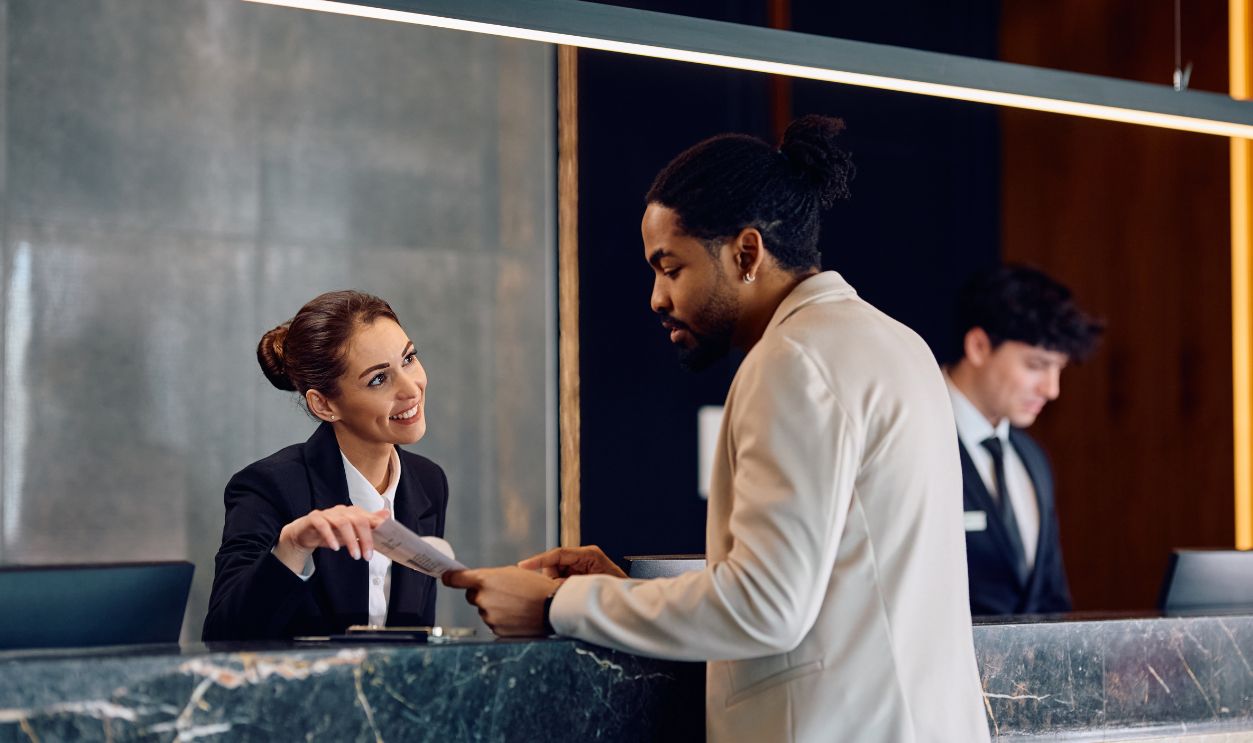
Booking Through A Third Party Adds Another Step
Travelers who reserve through an online booking platform may need to involve both the property and the booking company. Expedia's terms provide complaint procedures and explain that travelers can contact either Expedia or the relevant travel provider. They also state that refunds are generally returned through the original payment method by the party that collected payment. Knowing who handled the reservation and payment can help guests direct their complaint appropriately.

The Booking Confirmation Is Important Evidence
The FTC recommends keeping copies of travel confirmations showing the rates and amenities promised. That documentation becomes particularly valuable when a dispute involves a room feature rather than a straightforward billing mistake. Guests should save the original room description, reservation confirmation, and any written promises about kitchen equipment. These records help establish what the traveler reasonably understood they were purchasing.

Take Pictures Before The Details Change
Photographs of the actual room can help demonstrate which facilities were present at check-in. Guests should capture the microwave, sink, counter space, and any missing areas where advertised appliances were expected. The FTC's general complaint guidance emphasizes gathering documentation and retaining copies of supporting materials. Combining room photographs with the original listing gives a hotel or booking platform a clearer picture of the disagreement.

Put The Complaint In Writing
A verbal conversation might resolve the issue quickly, but written communication creates a record if the disagreement continues. The FTC recommends describing the problem, stating the desired solution, and keeping copies of complaint correspondence. Guests can explain that the kitchenette influenced their booking decision and identify the advertised facilities that were missing. A concise, factual message is more useful than an argument over whether the hotel understands the English language.

Can My Credit Card Company Help?
If the hotel and booking platform cannot resolve the dispute, contacting the credit card issuer may be another option. The CFPB explains that cardholders can sometimes dispute charges for goods or services that weren't delivered as agreed. A successful chargeback is not automatic, particularly when the guest received and used some of the accommodation. The issuer will need to assess the circumstances and supporting evidence.

There Are Deadlines For Card Disputes
In the United States, the Fair Credit Billing Act provides procedures for disputing certain credit card billing errors. The FTC explains that consumers generally must send written notice within 60 days after the first statement containing the disputed charge was sent. Different procedures may apply to certain disputes involving service quality, and protections can differ for debit cards. Guests should contact their card issuer promptly rather than assume they can challenge a hotel charge indefinitely.

Consumer Protection Agencies May Be Interested
A complaint about misleading hotel advertising can sometimes be reported to a consumer protection authority. In Canada, the Competition Bureau accepts reports concerning potentially false or misleading commercial representations. In the United States, the FTC encourages consumers to report suspected deceptive business practices. Reporting the problem does not itself guarantee an individual refund, but it provides regulators with information about potentially problematic conduct.

The Difference Between Disappointment And Deception
Not every disappointing hotel room is evidence of deceptive advertising. A traveler might expect a stovetop even though the property never promised one, especially given the broad meaning of kitchenette. Conversely, a hotel that specifically advertises cooking burners and supplies only a microwave has created a more concrete discrepancy. The distinction matters because consumer protection analysis focuses on representations and their potential to mislead, not merely personal preferences.
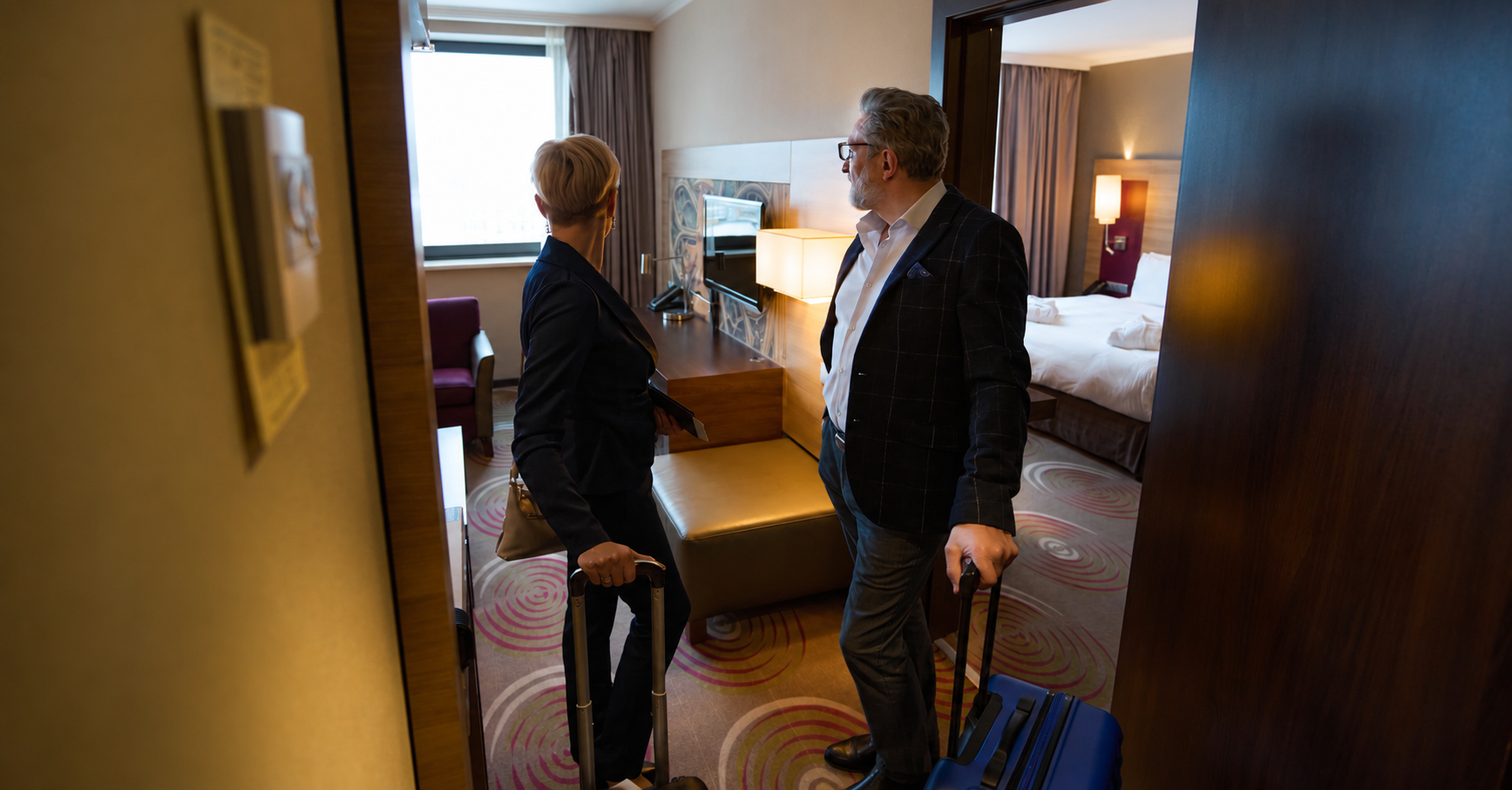
A Longer Stay Makes The Kitchen More Important
Extended Stay America's guidance emphasizes that in-room cooking facilities can help travelers prepare meals during longer visits. For someone planning a week or more away from home, the difference between reheating food and preparing meals may be significant. That makes it particularly important to confirm whether a room includes a stovetop, refrigerator, cookware, or only basic appliances. The longer the stay, the more useful a detailed amenity checklist becomes.

Don't Assume Cookware Is Included
Even when a kitchenette has cooking appliances, guests shouldn't assume the room includes pots, pans, plates, or cutlery. Kitchenettes differ from full kitchens, and the available equipment depends on the property and room type. Extended Stay America's description highlights variations in the cooking capabilities offered by hotel accommodations. Asking for a complete list of appliances and supplies is safer than relying on a broad amenity label.

Call The Hotel Before Making The Reservation
The FTC recommends checking travel offers carefully and confirming important details before committing to a purchase. For a kitchenette, guests can ask whether the room has a refrigerator, stovetop, microwave, and cooking utensils. They should also confirm that those features are included in the exact room category being booked. A written answer from the property can reduce uncertainty if the facilities turn out to be different on arrival.
 https://kaboompics.com/, Pexels
So, Can Guests Really Complain Over Semantics?
Yes, guests can complain when the amenities they receive don't match what they believe was advertised. But whether that complaint establishes misleading advertising or justifies compensation depends on the specific promises, evidence, and applicable law. A microwave and sink alone do not automatically prove that the word kitchenette was used deceptively. The strongest argument focuses on the facilities actually represented to the guest and why their absence mattered.

The Best Way To Avoid Another Kitchenette Surprise
Before booking another room with a kitchenette, I would look beyond the label and check exactly which appliances were included. I would also save the listing, confirm essential features directly with the property, and keep the reservation details. Those precautions follow the FTC's advice to review travel offers carefully and retain documentation of promised amenities. Ultimately, a hotel kitchenette should be judged by what the property actually offers, not by what a traveler hopes the word means.

You May Also Like:
North American Vacation Habits That Seem Strange Almost Everywhere Else
North American Cities That Tourists Say Are Surprisingly Friendly, Despite Their Reputations
The American Road Trips That Canadians Are Secretly Jealous Of