New York City Moves Fast But Still Helps
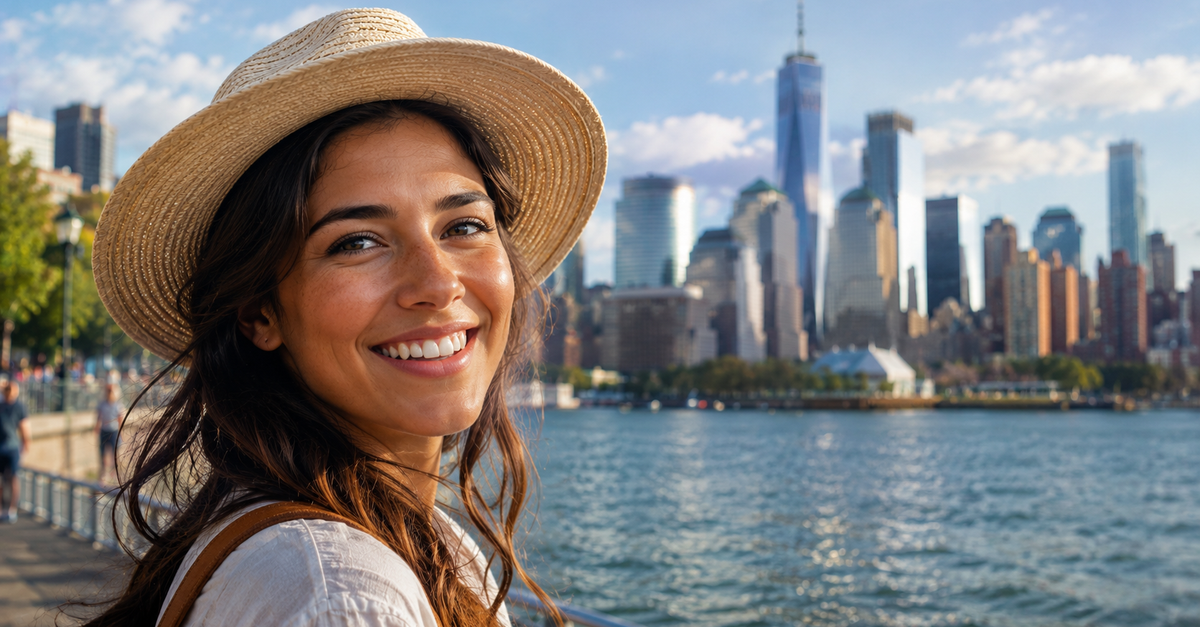
New York is often treated as the symbol of big-city impatience, where everyone appears too busy to stop. In practice, visitors regularly discover that locals will provide directions, explain the subway, or recommend a neighborhood restaurant with impressive detail. New Yorkers may deliver that assistance quickly and without much small talk, but efficiency is not the same thing as hostility.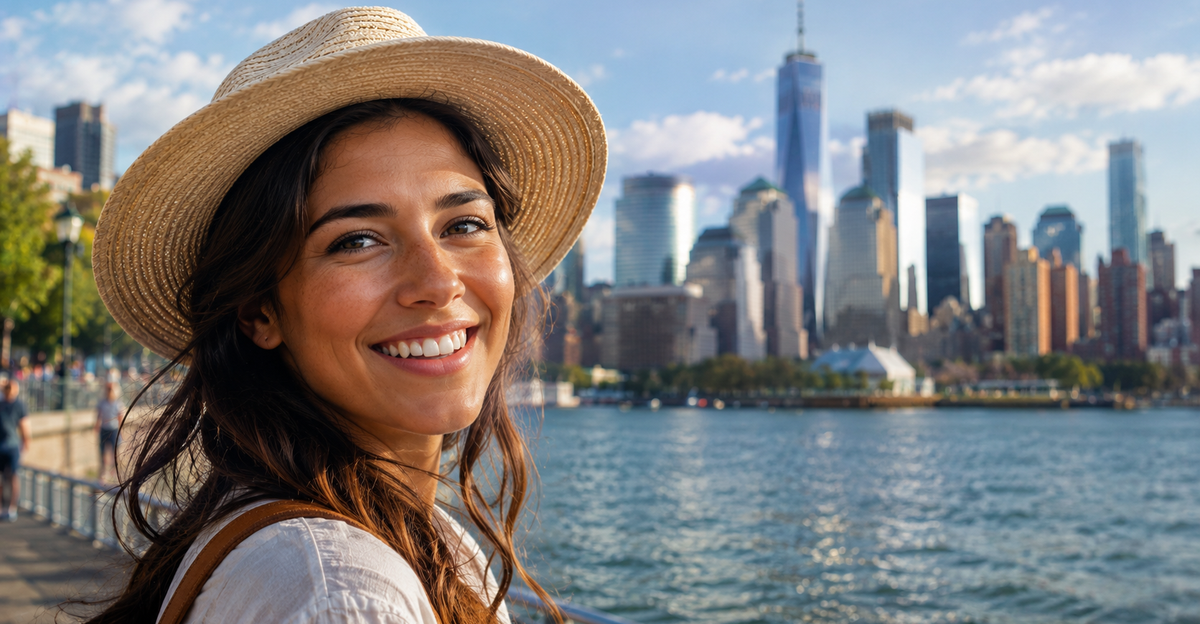 Factinate Ltd
Philadelphia Has More Heart Than Its Headlines Suggest
Philadelphia placed near the top of Preply’s survey of rude behavior, reinforcing its familiar reputation for bluntness. Travelers often encounter a different personality in the city’s markets, museums, neighborhood restaurants, and sports bars, where conversation comes easily. The local style can be direct, but it is frequently paired with humor, pride, and sincere enthusiasm for showing visitors around.
Chicago Mixes Big-City Energy With Midwest Warmth
Chicago’s size, traffic, winters, and tough political history can make the city sound intimidating from a distance. Condé Nast Traveler readers nevertheless ranked it among the friendliest American cities, highlighting the helpfulness of its residents. Visitors commonly find that Chicago combines the cultural variety of a major metropolis with the approachable manner associated with the Midwest.
Miami Is Warmer Than Its Rudeness Ranking
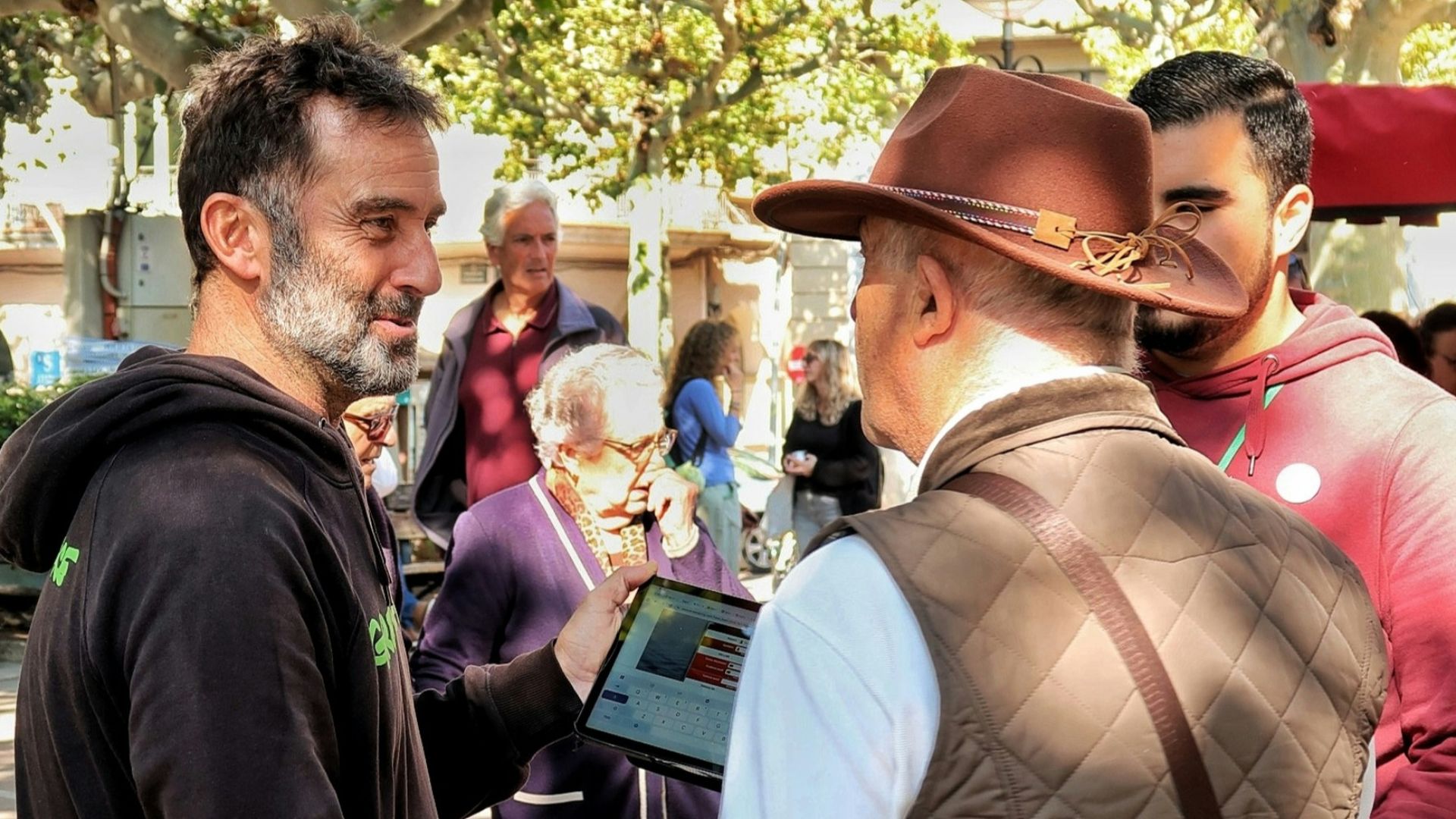
Miami topped Preply’s 2024 ranking of rude American cities, partly because respondents reported inconsiderate behavior in public spaces. That result does not capture every interaction in a city shaped by Caribbean, Latin American, and international cultures. Beyond crowded nightlife districts, travelers often find animated conversations, family-run restaurants, and residents who are eager to share their favorite food, music, and beaches.
Boston’s Directness Can Be Surprisingly Helpful
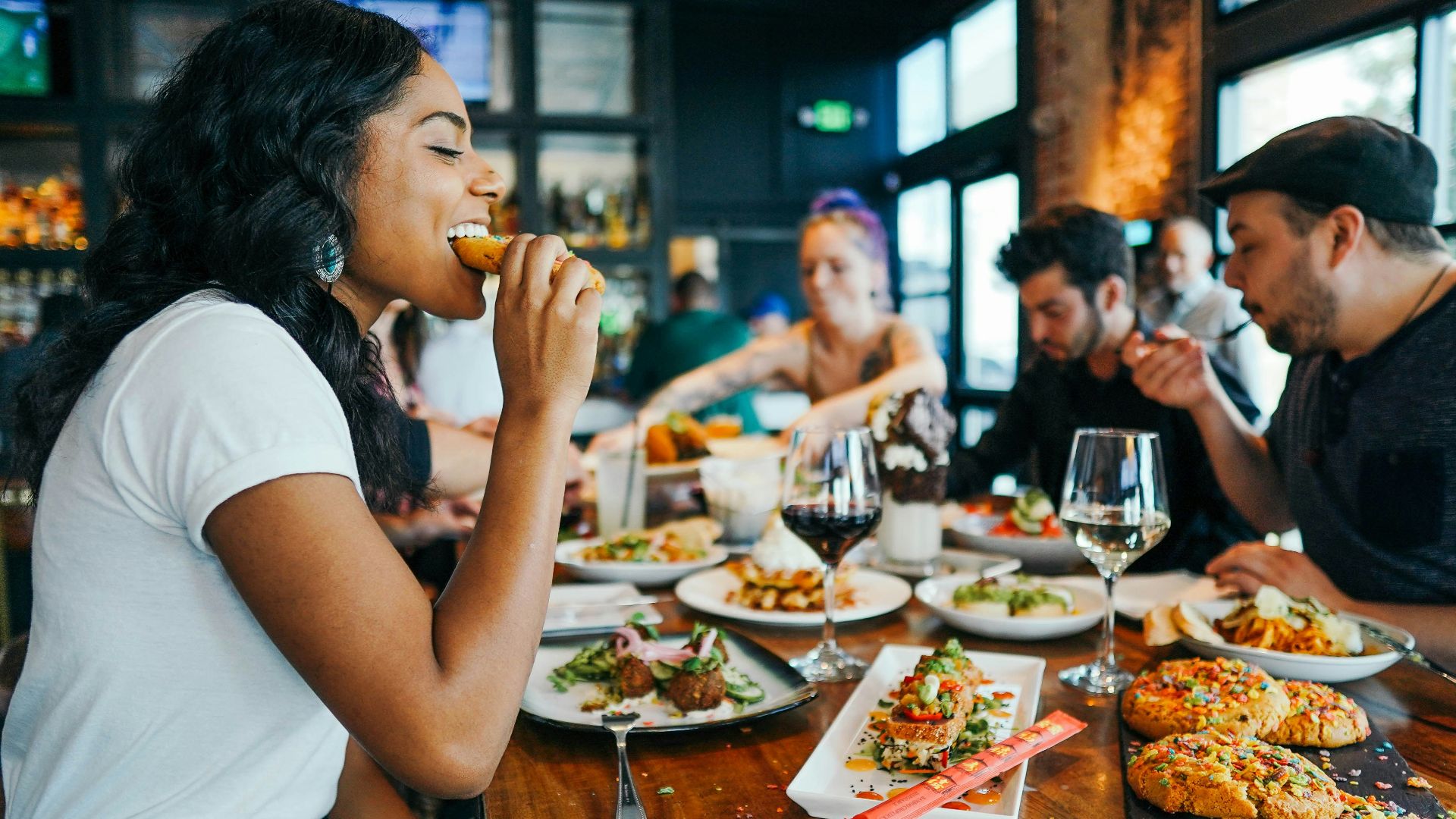
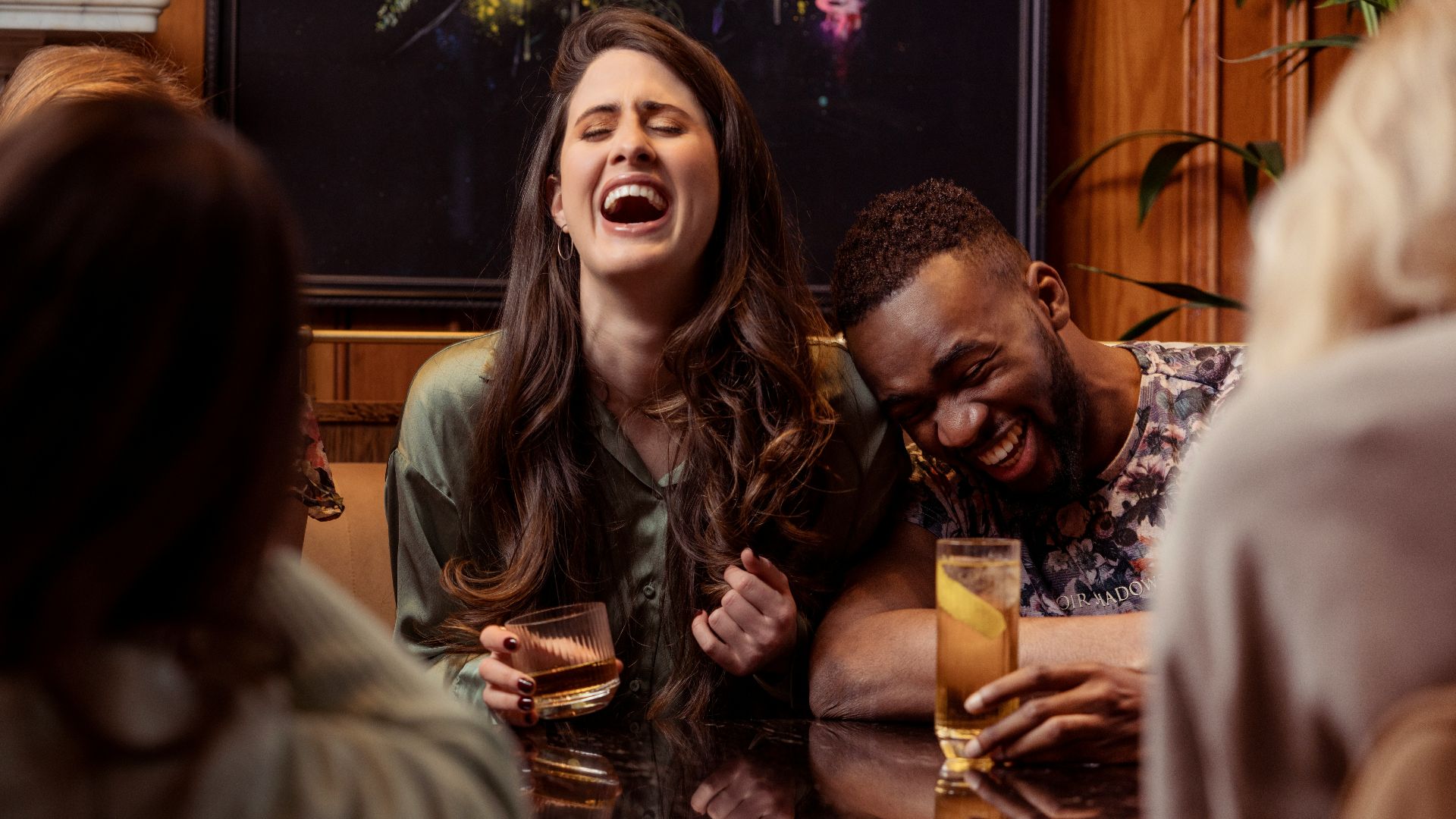
Boston accents, aggressive driving, and intense sports rivalries have contributed to a famously abrasive public image. Visitors soon learn that many residents are perfectly willing to offer help, even when the advice arrives in a rapid and unsentimental package. Once the initial reserve fades, conversations about history, neighborhoods, universities, and local food can become remarkably lively.
 OurWhisky Foundation, Unsplash
Washington, D.C. Is Not All Politics And Protocol
Washington can appear formal because so much of its identity revolves around government, security, and professional ambition. Preply’s research found that the city made one of the largest improvements in perceived public behavior between its survey periods. Tourists also benefit from helpful museum employees, knowledgeable guides, and residents accustomed to meeting people from across the country and around the world.
Detroit Rewards Visitors Who Look Beyond Old Stereotypes
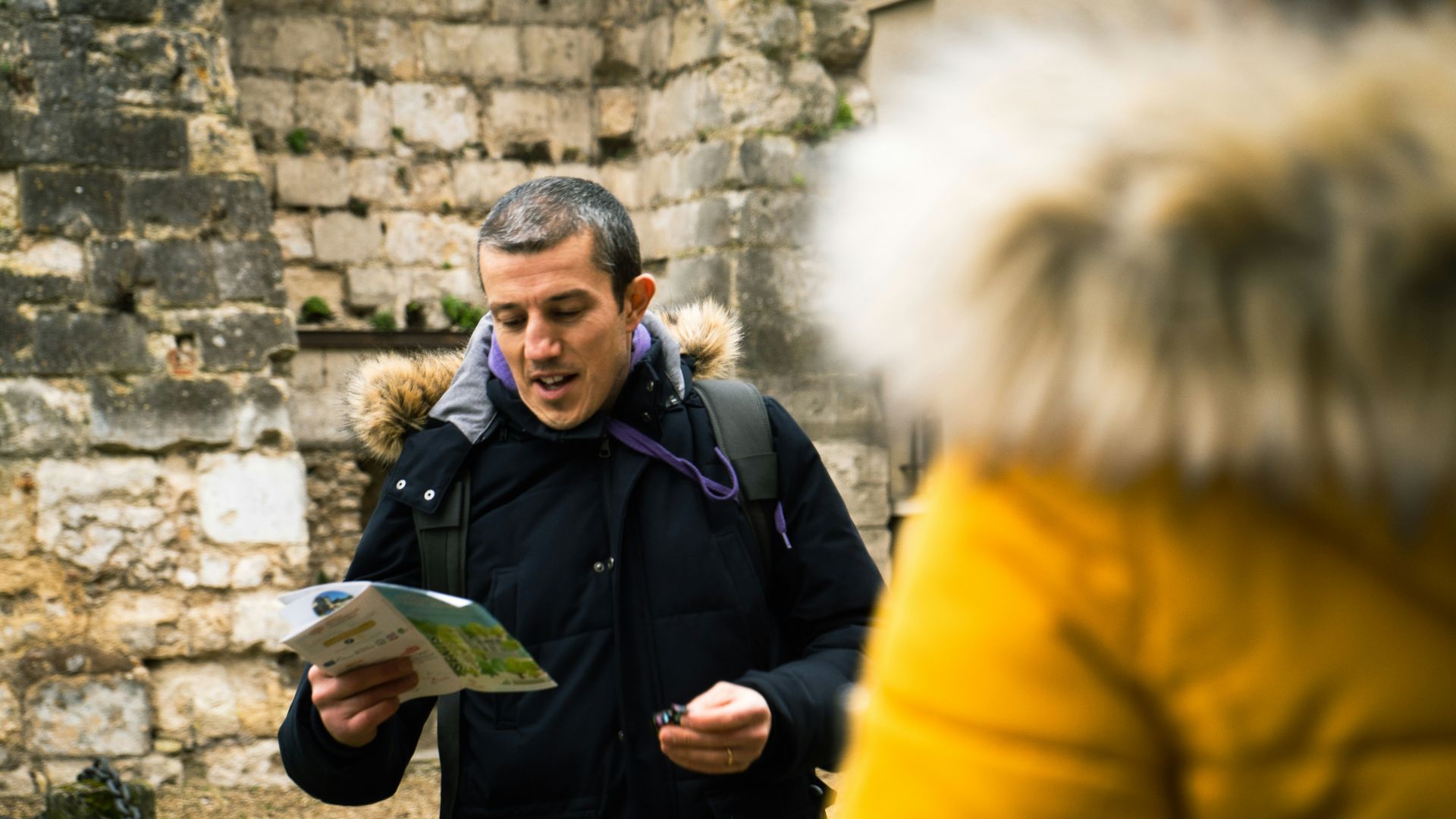
Detroit continues to contend with an image shaped by decades of population loss, industrial decline, and sensational crime coverage. Visitors exploring its music history, architecture, restaurants, and cultural institutions frequently encounter residents who are proud of the city’s progress. That civic pride often appears as practical advice, personal stories, and genuine encouragement to explore beyond downtown.
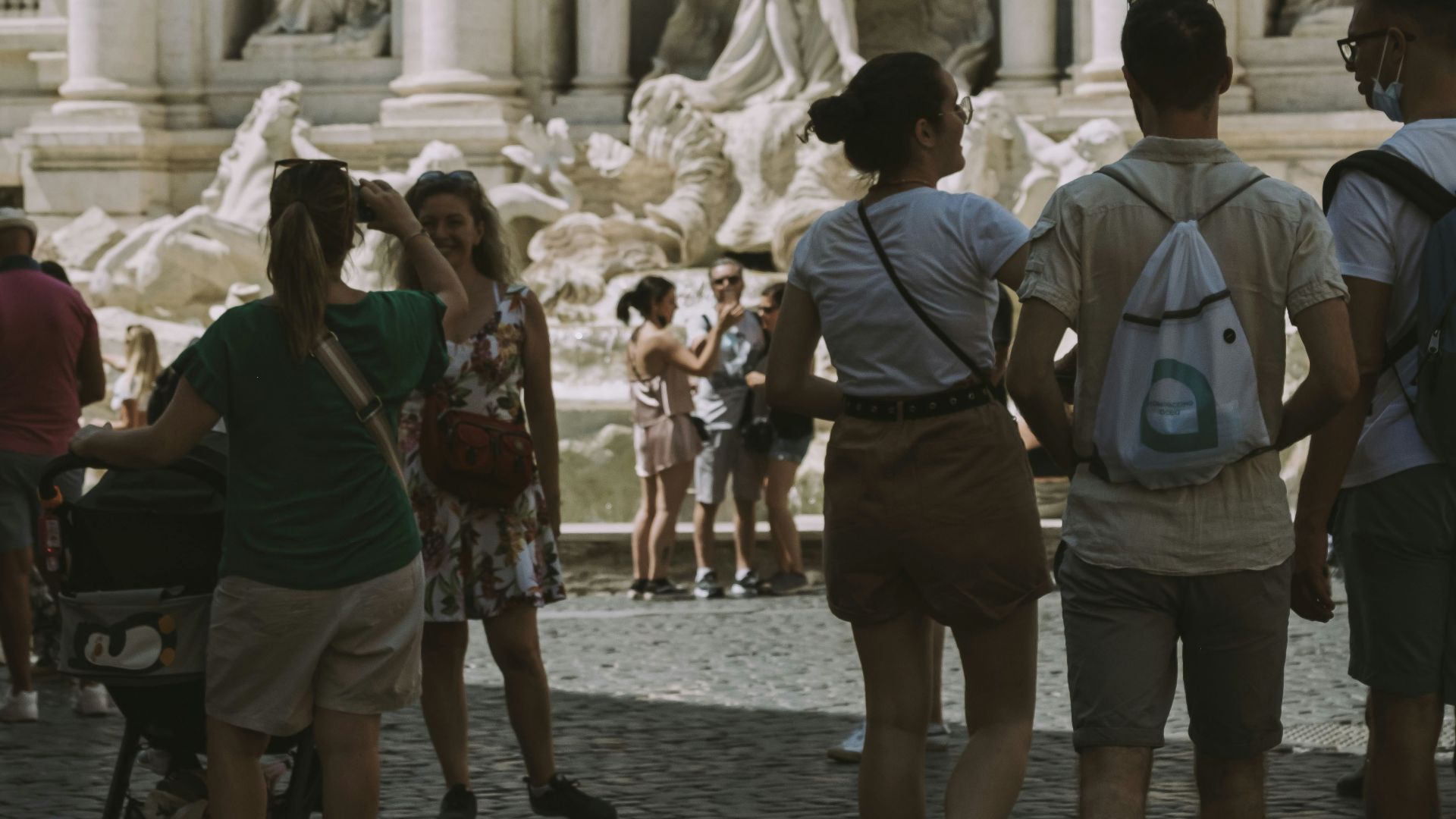
Baltimore’s Neighborhood Pride Creates Easy Conversations
Baltimore is regularly portrayed through crime statistics and gritty television dramas, which can overshadow the experiences of ordinary visitors. The city’s distinct neighborhoods, seafood traditions, markets, and arts communities offer many natural opportunities to interact with residents. Locals may be candid about Baltimore’s problems, but that honesty often comes with warmth and strong recommendations about what deserves attention.
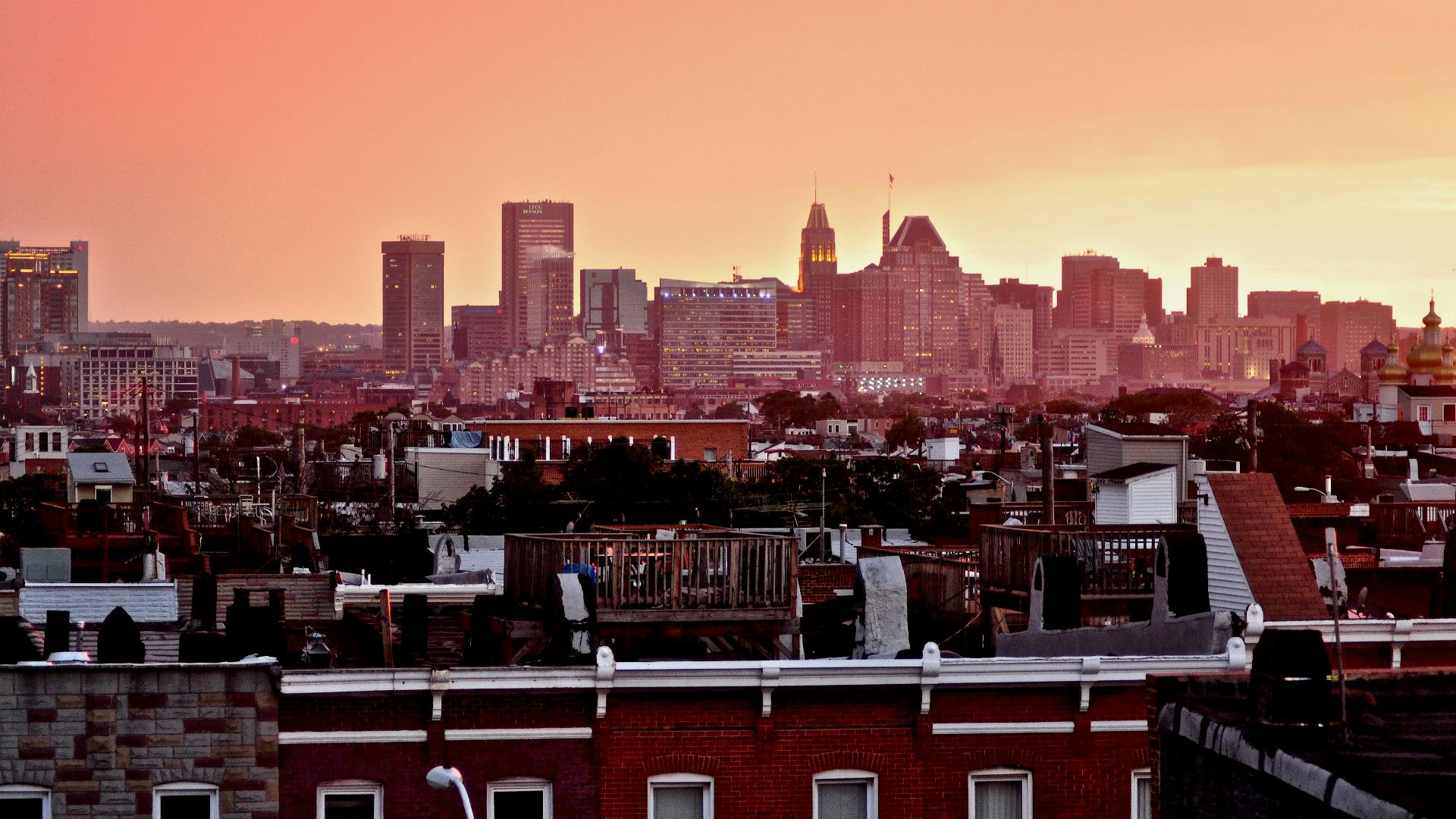
Milwaukee Feels More Relaxed Than Its Industrial Image
Milwaukee’s brewing history and manufacturing past can make it seem like a serious, workmanlike destination. Condé Nast Traveler readers ranked it among America’s friendliest cities, praising the approachable character associated with the Midwest. Its lakefront, public markets, festivals, breweries, and compact neighborhoods make casual exchanges with residents particularly easy.
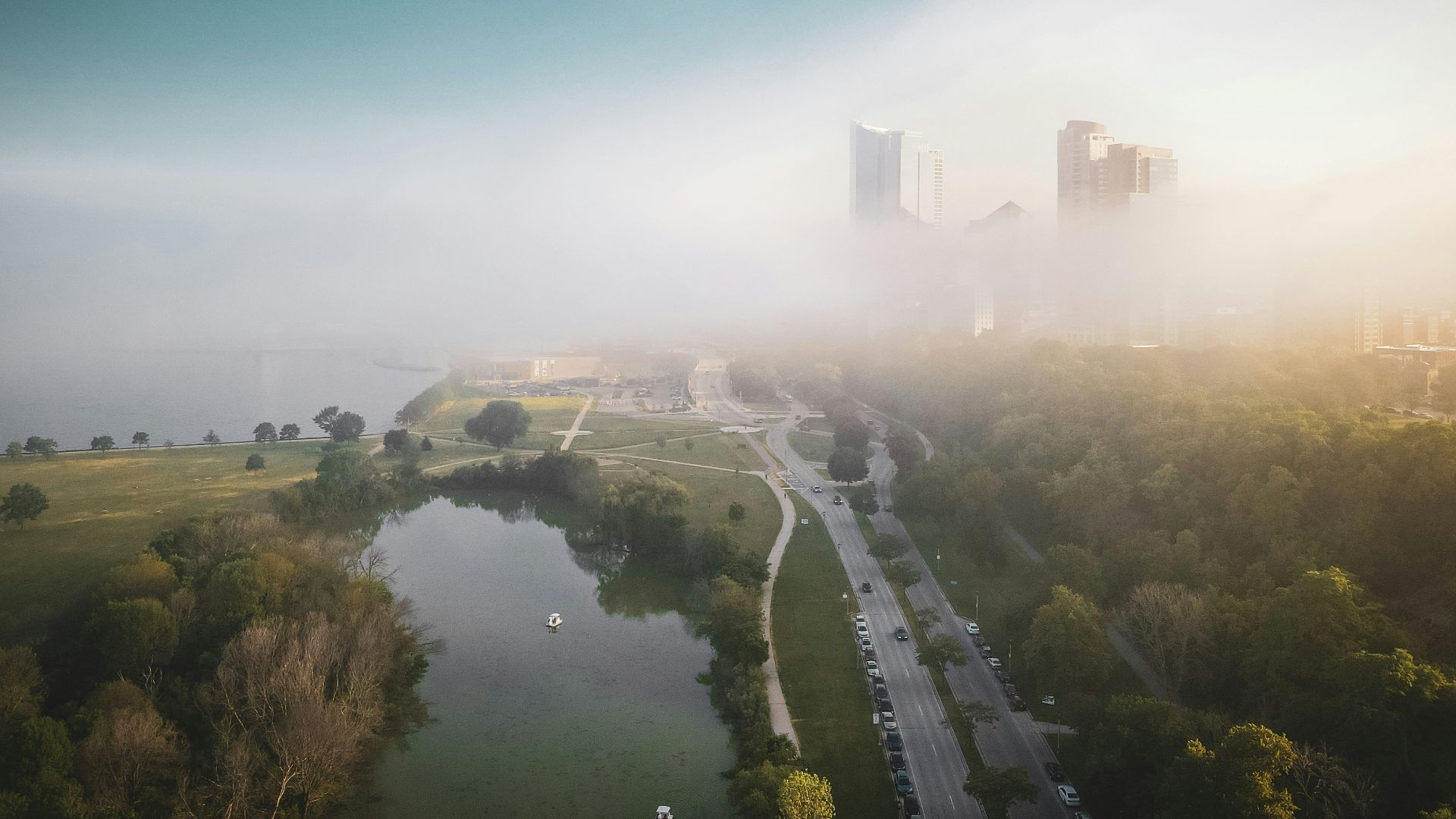
New Orleans Turns Resilience Into Hospitality
New Orleans has endured hurricanes, economic challenges, and periods of intense concern about crime and infrastructure. Condé Nast Traveler readers still placed it among the country’s friendliest cities, citing the community’s welcoming spirit. Conversations with musicians, servers, artists, and longtime residents can quickly become as memorable as the food and architecture.
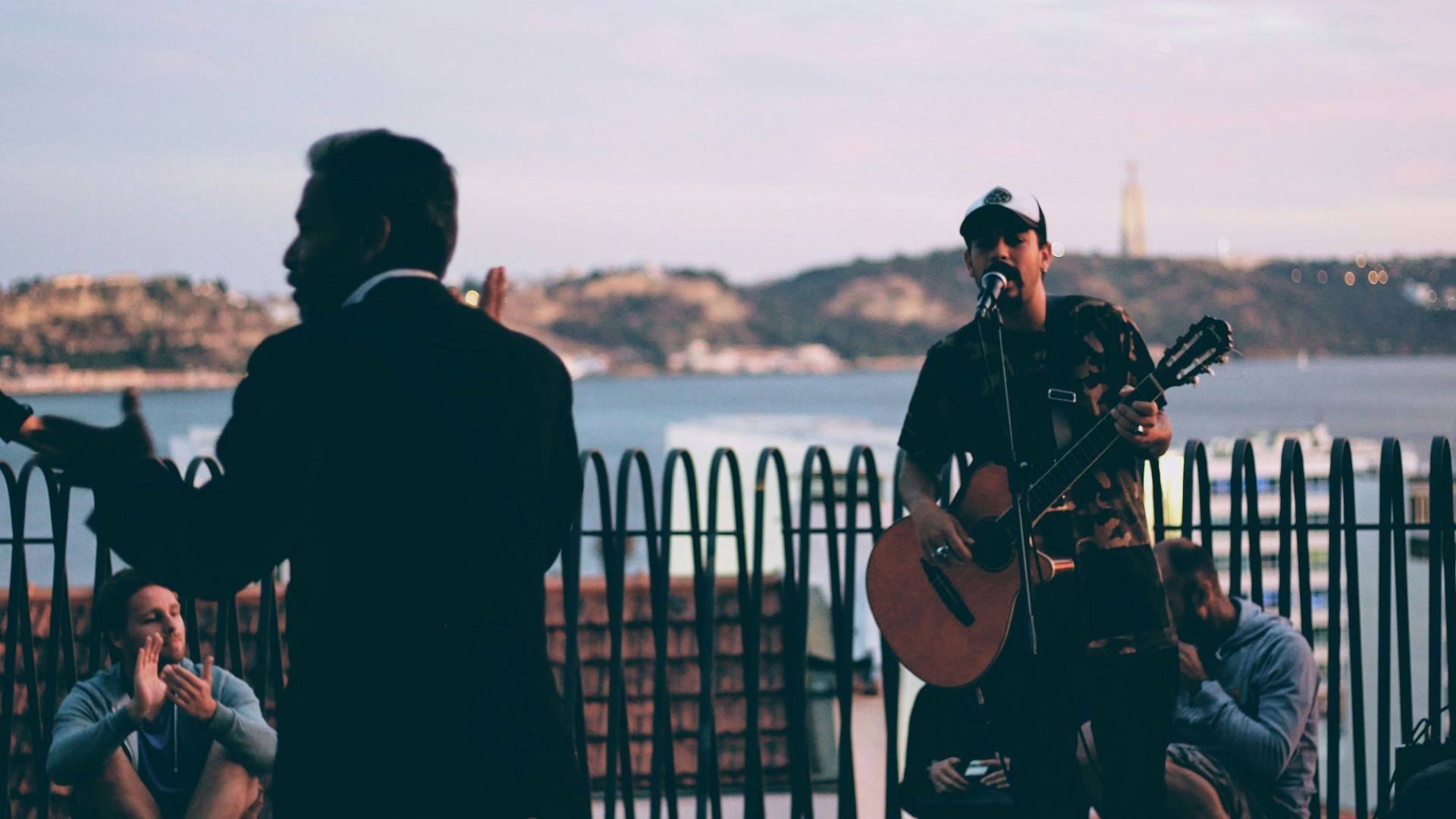
Las Vegas Has A Neighborly Side Beyond The Strip
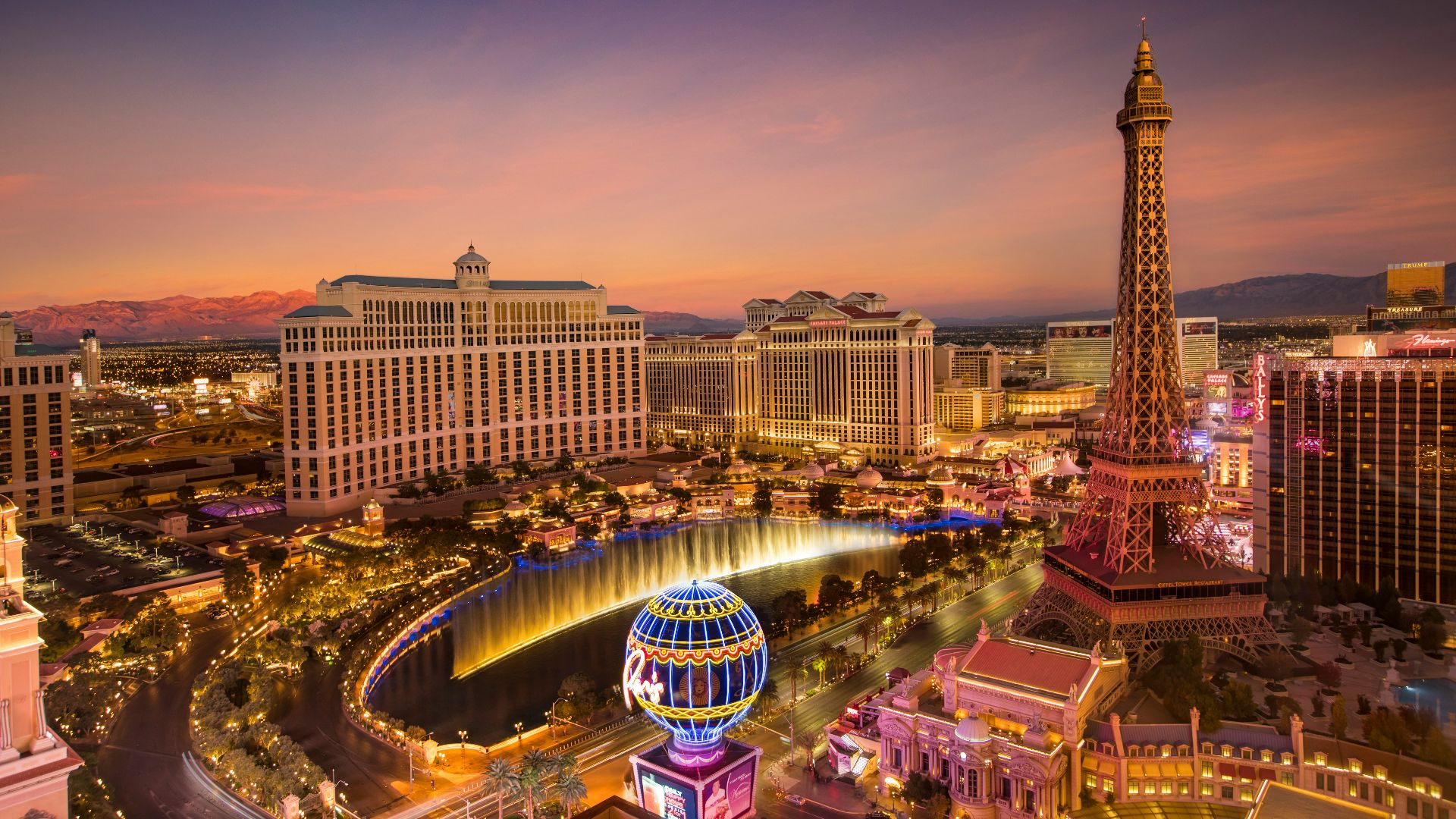
Las Vegas is often associated with casinos, crowds, excessive spending, and highly transactional service. The metropolitan area is also home to established residential neighborhoods, independent restaurants, outdoor recreation groups, and a large hospitality workforce. Visitors who leave the busiest casino corridors often discover a calmer city where residents are happy to discuss hiking, local dining, and everyday life in the desert.
Los Angeles Is Friendlier Outside The Traffic Jam
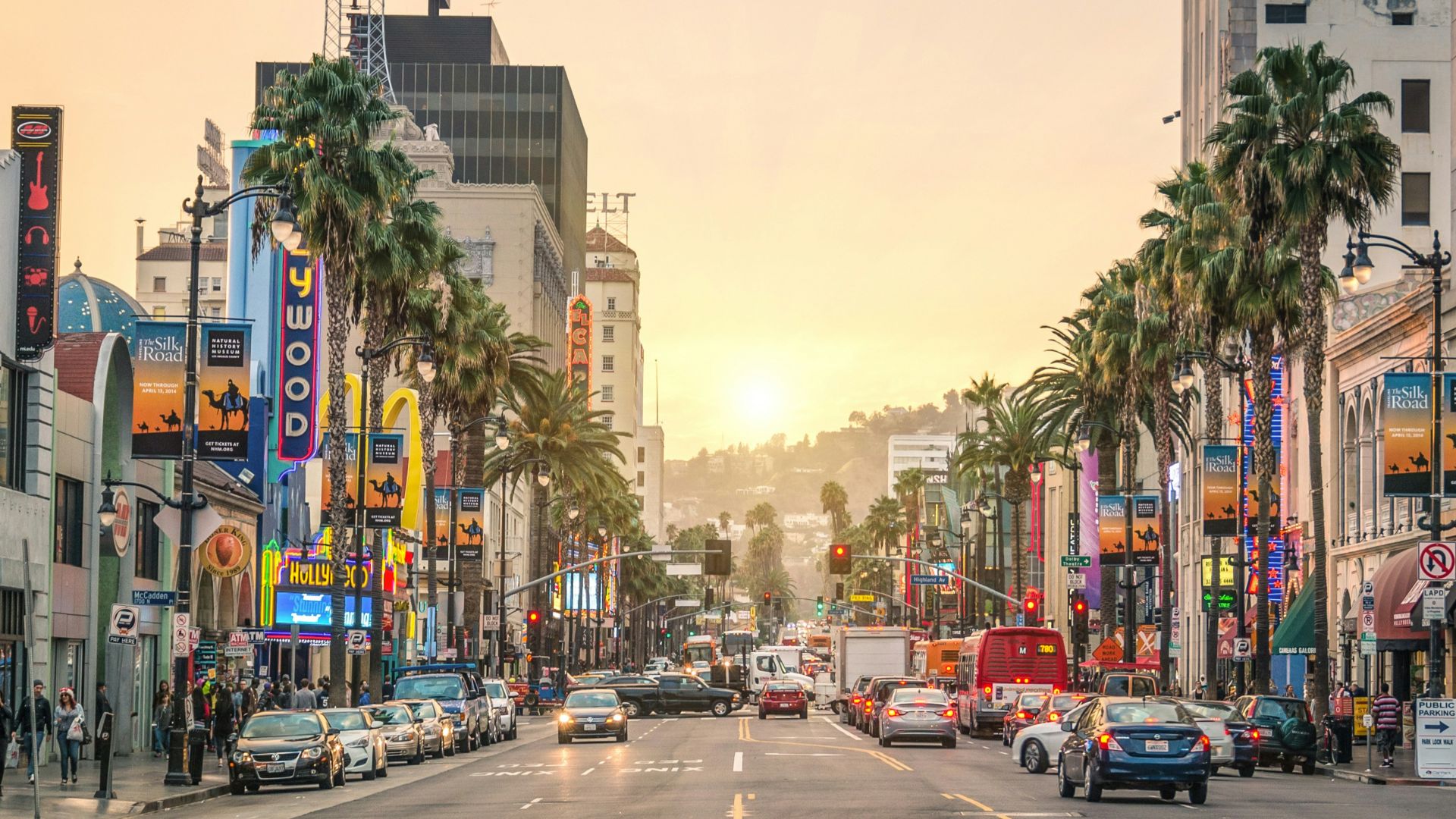
Los Angeles has a reputation for social climbing, celebrity obsession, and frustratingly impersonal sprawl. Its collection of distinct neighborhoods creates a more complicated reality, with each community offering its own restaurants, markets, parks, and gathering places. Once visitors stop treating the region as a single attraction-filled highway, conversations with residents tend to become more natural.
San Francisco Still Makes Room For Curious Travelers
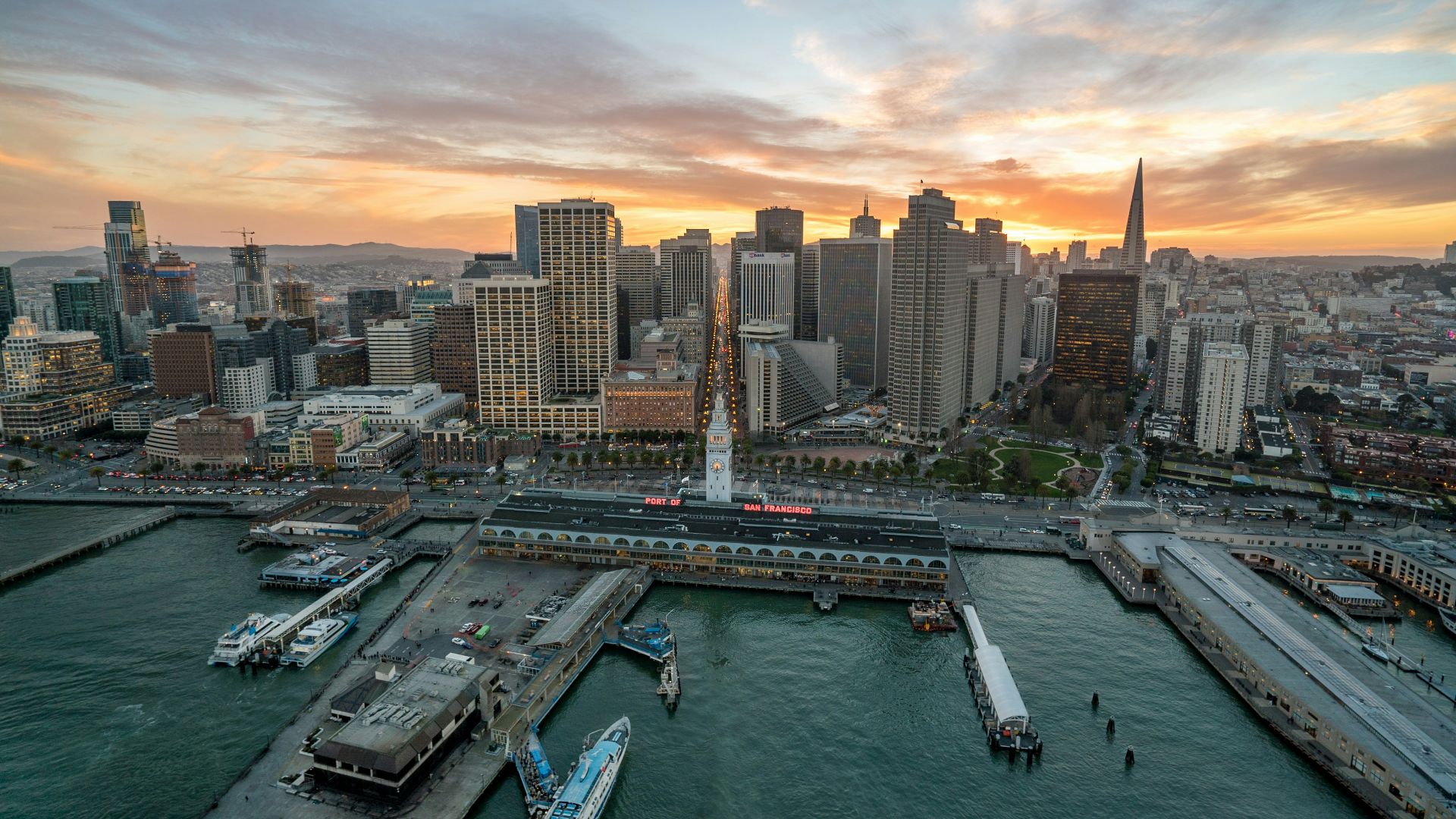
San Francisco’s high costs, visible social problems, and recent debates about downtown conditions have complicated its romantic image. Yet the city remains filled with guides, shopkeepers, bartenders, artists, and neighborhood regulars who enjoy discussing its unusual history. Visitors who approach with curiosity rather than judgment often receive thoughtful recommendations that extend far beyond the major landmarks.
San Diego Puts Its Laid-Back Reputation Into Practice
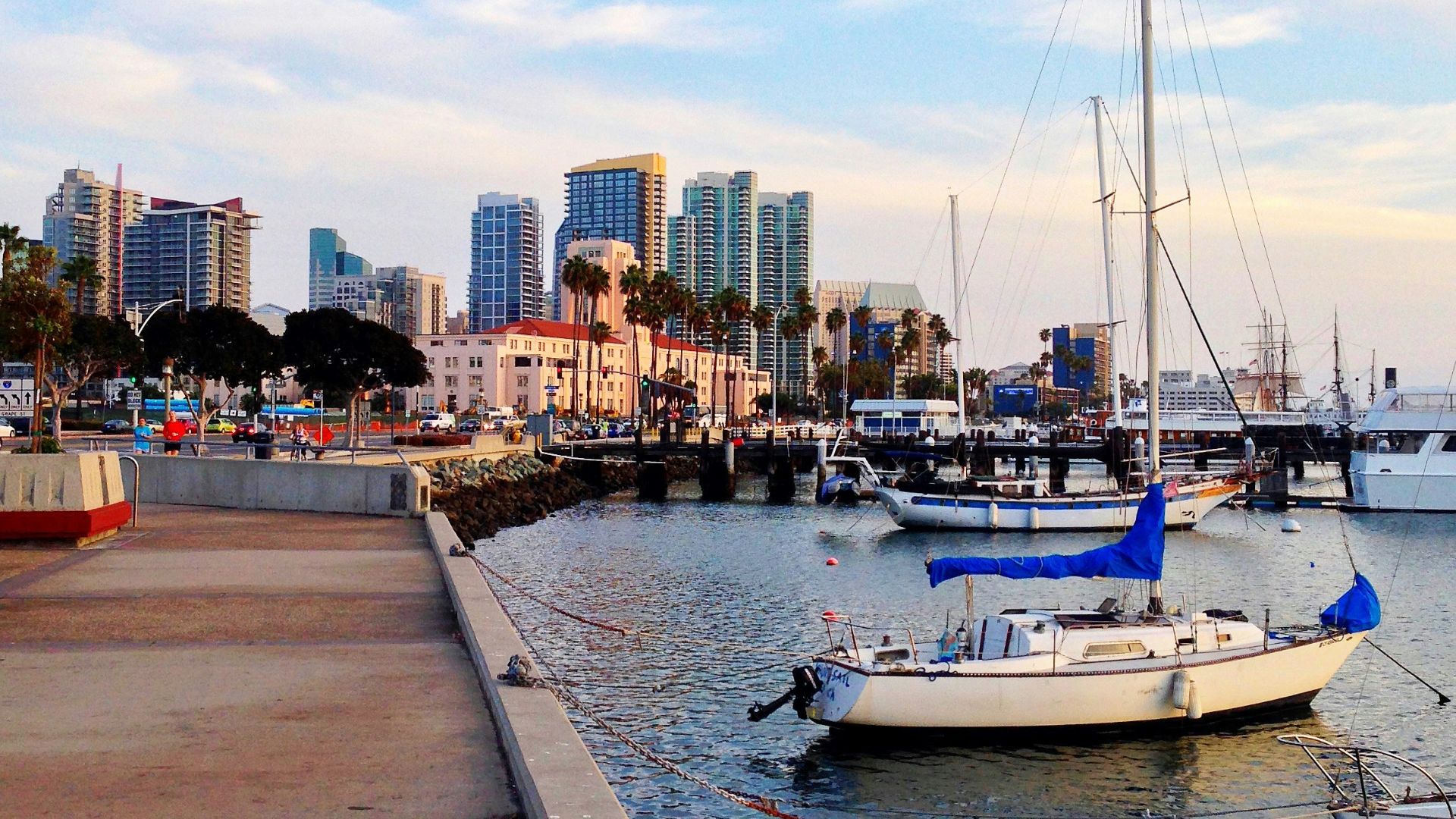
San Diego may not be considered unfriendly, but its military presence, border location, and enormous geographic spread can make it seem less socially accessible than a smaller beach town. Preply ranked it among the least rude large American cities, while Condé Nast Traveler readers also praised its welcoming atmosphere. Conversations about tacos, surfing, hiking, breweries, and beaches often begin with very little effort.
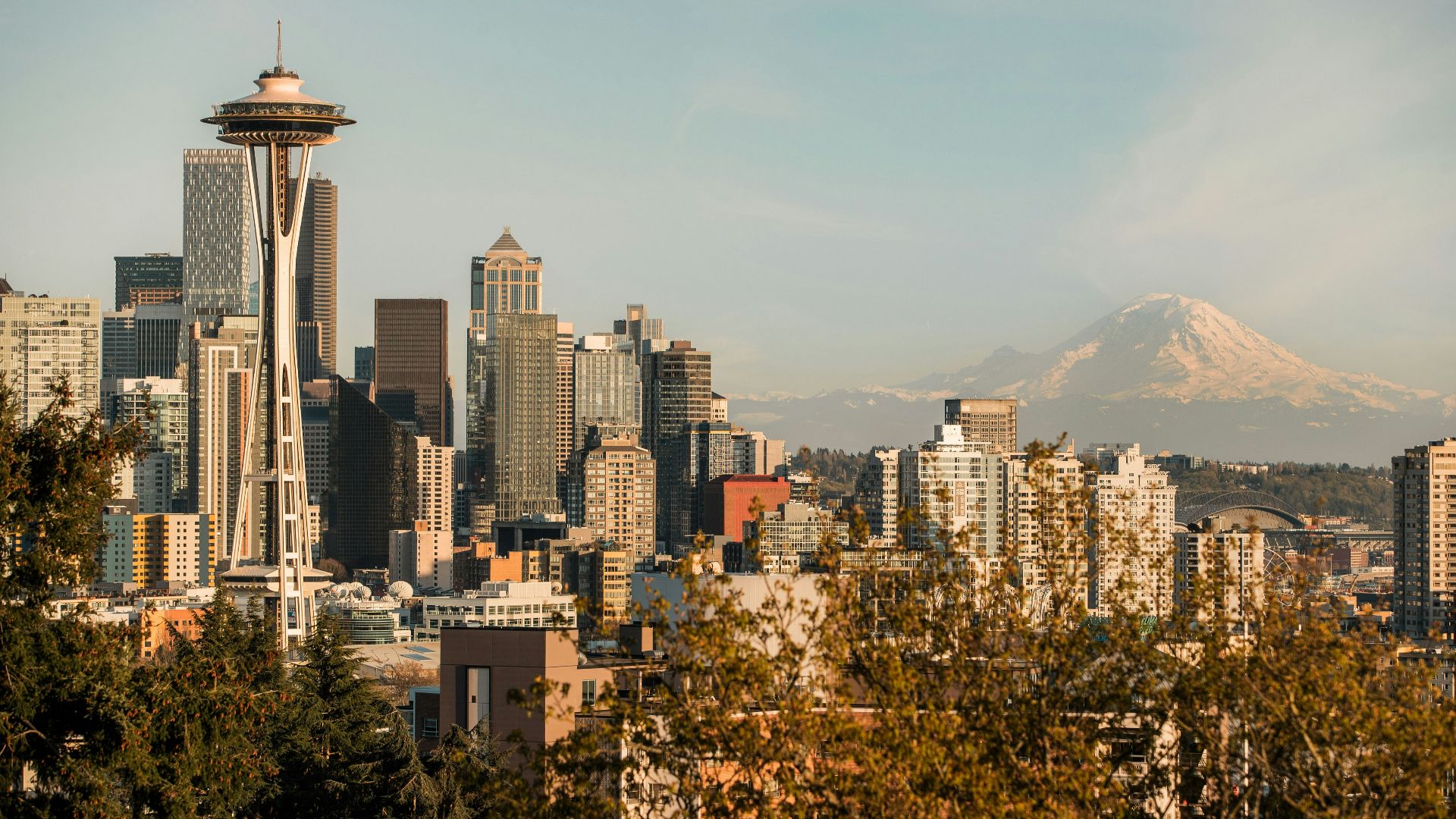
Seattle Is More Welcoming Than The “Freeze” Implies
The phrase “Seattle Freeze” describes a perception that residents are polite but difficult to befriend. Short-term visitors, however, often experience helpful interactions in coffee shops, markets, museums, ferries, and outdoor spaces without needing to build a permanent social circle. The city may feel reserved rather than exuberant, but quiet courtesy can still make a trip comfortable.
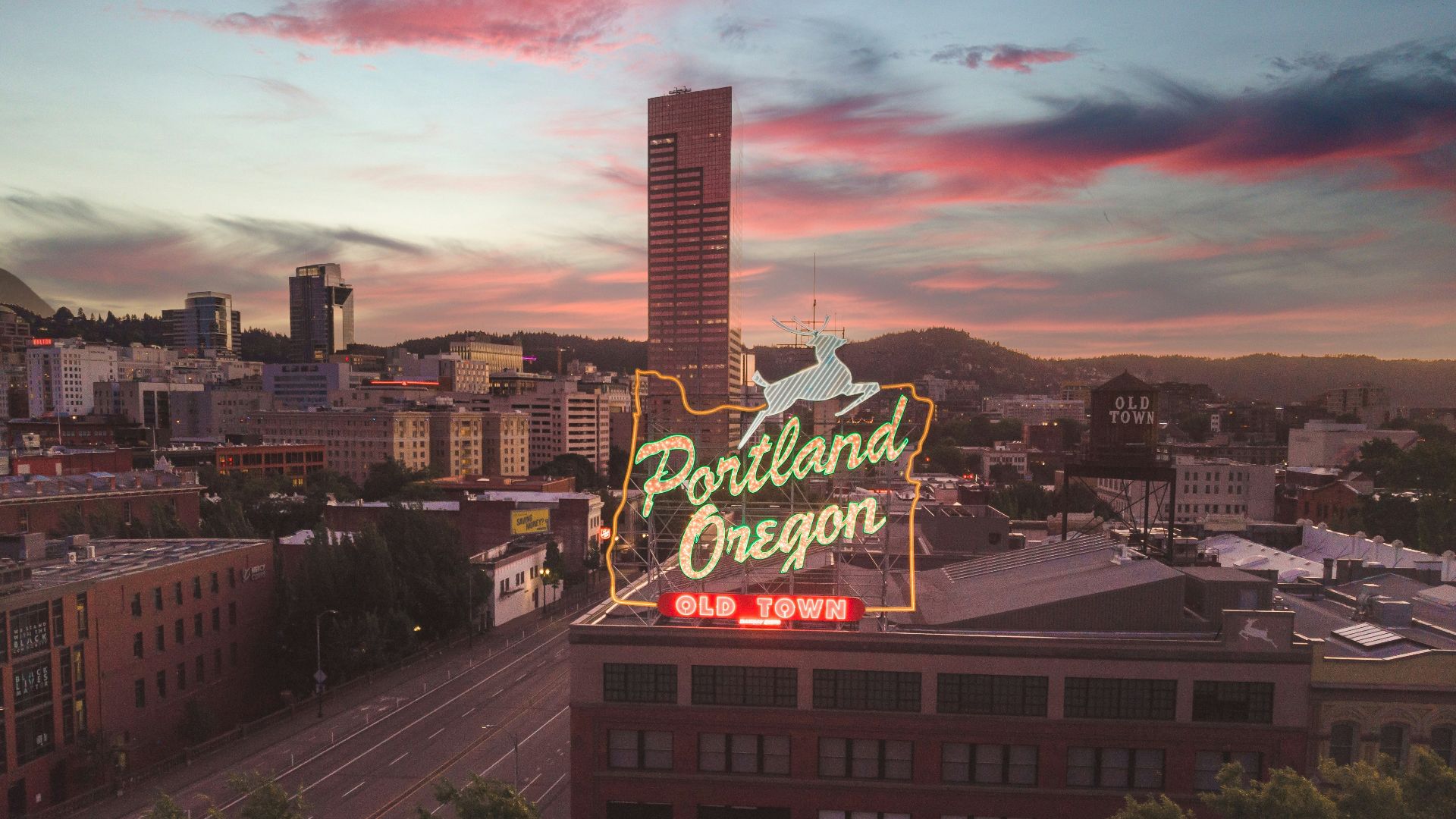
Portland’s Quirky Culture Encourages Interaction
Portland is sometimes caricatured as aloof, overly particular, or divided by strong political and cultural opinions. Its food carts, independent stores, bicycle culture, neighborhood bars, and public markets create plenty of low-pressure opportunities for conversation. Travelers who show interest in local products or outdoor recreation usually find residents ready with detailed suggestions.
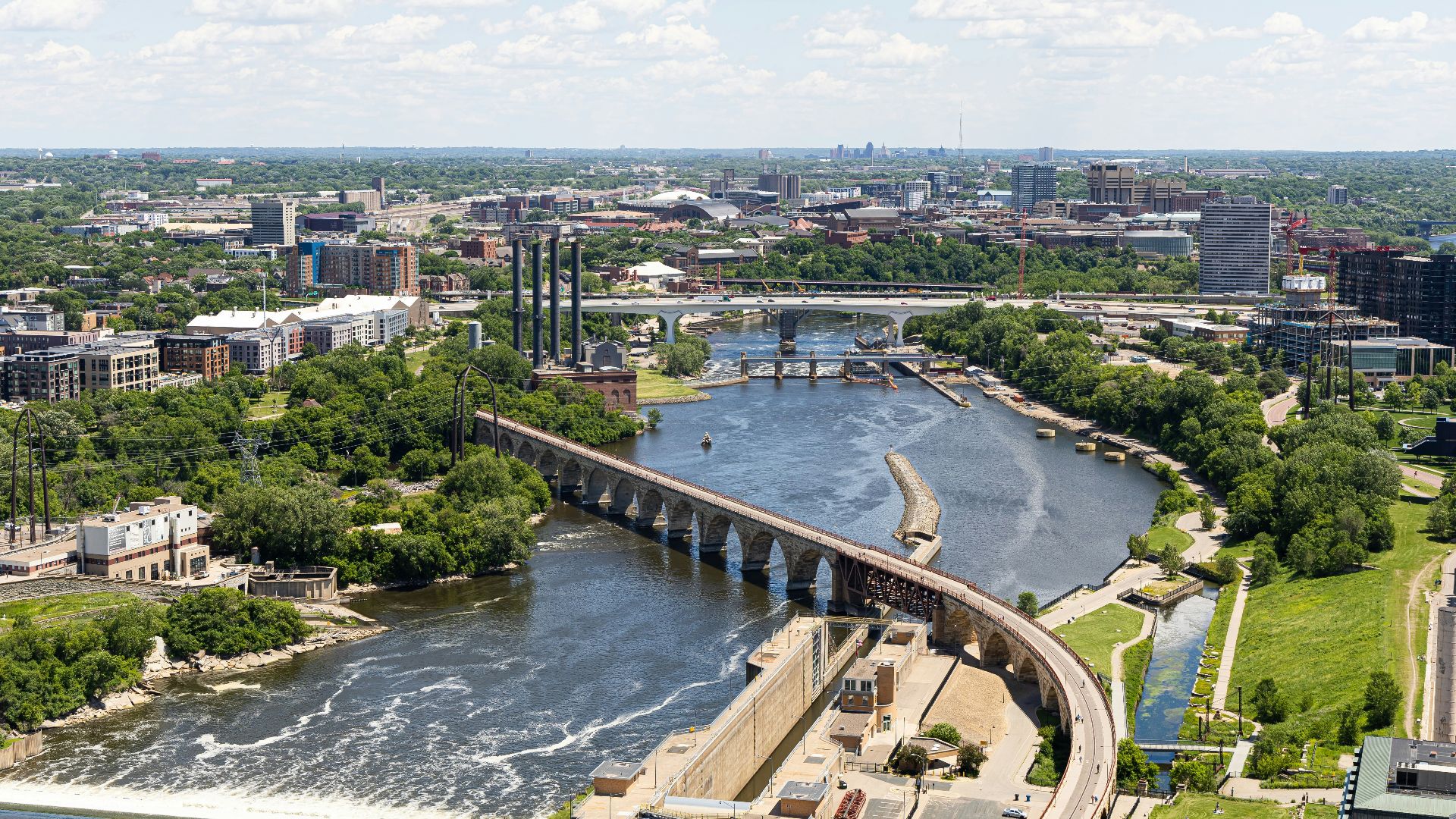
Minneapolis Offers Warmth Even In Deep Winter
Minneapolis can appear physically and socially cold, particularly to travelers arriving during a severe Minnesota winter. Preply ranked it among the least rude cities in its national survey, supporting the idea that “Minnesota nice” has a basis in everyday behavior. Its parks, lakes, theaters, restaurants, and indoor public spaces also give visitors practical reasons to interact with residents throughout the year.
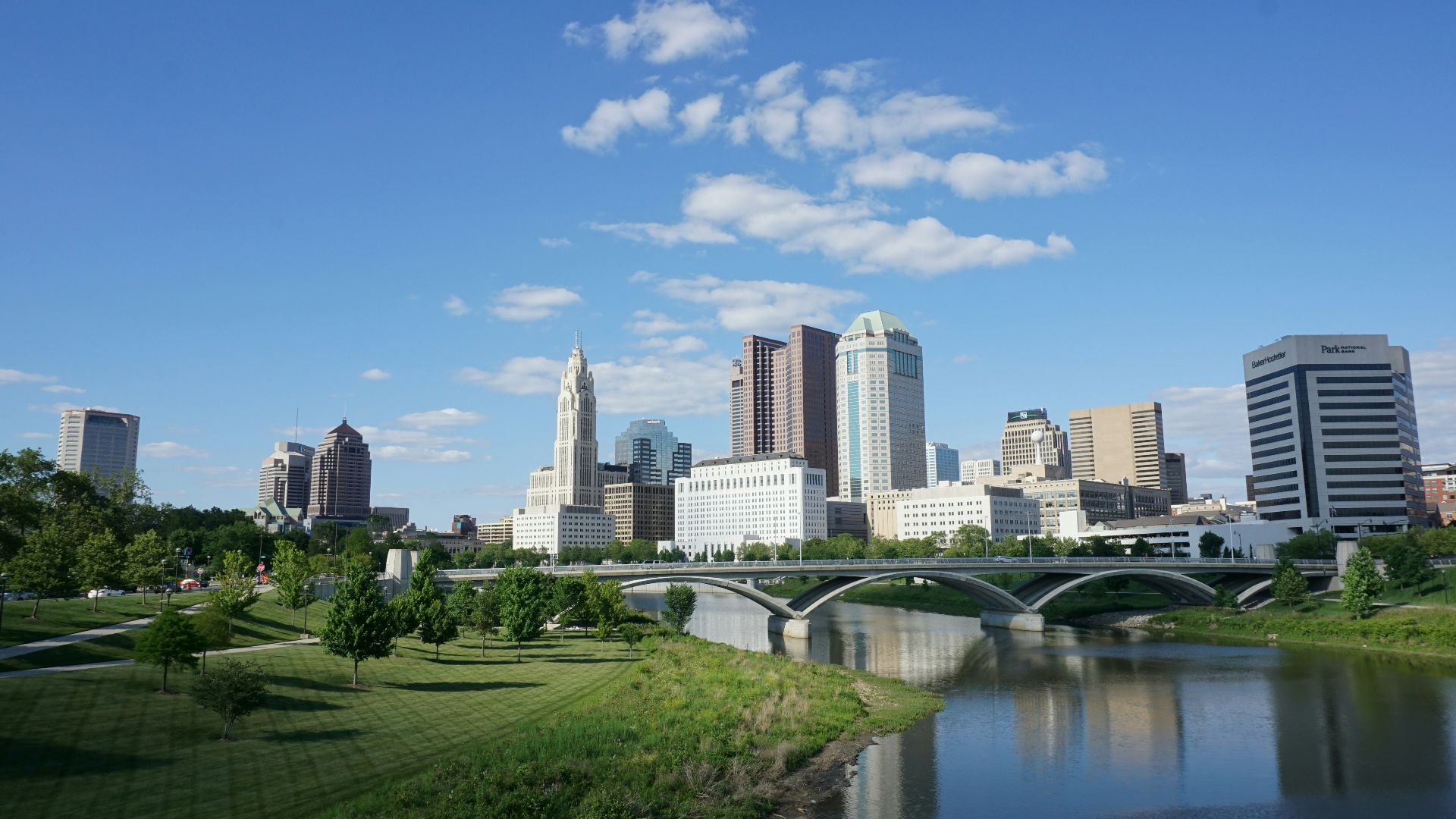
Columbus Makes A Strong Case For Midwest Nice
Columbus is sometimes dismissed as a generic government and university city without a distinctive visitor culture. Condé Nast Traveler readers ranked it among America’s friendliest cities, drawing attention to its welcoming residents and growing food scene. The city’s neighborhoods and international communities make it easy to move from familiar Midwestern hospitality to cuisines and traditions from around the world.
Louisville Balances Bluntness With Southern Hospitality
Louisville climbed in Preply’s rudeness ranking, suggesting that residents had observed more discourteous public behavior than in the earlier survey. Visitors can still encounter generous hospitality around the city’s restaurants, distilleries, museums, and major sporting traditions. Its personality sits between the Midwest and the South, producing a conversational style that is often relaxed, humorous, and direct.
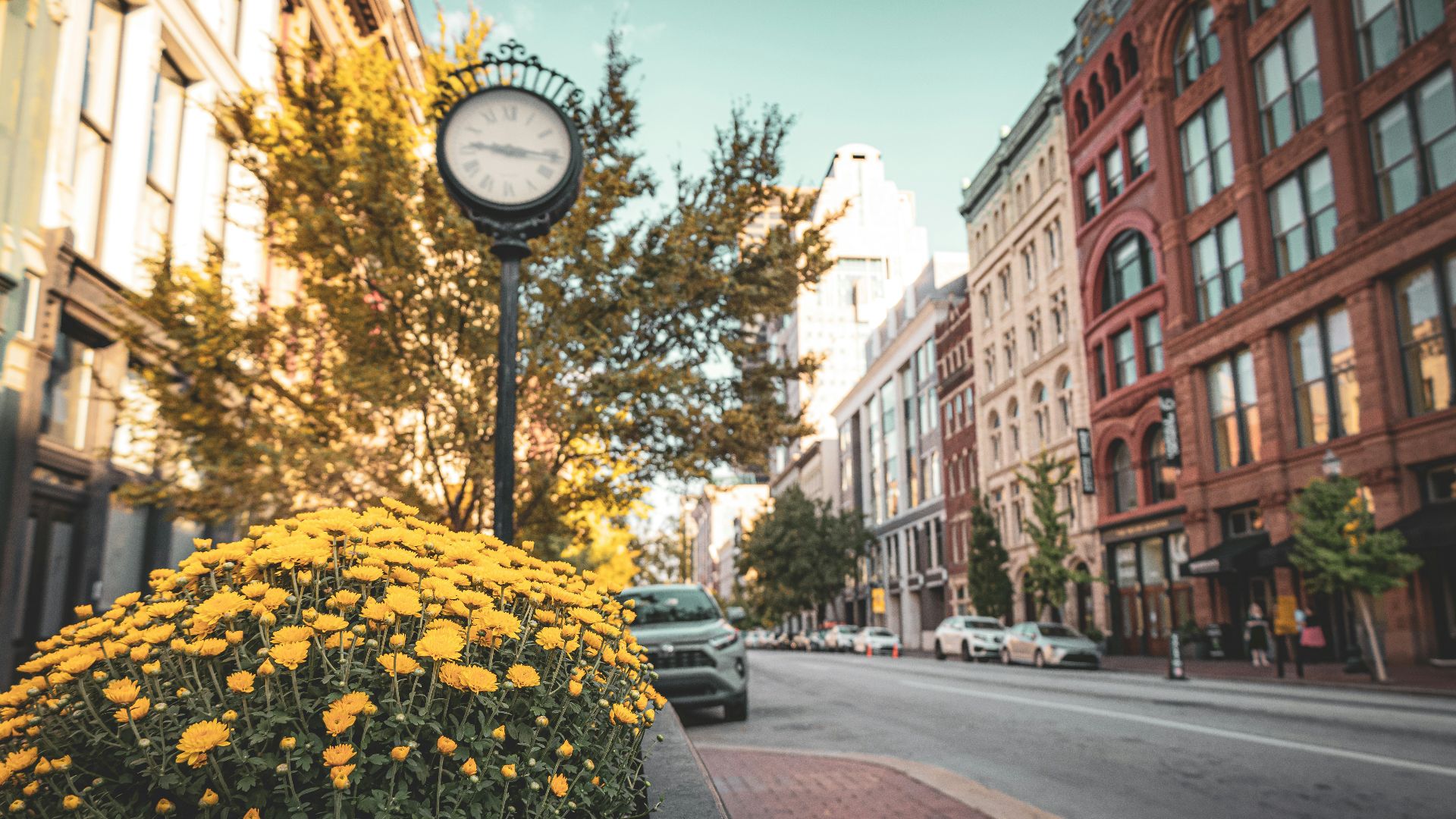
Charlotte Is More Personable Than Its Corporate Skyline
Charlotte’s banking towers and rapid growth can make it look like a city designed primarily for business. Preply’s survey indicated that perceptions of rude behavior had worsened, but the result reflects selected public habits rather than every visitor experience. Neighborhood breweries, sports events, museums, and a growing international food scene reveal a more casual and sociable side.
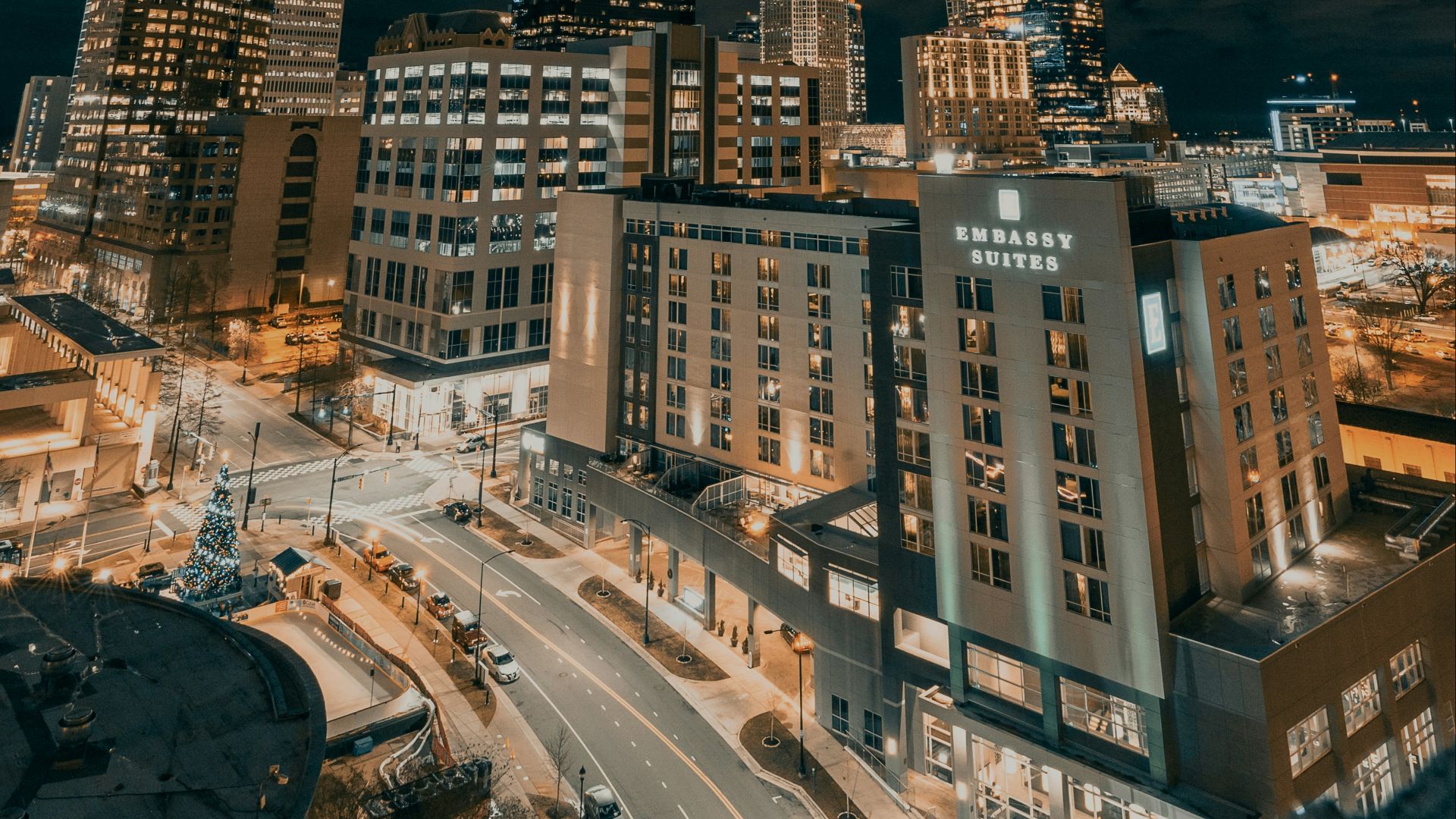
New Jersey’s Newark Deserves A Second Look
Newark was repeatedly labeled unfriendly in older travel rankings, even though many respondents may have known it mainly through the airport. Condé Nast Traveler later acknowledged that such lists could reinforce simplistic stereotypes and overlook the city’s arts, history, and diversity. Visitors who explore the museum, performing arts venues, restaurants, and Ironbound neighborhood encounter a real community rather than an airport code.
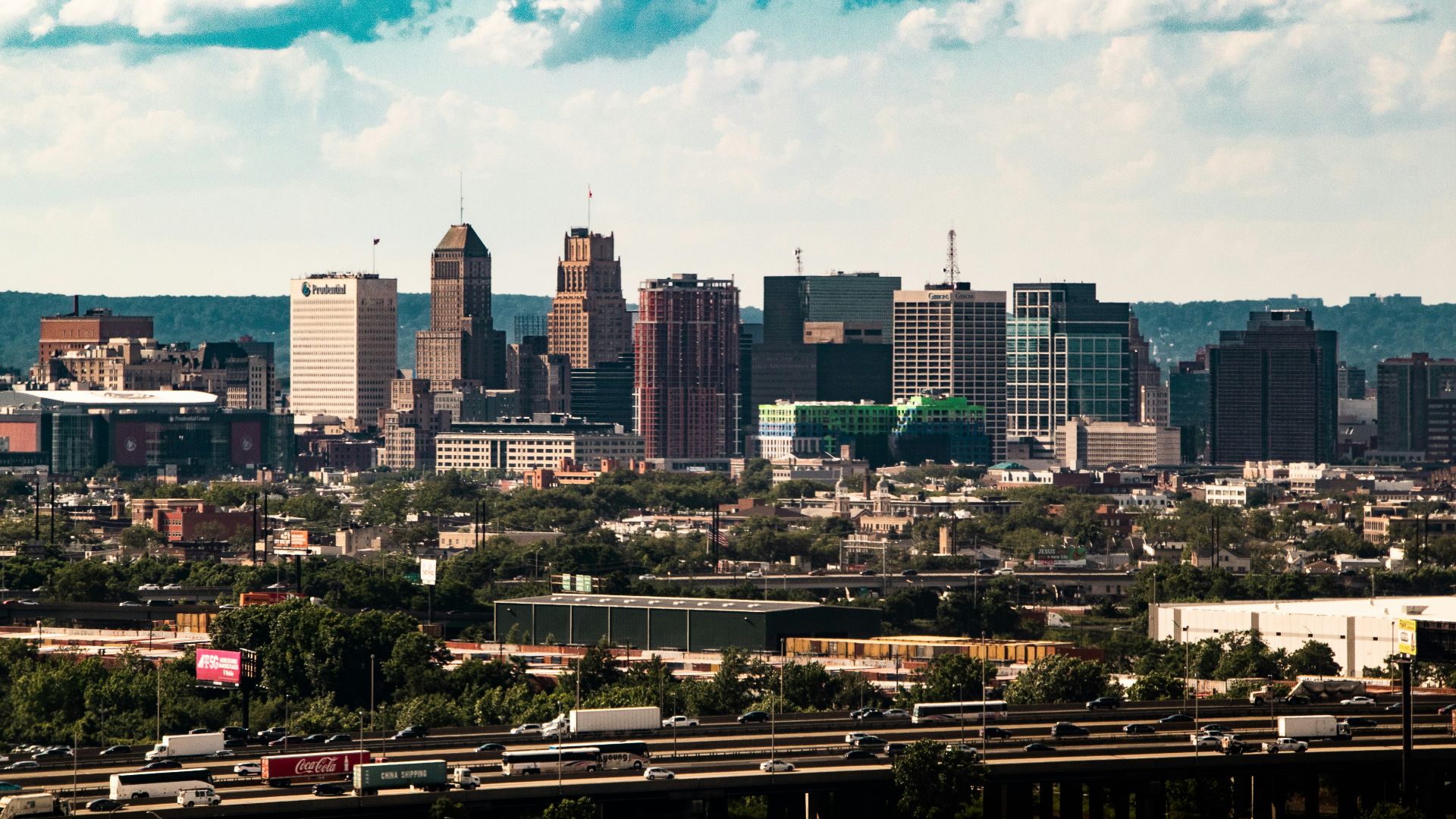
Santa Fe Welcomes Visitors Into Its Creative World
Santa Fe’s luxury hotels, art market, and popularity with affluent travelers can create an impression of exclusivity. Travel + Leisure readers rated cities partly on friendliness and selected Santa Fe as the top American city in both the 2025 and 2026 World’s Best Awards. Its galleries, markets, museums, and restaurants give residents many opportunities to explain the region’s artistic and culinary traditions.
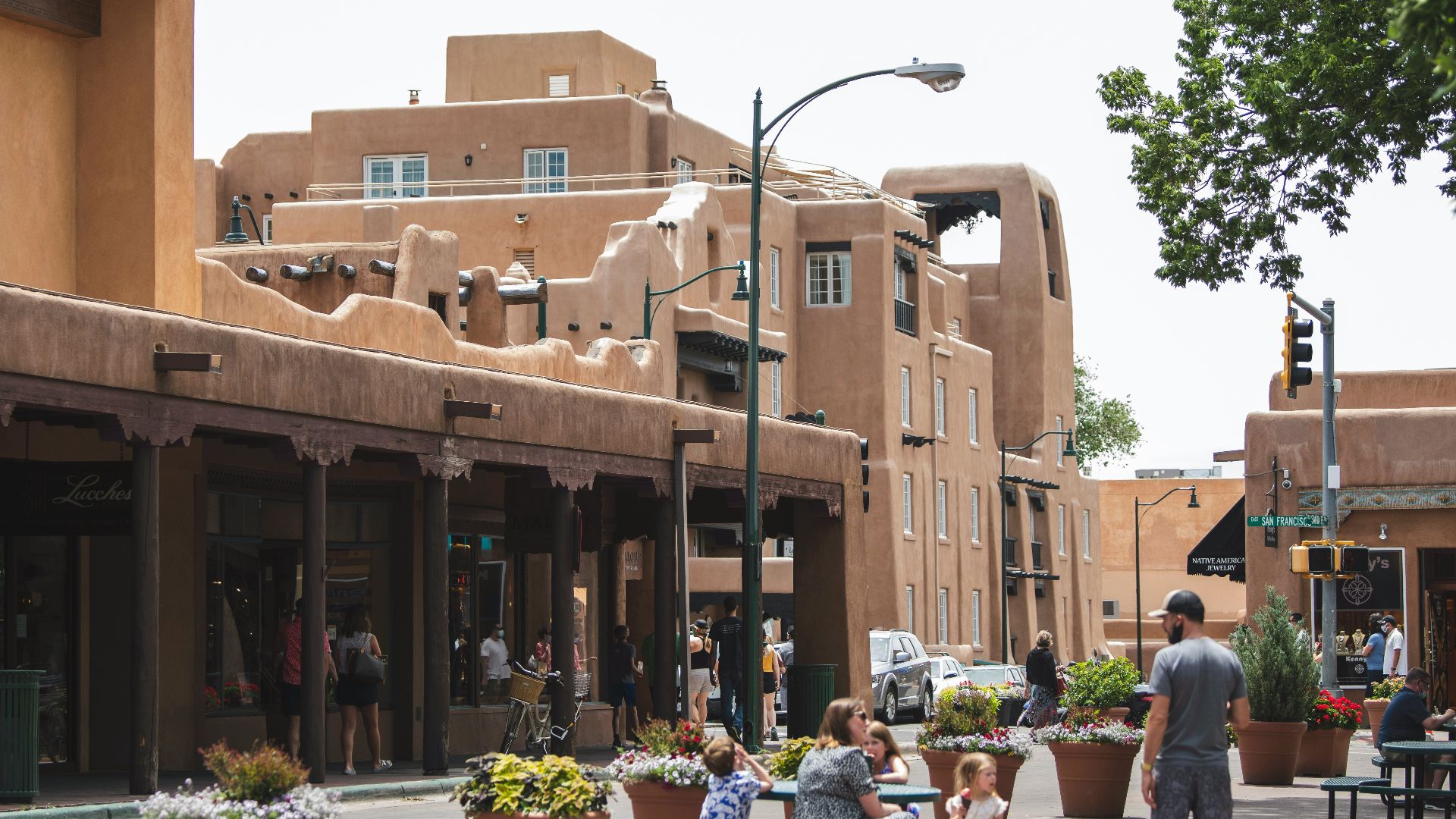
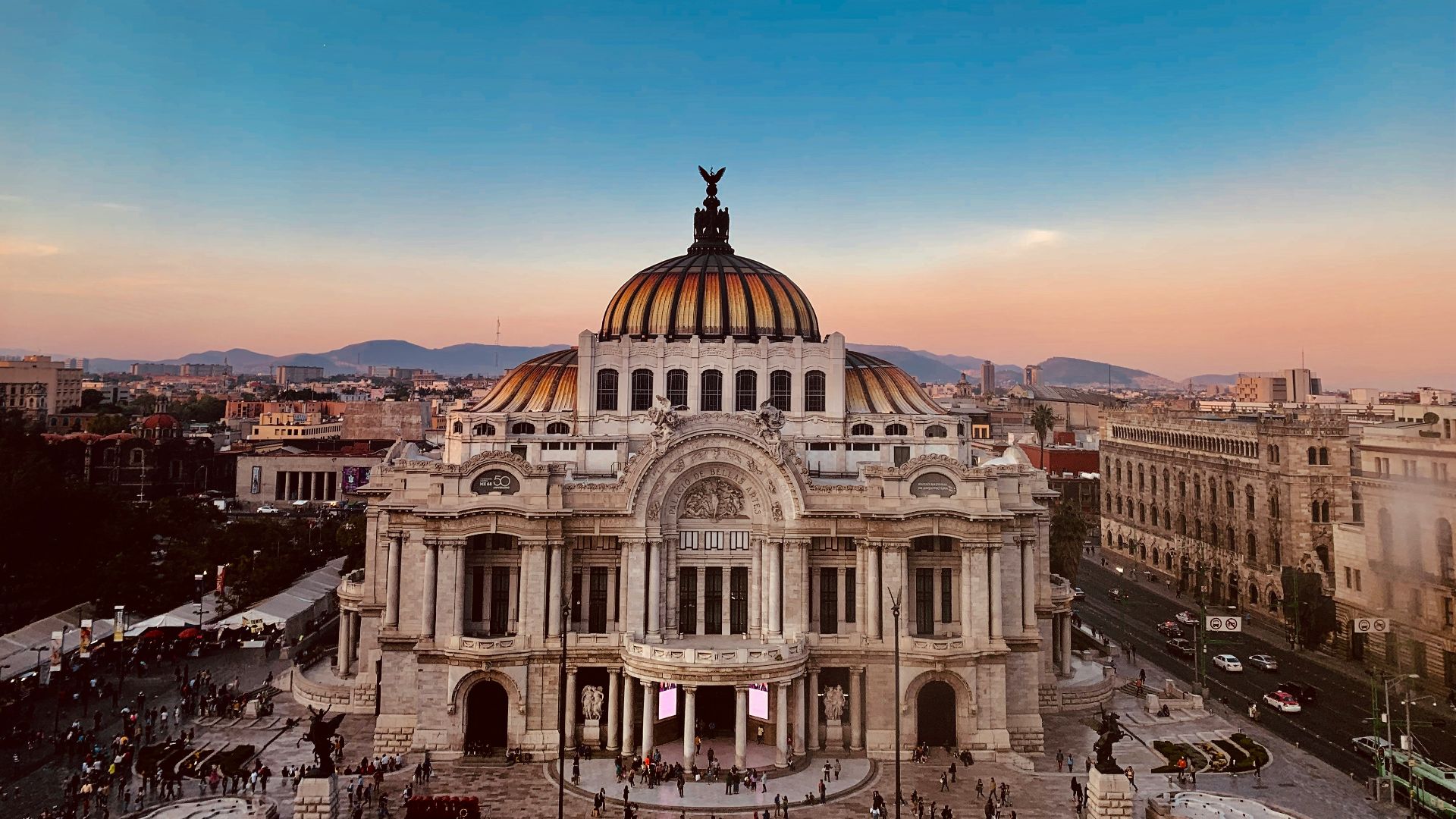
Mexico City Feels Personal Despite Its Immense Scale
Mexico City can intimidate first-time visitors with its population, traffic, sprawling geography, and constant movement. Travel + Leisure readers placed it among the world’s leading cities in a survey that included friendliness as one of the evaluation categories. In markets, museums, parks, and neighborhood restaurants, travelers often find residents patient with questions and proud of the capital’s extraordinary cultural depth.
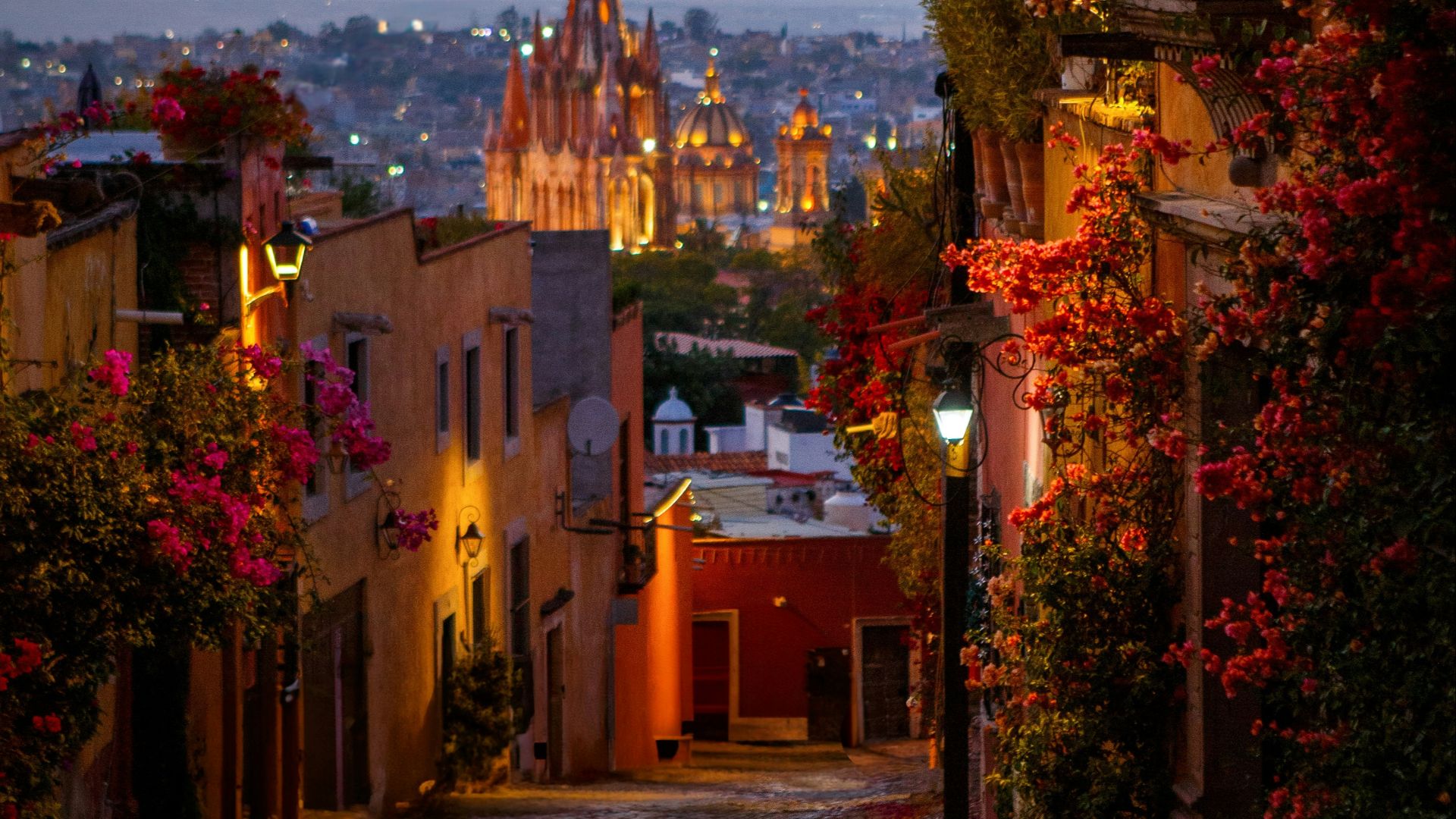
San Miguel De Allende Extends A Genuine Welcome
San Miguel de Allende’s popularity, international community, and polished tourism industry might lead visitors to expect an artificial resort atmosphere. Travel + Leisure readers repeatedly selected it as one of the world’s best cities, judging destinations on qualities that included friendliness, culture, food, shopping, and value. Its walkable center and active public squares make everyday interaction feel more personal than its global reputation might suggest.
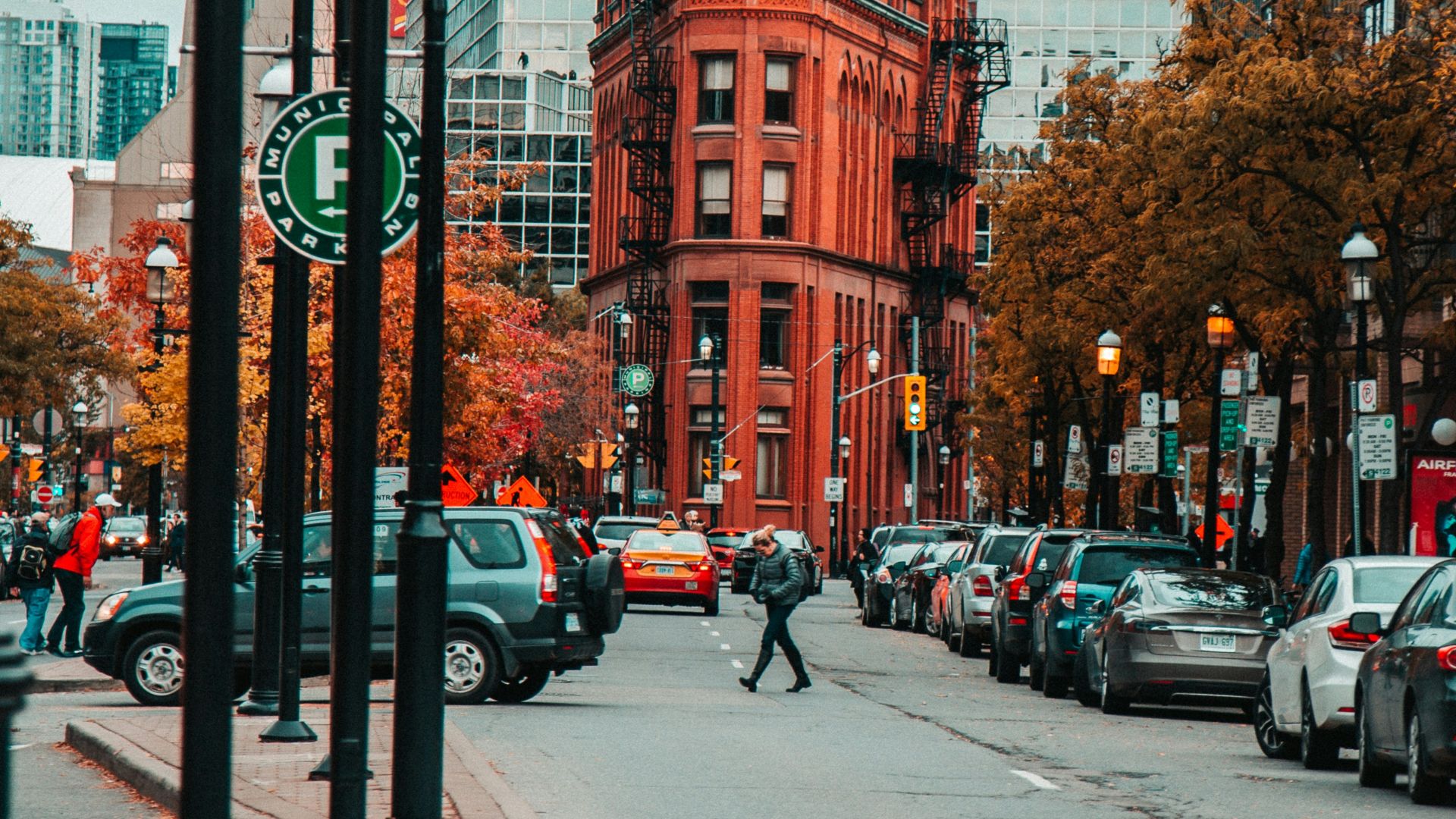
Toronto Is Politer Than Its Big-City Image
Toronto’s size, high living costs, crowded transit, and fast professional culture can make Canada’s largest city seem impersonal. Its extraordinary cultural diversity means residents are accustomed to hearing different languages and helping newcomers navigate unfamiliar customs. Visitors who explore its neighborhood markets, restaurants, festivals, and waterfront often discover a city that is reserved at first but consistently considerate.
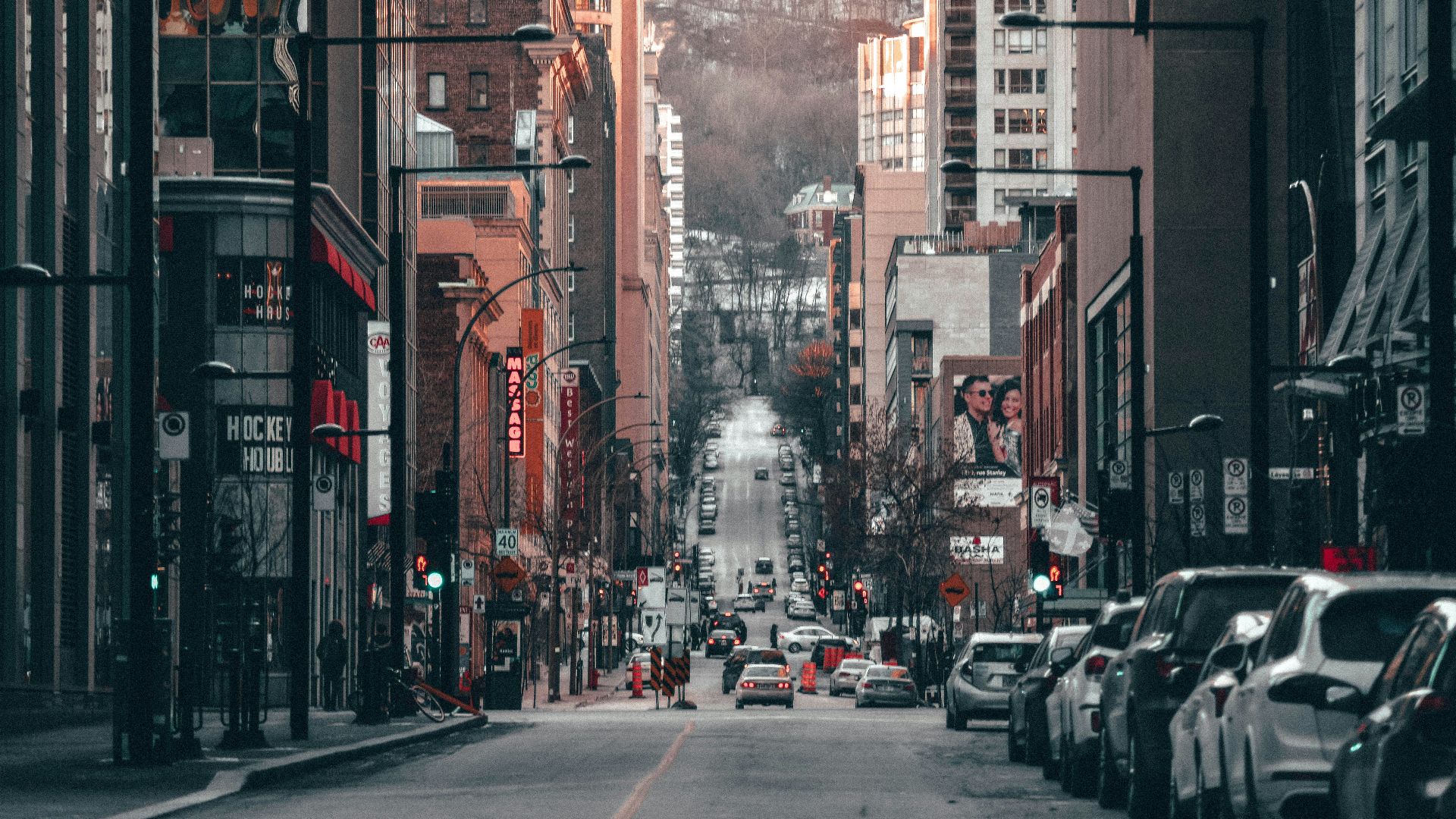
Montreal Turns Reserve Into Easygoing Charm
Montreal can appear intimidating to travelers worried about language differences, winter weather, or the city’s confident cultural identity. In practice, its tourism economy and multilingual population make interactions in central neighborhoods relatively easy for English-speaking and international visitors. A respectful greeting and a little curiosity about local culture can quickly produce restaurant suggestions, directions, and animated conversation.
The Reputation Is Rarely The Whole Story
City reputations usually grow from recognizable traits, but they become misleading when applied to millions of individual interactions. Surveys can capture broad impressions, yet they also show that perceptions change over time and depend heavily on where a visitor goes. Across North America, curiosity, patience, and time spent beyond the busiest tourist corridors often reveal a friendlier city than expected.
You May Also Like: