
Your Safety Net Has Some Surprising Holes
Travel insurance sounds like the ultimate vacation safety net. Flight canceled? Lost luggage? Unexpected medical bills? You're covered, right? Unfortunately, it's rarely that simple. Even comprehensive policies contain exclusions, restrictions, and reimbursement limits that can catch travelers off guard. Here are some particularly expensive surprises worth knowing about before your next trip.
 Krakenimages.com, Shutterstock Images
Changing Your Mind About Your Trip
Sometimes, you simply don't feel like traveling anymore. Unfortunately, standard trip cancellation insurance doesn't generally cover a change of heart. You'll usually need optional Cancel for Any Reason coverage, which typically reimburses only part of your expenses.

When Your Boss Cancels Your Vacation
Imagine your employer suddenly needs you at work during your planned vacation. While some specialized policies cover certain employment-related circumstances, ordinary scheduling conflicts often aren't covered. Having your vacation days revoked doesn't automatically qualify you for reimbursement.

Losing Your Job Before Departure
Getting laid off can qualify for trip cancellation coverage, but there are conditions. Some Allianz policies require one to three years of continuous employment. Temporary workers, contractors, and newer employees may discover their circumstances don't qualify.

Hurricanes That Were Already Named
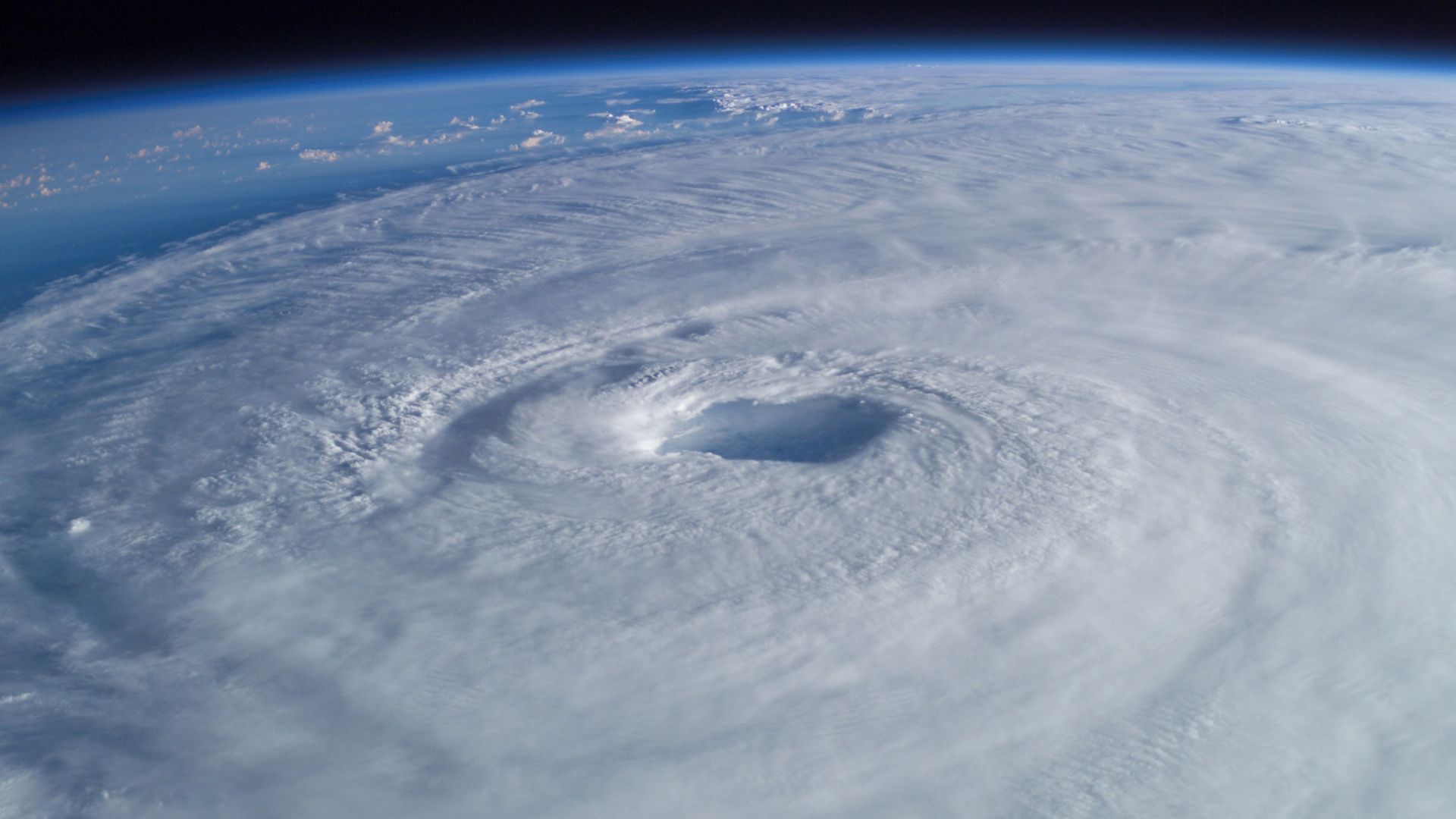
Buying travel insurance after a hurricane has been named can leave you without storm-related protection. Insurers generally consider officially identified storms foreseeable events. Purchasing coverage early is particularly important when traveling during hurricane season.
Canceling Because Bad Weather Looks Possible
A gloomy forecast doesn't necessarily qualify as a covered cancellation reason. Standard policies generally require specific disruptions, such as qualifying transportation delays or uninhabitable accommodations. Simply worrying that a storm might ruin your vacation usually isn't enough.

Traveling Despite Government Warnings
Some travelers assume buying insurance protects them regardless of official travel warnings. However, policies frequently restrict coverage for destinations already under Level 4 advisories. The advisory level when you purchase insurance can significantly affect your protection.
 Martin Falbisoner, Wikimedia Commons
Political Unrest That Disrupts Your Vacation
Political demonstrations and civil unrest aren't automatically covered travel disruptions. Many policies exclude losses arising from war, insurrection, or certain disturbances. Specialized coverage may exist, but standard cancellation and interruption benefits can leave significant gaps.
 Fibonacci Blue from Minnesota, USA, Wikimedia Commons
Pandemic-Related Travel Restrictions
Travel insurance isn't guaranteed to reimburse trips disrupted by disease outbreaks or government restrictions. Some policies explicitly exclude epidemics and pandemics, although others provide specific illness coverage. Your policy's wording and purchase date are especially important.

An Airline Going Out Of Business
An airline's financial collapse doesn't guarantee reimbursement. Financial Default coverage isn't included in every policy and often requires purchasing insurance shortly after your initial booking. Known financial problems and mandatory waiting periods can also prevent payouts.
 redlegsfan21, Wikimedia Commons
Sleeping Through Your Flight
Oversleeping might be an expensive mistake, but it generally isn't an insured event. Even comprehensive policies won't necessarily reimburse replacement tickets purchased because you missed your alarm. Covered missed flights usually involve qualifying circumstances beyond your control.

Traveling With An Expired Passport
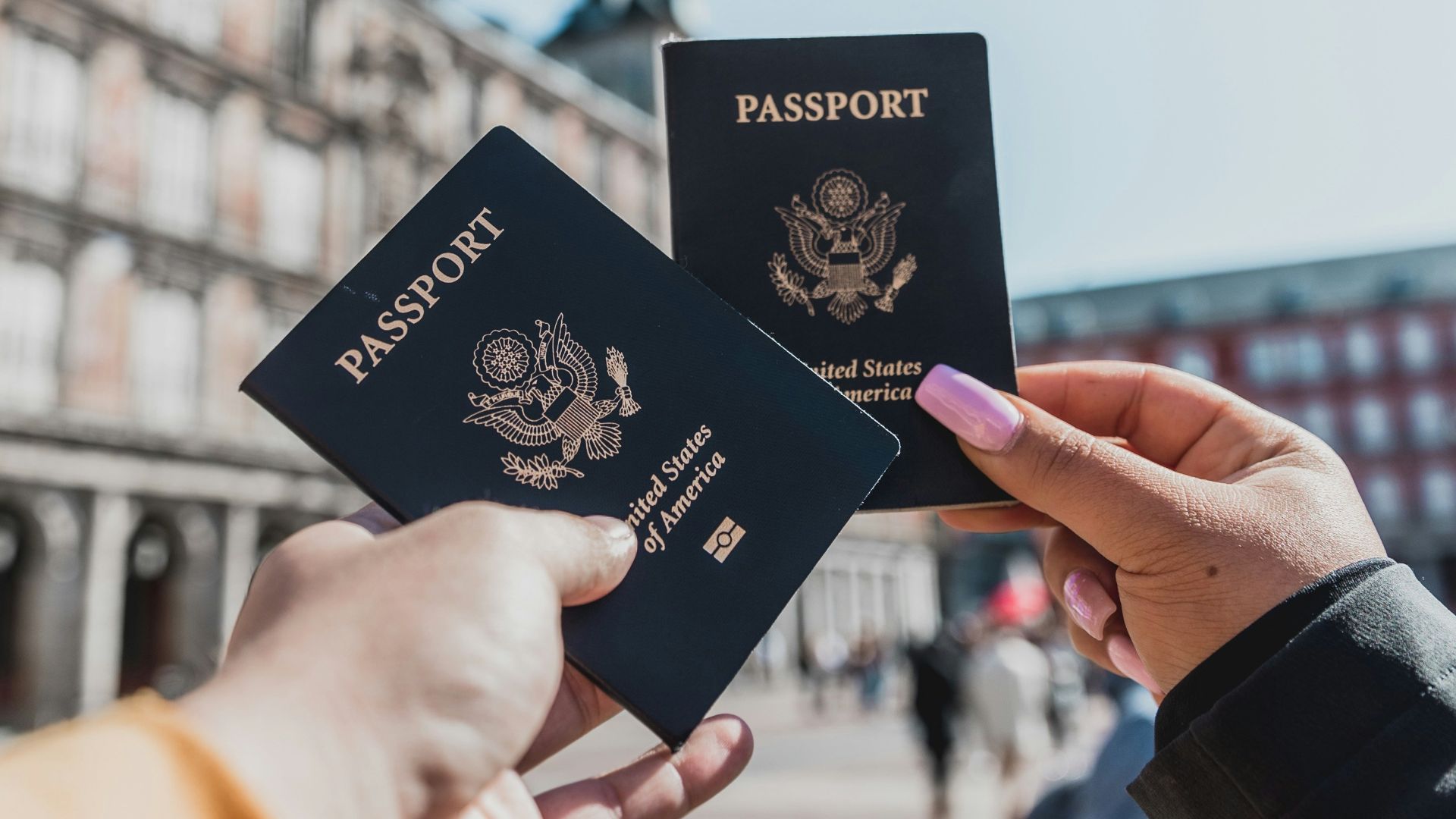
Discovering your passport has expired can completely derail an international vacation. Unfortunately, travel insurance generally won't reimburse expenses resulting from traveling without valid documentation. You're responsible for ensuring your passport meets the destination's entry requirements.
Being Denied Boarding Over Entry Requirements
Getting turned away because you haven't met a destination's entry rules isn't automatically covered. Allianz specifically excludes such noncompliance from certain travel delay benefits. Having insurance doesn't replace obtaining the required documents or satisfying travel restrictions.

Flight Delays That Aren't Long Enough
A delayed flight doesn't automatically unlock compensation. Many travel delay benefits require disruptions lasting several hours, commonly three to twelve. If your flight resumes before the policy's minimum threshold, additional meal or transportation expenses may remain yours.
 Guso Kqfuam Shybioe, Wikimedia Commons
Luggage That's Only A Few Hours Late
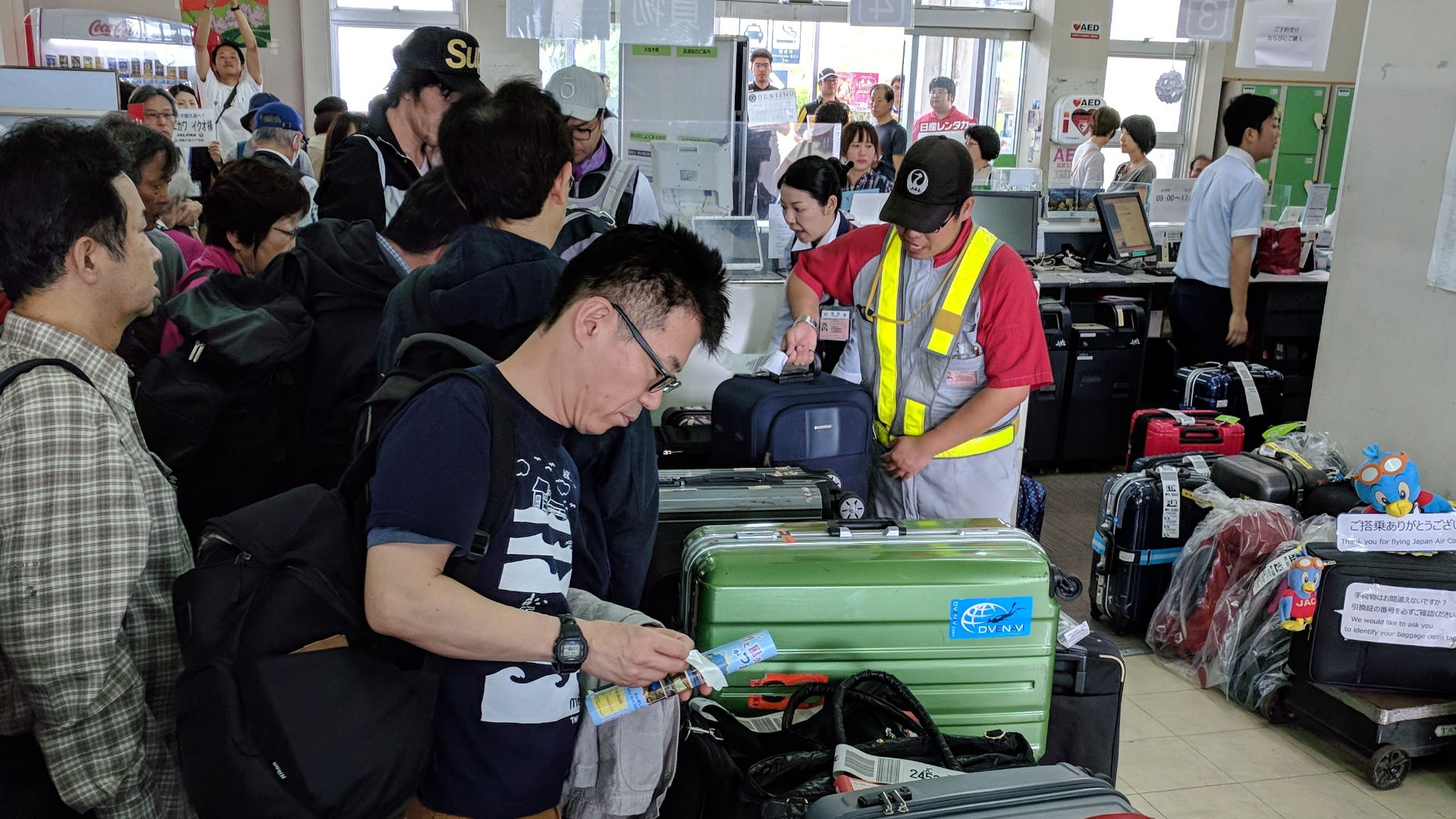
Your suitcase doesn't appear at baggage claim, so you buy replacement toiletries. Unfortunately, baggage delay coverage often starts only after twelve or twenty-four hours. Anything purchased before the qualifying delay period may not be reimbursed.
 Grendelkhan, Wikimedia Commons
Replacing Your Entire Vacation Wardrobe
Even after your luggage qualifies as delayed, insurance generally covers necessary purchases rather than unlimited shopping. Baggage delay benefits have daily and overall reimbursement limits. An expensive replacement wardrobe can easily exceed those limits.

Flare-Ups Of Pre-Existing Medical Conditions
Having travel medical insurance doesn't guarantee protection for every health emergency. Pre-existing conditions are often excluded unless you qualify for a waiver. Those waivers typically require meeting purchase deadlines and other eligibility conditions.

Routine Doctor Visits While Abroad
Travel medical coverage generally focuses on unexpected illness and injury. Ordinary checkups, preventive care, vaccinations, and prescription refills are frequently excluded. Travelers requiring ongoing medical services should verify those expenses separately before leaving home.

Elective Procedures And Medical Tourism
Traveling overseas for a planned procedure usually falls outside ordinary travel medical coverage. Insurance generally excludes elective treatments and medical tourism. Specialized protection may be necessary, particularly if you anticipate follow-up care or complications.

Routine Pregnancy Care And Childbirth
Pregnancy doesn't automatically prevent travelers from obtaining insurance, but ordinary prenatal appointments and childbirth are commonly excluded. Some policies cover unexpected complications under specific circumstances. It's important to distinguish routine maternity care from eligible medical emergencies.

Extreme Sports And Adventure Activities
Skydiving, mountaineering, and certain skiing activities can fall outside standard medical coverage. Insurers frequently exclude injuries associated with high-risk recreation. Travelers planning adventurous activities should look for specialized coverage that explicitly includes their chosen pursuits.
 Victoria Lunyak, Wikimedia Commons
Participating In Sporting Competitions
Running a race during your vacation might seem relatively harmless. However, some travel insurance policies exclude injuries connected to organized athletic competitions. Even amateur events can trigger restrictions, making the policy's definition of competitive sports important.

Accidents Involving Substances
A medical emergency doesn't necessarily qualify for coverage when intoxication contributed to the incident. Many policies exclude losses associated with substance use. The circumstances surrounding an injury can therefore influence claim eligibility.

Arranging Your Own Medical Evacuation
Emergency evacuation insurance doesn't necessarily let you choose your preferred hospital or transportation provider. Insurers often require medical necessity and advance authorization when possible. Arranging your own expensive evacuation could leave you responsible for the bill.

Cash That Goes Missing
Travel insurance may cover stolen luggage, but cash is frequently excluded from baggage benefits. Losing an envelope of vacation spending money doesn't mean your insurer will replace it. Currency and certain financial documents often receive little protection.
 https://kaboompics.com/, Pexels
Lost Or Stolen Smartphones
A missing phone can be costly, especially when traveling internationally. Some baggage policies exclude smartphones entirely, while others impose electronics limits. It's worth checking whether your specific device qualifies before assuming its replacement value is protected.

Expensive Jewelry And Designer Accessories
Packing expensive jewelry doesn't guarantee you'll receive its full replacement value if something disappears. Baggage policies commonly impose special limits on valuables. Depreciation and missing purchase receipts can further reduce the amount paid on eligible claims.

Belongings Left In An Unsecured Vehicle
Leaving luggage visible inside an unattended vehicle can jeopardize theft coverage. Some policies require the vehicle to be locked and belongings hidden. High-value items stolen from parked vehicles may face additional exclusions, even when other luggage qualifies.

Rental Car Accidents And Liability
Travel insurance isn't automatically comprehensive rental car insurance. Vehicle damage protection is frequently optional, and even that coverage generally excludes injuries or damage to other people's property. Travelers should verify liability protection separately before collecting the keys.

You May Also Like:
Why Your Passport Can Still Be Rejected Even Though It Hasn't Expired
Americans Reveal What They Wish Europeans Understood Before Visiting The U.S.
Sources: 1, 2, 3, 4, 5, 6, 7, 8, 9, 10, 11, 12, 13, 14, 15, 16, 17, 18