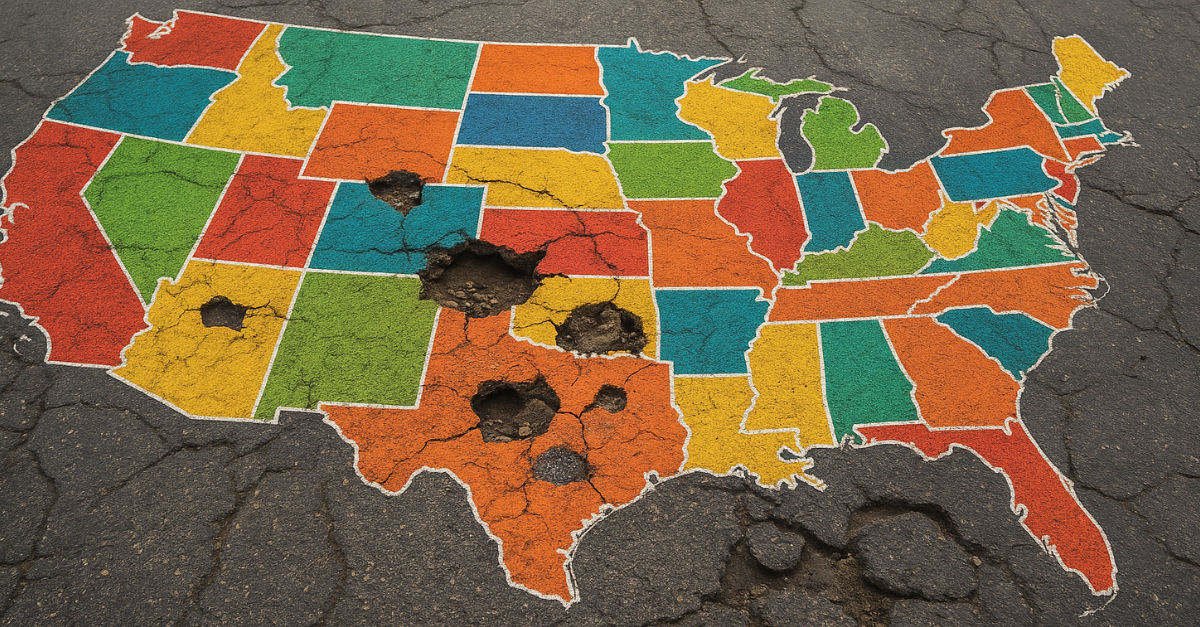
Not As Straightforward As It Looks
Europe and America share plenty of cultural DNA, which can make a first trip across the Atlantic seem deceptively straightforward. Then somebody tries to walk from their hotel to an attraction 12 miles away. From tipping and taxes to road trips and restaurant portions, here are a few things Americans wish European visitors knew before landing in the U.S.
America Is Really, Really Big
Europeans know intellectually that the United States is enormous. Understanding what that means for a vacation is different. New York, Miami, New Orleans, and Los Angeles aren't destinations you casually combine by car. Even individual states can require hours of driving, so always check actual travel times before building an itinerary.
Don't Plan A Cross-Country Drive
Driving from New York to Los Angeles sounds like the ultimate American adventure, and it can be. It just isn't a quick one. The direct journey covers thousands of miles before you've taken a single scenic detour. If you've only got two weeks, trying to see the entire country can mean mostly seeing interstate highways.
You May Need A Car
European visitors accustomed to trains can be surprised by how necessary cars become outside certain American cities. New York, Washington, Boston, Chicago, and San Francisco offer extensive transit, but many destinations don't. Yellowstone's National Park Service guidance, for example, says a vehicle is generally required to explore the park.

Walking Isn't Always Practical
A hotel described as "only three miles from downtown" might look perfectly reasonable on a map. That doesn't necessarily mean there's a pleasant sidewalk connecting the two. Many American communities were designed primarily around automobiles, and distances that Europeans routinely cover on foot can be awkward or even impractical in car-oriented areas.
But Every City Is Different
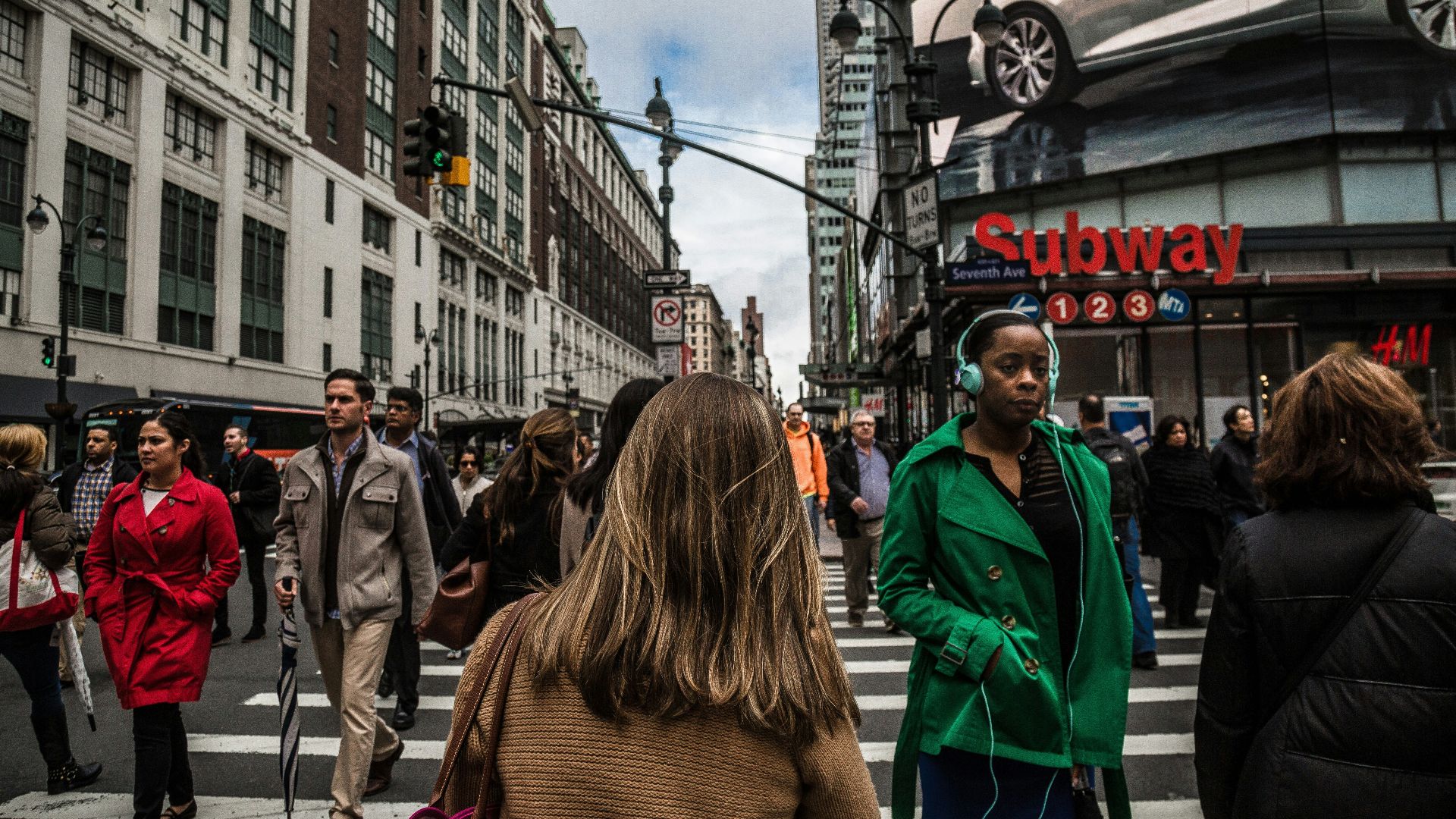
Don't assume the entire country is one giant suburb, either. Manhattan practically demands walking, while other cities make visitors heavily dependent on cars. Transit quality, street design, climate, and neighborhood density vary enormously. Research the particular city you're visiting rather than relying on sweeping assumptions about "American cities."

Tipping Is Part Of The System
You don't have to like American tipping culture, and plenty of Americans don't either. But refusing to tip a restaurant server because "we don't do this at home" doesn't change the system they're working under. Official U.S. tourism guidance suggests roughly 15% to 20% for sit-down restaurant service.

The Listed Price Isn't Always Final
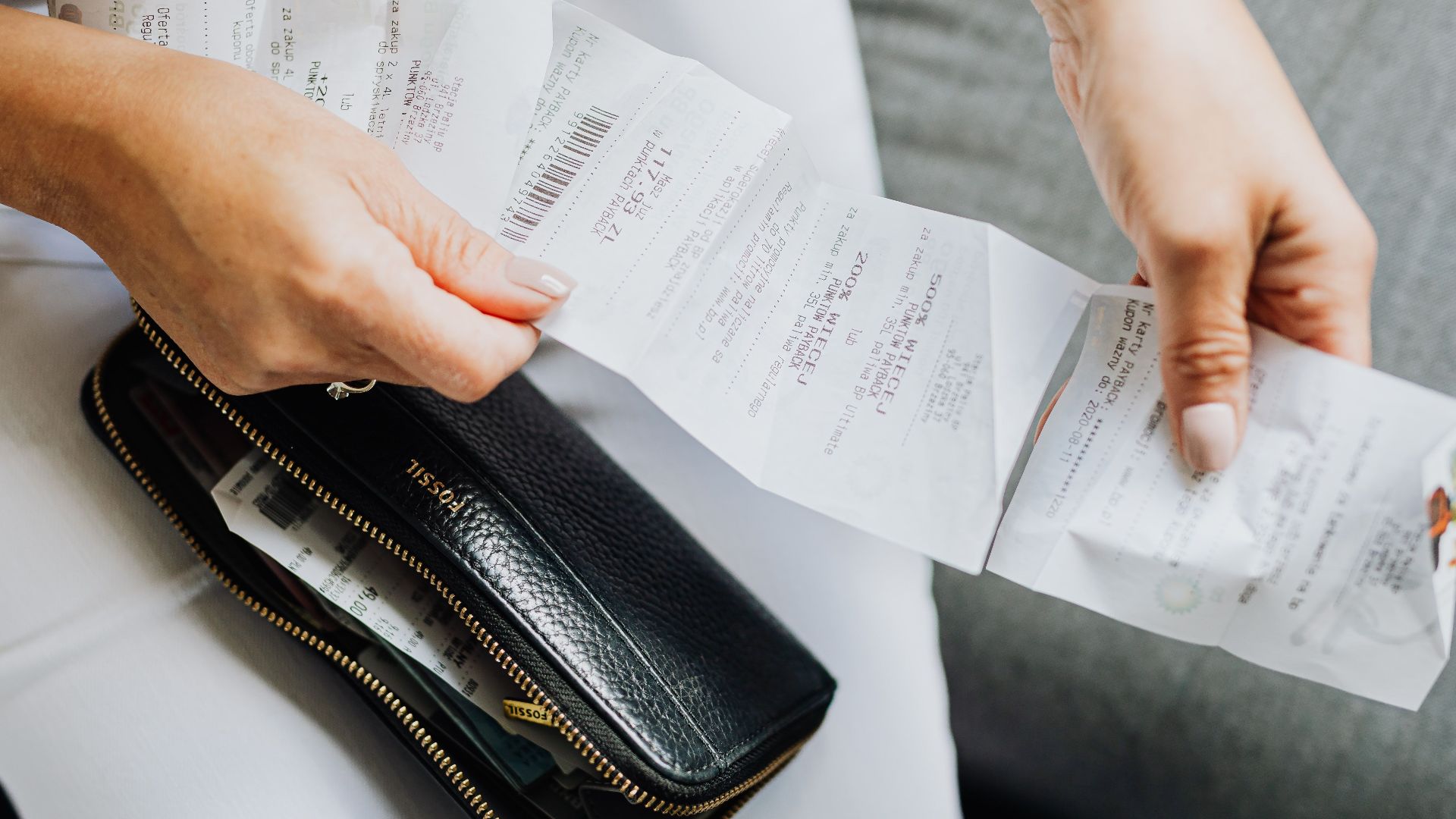
That $19.99 item may cost more when you reach the register. Unlike VAT-inclusive pricing familiar across much of Europe, American retail prices commonly appear before sales tax, which varies by state and locality. It's confusing the first time, but the cashier hasn't spontaneously decided to charge you extra.
 https://kaboompics.com/, Pexels
Restaurant Portions Can Be Huge
Yes, the stereotype has some truth behind it. American restaurant portions can be considerably larger than visitors expect. You don't have to finish everything, though. Asking for a box and taking leftovers home is completely ordinary behavior, not an admission of culinary defeat.
 Monkey Business Images, Shutterstock
Free Water Really Is Normal
Sit down at many American restaurants and you'll be offered tap water, often loaded with ice, without a separate charge. Europeans sometimes joke about America's devotion to ice cubes, but Americans returning from Europe frequently notice the reverse difference. If your glass keeps mysteriously refilling, that's usually normal service too.
 Shixart1985, Wikimedia Commons
Servers Aren't Trying To Rush You
"Hi, I'm Ashley and I'll be taking care of you tonight!" can feel startlingly enthusiastic to visitors accustomed to more reserved service. Servers may check on the table repeatedly, refill drinks, and bring the check relatively quickly. Usually it's ordinary American service culture, not a coded message demanding that you leave immediately.

Air Conditioning Is Everywhere
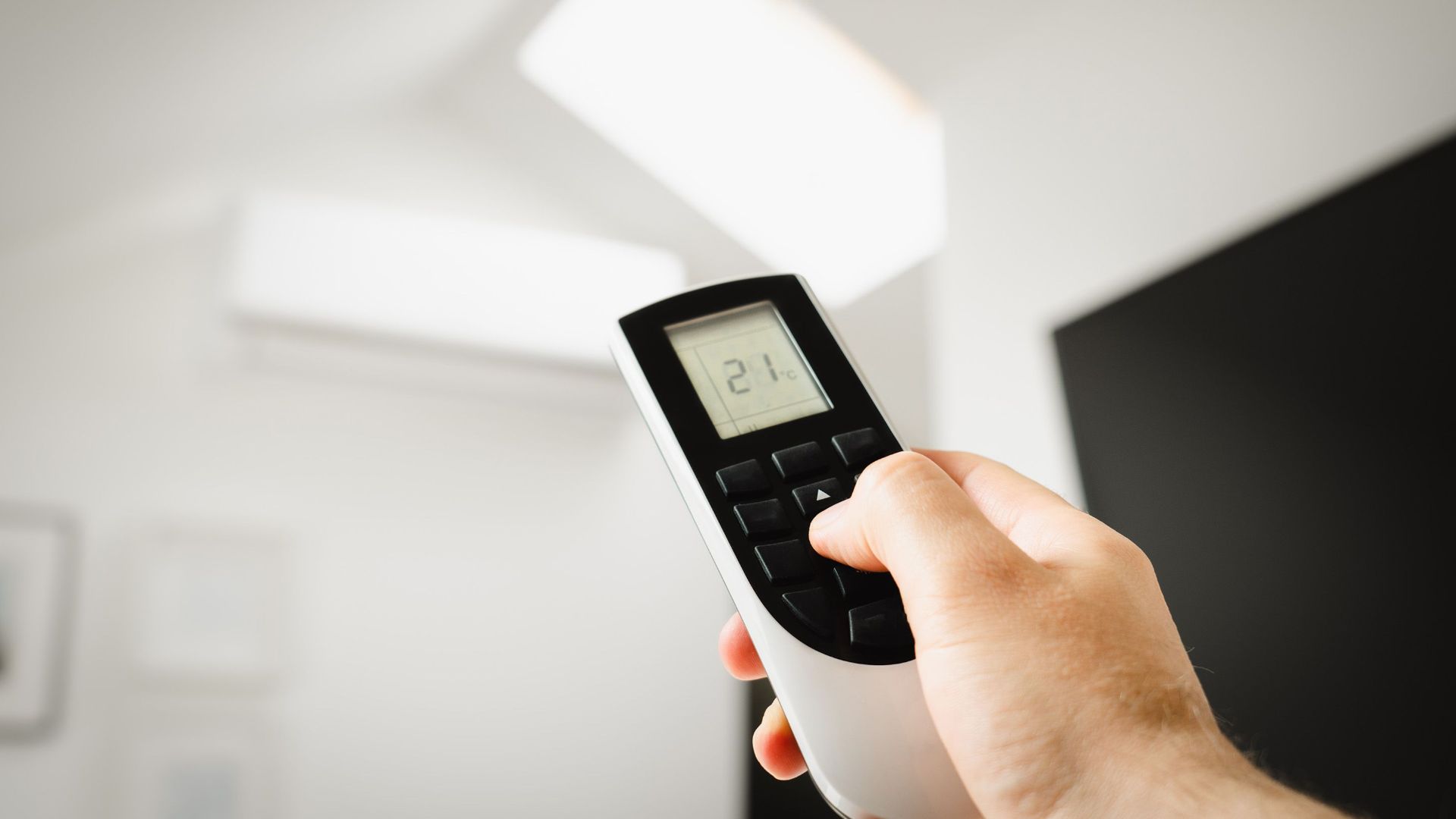
Americans have a famously committed relationship with air conditioning. Hotels, restaurants, stores, offices, and public buildings can feel remarkably cold during a blazing summer. If you're someone who gets chilly easily, carrying a light sweater into a restaurant in July is not nearly as ridiculous as it sounds.
Distances Are In Miles
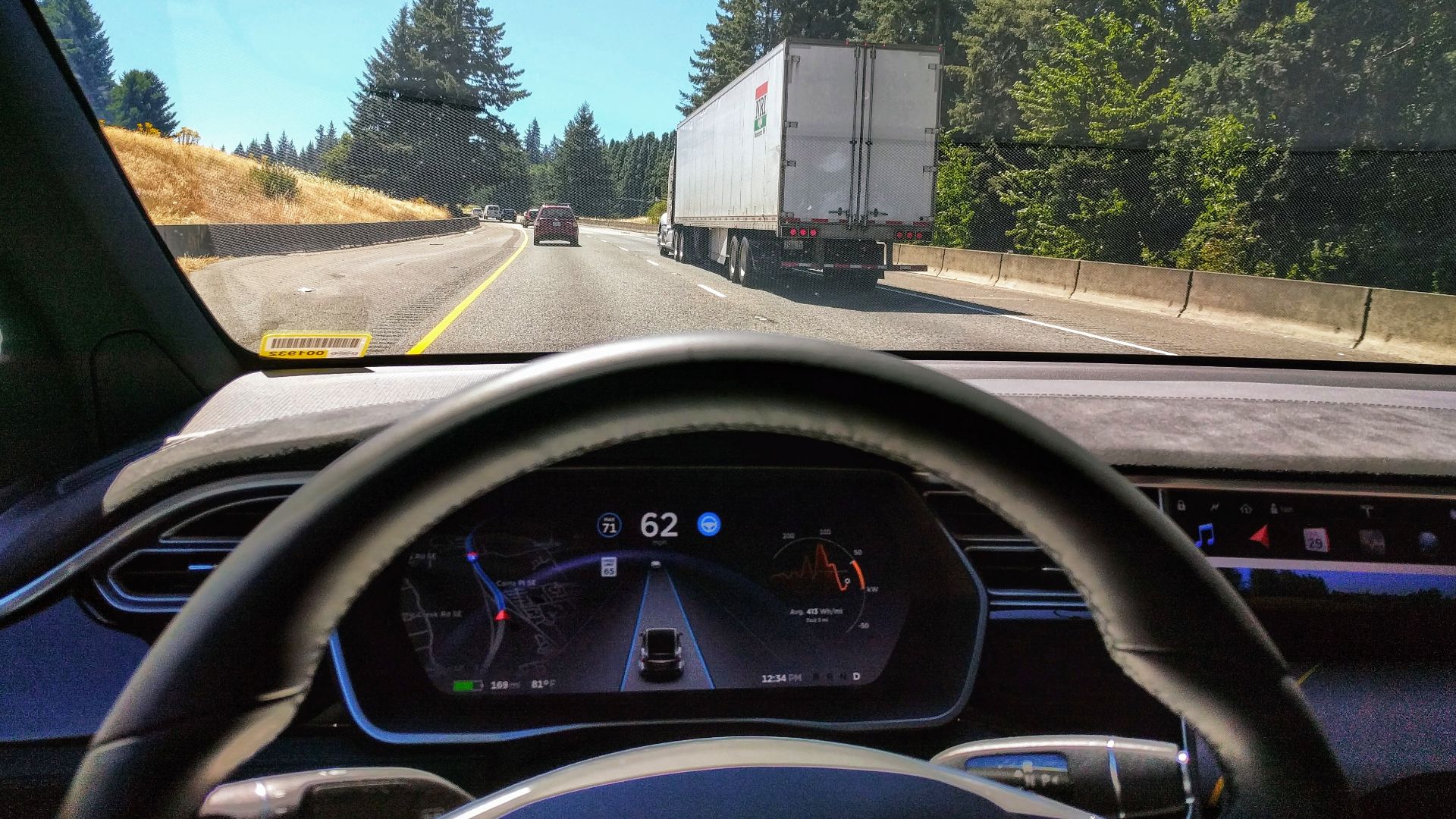
Road signs use miles rather than kilometers, gasoline is sold by the gallon, temperatures appear in Fahrenheit, and you'll encounter feet, inches, pounds, and ounces everywhere. Nobody expects international visitors to instantly think in American measurements. A conversion app can prevent considerable mental arithmetic.
 Ian Maddox , Wikimedia Commons
The Drinking Age Is 21
Being legally old enough to drink at home doesn't necessarily make you legally old enough in America. The minimum drinking age is 21, and establishments can be strict about identification. Alcohol regulations also vary by state and locality, including where and when alcohol may be sold.

Bring Your Actual ID
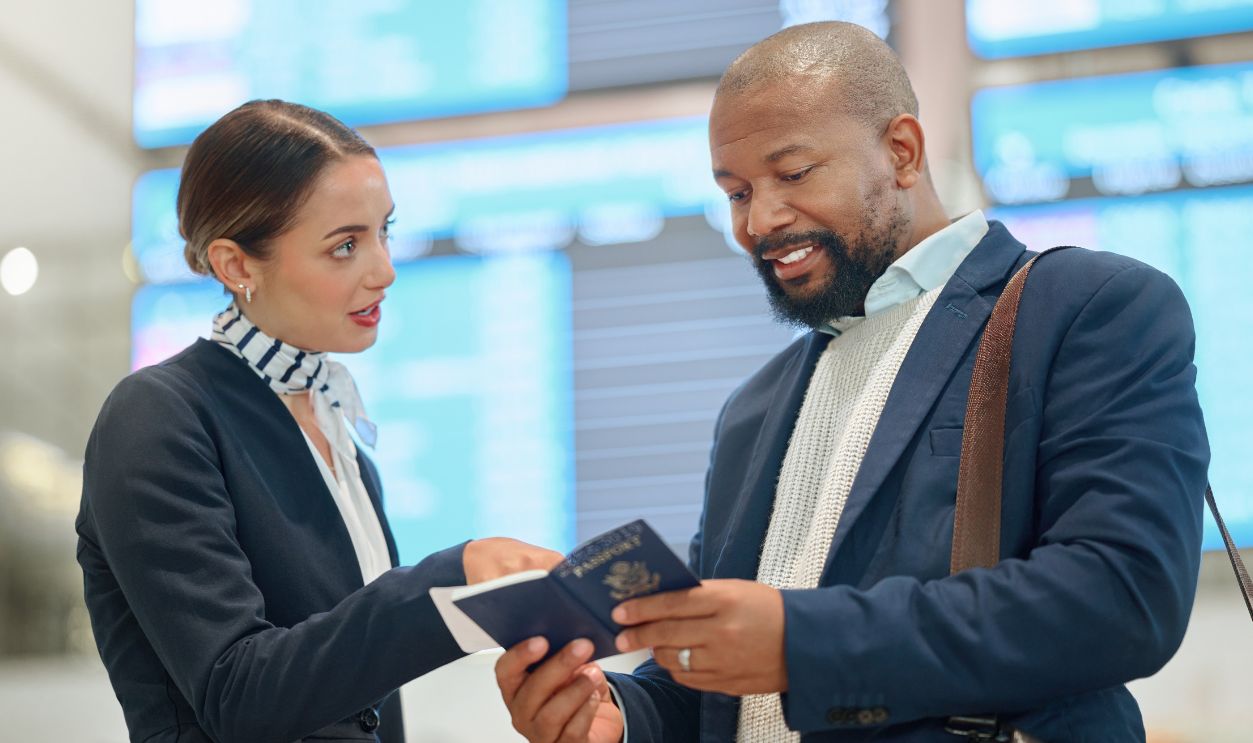
A 35-year-old European being asked for identification before ordering a beer can seem absurd. It happens. Bars and restaurants may enforce identification policies strictly, and a foreign passport is the safest form of recognizable official identification for a visitor. Don't assume looking obviously over 21 guarantees nobody will ask.
Laws Change Across State Lines
Crossing from one state to another isn't like crossing an international border, but some rules really do change. Regulations, traffic laws, cannabis laws, taxes, and other regulations vary. Something perfectly legal during one portion of a road trip may be restricted after you've crossed a state line.
American Friendliness Isn't Necessarily Fake
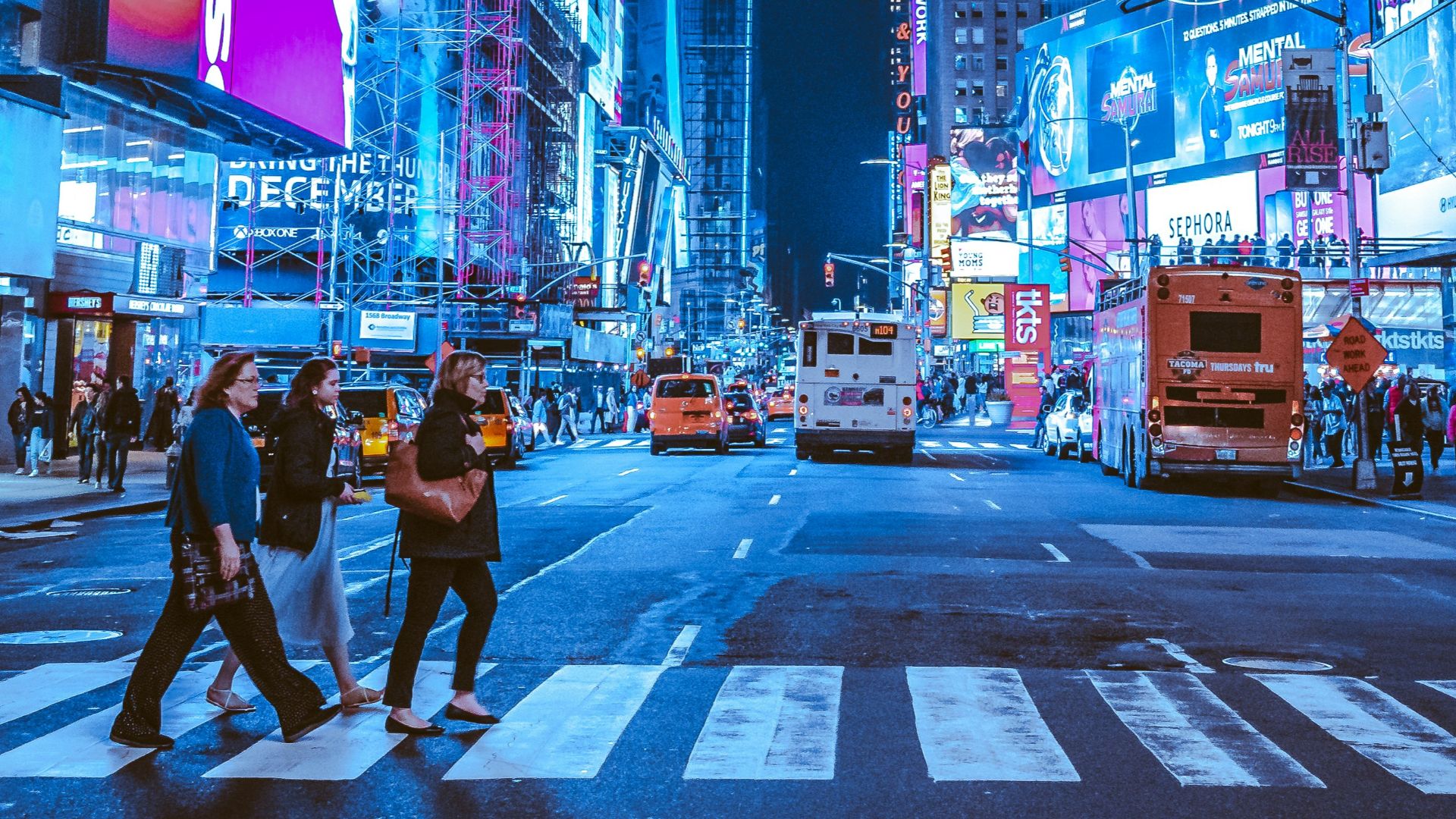
Strangers may ask where you're from, compliment your accent, start conversations in elevators, or tell you about the cousin who once visited Belgium. Europeans sometimes interpret American friendliness as superficial. Usually, though, casual conversation with strangers is simply a normal part of social interaction in much of the country.

"How Are You?" Isn't An Interview
When a cashier says, "Hi, how are you?" they're generally not requesting a detailed account of your physical and emotional condition. It's often closer to a greeting. "Good, thanks. How are you?" will carry you through approximately 97% of these encounters without triggering an international incident.

Americans Don't All Sound Alike
A Boston accent, Appalachian accent, Texas drawl, Minnesota accent, and Southern California accent can sound dramatically different. Vocabulary varies too. The America visitors encounter in Louisiana can feel culturally quite different from Maine, New Mexico, Hawaii, or Wisconsin. Regional variation is part of the fun.

America Isn't Just New York
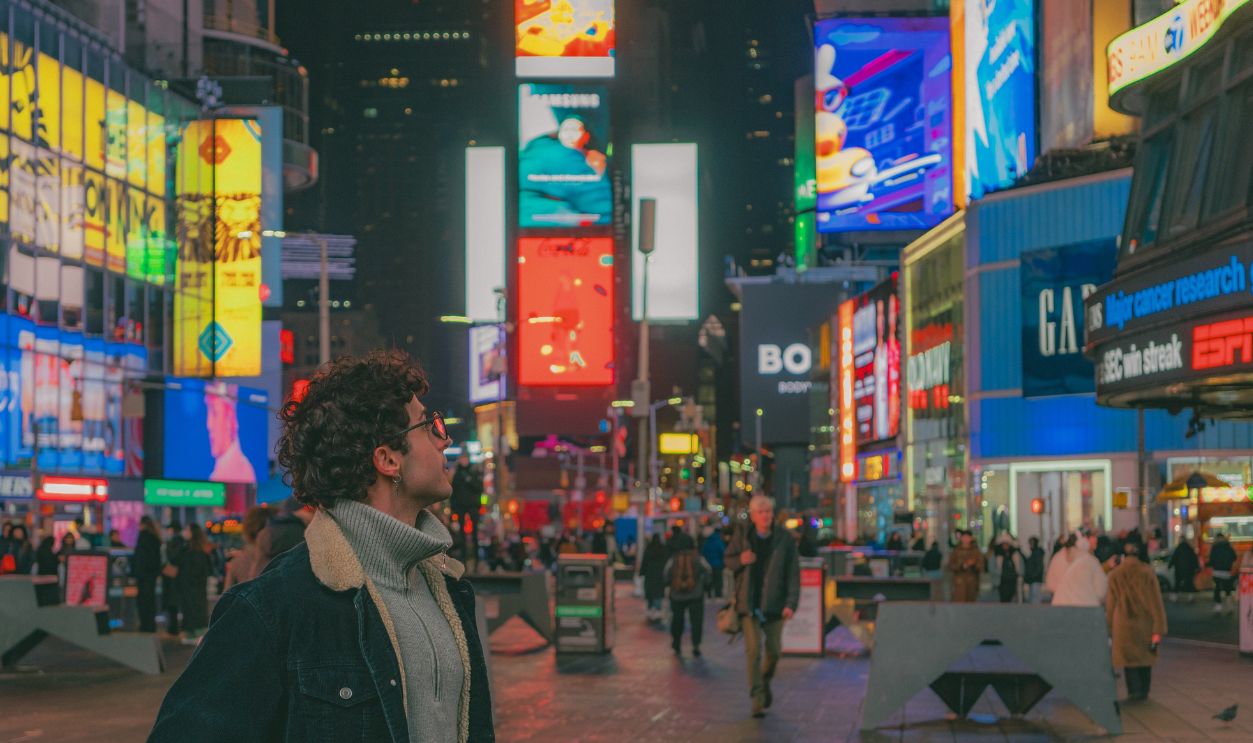
New York City is extraordinary, but it isn't a miniature version of the United States. Neither is Los Angeles. Visitors who venture into smaller cities, rural regions, national parks, college towns, or the South and Midwest encounter completely different landscapes and cultures. One country can contain a surprising number of Americas.
National Parks Aren't City Parks
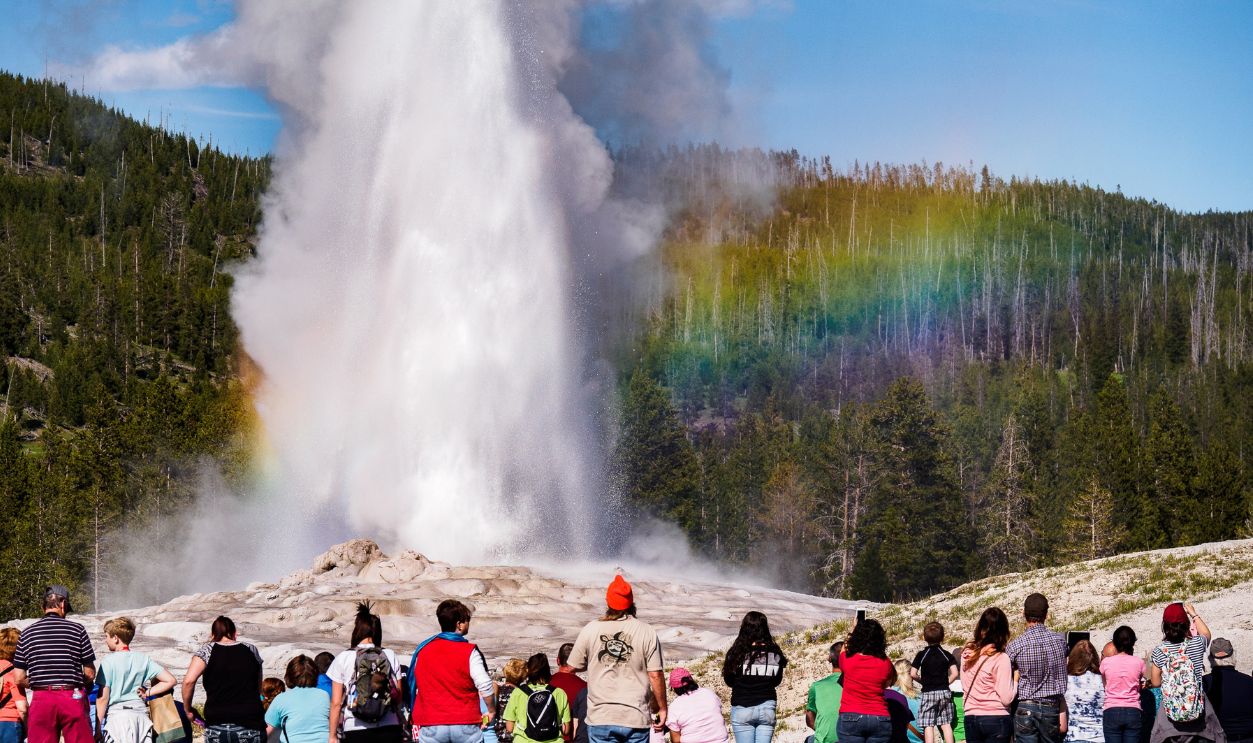
Yellowstone, Yosemite, Grand Canyon, Glacier, and other famous parks are enormous natural environments, not manicured urban attractions. Distances can be substantial, weather can change rapidly, and wildlife is genuinely wild. The National Park Service manages transportation networks used by hundreds of millions of visitors annually.
Leave The Wildlife Alone
That bison beside the road isn't part of a petting zoo. Neither is the elk, bear, alligator, or moose. American parks repeatedly have problems with visitors approaching wildlife for photographs. Give animals plenty of room and follow the distance and safety instructions issued by whichever park you're visiting.
 Gracemontse, Wikimedia Commons
Domestic Flights Still Have Security
Flying from Chicago to Denver doesn't involve immigration, but it still means passing through TSA security. Carry-on liquids generally remain subject to the 3-1-1 rule, and travelers should check current requirements before flying. TSA recommends arriving about two hours before a scheduled departure.
Entry Rules Deserve Homework
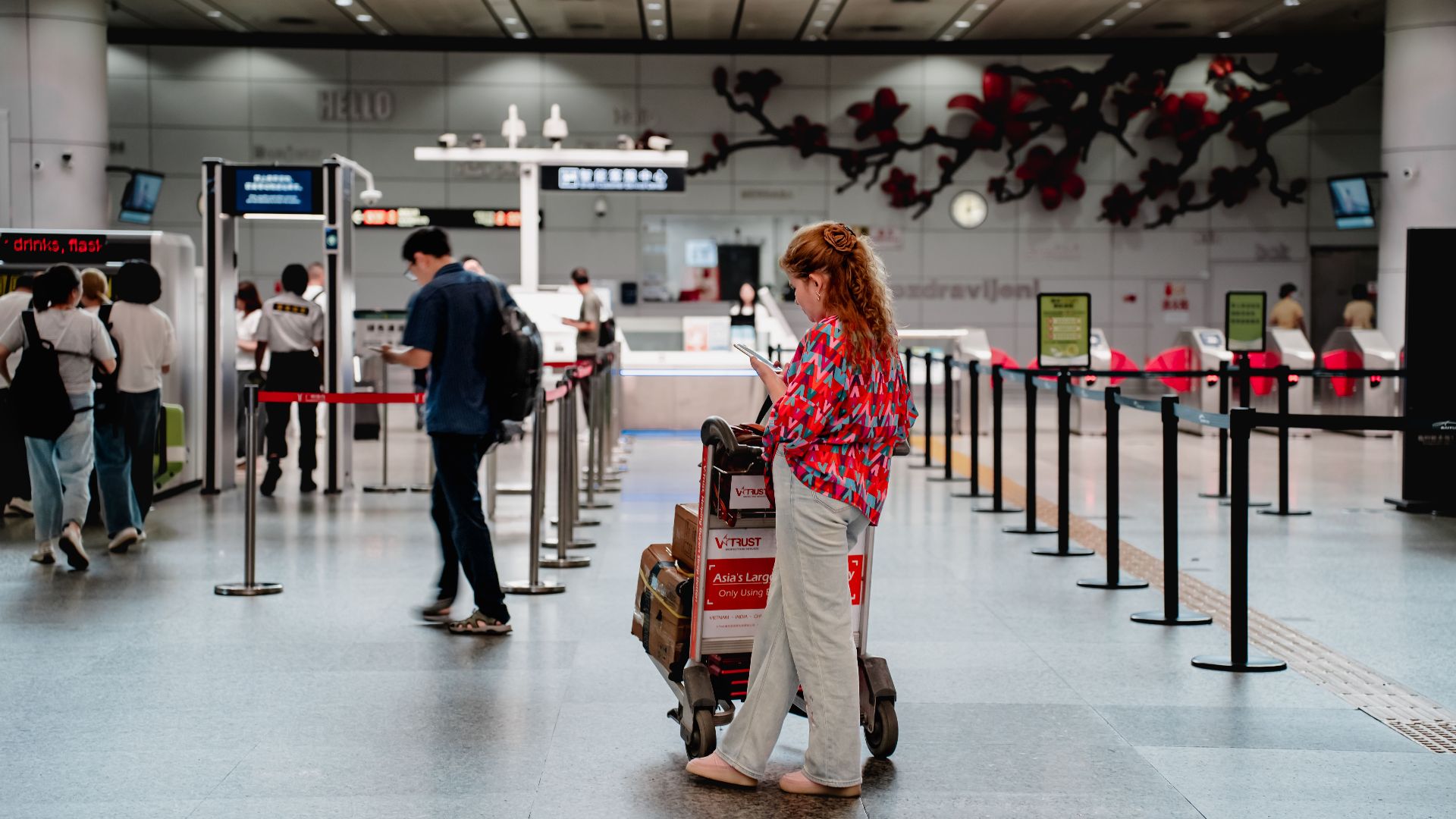
European citizenship doesn't automatically mean walking onto a U.S.-bound aircraft with only a passport. Citizens of participating Visa Waiver Program countries generally need authorization through ESTA and must satisfy the program's requirements. The program permits qualifying tourism or business visits of up to 90 days.
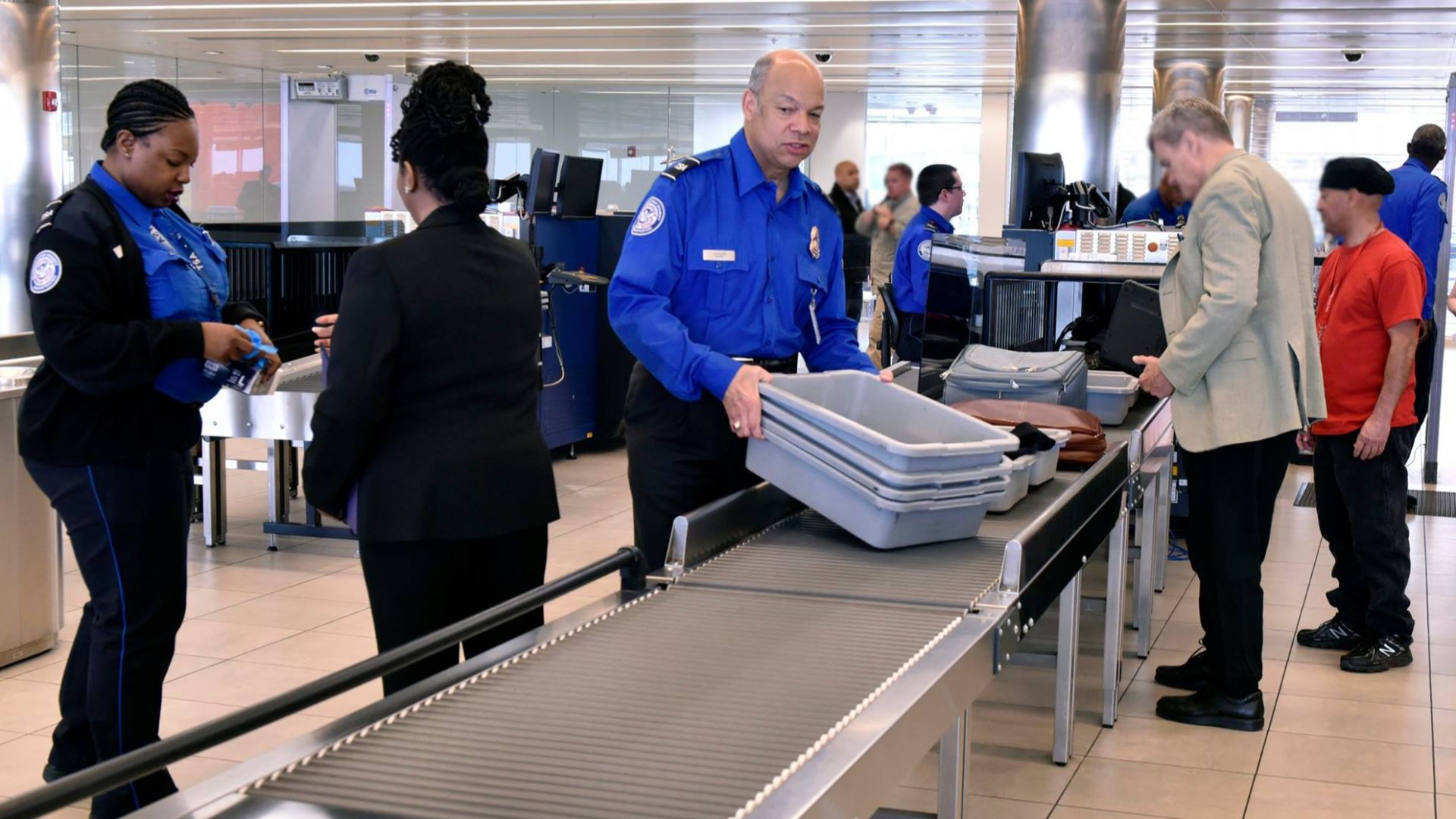 U.S. Department of Homeland Security (DHS), Wikimedia Commons
Travel Insurance Really Matters
This is one cultural difference you don't want to discover from a hospital bed. Medical care in the United States can be extremely expensive for uninsured foreign visitors. Canada's official U.S. travel advice specifically recommends insurance covering medical evacuation and hospital stays. Europeans should take that warning just as seriously.

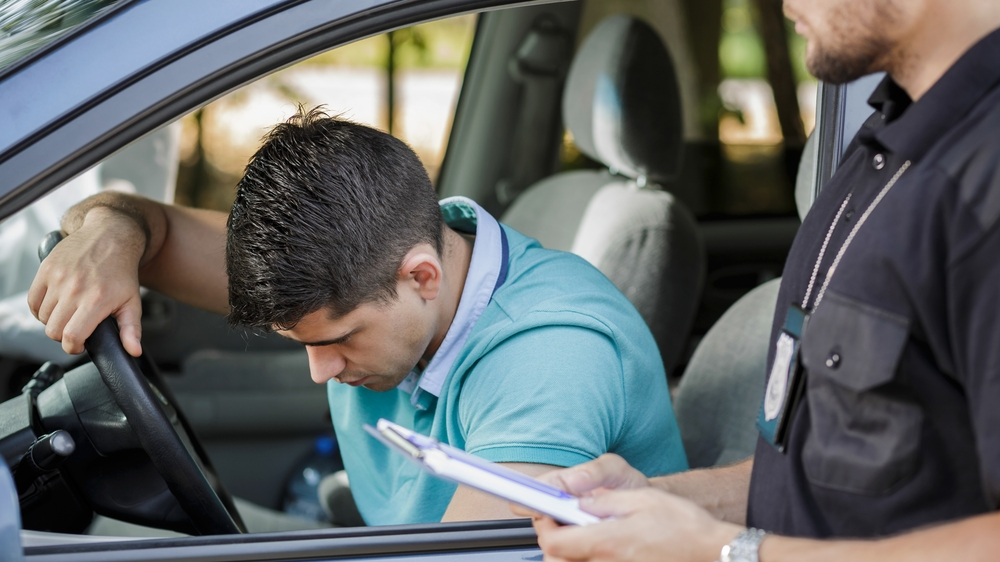
Your Driving Licence May Not Be Enough
Planning a road trip? Check the requirements for every state you'll visit before renting a car. Depending on the state, foreign visitors may need an International Driving Permit in addition to the licence issued by their home country. USAGov specifically advises international visitors to investigate state requirements.
Americans Know Some Things Are Weird
You don't need to explain to Americans that tipping is complicated, health care can be expensive, sales tax is confusing, or the measurement system is peculiar. Americans discuss these things too. Asking about cultural differences can start a great conversation. Announcing that an entire country is "doing it wrong" tends to start a different one.

Don't Try To See Everything
Perhaps the biggest mistake is treating a first American vacation like a checklist. Pick a region and actually experience it. Drive the Pacific Coast, explore New England, wander through the Southwest, or combine several nearby cities. The United States isn't one destination. That's exactly why you'll probably need another trip.

You May Also Like:
Americans Can't Believe Europeans Don't Do These Things
Conveniences That Europeans Can't Help But Enjoy When Traveling In The United States
Europeans Reveal The American Things They Used To Make Fun Of—Until They Tried Them