
America Can Surprise You
Some American habits look excessive from across the Atlantic: enormous refrigerators, mountains of ice, powerful air conditioning, free drink refills, and dryers for clothes that could simply hang outside. Yet visitors sometimes discover there is a seductive logic behind the excess. Convenience, it turns out, can be surprisingly difficult to give up.
Air Conditioning
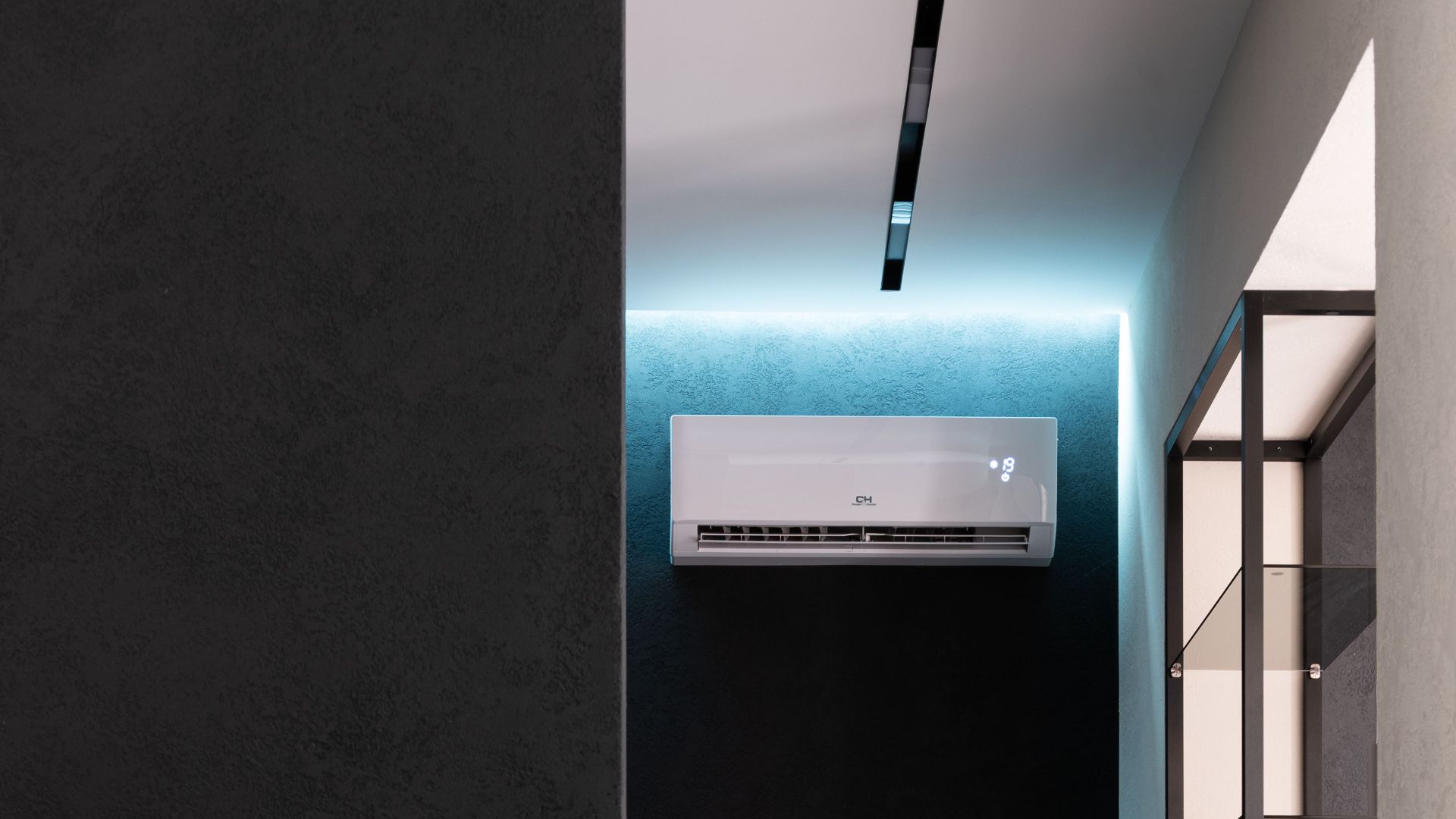
Americans’ devotion to air conditioning has long attracted European criticism as wasteful and unnecessary. Then comes a humid 95-degree afternoon. Around 90% of American households have AC, compared with roughly 23% across Europe, and increasingly severe European heat waves are making American-style cooling considerably more appealing.
Ice-Filled Drinks
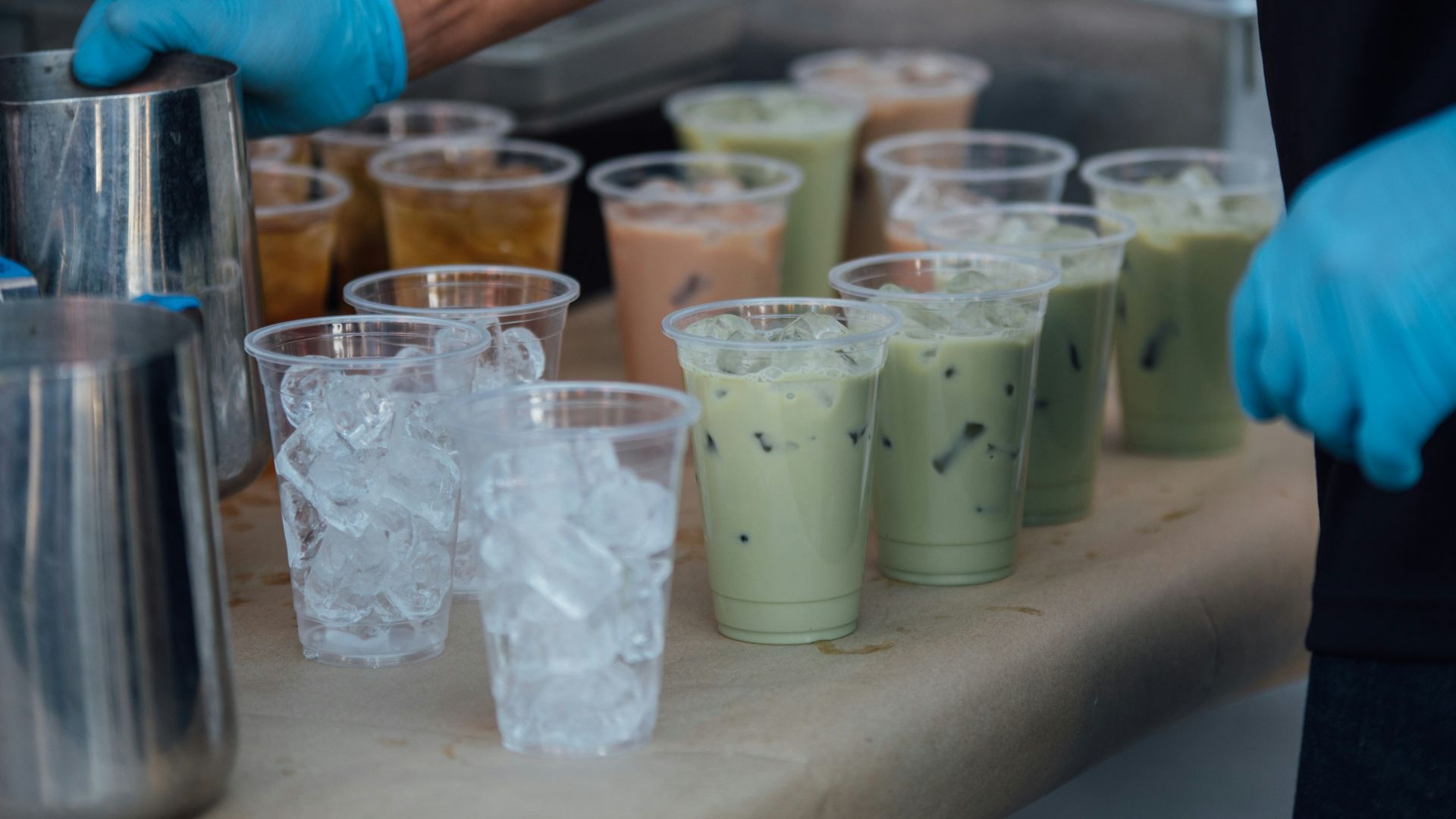
Why do Americans apparently need half a glacier floating in every beverage? Europeans routinely tease Americans about their obsession with ice, while Americans visiting Europe often notice its relative scarcity. But once you’ve spent a sweltering afternoon drinking genuinely icy water, lukewarm refreshment can become a harder sell.
Free Drink Refills
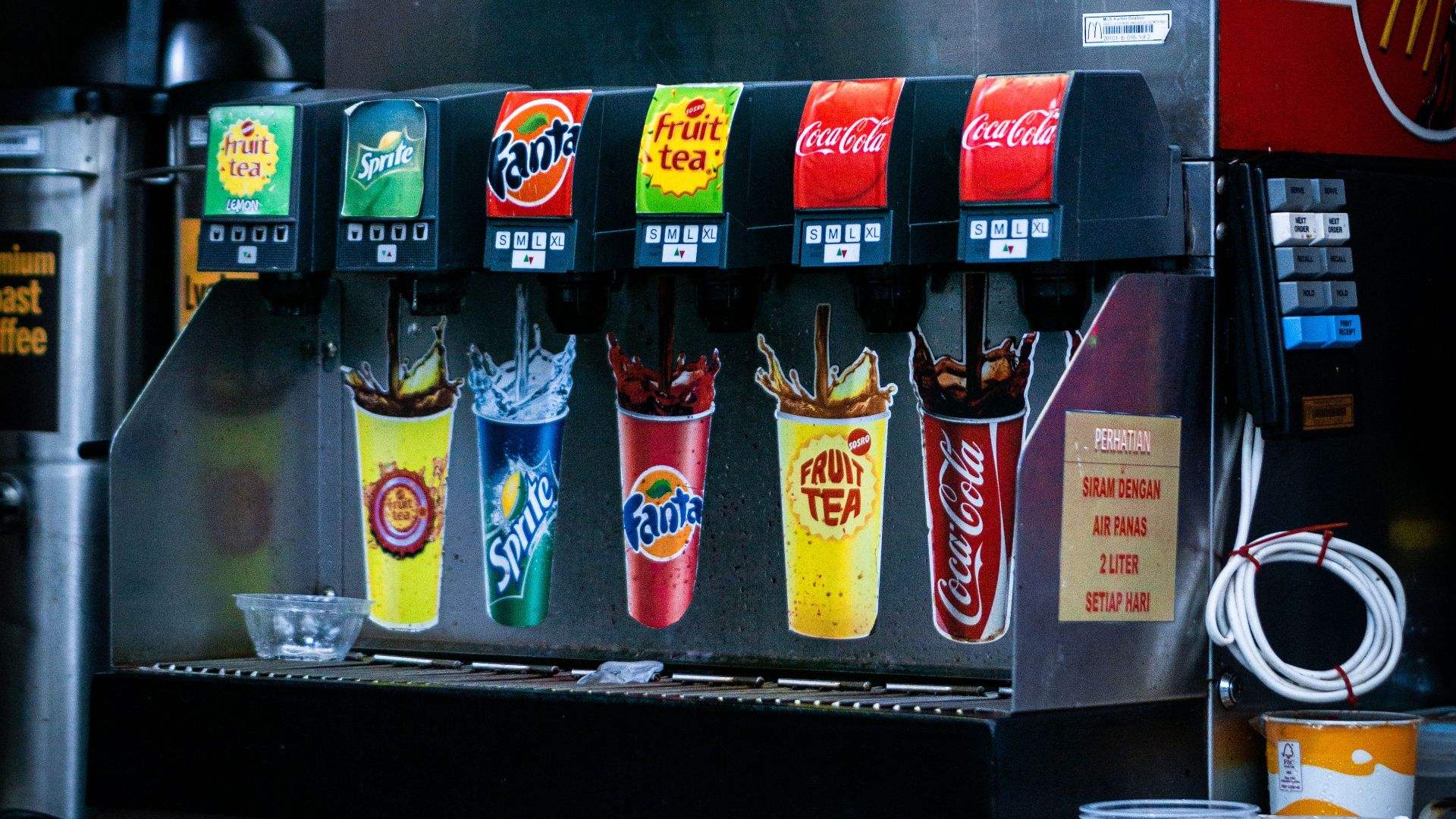
Unlimited soda refills can look like a perfect symbol of American overconsumption. Then you order a second Coke without receiving another bill. Free refills were overwhelmingly the most popular answer when Europeans were asked what everyday American conveniences seemed luxurious, suggesting excess feels different when you’re enjoying it yourself.
Free Restaurant Water
Americans frequently expect a glass of tap water to arrive without charge, often before they’ve ordered anything. That expectation isn’t universal across Europe, where restaurant customs vary substantially by country. For visitors accustomed to buying bottled water with meals, endless free iced water can suddenly seem wonderfully civilized.

Giant Refrigerators
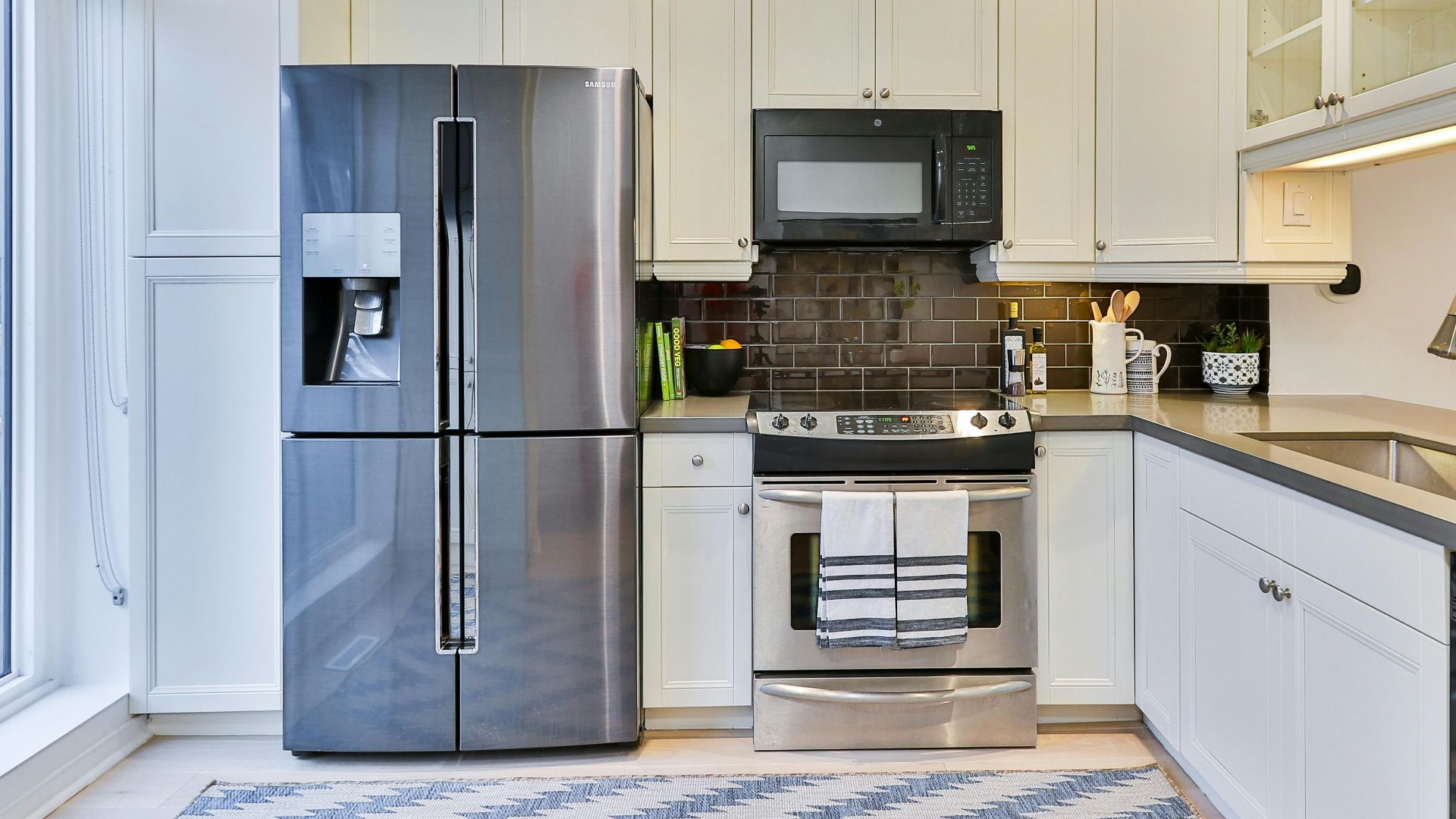
That enormous stainless-steel American refrigerator can initially seem absurd. Who needs enough refrigerated storage for a small restaurant? Then you experience the convenience of buying groceries for an entire family without playing refrigerator Tetris. Larger American kitchens help make these appliances practical in ways smaller European homes often cannot.
 Lotus Design N Print, Unsplash
Clothes Dryers
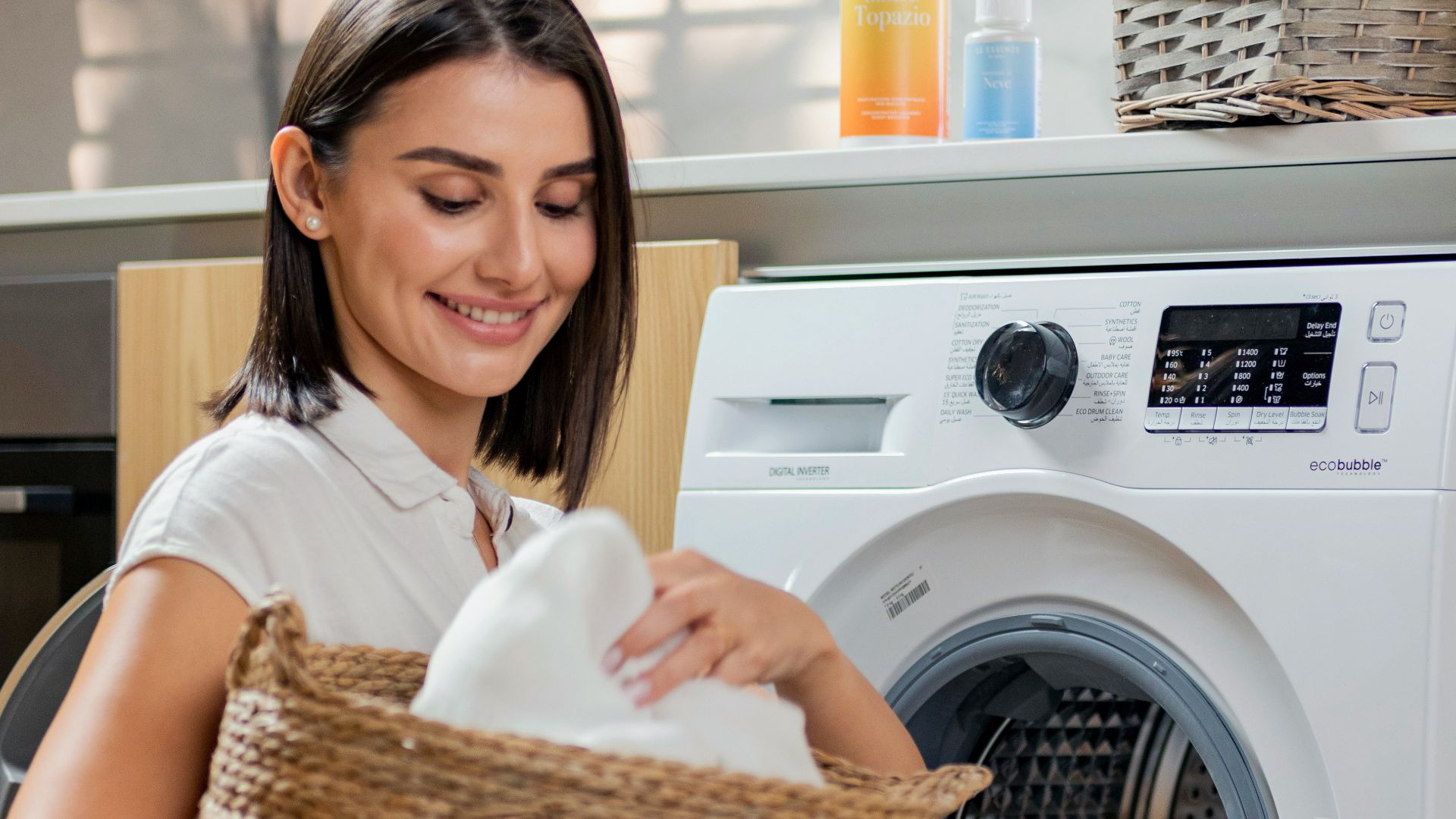
Why spend electricity drying clothes when nature does it free? That’s a perfectly sensible argument until laundry is hanging around your apartment during damp winter weather. Tumble dryers remain much less ubiquitous in parts of Europe, while Europeans living in America can quickly appreciate finishing several loads in an afternoon.
Garbage Disposals
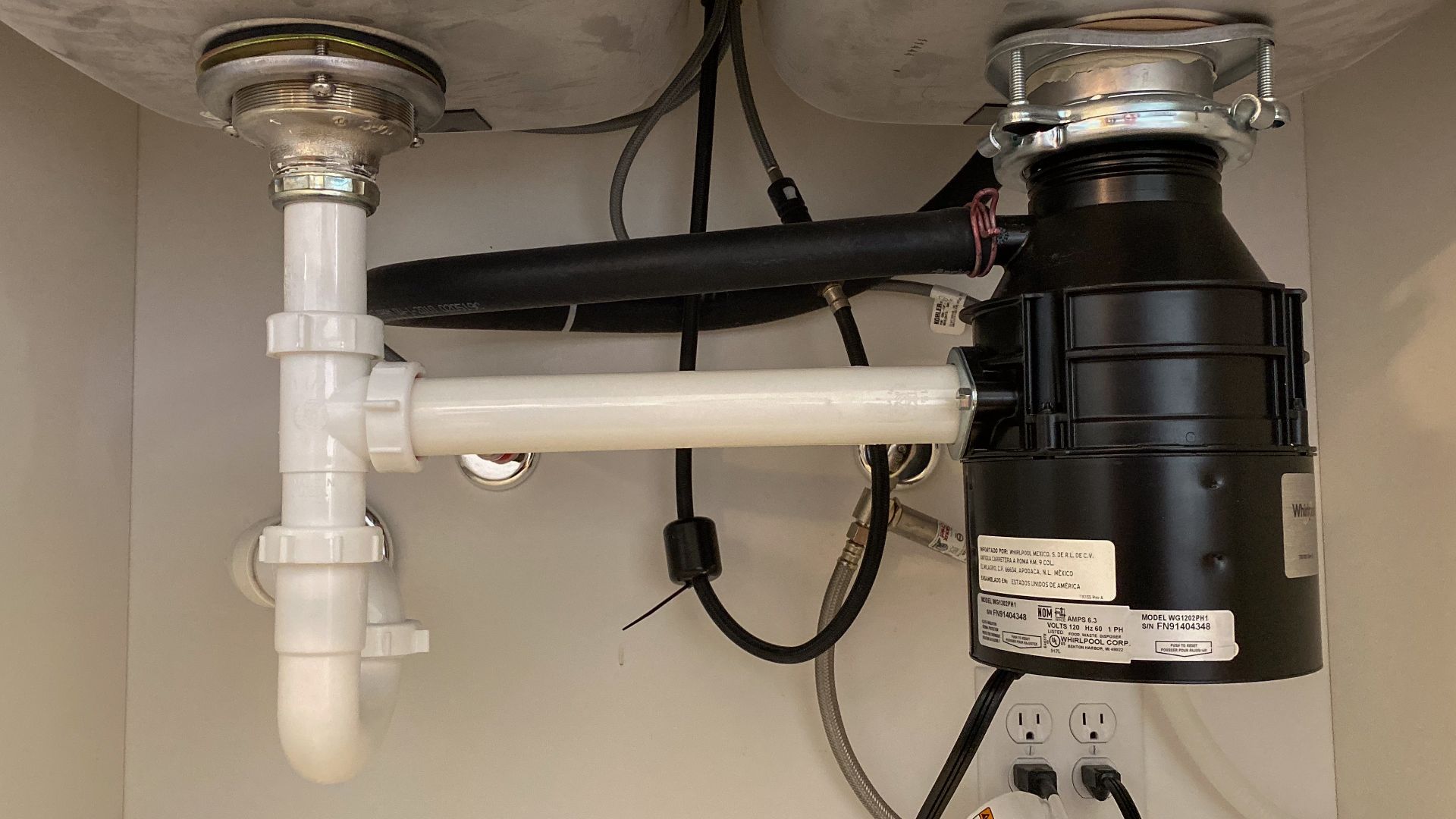
The garbage disposal might be the ultimate “Americans invented WHAT?” appliance. They’re uncommon across much of Europe, where food waste is often separated instead. Yet scraping small food remnants down the sink, flipping a switch, and watching them disappear offers exactly the kind of effortless convenience America specializes in.
 Tony Webster, Wikimedia Commons
Window Screens
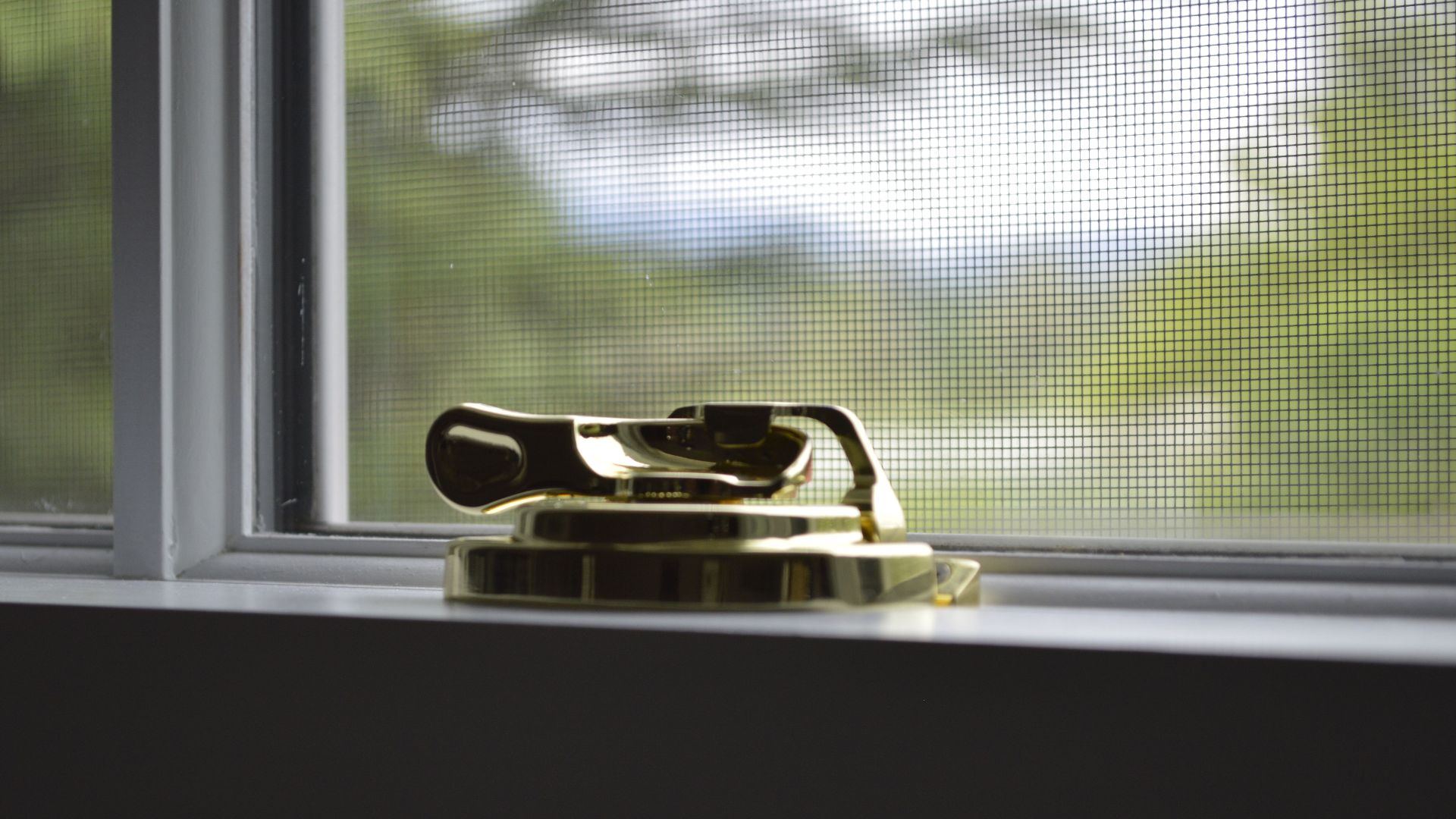
Window screens are so ordinary to Americans that they barely qualify as technology. In parts of Europe, however, they are far less standard. The appeal becomes obvious the first time someone wants an open bedroom window on a summer evening without simultaneously inviting mosquitoes, flies, moths, and assorted airborne visitors inside.
Enormous Supermarkets
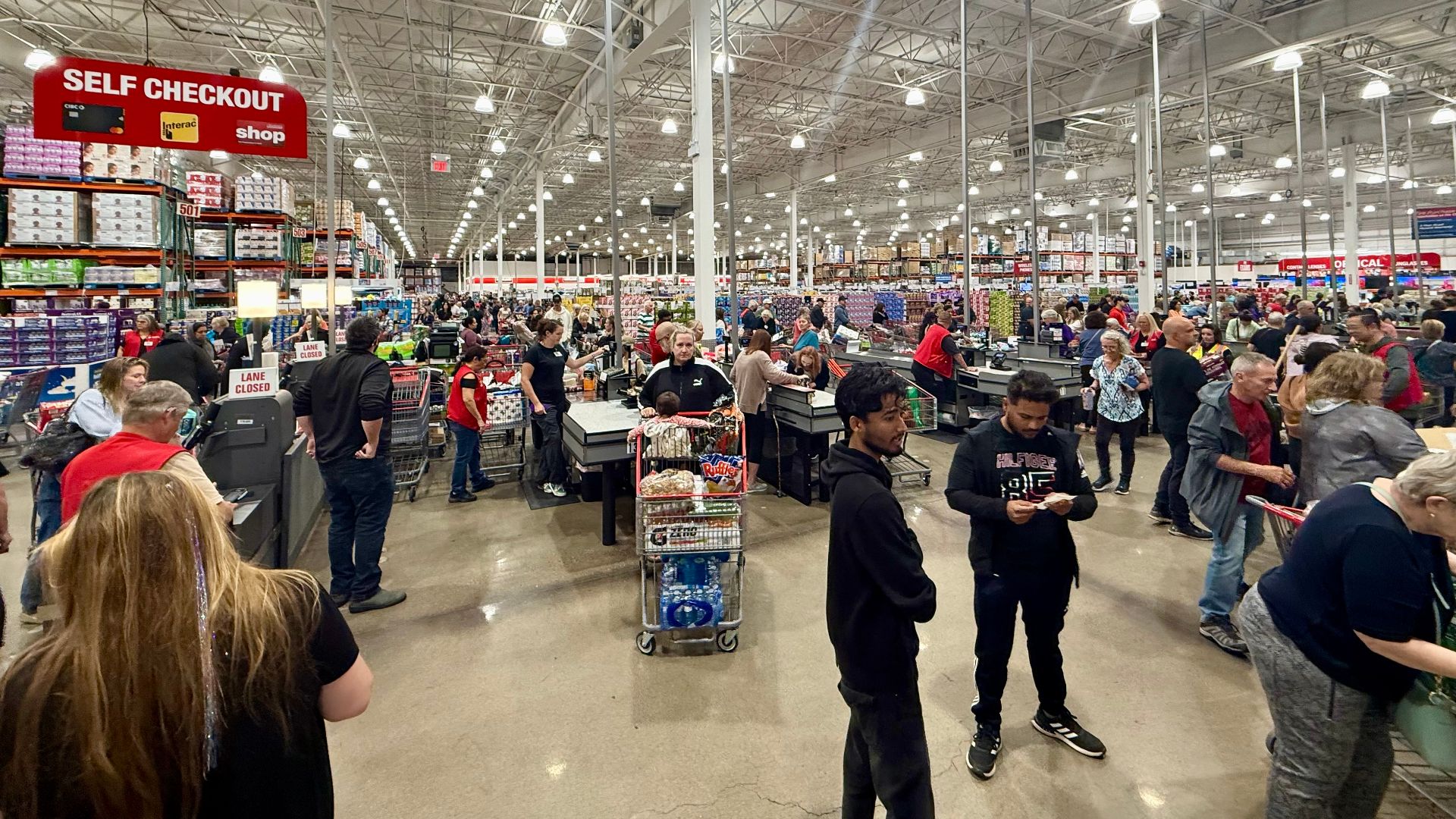
American supermarkets can initially feel ridiculous. How many kinds of breakfast cereal can humanity possibly require? Yet enormous stores provide something shoppers quickly learn to appreciate: choice. Instead of visiting several specialty stores, customers can buy groceries, toiletries, medicine, flowers, prepared meals, household supplies, and sometimes considerably more under one roof.
 antefixus21, Wikimedia Commons
Huge Restaurant Portions
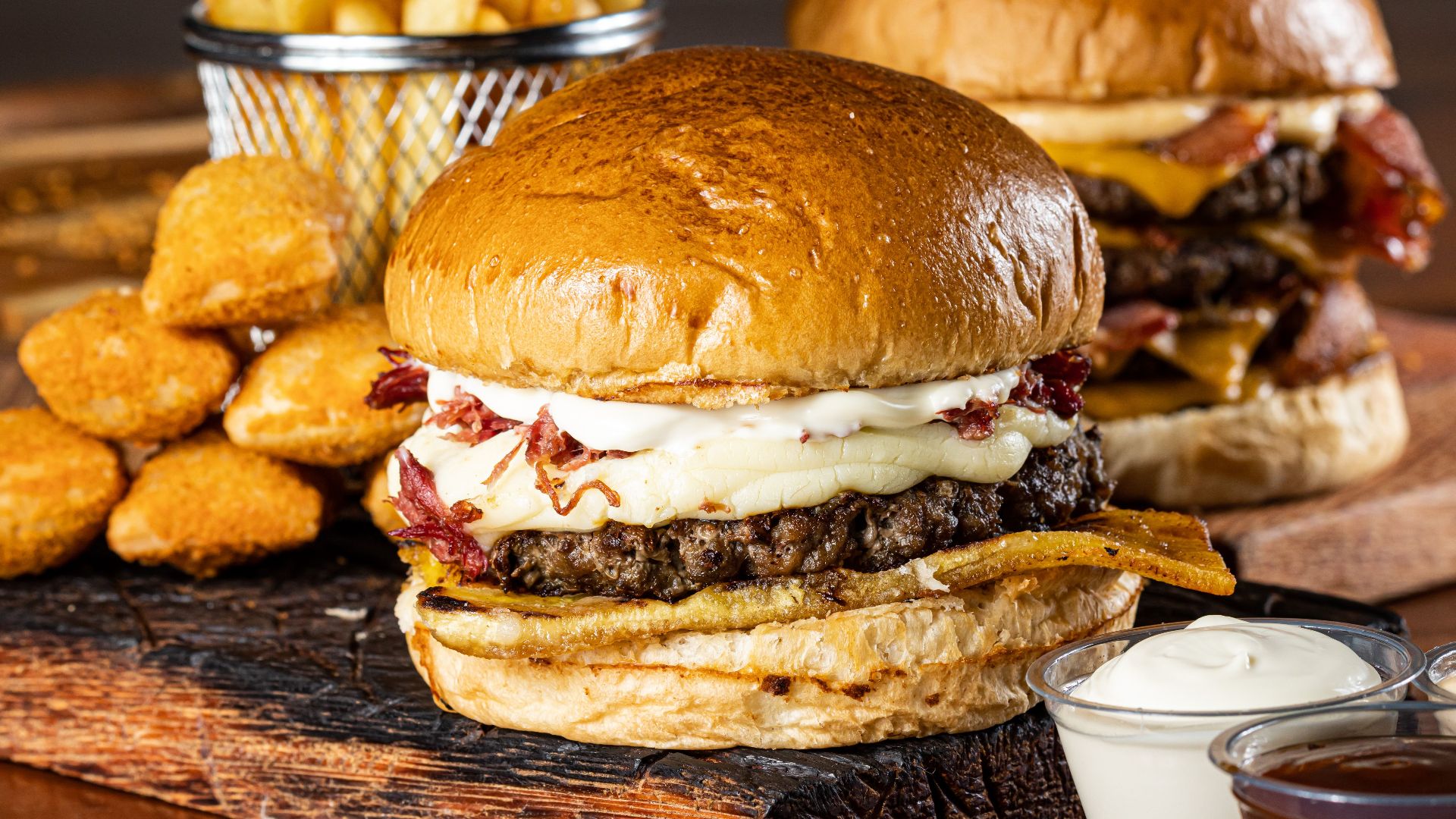
Oversized American restaurant portions are an easy punchline, especially when one entrée could seemingly feed a European family. But the equation changes once leftovers enter the picture. American diners routinely take unfinished food home, effectively turning one restaurant meal into tomorrow’s lunch and making the giant portion unexpectedly economical.
 Natan Machado Fotografia Gastronômica, Pexels
Taking Leftovers Home
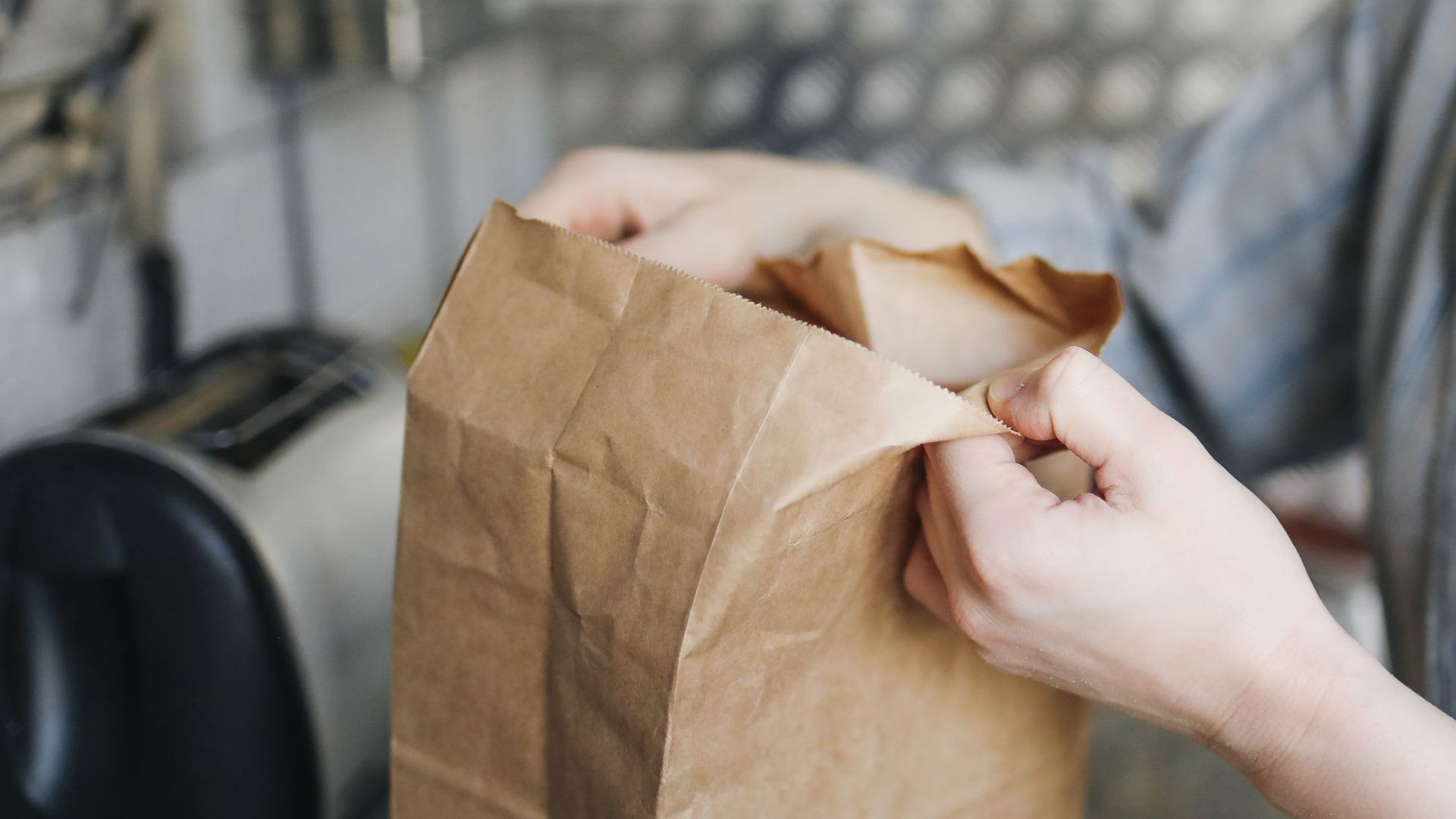
The American “doggy bag” once struck some foreign visitors as slightly embarrassing. Why advertise that you couldn’t finish dinner? In the United States, taking leftovers home is completely ordinary. Once visitors stop worrying about appearances, throwing away perfectly good food can begin to seem considerably stranger than carrying it home.
Drive-Through Everything
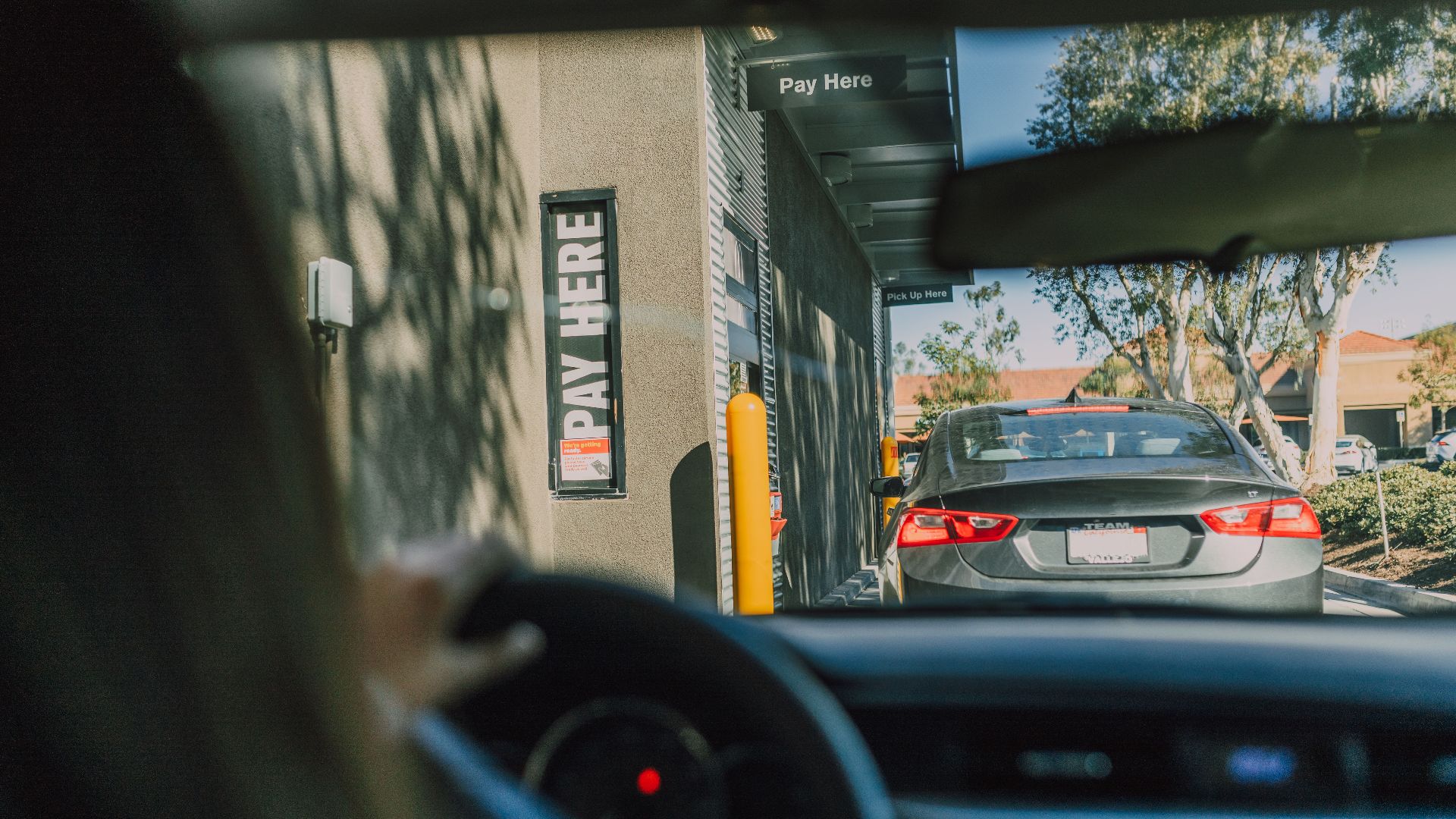
Eating without leaving the car can look like peak American laziness. But drive-through culture extends beyond hamburgers in many communities, and its appeal becomes clearer when you’re transporting sleeping children, dealing with bad weather, rushing between appointments, or simply want coffee without turning a five-minute stop into twenty.
Automatic Transmissions
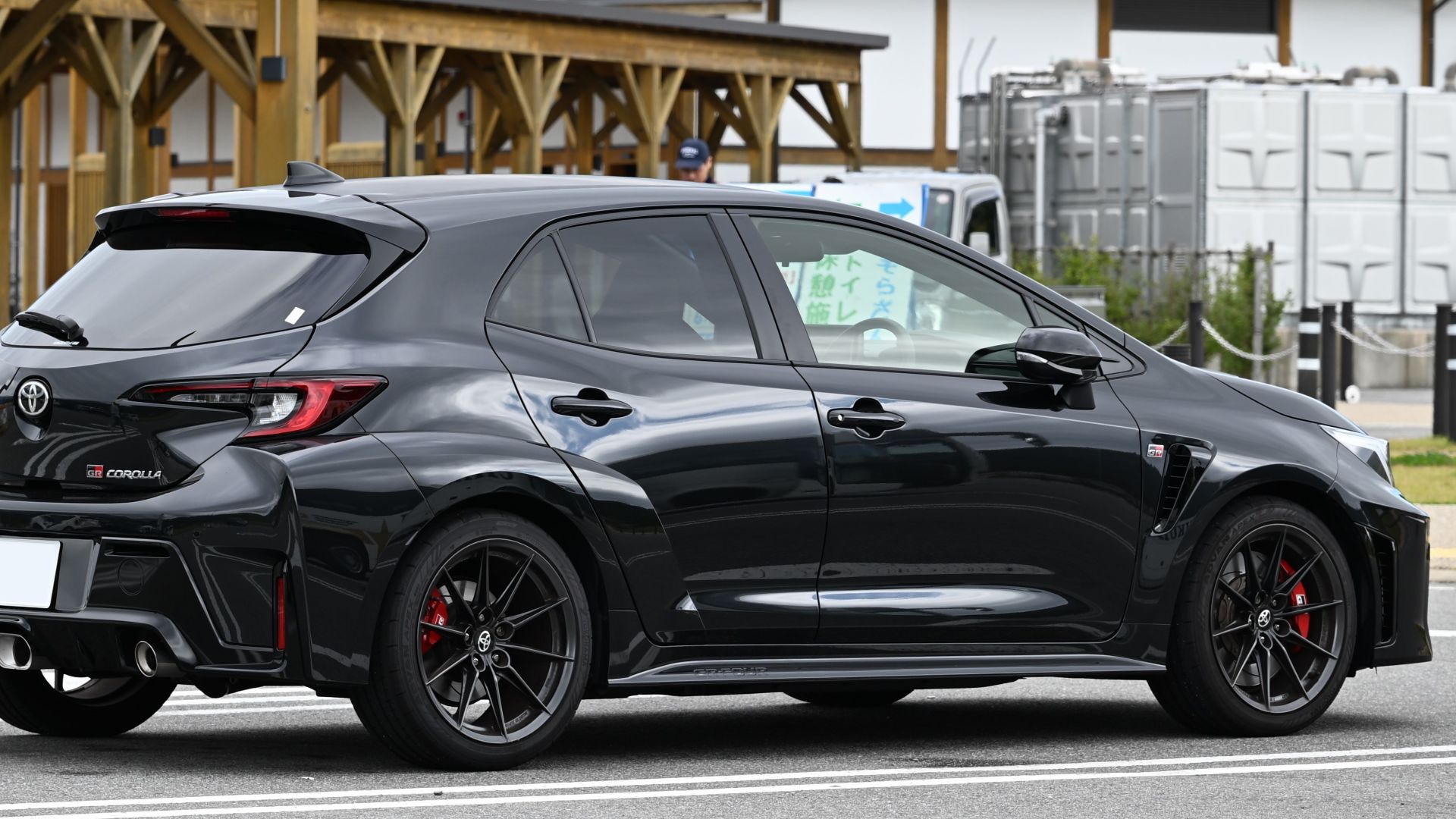
Europeans traditionally grew up with manual gearboxes in much greater numbers than Americans, making America’s preference for automatics an easy target. Manuals can be engaging, economical, and satisfying. Then you spend an hour crawling through stop-and-go traffic and suddenly letting the automobile change its own gears seems perfectly rational.
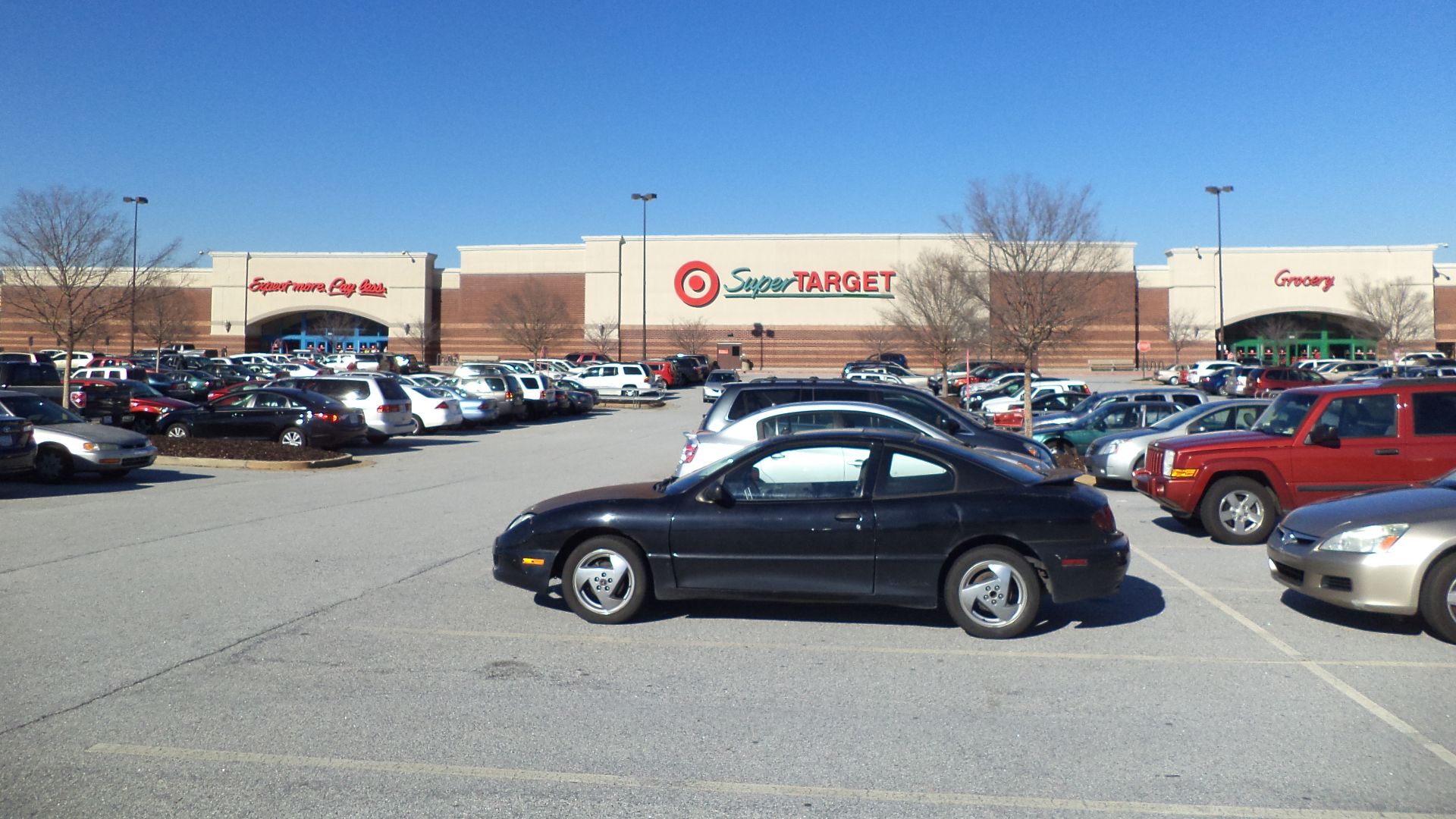
Enormous Parking Spaces
American parking lots can look comically expansive to visitors accustomed to squeezing compact cars into centuries-old European cities. The extravagance becomes easier to appreciate when you’re loading suitcases, opening a child’s car seat, maneuvering a shopping cart, or simply trying to exit without introducing your door to somebody else’s paintwork.
 Michael Rivera, Wikimedia Commons
Cup Holders Everywhere
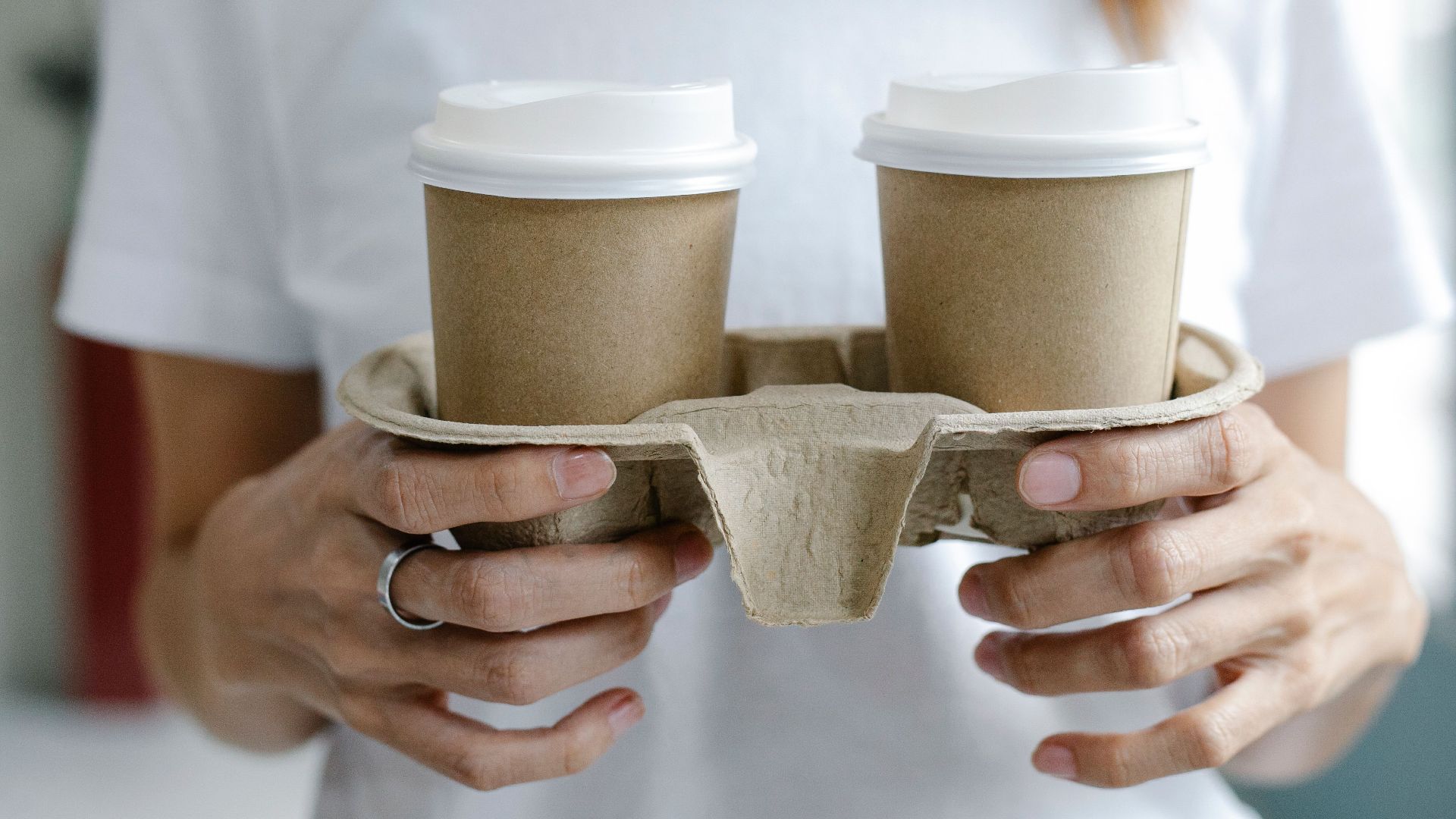
Multiple cup holders can seem like evidence that Americans cannot survive ten minutes without drinking something. Yet spend an entire day driving across the United States and they start making sense. Coffee, water bottles, children’s drinks, and travel mugs all need somewhere to go besides between your knees.
Free Public Restrooms
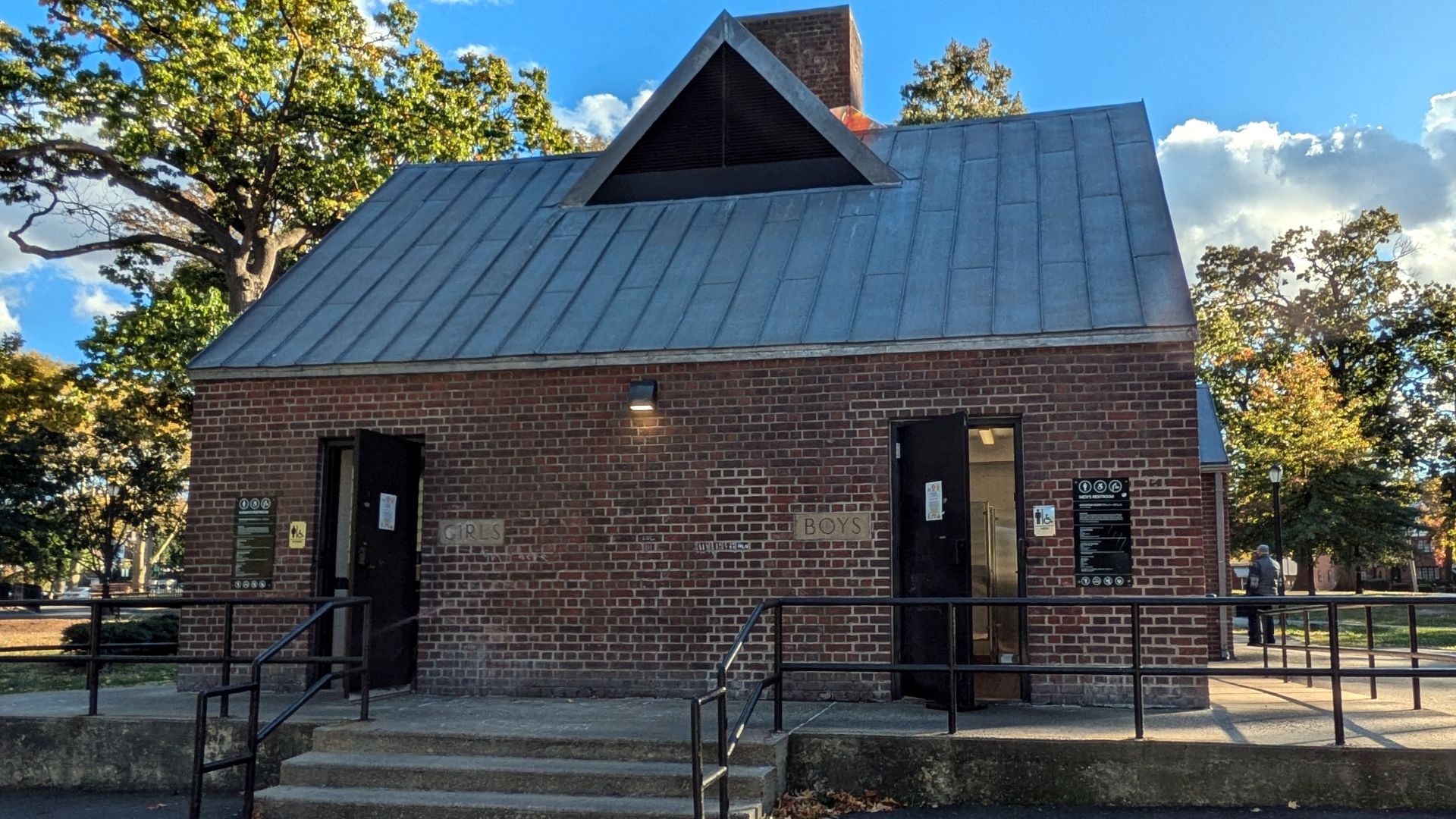
Americans complain endlessly about finding public bathrooms, but European travelers can still be surprised by the expectation that restrooms should generally be free. Online discussions repeatedly highlight free toilets as an underrated American convenience, particularly when compared with European stations and public facilities where payment may sometimes be required.
 ComplexRational, Wikimedia Commons
Convenience Stores
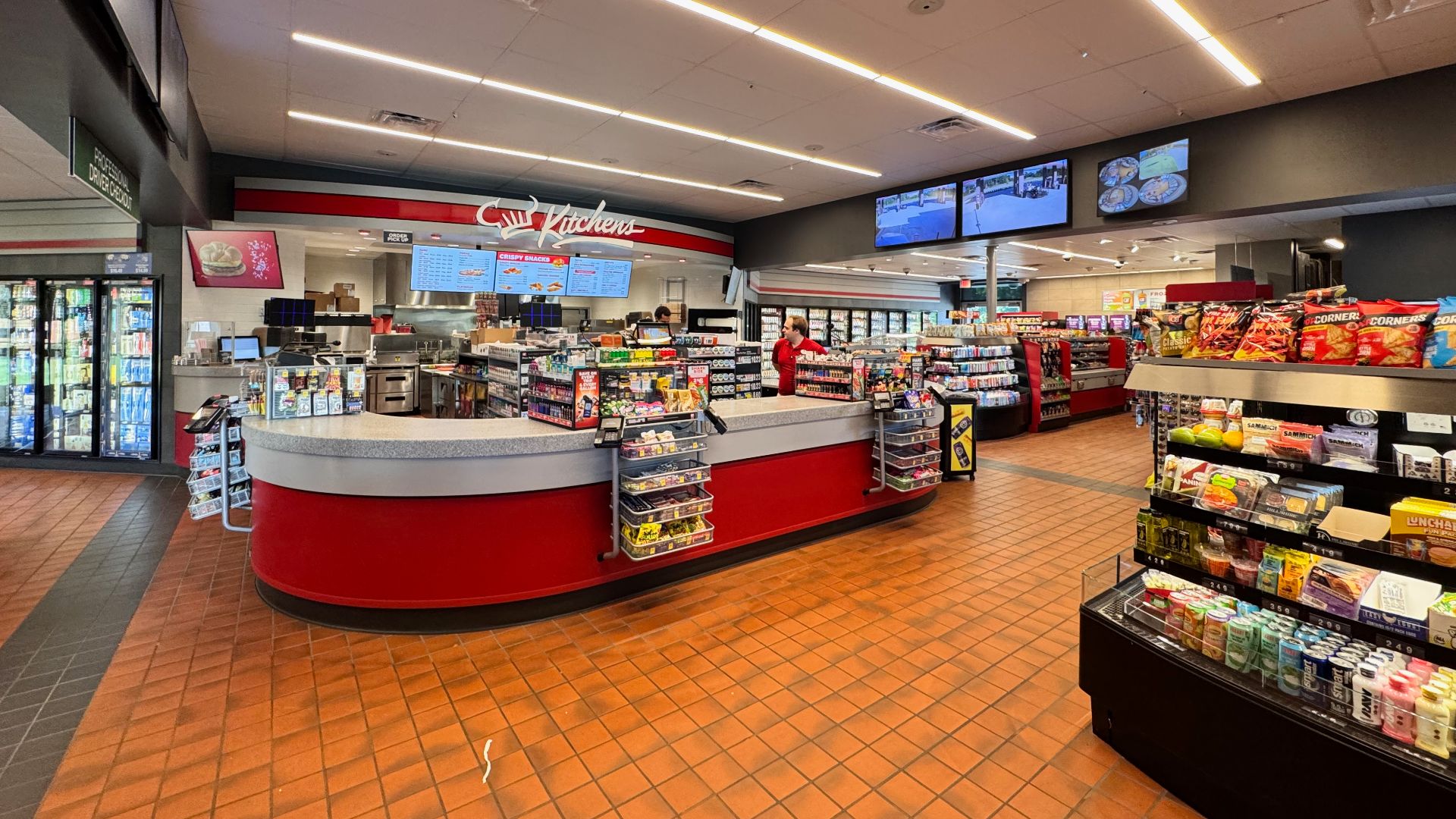
A giant convenience store selling hot food, enormous fountain drinks, toiletries, medicine, snacks, coffee, groceries, and gasoline at strange hours can look like another temple to American consumption. At midnight on a road trip, however, that brightly illuminated store suddenly looks less like excess and more like salvation.
 Harrison Keely, Wikimedia Commons
Everything Open Late
Twenty-four-hour America isn’t as universal as it once was, but extended business hours remain something visitors notice. Pharmacies, restaurants, supermarkets, and convenience stores can operate far later than equivalents in many European communities. You may mock midnight shopping until you desperately need cold medicine at 11:30 p.m.
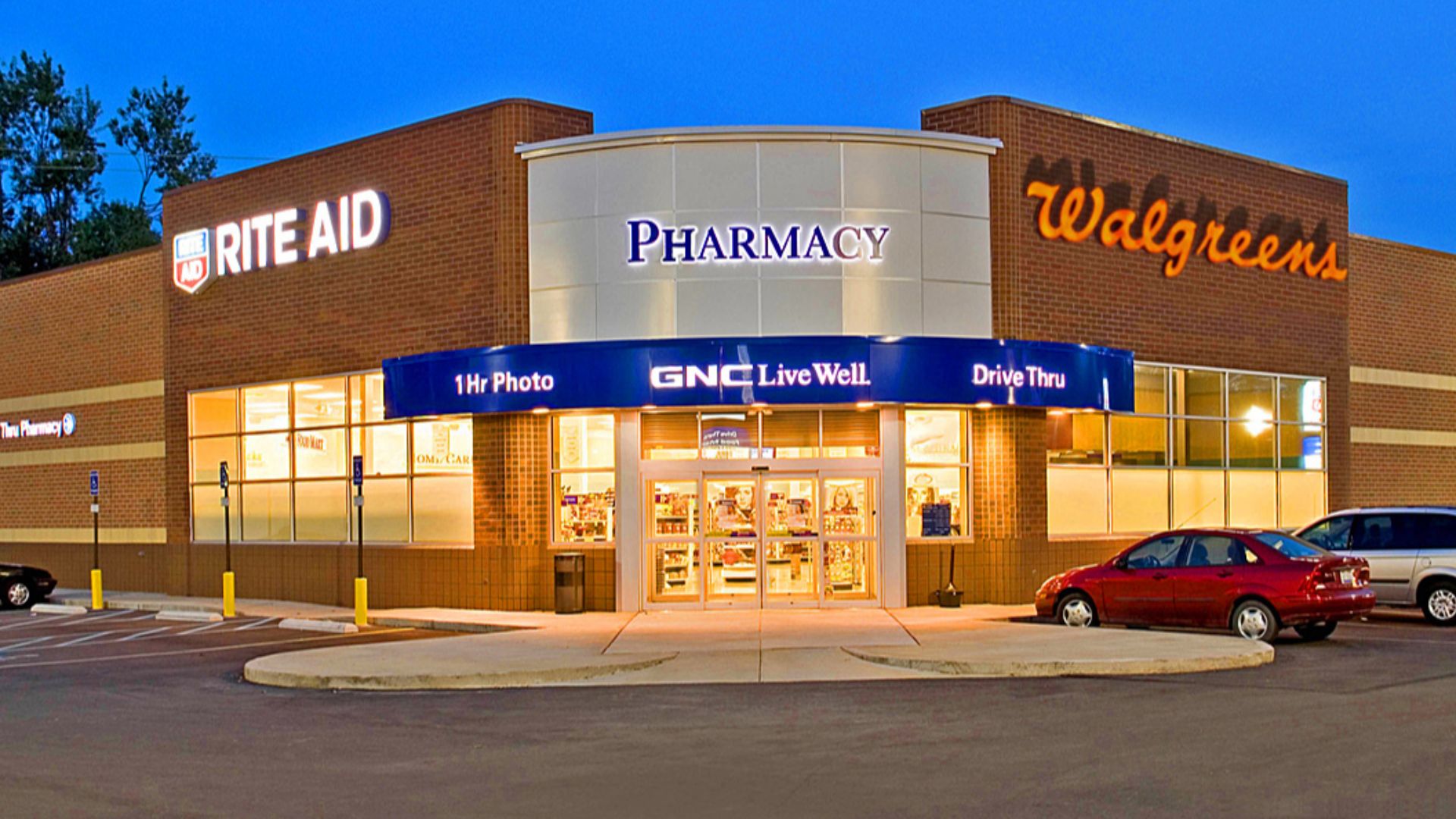 Pharmacy Near Me, Wikimedia Commons
Friendly Small Talk
American strangers sometimes talk to you for absolutely no reason. Cashiers ask how you’re doing. Someone comments on your shoes in an elevator. Depending on where you’re from, it can initially seem superficial or exhausting. Yet some travelers discover they miss that casual friendliness after leaving America.

Free Chips And Bread
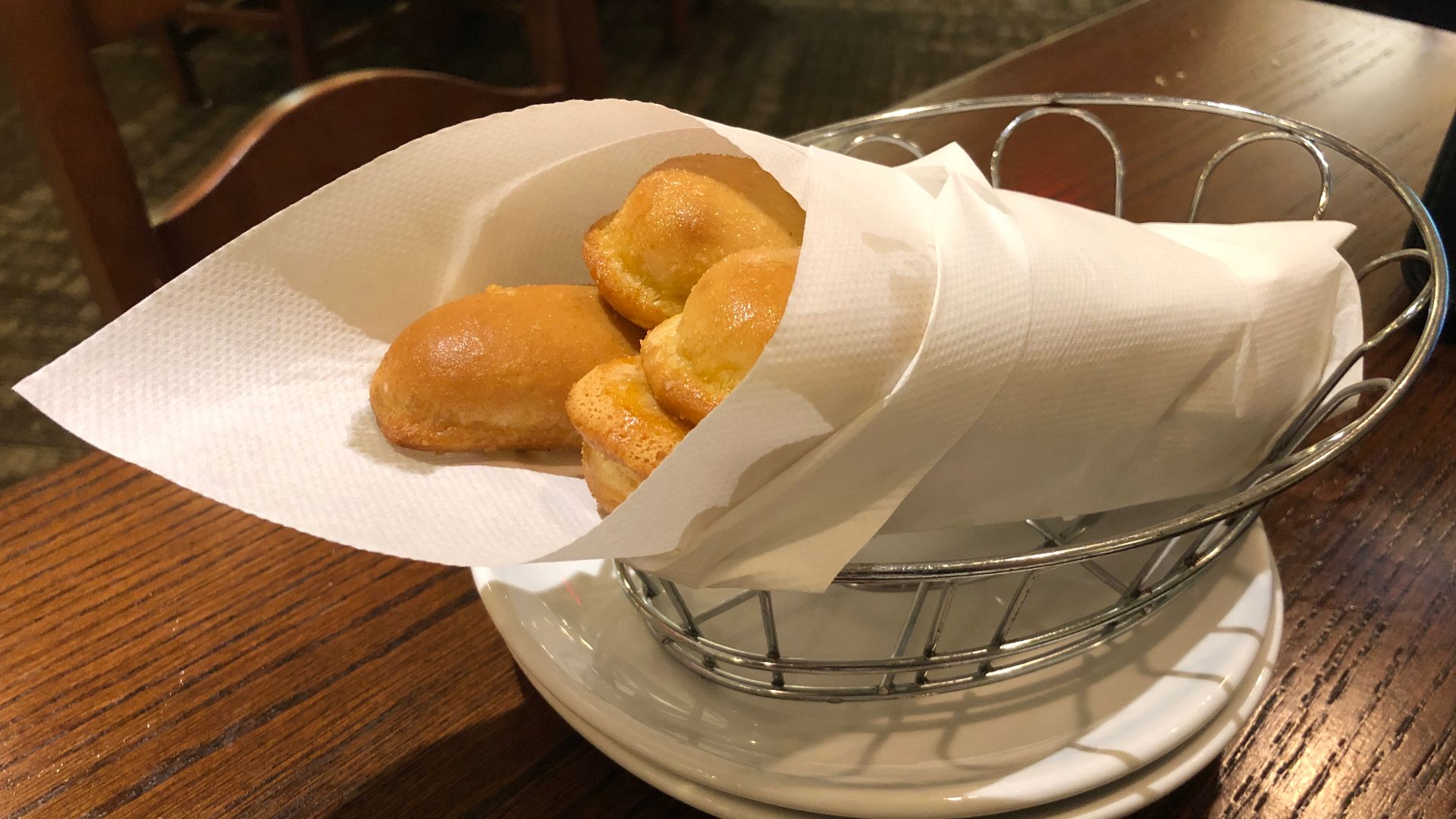
Complimentary chips and salsa, bread baskets, or restaurant rolls can appear bizarrely extravagant when the customer hasn’t even ordered dinner yet. But free table food is one American habit capable of winning converts quickly. Suddenly paying separately for every small accompaniment doesn’t necessarily feel more sophisticated.
Road-Trip Convenience
America’s car dependence deserves plenty of criticism, but the country is remarkably good at accommodating people already on the road. Highway exits packed with fuel, food, lodging, coffee, restrooms, and enormous parking areas can turn an exhausting journey into a succession of easy stops. Sometimes convenience really is convenient.

You May Also Like:
Things Americans Notice Immediately When They Visit A Canadian Grocery Store
Famous Destinations Americans Say Are Amazing—But Would Never Go Back To See Again
Canadian Cities That Americans Say Are More European Than They Expected