It Feels Familiar At First
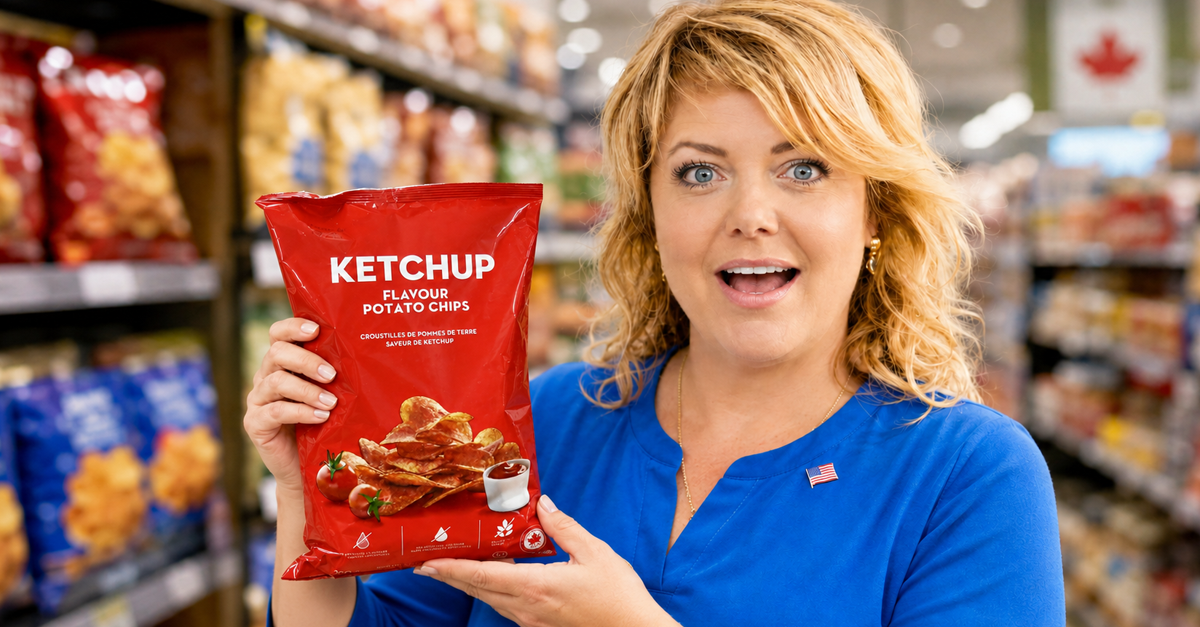
A Canadian grocery store may look familiar, but its aisles are packed with small surprises for American shoppers. Milk comes in bags, ketchup becomes a chip flavor, and pennies have vanished from checkout. Here are the differences many Americans notice almost immediately.
French Shares Almost Every Package
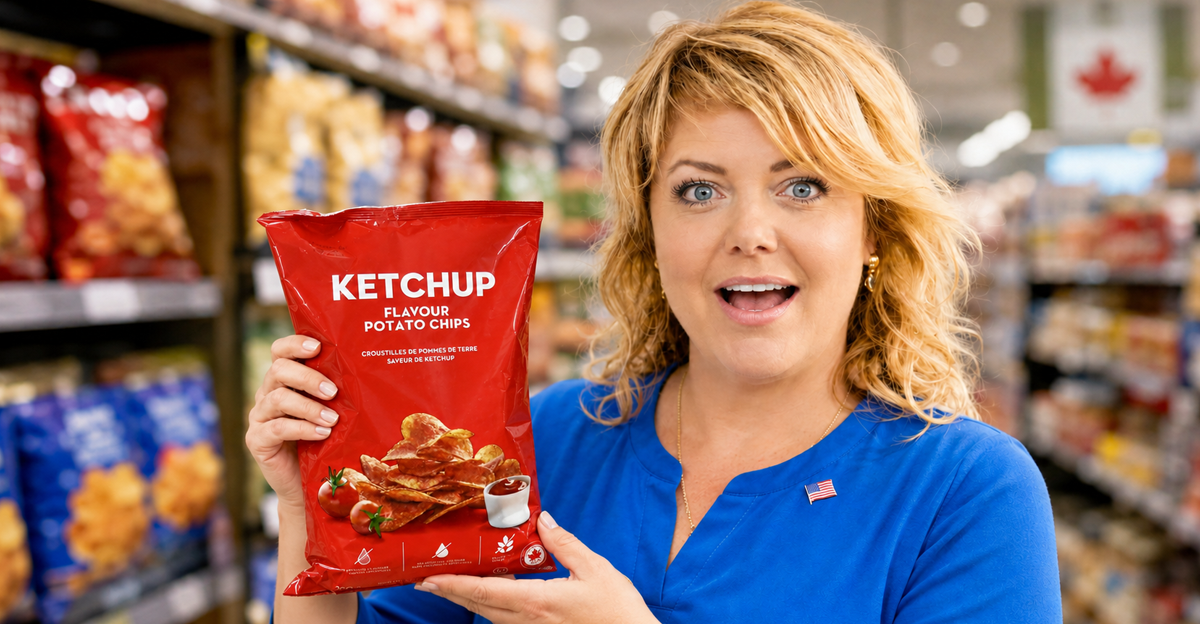
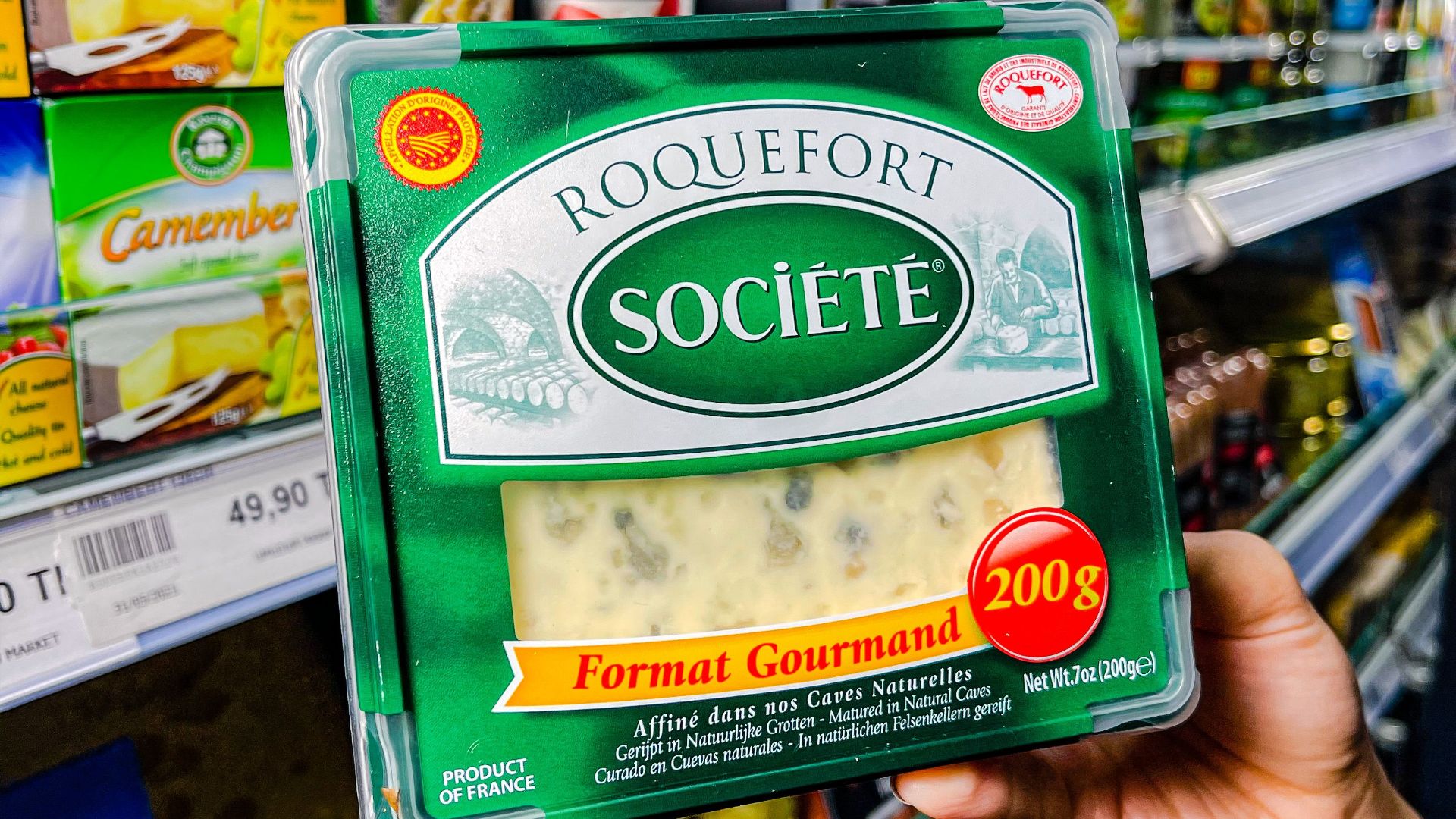
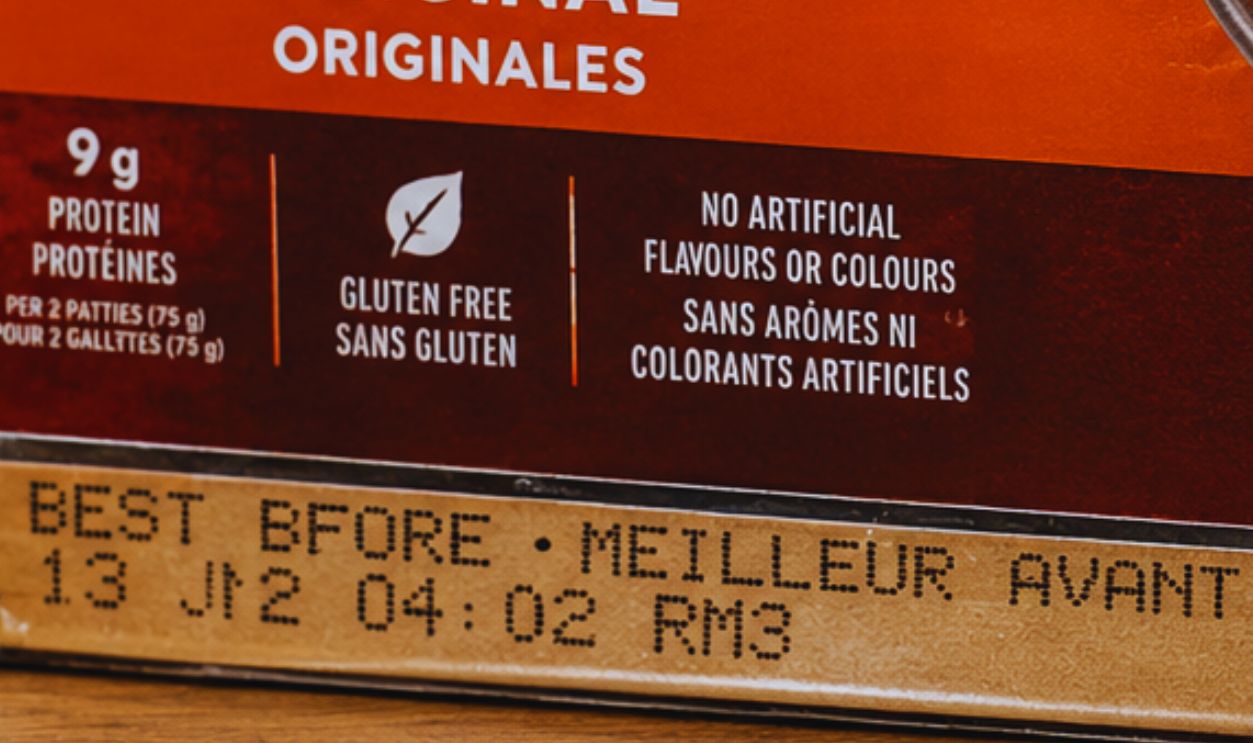
Mandatory information on most consumer food packages must appear in both English and French. That includes common product names and many required instructions. The bilingual wording can make Canadian packaging look busier than the American version of the same product.
Bagged Milk Is A Regional Reality
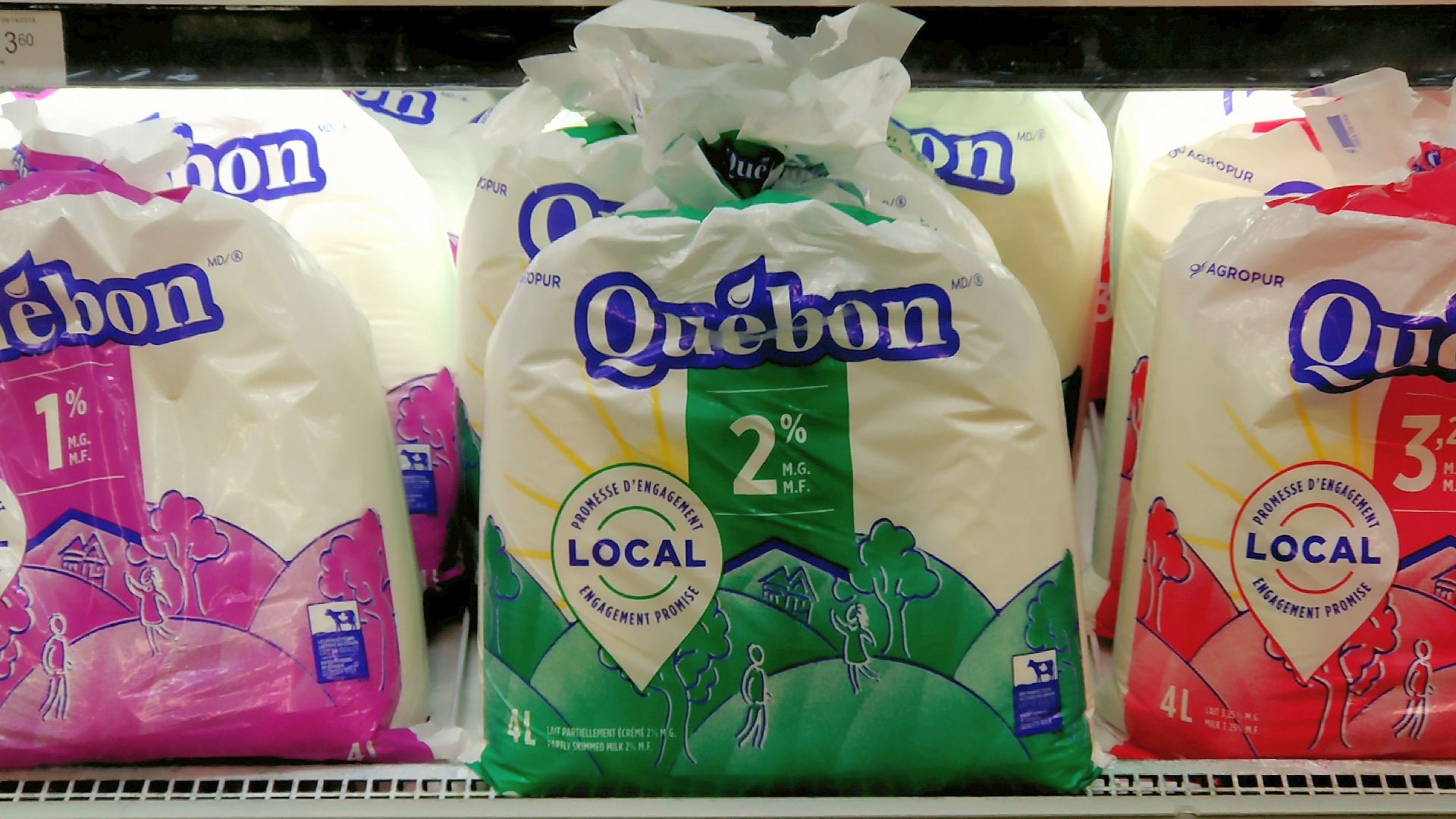
Bagged milk really does appear in Canadian supermarkets, particularly in Ontario, Quebec, and much of the Maritimes. A four-liter outer package typically contains three smaller bags that are placed in a reusable pitcher and cut at one corner. The format is regional rather than universal, so shoppers in Western Canada are more likely to see cartons and jugs.
 incommunicado, Wikimedia Commons
Ketchup Chips Are Completely Normal
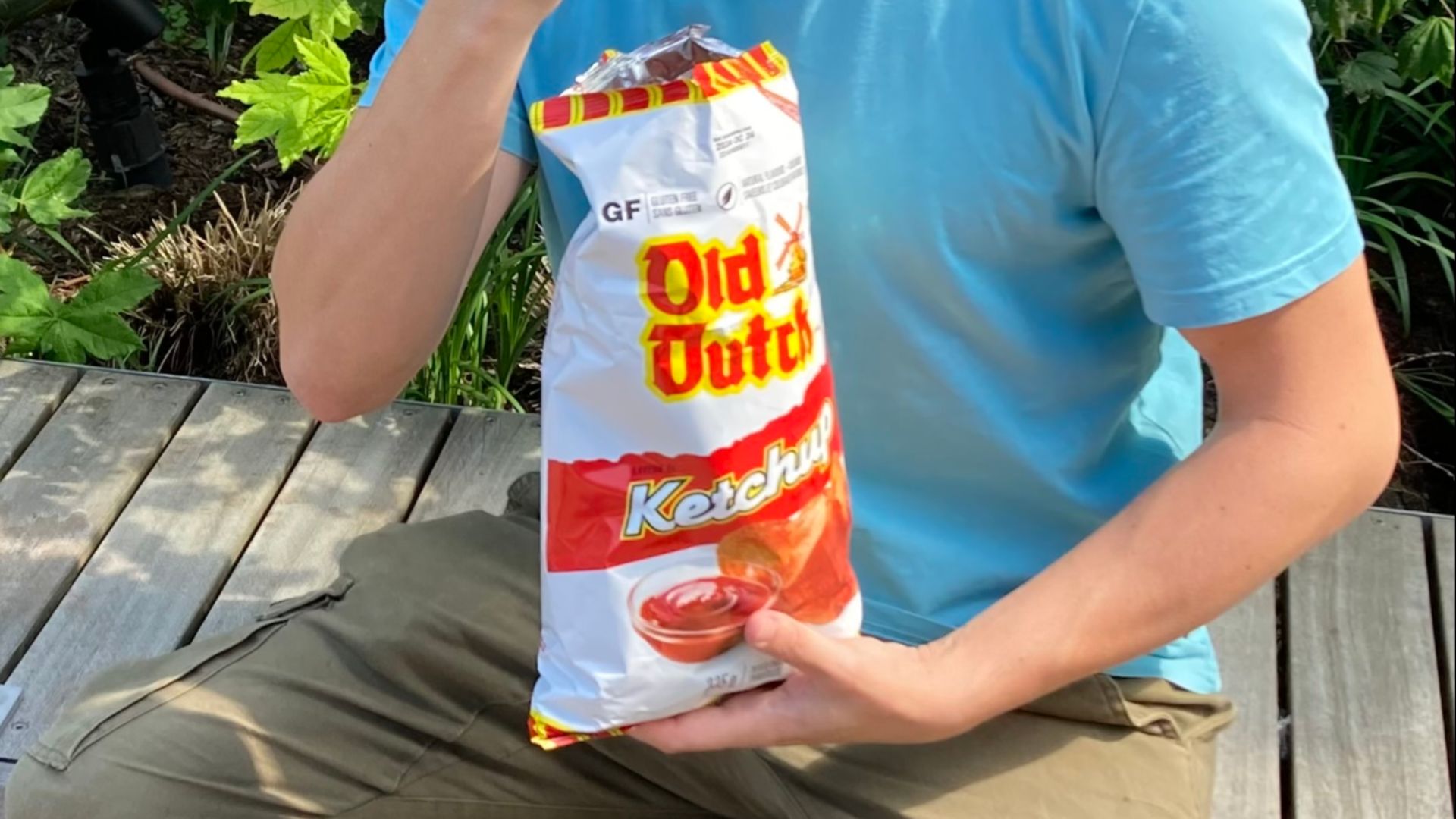
Ketchup-flavored potato chips are a regular Canadian supermarket product rather than a novelty import. Their seasoning combines sweet, tangy, and savory notes inspired by the condiment. Curious visitors can usually find them beside familiar barbecue and sour cream varieties.
All-Dressed Means All The Flavors
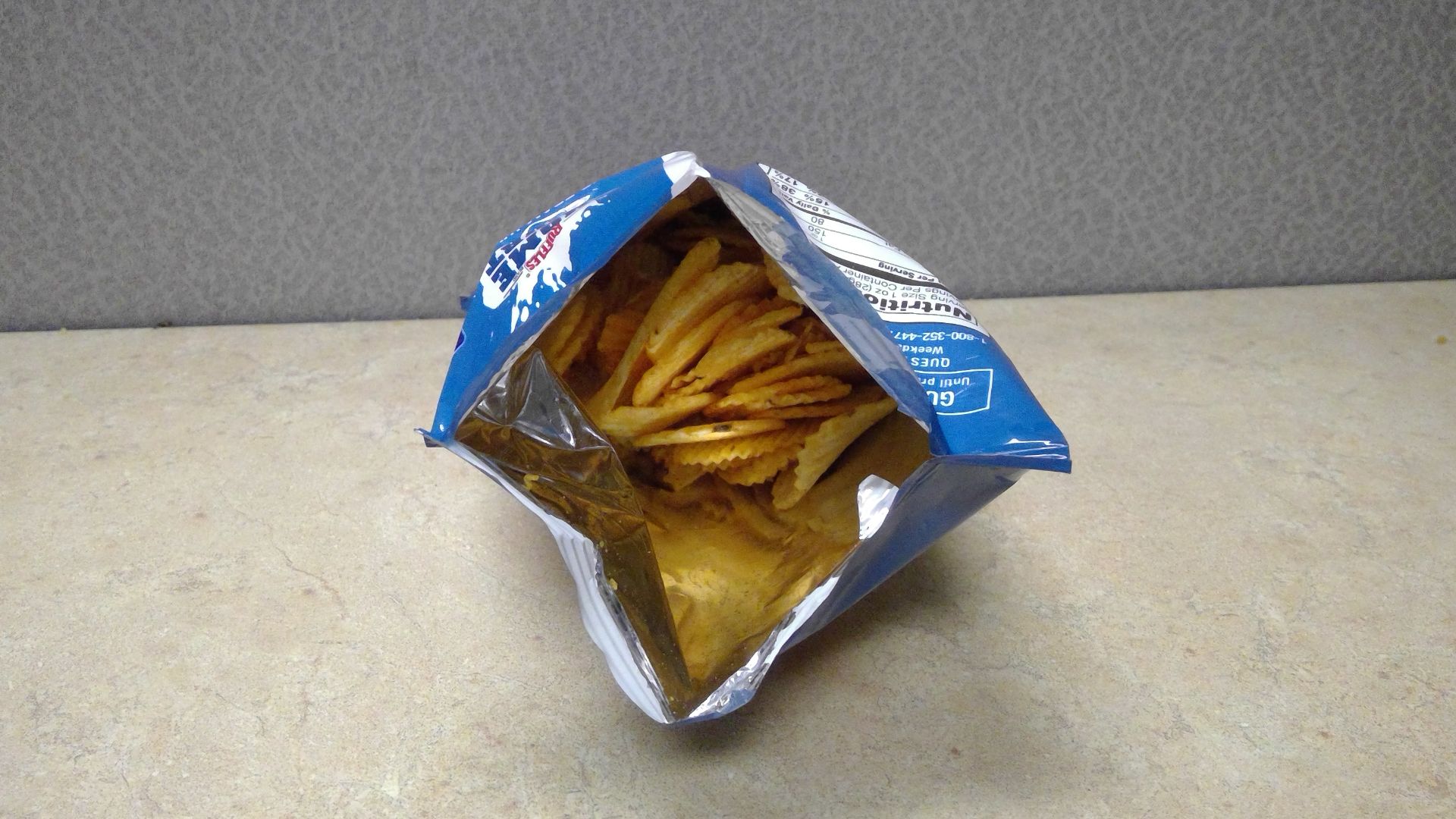
All-dressed chips are another Canadian favorite with an unusual name. The seasoning typically brings together tangy, salty, sweet, smoky, onion, and vinegar-style flavors. American brands have offered the flavor periodically, but Canadian shelves treat it as a standard option.
 Ser Amantio di Nicolao, Wikimedia Commons
Familiar Foods Have Different Names
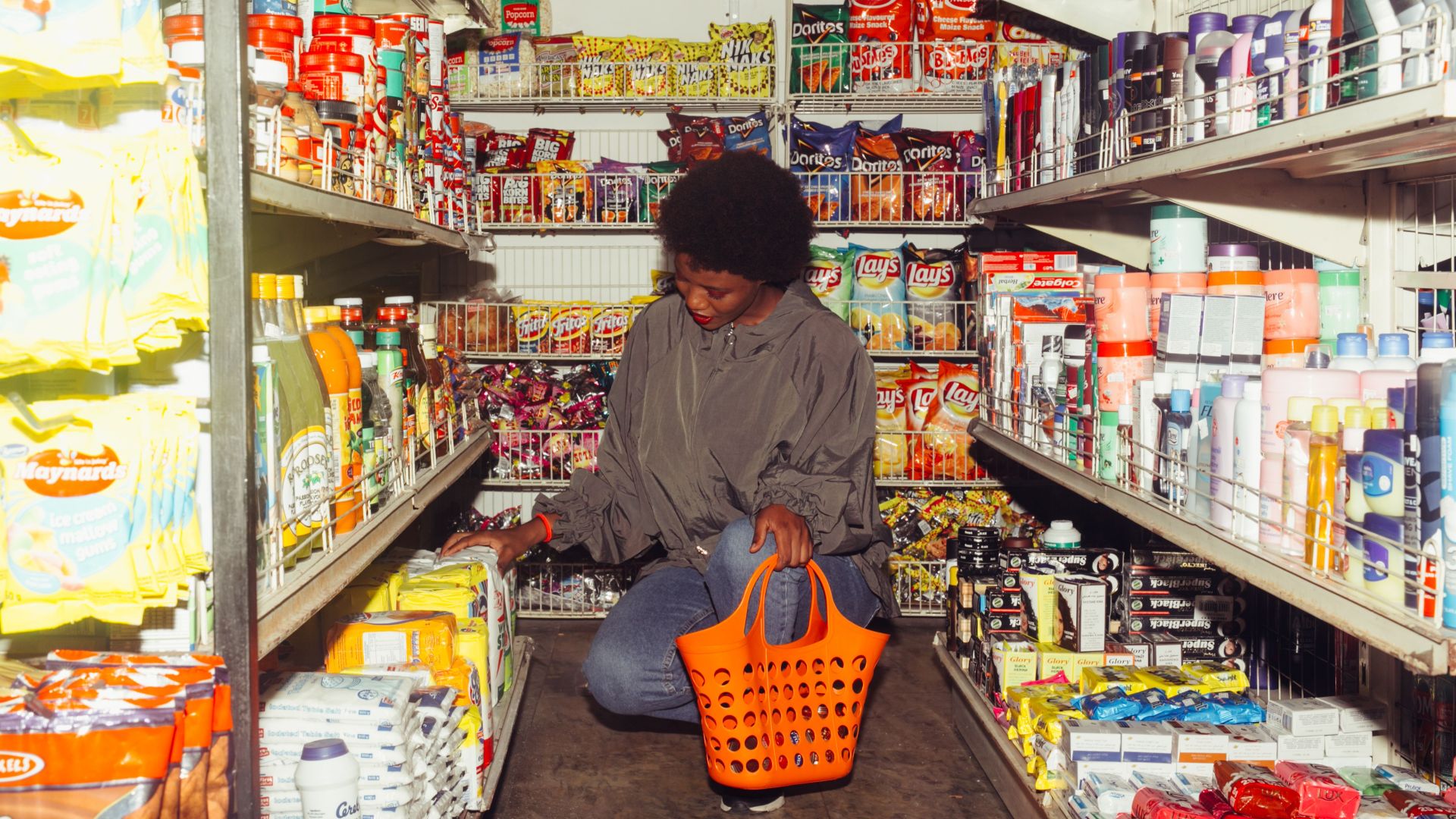
Canadian grocery labels can make familiar foods sound surprisingly different. The cured pork loin Americans call Canadian bacon may be labelled back bacon, while peameal bacon is rolled in cornmeal. Shoppers may also see processed cheese slices instead of American cheese and icing sugar instead of confectioners’ sugar.
Whole Milk Looks Like 3.25 Percent
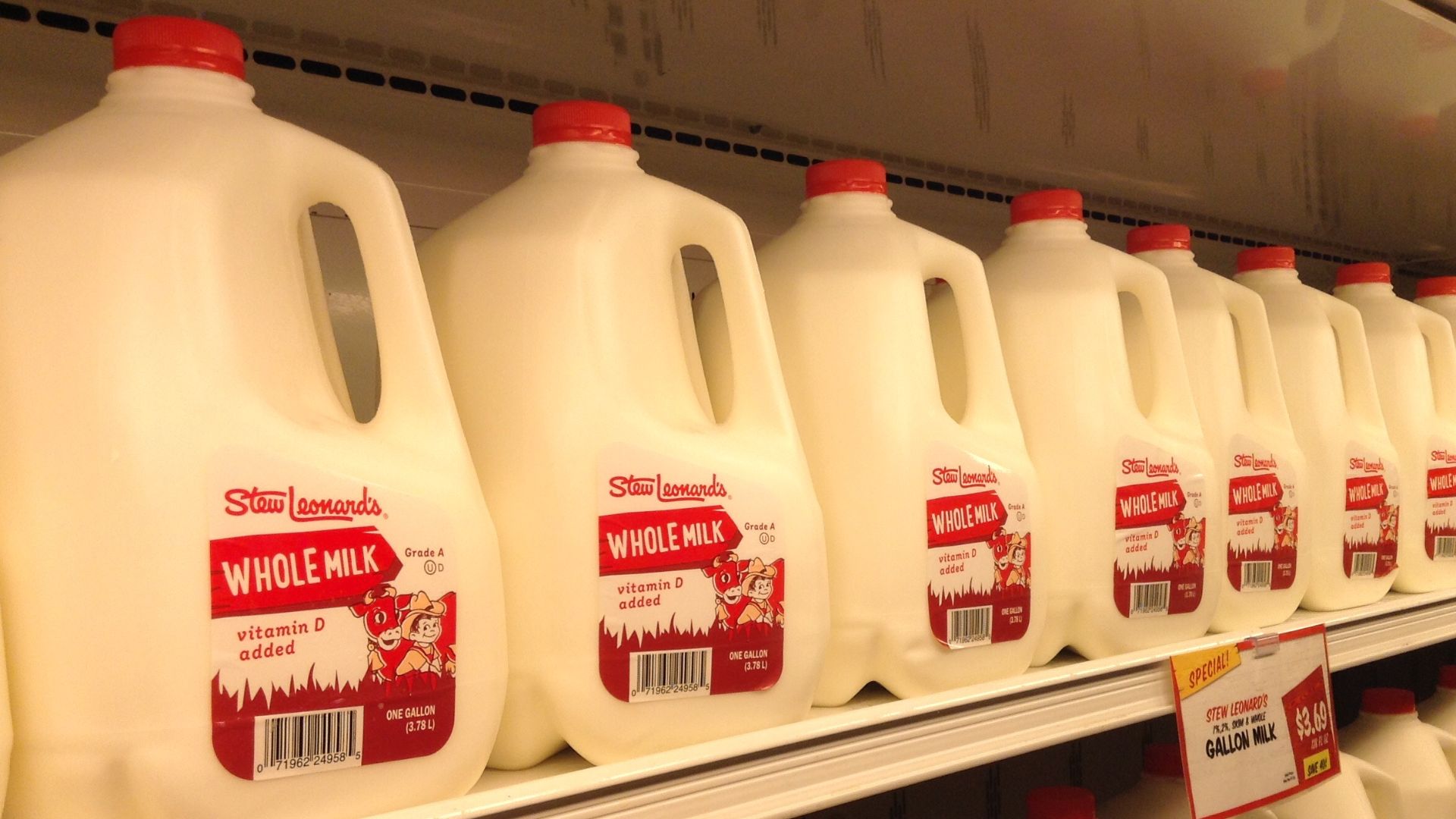
The Canadian dairy case emphasizes milk-fat percentages. Whole milk is commonly marked as 3.25 percent milk fat and may be labelled “homogenized milk.” Partly skimmed varieties are generally marked as one percent or two percent.
 Mike Mozart from Funny YouTube, USA, Wikimedia Commons
Maple Syrup Comes With A Vocabulary
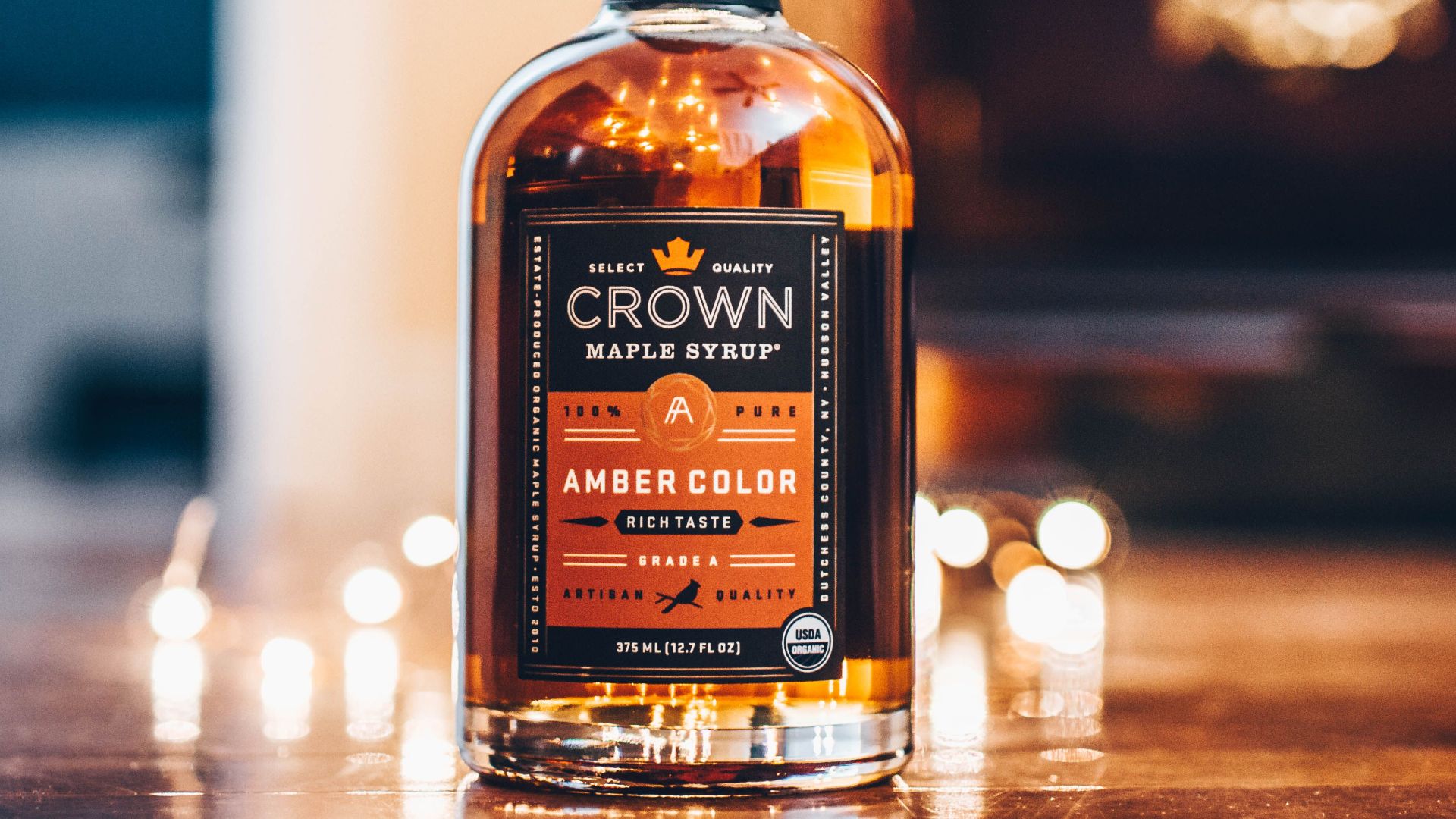
Real Canadian maple syrup is classified as Canada Grade A or Canada Processing Grade. Grade A syrup is divided into Golden Delicate Taste, Amber Rich Taste, Dark Robust Taste, and Very Dark Strong Taste. The descriptions help shoppers choose intensity rather than treating every bottle as interchangeable.
Private Labels Have Serious Shelf Presence
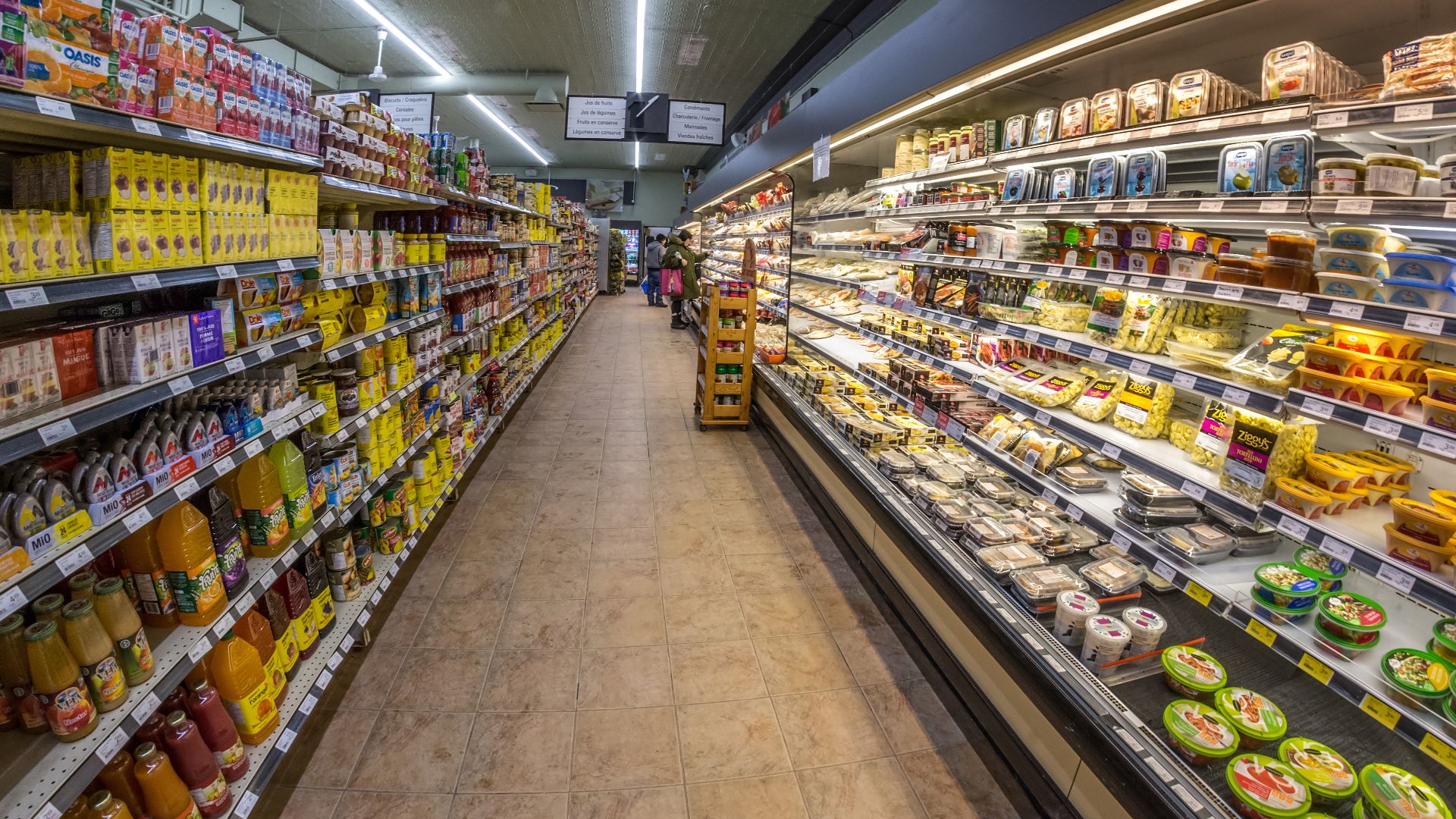
President’s Choice and No Name occupy substantial space in Loblaw-owned stores. No Name is especially recognizable for its minimalist yellow-and-black packaging, while President’s Choice offers a broader range of products. These labels can feel more prominent than the generic brands in many American supermarkets.
High-In Symbols Face The Shopper
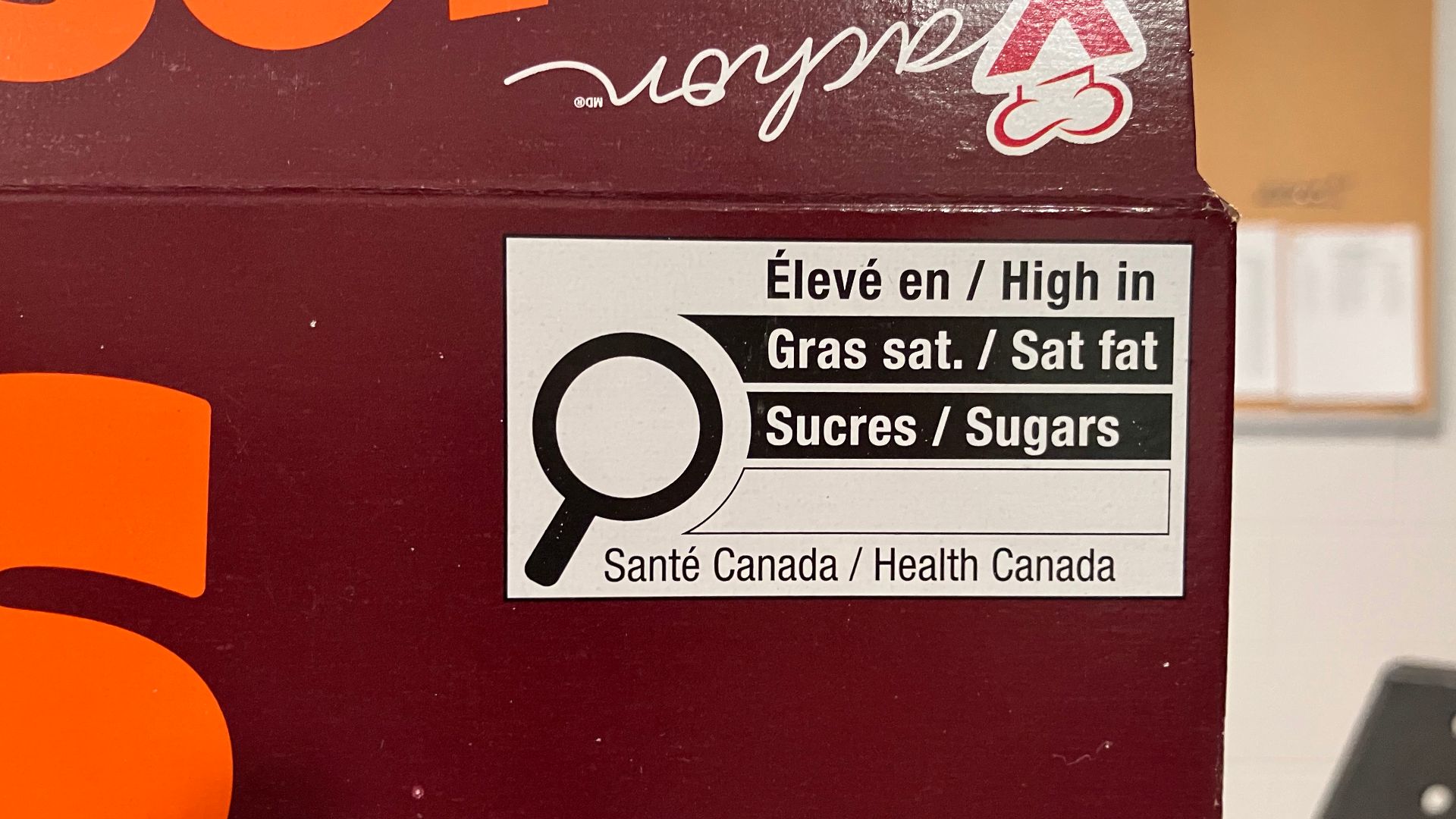
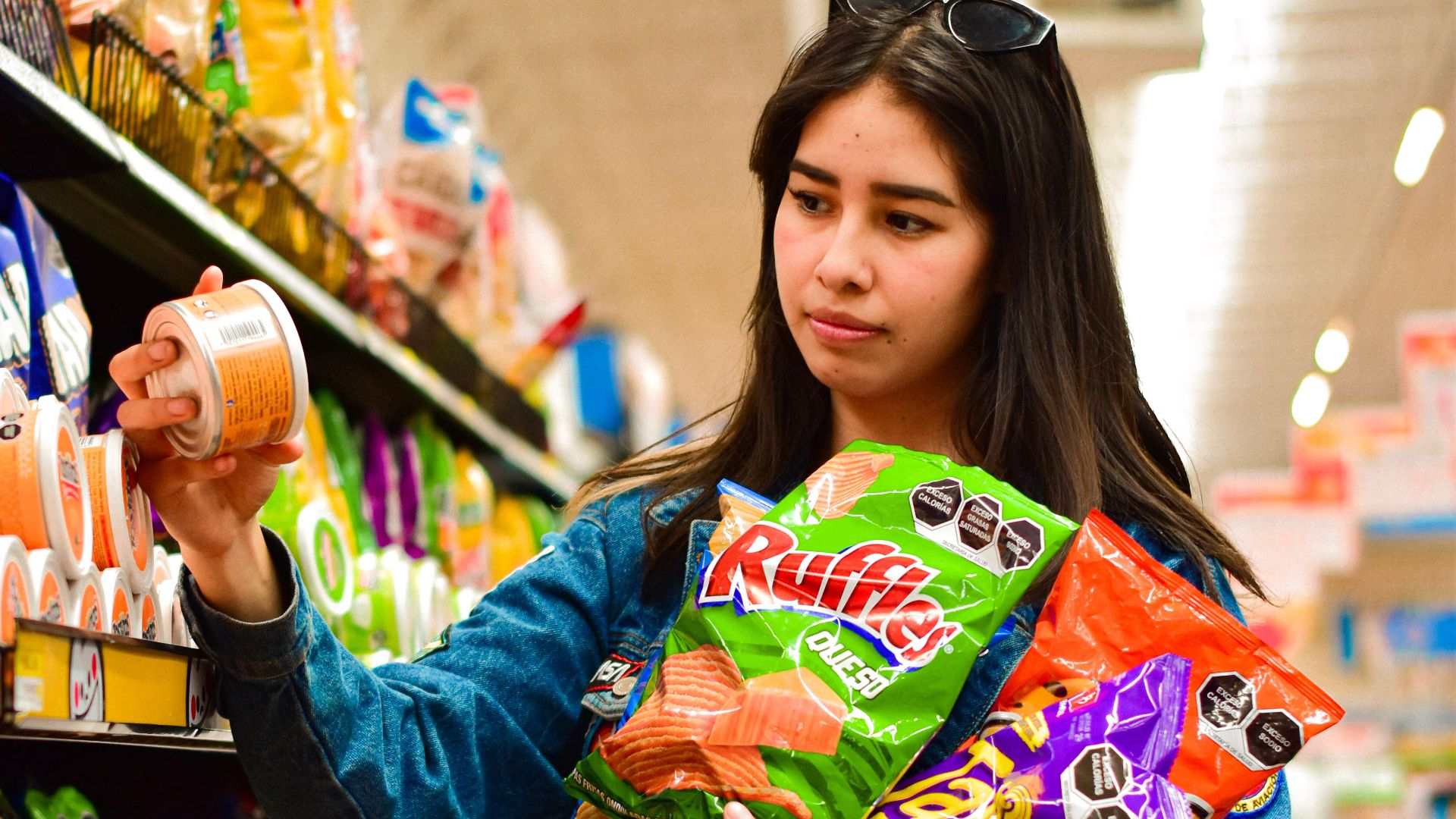
Many packages now carry a black-and-white symbol warning that a product is high in saturated fat, sugars, sodium, or a combination of them. Canada’s compliance deadline for this front-of-package system was January 1, 2026. Exemptions exist, but the symbol is increasingly difficult to miss in snack and prepared-food aisles.
Best Before Dates Need Decoding
Canadian packages commonly use the bilingual phrases “Best Before” and “Meilleur Avant.” Months can appear as standardized two-letter codes such as JA, FE, MR, and AL. These dates describe durable life and are not automatically the same as food-safety expiration dates.
 CambridgeBayWeather, Wikimedia Commons (Modified)
Mustard Gets Allergen Status
Mustard is one of Canada’s officially recognized priority food allergens. Prepackaged foods must identify priority allergens and gluten sources in the ingredient list or a “Contains” statement. Americans managing allergies should read the Canadian label every time because ingredients can change.
Nutrition Facts Follow Canadian Rules
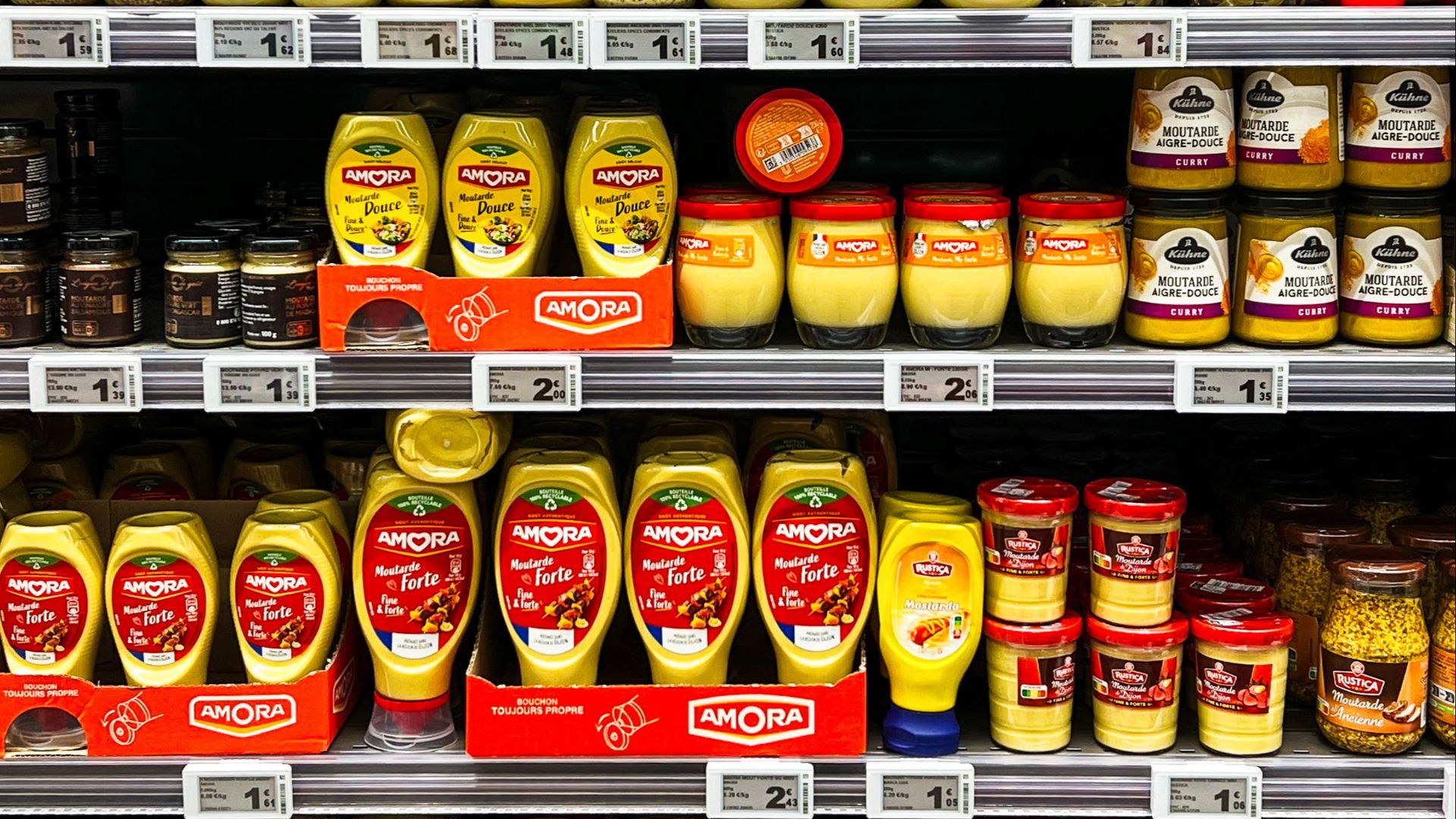
Canada uses its own standardized Nutrition Facts table. American nutrition panels cannot simply be added beside the Canadian version as a substitute. Calories, serving information, nutrients, and percentage Daily Values consequently appear in a distinctly Canadian format. Even the spelling differs, with “Fibre” appearing beneath carbohydrate instead of the American “Fiber.”
 Conor Alexander, Wikimedia Commons
Quebec Puts French Front And Center
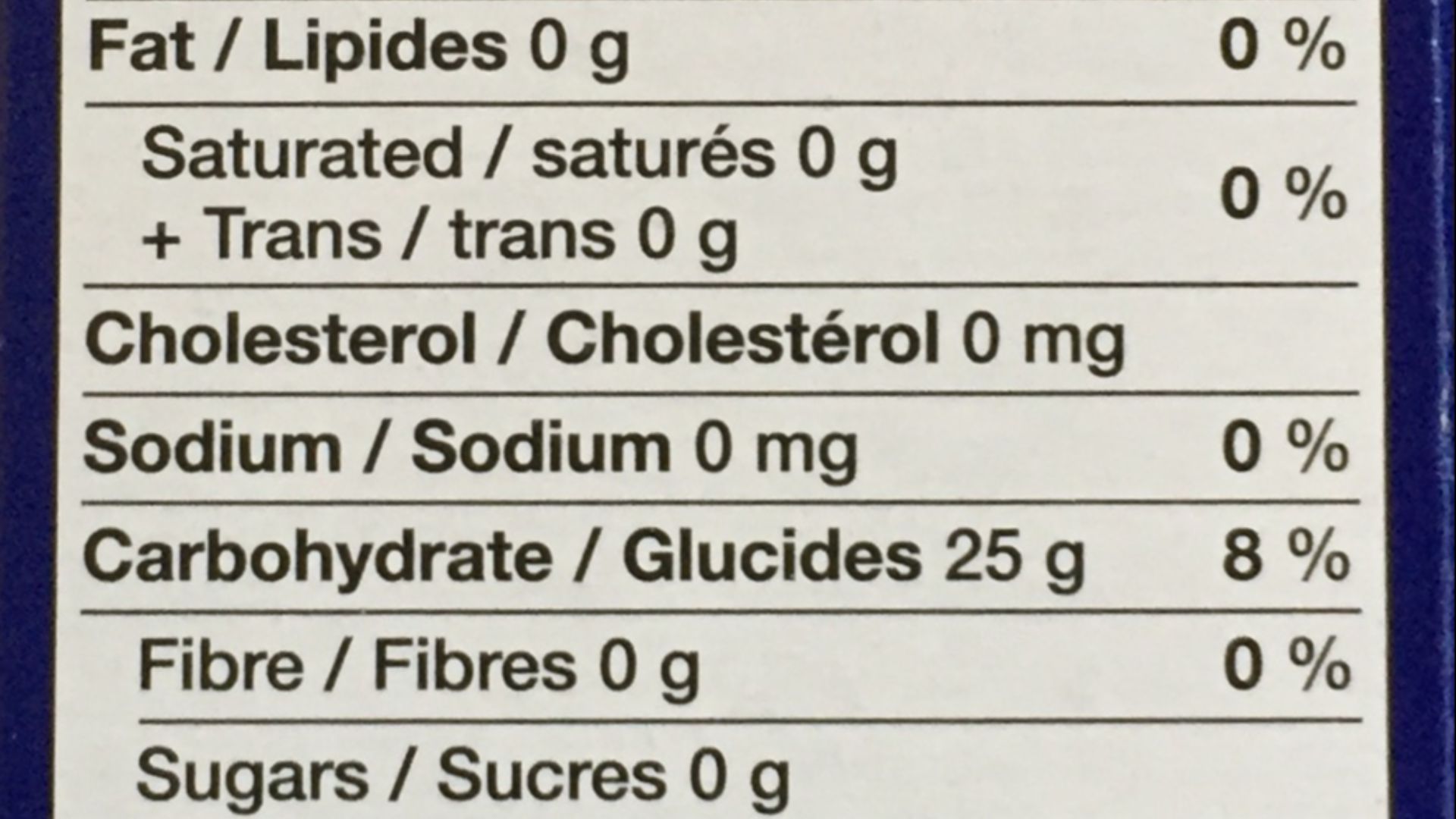
Grocery shopping becomes even more linguistically distinctive in Quebec. Provincial rules require product information to be available in French, while commercial displays must give French clear prominence. Visitors may recognize the brands while needing a moment to decode the signs around them.
Familiar Chains Give Way To Canadian Banners
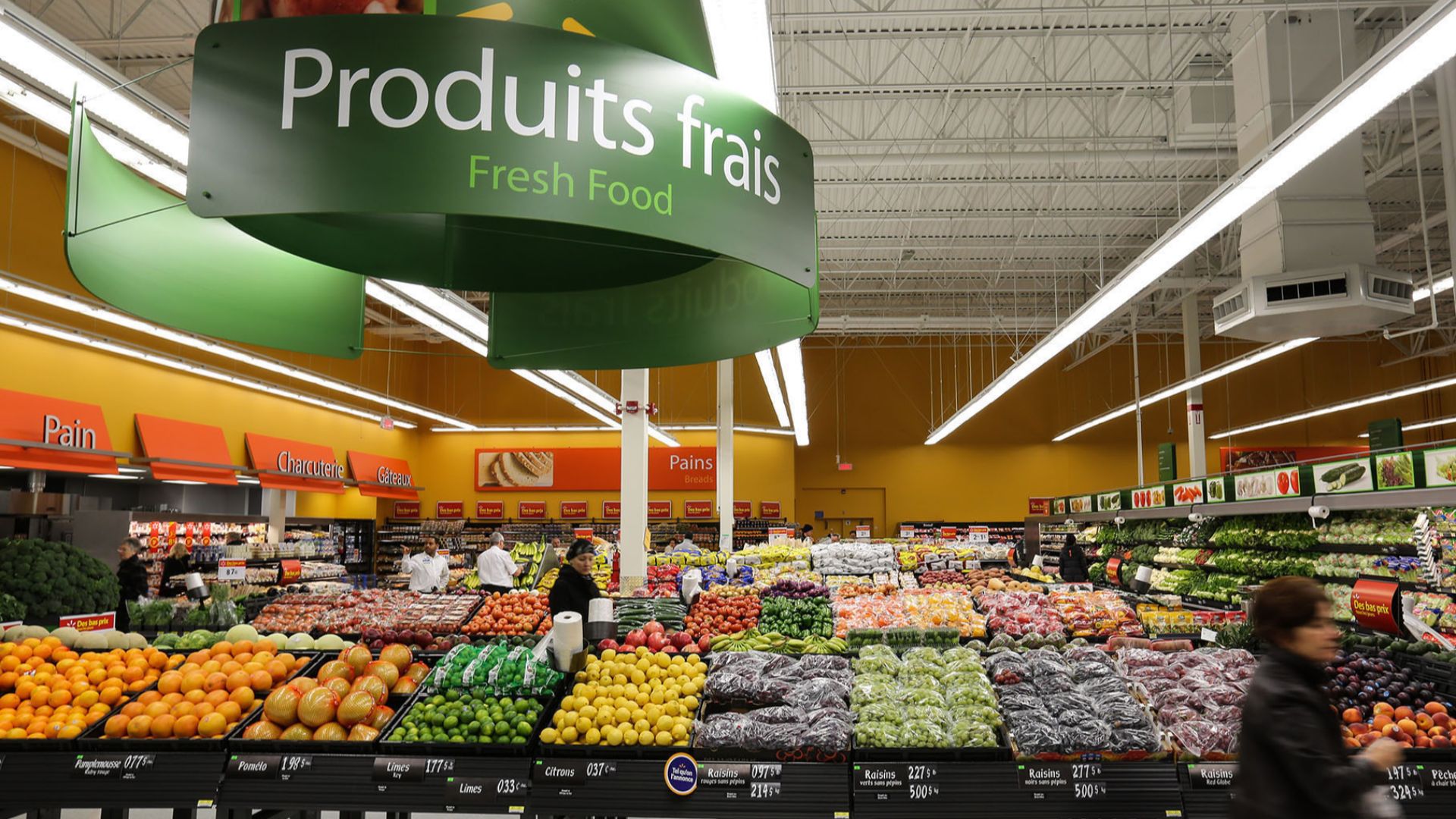
Walmart and Costco operate in Canada, but many supermarket signs will be unfamiliar. Loblaws, No Frills, Real Canadian Superstore, Sobeys, FreshCo, Metro, Food Basics, and IGA are among the banners shoppers may encounter. The selection changes by region because several major companies operate numerous local and discount brands.
 Quintin Soloviev, Wikimedia Commons
Loyalty Programs Shape The Weekly Shop
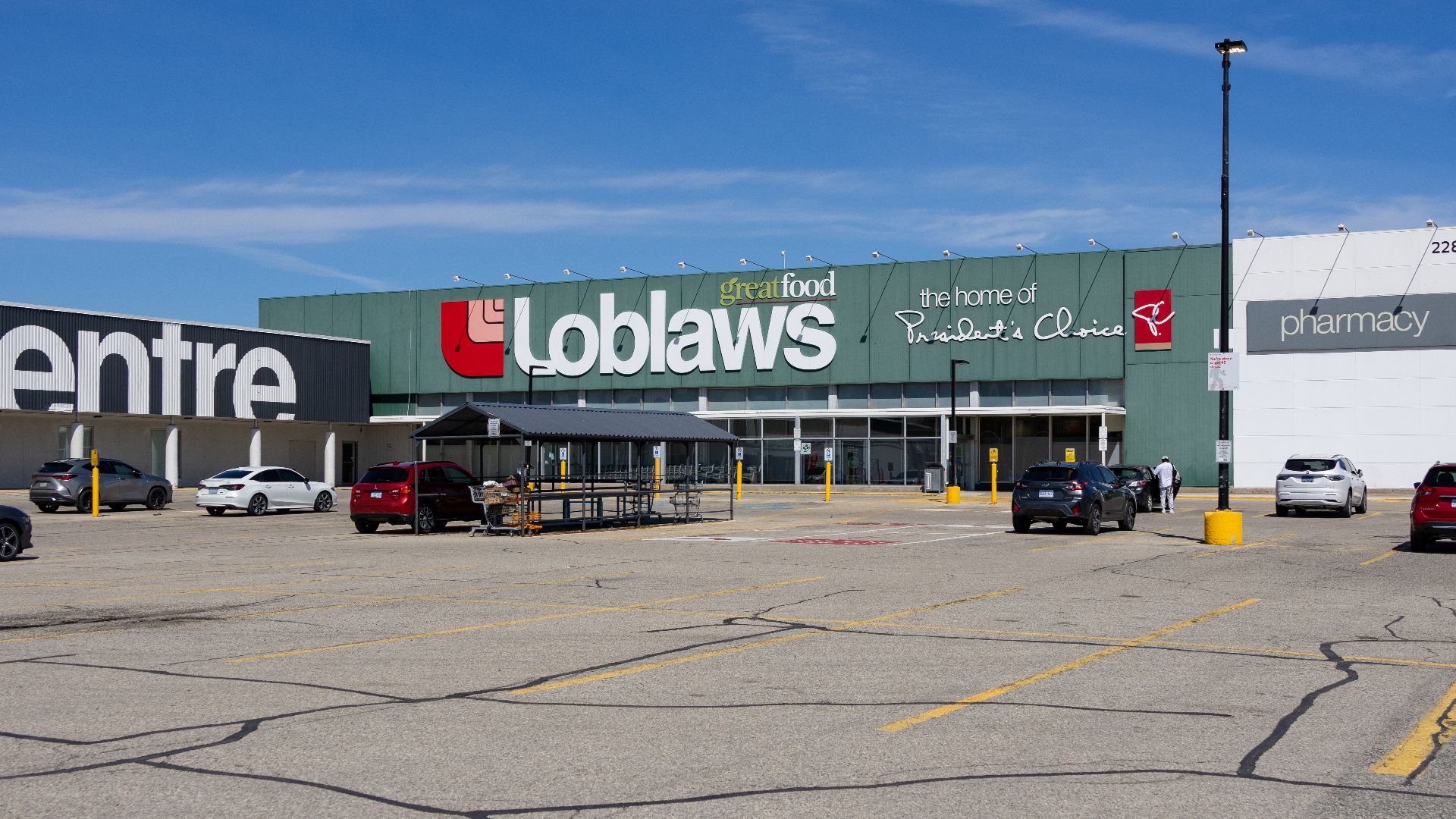
Canadian grocery promotions are closely tied to major loyalty programs. PC Optimum operates across Loblaw’s network, while Scene+ is available through banners including Sobeys, Safeway, FreshCo, Foodland, and participating IGA stores. Some personalized offers must be loaded through an app before shopping.
 Dillan Payne, Wikimedia Commons
Alcohol Is A Provincial Puzzle
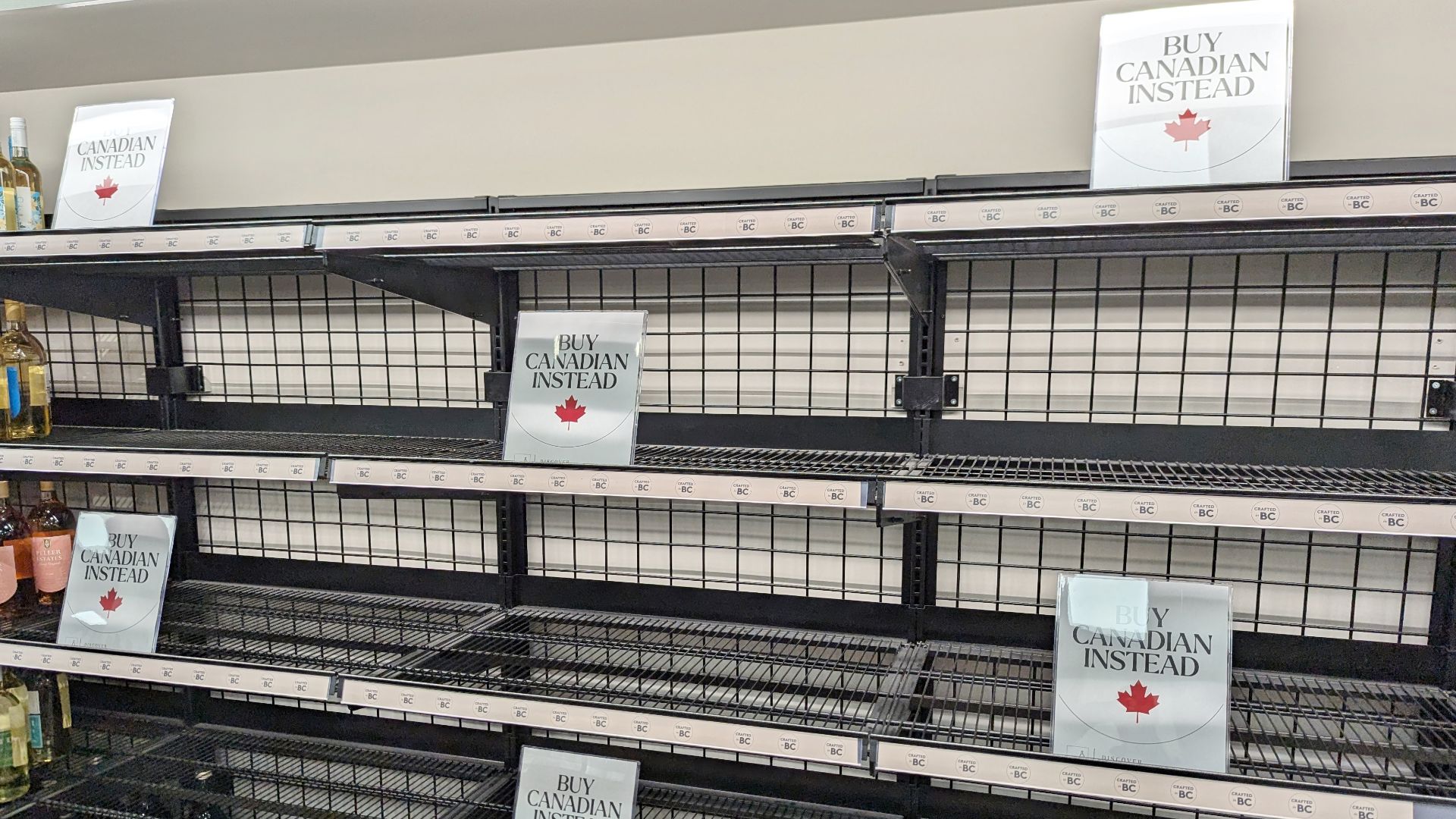
Americans should not assume that every Canadian supermarket carries the same alcoholic beverages. Provincial and territorial governments retain substantial authority over alcohol distribution, and grocery availability varies accordingly. Ontario licenses qualifying grocery stores to sell beer, wine, cider, and ready-to-drink beverages, but other regions use different retail systems.
 SounderBruce, Wikimedia Commons
Plastic Checkout Bags Are Gone
Canada’s federal regulations prohibit the manufacture, import, and sale of designated single-use plastic checkout bags. Shoppers usually encounter reusable bags, paper alternatives, or no complimentary bag at all. Bringing a reusable tote prevents an awkward pile of loose groceries at checkout.

Most Basics Avoid Sales Tax
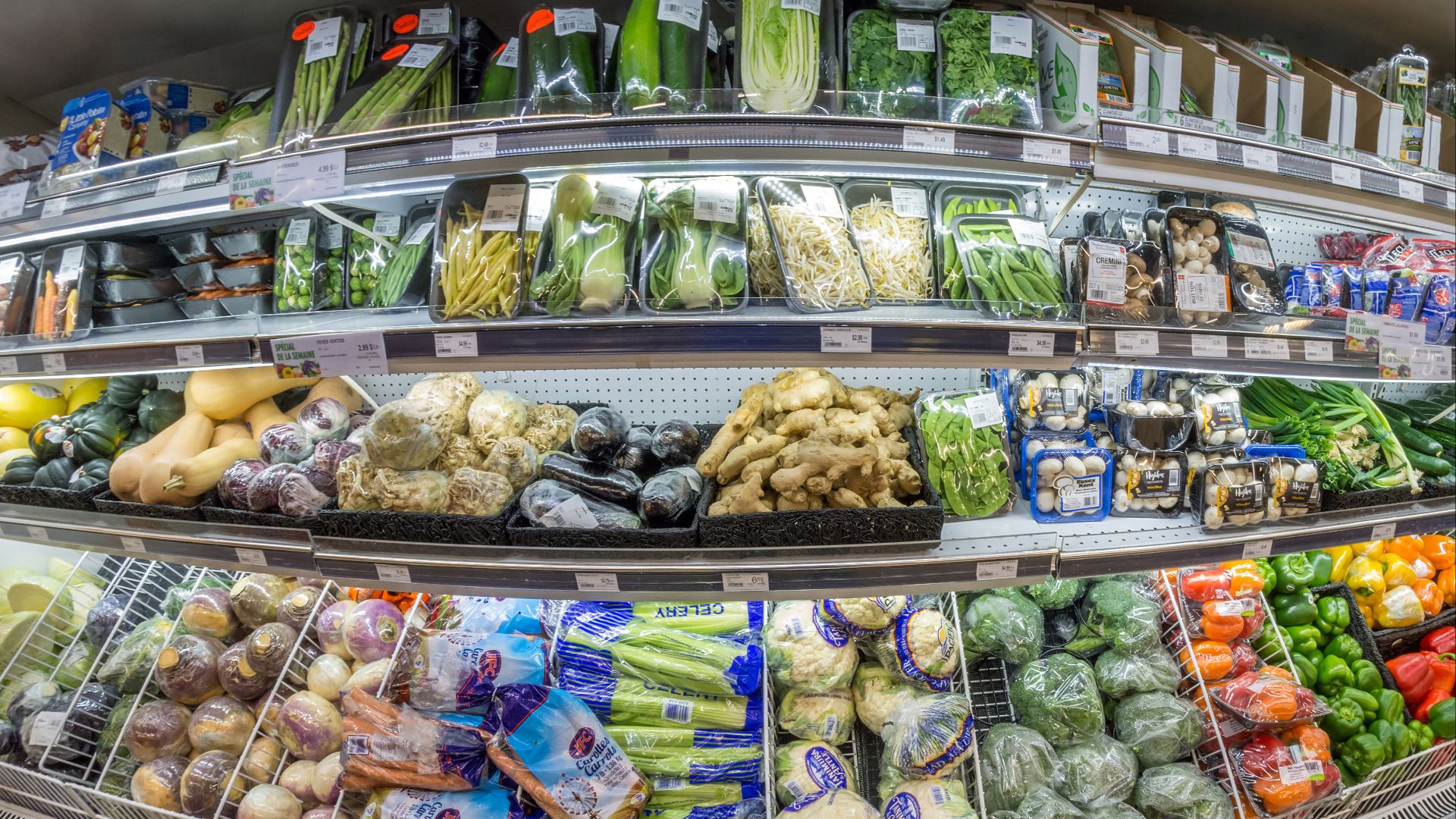
Most basic groceries are zero-rated for federal GST or HST purposes. Fresh produce, meat, fish, eggs, cereal, coffee beans, and most milk products fall into this category. The shelf price for those items is generally the amount added to the grocery portion of the bill.

Snacks Change The Tax Equation
Canada’s grocery tax rules draw lines between staples and treats. Carbonated drinks, candy, chocolate bars, potato chips, cheese puffs, and similar snack foods are generally taxable. Hot food sold for immediate consumption is also normally taxed, even when purchased inside a supermarket.
Prices Speak Canadian Dollars
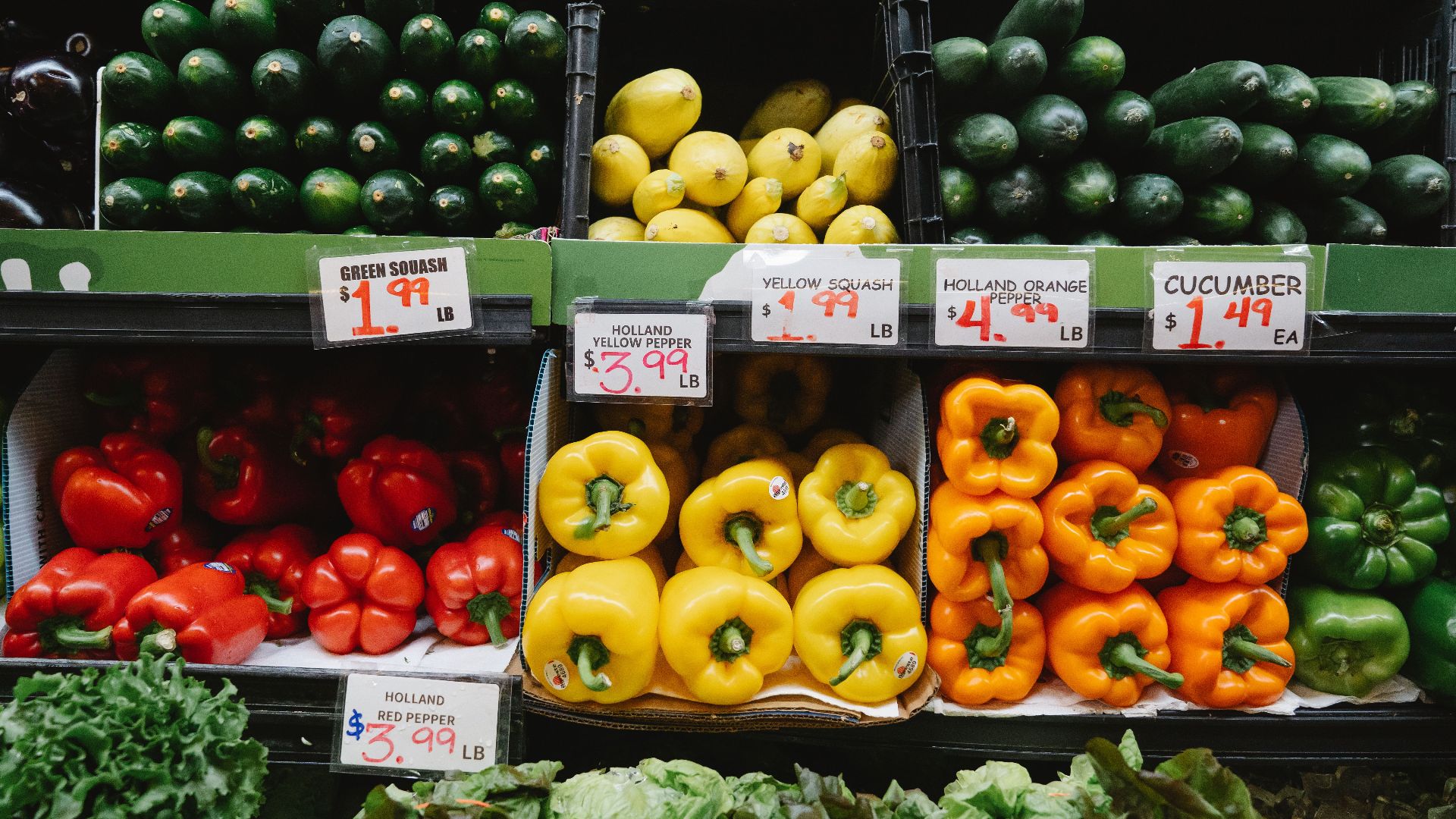
Every dollar sign on the shelf represents Canadian dollars, not U.S. dollars. That makes direct price comparisons misleading unless shoppers consider the current exchange rate. Americans paying by card should also check how their issuer handles foreign-currency transactions.
Cash Totals Round To A Nickel
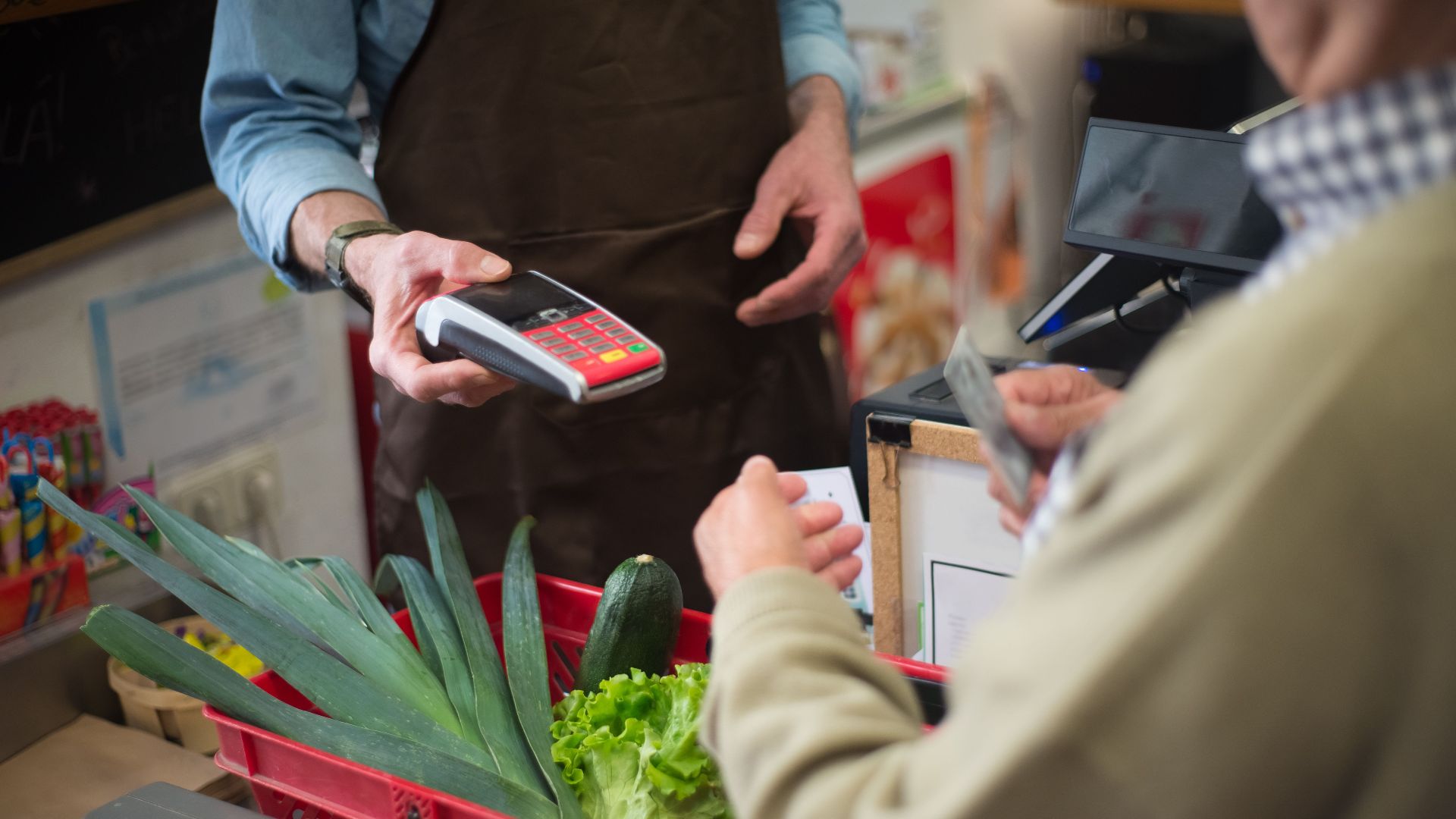
Canada stopped distributing pennies in 2013. When customers pay cash, the final total is generally rounded to the nearest five cents. Debit, credit, and other electronic payments remain settled to the exact cent.
Dollar Bills Become Coins
Canada uses coins for both its one-dollar and two-dollar denominations. The one-dollar coin is commonly called a loonie, while the two-dollar coin is known as a toonie. An American paying cash can leave the store with surprisingly heavy pockets.

Metric Packages Take Over
Packages display their contents in grams, kilograms, milliliters, and liters. Canadian rules generally require liquids to be measured by volume and solids by weight using metric units. Familiar products may therefore come in sizes such as 454 grams or 1.5 liters.

Unit Prices Shrink The Math
Many shelf labels compare products by 100 grams or 100 milliliters instead of by ounce. Unit pricing is mandatory in Quebec and voluntarily provided by many retailers elsewhere in Canada. Checking that smaller figure can be easier than converting every package into pounds.
Milk Comes In Liters
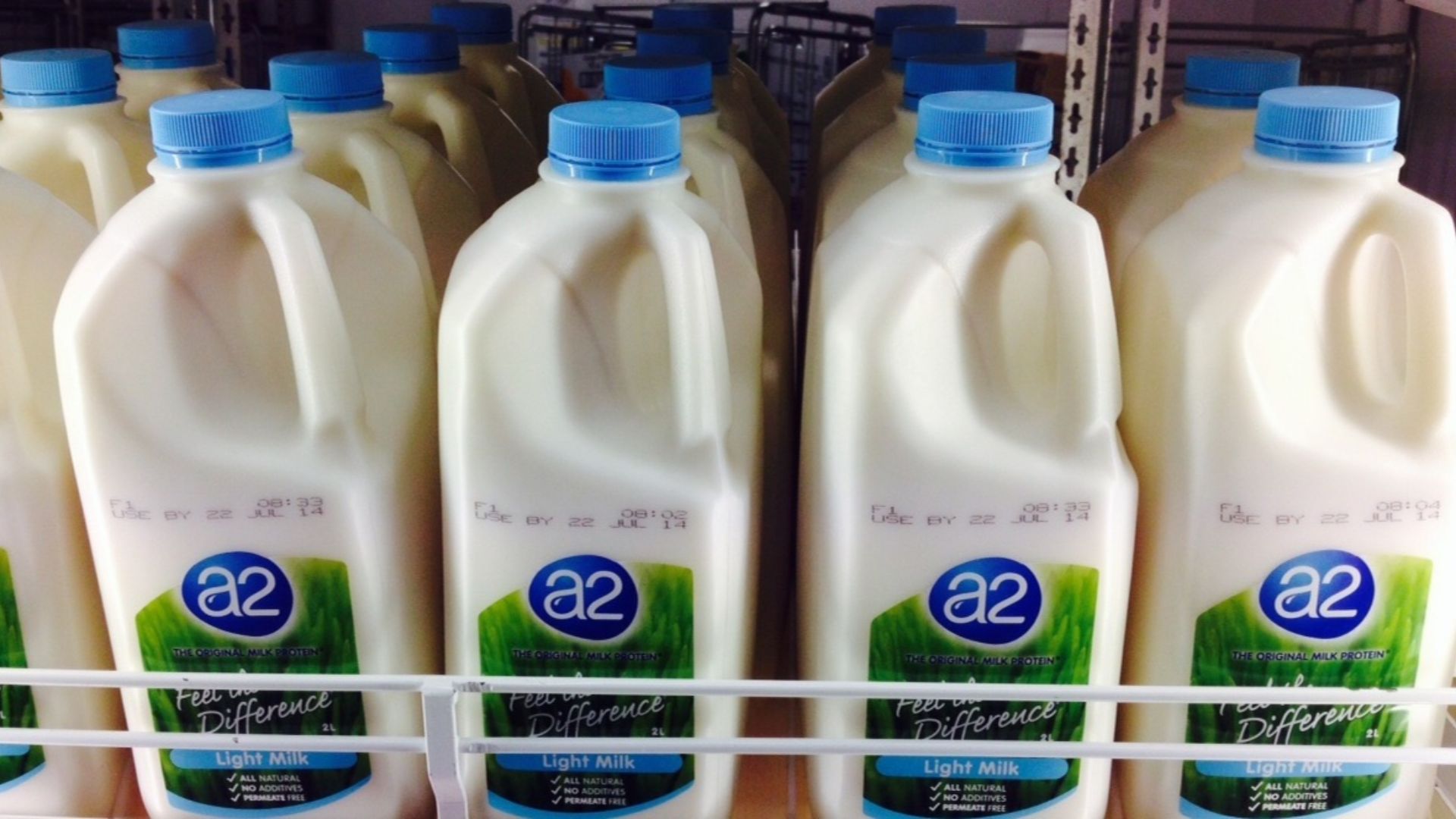
Canadian milk is sold in metric quantities rather than gallons and half-gallons. Common formats include one-liter and two-liter cartons as well as four-liter packages. A four-liter container holds slightly more than a U.S. gallon.
Dairy Eggs And Poultry Follow Supply Management
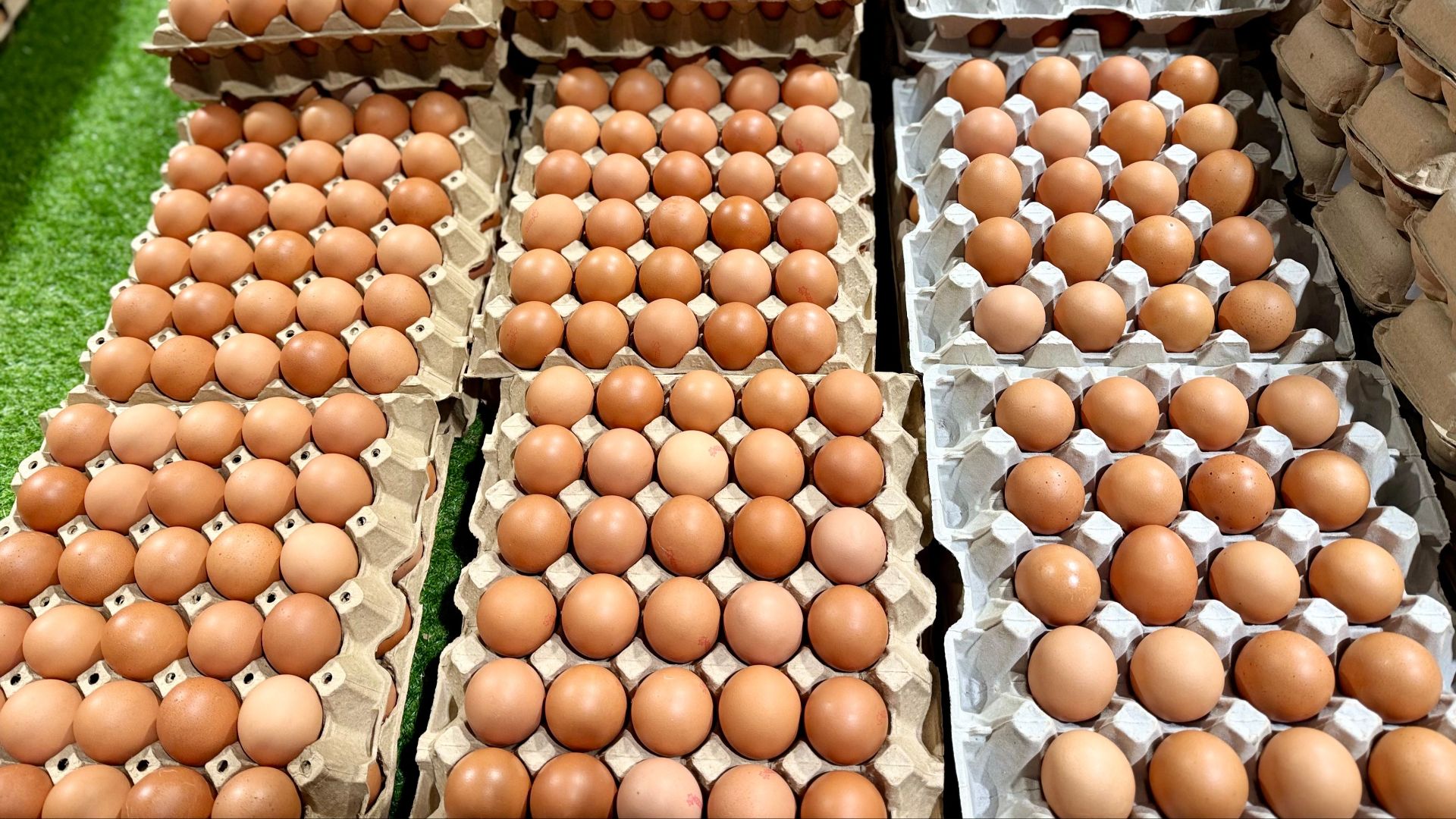
Canada uses supply management for dairy, chicken, turkey, table eggs, and broiler hatching eggs. The system coordinates production quotas, pricing mechanisms, and import controls to balance domestic supply and demand. Americans may not see the policy itself, but it shapes several major sections of the store.
A Familiar Store With Canadian Twists
Canadian grocery stores may look familiar, but bilingual labels, metric measurements, regional rules, and uniquely Canadian foods quickly set them apart. Even an ordinary shopping trip can reveal plenty of small cultural surprises. How many of these differences have you noticed?

You May Also Like:
Things North American Tourists Do Abroad That Locals Immediately Recognize
Things Europeans Find Surprisingly Different When They Visit Rural America
Things Canadians Find Surprisingly Different When They Visit California
Sources: 1, 2, 3, 4, 5, 6, 7, 8, 9, 10, 11, 12, 13, 14, 15, 16, 17, 18, 19, 20, 21, 22, 23